last edited Dec 11, 2019
Living in Morocco
Location Map of Morocco
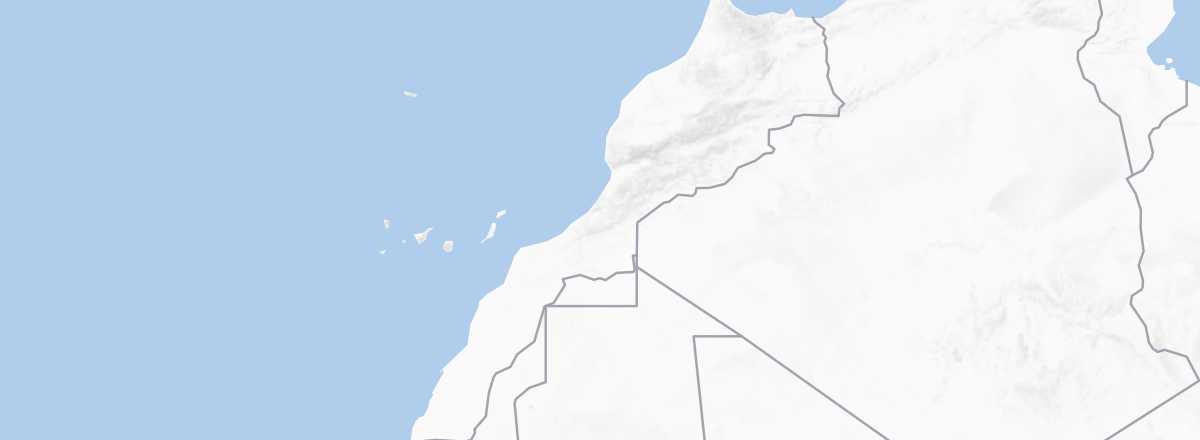 Morocco
Open the interactive map
Morocco
Open the interactive map
Living in the country
Officially, over 40,000 French nationals (and 30,000 other Europeans), including many retirees, have settled in Morocco. In addition to those registered with consulates, there are thousands more who haven’t completed this step or who spend part of the year—regularly—in Morocco.
In short, the country is so appealing that the French represent the largest foreign community in the country, ahead of the Spanish.
Work, studies
Work
Studies
Retirement
In recent years, Morocco has become a popular destination for French and European retirees. Its proximity, climate, diversity, adapted infrastructure, use of French, and low cost of living have contributed to its success in this area. Whether they live there year-round or just a few months in winter, whether they own or rent a home or live in a camper van, whether they’re registered with consulates or not, thousands of seniors now reside in Morocco more or less officially.
It’s also worth noting that settling in the country is relatively simple compared to many others. Additionally, fiscal agreements between France and Morocco make things even easier.
Procedures
For administrative purposes (for French nationals), several steps are recommended or required if you plan to settle full-time:
-# Update your address with your national pension fund (Caisse nationale d'assurance vieillesse) so your pension can be paid directly in Morocco.
-# Check with your bank about options, procedures, and fees related to international transfers and transactions.
-# Deregister from your local health insurance fund (Caisse primaire d'assurance maladie) and register with the Caisse des Français de l'Étranger (CFE) or a private insurance provider to maintain health coverage locally.
-# Upon arrival in Morocco, declare the items included in your move to customs. Foreigners benefit from a full exemption from duties and taxes on personal effects and furniture when settling in the country.
-# Register with the police in your new place of residence. They will issue you a "foreigner’s card," which is mandatory for staying in Morocco.
-# Finally, consider registering with the French consulate you’re affiliated with. The process is optional and free, but it can be helpful for future administrative procedures (e.g., if you return to France) or in case of any issues.
Entry requirements
French nationals do not need a visa for stays of less than 90 days. For retirees planning to settle, however, an application for a registration card with the Moroccan authorities is required. This will grant a renewable one-year residence permit.
In practice, you must apply at the police station or gendarmerie corresponding to your new place of residence. The following documents are required:
-# A valid passport,
-# A certified copy of your international vaccination record,
-# A certified photocopy of proof of address,
-# Proof of income (pension, retirement funds, rental income, etc.),
-# A criminal record extract issued within the last 6 months,
-# Two completed registration application forms,
-# Seven passport-sized photos and one fiscal stamp (60 dirhams).
After residing in Morocco for three years, a retiree can then apply for a ten-year residence card.