Hi everyone, I’m restarting my travel reports with my 2023 trip that took me from Costa Rica to Suriname over a month and a half.
First stop: Costa Rica. I arrived in late September in San José, a city I know well and never linger in. As soon as I got off the early-morning flight, I headed to the domestic airport—just a 5-minute walk away—to catch a 45-minute flight to Puerto Limón on the Caribbean coast.
The 40-minute flight in a small Cessna was fun, especially since we landed on a tiny airstrip right by the sea—it felt like landing on the beach, which immediately set the mood. Plus, I wasn’t keen on enduring the 4–5-hour bus ride to Cahuita, especially since large sections of the road were under renovation.
In Cahuita (where I’ve been going every year since 2015), I stayed at Kenaki Lodge on Playa Grande. It’s a great lodge, about a 45-minute walk from Cahuita’s center, but you’re just 50 meters from the beach and usually have it all to yourself. The lodge is run by Béa, a Frenchwoman, and depending on the season, you can help release baby turtles on the beach. The room was 55 €, very spacious, and you can use the outdoor kitchen. I’d recommend it for anyone looking for peace and quiet and a private beach.
After 5 days there, I flew to Cartagena but didn’t stay overnight. Instead, I headed straight to Rincón del Mar, a 3-hour bus ride from CTG.
I’d mostly heard about it from a friend who lives there and runs El Ché, a beachfront restaurant. Rincón del Mar is a tiny seaside village, very peaceful, with a pretty nice beach. There are lots of small hotels and restaurants, and it’s a spot that’s likely to grow quickly in the coming years.
Note: there’s no ATM there, so you’ll need to withdraw cash in San Onofre, about 30 minutes away by moto-taxi. The round trip costs around 25,000 COP.
That’s also where you catch the bus to Cartagena.
For accommodations, rooms were roughly 70,000–90,000 COP, with a so-so value for the price.
As for things to do, I’d recommend the tour that takes you to watch the sunset in front of Bird Island, followed by a swim in a lagoon with bioluminescent plankton. The excursion (if I remember correctly) cost around 90,000 COP.
After a week in Rincón del Mar, I headed back to Cartagena and decided to fly to Yopal to visit the Río Meta.
In Yopal, you’ll need to go to the bus terminal (10 minutes by taxi from the airport). From there, I took a bus to Orocué (50,000 COP) for about a 4-hour trip—it felt endless because the road was in terrible condition.
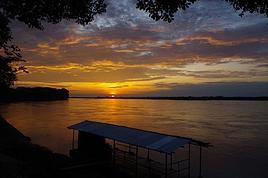
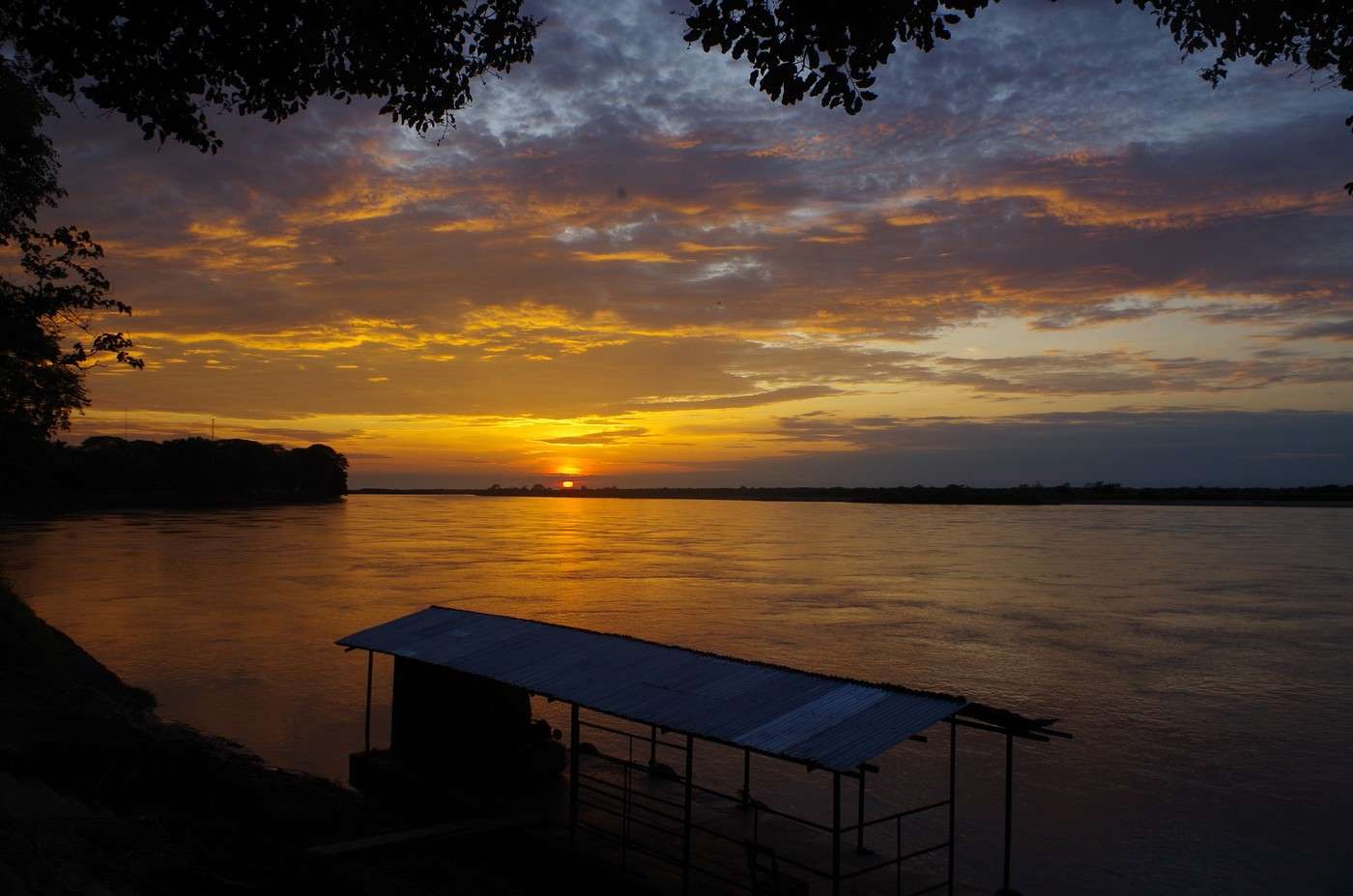
Orocué is a tiny town on the banks of the Río Meta, but it has all the essentials (hotels, restaurants, ATMs). It’s lovely to stroll along the river at sunset. There are a few small bars, the area is very natural, the sunsets are stunning, and when there are distant storms, it’s just breathtaking.
For lodging, I stayed at Hotel Brisas de San Miguel. It wasn’t bad—fan-cooled room for 70,000 COP. There were quite a few mosquitoes.
I spent 3 days in Orocué. If you want to swim, head to the bridge (the only one), Cano San Miguel, and on the right, there’s a swimming spot. With the heat, it’s a great way to cool off.
From Orocué, I took a fast *lancha* (boat) up the Río Meta to Puerto Carreño, in the Vichada department at the far end of Colombia. This brings you to the majestic Orinoco River, right across from Venezuela.
The boat ride is long—10 hours—and costs about 60 €. We left around 6 AM, with a few stops for bathroom breaks and meals along the way. But you *must* book your spot 1–2 days in advance. To do that, go to the small square above the dock—there’s a "navigation office" there.
The trip was long but enjoyable. I never get tired of river journeys.
I was happy to finally arrive in Puerto Carreño, a small border town with Venezuela. No surprise that half the population was Venezuelan.
In Puerto Carreño, I stayed at Hotel Delfines del Orinoco. The room was 80,000 COP, decent, with A/C, and the best part was the pool.
I spent 2 nights there.
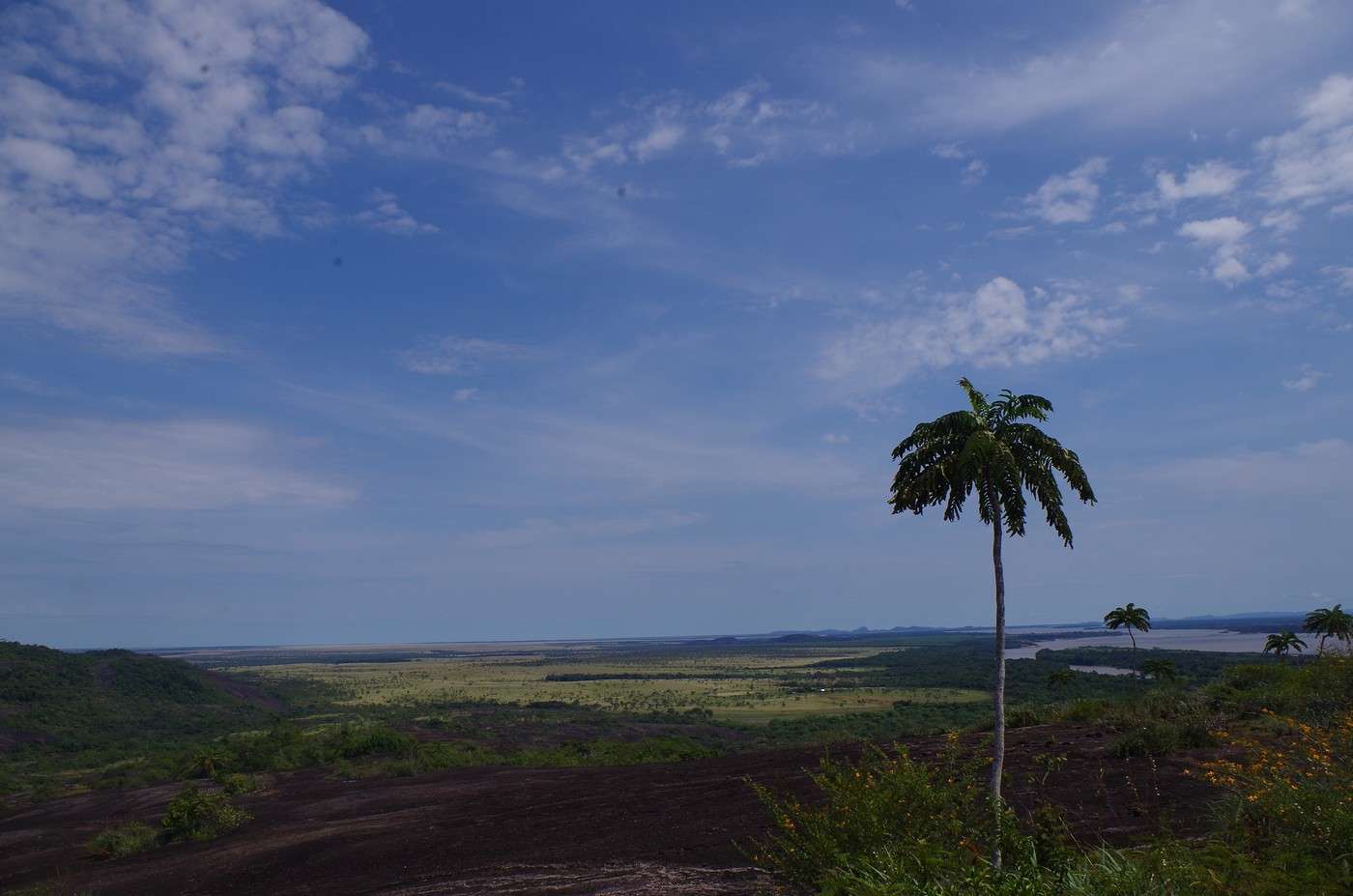
One thing you *must* do—morning and evening—is hike to the top of Cerro de la Bandera (the *cerros* are huge rock formations typical of the Orinoco region, and there are many in the area). From the summit, you get amazing 360° views of the savanna and jungle. Sunrise is especially incredible. The trail is well-marked—from downtown Puerto Carreño, it takes about 20 minutes.
Next, I spent 3 nights at Rancho Barú. About an hour by boat from Puerto Carreño, you get off at Casuarito, and someone from the lodge picks you up by motorcycle for a 30-minute ride. The ranch is in the middle of the savanna, with a river/rapids beach just a 5-minute walk away. You can also fish—bites come quickly.
For the lodge, one night (room or hammock) with shared bathrooms, three meals included, one excursion, plus the round-trip motorcycle ride costs 245,000 COP. An extra night without an excursion is around 100,000 COP, but you need to let the lodge know in advance so they can prepare enough food—there’s absolutely nothing for miles around.
After those 3 great days at the ranch, I took a canoe to cross into Venezuela, since Casuarito is right across from Puerto Ayacucho.
The crossing costs 10,000 COP, but I got shaken down by Venezuelan immigration, who invented a violation and made me pay $40 USD.
Puerto Ayacucho didn’t inspire me much. The city felt sketchy, with many hotels closed. Dealing with currency exchange was the hardest part—you *must* bring cash (USD or Colombian pesos), know the exchange rate, and find someone with enough money to exchange with you. It took me at least 2 hours.
I stayed in a decent hotel downtown for $20 USD a night, but I’ll admit that going out at night—even in Puerto Ayacucho—felt pretty dodgy. All the buildings have bars on the windows, and there weren’t many people outside.
I didn’t linger and found my plans to continue south too complicated. The next day, I took a bus across the country to the Brazilian border at Santa Elena de Uairén. The trip took a day and a night, with countless military checkpoints where they made everyone get off, unload all the luggage, etc. Not exactly a fun ride.
Photos:
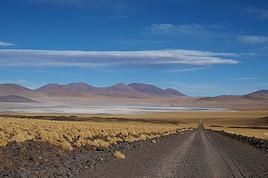
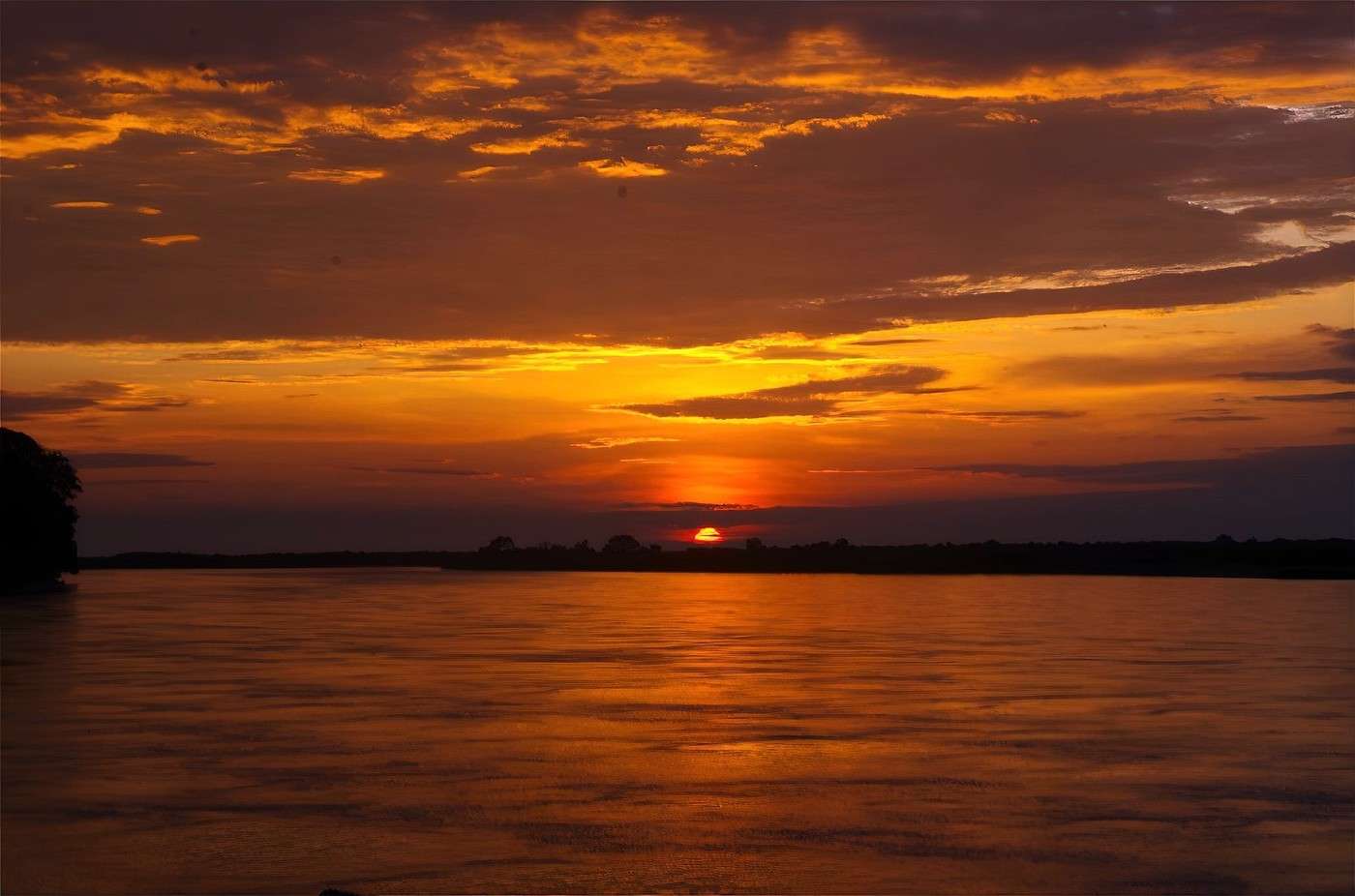
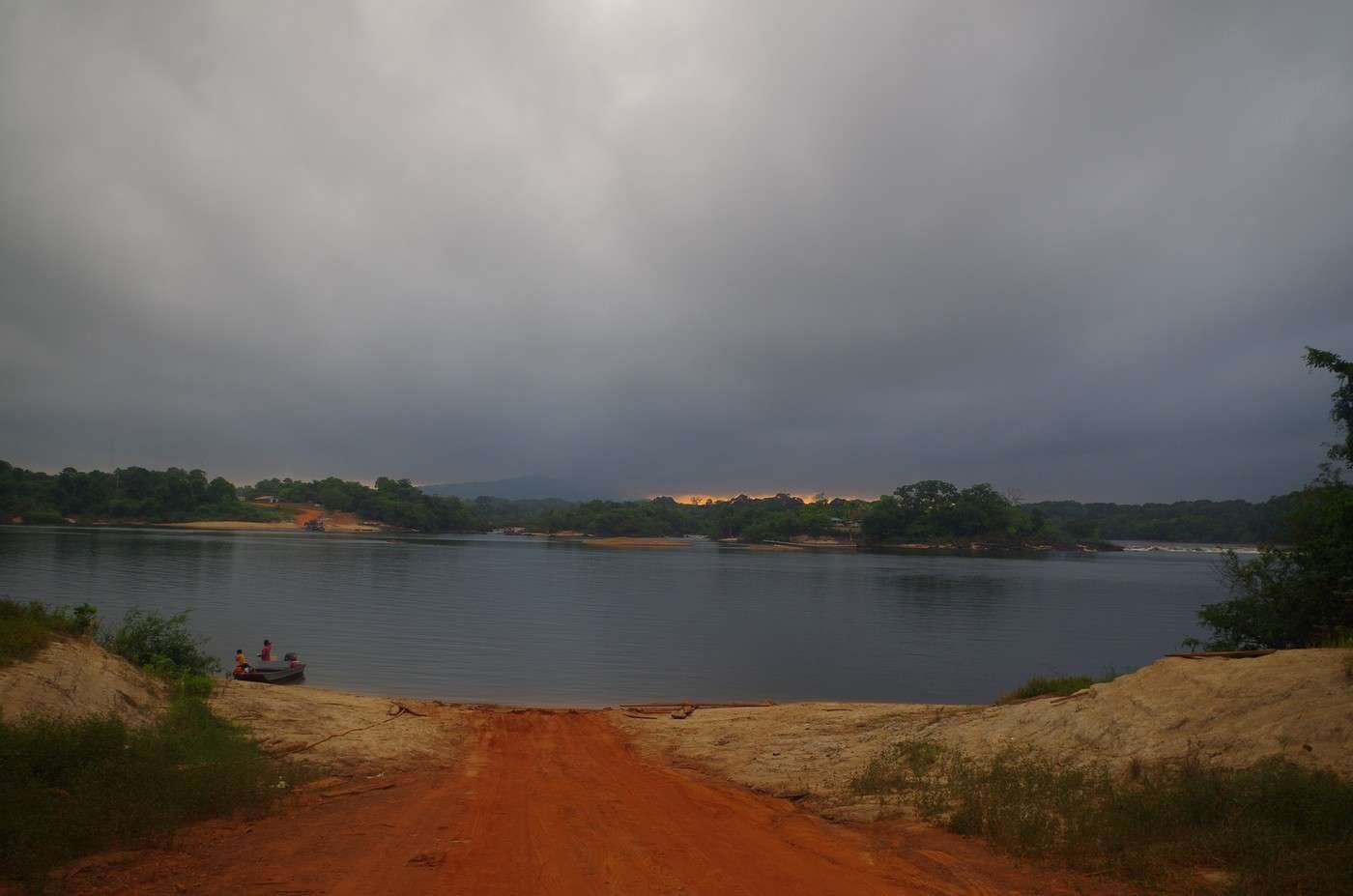
- 2 sunrises near the Orocué dock
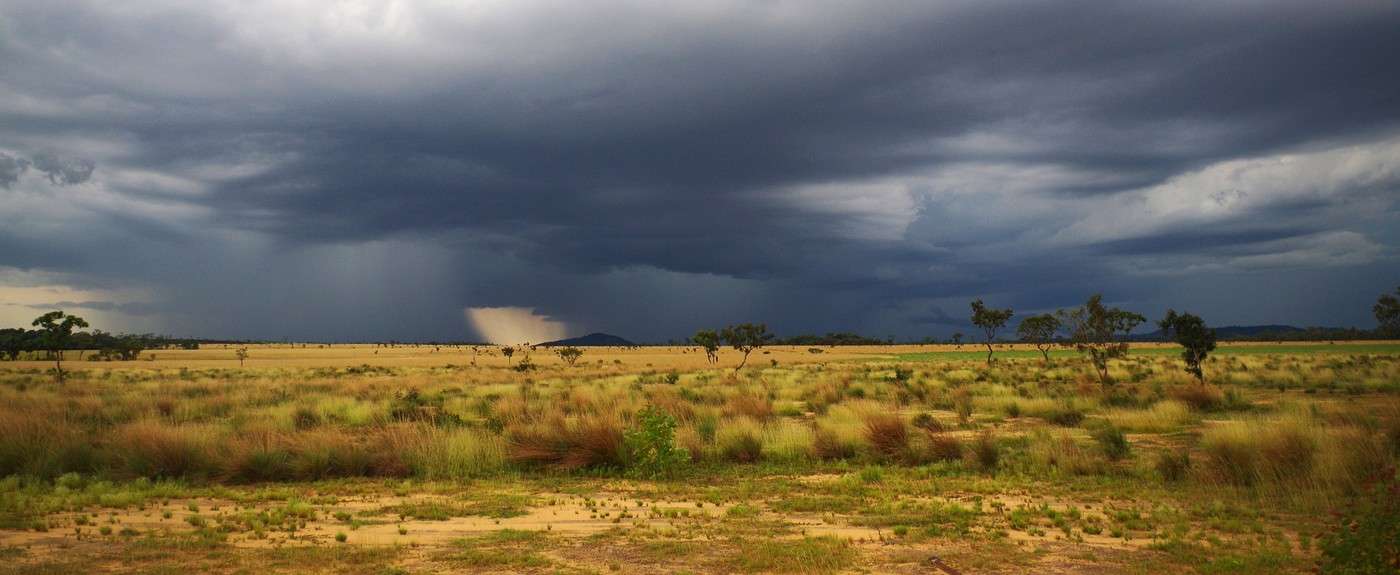
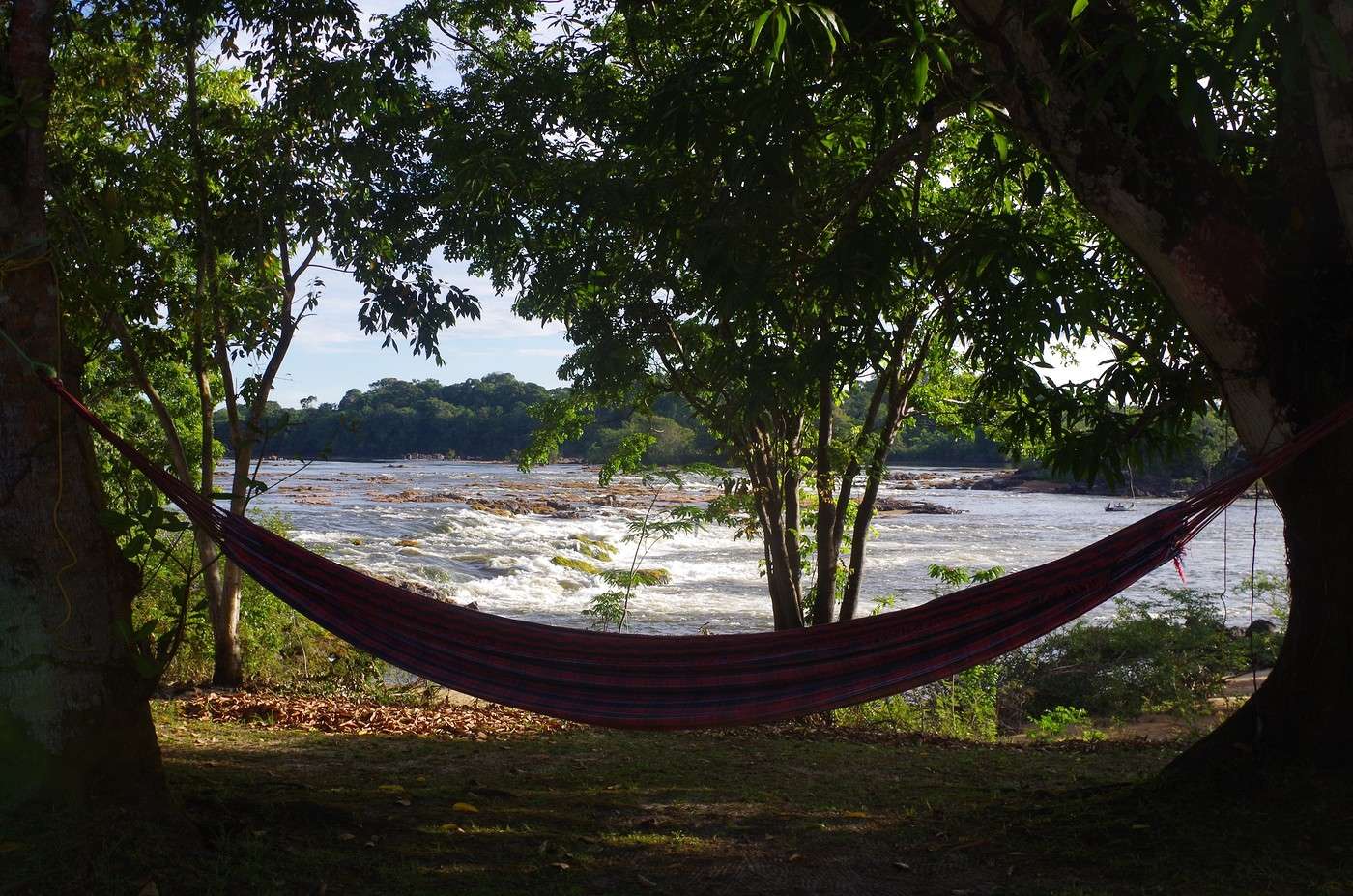
- Storm over the savanna at Rancho Barú
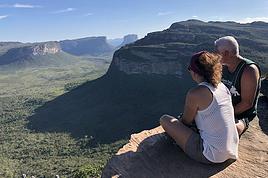
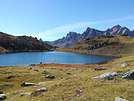
- View of the savanna and Orinoco near Casuarito
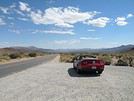
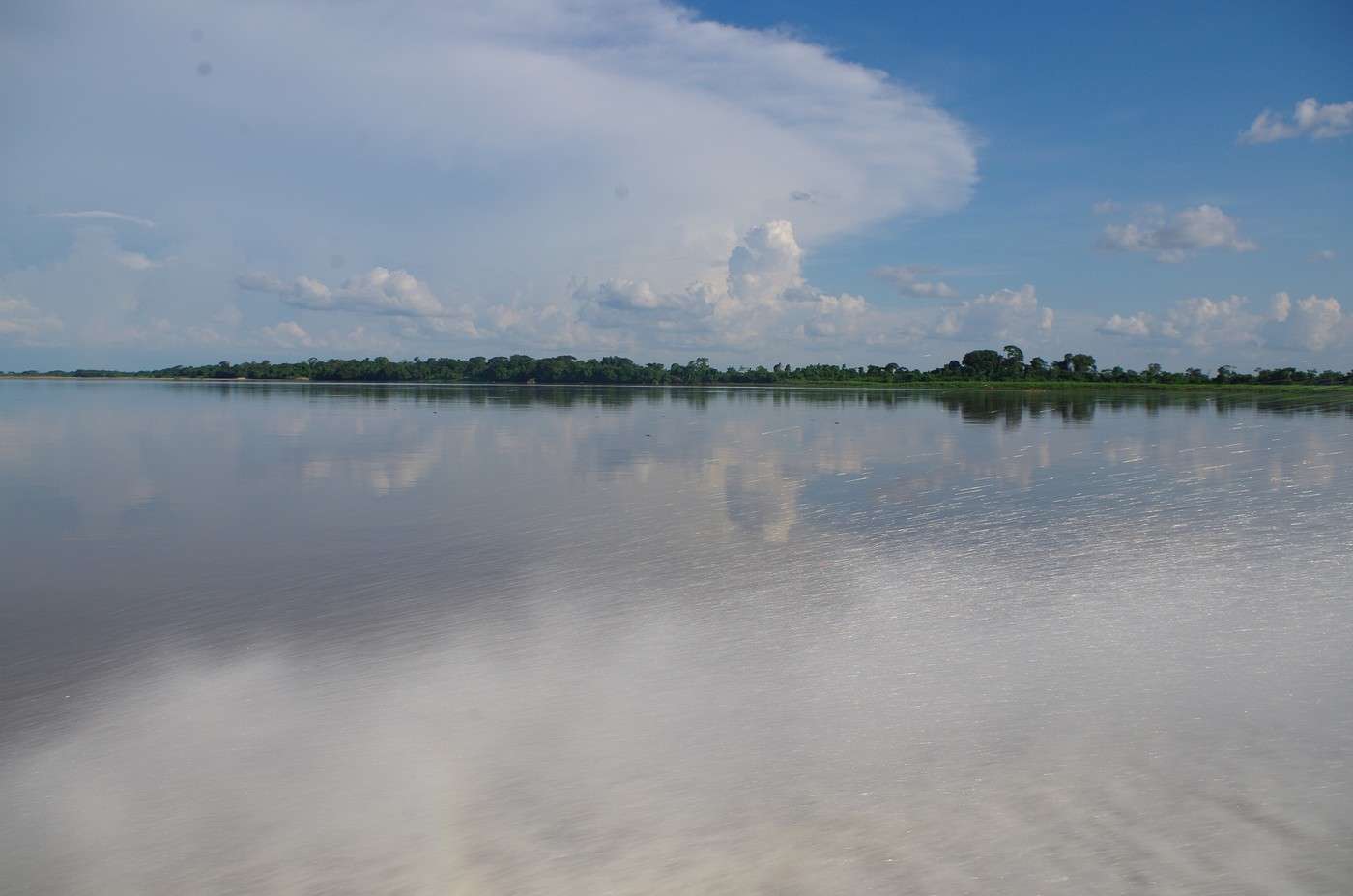
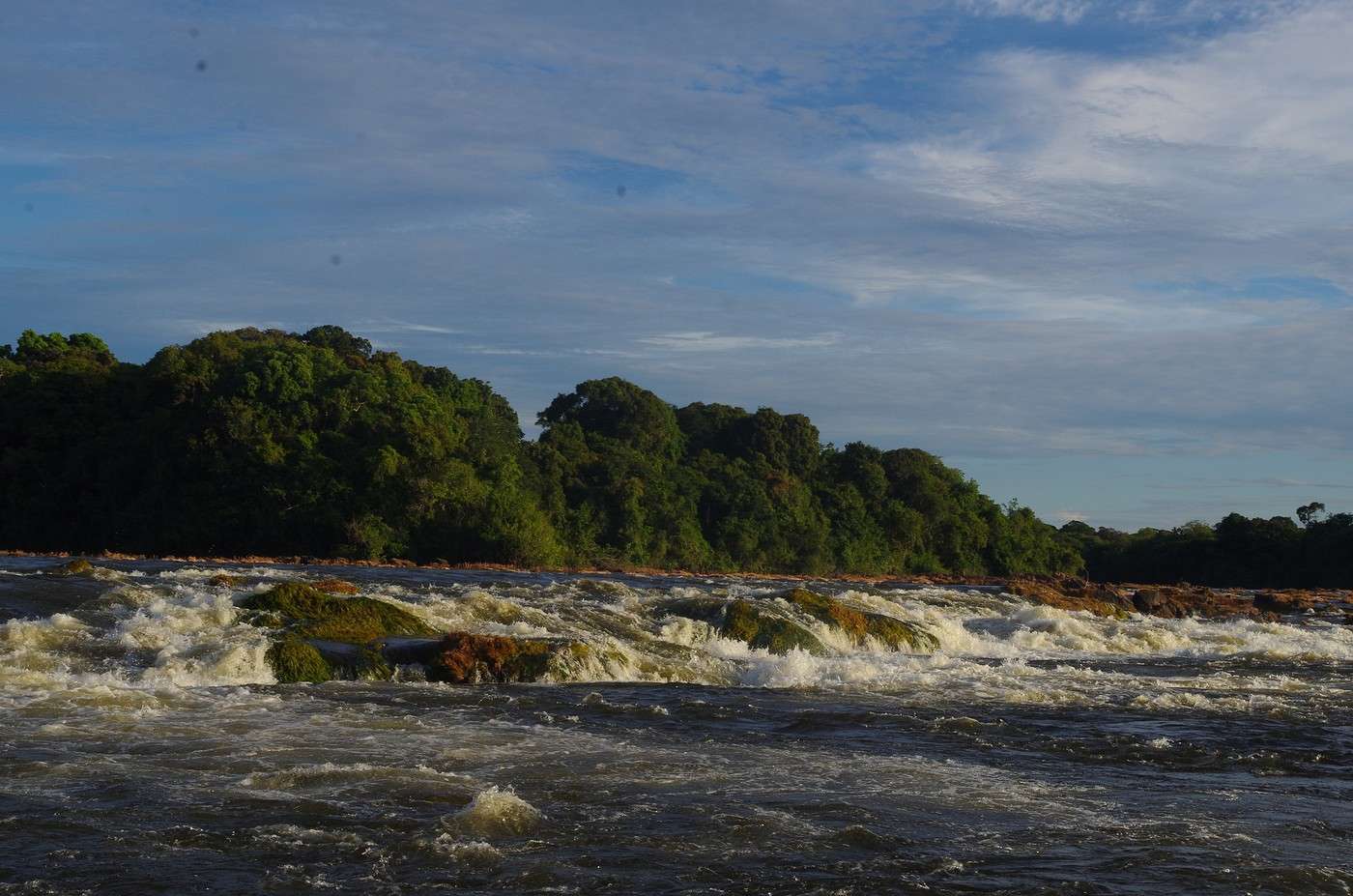
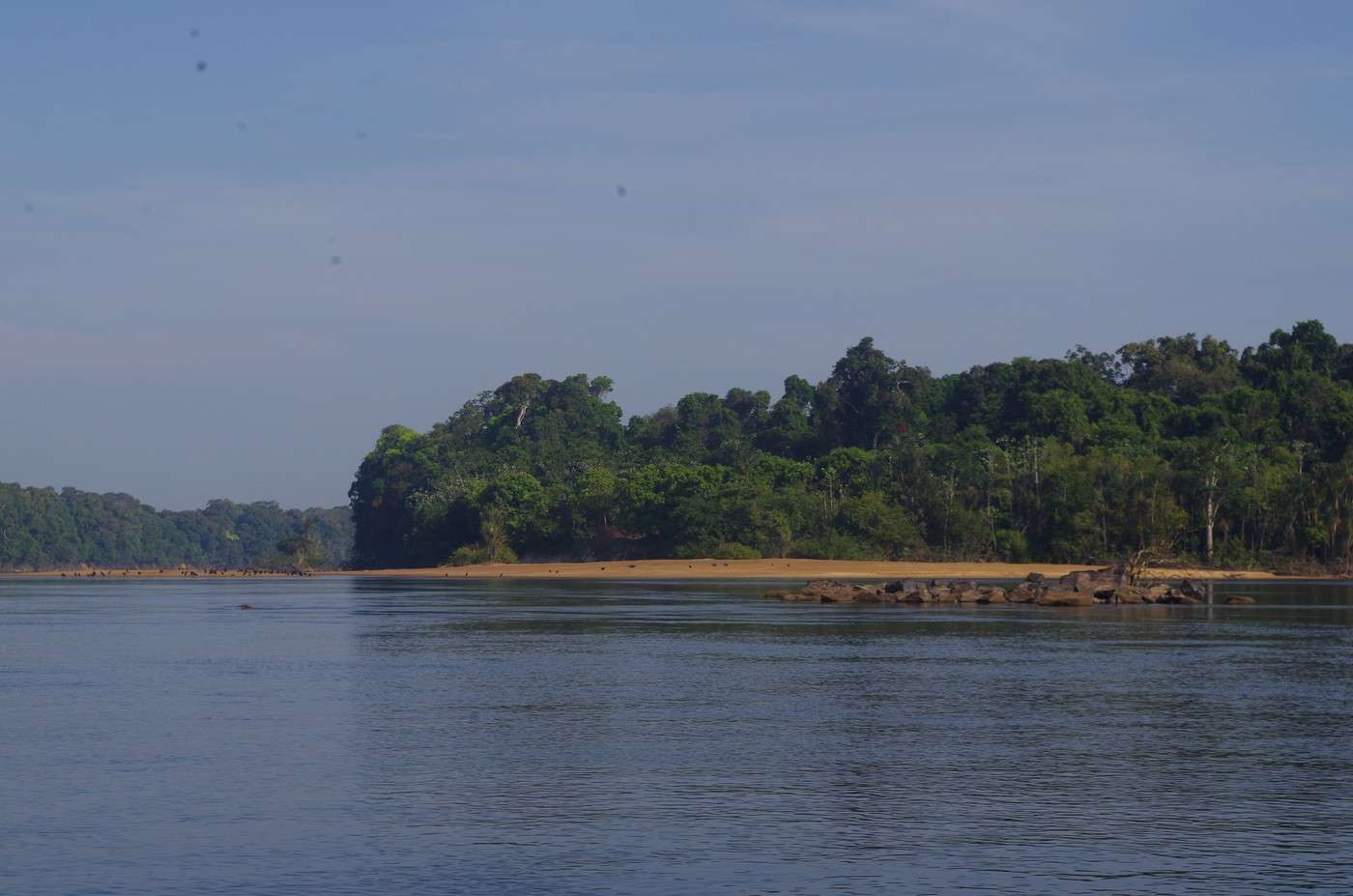
- Photo taken during the Río Meta boat trip
Really nice travel journal. One of the first in years—it’s a pleasure to read. I’ll revisit it with a map because beyond northern Brazil, French Guiana, and Suriname, I’m really not familiar with South America. Makes me want to spend more time there and return after my Guianese life, which is now a thing of the past.
Gorgeous photos.
Otherwise, from what I understand, you didn’t go through there to connect Central and South America, but to your knowledge, is the Darién Gap passable via routes other than those taken by migrants trying to find a better life and crossing under horrendous conditions?
And here we go for the next part, from Santa Elena, crossing the border and entering Brazil. I hadn’t crossed this border since 2016, and wow, what a change—back then, it was a quiet border with almost no one around. In 2023, it’s become a refugee camp, and I’m not exaggerating. There are thousands of Venezuelans waiting to enter Brazil, so they’re stuck at the border. Tents and humanitarian facilities have been set up between the Brazilian and Venezuelan border posts.
All this traffic toward Brazil has quintupled the use of the Pacaraima to Boa Vista road, which is completely wrecked. The trip now takes about 3 hours.
I arrived in Boa Vista around midday and took the overnight bus to Manaus (240 BRL).
Last year, the dry season was particularly harsh—so much so that there was almost no water left in many parts of the Amazon, which seriously affected river transport. In Manaus, Ponta Negra beach was closed for swimming because the water was not only extremely low but also probably over 35°C.
On top of the crushing heat, Manaus was completely smoked out due to forest fires. It must’ve been 35°C at midnight, the air was barely breathable, and to make matters worse, there was a protest movement that meant garbage wasn’t being collected. I won’t even tell you...
Still, I stayed with a friend for a week. She had a pool, and we were able to relax at the *balnearios* around Manaus.
The heat and stifling air eventually got to me, so I left—though why I ended up in the middle of nowhere in Roraima, in a town called Normandia, I’ll never know. There was supposed to be a river there, which is why I went. Turns out, there was absolutely nothing to do—the river was dry, so it was a pointless detour. I stayed one night and then headed to Bonfim, the last Brazilian town before Guyana.
In the end, I spent 3 nights in Bonfim, which let me discover Lagoa Bonita, a kind of huge lagoon right next to the town. You can walk there (40 minutes), and it’s basically a big *balneario* with a really nice restaurant/hotel for spending the day if you’re staying in Bonfim.
You can also swim in the Takutu River, and if you want to hang out on little beaches, you can wade across the river (depending on the season) and set up on the beaches on the Guyanese side. The area is pretty busy.
For accommodation, I stayed at the Hotel Takutu, which cost 100 BRL per night and was great.
After 3 days in Bonfim, I arrived in Lethem, where I stayed for 2 nights. I stayed at my usual spot, the Takutu Hotel. Note that the hammock area hasn’t been maintained since COVID, so it’s completely abandoned, including the bathrooms. I ended up taking a room for 60 € per night.
I picked up a few things in Lethem and then headed back to Michelle Island. It’s a tiny islet on the Essequibo River where you can stay. To get there, take a van toward Georgetown and get off when you reach the ferry crossing at Kurukupari.
You need to contact Michelle before going because, once again, you’re on an islet in the middle of the river. Even though there’s a small snack bar on the shore, they have to bring in food.
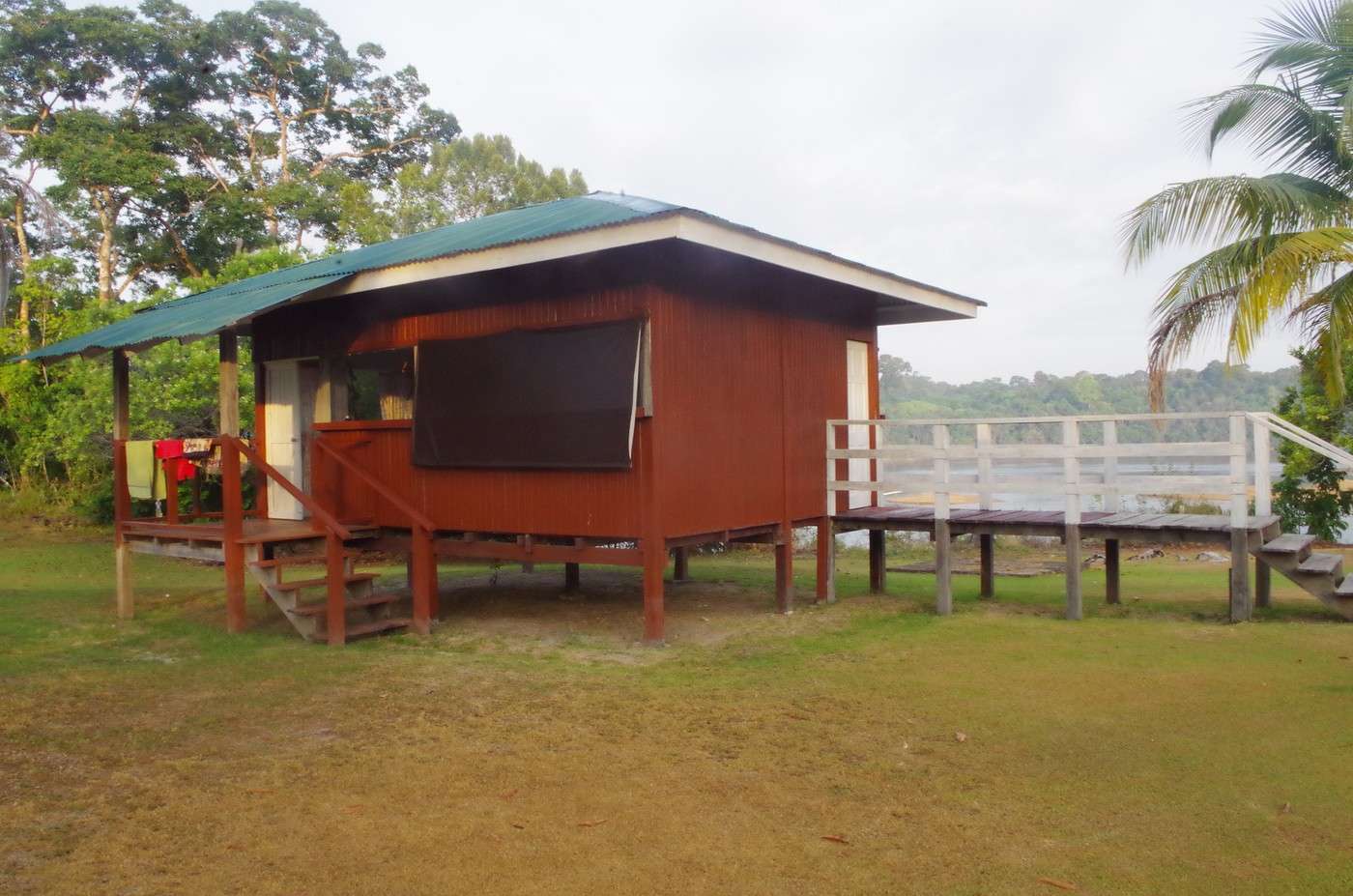
Michelle Island is a small islet with three little stilt houses—two dormitories and a third that serves as the kitchen.
I was alone on the island with Michelle’s husband, Pius, a really friendly Amerindian who takes care of your stay. He’ll mostly handle the cooking and take you out on the river by boat to fish or visit the nearby Amerindian communities.
Note that the little beach on Michelle Island faces rapids, so you can spend the day in the water getting massaged by the current right in the middle of the jungle.
A night in a hammock on the island costs 15 €. Since I was the only one there, I also got to sleep in the little house with two beds for the same price. But sleeping in a hammock facing the rapids is still pretty awesome.
It was a fantastic stay on this island.
Just a heads-up: Guyana is in the middle of an economic boom. Georgetown has really cleaned up, and new buildings, restaurants, etc.—especially along the famous Beach Wall—are popping up like mushrooms.
Well, the Darien Gap *is* doable, since migrants cross it. That said, it’s really not recommended.... I looked into doing it a few years back, but it was way too complicated—and honestly dangerous—so I dropped the idea.
Oh, that’s another debate (climate change...) when you go to Manaus and see the sign showing the river’s height over decades... well, in the end, it’s a phenomenon that happens every year, with some years being more or less pronounced....
Back to the Darien Gap—yes, there must be other ways to cross the area, but it takes a lot of time, finding a reliable guide, etc...
And on top of that, it’s probably really expensive... Jungle expeditions aren’t exactly in short supply in the region, and there are safer spots....
Oh yes, thanks for this first travel update, Jacques—it really takes me back to the good old days! 😄
This part of the world isn’t in my short-term plans, but there are still a few spots you described that really caught my eye… though definitely not all of them, for sure! 😆
Have a great evening,
Christelle
Le monde est comme un miroir, si tu lui souris, il te sourit aussi!
Thanks! :)
I’m taking the opportunity to wrap up my journey.
From Georgetown, I took a bus to Paramaribo, then a flight from Parbo > New York > Paris.
Here are a few tips: to cross Suriname, you’ll always need a "tourist card," which costs $25 or $20—I can’t remember—which you can buy directly when crossing the border (from Guyana).
The same card will cost more if you buy it on the official Suriname tourism website. What’s more, the site doesn’t mention that you can purchase your tourist card directly at the border.
Another observation: Paramaribo has really changed since Covid. I’m thinking especially of the riverfront near Fort Zeelandia, which used to be lively in the evenings, with lots of little street food stalls—great for grabbing a drink and eating cheaply.
Well, when I was there, everything had closed. That area has become dead. Several hotels and restaurants in the area have also shut down. Now, there’s a new nightlife spot a bit farther out, toward the Casino... But of course, it’s obviously more expensive than what used to be on the riverfront—too bad.
Now, the city that’s becoming attractive is Georgetown. Paramaribo seems to be falling into neglect...
It wasn’t just Covid, either—there was also a period of high political tension in Suriname in 2022, I think? In any case, there were still burned-out buildings in that neighborhood. Not great for those who visited that part of Parbo, where it used to be so nice in the evenings.
Another note: payment apps have developed at an insane speed in northern Brazil and Colombia, to the point that some shops/restaurants, etc., no longer accept cash. So if you’re using cash, I’d advise breaking your large bills as soon as you can, because many places don’t have change to give you, especially for 100 reals in Brazil.
Anyway, it was a really beautiful trip with some great discoveries....
Bonjour,
Je suis en train de préparer un voyage avec ma compagne (sans les enfants!) pour deux semaines (merci mamie…) pour les 40 ans de madame. Et j’ai pensé au Chili. Départ vers le 18/09/20 mars 2027, en commençant par le sud, et retour début avril.
Voici ce que je pensais faire :
8 nuits en van dans la région des lacs et le début de la carretera austral (jusqu’à la région de Chaiten). Arrivée prévue à Puerto Montt vers 14h00. Je ne souhaite pas aller jusqu’au sud car nous prévoyions, avec les enfants cette fois ci, quand ils seront plus grand, le coeur de la Patagonie (Chili et Argentine). L’idée est de découvrir les lacs pendant 3 nuits (jusqu’à Cochamo) et 3 nuits dans le parc Pumalin). Et j’ajoute deux nuits de transition.
7 nuits dans l’Atacama pour découvrir une autre facette du Chili (San Pedro) en prenant un vol interne de Puerto Montt vers Calama en début d’aprem. Départ vers la France en début de soirée depuis Santiago.
My partner and I are planning our 3-week trip to Ecuador for the summer of 2027. Yes, we’re getting a head start—we’re planning to visit the Galapagos Islands and want to make the most of our budget.
While researching online, I keep coming across ToutEquateur. Has anyone here used them before?
I’ve seen some interesting prices, especially for Amazon stays and Galapagos cruises, but I’m wondering if it’s worth booking through them or if I could get better deals by contacting lodges or boats directly (though I don’t speak much Spanish).
If you have any firsthand experiences to share, I’d love to hear them.
Hi everyone,
We're planning a trip to southern Chile in November. Here's our tentative itinerary:
Day 1: Arrival in Santiago, then a flight the next day to Balmaceda where we'll pick up a rental car to reach Coyhaique.
Day 3: Walk in the Coyhaique National Reserve, then continue to Puerto Chacabuco. Return to Coyhaique for the second night.
Day 4: Drive to Villa Cerro Castillo for a hike in the national park. Continue to Puerto Tranquilo and stay there for 3 nights.
Day 5: Boat tour on Laguna San Rafael.
Day 6: Day trip to Monte San Valentin Glacier.
Day 7: Excursion to the Marble Chapels, then drive to Puerto Guadal. We'll stay there for 3 nights.
Day 8: Walk along Lago Carrera and return to Puerto Guadal.
Day 9: Rio Baker Valley and, if possible, a glacier excursion.
Day 10: Drive to Cochrane and hike in Tamango National Reserve. We'll stay 2 nights in Cochrane.
Day 11: Walk in the Chacabuco Valley.
Day 12: Drive to Caleta Tortel. We'll stay there for 2 nights.
Day 13: Cruise in the Rio Baker delta.
Day 14: Return to Cochrane.
Day 15: Return to Balmaceda in two stages.
Day 16: Continue the return journey.
Day 17: Return the rental car and head back to Santiago.
After this, we're also planning to explore northern Santiago. I'll post about that part once I have a clearer idea of the route.
What do you think of this itinerary? Is it doable in 17 days?
Thanks in advance for your tips and recommendations.
martine
Hi everyone! So happy to be back on this forum—it’s packed with such useful info! 🙂 My husband and I are planning a 2.5-week self-drive trip to Colombia at the end of the year, including some domestic flights. My first question is: is it possible, easy, and safe to do a road trip in Colombia?
Below is our draft itinerary (with questions at each stop):
29/11: France → Colombia. Overnight in Bogotá.
30/11: Exploring Bogotá: La Candelaria and Montserrate.
01/12: Gold Museum (closed on Mondays). Drive to Zipaquirá (1.5 hrs) to visit the Salt Cathedral. Then drive to Villa de Leyva (3 hrs). Explore the town. Overnight in Villa de Leyva.
02/12: Return to Bogotá via Laguna de Guatavita (5 hrs). Is it worth the detour? Overnight in Bogotá.
03/12: Flight to Pereira. Drive to Salento. Overnight in Salento.
04/12: Cocora Valley (hike among the wax palms) followed by a drive around the area. Are there any waterfalls or other sights nearby?
05/12: Visit a coffee finca—any recommendations? Then explore the surroundings: Filandia, Manizales, waterfalls? Hot springs? Which ones?
06/12: Flight to Medellín.
07/12: Exploring Medellín: Centro, Plaza Botero, Comuna 13. How do you visit Comuna 13? Is it easy to get around Medellín? Metro? Buses?
08/12: Drive to Guatapé (2 hrs). Visit the town, stroll around the lake, then El Peñol. Overnight in Guatapé.
09/12: Return to Medellín.
10/12: Flight to Santa Marta. Drive to a hotel near Tayrona Park.
11/12: Tayrona—El Zaino entrance.
12/12: Tayrona—Palangana entrance, then Bahia Concha and Santa Marta. What do you think?
13/12: Drive to Minca (45 mins). Can we reach the village by car? Pozo Azul and Marinka waterfalls. Overnight in Minca (or back in Tayrona?).
14/12: Drive to Puerto Nao (5 hrs). Stop in Ciénaga on the way + boat tour in Nueva Venecia and/or Buena Vista? Not enough time? Overnight in Puerto Nao.
15/12: Exploring Cartagena: Centro, Getsemaní, the walls + La Boquilla if we have time.
16/12: La Boquilla (is it really worth it?) if we didn’t have time yesterday, then back to the beach.
17/12: Return to France.
So, what do you think? Is this doable, or should we tweak it? Thanks in advance for your invaluable feedback and tips! 🙂
Hi there, I’ll be in Brazil from December 10th to the end of February.
I’ve sketched out a rough itinerary but I’m not sure how to arrange it—considering the climate, year-end holidays, and Carnival.
Basically, I’m thinking of the Amazon, the Northeast coast with Lençóis Maranhenses National Park (but skipping Chapada Diamantina),
Ouro Preto, Paraty, and Ilha Grande—but no Rio visit.
Is this doable in 3 months?
Which direction should I take for this itinerary?
Thanks in advance!
Hi everyone, does anyone know the agency Ventura Travel Agency (not ventura travel)? After lots of research and quotes, it’s the only one offering Uyuni at a reasonable price while meeting all the criteria: transfer to the border, private-room accommodation, and a very fair rate. Other agencies or guides either offer shared rooms, no border transfer, or prices that are way too high. But I’d love to hear some reviews about this agency. Thanks in advance!
Hi everyone,
We're planning a trip to Chile to visit the Atacama Desert and then head toward Putre, Lauca, Salar de Surire, etc.
Which would be the better time to go, April or November?
Is an SUV enough?
Looking forward to your tips!
Hi everyone, French travelers in Chile—what credit cards do you use for your various car rentals in the country? I’m traveling in September and was planning to switch my regular debit card (a VISA PREMIER in deferred debit mode) for the deposit guarantee.
My rentals are with Figal in Punta Arenas, Econautos in Arica, and Chilean Rent a Car in Temuco, and all of them want the deposit on a credit card. For me, deferred debit *should* work, but I’ve read comments saying the opposite.
How’s it actually working on the ground with these rental companies right now? Will a deferred debit card work, or not at all?
In France, banks don’t issue credit cards, right—or am I mistaken?
Hi everyone, is it still possible to travel in Ecuador outside the Amazon region? If so, do you have a reliable agency to recommend? All your recent experiences from the past few months would be greatly appreciated. Thanks so much
Hi,
We’re heading to Buenos Aires for 3 days in November and would like to do a guided tour of a few neighborhoods. There are "free" tours, but none in French. Does anyone have a guide to recommend so we can really get to know the city beyond just the architecture?
Thanks
Hi there,
I’m desperately looking for info on the schedules and routes of (shared) boats to visit the islands of Lake Titicaca.
From what I’ve found, there’s a *combi* (bus) that leaves from Puno to go to Llachon. Where do you catch it? What are the schedules and frequency? Does it take about 1 hour?
Then in Llachon, you can take a boat to Amantani (45 min). Same question—where do you check for frequency and schedule?
After that, from Amantani, boats go to Taquile and then Uros. Do you have enough time to visit the islands between two boats? Frequency and schedule?
The goal is to do this tour independently (no agency) over 2 days. Thanks for any tips you might have!
I just got back from a trip to Bolivia and wow—what a wake-up call. It’s not the easiest country, but it’s absolutely stunning.
I started with Isla del Sol, perfect for easing into the altitude at a relaxed pace. Try to stay in the northern part of the island—it’s quieter and the views are insane. And the trout there? Unreal. Quick tip: bring cash in small bills; they almost never have change, and cards are rarely accepted.
Next up, La Paz. The city’s pretty wild, built in every direction. I did a few hikes in the area, including the famous Charquini Lagoon (the blue lake) at over 5,000 m—let’s just say I struggled 😅 but it was so beautiful it was totally worth it.
After that, I headed to Sajama. It’s cool, especially for the hot springs, and I stayed in Tomarapi. But honestly, if you’re short on time, you can skip it without too many regrets.
The highlight of the trip: the Salar. I did it starting from Tupiza, and I *highly* recommend going Tupiza → Uyuni. Way less crowded at the start and the landscapes are super varied. For the tour, I used SplitYourGuide to find a group, and it worked out great. Super handy for splitting costs and meeting people.
I wrapped up in Sucre—this city is gorgeous, all white, with such a chill vibe. And the salteñas + ice cream? Next level 😋
Bottom line: Bolivia’s a bit rough around the edges, sometimes exhausting (shoutout to the altitude), but it’s 1000% worth it.
If you’ve got questions or need tips, I’m happy to help!
Martin
I was planning to go to Réunion and stay in half-board accommodation with non-professionals, but it seems that’s not really the custom there—or maybe my budget isn’t big enough.
So, since I’ve already traveled around Ecuador and Peru, I’m now looking at Argentina, especially for its mountains (like the ones in Réunion that tempted me, even though—frustratingly—I could only admire them from below).
I plan to get around by bus and don’t know in advance where I’ll sleep, so I won’t book ahead. If I like a place, I might stay for several days.
I know that in Chile, it’s easy to find half-board accommodation, but what about in Argentina?
I’d like to stay with locals in half-board without it being a professional setup. I’m not sure if this is common practice there. It’s up to me to find someone willing to host me.
What do you think?
What would be a fair price (keeping in mind that 40 to 50 € is the max I can spend on accommodation, breakfast, and dinner)?
Hi everyone,
We’re heading to Patagonia for three weeks in November, starting from Coyhaique in Chile.
We won’t have a car, and I’m struggling to find information about transportation options for a few parts of the itinerary we’d like to do:
1) From Perito Moreno (the town, near Los Antiguos), we’d like to travel down Ruta 40 to visit Perito Moreno National Park and then cross into Chile via the Paso Roballos (at the latitude of Bajo Caracoles) to reach the road to Cochrane. Without a car, it seems we’ll need to use private agencies to get to the national park—do you have any recommendations or suggestions? Also, does anyone know if it’s possible to cross into Chile via Paso Roballos (from Bajo Caracoles) without a rental car? That is, without having to go all the way down to El Chaltén or back up toward Perito Moreno/Los Antiguos, etc.?
2) The second stretch that seems a bit tricky (though still easier, in theory) is from Caleta Tortel to Villa O’Higgins on the Chilean side. Do we have to go back through Cochrane, or are there ways to get directly from Tortel to Villa O’Higgins?
3) Finally, we’d like to hike into Argentina (El Chaltén) from O’Higgins. Any recommendations for this? Do we need to go through an agency? What’s the estimated duration of the trek?
As you’ve probably gathered, we want to visit some off-the-beaten-path spots but don’t have a car, so we’re looking for the best possible compromises.
Thanks so much in advance for all your suggestions!
Thomas
Hi,
we’re planning a round trip from San Pedro de Atacama, Chile, to Salta, Argentina, in two months. On the way there, we’ll take the northern route via Susques, Route 27, then 52. But for the return, we were thinking of taking the southern route via San Antonio de los Cobres, Route 51, then 23. Is it similar to the northern route in terms of road surface? How busy is it, and are there gas stations? Basically, should we be worried about doing it in an SUV that’s supposedly 4x4 but has regular road tires and no second spare wheel, obviously...
I’ve seen that we can stop over in San Antonio de los Cobres.
Thanks for your feedback.
Raf.
Hi,
we’ll be in Calama at the end of March 2026, and I’m looking for a reliable car rental there for a 7-day road trip to Salta, Argentina. But I’m struggling with the car rental agencies in Calama because the reviews can be scary. I saw Gyg, which has great ratings, but I’m a bit wary (5/5 from 59 reviews—either the guy’s amazing or it’s fake...), but I can’t find any recent reviews on VF in general.
For Punta Arenas, I booked with Dachelet and didn’t have any issues with email exchanges.
Thanks in advance.
Raf.
I’m planning the trip of my dreams for next November—Chile!
I’d love to get your thoughts on my potential itinerary. I know it’s a big investment in terms of both time and money, so every bit of feedback, suggestion, or info helps immensely. Thank you in advance!!
1-Flight to Santiago
2-Explore Santiago
3-Explore Santiago
4-Bus from STG to Valpo (2h) + visit Valparaíso + night in Viña
5-Visit Valparaíso + bus back to STG (2h)
6-Flight to Calama + bus to San Pedro + explore and acclimate in San Pedro + car rental in the afternoon (+Chaxa?)
7-(Very early) Valle del Arcoíris + Laguna Cejar + Valle de la Luna
Good evening,
We’d love to go in November to enjoy some beautiful beaches for about two weeks, preferably around Bahia, as November/December seems like a great time.
We’ve already traveled to Brazil several times and know the south of Rio as well as the region between São Luís and Fortaleza, and Chapada Diamantina...
What advice would you give us: the south with Itaparica, Morro de São Paulo, Boipeba, Barra Grande—or all four? Or maybe the north?
Thanks in advance for your help
Hi everyone, it’s been a while since I last posted!
First time in South America for me, my wife, and our 7-year-old son. I’ve put together this itinerary and would love to hear your thoughts:
Bogotá 28/07 – 30/07: Arrival. Which neighborhood and outings would you recommend?
Flight to
2 Filandia 30/07 – 03/08: (255 €). Waterfalls and horseback riding,
Cocora Valley,
Hiking,
Nearby villages.
Flight to
3 Tayrona 03/08 – 07/08: Hotel La Casablanca
Hike with Tierra Nevada and the Kogui village (any feedback?). Return by inner tube for the little one.
Short night hike.
Second hike to La Piscina, etc., return by 🐎.
4 Cartagena 07/08 – 10/08: Air-conditioned bus.
Staying in Getsemaní? Mangroves & the Castle, exploring the city.
5 Bogotá 10/08 – 12/08
Feel free to share your feedback!
Have a great day!
Hi,
During an upcoming trip to Peru, we’ll have one day to explore around Arequipa (excluding Colca Canyon) with a car and driver.
We’ve got a few options:
- Toro Muerto petroglyphs and dinosaur footprints at Querulpa
- Ruta del Sillar and Quebrada de Culebrillas
We’re a group of 6 friends with an average age of 70, all mobile, and we’re planning a trip to Peru in September/October 2026. Below is an idea of what we’re looking for: a French-speaking guide, accommodation in 3-star hotels or homestays with comfort.
Duration: 16 to 20 days on-site.
Visit the main sites with immersion in the culture and way of life.
Which francophone agency in Peru would you recommend? Thanks
Hi there!
I’m putting together my itinerary for Brazil, looking for beautiful natural spots with wildlife, flora, and great hikes...
I’ve come across the Cananeia / Super Agui / Ilha do Mel region and the PETAR / Intervales / Alto Ribeira area.
Has anyone here been to these places? If so, do you have any recommendations for accommodations and activities?
Thanks in advance!
Best,
Olivier 🌍
I’ll be in ARICA in northern Chile at the end of May 2026 and want to get to TACNA.
Are there taxis, buses, or collectivos that run the border crossing route?
After that, bus to AREQUIPA (Peru): any bus company you’d recommend?
Hi there,
We’re spending 3 weeks in Brazil, arriving in São Paulo—a couple plus a teen—and we’ll have a rental car.
We especially love nature: hiking, wildlife watching, birds, etc.
We’re planning to wrap up with a week around Paraty and Ilha Grande.
We’re not really into visiting big cities like São Paulo or Rio unless you think we’d be missing out big time.
So we’ve got 2 weeks to explore the south/southwest region of São Paulo.
What do you recommend?
National parks? Off-the-beaten-path nature spots? Iguazu Falls?
Hi there,
Do you have any recommendations for comfortable accommodation in Leyva and Barichara? We're also looking for a guide to explore the areas around these two towns (parks, waterfalls, etc.).
Thanks for your tips!
I visited Colombia in January 2016 and I’m heading back from August 6th to 17th with the same airline to see how things have changed. Starting August 18th, I’ll continue with independent exploration. I prefer slow travel and enjoying places at my own pace.
Any tips—especially for getting around or must-see spots—are welcome!
Thu Aug 06. Fly Montreal to Bogotá 20:55-04:05+1 Air Canada
Fri Aug 07. Bogotá
Sat Aug 08. Bogotá
Sun Aug 09. Bogotá
Mon Aug 10. Fly Bogotá to Medellín
Tue Aug 11. Medellín - Explore Guatapé
Wed Aug 12. Comuna 8 & Hill of Values - PM Fly to Pereira
Thu Aug 13. Montenegro
Fri Aug 14. Salento - Cocora Valley
Sat Aug 15. Fly to Cartagena
Sun Aug 16. Explore Cartagena
Mon Aug 17. Explore Cartagena
Tue Aug 18. Fly Cartagena to Cali 12:20-14:55 Latam
Wed Aug 19. Cali
Thu Aug 20. Cali
Fri Aug 21. Cali
Sat Aug 22. Bus Cali to Popayán 09:00-13:00
Sun Aug 23. Popayán
Mon Aug 24. Popayán
Tue Aug 25. Popayán - Day trip to Silvia (Market Day)
Wed Aug 26. Overland Popayán to Tierradentro by public transportation 4h, 100km
Thu Aug 27. Tierradentro
Fri Aug 28. Tierradentro
Sat Aug 29. Overland Tierradentro to Garzón via La Plata
Sun Aug 30. Bus Garzón to San Agustín 10:30-13:00
Mon Aug 31. San Agustín
Tue Sep 01. San Agustín
Wed Sep 02. San Agustín
Thu Sep 03. San Agustín
Fri Sep 04. Overland San Agustín to Tatacoa Desert via Neiva
Sat Sep 05. Tatacoa Desert
Sun Sep 06. Fly to Bogotá via Neiva 16:00-17:00 Latam
Mon Sep 07. Bogotá
Tue Sep 08. Fly Bogotá to Montreal 09:00-16:30 Air Canada
Hi there,
Three years ago during a trip to Java (no, I didn’t post in the wrong forum!), I came across the address of former miners who had switched to “tourism” and organized nighttime ascents of the Kawah Ijen volcano and descents into the crater.
So I was thinking—maybe there are miners on the salt flats too, either former or still active, who do the same thing. If you’ve had an experience like this, I’d love any tips you can share.
Thanks in advance.
Hi there, since there isn’t much recent info on how to get to MP, I’d love to know if there have been any improvements to the "route" to Hydroelectrica. Is it feasible to drive there in February? And is it still possible to walk all the way to Aguas Calientes? I think I read somewhere that it’s no longer allowed??
Do you think I can buy Machu Picchu entrance tickets last-minute at that time of year, given the weather?



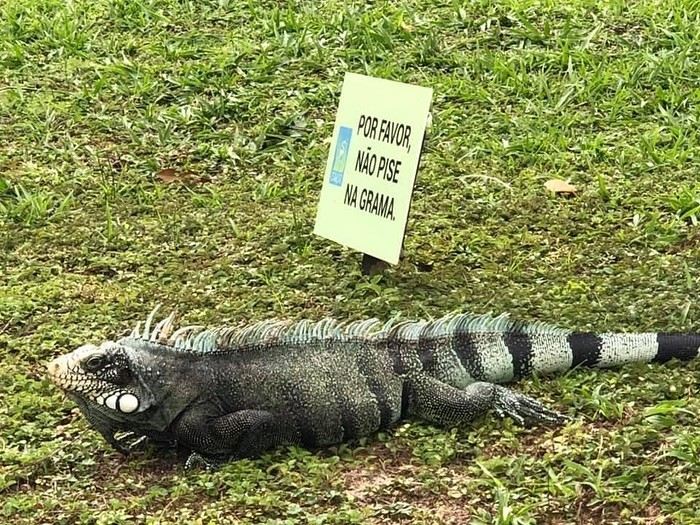 The iguana in Belém can’t read.
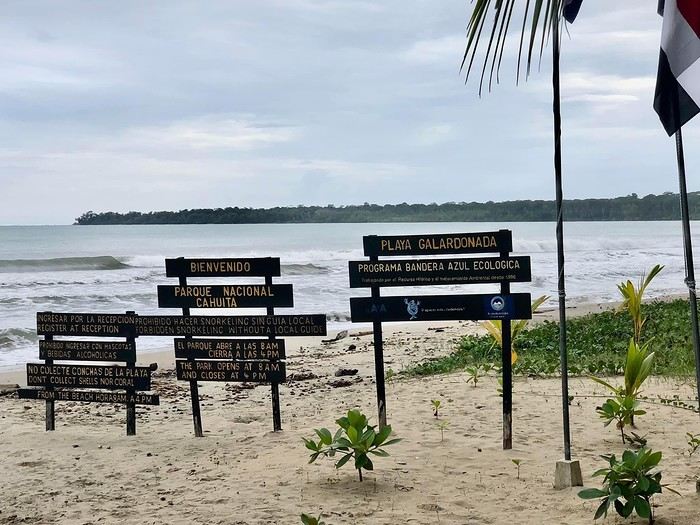 Does that ring a bell? Next time you’re there, say hi to Kim and Flo from me at Cabinas Cahuita 😊
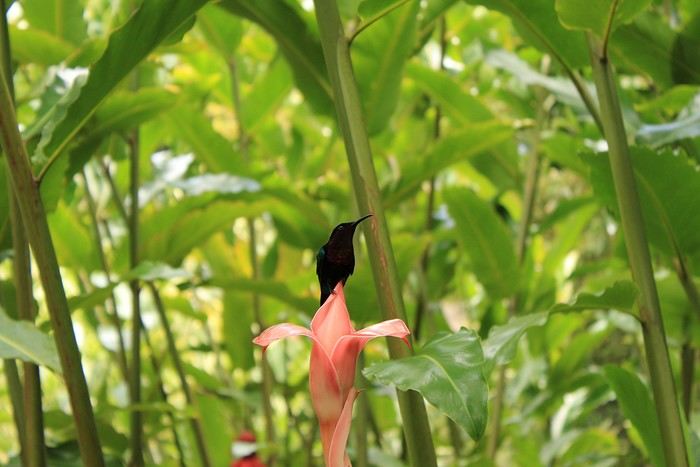 okay! Problem solved!