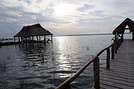
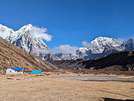
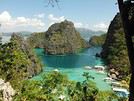
Lucky that we have a home/Our Home is Nha May Man/Passing rain and dry seasons/In a full-of-love atmosphere/Besides my new family/I have brothers and sisters/The sun shines over the skies/Let's stay here, with all of us,
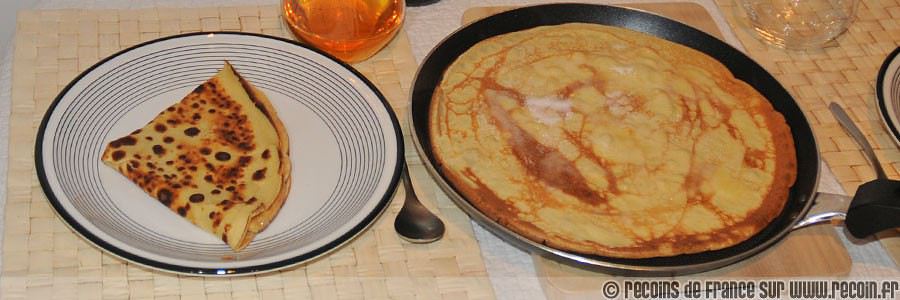
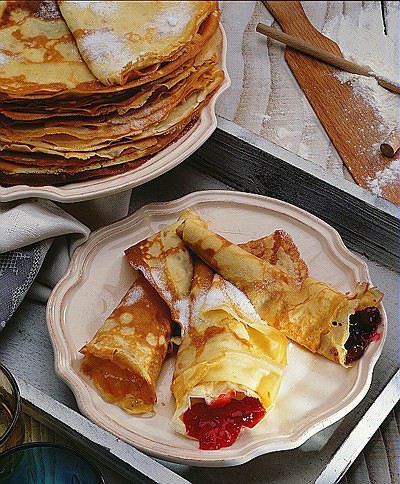
Il y a une crêperie à Hanoï et une à Ho Chi Minh, mais elles végètent. Le vietnamien ne prise guère l'atmosphère "bretonne". Par contre il consomme des crêpes "kep", héritage de l'occupation française. mais celles ci sont vendues, soit dans des petites gargottes, soit dans la rue, sur le trottoir. Si ta question sous entend envisager de créer une activité autour de la crêpe, ma réponse est : pourquoi pas ? Mais à condition de tenir compte de 3 critères : installer un commerce sans être associé à un vietnamien, est impossible;obtenir une autorisation de vendre sur la voie publique est extrêmement difficilegagner de l'argent avec des crêpes est totalement aléatoire, sauf à créer un véritable réseau de franchise dans le pays. La valeur ajoutée du produit est trop faible. Une crêpe se vend entre 5000 et 15000 dong, ( 1 euro = 27500 dong aujourd'hui). Je te laisse faire les calculs de coûts de revient , taxes et autres charges, pour mesurer ta marge !Cordialement
Nhaqué
Bonjour.
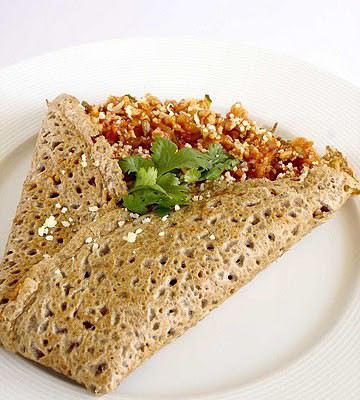
J'ai même eu le plaisir de déguster un galette Bretonne en plein quartier des routards... dans un bar qui n'avait rien de Breton et il m'a fallu demander la carte pour manger... j' ai ainsi eu droit à une galette au Camambert et Cidre... mais il y a avait un tas d'autres galettes !
Voyager, c'est ne pas avoir peur de remettre en cause ses préjugés et accepter les règles locales sans conditions.
- -
Le mois dernier (juillet 2010) j'ai goûté dans un café à Saigon une crêpe sucrée flambée au rhum, tout à fait une crêpe bretonne, malgré tout un peu fadasse....
Crêpe qui n'est pas l'essentiel du menu, mais une curiosité exotique!
(Ce n'est pas une crêprie de type bretonne)
S'il y a des curieux, j'ai oublié de donner l'adresse:
Fanny, 29 - 31 Ton That Thiep, arr 1, le café au rdc, agréable, sert cette crêpe flambée, entre autres glaces, par ailleurs excellentes, (8h - 23h)
aussi l'adresse d'un excellent resto réputé, en terasse : Quan Nuong (à partir de 17h).
La fameuse crêpe flambée = 65 .000 vnd l'unité.
Je ne crois pas que ce soit leur produit phare, c'est par hasard que je suis tombé dessus, en voyant une serveuse qui s'évertuait à enflammer le rhum et qui n'y parvenait pas!
Je lui ai conseillé de réchauffer le rhum.
Des amis vietnamiens qui m'accompagnaient ont été déçus par la crêpe, car la veille je leur en avait préparé toute une fournée, ainsi qu'un far breton aux pruneaux, pour les remercier d'une précédente invitation.
Je n'avais pas trouvé une farine extra, mais j'avais mis plus d'oeufs, plus de sucre, de la vanille pour le parfum, et le fameux lait de Dalat.... Il s'agissait bien sûr de crêpes sucrée au froment. Les galette de blé noir (sarrasin), c'est autre chose.
Trouve-t-on du blé noir (mach ba goc) au Vietnam? Je sais que les Coréens l'utilisent dans leur cuisine...
Après tout c'est une plante qui vient d'Asie!
Bonne nouvelle... pour les Bretons voyageurs en tout cas! Même si on vient pas au Vietnam pour manger des crêpes bretonnes, ça fait plaisir d'inviter des amis...
Y a-t-il moyen de savoir où elles sont installées ces crêperies ?
Villes comme HCM, Hanoi, autres?
Je suis curieux de les repérer....
D'avance merci d'éclairer ma lanterne...
S K
Finalement quand je viens, je n'oublie pas de fourrer dans ma valise un paquet de farine de froment, de sarrasin, de pruneaux d'Agen car je n'ai pas réussi à trouver quelque chose de proche. Ben oui, les amis m'attendent au tournant :
- Tu vas nous faire des crêpes bretonnes, hein?
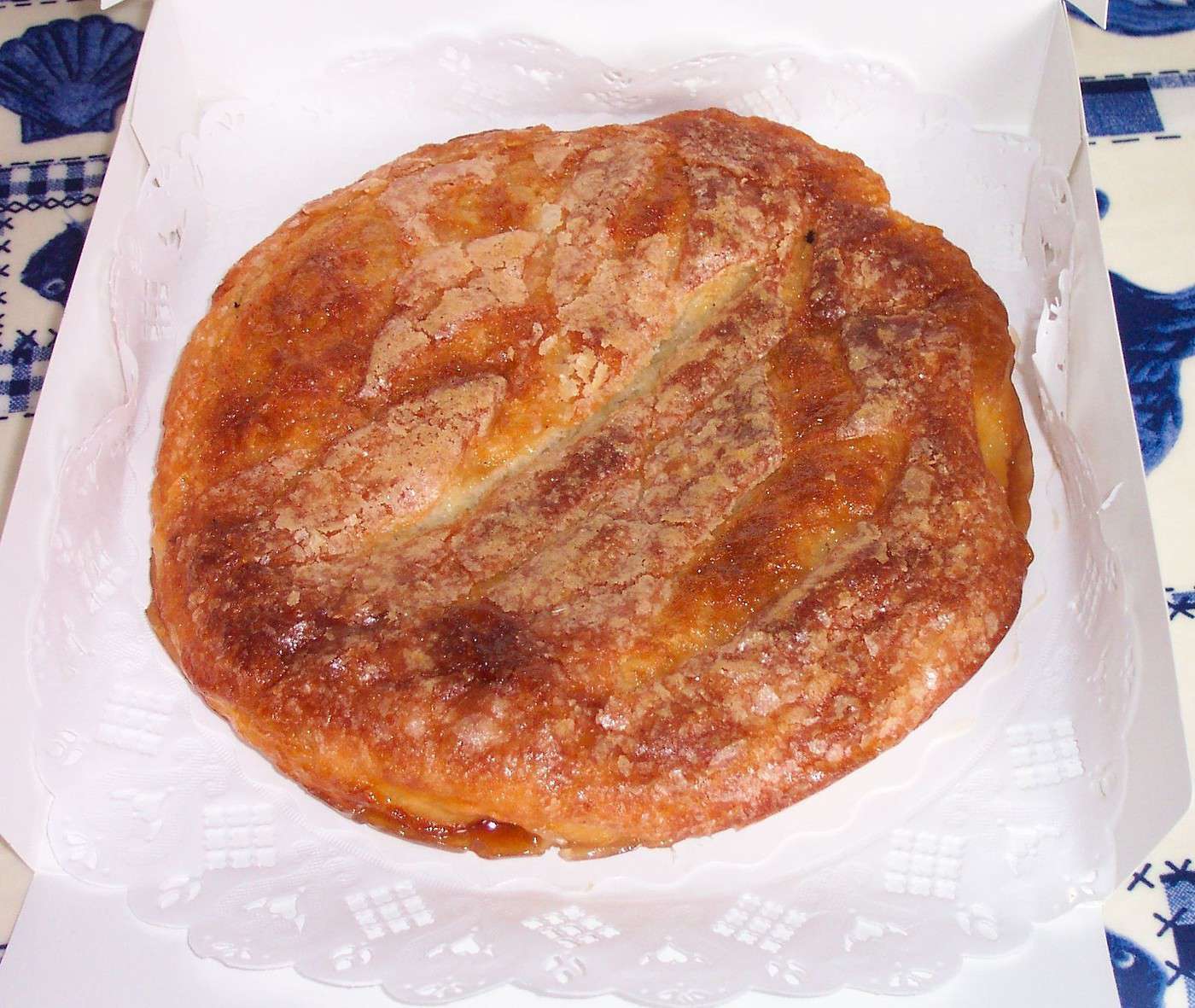
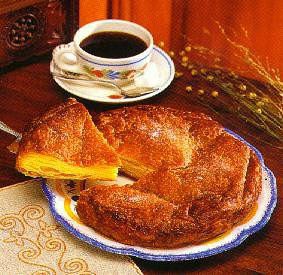
Le Kouign-amann est apprécié, lui aussi. (pour ceux qui ne savent pas c'est un gâteau fait avec du beurre et du miel, de la farine et du sucre...)
Il a fallu que je déniche un four électrique, qui ne faisait pas partie de la batterie de cuisine des lieux!
Et je repars avec quelques spécialités d'ici, bien sûr....
ci-dessous le far aux pruneaux, le kouign-amann (comme en Bretagne)
Par goût? ou en raison de leur provenance du sud?
Une bonne partie de la population bretonne naviguait, les pêcheurs inscrits maritimes allant faire leur service militaire directement dans la Marine Nationale (la Royale!)... Il voyageaient donc et rapportaient d'ailleurs des ingrédients curieux, des habitudes culturelles, des plantes, d'un peu partout, parfois de très loin.... Et ça ne date pas d'hier ! (J'ai un arrière-grand-oncle qui a été tué en 1884 à la bataille navale de Fuzhou).
J'ai entendu des vieux dire entre deux bouffées de pipe, en regardant la mer, une petite flamme s'allumant soudain dans leurs yeux :
- En Indochine, il parlent comme nous, pour "oui"! ils disent "ya"! (les Bretons disent ya pour oui)
Bon, c'était une boutade... mais pas uniquement!
Il voyageaient donc et rapportaient d'ailleurs des ingrédients curieux, des habitudes culturelles, des plantes, d'un peu partout, parfois de très loin....
Ils voyageaient c'est sûr ; qu'ils aient ramené des produits, la cuisine bretonne, peu épicée, voire fade, en serait plutôt le contre exemple.
Ces pruneaux m'ont souvent semblé une mode des années 60, un peu comme le formica ; c'est aussi l'écho que j'en ai eu.
Tatra a raison, concernant le contre exemple culinaire. (C'était plutôt à prendre comme une boutade). Probable que les marins revenant avec quelques ingrédients exotiques dans leur sac n'avaient aucune chance qu'ils fussent adoptés par leurs proches, ne serait-ce qu'en raison de l'origine fortement rurale des populations utilisant essentiellement les produits de leur agriculture personnelle ou de proximité, aussi pour des raisons climatiques, et achetant peu d'ingrédients exogènes, ne serait-ce que pour des raisons économiques.
Mais je pense que l'usage des pruneaux est plus ancien que les années soixante. Ma propre grand-mère, née en même temps que la tour Eiffel, a toujours pesté (je l'entends encore quand nous lui réclamions un kig-ha-farz aux pruneaux) contre ce mélange de salé et de sucré (notamment les pruneaux et raisins secs) dans la cuisine, selon elle une déviance de la cuisine bourgeoise, c'est-à-dire des villes.... D'ailleurs j'ai connu enfant de vieilles tantes très "campagnardes" qui utilisaient le reste de chaleur du four à pain pour y sécher des pruneaux faits maison, en même temps que pour y cuire des gâteaux et des fars, des fricots.... Haut comme 3 pommes, je les regardais enfourner leurs claies chargées de fruits bizarres en croquant une brioche encore chaude prélevée sur la fournée… Et cette technique de sèchage artisanale remontait au moins aux générations précédentes… bien que je ne fusses pas né pour en témoigner.
Aussi, toujours pour parler du pruneau, les repas de battages, de fenaisons, de mariages… où les viandes, volailles, lapins, lards, étaient cuisinées en fricots dans de grands chaudrons dans une "soupe" (ou sauce) de carottes, d’oignons et de pruneaux, qui n'avaient donc d'Agen que le nom, agrémentée parfois de vin rouge, voire de gnôle!
Mais nous sommes loin du Vietnam, si ce n'est cette curieuse histoire de Bretons faits mandarins en Cochinchine!
Entre 1790 et 1802, ils passèrent avec leurs compagnons d'armes au service du jeune prince Nguyên-Anh, descendant des rois de Cochinchine. La cause du jeune prince, traqué et pourchassé par les Taï-Son qui avaient massacré toute sa famille, paraissait alors désespérée. Grâce à l'aide de cette poignée de Bretons, il allait pourtant, en quelques années, reconquérir le trône de ses aïeux et réunifier le Dai Viet - devenu le Viêt Nam en 1804 - dans les limites qui sont encore les siennes aujourd'hui, du Cambodge à la Chine.... Philippe Vannier, Jean-Baptiste Chaigneau, natifs de Lorient, jouèrent un rôle majeur dans cette épopée. Il passèrent près de trente ans au service du roi de Cochinchine, devenu l'empereur d'Annam (sous le nom de Gia-Long), qui fit J. B. Chaigneau général de l'armée du nord, marquis de Thang-Duc et grand mandarin. Publié à Hanoi en 1923, le livre d'André Salles consacré au destin incroyable de Jean-Baptiste Chaigneau était depuis longtemps épuisé et introuvable. Il reparaît aujourd'hui grâce à la collaboration des éditions Les Portes du large et de la Nouvelle Association des Amis du Vieux Hué. Le présent livre contient aussi un document exceptionnel, le Mémoire sur la Cochinchine rédigé par Jean-Baptiste Chaigneau en 1820. L'original en semble aujourd'hui perdu, mais une copie manuscrite en est conservée dans les archives du ministère des Affaires étrangères. Ce mémoire, un des tout premiers consacrés au Viêt Nam, un pays dont les Européens ignoraient encore tout ou presque tout, reste étonnant à parcourir aujourd'hui...
Je me dis que ces hommes-là qui sont revenus au pays après une tentaine d'années d'absence ont dû torturer leurs proches par des exigences culinaires particulièrement exotiques pour l'époque!
Ma propre grand-mère, née en même temps que la tour Eiffel, a toujours pesté (je l'entends encore quand nous lui réclamions un kig-ha-farz aux pruneaux) contre ce mélange de salé et de sucré (notamment les pruneaux et raisins secs) dans la cuisine, selon elle une déviance de la cuisine bourgeoise, c'est-à-dire des villes....
Oui, moi aussi, j'ai entendu ce genre de chose.
Par ailleurs, je crois avoir lu que vous vouliez mettre du miel dans le kouing aman ?... 🤪
Je crois qu'il existe des recettes qui suggèrent une finition avec du miel. Est-ce une bonne idée?Mais je ne suis pas pâtissier! C'est plus à ma portée de faire des crêpes ou un kig-ha-farz qu'un bon kouign-amann, que par contre je déguste volontiers s'il est bon!
A Saigon ou ailleurs, je ne m'y risquerais pas!Par contre en glisser un ou deux dans mes valises....
I’m planning a trip to Cambodia and was set on visiting the Ratanakiri region, which seemed to match what we love most in terms of landscapes: forests, jungle, greenery...
However, as I started looking into the area, I read that deforestation there is massive, and some of the info on the topic is years old—the situation hasn’t improved since, unfortunately.
So my question is: is Ratanakiri still worth visiting, and does it justify the long travel time and distance to get there?
I’ve seen that jungle treks are possible, but from experience, I know guides sometimes hesitate to venture deep into the forest and stick to shorter walks along the edges of parks.
Bonjour,
Nous envisageons de partir en voyage pour 3 semaines en famille l’été prochain avec nos 3 enfants qui auront 8, 8 et 7 ans.
Après plusieurs recherches nous nous orientons vers la Malaisie afin de pouvoir combiner nature/forets et plages paradisiaques. L’idée étant de faire découvrir la culture du pays à nos enfants ainsi que la nature, les animaux .
Nous souhaitons faire un beau voyage mais sans vouloir partir sur des options luxueuses types lodges et ressorts hors de prix. Nous souhaiterions du confort mais avec un minimum d’authenticité. Un bon intermédiaire en résumé.
J’ai commencé à construire un itinéraire et je souhaiterais avoir vos avis avisés, vos conseils aussi afin de pouvoir continuer à construire ce beau voyage avec nos loulous.
Jour 1 :Départ de France
Jour 2 : Kuala Lumpur
Installation dans un hôtel près de l’aéroport ou de KL Sentral.
1 seule nuit.
Jour 3 : Vol matinal vers Sandakan (Bornéo).
Installation à Sepilok
Jour 4 : Sepilok :
* Centre des orangs-outans
* Centre des ours malais
* Rainforest Discovery Centre
Jour 5 : Départ vers Kinabatangan.
Safari en bateau en fin d’après-midi.
Jour 6 : Safari au lever du soleil.
Balade dans la jungle.
Safari du soir.
Jour 7 : Dernier safari.
Retour vers Sandakan.
Vol vers Kuala Lumpur puis vers Kota Bharu (ou nuit de transit selon les horaires).
Jour 8 : Transfert au port.
Bateau pour les îles Perhentian.
Jours 9 à 13 : Perhentian Besar
5 journées complètes.
* snorkeling
* randonnée
* observation des tortues
* plages sauvages
* détente
Jour 14 : Retour sur le continent.
Bus ou voiture privée vers Taman Negara.
Jours 15 et 16 : Taman Negara.
Jour 17 :Retour vers Kuala Lumpur.
Jour 18 : Visite des tours Petronas ou de Batu Caves
Hello, it’s been a while since I last asked for your help on this forum—I’ve really missed it! I hope you’re all doing well, whether you're new or returning members.
I’m planning a trip from February 6 to 18, 2027, with my sister (we’re 47 and 50—time flies!). I’ve got my eye on a flight from Paris that lands in Bangkok on February 7 at 3 PM, with a return flight from Bangkok on February 18 at noon.
My sister has never been to this destination, and it’ll be her first time in Asia. Her priorities: beaches, sunshine, and cocktails by the shore. For me, I love that too, but I also enjoy exploring, nature, forests, and a bit of comfort (mixing guesthouses and higher-end hotels with pools). A little evening entertainment would be great, but not too much—good cocktails in a nice atmosphere rather than a rave party ;-). And I can’t help but dream of taking her on a little trek through a tropical forest (guaranteed memories and laughs, though she might curse me at the time) and showing her some karst landscapes.
I’ve been to Thailand before, but it was 15 years ago...
The idea is to give her a taste of Bangkok for 1 or 2 nights, a few days on an island (but which one...?), a tropical forest excursion with 1 or 2 nights on-site (Khao Sok?), and then back to Bangkok.
For the "main" island, even after reading the *Guide du Routard*, I’m still undecided. It’s hard to find a place that ticks all the boxes without feeling as crowded as the French Riviera in August: Koh Lanta? Khao Lak (though it’s not an island)? Koh Tao (I could maybe get my PADI certification, but I’m afraid she’d get bored, and it might be better to save that for a solo trip)? Koh Yao Yai (I worry we’d be bored in the evenings)? What a dilemma!
Thank you if you’ve read this far! Feel free to share any advice—it’ll all be warmly welcomed.
Here’s a rough outline of the itinerary (I’d rather skip a night in Bangkok if needed):
· Saturday, February 6, 2027: departure (overnight flight)
· Sunday, February 7, 2027: arrival at 3 PM, probably at the hotel by 6 PM, evening in Bangkok (overnight in Bangkok)
· Monday, February 8, 2027: day in Bangkok (Wat Pho and a floating market?) (overnight in Bangkok)
· Tuesday, February 9, 2027: travel to Koh Lanta or another island (flight to Phuket or Krabi?) (overnight on island "x")
· Wednesday, February 10, 2027: beach and walks (overnight on island "x")
· Thursday, February 11, 2027: beach and walks (overnight on island "x")
· Friday, February 12, 2027: beach and walks (overnight on island "x")
· Saturday, February 13, 2027: beach and walks (overnight on island "x")
· Sunday, February 14, 2027: beach and walks (overnight on island "x")
· Monday, February 15, 2027: travel to Khao Sok—nighttime excursion to Khao Sok (overnight in Khao Sok)
· Tuesday, February 16, 2027: exploration and hike in Khao Sok (overnight in Khao Sok)
· Wednesday, February 17, 2027: return trip to Bangkok (overnight in Bangkok)
· Thursday, February 18, 2027: return flight to Paris at noon
Hi there,
I’ve found so many tips and reviews on this forum, so it’s my turn to contribute a little.
We spent just over two weeks with our family, with the following itinerary:
- Hanoi: 5 days
- Halong Bay: 3 days and 2 nights
- Tam Coc: 3 days
- Mai Chau: 2 days
- Sapa: 3 days
We got around by bike, scooter, Grab, and bus.
Our main accommodations were homestays and hotels in Hanoi.
We visited lots of museums, temples, and neighborhoods in Hanoi.
We did a 2-day, 1-night trek in Sapa with May, a Hmong local, without going through an agency.
A few small regrets: the weather was overcast, and we couldn’t make it to Fansipan, but nothing major 😅. We also couldn’t find transport to get from Sapa to Mu Cang Chai.
Other than that, this trip will stay in our memories for the kindness of the Vietnamese people, the connections we made, the food (street food, homestays...), the coffee 😋, the landscapes, and how easy it was to get around...
Our goal was to take our time and focus only on a small part of northern Vietnam.
If you need any tips or recommendations, don’t hesitate to ask.
Looking forward to hearing from you.
Cédric.
Hi there, we’re landing at Hanoi Airport and would like to head straight to Cao Bang without going into Hanoi. Does anyone know if there are buses that go directly from the airport to Cao Bang (especially in the early afternoon)? Thanks in advance!
Hi everyone,
I’m currently working on a 30-day itinerary for May/June 2027.
10 days in eastern Java (Malang, Bromo, waterfalls, Meru Beriti Park, Banyuwangi, and Ijen), a short transit in Ubud for a few days, then Flores before heading back to Jakarta.
We’ll spend 15 days in Flores (the classic route: Moni, Bajawa, Riung, Ruteng, ending in Labuan Bajo).
I’d love some firsthand feedback on flights to Maumere or Ende from Bali Denpasar. I know there are no direct routes and that you have to connect through Labuan Bajo or Timor (I think), which isn’t an issue in itself.
But I’ve read here and there that flights to these destinations can be delayed—or worse, canceled—and that it’s better to fly in and out of Labuan Bajo, which isn’t exactly ideal...
Thanks for any tips or experiences you can share!
hi everyone,
I want to travel in the north for 3 weeks in September-October 2026 to meet ethnic minorities, photograph mountain rice terraces and their harvest, and revisit Halong Bay—but maybe Lan Ha Bay instead. Can you recommend one or more local agencies?
Thanks, and happy holidays!
I need some expert advice on these two destinations for a 15-day trip. We land in KL and plan to stay for 2 days before heading to Borneo and finishing with an island for snorkeling.
For those who’ve been, what are your must-sees?
We were thinking of spending the last 3 days on the Perhentian Islands, unless you’ve got another island to recommend near Borneo.
Thanks for your tips and help!
Hi everyone,
Could you share your thoughts on my 3-week itinerary?
We’re a small group (family + friends) of 12 people, planning to leave around January 21, 2027.
Here’s my itinerary:
3 nights in Bangkok
4 nights in Chiang Mai
3 nights on Koh Samui
3 nights on Koh Phangan
4 nights in Krabi
4 nights in Phuket
I’m also open to any great tips you might have...
Thanks, everyone! Alain.
I’d love to get some feedback on our itinerary—it’s probably pretty basic! This is our second trip to Asia and our first to Indonesia. We have three kids aged 20, 18, and 12. We land in Jakarta at 4 PM, spend 3 nights/2 days there, then take the train to Yogyakarta for 3 nights/2 days, followed by the train to Surabaya for 2 nights/1 day, then the train to Bromo for 1 day/1 night, a private driver to Ijen for 2 nights/2 days, then on to Bali (Ubud) for 4 nights/3 days, followed by Gili Air for 3 nights/2 days, Senggigi (Lombok) for 2 nights, and finally 5 nights in Kuta. I’m considering cutting the 2 nights in Senggigi to just keep Kuta and extend it to 7 nights. In Lombok, I’m not sure how to get around since I’m not comfortable with scooters... Your thoughts on all of this, and any advice, are more than welcome—don’t hesitate!
For those wondering why cities like Jakarta and Surabaya: we don’t often get the chance to visit big Asian cities, so we wanted to include that discovery in our trip. The trains between Jakarta and Yogyakarta, Surabaya and Probolinggo are booked. The return flight from Lombok to Jakarta is also set. Accommodations are booked but flexible (same for the trains).
Hi! I’m planning a 15-day trip to Malaysia. The idea is to visit KL for 2 or 3 days, then Borneo, and I’m wondering what to do with the rest of the time. I’d like to finish with the Perhentian Islands... What do you think? Any tips or advice would be great—I’d really appreciate it!
Hi everyone,
I’m looking for addresses for guesthouses or, even better, houseboats or rafting houses on the River Kwai, between Kanchanaburi and Sangkhlaburi, to spend a few weeks contemplating this beautiful river.
Thanks for your suggestions!
Premaria
Hi there,
we’re currently in Mai Chau and tomorrow we’re hitting the road back to Hanoi to head up toward Bac Ha and Sapa.
We haven’t really had a set plan since we arrived—we’ve already done the Halong Bay on land and by sea.
I’ve got 2 free days before heading to Bac Ha and Sapa.
Any tips?
Thanks, and looking forward to hearing from you.
Hi fellow travelers,
First trip to Vietnam.
We’ll be arriving in Ho Chi Minh City during Tet.
Is it complicated to find accommodation and get around during this period?
Any tips would be welcome.
Thanks for your replies.
Silly question—backpack or hard-shell suitcase for the Sepilok, Kinabatangan, Tioman, KL trip?
I’m struggling to fit all my son’s and my stuff into the 70L backpack... and I’m thinking a suitcase would be easier, but I’m not sure if it’ll work for getting around.
Hi there,
I didn’t plan to return to Thailand this year, but my health conditions mean it’ll be the best place for me to stay between two trips to India. The tourism setup there is so well-organized that it’s the most "comfortable" country for a short visit. Thailand feels too sanitized for my taste, and there’s too much religion, Buddha, and the King, but it’s still the best option given how my health has been evolving. I’d considered two weeks in ThaTon for hiking, but I got too sick from the burn-offs during my trips to the mountains around Chiang Rai. So I’m not sure where to go this year. Definitely not the sea, touristy spots, or the mountains with burn-offs...
Hello.
In 1996, we crossed Vietnam from Saigon to Hanoi by motorbike—Minsk bikes we bought in Saigon. I haven’t been back since, and it seems like a lot has changed.
- We’re heading to the south (well, the north and center) with the family in July-August (3 people).
- Is the road network more developed now? Back then, there was only National Route 1 from south to north. I’m thinking of renting a car this time (no motorbike with the family—though in ’96, they had a Jawa sidecar for sale, and we hesitated… maybe it’s for the best).
- Is Halong Bay really something to avoid because of overtourism? Even back then, it was pretty crowded. Is there a less touristy alternative?
- We’ll be traveling from Hanoi down to Danang (the only city we didn’t stop in back in ’96). Even though it’s a bit overhyped in a Chinese-tourist kind of way (from what I’ve read), we’re only going for the beach—pure relaxation for 7 days. The beaches are stunning, and I know the South China Sea is warm like coffee.
- Then, we’ll visit Hoi An, where I stopped in ’96. It was already popular with backpackers back then, but no glowing boats or all the touristy fuss!
- After that, Hue, where I have great memories—it’s a beautiful city.
- And also the nature around Ninh Binh, followed by 2-3 days in Hanoi.
That’s the plan. I’d love to hear any tips to avoid mass tourism, and if anyone’s done this before:
- Is it possible to rent a car in Danang and drop it off in Hanoi?
Hey everyone,
I’m over in East Borneo in mid-July.
I’m struggling to wrap up the end of my itinerary, even though it’s pretty straightforward (long but simple).
Last year, we did Malaysia (KL and the mainland + around Kuching).
Day 1 – Arrive in Kota Kinabalu early, stroll around town and hit the must-sees.
Day 2 – Excursion to Tunku Abdul Rahman Park, snorkeling at 3 islands.
Day 3 – Hike around Mount Kinabalu without summiting (450 per person, no way).
Day 4 – Poring Hot Springs + evening flight to Sandakan.
Day 5-6-7 – Kinabatangan River (still looking for the right guide).
Day 8 – Sepilok for the orangutans, the Sun Bear Centre, and Rainforest Discovery Centre.
Day 9 – Selingan, turtle island.
Day 10 – Head to Semporna.
Day 11-12-13-14 – Sipadan, Mabul, Kapalai.
Day 15 – Bohey Dulang.
Day 16 to Day 25: I’M STUCK.
I looked into Danum Valley, but for 3 days/2 nights, they’re quoting 650 € per person—come on, that’s ridiculous.
I checked out a detour into Indonesia (still East Borneo), but I’m having trouble deciding what would be amazing.
I read about Sangalaki + Kakaban (2 islands, 1 base) / Mahakam Delta - Kutai (orangutans and river) / Sungai Boh (Dayak Kayan) – jungle & culture.
But honestly, I’m struggling to finalize this itinerary.
If we venture that way, we’d head back to KK from Balikpapan.
For a 4-month stay in Egypt, I had ENORMOUS problems. The regulations are very bureaucratic and extremely nitpicky there. For a 4-month stay in the Philippines, I was wondering if the procedures are just as complicated? I’m bringing my cell phone with an eSIM. Should I choose a plan from Canada for use in the Philippines, or should I get a plan only once I arrive? After 30 days, do I renew with the Canadian provider I chose before leaving, or do I switch to a local company? Do I need to register my phone with the authorities in the Philippines? (That was the case in Egypt.) For the 3rd and 4th months, will it be just as simple—renewing with a Canadian or local provider—or should I expect problems?
Hello,
I’ll be in Malaysia with my wife, mainly in Langkawi and Penang for Christmas and New Year’s at the end of 2026.
If you’ve had the experience—and since I’ve read (though it’s not very clear) that these two islands get quite crowded during this period—would you recommend booking accommodation well in advance, or is it easy to find something on the spot?
Hotels or Airbnb?
Do you have any great tips for accommodation or any practical info to share?
We’ll be staying 5 to 7 days on each island.
Thanks in advance for your replies
Hi there. To make the most of Lake Toba, is it better to find accommodation on the lake’s shores (which one?) or on Samosir Island? Thanks for your tips!
Hi there,
We’re heading to Vietnam as a family on July 8th for a little over 3 weeks (north and center). We’ve only booked the first 3 nights in Hanoi, and nothing else after that. We like to decide things on the spot and go with the flow, without rushing everywhere. But I’m still a bit unsure: when heading down to the center (Hue), is it better to book the overnight trains in advance? We don’t want to take any flights while we’re there—just use the overnight train for the long trips. But I’m worried we won’t get seats if we buy the tickets on the spot, say, 2 days before. What do the experts here think? And which website can we use to book the tickets? Thanks in advance for your tips!
Hi everyone!
I’m heading back to Thailand in July 2026 with a stopover in Cambodia to visit the Angkor site.
After Angkor, I’ve booked a stay on Ko Chang island. Does anyone know if there are direct transport options from Cambodia to Ko Chang without having to go back through Bangkok? That would be amazing!!
I think there are, but I’d need more details!!
I went to Thailand in February 2025 and don’t remember having to apply for a visa—is that still the case now? And for Cambodia too?
Thanks so much!!!
Laurence from Bayonne
Hi,
After our trip to China, we want to spend a week in the Philippines for some beach time and snorkeling.
We're looking for the best spot to settle in—nice beaches, great marine life, and short transfer times.
Thanks for your suggestions!
Does anyone know of a private transfer or taxi company that organizes transfers from the Sukhothai area to Chiang Mai?
Our routes are Sukhothai-Lampang, Lampang-Chom Thong, and Chom Thong-Chiang Mai.
My searches on Google Maps, 12Go, and others haven’t turned up much...
For our Bangkok-Sukhothai trips, I use a company I’ve already tried, but they don’t have a fleet available from Sukhothai and have to go through third-party companies—which, understandably, take their commission. This nearly doubles the prices...
There are four of us, and we’re not traveling light, so a minibus isn’t an option. ;-)
Hello,
While traveling in Thailand, I’m looking for a Buddhist kumlai reed bracelet.
Does anyone know where I can find one?
In Bangkok, I visited a few temples but didn’t see any in the nearby shops.
If you have any ideas, I’d love to hear them! Have a great day! :-)




 22 jours au VietnamFR
 Le Tonkin, une région superbe et accueillanteFR
 Les Ha Nghi de Muong TeFR
 Un mois au Vietnam, des montagnes du nord au delta du MékongFR
 Il est grand temps de rallumer les étoiles! (Vietnam)FR
 Dormir chez les Lolos Noirs sans guideFR
 Découverte des ethnies minoritaires du nord du VietnamFR