Le Vietnam pays magique multiculturel aux paysages diversifiés et époustouflants.
Voilà ce que je vous invite à partager sans aborder s'il vous plaît ce qui aujourd'hui empêche la planète de vivre...
Essayons d'être constructifs et positivons!
Il est grand temps de rallumer les étoiles!
Pour commencer avec légèreté:
La médecine des Dao, le bain aux herbes.
C'est un moment délicieux après une journée de marche et de visites rien de tel pour vous requinquer!
Ce bain est très souvent proposé aux touristes dans le nord, spécialité de l'ethnie Dao il est "accommodé" dans plusieurs maisons d'hôtes et hôtels aux besoins des touristes.
Traditionnellement les recettes sont destinées à chaque cas et en fonction de la pathologie: femmes enceintes ou qui viennent d'accoucher, nouveau-nés, malades, vieillards…les herbes seront donc choisies en fonction des besoins et du type de médication (orale, en bain, en emplâtre...).
C'est dès l'aube que les femmes, les hommes, les chamanes iront cueillir ces plantes, racines et écorces dans la forêt, le tout sera combiné à un régime adapté (on ne mange pas de tout..) et souvent suivi d'un massage spécifique.
Nous en avons testé plusieurs à plusieurs endroits mais celui de la chamane Dao d'un petit village au nord de Muong Lay restera sans doute le plus authentique et le plus insolite..
On nous prend en main dès notre arrivée dans la maison de la chamane.
Elle y vit avec sa fille et son gendre... Maison, je devrai plus dire assemblage de planches et de tôles et quand on connaît les rigueurs de l'hivers on peut rêver mieux.
La pièce principale est bourrée de pots en tout genre remplis de décoctions plus ou moins troubles...ces sont les médications à avaler, beurk..
Il y a aussi de gros sacs (plastique) d'herbes, de racines, d'écorces, un vrai magasin d'herboriste (l'ordre et la propreté en moins) sans oublier bien sur l'hôtel des ancêtres.
Derrière des rideaux, les couches des habitants, nous ne dormirons pas là, ouf..
Puis attenantes, les deux salles des bains avec 2 baquets chacune et entre les deux sous une pergola un énorme foyer construit en ciment surmonté d'une aussi énorme bassine où l'eau et les herbes "cuisent" jusqu'à parfois 12 heures...c'est là que l'on fait aussi cuire la soupe des cochons...
Le feu est alimenté de poupée de maïs et de bois.
C'est dans ces baquets que nous tromperont plus ou moins longtemps...le temps de "cuisson" est décidé par la chamane en fonction de chacun, jamais plus de 30 mm...et les herbes qui seront rajoutée dans les baquets seront aussi choisies en fonction de chaque "malade".
C'est très très chaud, il faut vraiment se faire violence pour entrer là dedans et c'est sans compter qu'une fois immergés la dame ajoute de l'eau chaude bien sur...ouille.
Une fois "les touristes bien cuits" on nous sort de là, inutile de préciser que nous ressemblons plus à des homards qu'à des visages pâles...
Après cuisson, nous serons conduits ensuite vers le silo à grains, où une pièce spéciale massage à été aménagée à son top, on l'atteint via une échelle de bois...au sol deux couches.
Ici commence le moment le plus douloureux de tous les massages faits au Vietnam par le gendre et la fille de la maison..
Pas de douces caresses, non, non, mais un pétrissage et un battage en bonne et due forme suivis de torsion, j'ai cru ma dernière heure arrivée...
Pour clore la séance nous dînerons chez la chamane d'un souper spécial, la couleur des mets est importante, nous ne mangerons que du blanc et du vert....des légumes et des herbes inconnues de nous et un peu de poulet bouilli, élastique à souhait, sans doute celui que nous avons croisé sur le chemin en arrivant et des petits poissons frits (très bons).
C'est sans conteste le meilleur soin reçu au Vietnam si l'on fait abstraction de la propreté des lieux, des serviettes (surtout apporter les siennes) et des moments douloureux.
Pour bien aimer un pays il faut le manger, le boire et l’entendre chanter. (Michel Déon)
Vous le verrez courir partout y compris en liberté sur les trottoirs des grandes villes.
Dans les rites la volaille du culte doit être un coq et ses pattes séchées servent à l'art divinatoire.
En certaines occasions, on observe le côté où se tourne le pouce d'une patte du coq pour prédire les affaires de la famille.
Le coq, la poule et le poussin qui figurent dans les images du Têt évoquent la richesse paysanne.
Dans le calendrier sino-vietnamien, l'heure du Coq (Dâu) va de 5 heures et 7 heures de l'après-midi, au crépuscule...mais là je pense qu'il y a confusion de la part de ces animaux..
En fait leurs heures se situent plutôt du coucher du soleil au point du jour : bonne nuit les petits!
Avis aux futurs voyageurs, ces bestioles sont diaboliques, à peine aurez vous sombré dans les bras de Morphée qu'ils se mettront à chanter, à tue tête...et ils ont du coffre les coqs au Vietnam, de plus ils sont nombreux, très nombreux, dans les villages, en campagne et ne suivent pas tous le même fuseau horaire.
Vous en aurez pour votre compte tout au long de la nuit...vous aurez sans doute, en vous levant, des pulsions meurtrières d'autant que quand ils se taisent enfin ce sont les hauts parleurs qui diffusent la propagande qui prennent le relais...
En ville on entend moins ces annonces, mais rassurez vous la relève est assurée par les motos dès potron minet...😉.
Enfin, il y a le coq de combat de race Mây ...
Animal noble que son propriétaire va choyer tout au long de sa vie parfois trop courte...
Bien que les paris soient interdits au Vietnam des joutes clandestines sont organisées partout, personne ne l'ignore.
Les combats commencent par la sélection des combattants.
Chaque propriétaire recherche pour son oiseau un ennemi qu'il pourra défaire sans mal. D'où de longues tractations. Les volailles sont ensuite glissées dans l'arène, frictionnées avec de l'alcool à la fois pour désinfecter leurs inévitables blessures et les rendre plus agressives.
Le vaincu finira à la cocotte...noble fin!
Le vainqueur deviendra reproducteur, c'est mieux hein?
À Thô Hà (au nord de Hanoï) , les habitants rappellent avec fierté l'histoire de l’invincible coq «Mo Bom» de race Mây du vieux Lac (1960).
Bien que blessé aux yeux lors d'un combat, ce coq continuait de vaincre tous ses challengers lors des combats organisés dans la localité, l’emportant sur eux autant par sa vitesse que par son endurance....
https://www.lecourrier.vn/a-tho-ha-le-gratin-des-coqs-de-combat/207281.html
Les paris peuvent être importants et font parfois la fortune des chanceux.
Vous l'aurez compris, au Vietnam le coq fait sa loi...
Mais, vous pourrez vous venger, il finira à un moment dans votre assiette!😉
Présent sur toutes les tables vous pourrez l'apprécier dans la soupe traditionnelle qu'est le Phở gà (soupe de poulet), bouilli avec du riz, soupe des malades qui ont pris un "coup d'air", cuisiné à la citronnelle, au gingembre, c'est très bon! ou sous toutes autres forme en fonction des régions.
Souvent tué juste avant d'être cuisiné, ce coureur des rues musclé sera dur sous la dent...rien à voir avec notre poulet rôti 😏.
Pour bien aimer un pays il faut le manger, le boire et l’entendre chanter. (Michel Déon)
Le bain dao, c'est génial. J'en ai pris plusieurs chez Olivier Sapa, marié à une dao. J'ai décidé de faire comme pour un sauna : bain, puis douche d'eau glacée, puis re-bain (2 fois de suite !). Moi qui suis un grand nerveux, je suis sorti de là incroyablement détendu. Olivier ne sait pas ce qu'il y a dedans, sauf de la cardamone. il m'a dit aussi que les Dao envoyaient des cargaisons de ces herbes à des spas Hanoi et autres.
Méfiez-vous de la vie, car les ratés ne vous rateront pas!
J'avais mis ce qui suit dans une discussion sur le corona ; je le remets donc où ça doit être, ici :
Comment s'inviter à un mariage H'mong
DEUX fois, je suis sur des petites routes de montagne en plein pays H'mong. Mariage sous une tente au bord de la route. Mon ami-chauffeur, un marrant qui parle bien anglais et me trimballe depuis des années (des membres de ce forum aussi, qui m'ont demandé de les aider à visiter le Nord), qui a a tout fait, tout vu dans le Nord, s'arrête et sort de la SUV ; je lui dis : "Tu fais quoi ? " ; réponse : "On va au mariage" ; "Mais on n'est pas invité" ; "T'en fais-pas, tu me suis". On arrive, liesse générale en voyant débarquer le Blanc ; invité à danser avec eux, mais surtout, CHAQUE table m'envoie un "délégué" (c'est la coutume) avec une bouteille d'un demi-litre d'alcool de riz à 40-50° et un petit gobelet rempli à ras-bord, à boire "môt chom môt chom (100%, c. à d. cul sec, la tradition voulant qu'ensuite, on retrourne le verre pour monterr qu'on a aps triché, on sert la main du type qui a amené la bouteiile, et celui derrière veut la même chose ; pas triste !!!!! On ne PEUT PAS refuser, c'est une offense et on n'est pas un Homme. Je vous passe la suite, l'état dans lequel j'étais quand j'en suis sorti, d'autant plus que certains me retenaient par la manche bouteille à la main pour que je reste jusqu'à la fin. Par respect, je n'ai pas osé prendre de photos, mais j'ai bien regetté. Précisons que le sens de l'hospitalité est très développé ici, et notamment chez les H'mong.
Invitation à déjeuner chez un Hmong qu'on ne connait pas
Trekking de fou de 4 jours dans les montagnes au nord de la rivière Nang, lac Babe, zone interdite sans guide, mais mon grand ami Duy Tho de Pac Ngoi connait tout le monde, donc OK seul avec un copain français (un cas ! Cuisinier sur des voileirs de croisière de luxe en été, l'hiver dans des pays de fous comme le fin fonsd du Kazhakstan, en Mongolie extérieure (il m'a dit, "Quand je sortais de la yourte le matin il faisait au moins - 30°; le mieux, tentative de faire Katmandu (Lhassa à pied, arrêté au Tibet par des soldats chinois, bouclé (mais les soldats l'invitaient à festoyer avec eux le soir) et reconduit à la frontière au bout de quelques jours ; bref, le garçon idéal pour des trucs de fous en voyage (et très cultivé en plus, un régal de causeries !). Première nuit dans une maison d'hôtes Dao en pleine sauvagerie ; village isolé super-traditionnel, je suis certain qu'un tas de gens qu'on croisait n'avait jamais vu un Blanc (photo mère et enfants sur la piste). Deux nuits au total, avec, comme menu matin, midi et soir, riz de leur petite rizière en terrasse, gras de porc fris, oeufs au plat baignant dans l'huile de palme, poulet bouilli (je déteste !) et alcool de riz, "eau minérale moi pas connaitre" ; lavage matinal à l'eau du torrent, presque gelée ; ça réveille sans problème ! Le 2e jour, on monte une piste pour se balader autour et je vois soudainement un type dévaler la pente raide d'un haut mont à droite. Je connais mes H'mong, donc je dis à mon copain : "Ca, c'est un Hmong qui nous a vus et nous invite chez lui". Pas raté, on arrive dans son petit royaume à lui seul au sommet du mont ; aucun voisin à l'horizon, typique des H'mong traditionnels. Pauvre comme Job, la famille nous invite à déjeuner (par gestes, universels si on veut bien les lire) et se met à préparer le repas : un fils tamise le riz, l'autre me présente le coq roi de la basse cour (jamais vu un cop aussi énorme - photo), la femme et la fille cuisinent, et hop, gras de porc, fort bon d'ailleurs, pas du graillon de porc aux hormones, excellent riz acheté chez les Dao du bas, et alcool de riz. Le plus époustouflant est qu'on a absolument voulu payer le déjeuner et qu'ils ont absolument refusé ; j'ai fini par glisser du fric dans la main du gamin au coq. Je crois que c'est un des trucs les plus remarquables que j'ai vécus ici
Méfiez-vous de la vie, car les ratés ne vous rateront pas!
Cette fois-ci, je suis chez les Thaïs. J'avais dans mes archives une vieille photo d'un petit blockhaus français au sommet d'un pic surplombant un village tout près de Phong Tho, extrême pointe nord-est de la route Lao Cai-Dien Bien Phu. avec, en légende, le nom du village, "capitale" de Déo Van Long, roi des Thaïs du coin, frère de Déo Van Long, le seigneur de Laichau/Muong Lay. J'arrive et pas de blockhaus à l'horizon. Mais la légende expliquait que la photo avait été prise du "palais" de Van Long, et, par chance, on voyait au bas de la photo une balustrade torsadée en pierre. Donc, mon ami chauffeur Minh montre la photo ici et là, et hop, on est au "palais", en fait une grande baraque thaïe sur pilotis dans une grande cour intérieure en terre battue, le tout étant devenu une école élémentaire. Comme pas un Blanc ne pied les pieds dans ce village isolé, boom, tous les élèves et les instits nous voient entrer dans la cour et tout le monde sort en pleine classe pour nous entourer, des gamins me tirent les poils des avant-bras en riant (pas de poils aux bras et aux jambes ici), questions à Minh qui traduit, etc. Bon, pas d'alcool de riz dans l'école, mais voir tous ces gamins et gamines si gentils, souriants, heureux et curieux de voir un Occidental m'a beaucoup touché. Blockhaus inexistant car dynamité par le Vietminh en 1950, mais j'ai grimpé le pic et ai retrouvé les fondations. Pas de photos, car pas de caméras numériques à l'époque, donc photos-pellicules.
Méfiez-vous de la vie, car les ratés ne vous rateront pas!
Quand vous visiterez une ville, un village de campagne du nord au sud, vous ne manquerez de passer ou d'entrer dans une des nombreuses pagodes au Vietnam.
Pagode se dit "Chua" en Vietnamien, c'est le lieu où l'on vénère Bouddha, à ne pas confondre avec le temple "Den" qui lui est dédié aux génies et à des personnages historiques, aux anciens moines....
Le cây đa, banian, figuier des pagodes, est un arbre sacré pour les bouddhistes que l'on trouvera donc principalement devant les pagodes.
Dans le village, le banian est présent à de nombreux endroits différents mais il n'est quasiment pas absent des monuments, notamment de la maison communale et de la pagode.
Le plus connu, et le plus sacré de ces arbres appelé arbre de la Bodhi se situe au nord-est de l'Inde dans la ville de Bodh-Gaya à 100 km de Patna, un des quatre lieux saints du bouddhisme et c'est sous son feuillage que Bouddha, le fondateur du bouddhisme, atteint la Bodhi, l'éveil ou connaissance suprême.
Quelques uns parmi de nombreux célèbres au Vietnam:
Il y a 60 ans, lors de sa visite officielle au Vietnam, le président indien Rajendra Prasad offrait à son homologue vietnamien Hô Chi Minh un figuier issu de l'arbre sous lequel Bouddha avait atteint l'éveil", arbre de la Bodhi, il a ensuite été planté dans l'enceinte de la pagode Trân Quôc, à Hanoï
Le banian aux 13 racines de Hai Phong reconnu comme arbre de l'héritage
Le vieux banian millénaire du temple Tan Viên Son Thanh, hameau de Quyt a été reconnu "arbre du patrimoine du Vietnam"ainsi que deux banians vieux de plus de 200 ans trônant dans le district insulaire de Ly Son,
- Ly Son est une petite île charmante au large de Quang Ngai (centre Vietnam) on y cultive des oignons...peu connue des touristes étrangers elle assure authenticité, attention, pas de plages à Ly Son, on y ramasse aussi les algues sur les roches pour en faire entre autre une boisson...là faut oser..il y a une très belle pagode, la pagode Hang, qui se situe dans une grotte.
Le fameux banian tricentenaire de Tân Trào (nord Vietnam), dont l'image est étroitement liée à la Révolution vietnamienne et au général Giap.
Celui de Son Tra (Da Nang) considéré comme l'un des arbres les plus majestueux du Vietnam, cet arbre a été officiellement reconnu comme l'un des arbres du patrimoine vietnamien.
J'en ai vu un très vieux chez les La Chi à Ban Phung (nord, district de Hoang Su Phi) et un groupe de 3 autres tout aussi impressionnants à Nghĩa Lộ qui ont été classés au Patrimoine.
Le plus, le banian est aussi utilisé en médecine traditionnelle pour de multiples affections
Ses racines, séchées, réduites en poudre, sont le seul aliment autorisé au début du cycle des femmes stériles.
Sa sève laiteuse traite les inflammations cutanées et les verrues son latex, les plaies et les ulcères.
En infusion, ses bourgeons sont utilisés contre la diarrhée et la dysenterie. Son fruit calme les muqueuses mais peut aussi servir de laxatif léger.
Et les extrémités de ses racines aériennes aident à la prévention des soucis de gencives au point que certaines brosses à dents sont taillées dans ces racines
Pour bien aimer un pays il faut le manger, le boire et l’entendre chanter. (Michel Déon)
Le bon et le méchant dans les édifices religieux vietnamiens
il y a toujours dans temples et pagodes deux statues, le plus souvent se faisant face au fond à droite et à gauche de la première salle; ce sont les statues de deux des plus importants génies du Pantéon vietnamien (il y en beaucoup !), Hô Pháp Thiên (Le Bienveillant) et Hô Pháp Àc (Le Malfaisant), les deux objet d’une légende de la dynastie de Tang de deux frères d’une force colossale qui deviennent gardiens des portes du palais de l’empereur, l’un surveillant les hommes mauvais et l’autre les bons. Chaque temple vietnamien comporte les statues des deux, se faisant face, peintes de couleurs vives où le rouge et le noir dominent, et souvent très grandes, jusqu’à 3 mètres de hauteur, Àc, armé jusqu’aux dents, présente une face féroce alors que Thiên affiche un grand sourire.
Méfiez-vous de la vie, car les ratés ne vous rateront pas!
Les religions des Montagnards du Vietnam ("Minorités" - 53 au total)
(extrait de mon livre)
Il nous faut également parler des croyances religieuses des tribus minoritaires du Vietnam, dont toutes celles du Nord sont, rappelons-le, originaires de Chine. Chaque tribu a une religion différente qu’elle préserve férocement comme elle le fait avec toutes ses traditions, habitat, vêtements, us et coutumes, et autres aspects de sa très riche culture. Ses membres croient en de multiples esprits et divinités. Ces religions ont souvent des croyances très complexes. Très représentatif de cette complexité est la religion des H’mong, qui croient que l’homme a plusieurs âmes toujours prêtes à quitter le corps pour errer, quitte à être dévorées par les mauvais génies, les dab.La maladie, c’est l’âme qui s’en va ; on est guéri quand elle est revenue ; pour la faire revenir, on fait intervenir un shaman, nom d’origine toungouze qui signifie « Celui qui sait ». Une fois en transes, il entre en communication avec cette âme vagabonde et essaie de la persuader de revenir ; si elle a déjà été capturée par les dab, il essaie de leur arracher. Contrairement à ce qui est souvent écrit à leur sujet, la fonction des shaman est donc essentiellement celle d’un guérisseur.
Dans les croyances religieuses des H’mong, on retrouve quelques-uns des thèmes communs à toutes les religions : le déluge ; l’inceste originel (d’après la légende h’mong, le déluge tue tous les hommes sauf un frère et une sœur, qui se marient et ont comme « enfant » un œuf ; par dépit, il le coupe en 18 petits morceaux qu’ils jettent dans toutes les directions ; chaque morceau devient un clan) et la tour de Babel (qui est pour les H’mong un escalier ou une échelle) avec sa multiplication et confusion des langues. Toutefois, les H’mong ont une curieuse conception de la divinité. Au début des temps, la terre et le ciel formaient un seul bloc. Ndzu Nyong, le « Vieux seigneur » maître du Ciel, le sépara de la Terre et mit de l’ordre dans le chaos originel. Il accrocha les étoiles ainsi que sept soleils et sept lunes – toujours ce myst��rieux nombre 7 qu’on retrouve dans de très nombreuses religions et croyances. Pendant 7 ans, il n’y eu pas de nuits et les soleils asséchèrent la terre ; puis parurent les plantes et les arbres. Avec une pincée de poussière, Ndzu Nyongfabriqua des animaux et des hommes ; en soufflant dans leur bouche, il leur donna des âmes. A peine créés, les Hommes se plaignirent. Ils avaient peur que les étoiles ne leur tombent sur la tête. Le dieu étendit donc un grand voile bleu de façon à ce que les Hommes ne voient les étoiles que la nuit, quand ils sont à l’abri dans leur maison. Puis, fatigué de l’exigence des hommes, il se retira dans son palais du Ciel et ne voulut plus se mêler de rien. En conséquence de quoi, pour les H’mong, Ndzu Nyong est une sorte de roi nonchalant, paresseux, vivant dans son palais comme un empereur, entouré de ses pages qu’il envoie aux nouvelles pour savoir ce qui se passe sur Terre. Il se méfie des hommes, toujours prêts à inventer quelque manigance dont il sera la victime, donc, il ne faut pas trop compter sur lui, mais c’est tout de même Le Père.
Les H’mong croient également que de bons fantômes vivent dans leurs maisons, êtres surnaturels qui les protègent. Le plus important est xu ca, protecteur de l’âme et des biens du propriétaire de la maison. Une cérémonie lui est offerte le jour du nouvel an de la minorité qui est en novembre, à la fin de la récolte du riz. Le chef de famille coupe la tête d’un coq, marque de sang du papier votif et laisse le coq courir dans la maison. Qu’il s’arrête face à un mur est un signe faste signifiant que la famille sera en bonne santé et prospère toute l’année. Par contre, s’il s’arrête face à la porte d’entrée, c’est un mauvais signe et le chef de famille doit offrir un deuxième coq en sacrifice. Tout cela conduit à des pratiques de sorcellerie et de magie que les missionnaires catholiques ont dû accepter dans leur prosélytisme.
Très curieusement et spécifique à la race, tous les H’mong, hommes, femmes et enfants, portent autour du cou un collier en argent, qui symbolise un collier de chien. Cela s’explique par une vieille légende chinoise racontant qu’un empereur de Chine affligé d’une plaie inguérissable à la jambe avait promis sa fille en mariage et la moitié de son royaume à celui qui le guérirait. Toutes les sommités médicales de la Cour échouent, mais un chien le délivre de la plaie en la léchant. L’empereur ne pouvant se résigner à donner la moitié de son royaume à sa fille et un chien, et n’ayant pas précisé quelle moitié il donnerait, il leur a laissé les cimes des montagnes. Les H’mong ont adopté la légende et fait leur ancêtre de ce qu’ils appellent Yao (Le Grand Chien).
Si l’on se souvient qu’il y a 53 minorités au Vietnam, toutes avec une religion et des croyances différentes, et que l’on y ajoute les chrétiens, les bouddhistes, les musulmans, les caodaïstes et les Hoa Hao, sectes religieuses que nous évoquons plus avant, on peut se représenter l’immense complexité religieuse du pays. Il faut noter que les Vienamiens sont étonnamment libéraux et tolérants envers les religions, qui, pour eux, sont toutes bonnes en soi, car elles enseignent le Bien et proscrivent le Mal, au point que, sous les dynasties des Ly et des Tran, les Viet appelaient confucianisme, taoïsme et bouddhisme giao tam, " Les trois enseignements ". L’attitude des Vietnamiens envers la religion est telle que l’historien Schreiner écrit : « Il serait bien difficile de définir d’un seul coup la religion des Viêtnamiens et, sans le secours de l’Histoire, nous estimons même que cette définition est impossible. C’est que leur religion est la résultante de toutes les croyances, de toutes les doctrines, de tous les cultes qui, chez ce peuple, ce sont superposés à travers les siècles. »
Méfiez-vous de la vie, car les ratés ne vous rateront pas!
Aliment de base de tout les vietnamiens, un peu comme le pain l'est chez nous.
Il sera présent sur toutes les tables.
Ou le trouvera sur tous les marchés.
Il y a plusieurs sortes de riz au Vietnam (Autrefois plus 2000 variétés, aujourd'hui il n'en reste plus qu'une trentaine) le Vietnam est dans le top des producteurs mondiaux de cette céréale, place qu'il défend en concurrence avec les autres pays d’Asie ...
Le riz vietnamien du delta du Mékong , grenier à grain 45°/° des rizières s'y trouvent , les récoltes peuvent se faire jusqu'à 4 fois si les conditions climatiques le permettent, le sud représente 70°/° de la production annuelle du pays.
La sécheresse, la salinisation des eaux tout comme l'irrigation perturbée par la présence des nombreux barrages chinois au long du fleuve Mékong sont les principaux facteurs qui contrarient les productions..
Le riz du delta du fleuve rouge au nord, arrive en deuxième place de production du pays, deux récoltes à l'année.
Puis tout ces riz de montagne, parfumés pour certain, gluants, rouges pour d'autres, ils sont cultivés en terrasses avec parfois en fonction de l'altitude une seule récolte à l'année.
Celui que vous consommerez le plus souvent dans les restaurants et petites gargotes du pays proviendra du delta du fleuve Mékong (sud) ou du delta du fleuve rouge (nord).
Le riz blanc cuit dans de grandes marmites et maintenant partout dans les cuiseurs à riz électriques, chaque famille aura le sien...
La recette chez vous:
Tout d'abord, lavez bien le riz (y compris celui que vous achetez en France sous emballage) pour le débarrasser de ses impuretés résiduelles .
Mette un tiers de riz et deux tiers d'eau dans votre casserole, porter à ébullition quelques minutes, éteindre votre feu et couvrir d'un torchon épais en laissant faire...au bout d'au moins 1/4 d'heure, 20 mm, le riz aura absorbé toute l'eau et sera cuit...c'est ainsi que ma marraine vietnamienne du sud m'a appris à le cuisiner.
De là toutes les recettes sont possibles.
Le riz (déjà cuit) sauté, que vous accorderez, de crevettes, lamelles de poulet, de boeuf, de porc, de champignons, d’œufs suivant votre humeur et sans oublier les herbes...vous ferez revenir vos accompagnements dans un wok, une poêle, et ajoutez votre riz en faisant bien revenir le tout..
Le riz gluant (se cuit à la vapeur après au moins 3 heures de trempage) il a une saveur très douce, un peu sucrée, et se mange surtout le matin, il est très énergétique, on l'accompagne de petits morceaux de viande , de légumes, de cacahuètes et d'oignons frits dans certaines régions, tout est permis.
Les Thais de Tu lé (vers Mu Cang Chai, nord Vietnam, là où il y a de belles rizières) le fourrent après trempage dans des bambous et le font cuire sur la braise avant de l'emporter avec eux aux champs...
Le riz gluant entre dans la composition des Bang Chung plat indispensable aux célébrations du Têt (nouvel an).
La légende raconte que ce gâteau a été créé par le 18e fils du Roi Hùng Vuong VI, le prince Lang Liêu, dont la mère était décédée et qui a vécu dans la difficulté.
Un jour, le roi convoqua tous ses fils et déclara céder son trône à celui qui pourrait préparer les mets les plus savoureux.
À l’aide d’un dieu, Lang Liêu créa deux gâteaux à base de riz gluant, de graines de haricots mango et de viande de porc, qui sont les ingrédients populaires des repas des paysans vietnamiens.
L'un, de forme ronde s'appelant "banh day", représentait le ciel et l'autre, de forme carrée, nommé "banh chung", faisait référence à la terre car à cette époque, on croyait que la terre était carrée et plate. Impressionné par leur saveur raffinée et leur signification particulière, le Roi choisit Lang Liêu comme son successeur.
Il existe bien d'autres variétés, le riz gluant rouge par exemple,
On ne peut aussi oublier ici l'incontournable alcool de riz.. que l'on boit en début de repas et en fin aussi, pourquoi se priver...😏
Chaque région, chaque ethnie, aura sa propre recette.
Pour saluer l'inviter, pour bien démarrer le festin, les bouteilles tournent et chacun congratule l'autre à coup de "Môt, hai, ba, zô !" (un deux trois cul sec) ou de chúc sức khỏe (à ta santé ), on ne mangera le riz que quand l'on a terminé de boire et de se saluer....le premier bol indique que l'on s'arrête ici.
Les meilleurs riz que j'ai pu manger....En cherchant dans mes souvenirs...(il est temps que j'y retourne!!)
En premier, le bol partagé avec la femme Lolo noire, le matin, alors que les coqs, le buffle et les cochons hébergés sous la maison eurent fini leur ramdam nocturne et que les hommes dorment encore...
Ce ne fut pas une préparation élaborée, sorti de la cocotte où il attend, passé au wok sur la baise et arrosé de sauce poissons, mais juste ce moment magique où tout est silence et en suspens alors que nous nous asseyons toutes deux sur la terrasse de bambou à regarder le soleil poindre au dessus des brumes qui masquent encore les rizières.
Puis celui de la maman de Thuy où nous sommes toujours reçus dans leur maison comme si nous étions les rois de ce monde. J'adore sa soupe de riz, Cháo gà (soupe de poulet) , celle qui soigne tous les maux y compris ceux de l'âme.
Et pour finir, celui qui fâche et que nous n'avons pas mangé....dans une gargote au pied de Lung Cu (tout en haut au nord, porte drapeau, le nom « Lung Cu » signifie en langue Hmong « la vallée du maïs » alors qu'il se traduit par « l’abri des dragons » en langue Lolo) on comptait dans notre bol autant de grain de riz que de mouches...😐
Cháo gà recette:
Aux crevettes, au poisson, au porc, aux tripes, au poulet, aux légumes, accompagné ou pas de beignets (comme à Hanoï par exemple) le cháo se décline dans diverses versions gourmandes selon les régions.
Dans sa formule simple, le riz est cuit dans le bouillon de poule ou de poulet, auquel on ajoute le poulet effiloché ou coupé en petits morceaux (de la taille d'une petite bouchée) et on parsème de ciboulette et de coriandre ciselées avant de servir.
Dans le Sud-Ouest du Vietnam on fait d'abord griller les grains de riz avant cuisson, puis on le fait tremper 5 à 6 heures avant de le cuire.
Toujours dans cette partie du Vietnam, on fait frire l'ail hachée plutôt que l'oignon ou l'échalote frite comme dans les autres régions.
Pour bien aimer un pays il faut le manger, le boire et l’entendre chanter. (Michel Déon)
Merci à la première d'avoir créé de post, et merci à vous deux de l'avoir alimenté et de continuer à le faire. Cela met un peu de sang neuf dans ce forum qui en oubliait son but : parler voyages . Donc non seulement évoquer des itinéraires , mais aborder la gastronomie, les us et coutumes, les religions et les formidables rencontres etc.. Je me suis régalé.
Encore Bravo
Eric
vous écrivez "quitte à être dévorées par les mauvais génies, les dab." Dab est ce en H'mong/Méo? . Les anciens d'"Indo" ont toujours évoqué l'importance des mauvais génies , tant au combat que dans la vie quotidienne dans les troupes ou maquis locaux. les fameux "ma quỷ" orthographiés souvent de façon phonétique par nos anciens " Ma Kui" "Ma Qui" Quelle différence avec le "dab".
Bonne journée
Eric
Qu'il se nomme Dab, esprit, génie, en dialecte Hmong vert, ma quỷ, diable, en vietnamien.
Il est omniprésent dans les croyances mêmes modernes de nos amis vietnamiens.
Le Dab de langue Hmong BLANC est toujours associé à un autre mot qui le définit expressément.
Le dab tsuam, un esprit malveillant, donc ici un diable, qui a pris la forme d'une femme jalouse et vient hanter principalement les hmongs réfugiés (au Laos ou même en Guyane)
Il serait responsable de la mort subite de nombreux jeunes hommes les conduisant dans leurs sommeils à une apnée fatale.
Les Hmongs croient alors que çà arrive quand ils n'adorent pas correctement, ne font pas correctement les rituels religieux et qu'ils oublient de sacrifier.
Les esprits des ancêtres ou les esprits du village ne les protègent plus, permettant ainsi l'esprit du mal de les atteindre.
Ces attaques induisent un cauchemar et la vision de la femme fantôme qui conduisent à la paralysie du sommeil, la victime est alors consciente... seul un chamane peut intervenir pour les délivrer de l'envoûtement...
Le Dab Xwm kab est lui un bon esprit, c'est le génie des richesses...
Le Dab Qhov Cub est lui le géni du foyer principal.
De nos jours chaque famille vietnamienne ou presque, surtout rurale fait appel au cartomancien, au géomancien, à l'astrologue, aux chiromancien, pour définir leur choix de vie, mariage (compatibilité et jour), enterrement ou ré enterrement, position, orientation de la maison, de la maison des ancêtres, de la profession...c'est à l'infini pour chaque chose de la vie.
Il n'est pas rare aussi que les hommes politiques même les plus connus, aillent consulter le chiromancien avant de prendre une décisions et n'agissent que le jour ou dans la période qui sont favorables.
Le "client" consultant provient de toutes les couches sociales: pauvre, élite, dominant en voie d'enrichissement, fonctionnaire, policier, professeur, médecin, dignitaire politique...
Ce sont des personnes en attente de nouvelles perspectives pour eux même ou pour le pays.
Le mariage par entremetteur
La famille de l'homme demande à l'entremetteur - rite « van danh »- le nom complet, l'heure et la date de naissance de la fille pour examiner son horoscope.
La famille de l'homme informe l'autre famille du résultat de l'examen - rite « nap cat ».
Si ce dernier est favorable, les deux parties poursuivaient les modalités dans le cas contraire, on arrête le processus de mariage.
De nos jours les jeunes se choisissent mais la compatibilité et la date du mariage sont presque toujours confiés aux voyants surtout en campagne.
Pour bien aimer un pays il faut le manger, le boire et l’entendre chanter. (Michel Déon)
Les fiançailles, c'est compliqué au Vietnam ! Note dans mon livre :
(2) Les fiançailles sont une affaire très compliquée directement héritée des Chinois. Dans son livre, L’Interprète de Poivre, Hélène Fillet écrit les mémoires de son arrière-grand-père, qui explique : « Bien que l’accord fut parfait entre nos deux familles , ma mère, comme le veut la coutume, avait acheté les services d’une entremetteuse renommée… Sa tâche n’était pas mince. Il lui fallait évidemment comparer le jour et l’heure de naissance de la demoiselle Diêm avec mon jour et mon heure de naissance, élaborer notre thème astrologique pour trouver le moment précis le plus faste pour notre mariage. … Elle devait en même temps éviter de nombreuses autres dates : celles des cérémonies du Nouvel An ainsi que les jours de célébration annuelle des ancêtres de chaque famille. Elle devait aussi mettre au point de multiples détails, du plus minuscule au plus essentiel : … Quels présents offriraient mes parents à cette occasion ? De quoi serait composé le trousseau de la demoiselle Huyn ? Comment serait composé le repas de noces ? Combien y-aurait-il d’invités ? (Il importait en effet que le nombre des invités fût équivalent du côté de la famille de la mariée et du côté de celle du marié). Il y avait des dizaines de questions de ce type qui devaient être réglées avant le jour de la demande en mariage officielle. »
Méfiez-vous de la vie, car les ratés ne vous rateront pas!
Le DAB en matière de banquiers = ........😉 ou ATM dans autre langue !!!
ma quỷ est en vietnamien : le mauvais génie
le Phi en Laotien = l'esprit . dans le sens par exemple :esprit de la forêt, esprit maléfique etc...
Bref quel que soit le mot, le mauvais génie est le responsable de la voiture en panne, de la fermeture d'un lieu à visiter , de l'éboulement sur la route etc.. Au Laos notre guide, lors des piques-niques en forêt, servait en premier (discrètement) les "Phis" , quand il a vu que nous ne nous moquions pas il le faisait officiellement.
Au combat, quand l'assaut était raté , la faute était au "ma quỷ"
Bonjour fidèle lecteur 😉
Voilà tout ce qu'est ma quỷ :
Fantômes, méfaits, personnes méchantes, personnes très cruelles, démons, mauvais esprit, etc...nous pouvons y associer les importuns 😏.
Belle journée à vous!
Pour bien aimer un pays il faut le manger, le boire et l’entendre chanter. (Michel Déon)
Bien sur que nous pouvons continuer! 😏
Eric a juste dit qu'il arrêtait de nous "titiler" (dans le bon sens 😉) sur la complexité de la langue vietnamienne ou Hmong et au cas précis au sujet des "fantômes" , les gentils, les pas gentils, les ma sans quy ou avec quy...au risque de lasser les lecteurs.
Je l'ai compris comme çà.
Pour bien aimer un pays il faut le manger, le boire et l’entendre chanter. (Michel Déon)
Merci pour toutes ces rubriques qui nous permettent de nous immerger dans la vie vietnamienne alors que nous sommes privé de voyages.
Le bain Dao aux herbes qui vous retape après des heures de voiture ou de marche, les combats de coq (bien qu'un peu sanglant parfois ) , les différentes recettes de riz, que d'excellents souvenirs 🙂 🙂
Et merci aussi a Jacques pour vos interventions, quelles soirées autour des "Chúc sức khỏe" ... même si j'aimais moins la gueule de bois des lendemains 😊
Et pour en finir avec ces fantômes...😛
Après promis, je passe à autre chose!
La fête des âmes errantes ou des fantômes (Tet Vu Lan) a lieu au Vietnam mais aussi en Chine, au Japon et en Inde, l’origines de la fête est incertaine mais les gens croient qu’elle a pris racine il y a de plus de 2000 ans.
Selon la conception bouddhiste, les personnes coupables seront emmenées en enfer après leur mort pour racheter les fautes qu’elles ont commis de leur vivant.
Au Vietnam, ainsi que dans les autres pays asiatiques, c'est lors du septième mois lunaire que la porte des spectres s’ouvre au début du mois pour laisser sortir de l’enfer les âmes délaissées et les fantômes solitaires en quête, de nourriture et de leur repos éternel
L'objectif de la fête est de rendre hommage aux ancêtres et d’apaiser les âmes errantes (cô hôn en vietnamien), les morts solitaires ou oubliés, sans domicile fixe avec des offrandes et d’ainsi protéger la quiétude des vivants.
Alors, toutes les familles sont invitées à offrir des victuailles sous la forme d’offrandes (soupe de riz, patates cuites à l’eau, galettes soufflés, bonbons, fruits grains de maïs soufflés…) pour exprimer toute la reconnaissance envers les parents défunts et les ancêtres.
Les Vietnamiens manifestent ainsi leur croyance en un monde parallèle à celui des êtres vivants.
Il est aussi de coutume d’acheter des objets confectionnés en papier et d’aspect miniatures de toute sorte.
Ces papiers votifs, ainsi que ce qui est appelé la monnaie de l’enfer sont répartis en petites parts.
On vise à contenter toutes les âmes errantes venant rendre visite aux vivants.
Pour bien aimer un pays il faut le manger, le boire et l’entendre chanter. (Michel Déon)
Bonjour Christian,
Contente de vous amener avec nous en voyage, 😊.
Nous repartirons un jour sûrement, c'est juste que nous ne savons pas quand , alors en attendant, c'est dans la tête et avec tout nos rêves en bagages que nous voguons.
Amitié à vous deux
Pour bien aimer un pays il faut le manger, le boire et l’entendre chanter. (Michel Déon)
Bonjour Fabienne,
Merci aux differents intervenants sur ce fil de qualité et de bonne tenue
🙂
Très interessant La fête des âmes errantes
Alors, toutes les familles sont invitées à offrir des victuailles sous la forme d’offrandes (soupe de riz, patates cuites à l’eau, galettes soufflés, bonbons, fruits grains de maïs soufflés…) pour exprimer toute la reconnaissance envers les parents défunts et les ancêtres.
Des points communs avec la Thaïlande
"" En Isan, pour le 10° mois lunaire se déroule Boon Khao Sak
qui est une cérémonie pour les ancêtres avant leur retour dans le monde des esprits
chaque famille prépare des plats, poisson, poulet, fruits et sucreries,
spécialement pour les moines
Une fois que les moines ont récupéré leur part de nourriture,
les villageois prennent un repas en commun et placent de la nourriture autour du temple,
sur le sol, sous ou, sur un arbre et sur les urnes pour les ancêtres.
Ensuite, ils font la cérémonie de l’eau pour transmettre le mérite à leurs ancêtres.
Après le temple, les gens apportent des offrandes de nourriture dans leurs champs
pour les esprits de la terre de Phi Ta Haek et Mae Phosop, la déesse du riz.""
Traduction/ extraits choisit via Isan Gate/traditions
texte en intégral ICI
UN aspect de la culture viet que j'ignorais. Pourtant, j'en ai fait des recherches depuis plus de 2 ans pour mon livre, mais aucune référence à cette fête. Wikipedia en anglais (https://en.wikipedia.org/wiki/Ghost_Festival), explique que cette fête s'appelle Têt Trung Nguyên en vietnamien, mais que, sous l'influence du bouddhisme, elle a pris aussi le nom Têt Vu Lan, déformation viêt du titre d'un sutra, le sutra Ullambana, qui raconte une histoire compliquée de recherches d'âmes errantes (la version anglaise de wikipedia explique l'observation du rite dans différents pays d'Asie dont le Vienam, pas la version française). Un autre site Wikipedia ("Religion traditionnelle chinoise - Les fantômes affamés") explique que parmi ces fantômes se trouvent notamment les personnes mortes sans descendants pour assurer le culte des ancêtres, donc, elles ne reçoivent pas les d'offrandes de nourriture et boissons qui font partie du rite du culte et deviennent des âmes errantes.
Comme pour de très nombreux éléments de la culture viêt, l'origine du rite est chinoise, donc, MERCI Asia 78, je rajoute dans mon livre puisqu'il s'agit d'un sujet sino-vietnamien.
Méfiez-vous de la vie, car les ratés ne vous rateront pas!
Je rajoute dans mon livre puisqu'il s'agit d'un sujet sino-vietnamien...
D'accord, mais vous n'oublierez pas mes droits d’auteur..😛
Il y a à Hanoï une rue spécialement dédiée aux papier votifs, la rue hang Ma et quelques boutiques rue hang quat (rue des éventails) .
Il faut savoir que les instances bouddhiques ne cautionnent pas la pratique du brûlage des papiers votifs et on demandé sa suppression
" Brûler les papiers votifs n’apporte rien.
C’est un geste inutile, disons-le. Primo, il s’agit d’un gaspillage. On dépense d’importantes sommes d’argent pour acheter ces articles, et après on les flambe. Son argent part littéralement en fumée. Secundo, il y a des personnes qui ne comprennent pas clairement cette coutume et ne font qu’imiter les autres.
Dernier point mais non des moindres, les papiers votifs brûlés participent à la pollution de l’air et représentent un risque d’incendie sérieux."
A voir ici:
https://fr.vietnamplus.vn/papiers-votifs-les-raisons-de-lelimination/100555.vnp
"Il y a débats autour de la légitimité des pratiques religieuses et ce, essentiellement sous la forme d’une critique de la « superstition » (mê tin) celle-ci inciterait la population à gaspiller ses ressources et à reproduire des hiérarchies « féodales » (phong kiên), constituant un obstacle au développement de la modernité révolutionnaire et devant pour cela être éliminée...."
Se rendre au marché aux fleurs est une des vieilles coutumes des Vietnamiens notamment à l'occasion du Têt Nguyen Dan le Nouvel an et pour toutes autres occasions festives, afin de fleurir temples et pagodes, les hôtels des ancêtres ou tout simplement pour le plaisir et la symbolique de chacune des fleurs ou plantes.
Les chansons populaires, les contes, les romans populaires font souvent allusion aux fleurs, surtout en amour.
Et sans oublier, les femmes, les jeunes filles du pays, qui portent très souvent des noms de fleurs, on ne doutera pas du romantisme des vietnamiens 😏!
Ici au cours des mois, surtout en ville et parfois en campagne:
Janvier, les fleurs de pêchers - chance et bonheur aux familles
Synonymes de l'arrivée prochaine du printemps, de la renaissance et de la prospérité, les fleurs de pêcher sont indispensables pour décorer les maisons des habitants pendant le Têt traditionnel
Selon la légende, jadis, un démon dominait le monde.
Le Bouddha avait alors aidé l’homme à s’emparer de son territoire.
Pour marquer la frontière de ce territoire, des branches de pêcher furent utilisées. Cependant, durant le réveillon, des démons venus de la mer d’orient sortirent afin de rejoindre les terres.
On y a donc enfoncé des branches de pêcher afin de rappeler à ces démons de ne pas violer le territoire des hommes, ni de troubler ces derniers.
En géomancie, la fleur de pêcher est considérée comme l’élite dans les cinq éléments (métal, bois, eau, feu, terre).
Elle a la capacité de lutter contre les démons et de chasser les mauvais esprits. C’est pourquoi au moment du Têt, les habitants mettent un arbuste de pêcher en fleurs devant la maison.
A Ha Giang (nord Vietnam), au printemps, l’aridité et la rigueur du haut plateau laissent place au rose des pêchers qui fleurissent dans chaque coin des villages,
Les autochtones plantent des pêchers partout, des chemins sinueux au pied des roches, en passant par les jardins et même les rizières.
Les pêchers de Hà Giang ne ressemblent en rien à ceux cultivés dans les plaines.
Leurs fleurs qui comptent cinq pétales sont d’un rose clair,
Les fleurs de Ban de février
Les fleurs ban ( bauhinia) sont originaires du Nord-Ouest du Vietnam et de trois couleurs : violet, blanc et rouge.
Elles sont attachées à une histoire racontant la fidélité dans l'amour d'un couple de l'ethnie Thaï.
Pour cette ethnie, la bauhinie est très utile.
L’écorce permet de conserver, de fixer, la teinture du tissu indigo.
La fleur et la feuille sont utilisées pour guérir la toux ou le mal de gorge. Les habitants cueillent également les jeunes feuilles, les fleurs et les grains pour cuisiner divers plats
Xen Ban Xan Muong, est le festival des prières organisé par les Thaï pour célébrer la floraison des bauhinies
Les villageois prient pour obtenir d'abondantes récoltes et de la chance au cours de cette nouvelle année. Ils souhaitent également bénéficier d'une vie paisible et prospère.
Mars et les fleurs Sua
En mars, les fleurs "sua" éclosent dans le jardin botanique de Hanoï ainsi que dans les rues du quartier historique de Ba Dinh.
Elles recouvrent des branches nues par ses petites fleurs blanches, délicates, au parfum subtil, qui annoncent l'arrivée des belles journées ensoleillées.
Elle est le symbole de l'amour,
A ne pas confondre avec celle de l'arbre majestueux qui lui fleurit en automne,
A Tam Ky Hoa Sua ( ici un arbre) se couvrira de jaune d'or (c’est proche de la petite l'île de Ly Son - il y a un vol depuis Hanoï pour Tam Ky...plus aucune raison de ne pas y aller… !)
Les Lys d’avril
C'est avec « Thiếu nữ bên hoa huệ », jeune femme à la tubéreuse, que le peintre renommé Tô Ngọc Vân, mit à l'honneur la fleur de Lys en message à la beauté du printemps.
Hoa Huê en Vietnamien, (fleur de Lys), s’écrit comme la ville la ville de Huê mais cette dernière est plus spécialisée dans la confection des chapeaux coniques les plus fins qu'il soit.
Les flamboyants rouges de mai
(hoa phượng vỹ) Chaleur des sentiments et gaieté
Au Vietnam, à la fin du XIXe siècle, le flamboyant a été introduit par les Français dans les grandes villes telles que Hai Phong, Da Nang et Saigon.
Actuellement, cette plante a été largement plantée du Nord au Sud sur les trottoirs, les écoles et les parcs.
Remarquables arbres au port majestueux et aux fleurs d'une tonalité rouge sang
On les voit du plus loin que l'on soit, en ville autour du Lac à Hanoï, mais aussi en campagne,
Les fleurs rouges sont associées à l'âge des élèves, la saison de floraison est aussi la fin de l'année scolaire,
Les fleures pourpres aux pétales tombants en forme de cloche symbolisent la fidélité et l’amour.
Juin, le Lotus
Enfin le Lotus 😏...fleur emblème du Vietnam, c'est la fleur de la sagesse!
Le lotus possède des symboles forts auxquels le peuple vietnamien peut sʼidentifier et être fier.
Symbole de pureté et dʼaspiration spirituelle dans le bouddhisme, symbole dʼintégrité et dʼélévation morale dans le confucianisme dont l’éducation sʼest imprégnée depuis des siècles; mais également symbole de beauté, de simplicité et de longévité,
Le lotus particulièrement cher dans le cœur des vietnamiens est présent dans leur vie.
Cette fleur devenue la fleur nationale du Vietnam, figure dans les proverbes traditionnels, les œuvres littéraires, les objets religieux, sur les bâtiments anciens etc…
Elle est indispensable aux grandes occasions.
Elle se distingue des nénuphars par sa fleur qui s'épanouit au-dessus de l'eau (tandis que celle des nénuphars reste à la surface).
Elle prend racine dans la boue qu'elle purifie en poussant.
Obscurité des profondeurs et clarté à la surface, invisible et visible, intérieur et extérieur.
Un proverbe vietnamien dit : "Poussant dans la boue, le lotus ne sent pas l'odeur nauséabonde" (Gân bùn mà chang hôi tanh mùi bùn).
- Tout est comestible dans le lotus,
Les feuilles matures parfument le riz et les étamines des fleurs embaument délicatement les feuilles de thé, les graines sont utilisées dans la cuisine asiatique et la médecine traditionnelle...
A l'époque impériale, on raconte que les jeunes femmes se déplaçaient en barque sur le lac de l'ouest afin de déposer du thé au cœur de la fleur de lotus avant qu'elle ne se ferme à la nuit tombée.
A l'aube, avant que la rosée ne disparaisse, lorsque la fleur s'ouvrait de nouveau, elles récoltaient le thé qui s'était imprégné du parfum subtil du lotus.
Ce thé porte le beau nom de Trésor du ciel ou thé des Empereurs parce qu'il fut longtemps réservé à ces derniers,
Il est subtilement parfumé et délicat en bouche,
La fleur de Sau en juillet
L’arbre « sau » est une espèce typique de Hanoï.
Ces grands arbres dominent les avenues du quartier historique de Ba Dinh, formant des dômes verts rafraîchissants pendant l’été.
Après les brusques averses du mois de juillet, les petites fleurs blanches « sau » couvrent les sols tels des flocons de neige. Vers l’automne, ces arbres donnent des fruits au goût acide.
Les hanoiens utilisent ces fruits pour confectionner une de leurs spécialités : les jus de « sau » pour se rafraîchir de la chaleur de l’été, ou le « Ô mai sau », une sorte de fruit confit ou encore les « sau dam », fruit au goût aigre-piquant.
Août, les fleurs Dau Da Xoan
Les arbres « dau da xoan » rappellent l’enfance.
Ils sont implantés dans les rues du vieux quartier de Hanoï et donnent des petites fleurs jaunes en automne.
Les graines riches en huile peuvent servir à l’élaboration d’un savon, les fruits mûrs qui ont un goût aigre-doux peuvent être consommés.
Présent de Ha Giang à Dak Lak il est également cultivé dans de nombreuses autres localités du pays
La fleur de Sua de septembre, (à ne pas confondre avec celle de mars)
Alstonia scholaris,
L'arbre du diable fleurit entre septembre et novembre, selon les années.
C’est un arbre tropical de grande taille avec ses petites gerbes de fleurs minimes de couleur ivoire qui se cachent en haut dans les feuillages.
Sa floraison est assez éphémère, mais ses petites fleurs d'un blanc teinté de vert sont extrêmement parfumées
Octobre et les marguerites blanches - hoa cúc họa mi
Petite marguerites, chrysanthèmes, simples, blanches, qui poussent dans la nature et est aussi cultivée,
C’est l'histoire d’une mère de son fils , sans trop d'efforts et de travail acharné, dans l'espoir d'un enfant.
A cause de trop de travail, en partie à cause de sa vieillesse, ses forces se sont progressivement affaiblies et l’ont clouée au lit dans la douleur et épuisée.
Les médicaments, ne pouvant la guérir son fils a dû aller dans la forêt à la recherche des meilleures médecines pour soigner sa mère durant des jours mais sans succès
Alors qu’il s'est endormi dans une forêt, pleine de fleurs blanches et parfumées,
Un « Hoa Mi » sorte de petit passereau asiatique est apparu et lui a donné une marguerite blanche, avec 5 fleurs, le nombre total de pétales devait lui indiquer combien d’années sa mère vivrait encore,
C’est en raison de sa piété filiale et de son honnêteté que ce jeune homme a été touché par le ciel bleu et a été aidé par le Bouddha
http://natureiciailleurs.over-blog.com/2018/03/un-sacre-chanteur.html
A suivre...😉
Pour bien aimer un pays il faut le manger, le boire et l’entendre chanter. (Michel Déon)
Le Parc aux Oiseaux a TAM COC ou autres
Pourquoi les aigrettes sont blanches ?
Lorsque le Ciel créa les oiseaux, il y a bien longtemps de cela, ils étaient tous de couleurs blanches. Mais il se trouva parmi eux une espèce cruelle qui prenait plaisir à s’attaquer aux autres espèces d’oiseaux et à les occire sans pitié.
Les victimes portèrent plainte. En réponse, le ciel chargea le Génie du Tonnerre de capturer les méchants oiseaux. Mais quand le Génie descendit sur terre, il ne vit que des oiseaux semblables, tous plus blancs les uns que les autres et impossibles à différencier. Les oiseaux se plaignirent derechef :
« Depuis que le Génie du Tonnerre est sur terre, il sème le désordre et fait grand bruit. C’est encore pire qu’avant ! »
Le Ciel dépêcha une harpie pour rappeler le Génie qui s’expliqua :
« Tous les oiseaux en ce bas monde ont un plumage blanc. Pour deviner ou se trouve les méchants, je dois chercher dans tous les recoins ce qui fait fuir les autres oiseaux. Pourtant, je ne leur veux aucun mal ! »
Le Ciel avait écouté avec attention. Il décida :
« Bien ! Redescend sur terre, convoque le Génie-Dragon ainsi que le Génie du Sol afin qu’ils choisissent toutes les couleurs du ciel et de la terre pour différencier les espèces d’oiseaux ! »
Le Génie du Tonnerre s’inclina respectueusement. Le Génie-Dragon et le Génie du sol attribuèrent à chaque espèce d’oiseau une à plusieurs couleurs de la terre et ciel. Tous les oiseaux avaient répondu à leur appel. Seule, l’aigrette se présenta tard alors que tous étaient déjà colores.
Le Génie du Tonnerre était mécontent. Il gronda :
« Comment oses-tu venir si tard ? »
L’aigrette répondit :
« Je dormais et j’oublie de me réveiller. »
Le Génie du Tonnerre se mit en colère :
« Tu dormais ? Tu n’es qu’une menteuse ! »
« Non Seigneur ! Toute la nuit j’ai dû surveiller ma nasse. »
Le Génie-dragon et le Génie du sol s’écrièrent en chœur :
« C’est faux ! L’aigrette n’a pas de nase ! Donnons-lui cent coups de rotin ! »
L’aigrette avoua alors :
« La nuit dernière, j’ai volé quelques crevettes a des hommes »
Le Génie du Tonnerre était furieux :
« vilaine menteuse, et voleuse en plus ! Ah, je comprends pourquoi on dit :
« Marcher à pas prudents comme l’aigrette qui cherche la crevette »
Je te pardonne cependant car tu as avoue ta faute. Mais comme je sais que tu resteras une voleuse, je te mets juste une pointe de couleur sur le bec, et pour le reste je te laisse blanche comme avant, afin que l’on puise t attraper facilement lorsque tu commettras de nouveaux larcins. »
Ayant rempli leur mission, les génies se retirèrent. Depuis ce temps, tous les oiseaux sont pares de mille couleurs. Seule l’aigrette est blanche, mais ses plumes immaculés sont les plus belles de toutes.
Extrait du livre Contes du Vietnam enfance et tradition orale de DO-LAM Chi-Lan
On commence a vieillir quand on arrête d'apprendre (Proverbe Japonais)
Super!
Longtemps dédaignée par les lettrés, parce qu’elle ne menait pas aux carrières mandarinales, la littérature populaire avait toujours été cultivée par l’effort anonyme du peuple.
Ainsi donc, à côté de la littérature officielle, qui chantait en vers savants les hommes et les choses de la Chine, il existait une littérature populaire, en grande partie orale, qui exprimait sous une forme tantôt naïve et simple, tantôt narquoise et volontiers humoristique, l’âme populaire du Vietnam. Pham Quynh
Les champs de fleurs de sarrasin ont depuis longtemps fait la beauté des provinces montagneuses du Nord!
Le rendement de cette plante étant moins élevé que celui du maïs ou du riz, la population n’a pas élargi cette culture si ce n'est par endroits pour les besoins touristiques...
Aussi, aujourd’hui, les visiteurs peuvent admirer ces fleurs jusqu'en banlieue de Hanoï., , , 😮
Dans les districts d'Ha Giang et Dong Van certaines communes fêtent la récolte, un festival existe depuis peu (en octobre), il est très couru des touristes vietnamiens et étrangers.
Dans les montagnes karstiques du nord de Hoang Su Phi, Ha Giang, Dong Van, Meo Vac et jusqu’à Cao Bang partout le sarrasin fleuri en automne!
Si la fleur de sarrasin est presque partout délicatement rosée, celle de Cao Bang sera plus laiteuse (ce n’est pas la même semence).
Il sera semé dans les champs bien sur mais aussi sur les rizières en terrasses après la récolte du riz..
On raconte que dans les temps anciens, une famine dévasta les villages H’Mong. Les autochtones partirent alors à la recherche de nourriture.
Au milieu des rochers, on découvrit une petite fleur blanche rosée, en forme de cœur renversé.
Son goût était aussi subtil que le riz et le maïs.
C’est ainsi que la famine prit fin.
Depuis, les H’Mong confectionnent dès l’automne, après récolte (à la faux), des gâteaux et de l’alcool de sarrasin, il servira aussi d'aliment pour les animaux.
En dehors des 2/3 cultures de base , le riz, le mais et anciennement le pavot, les Hmongs cultivent aussi d’autres céréales tels que le sarrasin, le millet et le sorgho, des deux premières ils font de délicieux gâteaux les Banh tam giac mach pour le sarrasin,
Vous en trouverez sur les marchés, j’ai pu en consommer sur celui à reculé de Sa Phin, proche du palais des rois Hmong (nord Vietnam), c’est légèrement sucré mais un peu bourratif, çà cale!
Un fois le grain séché, moulu, la farine est mélangée à l’eau pour confectionner des galettes épaisses qui cuiront d’abord à la vapeur puis seront réchauffées sur la braise,
Une partie des grains après récolte seront mis à fermenter pour la fabrication de l’alcool (mêlé au maïs),
Dans ces contrées reculées, les habitants savent fabriquer traditionnellement l’alcool à partir d’ingrédients ayant une haute teneur en amidon telles que le riz gluant, le maïs, le manioc et le sarrasin.
Le riz gluant, Gạo nếp constitue l’ingrédient le plus utilisé à l'élaboration de l'alcool de riz, Ruou gao, en raison de son parfum particulier et sa douceur caractéristique.
Pour bien aimer un pays il faut le manger, le boire et l’entendre chanter. (Michel Déon)
POURQUOI LES CHIENS DÉTESTENT LES CHATS Extrait du livre Contes du Vietnam
Le chien frappe à tort
Il était une fois un chien qui parlait le langage des hommes. Son maître l’aimait beaucoup ; depuis le temps que le chien gardait sa maison, il n’avait jamais eu à se plaindre de lui. Or un beau jour, il s’aperçoit qu’un morceau de saindoux a disparu de la cuisine.
Il appelle le chien et le questionne. Le chien lui répond :
« Tout à l’heure, j’ai vu le chat qui se léchait les babines. Un voleur de saindoux, ça ne peut être que lui et personne d autre ! »
Le maitre ne le croit pas et le frappe. Le chien outre, se met à gémir :
« Oh Ciel ! Vous plait-il, oh ciel
Qu’un chat mange du saindoux, et qu’un chien en soit puni ? »
Depuis, le chien est fâché contre le chat. Un jour de grand froid, alors que le chat somnole dans la cuisine, il s’en approche et le mord. Le chat sursaute et prend la fuite, renversant au passage une marmite à torréfier en terre cuite qui se brise en mille morceaux.
Le maitre, très mécontent, questionne son chien qui répond :
« Le chat courrait dans la cuisine, il a heurté la marmite qui s’est casée »
Le maitre ne le croit pas plus. Il le frappe de nouveau, encore plus fort. Le Chien, outre, gémit :
« Le chat à case la marmite a torréfier,
Le chien accourt, il reçoit la raclée. »
Depuis ce jour, les chiens détestent les chats
On commence a vieillir quand on arrête d'apprendre (Proverbe Japonais)
J'ai recopié votre conte "chien/chat" sur le post "contes et légendes du Vietnam" pour regrouper ces derniers permettant ainsi une vue d'ensemble à ceux que çà intéresse.
https://voyageforum.com/v.f?post=10335082;live=1;#10335082
Bonne journée.
Pour bien aimer un pays il faut le manger, le boire et l’entendre chanter. (Michel Déon)
Comme la plupart des élèments de la culture vietnamienne, c’est une copie conforme du zodiaque chinois, et aussi complexe (le plus célèbre traité chinois d’astrologie, traduit en vietnamien sous le titre Sô ly than van, compte 53 volumes). Chaque année est symbolisée par un signe représentant un animal. Il existe 12 signes, listés dans un ordre immuable : le rat, le bœuf, le tigre, le lapin, le dragon, le serpent, le cheval, la chèvre, le singe, le coq, le chien et le cochon. Deux des animaux du zodiaque chinois, le bœuf et le lapin, étant rares au Vietnam, les Viet les ont remplacés respectivement par le buffle et le chat.
Trois légendes chinoises expliquent l'ordre dans lequel sont placés ces animaux. La première légende raconte que le porc a persuadé l’empereur de Jadede le nommer juge de la valeur relative des autres animaux. Le tigre et le dragon étant enragés d’être placés après le rat et le buffle, le singe apaisa le tigre en dessinant le caractère « Roi » sur son front, qu’il porte toujours en tant que roi des animaux terrestres, et le coq, qui portait alors des cornes, les offrit comme couronne au dragon, qui devint le roi des animaux aquatiques. Mécontent, le chat défia le dragon à la course et s’enfonça dans un bois dans lequel le dragon se prit par les cornes. Il en blâmât le coq qui, vexé, demanda la restitution de ses cornes. Le dragon lui répondit qu’il les lui rendrait chaque matin si le soleil se levait à l’ouest, ce qui explique que le coq supplie tous les matins le soleil de se lever ce côté-là. Le chat courrait très vite en partie parce que le chien lui avait suggéré de se couper la queue. Il ne lui en fut pas reconnaissant ; furieux, le chien le mordit et se retrouva avant-dernier en punition. Quant au cochon, après que les dissensions soient terminées, il rapporta la liste à l’Empereur, mais celui-ci, qui avait entendu parler des disputes, le punit de son manque d’autorité en le plaçant dernier.
La deuxième légende débute comme la première, mais veut que Bouddha ayant convoqué les animaux avant de rejoindre le Nirvana, seuls 12 se présentent. Pour les remercier, Bouddha leur promet de donner un de leur nom à chaque année, dans l’ordre de leur arrivée. Le buffle, plus accoutumé à marcher dans les rizières, aurait dû arriver le premier, mais le malin rat a grimpé sur son dos et sauté en arrivant et c’est pourquoi il est arrivé le premier.
La troisième légende raconte que l’empereur de Jade ait annoncé vouloir une garde prétorienne de 12 animaux. Et ce fut une belle bagarre ! Le chat demanda au rat de présenter sa candidature, mais le rat oublia et le chat devient son ennemi mortel. L’éléphant ne put se présenter à cause de la souris qui le chassa en s’introduisant dans sa trompe. Le rat sauta sur le dos du buffle pour arriver devant. Le tigre et le dragon refusèrent de passer après le rat et le buffle à moins qu’ils ne soient nommés respectivement roi des Montagnes et roi des Mers. Le chat n’étant pas d’accord a fait une course avec le dragon et est passé devant. Le chien en était si courroucé qu’il a mordu le chat. Il a été puni par l’empereur en étant placé avant-dernier.
Le signe de naissance de chaque année est établi dans un tableau, le dernier chiffre de l’année déterminant son ying ou son yang. Comme les signes du zodiaque occidental, chaque signe du zodiaque vietnamien donne ses caractères à la personne née sous ce signe. Par exemple, les personnes nées sous le signe du Tigre, animal puissant, intelligent et envoûtant, sont des meneuses et des battantes à qui rien ne résiste, tandis que celles nées sous le signe du Chat sont très intelligentes, travailleuses, patientes, déterminées, chanceuses et opportunistes, et réussissent tout ce qu’elles entreprennent.
(Pour info, pas dans mon livre, car expliqué avant) :
La mythologie chinoise est un mélange de traditions très anciennes et variées, et d’une infinie complexité vu les innombrables dieux, déesses et membres de la hiérarchie inférieure. Parmi ses plus grands personnages est une grande figure du taoïsme, l’empereur de Jade (chinois Yu Huang shang di – « Empereur de Jade de la hauteur suprême du Ciel », le jade étant un symbole d’amour et de vertu. Tout d’abord « Prince de la pure Félicité et des majestueuses Lumières du Ciel » (à sa naissance, il irradie une vive lumière qui illumine l’Univers), ou Yu Di, « Père du Ciel ». Il devient l’Immortel d’Or au bout de 1750 éons (226 millions d’années), puis, 100 millions d’année plus tard, l’empereur de Jade, souverain de toutes les déités du Ciel. Il ne s’adresse aux humains que par l’intermédiaire de la bureaucratie céleste, cette dernière divisée en quatre « départements » par les Quatre Majestés (Siyu), chargé chacun d’une des quatre domaines de l’Univers. Il régit les autres dieux en concurrence avec Tiangong, le Seigneur du Ciel, dieu beaucoup plus ancien qu’il finit par supplanter. Le nom « Empereur de Jade » n’apparait qu’au VIIe siècle, sous les Tang, qui ont simplement ajouté le mot « jade » au nom de la divinité suprême chinoise appelée « L’Empereur jaune ».
Méfiez-vous de la vie, car les ratés ne vous rateront pas!
Le zodiaque vietnamien
* Dans l'astrologie les signes d'animaux sont affectés par année (tronc terrestre) auquel est associé un élément du système quinaire (bois, feu, terre, métal et eau)
Mais les animaux et éléments affectés par année ne sont pas les seuls signes à prendre en compte,
En fait, il y a aussi des signes d'animaux affectés
par mois « animaux intérieurs »,
par jour « vrais animaux », jours pour certains marché ethniques,
et par heures « animaux secrets ».
Dans la culture vietnamienne, les signes sont attachés à des créneaux horaires, par tranches de deux heures :
de 23h00 à 01h00, le rat, le plus actif - Alerte, combatif - sociable et persuasif
de 01h00 à 03h00, le buffle rumine - volontaire et persévérant
de 03h00 à 05h00, le tigre rôde - Ambitieux et courageux
de 05h00 à 07h00, le chat (le lièvre chez les chinois) se lève - Joie de vivre
de 07h00 à 09h00, le dragon répand la pluie - Qualités royales
le serpent devient vif entre 09h00 et 11h00 - Grâce et beauté
de 11h00 à 13h00, le cheval céleste traverse le Ciel - Intègre et philanthrope
de 13h00 à 15h00, les herbes broutées par la chèvre repoussent - Sensible et créative
le singe s'ébat de 15h00 à 17h00 – Le plus intelligent
entre 17h00 et 19h00, les volailles (le coq) rentrent au poulailler - Matinal (çà on le sait!!), organisé et efficace
le chien commence sa veille entre 19h00 et 21h00 - Loyal, franc et honnête
enfin, entre 21h00 et 23h00, le cochon fait de la graisse en dormant, , , - Fait pour le bonheur
Aussi, une personne peut être née l'année du cheval, élément bois, le mois du singe, le jour du dragon à l'heure du chat..! belle collection de vertus,
Les marchés
On ne pourrait imaginer un voyage au Vietnam sans y inclure les marchés, un des aspects culturels de ce pays,
Les marchés flottants, marchés nocturnes, marchés ethniques, marchés traditionnels dans les grandes villes, dans les ruelles ou à flanc de montagne, ils sont partout!
Marchés Flottants du delta du Mékong
Ce sont souvent pour les plus gros des marchés au gros, c’est là que les producteurs livrent leurs marchandise, chaque gros bateau aura un chargement spécifique allant de la pastèque à l’ananas en passant par la noix de coco à divers fruits et légumes selon les saisons,
Une perche au bout de laquelle sera attaché l’article indiquera à l’acheteur ce qui est proposé,
Les acheteurs, ce sont des marchants eux aussi, ils viennent s’approvisionner ici pour pouvoir revendre sur les marchés des villes et villages alentours,
Pour les principaux :
CAI BE le plus proche de sigon
CAI RANGprès de Can Tho dure jusqu’à midi
LONG XUYEN Peu visité, et moins animé que les autres, reste assez authentiqueP
PHONG DIEN proche de celui de Cai Rang et oeut se faire à la suite
PHUNG HIEP au sud de Can Tho
NGA NAM marché nocture, démarre à 3h
TRÀ ÔN se compose de 2 partie, l’une sur berge et l’autre sur l’eau
CHAU DOC, marché flottant à la pastèque et à la noix de coco
Les marchés flottants itinérants du fleuve rouge.
les barges descendent du nord, lao cai (à la frontière chinoise) jusqu'à Hanoï et font des stops en chemin de deux heures environ pour vendre en cours de route...
Marchés nocturnes touristiques
A Hoi An sur l’île Hội An cho (rue) dem, c’est plus une foire dédiée aux touristes qu’un marché typique, vous y trouverez cependant quelques beaux articles comme les lanternes, , , à voir au cours d’une promenade nocturne, mais sans plus à mon goût, ,
Idem pour celui de Ha Noi dans le vieux quartier du Vendredi au dimanche de 19h00 à 23h00
Toutes les babioles y sont, t-shirts bon marché, artisanat, accessoires, chaussures, lunettes de soleil et souvenirs pour touristes, ainsi que quelques stands de nourriture, , , , la curiosité étant d’y voir les nombreux vietnamiens déambuler en famille,
Il en va ainsi dans presque toutes les grandes villes touristiques, , , dont : Ha Long, Nha Trang, Da Lat, Phan Thiet, Ben Thanh (Saigon), Phu Quoc, Tay Do ( Can Tho dans le delta) etc
Marchés nocturnes typiques
Dans le delta celui à la bougie de Nga Nam qui débute à 3h et se termine vers 8h
Pour les autres villes, ce sont, comme les marchés au gros du delta, des plateformes d’approvisionnement (un peu notre Rungis) , il faut être prudent quand l’on s’y rend, ne pas tenter le diable avec sacs à main, appareils photos, etc, et mieux être à plusieurs,
A Ha Noï, les marché aux fleurs, dans le village horticole de Tay Tuu (20 km de Ha Noi) et celui de Quang Ba, ils battent le plein de 2h à 4h du matin
Marchés spécifiques
Celui au poisson sur les bords de la rivière de Thu Bon à Hoi An alors que le soleil n’est pas encore présent, on assiste à un défilé de pêcheurs venant livrer ce qu’ils ont récolté pendant la nuit,
Celui au poissons sur la plage de Sam Son à l’arrivée des bateaux! Une vraie curiosité,
Celui au buffle de Can Cau,
Le Cho gioi (marché aux puces) qui est unique à Hanoï, dit aussi marché aux voleurs, débute rue Hué,
On y vend tout ce qui a attrait aux 2 roues et autres véhicules ainsi que du matériels électriques, mécanique, des pompes à eau, , , c’est à l’infini
On le dit aux voleurs parce que la provenance des articles n’est pas toujours très claire, notamment ceux des véhicules (rétroviseurs jantes, , , etc), une réelle curiosité très peu connue des touristes,
Le marché aux oiseaux de Thuan Kieu à Saigon
Liste non exhaustive, chaque coin du Vietnam aura sont marché,
Les marchés ethniques, sûrement les plus spectaculaires de tous, les plus dépaysants aussi, lieu de rencontre des ethnies,
Les minorités s’y rendent pour acheter , vendre et retrouver leurs voisins, en faisant parfois des heures de marche du haut de la montagne pour y venir et en repartir,
Vous y trouverez de la nourriture bien sur, mais aussi des vêtements, des outils agraires, des semences, de la médecine, des animaux vivants, buffles, cochons, poules, chiens, et quelques animaux de forêt, de l’alcool de riz, de maïs, des instruments de musique, des objets de culte, des cheveux, , , , etc
Certains marchés ethniques auront leurs jours en fonction des signes « vrais animaux »* du zodiaque,
Marchés ethniques qui suivent le zodiaque:
Marché de Sung Trai, jour du buffle et de la chèvre, marché de lung Phin, jour du tigre et du singe, etc
Marché de Kau Vai aux dates fixes les: 2/7/12/22/27 de chaque mois quelque soit le jour et aussi un marché annuel, traditionnel, celui de l'amour, (on vient y chercher l’âme sœur) le 27 mars de l'année lunaire,
Autres marchés à décalé, tout les 6 jours par exemple, on dit alors qu’ils sont à décalé puisque le jours change systématiquement en reculant d’un jour
Marchés hebdomadaires
Souvent ouverts le samedi (Can Co) ou le dimanche (Bac Ha), d'autres ont un jour fixe de la semaine comme Co Ly le mardi, Xin Man le vendredi etc
Les marchés « couverts » ou halles, dans chaque ville et village
Pour ceux de quartier, des villages, c’est là que les vietnamiens viennent s’approvisionner chaque jour, le matin et le soir , en denrées fraîches( fruits, légumes, viandes , poissons et autre victuailles) qui seront cuisinés pour les repas quotidiens,
Certains seront très grands et très connus des touristes,
Ben Thanh à Saigon, Dong Ba à Hué, Han à Danang, Dong Xuan à Hanoî, Cholon, Bình Tây, le marché chinois de Saigon etc
Les petits marchés de campagne, souvent en bord de route, avec seulement quelques étales et peu de chalands, on y trouve cependant le nécessaire à la confection d'un repas et à l'entretien de la maison ou du jardin tout comme sur ceux des ethnies!
Pour bien aimer un pays il faut le manger, le boire et l’entendre chanter. (Michel Déon)
Le marché ethnique hebdomadaire le plus extraordinaire que j'ai vu, c'est celui de Bao Lac entre Ha Giang ou Méo Vac et Cao Bang, avec une multitude d'ethnies et des costumes incroyables (photos). Il est tous les 5 jours LUNAIRES 5, 10 15, etc.
Méfiez-vous de la vie, car les ratés ne vous rateront pas!
SI vous allez à Nha Trang: Le Rocher de la mère et de l’enfant:
Il était une fois, deux époux qui venaient de se fixer dans la haute région d’une de ces provinces méridionales. Ils avaient un garçon de 5 ans. Comme les gens du lieu. Ils cultivaient la terre, élevaient la volaille et les cochons et allaient a la chasse. Grace aux richesses léguées par leurs parents, ils menaient une vie aisée.
Un jour, le mari reçut la visite d’un ancien ami. Ce fut pour tous les 2 une joie de se revoir. Le nouveau venu dit « Je savais que vous étiez installes ici. Comme je suis de passage, j’en ai profité pour faire un saut chez vous afin de vous offrir cette paire d’oies ». Le maître de maison demanda :
« Il y a des siècles que je ne vous ai vu. Que faisiez-vous donc ? ».
« Je voulais acquérir l’immortalité. Depuis 5 ans, je menais une vie d’anachorète *. Maintenant, je dois me rendre dans les montagnes ». *Moine se retirant de la société des hommes pour vivre en ermite, par opposition au cénobite, qui vit en communauté. (Le berceau de l'anachorétisme se situe dans le désert de Thébaïde en Haute-Égypte.)
« Que ferez-vous dans les montagnes ? »
« J’y cherche le santal. Lorsque vous accomplissez un vœu, il faut brûler du santal. Son parfum transmettra votre vœu jusqu’au palais Tam Thanh ou les immortels vous exauceront »
Le maître de maison reprit :
« Comment arrivez-vous à découvrir le Santal dans l’immensité des bois ? »
« Ce n’est pas complique. Mettez dans votre bouche une de ces granules. »
Et il sortit de son sac un petit paquet de soie rouge écarlate dans lequel se trouvaient plusieurs petits grains. Il dit :
« Ce sont des granules au pouvoir magique. Il m’a fallu plusieurs années pour les fabriquer. Si vous les gardez dans votre bouche, vous pourrez passer tout une année dans la forêt sans avoir besoin de manger. Ils vous préserveront de tous les dangers. Et même les fées viendront vous aider à trouver le Santal. Alors tous vos vœux seront exauces et vous deviendrez immortel. »
Pendant que le visiteur vantait les pouvoirs surnaturels de ses granules, une lueur de convoitise brillait dans les yeux du maitre de maison. Celui-ci jetait des regards furtifs sur le petit paquet de soie rouge en se disant : « Je serais bien content de posséder ces grains qui me rendrait immortel. Il chercha à retenir son hôte chez lui. Un matin qu’ils jouaient aux échecs, le maître de maison prit une pièce et dit :
« Ces échecs sont un précieux héritage de mes parents. Ils sont en ivoire. Mais toutes les autres ne valent pas ce pion qui est en Emeraude. Il est d’une grande pureté et brille même dans les ténèbres.
L’hôte prit le pion, le mania longuement entre ses doigts et dut reconnaître que c’était un objet rare. Il pensa : « Si je pouvais l’avoir pour en faire présent a mon maître. »
Pendant la partie d’échecs. Nos 2 joueurs ne pensaient qu’au moyen d’entrer en possession, l’un des granules et l’autre du pion en Emeraude.
Vint le jour du départ de l’hôte. La maîtresse de maison prépara un bon repas pour le régaler. Lorsqu’elle eut terminé, elle appela son mari qui disparut dans la cuisine. Il en ressortit bientôt avec un plateau garni de victuailles et d’une bouteille d’alcool. Entre-temps, le charmant hôte subtilisa le pion qu’il cacha dans la manche de sa veste. Mais le voleur ne s’attendait pas à être vole. Apres avoir bien mange, il s’écroula dans un canapé. Voyant que le breuvage avait produit son effet, le maître de maison fouilla dans le sac, prit le paquet de soie écarlate et se hâta de quitter la maison sans même prévenir sa femme.
Lorsque l’hôte reprit ses sens, il ne retrouva point ses granules magiques ni son ami. Il s’enquit auprès de la maîtresse de maison qui ne sut que répondre. Tristement, il se remit en route, résolu à récupérer son bien. Il chercha partout, franchissant une montagne, puis une autre sans que le traître ami donnât signe de vie. Un jour, il grimpa sur une haute crête, fit un faux pas et bascula dans un ravin. La pièce d’échec en émeraude fut projetée sur le sol et se transforma en un bloc rocheux ; lui-même en un arbre dont les racines venaient enserrer le rocher pour le protéger.
Mais revenons au maître de maison qui, après avoir fait main basse sur les granules magiques partit à la recherche du précieux Santal. Suivant les instructions de son ami, il les mit un a un dans sa bouche, se fraya un passage à travers d’épais buissons, pénétra dans les forêts les plus profondes, franchit monts et vallées. Ses efforts furent vains. Découragé, il voulut rentrer, mais il ne reconnut plus le chemin. Le paquet de granules commençait à se vider. Il ne savait pas que lorsqu’il l’aurait épuisé, il serait transformé en fauve. Déjà son corps se couvrait de poils. Et le jour fatal arriva : il se métamorphosa en un tigre au pelage cendre.
A la maison, sa femme et son enfant pleuraient sa disparition. Les flots de larmes qu’ils déversaient sur le sol y creusaient un petit canal. A la longue, la mère, l’enfant, les animaux de la basse-cour et domestiques furent mues en pierre.
Le tigre cendre parvint finalement à trouver le chemin du retour. De loin, il aperçut la silhouette de sa femme, de son enfant, de son chien, de ses poules. En quelques bonds, il se trouva devant eux. Mais lorsqu'il vit que tous étaient de pierre, il rugit de douleur et bondit vers la brousse qui se referma sur lui.
Il existe aujourd’hui au district de Khanh Duong, Province Khanh Hoa, au centre Vietnam connue pour sa station balnéaire de Nha Trang, un rocher qui prend la forme de deux êtres humains, l’un de plus grande taille que l’autre, on l’appelle le Rocher de la mère et de l’enfant. Tout autour, on voit d’autres rochers de la forme d’un chien, d’une poule, d’un mortier, d’un balai, d’une trousse de couture, etc…
Il y a encore un bloc de pierre de forme carrée sur lequel sont dispose de petits galets. On suppose que ce soit l’échiquier auquel il manque le pion. Tout près de la coule le ruisseau des fées, Aux eaux intarissable car il est alimente par les larmes de la mère et l’enfant.
Dans le ruisseau s’ébat une paire d’oies. Ce sont les petites oies que le visiteur avait offert à son hôte. Celles-ci n’ont pas été métamorphosées en pierre parce qu’elles n’appartenaient pas à la maison.
Plus loin vers le Nord, on trouve le mont Tinh Son, dans la province de Phu Yen, un bloc de pierre surnomme Le Pion. Les gens du lieu vous diront que c’est le vestige de la pièce d’échecs volée. Tout près se dresse un arbre séculaire qui enserre de ses racines la pierre. Cet arbre représente le visiteur qui a volé le pion en Emeraude.
On commence a vieillir quand on arrête d'apprendre (Proverbe Japonais)
En effet, les yao Lantien ( Kim mun Lantien sha) y sont en grand nombre!
Pour ceux qui ne savent pas, il est question ici des femmes en bleu avec la coiffe et la couronne en argent massif....
Il faut quand même dire à nos amis voyageurs que la probabilité de rencontrer une telle concentration de Yao et qui plus est en costume traditionnel, couronne céleste incluse, ne se produit pas à chaque marché....
Il devait y avoir une raison spécifique pour que toutes ces femmes soient ainsi parées ce jour là, la connaissez vous?
C'est un beau marché mais il n'est surement pas le seul à faire vibrer...j'en ai vu de très beaux tout au long de la frontière de l'ouest à l'est, c'est parfois aussi une question de circonstance, de hasard et de grande chance comme pour vous ce jour là.
Pour bien aimer un pays il faut le manger, le boire et l’entendre chanter. (Michel Déon)
J'ai vu le marché de Bao Lac deux fois et, à chaque fois, il y avait de nombreuses femmes avec cette coiffe invraisembable. La 2e fois, j'ai ensuite continué sur la route qui traverse le bourg, pour aller au village de Michalak, et elles marchaient au bord de la route pour rentrer dans leurs villages, qui sont donc de ce côté-là
Méfiez-vous de la vie, car les ratés ne vous rateront pas!
Sans vouloir vous contrarier vous décrivez sur ce forum une visite à Bao Lac
"Deuxième déception, la plus grande, avec le marché hebdomadaire (je rappelle qu’il est tous les 5 jours LUNAIRES 5, 10, 15, etc.). J’étais retourné à Bao Lac pour ça et, contrairement aux 2 fois précédentes, pas de h’mongs avec des costumes extraordinaires, pas de dao lin mien (Dao lan Tien) avec leur coiffe unique faite d’un chignon et d’un long ruban blanc posé sur deux baguettes ; quelques lolos et hmong en costume de tous les jours, point final".
Comme quoi ce n'est pas systématique.😉
Oui, ils sont bien aussi de ce côté là et aussi dans les Provinces de Bắc Kạn, Ha Giang et Lao Cai en plus grand nombre plus ils seront proches de la frontière chinoise.
Pour bien aimer un pays il faut le manger, le boire et l’entendre chanter. (Michel Déon)
Song Hoang du côté de Co Loa à 18 km au nord-est de Hanoi, première capitale du Vietnam, Le temple de l’épouse Truong
Il était une fois une femme du nom de Thi Thiet, au village de Nam Xuong. Elle était belle et de grande vertu. Son mari Truong Sinh était originaire du même village. De caractère ombrageux, celui-ci surveillait avec un soin jaloux sa femme qui pourtant avait une bonne conduite.
Leur vie conjugale était sans histoire, jusqu’au jour ou éclate la guerre a la frontière du pays. L’homme fut recruté alors que sa femme allait avoir un bébé. Le jour de son départ, le mari recommanda a la femme de veiller sur sa mère et de bien élever leur enfant.
Une dizaine de jour plus tard, ThiThiet mit au monde un garçon qu’elle nomma Dzan. L’enfant grandissait rapidement, mais sa grand-mère que l’absence de son fils Truong Sinh affectait, tomba malade. Malgré les soins de sa bru, elle succomba.
Plusieurs automnes passèrent. La femme attendait patiemment le retour de son mari. Le jour, elle devait vaquer aux travaux des champs et n’avait le temps de s’occuper de son fils que le soir. Lorsque l’enfant pleurnichait, elle lui montrait sa propre ombre qui se dessinait sur le mur et disait :
« Sois sage. Regarde, voilà papa qui rentre. »
Et chaque soir, avant d’aller se coucher, l’enfant demandait à voir l’ombre qu’il prenait pour son père.
La guerre pris fin, la paix fut rétablie, les mobilises revinrent dans leur foyer. Parmi eux Truong Sinh. Apres des années de séparation, les retrouvailles furent touchantes. Truong Sinh déplorât la mort de sa mère, mais se réjouit à la vue de son enfant. Le petit Dzan avait alors trois ans et commençait à balbutier ses premiers mots. Il se laissait porter dans les bras de son père mais ne semblait pas le reconnaitre. Un jour, Truong Sinh se rendit sur la tombe de sa mère. Il emmena avec lui son enfant. Lorsque celui-ci se trouva seul avec son père qu’il prenait pour un étranger, il se mit à crier. Son père essaya de le calmer :
« Ne pleure pas, mon garçon. Papa t’achètera beaucoup de bonbons. »
A quoi l’enfant protesta :
« Non, vous n’êtes pas mon père. Vous ne lui ressemblez pas. Papa ne rentre que le soir. »
Truong Sinh sentit son cœur se serrer, il le questionna vivement :
« Qui est ton papa ? Parle ! »
« Papa vient tous les soirs à la maison. Quand maman s’asseyait, il se mettait à ses cotes, quand elle se levait, il la suivait. Il ne s’occupait pas de moi. »
Les paroles innocentes de l’enfant firent croire a Truong Sinh que sa femme l’avait trompé. Torture par la jalousie, il marmonna entre ses dents :
« Infidèle femme ! Tu profites de la mort de ma mère et mon absence pour recevoir des males dans ma maison. »
Tuong Sinh n’avait pas rapporté qu’il s’agissait de paroles sorties de la bouche du petit Dzan. Sa femme cria son innocence :
« Que mon mari ne me soupçonne pas de l’avoir trahi ! Pendant ces trois années de séparation je vous suis restes toujours fidèle. »
Ses explications ne firent qu’irriter le mari jaloux qui en vint aux coups. Des voisins accoururent. En vain, ils cherchèrent à la justifier. Le mari jaloux ne voulait pas les croire.
La mort dans l’âme, la femme serra son enfant dans ses bras et fondit en larmes. Profitant d’un moment d’absence de son mari, elle courut a l’embouchure du fleuve Hoang et se précipita dans l’eau.
Lorsque Trunog Sinh apprit la nouvelle, il se hâta vers le fleuve, mais le courant rapide avait emporté sa femme.
Le soir vint. Les ténèbres s’épaississaient autour de l’enfant qui se mit à pleurer. Troung prit une lampe et l’alluma. Aussitôt, le petit Dzan s’écriât :
« Voilà papa qui arrive !
« Ou est-il ? »
L’enfant désigna l’ombre de son père sur le mur en criant :
« Le voilà ! Le voilà ! »Truong Sinh comprit son erreur. Sa jalousie lui avait fait commettre une injustice irréparable. Chaque soir, il se rendait sur la berge du fleuve, son enfant dans les bras, pour déplorer la perte de sa femme.
Il se promit de rester fidèle à sa mémoire.
Plus tard, un temple fut érigé à l’embouchure du fleuve Hoang. C’est le temple de l’épouse Truong
(je ne garantis pas qu’il existe toujours)
On commence a vieillir quand on arrête d'apprendre (Proverbe Japonais)
So, a new year has begun. It’s time to reconnect with the VF buddies and wish you all my best for 2026—a year I hope is obviously full of travel, since, as I just made up:
"If travel’s good, everything’s good" 😄.
To celebrate, I’m inviting you into my new "travel journal," the one from our latest trip in November 2025, a little two-week adventure.
This time, we headed to The Gambia, a tiny country tucked right in the middle of Senegal, before making our way to Casamance.
The Gambia is English-speaking, Senegal is French-speaking, but the locals? They couldn’t care less—because in this part of the world, they mostly speak Wolof, Fula, Jola, or Mandinka.
Hence the title: Senegambia 😉.
As usual, I’m sharing the live updates I sent to friends and family—super casual, of course.
I know this isn’t the kind of destination that draws crowds, but if you love adventure, laughter, and emotion, it might just be your thing 😊.
"So, my little wanderers, back at the decks? What’s this mystery destination you’ve got in store for us at the start of the year?"
Yes, the schoolyard bell’s ringing again! We’re hitting the road... or rather, the skies! At first glance, our destination might surprise more than a few. First off, simply because I was here exactly twenty years ago, and I don’t usually like retracing my own footsteps. Secondly, because the name of this place screams mass tourism—basically the opposite of what Flo and I look for.
Despite that, in this land of backsheesh, I’d promised myself I’d come back one day to experience it my way. And since Flo told me, during our wanderer chats, that this destination straddling Africa and the Middle East was in her top 2 travel dreams, the stars aligned for this roots-style trip to quickly make it onto our pharaonic festivities program! Unless you’re totally clueless in general knowledge, you’ve probably guessed by now—we’re off to Egypt! Of course, a few classics will be on our itinerary, but above all, we want to soak up a culture that can’t be appreciated in four-star resorts or on a Nile cruise boat. And let’s be clear, these next two weeks won’t be a walk in the park—neither for our two daughters who are joining us, nor for our bodies!
And that’s clear from the get-go: after our first flight, eight hours of trying (and failing) to sleep on Milan airport’s metal seats, our second flight, landing, passport stamps, our Uber ride, and our first Cairo kilometers, we finally drop our exhaustion at the little guesthouse we booked in Giza. Doesn’t all that energy deserve a little reward?
Oh, absolutely! And here it is: a full-on slap in the face for everyone! But just look at this view from our hotel terrace? For 20 € a night for four, even with this incredible view, I figured the room must be pretty shabby, right? Nope... Is the staff rude, then? Nope... Okay, so what’s the catch? You’re gonna tell me breakfast is included too? Well, yes! Honestly, this Egypt trip is off to a great start.
And the rest of the afternoon, spent rubbing shoulders with locals, only confirmed this vibe. After digesting our pyramid view, we dove into the hustle and bustle of our neighborhood with the goal of exchanging money, eating at street stalls, and testing the hospitality of the locals. Ten out of ten!
Eight little sun breads with baba ganoush and falafel? 80 pounds, or 1.5 €. A dozen Middle Eastern pastries? Same! 80 pounds! Two hawawshis, those little pita breads stuffed with meat and spices? 10 pounds each, or about twenty cents! Not to mention all those smiles and free "welcomes" left and right!!!
What a welcome! We end this first day with a sunset over the three sisters of Giza—where we’ll obviously be gawking tomorrow...
And we still haven’t seen everything!
Before setting off for new horizons at the end of this year, it’s time for me to share my trip to Cape Verde this summer 2025.
I particularly love these spontaneous trips, and our stay in Cape Verde is one of those because it was only at the beginning of April that we decided on this getaway, which had been catching our eye for a while, given our love for the mountains.
As always—well, when it’s open—I turned to VF, and I want to immediately thank Marie, aka ptitortue, who helped me a lot in planning this trip through her travel journals and our exchanges!
Because Cape Verde is both small and vast! We decided not to rush from one airport to another, to enjoy the places and the people, but also to relax, since the work backlog from being stuck in May (see my previous travel journal 😅) had to be caught up on in June.
So, 4 islands will be our winners from 06/28 to 07/19:
Santiago first for logistical reasons, as round-trip flights from the capital Praia were the cheapest (650 €/person from Lyon via Lisbon with TAP, still!)
São Vicente, because it’s the gateway to the next one but ultimately more than that...
Santo Antão, pretty much the main goal of the trip since Marie (and the photos) had really sold it to me.
And finally, Sal Island, for some rest—a non-negotiable condition for my other half—and we’ll see that I should’ve listened to Marie...
That said, what a chatterbox I am—buckle up, flight attendants at the doors, off we go on new beautiful escapes! (Thanks to Sophie for the easy loan)
Last note for my eager fan club 😏: yes, there will be alcohol—how could there not be in the land of grogue!
Hi everyone, we're back from a DIY USA road trip we organized from July 31, 2026, to August 26, 2026.
The destination: The Southwest USA, including Texas, Arizona, and New Mexico. Roughly 7,000 kilometers covered.
The car: A Chevrolet Equinox for two, rented through BSP Auto and Avis. Inside, we had 2 suitcases, a travel bag, two carry-on bags, a Walmart cooler, photo gear, and water bottles (a 40-pack).
The route: Dallas DFW, Fort Worth, Houston, Austin, San Antonio, Alpine, El Paso, Tucson, Sedona, Albuquerque, Amarillo, and back to Dallas to finish with a departure from DFW.
The travelers: Two seniors well advanced in years (73 and 75) but still active (nothing too physically demanding—to stay alive and fund our trips), fully independent physically, though a bit less so mentally. Big USA fans, a country where anything is possible. More walkers than hikers, preferring 3-star hotels over roadside motels, Italian restaurants over US food, frequent stops for photos, museums over nothing, naps over forced marches. Not too whiny, just enough to stay French in the land of the "great Satan," as they say.
Not great with languages—street English (but handy), and my Spanish is non-existent except for: "Hola! Una cerveza por favor!" That’s about it. My wife understands everything but refuses to speak.
The cost of the road trip: Around 12,000 €, including AF flights, the car, gas, gifts, visits, and everything else. Well managed, since we’d budgeted 13,500 € initially.
The positive side: A delight, with those endless open roads. Museums to discover. The realization of the Hispanic presence and its important history in this part of America. Lovely locals. Tourists who were more or less friendly. A terrible Texan accent that was hard to understand. Gas stations that were like real stores, with prepared food, alcohol sold in Arizona and New Mexico, and employees who were always up for a laugh!
The negative side: The heat throughout the trip... 43°C in Dallas at the end. Impossible to walk the streets. Lots of homeless people in downtown Dallas. Hotel breakfasts that were always the same. You get used to it.
So, it was positive overall, but the concept is starting to wear us out. We might rethink the DIY road trip model for next time. If the man upstairs grants us more time.
Next up, we’ll wait for the first batch of sorted photos to go through the wringer.
Hi everyone, I’m Patrick, 67 years old, a seasoned traveler (already 22 trips outside Europe).
In autumn 2025, I took my first 3-week trip to Japan, with stops in Tokyo, Kamakura, Matsumoto, Kamikochi, Takayama, Kanazawa, Kyoto, Nara, Osaka, Koyasan, Tokyo again, and Nikko.
I wanted to go back in May 2026 and explore some lesser-known places to complement my first trip.
Last year, there were four of us traveling together to discover Japan (a fairly classic itinerary). This time, I’ll be traveling solo for part of the trip and with a couple of French friends for the rest.
The weather was gorgeous in May, averaging around 25°C, with two very hot days in Kyoto and only two rainy days.
As usual, I organized everything myself, gathering plenty of information from various sites, including this one.
Transportation:
An ICOCA card is essential.
I got a 5-day Kansai-Hiroshima pass because I took the shinkansen between Hiroshima and Osaka three times, and it paid for itself quickly.
Accommodations:
Mostly through Booking. No issues at all. Average cost was 46 € per night.
Meals:
For breakfast, I alternated between buying food at a konbini to eat in my room or on the train and grabbing something at local cafés.
For lunch and dinner, I tried to vary my meals as much as possible—lots of sashimi, sushi, and ramen.
Okonomiyaki in Osaka and Hiroshima.
Oysters in every form (raw, grilled, fried) in Onomichi and Hiroshima.
A variety of seafood (shrimp, shellfish) in Hiroshima and Matsumoto.
Fish whose names often escaped me, but notably mackerel and eel (unagi).
Tempura and gyoza.
Chicken skewers (yakitori) and one teppanyaki meal.
One omakase meal (9 different dishes).
In the end, not much meat aside from a few yakitori skewers. No splurges on super expensive wagyu or Kobe beef.
Average dinner cost: 4,800 yen, drinks included.
The Itinerary:
Day 1: Departure from Brussels
Day 2: Arrival in Osaka
Day 3: To Himeji, then Kurashiki
Day 4: To Fukuyama, then Tomo no Ura, then Onomichi
Day 5: Cycling the Shimanami Kaido
Day 6: To Takahara, then Hiroshima
Day 7: To Kyoto to attend the Aoi Matsuri parade
Day 8: To Miyajima
Day 9: Hiroshima, then Kyoto
Day 10: Southern Kyoto
Day 11: Northern Kyoto
Day 12: Final day in Kyoto, then to Nagatsugawa
Day 13: Start of the Nakasendo Trail (Magome to Tsumago)
Day 14: Second day of the trail (Kiso Fukushima)
Day 15: Third day of the trail (Narai), then Matsumoto
Day 16: To Mt. Fuji (Kawaguchiko)
Day 17: To Tokyo
Day 18: Excursion to Enoshima and Kamakura
Day 19: Flight home, with a 10-hour layover in Hong Kong
Day 20: Arrival in Brussels
I hope this travel journal might interest some people, but since we were completely self-sufficient (tent, sleeping bag, pot, cooking over a wood fire…) almost every day, I don’t have many hotel addresses or great restaurant tips to share! Sorry!
We used the Maio map at 1:50,000 scale. It’s part of the Boa Vista/Sal/Maio map. Bought on Amazon, but currently unavailable as of the latest news.
The people of Maio are extremely welcoming and warm, and we were always more than well received in the villages where we pitched our tent!
We’re usually big hikers, but since Maio is a beach island (gorgeous ones, at that!), we alternated a few hours of walking in the morning with some relaxation in the afternoon: beach, reading, fishing, resting…
1 euro = 110 escudos
Day 1 (Friday) Transfers by plane: Fogo-Praia-Maio
We opted for the plane to save some time on transfers, as the boat connections between Fogo and Praia take a while, and those between Praia and Maio are almost nonexistent.
You should budget around 40-50 euros per flight per person.
There are 2 flights per week between Praia and Maio—on Tuesdays and Fridays when we were there (January 2016), but currently on Mondays and Fridays.
A bit of a delay leaving Praia, but we arrived on Maio without any problems around 4 PM.
We took an *aluguer* (shared transport, 200 escudos per person) to the center of Vila do Maio, but it’s totally doable on foot with a backpack.
Since it was already a bit late, for this first night, we dropped our bags at Big Game Maio. A standard European-style hotel run by a very nice Italian family. It’s a bit pricey for us (5500 escudos for 2 people with breakfast), but after our 2 weeks in a tent on Fogo, we were happy to find a little comfort. And the breakfast is ultra-generous, with fresh products (cured ham, fruit, cheese, bread) and top quality. The hotel restaurant offers dishes that are a clever mix of Italian and Cape Verdean cuisine. Excellent!
Little tip: We didn’t try it, but Big Game Maio offers big-game fishing trips, diving, and quad rentals.
The hotel is 2 minutes from Vila’s beautiful beach, and we went for a dip at sunset and took a stroll around town. They’re redeveloping the waterfront with pretty sidewalks and light stone walls.
Vila beach
Sunset behind Santiago
Day 2 (Saturday): rest day + fishing
After 2 weeks of hiking and since Vila is such a peaceful place where it’s nice to take your time, we decided to spend an extra day there. We took the path heading south along the coast to reach Ponta Preta beach in 20 minutes. The path isn’t very pretty because there’s quite a bit of construction going on, which prevents you from really walking along the shore. Lots of real estate agencies, especially Italian ones, have taken over the land. But Ponta Preta beach is a stunning black-sand beach where we had the whole place to ourselves. We decided to go fishing from the rocks.
At 1 PM, the sun was blazing, so we headed back to Vila and dried the fish for the following days.
At 6 PM, we went fishing again, but this time at night from the rocks at the end of Vila beach.
8:30 PM: back to shower and eat at the restaurant.
The rocks and sea at Ponta Preta
Day 3 (Sunday): from Vila do Maio to Calheta de Baixo, via Monte Batalha (path 101) Hiking time: 5h
Since there aren’t many “summits” on Maio, we decided to head to Calheta de Baixo but via Monte Batalha. We left at 8:20 AM and somehow made it to Monte Batalha by 11 AM (2h40 of hiking). But the path is really hard to find in the middle of the dry grass and acacia trees. We kind of cut through randomly, aiming for the summit. Even though it’s not very high (around 300 m), the view is amazing—you can see all of Maio at 360°!
Short 30-minute break. The descent through the “forest” of acacias is even worse for finding your way. We oriented ourselves a bit by the sun to find the road connecting Vila to Calheta. We arrived around 1:30 PM at Calheta de Baixo. A very pretty little seaside village with colorful houses. An idyllic beach, a newly renovated square, and super-friendly people. We pitched our tent facing the sea on the terrace of an abandoned house (after asking the locals for permission).
We cooked some of the dried fish we’d caught the day before, along with fresh beans we’d brought from Fogo (and were still carrying!).
At the summit of Monte Batalha
Calheta
Calheta de Baixo
Day 4 (Monday): From Calheta de Baixo to Morrinho on foot. Hiking time: 3h. Then hitching a bus to Cascabulho, and a car to Pedro Vaz.
We left around 9:30 AM heading north (path 201), following the coastline where the beaches just keep coming—each one wilder and more beautiful than the last: Praia de Soca, Calheta Braca, Ponta de Pau Seco, Calhetina. We reached the dunes of Baia de Santana. There’s no real path, so you have to follow the coast, then go around the dunes, and when you spot the 3 coconut trees, head east toward them to find the track leading to Morrinho. Again, we discovered a village with a Wild West vibe, with colorful houses lined up on either side of a paved road. Just enough time to accept a drink offered by a local before jumping onto the passing school bus that took us to Cascabulho. There, we waited for a ride. A political delegation of 10 cars drove right past us without stopping. Luckily, one of the cars had a flat tire and came by 30 minutes later—and that one, thankfully, gave us a lift! They were heading to the inauguration of a water pump in Pedro Vaz. So that’s where we stopped too. After getting permission from the school principal, we pitched our tent in front of the village school… and became the attraction for all the kids who kept us company until nightfall! A woman gave us 2 jugs of water, but with all that company, it was tough to take a peaceful shower!!
Dinner: pasta with beans.
We were woken up by rain during the night and had to rush to bring all our stuff inside the tent!
The beaches just keep coming...
The dunes
The 3 coconut trees, a landmark to find the track
Day 5 (Tuesday): Rest day and fishing at Boca da Ribeira beach
We packed up at 8 AM because the kids had school. We filled the 2 water jugs that the woman lent us and headed down to camp at Boca da Ribeira beach, which is a bit further east of Pedro Vaz. It took less than an hour to get there. This time, we really were alone in the world! We pitched the tent and spent the day fishing, reading, playing, and swimming regularly because the sun was beating down hard!!! We caught a nice fish that we grilled over the fire in the evening. With the crabs and shellfish we gathered, we made a seafood rice! Yum! What a feast!
That night, once the tent was zipped up, we felt something like rain on the tent fabric. I decided to go out and gather our things, and then—shock!!! It wasn’t raindrops we were feeling and hearing, but bugs attracted by the light!! Not just a few bugs—a huge swarm of them!!! Thousands of bugs covering the whole tent, the ropes, slipping into the seams and hems! Everywhere! The blue tent had turned green!!! After that, it was a real struggle to get back inside without letting any in! A real challenge, and there were always 3 or 4 that managed to sneak in anyway. Total war!!!
Boca da Ribeira beach
Day 6 (Wednesday): From Boca da Ribeira to Ribeira Dom João. Hiking time: 3h30
We woke up leisurely and waited for the sun to dry our things, damp from the dew. A man passed by, and we gave him the water jugs we’d borrowed, which saved us a trip back to Pedro Vaz to return them to the woman.
We left around 10 AM. We followed the sea to Alcatraz, then headed toward Pilão Cão. The path runs alongside the small hills on our right, and we passed above Lagoa Cimidor. The terrain is arid, and the path is hard to find among the many goat tracks.
After 3h30 of hiking, we reached Ribeira Dom João with 2 young people we’d met along the way.
Since it was a public holiday in Cape Verde, the kids didn’t have school, and with the principal’s permission, we pitched our tent in the kindergarten. She even kindly opened the school toilets for us. The neighbor gave us the water we needed to wash up and cook. We cooked beef steaks on charcoal. A nice change from fish!! Charcoal is a widespread artisanal product on the island. People almost never cook directly over wood but always with these big chunks of charcoal.
The hills on our right
Ribeira Dom João
Day 7 (Thursday): From Ribeira Dom João to Vila do Maio. Hiking time: 3h30
We woke up at 6:30 AM to clear out of the school by 8 AM. The neighbor made us coffee to save time. It took us 2 hours to reach Barreiro, another Wild West-style town! Since we didn’t want to walk on the road, we took the old track and reached Vila do Maio in 1h30.
Last night before taking the plane back to Praia the next day.
Barreiro
The old track
The church in Vila do Maio
That’s where this trip ends!
Maio is truly a magical island! A remote, isolated place with incredible, wild beaches and villages with a Wild West feel—colorful houses on either side of well-paved, well-maintained, and decorated streets. And the locals are so warm and welcoming.
Even for hikers like us, it was a great discovery, and we were able to alternate hiking and relaxation with great pleasure! Too bad the area around Vila do Maio is being overrun by real estate construction—ongoing, unfinished, abandoned…
I’m sharing a little recap of this new 4-week trip to China—nothing fancy, just my experience.
We’re taking advantage of the extended visa exemption to return to China for the 4th time. I loved last summer’s trip so much that I’m a bit worried about being disappointed this year. Plus, I’ve had a few hiccups before this departure: my WeChat account got blocked, and I couldn’t recover it (luckily, Alipay still works fine); I couldn’t verify my 12306 account for weeks; Trip.com failed to book our second train; and I’ve got an injury that’ll slow me down during the trip... Ugh, I hate starting a trip with these kinds of issues. Then, oh surprise! Just before leaving, my 12306 account got verified! Super easy to use from that point on—I could book a few train tickets without fees.
We’re sticking with Free’s e-SIMs, which work great in China.
August 2–3
Anyway, on the morning of August 2nd, we took the RER to CDG. As usual, we couldn’t check in online. It’s always a bit frustrating, especially since we didn’t have any checked luggage. We flew with Air China. We arrived at the check-in counter at 9:50 AM, 2 hours and 40 minutes before the flight. The line for our check-in stretched 300 meters across the airport in both directions. What a joke!! We spent 1 hour and 45 minutes in that line just to reach the counter and get our boarding passes. By then, it was 11:35 AM, and boarding had already started at 11:20 AM. The screens showed a 25-minute walk to our gate—on the other side of the airport, of course—plus we had to go through passport control and security... Long story short, the plane didn’t leave without us 🙂 We boarded among the last passengers, and we took off at 12:30 PM. We’d flown Air China four times before, but this time, it felt *really* low-cost. The check-in chaos, the cramped seats (12 seats per row), no music by artists known outside China, mediocre food, and a boarding area at Beijing Airport with only 10 seats—worthy of Ryanair or EasyJet. And yet, the price was sky-high. Again, D.’s vacation requests were denied outside of July and August, so we’re traveling from August 2nd to 30th. We couldn’t have picked a worse time for inflated prices, and with the situation in Iran, we got hit with a 390 € fuel surcharge. I’ve never paid so much for flights—I felt like I’d bought business class, but nope, far from it!!
We landed in Beijing around 4:15 AM. It was 28°C with thick fog. We drove and drove and drove for 20 minutes, as usual in Beijing. Then we went through a first check, a second check, a third check, and waited for our connecting flight at 6:40 AM. A small Airbus A320, but way more space than in the Boeing 777 from the first flight. We landed in Kunming, Yunnan, around 10:15 AM in the rain.
We headed to the subway. You can’t pay at the machines with Alipay here either, so we set up the transport QR code directly in Alipay to scan at the subway gates. The process is a bit long the first time if you haven’t entered your info before, but once it’s done, it’s *so* much easier! We took Line 6 to the terminus for 6 yuan each.
We’d booked a hotel nearby, on the 16th floor. It’s actually studios on different floors of a huge residential building. The view’s pretty nice from here. We settled in quickly—back to those wooden beds, or rather, mattresses as hard as wood, which we *hadn’t* missed...
Then we went out for our first bowl of noodles of the trip and wandered through the shopping streets of the old town.
It was crowded, and the weather was cool—around 19–20°C. We tried a local specialty: milk skin, thick, dried, then grilled with rose jam. Yeah... we won’t be having that again. The taste and texture of the milk skin... no thanks.
We saw a lot of wild mushroom hotpot too. It’s on our list for later. We also passed through the Jinma and Biji gates, where I played with reflections in puddles. I *love* doing that 🙂
At the end of the day, we headed to a temple advertised as open 24/7 on Amap. Of course, when we got there, it was closed. We’ll go back tomorrow. That was the first of many disappointments with Amap this trip—I hadn’t had that issue on previous visits.
We were exhausted after that sleepless flight. Night was falling, and we decided to grab a quick bite without much appetite. We shared a delicious vegetable fried rice for 12 yuan—we even left half of it. The portions are *huge*.
After a couple of small purchases, we headed back at 9 PM, wiped out, after walking 17 km between the airports and these first steps in Kunming. I expected to see quite a few Western travelers here, but we didn’t spot a single one. Instead, we met lots of curious Chinese people, many of them super friendly and helpful—almost *too* eager, like when they’d run to serve us as fast as possible. It’s a bit much, but it’s great to be back!
It was winter, a winter with beautiful weather,
A season that only exists in the southwest of America,
I remember very well what I told you that morning
A month ago... A century ago, an eternity ago...
We’ll go... wherever you want, whenever you want...
Well, yeah, back from our adventure in our enchanting American West just a month ago, we’re already taking a bite out of one of its lesser-known competitors. "Flo, if you had to pick just one reason to justify your love for the U.S., what would it be?" The greasy, dripping burgers? No, I don’t think I’m going out on a limb by saying it’d be the wide-open spaces... And that’s exactly what our new quest is taking us to—a land on the other side of the globe where the horizon also seems endless, where silence tastes like salty wind and sand, where freedom is measured in kilometers of desert tracks, where the GPS is mostly there to confirm you’re lost in the middle of nowhere... Add to that magic formula the fact that you’ll see more zebras, giraffes, wildebeest, and elephants than people per square kilometer, and you can imagine us setting foot in Southern Africa for the first time, more precisely at the small airport in Windhoek, capital of... of...? Brush up on your geography, damn it! We’re landing in Namibia!!!
To be honest, Namibian landscapes have been flirting with me for ages. So how did I resist this island of temptation for so long? First, the budget. Let’s just say that for the same amount of effort (and kidneys), the bank lets you choose two other adventures almost anywhere else on the planet. Then there were my girls. Yeah, back then, they were too little to dose up on Malarone, the only malaria remedy at the time... Long story short, ten years later, all the planets have aligned. First, I won the Euromillions! Well, almost... Let’s just say my girls are now old enough... not to take Malarone, but to stop following me on all my adventures! Jackpot! "Flo, how about a little two-person caprice, just the two of us, tackling the Namibian tracks?"
As we landed on the runway, first wow effect: The horizon is immense. It’s flat as can be, incredibly flat... So much flat space! Did I mention it was flat?... Looking into the distance, it feels like your gaze could circle the Earth without hitting a single obstacle—until you end up staring at your own backside. "Oh, what a nice view!" Well, it’s the first time I’ve seen my butt from this angle! Touching moment... Sorry, I’m rambling—must be the exhaustion from the three-flight marathon we just powered through via Ethiopia and South Africa... And yet, no time to philosophize about my anatomy. As usual, we want to rack up our first kilometers to be front and center at dawn tomorrow. After wrapping up the tedious Namibian immigration formalities and meeting the 4x4 that’ll be our companion day and night for the next fifteen days, we’re off! We’re not exactly fresh, but we’re ready to tackle the next five hundred kilometers in night mode, cruise control set due south! Just outside Windhoek, the local wildlife—a jackal—welcomes us with a smile: "Welcome to Namibia!" That’s what it said! Honest... Okay, first endless straight road, first flaming sunset, first corrugated dirt track, first Milky Way with zero light pollution... You get it—it’s definitely the day of firsts... First night camping, too, in the big trunk of our Toyota Fortuner parked by the side of the track... The real adventure, the kind that smells under the arms, can finally begin...
Alright, this year, we're heading back to South America!
The initial plan was to retrace the route we imagined in the summer of 2020: a trip to northern Argentina starting from Córdoba.
Unfortunately, the flight to Córdoba no longer exists, and airfares to Javier Milei’s country are both outrageously priced and involve multiple layovers.
So, I tweaked Google Flights every which way and finally found a flight within my budget—departing from Clermont-Ferrand!
Not to Argentina, though...
Our transatlantic flight will cross the snow-capped Andes, landing in Santiago, Chile, with a return from Lima!
In between, two domestic flights and a big road trip loop starting from the coastal city of Arica to explore the treasures of northern Chile.
Our mode of transport: a pseudo 4x4 that won’t take us through sand dunes or devilish tracks but will let us tackle the entire secondary network, including unpaved main roads, while still being insured.
Is the suitcase packed with all-season clothes?
Are the driver’s license and passport ready?
Bank cards and a few euros too?
Off we go for just over 3 weeks of southern wanderings!
--/--
To keep all my esteemed readers on track, here are a few maps outlining the Arica-Arica loop!
1- From Arica to San Pedro de Atacama via Pica and the Salar de Huasco
2- Around San Pedro
3- From San Pedro to Cariquima
4- From Cariquima to Putre
5 - From Putre to Arica
Gas stations in this part of Chile are located in Arica, Iquique, Pozo Almonte, Pica, Calama, and San Pedro de Atacama.
Traveling with just one spare pair of underwear, considering a hot shower a miracle, never staying in the same place too long by sleeping wherever night catches us, taking whatever local, improbable, and rickety transport we can find—this is the DNA of us wanderers. Except this time, the script for our movie is going to be a whole different genre. On paper, the destination doesn’t exactly scream epic adventure: Réunion! And what’s more... we won’t be two, or four, or even ten. We’ll be a solid thirty. All from the same family. Yes, thirty. At this point, it’s not just a trip—it’s a summer camp on the move! Why inflict this on such a peaceful island? Because my brother decided to get married there with his lovely bride. A great idea, you might say... especially when it involves relocating the equivalent of a small Ardennes village 10,000 kilometers from home for three weeks! So who’s stepping up to be the guide and wave the little flag?
So, for an exceptional trip, exceptional stories! Don’t worry, the debates at the supermarket over whether to choose plain chips or roast chicken chips, the beach picnics washed down with ti’ punch, and other rougail sausages to digest by the pool will only make it into the family archives. Here, I’ll stick to the tales of our beautiful escapes, the ones where we explore the wild corners of this little volcanic rock planted in the middle of the Indian Ocean. So where exactly are we headed?
For the first week—the subject of this first installment—we’re taking it easy. We’ll start by rediscovering the coastline, from the Souffleur in Saint-Leu to the Hermitage lagoon, before a little trip to the Cirque de Cilaos and its legendary road with 400 turns, just to get our legs warmed up.
"How about a Christmas market this year, huh? A little romantic weekend getaway...
- Yes! That’d be cool! Strasbourg? Colmar?
- Feels a bit déjà vu, doesn’t it? Plus, slim chance of snow there... And I’d love something a bit more exotic with a touch of originality..."
"Okay, Google, give me the list of the five most beautiful Christmas markets in Europe.
- In fifth place, the Christmas market in Vilnius, the capital of Lithuania.
- Save your breath! Lithuania, here we come!"
We wanted cold, and cold is exactly what we got the moment we set foot in this new, unknown land. As for landscapes, forests and lakes stretch as far as the eye can see across this vast plain, its vegetation scorched by the frost of a winter that’s clearly already well underway here.
Lakes, in fact, set the scene for our first visit to Trakai Castle, whose brick-red towers and walls rise proudly against the azure sky of our first day. Lakes, because this castle was built on an island and is only accessible on foot via a series of walkways spanning half-frozen lake offshoots. I couldn’t have picked a better spot to build my castle! Translation: We’re totally sold! Proof is we spend two hours hiking around the area, alternating between forests, reeds, and cozy houses tastefully decorated for Christmas.
With my girlfriend Christelle, we’ve chosen South Africa for our first trip to Southern Africa, focusing on safaris—after a long debate with a Cape Town/Kruger combo.
But that would’ve meant cutting out St Lucia, which would’ve been harder to fit into another trip.
And St Lucia—thanks to Michel and all those travel journals—we really wanted to go there.
So our 11-night itinerary ended up like this, mostly shaped by school holidays:
- 3 nights in St Lucia
- 1 night in Hluhluwe
- 1 night at Mkhaya Game Reserve (Eswatini)
- 1 night at Hlane Royal National Park (Eswatini)
- 3 nights in Kruger (Berg en Dal / Satara / Tamboti)
- 1 night at Shindzela Tented Camp in the Timbavati private reserve
- 1 final night in Kruger at Lower Sabie
All of this in the off-season and rainy season, just a month after catastrophic floods that killed over 150 people and seriously damaged Kruger’s infrastructure.
I’ll jump straight to St Lucia and skip the loooong journey to get there (with a layover in Frankfurt, landing in Johannesburg, a domestic flight to Durban, and the rest by rental SUV—First Car Rental, perfect, no complaints).
To motivate readers—especially some familiar faces here—I’ll drop in a first photo.
This travel journal is therefore intended solely for my photos, to present a consistent style.
All the shots were taken with a simple Samsung Galaxy smartphone and with whatever was at hand.
All stays combined, I’ve spent the equivalent of three years at most in Thailand, and I’m not a big expert on the country.
However, after many trips, lots of reading on VoyageForum and other sites, and conversations with many locals as well as expats, my view of the country is becoming clearer, though it’s constantly evolving. You never stop discovering and learning.
I guess I wanted to piece together a puzzle, mainly for those who want to get an idea of the country here and for those who miss it.
I don’t know if this minimalist sharing will interest anyone, but it’ll do me good to put it together. After so many months without traveling and then these other long months with VF closed, there’s plenty of material available.
There’ll be a mix of places, periods, and subjects, but it might well be intentional.
I suspect many Thais have dogs because they make excellent guards for the home. Nothing better to deter burglars or to signal the presence of a snake. You’ll often see Thais tapping the top of their dog’s head, but don’t be fooled: it’s a sign of affection from them. Judging by the dogs’ reactions, they’re used to it.
Thailand is one of the countries on the planet where rabies is still present, so keep that in mind. It’s not just bites that can be dangerous, so don’t let just any dog lick you. Especially on a wound, of course.
Even though dogs often fear humans—this dangerous and unpredictable predator—we still need to stay cautious.
Be careful when walking into alleys because the dog will defend its master’s big property, be careful at night, and be careful when they’re in packs.
It sometimes crosses our minds that Thailand isn’t really made for walking around, and dogs are one of the reasons.
That said, it’s not uncommon to see them chasing bikes or scooters. Cars, though, are much rarer—they’re too big.
It seems Thais prefer to give their dogs freedom by not locking them behind gates. Though sometimes the gate is closed, the little side door is wide open. Oh, and sometimes there’s no gate in front of the property, or it’s been broken for years.
You’ll often see dogs sleeping on the side of the road, sometimes right on the road. When you arrive, they move aside nonchalantly—or not at all. It’s less funny when they suddenly appear from thick vegetation, which reminds visitors not to drive too fast. As a result, you’ll notice that dogs with injuries or missing legs aren’t that rare.
Since they believe in reincarnation and respect for all forms of life, they don’t chase dog packs away too much, and they don’t sterilize them enough. Seeing a small pack roaming freely in the countryside, you might think it’s best not to cross paths with them at the edge of a field.
A darker side of this is that euthanasia isn’t often practiced. Twice, we saw dogs at temples on the brink of death, enduring terrible suffering. No one did anything about it. The image (and the smell) of one of them, dying and emitting the stench of death, still comes back to me sometimes.
Some of you may have seen the YouTube vlog of a French woman living in Phuket who was given a little pig by her Thai friends. The well-fed animal quickly became a happy, enormous beast with its own garden. Yet, it didn’t take long for it to fall seriously ill and become incurable. In her video, the French woman described how difficult it was to find a vet willing to perform euthanasia.
You’ll often see bowls by the side of the road. Thais leave food and water in them for stray cats and dogs. Overall, they have a big heart for animals.
If you ever pop into a shopping mall, you might see people pushing their small dogs in strollers. It’s not a gimmick—it’s just that these strollers are provided for customers to put their pets in, otherwise you can’t bring them inside. It looks a bit odd when you expect to see a baby.
When we started looking for a summer destination a few months ago, our first criterion was to avoid extreme heat and heatwaves. We had already been to Norway two years ago and are considering going back in the future for other occasions. So, we had some fun asking ChatGPT which destinations enjoyed a mild climate during the summer without going too far. Among the list provided by the AI were the Canary Islands... The idea of a place we wouldn’t have thought of first, both not too far away and exotic enough, appealed to us: “Hmm, why not?”
This destination had never really attracted me, though Magali was a bit more interested. Five years earlier, COVID had caused a short break in my professional activity, and I had planned a trip because the flight price was attractive, and I was looking for a destination different from what usually appeals to me, more than out of deep interest. From a distance and with a social judgment I acknowledge (it’s not great, but it’s not completely wrong), I had the image of a destination for party-goers enjoying the sun without the slightest interest in local culture, with concrete coastlines and denatured landscapes—everything I detest the most. Still, I had done some quick research on the different islands and spotted Lanzarote for its beautiful volcanic landscapes, hiking trails, beaches, and the impression of a good balance between activity and fewer crowds than Tenerife or Gran Canaria. Then I dropped the idea of going, without ever reconsidering traveling to the Canaries...
Until now! Because we started researching the different islands of the archipelago to see which ones might appeal to us the most. It was La Gomera, the third smallest island of the archipelago, more praised for its hiking trails and preserved nature than for its beaches, away from mass tourism (fifty times fewer tourists than Tenerife) but still a bit more developed than its wild neighbor El Hierro, that caught our attention. Contrary to what might be suggested later, I’m not at all addicted to AI, but I use it from time to time to synthesize quick research or simply for experimentation. Since ChatGPT had started anticipating my tastes lately as if it had become my buddy (often successfully, sometimes off the mark), I asked which Canary Island would suit me best for a trip with my family. The tool answered first with... La Gomera. So, I tested it and teased it a bit to see if this suggestion was well-founded, as the method sometimes makes it contradict itself. But no luck: “You’d appreciate the wild nature of El Hierro, but with family, you’ll find little activity for the kids. You won’t like the touristy vibe of the big islands like Tenerife, Gran Canaria, Lanzarote, and Fuerteventura. You could consider La Palma, but it’s really La Gomera that will suit you best, based on your interests and the criteria given.” So, we dug deeper into our research and were convinced without a shadow of a doubt that this island was the one waiting for us.
Without knowing it, we had Canarians in our circle who revealed their origins when they heard about our travel plans. One from Tenerife insisted we’d be better off choosing Tenerife (obviously...) because it also has preserved spots and that La Gomera, “you can explore it in two or three days, you’ll get bored quickly...” The other, a colleague from Gran Canaria who had never visited La Gomera, still recommended it without hesitation because it turned out her parents had just gone there on vacation: they loved it and had encountered few tourists. She also tended to think this destination was usually the subject of short stays, but according to what her parents told her, taking your time there was also a great idea. However, in our research, the idea that La Gomera is an island you can explore in three or four days max kept coming up. So, we considered combining its visit with La Palma or El Hierro, the other two that caught our eye. But hopping between islands by ferry represents a significant budget for non-Canarians, even more so for a family of four. Then, scrutinizing Google Maps, it seemed obvious that two weeks were too short to discover two islands as they deserve, and that there seemed to be plenty to see in La Gomera, given its very unique culture. After all, we read that some people spend several months a year there, others never even leave... Finally, these landscapes and this atmosphere, which seemed to us a mix of Europe, North Africa, and Latin America, tempted us. So, it would be two weeks in La Gomera, deal!
La Gomera is therefore the second... well, the third smallest island of the Canaries since La Graciosa was recently recognized as a fully inhabited island. It has the shape of a rough circle about 20 to 25 kilometers in diameter and has just over 20,000 inhabitants, half of them in its capital, San Sebastián de la Gomera, the only real town. Like its Canarian sisters, La Gomera is a volcanic formation that rose about 10 million years ago. The island is very mountainous and rugged, covered with red and black rocky landscapes. Geological activity has shaped, between the sprawling massifs that end in steep cliffs in the ocean, six coastal valleys with tropical vegetation that have favored human settlement. They divide the island like slices of a cake; from the north clockwise: the agricultural Vallehermoso, the rustic Agulo, the green, humid, and fertile Hermigua, the sunny capital San Sebastián de la Gomera, the southern and isolated Alajeró-Santiago, and the seaside Valle Gran Rey. They constitute the six municipalities (more like cantons to our French understanding) of the territory.
The large solidified magma massifs that shape the heart of the island have created a large depression more protected from the sun at its center, allowing the growth of a vast laurel forest, today grouped within the Garajonay National Park, La Gomera’s green lung, which has earned it the status of a World Biosphere Reserve. Its completely European appearance contrasts sharply with the rocky and tropical landscapes of the rest of the island. Thus, the climate varies greatly from one point to another on the island: in summer, you can quickly go from a dry and sunny valley at 35°C to a humid forest area at altitude at 18°C.
La Gomera was populated late. As with the rest of the Canaries, human presence is thought to have begun about 2,000 years ago. Groups of animist Berbers, probably fleeing persecution, gradually populated the archipelago, especially the western islands and La Gomera, becoming its small aboriginal population: the Guanches (or later Gomeros). The animist and pastoral civilization of the Guanches thrived until the Spanish takeover in the 15th century, which, after a short period of harmony and mixing with the indigenous people, suddenly ended in bloodshed... La Gomera later became the “Columbus Island” after Christopher Columbus’s stopover, increasing the blending of populations. In the 20th century, many Gomeros emigrated to Cuba and other Latin American countries in search of a better life, bringing back a mix of cultures and traits quite palpable in today’s Gomeran culture. It is, however, in La Gomera that the vestiges of Guanche culture seem to have left the most traces, in the language, gastronomy, social practices... Moreover, most Gomeros, especially in remote villages, have a particular identifiable type and proudly claim their ancestral roots, even making La Gomera a bit exotic in the eyes of other Canarians.
Perhaps that’s why it has never really wanted to develop its tourist infrastructure too much. If we set aside the tourists who visit for the day by bus or boat from Tenerife on a marked itinerary (and whom we ultimately rarely encounter), La Gomera has remained a hidden gem, a destination focused on nature discovery that attracts hikers, nature-loving divers, and scientists for its fauna and flora, and to a lesser extent, beachgoers who don’t seek overly developed coastlines. Tourist activity is therefore limited. Roughly speaking, you’ll find a majority of Spaniards, including a substantial number of residents from other Canary Islands, many Germans who have a particular fondness for La Gomera and spend long stays there or own second homes, to the point that the German cultural footprint is clearly noticeable in some places (it’s said to be Angela Merkel’s favorite holiday spot), and still quite a few French. The presence of other nationalities seemed negligible to us. Most travelers come mainly for hiking, but it’s also a prime spot for whale watching. Additionally, the seaside resorts of La Gomera—San Sebastián, Santiago, and especially Valle Gran Rey—are well-known destinations for hippies, especially German ones, ranging from chic boho hippies to old-school hippies who’ve been there for decades, quite similar to those you’d meet in India in Goa, Rishikesh, or Paharganj. Thus, practices like naturism, vegetarianism, and local organic production are quite well established in some areas.
Some practical info:
- The round-trip flight from Paris to Tenerife cost us 365 € per person (outbound with Transavia, return with EasyJet), including checked luggage and three seats reserved side by side.
- We chose two bases to explore the island: one week in Valle Gran Rey, reputed to be the most pleasant of the three seaside resorts, and one week in Hermigua, more mountainous and close to the natural park. We booked two houses with balconies and views: the first at 120 € per night, the second at 99 €.
- The round-trip ferry between Tenerife and La Gomera cost us 270 € with the company Baleària Canarias, including discounts for children aged 4 and 12, but I don’t have the exact details. It was a bit cheaper than with the other company, Fred Olsen.
- Finally, we rented a car through the agency Cicar for 360 € for 16 days, which comes to 22.50 € per day.
- Apart from that, we didn’t plan anything and decided the day before or even the morning of what we wanted to do. We didn’t invest in any paper guide on the Canaries, as information on La Gomera was scarce, but we used the very comprehensive site La Gomera Travel, a travel guide published by the Canary Islands Tourism Council, a real goldmine of almost exhaustive information on the island.
Alright, off we go for 16 days of adventure discovering La Gomera!
If I close my eyes and think of the Sultanate of Oman, I first smell a light scent of incense, feel the warmth of a sunbeam on my skin, before sand slips through my fingers. I taste the sweetness of a date, a real candy, then the flavor of coffee with a hint of cardamom and rosewater... I hear the desert wind whistling in my ears, the distant call of a muezzin, then the murmur of water. I open my eyes to see smiles, welcoming gestures, a turquoise sea, rocks ranging from ochre to purple, deep wadis where torrents burst forth, orange dunes, white sandy beaches where tiny crabs scurry at full speed. I see incredible oases emerging between arid mountains. I see abandoned villages that I’d dream were full of life, imposing fortresses overlooking valleys, and lively souks where offers are delicate and negotiation is a mutual courtesy.
All that, and so much more.
This is what I tried to capture in my illustrated travel journal, which I’ll fill in here and there with photos.
I drew this journal “cold,” after my return (actually, I made it this summer, while our trip was last winter). It’s a pretty special format—I bought it in Japan without really knowing what I’d do with it. Well, it found its purpose! Below is a photo of this accordion-style journal: here, it’s only partially open, because when fully unfolded, it’s 5 meters long!
For drawing enthusiasts: The accordion format is both a constraint (each sheet is 9 cm x 27 cm) and a freedom (you can create a fresco). The paper is also a bit special: it doesn’t allow for fine lines, but it takes ink well (liner pen). However, everything has to be done almost in one go (with a very light pencil sketch) because it erases poorly. It absorbs too much water for coloring with markers or watercolors (unless you avoid soaking it), but it works well with oil pastels and their use with a brush and solvent. Since it’s yellowish, it allowed me to create contrasts even with white pastel.
On the right, the "welcome marker"—those dates offered everywhere as a sign of hospitality. On the left, a tribute to those stunning doors worn by time, admired all over the old quarters, including the abandoned ones.
Oman is one of the world’s largest producers of frankincense resin. Incense burners are everywhere, from the simplest clay ones to the most precious handcrafted silver ones...
Hospitality will often lead you to accept a small coffee, an "Omani coffee," very light, subtly flavored with cardamom, maybe a touch of saffron, and occasionally rosewater.
Here, I’ve depicted a man in the common everyday attire of Omanis: the dishdasha, mostly white (during the week and daytime; colors are more common in the evening or on Fridays and Saturdays). While you’ll see some men dressed in Western clothes, they’re very few. The white dishdasha is truly the shared attire of all men. The dishdasha, which has no hood, is distinguished by a small pom-pom attached to the collar, the furakha, which is soaked in perfume. And believe me, Omanis go overboard with it! "It smells like the pom-pom" is an expression that’s now part of our shared language, my husband and I.
Another must of men’s attire is the kuma, a small round head covering, usually white with brightly colored patterns. The keffiyeh is also worn (but without the cord called an agal in Arab countries), and it’s mostly worn by those with roots in the desert, from what I understood.
And what about the women, you might ask? Some are veiled, some in full black (but not a burka—more like a chador + abaya), due to the influence of Saudi Arabia and the United Arab Emirates, whereas the traditional outfit used to be a layering of very colorful dresses. Most of the women we saw wore neutral clothing, a plain veil over their hair, but with their faces uncovered. We also saw many saris and colorful veils—don’t forget that 40% of the population consists of Indian, Nepalese, and Bangladeshi immigrants, who work a lot in tourism, hospitality, restaurants, services, and construction.
Just to clarify, as a tourist, there’s no pressure to wear a veil, and never any disapproving looks. Of course, you’ll save the mini shorts, plunging necklines, bare shoulders, and midriffs for the hotel terrace—but I’d say that’s the same for men and women, and with the sun being strong, it’s better for your skin too.
Here’s the introduction! In the next post, I’ll tell you about my itinerary, and we can dive in!
My buddy Christian and I (Patrick) are off for 28 days in Argentina in March.
We’ve already shared several trips as a duo (Bolivia Peru, Namibia, Laos, Costa Rica).
Since we’re starting from the idea that at our age (65) we won’t be coming back here—there are just too many other corners of the world to discover—we did the "grand tour" of Argentina, with 6 domestic flights to make the most of our 28 days.
Here are our stops:
1) Departure from Brussels to Buenos Aires via Madrid
2) Arrival and first contact with Buenos Aires
3) Early morning flight to Ushuaia. Boat trip on the Beagle Channel
4) Ushuaia: hikes in Tierra del Fuego National Park
5) Ushuaia: last hike and flight to El Calafate
6) El Calafate to El Chaltén by bus. First hike
7) El Chaltén: hike
8) El Chaltén: hike
9) El Chaltén: hike and bus back to El Calafate
10) El Calafate: Perito Moreno Glacier
11) Flight to Bariloche. Car rental and surrounding areas
12) Seven Lakes Region
13) Nahuel Huapi National Park region
14) Flight to Salta. Car rental
15) To Tilcara
16) To Humahuaca
17) To Purmamarca
18) To Jujuy via the salt flats
19) To Cafayate
20) Around Cafayate
21) To Cachi
22) Back to Salta
23) Flight to Iguazu
24) Waterfalls on the Argentine side
25) Waterfalls on the Brazilian side and flight to Buenos Aires
26) Buenos Aires
27) Return flight
28) Morning arrival
Happy reading!..
We landed in Victoria Falls, Zimbabwe, and headed straight to Kasane in Botswana to pick up our car.
Our vehicle is a 4x4 because in Zambia, it's practically impossible to use anything else, especially in the national parks. I’ve already had the pleasure of visiting South Luangwa National Park—it’s one of the reasons for this trip, the main one being to travel in Africa with one of my sons.
First stop: Livingstone on the banks of the Zambezi River. Along the way, we discovered a lovely restaurant at Socrates with a super-friendly owner (we’ll actually stop there again on our way back). We spent our first night in the rooftop tent after a stunning sunset, accompanied by the grunting of hippos in the river.
The next day, we set off early, heading to Kafue NP. In fact, we’ll always leave early—waking up between 5:00 and 5:30 AM and hitting the road an hour later. Kafue is a lesser-known park, mostly forested, and the animals are skittish because they’re not used to human presence. We crossed the park from south to north and came across various antelopes. Near Lake Itezhi-Tezhi, there are plains where wildlife is easier to spot.
After Kafue, we headed to South Luangwa. This journey requires stops in Mumbwa and Petauke. Two pleasant stops where we found lodges (a nice change from the rooftop tent) at affordable prices and met welcoming people.
For me, South Luangwa is Zambia’s most beautiful park—the river is stunning, the landscapes are gorgeous, and there’s a wide variety of wildlife, including, of course, big cats. A tip for those, like us, who aren’t with a guide: if you’re staying near the park for several days, don’t hesitate to do a "game drive" to scout out where the animals are so you can return the next day with your own vehicle. Of course, in the dry season, you’ll want to focus on waterholes to see the animals—and you’ll need a bit of luck too. The elephant population is growing, and we were lucky enough to see around sixty elephants crossing the Luangwa at dawn, spread across several groups. South Luangwa is the westernmost point of our trip, and we’re now heading east to Lower Zambezi.
Lower Zambezi is Zambia’s side of Mana Pools on the Zimbabwe side. We took a boat ride on the Zambezi to see elephants, hippos, crocodiles, and a multitude of birds living along the water and on the river’s islands. The sunset there is also magnificent.
To explore the park, we followed the waterways parallel to the Zambezi, mostly on the western side (see our route). Lower Zambezi is the last park we visit, and the final leg of our trip will be Victoria Falls.
Victoria Falls—or Mosi-Oa-Tunya ("The Smoke That Thunders")—are truly impressive, even during the dry season. We saw the falls from both countries: in Zambia for the overall view and the bridge that serves as the border, and in Zimbabwe to get as close as possible to the most spectacular parts of the falls.
This marks the end of our trip, which, despite a blown tire on the road, went off without any major issues. Zambia is a beautiful country that immerses you in wild, still-preserved nature.
The latest travel journal about Turkmenistan dates back to 2019. Here’s a quick update on this vast desert country, which is now a bit easier to visit than before.
This is my first travel journal. If you have any questions, don’t hesitate to ask. The country is slowly opening up, but it’s still possible to visit sites where you’ll be completely alone. In five days, I saw two Hongkongers, a few Germans, and a Chilean at the crater, ten Chinese people in a capital bazaar, and that’s it!
It’s possible to visit Turkmenistan from Uzbekistan. The easiest and most economical way is to take a taxi to the border from Bukhara. The trip takes a little over an hour.
Crossing the border takes quite a while because many Turkmen bring back items bought in Uzbekistan to resell in Turkmenistan. For example, diapers, baby products, or beauty products.
It took me over 2.5 hours to cross the border. To visit Turkmenistan, it’s mandatory to have a guide and go through a travel agency. British agencies often offer three-, five-, or seven-day trips for over 1,500 or 2,000 €.
But if your budget is more limited, you can contact a few Turkmen agencies directly by email, and they’ll make you an offer between 700 and 1,300 € for three to seven days. I took a five-day trip from Turkmenabat in the northeast of the country to Dashoguz in the north. The goal was to visit the main UNESCO-listed sites, including Merv, and archaeological sites like Nisa or Gonur Tepe.
Your guide will also be your driver. They’ll pick you up at the border. The formalities are very long because customs officers have to stamp multiple documents, and obtaining the visa you previously requested from your travel agency requires several checks. But the process goes relatively smoothly, even if each step takes a while.
Once on the other side, the first surprise is the brand-new highway all the way to Turkmenabat. A very long line of trucks stretches for several kilometers on the Turkmen side to cross the border into Uzbekistan. According to my guide, Turkmen trucks transport gas and cotton (though not this season, since the harvest is in September), but they mainly fill up their tanks because fuel is much cheaper in Turkmenistan. A full tank for a car costs about 3 €, which is unbeatable.
From the Farap border post, the goal is to reach the city of Mary, which is home to the UNESCO-listed site of Merv in its suburbs, about thirty kilometers away. This city is known as a foundation by Alexander the Great in the 4th century BC under the name Alexandria of Margiana. Several fortresses are visible.
After more than three hours on the road, we have lunch at a Turkish restaurant called Aladdin. Several quotes from the president are visible along the highway, but the road is in good condition, and we move along easily. This will be by far the best road in the country—things will get much worse later.
Roundabouts are particularly interesting because they feature emblems of Turkmen culture, like the dog, a carpet, the Ahal Teke horse, or Muslim symbols, even though the presence of Islamic artifacts is quite limited.
After as many weeks as I have fingers on my right hand, we're hitting the road again, fully recovered from our pharaonic adventure. Back in France to drop off our daughters (sorry, girls!), this time it's just the two of us, ready to be welcomed by a new destination. They say it offers one of the richest cultural heritages in the world for those willing to put in the effort. It's the land of the ancient Silk Road, where we'll follow a journey steeped in history and discoveries straight out of *One Thousand and One Nights*. A former Soviet bloc region independent only since 1991, we'll be walking in the footsteps of Genghis Khan, Tamerlane, Alexander the Great, Marco Polo...
Another fun fact about this country: it's strictly forbidden to import porn on your phone. True story. The same goes for painkillers! Unless it's about sodomy—though the two don’t seem connected, that’s just how it is. Don’t ask me why! Anyway, I’m getting off track. Here’s the big question: Where do you think we’ve just landed?... To give you a hint, the locals are known for being incredibly welcoming. No sooner said than done—our first taxi driver, proud to transport French travelers, refused to let us pay for the ride. Great vibes for these two weeks ahead. So, any guesses?
Uzbekistan!!!
This time, I landed in Monastir on a direct flight from Nice, again with Tunisair. We left about ten minutes late, and the flight lasted around 1 hour 30 minutes. A meal was served on board (cucumber salad with Edam-like cheese, carrots, and two small portions of dishes I couldn’t identify—semolina with peppers, olives, and parsley, two small rolls, a square of processed cheese, and a chocolate cake). It’s worth noting because it’s not common on flights this short.
In February, France and Tunisia were in the same time zone, but now Tunisia is one hour behind. This time difference and the flight duration work perfectly for a short 15-day trip since it takes me a few days to adjust to jet lag.
Luckily, I’d asked my hotel about the taxi fare from the airport because the drivers (there were several around me) didn’t hesitate to quote outrageous prices. The actual fare is 20 dinars, but one asked for 120 dinars. I refused, and another offered 60 dinars. I replied, "That’s too expensive—I’ll take the metro!" (Having tried the Tunis metro, I had no desire to repeat the experience in Monastir with a suitcase!). I started walking toward the metro, and one of the drivers caught up with me, saying, "20 dinars is fine!" I’ll skip the details, but the negotiation took a little while.
When I arrived at the hotel, I told the receptionist someone had asked for 120 dinars. He put his hands to his head and said, "They’re awful!" He remembered our phone call two days earlier when I’d booked (he’s the one who told me I could take the metro).
The Mezri Hotel isn’t expensive. I got a sea-view room for 75 dinars (22 €). (I’d booked a balcony room for 90 dinars but wouldn’t have had time to enjoy it.) It’s well-located but noisy because there’s no double glazing.
The receptionist is a very kind older gentleman. He called a friend whose wife is from Tozeur to find out if I should take a bus or a *louage* tomorrow and what time.
I arrived at the hotel around 7:00 PM and had time to stroll along the corniche to the ribat. Despite some run-down buildings, the seaside seemed livelier and cheerier than Sousse’s.
Monastir is the hometown of former president Bourguiba. I passed his mausoleum by taxi. There are Tunisian flags along the avenue by the sea because every year on April 6—the anniversary of Habib Bourguiba’s death—the president of the Republic visits the Bourguiba Mausoleum in Monastir to pay respects.
The taxi driver mentioned other Tunisian presidents. He complained about rising prices and insecurity, blaming President Kaïs Saïed (I’d already heard that security was better under Ben Ali).
At the end of my stay, I’ll take time to explore Monastir, but tomorrow morning, I’m off to Tozeur—a long bus ride awaits me.
Here we go!!!
I left home at 4 AM on October 31st and headed to Barcelona. Driving through Barcelona on the ring road stresses me out a bit, but at 6 AM the traffic is smooth, and I arrive at the airport without any issues. I call the valet, who quickly comes to pick up my car. He takes photos of it from all angles before letting me go.
Baggage check-in hasn’t started yet, and there are already several of us waiting.
Once free, everything happens very quickly. The flight to Abu Dhabi is on time and goes smoothly. I’ve never had any problems with this airline, which I’ve been using for several years.
The flight to Bangkok arrives at 7 AM as scheduled. This is my first time in Thailand and Bangkok. I’m used to traveling in India, and I notice that everything here is well organized—the customs process is quick, and the luggage is already on the carousel.
I booked a taxi on Booking. All I have to do is find the right exit and door based on the agency’s instructions. A large sign with the names of people who booked is posted on a wall. A hostess greets me and calls the taxi, which arrives 5 minutes later. I booked one night at the Lost Inn BKK hotel in the Phra Nakhon district, and we arrive at 9 AM. The welcome isn’t warm, and I have to wait until noon, sitting on a chair, before I can check into my room. I’m exhausted, and sleeping sitting up isn’t ideal. Noon finally arrives—the room is small but clean, which is fine for one night. I quickly take a shower to wake up because I plan to spend the afternoon visiting the Grand Palace. First, I need to exchange some money, and the banks are all close together on the same street, which is very convenient. When I enter one, a hostess gives me a ticket and invites me to sit down. There are about twenty counters, and I wait quietly until my number is called. The exchange is quick, so I can head out to find the Royal Palace. It’s actually very easy, and the walk is pleasant.
Entry to the Royal Palace (500 baht).
It’s magnificent and grand, and there are quite a few of us visiting. The sky is gray, it’s very humid, and a shower interrupts the visit. It’s a vast complex of temples and palaces. The buildings are colorful and sparkling, with a great sense of serenity (without the tourists, of course). I quietly enjoy the place and try to take photos without tourists, which isn’t easy.
Very close to the Grand Palace is Wat Pho, one of the oldest Buddhist temples in the capital.
It’s very famous for its 46-meter-long reclining Buddha statue.
Walking around the temple, you can see different representations of Buddha, all covered in gold leaf.
Inside the temple, on one side, monks recite their prayers, while the other side is reserved for tourists who come to meditate in silence.
Before returning to the hotel, I have dinner at an Indian restaurant. I go to bed early because tomorrow’s wake-up call will be very early again.
Saturday, November 2nd
Wake-up at 4 AM, departure from the hotel at 4:30 AM. The taxi I booked via Booking is waiting for me and takes me to the airport. The trip is fairly quick—he takes small roads, and at this hour, there’s no traffic.
The flight to Phnom Penh is on time. Before boarding, I realize I left my fleece jacket on the carousel, but it’s too late to go back for it.
The flight goes well, and customs is quick.
At the exit, I take a tuk-tuk to Julieka’s GH near the museum. The welcome is friendly. I won’t be able to check into my room until noon, so I take the opportunity to exchange some euros on the market street. The street is lined with restaurants, and I’ll have my first meal there.
The museum is right across the street, so I don’t waste any time visiting it.
The representations of Hindu deities are very different from those in India, and I don’t recognize them. Many beautiful Buddhas are on display.
The museum is very pleasant, and there aren’t too many people, which is a plus.
At the exit, I return to the GH, settle into my room—which is decent and clean.
The Royal Palace is 1 km away. I walk along a garden, and at the end of the street is the Tonlé Sap, but I turn right. I arrive at a large esplanade and see the buildings with tiered roofs and glazed tiles. The entrance to the palace is a little further away.
At the entrance, I notice there isn’t the same crowd as at the one in BKK.
Khmer architecture is magnificent. The complex consists of gardens, palaces, pagodas with golden roofs, and slender spires.
The Silver Pagoda houses the small Emerald Buddha, which is actually made of jade. The silver flooring is covered with carpets. Photos are not allowed.
The walls surrounding the pagoda are covered with frescoes depicting scenes from the Ramayana.
My partner and I traveled from Sunday, July 5, 2026, to Wednesday, July 22, 2026.
We spent a long time debating whether to rent a car or use public transportation. In the end, after reading so many posts about travelers getting scammed by police or rental companies—even those recommended by blogs and reviews—we decided to stick with public transport. It worked out really well. Sure, we had a little less freedom to go where we wanted, but it was way less stressful for us.
Sunday, July 5:
Arrived at Cancun Airport. Withdrew cash from the ATM in the terminal just before exiting. The ADO bus counter (they pronounce it "A-Jee-O") is right behind you when you're facing the ATM. Bus to downtown Cancun cost 145 pesos per person.
Stayed at "Rose 5," booked on Booking. The studio was super clean and perfect for one night. The owner’s instructions for accessing the place were very precise, with photos included. Check-in was self-service with a code. The ADO bus terminal isn’t far, and there are shops and restaurants nearby. We really appreciated that the AC was already on when we arrived. By the way, I’d recommend always booking places with AC—it’s *really* hot in Mexico.
Monday, July 6:
Bought a SIM card with data from a TELCEL store. My partner, who’s on Free Mobile, was able to use her regular plan. Just so you know, I found the network pretty unstable. As soon as we left the cities, neither of us—me with TELCEL or her with Free—had any signal.
Another thing to watch out for: roaming charges. I had to turn my SIM back on for less than 30 seconds to get a bank SMS code, and my phone apparently connected to the internet—resulting in an 8-euro roaming fee.
Left on an ADO bus to Chiquila for 278 pesos per person. During our trip, ADO buses were always on time, comfortable, and clean. The AC is *cranked* though, so bring something to cover up with—it gets cold. Some routes were fully booked even in the low season, so try to reserve 1 or 2 days in advance either via the app (when it works) or at the counter.
When we arrived at the ADO terminal in Chiquila, the ferry company counters were right next to it. Ferries leave every 30 minutes, alternating between companies, so no need to book ahead. Just take whichever one is leaving next (330 pesos per person).
When we got to Holbox (pronounced "Hol-bosh"), we’d booked a place via Booking called "Casa de Nana." It was a huge studio with a fridge, cooking plate, and utensils. The best part? The *location*. It was 100 meters from the beach and 200 meters from a Chedraui supermarket. They provided bath towels and beach towels, and the AC worked perfectly. There’s a key box so you can leave your keys inside when you go out. The only downside was that no one was there to let us in when we arrived, so we had to wait a while. The Wi-Fi was good, which was lucky because during our 4-day stay in Holbox, the phone network *never* worked. According to locals, that’s pretty common in Holbox, along with water outages.
Luckily, I’d had the good idea to download an offline map, which helped us find our way back to the place more easily. You can walk there from the dock.
The restaurant next to our place (La Barracuda) was great if you like seafood—I’d recommend their octopus dishes.
Tuesday, July 7:
We did a kayak tour in Holbox’s mangroves at 6 AM. We were looking for a sunrise kayak tour with a French-speaking guide. That’s exactly what we got with "Kayaking Holbox," where Diego, the owner, speaks English and French. He was joined by Gustavo, another guide.
We’d booked for a group tour, but we were the only ones. Diego still went ahead with it instead of canceling due to lack of participants, so we got a private tour at the group rate—really professional of him. They showed us this amazing ecosystem for over 3 hours. We saw all kinds of birds: pink flamingos, pelicans, egrets, frigatebirds... rays, a horseshoe crab, and a little crocodile that was *so* well hidden. Diego and Gustavo have a real eye for spotting animals—I could’ve passed by the crocodile 100 times and never seen it, it blended in so well. Their explanations about the flora and fauna were super interesting. We also got a little break where we tasted mangoes and bananas that taste *nothing* like the ones in France. A real treat—those little Mexican yellow mangoes! I’d definitely recommend Diego and his agency for a French-language kayak tour (1000 pesos per person).
In the evening, we walked to Punta Coco to see the bioluminescence. No need for a guided tour—if you really don’t want to walk, you can take a taxi. At Punta Coco, you have to pass the beach bar/restaurant and then go left into a kind of inlet that forms a lagoon. You have to wiggle your feet or move your hands in the water to create movement, which makes the light appear. Just don’t expect the kind of photos you’ve seen online—they’re all edited! It’s fun to see, but you won’t be dazzled by the light...
Wednesday, July 8:
Whale shark tour with "My Holbox Tours." Why recommend this agency over others for swimming with whale sharks? Simply because Valérie surrounds herself with top professionals to make your experience unforgettable. We were with Captain Fernando, who does everything to position the boat perfectly and make your swim easier. In the water, we were with Humberto, who also goes above and beyond to make sure you have an incredible time. He doesn’t just "supervise" like some guides from other companies who leave you on your own. No, Humberto reads the whale shark’s trajectory and guides you—all you have to do is follow him. He really puts in the effort, even holding your hand to guide you through this quick but intense encounter. Humberto also films the moment and will offer to show you the videos and sell them to you. His footage is really high quality.
Fernando and Humberto also prepared food for us. Special mention for their guacamole! Valérie is there to make sure everything goes smoothly on the boat and to answer your questions in French, English, or Spanish about these animals. If you choose My Holbox Tours, you can be sure you’ll get a top-notch experience.
About the tour itself: before you go, you should know that the sharks can be *really* far away. The day we went, it took 3.5 hours by boat to reach them. The boats are small, and let me tell you—on the way there, when we weren’t going with the waves, it was *rough*. Out of 9 passengers, 4 got seasick. But once you’re face-to-face with the shark, you forget all about that. Even if swimming with a whale shark isn’t exactly a walk in the park—they swim pretty fast, so you need some endurance to keep up. You’ll usually get 2 turns. Our first swim lasted a little over 4 minutes, and the second about 2 minutes because the shark was moving fast and we were still tired from the first swim. It might seem short, but when you’re swimming, it feels *long*. Either way, it’s an experience you *have* to do—but choose your company wisely. On the way back, there’s a stop at Cabo Catoche. Honestly, the snorkeling is pretty disappointing if you’ve done it elsewhere in the world. But the lunch stop at Cabo Catoche is really nice for relaxing (white sand and hammocks).
Thursday, July 9:
Short morning walk to Punta Mosquito at 6 AM. Really nice.
Ferry to Chiquila (330 pesos per person) + ADO bus to Valladolid (300 pesos per person).
In Valladolid, we booked "Casa Lucia" via Booking. The hotel is gorgeous, with a colonial style, and very close to the ADO bus terminal and downtown. It’s super quiet and clean. There’s a shared kitchen you can use with a fridge, microwave, and water dispenser, plus a big table by the pool and a nice indoor terrace. Breakfast was simple but included. The only small downsides were the tiny room and bathroom, no mirror in the room, and a noisy fan.
Friday, July 10:
Not far from the ADO bus terminal is the colectivo station for Chichen Itza. They offer a round-trip to Chichen Itza with an option to stop at Ik Kil cenote on the way back and then drop you off in Valladolid for 370 pesos per person (Ik Kil entrance included).
For the Chichen Itza visit, we’d booked a tour with a guide often mentioned in groups—his name is Juan Pat. He’s a Maya who lives near the site and speaks excellent French. He reserves spots in advance for you and queues up to be the first on-site. It cost 500 pesos per person + entrance fees. His tour lasts 2 hours and focuses mainly on the main pyramid and the ball court. He’s passionate and fascinating, even if some of his claims, as a Maya, might be a little biased. I think it’s *really* important to have a guide—otherwise, you’ll miss so much. You can contact Juan Pat on WhatsApp at +52 985 121 2381.
Afterward, we went to Ik Kil cenote (showers and life jackets mandatory, lockers available). It’s *very* crowded, but still really beautiful with its lush vegetation.
Saturday, July 11:
Since we didn’t have a car but still wanted to visit other cenotes that seemed hard to reach by public transport, we decided to book a taxi for the day. We agreed on 1200 pesos to take us to 3 different cenotes and wait for us at each one. (To find taxis, just look where they park near the ADO bus station.)
He picked us up at Zaci cenote, which we’d walked to. We got there at opening time and were the first ones there—had the place to ourselves for a while! 150 pesos per person. A pretty cenote in the city center with lush vegetation. It’s a bit like Ik Kil but without the deep cylindrical effect.
Cenote Xcanahaltun: the most beautiful cenote we visited. Entry 250 pesos per person. It’s a closed cenote with a hole that lets light in—a cave-like setting. You can kayak inside. There are little fish at the edge that nibble dead skin off your feet. Since it’s closed, the water is *freezing*!
Cenote Palomitas: entry 250 pesos per person. Another stunning closed cenote, even more enclosed than Xcanahaltun. The hole in the ceiling is smaller, so it was pretty dark when we arrived—kind of an eerie vibe. But when the staff turned on the lights, it looked like a "Gothic cathedral" full of bright stalactites.
Cenote Sac Aua: entry 290 pesos per person. The ticket includes a guided cave tour (tip-based). This cenote is really unique with its central island and way less crowded than Suytun. Just so you know, the water is *really* cold in cenotes. In these three, in July, we had the place to ourselves for a while and never saw more than 2 families at once—so peaceful!
Sunday, July 12:
ADO bus to Bacalar (536 pesos per person).
In Bacalar, we stayed via Airbnb with a host named Luli, who offers several rooms with shared bathroom and kitchen.
The room is nicely decorated in a pleasant setting. It’s ideally located near the lagoon and downtown. The shared kitchen is handy. The mosquito net over the bed is useful because there are *a lot* of mosquitoes in Bacalar. Luli provides a water jug, which is really nice. The only big downside is the lack of water pressure in the shower—we had to rinse off by filling a bucket. Also, there’s no real door separating the room from the bathroom. We never met Luli in person, but she was very responsive via messages. The terrace in the middle of the vegetation is lovely.
From the ADO terminal to the place, we took a taxi for 40 pesos. Since this driver was honest about the price (we’d checked beforehand), we decided to use him every time we needed a taxi in Bacalar. Here’s his WhatsApp: +52 983 184 3585.
Monday, July 13:
We did a boat tour on the lagoon with "Bacalar Francophone Activities." Since we were just the two of us, it cost 3500 pesos. If we’d managed to be 4 people, it would’ve been 1000 pesos per person.
We had a private 4-hour tour on the lagoon with Steeve and his very comfortable boat. He’s from Quebec, so his French is perfect. During those 4 hours, Steeve showed us the lagoon’s iconic spots *and* places other boats don’t go. He told us about the lagoon’s history and gave great tips on where to go and where to eat. As a little bonus, he gave us a video taken with his drone during our swimming break.
Tuesday, July 14:
We went to Los Rapidos by taxi (400 pesos round trip) and entry was 225 pesos per person. It’s *very* touristy but really beautiful. You can eat there (expensive), relax, and go down the "rapids" as many times as you want. It’s worth it if you spend a few hours there. You can’t bring in food or drinks—you leave them at the entrance and pick them up on the way out.
Wednesday, July 15:
On Wednesdays, navigation is banned on Bacalar Lagoon, so we’d planned another excursion.
Visit to Calakmul from Bacalar with ABCtours (WhatsApp +52 983 319 8359).
This agency organized a trip from Bacalar to Calakmul with a French-speaking guide. Communication beforehand via WhatsApp was smooth. Mr. Checo, the driver, and Fernando, the guide (who spoke great French), picked us up on the day. Mr. Checo drove very carefully on the long road and always made sure we were comfortable. Fernando is passionate about flora and fauna—he’s a biologist with a degree in ornithology, so he knows *everything* about animals. The slightest sound or song, and he knows what it is. He’s got an eye for spotting them, from the biggest to the smallest.
During the trip, we stopped at km 27 for a short forest walk, then went to see the two main pyramids on the site. On the way back, we stopped at the bat cave for the magical spectacle of millions of bats flying out at dusk. In the end, we saw or glimpsed (some briefly) spider monkeys, howler monkeys, a toucan, 2 tapirs, turkeys, 2 deer, and lots of birds. If, like us, you’re more into flora and fauna than archaeology, I’d *highly* recommend this agency and tour with Fernando.
It’s not cheap, but the road between Bacalar and the site is *long* (3.5 hours). Price: 3900 pesos per person for 2 (3500 for 3, 3200 for 4).
Thursday, July 16:
ADO bus to Playa del Carmen (614 pesos per person).
In Playa del Carmen, we stayed in an Airbnb. The building is on the town hall square, next to the casino.
The best thing about this place is the *location*—super close to Fifth Avenue (La Quinta). The kitchen is pretty basic, but the fridge works well. There are supermarkets nearby. The rooftop pool is really nice. The two big downsides, though, are the soundproofing (you can *hear* the neighbor’s alarm and all the events on the square) and the *total* lack of water pressure in the shower. We had to fill a trash can with water to pour over ourselves. When we told the owner, he said it wasn’t normal and someone would come fix it, but we never heard back. Based on previous reviews, this seems to be a known issue that never gets resolved.
Playa del Carmen is *very* touristy on Fifth Avenue, but in a fun, musical vibe—we never felt unsafe. There are *tons* of little souvenir shops for tourists on this street. There’s a beautiful monumental sculpture on the beach (the two figures meeting in the air), next to which you can see the Voladores show (men climbing a pole, tying themselves with ropes, and descending headfirst while "flying" around the pole). The show is tip-based and happens several times a day. In our opinion, Calle 38 is prettier than Fifth Avenue—it’s lush, green, and quieter, with the sea at the end. Great for an early evening stroll. We had really good meals at great prices at "El Tio Noy" tacos, just a few meters from Fifth Avenue in a side street.
For souvenirs, we’d recommend going to Walmart instead of Fifth Avenue—you’ll find skulls, tequila, mezcal, keychains, mugs, glasses... at good, fixed prices.
Friday, July 17:
We did the excursion to Isla Contoy. Isla Contoy is an uninhabited, highly protected island. Only 200 people are allowed to land per day on a rotating basis, so only a few companies have permission to dock there. Most agencies subcontract the day to a third-party company.
We booked through VRM (Viviendo Riviera Maya), but it was Ocean Tours Mexico that handled the tour. Contoy is a little paradise. We were accompanied by multilingual guides, including French speakers, throughout the day. Steffy gave us info about the island during a short walk on the marked trails, and Leño Tlatemoa kept the mood up on the boat rides with music and dancing. Isla Contoy is *truly* stunning, and the lunch was delicious: grilled fish and chicken, guacamole and tortilla chips, rice, fruit, drinks (everything is brought and taken back by the guides). The snorkeling part was pretty disappointing if you’ve done it in Cozumel, though. The stop at Isla Mujeres isn’t very interesting either—it’s too short to explore, and the island is *extremely* touristy. Still, the excursion was very well organized, and we had a great day (2970 pesos per person).
Saturday, July 18:
We wanted to go snorkeling in Cozumel but thought the prices from French-speaking agencies were too high. Plus, for snorkeling, we figured we didn’t *need* a French-speaking guide.
So we found a much cheaper solution by taking the ferry from Playa del Carmen ourselves and choosing an agency in Playa. The round-trip ferry cost 663.50 pesos per person. Then we took a taxi to the snorkeling boat (100 pesos). The agency we chose is called Mystic Snorkel—they don’t have a physical office. The tour cost 1400 pesos per person. It was a small boat, but that day we were the only ones, so we got a private tour at the group rate. We stopped at 4 different sites, all very different and beautiful. We saw all kinds of fish, corals, a nurse shark, and turtles. El Cielo, with its huge starfish, is *exceptional*. If you’re going snorkeling in the Yucatan Peninsula, this is *the* tour to do—the other sites are pretty "poor" in comparison.
Sunday, July 19:
Morning dive with Triton Diving. I chose the Cozumel dive option. Great experience.
Booking via WhatsApp was easy. On the day of the dive, Selene, who speaks French, was our guide. She’s *very* attentive to the group’s safety. The briefings are clear and precise. In Cozumel, we did 2 very different sites: the first was a drift dive with lots of life—beautiful corals and fish. The second was a wreck, the C53, a 56-meter boat you can enter. Not much marine life, but a beautiful wreck intentionally sunk for divers—still in great condition. An unforgettable moment. Selene even took videos during the dive, which the club sends you for free afterward. I’d *highly* recommend this club.
Just so you know, in Playa del Carmen, the beaches were full of sargassum during our stay, despite barriers and daily cleanup. Locals told us the problem is getting worse and the sargassum is arriving earlier in the season. Tourism has taken a *big* hit this summer, and they’re wondering if tourism can even survive the sargassum season anymore. A lot of tourists are heading to the islands—Isla Mujeres and Cozumel—to enjoy the beaches, as the west side of those islands is sargassum-free.
Monday, July 20:
Colectivo to Puerto Morelos. First, a colectivo toward Cancun that drops you off between Puerto Morelos town and Puerto Morelos beach (40 pesos per person), then another from that junction to the beach (10 pesos per person).
In Puerto Morelos, we’d booked a room via Airbnb at "Piedra del Caribe." *Best* place we stayed in Mexico. It’s an aparthotel. Our room was ready before check-in, so they let us in early. The place matched the description—spacious, with a comfortable king-size bed. The shower had *great* pressure, which isn’t a given in Mexico. The staff was super friendly and welcoming. They let us use the pool, restrooms, and rooftop shower after check-out while we waited for our ride to Cancun Airport. They even kept our luggage. I *highly* recommend this place.
In Puerto Morelos, there was *way* less sargassum than in Playa del Carmen—it was actually swimmable.
We did the snorkeling tour with the fishermen’s cooperative for 450 pesos per person for 2 hours. The reef is close to the beach (you’re not allowed to swim there), so the boat ride is short. It’s not as pretty as Cozumel, but it’s nice and affordable. On Puerto Morelos’s page, you can also access a small, not-very-well-preserved reef. There’s also a cenote in the sea where fresh water mixes with saltwater—the water is murky there. We had a great dinner and excellent cocktails at "La Choza del Puerto."
Tuesday, July 21:
Wandered around Puerto Morelos (check out the church and read everything—it’s entertaining!), relaxed by the hotel pool, and left for Cancun Airport by taxi (400 pesos) booked via InDrive to head back to France.
Our highlights:
- Holbox
- The whale shark tour
- The cenotes
- The local flora and fauna (so present!)
- Isla Contoy
- Cabo Catoche (except for the snorkeling)
What we liked least:
- The bioluminescence (barely visible despite good conditions)
- The food—we found it not very diverse in taquerias
- The constant tipping
- The lack of water pressure in showers (fixed, wall-mounted, no hose or showerhead)
Don’t hesitate to ask if you have any questions while it’s still fresh in our minds.
Here we go—finally, the big day has arrived! A trip the whole family (my two kids, my husband, and me) had been looking forward to for so long.
To keep it short, we left from Nice, arrived in Namibia on June 25, 2025, and left again on the 21st—four weeks later.
We used an agency for all the camping reservations, activities, and the car rental. At least that side of things was taken care of. Michaël was our contact throughout the planning and the trip itself.
We spent our first night at Londiningi BB. A bit out of the city center but very quiet. The rooms were spacious and clean, and we could eat on-site that evening. Perfect for recovering from the flight.
This travel journal is our second on VoyageForum, following last year’s where we recounted our four weeks in Vietnam.
The goal remains the same: since some members on this site share tips, experiences, and great deals that help us prepare for our trips, we do the same after returning—both to give back a little and in the hope that our experiences might be useful to others in some way.
Our route was as follows: Bangkok, Siem Reap, Krabi, Suratthani, Koh Phangan, Koh Tao, Chumphon, Bang Saphan, Prachuab Khiri Khan, Sam Roi Yod, Hua Hin, Phetchaburi, Bangkok.
Beyond rediscovering Bangkok, our objectives were the long-held dream of seeing Angkor and exploring southern Thailand, much of which isn’t overly touristy.
A quick big thank-you to Barbot, who took the time to answer several of our questions.
12/07/2013
The cheapest flight we found earlier this year was a Paris-Bangkok route with a layover in Moscow for 1440 €, total for two people.
So, this time we tried Aeroflot. Airbus A318 for the first leg, A330 for the second. Nothing particularly annoying to report—the passengers were very calm, the cabin temperature was comfortable, and we had enough legroom.
That said, the quality of the meal trays was pretty mediocre, and the flight attendants weren’t exactly comedians.
We’d like to remind everyone that it’s best to exchange as little money as possible at the airport upon arrival, since the rate is about 5% worse than at city banks.
Of course, we made sure to take the airport exit where you can catch official taxis to avoid getting scammed. So, we queued up, a little lady gave us the ticket, and off we went with the driver.
Generally, this system works well because these drivers are registered, know their duties, and the risks they face if they break the rules. Except that day, right off the bat, we got the scammer of the day. His first move was to snatch the ticket from my wife’s hands—the one you’re supposed to keep in case of a complaint. My husband saw it, but after a full day of travel, we were a bit out of it, and honestly, there was no reason to be suspicious. But once we started driving, the guy refused to turn on the meter. We insisted more and more firmly, but nothing. So, I used the famous method of opening the door and starting to step out of the car. At 40 km/h, that scares the driver more than the passenger. He finally turned on the meter, but that didn’t calm him down—quite the opposite. For the next half-hour, he ruined the ride by demanding extra fees here and there. Having dealt with several scam attempts last year in Vietnam, this wasn’t exactly new, and we were proud of ourselves for staying pretty zen. Still, this guy was a little scary—he was completely wired and aggressive. Honestly, it was hard not to think he was on something. He’d be perfect for a *Scarface* remake. When we finally arrived at the hotel, he followed us to the entrance. We paid the two tolls (25 and 45 baht), gave him the usual 100 baht extra for the ride, and stayed polite but firm. So, meter: 245 baht + 100 baht + 25 and 45 baht for tolls—we paid the exact amount, no way we were tipping this guy. He left furious, but he was already like that before picking us up... Anyway, avoid Mr. Chartree Chidchen, number 089 826 7308, car E2663!
We were so relieved to finally settle in at Feung Nakorn Balcony hotel in the temple district. 42 € per night, great reception, all the staff is friendly. The AC works fine, the bed seemed hard at first but turned out to be comfortable. The hotel is quiet, away from the nightlife, but at this time of year, many places are less crowded than in high season. Even with a nice fish pond and outdoor breakfast area, it’s a decent hotel, though we felt we could’ve found something better.
After a night on the plane, the first afternoon is always a bit of a slog. We napped for a few hours, and when we woke up—guess what—we were starving. We visited a temple across from the hotel (nothing special) and then decided to take the Chao Phraya Express, the river shuttle that serves many piers along the river. It was a really enjoyable experience. The steel gangway wobbles when you board and disembark, the boat sits low in the water, and sometimes you get splashed. During peak times, you’re packed in like sardines, but most of all, there’s that exotic urban landscape passing by, especially the temple rooftops.
At that exact moment, the boat was packed. We didn’t see a ticket booth at the pier, and we tried in vain to pay the few baht for the ride. The cashier on the boat was too busy, and another employee we called didn’t have time to help us. Oh well, we weren’t going to force the issue. Still, this mode of transport is super practical for avoiding traffic, and at the piers, the lines with station names are clearly marked, with colors matching the flags on the boats. Combined with a map like the *Routard* guide, it’s easy to navigate.
We easily made it to the restaurant *Harmonique*, located near one of these piers. It’s a unanimous favorite on this forum, and let us tell you—it’s well-deserved. What a wonderful experience that evening! We only saw the outdoor gazebo because there was no way we were dining inside. It’s not flashy, so those looking for a luxurious setting should look elsewhere.
That night, the staff was a bit slow, and we had to track them down several times to move things along. But oh, my friends—what a feast on the plate! Start with the appetizer platter for two at 250 baht, featuring four specialties, each more tempting than the last, followed by their famous crab curry for 200 baht. There’s *so much* crab in there! The dish is so delicious and rich that when you finish, you feel—how to put it—like it was almost *too* good, to the point where you’re almost put off eating for days. And also, oh yes, we *will* be back. Their satay chicken is just as amazing, and it would be a crime not to mention their generous dessert with ice cream, warm banana, and chocolate, plus their *excellent* almond milkshake.
Later, we took a taxi to Kao San Road, mainly to book a Ko Tao-Chumphon trip for 600 baht per person at the Lomprayah counter. In hindsight, we should’ve booked all three of our trips there right away.
Kao San Road is *ultra*-touristy—better for younger crowds, but it’s still worth seeing. There’s rock ‘n’ roll, hippies, and crowds everywhere.
We walked back to the hotel, and when we got a little lost near a canal, a really nice older Thai man spontaneously appeared out of the night to kindly point us in the right direction.
Finally, a real long night of sleep ahead—we cranked up the AC. Sweet, the vacation has begun!
Hi there,
I just got back from a trip to Sri Lanka from December 18th to January 1st with 2 adults and 2 kids (12 years old).
If it helps, here’s my itinerary.
We left on December 18th from Madrid with Qatar Airways. No complaints. I booked my tickets back in March for 800 € per person. (I flew from Madrid because I live near the Spanish border and was too worried about strikes in France.)
We arrived on December 19th at 4 PM (local time). Before leaving France, I’d booked a taxi through MyTransfer for 59 € to Sigiriya. A van was waiting for us at the airport exit.
A never-ending 3-hour drive to Sigiriya. We stayed at Samana Guesthouse—very simple, clean, with a pool and an excellent Sri Lankan breakfast. Shower and straight to bed.
Friday, December 20th: Beautiful weather, but very humid and hot. We visited Lion Rock (36 € for adults) and then Pidurangala.
I loved both sites—they’re a must-do in my opinion.
Spent the late afternoon by the pool.
Saturday, December 21st: Another gorgeous day. The guesthouse manager offered us a free 2-hour tuk-tuk tour. We first visited a lake, rice fields, the temple, and the Sigiriya market, plus the usual tourist trap—the botanical garden (no pressure to buy anything at the end).
Then we took a tuk-tuk to Dambulla Temple, the Golden Buddha, and the wholesale market.
Sunday, December 22nd: Still beautiful weather. I’d booked a taxi for 8 AM. We did all the long trips by taxi to save time. I’d ask for prices from 2 or 3 WhatsApp taxi agencies 2 days or the day before—super responsive, always got replies within 5 minutes. We headed to Ella (4-hour drive) for 22,000 LKR.
Arrived in the afternoon at Rest Full Homestay—a small, family-run guesthouse. Clean, cozy, and an amazing Sri Lankan breakfast.
In the afternoon, we went to Nine Arches Bridge. It was a Sunday, a Sri Lankan holiday, so it was *packed*—mostly locals and very few white tourists! Even though it was crowded, it was cool because it was all Sri Lankans. We waited an hour for the train. It’s worth seeing, but honestly, I didn’t think it was that amazing.
Then we headed to the station to check if we needed to book tickets for the train to Haputale—turns out, no.
Monday, December 23rd: Beautiful weather. We hiked Ella Rock—a gorgeous trek. The final stretch is steep but shaded, so it wasn’t as tough as I’d read. The whole hike is stunning from start to finish. We saw the train pass twice (one blue, one red) and lots of women picking tea.
After that, we did Little Adam’s Peak. It’s not hard, but it was *packed* with tourists—meh. Luckily, at the top, you can walk a bit farther (down one side and back up) to get some space to yourself.
What I *didn’t* like was the commercial vibe at the big café/restaurant with a pool at the entrance of Little Adam’s Peak. Loud music, all that money being made right next to little souvenir stands run by Sri Lankans or tea-picking women. Felt off.
Ended the day buying souvenirs at one of the few shops we found during the trip.
Tuesday, December 24th: Beautiful weather. Took the train to Haputale. We got to the station 30 minutes before the 9:30 AM train. We could’ve taken 2nd or 3rd class—I went with 2nd (160 LKR per person).
It was crowded, but we managed to get seats—first 2, then 3. Only a 1-hour ride, but I *loved* it—windows and doors open the whole time.
Arrived in Haputale around 11 AM, and the mist was already rolling in.
We walked to our guesthouse, The Mist Holiday Bungalow. Simple but clean, with a great view of the tea plantations. The owner’s wife is Vietnamese and used to work for French tour operators, so her French is still pretty good—helpful for us since our English is terrible. They booked us a tuk-tuk for 4:45 AM the next day (2,000 LKR) to Lipton’s Seat.
Spent the afternoon wandering around Haputale. Not much charm, but there’s a nice fruit and veggie market and a short walk through the tea plantations.
Wednesday, December 25th: Beautiful weather. The tuk-tuk was on time to take us to Lipton’s Seat. We were the first ones there—the sky was just starting to turn pink. In the end, only about ten of us watched the sunrise. The guesthouse had packed us breakfast, and we walked back down (half on the road, half through the plantations). Didn’t see any tea picking since it was Christmas, but the walk was still incredible. We took detours through villages full of kids.
After that, we visited the tea factory. The tour was really interesting, and we took the bus back down to Haputale. Such a great moment—whole families were heading to mass, dressed up and made up. All so beautiful.
At noon, we left for Udawalawe National Park. Taxi for 14,000 LKR. Stayed at River Inn Safari Cottage. *Warning*: It’s the same place as Eagle Safari Cottage. I don’t recommend it. We’d always stayed with families before, but here it was just staff—totally different vibe. The pool was nice but not very clean (water was murky). The bungalow was big and fine, but it was brand new—so new the asphalt floor wasn’t fully dry. It’s in the middle of nowhere, so we had to eat on-site. Couldn’t leave a review on Booking because they never confirmed we’d stayed, and they canceled our reservation the next day.
Thursday, December 26th: Beautiful weather. I’d booked a safari through the hotel for 5:30–10 AM for 54 USD. Honestly, yes, there are a lot of jeeps, but it was great. The kids loved it—we saw everything there was to see.
Left by taxi at 11:30 AM for Welligama (12,000 LKR).
We didn’t stay in Welligama city but at Coconut Beach, between Welligama and Midigama. *Total crush* on the guesthouse: Sky Mountain Café with View. Such a lovely family. The mom makes amazing meals at reasonable prices. The view from the hill over the sea is unreal.
Spent the afternoon walking along the beach.
Friday, December 27th: Beautiful weather. My kids are surfers. Unfortunately, there weren’t any boards their size to rent at Coconut, so we took a tuk-tuk to Welligama Bay (1,000 LKR). They surfed from 8 AM to 5 PM—rental was 5,000 LKR for the day. Meanwhile, we walked the beach and swam. Water was 29°C.
Saturday, December 28th: Beautiful weather, rain from 4 PM until midnight. Same surf day. They were so well-behaved the whole trip, so this was their reward.
Sunday, December 29th: Beautiful weather. Beach day at Coconut. *Warning*: It’s a reef break. For surfers, there are three spots (Coconut Left, Middle, and Right). The boys bodysurfed (with fins) all morning, and at 1 PM, we took the bus to Hikkaduwa.
Stayed at Hotel Universal Beach. Nothing special—right on the water, but the rooms were dark even though they were clean. The manager was super nice, but the rest was meh, and breakfast was mediocre compared to what we’d had before (2 eggs and 3 slices of toast). Plus, it was late—8 AM.
First impression of Hikkaduwa wasn’t great—way too many Russians for our taste.
Monday, December 30th: Beautiful weather. Spent the whole day exploring. Turtle Beach, then the other side of the beach (toward Galle) near the fishing port. The beach there is much wider, with scattered hotels and super quiet. It’s beautiful—I should’ve booked somewhere in that area. Ended up having a great day away from the crowds.
Tuesday, December 31st: Overcast, then beautiful, rain at 4 PM. Had to end the year (and the trip) with some surf. Rented boards for the kids (3,000 LKR per board for the day). Bad luck—the waves were on a reef break but small. Not great for them, but no big deal. They still got out of the water by 2 PM. Walked the beach (which is gorgeous), had a juice, and went for a swim. Then back to surfing in the rain at 4 PM.
Wednesday, January 1st: Left by taxi at 5 AM (18,000 LKR). Flight at 10 AM. Arrived in Madrid at 8 PM.
I could have titled my travel journal like Carmen: "Some trips are born twice." Indeed, we had considered this destination back in February 2020. However, an honest tour operator advised us against traveling at that time due to the climate. So, we gave up and opted for Guatemala instead (see "On the Mayan Lands" on this site).
So, why this title? When I was in primary school, over 65 years ago, the illustrations in my history books (Machu Picchu) and geography books (Lake Titicaca) made me dream, and those images stayed in my mind. It took until 2026 to finally make this dream come true!
We prepared our trip with Tout Pérou, a French-speaking "agency." Everything was handled via email and WhatsApp exchanges with our contact: Laurent, who was both competent, friendly, and full of good advice.
For 200 €, Tout Pérou provided us with drivers and guides whenever we wanted, helped us buy our domestic flights (cheaper when purchased in Peru), booked shuttles between airports and hotels, and got us a discount on the train ride to Aguas Calientes, as well as on the buses between Chivay and Puno and between Puno and Cusco. In short, Laurent took care of all the logistics and the Machu Picchu tickets. It was up to us to book our hotels. Tout Pérou provided a list, but we weren’t obliged to follow it. Another advantage of the package: we didn’t have to pay in advance; we paid the service providers directly day by day.
We didn’t meet Laurent in person because he was on vacation in Europe. Before his departure, he gave us a briefing, provided a summary table with the entire program, the service providers, their phone numbers, their fees, the schedules, and gave us plenty of advice (money, exchange, safety, etc.). After returning at the end of our stay, he kept checking in on us.
Lastly, we had also gathered information from Arnaud Lagadec, who runs a hotel in Cusco and offers tours of the region. He gave us a lot of useful information. Another contact: Thomas Montaigne, very friendly, who runs an agency in Arequipa (Agence Pérou Exclusif).
Day 1 – Paris to Lima
Foreword
I’ll share our trip without any pretension—I don’t have the talent of some contributors on this forum—and I’ll illustrate it with a few photos (taken with an ordinary smartphone). My comments are personal and only reflect my own views. So, please be kind! Feel free to comment on my story as you like, but let’s avoid pointless debates.
Even though we live in the south of the Paris region, true to our habits when the flight is in the morning, we chose to spend the night before our departure in a hotel near CDG and parked our car in a parking lot in Garches. This way, we avoid the stress that often comes with traveling around Paris (accidents, roadworks, traffic jams, etc.).
Check-in and border control went smoothly on that Sunday morning. Our Air France flight was uneventful. In Lima, border control took a particularly long time, and for the first time, we didn’t get an entry visa stamped in our passports.
As planned, a driver took us to the Miraflores district, where our hotel was located. We were surprised by the numerous signs about possible tsunamis, having forgotten that Peru is prone to such events and regularly experiences earthquakes. We’d see the consequences of these during our journey.
Exhausted from the early wake-up, the 13-hour flight, and the 7-hour time difference, we had dinner at the hotel before a restful night.
Note that this day was Peru’s presidential election day. As a result, we weren’t served beer—the sale of alcohol was banned that Sunday.
We did the Langtang trek (hike) from September 10th to 17th, with the first and last days being the trip from Kathmandu and back—so 6 days of actual walking. It’s a fairly well-known trek but certainly not as famous or crowded as those in the Annapurna or Everest regions, which is why we chose it.
In theory, it’s mandatory to have a guide for this trek. In reality, it seems there are ways to bypass the regulations: we met at least two people hiking without a guide—a South Korean, a New Zealander, and possibly also a couple of English women and an American couple, though we’re not sure if they had a guide.
The agency we booked with had told us it was an affordable trek for relatively older people in good shape—which is our case (I’m 72 myself). I have to say upfront that we found it quite challenging, maybe because we didn’t have good weather—it was the end of the monsoon season. To be clear, no matter your fitness level, I’d say doing this trek in the middle of the monsoon season would be suicidal.
Day 1 – Journey from Kathmandu to Syapru Besi
On Monday, September 8th, there had been violent protests in Kathmandu against the government, which had, among other things, blocked access to social media and been accused of nepotism and corruption. There were 19 deaths. The situation was very tense on the day of our departure, Wednesday the 10th. The agency warned us that public transport was very unreliable. So, we decided to take a jeep, at an additional cost of $100 ($160 minus what was already budgeted for the bus).
We left a little before 7 a.m. and it took us a good hour just to reach the outskirts of Kathmandu. Along the way, we saw several houses and vehicles set on fire by protesters.
The road to Syapru Besi is only 120 km, but it’s frankly awful. It’s always narrow, winds through endless mountains, and the shoulders range from bad to confusing to nonexistent. Several sections are just dirt tracks. We didn’t regret opting for the jeep, as we could stop several times at our convenience—if only to let Y (my Thai partner) throw up everything she had. She’d taken her usual motion sickness medication, but the constant turns, accelerations, and braking eventually made her terribly carsick.
In Nuwakot, we stopped for breakfast at a nice little restaurant, Jimbu. It was around 8:30 a.m., and we’d barely covered 60 km. The restaurant has a lovely garden overlooking the Trishuli Ganga, the river flowing down from Syapru Besi. First photo: the river in the bottom right corner, mist and clouds over the mountain on the other side.
An hour later, my second photo: the hills along the Trishuli Ganga. You can see the different crops—lush green rice paddies in the lower right and corn, already yellowed and likely harvested, in the foreground on the left. And of course, the mist and clouds through which you can glimpse the mountain on the other side of the river.
Last October, we landed in Marrakech to spend a few days with family exploring Morocco’s roads.
Transport: a rented Dacia.
Accommodations: small guesthouses.
Our first stop was just a few kilometers from Marrakech, at a lovely house perfect for relaxing and recharging before continuing. It’s called Bleu House, a little paradise on the outskirts of Marrakech. The welcome was very warm, with a beautiful pool and a lovely garden.
Next, we headed toward the Tichka Pass. The road has really improved in recent years—it’s much easier to drive now. No more getting stuck behind trucks, and today, the construction is practically finished.
Morocco has turned green after the recent rains. It’s a joy for the herds and shepherds.
I hesitated about writing this travel journal...
This summer, we only did the classics (the 3 northern parks and Zanzibar) and let a local agency take care of everything from start to finish.
No craziness, no risks, no sleeping under the stars, no self-drive, no venturing off the beaten path, no incidents, and not even any delays in the pre-planned itinerary...
But don’t think we were disappointed!
The whole family (there were 6 of us) came back with smiles and memories of great moments spent together.
So, if you're looking for a "classic" way to discover Tanzania, this is the place to be.
Our 2-week itinerary:
- Arusha (1 night upon arrival)
- Tarangire (1 night)
- Ngorongoro (2 nights in Karatu then Irmisigiyo)
- Serengeti (3 nights in Robanda, Togoro Plains, and Seronera)
- Zanzibar Stone Town (1 night)
- Zanzibar Matemwe (3 nights)
- Zanzibar Jambiani (3 nights)
Come along, I'm taking you to this country where it's so nice to wander and slow down...
This trip was in 2023, but when I wanted to write my travel journal, VF was still closed to contributions...
So, now that I've just finished my Japan travel journal here, I figured it was high time to honor this destination we came back from so enchanted.
Disclaimer 1: This is a written travel journal. There’ll be text! Too much, for some!
Disclaimer 2: This is an illustrated travel journal. There’ll be photos! Too many, for some!
I have to say, every time I try to discipline myself, to keep it shorter, to include fewer photos... I end up adding more. It feels like my dear Aunt Nicole, who exhausted us with her slide-show evenings in the 70s/80s, decided to take her revenge. The upside for you, readers, is that you can slip away anytime without offending Aunt Nicole. I won’t even notice!
Anyway, since I love maps, here’s one to give you an idea of where I’m taking you. As you can see, we only saw a tiny part of Laos (the areas circled in red); we only had 3 weeks for ourselves (my husband’s newly retired, I still work), and we prefer taking our time over rushing around like crazy.
In broad strokes, it was very classic:
First, we “settled in” at Luang Prabang (8 days), because we wanted and needed to.
From there, we took three days to venture a little further north—not far in kilometers, but as we know, distances aren’t just about km!
Then we flew south to Paksé, letting ourselves drift down to the 4,000 Islands while stopping by the pre-Angkorian archaeological sites.
We wrapped up with the Bolaven Plateau.
A few practical notes: We arrived via Bangkok, then took a Bangkok-Luang Prabang flight, having picked up our luggage in Bangkok to check it in for Luang Prabang. No issues—the Bangkok airport, which many of you know, is very well organized.
We got our visas on arrival in Luang Prabang. Quick, but to be fair, we were on a “small” plane, and the big flights had arrived earlier, so we weren’t too crowded in line!
At the end of our trip, we didn’t fly out of Paksé but from the nearby airport in Thailand, Ubon Ratchathani (a 2.5-hour drive from Paksé), then Bangkok and Paris.
You’ll notice we skipped Vientiane to stay longer in Luang Prabang. That said, there’s now a high-speed train between Vientiane and Luang Prabang—good to know—and soon the (Chinese) train will go all the way to Bangkok and even Kuala Lumpur!
With that intro out of the way, let’s dive into the heart of the matter.
To be continued: Slowing down the pace... in Luang Prabang
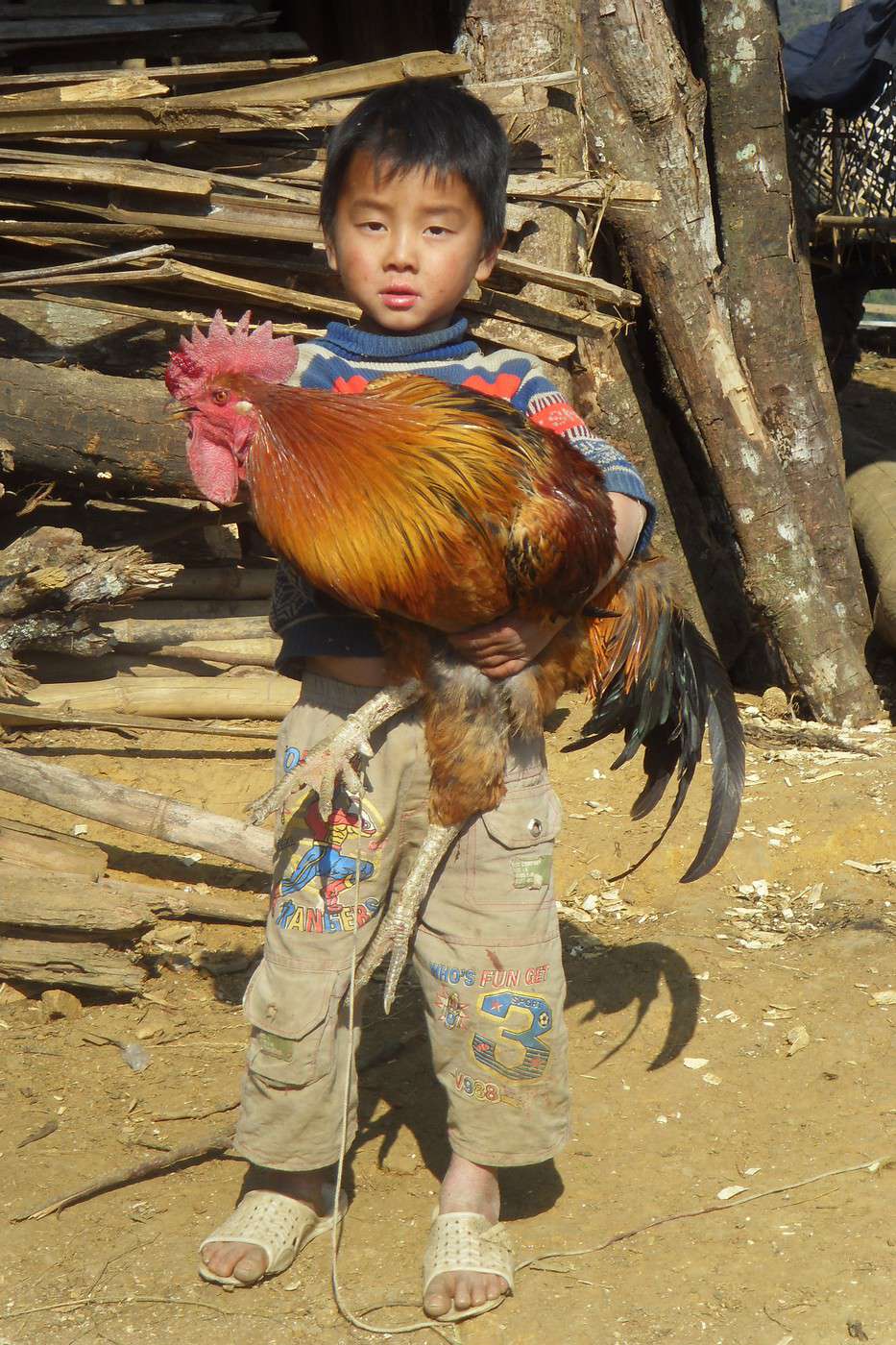
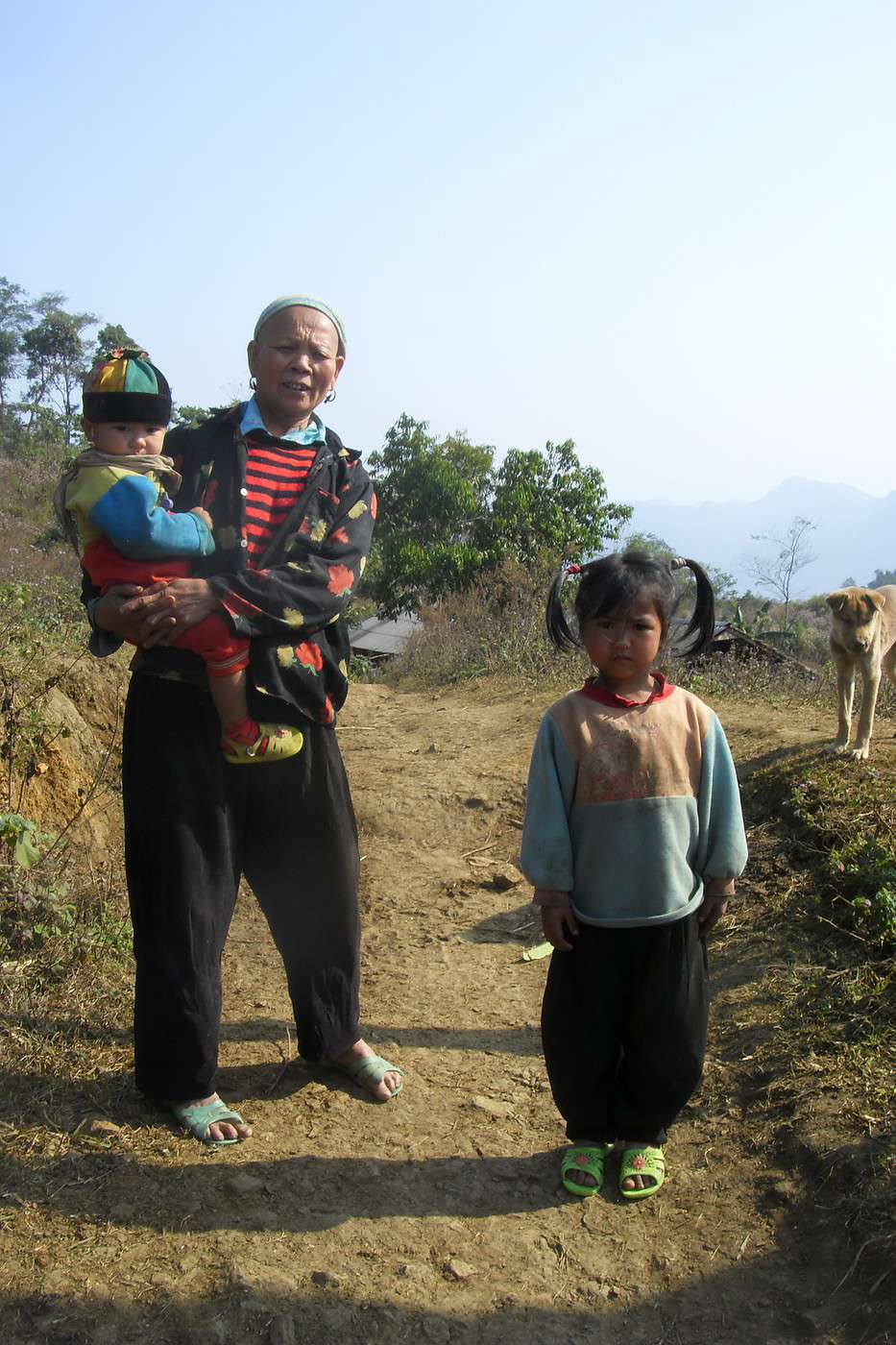



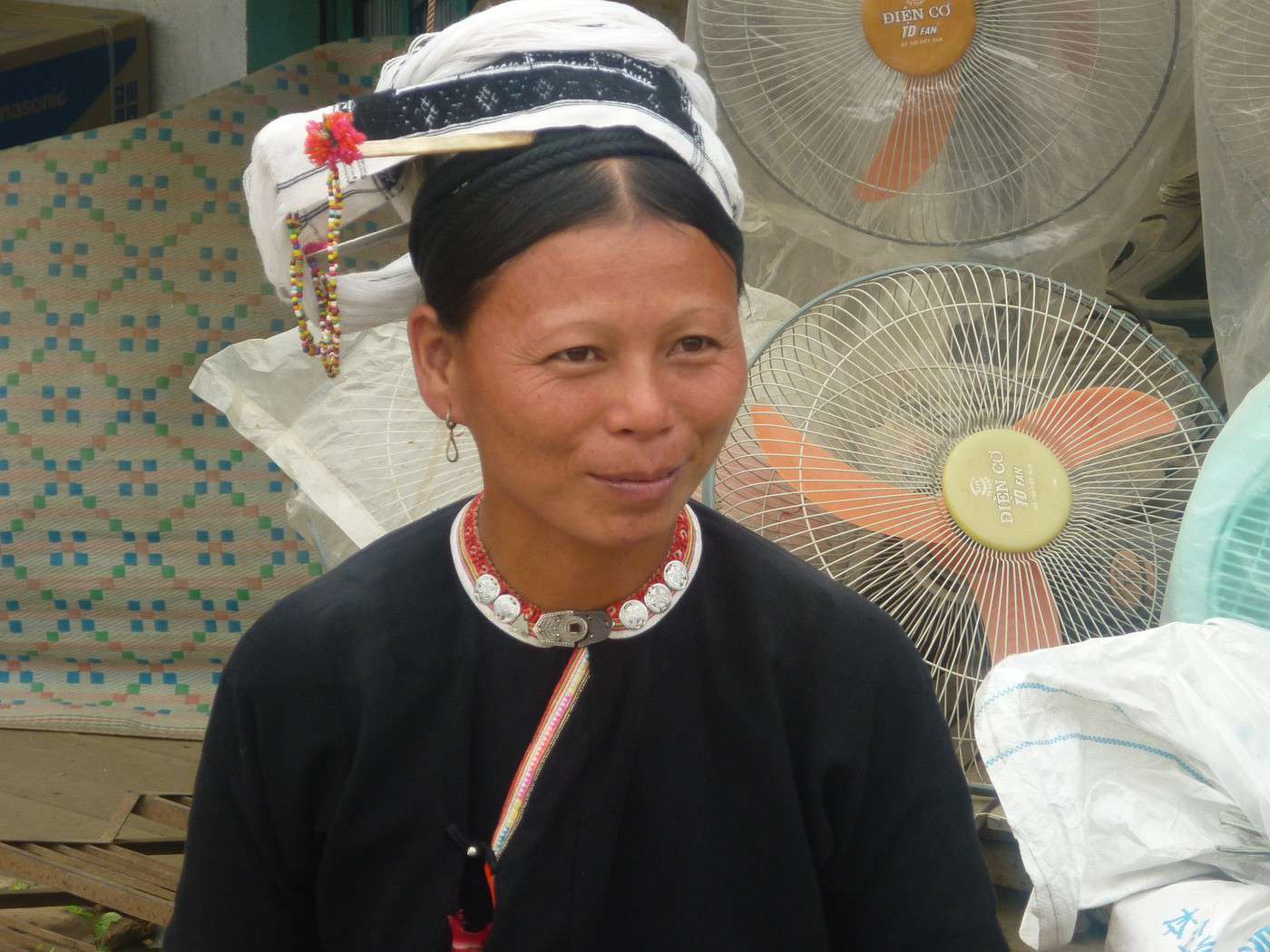
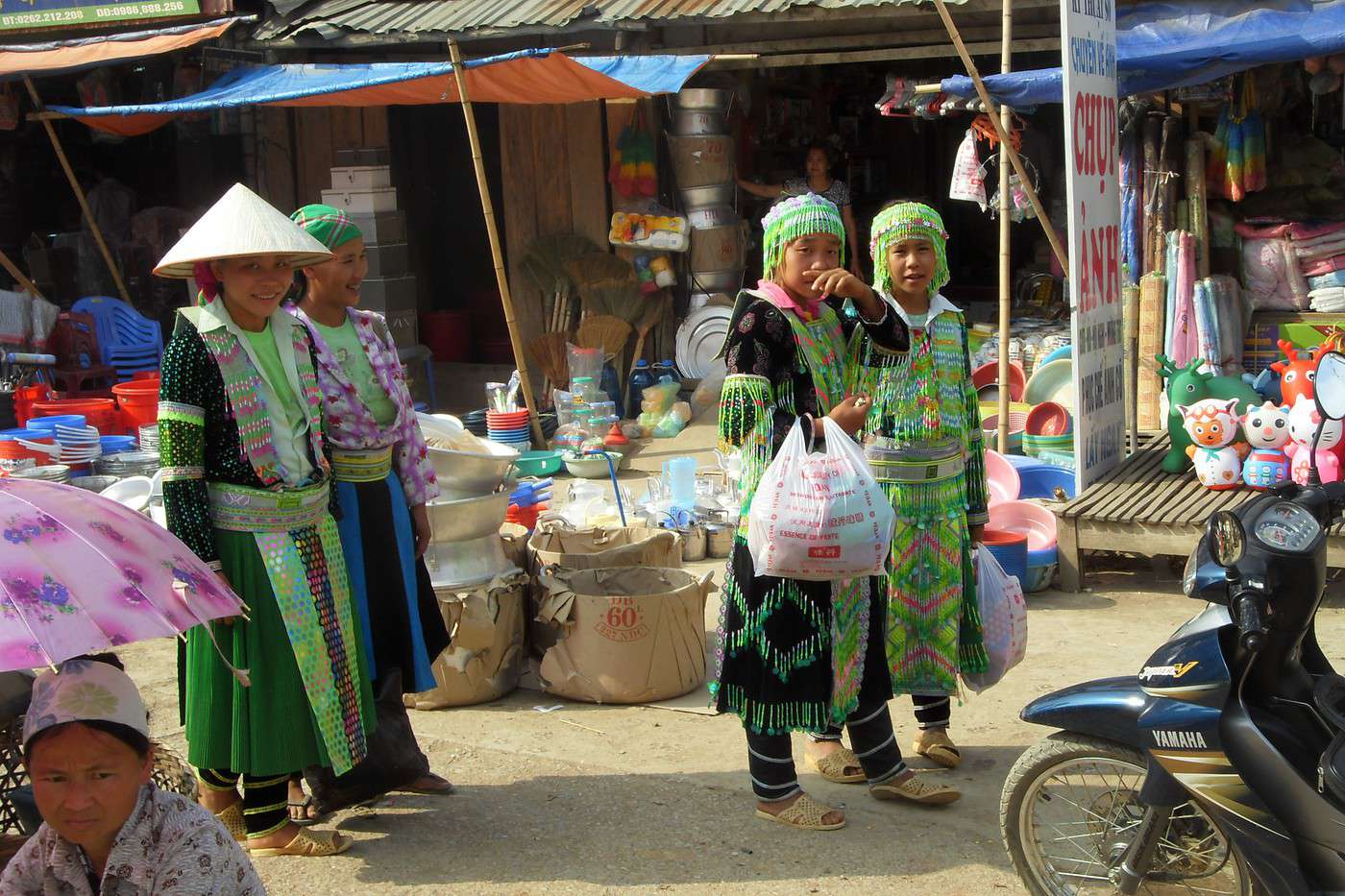
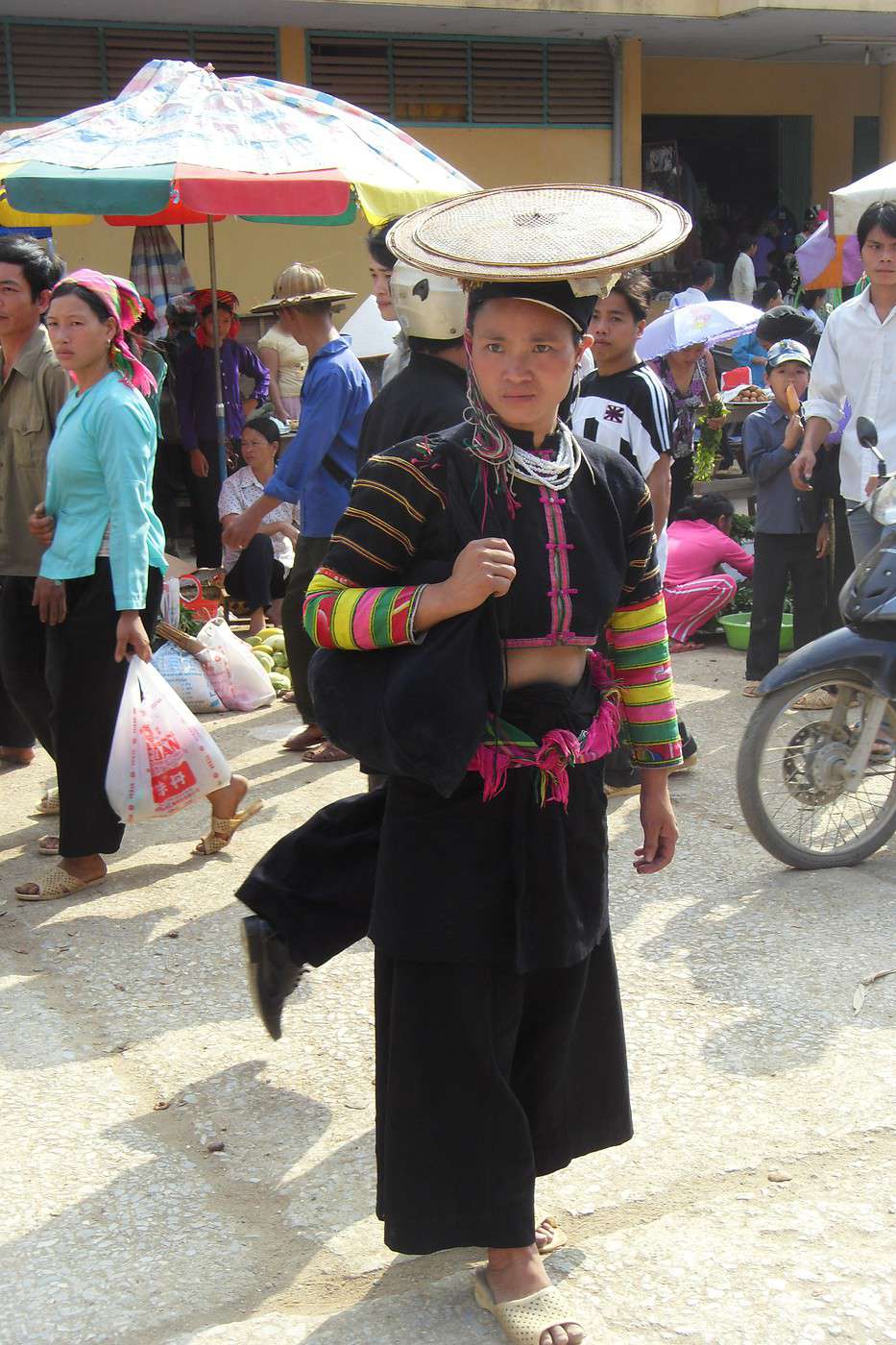
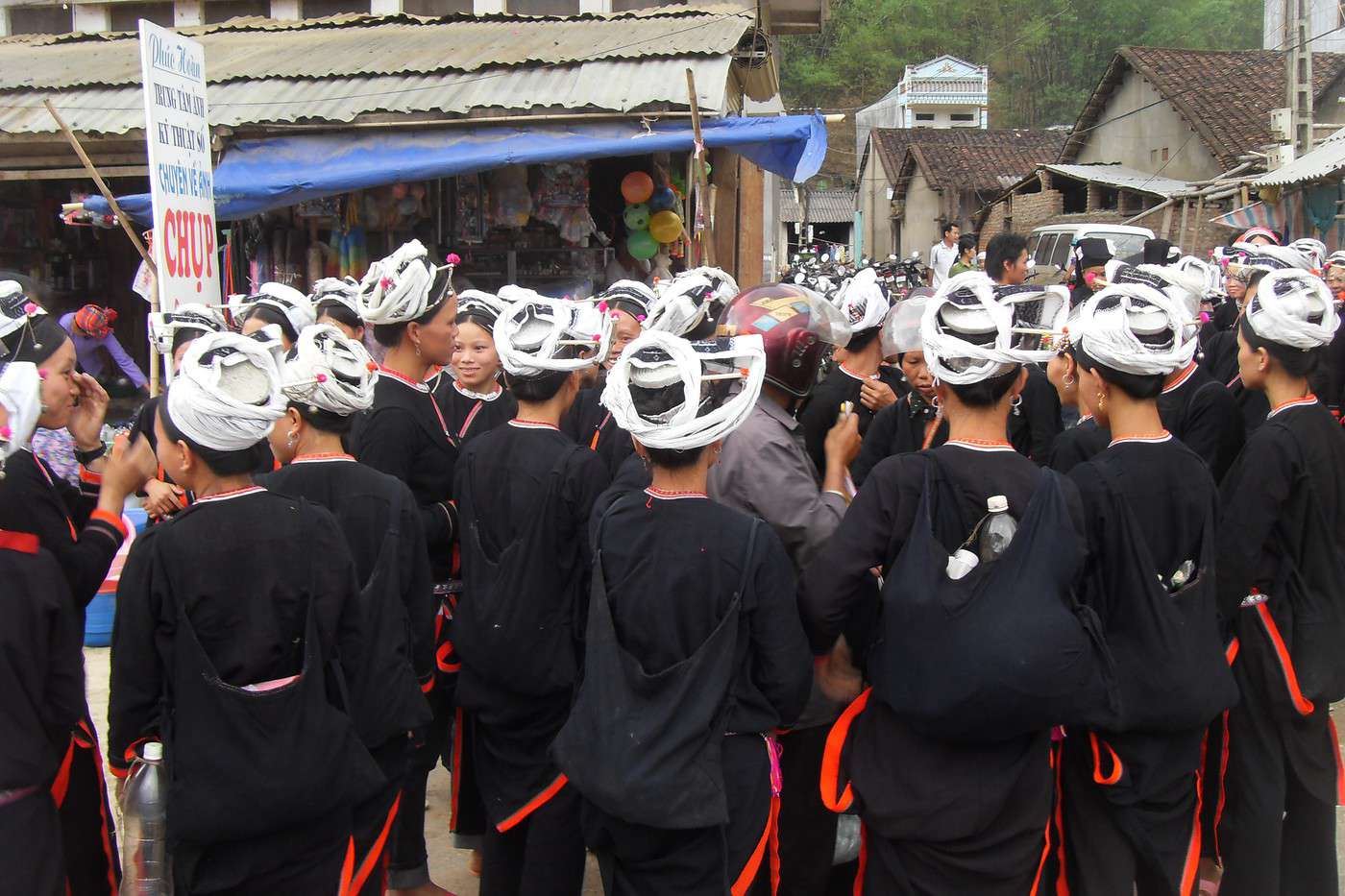
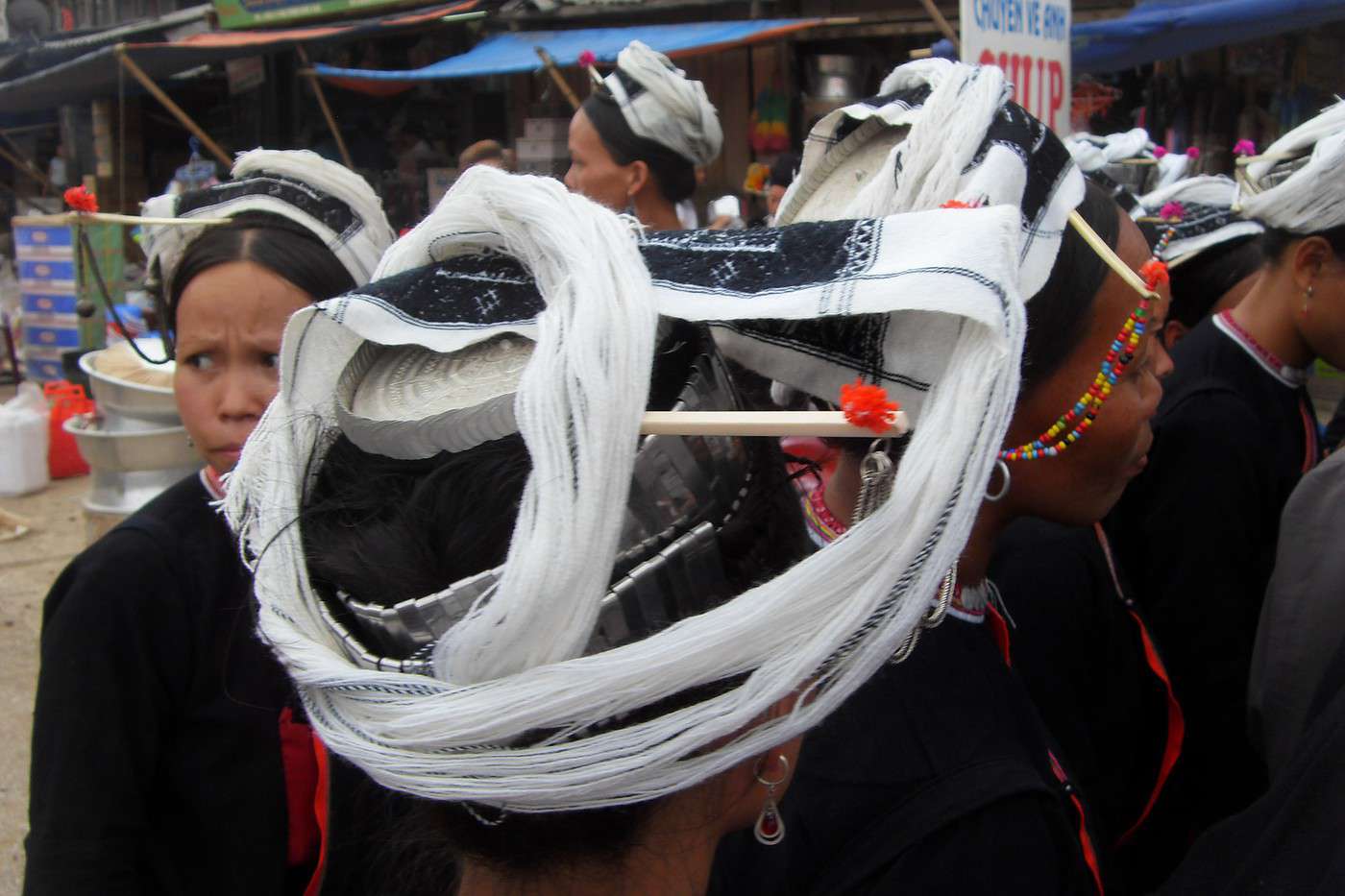
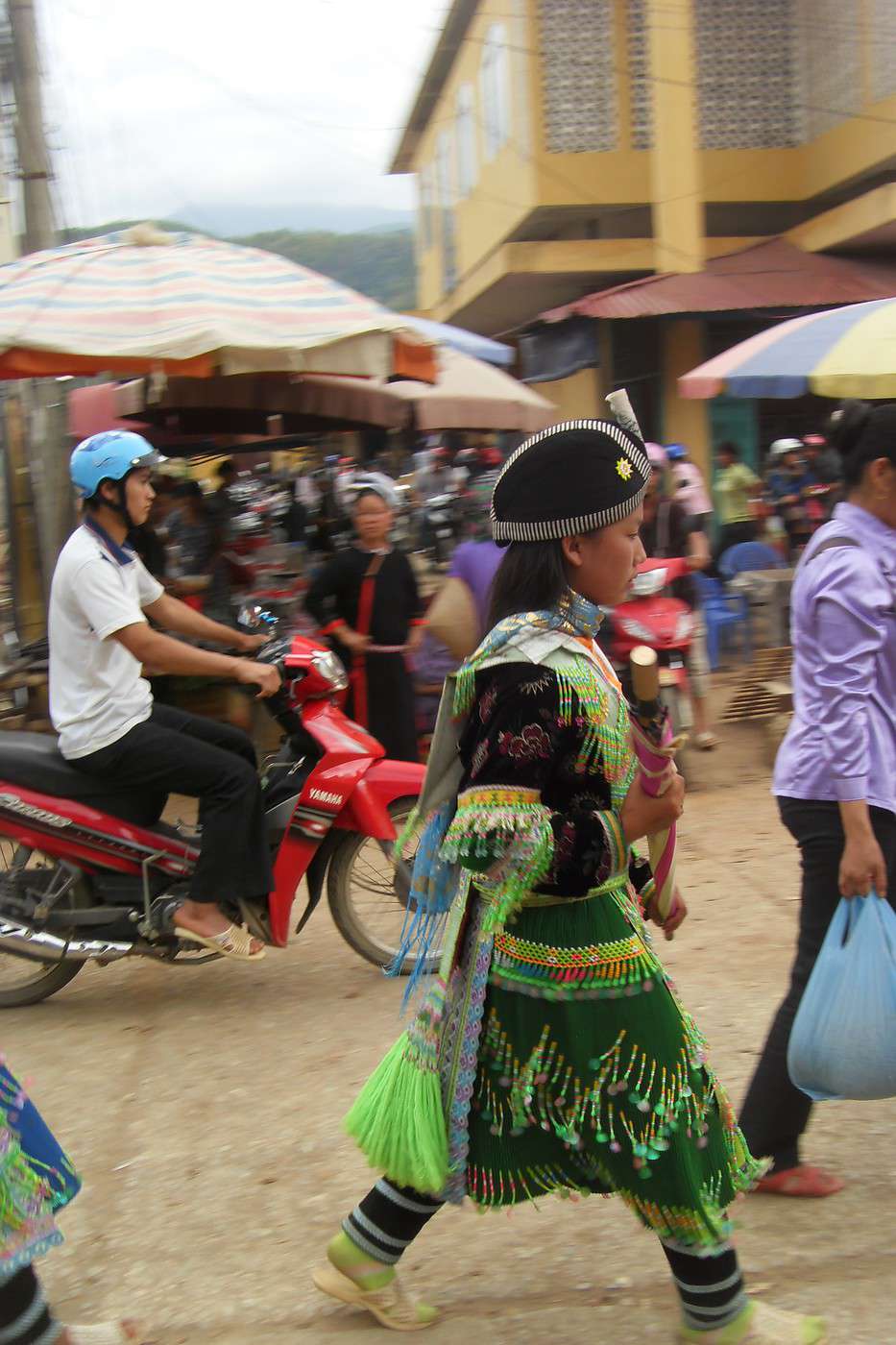
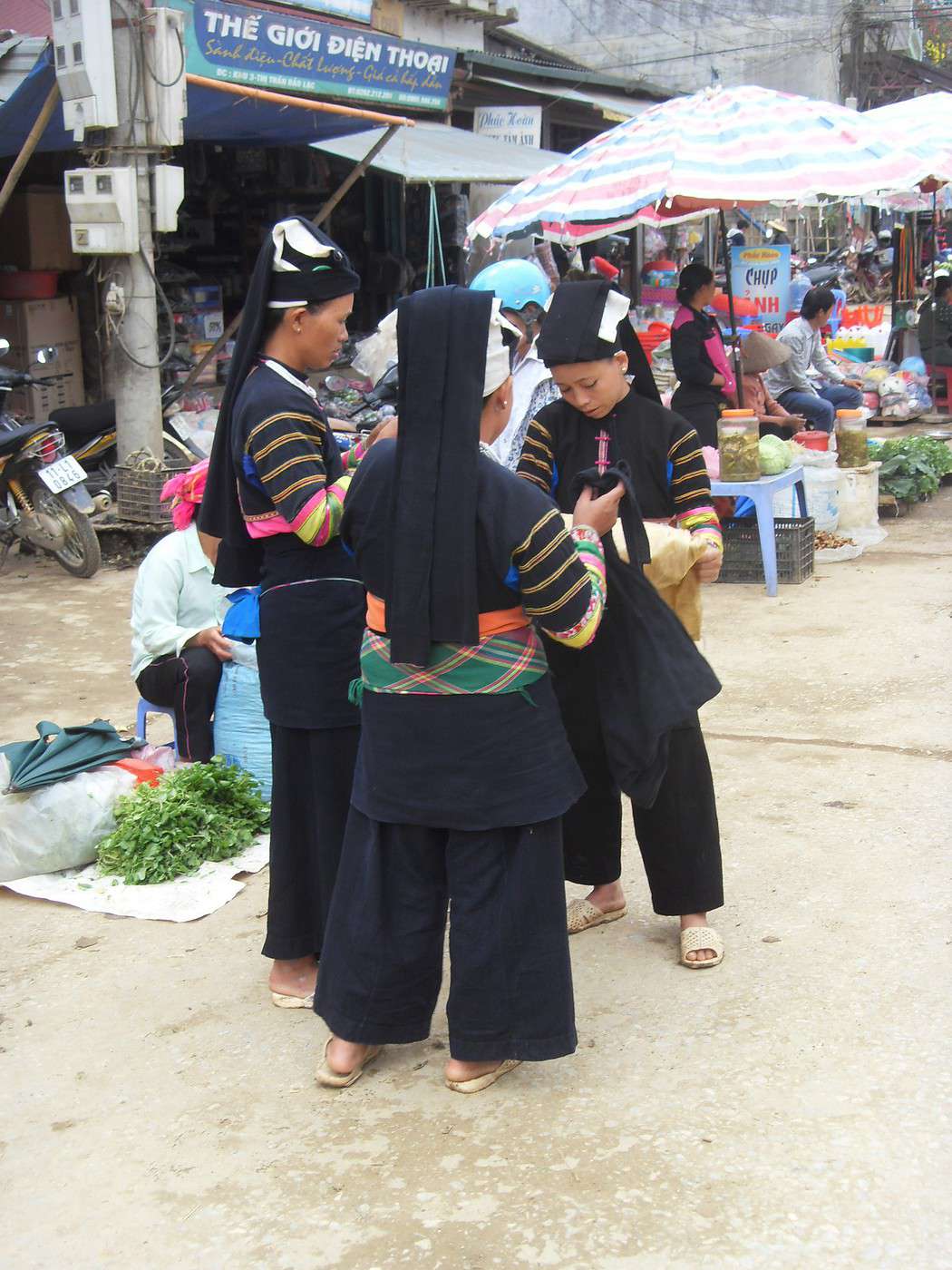
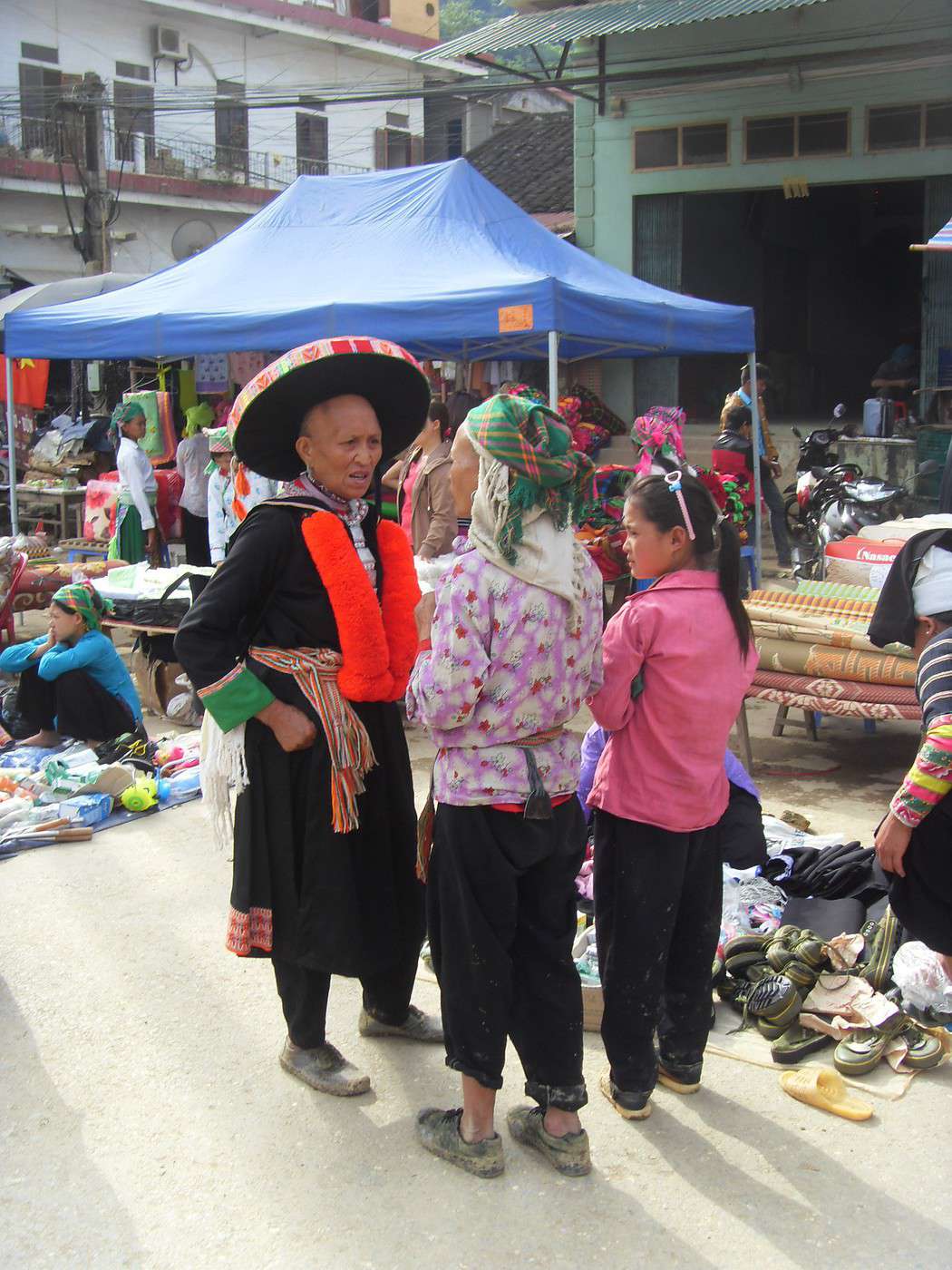

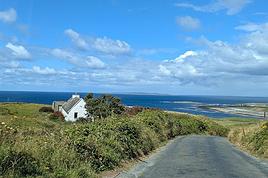
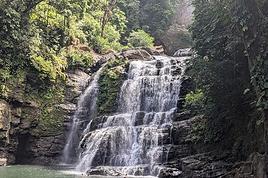




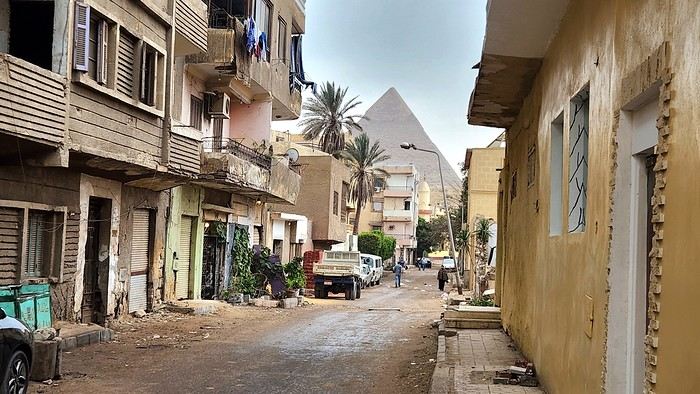

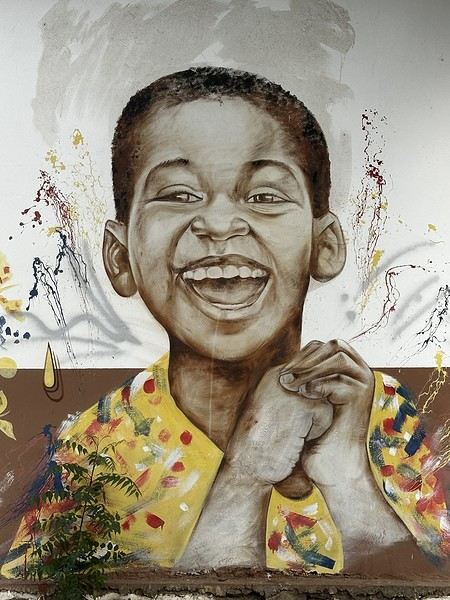



 Vila beach
 Sunset behind Santiago
 The rocks and sea at Ponta Preta
 At the summit of Monte Batalha
 Calheta
 Calheta de Baixo
 The beaches just keep coming...
 The dunes
 The 3 coconut trees, a landmark to find the track
 Boca da Ribeira beach
 The hills on our right
 Ribeira Dom João
 Barreiro
 The old track
 The church in Vila do Maio
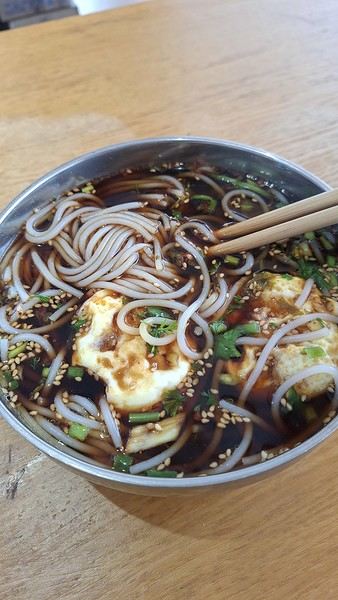
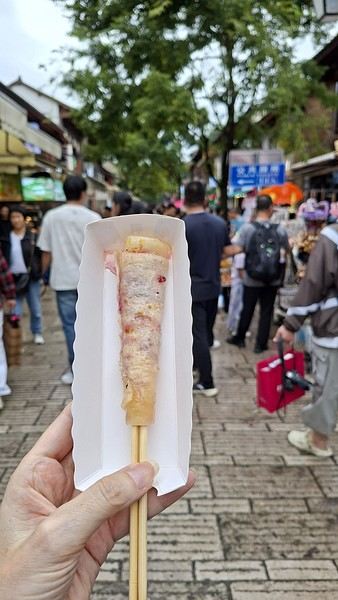
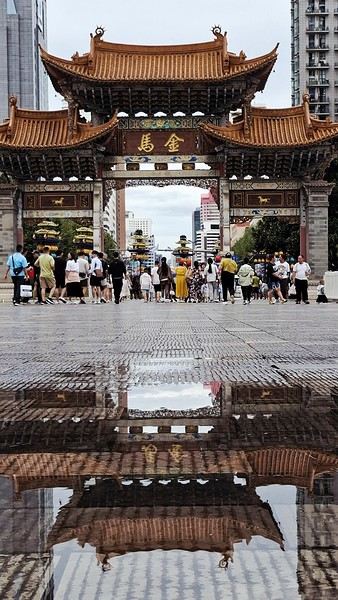


 2- Around San Pedro



 The large solidified magma massifs that shape the heart of the island have created a large depression more protected from the sun at its center, allowing the growth of a vast laurel forest, today grouped within the Garajonay National Park, La Gomera’s green lung, which has earned it the status of a World Biosphere Reserve. Its completely European appearance contrasts sharply with the rocky and tropical landscapes of the rest of the island. Thus, the climate varies greatly from one point to another on the island: in summer, you can quickly go from a dry and sunny valley at 35°C to a humid forest area at altitude at 18°C.

 On the right, the "welcome marker"—those dates offered everywhere as a sign of hospitality. On the left, a tribute to those stunning doors worn by time, admired all over the old quarters, including the abandoned ones.
 Hospitality will often lead you to accept a small coffee, an "Omani coffee," very light, subtly flavored with cardamom, maybe a touch of saffron, and occasionally rosewater.
Here, I’ve depicted a man in the common everyday attire of Omanis: the dishdasha, mostly white (during the week and daytime; colors are more common in the evening or on Fridays and Saturdays). While you’ll see some men dressed in Western clothes, they’re very few. The white dishdasha is truly the shared attire of all men. The dishdasha, which has no hood, is distinguished by a small pom-pom attached to the collar, the furakha, which is soaked in perfume. And believe me, Omanis go overboard with it! "It smells like the pom-pom" is an expression that’s now part of our shared language, my husband and I.
Another must of men’s attire is the kuma, a small round head covering, usually white with brightly colored patterns. The keffiyeh is also worn (but without the cord called an agal in Arab countries), and it’s mostly worn by those with roots in the desert, from what I understood.
And what about the women, you might ask? Some are veiled, some in full black (but not a burka—more like a chador + abaya), due to the influence of Saudi Arabia and the United Arab Emirates, whereas the traditional outfit used to be a layering of very colorful dresses. Most of the women we saw wore neutral clothing, a plain veil over their hair, but with their faces uncovered. We also saw many saris and colorful veils—don’t forget that 40% of the population consists of Indian, Nepalese, and Bangladeshi immigrants, who work a lot in tourism, hospitality, restaurants, services, and construction.
Just to clarify, as a tourist, there’s no pressure to wear a veil, and never any disapproving looks. Of course, you’ll save the mini shorts, plunging necklines, bare shoulders, and midriffs for the hotel terrace—but I’d say that’s the same for men and women, and with the sun being strong, it’s better for your skin too.
Here’s the introduction! In the next post, I’ll tell you about my itinerary, and we can dive in!
Hospitality will often lead you to accept a small coffee, an "Omani coffee," very light, subtly flavored with cardamom, maybe a touch of saffron, and occasionally rosewater.
Here, I’ve depicted a man in the common everyday attire of Omanis: the dishdasha, mostly white (during the week and daytime; colors are more common in the evening or on Fridays and Saturdays). While you’ll see some men dressed in Western clothes, they’re very few. The white dishdasha is truly the shared attire of all men. The dishdasha, which has no hood, is distinguished by a small pom-pom attached to the collar, the furakha, which is soaked in perfume. And believe me, Omanis go overboard with it! "It smells like the pom-pom" is an expression that’s now part of our shared language, my husband and I.
Another must of men’s attire is the kuma, a small round head covering, usually white with brightly colored patterns. The keffiyeh is also worn (but without the cord called an agal in Arab countries), and it’s mostly worn by those with roots in the desert, from what I understood.
And what about the women, you might ask? Some are veiled, some in full black (but not a burka—more like a chador + abaya), due to the influence of Saudi Arabia and the United Arab Emirates, whereas the traditional outfit used to be a layering of very colorful dresses. Most of the women we saw wore neutral clothing, a plain veil over their hair, but with their faces uncovered. We also saw many saris and colorful veils—don’t forget that 40% of the population consists of Indian, Nepalese, and Bangladeshi immigrants, who work a lot in tourism, hospitality, restaurants, services, and construction.
Just to clarify, as a tourist, there’s no pressure to wear a veil, and never any disapproving looks. Of course, you’ll save the mini shorts, plunging necklines, bare shoulders, and midriffs for the hotel terrace—but I’d say that’s the same for men and women, and with the sun being strong, it’s better for your skin too.
Here’s the introduction! In the next post, I’ll tell you about my itinerary, and we can dive in!

 Roundabouts are particularly interesting because they feature emblems of Turkmen culture, like the dog, a carpet, the Ahal Teke horse, or Muslim symbols, even though the presence of Islamic artifacts is quite limited.


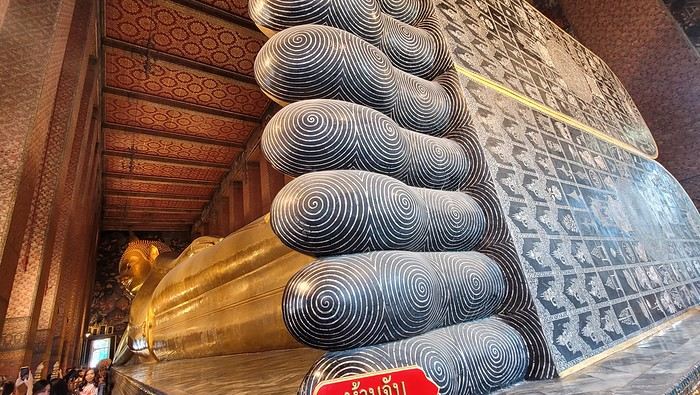
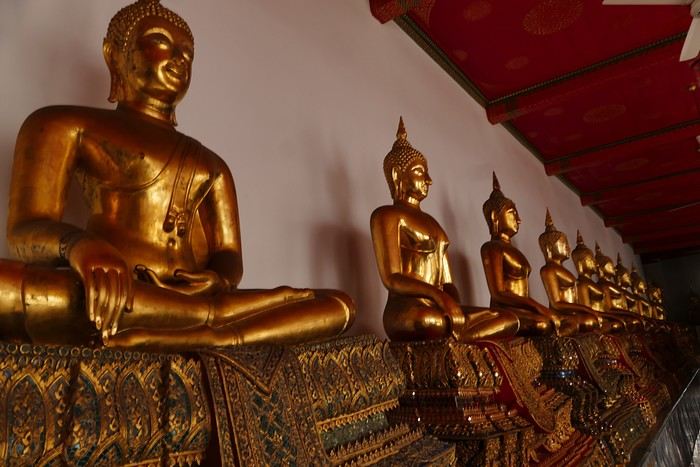
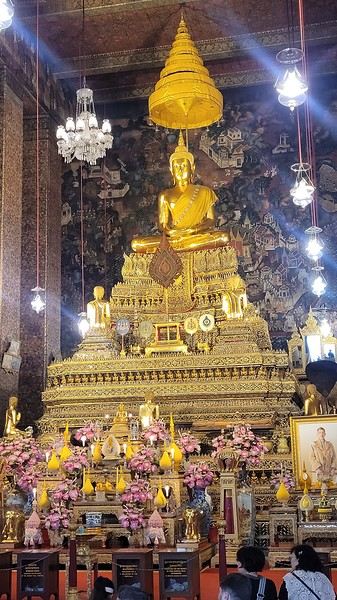
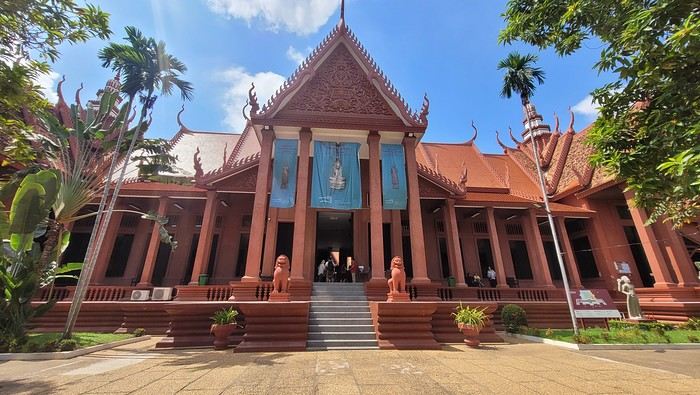

 Last October, we landed in Marrakech to spend a few days with family exploring Morocco’s roads.
Transport: a rented Dacia.
Accommodations: small guesthouses.
Last October, we landed in Marrakech to spend a few days with family exploring Morocco’s roads.
Transport: a rented Dacia.
Accommodations: small guesthouses.
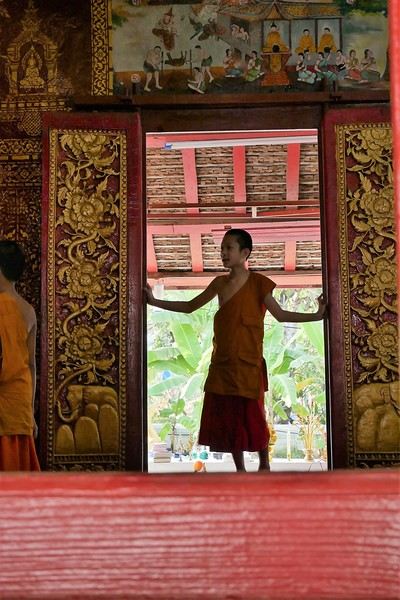 Come along, I'm taking you to this country where it's so nice to wander and slow down...