L'été prochain, on part 2 mois. C'est un compromis entre "maman" qui voudrait partir bien plus longtemps et "papa" qui trouve que 3 semaines c'est déjà pas mal (mais qui dit toujours en rentrant qu'il aurait bien pris 1 semaine de plus !).
L'idée générale est qu'on va prendre notre temps et profiter des lieux, des gens, se poser de temps en temps, un peu plus que ce qu'on fait d'habitude en tous cas...
Partant de là 2 approches possibles :
1) seulement le Pérou, du nord au sud, ou l'inverse
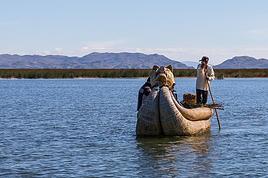
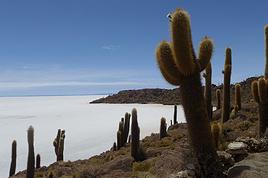
2) Pérou-sud et un peu de Chili/Bolivie (notamment salar d'Uyuni, désert d'Atacama)
En vrac toutes les questions qu'on se pose :
Amazonie si on va côté Amazonie (Iquitos, Puerto Madonaldo, ou autre), est-ce que ça craint pour le palu ? Il semble que oui. Peut-on vraiment se protéger efficacement contre les moustiques ? Il faut savoir que si nous avons notre anti-moustique personnel, alias Marine, 10 ans, elle n'a aucun anti-moustique et généralement, elle charge ! J'ai vu que les enfants peuvent prendre du malarone : quels sont les effets secondaires ? J'ai cru voir un oedème de Quincke... 😕 Peut-on les tester avant de partir pour savoir s'ils réagiront bien à la malarone ? Qu'en est-il des recherches sur l'Artemisia annua ? Cette plante guérit apparement le paludisme mais n'est pas utilisée en Europe (lobby pharmaceutique ???). mon mari étant anti-compagnie aérienne locale, quel est l'endroit le plus facilement accessible en bus/bateau ? Iquitos, ça me tentait bien, mais ça fait long en bateau, j'hésite...
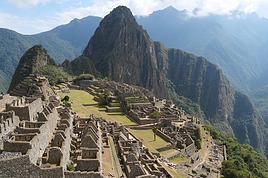
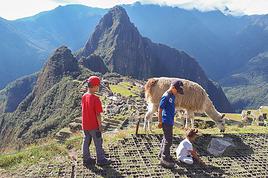
Trek de l'Inca qui l'a fait avec des enfants ? De quel âge ? Comment ça s'est passé ? En gardent-ils un bon souvenir ou un souvenir désagréable de "marche forcée" ? On envisage de le faire avec un porteur de plus pour porter leurs affaires (et peut-être un peu des notres 😉) le chemin est-il vertigineux ? y a-t-il des ponts de corde à traverser ? Est-ce très en hauteur ? Si quelqu'un a des photos à m'envoyer, je prends ! C'est pour mon mari qui est facilement sujet au vertige. Y a-t-il des passages qui vous ont paru particulièrement dangereux ? Aura-t-on besoin d'encorder les enfants par endroits ?
Nourriture
Moi ça va je mange tout 😛 mais les enfants, comment ont-ils trouvé la nourriture ? Ont-ils mangé correctement ou bien est-ce que ça a été la galère pour les faire manger ?
Transport
Les transports locaux... quelle est la durée max supportée par les petits voyageurs ? Les prendre me fait pas peur, mais c'est plutôt pour estimer les distances max qu'on fera dans une journée...
Trucs pour les préparer avant le voyage je prévois de prendre des cours d'espagnol avec ma grande fille (elle est toujours frustrée de pas pouvoir parler avec les enfants quand on est à l'étranger) et aussi de revoir toute la série "les cités d'or" avec les documentaires pour préparer le parcours en détail avec eux, qu'ils voient qu'on va marcher dans les traces d'Esteban, Tao et Zia (en partie). d'autres idées ?
Merci, merci !
Pascale
PS: je cherche le guide "Pérou" de Vincent Geus aux éditions La Boussole, apparement en rupture de stock. Si quelqu'un veut bien me le prêter, je rembourse les frais d'envoi, merciiiii !
Je ne suis pas encore maman, et ne te serai pas d'un grand secours, mais je tenais juste à te signaler que certains anti-moustiques efficaces dans les zones tropicales sont formulés spécialement pour les enfants. Je n'en avais pas vu en métropole (je vis en Guyane), en tout cas pour les marques efficaces (off pas mal, mousti cologne, j'aime bien...) mais ça existe.
D'après ce que j'ai vu cet été, les pharmacies péruviennes étaient mieux achalandées que prévu, tu en trouveras sûrement là bas.
Quoi qu'il arrive, contre le palu, rien de tel que le répulsif corporel, les spirales, les manches longues, les vêtements imprégnés de lotion, et les moustiquaires, le tout associé (bon, pas à long terme, cela me déclenche de l'asthme, maintenant, mais peu de temps...c'est bien...).
Pour la Malarone, une de mes amies a fait une mauvaise expérience (oedème de Quincke dans l'avion, heureusement elle ne savait pas le danger qu'elle courait et n'a donc pas paniqué...), je suis donc méfiante. Cela dit, c'est le seul cas que je connais: faut vraiment en parler avec le médecin...
protection contre les moustique: Elle doit se faire dans tout le perou, principalement dans le nord ( region de Piura et au dessus, en amazonie du nord et de l'est . Dans toutes ces zones, il y a la malaria, la dingue et autres rejouissance. Le fait de prendre de la malarone ( qui est un traitement très lourd) n'est pas suffisant. Il est donc preferable de prendre des dispositions pour repousser les moustiques
L'impregnation des vetements avec des solutions vendue en pharmacie ( sans danger pour les enfants, non allergisant), vetement avec des manches longues, des pantalons, des chaussures fermées...., pour dormir dans les zones à riques avec des moustiquaires. Prendre egalement des spray et spirales anti moustiques, enfin tout l'attirail de lutte contre ces sales bètes
Malgrè cette contrainte, cela vaut mieux que les traitements anti-paludisme.
Pour des courtes durée en amazonie d'Iquitos c'est suffisant
Coté vaccin: la fièvre jaune est recommandée mais pas obligatoire. On ne vous demandera rien à l'arrivée au perou ou à Iquitos.
Tu as des moustiques au Machu Picchu et au lac Titicaca mais ils ne transmettent pas le palu
Pour le chemin de l'inca le chemin de temps entemps grimpe durmais il n'y a pas de point critique, pas de pont en corde, pas de terrain très etroit. Il y a en permanence 1500 personnes sur la longueur du chemin. Je neveux pas dire que c'est une autoroute, mais c'est très fréquenté
http://www.chemin-inca.com beaucoup de renseignement sur ce site
Les compagnies des lignes interieures sont en majorité des compagnies internationales LAN - STAR PERU avec des appareils modernes à reacteurs AIRBUS ou BOÏNG.
Le voyage en bateau pour aller à Iquitos à partir de Puccallpa n'est pas recommandé avec des enfants. Et déja il faudra déjà arriver à Puccallpa....
Pour les transports en bus longue distance, le confort permet de dormir completement allongé et se font en general de nuit. Par exemple Lima-Arequipa se fait en 15 heures environ depart entre 16 et 17 heures -arivée vers 8-9 heures le lendemain ( horaires à confirmer). La nuit tombe vers 18-19 heures
Quant aux "cités d'or", je ne vois pas comment, ces dessins animés peuvent te faciliter la préparation de ton itineraire . Ces bandes passent tous les jours sur une chaine de la TNT.
Bonne reflexion et bonne preparation de voyage
los ninos
En particulier pour l'info sur les compagnies aériennes, j'ai réussi à convaincre mon mari qu'on pouvait éventuellement prendre l'avion au Pérou ! 😉
Pour la préparation de l'itinéraire, désolée si je n'étais pas claire, je ne prépare pas mon itinéraire avec les cités d'or ! 😛 C'est juste par rapport à mes enfants qui ont adoré les cités d'or, je veux faire le // entre les lieux visités par les 3 héros et les lieux réels, ma fille aînée a une réelle motivation pour voyager, et en particulier pour toutes les civilisations disparues. Mon fils est moins voyageur dans l'âme, je cherche donc à les faire participer à la préparation de ce voyage, à créer des envies de voir tel ou tel endroit, un des supports étant ce fameux dessin animé !
les cités d'or....quand je suis encore eveillé j'aime bien aussi les regarder....
Si ta fille aime les civilisations disparues, alors tu as une halte obligatoire à Lima au musee de la Nation. Ce musee, rebarbatif d'allure exterieur (genre d'immense casemate de beton) recelle des tresors et un eventail de tout ce que l'on peut voir dans les musées sur les differents sites archeologique du pays.
Un autre musee tres interessant aussi, le musee d'Archeologie et d'Antropologie . Il offre l'avantage de pouvoir faire des photos (sans flash), magnifique, agréable à visiter
Enfin le musee Raphael Herrera plus specialisé sur la civilisation Mochica ( civilisation très avancée qui s'est developpée sur la cote dans le nord du pays. C'est cette civilisation qui a servi de base à la civilisation INCA) Ce musée est très agréable aussi à visiter.
Ces 3 musees sont une bonne introduction pour voir les sites Mochica entre Chiclayo et Trujillo
ceux de la civilisation nazca autour de la ville de Nazca et ceux que l'on connait beaucoup plus de la civilisation Inca entre Puno et Cuzco.
Pour tes enfants, je pense qu'il est bon qu'ils aillent voir les enfants d'amazonie et de voir comment ils vivent avec tellement peu de chose sans electricité, sans eau courante..... Cela remet un peu les idées en place concernant notre façon de vivre et notre envie d'avoir toujours plus de facilités, plus de jouets, plus...plus...plus.
Jean-Louis, notre correspondant à Iquitos peut t'organiser un circuit de 3-4-5 ou 7jours en foret amazonienne autour d'un petit village très attachant . Ce sont des circuit 100% solidaires.
Va voir son site (l'URL est dans ma signature)
Pour moi, le plus important dans ta preparation, n'est pas la partie vaccin, nourriture ou transport,
mais l'adaptation de tes enfants à l'altitude. Dans ce pays, on passe très rapidement du niveau de la mer à 4000m. Cela peut occasionner des gènes pour les enfants qui peuvent gacher le voyage pour eux. (exemple le trajet nazca- cuzco par abancay): Nazca est à 100m d'altitude environ et 90 km plus loin tu es à 4300m. Ce problème, tu le retrouves à Arequipa et la Colca, entre Arequipa et Puno.
Pour cette adaptation, je te conseille donc de faire une halte de 2 jours au moins à arequipa à 2300m, ce n'est pas l'idéal pour une bonne adaptation, mais c'est dejà un pallier .
Je suis trés contente que vous avez choissiez le Pérou come destins principal de votre voyage, je vous conseilles de faire votre voyage du sud au nord du Perou,
J'ai vu que vous etez intéressé en visiter le Pérou pour la prochaine année .
Effectivement dans l’Amazonie Peruvienne (Iquitos, Puerto Madonaldo), il y a des moustiques donc que si vous voudriez aller, c’est recomendable se protéger en mettrant de une vaccine contre le paludisme et aussi en utilissant de la créme contre les moustiques .
Et aussi le trek de l’Inca, peut etre se fatigante pour faire avec des enfants (vous devriez marcher pendant 6 heures, si vous avez un programe toruristique de 2 jours/ 1 nuit), donc que je vous conseilles de faire Vallée Sacrée, Le Macchu Picchu, biensur,
et aussi visiter Pisaq, Ollantaytambo, Maras /Moray, et Chincheros. Vallée Sacrée
Accompagnédurant le voyage par la rivière Urubamba ou Vilcanota quand on fait ce circuit, on peut apprécier les villes de Pisaq, Yucay, Urubamba, Ollantaytambo et de Chinchero. Dans chaque ville, vous trouverez des ruines archéologiques pré-hispaniques construites par les différents Incas et utilisés comme citadells ou comme endroit de repos. Des endroits parfaits pour acheter des produits fait main.
1. Pisaq
Situé à 30 kilométres de la cité de Cusco, approximativement à 45 minutes en bus. Les mardis, jeudis et dimanche, se déroule un marché artisanal sur la place principale de la ville avec la participation d'artisans de la ville entière qui maintiennent une activité de production pendant toute l'année. A 9 kilométres de la ville de Pisac, haut dans les montagnes you trouverez la maison des gens qui vivent dans les Andes au milieu des terraces cultivées et des constructions Inca contenues dans 6 citadelles qui forment le plus beau paysaje historique et architectural de la zone.
2. Ollantaytambo
Des complexes pour l'agriculture, l'administration, la religion, militaires et sociaux que les Espagnols nommèrent "Fortaleza". Vous trouverez ce site à 97 km de Cuzco.
3. Maras/Moray
Situé dans le département de Maras, province de Urubamba, région of Cusco, à une hauteur de 3, 380 métres, à une distance de 48, 880 km de Cusco. Deux routes sortent de la ville de Maras, une vers le complexe archéologique de Moray et l'autre vers les mines de sel de Maras, tous les deux à une distance de 6 km. De l'agglomération de Mars on peut apprécier la chaîne de montagnes recouvertes de neige autour de la Vallée Sacrée des Incas et de Vilcabamba.
4. Chincheros
Situé à une hauteur de 3700 métres. La population vit dans des habitations dont les fondations et les murs de pierres datent des constructions pré-hispanique avec des ajouts coloniaux et modernes. Les gens ici ont conservés leur manière typique de s'habiller, remarquable par leu dessing et la vivacité des couleurs, et font du troc durant le marché du dimanche de la même manière qu'ils faisaient aux temps des Incas, bien que les habitants fassent aussi des transactions monétaires.
La gastronomie péruvienne est particulièrement diversifiée, aussi elle est très pimentée et colorée, el aji ou piment, est un ingrédient de base. Certains ne sont pas piquants mais servent à colorer les plats ou à leur donner du goût. L'assaisonnement de base est constitué d'oignons que l'ont fait revenir dans de l'huile avec des tomates.C’est comun manger beaucoup de pommes de terre
Le riz est l'aliment qui accompagne presque tous les plats. Quelques spécialités Entrées Ceviche (morceaux de poisson cru macérés dans du jus de citron vert, consideré le plat national. On remplace néanmoins souvent le poisson par des fruits de mer, du poulpe, etc), Papa a la huancaïna : pommes de terre avec une sauce au fromage blanc et au piment. Aussi, Ocopa ( pommes de terre avec une sauce aux cacahuetes ), Tamal(maïs écrasé, enveloppé dans une feuille, avec du piment orange, des olives et du poulet), Humita( semblable au tamal, mais moins compacte, sans piment et preparée avec un maïs plus jeune. Elle peut être salée ou sucrée (dans ce cas, on remplace les olives et le poulet par des raisins secs). À Lima : Plats Ají de gallina( poule ou poulet servi dans une sauce au piment jaune avec des pommes de terres parfois et du riz), Anticuchos (brochettes de cœur de bœuf marinés), Arroz Chaufa (Riz à la chinoise, dont la préparation a été modifiée par les immigrants chinois pour s'adapter aux gouts péruviens. Plus précisemment, du riz à la sauce sauja (Sillao) avec des légumes chinois) Arroz con Pato, parfois décliné en Arroz con Pollo(riz vert au canard ou au poulet avec des légumes divers, Carapulcra : pommes de terre, cacahuetes). Desserts Mazamorra ( farine de maïs, et morceaux de fruits ), Suspiro a la limeña ( lancs d'œufs en neige et alcohol), Chocotejas ( bonbons de fruits secs ou de confiture de lait (manjar blanco) enrobés d'une couche sucrée. quand enrobée elle même de chocolat ), Alfajor (deux biscuits entre lesquels on met de la confiture de lait, recouverts de sucre glace), Turrón ( es rouleaux de pâte cuite, recouverts de caramel, servie traditionnellement lors du mois d'octobre à l'occasion de la fête du Seigneur des Miracles ) .
Et comme boissons, je vous conseilles goûter Le pisco, la boisson nationale est une sorte de brandy pour vos mari et vous et pour tous la chicha morada, boisson qui s'apparente à un jus de fruit dont la base est le jus du maïs violet et Inca Kola, boisson gazeuse jaune, sucrée et très populaire originaire du Pérou La cuisine a Iquitos, elle utilise les ressources naturelles et locales uniques de poissons comme le Paiche, le plus grand poisson d'eau douce, ou la "carachama", ou encore la "toa"; ou des fruits comme le camu camu, un fruit qui contient 40 fois plus de vitamine C ainsi que l'aguaje, dont on fait de délicieux sorbets et une boisson appelée Aguajina. Bien sur, on y trouve tous les autres fruits tropicaux comme la mangue, le fruit de la passion ou l'ananas. La principale spécialité est le "Juane", plat à base de riz, assaisonné d'épices, auquel on ajoute habituellement du poulet, le tout enveloppé dans une feuille de Bijao. On le mange souvent avec du "tacacho", banane verte bouillie, écrasée et frite.Concernant les viandes, la plus fameuse est la « Cecina », viande de porc assaisonnée et fumée qui peut se consommer crue ou cuite. La viande de tortue est aussi très prisée, La cuisine a Cusco, l'alimentation principale se base dans le maïs, la pomme de terre et autres tubercules tels que l'oca, 'olluco, la maca. La viande consommée dans cette région est celle du lama, du cobaye, le cuy en espagnol, La Pachamanca est une sorte de nourriture régionale. On fait un trou dans le sol et on le tapisse de feuilles de bananier, on y fait cuire des viandes et des légumes dans un lit de pierres chauffées à blanc.Ainsi, il y a des céréales de très haute valeur nutritionnelle comme la quinoa, Kañiwa, vrais tubercules, la kiwicha connue sous le nom d'amarante.
Vous devriez rappeler que Le Chemin des Inca, c'est une zone d'hauteur, il y a des sendiers de montée sont souvent assez verticales, et les hauteurs à remonter ils oscillent entre les 2, 000 et les 4, 200 mètres sur le niveau de la mer ( Les Hauteurs à Cusco sont les suivants:Cite de Cusco : 3, 360 mètres sur le niveau de la mer, Machu Picchu : 2, 400 mètres sur le niveau de la mer, Valle de Urubamba : 2, 850 mètres sur le niveau de la mer).Vous devriez s'acclimater avant quelques 72 heures avant faire votre voyage au Chemin de Inca.Vous devriez se reposer le premier jour, manger un peu et léger, et amuser du délicieux maté de coca comme mesure préventive, et ainsi vous devriez prennent des gélules pour eviter le mal d'hauteur (ses symptômes ont l'habitude d' arriver dedans des premières 48 heures de l'hausse, comprennent depuis douleur de tête, mal au corps, faute d'appétit, altérations du rêve, et vertige ).Si malgré, cette maladie se présente, il est recomendable que vous bu beaucoup d'eau liquides.En tous les cas, il est préférable consulter avec un médecin .Vous devriez boire seulemnet d'eau minerale, il n'est pas recomendable boire de l'eau des rivières parce qu'il se risque de que il soit contaminée avec un parasite connue comme Giardea Lambda qu'il produit mal a l'estomac .
Il y a une dexieme alternative, c’est un circuit touristique totalemnet different “Le Circuit du Nord Oriental Peruvien” en visitant les villes de Chiclayo, Chachapoyas et Cajamarca en amusant des plages, des musées et de la nature, c’est parfait pour visiter au mois de Avril parce qu’il sera de bon temps, il y aura du soleil, je vous conseilles de prendre un vol aller retour de Lima jusqu’a Trujillo, c’est pas cher. Si vous voudriez changer votre itinerarire, je vous recomende de visiter le CUSCO ET MANU qui est une reserve naturelle pret de Cusco ou vous pourriez voir des animaux sauvages du Perou, des differents especies, je suis sure que vous amuserez bien ce voyage
En plus, si vous ne pouvez pas visiter Iquitos, je suis sure que vous amuserez bien Manu, c’est une reserve national naturelle avec une énorme variété des climats, des paysages et des écosystèmes. Quatre – vingt – quatre de 103 zones écologiques du monde, le plus grand unventaire de mammiféres, vingt – huit types de climat et le plus grand nombre d’oiseaux placent le Pérou entre les cinq pays avec la plus grande diversité biologique dans le monde. Le paysage est marqué par 50 montagnes de 6000 m de hauteur, de 1670 glaciers et de 12000 lacs. Dans la faune soulignent “ce que est coq des roches”, “le plongeur de Junin”, l’oiseau aquatique dans la haute forêt, dans la montagne ceux auqueniques comme la vigogne, ce qui est alpaca et le guanaco aunsi que l’ours de jumelles. Depuis la montagne jusqu’à la côte il souligne le Condor et dans l’immense jungle, des animaux se trouvent comme le jaguar, puma, tapir et des aiseaux colorés comme le guacamayo.
Dans la flore soulignent “la victorie royale”, la feuille géante de jusqu’à 2m de diamètre dans la faible forêt, la fleur “la cantuta” ou la “fleur des Incas” dans la montagne; tant dans la montagne comme dans la forêt les belles orchidées de diverses couleurs, entre d’autres espèces qui font du Pérou un des pays avec une plus grande richesse biologique.
Le visiteur dispose une grande extension opu pouvoir développer le Tourisme Écologique au Pérou, en disposant de zones naturelles pour développer ce type d’activité, l’Amazonie péruvienne comprend 59% du terriroire national et dans la vaste zone écologique mius poivons mentionner à la province de Madre de Dios qu’il occupe des zones du haute Forêt.
Dans les lieux plus importants que cette zone on place la localité de Port Maldonado, où on trouce trois secteurs de conservation de grande importance: La Réserve de Biosphère du Manú, la zone réservée de Tambopata, Candamo, et le Parc National Bahuaja – Sonene, étant les lieux les plus impressionants et avec un grand attrait que le visiteur no peut pas cesser de caonnaître.
Grand point d'émigration, cette ville a adapté les plats de chaque culture qui l'a abordé. On y trouve la plupart des plats péruviens, issus de métissages indiens, africains, espagnols, chinois ou arabes. La cuisine créole est la principale de cette ville cosmopolite. Il y a une dexieme alternative, c’est un circuit touristique totalemnet different “Le Circuit du Nord Oriental Peruvien” en visitant les villes de Chiclayo, Chachapoyas et Cajamarca en amusant des plages, des musées et de la nature, c’est parfait pour visiter au mois de Avril parce qu’il sera de bon temps, il y aura du soleil, je vous conseilles de prendre un vol aller retour de Lima jusqu’a Trujillo, c’est pas cher.
Je suis sure que vous rentre chez vous zvec des agréables souvenirs. Si tu veux plus de renseignements n'hésite pas.
Avec amitié du Perou, notre terre le pays des Incas. Ysabel 😉
Bonjour,
Nous explorons aussi partir avec nos 2 enfants 8 et 12. Une petite question... Pendant le périple, après les incontrounables, tout le monde veut un peu de plages.... Y-a-t-il quelque chose de bien côté plage??
Je prépare notre voyage en famille (nous partons avec nos filles qui auront 7 et 10 ans), pour la mi-avril 2014. J'ai réfléchi à un itinéraire pour nos 2…
Je suis en train de construire mon itinéraire au Pérou et je me pose la question d'aller à Arequipa si nous n'effectuons pas la visite du canyon de Colca. Peut…
Je compte partir en famille avec 2 garçons de 11 et 13 ans en juillet au Pérou avec Nouvelles Frontières. Plusieurs questions viennent à mon esprit: - juillet:…
Nous sommes actuellement en Amérique du Sud et arrivons au Pérou demain par le Nord, nous aimerions faire 4/5 jours en Amazonie, vers Puerto Maldonado. Nous…
Nous prévoyons partir au Pérou pour 2 semaines avec 2 jeunes enfants de 3 ans et 1an et demi. Nous aimerions visiter Lima, Arequipa, Lac Titicaca, Cuzco et MC.…
After scouring the forum without managing to decide, I thought I’d ask for your advice!
Before becoming a mom, we traveled for a year from Iran to Indonesia, and now my partner and I are finally ready to take our first big one-month trip with our kids.
We’d like 2 or 3 places to visit, settle in, and explore the surrounding area.
We’re looking for a destination that’s fairly easy (since our kids aren’t always easy themselves), but I’m hesitant about Thailand (which I didn’t enjoy because it felt too touristy at the time).
I was thinking about Vietnam, which I don’t know at all. Maybe Laos, but spending a few days near a nice beach would be relaxing with two little ones full of energy…
We don’t want to rush through crowded, commercial sites—we want to take our time and discover beautiful places.
We’re planning our second trip to Thailand (2 weeks on-site, late April/early May) as a family with our kids.
On our first trip, we visited Bangkok, Ayutthaya, the River Kwai, Koh Lipe, Koh Phi Phi, and Khao Lak. We especially loved Koh Phi Phi for its limestone cliffs and lush vegetation, as well as Koh Lipe for its crystal-clear waters and snorkeling.
This time, we’d like a trip more focused on nature. We don’t want to visit any cities (maybe a floating market if it’s really worth the detour).
We’re looking for:
- Spectacular jungle;
- Animals in their natural habitat;
- Beautiful hikes or boat rides;
- Paradise-like beaches;
- Turquoise water with excellent snorkeling, preferably directly from the beach (turtles, tropical fish, etc.).
We’re thinking of including Khao Sok, but we’re unsure which islands to combine with this park.
Do you have any suggestions for 2-week itineraries with reasonable travel times? We’re prioritizing landscapes, nature, and the sea above all else.
Hi there,
I’m heading to Oman this coming October with my 13-year-old son for 11 days. My plan is to rent a car, probably a 4x4, to reach villages in the mountains, among other places. We’ll be sleeping in a tent the whole trip.
Since it’s a short stay, we’ll stick to the eastern part of the country, from Muscat to Duqm, most likely.
Any recommendations?! Things to know, like where to exchange money without high fees, a reliable car rental agency, road safety tips, wildlife like snakes, and anything else... I’ve done a lot of research already, but any suggestions would be super helpful!!
Thanks in advance,
Happy travels to everyone,
Céline
I’ve read the forum a lot and found a wealth of information. I’ve tried to compile all of it into our itinerary and would love your feedback to finalize the bookings (we’re planning this *very* last-minute).
Here’s what we’re thinking of doing:
22 July: arrival in Johannesburg
Night of 22–23: Johannesburg
Nights of 23–26: Marloth Park (with Kruger visits on the 24th, 25th, and a crossing visit on the 26th)
Nights of 26–28: Graskop (visiting the canyon and Panorama Road on the 27th and 28th)
Nights of 28–30: Hoedspruit (visiting the central area of Kruger on the 29th?)
Nights of 30 July–1 August: Balule Park (private reserve with safari)
Nights of 1–5 August: flight from Hoedspruit to Cape Town, then 2 days in Cape Town, 1 day on the peninsula, and 2 days for wine (just the route) or something else based on your advice (we don’t know where to stay—whether to stay all 5 nights in Cape Town and where in the city, or do 2 nights in Cape Town and 3 nights nearby—but where?)
Night of 5–6 August: Kelders for penguins and whales
Nights of 6–8 August: Tsitsikamma (what is there to do/see?)
Nights of 8–10 August: Addo Park on the 9th
10 August: flight from Port Elizabeth to Johannesburg and back home
What do you think?
Is there a lot of driving time?
We’d really appreciate your comments and suggestions.
Thanks!
I’d love some advice on choosing a Christmas destination for a trip with my partner and our two kids, aged 10 and 12.
We’re looking for a place where we can enjoy great, easy snorkeling with the kids—ideally from the beach or in shallow water.
And if possible, a beautiful spot to explore, with nature, hikes, and a more laid-back, backpacker-friendly vibe than big resorts or mass tourism.
A "reasonable" flight time and not too much jet lag would be ideal!
I’ve been considering Mauritius, Zanzibar (plus possibly Tanzania), Martinique, or Guadeloupe—but maybe you have other suggestions or thoughts on these options?
I wanted to share our experience after a 5-day trip to Armenia with my wife and our 8-month-old baby.
It’s a destination that’s still relatively unknown, but it’s really worth the trip, especially if you enjoy cultural, spiritual, historical, and human-centered travel.
We were looking for a change of scenery but not too complicated with a baby—and easy to organize (even though our travel agency helped us a lot, thanks to them! 😊). In the end, Armenia was a wonderful surprise. It’s not a "postcard-perfect" destination. It’s a raw, mountainous, ancient country with real depth.
And most importantly: Armenians *love* children.
That’s probably what surprised us the most. In restaurants, waitresses, owners, or even other customers would naturally come over to play with our baby, hold them for a few minutes, smile at them, or keep them entertained while we ate.
It wasn’t intrusive. It was very natural, very family-oriented. You can tell that children have a real place in society. For parents traveling with a baby, it’s honestly a pleasure.
Day 1 — Yerevan
We started with Yerevan, a pleasant capital that’s quite easy to explore with a child.
The city isn’t huge. You can stroll around Republic Square, visit cafés, discover markets, and walk at a relaxed pace.
With a baby, it’s pretty practical: you can easily take breaks, return to the hotel, or go back out in the evening. The vibe is laid-back, family-friendly, and we felt safe.
In the evening, Yerevan is very lively. The restaurants are welcoming, and almost everywhere, our baby drew smiles.
Day 2 — Etchmiadzin and Khor Virap
On the second day, we headed to Etchmiadzin, the spiritual heart of Armenia. It’s an important place for understanding the country and its Christian identity.
Then, we visited Khor Virap, facing Mount Ararat.
It’s probably one of the most striking places on the trip. The monastery, the plain, the distant Ararat—everything is visually and symbolically powerful.
With a baby, you just need to plan a relaxed pace, avoid rushing, and take your time.
Day 3 — Garni and Geghard
The third day was one of our favorites.
We visited the Temple of Garni, very different from the monasteries, with a stunning setting in the mountains.
Then we went to Geghard, a monastery partially carved into the rock.
The atmosphere is incredible. It’s quiet, mineral, almost timeless. Even if you’re not very religious, you feel something.
With a child, the visit goes well, but again, it’s best not to overload the day. The key is to keep a flexible pace.
Day 4 — Noravank
On the fourth day, we headed to Noravank.
The road itself is an experience: dry landscapes, mountains, red rocks, valleys. The monastery is surrounded by impressive cliffs.
It’s one of the most beautiful sites we saw in Armenia.
You really get the sense that Armenian monasteries were built in impossible places—between sky, stone, and mountain.
Along the way, you can also pass through the Areni region, known for its wine. With a baby, we mostly prioritized simple breaks, relaxed meals, and uncompressed travel times.
Day 5 — Lake Sevan and return to Yerevan
For the last day, we went to Lake Sevan.
The lake is vast, bright, and surrounded by mountains. The Sevanavank Monastery, up high, offers a beautiful view.
It’s a gentler stop, perfect for ending the trip.
Then we returned to Yerevan for a final dinner. Once again, the welcome in restaurants stood out. In Armenia, traveling with a baby isn’t seen as a hassle. On the contrary, people spontaneously come up to the child.
Our overall impression
In 5 days, you obviously don’t see all of Armenia. To reach Tatev, Dilijan, Haghpat, or Sanahin, you’d need more like 7 to 10 days.
But for a first visit, 5 days are enough to feel the essence: Yerevan, the major monasteries, Mount Ararat, the landscapes, the Christian history, and the Armenian hospitality.
What we loved most:
- the kindness of people toward our baby;
- the very family-friendly atmosphere;
- the monasteries in incredible landscapes;
- the view of Mount Ararat from Khor Virap;
- the atmosphere of Geghard;
- the cliffs of Noravank;
- the food;
- the feeling of safety;
- the fact that the country is still relatively untouched by mass tourism.
What to know when traveling with a baby:
- distances can be longer than expected;
- some roads are mountainous;
- avoid overloading the day;
- it’s better to have a driver or a car;
- plan for breaks, water, diapers, baby meals;
- a stroller isn’t always practical on ancient sites;
- a baby carrier can be very useful.
Recommended 5-day itinerary
For a first trip, I’d suggest:
Day 1: Yerevan
Day 2: Etchmiadzin + Khor Virap
Day 3: Garni + Geghard
Day 4: Noravank + Areni
Day 5: Sevan + return to Yerevan
It’s balanced, not too tiring, and gives a great first impression of the country.
Conclusion
Armenia is a wonderful destination with a baby, as long as you travel slowly and don’t try to see everything.
What touched us most, beyond the landscapes and monasteries, was the attitude toward children. There, you feel that babies are welcomed with real tenderness. In restaurants, people naturally helped us, played with our child, and gave us a few minutes to breathe.
That’s rare, and it makes a big difference in the travel experience.
Armenia isn’t a destination you consume quickly.
It’s a country that you *feel*.
For those who love cultural, spiritual, historical, family, and human-centered travel, I highly recommend it.
Hi everyone,
We're heading to Colombia soon for two weeks as a family with our two 10-year-old boys. I'm a bit behind on planning our itinerary and could really use your advice!
We arrive in Cartagena, where we'll spend 3 nights.
Next, we're heading to the Tayrona area for 3 nights. Could you recommend a nice hotel with a pool, ideally family-friendly? Unfortunately, Senda Watapuy and Senda Koguiwa are already fully booked for our dates.
After that, we were thinking of spending a few days in Minca. Is that a good idea in late July/early August? How many nights would you recommend?
Finally, we're looking for a last stop before returning to France. We've heard about Mompox, but we're hesitant because it seems like a big detour. We love nature, animals, beautiful landscapes, beaches, and authentic places. Do you think Mompox is worth the detour with two kids, or would you recommend another destination (Palomino, Barú, La Guajira...) instead?
We don’t want to take any domestic flights.
Thanks in advance for all your tips and experiences!
This summer, we’ve decided to do a 3-week road trip starting from Nice and heading down to Ksamil in Albania.
We’re leaving from Nice, and our route is already pretty much set:
Nice - Verona (Italy) - Rijeka (Croatia) - Zadar - Split - Budva (Montenegro) - Shkodër (Albania) - Ksamil, then back through Italy via Bari.
The itinerary is packed! 🙂
Do you have any suggestions for things to see—visits, beaches, viewpoints, villages, or excursions—to make the most of our journey?
Hi there, we're planning our vacation in Indonesia. We're a family with two kids aged 11 and 14. We leave on July 26th and return on August 17th, 2026.
We initially planned to visit Bali, Komodo, and Flores, but after looking into it more, we came across Sumatra, which is less touristy... a real plus for us. However, skipping Bali might be a shame.
I was wondering if spending 12 days in Sumatra and finishing with about 7 days in Bali is a doable plan.
Hi,
I’m traveling with my 5-year-old son this summer to Northern Thailand, Northern Vietnam, Yunnan, and Indonesia. I plan to equip him with a GPS tracker, but the SIM cards come with a contract. Do you know what the options are in Asia?
Thanks,
Nora
Hi there,
We’d like to spend 2 days in Lyon in May with our 8- and 12-year-old kids, exploring the city on foot.
We’ll arrive on day 1 around 11 AM and leave on day 2 around 6 PM.
I’ve mapped out two routes and was wondering if they’re doable in our 2 days, and if you have any tips or info on visit prices.
We’re not sure where to stay yet, but we’d like to optimize by booking accommodation (hotel or Airbnb) between the two routes, maybe?
Hi there!
I’m planning a trip with my wife and our three kids (ages 9, 6, and 3) from April 16 to May 6.
I’ve started sketching out the itinerary, trying to alternate between visits, hikes, safaris, and downtime. I want to keep the pace relaxed given the kids’ ages.
Could you let me know what you think of this route? I removed Nuwara Eliya, which I had originally planned before Ella, to cut down on stops. I was also wondering if I should break up the Arugam Bay to Colombo leg with an overnight in Galle, since it’s a long drive.
Thanks in advance for your feedback!
Day 1 – 04/16: Wilpattu
Arrival at the airport (08:00) + transfer to Wilpattu (180 km, 4–5 h) + afternoon safari
Overnight: Wilpattu
Day 2 – 04/17: Wilpattu
Morning & afternoon safari
Overnight: Wilpattu
Day 3 – 04/18: Trincomalee
Transfer Wilpattu → Trincomalee (200 km, 4–5 h) + beach relaxation
Overnight: Trincomalee
Day 4 – 04/19: Trincomalee
Nilaveli Beach
Overnight: Trincomalee
Day 5 – 04/20: Trincomalee
Pigeon Island snorkeling
Overnight: Trincomalee
Day 6 – 04/21: Trincomalee
Fort Frederick & relaxation
Overnight: Trincomalee
Day 7 – 04/22: Sigiriya
Transfer Trincomalee → Sigiriya (120 km, ~3 h) + visit to Dambulla
Overnight: Sigiriya
Day 8 – 04/23: Sigiriya
Sigiriya Rock
Overnight: Sigiriya
Day 9 – 04/24: Sigiriya
Minneriya safari
Overnight: Sigiriya
Day 10 – 04/25: Sigiriya
Polonnaruwa & village tour
Overnight: Sigiriya
Day 11 – 04/26: Ella
Transfer Sigiriya → Ella (230 km, 5–6 h) + rest
Overnight: Ella
Day 12 – 04/27: Ella
Little Adam’s Peak & Nine Arches Bridge
Overnight: Ella
Day 13 – 04/28: Ella
Ella Rock
Overnight: Ella
Day 14 – 04/29: Ella
Tea Factory & relaxation
Overnight: Ella
Day 15 – 04/30: Yala
Transfer Ella → Yala (110 km, 2–3 h) + afternoon safari
Overnight: Yala
Day 16 – 05/01: Arugam Bay
Transfer Yala → Arugam Bay (80 km, 2.5–3 h) + beach time
Overnight: Arugam Bay
Day 17 – 05/02: Arugam Bay
Surfing & relaxation
Overnight: Arugam Bay
Day 18 – 05/03: Arugam Bay
Local exploration
Overnight: Arugam Bay
Day 19 – 05/04: Colombo
Transfer Arugam Bay → Colombo (320 km, 7–8 h) + rest
Overnight: Colombo
Day 20 – 05/05: Colombo
City tour & shopping
Overnight: Colombo
Day 21 – 05/06: Colombo
Morning return flight from Colombo
We’re heading to Sri Lanka for three weeks in July with two kids (ages 6 and 13).
We’ve drafted a rough itinerary but would love to hear from those who’ve already been there 😊
Of course, we want to see everything, but we have to make choices—even though three weeks on the ground lets us do quite a bit.
We originally planned a schedule that felt too packed, so we had to cut one stop. We decided to skip Tangalle, even though we were really tempted. The monsoon won’t let us swim there, and the weather in the south is too uncertain, so we preferred to keep our stops on the east coast. Plus, we don’t think it’s reasonable to cut nights from other places.
We’ve added a stop in Batticaloa, which we think will be a nice break between Arugam Bay and Sigiriya. What do you think?
We’re also debating between Batticaloa and Passikudah.
Does the itinerary seem logical to you?
Here it is:
Sri Lanka Itinerary
Day 1
Arrival around 1 PM at the airport
Night in Negombo
Day 2
Drive from Negombo to Galle
Visit Galle and surrounding areas
Night in Galle
Day 3
Visit Galle and surrounding areas
Night in Galle
Day 4
Visit Galle and surrounding areas
Drive from Galle to Udawalawe
Night in Udawalawe
Day 5
Visit Udawalawe National Park
Night in Udawalawe
Day 6
Drive from Udawalawe to Ella
Night in Ella
Day 7
Ella Rock
+ Nine Arch Bridge
Night in Ella
Day 8
Visit Haputale
Lipton’s Seat and Dambatenne Tea Factory
Train ride back from Haputale to Ella
Night in Ella
Day 9
Little Adam’s Peak
+ drive from Ella to Arugam Bay
Night in Arugam Bay
Day 10
Visit Arugam Bay and surrounding areas
Night in Arugam Bay
Day 11
Visit Arugam Bay and surrounding areas
Night in Arugam Bay
Day 12
Drive from Arugam Bay to Batticaloa
Night in Batticaloa
Day 13
Visit Batticaloa
Night in Batticaloa
Day 14
Drive from Batticaloa to Sigiriya
Night in Sigiriya
Day 15
Lion Rock and Pidurangala
Night in Sigiriya
Day 16
Visit Dambulla
Drive from Sigiriya to Trincomalee
Night in Trincomalee
Day 17
Visit Trincomalee and surrounding areas
Night in Trincomalee
Day 18
Visit Trincomalee and surrounding areas
Night in Trincomalee
Day 19
Drive from Trincomalee to Anuradhapura
Night in Anuradhapura
Day 20
Visit Anuradhapura
Night in Anuradhapura
Day 21
Visit Mihintale
Drive from Anuradhapura to Negombo
Night in Negombo
Day 22
Day in Negombo and return flight
We’d love to hear your thoughts and tips! Thanks in advance!
We’re planning a 4-month trip in spring 2027. We’re looking for a third destination that optimizes transport costs. Ideally, somewhere very different from the other two (Polynesia and Indonesia). Thanks
Hi everyone!
We’re so excited to be heading to Italy for the first time this April with our two kids for a week. We’ve booked our round-trip flight, and we’ll be arriving and departing from Pisa.
Our rough plan so far includes visiting Pisa, taking the train to Florence, and exploring the Cinque Terre. Last night, a friend also suggested adding Siena to the list.
Our kids are 12 and 9 and are used to walking, but we’re not looking to rush around too much. We’d love any advice, especially about accommodation. Should we stay in Pisa and take day trips by train, or split our nights between a couple of different places?
We’re just starting our research, so any tips would be amazing! 😉
Thanks in advance!
Hi everyone.
A few days ago, I asked my 14-year-old son to pick a destination for a trip, and he chose Germany. So, we’re heading to Berlin for four days in February. The catch is that I don’t know this city (or this country) at all—I hadn’t even considered visiting just a month ago .
Could you please share some suggestions to make this first mother-son trip abroad a success? 🙂
Thanks for your tips and great deals.
Nanyne
Next summer, we (2 adults and a 12-year-old child) have decided to visit Japan.
Admittedly, it’s still early to plan everything, but my wife will soon need to request her vacation time—either in August or July... and we’re hesitating.
I know summer isn’t the ideal time to visit Japan, but we don’t really have a choice... It’s either July or August. On one hand, I’d love to experience the O-Bon festivities from August 14th to 16th, and I’ve drafted an initial itinerary that would let us experience the Gujo Hachiman Bon Odori, possibly visit the Okunoin Cemetery in Koyasan, and be in Kyoto on the 16th for the Gozan Okuribi fires. But on the other hand, I’m worried it’ll be *packed*, especially in Kyoto, and less enjoyable than in July. So, have any of you experienced these celebrations? Are they worth it? Too crowded? Do you know of other celebrations or festivals in July?
Thanks for your input!
I’m reaching out because I’ve already read tons of info from other forums (thanks a million, by the way!) and blogs, but now I’m overwhelmed with details and have so many questions. I’m really hoping you can help us figure this out! Here’s the plan:
We’re leaving France for Senegal in our camper van (with two kids, aged 4 and 7), then shipping the van to South Africa before heading to Namibia. We’re planning to leave this summer and should arrive in South Africa in early September. The goal is to reach Réunion by early December, which gives us 3 months to explore Southern Africa. Originally, we wanted to pick up the van in Cape Town, head up to Namibia, and visit the main parks and iconic spots, then go north to Botswana (Etosha Park) and Zimbabwe (Victoria Falls) before heading back down to South Africa to enjoy the milder temperatures while exploring the country. But now we’re wondering how to get back to South Africa. We’ve come up with three options:
- Head back down through Botswana: I’ve read everywhere that Botswana isn’t recommended for kids under 6 (most parks) because it can be potentially dangerous—few enclosures for animals (even though we have a camper van with "secure" beds), and the agencies we’ve contacted don’t recommend it. Plus, southern Botswana is tough to navigate in a camper van.
- Return from central Botswana (Maun) to Windhoek and drive back to Cape Town via Namibia.
- Cross Zimbabwe and potentially Mozambique to head down to Kruger Park and Johannesburg.
Anyone familiar with this region have any recommendations?
Also, is it necessary to book accommodations in advance? Is that only required in certain countries (maybe Botswana/Zimbabwe)? We’d like a mix of camping and lodges.
Hi there,
We’re planning a two-week trip to Colombia with our two kids at the end of July – early August, with a round-trip flight to Cartagena.
What itinerary would you recommend, knowing we’d prefer to avoid domestic flights?
We were thinking of Cartagena, Tayrona Park, Mompox, and maybe an island.
Do you think it’s a shame to skip big cities like Bogotá or Medellín?
Thanks so much in advance for your help!
Good morning! We're heading to Cape Verde for 2 weeks at the end of April—São Vicente, Boa Vista, and Santiago. We’re a family of 5: 3 kids (4, 6, and 12) and 2 adults.
My questions revolve around beaches (a spot with interesting snorkeling and safe swimming for the kids), accommodation (kid-friendly, parks nearby, pool, beach, or nature—more like guesthouses or family-run pensions), hikes (accessible for kids), and whether renting a car makes sense depending on the island, even though local buses are an adventure in themselves.
**Santiago:**
- Beach & snorkeling: Tarrafal, Quebra Canela in Praia, Ribeira da Barca (okay for kids?), Águas Belas?
- Any nice places to stay?
- Hikes: Malagueta?, Baobab Boa Entrada, Pico António (accessible? elevation gain, time to climb, difficulty, interest for kids?)
**Boa Vista:**
- Beach + snorkeling: Santa Mónica, Praia de Chaves, Gatas, ... Estoril Beach in Sal Rei maybe?
- Can we swim at Turtle Bay to see the turtles even though it’s not nesting season?
- Any nice places to stay?
- Hikes: Viana Desert? Can we explore it solo by renting a 4x4 and easily find the points of interest?
- Is it worth renting a 4x4 for our stay in Boa Vista?
**São Vicente:**
- Beach + snorkeling: Laginha, Porto Grande, Praia Grande, Baía das Gatas, São Pedro...? (safe, good snorkeling?)
- Any nice places to stay?
- Hikes: cliffs?, Monte Verde?
Thanks for your feedback, great tips—especially for accommodation where we’re totally in the dark! And your thoughts on whether renting a car is a good idea and which beaches are safest for kids.
Hi,
We’d like to visit the Alpes de Haute-Provence for 2 weeks with our 2 (adult) kids.
Any ideas for things to see and do?
Where should we choose our accommodation (house only) to be centrally located for sightseeing? We’re looking for villages with restaurants and bakeries.
Thanks in advance for your tips!
Best regards
Hi there, we’re heading to Tuscany in the second half of August with two kids (8 and 6 years old).
We’ve zeroed in on the area around Siena and Florence for now.
I’m looking for recommendations on places to stay and things to see that are great for families.
Also, just to add, we’ll be traveling by train and plan to rent a car once we’re there—any tips on car rental companies?
Hello everyone,
We’ve decided to head to Quebec next year—it’s been a dream for the whole family (after watching so many travel shows and the like...). There’ll be five of us: 2 adults, 2 teens (16 and 13), and a child (8 years old). We’re all pretty good walkers, though maybe the teens a little less so—it’s just that age, you know? 😊 That said, they’ve got no problem doing 15 km hikes, just not every single day.
We’re planning to go from July 23 to August 14, arriving and departing from Montreal, so almost 3 weeks.
I’ve started looking into logistics and accommodation prices, but before I dive into bookings, I’d love some advice on the itinerary. I’ve read a few threads here and there.
Our idea is to visit between 3 and 5 different places over the 3 weeks, so that means the same number of accommodations. The goal is to optimize travel as much as possible—I’ve realized that getting around can take a long time.
I think the first two days will be in Montreal to adjust to the time difference, and the last two in Quebec City, though that’s not set in stone.
Anyway, I’m not really sure about the route. I’ve got time to plan everything, but I know the longer we wait, the more expensive and scarce accommodations will get.
Same goes for budget—we’ve set aside a mid-range budget, flights included: 3k per person (1k for the flight). So if you’ve got any great tips or advice, we’re all ears!
I was thinking of going up the St. Lawrence River, but I’m not sure how long that takes or where to stop. Maybe there are other places worth visiting farther away...
Anyway, thanks for reading this far! If you’ve got any questions, don’t hesitate.
I hope you're starting this new year with your head full of travel memories or plans!!
I’d love to spend a week in July on a Greek island with my 8-year-old son. I’m totally in love with Amorgos, but not all the beaches are accessible for him. I’ve been to Santorini and Naxos before and don’t want to go back. Would you have an island to recommend that’s not too crowded 😕, with a few accessible beaches and where we won’t have to fight to get around or park?
A few months ago, I posted a message in the Southern Africa section about a family trip in July/August. In the end, since I had too much trouble deciding on the destination and procrastinated too much with the planning 😎, I changed my mind and we’re going for a completely different trip—to Madagascar, a country we already know a bit since we’ve traveled there several times for 4 to 6 months each time, though our last visit was back in 2012!
The tickets are booked: 19 days on the ground (excluding arrival and departure days in Tana), spanning July and August.
We’re not looking to rack up landscapes (and kilometers). The kids really want to see lots of animals, while we mostly want to show them what daily life is like in Malagasy villages. So ideally, we’d like a trip split into two parts:
- For 8/10 days, a hiking portion. The idea isn’t to do a tough trek in very remote areas but rather to walk from one village to another. Let’s say 3-4 hours a day. And when we arrive in each village, we’d have time to explore a bit, chat with the locals, let our kids play with the village children, etc. Stay with locals when possible. Move to a new village every day or every 2-3 days.
- A few days visiting 1 or 2 national parks (with lemurs if possible to keep everyone happy!)
- With the inevitable travel days, we’ll quickly hit 19 days.
Does this kind of trip sound doable (and fun) to you? Do you know of any villages that would fit our hiking plans?
I don’t have a preferred region yet, except that very dry landscapes appeal to me less. My real love from past trips was the highlands and their bright green rice paddies against red earth, but I’m a bit worried about the cold at this time of year.
After my initial research (thanks to this forum), I get the impression that the Ambalavao/Ambohimahamasina area might meet our criteria. I saw there are "accueil paysan" (farm stays) in that area, which could match what we’re looking for and would let us visit Andringitra National Park and Ranomafana on the way there or back.
But I’m open to all your more original ideas!
For logistical questions (transport, guides, accommodations, etc.), I’ll tackle those later—it’ll depend on the area we choose.
We’re a family with young kids (6 years old, 3 years old, and a newborn) and we’d like to spend about ten days in Aquitaine (in Gironde or Les Landes).
We’d love to be near pretty villages to visit and, if possible, close to the sea.
We’re planning to stay at a campsite with a pool so the kids can play.
Could you recommend any places/villages/campsites for us?
We don’t know the region at all.
We’re a family of five (our kids are 6, 15, and 19) and we’d love to go somewhere warm with our feet in the water during the first two weeks of August 2026. We’d also like to do some cultural visits and a bit of hiking. We were thinking of Guadeloupe—I know it’s not the ideal time of year, but we don’t have much flexibility. Is it really a bad idea, or can we still enjoy it despite the weather?
Another option for us would be Madeira, which seems more reliable weather-wise, but it sounds like the beaches are less accessible and not as nice.
We haven’t really looked elsewhere because everything else (except the Canary Islands, Balearics, or Corsica) seems way too expensive. But if you’ve got any recommendations, don’t hesitate—we’re just starting to look into it.
Hi,
This summer, we’re spending a month in Malaysia. There are 3 adults and two kids in our group. I’ve just finished planning our itinerary and I’d love to get your thoughts on whether it feels "coherent."
Thanks in advance for your feedback!
Christelle
07/07 Depart France 10:30 AM
08/07 Arrive KL 7:50 PM
09/07 KL
10/07 KL / Batu Caves
11/07 KL
12/07 KL → Kuching (flight)
13/07 Kuching
14/07 Bako National Park
15/07 Bako → Kuching
16/07 Semenggoh Reserve
17/07 Kuching → Mulu (flight)
18/07 Mulu National Park
19/07 Mulu → Kota Kinabalu (flight)
20/07 Kota Kinabalu → Sandakan (flight)
21/07 Kinabatangan
22/07 Kinabatangan → Sandakan / Sandakan → KL (flight)
23/07 Malacca
24/07 Malacca → Chin Swee Caves Temple
25/07 Chin Swee Caves Temple → Kuala Tahan / Taman Negara Park
26/07 Taman Negara Park
27/07 Kuala Tahan → Kuala Besut
28/07 Perhentian Islands
29/07 Perhentian Islands
30/07 Perhentian Islands
31/07 Perhentian → George Town
01/08 George Town / Penang
02/08 George Town / Penang
03/08 Ipoh
04/08 Cameron Highlands
05/08 Return to KL
06/08 Return to France
Hi everyone,
I’m planning a 3-week trip to Malaysia this July with my 6-year-old son.
I’d thought we’d go this year, but we ended up returning to Samui instead.
I’ve decided to limit it to 4 stops to avoid moving around too often and to fully enjoy each place without rushing. The travel times between each spot aren’t too long, except for the one between Sandakan and Langkawi.
* 05: Arrival in KL in the afternoon.
06: Day in KL. I’ve been there a few times and know the city a bit.
* 07: Head to Kota Kinabalu
08 – 09: In KK
* 10: Flight from Sandakan to Sepilok
11: In Sepilok
* 12: Flight to Kinabatangan
13 – 14: In Kinabatangan
* 15: Head to Langkawi
15 – 21: In Langkawi
* 22: Return to KL
23 – 24: In KL
* 25: Return flight
Any thoughts on this itinerary? I have a rough idea of what we’ll do at each stop after checking online and with ChatGPT.
We’re heading out at the end of February for a road trip with our two kids, ages 3 and 7. Our itinerary includes Ait Ben Haddou, Tizi-n-Tichka, Sourate, Tinghir, Zagora, Ouarzazate, Ouzoud, and Essaouira. I’d love recommendations for accommodations, restaurants, and typical/spectacular spots to visit. We’d like to spend a night in the Zagora desert. We’re looking for authenticity and a friendly vibe—not tourist traps—for our trip. We’ll be there during Ramadan—any tips?
Thanks in advance!
Your fellow globetrotter’s perspective is invaluable.

 Situé à 30 kilométres de la cité de Cusco, approximativement à 45 minutes en bus. Les mardis, jeudis et dimanche, se déroule un marché artisanal sur la place principale de la ville avec la participation d'artisans de la ville entière qui maintiennent une activité de production pendant toute l'année. A 9 kilométres de la ville de Pisac, haut dans les montagnes you trouverez la maison des gens qui vivent dans les Andes au milieu des terraces cultivées et des constructions Inca contenues dans 6 citadelles qui forment le plus beau paysaje historique et architectural de la zone.
 Des complexes pour l'agriculture, l'administration, la religion, militaires et sociaux que les Espagnols nommèrent "Fortaleza". Vous trouverez ce site à 97 km de Cuzco.
 Situé dans le département de Maras, province de Urubamba, région of Cusco, à une hauteur de 3, 380 métres, à une distance de 48, 880 km de Cusco. Deux routes sortent de la ville de Maras, une vers le complexe archéologique de Moray et l'autre vers les mines de sel de Maras, tous les deux à une distance de 6 km. De l'agglomération de Mars on peut apprécier la chaîne de montagnes recouvertes de neige autour de la Vallée Sacrée des Incas et de Vilcabamba.
 Situé à une hauteur de 3700 métres. La population vit dans des habitations dont les fondations et les murs de pierres datent des constructions pré-hispanique avec des ajouts coloniaux et modernes. Les gens ici ont conservés leur manière typique de s'habiller, remarquable par leu dessing et la vivacité des couleurs, et font du troc durant le marché du dimanche de la même manière qu'ils faisaient aux temps des Incas, bien que les habitants fassent aussi des transactions monétaires.