Hi everyone,
I’m a die-hard fan of India, but it’s time I discovered Thailand too to broaden my Asian horizons.
I’m heading there on January 19, 2025, for a 46-day trip (no visa needed as I’m French). I’ve pored over a few guidebooks and travel blogs. Based on what caught my interest, I’ve put together a rough itinerary and list of sights. But since I know absolutely nothing about Thailand, I’m kind of flying blind here.
Since I’m not exactly a spring chicken anymore, I’ve opted for a few bases where I’ll stay several days in the same place. That way, I won’t have to change locations and hotels every day or so, packing and unpacking my suitcase constantly. Instead, I plan to explore the surrounding area each day, within a maximum radius of 50 to 70 km.
So, first question: Is that kind of round-trip distance manageable in a day in Thailand?
In India, renting a car for a day—with a driver—currently costs around 35 to 40 € per day. Knowing that 1,300 to 1,500 THB would be my absolute max, and even then, only if I don’t rent a car every single day.
Which brings me to my second question: Am I being unrealistic?
Otherwise—third question—once I’m settled in the city I’ve chosen as my base, can I get around within that 50–70 km radius using public transport?
I’ve already booked all my hotels—with free cancellation—on booking.com at an average price of 950/1,000 THB per night. Does that put me in a good range for value for money? Or am I dreaming?
Here’s my plan:
BANGKOK (13 days, 14 nights): 1 week for exploring Bangkok – Kanchanaburi/Erawan National Park? – Ayutthaya/Lopburi? – Muang Boran – Samut – Songkram/Amphawa
Bangkok -> Chiang Mai by overnight train in first-class sleeper
CHIANG MAI (6 days/6 nights): Mae Hong Son – Hot springs – Chiang Dao – caves – Lamphun – other places to be decided on the spot based on what’s worth seeing and transport options
Chiang Mai -> Chiang Rai
CHIANG RAI (7 days/8 nights): Fang – Tha Ton – Chiang Saen – Doi Tung – Chiang Khong – Doi Ang Khang, Phu Chi Fah, etc.
Chiang Rai -> Phrae
PHRAE (4 days/5 nights): Lampang and surrounding areas, depending on what’s interesting to see
Phrae -> Loei
LOEI (4 days/5 nights): Phu Kradung – Chiang Khan and surrounding areas, depending on what’s worth seeing
Loei -> Buriram
PHIMAI (Nakhon Ratchasima/Khorat) (5 days/6 nights): Phimai – Prasat Muang Tam – Phanom Rung – Prasat Phanom Wan
Phimai -> Khorat (airport or train station) -> Bangkok (overnight in Bangkok)
Day 46: BANGKOK -> KOCHI
Thanks in advance for your thoughts and advice!
hi everyone,
I want to travel in the north for 3 weeks in September-October 2026 to meet ethnic minorities, photograph mountain rice terraces and their harvest, and revisit Halong Bay—but maybe Lan Ha Bay instead. Can you recommend one or more local agencies?
Thanks, and happy holidays!
Hi there,
After visiting southern Sumatra in 2020 (Padang area, Bukkitinggi, Lake Maninjau), we’re heading north in two weeks to explore.
We’ll arrive in Medan after Singapore.
Then we plan to go to Bukit Lawang, Berastagi, and Lake Toba before finishing up on Pulau Weh.
Yeah, I know three weeks is short, but we like taking our time now that we’re in our fifties 😄.
My questions:
- Which direction should we do the loop: Medan → Bukit Lawang → Lake Toba → Medan (we’ll be traveling by taxi)?
- Can I buy the Medan/Banda Aceh flights just 10 days in advance while we’re there? Any airline to prefer?
Thanks in advance to anyone familiar with this part of the world 😊
Hi there,
The round trip to Bangkok is almost booked.
Here’s the itinerary I’ve planned for this new trip to Thailand:
Arrival – 2 nights in Bangkok (any hotel recommendations? Very quiet, near Chinatown or by the river)
Train or taxi (which app should I use for Thailand?) to Phetchaburi – 2 nights (any hotel recommendations?)
Daytime train to Surat Thani – 1 night there (any hotel recommendations?)
Pick up the rental car and head to Khao Sok – 1 night there (any hotel recommendations?)
Drive to Ko Kho Khao – 3 nights – relaxation (any hotel recommendations?)
Drive to Phang Nga Bay – 1 night (any base recommendations?)
Excursion in the bay, then drive to Krabi – 2 nights (any hotel recommendations) or any other spot with beautiful, quiet beaches that you might know?
Return to Surat Thani – overnight train to Bangkok, then Ayutthaya (any hotel recommendations?)
Visit the site and transfer to the airport – sniff, time to head back!
If you have other suggestions, keeping in mind the trip’s vibe: beach time without crowds or entertainment, a bit of nature, a bit of culture, no stress... No domestic flights and charming accommodations (not at 150 € per night, even though the budget is reasonable!)
Not sure I’ll follow them all, but all your ideas are welcome! 😉
Thanks. 🙂
The round trip to Bangkok is almost booked.
Here’s the itinerary I’ve planned for this new trip to Thailand:
Arrival – 2 nights in Bangkok (any hotel recommendations? Very quiet, near Chinatown or by the river)
Train or taxi (which app should I use for Thailand?) to Phetchaburi – 2 nights (any hotel recommendations?)
Daytime train to Surat Thani – 1 night there (any hotel recommendations?)
Pick up the rental car and head to Khao Sok – 1 night there (any hotel recommendations?)
Drive to Ko Kho Khao – 3 nights – relaxation (any hotel recommendations?)
Drive to Phang Nga Bay – 1 night (any base recommendations?)
Excursion in the bay, then drive to Krabi – 2 nights (any hotel recommendations) or any other spot with beautiful, quiet beaches that you might know?
Return to Surat Thani – overnight train to Bangkok, then Ayutthaya (any hotel recommendations?)
Visit the site and transfer to the airport – sniff, time to head back!
If you have other suggestions, keeping in mind the trip’s vibe: beach time without crowds or entertainment, a bit of nature, a bit of culture, no stress... No domestic flights and charming accommodations (not at 150 € per night, even though the budget is reasonable!)
Not sure I’ll follow them all, but all your ideas are welcome! 😉
Thanks. 🙂
Hi everyone,
I’ve got a big project in northern Vietnam—discovering the most beautiful rice terraces before the harvest...
I’m planning to leave around September 15th until October 15th, then spend 15 days exploring the two bays, Lan Ha and Ha Long. In total, 45 days without a visa...
I’m traveling solo and very independent.
But is it possible to do this kind of trip using local trains and buses?
My plan is to leave Hanoi for Nghia Lo (2 days), then Mu Cang Chai (4 days), Sapa (4 days), Bac Ha (2 days), Ha Giang... Hoang Su Phi, then do the Meo Vac loop, Dong Van, etc., to see those stunning karst peaks before heading back to Hanoi.
In my research, I haven’t found any buses or vans going from Hanoi to Nghia Lo, even though it’s super popular for its rice terrace landscapes....
I don’t want a daily driver, but I’m thinking I could use moto-taxis to get around locally once I’m there....
What do you think?
These rice terraces are a dream for me, along with the markets and all the different ethnic groups, not to mention those spectacular rocky peaks...
Is the itinerary too ambitious? I’ve got time on my side.
Do you have any solutions? I’ve browsed the forum a lot, but the discussions are 5 or 6 years old, and I think things have changed since then.
Thanks for your help planning this adventure!
Hello,
We’ll arrive in Hanoi on April 17, 2025, and plan to head to the Northwest (Sapa region) and Northeast starting on April 20. How many days do you recommend for this trip? We’re two couples and a 4-year-old child. Should we book through an agency in Hanoi and do the circuit by van, or can we manage with buses—like an overnight bus from Hanoi to Sapa, then 2–3 days in the Sapa region, followed by a bus from Sapa to Ha Giang for a 3-day loop?
Thanks in advance for your tips, itinerary ideas, accommodation suggestions, guesthouses, restaurants, and any great deals!
hi fellow travelers,
I'm "finalizing" a trip with my adventurous family (wife + 3 kids aged 16, 14, and 8) for this Easter break in Thailand (we'll be there from 04/19 to 05/01).
I'm going through the site and wanted to thank you all for the tips and insights you share on the forum. They're really valuable. But boy, it's tough to sketch out an itinerary
Of course, my backpacking route might be debatable, but I'm trying to target this path to get a first taste of the country's different "facets" and keep everyone in the family happy 😛
For this first trip, we're sticking to the classics and planning to explore a different side of the Land of Smiles in the future:
- arrival in BKK at 4 PM on 04/19 ==> leaving the same day at 7 PM for Chiang Mai (I "hesitated" with the 5:30 PM flight but was worried we wouldn't have enough time to switch from British AW to Thai Airways + airport fees + baggage + customs, etc. )
- from 04/20 to 04/23 ==> Chiang Mai with the main highlights (we've picked: Doi Suthep, Wat Pha Lat, elephant sanctuary, Doi Inthanon, the old city, Wat Chedi, Wat Phra Singh).
==> For the elephant sanctuary: any recommendations? Morning or afternoon visit?
==> It might seem ambitious, but we're considering a day trip to Chiang Rai—though it's not a must. Yes, we know it means ~6 hours of travel in one day.
- direct flight on the morning of 04/24 to Krabi ==> Railay - Phang Nga ==> this part isn't finalized yet (we won't stay in Krabi).
For those who've been there, which part of the south would be best weather-wise during this period?
We'd stay in the south until 04/28 and take a 8 PM flight to BKK.
- BKK on 04/29, 04/30, and part of 05/01 before our flight to London at 11 PM.
We'll hit the must-see/classic spots there.
If you have time to share some insights, I'd really appreciate it.
Thanks a million to everyone!
Hédi.
I'm "finalizing" a trip with my adventurous family (wife + 3 kids aged 16, 14, and 8) for this Easter break in Thailand (we'll be there from 04/19 to 05/01).
I'm going through the site and wanted to thank you all for the tips and insights you share on the forum. They're really valuable. But boy, it's tough to sketch out an itinerary
Of course, my backpacking route might be debatable, but I'm trying to target this path to get a first taste of the country's different "facets" and keep everyone in the family happy 😛
For this first trip, we're sticking to the classics and planning to explore a different side of the Land of Smiles in the future:
- arrival in BKK at 4 PM on 04/19 ==> leaving the same day at 7 PM for Chiang Mai (I "hesitated" with the 5:30 PM flight but was worried we wouldn't have enough time to switch from British AW to Thai Airways + airport fees + baggage + customs, etc. )
- from 04/20 to 04/23 ==> Chiang Mai with the main highlights (we've picked: Doi Suthep, Wat Pha Lat, elephant sanctuary, Doi Inthanon, the old city, Wat Chedi, Wat Phra Singh).
==> For the elephant sanctuary: any recommendations? Morning or afternoon visit?
==> It might seem ambitious, but we're considering a day trip to Chiang Rai—though it's not a must. Yes, we know it means ~6 hours of travel in one day.
- direct flight on the morning of 04/24 to Krabi ==> Railay - Phang Nga ==> this part isn't finalized yet (we won't stay in Krabi).
For those who've been there, which part of the south would be best weather-wise during this period?
We'd stay in the south until 04/28 and take a 8 PM flight to BKK.
- BKK on 04/29, 04/30, and part of 05/01 before our flight to London at 11 PM.
We'll hit the must-see/classic spots there.
If you have time to share some insights, I'd really appreciate it.
Thanks a million to everyone!
Hédi.
Hello everyone!
I just got back from a little trip to Cambodia, and I really wanted to share this experience with you—because honestly, it was wow from start to finish. I set my bags down in Siem Reap, and even though I knew the temples would be amazing… I wasn’t expecting that much beauty.
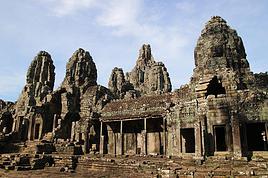
Angkor Wat, of course, is THE classic, and you quickly understand why. I went super early in the morning to see the sunrise (yes, 4:30 AM wake-up, and no complaining 😊), and I don’t regret a second of it: that soft light, the silhouettes of the towers in the mist… you feel so small. I also loved Bayon, with its mysterious faces, and Ta Prohm, overrun by giant roots—guaranteed Tomb Raider vibes, but without the crowds of Lara Croft.
What I found amazing is that beyond the big temples, there are plenty of quieter, almost forgotten spots where you can sit, listen to the birds, and just soak in the moment. It was hot (really hot!), so I didn’t hesitate to take breaks in the shade with a nice cold mango juice.
For nature, I took a little trip to Tonlé Sap Lake. Very different, more raw, but super interesting. The floating villages are surprising—it makes you think about life at the rhythm of the water, and I was lucky enough to chat a bit with a local thanks to my guide. Authentic, simple, and touching. And then those kids rowing like pros in plastic boats… respect.
In short, this trip did me so much good. Landscapes that filled my eyes, sincere smiles, and that feeling of having brushed against something bigger, something older. Cambodia—I’m not really leaving it behind; I’m bringing a little piece of it with me.
If you’re hesitating about going: just go for it! And if you have any practical questions, I’d be happy to chat 😊
Hi there,
I’ve found so many tips and reviews on this forum, so it’s my turn to contribute a little.
We spent just over two weeks with our family, with the following itinerary:
- Hanoi: 5 days
- Halong Bay: 3 days and 2 nights
- Tam Coc: 3 days
- Mai Chau: 2 days
- Sapa: 3 days
We got around by bike, scooter, Grab, and bus.
Our main accommodations were homestays and hotels in Hanoi.
We visited lots of museums, temples, and neighborhoods in Hanoi.
We did a 2-day, 1-night trek in Sapa with May, a Hmong local, without going through an agency.
A few small regrets: the weather was overcast, and we couldn’t make it to Fansipan, but nothing major 😅. We also couldn’t find transport to get from Sapa to Mu Cang Chai.
Other than that, this trip will stay in our memories for the kindness of the Vietnamese people, the connections we made, the food (street food, homestays...), the coffee 😋, the landscapes, and how easy it was to get around...
Our goal was to take our time and focus only on a small part of northern Vietnam.
If you need any tips or recommendations, don’t hesitate to ask.
Looking forward to hearing from you.
Cédric.
DANANG
A big city in the midst of an economic boom. The setting is stunning, with its large bay, the Son Tra Peninsula, and the Annamite Mountains on the horizon.
Where to stay and eat? Da Nang is a bustling business hub, so hotels are pricier and often fully booked. I was lucky to find a motorbike taxi driver who, after six full hotels, took me to Mai Son Hotel, 113 Nguyen Van Linh, a spotless 2-star place. Plus, right next door, there’s a great restaurant that seems popular with locals, and a good Chinese restaurant just a 5-minute walk away, Phi Lu (178 Nguyen Van Linh), recommended by the *Guide du Routard*. So, I’d definitely recommend this hotel. For a pricier option, the very Christian Dai A Hotel, near the tiny pink cathedral, is nice, but why pay more?
Actually, why stay in Da Nang when the gorgeous Hoi An is just 34 km to the south?
What to see? - The lovely Cham Museum (small, takes at most an hour) - The climb up Son Tra Peninsula (great views of the whole area) - The “tour” of the peninsula—quotation marks because the road stops two-thirds of the way. There’s an interesting little museum on the left before reaching the base of the huge statue, the Đong Đinh (large entrance on the left side of the hill), with traditional houses in the jungle holding artifacts over 2,000 years old (Sa Huynh culture; if you’re interested, check out the small Sa Huynh Museum in Hoi An, just before the Japanese Bridge). However, the big Linh Ung Pagoda is just colorful concrete! A beautiful resort, the Son Tra Beach Resort and Spa, sits on a pristine beach and isn’t too expensive: $120 for a garden room and $200–$270 for duplexes with a pool, where you can sleep six. Before reaching the resort, you’ll find two excellent seafood restaurants with large beachfront terraces on your right. - On the way to Hoi An, Marble Mountain, where I loved the village of marble sculpture workshops, the pretty pagodas and caves, and the stunning view from the top of the last promontory (the stairs are steep!). However, you can skip the famous China Beach and its resorts—all pretentious and expensive, not to mention the ones under construction on both sides of the road (they’re multiplying like crazy!). So, when traveling from Da Nang to Hoi An, I recommend two stops: the Cham Museum and Marble Mountain. - The beautiful drive to the Hai Van Pass (there weren’t any clouds!), offering spectacular views of the Da Nang region to the south and the coast to the north. The descent leads to the fishing village and beach of Lang Co, which is lovely but destined for rampant resort development, judging by the huge projects advertised on billboards along the road after the village. - Some affordable guesthouses ($15) and big resorts, including the lovely Lang Co Beach Resort, with a large pool and great value given the beautiful gardens and elegant bungalows. Recommended in Lang Co: lunch at one of the two stilt restaurants over the lagoon—great views and fresh seafood.
The public bus to Hoi An, 34 km south of Da Nang, takes 45 minutes for 50,000 dong. There’s one every half hour.
HOI AN This is a “must-see” for so many reasons: stunning old houses, temples, and pagodas; a colorful daily open-air and covered market near the bridge; charming little streets in the old quarter—especially at night, with all the multicolored lanterns and riverside restaurant terraces, it’s very romantic. The local food is delicious, the people are friendly and kind, there are two beautiful beaches, and attractions like the Cham ruins of My Son. Some say Hoi An is overrun with tourists and should be avoided. That’s true for the historic center and An Bang Beach, but not at all once you step outside.
WHERE TO STAY For a 2-star option, I recommend Ngo House Villa (99 Nguyen Phuc Tan St), very quiet on the island just across from the Old Quarter: 3-star rooms + suites, a large “Family” room, and a nice pool, all for $20 ($40 for the “Family” room). The same charming owner has a second hotel 20 meters away (No. 74), Phan Ngô, which is older but has a large terrace and a small pool—I prefer this one. For 3 stars, Thuy Duong 3 (92 Ba Trieu) is perfect, with a pool and garden ($40–$60). A bit pricier but great is A Han on Phan Bai Chau, with a large garden and terrace restaurant.
For those with a bigger budget, I recommend two riverside spots with rooms, suites, and pools, priced at $200–$350: the secluded Coco River Resort (formerly Ancient House River, with a large wooden terrace for romantic dinners by the river) and Anantara, (formerly Heritage), with bungalows close to the old town—but pricey.
Outside the city, my favorite hotel is Villa Loan, the new place from the famous Loan of Tam Coc, very quiet in the countryside, 15 minutes by bike from Old Hoi An and An Bang Beach. Beautiful rooms ($35), a Family room with two double beds ($55), two 65 m² twins that can sleep six (two large beds + two single beds—$80), a terrace restaurant, and a lovely pool. Prices include a buffet breakfast and a bike.
Also great is Daisy Anbang on An Bang Beach, elegant with a pool and beach just 50 meters away (skip the Aira next door—too expensive).
WHERE TO EAT Hoi An is Vietnam’s culinary capital. For Vietnamese food, I recommend Dao Tien, 21 Phan Bai Chau. No surprise—the chef is a former chef at the luxury 4-star Victoria Hoi An, a solid reference. The restaurant now has a beautiful terrace by the river (take the alley on the right side of the main street Dao Tien). Plus, you’re doing a good deed: a large part of the profits goes toward educating underprivileged children—one year of free hospitality, cooking, and English training, followed by job placement in local establishments. Madame Hien Hoi An (formerly Co Mai), 2 Nguyen Thai Hoc (left of the market), is another great spot—the chef is Didier Corlou, formerly of the famous *Porte d’Annam* and *Madame Hien* in Hanoi (closed in March 2022 due to COVID, so foreign tourists are still scarce). Also worth checking out is Secret Garden, in the Phuong Minh An alley (entrance at 60 Le Loi), set in a beautiful space. One of my favorites is Madam Kieu, 43 Nguyen Phuc Chu, right on the river across from the little bridge—very elegant with excellent Vietnamese cuisine. Unfortunately, all the restaurants on this esplanade blast “music” (boom boom boom yeah yeah yeah) in the evenings, so it’s impossible to talk—go for lunch instead.
For a break from Vietnamese food, try Good Morning Vietnam, a ridiculous name for an excellent Italian restaurant (11 Le Loi). The cheerful chef is from Bologna, the “Lyon of Italy”: lasagna like an Italian *mama*’s, delicious tagliatelle ai porcini (porcini mushrooms imported from Italy), and a divine homemade tiramisu (pro tip: order a grappa and drizzle a few drops on the tiramisu). It’s also one of the few places where you can get an excellent bottle of red wine for 350,000 dong instead of the usual 600,000–800,000 dong (South African Robertson Chapel). Another gem: the Japanese restaurant Samurai Kitchen (no sushi, but divine gyoza), 21 Phan Chau Trinh—the street on the right side of the market when you turn your back to the river. Finally, Ganesh, which I consider the best Indian restaurant in Vietnam (99 Tran Hung Dao St).
At An Bang, there are plenty of beachfront restaurants. The two best are the large one at the far right of the parking lot (huge seafood selection) and the fantastic La Luna d’Autumno, owned by the same person as the Italian restaurant of the same name, once considered the best in Vietnam but closed in 2020 due to COVID. Divine pizzas, including the vegetariana.
WHAT TO VISIT The Japanese Bridge and all the old Chinese houses, temples, and pagodas in the three historic streets. Don’t miss the extraordinary gallery-museum of the great French photographer Réhahn, the Precious Heritage Museum at 26 Phan Boi Chau. His remarkable photo collection—including the famous shot of the little Cham girl with clear blue eyes—has graced the covers of many magazines. His Montagnard Museum is a wonder, with a larger collection of tribal women’s costumes than the Museum of Ethnology in Hanoi. Free entry.
THE BEACHES Cua Dai Beach has mostly disappeared, a victim of the waves, except in a few spots. The beautiful An Bang Beach remains, with great beachfront restaurants, or you can head to Cham Island.
MY SON A beautiful complex of Cham ruins surrounded by mountains, 50 km southwest of Hoi An via a scenic road. You can rent a motorbike, take a motorbike taxi, or join a half-day organized tour. It’s best to go in the afternoon—less crowded than in the morning.
CHAM ISLANDS (Cu Lao Cham) Wow, I loved it! It reminded me of St. Barts 35 years ago. The archipelago, 19 km from Hoi An, consists of eight small islands within the Cu Lao Cham Marine Reserve, declared a “Biosphere Reserve” by UNESCO. The largest and only inhabited island, Hon Lao (Pearl Island), covers 1,317 hectares, and its highest peak reaches 517 meters. Hon Lao has two villages: Bai Lang, where the boats from Hoi An dock, and the charming little fishing port of Bai Huong. Part of the island is a military zone, so only the east coast is accessible to tourists.
To get there, you have three options: - The public boat (100,000 dong) that leaves from in front of Café des Amis at 7:30 AM. The catch is it returns to Hoi An at noon, so to enjoy the charm of the place, you’ll need to spend a night on the island (which I highly recommend). - Organized tours by Cham Diving Club, with two options: diving or snorkeling only. - A private speedboat, but it’s not cheap: $200 for the day!
Note: Even if the weather seems fine, the large public boat won’t leave if the sea is too rough. The only solution is to go to the port around 7:30 AM and check (easy, since it brings all the supplies for the island’s locals—if it’s leaving, it’ll be loading up). Avoid weekends—it gets swarmed with locals.
Small coves with dreamy beaches, as they say. Two are very close to Bai Lang: one to the left (facing the village), Bai Ong, lined with restaurants, and a tiny one to the right of the village. The other two beaches, including Bai Chong and the little fishing port of Bai Huong, are accessible by motorbike or boat. I recommend renting a motorbike (biking is tough due to steep hills) and taking the road that overlooks the coast—it’s stunning.
Great diving. The Cham Diving Club is superbly organized by a very friendly Italian, Lodovico, and two French guys (www.chamislanddiving.com).
When you arrive at Bai Lang’s pier, they’ll offer you TWO family-run guesthouses in the village. There are also homestays, but they’re really basic (usually bamboo mats on wooden planks as beds), no English or French is spoken, and locals speak a dialect that’s hard to understand even if you’re decent at Vietnamese. Anyway, I don’t recommend staying in Bai Lang because of the public loudspeakers. Two options if you want a quiet night: - A small guesthouse facing the tiny rice field on the way to Bai Ong Beach. Very clean rooms and a large terrace overlooking the “rice field.” 300,000 dong, with meals available on the terrace. Nha Nghi Vu Truong Tel: 235 386 4783 Mobile: 01 67 76 63 110. - Homestays in the little fishing port of Bai Huong.
Where to stay and eat? Da Nang is a bustling business hub, so hotels are pricier and often fully booked. I was lucky to find a motorbike taxi driver who, after six full hotels, took me to Mai Son Hotel, 113 Nguyen Van Linh, a spotless 2-star place. Plus, right next door, there’s a great restaurant that seems popular with locals, and a good Chinese restaurant just a 5-minute walk away, Phi Lu (178 Nguyen Van Linh), recommended by the *Guide du Routard*. So, I’d definitely recommend this hotel. For a pricier option, the very Christian Dai A Hotel, near the tiny pink cathedral, is nice, but why pay more?
Actually, why stay in Da Nang when the gorgeous Hoi An is just 34 km to the south?
What to see? - The lovely Cham Museum (small, takes at most an hour) - The climb up Son Tra Peninsula (great views of the whole area) - The “tour” of the peninsula—quotation marks because the road stops two-thirds of the way. There’s an interesting little museum on the left before reaching the base of the huge statue, the Đong Đinh (large entrance on the left side of the hill), with traditional houses in the jungle holding artifacts over 2,000 years old (Sa Huynh culture; if you’re interested, check out the small Sa Huynh Museum in Hoi An, just before the Japanese Bridge). However, the big Linh Ung Pagoda is just colorful concrete! A beautiful resort, the Son Tra Beach Resort and Spa, sits on a pristine beach and isn’t too expensive: $120 for a garden room and $200–$270 for duplexes with a pool, where you can sleep six. Before reaching the resort, you’ll find two excellent seafood restaurants with large beachfront terraces on your right. - On the way to Hoi An, Marble Mountain, where I loved the village of marble sculpture workshops, the pretty pagodas and caves, and the stunning view from the top of the last promontory (the stairs are steep!). However, you can skip the famous China Beach and its resorts—all pretentious and expensive, not to mention the ones under construction on both sides of the road (they’re multiplying like crazy!). So, when traveling from Da Nang to Hoi An, I recommend two stops: the Cham Museum and Marble Mountain. - The beautiful drive to the Hai Van Pass (there weren’t any clouds!), offering spectacular views of the Da Nang region to the south and the coast to the north. The descent leads to the fishing village and beach of Lang Co, which is lovely but destined for rampant resort development, judging by the huge projects advertised on billboards along the road after the village. - Some affordable guesthouses ($15) and big resorts, including the lovely Lang Co Beach Resort, with a large pool and great value given the beautiful gardens and elegant bungalows. Recommended in Lang Co: lunch at one of the two stilt restaurants over the lagoon—great views and fresh seafood.
The public bus to Hoi An, 34 km south of Da Nang, takes 45 minutes for 50,000 dong. There’s one every half hour.
HOI AN This is a “must-see” for so many reasons: stunning old houses, temples, and pagodas; a colorful daily open-air and covered market near the bridge; charming little streets in the old quarter—especially at night, with all the multicolored lanterns and riverside restaurant terraces, it’s very romantic. The local food is delicious, the people are friendly and kind, there are two beautiful beaches, and attractions like the Cham ruins of My Son. Some say Hoi An is overrun with tourists and should be avoided. That’s true for the historic center and An Bang Beach, but not at all once you step outside.
WHERE TO STAY For a 2-star option, I recommend Ngo House Villa (99 Nguyen Phuc Tan St), very quiet on the island just across from the Old Quarter: 3-star rooms + suites, a large “Family” room, and a nice pool, all for $20 ($40 for the “Family” room). The same charming owner has a second hotel 20 meters away (No. 74), Phan Ngô, which is older but has a large terrace and a small pool—I prefer this one. For 3 stars, Thuy Duong 3 (92 Ba Trieu) is perfect, with a pool and garden ($40–$60). A bit pricier but great is A Han on Phan Bai Chau, with a large garden and terrace restaurant.
For those with a bigger budget, I recommend two riverside spots with rooms, suites, and pools, priced at $200–$350: the secluded Coco River Resort (formerly Ancient House River, with a large wooden terrace for romantic dinners by the river) and Anantara, (formerly Heritage), with bungalows close to the old town—but pricey.
Outside the city, my favorite hotel is Villa Loan, the new place from the famous Loan of Tam Coc, very quiet in the countryside, 15 minutes by bike from Old Hoi An and An Bang Beach. Beautiful rooms ($35), a Family room with two double beds ($55), two 65 m² twins that can sleep six (two large beds + two single beds—$80), a terrace restaurant, and a lovely pool. Prices include a buffet breakfast and a bike.
Also great is Daisy Anbang on An Bang Beach, elegant with a pool and beach just 50 meters away (skip the Aira next door—too expensive).
WHERE TO EAT Hoi An is Vietnam’s culinary capital. For Vietnamese food, I recommend Dao Tien, 21 Phan Bai Chau. No surprise—the chef is a former chef at the luxury 4-star Victoria Hoi An, a solid reference. The restaurant now has a beautiful terrace by the river (take the alley on the right side of the main street Dao Tien). Plus, you’re doing a good deed: a large part of the profits goes toward educating underprivileged children—one year of free hospitality, cooking, and English training, followed by job placement in local establishments. Madame Hien Hoi An (formerly Co Mai), 2 Nguyen Thai Hoc (left of the market), is another great spot—the chef is Didier Corlou, formerly of the famous *Porte d’Annam* and *Madame Hien* in Hanoi (closed in March 2022 due to COVID, so foreign tourists are still scarce). Also worth checking out is Secret Garden, in the Phuong Minh An alley (entrance at 60 Le Loi), set in a beautiful space. One of my favorites is Madam Kieu, 43 Nguyen Phuc Chu, right on the river across from the little bridge—very elegant with excellent Vietnamese cuisine. Unfortunately, all the restaurants on this esplanade blast “music” (boom boom boom yeah yeah yeah) in the evenings, so it’s impossible to talk—go for lunch instead.
For a break from Vietnamese food, try Good Morning Vietnam, a ridiculous name for an excellent Italian restaurant (11 Le Loi). The cheerful chef is from Bologna, the “Lyon of Italy”: lasagna like an Italian *mama*’s, delicious tagliatelle ai porcini (porcini mushrooms imported from Italy), and a divine homemade tiramisu (pro tip: order a grappa and drizzle a few drops on the tiramisu). It’s also one of the few places where you can get an excellent bottle of red wine for 350,000 dong instead of the usual 600,000–800,000 dong (South African Robertson Chapel). Another gem: the Japanese restaurant Samurai Kitchen (no sushi, but divine gyoza), 21 Phan Chau Trinh—the street on the right side of the market when you turn your back to the river. Finally, Ganesh, which I consider the best Indian restaurant in Vietnam (99 Tran Hung Dao St).
At An Bang, there are plenty of beachfront restaurants. The two best are the large one at the far right of the parking lot (huge seafood selection) and the fantastic La Luna d’Autumno, owned by the same person as the Italian restaurant of the same name, once considered the best in Vietnam but closed in 2020 due to COVID. Divine pizzas, including the vegetariana.
WHAT TO VISIT The Japanese Bridge and all the old Chinese houses, temples, and pagodas in the three historic streets. Don’t miss the extraordinary gallery-museum of the great French photographer Réhahn, the Precious Heritage Museum at 26 Phan Boi Chau. His remarkable photo collection—including the famous shot of the little Cham girl with clear blue eyes—has graced the covers of many magazines. His Montagnard Museum is a wonder, with a larger collection of tribal women’s costumes than the Museum of Ethnology in Hanoi. Free entry.
THE BEACHES Cua Dai Beach has mostly disappeared, a victim of the waves, except in a few spots. The beautiful An Bang Beach remains, with great beachfront restaurants, or you can head to Cham Island.
MY SON A beautiful complex of Cham ruins surrounded by mountains, 50 km southwest of Hoi An via a scenic road. You can rent a motorbike, take a motorbike taxi, or join a half-day organized tour. It’s best to go in the afternoon—less crowded than in the morning.
CHAM ISLANDS (Cu Lao Cham) Wow, I loved it! It reminded me of St. Barts 35 years ago. The archipelago, 19 km from Hoi An, consists of eight small islands within the Cu Lao Cham Marine Reserve, declared a “Biosphere Reserve” by UNESCO. The largest and only inhabited island, Hon Lao (Pearl Island), covers 1,317 hectares, and its highest peak reaches 517 meters. Hon Lao has two villages: Bai Lang, where the boats from Hoi An dock, and the charming little fishing port of Bai Huong. Part of the island is a military zone, so only the east coast is accessible to tourists.
To get there, you have three options: - The public boat (100,000 dong) that leaves from in front of Café des Amis at 7:30 AM. The catch is it returns to Hoi An at noon, so to enjoy the charm of the place, you’ll need to spend a night on the island (which I highly recommend). - Organized tours by Cham Diving Club, with two options: diving or snorkeling only. - A private speedboat, but it’s not cheap: $200 for the day!
Note: Even if the weather seems fine, the large public boat won’t leave if the sea is too rough. The only solution is to go to the port around 7:30 AM and check (easy, since it brings all the supplies for the island’s locals—if it’s leaving, it’ll be loading up). Avoid weekends—it gets swarmed with locals.
Small coves with dreamy beaches, as they say. Two are very close to Bai Lang: one to the left (facing the village), Bai Ong, lined with restaurants, and a tiny one to the right of the village. The other two beaches, including Bai Chong and the little fishing port of Bai Huong, are accessible by motorbike or boat. I recommend renting a motorbike (biking is tough due to steep hills) and taking the road that overlooks the coast—it’s stunning.
Great diving. The Cham Diving Club is superbly organized by a very friendly Italian, Lodovico, and two French guys (www.chamislanddiving.com).
When you arrive at Bai Lang’s pier, they’ll offer you TWO family-run guesthouses in the village. There are also homestays, but they’re really basic (usually bamboo mats on wooden planks as beds), no English or French is spoken, and locals speak a dialect that’s hard to understand even if you’re decent at Vietnamese. Anyway, I don’t recommend staying in Bai Lang because of the public loudspeakers. Two options if you want a quiet night: - A small guesthouse facing the tiny rice field on the way to Bai Ong Beach. Very clean rooms and a large terrace overlooking the “rice field.” 300,000 dong, with meals available on the terrace. Nha Nghi Vu Truong Tel: 235 386 4783 Mobile: 01 67 76 63 110. - Homestays in the little fishing port of Bai Huong.
Hi! We’d like to work with local agencies to organize tours to Halong Bay, the Mekong Delta, etc. There are so many agencies in Vietnam—any you’d recommend?
Hi everyone,
My partner and I are heading to Thailand for three weeks (exactly 21 days there) at the beginning of July for our first trip to Asia. During this trip, we want to discover a new culture, beautiful landscapes, eat well, do some beach time (with snorkeling), all while trying to keep it authentic and close to nature.
After some research, I’ve come up with this itinerary—what do you think?
Arrival in Bangkok on Tuesday, July 7 in the morning = 2 days Ayutthaya = 1 day Travel to Chiang Mai = 1 day (flight) Chiang Mai = 2 days Trek = 2 days Travel to Khao Sok = 1 day (flight to Surat Thani + bus) Khao Sok = 3 days (4 nights total) = For this part of the trip, would you recommend staying in Khao Sok village and doing day trips, or planning an overnight stay on the lake? Travel to Koh Phangan = 1 day (bus + ferry) Koh Phangan = 4 days (we’re thinking of staying in the northeast part of the island) Koh Tao = 2 days Return to Bangkok = 1 day (taking a ferry to Chumphon then a flight) Bangkok = 1 day
Thanks for your feedback!
My partner and I are heading to Thailand for three weeks (exactly 21 days there) at the beginning of July for our first trip to Asia. During this trip, we want to discover a new culture, beautiful landscapes, eat well, do some beach time (with snorkeling), all while trying to keep it authentic and close to nature.
After some research, I’ve come up with this itinerary—what do you think?
Arrival in Bangkok on Tuesday, July 7 in the morning = 2 days Ayutthaya = 1 day Travel to Chiang Mai = 1 day (flight) Chiang Mai = 2 days Trek = 2 days Travel to Khao Sok = 1 day (flight to Surat Thani + bus) Khao Sok = 3 days (4 nights total) = For this part of the trip, would you recommend staying in Khao Sok village and doing day trips, or planning an overnight stay on the lake? Travel to Koh Phangan = 1 day (bus + ferry) Koh Phangan = 4 days (we’re thinking of staying in the northeast part of the island) Koh Tao = 2 days Return to Bangkok = 1 day (taking a ferry to Chumphon then a flight) Bangkok = 1 day
Thanks for your feedback!
I’m starting a discussion about guides in the Mekong Delta because we’ve just finished our trip in this region and had a hard time finding a French-speaking guide. We had Thanh—she speaks French really well and travels all over the delta region, including Ho Chi Minh City. She’s super friendly and flexible. I recommend her wholeheartedly. If it can help someone...
Feel free to contact us for her number.
Hi there,
we’ll be in Mai Chau in June and we’re thinking of heading to Sapa, but first spending a few days in Bac Ha to do some hiking and explore the area.
Is this a good idea for those who’ve been there?
How do you get there?
Thanks for your feedback.
Looking forward to hearing from you.
Cédric.
Hi there,
I arrive in Jakarta on July 24th and want to head to Flores Island the next day. Do you know which airlines offer direct flights to Labuan Bajo (or elsewhere)? Is it possible to book tickets directly on Indonesian airline websites (I get the feeling that when connecting from France, access is blocked...)
Also, are there direct flights from Maumere or Ende back to Jakarta for the return trip, or do I have to go back through Labuan Bajo?
Thanks and have a great evening
I arrive in Jakarta on July 24th and want to head to Flores Island the next day. Do you know which airlines offer direct flights to Labuan Bajo (or elsewhere)? Is it possible to book tickets directly on Indonesian airline websites (I get the feeling that when connecting from France, access is blocked...)
Also, are there direct flights from Maumere or Ende back to Jakarta for the return trip, or do I have to go back through Labuan Bajo?
Thanks and have a great evening
Hi there,
We’re heading out for 3 weeks from September 20th to October 12th, and we’re torn between Sumatra and Sulawesi. Are the landscapes similar, or is one less touristy? What about the cost of living, trekking, typical small villages, and beaches?
We’re a bit lost—any info or suggestions would be super welcome!
Hi there,
I’m planning a solo road trip through Northern Vietnam and Northern Laos (Muang Khua, Nong Khiaw, Luang Prabang) / train to Bangkok, but I have a slight (okay, big) phobia of insects and especially spiders... And of course, Laos has a reputation for having plenty of them! Can you tell me if the "risk" of running into any is real with my route through this magical-sounding country?
Thanks! !
I’m planning a solo road trip through Northern Vietnam and Northern Laos (Muang Khua, Nong Khiaw, Luang Prabang) / train to Bangkok, but I have a slight (okay, big) phobia of insects and especially spiders... And of course, Laos has a reputation for having plenty of them! Can you tell me if the "risk" of running into any is real with my route through this magical-sounding country?
Thanks! !
Hi there,
As mentioned earlier, we're heading off for a month to explore some parts of Thailand in July/August, and I’ve got a few practical questions I’m hoping you can help with based on your experiences. Thanks in advance!
- Can you choose the denominations at exchange bureaus/ATMs? How do you avoid ending up with only 1000-baht notes when exchanging large sums? - If not, is there an easy way to get change? Any alternatives to buying stuff at 7-Eleven? - Can you buy train tickets from Thonburi to Kanchanaburi in advance? Is there usually space available, considering some people do the Death Railway day trip from Bangkok to Sai Yok Noi? - Is there room for luggage on the trains to Kanchanaburi? We’ll be traveling as a group of four with two large checked-baggage-sized suitcases (25 kg each). - Kanchanaburi: Most day tours allow around 3 hours at Erawan Falls. Is that enough, or is it worth spending the whole day there, especially at the start of the rainy season when it’s a bit greener? - In Sam Roi Yot, are there taxis/Grab/Bolt available for exploring the surrounding areas? I’d appreciate any numbers or addresses. - Does True (7-Eleven) have good coverage across Thailand, from Sam Roi Yot to Chiang Rai, or should we go with AIS? - In Bangkok, if you need to switch BTS lines, do you need a new ticket, or can you change lines as long as you don’t exit the station?
Happy to provide any additional details if needed.
- Can you choose the denominations at exchange bureaus/ATMs? How do you avoid ending up with only 1000-baht notes when exchanging large sums? - If not, is there an easy way to get change? Any alternatives to buying stuff at 7-Eleven? - Can you buy train tickets from Thonburi to Kanchanaburi in advance? Is there usually space available, considering some people do the Death Railway day trip from Bangkok to Sai Yok Noi? - Is there room for luggage on the trains to Kanchanaburi? We’ll be traveling as a group of four with two large checked-baggage-sized suitcases (25 kg each). - Kanchanaburi: Most day tours allow around 3 hours at Erawan Falls. Is that enough, or is it worth spending the whole day there, especially at the start of the rainy season when it’s a bit greener? - In Sam Roi Yot, are there taxis/Grab/Bolt available for exploring the surrounding areas? I’d appreciate any numbers or addresses. - Does True (7-Eleven) have good coverage across Thailand, from Sam Roi Yot to Chiang Rai, or should we go with AIS? - In Bangkok, if you need to switch BTS lines, do you need a new ticket, or can you change lines as long as you don’t exit the station?
Happy to provide any additional details if needed.
Hi there,
We’re heading to Malaysia for 10 days (landing in Singapore). We’ll spend 4 or 5 days on Tioman, but what after? I’m really struggling to find an itinerary or a second spot to settle in—any suggestions?
Hello!
A quick question about Chiang Mai. We’d like to visit the Baan Kang Wat creator market this year. For those who’ve been there before, what transportation did you use? I’m asking because we prefer to just be dropped off, not hire a "driver" for the whole day who waits for us and requires scheduling times, etc.
However, it’s about 20 minutes from the city center (historic square), and I know that in some areas outside Chiang Mai, it’s safer to plan your return trip because there are few taxis, tuk-tuks, or songthaews around, and Grab drivers won’t come if it’s too far. We had that issue at the Queen Sirikit Gardens—our driver warned us no one would come back for us, and sure enough, the place was deserted.
Is that the case there? I saw that it’s not too far from Wat Umong, and we went there by tuk-tuk without any trouble finding one a few hours later to head back, so I’m hopeful.
Thanks in advance for your help, and as always after our trips, I’ll be sure to share feedback on the questions we asked here during our planning!
A quick question about Chiang Mai. We’d like to visit the Baan Kang Wat creator market this year. For those who’ve been there before, what transportation did you use? I’m asking because we prefer to just be dropped off, not hire a "driver" for the whole day who waits for us and requires scheduling times, etc.
However, it’s about 20 minutes from the city center (historic square), and I know that in some areas outside Chiang Mai, it’s safer to plan your return trip because there are few taxis, tuk-tuks, or songthaews around, and Grab drivers won’t come if it’s too far. We had that issue at the Queen Sirikit Gardens—our driver warned us no one would come back for us, and sure enough, the place was deserted.
Is that the case there? I saw that it’s not too far from Wat Umong, and we went there by tuk-tuk without any trouble finding one a few hours later to head back, so I’m hopeful.
Thanks in advance for your help, and as always after our trips, I’ll be sure to share feedback on the questions we asked here during our planning!
Hi,
During my trip to Thailand, I’ll be spending 2 nights at Tonsai Beach, near Ao Nang Beach, close to Krabi. Tonsai Beach is only accessible by boat, so I was wondering where I could safely leave my car at Ao Nang Beach for 48 hours? Alternatively, at Ao Nam Mao Beach (on the other side), if there are shuttles to Tonsai Beach.
Thanks, Fred
During my trip to Thailand, I’ll be spending 2 nights at Tonsai Beach, near Ao Nang Beach, close to Krabi. Tonsai Beach is only accessible by boat, so I was wondering where I could safely leave my car at Ao Nang Beach for 48 hours? Alternatively, at Ao Nam Mao Beach (on the other side), if there are shuttles to Tonsai Beach.
Thanks, Fred
Hi everyone,
so glad the forum’s back up!
I’m planning a trip for next June but I’m still torn between Papua and Papua New Guinea.
Solo backpacking trip, about 3 weeks (trekking, culture, and a tiny bit of beach time).
It’s still tough to find recent info—anyone know if backpacking is doable there?
Thanks in advance for your tips!
carpediem
Hi there,
we’re planning a trip of just over a month on the dates mentioned above (we haven’t booked our tickets yet).
We’re backpacking globe-trotters as long as our energy holds out. We’re pretty familiar with several Asian countries.
Do you think that at this time of year and with the time we have, it’s realistic to visit both the west and east coasts?
Thanks in advance for your replies.
Best regards.
Hello.
In 1996, we crossed Vietnam from Saigon to Hanoi by motorbike—Minsk bikes we bought in Saigon. I haven’t been back since, and it seems like a lot has changed.
- We’re heading to the south (well, the north and center) with the family in July-August (3 people).
- Is the road network more developed now? Back then, there was only National Route 1 from south to north. I’m thinking of renting a car this time (no motorbike with the family—though in ’96, they had a Jawa sidecar for sale, and we hesitated… maybe it’s for the best).
- Is Halong Bay really something to avoid because of overtourism? Even back then, it was pretty crowded. Is there a less touristy alternative?
- We’ll be traveling from Hanoi down to Danang (the only city we didn’t stop in back in ’96). Even though it’s a bit overhyped in a Chinese-tourist kind of way (from what I’ve read), we’re only going for the beach—pure relaxation for 7 days. The beaches are stunning, and I know the South China Sea is warm like coffee.
- Then, we’ll visit Hoi An, where I stopped in ’96. It was already popular with backpackers back then, but no glowing boats or all the touristy fuss!
- After that, Hue, where I have great memories—it’s a beautiful city.
- And also the nature around Ninh Binh, followed by 2-3 days in Hanoi.
That’s the plan. I’d love to hear any tips to avoid mass tourism, and if anyone’s done this before: - Is it possible to rent a car in Danang and drop it off in Hanoi?
Thanks, and long live the Nam! !
- We’re heading to the south (well, the north and center) with the family in July-August (3 people).
- Is the road network more developed now? Back then, there was only National Route 1 from south to north. I’m thinking of renting a car this time (no motorbike with the family—though in ’96, they had a Jawa sidecar for sale, and we hesitated… maybe it’s for the best).
- Is Halong Bay really something to avoid because of overtourism? Even back then, it was pretty crowded. Is there a less touristy alternative?
- We’ll be traveling from Hanoi down to Danang (the only city we didn’t stop in back in ’96). Even though it’s a bit overhyped in a Chinese-tourist kind of way (from what I’ve read), we’re only going for the beach—pure relaxation for 7 days. The beaches are stunning, and I know the South China Sea is warm like coffee.
- Then, we’ll visit Hoi An, where I stopped in ’96. It was already popular with backpackers back then, but no glowing boats or all the touristy fuss!
- After that, Hue, where I have great memories—it’s a beautiful city.
- And also the nature around Ninh Binh, followed by 2-3 days in Hanoi.
That’s the plan. I’d love to hear any tips to avoid mass tourism, and if anyone’s done this before: - Is it possible to rent a car in Danang and drop it off in Hanoi?
Thanks, and long live the Nam! !
Hey everyone,
I travel quite a bit, and I’m here to share my thoughts about an upcoming trip to Indonesia, specifically the Togian Islands.
I’m planning to go for 3 or 4 weeks in July-August and looking for a sunny destination that’s not too expensive (flights + cost of living), with varied points of interest. About fifteen years ago, I had planned a trip to the Togian Islands, but it didn’t happen, so I’m revisiting this destination (Sulawesi, Toraja country) + maybe others? Given that in Indonesia, I’ve already done volcanoes in Java, Bali, part of Lombok, and the Gili Islands. The issue is that I’ve read some posts about the plastic waste problems around the Togians, and it seems like they’re not the paradise islands they once were.
So, I have a few questions: I’d love to hear recent feedback from travelers who’ve been to the Togians to get an objective opinion (?) or if you’d recommend other paradise-like islands in Indonesia (not overcrowded).
If you confirm that it’s still an exceptional destination, what did you pair it with? The Moluccas and which islands in particular? Or Flores/Komodo? For my part, I don’t scuba dive—just snorkeling.
Finally, if you have other dream-island destinations (affordable and sunny), I’m all ears.
Thanks in advance!
I’m planning to go for 3 or 4 weeks in July-August and looking for a sunny destination that’s not too expensive (flights + cost of living), with varied points of interest. About fifteen years ago, I had planned a trip to the Togian Islands, but it didn’t happen, so I’m revisiting this destination (Sulawesi, Toraja country) + maybe others? Given that in Indonesia, I’ve already done volcanoes in Java, Bali, part of Lombok, and the Gili Islands. The issue is that I’ve read some posts about the plastic waste problems around the Togians, and it seems like they’re not the paradise islands they once were.
So, I have a few questions: I’d love to hear recent feedback from travelers who’ve been to the Togians to get an objective opinion (?) or if you’d recommend other paradise-like islands in Indonesia (not overcrowded).
If you confirm that it’s still an exceptional destination, what did you pair it with? The Moluccas and which islands in particular? Or Flores/Komodo? For my part, I don’t scuba dive—just snorkeling.
Finally, if you have other dream-island destinations (affordable and sunny), I’m all ears.
Thanks in advance!
Hi there,
I’d like to travel to Asia during the All Saints' Day break in 2025. Not sure if it’s the best time—could you give me some advice? Maybe Vietnam? Another country? Should I postpone the trip?
Thanks!
I’d like to travel to Asia during the All Saints' Day break in 2025. Not sure if it’s the best time—could you give me some advice? Maybe Vietnam? Another country? Should I postpone the trip?
Thanks!
Hi there,
Yesterday in the Thailand section, 100% of the new threads were just about beach destinations 😕...
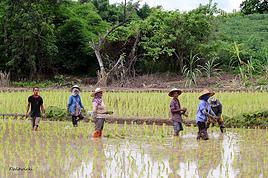
So here’s the counterattack in the form of this photo thread, dedicated solely to the countryside: the locals, their livestock, fields, farms, rice paddies, small rivers, and agricultural machinery. If you’ve got any pictures that fit these categories, feel free to add them!
Comments welcome.
For each photo, I’ll (or you can) indicate the area where it was taken.
Kanchanaburi: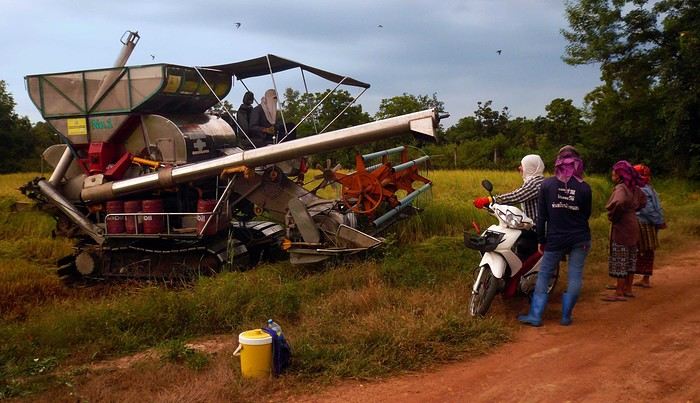
Kanchanaburi: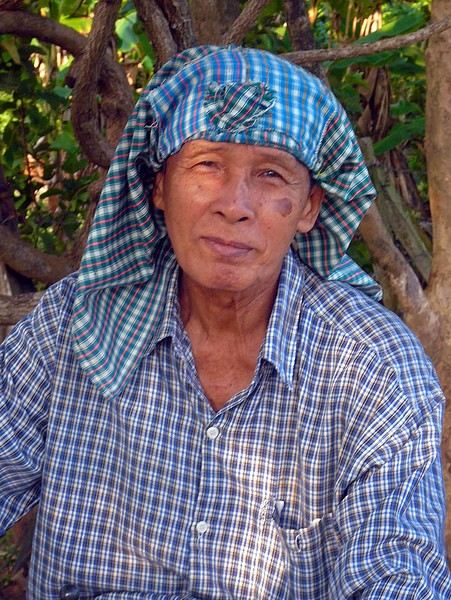
Sri Chiangmai: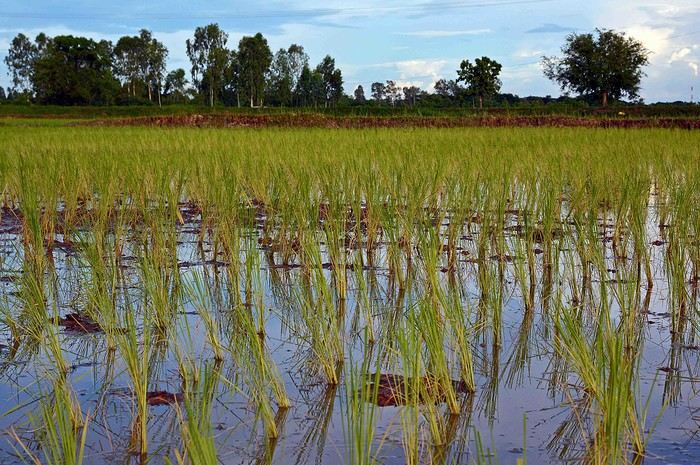
Soppong: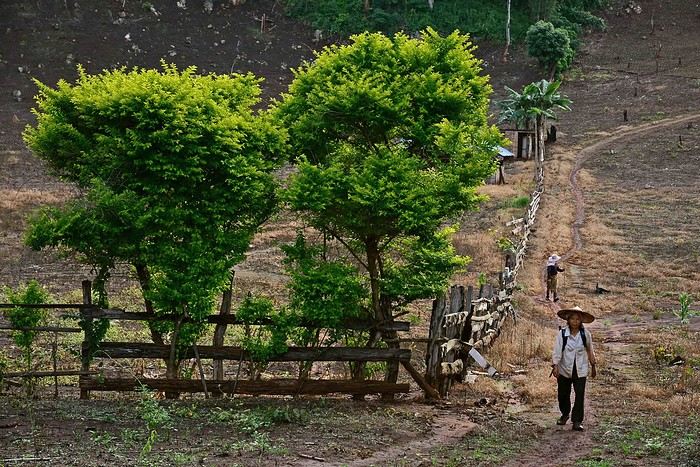
Tha Wang Pha: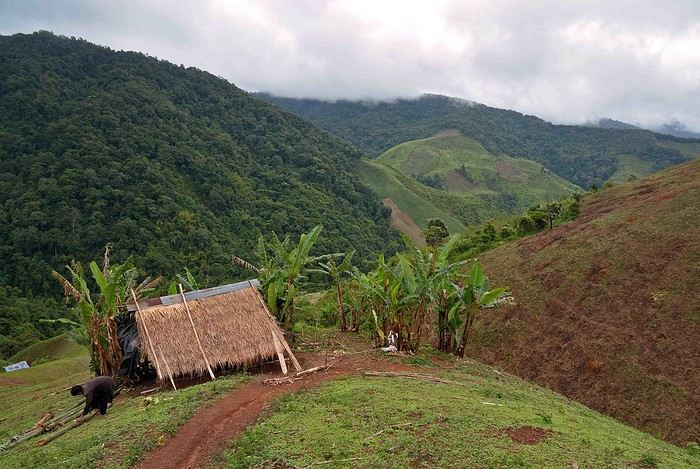
Kanchanaburi:
Kanchanaburi:
Sri Chiangmai:
Soppong:
Tha Wang Pha:
Hi everyone,
We're leaving in less than a month, and I'm making a list of last-minute purchases. Could you please review/complete my list? We're traveling with no luggage, just one backpack per person. Here’s what I have on my list: - coral-safe sunscreen 100 ml – I started a separate thread on this topic, so if anyone can answer, thanks in advance ; - long-sleeve UV-protective t-shirts (for boat tours); - compression socks; - lightweight pants for visiting the Royal Palace (the schedule is tight, and I don’t want to waste too much time shopping at the start of the trip, unless we can find them at 7-Eleven); - waterproof pouches for phones and passports; - what else?
Thanks in advance for your tips!
We're leaving in less than a month, and I'm making a list of last-minute purchases. Could you please review/complete my list? We're traveling with no luggage, just one backpack per person. Here’s what I have on my list: - coral-safe sunscreen 100 ml – I started a separate thread on this topic, so if anyone can answer, thanks in advance ; - long-sleeve UV-protective t-shirts (for boat tours); - compression socks; - lightweight pants for visiting the Royal Palace (the schedule is tight, and I don’t want to waste too much time shopping at the start of the trip, unless we can find them at 7-Eleven); - waterproof pouches for phones and passports; - what else?
Thanks in advance for your tips!
Hi there,
I’m looking for a beach spot within 3 hours max of Bangkok for the end of my trip (January). I know full well I won’t find that postcard-perfect vibe of the more remote islands! But I don’t have a choice. If you’ve got any ideas... no high-rises, obviously not Pattaya, somewhere quiet, swimming possible, a hotel right on the beach (and not too dirty, the beach itself!) I’ve looked at hotels around Ko Samet or, across from it, on the mainland. I spotted the Bann Pae Cabana. But nothing really exciting on either side. New ideas welcome! 🙂
I’m looking for a beach spot within 3 hours max of Bangkok for the end of my trip (January). I know full well I won’t find that postcard-perfect vibe of the more remote islands! But I don’t have a choice. If you’ve got any ideas... no high-rises, obviously not Pattaya, somewhere quiet, swimming possible, a hotel right on the beach (and not too dirty, the beach itself!) I’ve looked at hotels around Ko Samet or, across from it, on the mainland. I spotted the Bann Pae Cabana. But nothing really exciting on either side. New ideas welcome! 🙂
Hi there.
I’m planning to explore Bali solo for two weeks. I’m too late to get an international permit... Is it a good idea to get around with Bluebird taxis? Rates, schedules, reliability...
Thanks for your input! !
I’m planning to explore Bali solo for two weeks. I’m too late to get an international permit... Is it a good idea to get around with Bluebird taxis? Rates, schedules, reliability...
Thanks for your input! !