Looking for a car with a French-speaking driver for late January/February
South America · Bolivie
Argentine, Bolivie, Brésil, Chili, Colombie, Équateur, Guyana, Guyane, Paraguay, Pérou, Surinam, Uruguay, Vénézuela...
Showing 1–30 of 4,275 discussions.
Many threads here are in French, the community’s main language. English translations are added over time.
Hello, I’d like to take a trip for my 70th birthday this winter, but I’m looking for itineraries with a few days (1 or 2) at each stop to rest. I’ve recently had a stroke and, unfortunately, can’t travel the way I used to. So, I’m looking for itineraries that aren’t too demanding but still let me and my husband explore something new. We’ve traveled quite a bit before and would love to do one last trip (South America…). Thanks for your help!
We're planning to trek in Peru and Bolivia and would love to find some local agencies.
If you know any, could you share details on prices and, of course, the names of the agencies?
Which trek would you recommend?
Elocine

BOLIVIA: THE COUNTRY ON THE BRINK (What's Really Happening)
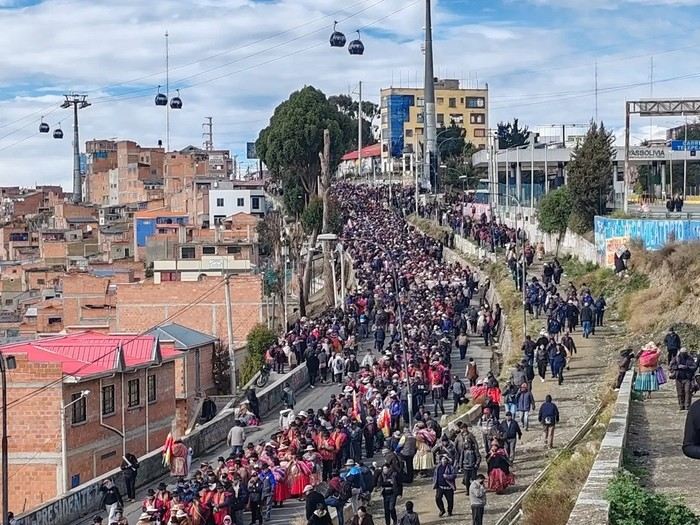
A dramatic saga is unfolding before our eyes in the Andes. Between suffocating blockades, clashes, an international airlift, and historic political decisions, Bolivia has just experienced 48 hours of rare intensity. Here’s the full breakdown (economic, social, and political) of the last 48 hours: For travelers and tourists: the article also includes an important note about the upcoming publication (starting tomorrow) of the precise status of roadblocks, route by route. I’ll post the full update here on Voyage Forum! Don’t miss this in-depth analysis. History is being written before our eyes! https://www.petitherge.com/bolivie-paralysie-et-ultimatum
A dramatic saga is unfolding before our eyes in the Andes. Between suffocating blockades, clashes, an international airlift, and historic political decisions, Bolivia has just experienced 48 hours of rare intensity. Here’s the full breakdown (economic, social, and political) of the last 48 hours: For travelers and tourists: the article also includes an important note about the upcoming publication (starting tomorrow) of the precise status of roadblocks, route by route. I’ll post the full update here on Voyage Forum! Don’t miss this in-depth analysis. History is being written before our eyes! https://www.petitherge.com/bolivie-paralysie-et-ultimatum
Hello everyone,
For our latest 3-week family trip (yes, the kids are growing up, and two of them are about to enter the working world), we’re heading to South America! For our first time on this continent, I had planned a classic 3-week loop in Peru.
But since we won’t be returning to this part of the world anytime soon, I thought: why not follow in the footsteps of Franck, aka Bibouns51, who, in 18 days, didn’t just stick to Peru but also added two of the planet’s most stunning landscapes to his itinerary... the Salar de Uyuni in Bolivia and its neighbor, the fabulous Atacama Desert in northern Chile !!
So, I set about the tricky task of limiting the regions we’d visit in Peru to those we considered must-sees, to avoid rushing too much. The visit schedules were optimized, including several comfortable overnight buses that have the huge advantage of letting us hop between regions.
So, we’re off on a somewhat adventurous trip with three domestic flights (two on the first day and one on the last), two overnight buses for quick hops, several car rentals, the services of a few drivers to make the trip more comfortable, and even a tour operator for crossing the Salar...
Our main concern is altitude sickness, and we’re bringing Diamox, aspirin, etc., just in case.
Our second worry before departure was not even getting off the ground... Yes, for once, we’re leaving from France—Marseille, to be exact. The week before our departure, with the surprise air traffic controllers’ strike, I remembered why we usually prefer to leave from abroad, like Turin or Barcelona... In the end, it wasn’t the air traffic controllers who made us nervous but the early July wildfires that paralyzed the airport a few days before our departure. Fortunately, the fires were quickly brought under control, and on the big day, everything was smooth sailing!
Detailed itinerary (which changed on Day 1 due to departure hiccups): Day 0: Flight Marseille - Madrid - Lima PERU Theoretical and abandoned Day 1: Flight Lima - Cuzco and visit Cuzco (Puka Pukara, Tambomachay, Cristo Blanco Observatory, Sacsayhuaman sunset) - Night in Cuzco Day 2: Taxi -> Chinchero - Moray - Maras Salt Mines - Ollantaytambo - Train to Aguas Calientes Day 3: Machu Picchu - Return train to Ollantaytambo Day 4: 2-day taxi -> Pisac - Tipon - Andahuaylillas - Huaro - Night in San Pedro Day 5: Palcoyo - Checacupe - Vinicunca - Return and night in Cuzco Day 6: Day in Cuzco (catch-up on Sacsayhuaman, San Blas district, Temple of the Sun) - Overnight bus to Arequipa Day 7: Rental car -> On the road to Colca Canyon, night in Cabanaconde Day 8: Descent to the bottom of Colca Canyon, night at Oasis Sangalle Day 9: Ascent from the canyon - Maca - Chivay - Return and night in Arequipa Day 10: Visit Arequipa (Santa Catalina Convent, La Recoleta Church and Monastery, La Compañía Church, Cathedral) - Overnight bus to Puno Day 11: Lake Titicaca - Night in Puno BOLIVIA Day 12: Shared taxi -> Road to La Paz, visit downtown La Paz - Night 1 in La Paz Day 13: Moon Valley and Las Animas Valley - Night 2 in La Paz Day 14: Day in La Paz - Night 3 in La Paz Day 15: Flight to Uyuni - Day 1 of Salar de Uyuni tour - Night at the edge of the Salar Day 16: Crossing the Lipez region and lagoons - Night near Laguna Colorada Day 17: Sol de Mañana CHILE Day 17 cont.: Pre-booked transfer to SPDA - 4x4 rental - Pukara de Quitor - Stargazing tour - Night 1 in SPDA Day 18: Death Valley and Moon Valley - Night 2 in SPDA Day 19: Miscanti and Miniques Lagoons, Salar de Aguas Calientes and its Piedra Roja, Tebenquiche Lagoon and Quebrada del Diablo - Night 3 in SPDA Day 20: Rainbow Valley and swim in the Puritama River - Night 4 in SPDA Day 21: Tebenquiche Lagoon - Bus to Calama - Flight to Santiago Day 22: Return Santiago - Madrid - Marseille
Day 0 - 11/07: Destination Lima
Our first flight from Marseille went smoothly to our Iberia layover in Madrid.
In Madrid, just after getting off the plane around 8 PM, and as we were walking through the terminal, we got a rude awakening!!
We saw the word "Cancelled" next to our flight number on the display boards. Thinking it must be a glitch, we checked another screen, but the system was stubborn, and the same dreaded word appeared !
So, we headed to the Iberia counter, where an agent confirmed that our Friday evening flight was canceled and rescheduled for the next morning. The reason? A breakdown and no replacement plane, even though we were in Madrid, Iberia’s home base!
To make matters worse, I remembered our super-tight schedule, planned to the minute, with no buffer day in Lima. Since I’m a bit phobic of megacities and hadn’t found anything appealing in the Peruvian capital in our guidebooks, we’d planned to leave Lima as soon as possible for Cusco, the heart of the Sacred Valley, to spend our first day there.
Bad idea, because we already knew the 4-hour buffer wouldn’t be enough, and we’d miss the domestic flight, which was, of course, non-refundable and non-changeable. So, we had to call LATAM from Madrid to find another flight for Saturday evening and negotiate a rate to recover some of our initial outlay.
After an hour on the phone with customer service, several endless holds, and three failed attempts to dictate our credit card number over the phone to a Spaniard speaking English with a thick accent, we finally managed to confirm the transaction, securing our new flight tickets for a moderate extra cost of just 150 € total.
At first, we were pretty bummed about losing a day and incurring extra fees to reschedule the domestic flight, but then, when we learned from an Iberia customer service rep that we’d receive the max compensation of 600 € per traveler, we even ended up grinning... because 3000 € in refunds for only losing the first day in Cusco? We’d sign up for that 10 times over!!
Iberia then took care of us, putting us up in a hotel where we had dinner before a short 5-hour night and an early morning departure. I took the opportunity to improvise a quick day of sightseeing in Lima, focusing on the Barranco and Miraflores districts.
For our latest 3-week family trip (yes, the kids are growing up, and two of them are about to enter the working world), we’re heading to South America! For our first time on this continent, I had planned a classic 3-week loop in Peru.
But since we won’t be returning to this part of the world anytime soon, I thought: why not follow in the footsteps of Franck, aka Bibouns51, who, in 18 days, didn’t just stick to Peru but also added two of the planet’s most stunning landscapes to his itinerary... the Salar de Uyuni in Bolivia and its neighbor, the fabulous Atacama Desert in northern Chile !!
So, I set about the tricky task of limiting the regions we’d visit in Peru to those we considered must-sees, to avoid rushing too much. The visit schedules were optimized, including several comfortable overnight buses that have the huge advantage of letting us hop between regions.
So, we’re off on a somewhat adventurous trip with three domestic flights (two on the first day and one on the last), two overnight buses for quick hops, several car rentals, the services of a few drivers to make the trip more comfortable, and even a tour operator for crossing the Salar...
Our main concern is altitude sickness, and we’re bringing Diamox, aspirin, etc., just in case.
Our second worry before departure was not even getting off the ground... Yes, for once, we’re leaving from France—Marseille, to be exact. The week before our departure, with the surprise air traffic controllers’ strike, I remembered why we usually prefer to leave from abroad, like Turin or Barcelona... In the end, it wasn’t the air traffic controllers who made us nervous but the early July wildfires that paralyzed the airport a few days before our departure. Fortunately, the fires were quickly brought under control, and on the big day, everything was smooth sailing!
Detailed itinerary (which changed on Day 1 due to departure hiccups): Day 0: Flight Marseille - Madrid - Lima PERU Theoretical and abandoned Day 1: Flight Lima - Cuzco and visit Cuzco (Puka Pukara, Tambomachay, Cristo Blanco Observatory, Sacsayhuaman sunset) - Night in Cuzco Day 2: Taxi -> Chinchero - Moray - Maras Salt Mines - Ollantaytambo - Train to Aguas Calientes Day 3: Machu Picchu - Return train to Ollantaytambo Day 4: 2-day taxi -> Pisac - Tipon - Andahuaylillas - Huaro - Night in San Pedro Day 5: Palcoyo - Checacupe - Vinicunca - Return and night in Cuzco Day 6: Day in Cuzco (catch-up on Sacsayhuaman, San Blas district, Temple of the Sun) - Overnight bus to Arequipa Day 7: Rental car -> On the road to Colca Canyon, night in Cabanaconde Day 8: Descent to the bottom of Colca Canyon, night at Oasis Sangalle Day 9: Ascent from the canyon - Maca - Chivay - Return and night in Arequipa Day 10: Visit Arequipa (Santa Catalina Convent, La Recoleta Church and Monastery, La Compañía Church, Cathedral) - Overnight bus to Puno Day 11: Lake Titicaca - Night in Puno BOLIVIA Day 12: Shared taxi -> Road to La Paz, visit downtown La Paz - Night 1 in La Paz Day 13: Moon Valley and Las Animas Valley - Night 2 in La Paz Day 14: Day in La Paz - Night 3 in La Paz Day 15: Flight to Uyuni - Day 1 of Salar de Uyuni tour - Night at the edge of the Salar Day 16: Crossing the Lipez region and lagoons - Night near Laguna Colorada Day 17: Sol de Mañana CHILE Day 17 cont.: Pre-booked transfer to SPDA - 4x4 rental - Pukara de Quitor - Stargazing tour - Night 1 in SPDA Day 18: Death Valley and Moon Valley - Night 2 in SPDA Day 19: Miscanti and Miniques Lagoons, Salar de Aguas Calientes and its Piedra Roja, Tebenquiche Lagoon and Quebrada del Diablo - Night 3 in SPDA Day 20: Rainbow Valley and swim in the Puritama River - Night 4 in SPDA Day 21: Tebenquiche Lagoon - Bus to Calama - Flight to Santiago Day 22: Return Santiago - Madrid - Marseille
Day 0 - 11/07: Destination Lima
Our first flight from Marseille went smoothly to our Iberia layover in Madrid.
In Madrid, just after getting off the plane around 8 PM, and as we were walking through the terminal, we got a rude awakening!!
We saw the word "Cancelled" next to our flight number on the display boards. Thinking it must be a glitch, we checked another screen, but the system was stubborn, and the same dreaded word appeared !
So, we headed to the Iberia counter, where an agent confirmed that our Friday evening flight was canceled and rescheduled for the next morning. The reason? A breakdown and no replacement plane, even though we were in Madrid, Iberia’s home base!
To make matters worse, I remembered our super-tight schedule, planned to the minute, with no buffer day in Lima. Since I’m a bit phobic of megacities and hadn’t found anything appealing in the Peruvian capital in our guidebooks, we’d planned to leave Lima as soon as possible for Cusco, the heart of the Sacred Valley, to spend our first day there.
Bad idea, because we already knew the 4-hour buffer wouldn’t be enough, and we’d miss the domestic flight, which was, of course, non-refundable and non-changeable. So, we had to call LATAM from Madrid to find another flight for Saturday evening and negotiate a rate to recover some of our initial outlay.
After an hour on the phone with customer service, several endless holds, and three failed attempts to dictate our credit card number over the phone to a Spaniard speaking English with a thick accent, we finally managed to confirm the transaction, securing our new flight tickets for a moderate extra cost of just 150 € total.
At first, we were pretty bummed about losing a day and incurring extra fees to reschedule the domestic flight, but then, when we learned from an Iberia customer service rep that we’d receive the max compensation of 600 € per traveler, we even ended up grinning... because 3000 € in refunds for only losing the first day in Cusco? We’d sign up for that 10 times over!!
Iberia then took care of us, putting us up in a hotel where we had dinner before a short 5-hour night and an early morning departure. I took the opportunity to improvise a quick day of sightseeing in Lima, focusing on the Barranco and Miraflores districts.
Hey everyone,
I just got back from a trip to Bolivia and wow—what a wake-up call. It’s not the easiest country, but it’s absolutely stunning.
I started with Isla del Sol, perfect for easing into the altitude at a relaxed pace. Try to stay in the northern part of the island—it’s quieter and the views are insane. And the trout there? Unreal. Quick tip: bring cash in small bills; they almost never have change, and cards are rarely accepted.
Next up, La Paz. The city’s pretty wild, built in every direction. I did a few hikes in the area, including the famous Charquini Lagoon (the blue lake) at over 5,000 m—let’s just say I struggled 😅 but it was so beautiful it was totally worth it.
After that, I headed to Sajama. It’s cool, especially for the hot springs, and I stayed in Tomarapi. But honestly, if you’re short on time, you can skip it without too many regrets.
The highlight of the trip: the Salar. I did it starting from Tupiza, and I *highly* recommend going Tupiza → Uyuni. Way less crowded at the start and the landscapes are super varied. For the tour, I used SplitYourGuide to find a group, and it worked out great. Super handy for splitting costs and meeting people.
I wrapped up in Sucre—this city is gorgeous, all white, with such a chill vibe. And the salteñas + ice cream? Next level 😋
Bottom line: Bolivia’s a bit rough around the edges, sometimes exhausting (shoutout to the altitude), but it’s 1000% worth it.
If you’ve got questions or need tips, I’m happy to help! Martin
I just got back from a trip to Bolivia and wow—what a wake-up call. It’s not the easiest country, but it’s absolutely stunning.
I started with Isla del Sol, perfect for easing into the altitude at a relaxed pace. Try to stay in the northern part of the island—it’s quieter and the views are insane. And the trout there? Unreal. Quick tip: bring cash in small bills; they almost never have change, and cards are rarely accepted.
Next up, La Paz. The city’s pretty wild, built in every direction. I did a few hikes in the area, including the famous Charquini Lagoon (the blue lake) at over 5,000 m—let’s just say I struggled 😅 but it was so beautiful it was totally worth it.
After that, I headed to Sajama. It’s cool, especially for the hot springs, and I stayed in Tomarapi. But honestly, if you’re short on time, you can skip it without too many regrets.
The highlight of the trip: the Salar. I did it starting from Tupiza, and I *highly* recommend going Tupiza → Uyuni. Way less crowded at the start and the landscapes are super varied. For the tour, I used SplitYourGuide to find a group, and it worked out great. Super handy for splitting costs and meeting people.
I wrapped up in Sucre—this city is gorgeous, all white, with such a chill vibe. And the salteñas + ice cream? Next level 😋
Bottom line: Bolivia’s a bit rough around the edges, sometimes exhausting (shoutout to the altitude), but it’s 1000% worth it.
If you’ve got questions or need tips, I’m happy to help! Martin

Hi everyone,
The idea of traveling to Bolivia came to me after seeing Jean-François (Max68)’s photos on his website. I thought we *had* to see those stunning landscapes with the colorful lagoons for ourselves. But a self-drive trip didn’t seem doable at first. A few years ago, everyone advised against going to the South Lipez with just one car.
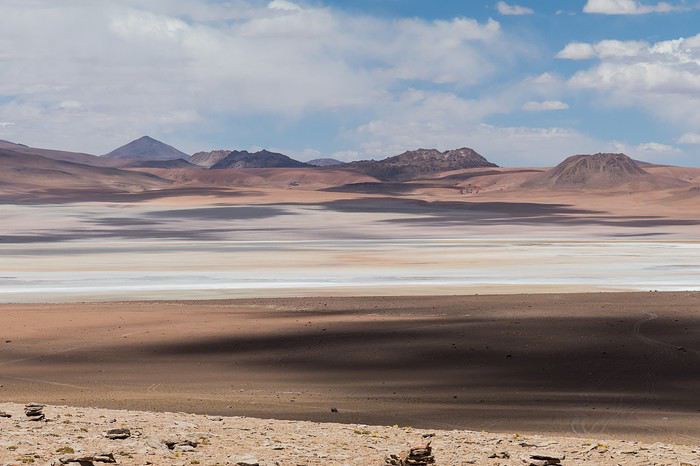 Laguna Kara
It was only after reading Laurent (Lolobe) and Pascal (Pepe874)’s travel journals—who explored the South Lipez solo with a car from Biz Rent a Car—that I thought we might be able to do the same. Meanwhile, we’d already contacted a local agency to organize a trip with a driver and guide. But the idea of a self-drive adventure really appealed to us. With encouragement and tips from Thierry (Tbernay) and Jean-François (Max68), we decided to plan our own self-drive trip. I’d like to thank them for their advice—it was *super* helpful. And a big thanks to all the other forum members for the info shared during our prep!
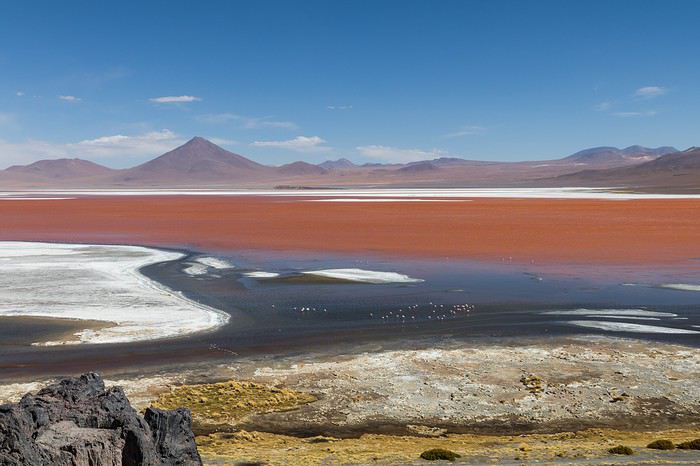 Laguna Colorada
Planning this trip happened during a tough time for our family. My mother-in-law’s illness and passing, plus a few health issues of my own, made us doubt the trip multiple times and nearly scrap the whole thing.
We booked our international flights in February with Swiss. They offered the best balance of travel time and price from Switzerland. Swiss operates Zurich–São Paulo with their own fleet, and São Paulo–Santa Cruz with GOL. In June, GOL canceled the Saturday flight and rebooked us on Sunday. Spending over 24 hours in that huge Brazilian city didn’t work for us at all, so we asked Swiss to put us on the next Zurich–São Paulo flight. Too bad—we lost a day in Bolivia and had to skip the Tarabucco market on Sunday.
Right after, we also booked the car in February. After contacting Imbex and Biz, we went with Biz. Not speaking Spanish, we were relieved to communicate with Alejandra in French. The contact was great—she answered all our questions patiently. Sometimes it took a few days to get a reply, but we could also reach her on WhatsApp. After our trip, we can *only* recommend Biz for rentals in Bolivia. The cars are well-prepped for the South Lipez tracks. The agency is reliable, and the vehicles are new and well-maintained.
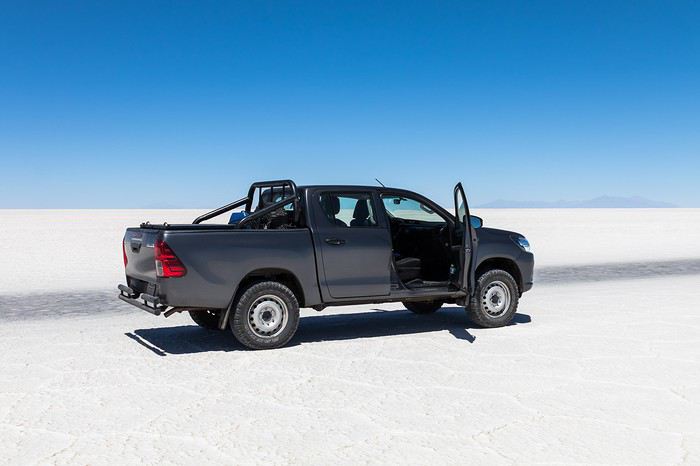 “Our” car, a Toyota Hilux
While planning, we realized the presidential elections would happen while we were in Bolivia. The risk of *bloqueos* (roadblocks and protests) was very real. But in Bolivia, *bloqueos* seem common—you always have to account for that kind of hassle. In late August/early September, Uyuni and the Salar region were blocked for days, leading to food, fuel, and cash shortages. Worried about a blockade in Uyuni and missing the Salar, we decided to visit it first *just in case*.
On election day, the whole country shut down. Planes were grounded, buses and taxis couldn’t circulate, and private cars were banned. There were a few exceptions—ambulances, police, or certain professions—but as tourists, we couldn’t get permission to drive. We asked the embassy, and Biz even requested a permit from the electoral office. So we had to plan to be somewhere with things to do *without* the car.
We decided not to book any accommodations in advance—a first for us. Usually, we plan our stops and reserve lodges, hotels, or campgrounds well ahead. This time, only the room in Sucre was booked, so we’d have a base when we arrived.
In July, Alex (Delhenry) reached out to propose joining part of the trip. He didn’t realize we were leaving in October. Still, we got fresh updates when he returned from the South Lipez. Thanks, Alex—your tips, especially about the Guadalupe–Tupiza stretch, were *super* useful.
In September, we connected with Jean-Louis (Avx) and Anne (Xeta), who were also heading to Bolivia in October, one and two weeks after us. We had dinner with Jean-Louis and his friend after our South Lipez trip and stayed in touch with Anne. It was great to chat with them! Unfortunately, Anne and her husband had a much rockier trip—they got hit hard by post-election issues.
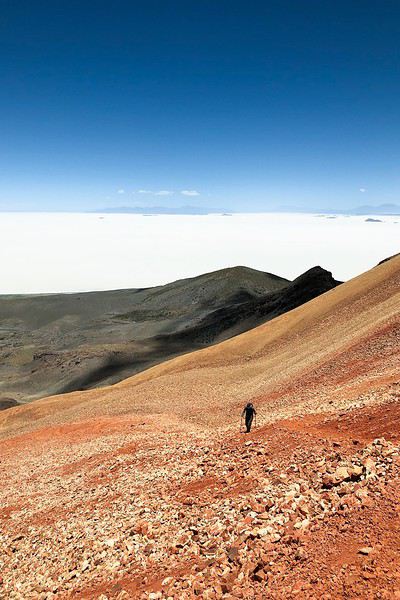 Climbing Volcán Tunupa
Our itinerary wasn’t set in stone—we decided to wing it on the spot. Two weeks before departure, I reconnected with Alejandra at Biz to move the car rental up by a day. With the elections, we wanted to leave Sucre ASAP and focus on the South Lipez. Outside Uyuni and Tupiza, the risk of blockades was zero. We also planned a two-night buffer in Sucre before our flights, just in case. It might sound overcautious, but in hindsight, we made the right call. If we’d left Sucre a day later, we wouldn’t have made it to Potosí—it was completely blocked. On the way back, we *just* dodged blockades in Potosí and elsewhere. Sometimes, you’ve gotta trust your gut.
Here’s our route—only the first two nights in Sucre were booked ahead:
D1 Departure from Switzerland
D2 Sucre (La Selenita)
D3 Sucre (La Selenita)
D4 Colchani (Hotel de Sal Luna Salada)
D5 Jirira (Auberge Doña Lupe)
D6 On the Salar (in the car)
D7 A few kilometers from Estancia Catal (in the car)
D8 Laguna Hedionda (Hotel Los Flamencos)
D9 Laguna Colorada (Lodge by the lagoon)
D10 Middle of nowhere, en route Laguna Verde–Mina Horsu–Quetena Chico (in the car)
D11 Quetena Chico (Lamphaya Lodge Andino)
D12 Quetena Chico (Lamphaya Lodge Andino)
D13 Guadalupe (Guest room at Celia’s)
D14 Along the Rio Grande (in the car)
D15 Tupiza (Hotel Mitru)
D16 Tupiza (Hotel Mitru)
D17 Sucre (La Selenita)
D18 Sucre (La Selenita)
D19 Santa Cruz (Hotel Sun)
D20 Departure from Santa Cruz
D21 Arrival in Switzerland
As you can see, we spent 13 nights in the South Lipez. Initially, we’d planned for nine, but Jean-François (Max68) suggested staying longer. Great advice—we didn’t regret it one bit. We could’ve even added 2–3 more days without getting bored.
Self-driving in the South Lipez takes some prep and a good GPS. We kept it simple and used maps.me to navigate. It’s a solid app—just save your waypoints ahead of time. For some stretches, I used Google Earth to visualize the tracks and sites. If you stick to the tour operator routes, you *almost* can’t get lost. But we often veered off the beaten path and took different routes. Some days, we didn’t see another car. So in case of a breakdown, it’s key to have water and food for several days. In some spots, there’s *zero* signal—your phone won’t work. Another must: it gets *cold* in the South Lipez, and a good sleeping bag is essential. We brought down sleeping bags rated for -10°C and didn’t regret it during our car nights.
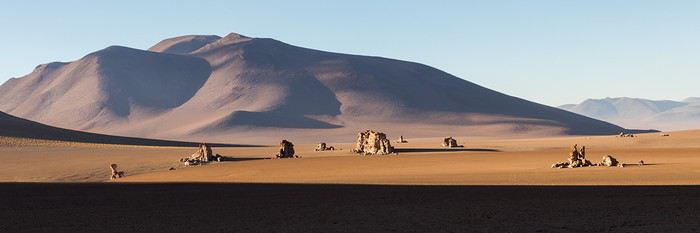 The Dalí Desert
Some tracks are *super* rocky—flat tires are a real risk. On those stretches, maps.me’s estimated travel time was way off. Some sections barely let us go over 15 km/h.
Lots of forum members recommend doing the South Lipez “loop” from Tupiza to Uyuni—ending with the Salar—to avoid Uyuni’s crowds. That might work for organized tours, but for self-drive, the direction *doesn’t* matter. I’ll say this: the few vehicles we saw mostly came from Tupiza and Chile, not Uyuni. So if starting from Uyuni works better for you, go for it! Ending in Tupiza means heading toward warmer weather. For our planned stops and climbs, starting in Uyuni helped with acclimatization. Spending a few nights between 3,600–3,800 m before going over 4,000 m is a smart move.
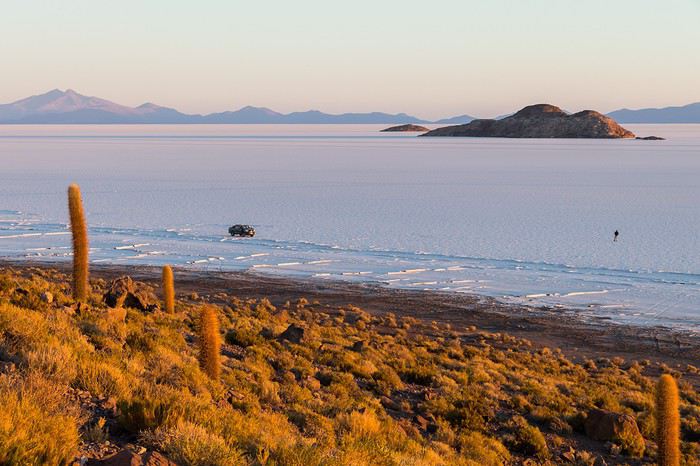 Uyuni Salt Flats in the morning
Overall, we barely saw anyone—except at Laguna Hedionda and Chalviri. There were several tour groups at Hotel Los Flamencos (Laguna Hedionda), but we didn’t cross paths during the day. Hardly anyone on the Salar, on the roads, or at the lodges in the evenings. The *only* place that shocked us was Chalviri. We’d planned to stay there, but it was fully booked—and we counted *forty* tour jeeps on-site. This was around noon! At the Polques hot springs (Chalviri), it was *packed*—we quickly nixed the idea of a dip. Plus, the vibe wasn’t great: soaking right by the road with lodges and restaurants in the background? Meh. Still, lots of tourists love it, so it’s up to you.
For the photos, I kept the colors and mood we saw. The lagoons’ hues are often stunning, but some online photos are *way* over-edited and oversaturated. The South Lipez’s landscapes are breathtaking—no need for excessive retouching.
If you don’t want to read all the details, the start of the travel journal is here: https://voyageforum.com/v.f?post=9888761;a=9888761
The idea of traveling to Bolivia came to me after seeing Jean-François (Max68)’s photos on his website. I thought we *had* to see those stunning landscapes with the colorful lagoons for ourselves. But a self-drive trip didn’t seem doable at first. A few years ago, everyone advised against going to the South Lipez with just one car.
Laguna KaraIt was only after reading Laurent (Lolobe) and Pascal (Pepe874)’s travel journals—who explored the South Lipez solo with a car from Biz Rent a Car—that I thought we might be able to do the same. Meanwhile, we’d already contacted a local agency to organize a trip with a driver and guide. But the idea of a self-drive adventure really appealed to us. With encouragement and tips from Thierry (Tbernay) and Jean-François (Max68), we decided to plan our own self-drive trip. I’d like to thank them for their advice—it was *super* helpful. And a big thanks to all the other forum members for the info shared during our prep!
Laguna ColoradaPlanning this trip happened during a tough time for our family. My mother-in-law’s illness and passing, plus a few health issues of my own, made us doubt the trip multiple times and nearly scrap the whole thing.
We booked our international flights in February with Swiss. They offered the best balance of travel time and price from Switzerland. Swiss operates Zurich–São Paulo with their own fleet, and São Paulo–Santa Cruz with GOL. In June, GOL canceled the Saturday flight and rebooked us on Sunday. Spending over 24 hours in that huge Brazilian city didn’t work for us at all, so we asked Swiss to put us on the next Zurich–São Paulo flight. Too bad—we lost a day in Bolivia and had to skip the Tarabucco market on Sunday.
Right after, we also booked the car in February. After contacting Imbex and Biz, we went with Biz. Not speaking Spanish, we were relieved to communicate with Alejandra in French. The contact was great—she answered all our questions patiently. Sometimes it took a few days to get a reply, but we could also reach her on WhatsApp. After our trip, we can *only* recommend Biz for rentals in Bolivia. The cars are well-prepped for the South Lipez tracks. The agency is reliable, and the vehicles are new and well-maintained.
“Our” car, a Toyota HiluxWhile planning, we realized the presidential elections would happen while we were in Bolivia. The risk of *bloqueos* (roadblocks and protests) was very real. But in Bolivia, *bloqueos* seem common—you always have to account for that kind of hassle. In late August/early September, Uyuni and the Salar region were blocked for days, leading to food, fuel, and cash shortages. Worried about a blockade in Uyuni and missing the Salar, we decided to visit it first *just in case*.
On election day, the whole country shut down. Planes were grounded, buses and taxis couldn’t circulate, and private cars were banned. There were a few exceptions—ambulances, police, or certain professions—but as tourists, we couldn’t get permission to drive. We asked the embassy, and Biz even requested a permit from the electoral office. So we had to plan to be somewhere with things to do *without* the car.
We decided not to book any accommodations in advance—a first for us. Usually, we plan our stops and reserve lodges, hotels, or campgrounds well ahead. This time, only the room in Sucre was booked, so we’d have a base when we arrived.
In July, Alex (Delhenry) reached out to propose joining part of the trip. He didn’t realize we were leaving in October. Still, we got fresh updates when he returned from the South Lipez. Thanks, Alex—your tips, especially about the Guadalupe–Tupiza stretch, were *super* useful.
In September, we connected with Jean-Louis (Avx) and Anne (Xeta), who were also heading to Bolivia in October, one and two weeks after us. We had dinner with Jean-Louis and his friend after our South Lipez trip and stayed in touch with Anne. It was great to chat with them! Unfortunately, Anne and her husband had a much rockier trip—they got hit hard by post-election issues.
Climbing Volcán TunupaOur itinerary wasn’t set in stone—we decided to wing it on the spot. Two weeks before departure, I reconnected with Alejandra at Biz to move the car rental up by a day. With the elections, we wanted to leave Sucre ASAP and focus on the South Lipez. Outside Uyuni and Tupiza, the risk of blockades was zero. We also planned a two-night buffer in Sucre before our flights, just in case. It might sound overcautious, but in hindsight, we made the right call. If we’d left Sucre a day later, we wouldn’t have made it to Potosí—it was completely blocked. On the way back, we *just* dodged blockades in Potosí and elsewhere. Sometimes, you’ve gotta trust your gut.
Here’s our route—only the first two nights in Sucre were booked ahead:
D1 Departure from Switzerland
D2 Sucre (La Selenita)
D3 Sucre (La Selenita)
D4 Colchani (Hotel de Sal Luna Salada)
D5 Jirira (Auberge Doña Lupe)
D6 On the Salar (in the car)
D7 A few kilometers from Estancia Catal (in the car)
D8 Laguna Hedionda (Hotel Los Flamencos)
D9 Laguna Colorada (Lodge by the lagoon)
D10 Middle of nowhere, en route Laguna Verde–Mina Horsu–Quetena Chico (in the car)
D11 Quetena Chico (Lamphaya Lodge Andino)
D12 Quetena Chico (Lamphaya Lodge Andino)
D13 Guadalupe (Guest room at Celia’s)
D14 Along the Rio Grande (in the car)
D15 Tupiza (Hotel Mitru)
D16 Tupiza (Hotel Mitru)
D17 Sucre (La Selenita)
D18 Sucre (La Selenita)
D19 Santa Cruz (Hotel Sun)
D20 Departure from Santa Cruz
D21 Arrival in Switzerland
As you can see, we spent 13 nights in the South Lipez. Initially, we’d planned for nine, but Jean-François (Max68) suggested staying longer. Great advice—we didn’t regret it one bit. We could’ve even added 2–3 more days without getting bored.
Self-driving in the South Lipez takes some prep and a good GPS. We kept it simple and used maps.me to navigate. It’s a solid app—just save your waypoints ahead of time. For some stretches, I used Google Earth to visualize the tracks and sites. If you stick to the tour operator routes, you *almost* can’t get lost. But we often veered off the beaten path and took different routes. Some days, we didn’t see another car. So in case of a breakdown, it’s key to have water and food for several days. In some spots, there’s *zero* signal—your phone won’t work. Another must: it gets *cold* in the South Lipez, and a good sleeping bag is essential. We brought down sleeping bags rated for -10°C and didn’t regret it during our car nights.
The Dalí DesertSome tracks are *super* rocky—flat tires are a real risk. On those stretches, maps.me’s estimated travel time was way off. Some sections barely let us go over 15 km/h.
Lots of forum members recommend doing the South Lipez “loop” from Tupiza to Uyuni—ending with the Salar—to avoid Uyuni’s crowds. That might work for organized tours, but for self-drive, the direction *doesn’t* matter. I’ll say this: the few vehicles we saw mostly came from Tupiza and Chile, not Uyuni. So if starting from Uyuni works better for you, go for it! Ending in Tupiza means heading toward warmer weather. For our planned stops and climbs, starting in Uyuni helped with acclimatization. Spending a few nights between 3,600–3,800 m before going over 4,000 m is a smart move.
Uyuni Salt Flats in the morningOverall, we barely saw anyone—except at Laguna Hedionda and Chalviri. There were several tour groups at Hotel Los Flamencos (Laguna Hedionda), but we didn’t cross paths during the day. Hardly anyone on the Salar, on the roads, or at the lodges in the evenings. The *only* place that shocked us was Chalviri. We’d planned to stay there, but it was fully booked—and we counted *forty* tour jeeps on-site. This was around noon! At the Polques hot springs (Chalviri), it was *packed*—we quickly nixed the idea of a dip. Plus, the vibe wasn’t great: soaking right by the road with lodges and restaurants in the background? Meh. Still, lots of tourists love it, so it’s up to you.
For the photos, I kept the colors and mood we saw. The lagoons’ hues are often stunning, but some online photos are *way* over-edited and oversaturated. The South Lipez’s landscapes are breathtaking—no need for excessive retouching.
If you don’t want to read all the details, the start of the travel journal is here: https://voyageforum.com/v.f?post=9888761;a=9888761
Hi there,
Three years ago during a trip to Java (no, I didn’t post in the wrong forum!), I came across the address of former miners who had switched to “tourism” and organized nighttime ascents of the Kawah Ijen volcano and descents into the crater.
So I was thinking—maybe there are miners on the salt flats too, either former or still active, who do the same thing. If you’ve had an experience like this, I’d love any tips you can share.
Thanks in advance.
A few friends and I are planning to explore the northern shore of Lake Titicaca, making stops using local buses or collectivos. The route starts in Huancane, passes through places like Moho and Conima (on the Peruvian side), then crosses the border and continues into Bolivia via spots like Escoma, Ancoraines, Achacachi, and Huarina. I can’t find any info on transportation between these towns. It also seems there are no listed hotels or other types of accommodations.
Personally, I’ve already visited several places on the southern shore of the lake.
Questions: Is this less touristy route along the northern shore—compared to the southern route via Unguyo and Copacabana—worth it? Are there buses that cover the northern shore in both Peru and Bolivia? What accommodations do you know of along this route? Alternatively, is it possible to rent a car in Puno to circle the entire lake, and which reliable agencies would you recommend? Thanks for your suggestions! 😉
Personally, I’ve already visited several places on the southern shore of the lake.
Questions: Is this less touristy route along the northern shore—compared to the southern route via Unguyo and Copacabana—worth it? Are there buses that cover the northern shore in both Peru and Bolivia? What accommodations do you know of along this route? Alternatively, is it possible to rent a car in Puno to circle the entire lake, and which reliable agencies would you recommend? Thanks for your suggestions! 😉
Hi there,
We’re planning a trip for two to explore part of Bolivia in a rental car from La Paz.
To avoid joining a tour, is it possible to drive across the Uyuni Salt Flats in a rented car?
If so, is there an extra cost, and do we need to book a 4x4 or an SUV?
If not, I’m thinking of renting a standard car for the paved roads and taking a 2-day/1-night tour from Uyuni instead!
What do you think? Thanks for your tips. Arnale
If so, is there an extra cost, and do we need to book a 4x4 or an SUV?
If not, I’m thinking of renting a standard car for the paved roads and taking a 2-day/1-night tour from Uyuni instead!
What do you think? Thanks for your tips. Arnale
Hi,
We’re planning a trip to Santa Cruz de la Sierra with our pets. We’ve seen a lot of really negative reviews about BOA and AirEuropa, but it looks like the options are limited.
So, I’m looking for recent firsthand experiences with these two airlines—especially if you’ve traveled with animals.
Thanks so much!
We’re planning a trip to Santa Cruz de la Sierra with our pets. We’ve seen a lot of really negative reviews about BOA and AirEuropa, but it looks like the options are limited.
So, I’m looking for recent firsthand experiences with these two airlines—especially if you’ve traveled with animals.
Thanks so much!
I’m planning a journey of about 2500 km starting from San Pedro de Atacama (duration: max. 2 months). This trip, almost entirely on remote trails, promises to be an extraordinary adventure.
Highlights of the trip - Crossing the Florido Desert (during the blooming season: October 15–30) - Hiking ascents of legendary volcanoes: - Ojos del Salado (6879 m) - Llullaillaco (6739 m) - Uturuncu (6008 m, with 5820 m reachable by mountain bike!) - A 300 km stage through the heart of the desert, with no resupply or habitation: the ultimate experience of solitude and self-transcendence.
Practical details - Daily distance: max. 100 km and 1000 m elevation gain per day - Average altitude: 4000 m (between 3500 and 5000 m) - Temperatures: ~15 °C during the day, down to -25 °C at night (in a tent) - Accommodation: ~50% in villages (with locals or small hostels), ~50% camping
Estimated budget - 1400 € for the flight ticket (including bike supplement) - 1000 € for on-the-ground expenses
Required equipment - Fatbike (essential for deep sand) - -25 °C comfort sleeping bag - Single-wheel trailer (indispensable for these tough terrains)
My experience In 2022, I completed a similar 1200 km trip north of San Pedro de Atacama: - Full crossing of the Salar de Uyuni (170 km) - Ascents of the Ollague (5868 m) and Aucanquilcha (6176 m) volcanoes - Two 200 km stages with no resupply or human presence Videos available for a glimpse of the adventure: - Atacama Crossing 2022 - Part 1 - Atacama Crossing 2022 - Part 2
Next steps If this adventure interests you, I suggest: 1. A first phone call to get to know each other 2. A meet-up over a drink or a test ride in the Bardenas Reales (similar terrain, and I live 100 km away)
Don’t hesitate to contact me for more info or to discuss the details!
Highlights of the trip - Crossing the Florido Desert (during the blooming season: October 15–30) - Hiking ascents of legendary volcanoes: - Ojos del Salado (6879 m) - Llullaillaco (6739 m) - Uturuncu (6008 m, with 5820 m reachable by mountain bike!) - A 300 km stage through the heart of the desert, with no resupply or habitation: the ultimate experience of solitude and self-transcendence.
Practical details - Daily distance: max. 100 km and 1000 m elevation gain per day - Average altitude: 4000 m (between 3500 and 5000 m) - Temperatures: ~15 °C during the day, down to -25 °C at night (in a tent) - Accommodation: ~50% in villages (with locals or small hostels), ~50% camping
Estimated budget - 1400 € for the flight ticket (including bike supplement) - 1000 € for on-the-ground expenses
Required equipment - Fatbike (essential for deep sand) - -25 °C comfort sleeping bag - Single-wheel trailer (indispensable for these tough terrains)
My experience In 2022, I completed a similar 1200 km trip north of San Pedro de Atacama: - Full crossing of the Salar de Uyuni (170 km) - Ascents of the Ollague (5868 m) and Aucanquilcha (6176 m) volcanoes - Two 200 km stages with no resupply or human presence Videos available for a glimpse of the adventure: - Atacama Crossing 2022 - Part 1 - Atacama Crossing 2022 - Part 2
Next steps If this adventure interests you, I suggest: 1. A first phone call to get to know each other 2. A meet-up over a drink or a test ride in the Bardenas Reales (similar terrain, and I live 100 km away)
Don’t hesitate to contact me for more info or to discuss the details!
CUSCO-LA PAZ FLIGHT
Hi, I’d like to fly from Cusco to LA PAZ (to save time… so I don’t want to deal with a canceled flight).
Any feedback on Avianca? (It’s the only direct flight I’ve found.)
Thanks
Hi,
Does anyone know how late the buses run from Cusco Airport to the city center? I land at 9:30 PM, plus time to clear customs, pick up my luggage, and exchange some money—figure an extra 30 to 45 minutes. Though, come to think of it, I still have 5 sols from last time—maybe that’ll be enough for the bus?
Thanks.
Brigitte
This quick summary of our trip follows a project I posted on VF back in March 2016. I can answer more specific questions, but here I’m highlighting the points that seem most important. Generally, we started our days early (~7 AM or even earlier), had lunch on the go—often in the street—and dinner at somewhat rustic restaurants (< 100 Bs for two). The hotels (unbooked except for our arrival day in La Paz) had so-called "matrimonial" rooms with private bathrooms, usually costing 150–200 Bs or less.
We had a few cold sweats right off the bat: our debit cards only worked at the last ATM (out of 12!) at the airport… and the next day, our flight to Rurrenabaque was grounded, leaving us stranded for a day. We found decent lodging at Hotel Avenida. The following morning, our plane was finally fixed and crossed the Cordillera without issue. Our stay (5 days / 4 nights in the jungle & pampa) with Mashaquipe was great (our guide Domingo played a big part in that). Very interesting and a reliable agency. We saw quite a few animals, though spotting them in the jungle is tricky. In the savanna, though, it’s easier, and Mashaquipe seems to be one of the few agencies with a site in the pampa (near Santa Rosa).
We flew back to La Paz that evening and got lucky—within an hour, we caught a flight to Santa Cruz. The next morning, our first encounter with bus stations: Santa Cruz’s is huge, and we got a little lost. But we found a bus to San José. We visited the church in the late morning, then headed to the bus station, where schedules seemed random and buses only left in the late afternoon at best. We decided to walk to the outskirts of town toward San Rafael and try hitchhiking. It worked—every (rare) vehicle stopped, and we hopped into the first one heading to San Rafael. When we arrived, we gave the driver half the bus fare (~60 Bs). The next morning, we visited the church early and positioned ourselves at the village exit. A pickup truck quickly picked us up and took us to San Miguel (for free). Then, the same thing happened on the way to San Ignacio, but this time it was a *collectivo* that stopped. We arrived in San Ignacio in the early afternoon, but it was Saturday, and the church was closed. It was supposed to open… but never did. Since the *flota* bus left for Concepción around 7 PM, we took it without getting to visit. The next day, we toured the church and attended mass (++) with a choir and musicians. Then, we took a bus to San Javier, visited the church, and caught a *flota* back to Santa Cruz that evening. It might seem a little rushed, but we were lucky. Verdict: the churches are hidden gems in this somewhat off-the-beaten-path province (almost no tourists). We loved the last two the most, but the others were great too.
The next morning, we flew to Sucre, a beautiful city (though I didn’t connect with it), especially compared to the others, at a moderate altitude for the country… except for the central market, the Museum of Indigenous Art, and the San Felipe Neri convent. By chance, we ended up at *Le Petit Parisien*, a café two steps from the main square (65 c. estudiante). Christian, the owner, is originally from Paris and serves French food. His wife, Anna, is Bolivian and organizes visits to the Jal’qa community west of Sucre. You have to enjoy walking (~35 km in 2 days) and be okay with a *camione* (truck) ride and rustic lodging. We said yes for the next morning (cost: 600 Bs for two). A great memory, especially our night with a Quechua family who had just harvested corn… and the otherworldly landscapes.
Then, an overnight bus to Tupiza, where we checked out agencies for a 4-day loop through Sud Lípez and the salt flats, returning to Uyuni. We were really impressed by *Granero del Oro* (though there were only two of us), but we ultimately went with *Tupiza Tours*, the biggest agency, which had other clients so we could leave as a group of four (it was late June, and there weren’t many tourists yet; cost: 2,600 Bs for two). No regrets—this agency seemed solid, with a well-maintained vehicle and a serious driver (Freddy) who stopped whenever we asked. With our +5°C sleeping bags, we weren’t cold since the hotels (which the Bolivians call *basico*) provided blankets. The landscapes were mind-blowing in color, variety, and scale… even though the weather was pretty variable. We saw quite a few vicuñas.
In Uyuni, we took an overnight bus to La Paz, then another to Puno less than two hours later, arriving in the afternoon. That gave us time to head to the port to find lodging on Amantani. We avoided the street vendors and found an office run by locals from the island. We left the next day with an Italian couple and stayed two nights in Occopampa with a host family. Instead of returning via Taquile, we took a boat to Chifrón, then a bus to Juliaca, and from there to Cusco. The island was nice, and we did a lot of walking. At one point, we ran into a horde of tourists (and the second night, there was a dance with quite a few tourists… but also some locals, though I didn’t connect much). I got the impression the northern part of the island is less touristy… but you don’t get to choose your lodging.
In Cusco, we stayed at Suecia 2 (almost quiet, since it’s on the edge of the happy-hour bars and nightclubs) and across from the excellent restaurant *Victor Victoria*. On Sunday, we took a *collectivo* to the Chinchero market. It was touristy but still fun. There were great textile deals, but we were broke and couldn’t find an ATM. Some regrets… We met two young Spanish women and shared a taxi to Moray (we didn’t visit because you need the *boleto turistico*) and Salinas. The taxi dropped us off for an hour—it was nice, especially in the late afternoon. The next day, though, we were really disappointed by Pisac, which felt 100% touristy and New Age… we’d recommend avoiding it. On the way back from Pisac, we asked the bus to stop at Sacsayhuamán, which we explored a bit without a ticket before walking back down to Cusco. The city itself was nice but nothing extraordinary. We only got the *boleto religioso* (cathedral + Iglesia San Blas + San Cristóbal). The Inca Museum and Qorikancha were highlights.
We’d booked the Lares Trek + Machu Picchu (MP) over 4 days with *Sam Travel Perú*. There were five couples and two guides (Eddy & Julian). Great organization, great guides, and the food… no complaints. The landscapes were stunning… and no altitude issues (we’d acclimatized well with Lípez and Lake Titicaca) or breathing problems since we were in shape. That wasn’t the case for the other participants, but it wasn’t a problem since we had two guides, and on the last day, we split into two groups. We stopped in Aguas Calientes before Lares, then took a car and train to Aguas Calientes. On the guide’s advice, we decided to line up at 4:30 AM (there were already hundreds of people) for the bus to MP. At the top, Eddy guided us until 9 AM, then we explored on our own. At first, it was peaceful with clouds clinging to the peaks, but then it got crowded and hot. We escaped with two other couples to climb Wayna Picchu (it’s steep, but with dry weather, no problem). Still, I’d recommend being in shape for the trek and the climb to WP to really enjoy it. We returned to Cusco in the late afternoon, and the next morning, we flew (booked in advance) to La Paz, where we explored a bit (cable car, San Francisco, Calle Jaén…).
We had a few cold sweats right off the bat: our debit cards only worked at the last ATM (out of 12!) at the airport… and the next day, our flight to Rurrenabaque was grounded, leaving us stranded for a day. We found decent lodging at Hotel Avenida. The following morning, our plane was finally fixed and crossed the Cordillera without issue. Our stay (5 days / 4 nights in the jungle & pampa) with Mashaquipe was great (our guide Domingo played a big part in that). Very interesting and a reliable agency. We saw quite a few animals, though spotting them in the jungle is tricky. In the savanna, though, it’s easier, and Mashaquipe seems to be one of the few agencies with a site in the pampa (near Santa Rosa).
We flew back to La Paz that evening and got lucky—within an hour, we caught a flight to Santa Cruz. The next morning, our first encounter with bus stations: Santa Cruz’s is huge, and we got a little lost. But we found a bus to San José. We visited the church in the late morning, then headed to the bus station, where schedules seemed random and buses only left in the late afternoon at best. We decided to walk to the outskirts of town toward San Rafael and try hitchhiking. It worked—every (rare) vehicle stopped, and we hopped into the first one heading to San Rafael. When we arrived, we gave the driver half the bus fare (~60 Bs). The next morning, we visited the church early and positioned ourselves at the village exit. A pickup truck quickly picked us up and took us to San Miguel (for free). Then, the same thing happened on the way to San Ignacio, but this time it was a *collectivo* that stopped. We arrived in San Ignacio in the early afternoon, but it was Saturday, and the church was closed. It was supposed to open… but never did. Since the *flota* bus left for Concepción around 7 PM, we took it without getting to visit. The next day, we toured the church and attended mass (++) with a choir and musicians. Then, we took a bus to San Javier, visited the church, and caught a *flota* back to Santa Cruz that evening. It might seem a little rushed, but we were lucky. Verdict: the churches are hidden gems in this somewhat off-the-beaten-path province (almost no tourists). We loved the last two the most, but the others were great too.
The next morning, we flew to Sucre, a beautiful city (though I didn’t connect with it), especially compared to the others, at a moderate altitude for the country… except for the central market, the Museum of Indigenous Art, and the San Felipe Neri convent. By chance, we ended up at *Le Petit Parisien*, a café two steps from the main square (65 c. estudiante). Christian, the owner, is originally from Paris and serves French food. His wife, Anna, is Bolivian and organizes visits to the Jal’qa community west of Sucre. You have to enjoy walking (~35 km in 2 days) and be okay with a *camione* (truck) ride and rustic lodging. We said yes for the next morning (cost: 600 Bs for two). A great memory, especially our night with a Quechua family who had just harvested corn… and the otherworldly landscapes.
Then, an overnight bus to Tupiza, where we checked out agencies for a 4-day loop through Sud Lípez and the salt flats, returning to Uyuni. We were really impressed by *Granero del Oro* (though there were only two of us), but we ultimately went with *Tupiza Tours*, the biggest agency, which had other clients so we could leave as a group of four (it was late June, and there weren’t many tourists yet; cost: 2,600 Bs for two). No regrets—this agency seemed solid, with a well-maintained vehicle and a serious driver (Freddy) who stopped whenever we asked. With our +5°C sleeping bags, we weren’t cold since the hotels (which the Bolivians call *basico*) provided blankets. The landscapes were mind-blowing in color, variety, and scale… even though the weather was pretty variable. We saw quite a few vicuñas.
In Uyuni, we took an overnight bus to La Paz, then another to Puno less than two hours later, arriving in the afternoon. That gave us time to head to the port to find lodging on Amantani. We avoided the street vendors and found an office run by locals from the island. We left the next day with an Italian couple and stayed two nights in Occopampa with a host family. Instead of returning via Taquile, we took a boat to Chifrón, then a bus to Juliaca, and from there to Cusco. The island was nice, and we did a lot of walking. At one point, we ran into a horde of tourists (and the second night, there was a dance with quite a few tourists… but also some locals, though I didn’t connect much). I got the impression the northern part of the island is less touristy… but you don’t get to choose your lodging.
In Cusco, we stayed at Suecia 2 (almost quiet, since it’s on the edge of the happy-hour bars and nightclubs) and across from the excellent restaurant *Victor Victoria*. On Sunday, we took a *collectivo* to the Chinchero market. It was touristy but still fun. There were great textile deals, but we were broke and couldn’t find an ATM. Some regrets… We met two young Spanish women and shared a taxi to Moray (we didn’t visit because you need the *boleto turistico*) and Salinas. The taxi dropped us off for an hour—it was nice, especially in the late afternoon. The next day, though, we were really disappointed by Pisac, which felt 100% touristy and New Age… we’d recommend avoiding it. On the way back from Pisac, we asked the bus to stop at Sacsayhuamán, which we explored a bit without a ticket before walking back down to Cusco. The city itself was nice but nothing extraordinary. We only got the *boleto religioso* (cathedral + Iglesia San Blas + San Cristóbal). The Inca Museum and Qorikancha were highlights.
We’d booked the Lares Trek + Machu Picchu (MP) over 4 days with *Sam Travel Perú*. There were five couples and two guides (Eddy & Julian). Great organization, great guides, and the food… no complaints. The landscapes were stunning… and no altitude issues (we’d acclimatized well with Lípez and Lake Titicaca) or breathing problems since we were in shape. That wasn’t the case for the other participants, but it wasn’t a problem since we had two guides, and on the last day, we split into two groups. We stopped in Aguas Calientes before Lares, then took a car and train to Aguas Calientes. On the guide’s advice, we decided to line up at 4:30 AM (there were already hundreds of people) for the bus to MP. At the top, Eddy guided us until 9 AM, then we explored on our own. At first, it was peaceful with clouds clinging to the peaks, but then it got crowded and hot. We escaped with two other couples to climb Wayna Picchu (it’s steep, but with dry weather, no problem). Still, I’d recommend being in shape for the trek and the climb to WP to really enjoy it. We returned to Cusco in the late afternoon, and the next morning, we flew (booked in advance) to La Paz, where we explored a bit (cable car, San Francisco, Calle Jaén…).
Need your advice—this is a bit urgent! 😅
I’m leaving in 1 month for 7 months in South America (mainly Argentina, with a quick stop in Chile and Bolivia). I still haven’t decided on: 👉 Travel insurance. 👉 The best bank card for abroad.
I’m a bit behind schedule and would really love your feedback: 👉 Which insurance do you recommend (reliability in case of trouble)? 👉 Which bank do you use while traveling to avoid fees (mainly in Argentina)? Boursorama? 👉 Any idea about fees with Western Union?
For now, I’m planning to bring as much cash as possible to avoid fees and exchange money locally. My bank (La Poste) gave me a Visa Premier for insurance/repatriation, but after reading the terms, I see it’s limited to 180 consecutive days—so 6 months, not 7.
Thanks in advance for your tips—it’ll help me make a decision quickly! :)
I’m leaving in 1 month for 7 months in South America (mainly Argentina, with a quick stop in Chile and Bolivia). I still haven’t decided on: 👉 Travel insurance. 👉 The best bank card for abroad.
I’m a bit behind schedule and would really love your feedback: 👉 Which insurance do you recommend (reliability in case of trouble)? 👉 Which bank do you use while traveling to avoid fees (mainly in Argentina)? Boursorama? 👉 Any idea about fees with Western Union?
For now, I’m planning to bring as much cash as possible to avoid fees and exchange money locally. My bank (La Poste) gave me a Visa Premier for insurance/repatriation, but after reading the terms, I see it’s limited to 180 consecutive days—so 6 months, not 7.
Thanks in advance for your tips—it’ll help me make a decision quickly! :)

Hi,
Does anyone have any info on crossing the border at San Matias between Brazil and Bolivia by car? Also about the road between Caceres and San Matias. Thanks
Hello,
We’re planning a trip to Chile for next December (2025) as a family with our two kids (6 and 8 years old).
We’ve scheduled a week in San Pedro to take our time exploring the area, and we’re wondering whether to extend into Bolivia to see the Salar de Uyuni, the Laguna Verde and Laguna Colorada, the Desert of Dalí, etc.—basically the short loop that a lot of tour operators offer.
What’s making me hesitate is the altitude—there are stretches at 5,000 meters, and I’m wondering if that’s too risky for the kids, since the risk of AMS (acute mountain sickness) is high at that elevation.
Has anyone here done this loop with their kids? If so, could you share your experience?
Thanks so much!
hi, I'm planning a trip to Peru and Bolivia soon. I'm looking for a local travel agency. Does anyone know of one? Thanks
Hi there,
I’m looking for Andean music lessons (Charango, Kena, Zampona) in LA PAZ, Bolivia. Thanks for any help! Philippe
I’m looking for Andean music lessons (Charango, Kena, Zampona) in LA PAZ, Bolivia. Thanks for any help! Philippe

When I set off for Bolivia, like many Europeans, I was full of illusions (fed by the propaganda of President Evo Morales, a would-be dictator with limited intelligence). I quickly became disillusioned—everything there seems to be built on lies: political disaster, ecological disaster, economic disaster despite drug trafficking and smuggling with China, dietary disaster, intellectual disaster... Its only saving grace is being a vast, sparsely populated country, so nature lovers can still find rich, relatively untouched landscapes far from human settlements (but for how long?)
Where humans dominate, the disaster worsens year by year: water, soil, and air are contaminated, meat is pumped full of hormones, GMOs are everywhere, fish are loaded with lead and mercury (thousands of tons of waste are dumped into Lake Titicaca on both the Bolivian and Peruvian sides), and the food is ultra-artificial (all the additives banned in Europe are abundant there). For example, out of 50 fruit yogurts, only two actually contain fruit... In short, don’t expect to go there for a health retreat.
As for its capital, even though you’ll see "wonderful" written everywhere, the city is ugly, extremely polluted, and not particularly interesting. But since few Bolivians leave Bolivia and the public education system is one of the dumbest in the world, they don’t care. A stupid law decreeing that taxes are only paid once construction is finished means thousands of buildings will never be completed... Anyway, you’ve probably gathered by now that it’s not worth wasting too much time there. If you decide to go to Bolivia, it’s best to know what you’re getting into...
So what should you do? A stop in Copacabana is pleasant, as is one in Tiwanaku. A stay in Samaipata is nice, and the cities of Sucre and Potosí still have charm. The Uyuni salt flats are also worth seeing. Venture off the beaten path, even if transportation is complicated and sometimes dangerous.
Don’t be surprised by the omnipresent police (many of whom are corrupt) and military, or by the almost daily protests... These are just some of Bolivia’s characteristics. But when you pass through quickly, you tend to see what you want to see.
On the gastronomy front, aside from the fact that in many places the food is a cocktail of pesticides, GMOs, heavy metals, and dangerous additives—all washed down with plenty of Coca-Cola—don’t expect refined cuisine... That said, like everywhere, you’ll find kind people (though relationships are often superficial) and stunning landscapes. There you go—just offering a different perspective from the dazzled accounts of tourists who only scratch the surface without understanding the harsh realities. And I haven’t even touched on the administrations, social disparities, the TIPNIS conflict, disappearances (girls for prostitution and boys for organ trafficking), etc...
Where humans dominate, the disaster worsens year by year: water, soil, and air are contaminated, meat is pumped full of hormones, GMOs are everywhere, fish are loaded with lead and mercury (thousands of tons of waste are dumped into Lake Titicaca on both the Bolivian and Peruvian sides), and the food is ultra-artificial (all the additives banned in Europe are abundant there). For example, out of 50 fruit yogurts, only two actually contain fruit... In short, don’t expect to go there for a health retreat.
As for its capital, even though you’ll see "wonderful" written everywhere, the city is ugly, extremely polluted, and not particularly interesting. But since few Bolivians leave Bolivia and the public education system is one of the dumbest in the world, they don’t care. A stupid law decreeing that taxes are only paid once construction is finished means thousands of buildings will never be completed... Anyway, you’ve probably gathered by now that it’s not worth wasting too much time there. If you decide to go to Bolivia, it’s best to know what you’re getting into...
So what should you do? A stop in Copacabana is pleasant, as is one in Tiwanaku. A stay in Samaipata is nice, and the cities of Sucre and Potosí still have charm. The Uyuni salt flats are also worth seeing. Venture off the beaten path, even if transportation is complicated and sometimes dangerous.
Don’t be surprised by the omnipresent police (many of whom are corrupt) and military, or by the almost daily protests... These are just some of Bolivia’s characteristics. But when you pass through quickly, you tend to see what you want to see.
On the gastronomy front, aside from the fact that in many places the food is a cocktail of pesticides, GMOs, heavy metals, and dangerous additives—all washed down with plenty of Coca-Cola—don’t expect refined cuisine... That said, like everywhere, you’ll find kind people (though relationships are often superficial) and stunning landscapes. There you go—just offering a different perspective from the dazzled accounts of tourists who only scratch the surface without understanding the harsh realities. And I haven’t even touched on the administrations, social disparities, the TIPNIS conflict, disappearances (girls for prostitution and boys for organ trafficking), etc...
Here we go...
It’s been almost a month since we got back, and my head is still over there... Just like every time... For my own sake, I know travel journals are useful for travelers planning a trip to a country. But selfishly, they’re also helpful for me—to put the final stone on each journey and revisit it from time to time, just for the memories...
So, this trip won’t be any different, and I invite you to follow along on our Andean adventure, from Lima to the Southern Lipez, from December 16, 2016, to January 14, 2017. It’s a chronological journal because I don’t know how to approach it any other way. It doesn’t hold any absolute truths—just my experiences and feelings, which are obviously personal and not objective!
But if it inspires you to visit these magical countries (and I assume you’re already interested if you’re here) or gives you a couple of tips, then I’ll consider it a win!
So, let’s hit the road for the land of wide-open spaces!
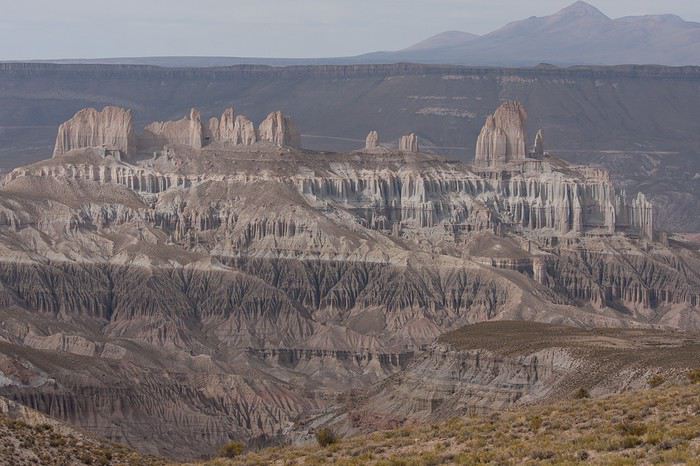
It’s been almost a month since we got back, and my head is still over there... Just like every time... For my own sake, I know travel journals are useful for travelers planning a trip to a country. But selfishly, they’re also helpful for me—to put the final stone on each journey and revisit it from time to time, just for the memories...
So, this trip won’t be any different, and I invite you to follow along on our Andean adventure, from Lima to the Southern Lipez, from December 16, 2016, to January 14, 2017. It’s a chronological journal because I don’t know how to approach it any other way. It doesn’t hold any absolute truths—just my experiences and feelings, which are obviously personal and not objective!
But if it inspires you to visit these magical countries (and I assume you’re already interested if you’re here) or gives you a couple of tips, then I’ll consider it a win!
So, let’s hit the road for the land of wide-open spaces!
Hi everyone,
I’m currently on a motorcycle trip through South America. I’m riding a Honda XR 150L registered in Chile, which I bought in my name. I have my Chilean RUT and the *padrón* (vehicle registration) for the bike. I’m traveling solo and planning to visit the Salar de Uyuni, Cusco, and Machu Picchu before returning to Santiago in the next 60 days.
I tried crossing the border at Ollagüe, but I was denied entry into Bolivia even though I have all the necessary paperwork. The customs officers told me I needed to be a Chilean resident to enter with a Chilean-registered motorcycle, which I’m not (I only have the RUT).
I’m looking for: -A more flexible alternative to cross into Bolivia (or even Argentina or Peru if necessary). -Recent experiences from other travelers who entered Bolivia with a Chilean-registered motorcycle. -Possible solutions (additional documents? international insurance? special visa or permit?).
I’m open to adjusting my itinerary, but I’d really like to continue the trip with my motorcycle. Thanks in advance for any help or advice! !
I’m currently on a motorcycle trip through South America. I’m riding a Honda XR 150L registered in Chile, which I bought in my name. I have my Chilean RUT and the *padrón* (vehicle registration) for the bike. I’m traveling solo and planning to visit the Salar de Uyuni, Cusco, and Machu Picchu before returning to Santiago in the next 60 days.
I tried crossing the border at Ollagüe, but I was denied entry into Bolivia even though I have all the necessary paperwork. The customs officers told me I needed to be a Chilean resident to enter with a Chilean-registered motorcycle, which I’m not (I only have the RUT).
I’m looking for: -A more flexible alternative to cross into Bolivia (or even Argentina or Peru if necessary). -Recent experiences from other travelers who entered Bolivia with a Chilean-registered motorcycle. -Possible solutions (additional documents? international insurance? special visa or permit?).
I’m open to adjusting my itinerary, but I’d really like to continue the trip with my motorcycle. Thanks in advance for any help or advice! !
Hi everyone, actually I have a 6-month tourist visa for Bolivia, but a friend is telling me I can’t enter Bolivia with this visa. I don’t understand why—he says I need a transit visa instead. Could someone please clarify this for me? I’m really confused.

I’m planning to take Air France from Paris to Trujillo with my 2 bikes in boxes. I have a layover in Lima and a change to LATAM Airlines for Trujillo.
On the way back, it’s Santa Cruz in Bolivia via Lima (LATAM Airlines) and then Air France to Paris. During the layovers in Lima, do I need to collect my luggage and the bike boxes and re-check them for the second flight? It’s really hard to get through to Air France for this kind of question.

Bonjour à tous,
Nous sommes une petite famille avec deux enfants qu'ils auront 8 et 11 ans au moment du départ. Nous avons l'intention de partir entre septembre et janvier pour visiter (dans cet ordre) le Pérou, la Bolivie puis la Colombie. Même si c'est encore incertain à ce stade, nous envisageons très certainement d'acheter un véhicule au Pérou, de faire l'intégralité de notre voyage avec et de revenir le vendre au Pérou. On s'est fixé sur 5 mois mais peut-être prolongerons-nous ce voyage de quelques semaines.... Pour ce qui est de l'école j'ai l'intention de faire les cours aux enfants en gardant contact avec les classes qu'ils devront réintégrer au retour. Mais là aussi rien est encore tout à fait défini. Nous aurions voulu échanger avec des familles qui va vivent la même expérience ou qu'ils ont vécu. Nous allons prévoir un itinéraire même s'il y a de grandes chances qu'une fois sur place on se laisse bercer par nos envies et surtout nos rencontres.
Nous sommes une petite famille avec deux enfants qu'ils auront 8 et 11 ans au moment du départ. Nous avons l'intention de partir entre septembre et janvier pour visiter (dans cet ordre) le Pérou, la Bolivie puis la Colombie. Même si c'est encore incertain à ce stade, nous envisageons très certainement d'acheter un véhicule au Pérou, de faire l'intégralité de notre voyage avec et de revenir le vendre au Pérou. On s'est fixé sur 5 mois mais peut-être prolongerons-nous ce voyage de quelques semaines.... Pour ce qui est de l'école j'ai l'intention de faire les cours aux enfants en gardant contact avec les classes qu'ils devront réintégrer au retour. Mais là aussi rien est encore tout à fait défini. Nous aurions voulu échanger avec des familles qui va vivent la même expérience ou qu'ils ont vécu. Nous allons prévoir un itinéraire même s'il y a de grandes chances qu'une fois sur place on se laisse bercer par nos envies et surtout nos rencontres.

Bonjour à tous,
Ce carnet, je ne pensais pas le rédiger, à mon retour de Bolivie. Certains d’entre vous le savent d’ailleurs. Trop amère, trop choquée.
Et puis heureusement, le temps fait son affaire et estompe les mauvais souvenirs pour laisser principalement les bons. Rédiger ce carnet m’aide aussi je pense à tourner la page sur certains (très) mauvais moments, quand bien même ils datent déjà de huit mois. Certains épisodes auront été riches en émotions….
La Bolivie, j’en rêvais depuis plusieurs années. Envie de grands espaces, de nature, de kaléidoscope coloré. Envie de voir des lamas, des viscaches, des vigognes, des condors. Envie de voir les lagunes, LE salar, les couleurs du désert de Dali. Envie de découvrir l’Amérique du Sud et ce pays encore peu prisé des touristes. Envie de réaliser ce voyage tel que nous le pouvons sans nos enfants : peu de réservations d’hôtels, du camping sauvage et un itinéraire décidé pour les grandes étapes mais ajusté au jour le jour selon nos coups de cœur.
Les carnets lus au fil des mois confirmaient que le Sud Lipez reste accessible en individuel et autonome, même s’il est évidemment préférable de voyager à deux voitures. Mes beaux-parents acceptant de venir garder nos fils quelques jours avant le début des vacances scolaires de la Toussaint, je commence à organiser dès le mois de mai un périple de 16 jours entiers sur place. Depuis plusieurs mois, je m’étais forgé un début d’itinéraire selon ces différents critères :
J’exclus La Paz. Nous visiterons la capitale lors d’un futur voyage au Pérou où nous ajouterons quelques étapes nord-boliviennes. Je choisis d’atterrir à Santa Cruz de la Sierra avant de reprendre dans la foulée un avion pour Sucre. En effet, notre loueur de voiture, Biz Rent a Car, est situé à Sucre et a bonne réputation sur forum, notamment grâce à l’une des employées, Alejandra et sa maîtrise du français. Je prévois la majorité de notre temps dans le Sud Lipez afin de pouvoir admirer notamment les lagunes et le salar. Le carnet d’AirOne me donne envie de découvrir Tajira, région viticole et par conséquent plus verdoyante que le Sud Lipez désertique. Je réserve auprès de Vicente deux nuits dans sa ferme-auberge à Rosillas et un trek d’une journée permettant d’observer les condors Difficultés d’acclimatation liées à l’altitude : ne pas atterrir à La Paz permet déjà d’éviter une mise dans le bain d’entrée à 3600 mètres. Il sera plus aisé d’atterrir à Santa Cruz (416 mètres) et même Sucre (2750 mètres), d’autant que nous prévoyons de partir rapidement sur la région de Tajira (1900 mètres).
L’Amérique du Sud offrant plusieurs pays nous attirant depuis quelques années, mon mari a commencé à apprendre l’espagnol deux ans auparavant. Heureusement, car nous n’avons rencontré que très peu de Boliviens parlant (un peu) l’anglais. Comme beaucoup de voyageurs, nous avions téléchargé des cartes sous Maps.me qui une fois stockées sur les téléphones permettent de circuler sans accès au réseau.
J’apprends dans le courant de l’été 2019 que les élections présidentielles auront lieu pendant notre séjour. Soit ! Ce ne sera pas notre premier voyage en pleine campagne présidentielle. Au départ, je n’y prête pas tellement attention. Et puis fin août, Carmen (Ticapi) m’apprend qu’il sera interdit de circuler lors du premier tour des élections, le dimanche 20 octobre. Après consultation de mon ébauche d’itinéraire, nous avions justement prévu de repartir ce jour-là de Rosillas pour rejoindre Tupiza avant d’enchaîner sur le Sud Lipez. Avec seize jours sur place, nous n’avions pas envie de « perdre » une journée à Rosillas et reporter notre départ d’une journée. Il était également difficile de prévoir le trek le dimanche 20 car Vincent nous a précisé qu’en raison des élections, les villageois ne seraient pas disponibles pour faire office de guide dans la montagne. Il nous fallait trouver un endroit où nous pourrions passer la journée entière sans utiliser la voiture. Pas si simple. Alors finalement, plutôt qu’entamer notre séjour par Rosillas, cette étape sera la dernière de notre voyage. Nous devons atterrir à Sucre le matin du mercredi 17 et je prévois d’y séjourner deux jours. Direction ensuite Tupiza puis Guadalupe et enfin la laguna Celeste où nous resterons la fameuse journée des élections présidentielles à randonner dans les environs. Ça, c’était le programme initial. Ça ne s’est pas tout à fait déroulé ainsi !
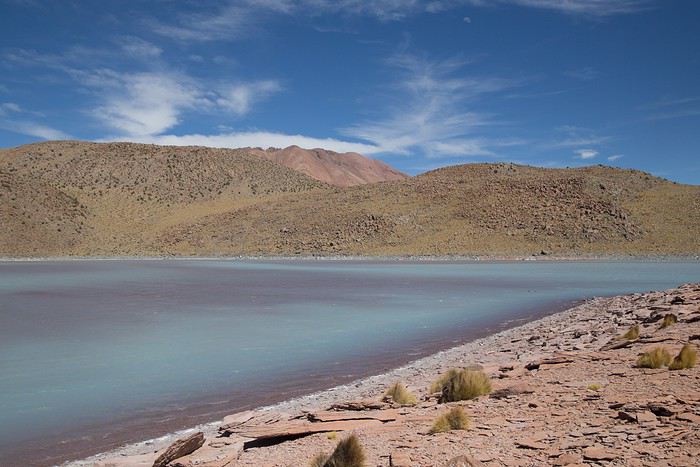
Allez, quelques photos pour, peut-être, vous donner envie de poursuivre la lecture de ce carnet 🙂
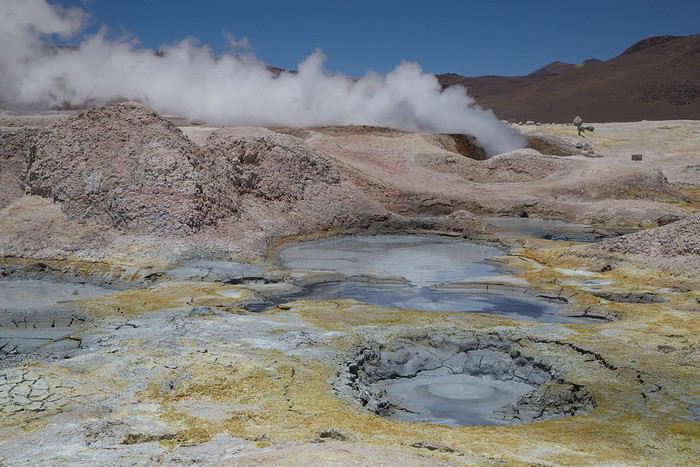
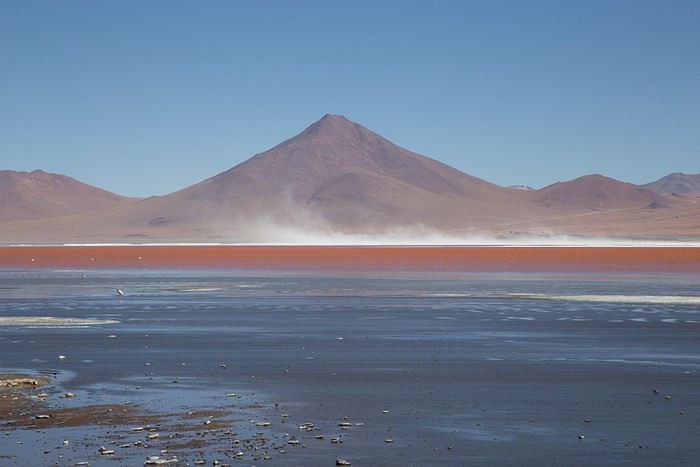
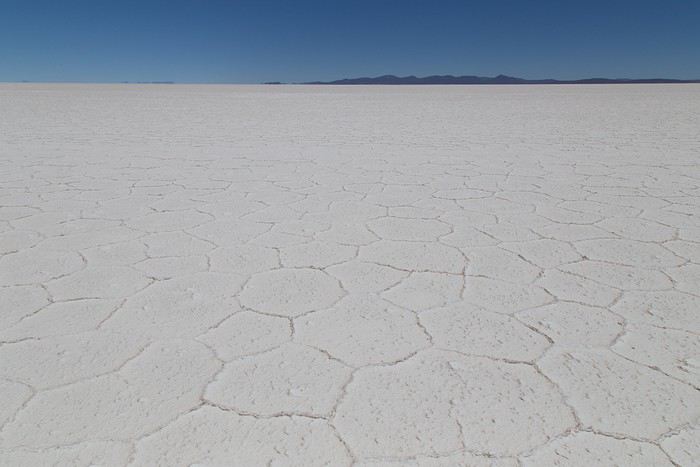
Et puis heureusement, le temps fait son affaire et estompe les mauvais souvenirs pour laisser principalement les bons. Rédiger ce carnet m’aide aussi je pense à tourner la page sur certains (très) mauvais moments, quand bien même ils datent déjà de huit mois. Certains épisodes auront été riches en émotions….
La Bolivie, j’en rêvais depuis plusieurs années. Envie de grands espaces, de nature, de kaléidoscope coloré. Envie de voir des lamas, des viscaches, des vigognes, des condors. Envie de voir les lagunes, LE salar, les couleurs du désert de Dali. Envie de découvrir l’Amérique du Sud et ce pays encore peu prisé des touristes. Envie de réaliser ce voyage tel que nous le pouvons sans nos enfants : peu de réservations d’hôtels, du camping sauvage et un itinéraire décidé pour les grandes étapes mais ajusté au jour le jour selon nos coups de cœur.
Les carnets lus au fil des mois confirmaient que le Sud Lipez reste accessible en individuel et autonome, même s’il est évidemment préférable de voyager à deux voitures. Mes beaux-parents acceptant de venir garder nos fils quelques jours avant le début des vacances scolaires de la Toussaint, je commence à organiser dès le mois de mai un périple de 16 jours entiers sur place. Depuis plusieurs mois, je m’étais forgé un début d’itinéraire selon ces différents critères :
J’exclus La Paz. Nous visiterons la capitale lors d’un futur voyage au Pérou où nous ajouterons quelques étapes nord-boliviennes. Je choisis d’atterrir à Santa Cruz de la Sierra avant de reprendre dans la foulée un avion pour Sucre. En effet, notre loueur de voiture, Biz Rent a Car, est situé à Sucre et a bonne réputation sur forum, notamment grâce à l’une des employées, Alejandra et sa maîtrise du français. Je prévois la majorité de notre temps dans le Sud Lipez afin de pouvoir admirer notamment les lagunes et le salar. Le carnet d’AirOne me donne envie de découvrir Tajira, région viticole et par conséquent plus verdoyante que le Sud Lipez désertique. Je réserve auprès de Vicente deux nuits dans sa ferme-auberge à Rosillas et un trek d’une journée permettant d’observer les condors Difficultés d’acclimatation liées à l’altitude : ne pas atterrir à La Paz permet déjà d’éviter une mise dans le bain d’entrée à 3600 mètres. Il sera plus aisé d’atterrir à Santa Cruz (416 mètres) et même Sucre (2750 mètres), d’autant que nous prévoyons de partir rapidement sur la région de Tajira (1900 mètres).
L’Amérique du Sud offrant plusieurs pays nous attirant depuis quelques années, mon mari a commencé à apprendre l’espagnol deux ans auparavant. Heureusement, car nous n’avons rencontré que très peu de Boliviens parlant (un peu) l’anglais. Comme beaucoup de voyageurs, nous avions téléchargé des cartes sous Maps.me qui une fois stockées sur les téléphones permettent de circuler sans accès au réseau.
J’apprends dans le courant de l’été 2019 que les élections présidentielles auront lieu pendant notre séjour. Soit ! Ce ne sera pas notre premier voyage en pleine campagne présidentielle. Au départ, je n’y prête pas tellement attention. Et puis fin août, Carmen (Ticapi) m’apprend qu’il sera interdit de circuler lors du premier tour des élections, le dimanche 20 octobre. Après consultation de mon ébauche d’itinéraire, nous avions justement prévu de repartir ce jour-là de Rosillas pour rejoindre Tupiza avant d’enchaîner sur le Sud Lipez. Avec seize jours sur place, nous n’avions pas envie de « perdre » une journée à Rosillas et reporter notre départ d’une journée. Il était également difficile de prévoir le trek le dimanche 20 car Vincent nous a précisé qu’en raison des élections, les villageois ne seraient pas disponibles pour faire office de guide dans la montagne. Il nous fallait trouver un endroit où nous pourrions passer la journée entière sans utiliser la voiture. Pas si simple. Alors finalement, plutôt qu’entamer notre séjour par Rosillas, cette étape sera la dernière de notre voyage. Nous devons atterrir à Sucre le matin du mercredi 17 et je prévois d’y séjourner deux jours. Direction ensuite Tupiza puis Guadalupe et enfin la laguna Celeste où nous resterons la fameuse journée des élections présidentielles à randonner dans les environs. Ça, c’était le programme initial. Ça ne s’est pas tout à fait déroulé ainsi !
Allez, quelques photos pour, peut-être, vous donner envie de poursuivre la lecture de ce carnet 🙂

Hello les aficionados de voyages ! Un nouveau petit carnet pour vous raconter ma vadrouille au Pérou, en Bolivie et au Chili en 18 jours. Voyage intense, fatigant, mais au combien dépaysant... Je te laisse découvrir ça même si tu peux déjà retrouver la version complète ici :
onpartenvadrouille.over-blog.com/...-pas-l-pero...
Bonne lecture et n'hésite pas à me faire part de tes éventuels remarques / commentaires...
23 octobre C’est pas l’Pérou ? Si ! Quand j’étais petit, je n’étais pas grand… Normal, vas-tu me dire… Et quand j’étais petit, j’étais fasciné par la carte du monde. Comme mes vieux posters de Chris Waddle et de Jean-Pierre Papin, je la fixais comme un ahuri en me posant cette question toute bête : Qu’est-ce qu’il y a là-bas, de l’autre côté de la planète ? Mon envie de voyage a certainement commencé à poindre le bout de son nez à ce moment-là. Malheureusement pour mon porte-monnaie et pour ma femme, elle n’a fait que s’accroître avec le temps. Ma femme, justement, parlons-en !! Le jour (ou plus précisément la nuit) où nous avons dormi (ou plus précisément essayé de dormir) dans une maison (ou plus précisément dans une cabane) mal isolée (ou plus précisément pas isolée du tout) par une température revigorante (ou plus précisément glaciale) au fin fond de la Birmanie, elle a dit « Stop ! Finito ! Terminé ! Kaput ! Les voyages dans ces conditions, ce n’est plus de mon âge ! » Sauf que moi, premièrement, je ne fais pas son âge !!! S’en est donc suivi un voyage à Bali cet été dans des conditions à la brosser dans le sens du poil. Sauf que moi, deuxièmement, ça ne m’a pas comblé mon envie de dormir à l’arrache au milieu des cochons ! Et puis un voyage à quatre à Bali en conditions préférentielles, ça a un coup ! La cigale ayant dépensé tout l’été, se trouva fort dépourvue quand la bise fut venue. Sauf que moi, troisièmement, j’en ai gardé un peu sous le pied. Mais juste un tout p���tit peu… Juste pour une seule personne… Juste pour moi, en fait ! Sauf que moi, quatrièmement, je ne me vois pas partir en solo à l’assaut du monde pour dormir avec des cochons... Partenaire particulier, je cherche partenaire particulière, débloqué, pas trop timide et avec une bonne dose de savoir faire !
Et là, se pointe mon frère. Lors d’une soirée bien arrosée faisant suite à une journée de ski, il nous confesse que le générique des « Mystérieuses cités d’or » le hante au plus profond de son être depuis qu’il est tout petit et qu’il lui faut donc absolument étancher sa soif d’aller toiser le Machu Picchu en tête à tête. « Franck, pourquoi n’y emmènerais-tu pas ton frère ? » Incrédule ou femme parfaite, Dieu seul le sait ! En tout cas, Sandrine a prononcé ces quelques mots à 21h57. Sur le coup, je pense qu’elle ne perçoit pas la portée de ses mots. Crédule ou homme opportuniste, Dieu seul le sait ! En tout cas, je saisis l’opportunité par les deux mains et à 22h25, je suis scotché à mon écran en train de retourner le net pour y dénicher des billets d’avion pas chers. 22h49, emballé, c’est pesé, y’a plus rien à voir, cinq cents euros par personne, départ en octobre prochain !!! C’est ce qu’on appelle « battre le net tant qu’il est encore tôt ! » Je t’annonce donc solennellement que pour ce nouveau voyage, je prends la direction de l'Amérique du Sud, et plus précisément de la Cordillère des Andes, la plus longue chaîne de montagnes du monde... Une traversée de Lima au Pérou, jusqu’à San Pédro de Atacama au Chili en passant par La Paz en Bolivie, pour une durée totale de dix-huit jours sur place, du 23 octobre au 11 novembre. Au programme de ce roadtrip, des noms qui résonnent comme autant de lieux magiques… Les lignes de Nazca, l'incontournable Machu Picchu, la ville ancestrale de Cuzco, le Lac Titicaca, la tentaculaire capitale La Paz, le Salar d’Uyuni, le sud Lipez, le désert d'Atacama, … et bien d’autres de leurs amis qui riment avec Esteban, Tao et Zia ! Et tu l’as donc compris, dans la rubrique « C’est qui qui vient ? », je serai pour cette fois-ci accompagné par mon frère que je m’en vais te présenter de ce pas...
Pour commencer, soit-disant qu’il serait ma copie. Pâle, mais copie quand même dixit les personnes qui nous connaissent… Ensuite et c’est bien là le plus important, dormir avec des cochons ne le rebute pas du tout, bien au contraire ! Ne me fais pas dire ce que je n’ai pas dit, je parle bien de l’animal mâle… Enfin, sache qu’il a une dizaine d’années de moins que moi et qu’il se prénomme Sullivan. Voilà pour les présentations sommaires, tu en sauras plus sur lui en allant consulter son compte Tinder, ou tout au long de notre vadrouille qui débute… maintenant ! Car comme dirait ma grand-mère, « il y a de la route, faut y aller mes gamins ! » Trente minutes de voiture jusqu’à la gare TGV de Reims. Trente minutes supplémentaires de train pour gagner l’aéroport Charles de Gaulle. Neuf heures d’avion pour aller jusqu’à Atlanta, puis sept nouvelles heures de vol pour enfin atterrir à Lima. Ajoute à ça les temps d’attente dont les quatre heures d’escale à Atlanta, secoue le shaker et tu obtiens un résultat de vingt-et-une heures de transport !... Mais on est des oufs, nous ! Car je profite du fait d’être cette fois-ci exonéré de ralentisseurs plaintifs pour pousser le bouchon un peu plus loin. A cela, comprendre que je voyage léger, sans femme ni enfant. Pour gagner du temps, on enchaîne donc direct en arrivant à Lima avec une heure de taxi pour gagner la gare routière, trois heures d’attente sur un banc en pleine nuit, puis cinq heures de bus pour aller jusqu’à Ica. De là, on prend un nouveau taxi et terminus, tout le monde descend !!! Ouf, nous arrivons enfin à notre lieu de villégiature, Huacachina, pas moins de trente-trois heures après avoir regardé ma maison s’éloigner dans mon rétroviseur. Que retenir de ce voyage à part que ce fut extrêmement long ? Pas grand’chose à part qu’à l’immigration américaine, vu qu’on porte logiquement le même nom avec mon frère, on nous a demandé si nous étions mariés ensemble ; qu’on a tué le temps à l’aéroport d’Atlanta à boire des bières à la citrouille d’Halloween ; que nous avons été accueillis par des prostituées pratiquement nues dans les rues de Lima (merci à elles pour cette délicate attention), et que des affiches de Julien Clerc couvraient les murs de la ville. Oui, oui, « Lili voulait aller danser » a apparemment son public là-bas… Allez, maintenant, tu m’excuseras pour le caractère expéditif de cette fin de description de journée, mais le thermomètre ici affiche déjà près de trente degrés. Si on ajoute à l’équation le temps de transport, ainsi que les six heures de décalage horaire, on obtient deux français complètement crevés qui doivent aller se coucher pour être en forme demain. De toute façon, demain est une autre aventure...
Bonne lecture et n'hésite pas à me faire part de tes éventuels remarques / commentaires...
23 octobre C’est pas l’Pérou ? Si ! Quand j’étais petit, je n’étais pas grand… Normal, vas-tu me dire… Et quand j’étais petit, j’étais fasciné par la carte du monde. Comme mes vieux posters de Chris Waddle et de Jean-Pierre Papin, je la fixais comme un ahuri en me posant cette question toute bête : Qu’est-ce qu’il y a là-bas, de l’autre côté de la planète ? Mon envie de voyage a certainement commencé à poindre le bout de son nez à ce moment-là. Malheureusement pour mon porte-monnaie et pour ma femme, elle n’a fait que s’accroître avec le temps. Ma femme, justement, parlons-en !! Le jour (ou plus précisément la nuit) où nous avons dormi (ou plus précisément essayé de dormir) dans une maison (ou plus précisément dans une cabane) mal isolée (ou plus précisément pas isolée du tout) par une température revigorante (ou plus précisément glaciale) au fin fond de la Birmanie, elle a dit « Stop ! Finito ! Terminé ! Kaput ! Les voyages dans ces conditions, ce n’est plus de mon âge ! » Sauf que moi, premièrement, je ne fais pas son âge !!! S’en est donc suivi un voyage à Bali cet été dans des conditions à la brosser dans le sens du poil. Sauf que moi, deuxièmement, ça ne m’a pas comblé mon envie de dormir à l’arrache au milieu des cochons ! Et puis un voyage à quatre à Bali en conditions préférentielles, ça a un coup ! La cigale ayant dépensé tout l’été, se trouva fort dépourvue quand la bise fut venue. Sauf que moi, troisièmement, j’en ai gardé un peu sous le pied. Mais juste un tout p���tit peu… Juste pour une seule personne… Juste pour moi, en fait ! Sauf que moi, quatrièmement, je ne me vois pas partir en solo à l’assaut du monde pour dormir avec des cochons... Partenaire particulier, je cherche partenaire particulière, débloqué, pas trop timide et avec une bonne dose de savoir faire !
Et là, se pointe mon frère. Lors d’une soirée bien arrosée faisant suite à une journée de ski, il nous confesse que le générique des « Mystérieuses cités d’or » le hante au plus profond de son être depuis qu’il est tout petit et qu’il lui faut donc absolument étancher sa soif d’aller toiser le Machu Picchu en tête à tête. « Franck, pourquoi n’y emmènerais-tu pas ton frère ? » Incrédule ou femme parfaite, Dieu seul le sait ! En tout cas, Sandrine a prononcé ces quelques mots à 21h57. Sur le coup, je pense qu’elle ne perçoit pas la portée de ses mots. Crédule ou homme opportuniste, Dieu seul le sait ! En tout cas, je saisis l’opportunité par les deux mains et à 22h25, je suis scotché à mon écran en train de retourner le net pour y dénicher des billets d’avion pas chers. 22h49, emballé, c’est pesé, y’a plus rien à voir, cinq cents euros par personne, départ en octobre prochain !!! C’est ce qu’on appelle « battre le net tant qu’il est encore tôt ! » Je t’annonce donc solennellement que pour ce nouveau voyage, je prends la direction de l'Amérique du Sud, et plus précisément de la Cordillère des Andes, la plus longue chaîne de montagnes du monde... Une traversée de Lima au Pérou, jusqu’à San Pédro de Atacama au Chili en passant par La Paz en Bolivie, pour une durée totale de dix-huit jours sur place, du 23 octobre au 11 novembre. Au programme de ce roadtrip, des noms qui résonnent comme autant de lieux magiques… Les lignes de Nazca, l'incontournable Machu Picchu, la ville ancestrale de Cuzco, le Lac Titicaca, la tentaculaire capitale La Paz, le Salar d’Uyuni, le sud Lipez, le désert d'Atacama, … et bien d’autres de leurs amis qui riment avec Esteban, Tao et Zia ! Et tu l’as donc compris, dans la rubrique « C’est qui qui vient ? », je serai pour cette fois-ci accompagné par mon frère que je m’en vais te présenter de ce pas...
Pour commencer, soit-disant qu’il serait ma copie. Pâle, mais copie quand même dixit les personnes qui nous connaissent… Ensuite et c’est bien là le plus important, dormir avec des cochons ne le rebute pas du tout, bien au contraire ! Ne me fais pas dire ce que je n’ai pas dit, je parle bien de l’animal mâle… Enfin, sache qu’il a une dizaine d’années de moins que moi et qu’il se prénomme Sullivan. Voilà pour les présentations sommaires, tu en sauras plus sur lui en allant consulter son compte Tinder, ou tout au long de notre vadrouille qui débute… maintenant ! Car comme dirait ma grand-mère, « il y a de la route, faut y aller mes gamins ! » Trente minutes de voiture jusqu’à la gare TGV de Reims. Trente minutes supplémentaires de train pour gagner l’aéroport Charles de Gaulle. Neuf heures d’avion pour aller jusqu’à Atlanta, puis sept nouvelles heures de vol pour enfin atterrir à Lima. Ajoute à ça les temps d’attente dont les quatre heures d’escale à Atlanta, secoue le shaker et tu obtiens un résultat de vingt-et-une heures de transport !... Mais on est des oufs, nous ! Car je profite du fait d’être cette fois-ci exonéré de ralentisseurs plaintifs pour pousser le bouchon un peu plus loin. A cela, comprendre que je voyage léger, sans femme ni enfant. Pour gagner du temps, on enchaîne donc direct en arrivant à Lima avec une heure de taxi pour gagner la gare routière, trois heures d’attente sur un banc en pleine nuit, puis cinq heures de bus pour aller jusqu’à Ica. De là, on prend un nouveau taxi et terminus, tout le monde descend !!! Ouf, nous arrivons enfin à notre lieu de villégiature, Huacachina, pas moins de trente-trois heures après avoir regardé ma maison s’éloigner dans mon rétroviseur. Que retenir de ce voyage à part que ce fut extrêmement long ? Pas grand’chose à part qu’à l’immigration américaine, vu qu’on porte logiquement le même nom avec mon frère, on nous a demandé si nous étions mariés ensemble ; qu’on a tué le temps à l’aéroport d’Atlanta à boire des bières à la citrouille d’Halloween ; que nous avons été accueillis par des prostituées pratiquement nues dans les rues de Lima (merci à elles pour cette délicate attention), et que des affiches de Julien Clerc couvraient les murs de la ville. Oui, oui, « Lili voulait aller danser » a apparemment son public là-bas… Allez, maintenant, tu m’excuseras pour le caractère expéditif de cette fin de description de journée, mais le thermomètre ici affiche déjà près de trente degrés. Si on ajoute à l’équation le temps de transport, ainsi que les six heures de décalage horaire, on obtient deux français complètement crevés qui doivent aller se coucher pour être en forme demain. De toute façon, demain est une autre aventure...
Bonjour,
avec 4 copains nous avons réalisé un road trip en Amérique du sud, 5000km parcourus en bus à travers 3 pays : le Chili, la Bolivie et le Pérou, nous avons dépensé moins de 700€ en 35 jours tout inclue. En attendant de sortir notre blog, je vous laisse découvrir la vidéo des images prises au drone et au stabilisateur de notre aventure.
Je suis très preneur de vos retours si ils sont constructifs.
https://www.youtube.com/watch?v=scwV5He1Qhk&t=2s
Merci beaucoup !
https://www.youtube.com/watch?v=scwV5He1Qhk&t=2s
Merci beaucoup !
Bonjour,
Je souhaiterais louer un 4x4 à CALAMA où ARICA au Chili pour ensuite aller en Argentine (SALTA Etccc) et remonter en Bolivie puis retourner au Chili avec le même véhicule.
Est ce possible sans être trop embêté aux frontières? Est ce que cela comportera des frais supplémentaires auprès du loueur étant donné qu’il y aura forcément des routes en terre, du désert de sel, de sable, etc...?.
Je préférerais prendre cette option d’un seul véhicule plutôt que d’en louer un dans chaque pays ou de prendre des excursions 4x4.
Merci pour vos retours et vos expériences dans cette région Nord du Chili/Nord Ouest Argentin/Sud Ouest bolivien.
Est ce possible sans être trop embêté aux frontières? Est ce que cela comportera des frais supplémentaires auprès du loueur étant donné qu’il y aura forcément des routes en terre, du désert de sel, de sable, etc...?.
Je préférerais prendre cette option d’un seul véhicule plutôt que d’en louer un dans chaque pays ou de prendre des excursions 4x4.
Merci pour vos retours et vos expériences dans cette région Nord du Chili/Nord Ouest Argentin/Sud Ouest bolivien.
Recommended for you
 Un mois dingue en Bolivie et au PérouFR
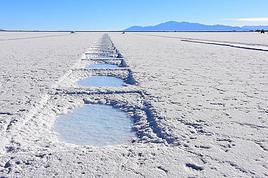 Entre Argentine et BolivieFR
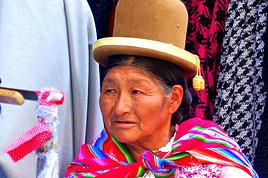 18 jours intenses pour trois pays magnifiques en Amérique du SudFR
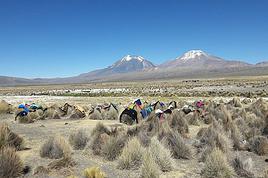 Deux mois en Bolivie... un rêve devenu réalitéFR
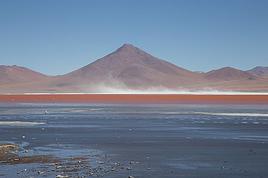 La Bolivie, un voyage riche en émotions!FR
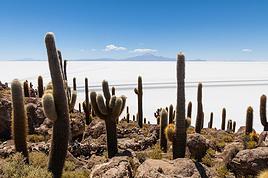 Bolivia: Exploring the South Lipez by Self-Drive
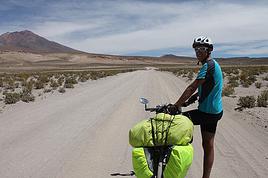 Une traversée à vélo du salar d'Uyuni et du Sud LipezFR
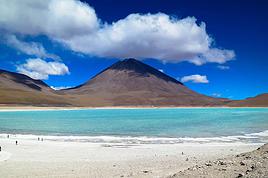 Bolivia: Beyond the Illusions, the Disaster