The idea of traveling to Bolivia came to me after seeing Jean-François (Max68)’s photos on his website. I thought we *had* to see those stunning landscapes with the colorful lagoons for ourselves. But a self-drive trip didn’t seem doable at first. A few years ago, everyone advised against going to the South Lipez with just one car.
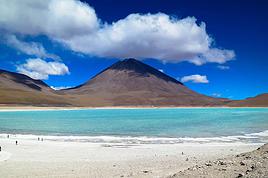
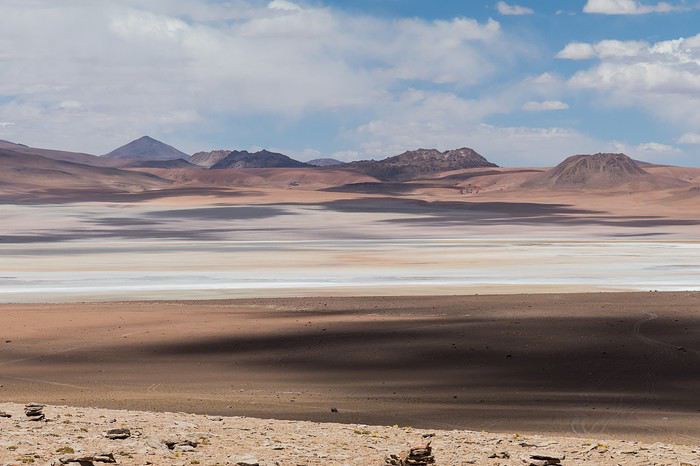 Laguna Kara
It was only after reading Laurent (Lolobe) and Pascal (Pepe874)’s travel journals—who explored the South Lipez solo with a car from Biz Rent a Car—that I thought we might be able to do the same. Meanwhile, we’d already contacted a local agency to organize a trip with a driver and guide. But the idea of a self-drive adventure really appealed to us. With encouragement and tips from Thierry (Tbernay) and Jean-François (Max68), we decided to plan our own self-drive trip. I’d like to thank them for their advice—it was *super* helpful. And a big thanks to all the other forum members for the info shared during our prep!
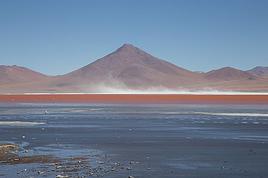
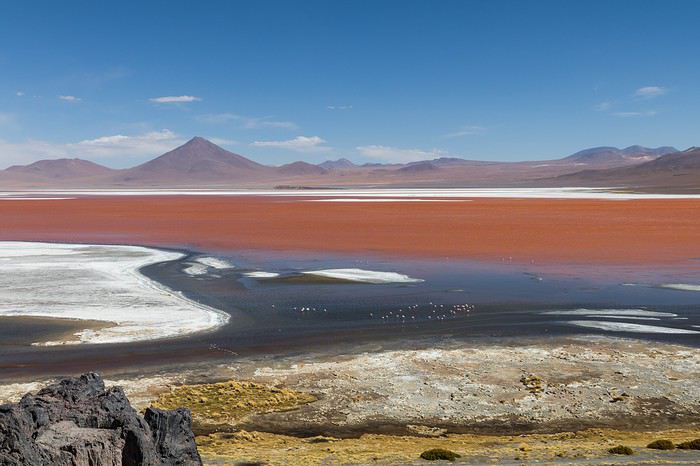 Laguna Colorada
Planning this trip happened during a tough time for our family. My mother-in-law’s illness and passing, plus a few health issues of my own, made us doubt the trip multiple times and nearly scrap the whole thing.
We booked our international flights in February with Swiss. They offered the best balance of travel time and price from Switzerland. Swiss operates Zurich–São Paulo with their own fleet, and São Paulo–Santa Cruz with GOL. In June, GOL canceled the Saturday flight and rebooked us on Sunday. Spending over 24 hours in that huge Brazilian city didn’t work for us at all, so we asked Swiss to put us on the next Zurich–São Paulo flight. Too bad—we lost a day in Bolivia and had to skip the Tarabucco market on Sunday.
Right after, we also booked the car in February. After contacting Imbex and Biz, we went with Biz. Not speaking Spanish, we were relieved to communicate with Alejandra in French. The contact was great—she answered all our questions patiently. Sometimes it took a few days to get a reply, but we could also reach her on WhatsApp. After our trip, we can *only* recommend Biz for rentals in Bolivia. The cars are well-prepped for the South Lipez tracks. The agency is reliable, and the vehicles are new and well-maintained.
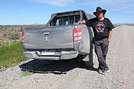
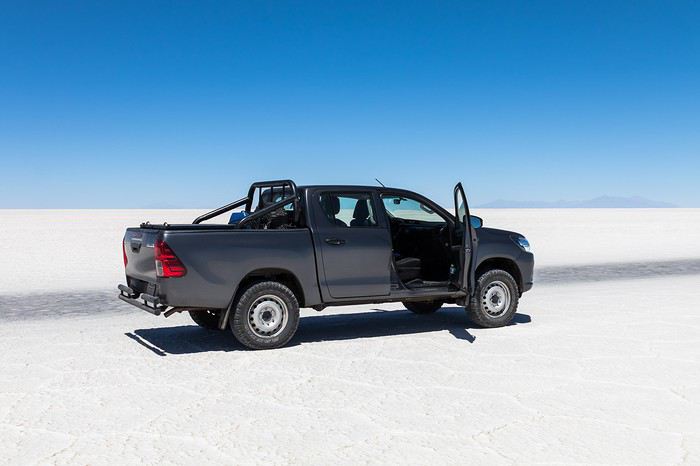 “Our” car, a Toyota Hilux
While planning, we realized the presidential elections would happen while we were in Bolivia. The risk of *bloqueos* (roadblocks and protests) was very real. But in Bolivia, *bloqueos* seem common—you always have to account for that kind of hassle. In late August/early September, Uyuni and the Salar region were blocked for days, leading to food, fuel, and cash shortages. Worried about a blockade in Uyuni and missing the Salar, we decided to visit it first *just in case*.
On election day, the whole country shut down. Planes were grounded, buses and taxis couldn’t circulate, and private cars were banned. There were a few exceptions—ambulances, police, or certain professions—but as tourists, we couldn’t get permission to drive. We asked the embassy, and Biz even requested a permit from the electoral office. So we had to plan to be somewhere with things to do *without* the car.
We decided not to book any accommodations in advance—a first for us. Usually, we plan our stops and reserve lodges, hotels, or campgrounds well ahead. This time, only the room in Sucre was booked, so we’d have a base when we arrived.
In July, Alex (Delhenry) reached out to propose joining part of the trip. He didn’t realize we were leaving in October. Still, we got fresh updates when he returned from the South Lipez. Thanks, Alex—your tips, especially about the Guadalupe–Tupiza stretch, were *super* useful.
In September, we connected with Jean-Louis (Avx) and Anne (Xeta), who were also heading to Bolivia in October, one and two weeks after us. We had dinner with Jean-Louis and his friend after our South Lipez trip and stayed in touch with Anne. It was great to chat with them! Unfortunately, Anne and her husband had a much rockier trip—they got hit hard by post-election issues.
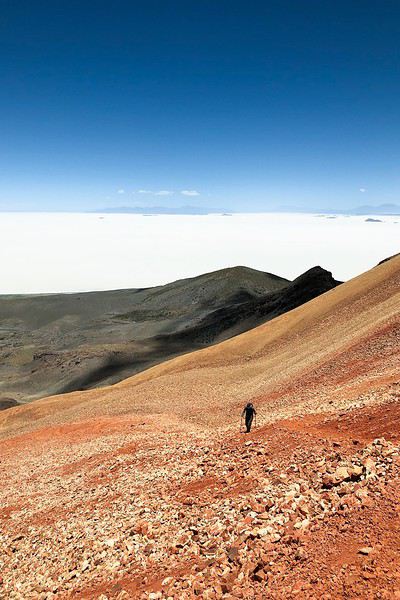 Climbing Volcán Tunupa
Our itinerary wasn’t set in stone—we decided to wing it on the spot. Two weeks before departure, I reconnected with Alejandra at Biz to move the car rental up by a day. With the elections, we wanted to leave Sucre ASAP and focus on the South Lipez. Outside Uyuni and Tupiza, the risk of blockades was zero. We also planned a two-night buffer in Sucre before our flights, just in case. It might sound overcautious, but in hindsight, we made the right call. If we’d left Sucre a day later, we wouldn’t have made it to Potosí—it was completely blocked. On the way back, we *just* dodged blockades in Potosí and elsewhere. Sometimes, you’ve gotta trust your gut.
Here’s our route—only the first two nights in Sucre were booked ahead:
D1 Departure from Switzerland
D2 Sucre (La Selenita)
D3 Sucre (La Selenita)
D4 Colchani (Hotel de Sal Luna Salada)
D5 Jirira (Auberge Doña Lupe)
D6 On the Salar (in the car)
D7 A few kilometers from Estancia Catal (in the car)
D8 Laguna Hedionda (Hotel Los Flamencos)
D9 Laguna Colorada (Lodge by the lagoon)
D10 Middle of nowhere, en route Laguna Verde–Mina Horsu–Quetena Chico (in the car)
D11 Quetena Chico (Lamphaya Lodge Andino)
D12 Quetena Chico (Lamphaya Lodge Andino)
D13 Guadalupe (Guest room at Celia’s)
D14 Along the Rio Grande (in the car)
D15 Tupiza (Hotel Mitru)
D16 Tupiza (Hotel Mitru)
D17 Sucre (La Selenita)
D18 Sucre (La Selenita)
D19 Santa Cruz (Hotel Sun)
D20 Departure from Santa Cruz
D21 Arrival in Switzerland
As you can see, we spent 13 nights in the South Lipez. Initially, we’d planned for nine, but Jean-François (Max68) suggested staying longer. Great advice—we didn’t regret it one bit. We could’ve even added 2–3 more days without getting bored.
Self-driving in the South Lipez takes some prep and a good GPS. We kept it simple and used maps.me to navigate. It’s a solid app—just save your waypoints ahead of time. For some stretches, I used Google Earth to visualize the tracks and sites. If you stick to the tour operator routes, you *almost* can’t get lost. But we often veered off the beaten path and took different routes. Some days, we didn’t see another car. So in case of a breakdown, it’s key to have water and food for several days. In some spots, there’s *zero* signal—your phone won’t work. Another must: it gets *cold* in the South Lipez, and a good sleeping bag is essential. We brought down sleeping bags rated for -10°C and didn’t regret it during our car nights.
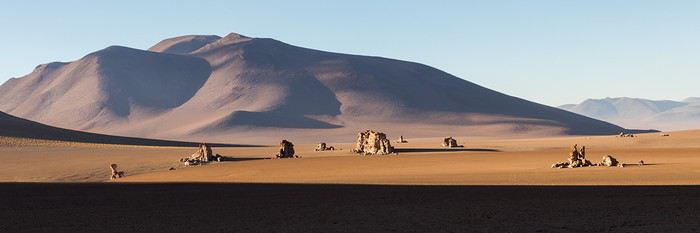 The Dalí Desert
Some tracks are *super* rocky—flat tires are a real risk. On those stretches, maps.me’s estimated travel time was way off. Some sections barely let us go over 15 km/h.
Lots of forum members recommend doing the South Lipez “loop” from Tupiza to Uyuni—ending with the Salar—to avoid Uyuni’s crowds. That might work for organized tours, but for self-drive, the direction *doesn’t* matter. I’ll say this: the few vehicles we saw mostly came from Tupiza and Chile, not Uyuni. So if starting from Uyuni works better for you, go for it! Ending in Tupiza means heading toward warmer weather. For our planned stops and climbs, starting in Uyuni helped with acclimatization. Spending a few nights between 3,600–3,800 m before going over 4,000 m is a smart move.
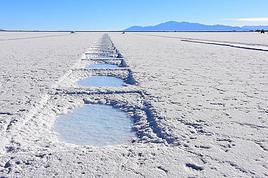
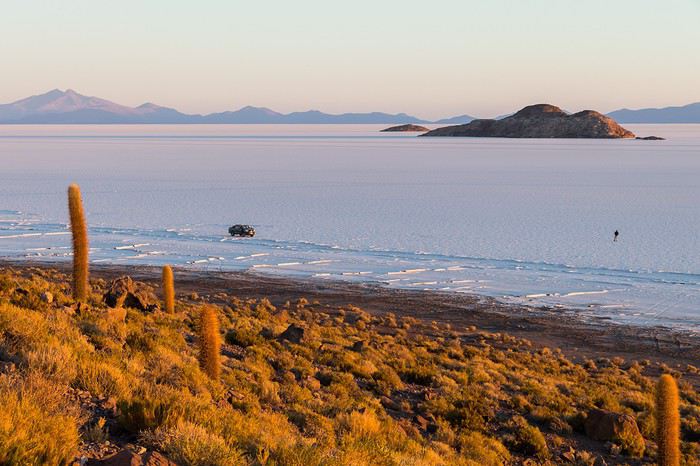 Uyuni Salt Flats in the morning
Overall, we barely saw anyone—except at Laguna Hedionda and Chalviri. There were several tour groups at Hotel Los Flamencos (Laguna Hedionda), but we didn’t cross paths during the day. Hardly anyone on the Salar, on the roads, or at the lodges in the evenings. The *only* place that shocked us was Chalviri. We’d planned to stay there, but it was fully booked—and we counted *forty* tour jeeps on-site. This was around noon! At the Polques hot springs (Chalviri), it was *packed*—we quickly nixed the idea of a dip. Plus, the vibe wasn’t great: soaking right by the road with lodges and restaurants in the background? Meh. Still, lots of tourists love it, so it’s up to you.
For the photos, I kept the colors and mood we saw. The lagoons’ hues are often stunning, but some online photos are *way* over-edited and oversaturated. The South Lipez’s landscapes are breathtaking—no need for excessive retouching.
If you don’t want to read all the details, the start of the travel journal is here: https://voyageforum.com/v.f?post=9888761;a=9888761

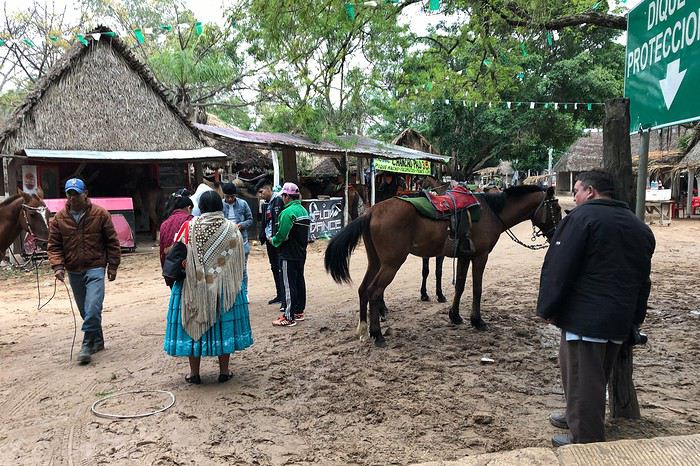
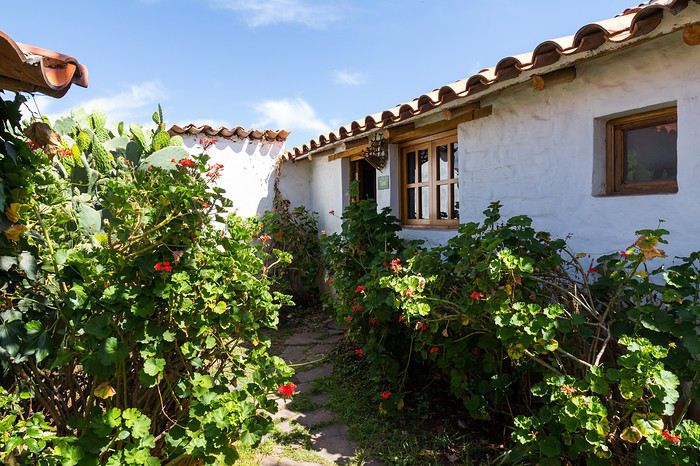 "Our" little cottage
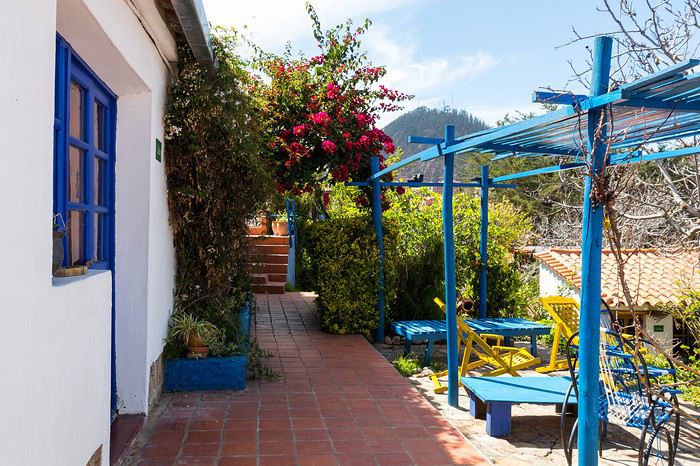 The terrace
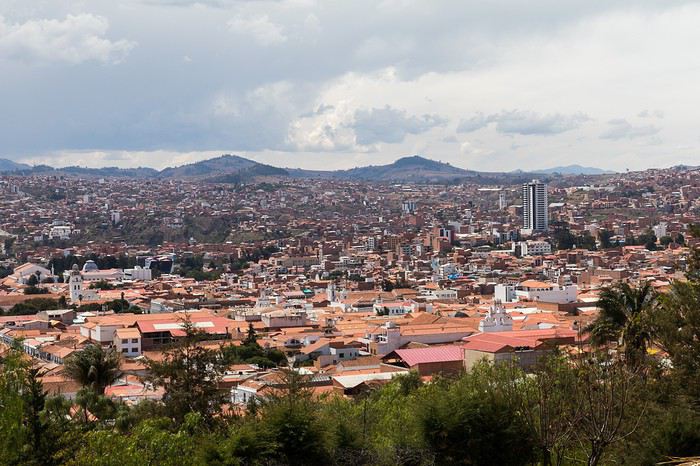
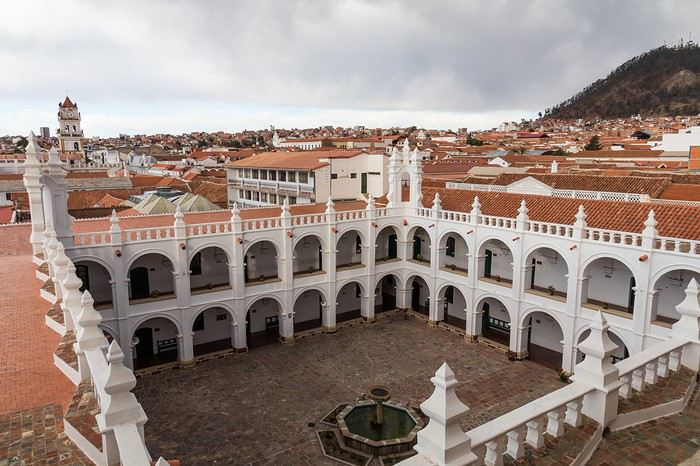
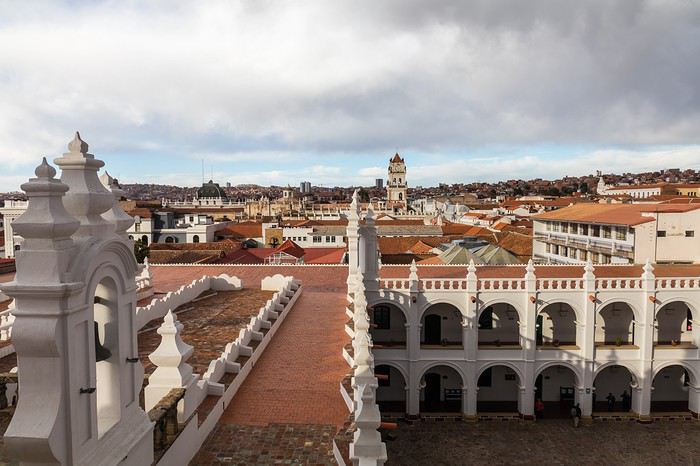
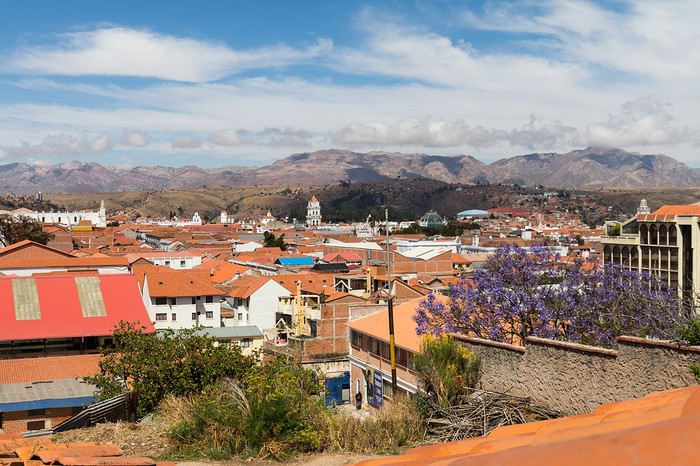 The view from La Selenita’s terrace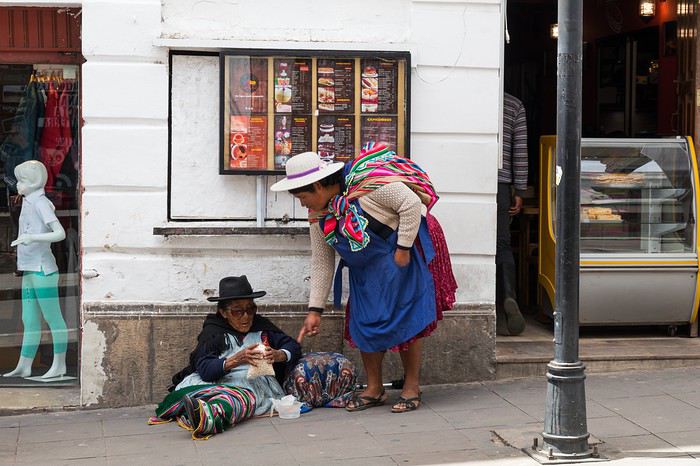
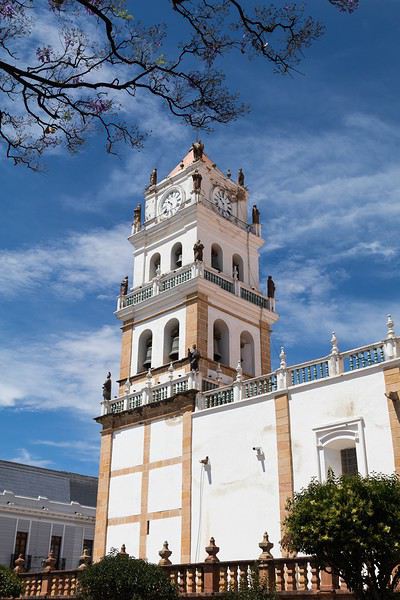
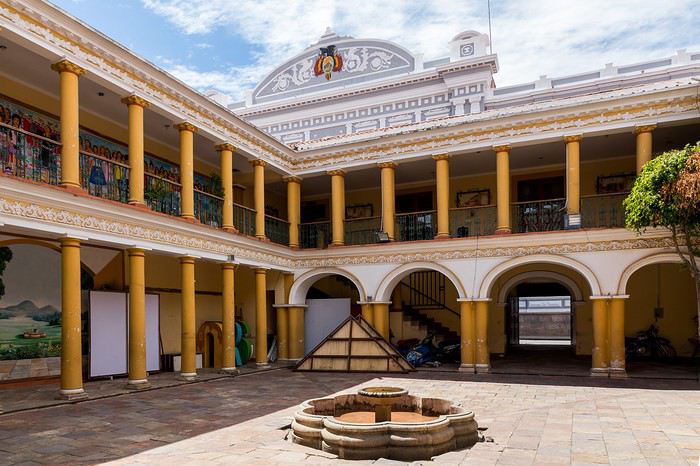
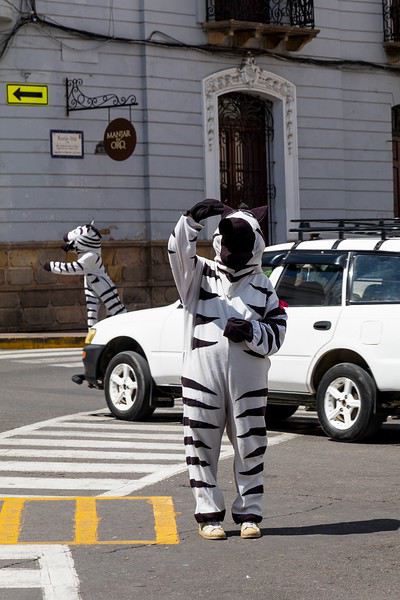 The famous zebras...
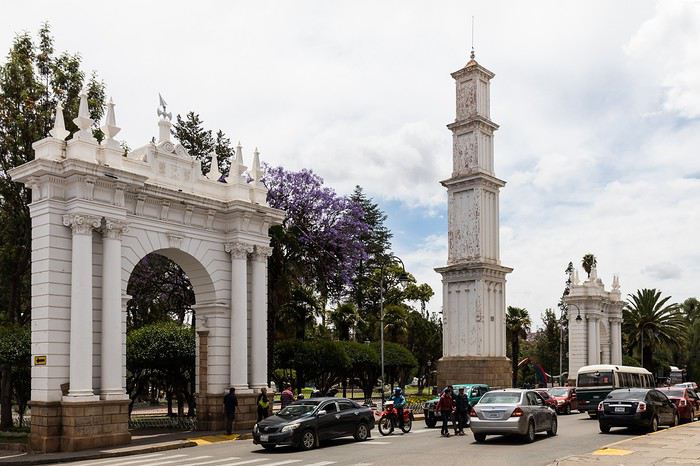
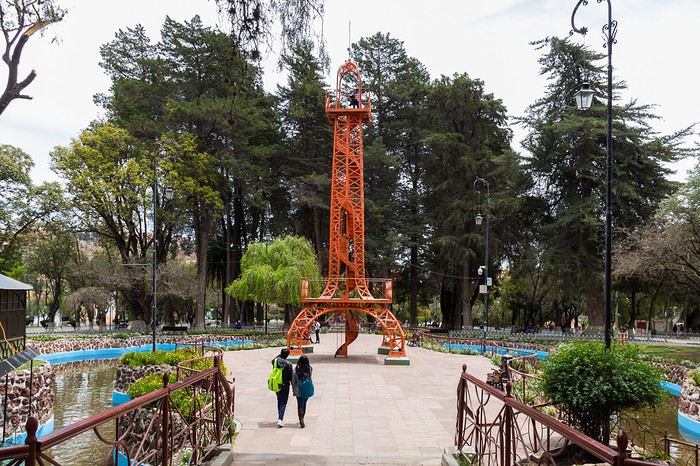
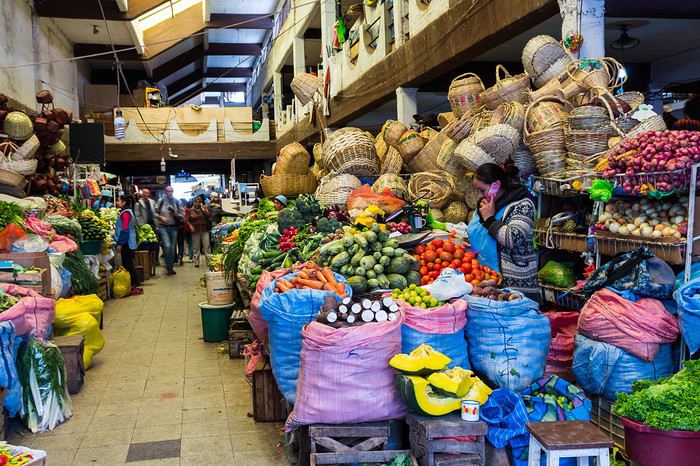
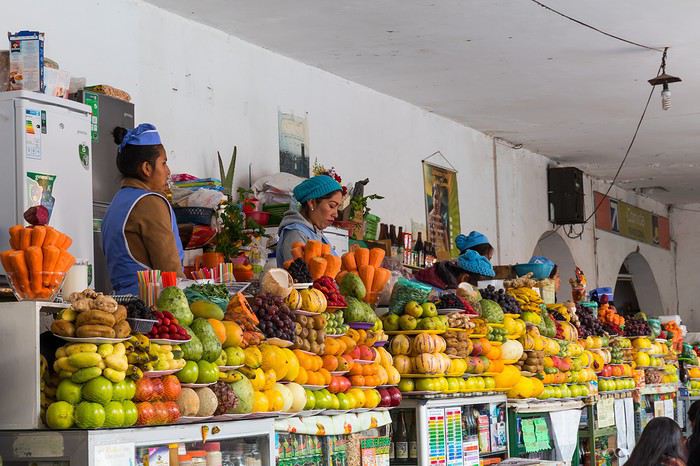
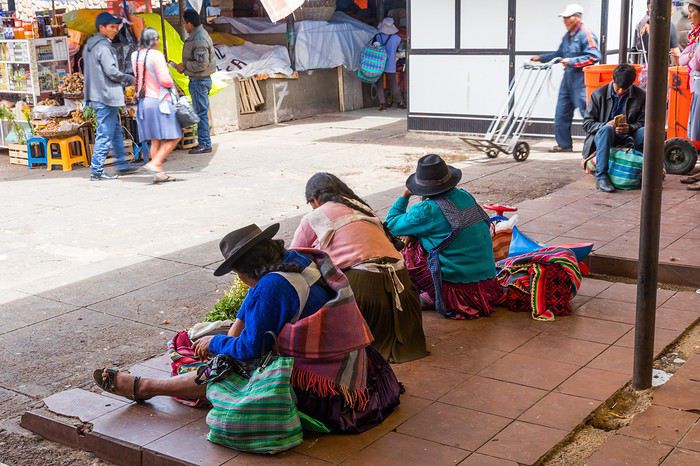
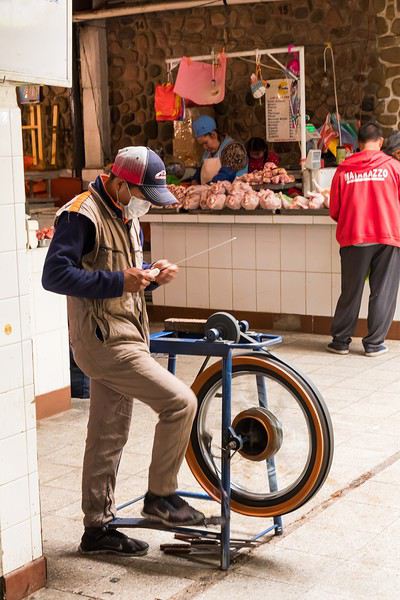
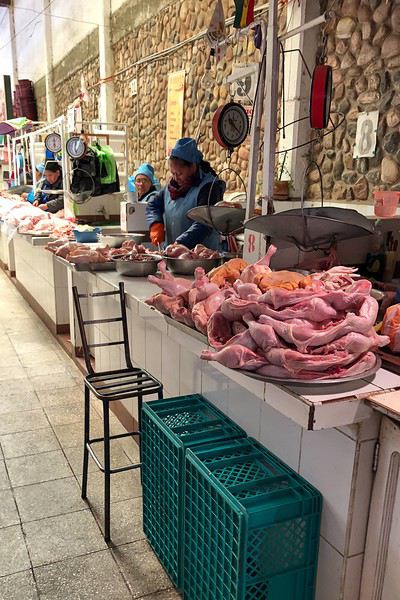
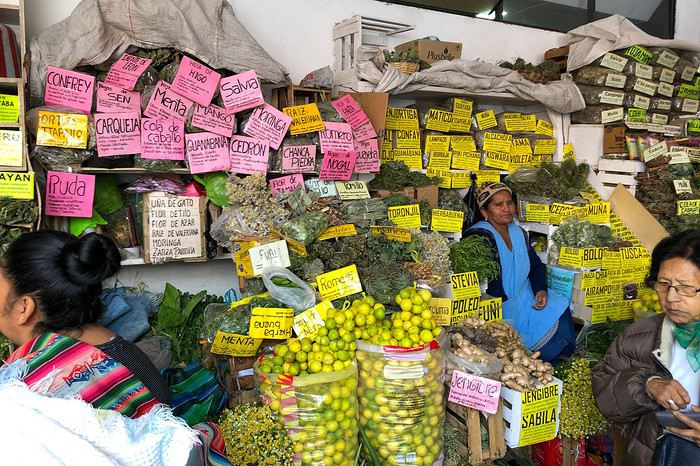
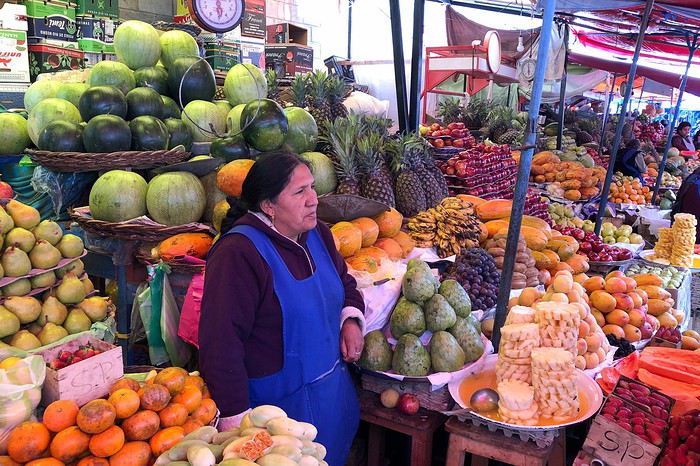

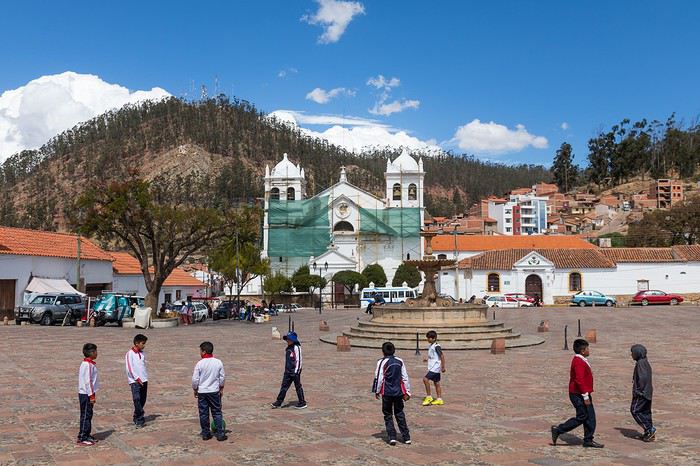
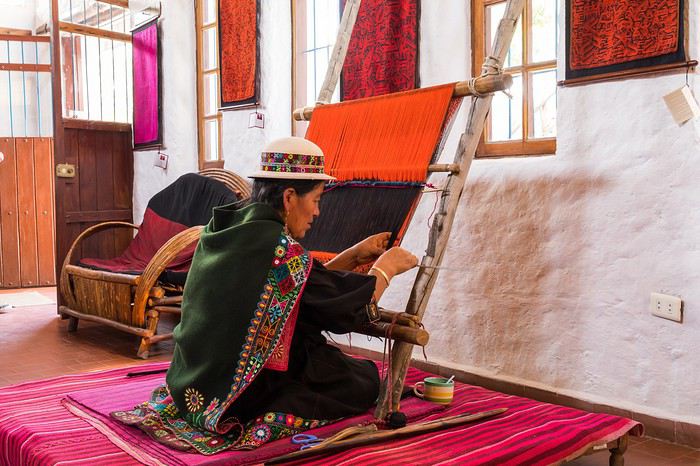
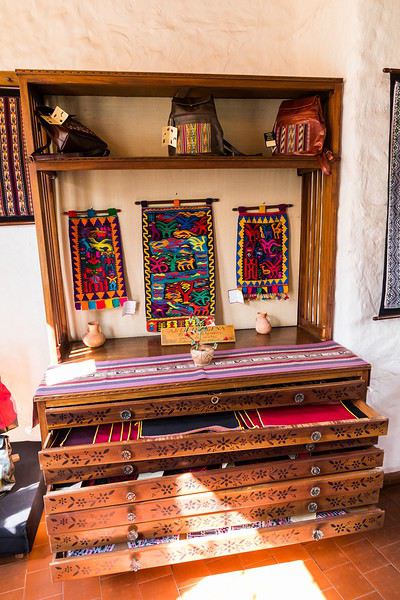
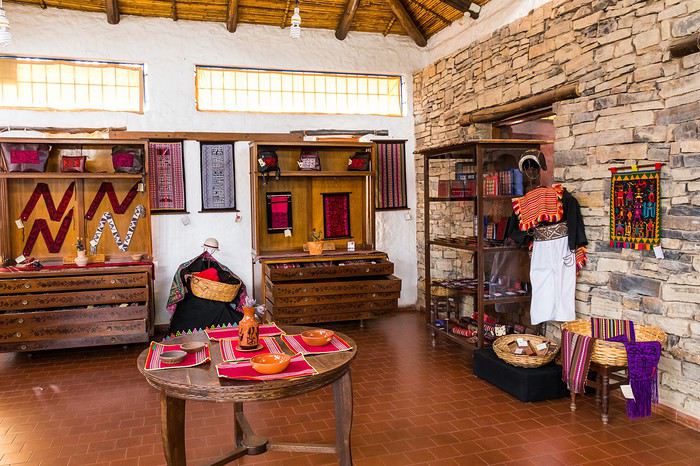
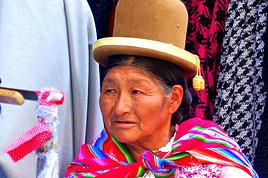
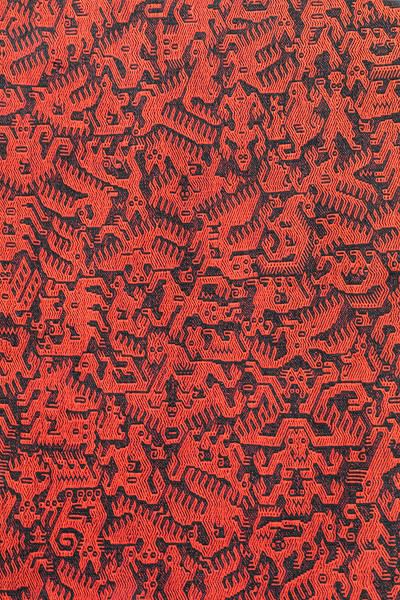 The famous Jalq'a fabric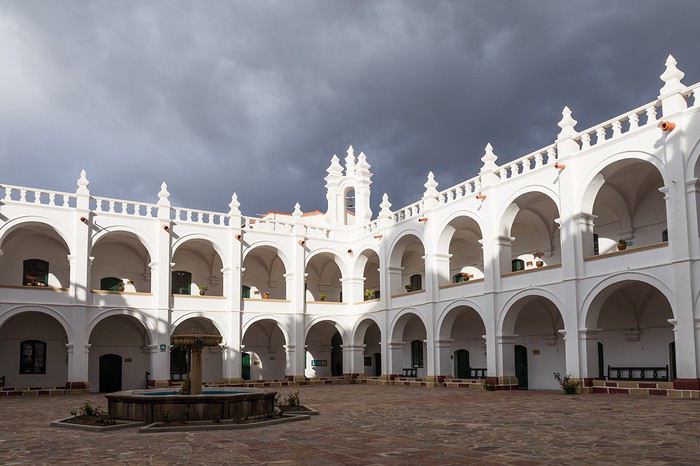

 who spent their time quoting you to joke around!!

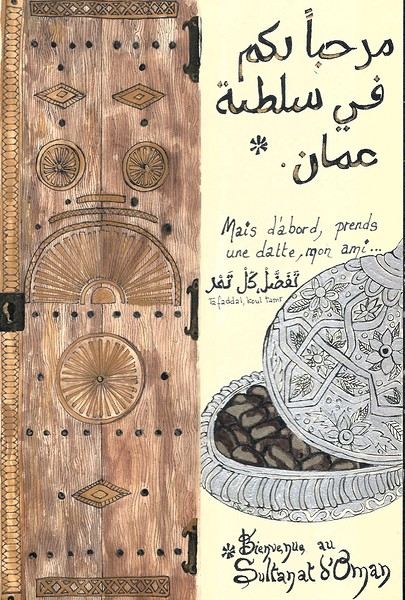 A droite, le "marqueur" de l'accueil, ces dattes qu'on vous offre partout en signe d'hospitalité. A gauche, un hommage à ces sublimes portes usées par les temps, qu'on admire un peu partout dans les quartiers anciens, y compris ceux qui sont abandonnés.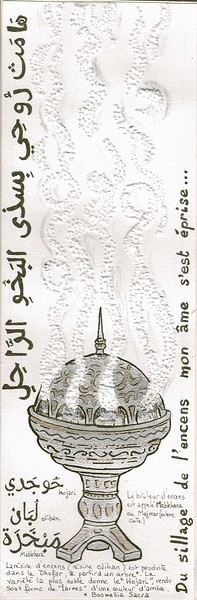
 L'hospitalité vous conduira à accepter aussi souvent un petit café, un "omani café", très léger, parfumé subtilement avec de la cardamome, pourquoi pas un peu de safran, et éventuellement un peu d'eau de rose.
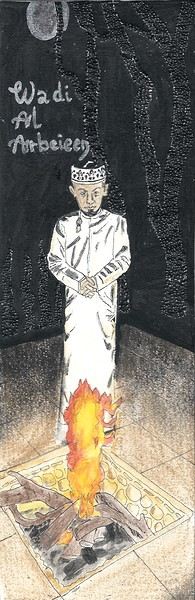
J'ai ici représenté un homme dans l'habit commun usuel de tous les omanais : la dishdasha, majoritairement blanche (en semaine, en journée, la couleur est davantage pour le soir ou le vendredi et le samedi). Même si l'on voit des hommes habillés à l'occidentale, ils sont très peu nombreux. La dishdasha blanche est vraiment l'habit commun partagé par tous les hommes. La dishdasha, qui n'a pas de capuche, se distingue par un petit pompon accroché au col, la furakha, qu'on imbibe de parfum. Et croyez moi, les omanais en abusent! "ça sent le pompon" est une expression qui est maintenant passée dans notre langage commun, à mon mari et moi.
Autre incontournable de la tenue masculine, la kuma, ce petit couvre-chef rond, la plupart du temps blanc rehaussé de motifs aux couleurs vives. Le keffieh est aussi porté (mais sans le cordon appelé agal dans les pays arabes), et il est plutôt arboré par ceux dont les racines sont dans le désert, de ce que j'en ai compris.
Et les femmes, me direz vous? Voilées, pour certaines en noir intégral (mais pas la burka, plutôt le chador + Abaya), du fait de l'influence de l'Arabie et des émirats arabes unis, alors que le vêtement traditionnel était auparavant plutôt une superposition de robes très colorées. La plupart des femmes que nous avons vues portaient plutôt une tenue neutre, un voile uni sur les cheveux, mais le visage découvert. Nous avons vu aussi beaucoup de saris et de voiles colorés, il ne faut pas oublier que 40% de la population est constituée d'immigrants indiens, népalais, bengalais, qui travaillent beaucoup dans le tourisme, l'hôtellerie et la restauration, les services, mais aussi tous les travaux ouvriers.
Je précise qu'en tant que touriste il n'y a aucune pression pour porter un voile, jamais de regards désapprobateurs d'aucune sorte. Bien sûr, on gardera pour la terrasse de l'hôtel les mini shorts, les décolletés plongeants, les épaules et ventres dénudés, mais j'ai envie de dire que c'est pareil pour les hommes et les femmes et que le soleil étant vif c'est aussi meilleur pour la peau.
Voici pour cette introduction ! Au prochain post, je vous parlerai de mon itinéraire et on pourra se lancer!
L'hospitalité vous conduira à accepter aussi souvent un petit café, un "omani café", très léger, parfumé subtilement avec de la cardamome, pourquoi pas un peu de safran, et éventuellement un peu d'eau de rose.
J'ai ici représenté un homme dans l'habit commun usuel de tous les omanais : la dishdasha, majoritairement blanche (en semaine, en journée, la couleur est davantage pour le soir ou le vendredi et le samedi). Même si l'on voit des hommes habillés à l'occidentale, ils sont très peu nombreux. La dishdasha blanche est vraiment l'habit commun partagé par tous les hommes. La dishdasha, qui n'a pas de capuche, se distingue par un petit pompon accroché au col, la furakha, qu'on imbibe de parfum. Et croyez moi, les omanais en abusent! "ça sent le pompon" est une expression qui est maintenant passée dans notre langage commun, à mon mari et moi.
Autre incontournable de la tenue masculine, la kuma, ce petit couvre-chef rond, la plupart du temps blanc rehaussé de motifs aux couleurs vives. Le keffieh est aussi porté (mais sans le cordon appelé agal dans les pays arabes), et il est plutôt arboré par ceux dont les racines sont dans le désert, de ce que j'en ai compris.
Et les femmes, me direz vous? Voilées, pour certaines en noir intégral (mais pas la burka, plutôt le chador + Abaya), du fait de l'influence de l'Arabie et des émirats arabes unis, alors que le vêtement traditionnel était auparavant plutôt une superposition de robes très colorées. La plupart des femmes que nous avons vues portaient plutôt une tenue neutre, un voile uni sur les cheveux, mais le visage découvert. Nous avons vu aussi beaucoup de saris et de voiles colorés, il ne faut pas oublier que 40% de la population est constituée d'immigrants indiens, népalais, bengalais, qui travaillent beaucoup dans le tourisme, l'hôtellerie et la restauration, les services, mais aussi tous les travaux ouvriers.
Je précise qu'en tant que touriste il n'y a aucune pression pour porter un voile, jamais de regards désapprobateurs d'aucune sorte. Bien sûr, on gardera pour la terrasse de l'hôtel les mini shorts, les décolletés plongeants, les épaules et ventres dénudés, mais j'ai envie de dire que c'est pareil pour les hommes et les femmes et que le soleil étant vif c'est aussi meilleur pour la peau.
Voici pour cette introduction ! Au prochain post, je vous parlerai de mon itinéraire et on pourra se lancer! Come along, I'm taking you to this country where it's so nice to wander and slow down...
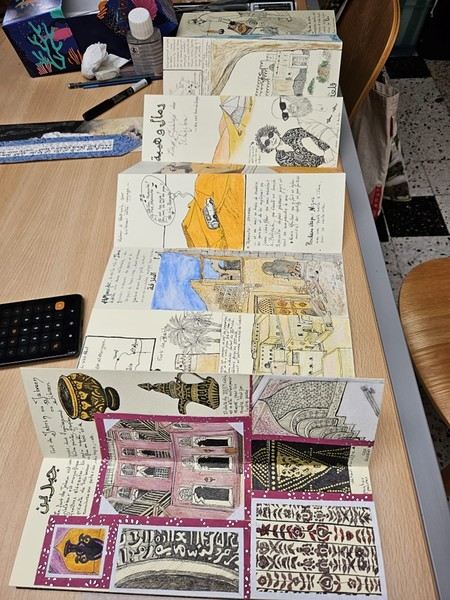
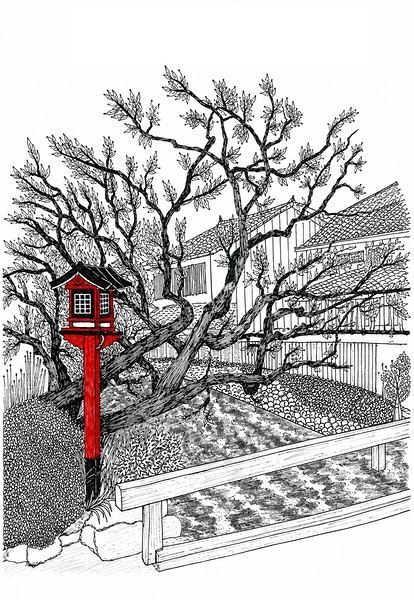 I’m inviting you on a stroll through my drawings—a completely subjective, far from exhaustive, and totally personal take, since it’s based on my own sketches. I put this travel journal together after returning in late 2024, mostly using felt-tip pens and pencils, with a few collages thrown in. I worked from our personal photos.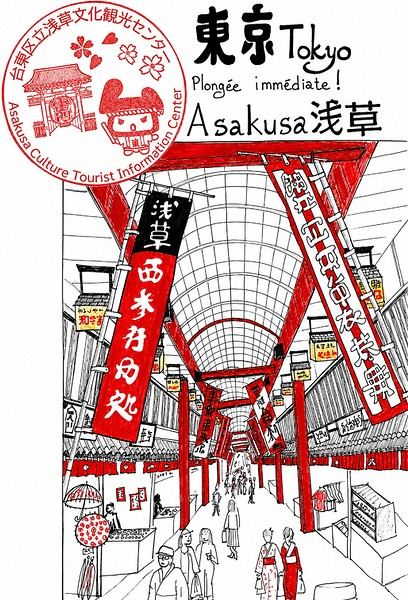
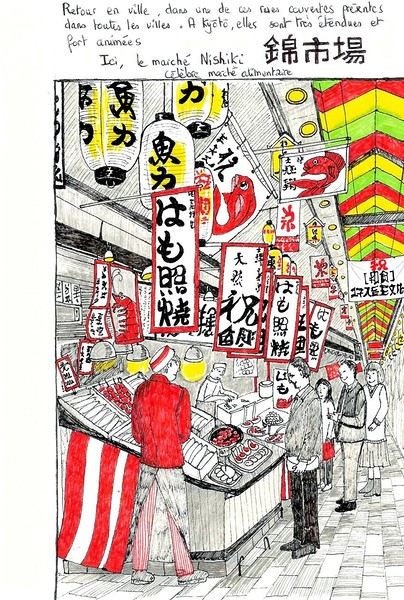
 And in Kyoto, Nishiki Market:
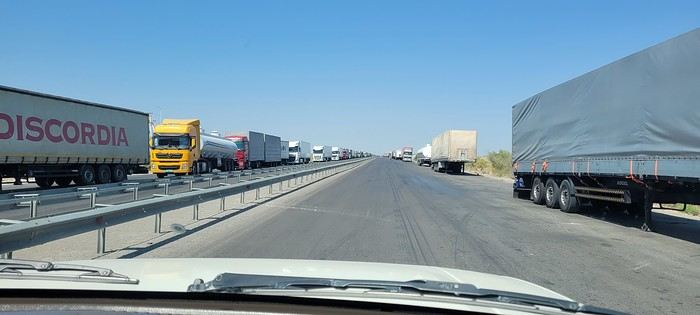
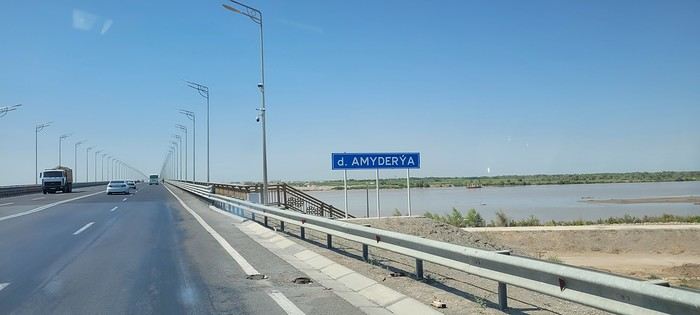
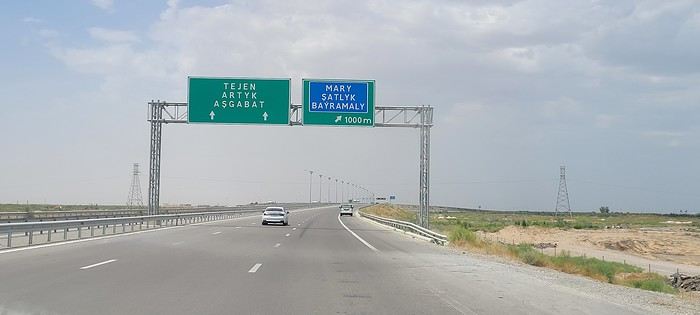
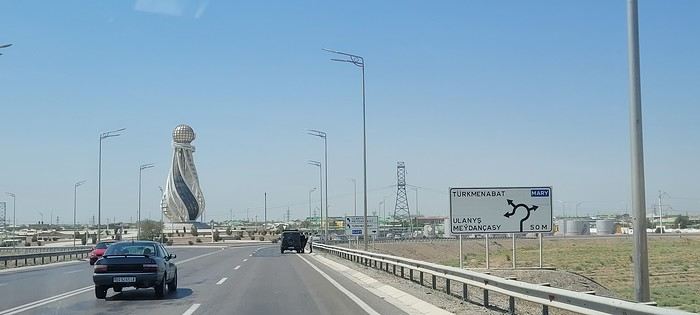
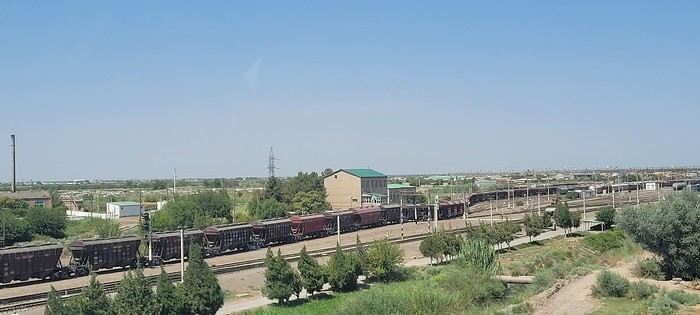
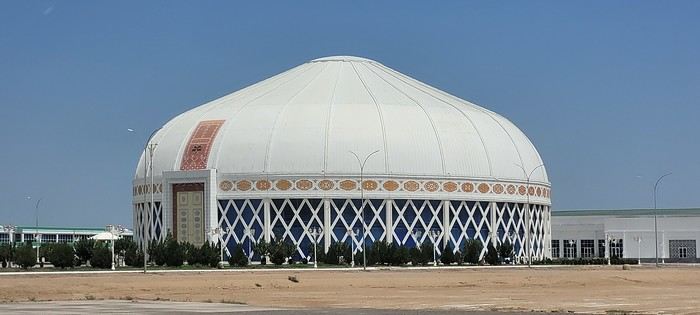
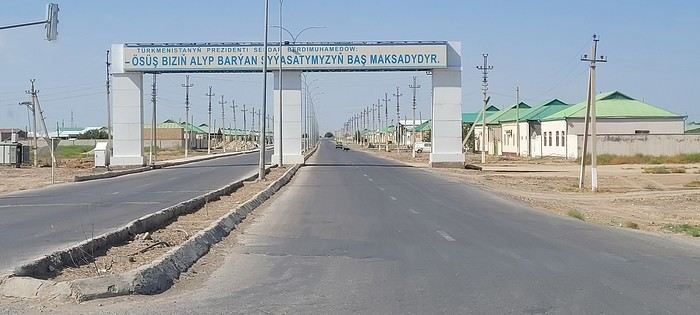
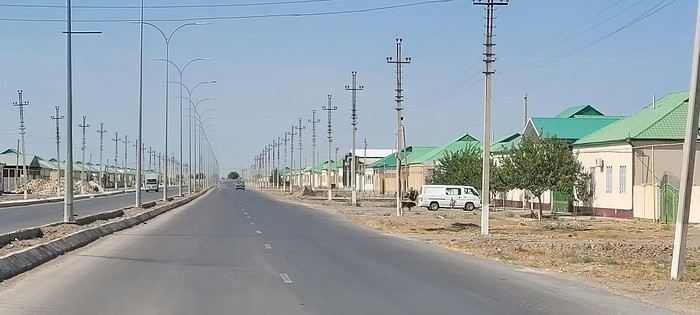 Les ronds-points sont particulièrement intéressants puisqu'on y retrouve des emblèmes de la culture turkmène, soit le chien, soit un tapis, soit le cheval Ahal Teke soit des symboles musulmans, même si la présence d'artefacts islamiques est assez réduite.
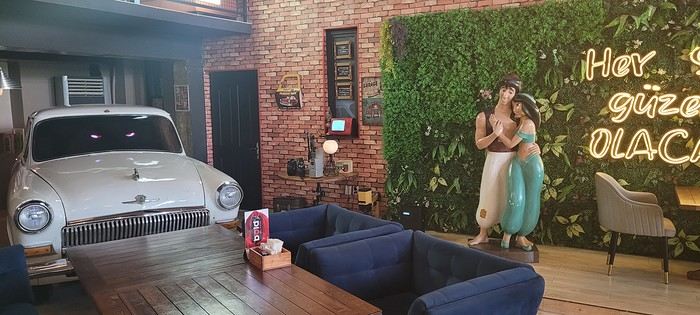

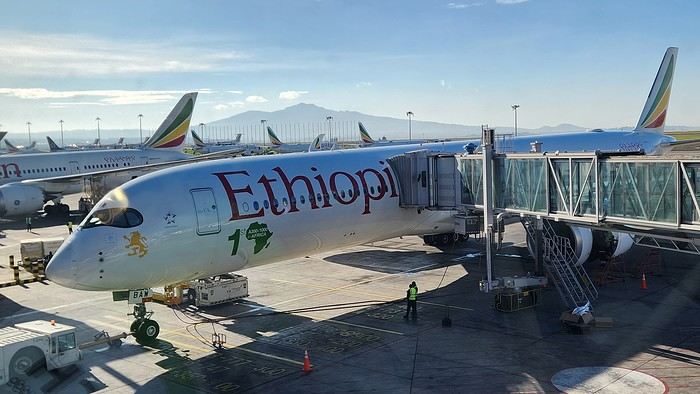
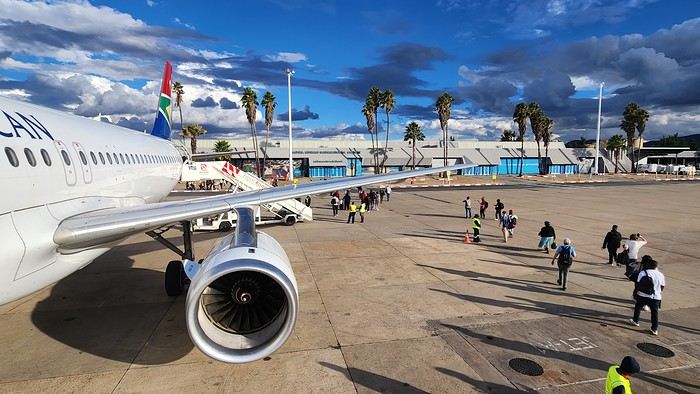
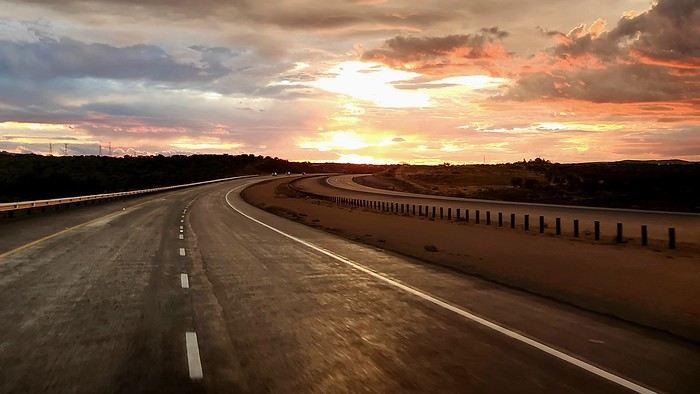
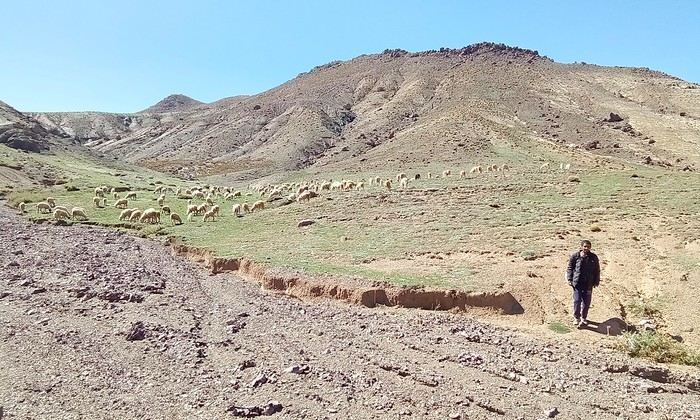
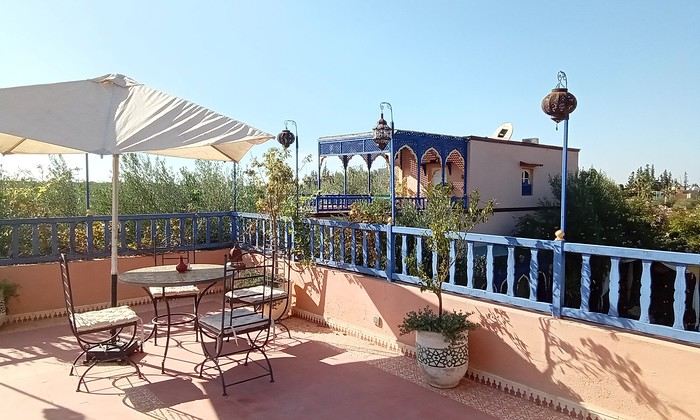
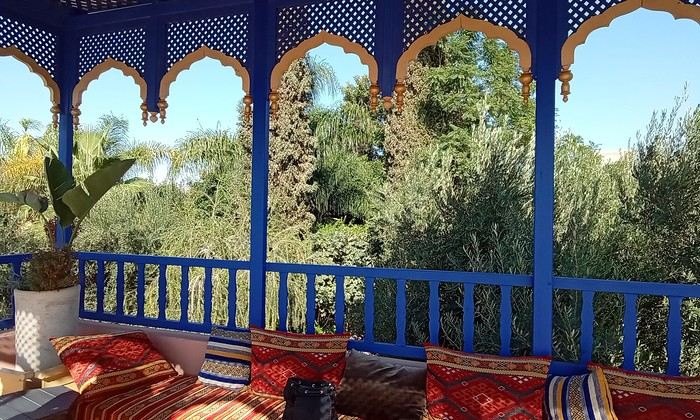 Last October, we landed in Marrakech to spend a few days with family exploring Morocco’s roads.
Transport: a rented Dacia.
Accommodations: small guesthouses.
Last October, we landed in Marrakech to spend a few days with family exploring Morocco’s roads.
Transport: a rented Dacia.
Accommodations: small guesthouses.
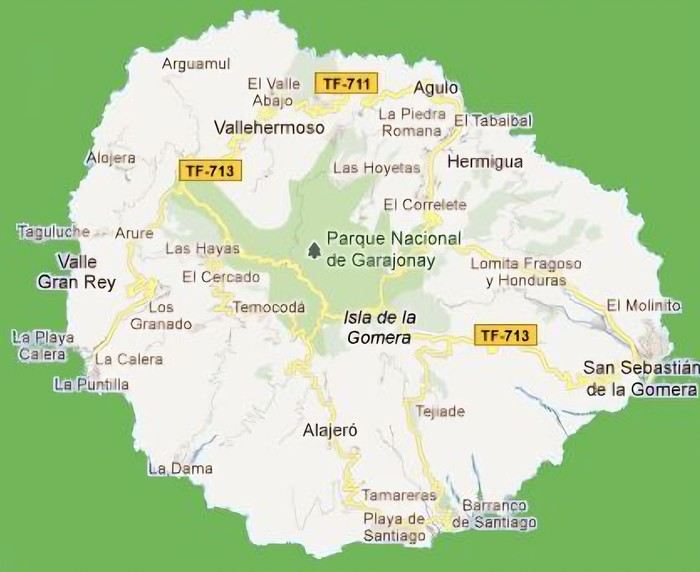 The large solidified magma massifs that shape the heart of the island have created a large depression more protected from the sun at its center, allowing the growth of a vast laurel forest, today grouped within the Garajonay National Park, La Gomera’s green lung, which has earned it the status of a World Biosphere Reserve. Its completely European appearance contrasts sharply with the rocky and tropical landscapes of the rest of the island. Thus, the climate varies greatly from one point to another on the island: in summer, you can quickly go from a dry and sunny valley at 35°C to a humid forest area at altitude at 18°C.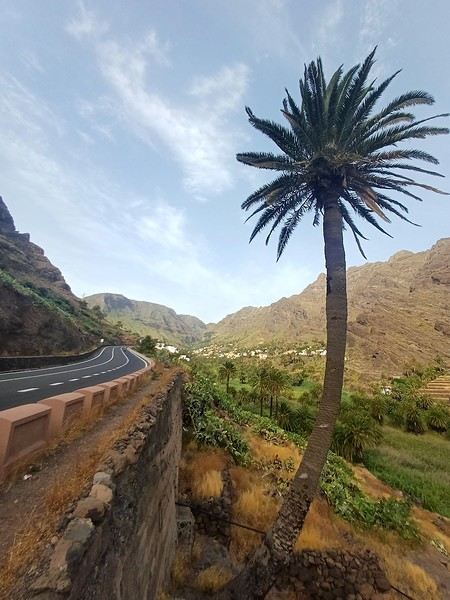
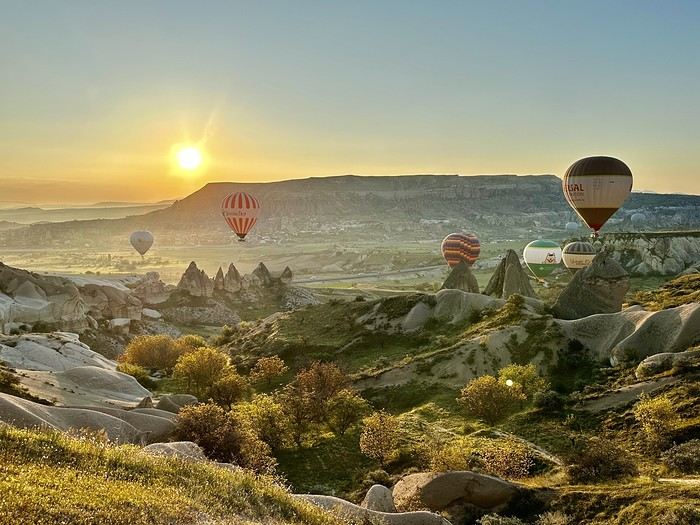 A little sneak peek?

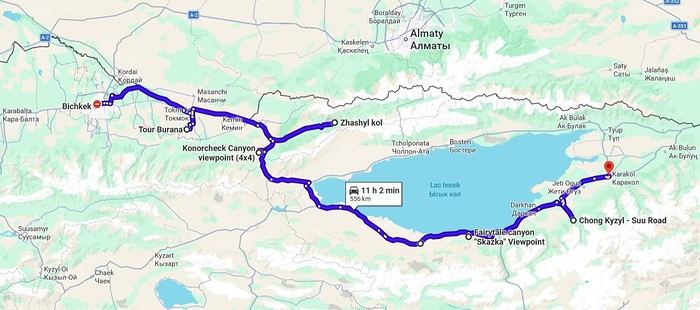
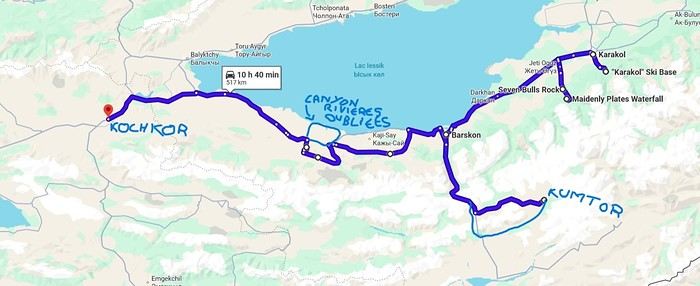
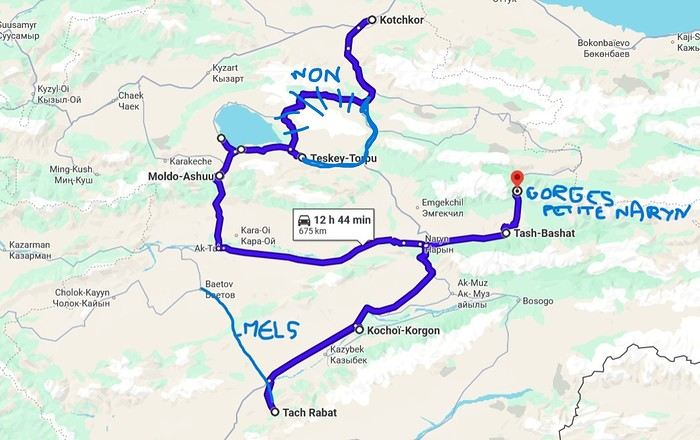
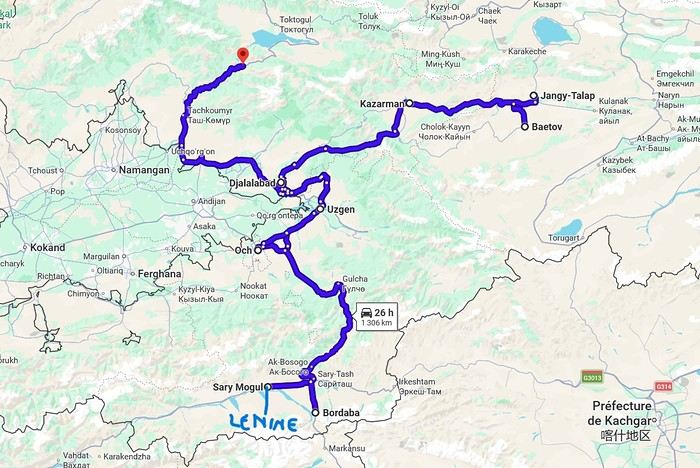

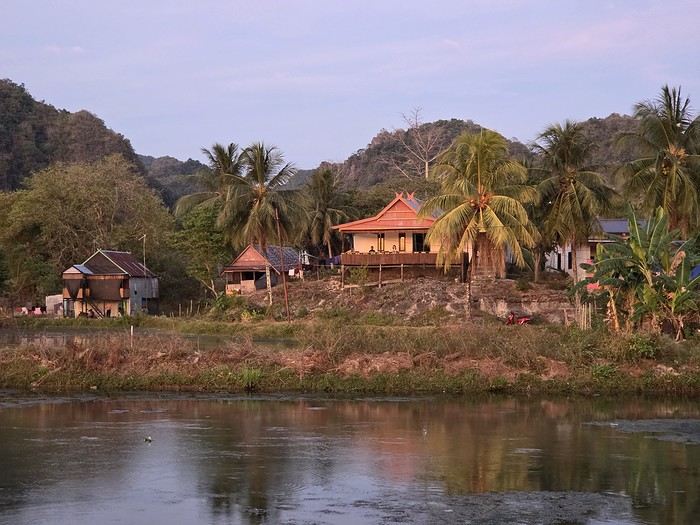
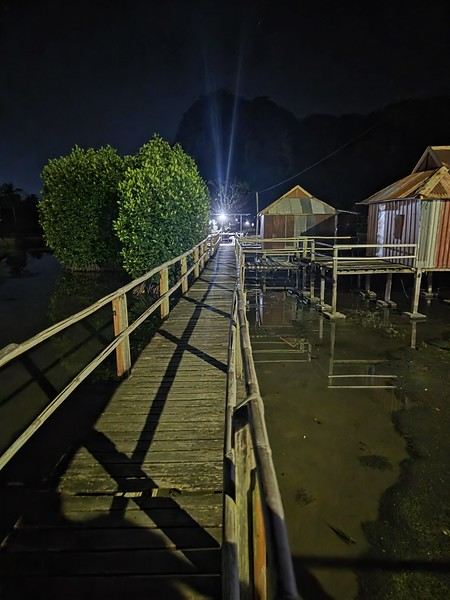
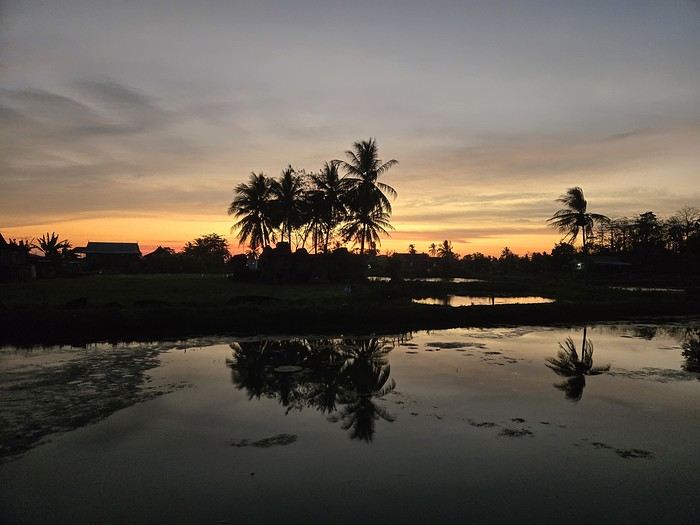
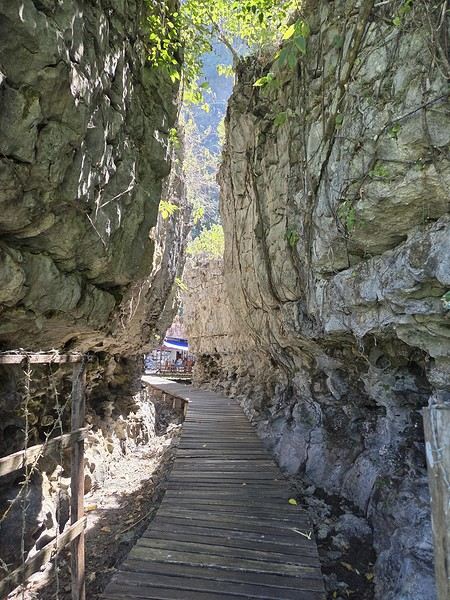
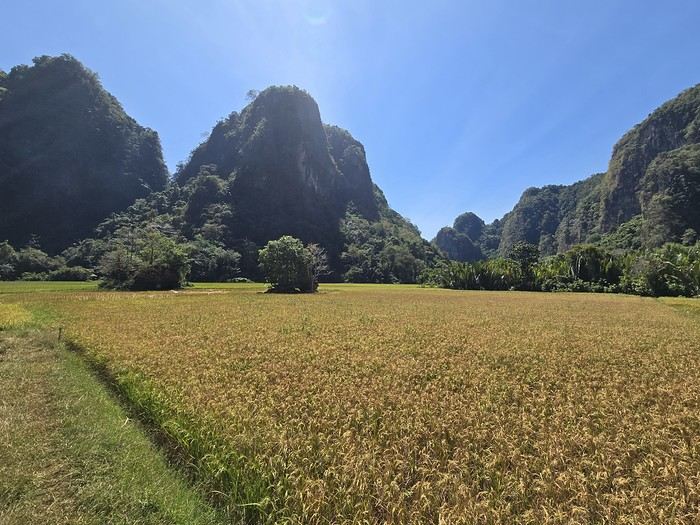
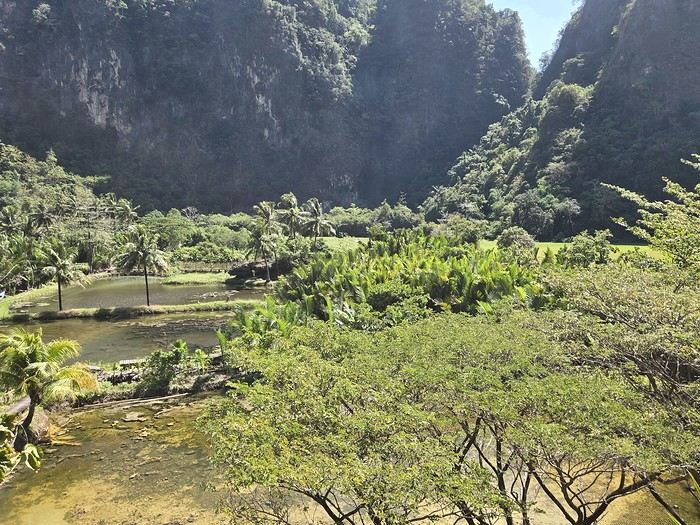
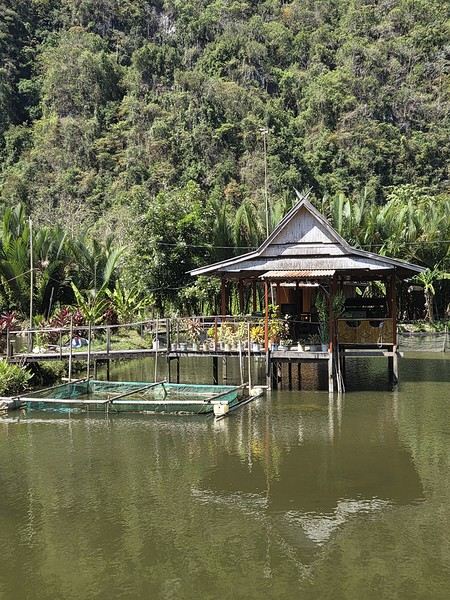
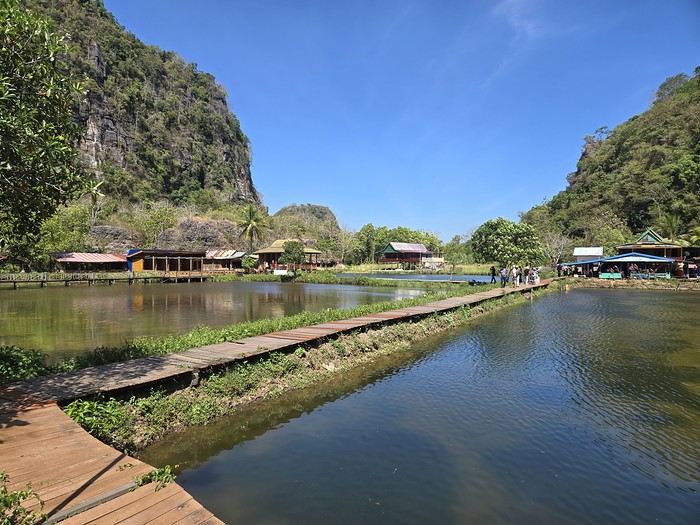
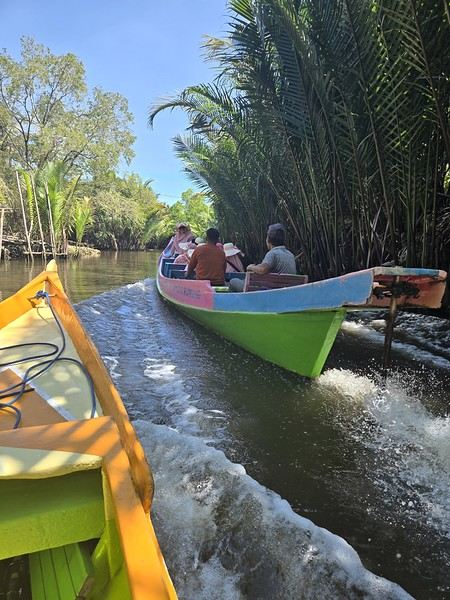 The karst site:
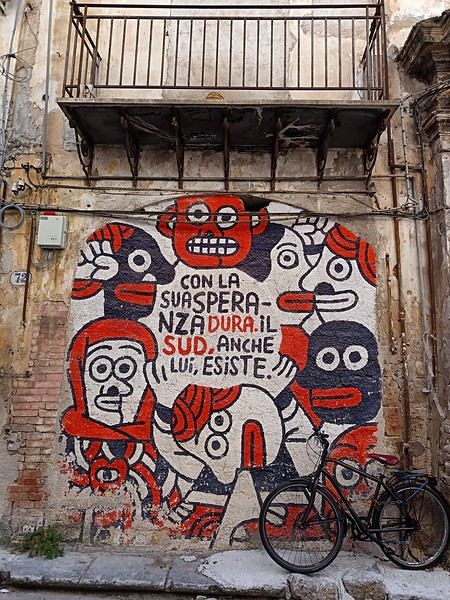 (In the heart of Albergheria, on a street every visitor walks down—lovely message from an unidentified artist)


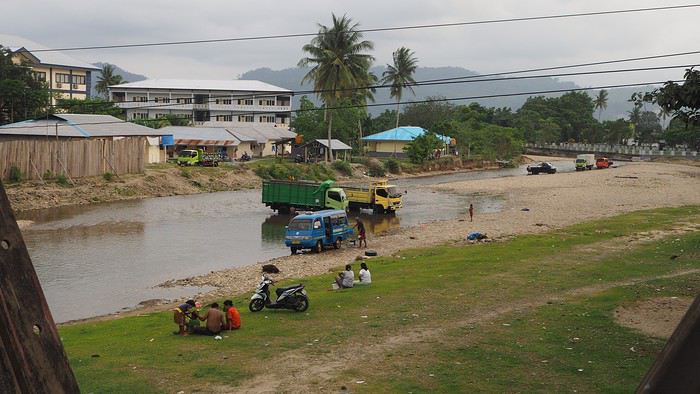
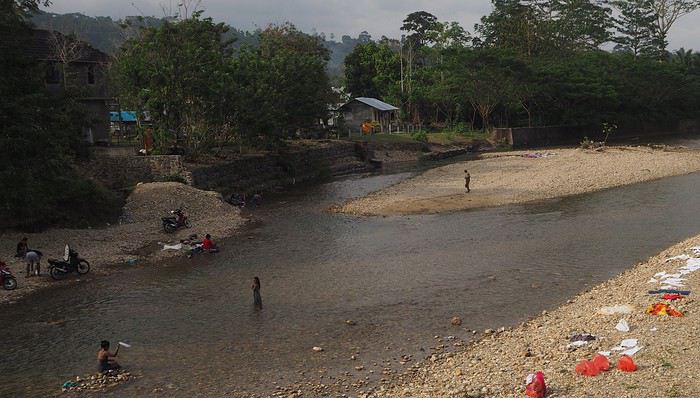 Laundry and trucks washed in the same stream.
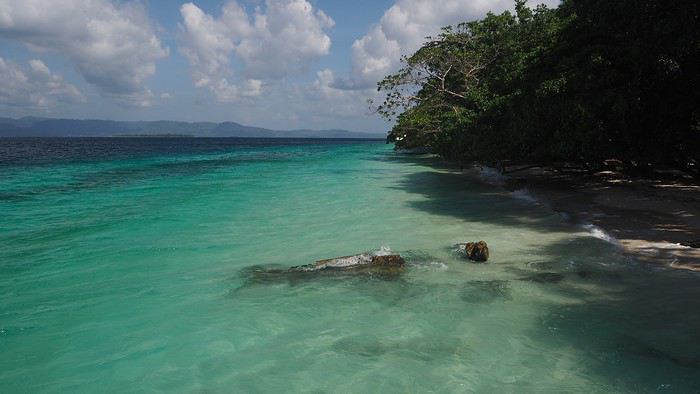
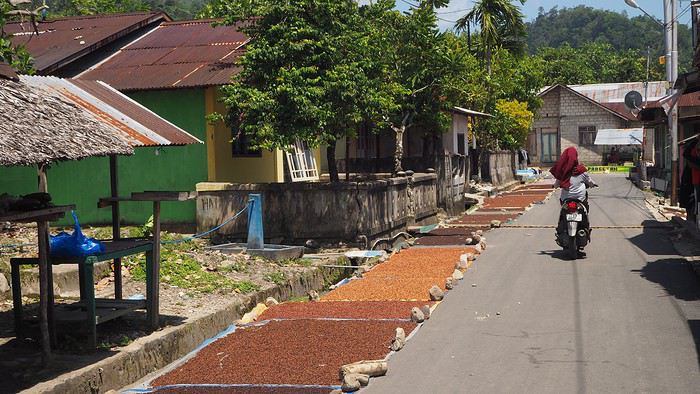
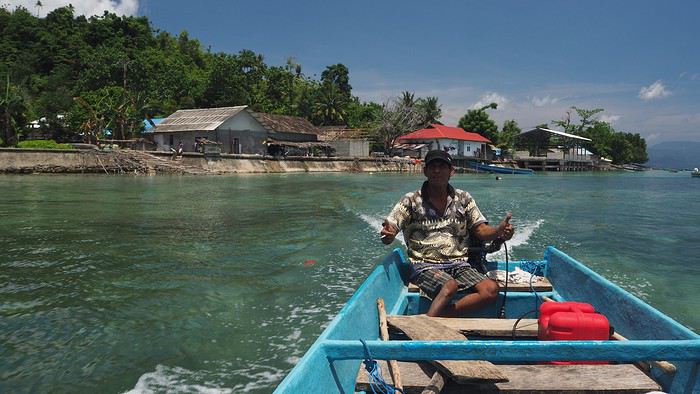
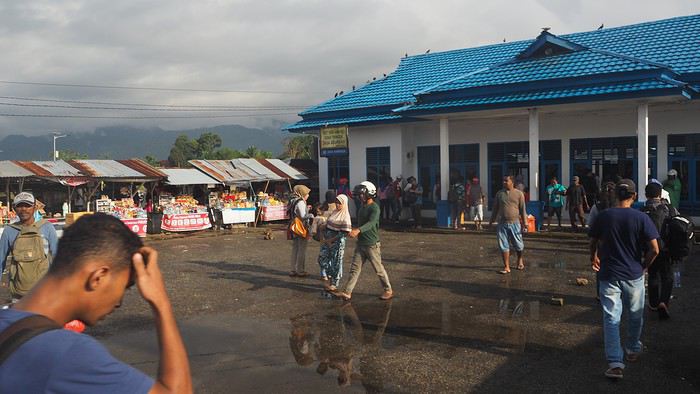
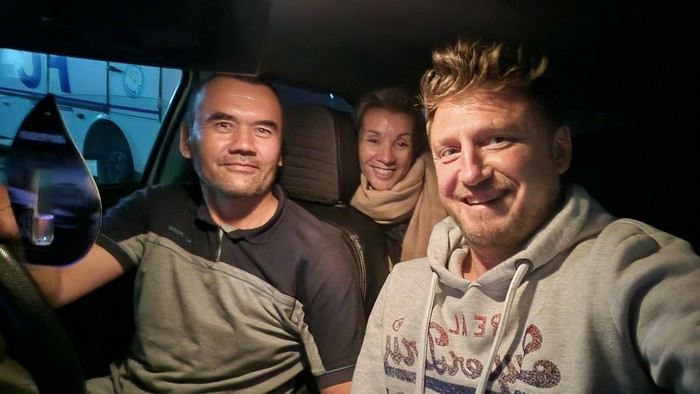
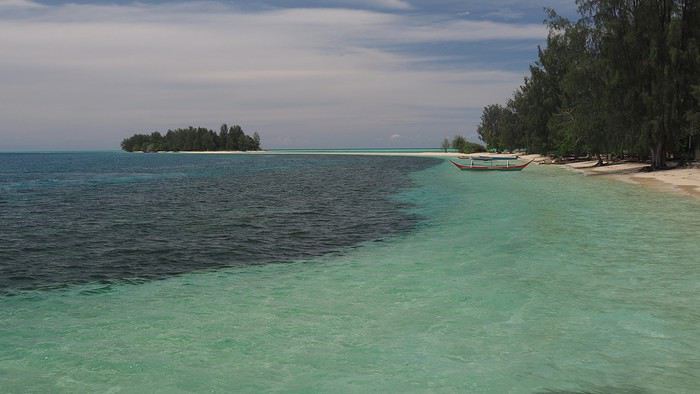
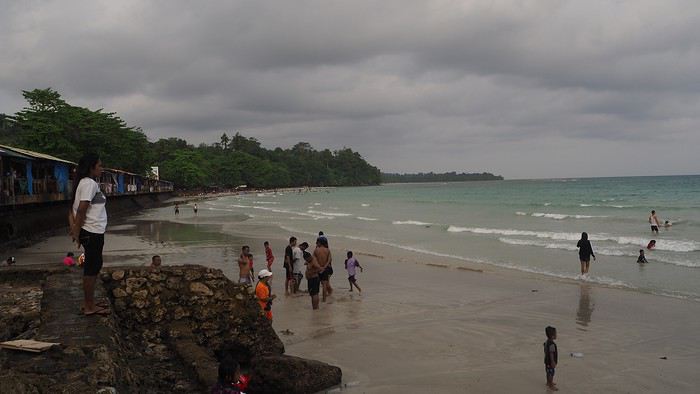
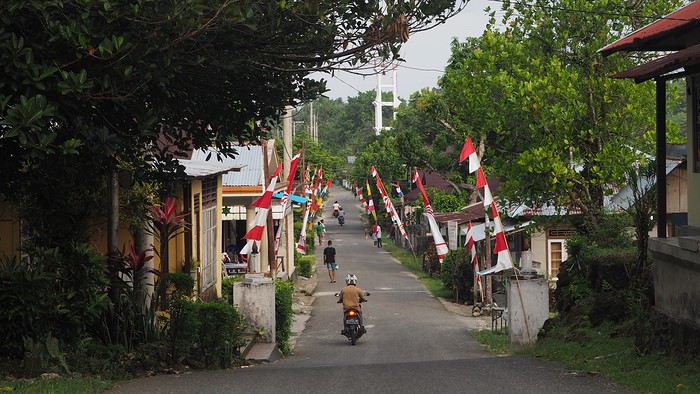
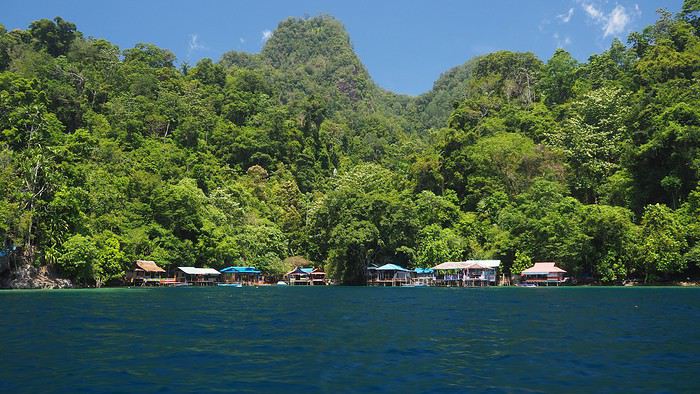 We’re greeted dozens of times with “Hello Mister”—a daily routine in the Moluccas. Every time we stop, we pose for photos to be saved on locals’ smartphones. They don’t see tourists often.