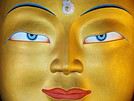
J'ai regardé la chaïne voyage il y a quatre jours, le reportage sur la francaise qui fait le pélérinage. bref a ma grde surprise elle donne des photos du DALAÏ LAMA au tibétain et elle explique que si ils se font prendre avec la photo, ils riquent trente ans de prison et elle l'exclusion du pays !!! est ce bien ca??
merci
La vie à la même valeur peut importe la taille de l'être qui la porte !
Je ne suis pas à même de répondre à ta question sur la photo...
Par contre, à ta citation : On devrait être tous végétariens au 3ème m...
Je te répondrai que perso, ça ne me dérange pas du tout, j'adore les légumes et tout ce qui va avec le végétarien...mais va falloir "contrôler les naissances des animaux (à consommer) 😉 quel boulot!!
En tappant le titre de ton post sur google on tombe sur le site de Tibet info, association militante qui explique ce que j'ai copier/copier ci dessous.
Personnellement j'ai été dans les provinces autour du territoire "autonome" du Tibet, j'avais avant de partir imprimé sur papier photos quelques portraits du saint homme que j'avais trouvé sur internet. L'effet est garanti et spectaculaire! C'est comme d'avoir un briquet magique qui allumerai tout les visages! De tout mes voyages en Asie jamais je n'ai vu des gens aussi heureux du cadeau que je leur faisait!!. Conclusion: avoir un bon stock de ses photos avant de partir, mais faire attention où, comment et à qui on les distributs.
Photos du Dalaï Lama. Très appréciées, elles étaient en vente libre partout sur le Barkhor jusque début 1995, mais sont maintenant formellement interdites (depuis mai 1996). Pour les Tibétains, notre respect pour le Dalaï Lama est la plus grande force dont on puisse leur faire cadeau. Mais vous ferez aussi très plaisir en apportant des photos d'autres grands lamas. La politique officielle interdit désormais toute photo du Dalaï Lama sur soi, et les distribuer est considéré comme de la propagande « contre-révolutionnaire »...
Exemple, en juin 94, deux touristes américains ont été retenus pendant six jours par la police, puis expulsés du Tibet pour avoir distribué des photos du Dalaï Lama et remis une cassette d'enseignements à un moine à Shigatsé (les membres -tibétains ou non- de l'administration chinoise n'ont désormais plus le droit de posséder ni photo ni objet de culte, quel qu'il soit, sous peine de licenciement et d'amendes). De plus, lorsque vous distribuez des photos, cordons ou pilules bénies (ces derniers cadeaux pour les bouddhistes seulement), faites-le en privé et à bon escient (remerciement, encouragement). Ne les distribuez pas n'importe comment à n'importe qui : ce sont des objets de dévotion qu'il faut considérer comme tels.
On n'a pas dû rencontrer les mêmes Tibétains, moi ceux que j'ai vu ne regrettaient pas un gars et son escouade de pseudos-religieux qui leurs piquaient jusqu'à 90 % de ce qu'ils gagnaient.
"Objet de dévotion": quelle misère morale, ce sont des bouts de papier avec de l'encre dessus, c'est tout.
sacre hengxi, je savais que tu allais repondre comme ca!!!
le dalai lama je ne le connais pas et ne peux pas trop le juger, mais j ai pas specialement envie de le rencontrer:
les gens qui gravitent autour de lui a daramshala sont corrompus vu les histoires de combines qu on entend au sujet de l aide humanitaire,
et les moines du tibet(ceux la je les ai vus)sont pour la plupart de belles fripouilles qui ponctionnent les locaux comme l a bien dit hengxi(meme si avec nous ils sont il est vrai assez sympas, a part ceux qui veulent qu on paye pour entrer dans leur gompa).
ils ont des pompes en cuir, des portables, bouffent de la viande, ce qui est honteux pour un bouddhiste, surtout que de nos jours on peut sans problemes etre vegetarien au tibet vu qu il ya des chinois(je suis vegetarien moi meme et une fois j etais au restau et bouffais mon riz aux legumes et ai vu des moines se taper de la barbaque, chapeau!),
alors que les locaux n ont que dalle.
d un autre cote ils les forcent pas vraiment, les locaux donnent d eux meme, c est la bigoterie helas...
pour repondre a ta question, les photos du dalai lama sont interdites au tibet central(lhasse et compagnie), mais dans le kham j ai l impression que ce st pas le cas car j en ai vu dans des monasteres et aussi des tibetains en moto qui avaient un medaillon avec sa photo accroche bien en vue sur le guidon...
ben tu sais, le dalai lama represente pour eux le symbole contre l occupation chinoise et puis il est cense etre une espece de dieu.
les tibetains, qu est ce que tu veux faire, ils ont une maniere de penser qui correspond a notre moyen age, avec tout ce qui s y rattache comme bigoterie etc...
Il ne me semble pas plus idiot d'adorer une photo du DL plutôt qu'une photo de Mao ou de n'importe quelle pop star (remarque valable pour tous les pays du monde).
bien vu yangguizi!!!
j ai toujours trouve ca regrettable, surtout que ces pops stars et autres n ont pas fait grand chose pour l humanite.
la jeunesse occidentale, en mal de reperes...
il feraient mieux d avoir un portrait de gandhi ou de luther king, mais ils sont moins sexis que britney spears il faut l avouer😎
bon j arrete...
Entièrement d'accord avec toi que ce soit mao ou le daili bidule.
Que cela plaise aux Chinois, ca les regarde, mais qu'un Occidental (surtout celui là) vienne nous raconter que ses photos imprimées sur son Epson sont des objets de dévotions, NON
En effet, à chacun sa croyance merci d'assainir un peu le débat. Cela s'appelle LA LIBERTE DE PENSER et logiquement pour des humains évolués il s'agit d'une valeur démocratique. Cela ne semble pas évident pour tout le monde, mais il parait tout aussi raisonnable de respecter les prix Nobel de la paix que les responsables de génocide. Les clichés à l'emporte- pièce et les affirmation simplistes ont pour l'instant beaucoup de mal à réécrire l'histoire. Il sera sans doute difficile d'oublier la "libération pacifique" du Tibet par son généreux voisin. On peut aussi se demander pourquoi les tibétains fuient par milliers leur propre pays, (Ah oui ? ils étaient chez eux au fait...) . Plus d'un sixième de la population du Tibet à été décimée depuis les années cinquante...quelque chose me dit que ce n'est pas le vent de la liberté qui à provoqué cette épidémie.
Heureusement une fine analyse vient nous éclairer avec brio : C'est sans doute la faute des moines qui mangent toute la viande et des bourgeois à la solde de l'impérialime qui ont confisqué 90 % des richesse du Tibet ! Ouf ! nous voila libéré d'une question embarrassante. Heureusement que les spécialistes de la question tibétaine nous apportent leurs connaissances !
J'abonderai donc dans ce sens...
En effet, il vaut mieux être bien informé si l'on veut être crédible et si possible défendre des choses... défendables.
En tout cas je salue tous ceux qui gardent une parcelle d'humanisme et de bienveillance en eux. Ces valeurs ne sont la propriété de personne en particulier. Elles n'ont jamais disparu ni sous la violence, ni sous le poids des idées toutes faites...
Quand au photos du Dalaï-Lama et bien pourquoi pas, ça s'appelle LA LIBERTE ça aussi ça inspire le respect.
Au fait le respect c'est subversif ????
je crois que tu melanges un peu tout, et par la ton analyse est elle aussi tres fine.
je ne soutiens pas les chinois mais je decris simplement ce que j ai vu au tibet, dont j ai traverse toutes les regions, c est tout...
Bienvenue à toi, ohhhhh lumière infini . Ta venue sur ce forum va éclairer de ton savoir l'immense désert de la méconaissance et remettre dans le droit chemin les infidèles dont je fais partie.
Que tu sois beni par tous et nous attendons que tu nous enseignes la direction à prendre vers la sérénité et la félicité.
OUAHHH ! L'humour ! C'est du très haut vol, compliment !!! ça donne presque le vertige !
En tout cas merci pour cette éclatante confirmation à ma question: OUI, LE RESPECT EST BIEN SUBVERSIF !!!
(Je m'en doutais, mais un peu de "langue-de-bois" hein, ça rassure !) En tout cas j'en suis heureux !
Grâce à la brillante réponse que tu m'a accordé, j'en profiterai pour conseiller aux voyageurs interressé par le sujet
du Tibet, un document tout à fait remarquable en DVD.
Disponible en cinq langues (sauf la langue de bois) Français, Tibetain, Anglais, Allemand, Espagnol.
"TIBET, HISTOIRE D'UNE TRAGEDIE" de Ludovic SEGARRA et Jean-Michel Meurice.
La boutique FRANCE TELEVISION (www.boutique.francetv.com)
Une compilation de documents rares et historiques.Un chef d'oeuvre d'intelligence. Autant dire que ça rafraichit....
Hello Naps. Merci pour ton message. Pour répondre à ta question: Sur les quelques trentes pays que j'ai visité, certains ou j'ai vécu et travaillé, j'ai passé trois ans dans les régions frontalières du Tibet(Sikkim, Nord-Nepal, Ladakh, Zanskar, Inde) et suis allé au Tibet deux fois. Je connais bien un certain nombre de camps, y compris dans le Karnataka, ou survivent les réfugiés tibétains dans des conditions plus que précaires.Les plus agés, ceus que j'ai connu il y a trente ans, sont morts avec l'espoir de revoir un jour leur pays libre.
Je tiens à préciser que mon intéret pour cette question ne se base ni sur des idéaux politiques ni sur des données religieuses, seulement humaines. (Je vois arriver une nouvelles cargaison de colibets...tant mieux j'adore ça !)
Justes quelques données qui me paraissent incontournables pour savoir qui sont les véritables crapules au Tibet:
A ce jour, "La glorieuse liberation pacifique du Tibet" entamée en Mai 1951 à exterminé 1 200 000 Tibétains soit 1/6 de la population.(Executés, morts en prison, déportés dans des camps de travail, morts de faims ou sous la torture).6254 temples ont été rasés.
La déforestation massive a détruit 40% des zones boisées, l'exploitation minière par les colons chinois, particulièrement des gisements d'uranium dans le Nord, la pollution des rivières, compromettent dans l'avenir le plus vaste écosystème d'altitude du monde et donc la vie de millions d'individus tributaires des fleuves comme le Yang tsé, le Fleuve Jaune, le Brahmapoutre, l'Irrawady, l'Indus... On pourrait y rajouter au quotidien, arrestations abitraires, passages à tabac, viols, executions sommaires, trafic d'organes,
stérilisation de femmes... et développement d'un tourisme bien pensant et bien dépensant...
Cette situation est bourrée de contradictions, de paradoxes je te l'accorde et les tibétains, bien que martyrisés, ne sont pas tous des gens très clean. Il y a eu parmi les populations de nombreux "collabos". L'histoire est toujours la même. On a connu ça en France aussi. Tu comprendras sans doute mieux ma réaction, car quand j'entends parler des chaussures d'un moine ou de son repas de midi, j'ai l'impression qu'on se trompe de cible et qu'on reprend l'argumentation révisionniste prônée par l'occupant . D'ou provient la situation catastrophique de la plupart des tibétains ? Les vrais crapules dans cette situation sont ils les moines ?
Je terminerai en précisant que j'ai une grande estime du peuple chinois et que je compte de nombreux amis en Chine.
J'ai aussi traversé une partie du plateau du Chang Tang avec un ami chinois rescapé de Tien An Men . Recherché et Condamné à mort pour dissidence il lui faudra encore faire un peu de tourisme dans ces régions s'il veut continuer à respirer.
Bon je te souhaite plein de nouveaux horizons. bon vent !!!
Un brin d'humour...(noir) hélas réaliste...pour terminer sans doute un échange qui s'avère épineux.... et l'envie de préciser que les références que je donne sur un document historique("Tibet le choix de la non-violence, Histoire d'une tragédie" ne constitue qu'un partage d'informations au service des voyageurs qui désirent en savoir plus sur le Tibet. La littérature et le cinéma sont quand même au service de l'information, sauf si la censure ne tolère que les feuilletons à l'eau de rose... Je n'ai aucun intérêt commercial dans cette production, vous pouvez même vous le procurer d'occasion.(En tout cas dans la plupart des pays libres ). Les ouvrages de références permettent d'élargir les connaissances, d'échapper aux versions pré-digérées, et aux vues au subjectives...ça doit avoir sa place dans un forum, tout comme les adresses d'hôtel, les guides, les agences de trekks, les tuyaux précieux et tutti quanti ... Le but c'est d'informer, pas de faire du fric donc ce n'est pas de la publicité.
Aux démocrates de ce forum vous avez une pétition qui vous attend sur le site de la ligue des droits de l'homme: Gardons les yeux ouverts:
www.fidh.org
je suis d accord avec toi et meme si j aime bien les chinois je ne suis evidemment pas d accord avec leur gouvernement qui a "libere" un pays qui ne lui avait rien demande et qui l occupe jusqu a ce jour(et je le crains pour un moment encore, le tibet sera bientot sinise).
au debut du post on parlait juste des moines, et j ai dit ce dont j avais ete temoin lors de mes 3 passages au tibet.
mais bien sur ce ne sont pas les moines qui sont responsables de la situation, et si la population veut les venerer c est son probleme.
il est vrai aussi que le dalai lama represente pour eux le symbole de la resistance aux chinois et comme ils se sentent oppresses et ne peuvent pas blairer les chinois il est evident que ce genre de symbole est important.
quant a la personnalite du dalai lama en lui meme je ne peux rien dire, je ne l ai pas rencontre.
pour certains ce st un dieu, pour d autres un imposteur, pour moi ni l un ni l autre...
j ai une adecdote marrante:
j etais une fois avec un pote jap dans le kham tibet.
on voyageait ensemble mais ce jour la chacun est parti faire sa balade de la journee de son cote.
j ai fait du stop et n ai eu aucun mal a aller et revenir, les tibetains tres gentils et qui ne voulaient meme pas de sous.
le soir vient et le jap ne rentre pas.
finalement il arrive tres tard et me dit que personne ne l a pris en stop, il a galere comme une bete et a ete oblige de prendre un taxi.
tout le monde le prenait pour un chinois, et comme les conducteurs sont tibetains...
pauvre liu!!!😎
Hello naps
Merci pour cette réponse et pour cette histoire cocasse (sauf pour ton pote japonais !!!) Il est difficile d'avoir un avis tranché sur le Dalaï-Lama mais il represente l'espoir de toute une nation. Sous la botte nazi, les français, (qui n'étaient pas pétainistes) tournaient leur "dévotion" vers les icones du monde libre. ça peut donc se comprendre pour les tibétains. En tout cas une chose de sur, le Dalaî-Lama n'a pas de sang sur les mains et il a toujours prôné des rapports humains basés sur le respect et la non-violence.C'est sans doute cela qui lui a valu de recevoir le Prix Nobel de la Paix. Certains chef d'états, sans devenir bouddhistes pour autant, pourraient s'en inspirer, ça ne pourrait pas nuire vu l'époque... Je projette un voyage au Kham, je ne sais encore pas bien quand. Au niveau des déplacements tu as fait comment ? pour l'hebergement on trouve des gargottes ou autres hôtels officiels ?
Si tu as deux ou trois tuyaux ils sont bien venus. A plus !!!
Hello Egoak ! Merci pour ce message réconfortant sur les droits de de l'Homme ! Je vois qu'il y a encore des yeux ouverts. ça réconforte !!! Amicalement. Freesun.
Une INFORMATION qui peut interesser les démocrates (et qui n'est pas, non plus de la publicité) c'est le musée virtuel sur le net,
intitulé "un dessin pour le Tibet". Des oeuvres offertes par des artistes, dessinateurs de BD, peintres, même des dessin d'enfants.
ce st assez facile de voyager au kham.
il ya des bus pour quasimment toutes les destinations, et sinon le stop marche bien(sauf si tu es jap😎).
il ya des petits hotels avec souvent des wc i-nou-bli-ables🤪
et des restaus.
tout ce que tu as besoin ce st d un phrasebook et d une carte avec les noms en chinois, on trouve dans les magasins de livre appeles xin hua pour quelques yuans et elles sont ma foi pas mal.
j ai mis des infos sur un site, mais a chaque fois que j en parle je suis censure, va comprendre pourquoi, donc fais moi un message perso et je t envoie leur adresse.
super le kham, bien mieux que le tibet central a mon avis...
Hengxi, mais ou puises tu cette agresivitee et ce synisme? je comprend pas?!!!t as vraiment les "pro tibetains libre" dans le nez ou c est pour tout comme ca?😉😉😉
Hello Hengxi, ....je profite de ce post pour essayer de prendre contact avec toi !
Je serai à Nanning en octobre prochain et aurai aimé avoir 2/3 infos...
Si tu reviens sur VF, ba ça serai sympa de me contacter...
Merci
Soyons de tous les mondes, d'ici et d'ailleurs, de la terre aux étoiles, du visible à l'invisible !
Je ne suis pas encore aller au Tibet ( c'est prévu à l'automne ) par contre au Tibet chinois j'ai pu il y a un an voir dans quelques monastéres des photos du Dalai Lama de grande taille et exposées à la vue de tous .De plus il m'a semblé que dans cette région les gens pouvaient pratiquer leur religion sans problémes apparents .
Ma question est peut-être naïve. Je serai d'ici peu au Tibet et je voudrais savoir si les pèlerins, ou les locaux tout simplement, sont aussi heureux de…
Grand amoureux du Japon, et après 3 voyages, je souhaiterais faire une photo d'un Shinkansen et du Mt Fuji en arrière plan, comme la photo ci dessous. Mais…
Hi,
July 2026: I’m writing to you from Dali.
First, I got scammed on Booking—AI-retouched photos. No tourists at this hotel (Yishanju Designer Hotel), and the reality was horrible: dirty, with a disgusting breakfast. It’s better to use Trip.com here.
Next, the old town was an infernal cacophony, packed with tourists who shoved past without a care. Some vendors harassed you to buy things. All the stalls sold the same cheap plastic junk or other uninteresting stuff. The beautiful scenery was ruined by vendors lining 100% of the alleys. Impossible to walk, crushing heat, nothing good to eat except fresh fruit. Horrible experience.
Day 2: We went to Cangshan Mountain by cable car—the ride was short and nothing spectacular. We were at 2,600 m.
My plan was to see Erhai Lake. Unfortunately, I followed the advice of an AI chatbot: take the boat at Langkan Dock. The Didi dropped us off in the nearest area, which was full of charming little alleys but packed with Chinese tourists. The three-wheeled yellow cabs zoomed through the narrow streets, forcing you to hug the walls, on top of the scooters and other pedestrians to deal with. Crossing the neighborhood was hellish and suffocating. Once out, we hit the "corniche," which was also packed with Chinese tourists. The lake’s edge was all pebbles, and everyone was standing around taking photos. I was with my 5-year-old son. I would’ve liked to sit down and let him play with stones by the water, but it was clear we didn’t belong. They were even shoving each other for a shot! There were no boats in sight. In short, we’d had enough, and there was nothing interesting there either.
On the way back, we had to cross that maze again under the scorching sun. My son was braver than me—I even had a little dizzy spell from all the chaos. Add to that Dali’s altitude (2,200 m), so altitude insomnia, fatigue, and vulnerability during the day...
The restaurants weren’t inviting—the staff served sticky rice in a little bucket. The dishes were wrapped, and you had to figure it out yourself. After that, they ignored you completely, even if you were the only tourist.
On the 3rd day, it was time to leave for Shaxi. I hope to see beautiful villages. But honestly, I’m exhausted by this atmosphere where everything is complicated, communication is never smooth, noise is everywhere, and the behavior of some Chinese people is abusive...
Silver lining: not a drop of rain in 4 days and blue skies.
I couldn’t visit the villages in southern Yunnan because of rain and storms there...
But I was expecting to see a few more tourists.
Here are some tips from our 6-week trip (summer 2026) to China, Vietnam, and Cambodia. We traveled as a family of four with two kids aged 15 and 12.
I hope these notes help other travelers!
CHINA
General
You’ll need to download and set up a few apps:
- Alipay and WeChat for payments (I didn’t withdraw a single bill the entire trip)
- Didi for taxis
- Amap = Chinese Maps (works great, especially for subways)
- A translation app (we used Papago, but it sometimes gave weird results)
- Google Lens for translating menus or signs—super handy.
- HelloRide for bikes
- Gemini and ChatGPT for everything: understanding daily life, enhancing visits, checking the weather, finding things.
- HomeExchange if you want to lower travel costs (few listings in Asia except in big cities, often expats)
- Trip.com is very useful, even essential, for trains, domestic flights, and hotels. Like Booking.com, the more you book with them, the more perks you get. So I’d even suggest checking flight tickets on this site, even if it’s a bit pricier. However, buying train tickets is complicated because (1) they only open 15 days in advance, and (2) they sell out fast. Trip.com just promises to buy them as soon as they’re available but doesn’t always succeed. It’s stressful and might force you to change your plans, especially if you’re aiming for a sleeper car and there are no seats left. Watch out for station names—many cities have multiple stations, including a high-speed rail one outside the city.
For internet, we got the Asia plan from Holafly. It worked but seemed much slower than Chinese internet. I regretted not buying a Chinese SIM card because without internet in China, everything is VERY complicated (money, transport, etc.).
For the firewall, we used ExpressVPN, but it wasn’t always reliable. A bit disappointing. Ask ChatGPT for tips with screenshots to improve the settings.
Since we only had one SIM card with internet, we couldn’t rent shared bikes. If I were to do it again, I’d get a SIM for each person, even the kids, because distances in cities are huge. We walked *a lot*. Same goes for buses—it’s tricky with just one internet connection. Better to have a phone per person with internet.
Book your visits as far in advance as possible—they often sell out.
Watch out for power banks: if they don’t explicitly say "3C," they’ll confiscate it. Even if there’s a little airplane logo.
Shanghai
In the evening, the streets leading to the Bund from the metro were so crowded that police were out in force blocking roads. Arrive early. We went around the north side.
Suzhou
Be careful—there are two stations (common in China), and the high-speed rail one is 45–50 minutes from the old town.
The Humble Administrator’s Garden was *packed*—we don’t recommend it. It turned into a marathon day from Shanghai (almost 4 hours from our hotel to the garden).
Beijing
Forbidden City: Don’t go—I know it’s a shame, but it’s too crowded. I couldn’t buy tickets on the official site because of the kids’ passports. We ended up with a guided tour, the only way to get in (tickets sell out fast). The visit was disappointing—bad guide *and* massive crowds. You’ll queue a lot to enter and see certain areas. You’ll be checked often, so pack your bags carefully.
Great Wall at Mutianyu: Crowded. Two hours by bus, and even though we arrived early, people were already leaving! I really think the best option is to leave your big bags in Beijing and stay overnight near the Wall. That way, you’ll have it to yourself a bit more. For transport: get off at Tiananmen Square metro and look for buses with official guides in bright yellow-green vests. No need to buy tickets online—they made me cancel mine to rebook on the spot. Buses leave when full. Note: the cable car and chairlift are separate—if you want to go up one side and down the other, you’ll need different tickets. The endless queue for the toboggan ride put us off.
Quick tip: Incredible swimming spot in Beijing—on the north shore of Houhai Lake, you can swim by crossing the barrier. We did it twice with about ten other people. Bring a swimsuit!
Shapotou Desert
Amazing, but it gets *very* hot in the afternoon. We had a tent (not an air-conditioned bungalow), which was unbearable during the day. We hung out in the restaurant.
The paid activities are fun, except the camels—they look sad. The real highlight is the evening and sunset. The only downside: you can’t explore the desert alone or far—they don’t rent 4x4s, for example.
We stayed at "The Desert Camping Hotel of the Proprietress of Shapotou." They were lovely.
Zhongwei
Gaomiao Temple and its underground: Fun and short—you’ll see quirky Buddhist hell paintings.
Xi’an
Terracotta Army: We took a Didi because for four people, a car was almost the same price as four shuttle tickets. It was packed—chaotic to see properly.
We visited the halls in order: 3, 2, then 1—a good choice.
Hua Shan Mountains: Left before sunrise to arrive when the ticket office opened (7 AM, I think). We were shocked to see so many people already coming down.
45 minutes by bus to the west cable car, then 15 minutes up.
We did the west, south, east, central, then north peaks (in that order) before taking the other cable car down (you can buy the ticket at the top). A beautiful day.
In the city, check out...
Chengdu
Panda Research Center: Like Hua Shan, plan to arrive when the ticket office opens. Already *tons* of people, and it moves fast to see the big pandas before their nap. Have them drop you at the west entrance (not south), or you’ll have to walk uphill.
Leshan Giant Buddha: Interesting. The trip is a bit long (metro, then train, then city bus, then shuttle on-site). We didn’t take the boat option but walked. In the end, you only spend a few minutes at the Buddha’s feet, but it’s a nice day out.
Hotel tip: Panda Enjoy Home Hotel Apartments (Chengdu East Railway Station Dongda Road Branch). The view is insane, and the neighborhood is super convenient and nice. 646 CNY for 2 nights.
Swimming: The municipal pool is an interesting experience, but don’t expect to swim—no one does. Everyone just splashes around where they can stand. The hours are a bit odd, with a break in the late afternoon.
Kunming
The bike path along Dian Lake is pretty and often well-protected from cars. But like everywhere in China, it’s *packed*. Not much to say about visits—the flower market is a wholesale market, not very interesting. The ethnic minorities museum closed right in front of us.
All the big malls are good for shopping.
Dali
We thought we could bike around the lake in two days. Wrong on two counts: First, the lake’s edge is blocked to traffic and reserved for bikes (or tourist mini-buses). So you’re stuck on the main road, which never gives you a view of the lake, with all the trucks and cars. Doing 120 km like that wouldn’t make sense, in our opinion. The rice fields around are nice but not as impressive as elsewhere, so Dali isn’t worth it for that.
The old town, all restored, is pretty but *packed*—thousands of people, especially in the evening.
Hekou (Vietnam border)
Comfortable train from Kunming. In the parking lot, a bus (not well-marked, but Didi is an option) takes you to the border in 15–20 minutes. Short wait at both border posts. Fun to see the two lampposts near the border line: the Chinese one is new, modern, with a surveillance camera (of course), while the Vietnamese one is old and a bit rusty.
VIETNAM
General:
- You’ll need the Grab app for taxis
- Very disappointed with 12Go—it doesn’t show all buses, never connects you with the company, and refuses refunds. Try booking directly with companies like FUTA Bus instead.
- Credit cards are often accepted (supermarkets and modern stores), otherwise, you’ll need cash
Lao Cai
2 km between the border and the train station.
The sleeper bus to Hanoi with Sao Viet is well-organized—it works.
Hanoi
Ho Chi Minh Mausoleum closes early (10:30 AM, I think).
Women’s Museum: Very good, not too long
Temple of Literature: Beautiful, fairly quick
This is where you should buy souvenirs, clothes, and knockoffs—the prices are reasonable, and the sellers are nicer than elsewhere. We recommend Cho Dong Xuan.
Tu Long Bay
We did 2 days, 1 night (so really 24 hours on the boat) with Parfum d’Automne (French-speaking agency), which put us on a Cycad Cruise boat. Cost: 300 € per person—expensive, but it was amazing, super luxurious, and the buffet meals were delicious. We don’t regret the splurge. The only downside: no swimming in the bay (but there’s a pool on the boat). To swim, you’d need a 3-day, 2-night trip to an area not protected by the maritime park.
Phong Nha
If you didn’t do the northern mountains due to time or weather (like us), Phong Nha is a great stop for a motorbike ride. It’s beautiful, especially the mountains west of the city toward the caves.
There are two (small) swimming spots at the Botanic Garden—a pleasant 45-minute walk without stops.
Hotel tip: Sunbeam Village (very friendly, pool, breakfast by the river, motorbike rentals)
Da Nang
Hotel tip: Meridians by Hsuite—you’ll have the beach almost to yourself. You’ll still need to walk 15–20 minutes to the hyper-touristy area if you want to rent surfboards (150–200k VND per hour).
The beach is beautiful, and the water is 30°C—great for a break on a long trip, especially since all transport goes through Da Nang.
Hoi An
45 minutes from Da Nang, so it’s easy to visit in a day, especially since the city isn’t that big and it’s *very* hot.
Cooking class: MS Hanh cooking class—great (the market tour is a bit useless). We don’t recommend the "basket boat" tour—it’s a bit sad on a big brown pond with elderly guides.
Ho Chi Minh City
Ben Thanh Market is a nightmare: starting prices are exorbitant, and the vendors are aggressive. Don’t go.
The War Remnants Museum can be really tough for kids.
Can Tho
Avoid this city. We made the mistake of going to see the floating market—don’t.
Chau Doc
No Grab in the city, but regular taxis.
One day is enough if you go early to the forest and the mountain in the late afternoon.
250k VND per person for the forest and its canals (45 minutes by motorbike)
The sunset at Victoria Nui Sam can be magnificent if the clouds cooperate.
Cheap and good restaurant: Quan Nem Nuong Sau Hiep
Hotel tip: Homestay Khoa (2,250,000 VND for 3 nights)—adorable hostess, full of tips, clean rooms.
The speedboat to Cambodia is more comfortable than a bus. Book with Hangchau a few days in advance—payment in cash on the day (1,640,000 đ).
CAMBODIA
General:
- Issues with the "Bakong Tourists" app—we had to go to a big bank to load money onto it. We barely used it afterward.
Phnom Penh
For us, a day and a half is enough if you want to spend more time elsewhere.
Markets close early (around 6 PM) and are less interesting than in Hanoi, for example.
The Royal Palace has a break from 11 AM to 2 PM, but there aren’t many people in the afternoon.
Siem Reap
Trip with Capitol company—the bus is basic but cheap. Departs at 10:15 AM, 7-hour ride.
Angkor entrance fee: 62 USD per person for a 3-day pass. Tickets are picked up at Angkor Enterprise.
Renting two 125cc motorbikes: 10 USD each, plus 7 USD for gas.
By bike, it took me 25 minutes to reach Angkor Wat’s pools. A basic city bike rental was 1 USD per hour.
Short circuit by motorbike (in reverse): 7 hours with stops everywhere.
Grand tour by tuk-tuk: Only 5 temples, 4.5 hours.
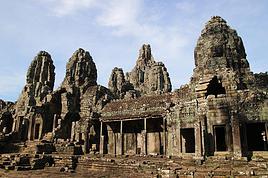
If you want to see lots of monkeys, they’re grouped west of Bayon.
For the temples, we asked Gemini (AI) at each stop to point out details that might interest kids (who can get bored with the repetition). It gave fun facts and things to look for—great for the little ones.
Hotel tip: The Five Senses, run by a Frenchman, Bruno, who knows Cambodia inside out and organizes tours.
Restaurant tip: Wild (only spring rolls, but *so* many varieties—delicious and cheap)
Watch out: 1 hour to the airport, 50 km from the city.
Show tip: The Phare Circus
Hi everyone,
To simplify logistics, I'm considering renting a car for 5/6 days in the Japanese Alps before heading to Kyoto solo.
Is driving difficult or even risky in this region?
Thanks for your feedback!
Tara
We’re arriving as a group of three in Tokyo on Saturday, October 17th, then heading straight to Kyoto by direct train.
On Sunday and Monday, we’ll explore Kyoto, and in the evening, we’ll take a train to Osaka to spend the night.
On Tuesday, we’ll pick up a rental car at Itami Airport for a 6-day/5-night road trip around Shikoku:
- 2 nights in the Iya Valley
- Thursday morning, we’ll head to Matsuyama for 2 nights.
- Saturday, we’ll visit Mima (town, a few temples + overnight stay) and return on Sunday to drop off the car in Osaka.
We’ll leave very early on Monday the 26th by plane for Aomori in northern Honshu, where we’ll pick up another rental car at the airport for a 5-day/4-night trip:
- Day 1: Tsugaru Peninsula (Takayam Inari, Cape Tappi, Kanita); overnight in Kanita
- Day 2: Ferry transfer to the Mutsu Peninsula (cliffs, Lake Usori); overnight in Shimofuro
- Day 3: Head to the Hakkoda Mountains and onsens galore; overnight TBD
- Day 4: Return the car in Aomori by noon and explore the city before taking the train to Tokyo in the evening
We’ll spend Friday night in Tokyo, wander around on Saturday, and head home on Sunday.
Thoughts on the road feasibility of this trip? We’ll be there right in the middle of Koyo season, so it’ll be busy...
I know it’s a lot of driving, but there are two of us who can take turns. We’re not afraid of driving, even in the mountains and on the left side! Just wondering, are we going to be rushing, or is this manageable? AI says it’s all good, but it’s not the one driving...
Any tips for booking accommodations in the Iya Valley? Not many places have email addresses or websites (I know Booking.com exists, but not all listings are on there... and given the season, I think it’s better to book ahead!). Same question applies for northern Honshu.
For the rental car, I’m thinking of going with Alamo since at least it’s in French and straightforward, but are there any direct rental companies with user-friendly websites (Toyota Rentacar, ugh... 🏴☠️)?
Another question: With so many trains, is it even necessary to book them in advance? Can we just go to the ticket counter and grab seats on the spot?
For paying for the rental car, do we need a credit or debit card?
I saw there are several "authentic" villages about 90/100 km from Beijing.
Including: Lingshui, Liuliqu, Sangyu, Miaoying, and Cuandixia.
Has anyone visited any of them? I was thinking of choosing Cuandixia—what do you think?
Thanks in advance.
Hi everyone!
It seems there’s a flea market in Tianjin that’s way more interesting than the one in Beijing. I’ve been searching online but can’t find the right one… The one I’m looking for is called gu wan shi chang (my PC won’t display the Chinese characters…). Does anyone have the address and has anyone been there before? The one in Beijing has lost a lot of its charm over the past 10 years, so I wanted to find another. Thanks!
Hi,
My departure is coming up soon—two months backpacking in Taiwan, so much to discover! I’d love to hear about your travel experiences.
My main interests are meeting people, understanding how things work, hiking, and nature in general. I’ve also done a lot of reading about Taiwan’s complex situation.
I do stone sculpture.
I also want to visit Orchid Island for its history.
Marie
I’m looking for advice from seasoned travelers about a roughly one-month trip to Japan.
From late October to late November 2026.
We often travel in Southeast Asia but have never been to Japan.
Based on what I’ve read, I’d love to hear your thoughts on:
- Is traveling day-to-day, without booking hotels or trains in advance, possible in Japan?
(I’ve read many travel journals and blogs that say everything was booked way in advance… but that’s not how we usually travel.)
- Will the Japan Rail Pass be worth it for us?
(According to an old simulator, I’m looking at around 400 € for trains compared to 570 € for the JRP.)
Here’s our rough itinerary (which may change):
- Arrival Osaka: 3 nights with Nara
- Hiroshima and Miyajima Island: 3 nights
- Kurashiki or Naoshima: 2 nights
- Himeji: 1 night
- Kyoto: 4 nights
- Kanazawa: 2 nights
- Takayama and Shirakawa-go: 3 nights
- Around Mount Fuji: 3 nights
- Tokyo with Nikko: 6 nights (no theme parks)
Departure from Tokyo
I booked my trip from May 5 to 26, 2027. I’m starting to plan my itinerary and look for hotels (I know it’s early!). While I’ve found some in Seoul and Busan, I’m noticing that elsewhere—like Yeosu—most hotels aren’t available (on Booking.com, for example, almost all are unavailable). AI tells me not to worry because hotels in South Korea only open bookings 6 months in advance, so it’s normal to see most of them unavailable on booking sites.
Could you confirm this for me and, of course, reassure me (!)? Thanks so much.
philippe
We’re back from a one-month trip to China and wanted to share our itinerary. Hopefully, this can give future travelers some ideas for exploring this beautiful country.
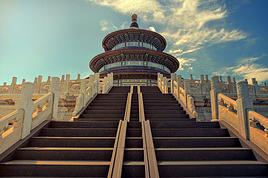
Beijing → Temple of Heaven / Forbidden City
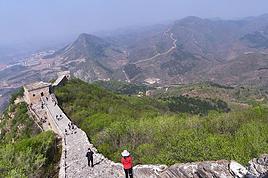
Jinshanling → Great Wall
Zhangjiajie → Tianmen Mountain and Heaven’s Gate
Wulingyuan → Avatar Mountains / sandstone pillars
Fenghuang → riverside houses
Ping’an → terraced rice fields
Tiantouzhai → village / rice terraces
Yangshuo → Li River / karst mountains
Shanghai → skyline with the Oriental Pearl Tower
Our travel journal is available on our travel journal, written day by day. You’ll find lots of photos and some travel tips there.
I’m starting to look at neighborhoods in Seoul, and I’m leaning toward staying in a hotel in Insa-Dong—I’ve spotted one really close to Unhyeongung.
Is this a good area—nice and convenient for exploring the city?
Otherwise, I’ve also found another hotel in Yongsan-Gu, right near the station of the same name. Is that station useful for getting around Seoul?
Since I’ll be in South Korea for nearly two months, I plan to spend at least a week in Seoul to recover from jet lag (it takes me a while to adjust...). So, I’d love a neighborhood that’s pleasant and a hotel not too far from a subway station.
Hi there,
I’d like to do this cycling route over 2 or 3 days. I’m struggling to figure out and find a (good) bike rental that lets me start in Onomichi and drop off in Imabari. Can anyone help with great tips for rentals and accommodations along the route? How do I get back to Onomichi afterward?
Next year, we’re celebrating 20 years of marriage (and travel 🙂), and we’re looking for something new, pretty legendary, and something the teens will enjoy too.
The family council has settled on Japan for now. And it’d have to be a summer trip—no choice there.
The catch: I keep reading that August isn’t the right season for southern Japan. It’s hot, humid, and there’s a risk of typhoons… Okay, but what does that *actually* mean in practice? Are there any travelers who’ve been there during this time? Is it *that* unbearable?
We’re pretty familiar with Southeast Asia—last year, we dealt with scorching heat in Vietnam and insane humidity, plus a typhoon we experienced from a distance, and visiting Angkor in the blazing sun. Is it worse than that?
I’m back with my detailed itinerary for 20 days in South Korea—it’s my first trip to the country. Our idea is to experience a more rural and cultural Korea. Here’s the rough plan: Seoul for 4 nights at the start and 1 night at the end, Gurye for 4 nights, Suncheon for 4 nights, Namhae for 4 nights, and Gyeongju for 2 nights. The goal is to pick a base and explore the surrounding areas. What do you think of this itinerary? Anything you’d change?
thanks
hi everyone, we're heading out for a 12-day trek in the Japanese Alps. We're bringing freeze-dried meals like we always do. We just found out that importing meat is banned, even freeze-dried. Is that true? We already bought them. They're commercially made freeze-dried meals. Online, it's not specified that they have to be "commercially made" because you can make your own freeze-dried food. And since we've heard they're really strict in Japan, can anyone confirm this for us? thanks
I haven’t found what I’m looking for despite my searches!
For a 15-day trip next spring, I’d like to buy a card (preferably an eSIM, but a physical SIM is fine too) that also lets me make calls in the country (to contact a hotel, a tourist spot, etc.).
You can easily find options just for data, but I haven’t come across any that include calls, texts, or even MMS.
Could you recommend something?
hi there
I’m planning a trip in September—here’s my rough itinerary. What do you think? Is it easy to rent a car to get around between my stops? Thanks so much!
Philippe
StopNightsFull daysSeoul44Gurye (Jirisan)43Suncheon43Namhae43Gyeongju21Seoul1—
We’re planning a 17-day trip to South Korea in October 2026 with my husband and our daughters, who’ll be 9 years old.
I’d love to get your thoughts on our draft itinerary.
First, some key details:
1/ Jeju Island is a must for us. I’ve personally dreamed of going there for years after reading a novel about it.
2/ Our girls are used to road-trip style travel since they were born, so this kind of trip won’t be an issue for them.
3/ We plan to travel by train, except on Jeju where we’ll rent a car (we already have an international driver’s permit).
Itinerary:
Seoul: 1 arrival day at 10 AM + 4 full days
Gyeongju: 2 days
Busan: 3 days
Jeju: 4 days
Seoul: 2 days
Hi there,
My girlfriend (23) and I (24) are heading to Japan for the first time from October 20th to November 6th. Here’s our itinerary:
6 nights in Tokyo
1 night in Hakone (ryokan already booked)
4 nights in Kyoto (hotel already booked)
2 nights in Osaka
4 nights back in Tokyo
I’d like to book hotels for Tokyo (both stays) and Osaka, but I’ve gotten so many different recommendations.
I’ve read that Shinjuku is the place to be for its huge hub, accessibility, and things to do, but I’ve also heard about Shibuya, Asakusa, and Ueno.
I’ve looked at hotels, and first off, I’m surprised by the prices compared to what I’ve seen on forums (I guess inflation’s hit here too… and maybe I’m late to the booking game?). I’m feeling a bit overwhelmed with all the options.
For our first stay in Tokyo, I’d prefer a hotel (not a residence or Airbnb) since we’ll be arriving at night, and it’s our first time in Japan. It’d be great to have a place with a reception, staff who speak at least a little English, and can give us some guidance. For the second stay, we could consider other options if it’s better.
Budget-wise, we can go up to 150–180 € per night, but if we can save some money to spend elsewhere, that’d be amazing!
I’m open to all recommendations, hotel suggestions, or any other tips for Tokyo (first stay), Osaka, and Tokyo (second stay).
Hi there,
I’m getting ready for a classic tourist trip to China in May 2026.
The "Terres Lointaines" itinerary looks good to me, and the price is interesting.
Has anyone traveled with them before? Any feedback?
Is there a better option?
Thanks so much for sharing your experiences on this!
Michel
I just booked my hotel in Seoul—it’ll be near Unhyeongung, on Samil-Daero 30-Gil—and I’m wondering if there’s public transport from the airport to this address (bus or subway)? If not, what’s the taxi fare? I read it’s around 50 or 60 €.
I’m traveling to Japan with a young adult with autism (ASD) from July 28 to August 8, following a pretty classic route: Osaka, Hiroshima, Kyoto, and Tokyo. I’m looking for a schedule of the most spectacular fireworks displays during that time. So far, the dates for the major *hanabi* events aren’t available online yet. If anyone has them, I’d really appreciate it if you could share!
We’ll be doing a self-drive trip using public transport in May 2026.
On Day 6, we’ll arrive in Hakone by train from Tokyo in late morning. We’ll spend the night in Hakone before heading to Kyoto.
The main goal of this stop is clearly the view (no hiking) of Mount Fuji, not so much exploring Hakone, where the sights seem limited.
I’ve read on the forum that the view is great from Gotemba, but it also takes a good hour by bus to get there. And, apart from that view, there’s nothing else to see in Gotemba!
So, I’m not sure what to choose. Any thoughts? Or alternatives to suggest?
Maybe some spots in Hakone or Gotemba for a great view?

 Photos du Dalaï Lama. Très appréciées, elles étaient en vente libre partout sur le Barkhor jusque début 1995, mais sont maintenant formellement interdites (depuis mai 1996). Pour les Tibétains, notre respect pour le Dalaï Lama est la plus grande force dont on puisse leur faire cadeau. Mais vous ferez aussi très plaisir en apportant des photos d'autres grands lamas. La politique officielle interdit désormais toute photo du Dalaï Lama sur soi, et les distribuer est considéré comme de la propagande « contre-révolutionnaire »...
Exemple, en juin 94, deux touristes américains ont été retenus pendant six jours par la police, puis expulsés du Tibet pour avoir distribué des photos du Dalaï Lama et remis une cassette d'enseignements à un moine à Shigatsé (les membres -tibétains ou non- de l'administration chinoise n'ont désormais plus le droit de posséder ni photo ni objet de culte, quel qu'il soit, sous peine de licenciement et d'amendes). De plus, lorsque vous distribuez des photos, cordons ou pilules bénies (ces derniers cadeaux pour les bouddhistes seulement), faites-le en privé et à bon escient (remerciement, encouragement). Ne les distribuez pas n'importe comment à n'importe qui : ce sont des objets de dévotion qu'il faut considérer comme tels.
Photos du Dalaï Lama. Très appréciées, elles étaient en vente libre partout sur le Barkhor jusque début 1995, mais sont maintenant formellement interdites (depuis mai 1996). Pour les Tibétains, notre respect pour le Dalaï Lama est la plus grande force dont on puisse leur faire cadeau. Mais vous ferez aussi très plaisir en apportant des photos d'autres grands lamas. La politique officielle interdit désormais toute photo du Dalaï Lama sur soi, et les distribuer est considéré comme de la propagande « contre-révolutionnaire »...
Exemple, en juin 94, deux touristes américains ont été retenus pendant six jours par la police, puis expulsés du Tibet pour avoir distribué des photos du Dalaï Lama et remis une cassette d'enseignements à un moine à Shigatsé (les membres -tibétains ou non- de l'administration chinoise n'ont désormais plus le droit de posséder ni photo ni objet de culte, quel qu'il soit, sous peine de licenciement et d'amendes). De plus, lorsque vous distribuez des photos, cordons ou pilules bénies (ces derniers cadeaux pour les bouddhistes seulement), faites-le en privé et à bon escient (remerciement, encouragement). Ne les distribuez pas n'importe comment à n'importe qui : ce sont des objets de dévotion qu'il faut considérer comme tels.
 Un brin d'humour...(noir) hélas réaliste...pour terminer sans doute un échange qui s'avère épineux.... et l'envie de préciser que les références que je donne sur un document historique("Tibet le choix de la non-violence, Histoire d'une tragédie" ne constitue qu'un partage d'informations au service des voyageurs qui désirent en savoir plus sur le Tibet. La littérature et le cinéma sont quand même au service de l'information, sauf si la censure ne tolère que les feuilletons à l'eau de rose... Je n'ai aucun intérêt commercial dans cette production, vous pouvez même vous le procurer d'occasion.(En tout cas dans la plupart des pays libres ). Les ouvrages de références permettent d'élargir les connaissances, d'échapper aux versions pré-digérées, et aux vues au subjectives...ça doit avoir sa place dans un forum, tout comme les adresses d'hôtel, les guides, les agences de trekks, les tuyaux précieux et tutti quanti ... Le but c'est d'informer, pas de faire du fric donc ce n'est pas de la publicité.
 Gardons les yeux ouverts:
www.fidh.org
Gardons les yeux ouverts:
www.fidh.org Une INFORMATION qui peut interesser les démocrates (et qui n'est pas, non plus de la publicité) c'est le musée virtuel sur le net,
intitulé "un dessin pour le Tibet". Des oeuvres offertes par des artistes, dessinateurs de BD, peintres, même des dessin d'enfants.
Une INFORMATION qui peut interesser les démocrates (et qui n'est pas, non plus de la publicité) c'est le musée virtuel sur le net,
intitulé "un dessin pour le Tibet". Des oeuvres offertes par des artistes, dessinateurs de BD, peintres, même des dessin d'enfants.