Pour répondre à une demande qui m'a été adressée par un investisseur, je vous pose cette question:
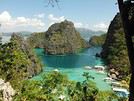
Cet investisseur envisage développer aux Philippines, dans les endroits touristiques les plus connus ( Lac Taal, Bohol, Port Barton, etc....) des " parcs de Bahay kubos".
Il s'agirait de lieux un peu comparables à des terrains de camping, où les backpackers pourraient louer à la journée des " kubos" composés d' une chambre et d' un salon, le tout en bambou. Des toilettes, douches et cuisine communes seraient également disponibles. L'avantage de cette formule serait soin prix extrêmement réduit..
Questions :
1) cette formule pourrait-elle intéresser les backpackers?
2) Quels équipements et infrastructures seraient souhaités?
3) Quel serait le coût de location/ jour idéal?
4) Quels endroits seraient les plus propices à l'édification de ces parcs?
Merci de faire part librement de vos commentaires!
j
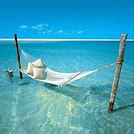
Pour moi, il y a déjà des chambres pas cheres et des petits bungalows comme ceux dont ut parle dans tous les coins touristiques des philippines. Il y a beaucoup de backpackers qui y voyagent, mais je vois pas trop en quoi ton projet est diféérent de ce qui existe déjà.. Des fois ce ne sont pas des bungalows individuels, mais des cchambres dans un batiment principal, mais au final c'est ce qu'on cherche, c'est une chambre simple, un lit et un fan, une SDB ou pas (mais ca peut être en commun dans un autre batiment, ca permet de faire plus de bungalows, plus petits et moins chers.) une petite mini terasses avec mini table basse et deux chaises style sous un porche parce qu'on a pas envie de rester dedans, et un hamac c'est toujours un gros plus.
1) cette formule pourrait-elle intéresser les backpackers?
Oui bien sur.
2) Quels équipements et infrastructures seraient souhaités?
Wifi gratuit c'est toujours un plus. Laundry. Petit déj inclus (simple en mode buffet fruits, confiture, pain et café ou thé, c'est pas trop de boulot.)
mais au final c'est ce qu'on cherche, c'est une chambre simple, un lit et un fan, une SDB ou pas (mais ca peut être en commun dans un autre batiment, ca permet de faire plus de bungalows, plus petits et moins chers.) une petite mini terasses avec mini table basse et deux chaises style sous un porche parce qu'on a pas envie de rester dedans, et un hamac c'est toujours un gros plus.
3) Quel serait le coût de location/ jour idéal?
Si ta cabane est un peu roots, avec les petit plus répondus a la question 2, je dirais entre 300 et 500 ce serait nickel, par chambre.
Tu peux faire aussi des prix longues durées, semaine ou mois, mais à négocier avant.
4) Quels endroits seraient les plus propices à l'édification de ces parcs?
la standardisation d' une chaîne, à l' américaine, est discutable, mais en tous cas, je suggère que les réceptions desdits maillons soient dotées d' un bon coffre-fort où les guests trouveront la safety pour passeport et CBs, ce qui amènera les backpackers prudents
oui on peut discuter le principe. Mais d' un autre côté, c'est l'assurance de savoir exactement ce qu' on va trouver, partout de façon identique. Et une fois le concept rôdé, l' idée est de franchiser à des entrepreneurs locaux, avec une stricte supervision de la qualité.
Comme ce qui a déjà été dit, chambre à 10 E max, fan, sdb en commun, wifi, ça me paraît être une bonne base.
Ensuite on pourrait ajouter une cuisine commune car c'est un bon moyen d'économiser sur la nourriture. Une machine à laver serait un plus avec séchage sur fil à linge.
salut !!!!!entierement d, accord avec les autres, tout est dit, max 500p pour la location du bungalow en bambou simple, avec hamac indispensable sur la terrace, et une moustiquaire (car a ce prix pas d'air con)la location de canoes ou pirogues en bois(plus joli et originale, )et bien sur velos voir motobikes(mais pas trop non plus!!) une cuisine comune est une super idee en general les voyageurs adorent, j, ai d'ailleur sejourne dans quelques endroits au phills ou on pouvais cuisiner, cest le top, poissons bbq etc....!!!!!!!!!!!!!!
voila j'arrive aux phills le 20 mars, vivement!!!!!!!!!!!!!!!j'aimerais aussi avoir un ptit "resort" la-bas....😎
hum, tout ca c est bien jolie
mais juste pour info
tu va le long de la cote bicoe
tu trouve des plages avec bungalow equipe de toilette et eau pour te laver pour un prix modeste de 500 ou 600 pesos jour
enfin bref juste pour te dire que ton projet est sympa mais deja bien repandu ici pour un prix modeste
sachant qu apres juillet tu regarde les mouche volees pendant 6 a 7 mois
oui mais le concept est légèrement différent, et en finale, l' investisseur semble s' orienter vers un autre projet, l' implantation de pistes de luge d'été sur des surfaces accidentées peu propices à tout autre usage....
NB. Si le projet avait pris corps, le coût/nuit aurait été de 350 pesos.
Bonjour à tous ;
J'ai voyagé la plupart du temps sac à dos dans beaucoup de pays , les gros problèmes des Philippines , il manque d' hôtels à bas prix style auberges espagnoles mais surtout les prix des visas renouvelables sont très élevés pour un backpacker ...Vous allez voir vers Bali , Indonésie , Malaisie , Thaïlande , Cambodge , Laos, tout est bien moins cher que les Phils , le plus pour les Philippines , c'est l'accueil et le sourire de la population ....
Bonsoir
Comme cela a été dit, cela existe déjà !
Toutes les plages que je connais disposent de resort avec la possibilité d'y dormir pour pas cher !
soit dans des bungalows en bambou, soit on peut s'installer où l'on veut sur la plage, dans une tente !
soit l'on vient avec sa propre tente, soit on en loue une !
Dormir est alors très économique si on opte pour la tente ou très touristique si on opte pour un bungalow en bord de mer.
L'idée d'une chaine est une fausse bonne idée.
Les Philippins aiment les chaines et retrouver le même nom partout.
Mais cela signifie haut de gamme !
Ce qui aurait pu être faisable (trop tard à priori) c'est de développer une chaine de resorts.
L'investissement serait de plusieurs millions d'euros !
Et il faut voir s'il y a encore des beaux terrains en bord de mer !?!
Or investir des millions et louer pas cher, ce n'est pas un modèle économique viable !
L'idée serait donc de regrouper plusieurs personnes qui ont la même idée.
D'acheter chacun un terrain pour 500.000 pesos maxi. D'y construire des bungalows économiques.
De choisir un nom commun.
Ce ne sera pas en bord de mer ou avec une vue superbe mais des terrains peuvent se trouver à ce prix et être pas trop mal placés !
Ensuite la pub peut être partagée puisque tout le monde en bénéficie.
Le commerce et la franchise c'était mon métier en France. Il faut savoir qu'il y a des contraintes et qu'une uniformité est nécessaire afin que le client identifie immédiatement le concept, en terme de prix, de confort, de prestations…
Voilà j'espère avoir contribué. L'idée pourrait m'intéresser.
Mais vous savez que pour acheter, il faut que la moitié appartienne à votre épouse Philippine ?
350 pesos est un bon budget car à 600 pesos on trouve des hôtels confortables avec clim (dolores hotel)
Luge d'été je vois pas ?
pourquoi ne développe-t-il pas les 2 ?
Il suffit d'être 3 ou 4 avec la même idée, un investissement de 2 ou 3 millions de pesos et c'est parti !
Moi je développe sur Mindanao !
Salut,
A mon avis, seul une infrastructure faisant "la différence" aura du succès.
Que veulent basiquement les gens ? DU SOLIDE, ET PAS DES PROMESSES
-Un minimum de confort, et pas des lits pourris ou des bungalows branlants.
-Hygiène et propreté
-Sécurité et environement relaxant
-Accueil et service si possible professionnel, ou tout au moins, sérieux et fiable.
-Cadre et nouriture agréables
-WiFi gratuit
-Prix abordables et possibilités de formules: bungalows pour familles ou individuels /ac ou fan / frigo / eau chaude
-Terrasses ou jardin avec chaises, table, hammak
-Un site Internet avec pleins d'explications utiles et de nombreuses GRANDES photos
Ne surtout pas faire la même erreur que les Thais qui confondent le bénéfice et le chiffre d'affaire en menant la belle vie sans ne jamais réinvestir pour améliorer et entretenir leur outil de travail et en ignorent également le concept de fidélisation de leurs clientelle.
L'hôtellerie, c'est un métier qui ne s'improvise pas. Soit on connais, soit il faut bien s'entourer et savoir déléguer.
ok enfin a mon avis 2 ou 3 milion de pesos dans laregion bicol tu peu construire 150 bungalow et acheter le terrain necessaire sans etre forcement en un seul et unique endroit
toutefois pour creer une societe aux philippines il te faut une femme ou un prete nom en general si tu te dirige vers la chambre des commerce francaise a manille il te dirige pour tout cela ou si tu le souhaite il prenne en main avec un avocat sur place en etroite collaboration ton projet
ensuite pour acheter un terrain tu dois obligatoirement creer une societe immbiliere dans laquelle tu aura aussi l obligation d avoir une femme philippine ou un prete nom, cette societe ensuite louera le a terrain a ta deuxiemme societe qui elle n aura qu a commercialiser le produit
c est la meileur solution, si tu projete cette idee et que tu l a concretise
j ai des terrains aux philippines region bicol moi ou autre proprio philippins avec title ou acte de vente absolute
il te faut apres l achat du terrain en generale ici faire appel a un acessor pour enregistrer le title au nom de ta societe et donner une parfaite inscription du lieu et de payer les taxes au BIR
je l'avais dit mais c'est bien de le rappeler !
Il faut également préciser que cela peut être un enfant !
Quand on a été refroidi par la gente féminine (comme beaucoup qui ont décidé de tout plaquer pour s'installer aux Philippines), la précision est importante !
Une femme change beaucoup le jour où elle a 50% de votre fortune ! Y compris une charmante Filipina…
Par contre je ne connais pas l'âge minimum, je demanderai ça à un avocat lors de mon prochain séjour en juillet !
Si l'enfant doit être adulte, ça bloque pas mal… je n'ai pas encore rencontré un seul frenchy qui avait un enfant adulte de nationalité Philippine ;-)
aux philippines pour etre proprio il faut avoir 18 ans, attention beaucoup de femme aux philippines sont celibataires avec enfants, si elles ont un ou plusieurs enfants, verifier auparavant si elles sont mariees et separees car ensuite le divorce n existe pas aux phillippines , cela reste possible avec une tres tres longue attente et des justificatifs et preuvent, pour annuler le mariage et non pas divorce ou avec un avocat qui s occupe de tout..............
concernant la propriete d une societe a 50% ou d un terrain, le plus simple garder les papiers avec vous, car les originaux sont requis pour toute vente
d autre part (copier/coller)
Enfants légitimes et / ou descendants sont les héritiers primaire obligatoire. En vertu des règles de la Cour, une succession peut être confiée par règlement extrajudiciaire, d'un commun accord entre les héritiers. Cette méthode exige que le défunt n'a laissé aucune volonté et pas de dettes, et que tous les héritiers sont d'âge légal de 18 ans (bien que les mineurs ne peuvent être représentés par des représentants judiciaires ou juridiques)
aussi acheter des terrain avec la famille de votre amie ou epouse filipine reste la mailleur solution
mais attention
verifier que tous les documents sont valides ( taxes payees et a jour, aucune hypotheque construction de route prevue par l etat, ) demander copie du tittle au city hall
car tres souvent aux philippines les familles sont proprietaires de terrains sans papier et ne paye aucune taxe
si vous construisez sur ces terrains sachez que du jour au lendemain vous pouvez tout perdre
soit par la saisie des terres par le gouvernemet soit separation avec votre amie ou epouse, et dans ce cas la famille revendique toujours la propriete du terrain et toutes les construction qui ont eu lieu dessus ( pour recupere le tout)
BON COURAGE
Merci pour ces précisions…
D'une part tu es optimiste en disant qu'il faut (pas le choix…) acheter avec sa copine Philippine (mariée ou pas), ça on le lit partout, c'est ainsi !
Je trouve que c'est un frein au développement mais bon, c'est un autre débat !
ils devraient appliquer la réciprocité comme dans d'autres pays d'Asie !
Si un Philippin peut acheter dans ton pays, tu peux acheter dans le sien !
Bref…
Et d'autre part tu es pessimiste (réaliste ? en parlant de séparation !
Pour ma part j'ai trop vu de séparations, y compris d'avec des filipinas ! Et en général ça se passe mal ! tout va bien quand on s'aime…
Pour le divorce, il n'est pas légal mais il y a une procédure d'annulation qui est extremement longue… ou pas ! Mais il faut payer (100.000 pesos de mémoire, un ami va le faire bientôt).
Donc si on se sépare, on perd 50% du terrain ? Et pratiquement tout ce qu'il y a dessus ? Celui qui fait venir un container avec 50.000 € de marchandises, il perd tout ? gloups !
Sinon, il me semble que l'accession à la propriété est possible en condominium ! Mais on perd le charme d'un terrain et de son potager… ;-)
s i tu relis mes messages precedent en ce qui me concerne je te propose de passer par ccf a manille qui te fournisse les bons avocats et qui trouve des prete nom tu est proteger
pour le divorce c est la vie et dans tous les pays du monde
la reicprocite je n en connais pas beaucoup en asie
et tu perd tout si tu n as pa pris tes precaution en verifiant si le terrain a tous les papiers, si tu fait les choses normalemet tu as peu de chance d avoir des probleme
une annulation en mariage non franchement cela ne coute pas si cher
entre 10 et 30 000 pesos 400 a 500 euro, la duree certain avocats font tout disparaitre en une semaine ou deux, pas de juge ni de temoin
tu ne perd pas cinquante pour cent du terrain tu peu changer les papiers avec ton avocat ou tu fait signer un document sans date au moment de l achat
ensuite separation du corps ne veux pas dire obligatorement separation de bien
la filipine elle ne peu pas vendre si facilement une societe surtout si tu as les papiers evce toi
une fois de plus je le repete
prendre un avocat de preference avec la cci francaise
tu paye mais tu as une protection totale
oui j'avais bien lu ce message…
mais je pensais qu'un prête-nom serait en fait un partenaire
là il s'agit donc de clairement contourner la loi ?
Le prête-nom existe-t-il ? A-t-il des droits sur la propriété (je suppose que non, il ne doit même pas savoir qu'elle existe) !
y'a-t-il des contrôles ?
pour les terrains que j'ai trouvé (sur sulit), il est toujours indiqué "clean title". De toute façon, passage chez un avocat obligé !
Merci pour ton expérience, ça sent le vécu…
tu es aux Phil en ce moment ?
Hello everyone! I’m heading off solo in February and wanted to share my rough itinerary with you. Does this sound doable?
PS: I’m not really into beaches.
D1 Departure on February 17, 2027
D2 Arrival in Kuala Lumpur – stroll through Chinatown and visit the Petronas Towers
D3: Kuala Lumpur – Chow Kit Market, Batu Caves, Little India, Bukit Bintang downtown area
D4: Early morning bus to Malacca. Explore Malacca in the afternoon and evening
D5: Another 2–3 hours in Malacca in the morning, then bus back to Kuala Lumpur. Merdeka Square area. Stay in Chinatown
D6: Bus trip to Kuala Tahan. Night tour
D7: Morning – canopy walk and Bukit Terisek hike. Afternoon – off to Lata Berkoh
D8 & D9: 2-day jungle trek in Taman Negara National Park
D10: Head to Cameron Highlands
D11: Morning hike through the plantations. Afternoon still to be decided
D12: Morning – excursion to Mossy Forest and Sungei Plantation. Afternoon bus to Ipoh
D13: Morning – Mirror Lake / Sam Poh Temple area. Afternoon – explore downtown Ipoh
D14: Morning train to Penang. Afternoon – wander around Georgetown
D15: Morning – Penang Hill and Keh Loh Temple. Afternoon – Georgetown
D16: Bus to Butterfly Garden and Spice Garden. Late afternoon – Burmese and Thai temples
D17: Morning flight to Singapore. Afternoon – Chinatown and Marina Bay tour
D18: Morning – Gardens by the Bay area. Afternoon – Boat Quay, Clarke Quay, Kampong Glam
D19: Morning – The Ridges area and Botanical Garden. Afternoon – Little India, then back to Chinatown before 11:15 PM return flight
D20: Morning arrival
Hi everyone,
I’ll be in western Malaysia for 20 days in January and February.
I’m coming from southern Thailand to Ipoh for the Thaipusam festivities.
Then it’s off to Pangkor Island.
I’ll finish up in Malacca for the Chinese New Year celebrations before heading to Singapore.
I’ve got a 6-day gap.
I was thinking of going to K.Lipis for the jungle train and heading to Dabong, but the caves might not be open.
Any suggestions around K.L.?
Day treks?
A stopover between K.L. and Malacca?
Thanks
Hi, I’ve read that these two volcanoes are super popular and that there are *tons* of people for sunrise, especially in July. I’m looking for firsthand accounts from anyone who’s done it later, around 9–10 a.m.
Thanks for your help!
Laëtitia
I’m heading to Cambodia at the end of December 2026 – January 2027 for 3-4 weeks. Since I’ve already visited Cambodia twice, my itinerary is a bit different this time—I’d love to explore Botum Sakor Park, Chi Pat, the Tatai region, and the Cardamom Mountains. I’m traveling solo. If you have any tips on transportation, excursions, treks, sights, or accommodations in the area, I’d really appreciate it. Thanks for your feedback!
Has anyone traveled with the Laos travel agency ADV ?
I’m planning a trip to Laos and have received several quotes. Among them, this agency’s seem very reasonable, and so far, the interactions have been positive.
I’ve found a few positive reviews online, but I’d love to hear from travelers who’ve actually booked with them: how’s the organization, guide quality, accommodations, on-the-ground responsiveness, etc.
Thanks for sharing your experiences!
First stop on our discovery of the peninsula: Amphawa. It’s our first night in Thailand (we arrived at Suvarnabhumi at 8:50 AM).
Our initial plan was to explore the area before heading further south. The Mae Klong Railway Market is tempting... but what else is there to do????
We’ll be there on a Wednesday, and from what I’ve read on the forum, some say there’s absolutely nothing to do during the week—no floating market, barely any shops open, no restaurants, etc.
Others, though, say the place is actually more charming without the weekend crowds.
Could you share your thoughts? Missing the floating market is one thing, but if it’s really a ghost town on Wednesdays, I might just drop our bags somewhere else.
Amphawa seemed like a good first stop, just 1.5 hours from the airport, but I’d still like to settle somewhere a bit lively for our first evening.
We’ll be there at the end of October.
Thanks!
Hi,
I wanted to visit the plantations in the morning with GetYourGuide or by just showing up.
How much time should I really plan for?
I’d like to catch either the 3 PM or 5 PM bus back to KL.
Thanks
Hi,
I wanted to get some info about the cable car and the bridge—I see lots of different options...
How much time should we allow for these two activities? If we arrive around 4 PM, will we have enough time to visit without rushing?
Thanks
Hi there,
I didn’t plan to return to Thailand this year, but my health conditions mean it’ll be the best place for me to stay between two trips to India. The tourism setup there is so well-organized that it’s the most "comfortable" country for a short visit. Thailand feels too sanitized for my taste, and there’s too much religion, Buddha, and the King, but it’s still the best option given how my health has been evolving. I’d considered two weeks in ThaTon for hiking, but I got too sick from the burn-offs during my trips to the mountains around Chiang Rai. So I’m not sure where to go this year. Definitely not the sea, touristy spots, or the mountains with burn-offs...
Hi,
On September 1st, we're heading to Kalimantan for six weeks, probably from Pontianak to the Derawan Islands.
I've scoured this site, which is usually my go-to 😉, and others like VoyageForum, but recent info is pretty scarce.
I'd love any tips on places you've visited—our itinerary is still a work in progress.
We're two couples traveling with backpacks, using buses, boats, guesthouses, and homestays.
Thanks in advance!
Hi fellow travelers,
First trip to Vietnam.
We’ll be arriving in Ho Chi Minh City during Tet.
Is it complicated to find accommodation and get around during this period?
Any tips would be welcome.
Thanks for your replies.
Hi! I’d like to split my trip into two parts: 15 days in Phuket and 15 days in Krabi. Do you know if I can rent a car and drop it off in Krabi when I fly back to France?
Thanks for your feedback!
Have a great Sunday!
Martine
Hello,
After 1 night in Khao Sok, I’d like to find a 2 Days 1 Night package on the lake.
After reading a lot, I decided to "break the bank" and treat ourselves to a private tour—mainly to avoid the crowds.
But after contacting several operators, they offer "private tours" that are very expensive (around 700 €), yet in the details, the boats can only leave from the pier at 10 AM like everyone else. (I was hoping to leave much earlier.) The morning program is the same for everyone too (private or not). They drop us off at noon at our floating hotel (I’d chosen Phupha Waree). Free afternoon (swimming or kayaking in front of the hotel). We head back by boat for a 1-hour sunset ride. And the next morning, we leave the hotel at 8 AM to be at the pier by 9:30 AM at the latest—end of the trip.
So basically, we’re paying a lot for a private tour just to do the same thing as everyone else at the same time.
Or maybe I just had bad luck in my search.
I contacted Panida Ladi, who’s very popular on forums. We’d agreed on a private tour that matched my request (departure from the pier at 8 AM, very personalized itinerary). We settled on the itinerary and price, she asked for a Wise transfer for a 30% deposit, confirmed receipt of the deposit. Then 30 minutes later, she messaged me to say she was canceling everything because it was impossible to do the requested tour—and promised a quick refund of my deposit.
So here’s my question: Who’s done a *real* private tour on this lake? Who can recommend a reliable agency? Is it even really possible to do a private tour here?
I’m searching for a real gem for my 3rd stay in Koh Lanta: a lovely, high-quality hotel right by an easily accessible beach in a lively spot.
If you know of anything that fits what I’m looking for and want to share, don’t hesitate!
Hi, is anyone there in Flores right now? According to some websites, everything is closed and the situation is tough. But our guide says it's fine. Who should we believe? We're supposed to leave on September 2nd. Thanks to anyone in Flores at the moment!
Hi dear community,
I'm planning to visit Cambodia this winter, right after Christmas, for my first solo trip and my first trip to Asia. For two weeks (yes, I know it's short, but I really can't do more...). I have two main desires: Siem Reap and the countryside, the villages, the Mekong...
What do you think of this itinerary? Arrival in Siem Reap, departure from Phnom Penh.
SR: 5 days (1 day for arrival, 3 for the temples, 1 for the lake and its villages)
Kratie (stop on the way to Mondolkiri): 3 days (1 day of travel, 2 days there)
Mondolkiri/Sen Monorom: 4 days (1 day of travel, 1 day there, 2 days of treks)
PP: 3 days (1 day of travel, 2 days of sightseeing)
I think I need to cut one day somewhere if I travel from Saturday to Saturday or Sunday to Sunday. In Kratie, maybe? Or in PP? And I'll miss the boat trip that everyone recommends (SR-Battambang), but I don't see where to fit it in. Unless I do a PP-PP loop starting in the east, skip Kratie or just stay one night, then SR, then PP.
In my timing, Mondolkiri seems closer than Ratanakiri, which also tempted me a lot! Will it be too complicated alone? I'm thinking of using local guides or a small local agency for a nature and village getaway.
I've read that Siem Reap is very crowded between Christmas and New Year's. I could also do the circuit in the opposite direction. But I thought it would be easier to get familiar with the country by arriving in a touristy area—I might be wrong...
Thanks for your advice and opinions!
Hi everyone.
I’m planning my trip, and based on all the posts I’ve read, this country is amazing.
Of course, I’ve got a ton of questions for you.
Here’s a possible itinerary: Vientiane - Vang Vieng - Phonsavan - Sam Neua - Nong Khiaw + villages - Phongsali - Luang Namtha and the area - Udomxai - Huay Xai - Luang Prabang and back to Vientiane.
What do you think?
We’re planning to prioritize local transport—is it possible to do this loop?
We’d also love to go kayaking, but I’m not sure if the season’s right or where the best spot is.
For trekking—I read that Phongsali is the most authentic spot to visit villages and see wildlife. Do you know of a reliable agency and a guesthouse with reasonable prices?
Is it worth taking a slow boat for a stretch on the Mekong, and if so, which route?
For accommodations, is it better to book through Booking.com and Agoda or look when we arrive?
Are mosquitoes bad in Laos, and should we take malaria prophylaxis?
What’s the average daily budget (accommodation, food, visits)?
Is renting scooters a good option for exploring towns, and if so, which ones?
From what I’ve read, it’s best to carry cash—euros or dollars? Is it risky to walk around with that much cash?
I’ve still got tons of questions. Thanks to anyone who can help, and I’m open to all tips, info, etc.
Thanks again
Hi there,
I’m planning a family trip (my wife and I, both 47, and our two sons, aged 5 and 12) to Malaysia for the last week of June and the first two weeks of July 2027.
We used to love road trips as a couple, then as a trio, but since our second child arrived, we’ve taken a break with "camping village" style trips.
Now feels like the right time to get back to our old habits, while adjusting the pace for the kids.
We’re craving Asia. We’ve been lucky enough to visit Thailand, Indonesia (Bali and Lombok), and Sri Lanka before.
Friends have raved about Malaysia, so we’re definitely tempted.
For those who know and love Malaysia, what would be a good itinerary starting from Kuala Lumpur, with a maximum of 3-4 stops? We’d like a mix of culture, nature, and relaxation (just to clarify, we’re not big beach fans). All of this without rushing, of course.
Hello,
We’re a family of four with two teens aged 16 and 18. We’re heading to Thailand this summer. We’ll arrive in Bangkok and plan to take a flight to Luang Prabang.
I’ve seen there are some great visits and excursions to do (temples, markets, waterfalls) and maybe even venture a bit north to places like Nong Khiaw, Muang Xay, Muang Ngoy, or Oudom Xay.
But I’ve also heard about the Bokeo region with the Gibbon Experience.
Since we won’t be able to do everything, I’d love to hear about your experiences, impressions, and advice on the two options I’m considering, especially since we’ll be meeting family in Chiang Mai, Thailand, afterward.
Option 1: A loop from Luang Prabang heading slightly north, then a flight from Luang Prabang to Chiang Mai.
Option 2: A few days in Luang Prabang, exploring within a few dozen kilometers around, then heading to Bokeo province for the 2-day/1-night Gibbon Experience. For this option, I saw on Rome2Rio that it’s possible to book a ferry trip on the Mekong from Luang Prabang to Huay Xay—they mention about 8 hours. But is that realistic? What type of boat is it?
Then, to get to Chiang Mai, there aren’t many options—bus or minivan—but how does crossing the border work?
Finally, for those of you who’ve been to Laos in August, what was the weather like?
We’ve already visited Thailand, Vietnam, and Cambodia during the same period over the past four years and weren’t really bothered by bad weather.
I’m starting a discussion about guides in the Mekong Delta because we’ve just finished our trip in this region and had a hard time finding a French-speaking guide. We had Thanh—she speaks French really well and travels all over the delta region, including Ho Chi Minh City. She’s super friendly and flexible. I recommend her wholeheartedly. If it can help someone...
Feel free to contact us for her number.
Hi everyone,
I couldn’t find any recent info on Kuching.
Can anyone recommend a hotel or guesthouse for under 100 RM that’s nice and affordable? No dorms, please.
Also, does it rain a lot in November, and is it still worth visiting Semenggoh or Bako?
We’ll be arriving in Phnom Penh this coming January and we’re thinking of starting our trip with a stop in Kampong Cham, then Kratie.
After Kratie, we’re considering heading toward Siem Reap with a stop in Kampong Thom.
That said, I’m not really sure how long the Kratie–Kampong Thom journey might take or how complicated it is.
Does this stop on the way to Siem Reap seem like a good idea to you?
If we don’t visit the Sambor Prei Kuk site, are there still any walks or sights worth checking out in Kampong Thom?
Silly question—backpack or hard-shell suitcase for the Sepilok, Kinabatangan, Tioman, KL trip?
I’m struggling to fit all my son’s and my stuff into the 70L backpack... and I’m thinking a suitcase would be easier, but I’m not sure if it’ll work for getting around.
After a stay on Koh Phayam this coming November, I’d like to spend 2 or 3 days on Koh Phra Thong before heading further south.
Do you think it’s doable to leave Koh Phayam early enough to catch the 10 AM boat from Khura Buri to Koh Phra Thong? The next one isn’t until 4 PM, which would cost me a whole day.
I’m planning a trip to Indonesia, specifically Sulawesi and Java, in September for 10 days.
I don’t know this part of the world at all—any advice is welcome!
I’ll be traveling solo and would also love tips on meeting other travelers or locals.
Hello everyone,
Not long ago, I used to travel as a couple, but my husband has since passed away, and I’ve decided to set off again. The trip I took to Cambodia in January 2025 did me a world of good.
I’m now considering Thailand, a destination we never included in our plans because even 15 years ago, people said it was too touristy. Still, I’m thinking about the itinerary below, but I don’t feel up to arranging buses, trains, or guides on my own while I’m there. I’m looking for one or more drivers and have been in touch with an agency, but their offers are just copy-paste group tours that I don’t want.
So, if you have any contacts, experiences, or advice, I’d be so grateful if you’d share them with me. Here’s my rough plan:
Arrival in Bangkok
Ayutthaya (2 nights)
Kanchanaburi (2 or 3 nights)
Sangkhlaburi/Sai Yok (3 nights)
Sukhothai (2 nights)
Lampang (I’ve planned 3 nights, but that might be a bit much—it depends on what time I arrive in the city)
Chiang Mai
Chiang Dao
Pai
Chiang Rai
I was thinking about the Mae Hong Son loop—thoughts?
What do you think about staying overnight at the Golden Triangle?
When I look online, of course, I can find agencies that organize tours to national parks, etc.
I’m retired but in great physical shape. I’d rather go hiking than sit in hot springs with crowds of tourists who’ve all arranged meet-ups. I don’t want to spend a day at an elephant camp, and I don’t want to visit Karen villages.
I’d love to hear your advice.
Thank you all,
Hi everyone,
Could you share your thoughts on my 3-week itinerary?
We’re a small group (family + friends) of 12 people, planning to leave around January 21, 2027.
Here’s my itinerary:
3 nights in Bangkok
4 nights in Chiang Mai
3 nights on Koh Samui
3 nights on Koh Phangan
4 nights in Krabi
4 nights in Phuket
I’m also open to any great tips you might have...
Thanks, everyone! Alain.
Hi there,
We’re planning a 3-week family trip next summer with our three kids, who’ll be 8, 8, and 7 years old.
After some research, we’re leaning toward Malaysia to combine nature/forests and paradise beaches. The idea is to introduce our kids to the country’s culture, nature, and wildlife.
We want a great trip but without splurging on luxury options like high-end lodges and resorts. We’re looking for comfort with a touch of authenticity—basically, a good middle ground.
I’ve started putting together an itinerary and would love your expert advice and tips to help us build this amazing trip with our little ones.
Day 1: Departure from France
Day 2: Kuala Lumpur
Stay at a hotel near the airport or KL Sentral.
Just one night.
Day 3: Morning flight to Sandakan (Borneo).
Stay in Sepilok
Day 4: Sepilok:
* Orangutan Center
* Malayan Sun Bear Center
* Rainforest Discovery Centre
Day 5: Depart for Kinabatangan.
Boat safari in the late afternoon.
Day 6: Sunrise safari.
Jungle walk.
Evening safari.
Day 7: Final safari.
Return to Sandakan.
Flight to Kuala Lumpur, then to Kota Bharu (or overnight transit depending on schedules).
Day 8: Transfer to the port.
Boat to the Perhentian Islands.
Days 9 to 13: Perhentian Besar
5 full days.
* Snorkeling
* Hiking
* Turtle watching
* Wild beaches
* Relaxation
Day 14: Return to the mainland.
Bus or private car to Taman Negara.