hi,
We’d like to visit the main sites in northern and central Ethiopia, but we’re reading very different things about the security situation there.
Is it safe for tourists to travel there right now? I guess it’s a bit safer with an organized tour, but we don’t want to push our luck.
Thanks in advance for your feedback.
East and Southern Africa
South Africa, Angola,
Ascension, Botswana, Burundi
Djibouti, Eritrea, Ethiopia
Kenya, Lesotho, Malawi, Mozambique, Namibia, Uganda, Rwanda, Somalia, Sudan, South Sudan, Eswatini, Tanzania, Zambia and Zimbabwe
Showing 151–177 of 177 discussions in English.
Hello forum,
We’re a family of 4 adults (2 grown daughters) planning our first trip to South Africa for 3 weeks in August 2025, traveling independently. I’ve been drawing inspiration from several posts on the forum. I’d like to book our flight tickets and nights in Kruger Park as soon as possible since that’s the most urgent part to finalize, if I understood correctly.
Here’s a first draft of our itinerary (with lots of unknowns about what there’ll be to see/do in Eswatini, Lesotho, Durban, etc.—I feel like the Lesotho leg involves a lot of driving).
I’d really appreciate input from the experts to help us craft a great trip. Thanks in advance!
Day 1
Departure from Paris Day 2
Morning Early arrival in Johannesburg Pick up rental car Groceries Afternoon Sightseeing Night in AirBNB near Johannesburg (1/1) Day 3
Morning Drive to Blyde River Canyon (500 km - 6h30) Afternoon Visit the canyon Night in AirBNB near Blyde River Canyon (1/1) Day 4
Morning Drive to central Kruger (200 km - 3h30) Night in Rest Camp (1/2) Day 5
Night in Rest Camp (2/2) Day 6
Morning Drive to southern Kruger (150 km - 3h) Night in Rest Camp (1/3) Day 7
Night in Rest Camp (2/3) Day 8
Night in Rest Camp (3/3) Day 9
Morning Drive to Mbabane (Eswatini) (250 km - 4h) Night in AirBNB or other (1/1) Day 10
Morning Drive to Maputaland (300 km - 4h) Afternoon Swimming (hippos and crocs?) Night in AirBNB or other (1/1) Day 11
Morning Drive to Hluhluwe-Umfolozi (130 km - 2h) Night in Rest Camp (1/2) Day 12
Night in Rest Camp (2/2) Day 13
Morning Drive to Durban (250 km - 3h) Night in AirBNB (1/1) Day 14
Morning First half of drive to Lesotho (225 km - 4h) Night in AirBNB or other (1/1) Day 15
Morning Second half of drive to Lesotho (225 km - 4h) Night in AirBNB or other (1/1) Day 16
Morning First half of drive to Drakensberg (250 km - 4h) Night in AirBNB or other (1/1) Day 17
Morning Second half of drive to Drakensberg (250 km - 4h) Night in AirBNB or other (1/2) Day 18
Night in AirBNB or other (2/2) Day 19
Morning Drive to Johannesburg (300 km - 4h) Night in AirBNB (1/2) Day 20
Night in AirBNB (2/2) Day 21
Morning Departure in early afternoon Day 22
Arrival in Paris
We’re a family of 4 adults (2 grown daughters) planning our first trip to South Africa for 3 weeks in August 2025, traveling independently. I’ve been drawing inspiration from several posts on the forum. I’d like to book our flight tickets and nights in Kruger Park as soon as possible since that’s the most urgent part to finalize, if I understood correctly.
Here’s a first draft of our itinerary (with lots of unknowns about what there’ll be to see/do in Eswatini, Lesotho, Durban, etc.—I feel like the Lesotho leg involves a lot of driving).
I’d really appreciate input from the experts to help us craft a great trip. Thanks in advance!
Day 1
Departure from Paris Day 2
Morning Early arrival in Johannesburg Pick up rental car Groceries Afternoon Sightseeing Night in AirBNB near Johannesburg (1/1) Day 3
Morning Drive to Blyde River Canyon (500 km - 6h30) Afternoon Visit the canyon Night in AirBNB near Blyde River Canyon (1/1) Day 4
Morning Drive to central Kruger (200 km - 3h30) Night in Rest Camp (1/2) Day 5
Night in Rest Camp (2/2) Day 6
Morning Drive to southern Kruger (150 km - 3h) Night in Rest Camp (1/3) Day 7
Night in Rest Camp (2/3) Day 8
Night in Rest Camp (3/3) Day 9
Morning Drive to Mbabane (Eswatini) (250 km - 4h) Night in AirBNB or other (1/1) Day 10
Morning Drive to Maputaland (300 km - 4h) Afternoon Swimming (hippos and crocs?) Night in AirBNB or other (1/1) Day 11
Morning Drive to Hluhluwe-Umfolozi (130 km - 2h) Night in Rest Camp (1/2) Day 12
Night in Rest Camp (2/2) Day 13
Morning Drive to Durban (250 km - 3h) Night in AirBNB (1/1) Day 14
Morning First half of drive to Lesotho (225 km - 4h) Night in AirBNB or other (1/1) Day 15
Morning Second half of drive to Lesotho (225 km - 4h) Night in AirBNB or other (1/1) Day 16
Morning First half of drive to Drakensberg (250 km - 4h) Night in AirBNB or other (1/1) Day 17
Morning Second half of drive to Drakensberg (250 km - 4h) Night in AirBNB or other (1/2) Day 18
Night in AirBNB or other (2/2) Day 19
Morning Drive to Johannesburg (300 km - 4h) Night in AirBNB (1/2) Day 20
Night in AirBNB (2/2) Day 21
Morning Departure in early afternoon Day 22
Arrival in Paris

hi, I’m planning to rent a satellite phone starting from Johannesburg for our three-week trip through South Africa and Mozambique. I’ve found two rental companies and was wondering if anyone has used them in South Africa for this kind of service?
They’re SAT 4 RENT and RENT A SAT. RENT A SAT is the cheaper option but only includes 10 minutes of satellite communication—after that, it’s $1.99 USD per additional minute.
Thanks for any feedback you can share!
They’re SAT 4 RENT and RENT A SAT. RENT A SAT is the cheaper option but only includes 10 minutes of satellite communication—after that, it’s $1.99 USD per additional minute.
Thanks for any feedback you can share!
Hi everyone,
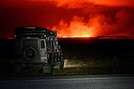
Here’s a recap of our self-drive trip in Tanzania.
Tanzania is a stunning country, but it’s changing fast, which means that any self-drive info you gather in advance might be outdated by the time you travel.
Still, here’s some info for future self-drivers.
The vehicle: After lots of research, thinking, and calculations, we had our 4x4 with roof tents shipped from South Africa through our rental company of two years, Safari4x4Hire. The price for 31 days came to $247.00 per day. That’s cheaper than some Tanzanian rental companies (Shawsafaris: $380.00 per day, total with 18% tax) and just a little more expensive than others (Tanzanian Pionners), but with the guarantee of having a well-maintained and reliable vehicle. You can check out the discussion I started: here
Traffic: The speed limit is 80 km/h on roads and 50 km/h in villages. Watch out—there are lots of police checks at village entrances (speed radar). In villages and towns, also be careful with minibuses, which are everywhere and stop and start without signaling. As for paved roads, most are in good condition, and many tracks are brand new or being renovated (the Chinese are in the area!).
Campsites: It’s very easy to find a spot in Tanzanian campsites (few self-drivers), so no need to book in advance (we were often alone in campsites outside the parks). Inside the parks, it’s easy to book public campsites at the gates. With roof tents, the downside is that sites are usually designed for travelers with ground tents, but we always found space for our vehicle. Another downside is making a fire—it’s nearly impossible to find wood (Tanzanians don’t usually make fires for cooking or ambiance). Campsite prices outside the parks range from $5.00 to $15.00 (price with 18% tax). I’ll list the prices for campsites inside the parks below.
Food: There are very few supermarkets in Tanzania, and prices can be steep if you’re not careful (European brands). For fruits and vegetables, you can easily find roadside vendors. For other groceries, you can shop at supermarkets (Dar es Salaam, Arusha). In Arusha, there’s a brand-new Shoppers Supermarket—clean and well-stocked—and for meat, don’t hesitate to visit the Meat King butcher. It’s also often possible to eat well at campsites with restaurants for around $10.00 (price with 18% tax).
Some other info: 1. At gas stations, you almost always pay in cash, usually in Tanzanian shillings.
2. Park entries, campsites, and Ngorongoro are paid with a card (Visa, etc.) directly at the gates. Exception: Selous, where you need a permit in advance (we didn’t have one when we arrived at the north gate, but we were still able to enter thanks to the kindness of the gate attendant).
3. Watch out—some regions outside the parks have a tax: the Wildlife Management Fee. Payment is a bit unclear: - For Lake Chala, we paid at the gate in cash. - For Lake Natron, you can’t pay at the gate—we had to arrange it with the campsite. - For the area between Tarangire Gate and Lake Burungi (to reach a campsite), you can’t pass the gate without paying in Arusha first.
4. For divers, you can do amazing dives in Pangani with Kasa Divers.
Park entry and campsite prices in July/August 2018:
Saadani National Park:
Park entry per person: $30 + 18% (for 24 hours)
Park entry for vehicle (under 2000 kg): $40 + 18% (for 24 hours)
Night at Public Campsite per person: $30 + 18%
Arusha National Park:
Park entry per person: $45 + 18% (for 24 hours)
Park entry for vehicle (under 2000 kg): $40 + 18% (for 24 hours)
We slept outside the park.
Serengeti National Park:
Park entry per person: $60 + 18% (for 24 hours)
Park entry for vehicle (under 2000 kg): $40 + 18% (for 24 hours)
Night at Public Campsite per person: $30 + 18%
We couldn’t get a night in a Special Campsite.
Ngorongoro Conservation Area:
Park entry per person: $60 + 18% (for 24 hours)
Park entry for vehicle (under 2000 kg): $40 + 18% (for 24 hours)
Night at Public Campsite per person: $30 + 18%
Night at Special Campsite per person: $60 + 18%
Descent into the crater for vehicle: $250 + 18% (you don’t need a guide to go into the crater).
Tarangire National Park:
Park entry per person: $45 + 18% (for 24 hours)
Park entry for vehicle (under 2000 kg): $40 + 18% (for 24 hours)
Night at Public Campsite per person: $30 + 18%
Ruaha National Park:
Park entry per person: $30 + 18% (for 24 hours)
Park entry for vehicle (under 2000 kg): $40 + 18% (for 24 hours)
Night at Public Campsite per person: $30 + 18%
Selous Game Reserve:
Park entry per person: $75 + 18% (for 24 hours)
Park entry for vehicle (under 2000 kg): $50 + 18% (for 24 hours)
Night at public campsite per person: $30 + 18% (You don’t need a guide to visit Selous, but a GPS with the Tracks4Africa map is essential—there are lots of tracks).
Conclusion: We loved the northern parks, but they’re really crowded, especially with safari vehicles (though that does make it easier to spot wildlife—just follow the cars). Still, we preferred the southern parks—they’re wilder, less crowded, and almost no safari vehicles. In the campsites, you can often find yourself alone (just how we like it 😏!). But both north and south have amazing wildlife and friendly people!
If you’re interested in more info about Tanzania, I’d be happy to help.
Here’s a recap of our self-drive trip in Tanzania.
Tanzania is a stunning country, but it’s changing fast, which means that any self-drive info you gather in advance might be outdated by the time you travel.
Still, here’s some info for future self-drivers.
The vehicle: After lots of research, thinking, and calculations, we had our 4x4 with roof tents shipped from South Africa through our rental company of two years, Safari4x4Hire. The price for 31 days came to $247.00 per day. That’s cheaper than some Tanzanian rental companies (Shawsafaris: $380.00 per day, total with 18% tax) and just a little more expensive than others (Tanzanian Pionners), but with the guarantee of having a well-maintained and reliable vehicle. You can check out the discussion I started: here
Traffic: The speed limit is 80 km/h on roads and 50 km/h in villages. Watch out—there are lots of police checks at village entrances (speed radar). In villages and towns, also be careful with minibuses, which are everywhere and stop and start without signaling. As for paved roads, most are in good condition, and many tracks are brand new or being renovated (the Chinese are in the area!).
Campsites: It’s very easy to find a spot in Tanzanian campsites (few self-drivers), so no need to book in advance (we were often alone in campsites outside the parks). Inside the parks, it’s easy to book public campsites at the gates. With roof tents, the downside is that sites are usually designed for travelers with ground tents, but we always found space for our vehicle. Another downside is making a fire—it’s nearly impossible to find wood (Tanzanians don’t usually make fires for cooking or ambiance). Campsite prices outside the parks range from $5.00 to $15.00 (price with 18% tax). I’ll list the prices for campsites inside the parks below.
Food: There are very few supermarkets in Tanzania, and prices can be steep if you’re not careful (European brands). For fruits and vegetables, you can easily find roadside vendors. For other groceries, you can shop at supermarkets (Dar es Salaam, Arusha). In Arusha, there’s a brand-new Shoppers Supermarket—clean and well-stocked—and for meat, don’t hesitate to visit the Meat King butcher. It’s also often possible to eat well at campsites with restaurants for around $10.00 (price with 18% tax).
Some other info: 1. At gas stations, you almost always pay in cash, usually in Tanzanian shillings.
2. Park entries, campsites, and Ngorongoro are paid with a card (Visa, etc.) directly at the gates. Exception: Selous, where you need a permit in advance (we didn’t have one when we arrived at the north gate, but we were still able to enter thanks to the kindness of the gate attendant).
3. Watch out—some regions outside the parks have a tax: the Wildlife Management Fee. Payment is a bit unclear: - For Lake Chala, we paid at the gate in cash. - For Lake Natron, you can’t pay at the gate—we had to arrange it with the campsite. - For the area between Tarangire Gate and Lake Burungi (to reach a campsite), you can’t pass the gate without paying in Arusha first.
4. For divers, you can do amazing dives in Pangani with Kasa Divers.
Park entry and campsite prices in July/August 2018:
Saadani National Park:
Park entry per person: $30 + 18% (for 24 hours)
Park entry for vehicle (under 2000 kg): $40 + 18% (for 24 hours)
Night at Public Campsite per person: $30 + 18%
Arusha National Park:
Park entry per person: $45 + 18% (for 24 hours)
Park entry for vehicle (under 2000 kg): $40 + 18% (for 24 hours)
We slept outside the park.
Serengeti National Park:
Park entry per person: $60 + 18% (for 24 hours)
Park entry for vehicle (under 2000 kg): $40 + 18% (for 24 hours)
Night at Public Campsite per person: $30 + 18%
We couldn’t get a night in a Special Campsite.
Ngorongoro Conservation Area:
Park entry per person: $60 + 18% (for 24 hours)
Park entry for vehicle (under 2000 kg): $40 + 18% (for 24 hours)
Night at Public Campsite per person: $30 + 18%
Night at Special Campsite per person: $60 + 18%
Descent into the crater for vehicle: $250 + 18% (you don’t need a guide to go into the crater).
Tarangire National Park:
Park entry per person: $45 + 18% (for 24 hours)
Park entry for vehicle (under 2000 kg): $40 + 18% (for 24 hours)
Night at Public Campsite per person: $30 + 18%
Ruaha National Park:
Park entry per person: $30 + 18% (for 24 hours)
Park entry for vehicle (under 2000 kg): $40 + 18% (for 24 hours)
Night at Public Campsite per person: $30 + 18%
Selous Game Reserve:
Park entry per person: $75 + 18% (for 24 hours)
Park entry for vehicle (under 2000 kg): $50 + 18% (for 24 hours)
Night at public campsite per person: $30 + 18% (You don’t need a guide to visit Selous, but a GPS with the Tracks4Africa map is essential—there are lots of tracks).
Conclusion: We loved the northern parks, but they’re really crowded, especially with safari vehicles (though that does make it easier to spot wildlife—just follow the cars). Still, we preferred the southern parks—they’re wilder, less crowded, and almost no safari vehicles. In the campsites, you can often find yourself alone (just how we like it 😏!). But both north and south have amazing wildlife and friendly people!
If you’re interested in more info about Tanzania, I’d be happy to help.
Hi everyone, has anyone been to Shingwezi Camp in the northern part of Kruger Park? I read on the SanParks website that the drive from Phalaborwa Gate to Shingwezi Camp takes 12 hours🤯. Can anyone confirm this? When I check Google Maps, it shows a 5-hour trip?? Thanks for your replies 😅

Hello everyone,
I’m in the planning stages for a trip to Botswana in October 2025.
This will be an extension of my trip to Namibia in January 2025.
Of course, I have a lot of questions!
First one: For day trips visiting Botswana’s parks in a self-drive setup, do I need accommodation *inside* the parks? Is it possible to visit them on a day-trip basis, like in Kruger Park or Etosha?
Thanks in advance for your answers! Have a great day!
First one: For day trips visiting Botswana’s parks in a self-drive setup, do I need accommodation *inside* the parks? Is it possible to visit them on a day-trip basis, like in Kruger Park or Etosha?
Thanks in advance for your answers! Have a great day!
Hi there,
We’re heading to South Africa for 17 days at the end of July/beginning of August with our two kids.
We’re planning 4 days in the Drakensberg: 2 days at Royal Natal and two more to do the Sani Pass (but going through a local agency at Sani Lodge).
We’ve rented a Toyota Corolla. Is that enough?
Also, do you have any suggestions for accommodations in the area? Or other ideas for those 4 days?
Thanks so much for your tips!
Happy holidays! !
Hi everyone,
I’m planning to do the Sesriem–Etosha trip via Windhoek in a single day.
I know... it’s really long...
I plan to leave early in the morning... before 8 a.m. at any rate...
I know the Sesriem–Windhoek stretch via Solitaire is entirely on dirt roads...
What do you think?
Have a great day
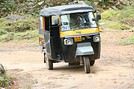
Hi there, we’re planning a trip to Namibia this summer and we’d love to know if it’s possible to get around without our own vehicle? Thanks.
Hello,
Namibia in April for 11 days from the 10th to the 21st with 2 adults and 3 (our son from the 16th to the 21st). We’re looking to combine 2 short circuits for this brief stay. Should we book a vehicle and accommodation through an agency?
We’re used to traveling independently, but we’re hesitant about Namibia! Any recommendations for vehicle rental sites? And agencies?
We’re planning two short circuits—partly with accommodation and partly with camping. Thanks for sharing your experience!
We’re flying from Cape Town to Windhoek on the 10th and returning on the 21st or 22nd. Marie
We’re used to traveling independently, but we’re hesitant about Namibia! Any recommendations for vehicle rental sites? And agencies?
We’re planning two short circuits—partly with accommodation and partly with camping. Thanks for sharing your experience!
We’re flying from Cape Town to Windhoek on the 10th and returning on the 21st or 22nd. Marie
Hi there, we're traveling in April with our 4-year-old child. We'll be spending a few days in Clarens and would then like to visit Hluhluwe. We don’t want to drive more than 3–4 hours a day, and the driving time is estimated at nearly 7 hours. Do you have any suggestions for a stopover and an Airbnb or guest house (safe town, nature) between Clarens and Hluhluwe where we could spend the afternoon and leave the next day, as well as a safe route? Thanks so much!

Hi there,
I’m sharing my itinerary for your expert eyes and feedback.
Quick question: Is it worth cutting a few nights to visit Epupa Falls?
Would it be interesting to stop by Aus before Sesriem? Thanks everyone!
Day 1: Windhoek Day 2: Mariental Day 3: Sesriem Day 4: Sesriem Day 5: Gecko Camp Day 6: Walvis Bay / Swakopmund Day 7: Walvis Bay / Swakopmund Day 8: Spitzkoppe Day 9: Twyfelfontein Day 10: Twyfelfontein Day 11: Grootberg Day 12: Grootberg Day 13: Etosha West Day 14: Etosha West Day 15: Etosha East Day 16: Etosha East Day 17: Weaver’s Rock Guest Farm (CCF & Waterberg, rhinos) Day 18: Weaver’s Rock Guest Farm Day 19: Okonjima Day 20: Windhoek – evening departure
Day 1: Windhoek Day 2: Mariental Day 3: Sesriem Day 4: Sesriem Day 5: Gecko Camp Day 6: Walvis Bay / Swakopmund Day 7: Walvis Bay / Swakopmund Day 8: Spitzkoppe Day 9: Twyfelfontein Day 10: Twyfelfontein Day 11: Grootberg Day 12: Grootberg Day 13: Etosha West Day 14: Etosha West Day 15: Etosha East Day 16: Etosha East Day 17: Weaver’s Rock Guest Farm (CCF & Waterberg, rhinos) Day 18: Weaver’s Rock Guest Farm Day 19: Okonjima Day 20: Windhoek – evening departure

Hi everyone,
I’m reaching out today to gather some great tips for the second part of our trip to South Africa, which will take place from 03/21 to 04/11. We don’t want to rush too much either. We’ll start in Cape Town (tickets already booked) since it seems like a good time to visit this region—except for the whales in Hermanus, which we won’t be seeing. Oh, and I almost forgot, we’re renting a car for both legs of the trip for more freedom.
The first part is planned like this:
- 03/21: Arrival in Cape Town, staying until 03/24 - 03/25: Visit to the Cape, including a stop in Simon’s Town - 2 nights in Stellenbosch from 03/26 to 03/28 - 3 nights in Knysna to explore the area from 03/28 to 03/31 - 03/31: Flight from Port Elizabeth to Durban, where we’ll spend one night in Umhlanga
After that, I’m a bit lost 🙂. Next, I was thinking of doing:
2 nights in St. Lucia 2 nights in Eswatini 4 nights in Kruger Park (2 nights in Skukuza and 2 nights in Balule to visit a private reserve) 1 night at Blyde Canyon 1 night somewhere to get closer to Johannesburg (Graskop?) since we’ll need to return the car by around 11:00 AM on 04/11.
So, does the second part make sense or not? I’ve done quite a bit of research, but I’m still a little lost . We can’t wait to be there, and your valuable advice would be very welcome. Thanks so much in advance, and have a great day! Luis
The first part is planned like this:
- 03/21: Arrival in Cape Town, staying until 03/24 - 03/25: Visit to the Cape, including a stop in Simon’s Town - 2 nights in Stellenbosch from 03/26 to 03/28 - 3 nights in Knysna to explore the area from 03/28 to 03/31 - 03/31: Flight from Port Elizabeth to Durban, where we’ll spend one night in Umhlanga
After that, I’m a bit lost 🙂. Next, I was thinking of doing:
2 nights in St. Lucia 2 nights in Eswatini 4 nights in Kruger Park (2 nights in Skukuza and 2 nights in Balule to visit a private reserve) 1 night at Blyde Canyon 1 night somewhere to get closer to Johannesburg (Graskop?) since we’ll need to return the car by around 11:00 AM on 04/11.
So, does the second part make sense or not? I’ve done quite a bit of research, but I’m still a little lost . We can’t wait to be there, and your valuable advice would be very welcome. Thanks so much in advance, and have a great day! Luis
Hello,
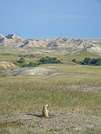
Happy 2025, filled with wonderful travels! 🙂
We’re traveling as a family to South Africa for the first time in July (two parents and our four young adult children). We’ve planned a loop starting from Port Elizabeth for 13 days, followed by another loop from Johannesburg with 2 days at Blyde River Canyon and 5 days in Kruger NP.
We’re wondering about the Port Elizabeth loop. Here’s our initial idea: Day 1: Early arrival in Port Elizabeth, morning walk in Tsitsikamma NP, night at Storm River Rest Camp. Day 2: Continue visiting Tsitsikamma NP early in the morning, then Robberg Nature Reserve, night at Ebb and Flow Rest Camp. Day 3: Visit the Wilderness area, night at Ebb and Flow Rest Camp. Day 4: Drive to Hermanus. Several options: Bontebok NP or The Hoop and Cape Agulhas; night in Hermanus. Day 5: Coastal trail, boat trip (?), night in Cape Town. Day 6: Table Mountain, Bo-Kaap, Waterfront; night in Cape Town. Day 7: Cape Peninsula, night in Cape Town. Day 8: Karoo Desert National Botanical Garden, Matjiesfontein; night in the area. Day 9: AM: Karoo NP; night in Beaufort West. Day 10: Karoo NP; night in Beaufort West. Day 11: AM: Camdeboo NP; night in Graaff-Reinet. Day 12: Morning: Camdeboo NP; drive to Addo Elephant NP; visit depending on arrival time; night at Addo Elephant Rest Camp. Day 13: Addo Elephant NP; night in Port Elizabeth. Day 14: Early flight.
Does this seem balanced and suitable for July? It’s quite packed, but we’ve already had to skip quite a bit. Initially, would it be better to spend 2 nights in Tsitsikamma and just one in Wilderness? Or just one night at each to free up a day for something else?
For the car, is a minivan enough, or should we plan at least an SUV for the parks given the season?
Thanks in advance for your feedback. Have a great evening
Happy 2025, filled with wonderful travels! 🙂
We’re traveling as a family to South Africa for the first time in July (two parents and our four young adult children). We’ve planned a loop starting from Port Elizabeth for 13 days, followed by another loop from Johannesburg with 2 days at Blyde River Canyon and 5 days in Kruger NP.
We’re wondering about the Port Elizabeth loop. Here’s our initial idea: Day 1: Early arrival in Port Elizabeth, morning walk in Tsitsikamma NP, night at Storm River Rest Camp. Day 2: Continue visiting Tsitsikamma NP early in the morning, then Robberg Nature Reserve, night at Ebb and Flow Rest Camp. Day 3: Visit the Wilderness area, night at Ebb and Flow Rest Camp. Day 4: Drive to Hermanus. Several options: Bontebok NP or The Hoop and Cape Agulhas; night in Hermanus. Day 5: Coastal trail, boat trip (?), night in Cape Town. Day 6: Table Mountain, Bo-Kaap, Waterfront; night in Cape Town. Day 7: Cape Peninsula, night in Cape Town. Day 8: Karoo Desert National Botanical Garden, Matjiesfontein; night in the area. Day 9: AM: Karoo NP; night in Beaufort West. Day 10: Karoo NP; night in Beaufort West. Day 11: AM: Camdeboo NP; night in Graaff-Reinet. Day 12: Morning: Camdeboo NP; drive to Addo Elephant NP; visit depending on arrival time; night at Addo Elephant Rest Camp. Day 13: Addo Elephant NP; night in Port Elizabeth. Day 14: Early flight.
Does this seem balanced and suitable for July? It’s quite packed, but we’ve already had to skip quite a bit. Initially, would it be better to spend 2 nights in Tsitsikamma and just one in Wilderness? Or just one night at each to free up a day for something else?
For the car, is a minivan enough, or should we plan at least an SUV for the parks given the season?
Thanks in advance for your feedback. Have a great evening
Hi there!
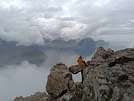
I’m planning a self-drive trip to Tanzania (either September or October).
This route won’t include any of the usual parks you hear about everywhere (too expensive, too crowded, too touristy).
The idea is to explore Tanzania more for its landscapes, beaches, and hiking. A little wildlife spotting, sure, but that’s not the main goal.
Here’s the itinerary I’m considering:
(Arrival and departure from Kilimanjaro Airport)
Night 1: Southern gate of Arusha NP
Night 2: Northern gate of Arusha NP
Night 3: Enduimet
Night 4: Same (near the gates of Mkomazi NP)
Night 5: Mkomazi NP
Night 6: Mkomazi NP
Nights 7-8-9: Pangani or Tanga
Nights 10-11-12: Usambara Mountains
Nights 13-14: Foothills of Kilimanjaro
I can’t find much info about Enduimet at all.
So if anyone has any details about this place...
All your ideas, tips, and suggestions for the rest of the route are welcome too!
Thanks! :)
I’m planning a self-drive trip to Tanzania (either September or October).
This route won’t include any of the usual parks you hear about everywhere (too expensive, too crowded, too touristy).
The idea is to explore Tanzania more for its landscapes, beaches, and hiking. A little wildlife spotting, sure, but that’s not the main goal.
Here’s the itinerary I’m considering:
(Arrival and departure from Kilimanjaro Airport)
Night 1: Southern gate of Arusha NP
Night 2: Northern gate of Arusha NP
Night 3: Enduimet
Night 4: Same (near the gates of Mkomazi NP)
Night 5: Mkomazi NP
Night 6: Mkomazi NP
Nights 7-8-9: Pangani or Tanga
Nights 10-11-12: Usambara Mountains
Nights 13-14: Foothills of Kilimanjaro
I can’t find much info about Enduimet at all.
So if anyone has any details about this place...
All your ideas, tips, and suggestions for the rest of the route are welcome too!
Thanks! :)

Hi there,
My partner and I are planning a 3.5-week trip to Mozambique (plus Kruger Park) starting at the end of July. After reading your great tips in various posts, we’ve put together the itinerary below. We’d love your feedback: did we miss a must-see spot, are we spending too little/too much time in one place, or is the whole thing too ambitious? :)
D1: Maputo, rent a car, drive to Kruger Park D2: Kruger Park D3: Kruger Park D4: Kruger Park D5: Drive back to Maputo, drop off car, flight to Tofo/Inhambane D6: Tofo/Inhambane D7: Tofo/Inhambane D8: Transfer to Vilankulo (+ 291 km) D9: Vilankulo - Bazaruto Archipelago D10: Vilankulo - Bazaruto Archipelago D11: Trip to Beira by chapas (+ 534 km) D12: Flight to Nampula (check which day!) D13: Nampula D14: Trip to Mozambique Island (+ 181 km) - visit the island D15: Mozambique Island D16: Trip to Pemba (+ 408 km) D17: Pemba - diving D18: Drive to Quisanga (114 km), then trip to Ibo D19: Ibo D20: Trip back to Pemba D21: Return from Pemba to Maputo - visit Maputo D22: Visit Maputo D23: Return flight
Thanks in advance!
My partner and I are planning a 3.5-week trip to Mozambique (plus Kruger Park) starting at the end of July. After reading your great tips in various posts, we’ve put together the itinerary below. We’d love your feedback: did we miss a must-see spot, are we spending too little/too much time in one place, or is the whole thing too ambitious? :)
D1: Maputo, rent a car, drive to Kruger Park D2: Kruger Park D3: Kruger Park D4: Kruger Park D5: Drive back to Maputo, drop off car, flight to Tofo/Inhambane D6: Tofo/Inhambane D7: Tofo/Inhambane D8: Transfer to Vilankulo (+ 291 km) D9: Vilankulo - Bazaruto Archipelago D10: Vilankulo - Bazaruto Archipelago D11: Trip to Beira by chapas (+ 534 km) D12: Flight to Nampula (check which day!) D13: Nampula D14: Trip to Mozambique Island (+ 181 km) - visit the island D15: Mozambique Island D16: Trip to Pemba (+ 408 km) D17: Pemba - diving D18: Drive to Quisanga (114 km), then trip to Ibo D19: Ibo D20: Trip back to Pemba D21: Return from Pemba to Maputo - visit Maputo D22: Visit Maputo D23: Return flight
Thanks in advance!
hi everyone,
we’re a young couple planning a safari in Tanzania in 2026.
We can’t wait to discover the beauty of the Ngorongoro Crater in Serengeti National Park and so many other places.
Is it safe to travel in Tanzania, and what precautions should we take?
Has anyone used the services of Kiwoito Africa Safaris before? Is it a reliable company?
Your personal experiences and tips are welcome—thanks for your help
before? Is it a reliable company?
Your personal experiences and tips are welcome—thanks for your help
before? Is it a reliable company?
Your personal experiences and tips are welcome—thanks for your help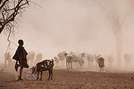
Back from two weeks in Karamoja, northeastern Uganda, from Moroto to Kidepo Valley National Park.
A few notes from a few months ago for those who might be interested and whom this area wouldn’t leave indifferent. And rightly so.
First, about access to the region: There have been huge improvements to the infrastructure lately. Although not yet finished, the roadworks have made a big difference, and it’ll be even quicker to get there soon. Currently, allow 8 hours. First from Kampala to Mbale, then from Mbale to Moroto via Soroti. The Jinja to Mbale section is under construction, so that slows things down—count 3.5 to 4 hours from Kampala if there aren’t too many traffic jams on the way out or back. From Mbale to Moroto via Soroti, allow another 4 hours, with only a few kilometers of good dirt road left now that the tarmac is being laid. In a few months, it’ll be done, maybe even sooner.
You can do it in two legs with an overnight in Mbale itself or at Sipi Falls, or go direct. In Mbale, stay at Nurali’s if you really want to keep costs down—also a great spot for Indian food. The vibe is nostalgic, like stepping back in time with granny’s oilcloth table cover (if your granny were Indian). Otherwise, Wash and Wills has a nice pool and a view of the mountains across the way. Lovely garden.
For those who don’t mind driving on dirt roads when it hasn’t rained too much, or who aren’t afraid of taking longer, I’d still recommend going via Nakapiripirit from Mbale. It’s longer, more tiring, and tougher (and if it rains a lot, it can be a real hassle), but wow, is it ever more beautiful. Your call.
Once you arrive in Karamoja, it’s time to enjoy the region you’ve taken the time to reach. So many people only go for Kidepo—what a shame, since the area has so much more to offer. The people are incredibly friendly, and the local culture is so diverse and fascinating.
In Moroto, accommodation options are multiplying like loaves and fishes. At Tita’s, the Karatunga campsite, and of course the institution, Mount Moroto Hotel, which feels a bit stuck in time but is where you’ll find a bit of Moroto’s history. In short, something for every taste and budget. The same goes for meals—you can eat for 5,000 UGX (1.25 €) in local spots or 25,000 UGX (6 €) at the fancier places in town. No risk of going broke here.
Same in Kaabong. From a sleepy little town, it’s slowly but surely moving toward a gentle, steady kind of modernity. There are hotels and guesthouses like Kaabong Resort, which I’d recommend. Forget the name and the appearances—ignore the "Resort" part that’s just there to lure you in. In the end, it’s a cozy little place where you’ll hear both local radio and Madonna’s greatest hits (from the late ‘90s). The staff are welcoming and attentive. They really want to make you happy, and it shows. Here too, you can eat for 5,000 UGX in the village or 15,000–20,000 UGX at the hotels.
Between Moroto and Kaabong, stop in Kotido—more new developments there too. And more guesthouses and restaurants with very reasonable prices. La Maison is a spot that, for the more Francophone among us, will feel like a little taste of France. But Kotido is really worth it for the Karamoja region’s biggest livestock market, held on Wednesdays. Colors, noise, smells—so much joy in being there, right in the middle of all that energy pulsing with the pastoral life of Karamoja. Not a single herder will refuse a photo, proudly sporting the "Karamojong package": a vibrant piece of fabric, a military jacket harking back to the Karamojong’s glorious fighting days, an ostrich-feather hat (or a Guangzhou knockoff), a walking stick, and the dual-purpose stool (for sitting or resting your head, used vertically or horizontally depending on how tired you are and how much local beer you’ve had).
In Moroto, take the local tracks—either across the plains or along the Mount Moroto range. The area is mostly pastoral, with manyattas seeking protection not just from raiders (now rare) but also from grazing animals. On the tracks along the mountains, you’ll cross a few small streams and see some camps for gold prospectors or marble cutters, as well as other geological wonders that are putting pressure on the area from unscrupulous investors. You can also follow the tracks into the valleys to discover the Tepeth villages—more agricultural, more remote, surrounded by unexpected greenery.
KaraTunga can help you explore all this. It’s a local agency I haven’t used myself, but they can provide guides and offer services like mountain hikes or manyatta visits...
A few notes from a few months ago for those who might be interested and whom this area wouldn’t leave indifferent. And rightly so.
First, about access to the region: There have been huge improvements to the infrastructure lately. Although not yet finished, the roadworks have made a big difference, and it’ll be even quicker to get there soon. Currently, allow 8 hours. First from Kampala to Mbale, then from Mbale to Moroto via Soroti. The Jinja to Mbale section is under construction, so that slows things down—count 3.5 to 4 hours from Kampala if there aren’t too many traffic jams on the way out or back. From Mbale to Moroto via Soroti, allow another 4 hours, with only a few kilometers of good dirt road left now that the tarmac is being laid. In a few months, it’ll be done, maybe even sooner.
You can do it in two legs with an overnight in Mbale itself or at Sipi Falls, or go direct. In Mbale, stay at Nurali’s if you really want to keep costs down—also a great spot for Indian food. The vibe is nostalgic, like stepping back in time with granny’s oilcloth table cover (if your granny were Indian). Otherwise, Wash and Wills has a nice pool and a view of the mountains across the way. Lovely garden.
For those who don’t mind driving on dirt roads when it hasn’t rained too much, or who aren’t afraid of taking longer, I’d still recommend going via Nakapiripirit from Mbale. It’s longer, more tiring, and tougher (and if it rains a lot, it can be a real hassle), but wow, is it ever more beautiful. Your call.
Once you arrive in Karamoja, it’s time to enjoy the region you’ve taken the time to reach. So many people only go for Kidepo—what a shame, since the area has so much more to offer. The people are incredibly friendly, and the local culture is so diverse and fascinating.
In Moroto, accommodation options are multiplying like loaves and fishes. At Tita’s, the Karatunga campsite, and of course the institution, Mount Moroto Hotel, which feels a bit stuck in time but is where you’ll find a bit of Moroto’s history. In short, something for every taste and budget. The same goes for meals—you can eat for 5,000 UGX (1.25 €) in local spots or 25,000 UGX (6 €) at the fancier places in town. No risk of going broke here.
Same in Kaabong. From a sleepy little town, it’s slowly but surely moving toward a gentle, steady kind of modernity. There are hotels and guesthouses like Kaabong Resort, which I’d recommend. Forget the name and the appearances—ignore the "Resort" part that’s just there to lure you in. In the end, it’s a cozy little place where you’ll hear both local radio and Madonna’s greatest hits (from the late ‘90s). The staff are welcoming and attentive. They really want to make you happy, and it shows. Here too, you can eat for 5,000 UGX in the village or 15,000–20,000 UGX at the hotels.
Between Moroto and Kaabong, stop in Kotido—more new developments there too. And more guesthouses and restaurants with very reasonable prices. La Maison is a spot that, for the more Francophone among us, will feel like a little taste of France. But Kotido is really worth it for the Karamoja region’s biggest livestock market, held on Wednesdays. Colors, noise, smells—so much joy in being there, right in the middle of all that energy pulsing with the pastoral life of Karamoja. Not a single herder will refuse a photo, proudly sporting the "Karamojong package": a vibrant piece of fabric, a military jacket harking back to the Karamojong’s glorious fighting days, an ostrich-feather hat (or a Guangzhou knockoff), a walking stick, and the dual-purpose stool (for sitting or resting your head, used vertically or horizontally depending on how tired you are and how much local beer you’ve had).
In Moroto, take the local tracks—either across the plains or along the Mount Moroto range. The area is mostly pastoral, with manyattas seeking protection not just from raiders (now rare) but also from grazing animals. On the tracks along the mountains, you’ll cross a few small streams and see some camps for gold prospectors or marble cutters, as well as other geological wonders that are putting pressure on the area from unscrupulous investors. You can also follow the tracks into the valleys to discover the Tepeth villages—more agricultural, more remote, surrounded by unexpected greenery.
KaraTunga can help you explore all this. It’s a local agency I haven’t used myself, but they can provide guides and offer services like mountain hikes or manyatta visits...
hi everyone, we’re just back from 4 weeks in Mozambique. If you need any info—even though the situation’s getting more and more chaotic—just ask!

Hi there, we're planning a trip to Southern Africa with a tour operator next January, and during this journey, we'll have two free half-days in Cape Town.
Would anyone have the contact details for a French-speaking guide who could show us around during these free times?
Thanks so much for your suggestions.
Have a great day.
Christine
Hello,
I’m taking advantage of the forum reopening to ask this question:
For her 70th birthday, my mom will receive—as a gift—a trip to South Africa at the end of May 2025. We’ll arrive and depart (13 nights later) from JNB on Air France AF990/AF995. We’ll obviously rent a car for certain parts of the trip. I’ve been to the Cape Town area and as far as Agulhas twice, but she’s never been to South Africa before. She might enjoy a day or two of safari, but it’s not a priority for her. I’m well aware that trying to pack in too much is risky, which is why I’m looking for your advice on itineraries, safety, and health (status of the Marburg virus). So far, which combinations of these visits (in no particular order) would be doable and most enjoyable for her at a reasonable pace:
1-day excursion to Pilanesberg Park (+ Hartbeespoort on the way back if possible), self-drive or with a tour guide? 2 nights around the Panorama Route self-driving Garden Route from/to George/PLZ for 5 nights (what are the must-sees for a first-timer with so little time?) Wine region for 2 nights (is it worth doing both the Stellenbosch bus tour and the Franschhoek Wine Tram the next day, or vice versa)—she loves good wine! Cape Town for 2 nights (is it worth stopping at the Cape of Good Hope if—only if—you’ve maybe already been to Agulhas?).
This would give a final itinerary like this:
Day 1: Morning arrival in JNB—rest day/to be defined Day 2: Guided game drive excursion to Pilanesberg Park Day 3: Flight JNB–Port Elizabeth, pick up rental car, drive to Tsitsikamma Day 4–6: Garden Route: activities to be defined Day 7: Transfer to Franschhoek: Wine Tram in the afternoon Day 8: Taxi to Stellenbosch for the Vine Hopper bus tour Day 9–11: Transfer to Cape Town: activities to be defined Day 12: Flight from Cape Town to Hoedspruit or Nelspruit Day 13: Visit the Panorama Route Day 14: Flight from Hoedspruit or Nelspruit to JNB, then evening flight back to France
Given the time spent on the Garden Route, what are the must-sees? Same question for the Panorama Route? In general, she prefers beautiful walks with incredible landscapes/views and cultural visits over big cats, but it would be a shame not to see some local wildlife like meerkats, whales (I doubt it in May), or penguins during her stay! There you go—feel free to critique (not too harshly, though😛)/advise/improve. Thanks in advance! 🙂
For her 70th birthday, my mom will receive—as a gift—a trip to South Africa at the end of May 2025. We’ll arrive and depart (13 nights later) from JNB on Air France AF990/AF995. We’ll obviously rent a car for certain parts of the trip. I’ve been to the Cape Town area and as far as Agulhas twice, but she’s never been to South Africa before. She might enjoy a day or two of safari, but it’s not a priority for her. I’m well aware that trying to pack in too much is risky, which is why I’m looking for your advice on itineraries, safety, and health (status of the Marburg virus). So far, which combinations of these visits (in no particular order) would be doable and most enjoyable for her at a reasonable pace:
1-day excursion to Pilanesberg Park (+ Hartbeespoort on the way back if possible), self-drive or with a tour guide? 2 nights around the Panorama Route self-driving Garden Route from/to George/PLZ for 5 nights (what are the must-sees for a first-timer with so little time?) Wine region for 2 nights (is it worth doing both the Stellenbosch bus tour and the Franschhoek Wine Tram the next day, or vice versa)—she loves good wine! Cape Town for 2 nights (is it worth stopping at the Cape of Good Hope if—only if—you’ve maybe already been to Agulhas?).
This would give a final itinerary like this:
Day 1: Morning arrival in JNB—rest day/to be defined Day 2: Guided game drive excursion to Pilanesberg Park Day 3: Flight JNB–Port Elizabeth, pick up rental car, drive to Tsitsikamma Day 4–6: Garden Route: activities to be defined Day 7: Transfer to Franschhoek: Wine Tram in the afternoon Day 8: Taxi to Stellenbosch for the Vine Hopper bus tour Day 9–11: Transfer to Cape Town: activities to be defined Day 12: Flight from Cape Town to Hoedspruit or Nelspruit Day 13: Visit the Panorama Route Day 14: Flight from Hoedspruit or Nelspruit to JNB, then evening flight back to France
Given the time spent on the Garden Route, what are the must-sees? Same question for the Panorama Route? In general, she prefers beautiful walks with incredible landscapes/views and cultural visits over big cats, but it would be a shame not to see some local wildlife like meerkats, whales (I doubt it in May), or penguins during her stay! There you go—feel free to critique (not too harshly, though😛)/advise/improve. Thanks in advance! 🙂

Hi there,
I know this question has been discussed many times before, but I’d love to hear recent opinions (post-COVID crisis) about tourist safety in South Africa. My husband is offering me the chance to take a self-drive trip in South Africa in July 2025. It’s a dream of mine—we’ve never been to Africa before, but we’ve regularly driven on the left side of the road before ;-) I’ve already booked the hotels and a rental car for a 3-week family trip (my husband and our 19-year-old son). But after talking to some acquaintances, I’ve been warned about the risks of carjacking, theft, scams by fake police, and even kidnapping… basically, a pretty apocalyptic picture of the region!!! I’ve already carefully read the recommendations from embassies and foreign affairs offices. Our itinerary would start at Johannesburg Airport with a rental car, sticking to main roads and avoiding night driving. First stop: Blyde River Canyon (exploring the area), then heading to Kruger National Park (one week), entering through the Numbi or Phabeni Gate and exiting via Crocodile Bridge to reach Eswatini (stopping at Mlilwane Sanctuary) before continuing to St. Lucia (a few days there). From St. Lucia, we’ll go to Durban to catch a flight to Cape Town. There, we’ll spend a few days with a rental car in the Camps Bay area. What do you think? I know there’s no such thing as zero risk (you could even fall out of bed!), but I don’t want to spend the whole trip on edge, constantly worried about being attacked or putting my family in danger. During vacations, we take a lot of photos—I know we shouldn’t flaunt valuables, but photography is a big part of our trips… Should we postpone this trip to a "quieter" time? If you can shed some light, I’d really appreciate it—I’m feeling a bit lost…
I know this question has been discussed many times before, but I’d love to hear recent opinions (post-COVID crisis) about tourist safety in South Africa. My husband is offering me the chance to take a self-drive trip in South Africa in July 2025. It’s a dream of mine—we’ve never been to Africa before, but we’ve regularly driven on the left side of the road before ;-) I’ve already booked the hotels and a rental car for a 3-week family trip (my husband and our 19-year-old son). But after talking to some acquaintances, I’ve been warned about the risks of carjacking, theft, scams by fake police, and even kidnapping… basically, a pretty apocalyptic picture of the region!!! I’ve already carefully read the recommendations from embassies and foreign affairs offices. Our itinerary would start at Johannesburg Airport with a rental car, sticking to main roads and avoiding night driving. First stop: Blyde River Canyon (exploring the area), then heading to Kruger National Park (one week), entering through the Numbi or Phabeni Gate and exiting via Crocodile Bridge to reach Eswatini (stopping at Mlilwane Sanctuary) before continuing to St. Lucia (a few days there). From St. Lucia, we’ll go to Durban to catch a flight to Cape Town. There, we’ll spend a few days with a rental car in the Camps Bay area. What do you think? I know there’s no such thing as zero risk (you could even fall out of bed!), but I don’t want to spend the whole trip on edge, constantly worried about being attacked or putting my family in danger. During vacations, we take a lot of photos—I know we shouldn’t flaunt valuables, but photography is a big part of our trips… Should we postpone this trip to a "quieter" time? If you can shed some light, I’d really appreciate it—I’m feeling a bit lost…

Hi there,
It’s been 3 years since I was last there, so I don’t have any recent references. Apparently, the French Canal+ subscription—and MyCanal—won’t work in Rwanda 😡 (whereas in Germany, Italy, the Netherlands, and I think—but not sure—in Kenya or Tanzania, there’s no issue 🤪).
I’ll be there during the 12th and 13th matchdays of the championship, but I have no idea where in the city (and especially which broadcaster?) to go.
Back in the day, Canal+ Rwanda mostly showed (exclusively?!?! 🤨) European football, basketball, and Formula 1. TV5 also broadcasted a Ligue 1 match live. But what about rugby?
Worst-case scenario, how can I get around this with a simple VPN?
Thanks in advance!
It’s been 3 years since I was last there, so I don’t have any recent references. Apparently, the French Canal+ subscription—and MyCanal—won’t work in Rwanda 😡 (whereas in Germany, Italy, the Netherlands, and I think—but not sure—in Kenya or Tanzania, there’s no issue 🤪).
I’ll be there during the 12th and 13th matchdays of the championship, but I have no idea where in the city (and especially which broadcaster?) to go.
Back in the day, Canal+ Rwanda mostly showed (exclusively?!?! 🤨) European football, basketball, and Formula 1. TV5 also broadcasted a Ligue 1 match live. But what about rugby?
Worst-case scenario, how can I get around this with a simple VPN?
Thanks in advance!
Hi there,
I’m planning—when it becomes possible again—to head to Khartoum and then travel down the Nile to Luxor.
I have a few questions:
For the Sudanese visa, it says I need proof of accommodation bookings for the entire stay. Is there another way to get it, because I really don’t want to book everything in advance.
About how long (just transport time, not sightseeing) does it take to get between these two cities?
Are all the connections manageable by public transport?
Thanks.
I’m planning—when it becomes possible again—to head to Khartoum and then travel down the Nile to Luxor.
I have a few questions:
For the Sudanese visa, it says I need proof of accommodation bookings for the entire stay. Is there another way to get it, because I really don’t want to book everything in advance.
About how long (just transport time, not sightseeing) does it take to get between these two cities?
Are all the connections manageable by public transport?
Thanks.
Hi everyone on the forum,
I’m arriving Thursday morning at 6:35 AM in Addis Ababa, heading straight to the hotel to drop off my bag. After that, I’ll be exploring the main sights of the city solo with my local guide—everything’s already on my list. For the evening, I’m looking for a traditional restaurant, preferably with some entertainment that doesn’t go too late since we’re leaving early the next day. If you know of any great spots and/or lively neighborhoods in the old city, I’d love to hear about them. I haven’t found much online.
Philippe
I’m arriving Thursday morning at 6:35 AM in Addis Ababa, heading straight to the hotel to drop off my bag. After that, I’ll be exploring the main sights of the city solo with my local guide—everything’s already on my list. For the evening, I’m looking for a traditional restaurant, preferably with some entertainment that doesn’t go too late since we’re leaving early the next day. If you know of any great spots and/or lively neighborhoods in the old city, I’d love to hear about them. I haven’t found much online.
Philippe
Hi everyone,
I’m heading to Uganda in January.
I’ll be backpacking and using local transport as much as possible.
I plan to do the Rwenzori Mountains and see the gorillas.
Can you hire guides on the spot, or should I book accommodations in advance? I’d love any tips.
Thanks
Hello,
We’re a family from Réunion with three kids, used to active holidays: biking, camping, hitchhiking, and finding last-minute accommodations.
This time, we’d like to visit a country in Southern or East Africa (since it’s close to our island—flights to Johannesburg aren’t too expensive). The kids dream of seeing animals, but we don’t want to spend our whole holiday in a 4x4!
My husband and I know West Africa well (we’ve lived for months in Burkina, Benin, and Madagascar), where it’s easy to get around by public transport, get unexpectedly invited into villages, and find food in roadside eateries... But we’re not sure if we can find that same vibe in "safari" countries.
More specific criteria:
- See animals and varied landscapes, but without ending up with 25 4x4s around one elephant... - Not spend 5 hours a day in the car every day - Do some travel by public transport - A holiday focused not just on nature but also on taking time to meet locals - Be able to hike (or even bike, canoe...) - Camp for all or part of the trip
Given all this, which destination would you recommend? South Africa, Namibia, Zimbabwe? Or Kenya, Tanzania? Or somewhere else?
I’ve read tons of websites and forums but I’m still confused!
This would be for about 3 weeks next July-August.
Thanks for your help!
This time, we’d like to visit a country in Southern or East Africa (since it’s close to our island—flights to Johannesburg aren’t too expensive). The kids dream of seeing animals, but we don’t want to spend our whole holiday in a 4x4!
My husband and I know West Africa well (we’ve lived for months in Burkina, Benin, and Madagascar), where it’s easy to get around by public transport, get unexpectedly invited into villages, and find food in roadside eateries... But we’re not sure if we can find that same vibe in "safari" countries.
More specific criteria:
- See animals and varied landscapes, but without ending up with 25 4x4s around one elephant... - Not spend 5 hours a day in the car every day - Do some travel by public transport - A holiday focused not just on nature but also on taking time to meet locals - Be able to hike (or even bike, canoe...) - Camp for all or part of the trip
Given all this, which destination would you recommend? South Africa, Namibia, Zimbabwe? Or Kenya, Tanzania? Or somewhere else?
I’ve read tons of websites and forums but I’m still confused!
This would be for about 3 weeks next July-August.
Thanks for your help!
Recommended for you
 New adventures from Perpignan to Ranchi (Jharkhand)
 Breathtaking Kyrgyzstan!
 Argentine and Chilean Patagonia from El Calafate to Ushuaia
 Turkey 2026: Riviera, Antalya, and Cappadocia
 Page by Page on the Assisi Way – 1,200 km on Foot
 How to nail your trek in wet climates: which pants keep you truly dry?
 Densha Otaku - Lesser-Known Regions
 Two weeks under the Puglia sun
7,317 more discussions in this forum are in French. Browse them on the French forum