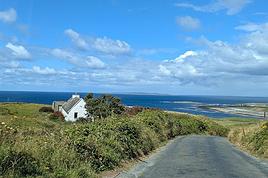
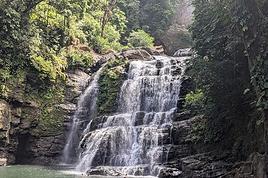
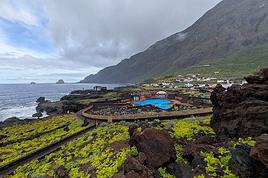
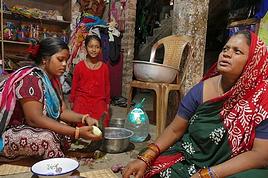
Je vous donne mon avis sincère de voyageur sur le Vietnam sachant que j'ai voyagé là-bas en février et que je ne suis pas allé au nord de Hanoï ni au sud de Nha Trang.
Pour juger un voyage, j'ai l'habitude de séparer l'aspect pratique d'un côté et l'intérêt des sites de l'autre.
Du côté « pratique », le Vietnam obtient un 19/20. Je n'entre pas dans le détail mais il est incroyablement facile et bon marché de voyager dans ce pays. Et avec des standards occidentaux voire meilleurs. Enormément de moyens de transport, hôtels d'excellente qualité et vraiment pas chers...
Entre l'aspect pratique et l'intérêt des sites, je mets la cuisine et le climat. Je ne vais pas écrire des lignes sur la cuisine qui fait tout simplement partie des tops mondiaux. Juste 2 bémols : les prix sont très élevés dans les restaus raffinés par rapport aux prix du pays. Et contrairement à la Chine, on peut tomber sur des restaus où on se moque des touristes. Résultat : un repas perdu alors que chaque repas peut se transformer en souvenir de rêve au Vietnam. Donc attention. Les guides touristiques écrits sont ici très utiles.
On est averti qu'au Vietnam le temps peu être gris. Et selon les sources, on peut reprendre espoir et se dire que finalement cette saison n'a pas l'air si mal. Pour ma part, je n'ai peut-être pas eu de chance mais alors j'en ai eu beaucoup dans les nombreux autres pays où je suis allé. Le ciel est souvent gris. Au nord, ça peut même être une attraction pour curieux de voir cette grisaille prête à vous tomber sur la tête. D'autre part, j'ai rarement vu une telle fraîcheur à une telle lattitude.
Les gens sont très sympas. Certains parlent anglais et il est très intéressant d'échanger avec les vietnamiens mais il faut savoir qu'ils ont un caractère trempé dans l'acier...
Les sites sont d'un intérêt limité. Le pays est surpeuplé et avide de développement. L'aspect traditionnel et religieux est quasi absent notamment par rapport à la Thaïlande. La nature est très très abîmée. Quand vous lisez les guides, vous vous dîtes que vous allez vous régaler à explorer les côtes ou qu'il y a des animaux à voir. C'est le problèmes des guides écrits qui ne comparent pas les pays entre eux. Ils vont utiliser les même adjectifs pour un pays moyen et pour les plus beaux pays. Oui, il y a des pays beaucoup mieux que d'autres ! En fait les côtes vietnamiennes ne sont pas terribles. Selon un guide les îles Cham sont un « époustouflant archipel ». Peut-être que si le Vietnam était le seul pays sur terre ce serait vrai mais il n'en est rien et il y a beaucoup mieux ailleurs. Les grottes de Phong Nha ouvertes au grand public sont d'un intérêt très limité et les autres sont vraiment très très chères d'accès et nécessitent souvent des réservations.
Mon but n'est pas de dénigrer le Vietnam mais d'éclairer les voyageurs car les guides ne le font pas. Je pense que le Vietnam est un pays idéal pour un retraité ou pour vivre quelques mois. Par contre si vous souhaitez découvrir ce qu'il y a de mieux en Asie du sud-est et que vous n'avez que quelques semaines par an, ne commencez pas par le Vietnam.
Surprenant cet avis global...😐
Vous n'avez vu, ni le nord, ni le sud ou les hauts plateaux, donc très limité en parcours pour un avis subjectif.
Il semblerait donc que votre expérience ne se borne qu'au littoral du centre et en février.. là je comprends mieux que vous n'ayez pas vu ce que vous attendiez, dommage!
Les guides...😐, ce sont des généralités largement saupoudrées de superlatifs, il faut bien qu'ils se vendent!
Pour construire un voyage il existe moult sources, avis et carnets à commencer par ce forum ou un autres blogs qui viennent en appui aux guides.
J'espère qu'un jour vous reviendrez découvrir le vrai Vietnam, celui que l'on ne trouve pas dans les guides en gros caractères 😉.
Comment diable pouvez-vous juger un pays entier en n'en ayant visité qu'une petite partie ? Intérêt des sites "limité" ? Les montagnes du Nord tout le long de la frontière chinoise, , la baie d'Along et la baie d'Along terrestre de Ninh Binh/Tam Coc sont époustouflantes et d'autre sites du Nord (chutes de Ban Gioc, lac Babe, parc du Pu Luong) superbes. Avez-vous visité le quartier historique de Hoi An et la montagne de Marbre, les mausolées des Nguyên de Huê et la pagode des Parfums ? Avez-vous vu les grandes églised dans la érgion de Nal Dinh, dont l'étonnante cathédrale de Phât Diem ? Nha Trang n'est pas plus viet que moi je suis archévêque !
A part dans les grandes villes, et encore, il n'y a pas plus traditionnalistes que les Vietnamiens. Avez-vous assisté à un mariage, une fête religieuse, à la fête du Têt, à un spectacle de danses folklorqiues, à une course de buffles ? Êtes-vous allé dans un théâtre de marionnettes sur l'eau ? Avez-vous été invité dans une famille ? Et je ne parle même pas des Minorités montagnardes, qui vivent à peu près comme au Moyen Âge (on voit bien que vous n'avez pas séjourné dans une maison d'hôtes thaïe, h'mong ou dao !).
Visiblement, vous n'avez remarqué ni la foule à la messe du dimanche partout dans le pays, ni tous les locaux priant dans les temples et pagodes et y laissant des offrandes, . Vous soulignez la religiosité des Thaïs de Thaïlande ? J'y ai vécu 7 ans ; certes le peuple est religieux, mais pas plus qu'au Vietnam et la prêtrise y est grande championne de l'exploitation de la masse et de la corruption, avec des révérends roulant en Mercedes et ayant des comptes en banque bourrés. En plus, comme "beauté des sites" , on fait mieux que la Thaïlande, à part les iles (par contre, pour voir un pays asiatique complètement occidentalisé, la Thaïlande est parfaite !).
Je ne vois pas comment vous pouvez comparer des restaurants haut de gamme avec des restaurants populaires ; évidemment les prix y sont bien plus élevés. Pour avoir une bonne clientèle, il faut qu'il soit dans un quartier huppé ou très touristique comme le Vieux Hanoi ; savez-vous combien les propriétaires payent de loyer par mois dans ces quartiers ? Il leur faut en plus un personnel stylé qui parlent anglais, et le salaire est bien plus élevé qu'une serveuse de soupe dans la rue (je ne parle pas du salaire du Chef)
Bref, certes une opinion, mais, désolé, faussée par le fait que vous ne connaissez qu'une petite partie du pays, et même pas la plus intéressante
Ce qui suit n'est surement pas un plaidoyer pro Vietnam,
Ce pays tout comme n'importe quel autre a lui aussi des aspects négatifs.
Et parce que c'est inhérent au voyage on peut y rencontrer comme ailleurs des écueils, y avoir des accidents de parcours...mais pas que!
Il a été dit:
"L'aspect traditionnel et religieux est quasi absent notamment par rapport à la Thaïlande"
Je ne comparerai pas avec la Thaïlande que je ne connais pas mais...!
Au Vietnam au nord sur l'année il y a pas moins de 31 fêtes traditionnelles, 9 au centre et sud et quelques 10 fêtes ethniques (pour les principales).
Je ne compte pas ici les nombreuses manifestations de village, fête de la construction de la maison , fête du premier mois du bébé, les mariages, les fêtes des génies
Voir l'édition - Fêtes Traditionnelles Au Vietnam par Do Phuong Quynh, Editions Thê Gioi, Hanoï...dispo sur le site Livrenpoche
"des animaux à voir"
Vietnam compte 27 parcs nationaux, créés pour préserver la biodiversité. Bien que ces parcs n’aient pas de vocation touristique, de nombreuses activités et visites y sont organisées. Bien évidement ces parcs ne sont pas en zones urbaines sauf quelques très rares exceptions, il faudra donc quitter sa zone de confort pour s'y rendre.
Des centres de sauvetage et protection des espèces inscrites au livre rouge sont ouverts notamment dans ces parcs...
Les grottes de Phong Nha
S'il est vrai que certains sites sont surexploités, tourisme et touristes obligent...le parc contient pas moins de 300 cavités ,104 km de parcours souterrain..dont la plus grande du monde, 20 sont accessibles au grand tourisme, 3 d'entres elles semblent avoir une sur fréquentation, les 17 autres demandent un peu plus de disponibilité et d'engagement.
"On est averti qu'au Vietnam le temps peu être gris"
C'est une lapalissade!
En France aussi on sait bien qu'en décembre on n'ira pas pique niquer en tenue estivale au champs de Mars...le temps peut y être gris 😛.
Avant de choisir sa destination il faut se centrer un peu sur la météo, février par exemple sera sans doute plus facile à vivre au sud qu'au nord...de nombreux sites et discussions informent de çà!
Au centre février voit le temps s'améliorer de jour en jour, mars sera plus agréable.
Les gens sont très sympas.
- OUI, je confirme 😉
Certains parlent anglais et il est très intéressant d'échanger avec les vietnamiens
- Anglais dans les grandes villes, les sites touristiques mais surement pas dans les zones reculées
mais il faut savoir qu'ils ont un caractère trempé dans l'acier...
- Et çà veut dire quoi trempé dans l'acier quand on est très sympa?
Les vietnamiens ont leur personnalité, nous la notre, à nous de nous adapter quand on est chez eux!
Si vous venez faire du tourisme pendant quelques semaines au Vietnam, vous n’aurez pas le temps de découvrir qui sont réellement les Vietnamiens, en dehors de la relation pas toujours facile client-vendeur.
"Les sites sont d'un intérêt limité"
Limité sans doute à la curiosité de chacun!
Sites? quels sites? Les touristiques surexploités, ceux qui ont été aménagés pour le grand tourisme? Sans doutes!
Mais c'est là qu'il faudrait être assez curieux et courageux pour pousser un peu plus en avant les recherches avant de définir un parcours..
Il y a au Vietnam des sites naturels majestueux, des sites architecturaux ou et religieux dignes d’intérêt!
Qui cherche trouve 😛!
Le pays est surpeuplé et avide de développement
Ben oui, c'est un pays émergeant un pays qui a tendance à voir plusieurs indicateurs (notamment économique) à la hausse de façon conséquente et qui s'approchent petit à petit du groupe des pays développés.
Surpeuplé dans sa face littorale et ses deux deltas...là où se trouve les zones économiques...
Les régions montagneuses reculées du centre et du nord ont des densités largement inférieures, parfois ne dépassant pas les 50 hab./km2, en particulier sur les Hauts Plateaux du centre.
En fait les côtes vietnamiennes ne sont pas terribles
Ben OUI, ce ne sont surement pas les côtes dont tout le monde rêve...çà a été largement expliqué hors des guides ...!
Je pense que le Vietnam est un pays idéal pour un retraité ou pour vivre quelques mois..
Pas du tout, là je suis affirmative!
Un voyage de 2/3 semaines et idéalement un peu plus peu vous enchanter à condition d'aller là où il faut et avec le bon esprit comme partout d'ailleurs!
C'est pourquoi une préparation minimale est nécessaire si l'on veut en avoir et pour son argent et pour son plaisir, vous serez surpris!😏
Bonjour,
je ne vois pas de problème à ce qu'on exprime des désaccords tant qu'on reste de bonne foi. Et Larsay est de bonne foi, donc pas de souci. Le but est d'aider les voyageurs, pas de défendre son pays préféré.
Par contre j'ai quand même 2 ou 3 choses à répondre :
J'ai été honnête sur les limites de mon expérience, il ne faut pas me le reprocher.
Larsay, vous êtes typiquement le connaisseur du Vietnam. Du coup, vous me demandez si j'ai été invité par une famille ou si j'ai assisté à telle ou telle fête. On est sur un point clé ! Sur ce pays j'ai été un touriste classique et sur ce forum je me suis adressé au touriste classique. Ce à quoi à accès un connaisseur qui passe beaucoup de temps dans un pays n'a rien à voir avec ce que le touriste lambda qui n'a que le guide écrit peut espérer voir.
Ayant une très grande expérience des voyages, je pense qu'on peut juger assez rapidement un pays même s'il me reste de milliers de choses à découvrir au Vietnam.
J'ai bien écrit que les vietnamiens ont ce que j'ai appelé un « caractère » bien à eux. Traditionnel si vous voulez. Mais une fois de plus, je me positionne en tant que touriste consommateur (Et oui, celui qu'on critique tous parfois mais qu'on est tous souvent). Celui qui est pressé de voir ce qui est le plus côté et de faire des photos authentiques. Ou celui qui cherche des ambiances inoubliables. Et là, je maintiens que la Thaïlande, le Cambodge, l'Inde sont plus authentiques. L'ambiance, l'odeur des milliers de temples de Thaïlande restent dans l'esprit. Et tous ces moines inexistants au Vietnam... La spiritualité est plus que palpable en Inde et certains en reviennent convertis. Les scènes de tai chi de rue sont bien moins nombreuses au Vietnam qu'en Chine. En Indonésie, il y a des tas de talents musicaux qui s'expriment un peu partout avec des voix de rêve et des musiques typiques. Les travailleurs des rizières du Vietnam sont moins photogéniques qu'en Indonésie ou qu'en Inde...
Concernant le temps, il nous faudrait des contributions honnêtes et précises mais d'après ce que m'ont dit des passionnés du Vietnam, presque à chaque fois qu'ils sont allés à la baie d'Along, c'était gris. D'autre part j'ai été plusieurs fois dans la zone de Chine proche du Vietnam et le temps était souvent gris et frais. Et si je regarde les différentes sources qui parlent du climat au Vietnam et que je compare à ce que j'ai vu sur le terrain, il semble que que le beau temps ne soit pas garanti dans la grande moitié nord du pays.
Après on pourrait rentrer dans le détail mais je ne vais pas écrire un livre. N'oublions pas les guides écrits. Je suis allé là où on m'a dit d'aller parce que c'était « magnifique » et j'ai été plus souvent déçu que dans d'autres pays. J'ai été à la montagne de marbre, moyen, à Ninh Binh, Tam Coc a peu d'intérêt mais Trang Ann est super. Cependant moins spectaculaire que les sites karstiques de Chine. Hoi An, extrêmement touristique mais la cuisine est à couper le souffle, les environs sont décevants. Hanoi est très touristique et austère. Les spectacles de marionnettes sur l'eau de Hanoi sont à voir. Le spectacle de cirque de Hoi An est un piège à touriste cher et très moyen. Quant à la baie d'Along je n'y suis pas allé à cause du temps. D'autre part, je suis déjà allé à Phang Nga en Thaïlande. C'était sublime et il y avait même des plages désertes avec un temps de rêve. Je ne suis pas sûr que la baie d'Along soit vraiment mieux. Anarque à touristes en prime.
Je ne suis pas allé en Thaïlande depuis 2009, donc je ne sais pas comment ça a évolué.
Ensuite, je meurs d'envie de visiter les montagnes au nord du Vietnam mais franchement, j'ai vraiment peur du temps. L'hiver est gris et froid et il y a la mousson l'été. Donc ????
J'étais attiré par le delta du mékong mais il semble qu'il soit devenu impossible d'y trouver des coins traditionnels ou une nature préservée.
Je demande donc des infos aux connaisseurs sur ces points.
Votre remarques sont légitimes, mais totalement subjectives. D'autres, de simples touristes, après une première fois, sont revenus enchantés. Comme quoi, généraliser son propre ressenti ne peut attirer que des réactions qui vont à votre encontre.
Ayant une très grande expérience des voyages, je pense qu'on peut juger assez rapidement un pays même s'il me reste de milliers de choses à découvrir au Vietnam
Je n'ai sans doute pas votre expérience mais je n'ai jamais jugé un pays à mon premier abord. Je connais un peu tous les pays que vous citez. Si je ne les ai pas tous appréciés de la même façon, il m'a fallu parfois plusieurs séjours pour commencer à peine à les appréhender.
C'est le problèmes des guides écrits qui ne comparent pas les pays entre eux.
Quel intérêt ? Allez vous en Espagne pour les mêmes raisons que vous iriez en Patagonie ou au Vietnam ?
Est ce que l'Inde peut être comparée à l'Indonésie ?
Je poserai la même question à Larsay qui oppose systématiquement le Vietnam à La Thailande. Je ne vois pas la pertinence de ces affirmations redondantes. Est ce que la place Ba Dinh ou la pagode de Bai Dinh sont comparables à celle de Sunam Luang ou au Wat Phra Kaeo ? Est ce que le Pho est meilleur que Tom Yum Kung ? Le marché flottant de Phung Hiep similaire au marché flottant de Taling Chan ? Quant à l'exploitation de masse et la corruption, le Vietnam est loin d'être un modèle à suivre, hein ?
Les travailleurs des rizières du Vietnam sont moins photogéniques qu'en Indonésie ou qu'en Inde...
Ah bah ....Si ce n'est qu'une question de photographie....
presque à chaque fois qu'ils sont allés à la baie d'Along, c'était gris
Cf. réponse d'Asia7 ci-dessus.
Les guides auxquels vous vous référez disent tous que le mois de février n'est pas la période idéale pour visiter le nordLe routard cite même : "Raté pour ramener des photos pétantes du bleu azur des brochures d’agence ou des films". Vous partiez donc en connaissance de cause.
J'étais attiré par le delta du mékong mais il semble qu'il soit devenu impossible d'y trouver des coins traditionnels ou une nature préservée.
D'où tenez vous cette impression ? En voyageur très aguerri, ne préparez vous pas un minima votre voyage ou suivez vous à lettre les guides touristiques ? Les guides et les forums regorgent de sites incontournables et d'endroits moins connus, selon vos intérêts, budget, temps, saison. Au boulot !
Voilà ce qu'un avis de non aguerri au Vietnam peut susciter comme réactions 😕.
Si je comprends bien ce qui est soulevé au fond par notre ami, je ne cautionne pas la manière de le dire. Il aurait du être plus précis et moins catégorique.
Notre ami a été déçu par ce qui est "normalement" proposé aux primo arrivants par presque tout les guides.
C'est un souci au Vietnam, les guides notamment en font des caisses avec des sites dits "époustouflants" et qui en fait ne sont rien de moins que des zones d'activité pour touristes...
Les routes proposées sont toutes accessibles, les sites attendent tous le voyageur, le business aussi est au coin du bois...
On n'y aura aucun sentiment d'aventure et rien d'inédit là dedans!
Il n'a pas tort dans un sens, il a suivi la route indiquée, mais là où il se trompe c'est de dire que tout est ainsi et de tirer des conclusions que beaucoup prendront pour argent comptant..
Le Vietnam est un pays où il reste beaucoup à découvrir.
Le vrai voyageur saura se documenter se renseigner et puis nous les amoureux de ce pays nous sommes là 😏.
On commence à s'éloigner du Vietnam pour parler voyage mais c'est très intéressant.
Suis-je catégorique, subjectif ? J'utilise l'indicatif pour donner mon avis en affichant bien le fait que je ne connais pas tout du Vietnam. Je ne vois pas de problème mais il est vrai que je ne rentre pas dans ce relativisme à la mode chez nous de nos jours.
Je suis en désaccord total avec Barefoot qui écrit qu'il n'y a pas d'intérêt à comparer les pays. Justement, comment choisir une destination ?
Si vous lisez les guides, les offices du tourisme ou les professionnels, tout est toujours au top quel que soit le pays. Si vous lisez les forums, les pros du tourisme ou les passionnés du pays voire les locaux se font passés pour des gens objectifs alors qu'il n'en est rien. Avec le bouche à oreille des voyageurs, cherchez moi un collègue ou un ami qui vous dira que ses vacances n'étaient pas extraordinaires. Il nous reste la réputation des pays mais c'est très insuffisant.
C'est donc mon but de mettre en relief les pays entre eux car il y a des pays où je serais retourné 10 fois avant d'aller dans d'autres si j'avais su avant ce qu'il en était. Certains diront que tous les pays sont différents et qu'ils valent tous la peine d'être découverts. Halte à l'hypocrisie. Certains pays ou régions sont beaucoup mieux que d'autres.
Parlons cuisine : La Chine, le Vietnam, la Thaïlande, la Grèce sont pour moi les tops de la gastronomie. Le Brésil, le Portugal, la Finlande, l'Afrique de l'ouest sont décevant à ce niveau.
La beauté des paysages en Norvège ou en Bolivie surpasse largement de nombreux pays.
Pour voir des animaux, je peux vous assurer que si vous lisez les guides, vous allez gâcher des années alors que je connais des pays ou régions où on ne voit pas d'animal malgré les parcs nationaux alors que d'autres sont très riches.
En ce qui est de juger un pays rapidement, nous sommes décidément très différents car j'ai toujours très vite flairé ce qui m'attendais dans un pays et je me suis rarement trompé. Après, attention, il peut y avoir quelques sites isolés extraordinaires dans un pays moyen.
Et pour le temps, je savais très bien que février était gris au nord mais mon guide indiquait ce mois comme idéal pour le centre du pays, loupé !
Maintenant, allez-y, dîtes-nous quelle est la période idéale pour visiter les montagnes du nord. Nous comptons sur vous.
J'en surprendrais peut être certains mais , oui, j'ai trouvé vos propos plutôt objectifs et notamment parce que vous avez pris soin de les bien contextualiser.
Ceux qui ont lu les excellents écrits de Philippe Papin (notamment "Parcours d'une nation" et , bien sur, "Vivre avec les vietnamiens") auront peut être oublié que le pays , de par son histoire récente, a généré d'innombrables clichés que l'Etat cherche tantôt à gommer "le Vietnam n'est pas une guerre" ou tantôt à exploiter "bring Vietnamese culture to the world"...
Mais les touristes ne lisent pas Philippe Papin, ils (les plus consciencieux) se nourrissent des guides de voyage et sont inévitablement happés par les clichés. Et c'est bien connu, de l'attente peut naître la déception
Il se trouve que vous vous êtes - honnêtement - placé dans le statut du "touriste consommateur" qui compare et, de ce point de vue là, votre description me semble globalement refléter une (pas la) réalité : il y a de très jolies rizières en terrasses dans le Nord, mais , c'est vrai les terrasses de Yuanyang (ou celles de Bali ou des Philippines) sont plus impressionnantes. La baie d'Ha Long souffre d'un climat qui rend le succès de la visite très aléatoire alors qu'en Thailande (Phang Nga), on trouve des paysages tout aussi fantastiques (j'en garde un souvenir grandiose) mais avec beau temps et mer transparente. Au Vietnam, il n'existe quasiment pas de monuments qui aient plus de 200 ans (alors que Borobudur ou Angkor....) , à part quelques vestiges Cham dont l'archevèque aura oublié l'existence (car selon lui Nha Trang n'est pas plus au Vietnam que Cannes n'est en France !).
Bref, ce que vous n'avez pas vu (vous le touriste) , et ce que même Larsay (lui le connaisseur) feint d'ignorer, c'est que la richesse du Vietnam, ce ne sont ni ses sites, ni ses plages, ni ses monuments. La richesse du Vietnam, c'est sa...pauvreté !
La cuisine reflète bien le pays : quelques ingrédients de base extrêmement simples, pauvres, avouons le, et peu variés mais au final une infinie combinaison de saveurs subtiles qui révèlent l'âme vietnamienne, si astucieuse, généreuse, courageuse mais qui ne se dévoile pas au premier venu.
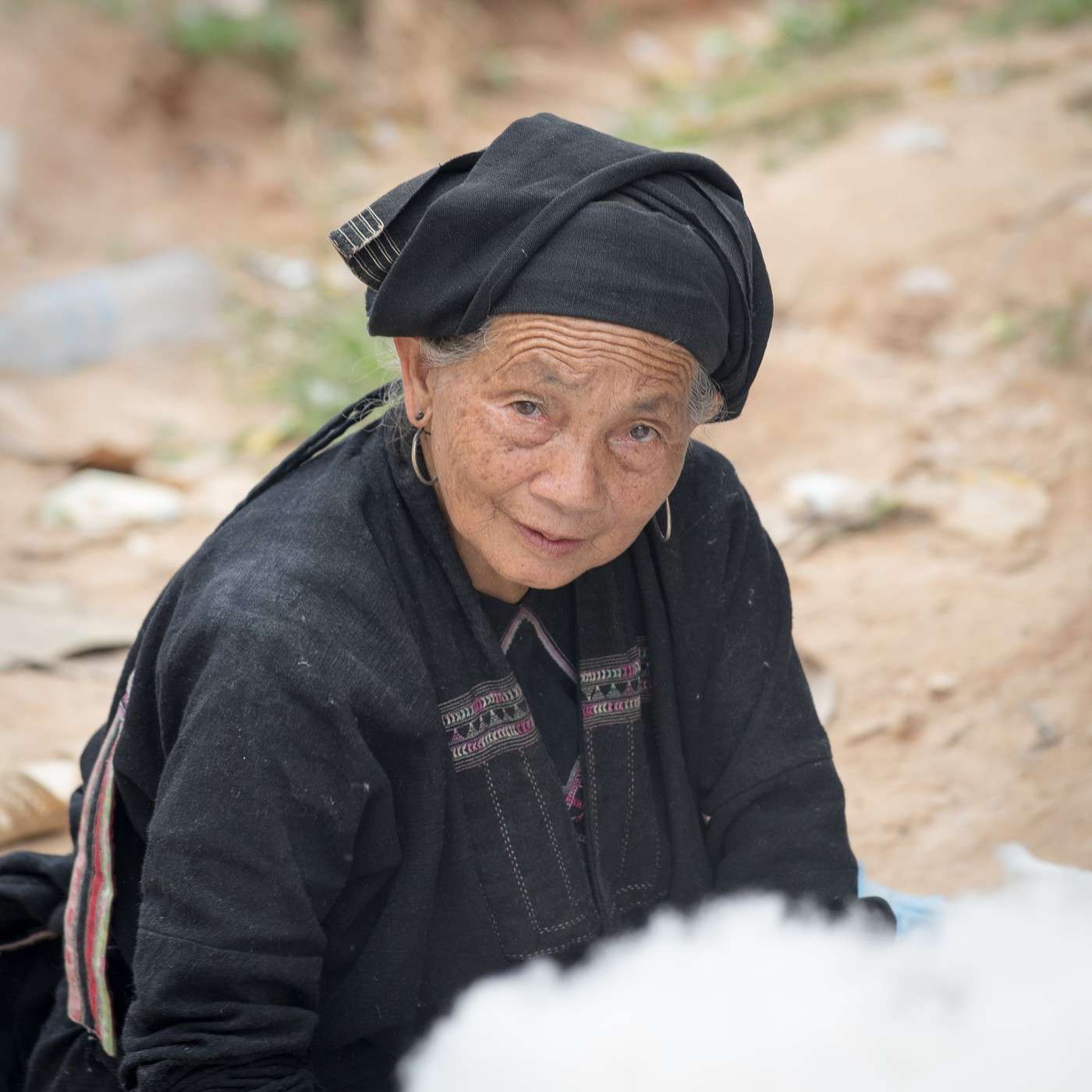
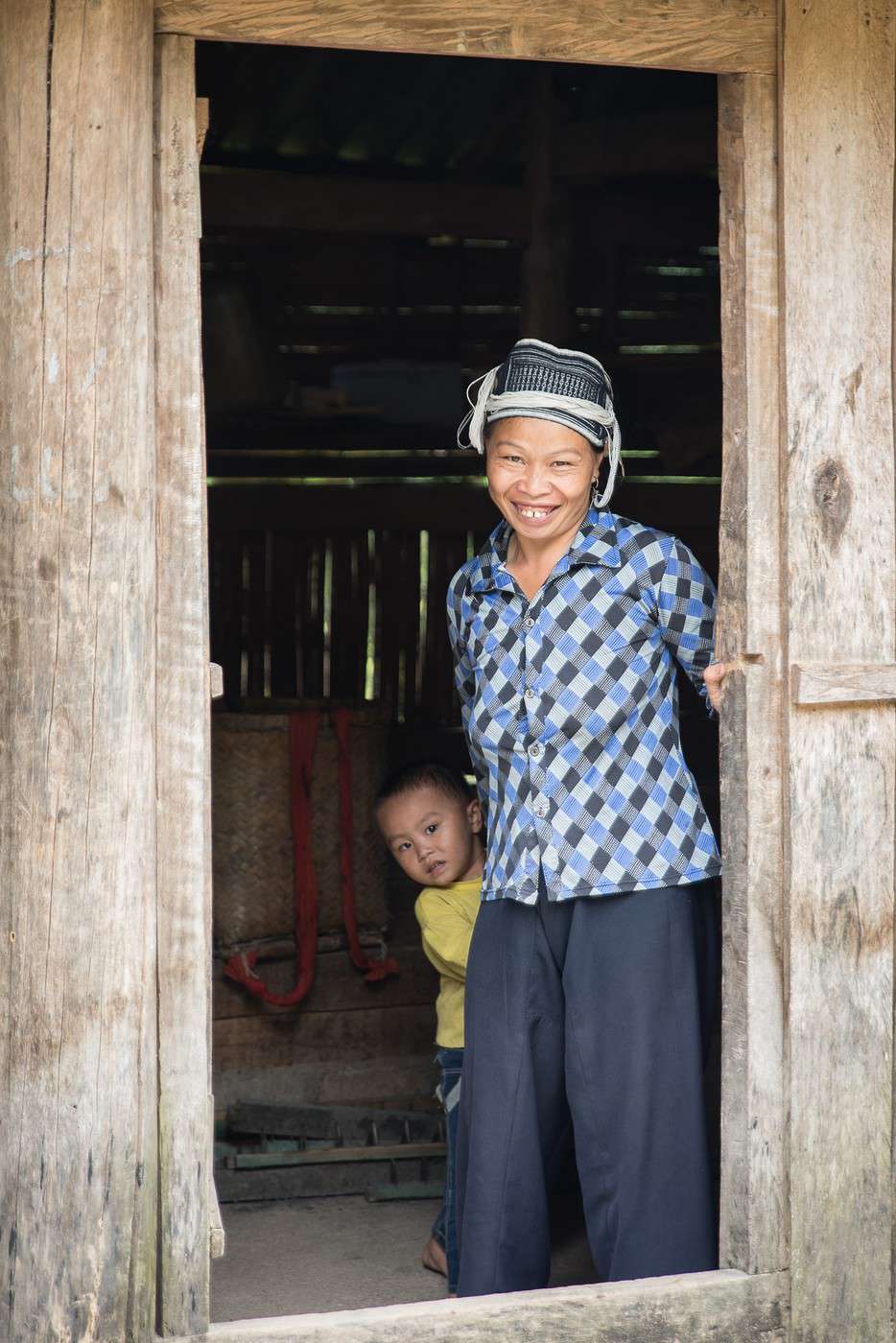
Et tout le reste est à l'avenant. Dans une petite échoppe au détour d'une ruelle ou d'un pont de bois à Nha Trang , devant une école à Ha Noi , dans un petit restaurant de Hué , à la campagne dans une petite pagode plantée au milieu d'une rizière peuplée de canards du côté de Ninh Hoa....Bref, la première richesse du pays , ce sont ses habitants et il me semble assez naturel que cette réalité là ne soit pas aisée à capter pour le touriste de passage...
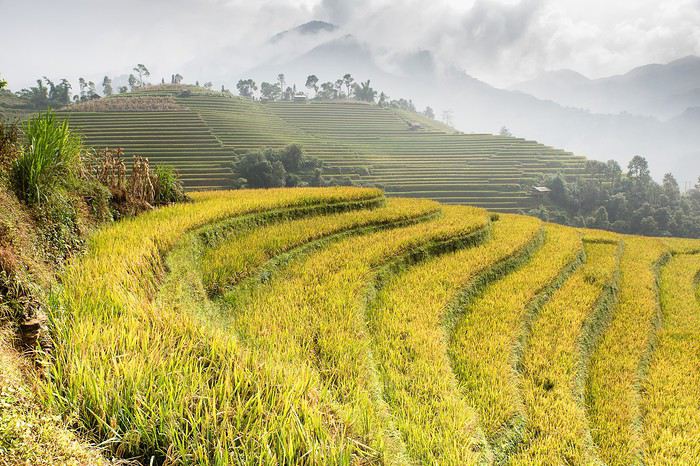
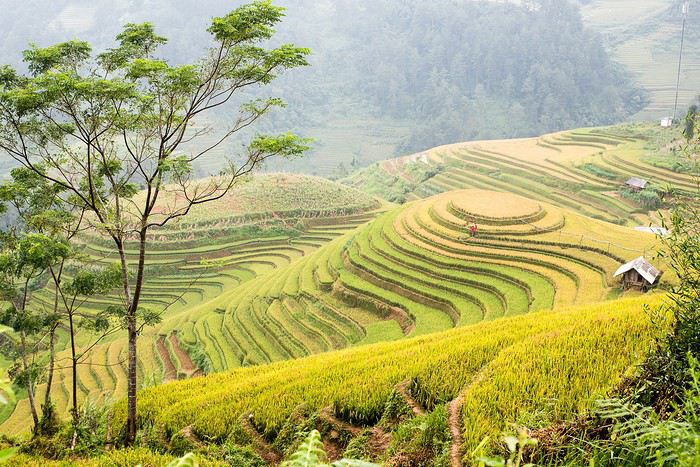
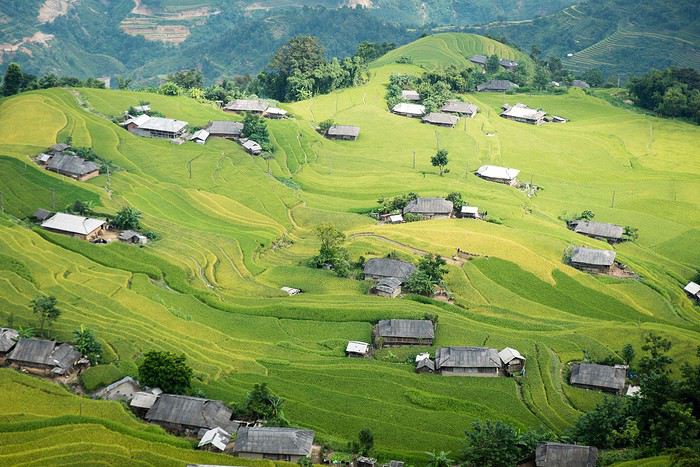
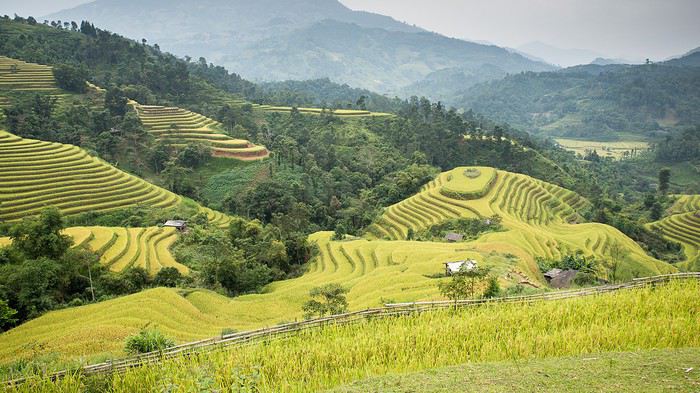
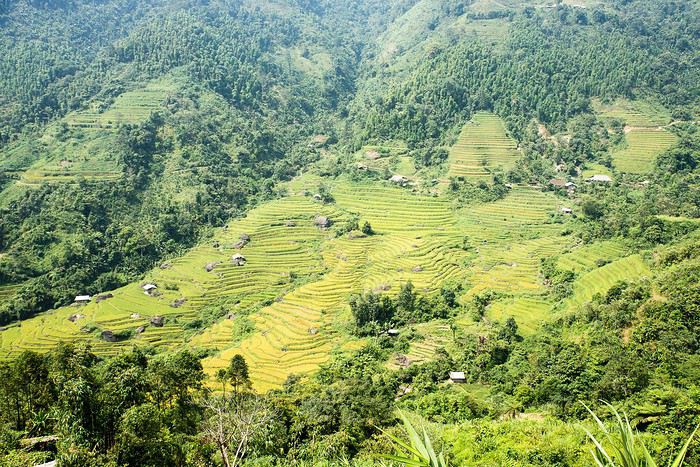
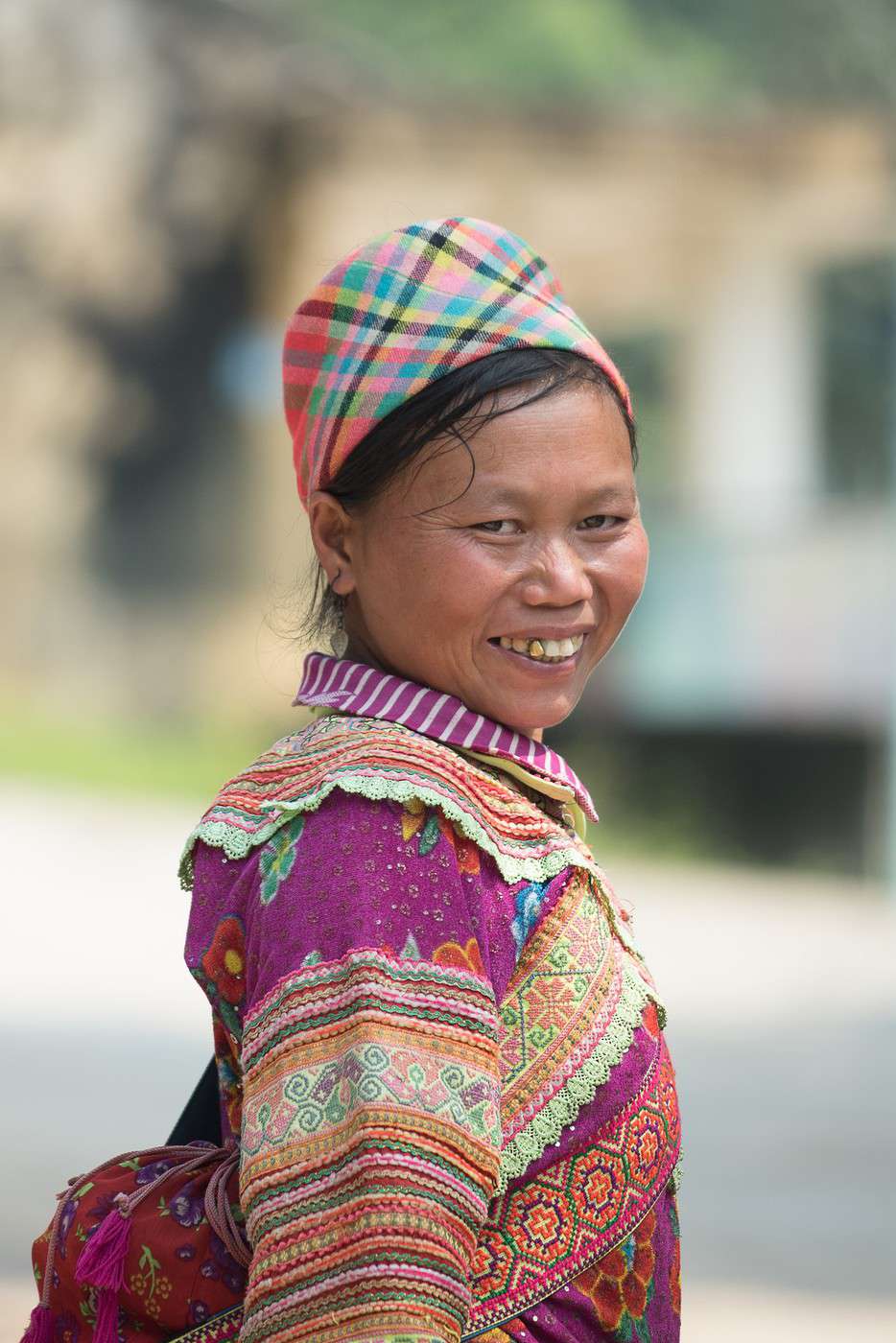
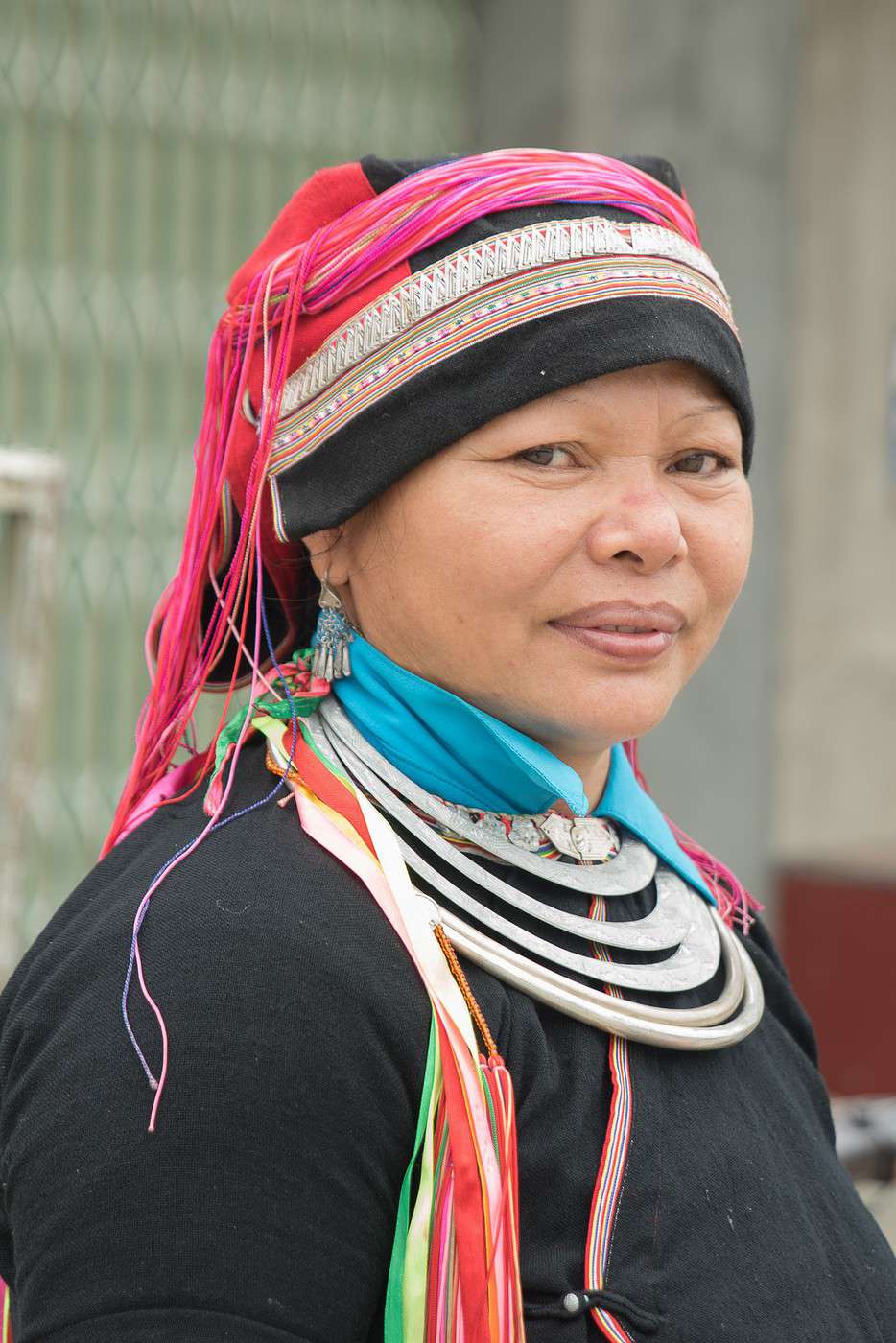
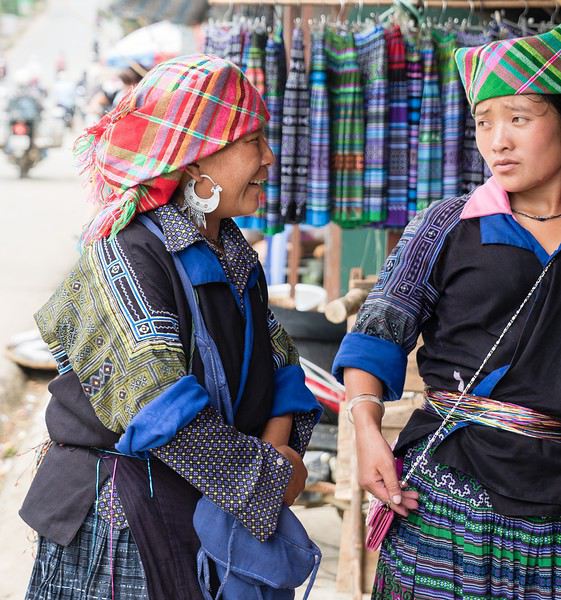
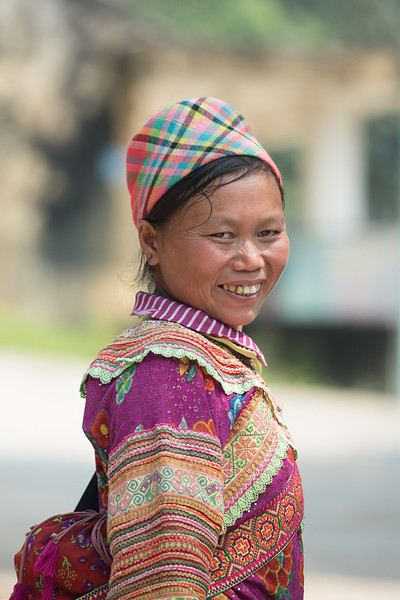
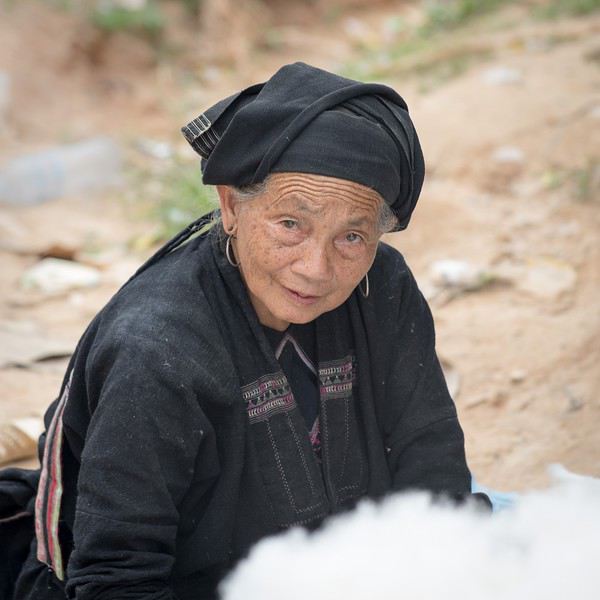
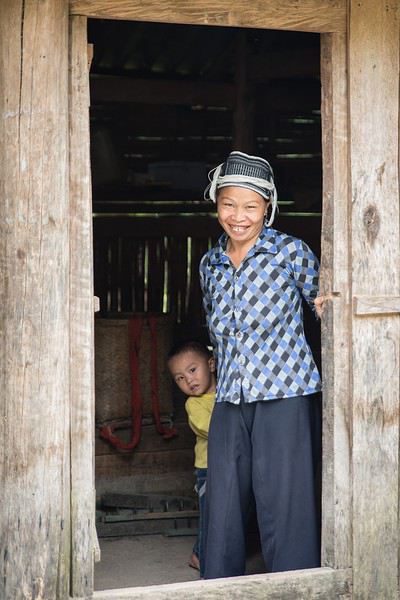
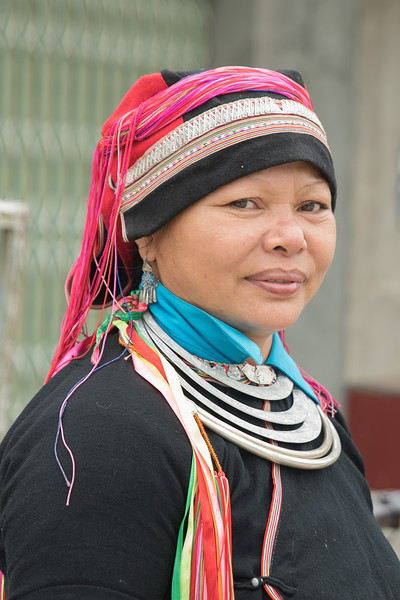
Je suis allée une quinzaine de fois en Thaïlande, trois fois en Indonésie, deux fois au Laos, et deux fois au Vietnam. Je ne prétends pas connaître ces pays mais les plus beaux paysages que j'ai vus sont ceux des montagnes du Nord Vietnam à la saison des moissons. Il y a jusqu'à 200 niveaux de terrasses...et je ne parle pas de la variété des costumes ethniques.
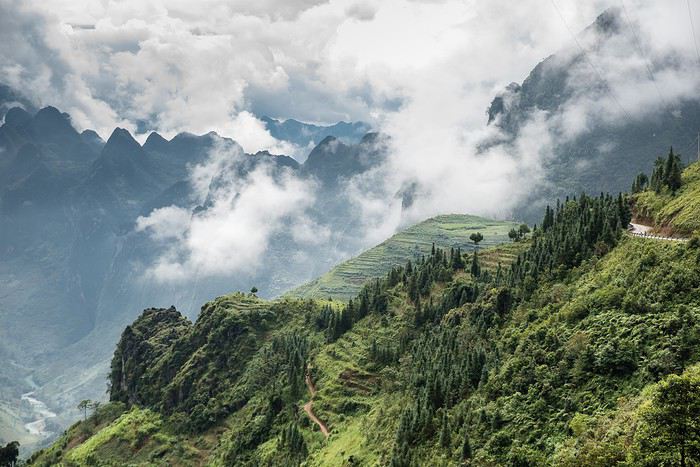
Bien sûr il ne fait pas toujours beau, les montagnes accrochent les nuages mais pour moi c'est plutôt photogénique. A Bali aussi il y a des rizières en terrasse mais c'est moins grandiose. La Baie d'Along, je l'ai visitée sous le soleil en novembre mais c'était avant le numérique et je n'ai pas scanné mes diapos mais c'était somptueux. Les plages du Vietnam, je ne les ai pas testées, on sait bien que ce n'est pas le pays idéal pour les baignades en mer....
Plutôt que vouloir comparer les pays, il faut bien se renseigner , le forum est bien pour celà, il faut aller dans chaque pays pour ce qu'il offre de meilleur par rapport à nos goûts...tous les goûts étant dans la nature.
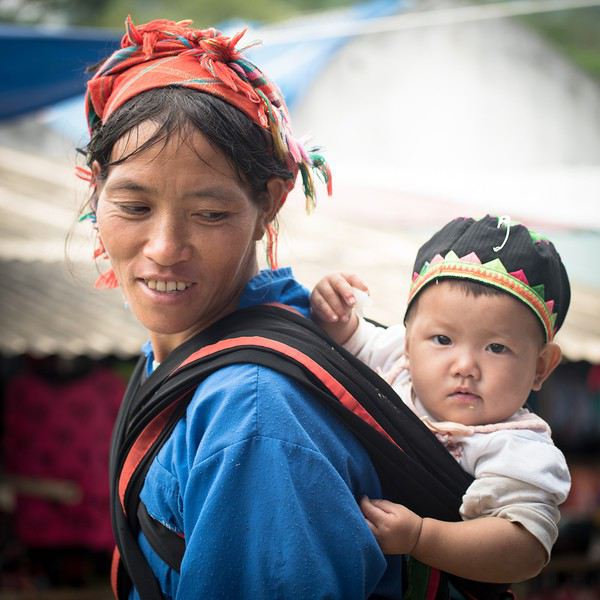
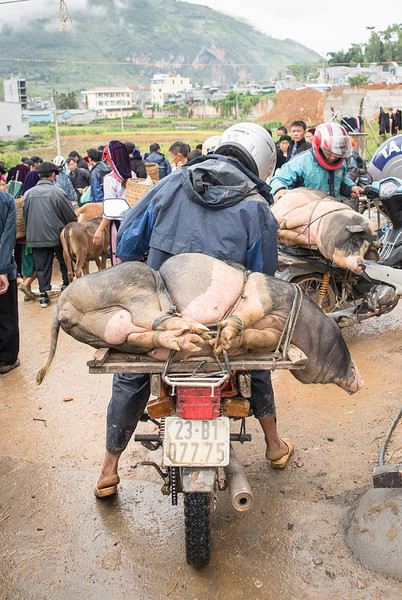
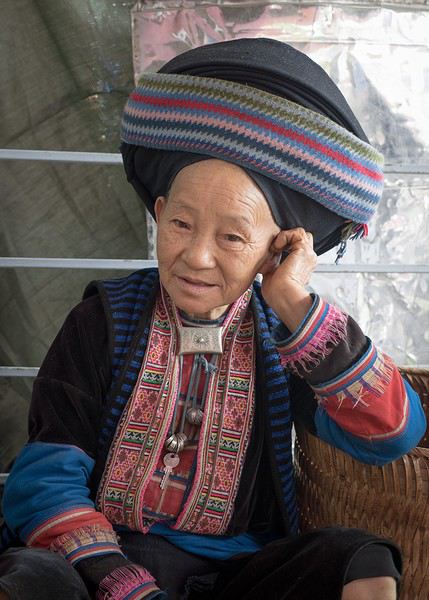
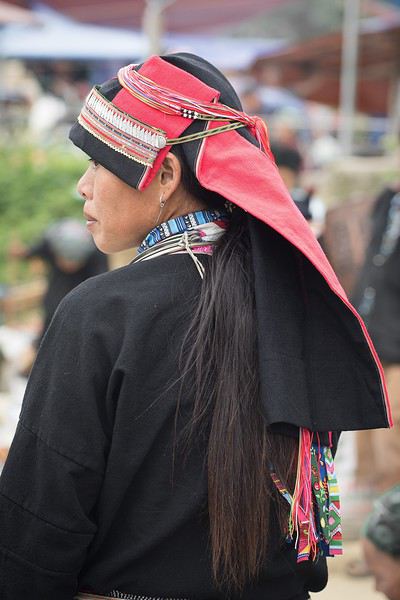
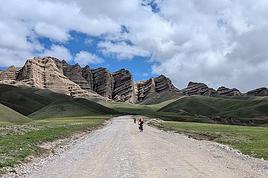
Quelques images des montagnes du nord Vietnam
Au Vietnam, il n'existe quasiment pas de monuments qui aient plus de 200 ans
Euh... Le pays regorge de très anciens monuments , y compris des temples et pagodes datant d'aussi loin que le XIIIe, toutes les ruines Cham (My Son, les 2 sites de tours de Quy Nonh et celles de Po Klong Garai à Pha Rang 105 km au sud de Nha Trang) ; des villages entiers tels que To Ha près de Bac Ninh, Duong Lam (Mong Phu) où l'on peut visiter de maisons vieilles de 4-500 ans et déjeuner dans une maison de 500 ans ; les 36 rues marchandes du Vieux Hanoi, qui date de la dynastie des Ly Postérieurs, donc XIIIe ; tout le centre historique de Hoi An (le pont japonais a été construit en 1593 et la plupart des temples, pagodes et maisons datent du XVe-XVIIe (le célèbre temple Ding Phuc a été construit en 1697)
Ce que je n'apprécie pas avec l'article de notre ami est le catégorisme de ses déclarations : "aspect religieux quasi-absent", comme si les temples et pagodes étaient vides ! "aspect traditionnel quasi-absent", alors qu'il n'y a vraiment pas besoin de vivre ou même rester longtemps au Vietnam pour comprendre qu'au contraire, les Viêts et surtout les Minorités sont restés très traditionnalistes , "idéal pourun retraité" comme si le pays était peu intréessant à visiter ; qu'il compare avec d'autres pays en ne connaissant qu'une infime partie du Vietnam et même pas la plus belle, et surtout cette affirmation péremptoire selon laquelle il ne faut pas commencerà visiter le SE asiatique par le Vietnam (sans indiquer d'ailleurs par où commencer !)
.....bien sûr Larsay. Et personne ne parle des vestiges de la colonisation française, assez uniques en ASE....
De manière plus générale, cette vague de rating genre "notez comment était votre expérience dans nos toilettes de l'aéroport ? " appliqué à des pays entiers me semble totalement stupide....
"Le Vietnam 13/20, beau pays mais j'ai chopé une diarrhée sévère avec un nem pas frais"
Hi everyone,
I’ll be in western Malaysia for 20 days in January and February.
I’m coming from southern Thailand to Ipoh for the Thaipusam festivities.
Then it’s off to Pangkor Island.
I’ll finish up in Malacca for the Chinese New Year celebrations before heading to Singapore.
I’ve got a 6-day gap.
I was thinking of going to K.Lipis for the jungle train and heading to Dabong, but the caves might not be open.
Any suggestions around K.L.?
Day treks?
A stopover between K.L. and Malacca?
Thanks
Hello everyone! I’m heading off solo in February and wanted to share my rough itinerary with you. Does this sound doable?
PS: I’m not really into beaches.
D1 Departure on February 17, 2027
D2 Arrival in Kuala Lumpur – stroll through Chinatown and visit the Petronas Towers
D3: Kuala Lumpur – Chow Kit Market, Batu Caves, Little India, Bukit Bintang downtown area
D4: Early morning bus to Malacca. Explore Malacca in the afternoon and evening
D5: Another 2–3 hours in Malacca in the morning, then bus back to Kuala Lumpur. Merdeka Square area. Stay in Chinatown
D6: Bus trip to Kuala Tahan. Night tour
D7: Morning – canopy walk and Bukit Terisek hike. Afternoon – off to Lata Berkoh
D8 & D9: 2-day jungle trek in Taman Negara National Park
D10: Head to Cameron Highlands
D11: Morning hike through the plantations. Afternoon still to be decided
D12: Morning – excursion to Mossy Forest and Sungei Plantation. Afternoon bus to Ipoh
D13: Morning – Mirror Lake / Sam Poh Temple area. Afternoon – explore downtown Ipoh
D14: Morning train to Penang. Afternoon – wander around Georgetown
D15: Morning – Penang Hill and Keh Loh Temple. Afternoon – Georgetown
D16: Bus to Butterfly Garden and Spice Garden. Late afternoon – Burmese and Thai temples
D17: Morning flight to Singapore. Afternoon – Chinatown and Marina Bay tour
D18: Morning – Gardens by the Bay area. Afternoon – Boat Quay, Clarke Quay, Kampong Glam
D19: Morning – The Ridges area and Botanical Garden. Afternoon – Little India, then back to Chinatown before 11:15 PM return flight
D20: Morning arrival
Hi, I’ve read that these two volcanoes are super popular and that there are *tons* of people for sunrise, especially in July. I’m looking for firsthand accounts from anyone who’s done it later, around 9–10 a.m.
Thanks for your help!
Laëtitia
I’m heading to Cambodia at the end of December 2026 – January 2027 for 3-4 weeks. Since I’ve already visited Cambodia twice, my itinerary is a bit different this time—I’d love to explore Botum Sakor Park, Chi Pat, the Tatai region, and the Cardamom Mountains. I’m traveling solo. If you have any tips on transportation, excursions, treks, sights, or accommodations in the area, I’d really appreciate it. Thanks for your feedback!
Has anyone traveled with the Laos travel agency ADV ?
I’m planning a trip to Laos and have received several quotes. Among them, this agency’s seem very reasonable, and so far, the interactions have been positive.
I’ve found a few positive reviews online, but I’d love to hear from travelers who’ve actually booked with them: how’s the organization, guide quality, accommodations, on-the-ground responsiveness, etc.
Thanks for sharing your experiences!
First stop on our discovery of the peninsula: Amphawa. It’s our first night in Thailand (we arrived at Suvarnabhumi at 8:50 AM).
Our initial plan was to explore the area before heading further south. The Mae Klong Railway Market is tempting... but what else is there to do????
We’ll be there on a Wednesday, and from what I’ve read on the forum, some say there’s absolutely nothing to do during the week—no floating market, barely any shops open, no restaurants, etc.
Others, though, say the place is actually more charming without the weekend crowds.
Could you share your thoughts? Missing the floating market is one thing, but if it’s really a ghost town on Wednesdays, I might just drop our bags somewhere else.
Amphawa seemed like a good first stop, just 1.5 hours from the airport, but I’d still like to settle somewhere a bit lively for our first evening.
We’ll be there at the end of October.
Thanks!
Hi,
I wanted to visit the plantations in the morning with GetYourGuide or by just showing up.
How much time should I really plan for?
I’d like to catch either the 3 PM or 5 PM bus back to KL.
Thanks
Hi,
I wanted to get some info about the cable car and the bridge—I see lots of different options...
How much time should we allow for these two activities? If we arrive around 4 PM, will we have enough time to visit without rushing?
Thanks
Hi there,
I didn’t plan to return to Thailand this year, but my health conditions mean it’ll be the best place for me to stay between two trips to India. The tourism setup there is so well-organized that it’s the most "comfortable" country for a short visit. Thailand feels too sanitized for my taste, and there’s too much religion, Buddha, and the King, but it’s still the best option given how my health has been evolving. I’d considered two weeks in ThaTon for hiking, but I got too sick from the burn-offs during my trips to the mountains around Chiang Rai. So I’m not sure where to go this year. Definitely not the sea, touristy spots, or the mountains with burn-offs...
Hi,
On September 1st, we're heading to Kalimantan for six weeks, probably from Pontianak to the Derawan Islands.
I've scoured this site, which is usually my go-to 😉, and others like VoyageForum, but recent info is pretty scarce.
I'd love any tips on places you've visited—our itinerary is still a work in progress.
We're two couples traveling with backpacks, using buses, boats, guesthouses, and homestays.
Thanks in advance!
Hi fellow travelers,
First trip to Vietnam.
We’ll be arriving in Ho Chi Minh City during Tet.
Is it complicated to find accommodation and get around during this period?
Any tips would be welcome.
Thanks for your replies.
Hi! I’d like to split my trip into two parts: 15 days in Phuket and 15 days in Krabi. Do you know if I can rent a car and drop it off in Krabi when I fly back to France?
Thanks for your feedback!
Have a great Sunday!
Martine
Hello,
After 1 night in Khao Sok, I’d like to find a 2 Days 1 Night package on the lake.
After reading a lot, I decided to "break the bank" and treat ourselves to a private tour—mainly to avoid the crowds.
But after contacting several operators, they offer "private tours" that are very expensive (around 700 €), yet in the details, the boats can only leave from the pier at 10 AM like everyone else. (I was hoping to leave much earlier.) The morning program is the same for everyone too (private or not). They drop us off at noon at our floating hotel (I’d chosen Phupha Waree). Free afternoon (swimming or kayaking in front of the hotel). We head back by boat for a 1-hour sunset ride. And the next morning, we leave the hotel at 8 AM to be at the pier by 9:30 AM at the latest—end of the trip.
So basically, we’re paying a lot for a private tour just to do the same thing as everyone else at the same time.
Or maybe I just had bad luck in my search.
I contacted Panida Ladi, who’s very popular on forums. We’d agreed on a private tour that matched my request (departure from the pier at 8 AM, very personalized itinerary). We settled on the itinerary and price, she asked for a Wise transfer for a 30% deposit, confirmed receipt of the deposit. Then 30 minutes later, she messaged me to say she was canceling everything because it was impossible to do the requested tour—and promised a quick refund of my deposit.
So here’s my question: Who’s done a *real* private tour on this lake? Who can recommend a reliable agency? Is it even really possible to do a private tour here?
I’m searching for a real gem for my 3rd stay in Koh Lanta: a lovely, high-quality hotel right by an easily accessible beach in a lively spot.
If you know of anything that fits what I’m looking for and want to share, don’t hesitate!
Hi, is anyone there in Flores right now? According to some websites, everything is closed and the situation is tough. But our guide says it's fine. Who should we believe? We're supposed to leave on September 2nd. Thanks to anyone in Flores at the moment!
Hi dear community,
I'm planning to visit Cambodia this winter, right after Christmas, for my first solo trip and my first trip to Asia. For two weeks (yes, I know it's short, but I really can't do more...). I have two main desires: Siem Reap and the countryside, the villages, the Mekong...
What do you think of this itinerary? Arrival in Siem Reap, departure from Phnom Penh.
SR: 5 days (1 day for arrival, 3 for the temples, 1 for the lake and its villages)
Kratie (stop on the way to Mondolkiri): 3 days (1 day of travel, 2 days there)
Mondolkiri/Sen Monorom: 4 days (1 day of travel, 1 day there, 2 days of treks)
PP: 3 days (1 day of travel, 2 days of sightseeing)
I think I need to cut one day somewhere if I travel from Saturday to Saturday or Sunday to Sunday. In Kratie, maybe? Or in PP? And I'll miss the boat trip that everyone recommends (SR-Battambang), but I don't see where to fit it in. Unless I do a PP-PP loop starting in the east, skip Kratie or just stay one night, then SR, then PP.
In my timing, Mondolkiri seems closer than Ratanakiri, which also tempted me a lot! Will it be too complicated alone? I'm thinking of using local guides or a small local agency for a nature and village getaway.
I've read that Siem Reap is very crowded between Christmas and New Year's. I could also do the circuit in the opposite direction. But I thought it would be easier to get familiar with the country by arriving in a touristy area—I might be wrong...
Thanks for your advice and opinions!
Hi everyone.
I’m planning my trip, and based on all the posts I’ve read, this country is amazing.
Of course, I’ve got a ton of questions for you.
Here’s a possible itinerary: Vientiane - Vang Vieng - Phonsavan - Sam Neua - Nong Khiaw + villages - Phongsali - Luang Namtha and the area - Udomxai - Huay Xai - Luang Prabang and back to Vientiane.
What do you think?
We’re planning to prioritize local transport—is it possible to do this loop?
We’d also love to go kayaking, but I’m not sure if the season’s right or where the best spot is.
For trekking—I read that Phongsali is the most authentic spot to visit villages and see wildlife. Do you know of a reliable agency and a guesthouse with reasonable prices?
Is it worth taking a slow boat for a stretch on the Mekong, and if so, which route?
For accommodations, is it better to book through Booking.com and Agoda or look when we arrive?
Are mosquitoes bad in Laos, and should we take malaria prophylaxis?
What’s the average daily budget (accommodation, food, visits)?
Is renting scooters a good option for exploring towns, and if so, which ones?
From what I’ve read, it’s best to carry cash—euros or dollars? Is it risky to walk around with that much cash?
I’ve still got tons of questions. Thanks to anyone who can help, and I’m open to all tips, info, etc.
Thanks again
Hi there,
I’m planning a family trip (my wife and I, both 47, and our two sons, aged 5 and 12) to Malaysia for the last week of June and the first two weeks of July 2027.
We used to love road trips as a couple, then as a trio, but since our second child arrived, we’ve taken a break with "camping village" style trips.
Now feels like the right time to get back to our old habits, while adjusting the pace for the kids.
We’re craving Asia. We’ve been lucky enough to visit Thailand, Indonesia (Bali and Lombok), and Sri Lanka before.
Friends have raved about Malaysia, so we’re definitely tempted.
For those who know and love Malaysia, what would be a good itinerary starting from Kuala Lumpur, with a maximum of 3-4 stops? We’d like a mix of culture, nature, and relaxation (just to clarify, we’re not big beach fans). All of this without rushing, of course.
Hello,
We’re a family of four with two teens aged 16 and 18. We’re heading to Thailand this summer. We’ll arrive in Bangkok and plan to take a flight to Luang Prabang.
I’ve seen there are some great visits and excursions to do (temples, markets, waterfalls) and maybe even venture a bit north to places like Nong Khiaw, Muang Xay, Muang Ngoy, or Oudom Xay.
But I’ve also heard about the Bokeo region with the Gibbon Experience.
Since we won’t be able to do everything, I’d love to hear about your experiences, impressions, and advice on the two options I’m considering, especially since we’ll be meeting family in Chiang Mai, Thailand, afterward.
Option 1: A loop from Luang Prabang heading slightly north, then a flight from Luang Prabang to Chiang Mai.
Option 2: A few days in Luang Prabang, exploring within a few dozen kilometers around, then heading to Bokeo province for the 2-day/1-night Gibbon Experience. For this option, I saw on Rome2Rio that it’s possible to book a ferry trip on the Mekong from Luang Prabang to Huay Xay—they mention about 8 hours. But is that realistic? What type of boat is it?
Then, to get to Chiang Mai, there aren’t many options—bus or minivan—but how does crossing the border work?
Finally, for those of you who’ve been to Laos in August, what was the weather like?
We’ve already visited Thailand, Vietnam, and Cambodia during the same period over the past four years and weren’t really bothered by bad weather.
I’m starting a discussion about guides in the Mekong Delta because we’ve just finished our trip in this region and had a hard time finding a French-speaking guide. We had Thanh—she speaks French really well and travels all over the delta region, including Ho Chi Minh City. She’s super friendly and flexible. I recommend her wholeheartedly. If it can help someone...
Feel free to contact us for her number.
Hi everyone,
I couldn’t find any recent info on Kuching.
Can anyone recommend a hotel or guesthouse for under 100 RM that’s nice and affordable? No dorms, please.
Also, does it rain a lot in November, and is it still worth visiting Semenggoh or Bako?
We’ll be arriving in Phnom Penh this coming January and we’re thinking of starting our trip with a stop in Kampong Cham, then Kratie.
After Kratie, we’re considering heading toward Siem Reap with a stop in Kampong Thom.
That said, I’m not really sure how long the Kratie–Kampong Thom journey might take or how complicated it is.
Does this stop on the way to Siem Reap seem like a good idea to you?
If we don’t visit the Sambor Prei Kuk site, are there still any walks or sights worth checking out in Kampong Thom?
Silly question—backpack or hard-shell suitcase for the Sepilok, Kinabatangan, Tioman, KL trip?
I’m struggling to fit all my son’s and my stuff into the 70L backpack... and I’m thinking a suitcase would be easier, but I’m not sure if it’ll work for getting around.
After a stay on Koh Phayam this coming November, I’d like to spend 2 or 3 days on Koh Phra Thong before heading further south.
Do you think it’s doable to leave Koh Phayam early enough to catch the 10 AM boat from Khura Buri to Koh Phra Thong? The next one isn’t until 4 PM, which would cost me a whole day.
I’m planning a trip to Indonesia, specifically Sulawesi and Java, in September for 10 days.
I don’t know this part of the world at all—any advice is welcome!
I’ll be traveling solo and would also love tips on meeting other travelers or locals.
Hello everyone,
Not long ago, I used to travel as a couple, but my husband has since passed away, and I’ve decided to set off again. The trip I took to Cambodia in January 2025 did me a world of good.
I’m now considering Thailand, a destination we never included in our plans because even 15 years ago, people said it was too touristy. Still, I’m thinking about the itinerary below, but I don’t feel up to arranging buses, trains, or guides on my own while I’m there. I’m looking for one or more drivers and have been in touch with an agency, but their offers are just copy-paste group tours that I don’t want.
So, if you have any contacts, experiences, or advice, I’d be so grateful if you’d share them with me. Here’s my rough plan:
Arrival in Bangkok
Ayutthaya (2 nights)
Kanchanaburi (2 or 3 nights)
Sangkhlaburi/Sai Yok (3 nights)
Sukhothai (2 nights)
Lampang (I’ve planned 3 nights, but that might be a bit much—it depends on what time I arrive in the city)
Chiang Mai
Chiang Dao
Pai
Chiang Rai
I was thinking about the Mae Hong Son loop—thoughts?
What do you think about staying overnight at the Golden Triangle?
When I look online, of course, I can find agencies that organize tours to national parks, etc.
I’m retired but in great physical shape. I’d rather go hiking than sit in hot springs with crowds of tourists who’ve all arranged meet-ups. I don’t want to spend a day at an elephant camp, and I don’t want to visit Karen villages.
I’d love to hear your advice.
Thank you all,
Hi everyone,
Could you share your thoughts on my 3-week itinerary?
We’re a small group (family + friends) of 12 people, planning to leave around January 21, 2027.
Here’s my itinerary:
3 nights in Bangkok
4 nights in Chiang Mai
3 nights on Koh Samui
3 nights on Koh Phangan
4 nights in Krabi
4 nights in Phuket
I’m also open to any great tips you might have...
Thanks, everyone! Alain.
Hi there,
We’re planning a 3-week family trip next summer with our three kids, who’ll be 8, 8, and 7 years old.
After some research, we’re leaning toward Malaysia to combine nature/forests and paradise beaches. The idea is to introduce our kids to the country’s culture, nature, and wildlife.
We want a great trip but without splurging on luxury options like high-end lodges and resorts. We’re looking for comfort with a touch of authenticity—basically, a good middle ground.
I’ve started putting together an itinerary and would love your expert advice and tips to help us build this amazing trip with our little ones.
Day 1: Departure from France
Day 2: Kuala Lumpur
Stay at a hotel near the airport or KL Sentral.
Just one night.
Day 3: Morning flight to Sandakan (Borneo).
Stay in Sepilok
Day 4: Sepilok:
* Orangutan Center
* Malayan Sun Bear Center
* Rainforest Discovery Centre
Day 5: Depart for Kinabatangan.
Boat safari in the late afternoon.
Day 6: Sunrise safari.
Jungle walk.
Evening safari.
Day 7: Final safari.
Return to Sandakan.
Flight to Kuala Lumpur, then to Kota Bharu (or overnight transit depending on schedules).
Day 8: Transfer to the port.
Boat to the Perhentian Islands.
Days 9 to 13: Perhentian Besar
5 full days.
* Snorkeling
* Hiking
* Turtle watching
* Wild beaches
* Relaxation
Day 14: Return to the mainland.
Bus or private car to Taman Negara.