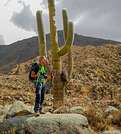
C'est la première fois que mon conjoint et moi partons pour le Costa Rica, du 19 juillet 2015 au 31 juillet 2015 (soit 12 nuits).
Une première question me vient : nous passons une semaine en Colombie juste avant d'aller au Costa Rica, savez-vous si nous devons nous faire vacciner contre la fièvre jaune ?
Nous aimerions avoir également votre avis sur l'itinéraire que nous souhaiterions faire et leurs temps de trajet (nous avons peur d'avoir trop de route durant le voyage...) :
- 19 juillet : Arrivée à 9h25 à l'aéroport de San Jose. Nous passons la journée à Alajuela, visite des alentours. Nous passons a nuit à Là-Bas.
- 20 juillet : Départ en avion de San Jose pour Corcovado où nous passerons 2 nuits.
- 22 juillet : Retour à San Jose où nous récupérons le 4x4 et partons vers le Volcan Poas (2H10 de route ) et à la Paz Waterfall. Nous continuons le chemin et dormons à La Virgen (1h30 de route).
- 23 juillet : Rafting dans les eaux du Sarapiqui et une rando sont prévus. Départ direction Monteverde (3h40 de route) où nous passons la nuit.
- 24 juillet : Rando à Monteverde puis départ vers Arenal (3h de route). Nuit sur place.
- 25 juillet : rando à Arenal puis visite des sources chaudes de tabaccon. 2ème nuit à Arenal.
- 26 juillet : Départ pour le Rio Céleste et nuit à proximité.
- 27 juillet : départ pour Alajuela, multiples arrêts avant de rendre la voiture en soirée. Nous passons la nuit à Alajuela.
- 28 Juillet : Départ très tôt pour prendre l'avion de San Jose vers Tortuguero où nous passons 2 nuits.
- 30 juillet : Retour de Tortuguero en avion vers San Jose où nous passerons la nuit avant de repartir le 31 juillet de San Jose vers Curacao mais ça... C'est un autre périple 😉
Il vous faut impérativement le vaccin de la fièvre jaune si vous séjournez en Colombie avant d'entrer au Costa Rica,
Pour votre itinéraire il y a quelques incohérences :
1° l'aéroport international SJO est situé à 2km au sud de la ville d'Alajuela et non à San José
Corcovado en juillet , bcp de pluies
le volcan Poas est à 1h de l'aéroport
Depuis la Virgen il est plus logique de faire un arrêt d'abord à Arenal puis continuer vers Bijagua et le rio céleste pour redescendre ensuite sur Monteverde
Vous avez aussi négligé les temps de route, en saison des pluies il est préférable de faire ses activités le matin et vos déplacements l'après midi.
Les gens préparent, planifient, fignolent des itinéraires et oublient souvent l'aléa climatique. Ma visite du volcan Poas s'est limitée à constater trois jours durant qu'il était et resterait caché par les nuages. 😠
Merci tout d'abord pour votre réponse.
Effectivement c'est la première fois que je planifie un voyage à l'étranger et je n'avais pas du tout penser à lier météo et déplacements... vous avez raison.
Mon conjoint et moi allons donc retravailler notre itinéraire. Conaissez-vous des petits endroits atypiques et/ou des lieux où nous pourrions dormir ? Nous aimons beaucoup les randonnées et pour ce qui est du lieu où dormir, nous préférons dormir chez l'habitant si cela est possible.
salut , vous allez faire beaucoup de route et vous allez manquer de temps. Conduire a la noirceur est vraiment pas une bonne idee et elle viens tres rapidement au Cost Rica. Mais cest sur que vous allez manquer de temp pour tout faire ca. Pura Vida.😎
Il vous faut impérativement le vaccin de la fièvre jaune si vous séjournez en Colombie avant d'entrer au Costa Rica,
Pour votre itinéraire il y a quelques incohérences :
1° l'aéroport international SJO est situé à 2km au sud de la ville d'Alajuela et non à San José
Corcovado en juillet , bcp de pluies
le volcan Poas est à 1h de l'aéroport
Depuis la Virgen il est plus logique de faire un arrêt d'abord à Arenal puis continuer vers Bijagua et le rio céleste pour redescendre ensuite sur Monteverde
Vous avez aussi négligé les temps de route, en saison des pluies il est préférable de faire ses activités le matin et vos déplacements l'après midi.
Cordialement
Re-bonjour TacacoriCR,
Nous avons finalement changé notre trajet et voilà la nouvelle version :
- 19 juillet : Arrivée à 9h25 à l'aéroport de San Jose. Nous récupérons la voiture et partons vers Dominical (où nous passerons la nuit) en passant par Jaco.
- 20 juillet : Départ très tôt pour Drake Bay, nous nous arrêtons à Sierpe pour déposer la voiture avant de prendre le bateau vers Drake Bay. Nous profitons de la journée pour visiter le « Punta Rio Claro National Wildlife Refuge ». Nous passons la nuit à Drake Bay.
- 21 juillet : Départ pour une journée à Corcovado, la randonnée se faisant au départ de la Leona (nous n’avons pas trouvé l’endroit sur la carte…) avec un guide (si quelqu’un connaît un guide francophone nous sommes preneurs). Nous passons une deuxième nuit à Drake Bay
- 22 juillet : Le matin nous parcourons à pied la plage Llorona (nous ne savons pas comment aller de Bahia Drake à cette plage ni combien de temps cela prend) et repartons vers Sierpe en bateau pour récupérer la voiture. Nous nous dirigeons vers Nicoya (5h de route) afin d’y passer la nuit.
- 23 juillet : nous profitons de Samara. Nous prenons ensuite la route pour aller vers Monteverde (3h de route) où nous passons la nuit.
- 24 juillet : Balade dans le Monteverde le matin puis route vers Bijagua (2h30 de route) où nous passons la nuit.
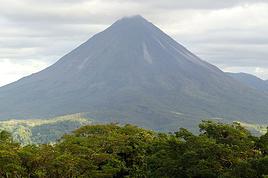
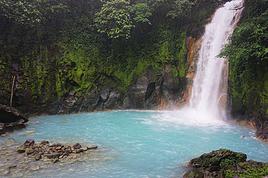
- 25 juillet : Visite du Rio Céleste. Nous prenons la route vers le volcan Arenal (2h de route) où nous passons la nuit à proximité.
- 26 Juillet : Visite du volcan Arenal puis des sources chaudes de Tabaccon. Nous faisons route vers La Virgen (2h de route) où nous passons la nuit.
- 27 juillet : Rafting dans les eaux du Sarapiqui puis descente au volcan Poas (1h30 de route) pour le visiter, ainsi que La Paz Waterfall. Nous redonnons la voiture et passons la nuit à Alajuela (1h de route).
- 28 Juillet : Départ très tôt pour prendre l'avion de San Jose vers Tortuguero où nous passons 2 nuits.
- 30 juillet : Retour de Tortuguero en avion, puis bus vers Alajuela où nous passerons la nuit avant de repartir le 31 juillet de San Jose vers Curacao.
Cet itinéraire me semble plus réalisable en effet, sauf que vous ne pourrez pas tout faire.
Quelques conseils :
Pour votre premier jour, faites un arrêt au pont de tarcoles pour y voir les crocodiles en dessous ! si vous pouvez allez jusqu'à Uvita ou Ojochal pour votre première nuit vous serez moins loin pour l'embarcadère de Sierpe (las vegas restaurant).
Attention aux temps de route, ils sont inférieurs à la réalité , le 22 juillet entre Sierpe et Samara il faut compter au minimum 7 h de route, ça peut être juste sauf si vous prenez le premier bateau du matin pour Sierpe.
le 27 vous ne pouvez pas faire le rafting, Poas et la paz waterfall, d'autant que pour avoir une chance de voir le Poas dégagé il faut y être de bonne heure. La Paz waterfall est sur votre route depuis San miguel de sarapiqui et avant le volcan Poas. Noubliez pas non plus que vous n'aurez pas de grandes soirées comme en France, il fait nuit à 18h sous ces latitudes !
Les vols domestiques partent aussi de l'aéroport international de SJO.
C'est moune de Limoges.
COLOMBIE Fièvre jaune - La vaccination est recommandée aux voyageurs susceptibles de se rendre dans les zones suivantes, considérées comme d'endémicité amarile:
moyenne vallée du Magdalena, contreforts est et ouest de la Cordillère orientale, de la frontière équatorienne à celle du Venezuela, Urabà, contreforts de la Sierra Nevada, plaines orientales (Orénoque) et Amazonie.
Paludisme- Le risque de paludisme - à P, vivax (63fb) et à P. falciparum (37fb) est élevé toute l'année en milieu rural et dans les zones de jungle au-dessous de 800m. Une transmission se produit dans 245 municipalités des régions d'Urabà-Bajo Cauca, Orinoquia, Pacifico et Amazonia.
L'intensité de la transmission varie d'un département à l'autre, le risque étant le plus élevé dans les départements d'Antioquia, Arauca, Caquetà, Chocô, Côrdoba, Guiania, Guaviare, Meta, Narifio, Putumayo et Vichada. On signale des souches de P. falciparumrésistantes à la chloroquine dans les régions d'Urabà-Bajo Cauca, Pacifico et Amazonia. L'intensité de la transmission est plus faible dans 403 municipalités des départements d'Amazonas, Boyacà, Norte de Santander et Vaupés. Dans les 419 autres municipalités de 18 départements, le risque de transmission est nul ou négligeable.
Prophylaxie recommandée dans les zones à risque:dans les régions d'UrabàBajo Cauca, Pacifico etAmazonia, MEF.
COSTA RICA
Aucune exigence en matière de vaccination pour les voyages internationaux.
Paludisme. Le risque de paludisme presque exclusivement sous la forme bénigne à P. vivax- est modéré toute l'année dans les cantons de Matina, Limôn et Talamanca (province de Limôn) et de Los Chiles (province d'Alajuela). Le risque de transmission est plus faible dans 15 cantons des provinces d'Alajuela, de Guanacaste et Heredia. Le risque est négligeable ou nul dans les 69 autres cantons du pays.
Prophylaxie recommandée dans les zones à risque:CHL.
Pause la question sur le site pour les vaccins ce qu'ils en pensent ? bonne continuation.
Si vous avez séjourné dans un pays des pays suivants : En Amérique : Bolivie, Brésil, Colombie, Equateur, Pérou, Venezuela et la Guyane française.
Il vous faudra impérativement le vaccin de la fièvre jaune pour entrer sur le territoire du Costa Rica et quelle que soit la région que vous aurez visité en Colombie.
Des clients venant du Pérou se sont vu refuser l'embarquement pour le Costa Rica et ont du rebrousser chemin vers la France car ils n'avaient fait cette vaccination.
le 27 vous ne pouvez pas faire le rafting, Poas et la paz waterfall, d'autant que pour avoir une chance de voir le Poas dégagé il faut y être de bonne heure.
Et avoir... de la chance 😄
Noubliez pas non plus que vous n'aurez pas de grandes soirées comme en France, il fait nuit à 18h sous ces latitudes !
Le soleil se couche tôt, il fait nuit une demi heure plus tard. Et il est déconseillé de conduire la nuit.
C'est moune de Limoges.
COLOMBIE Fièvre jaune - La vaccination est recommandée aux voyageurs susceptibles de se rendre dans les zones suivantes, considérées comme d'endémicité amarile:
moyenne vallée du Magdalena, contreforts est et ouest de la Cordillère orientale, de la frontière équatorienne à celle du Venezuela, Urabà, contreforts de la Sierra Nevada, plaines orientales (Orénoque) et Amazonie.
Paludisme- Le risque de paludisme - à P, vivax (63fb) et à P. falciparum (37fb) est élevé toute l'année en milieu rural et dans les zones de jungle au-dessous de 800m. Une transmission se produit dans 245 municipalités des régions d'Urabà-Bajo Cauca, Orinoquia, Pacifico et Amazonia.
L'intensité de la transmission varie d'un département à l'autre, le risque étant le plus élevé dans les départements d'Antioquia, Arauca, Caquetà, Chocô, Côrdoba, Guiania, Guaviare, Meta, Narifio, Putumayo et Vichada. On signale des souches de P. falciparumrésistantes à la chloroquine dans les régions d'Urabà-Bajo Cauca, Pacifico et Amazonia. L'intensité de la transmission est plus faible dans 403 municipalités des départements d'Amazonas, Boyacà, Norte de Santander et Vaupés. Dans les 419 autres municipalités de 18 départements, le risque de transmission est nul ou négligeable.
Prophylaxie recommandée dans les zones à risque:dans les régions d'UrabàBajo Cauca, Pacifico etAmazonia, MEF.
COSTA RICA
Aucune exigence en matière de vaccination pour les voyages internationaux.
Paludisme. Le risque de paludisme presque exclusivement sous la forme bénigne à P. vivax- est modéré toute l'année dans les cantons de Matina, Limôn et Talamanca (province de Limôn) et de Los Chiles (province d'Alajuela). Le risque de transmission est plus faible dans 15 cantons des provinces d'Alajuela, de Guanacaste et Heredia. Le risque est négligeable ou nul dans les 69 autres cantons du pays.
Prophylaxie recommandée dans les zones à risque:CHL.
Pause la question sur le site pour les vaccins ce qu'ils en pensent ? bonne continuation.
Salut Moune !!
Comment vas-tu ?
Alors pour info, je pense que ça pourra en servir à plus d'un, effectivement nous sommes allés au centre AirFrance à Paris cette semaine pour vérifier les divers vaccins à faire pour la Colombie et le Costa Rica, résultat :
- Hépatite A à la fois pour les deux pays
- Fièvre jaune pour pouvoir rentrer sur le territoire costaricien.
Aïe, ça fait mal !! Mais ça nous fait dire que le voyage approche à grand pas :)
Nous sommes un couple qui iront visiter le costa rica du 22 décembre 2016 au 13 janvier 2017, nous arriverons du Nicaragua. Je veux savoir si mon itinéraire…
Nous souhaitons partir au Costa Rca en fevrier 2005 avec nos 3 enfants. Avez vous de bons plans, l'inévitable et le à eviter? Bonnes adresses d'hebergement?…
Je souhaiterais avoir des avis sur l'itinéraire ci-dessous, je me suis basée sur les "distances/temps" indicatifs de google maps. Nous nous déplacerons en…
Je prévois un voyage en novembre au Costa Rica pour mon premier voyage "sac à dos". Donc je stresse un peu, et j'aurai besoin de votre avis sur l'itinéraire…
Nous venons visiter en couple 3 sem pour la première fois en mars 2017 du 4 au 25/3. Nous aimerions dormir le premier soir à Pierre détente et louer un 4x4…
Hi there,
We’ll be traveling in January 2027 in a 4x4 with a rooftop tent with our three kids, from Johannesburg to Cape Town. We’ve already booked several campsites in national parks (Golden Gate / Mountain Zebra / Addo Elephant / Garden Route).
We still need to reserve the stretch between De Hoop Nature Reserve and Cape Town. Any suggestions?
We’d love to stay around Cape Town for 5 days to explore the wine route, the peninsula, and do some hikes in Table Mountain.
Any camping recommendations? Or, on the contrary, places to avoid?
Also, we have 2 nights left near Wilderness National Park / Knysna. Any recommendations?
Thanks so much for your help!
For my 60th birthday (yes, I’m jumping the gun a bit!), I’m starting to plan a self-drive trip to Tanzania (in June).
I also considered Zimbabwe but I’m worried it might be a bit chilly at night in June.
I’ve revisited an itinerary I’d thought about before, tweaking it since I’ll have more days to dedicate to this trip. Still no big northern classics for the same reasons as before (too expensive, too crowded, too many tour operators).
Here’s what I’ve got so far:
(Arrival/departure from Kilimanjaro Airport)
Night 1: Arusha
Night 2: Arusha
Night 3: Lake Manyara
Night 4: On the way to Iringa (any ideas???)
Night 5: Iringa
Nights 6–8: Ruaha NP
Nights 9–10: Mikumi NP
Night 11: Bagamoyo
Nights 12–15: Beach
Nights 16–17: Lushoto
Nights 18–19: Mkomazi NP
Night 20: Toward Marangu – eastern Kilimanjaro
Night 21: Western Kilimanjaro
End of trip
All your ideas, tweaks, info, and suggestions on this route are welcome!
I could move one beach night somewhere else if needed.
Also, if you have a car rental company to recommend or thoughts on the bandas rented in the parks, I’m all ears!
Finally, what are the roads like in Ruaha in June? The rental company I’m looking at seems to allow this park with a small 4x4. (Off-limits: Serengeti and Natron)
We’re planning a long-term trip starting in April with our 4x4, beginning in the USA.
We’re still looking for car insurance that covers Canada and the USA.
We’ve read quite a few forums, but we’re hoping for some help (from fellow travelers).
Hi there,
I’m planning a trip to Russia and Mongolia, starting from France.
Crossing the border at Poland/Belarus or Georgia/Russia—other borders seem either closed or complicated.
Tourist visas for 3 months with multiple entries.
Do you have any info on Russian companies that cover a 4x4 vehicle for 3 months, and what prices in rubles or euros you’ve paid?
Which bank did you use for expenses? (EuroMastercard and Visa cards no longer work.)
Regarding Russian SIM cards, a new system called "Gosuslugi" has been introduced. How long did it take you to get one, and what steps did you follow?
Hi,
we’re planning to visit a park again.
Could you point us toward the camps in Gonarezhou Park?
>We’re traveling completely self-sufficiently.
We love wildlife.
Thanks for any tips you can share!
JP
Hi there, we’ll be in Mozambique in early December 2026 and we’d like to travel from Vilanculos to Beira by car or bus to reach Beira airport. After that, we’re planning to visit Gorongosa National Park before flying back to France from Beira. From what we’ve heard, the road to Beira is tricky, especially at this time of year (start of the rainy season). Could anyone share their thoughts or suggest a solution? Thanks so much for your help!
Anne
Hi there,
I’m heading to Lesotho in a few days and I’m struggling to find info on the best route between Katse Dam and Sehlathebe National Park. There’s a fairly "direct" route from Thaba Tseka, but the roads seem rough, and we’re not exactly 4x4 pros. Anyone have any tips to share? Thanks!
Hi everyone,
We’re heading to Mozambique in October and are looking for either a 4x4 or 4x2 rental in Maputo, or a driver transfer option to reach:
- Ponta Do Ouro
- Tofo
- Vilankulos
The idea is to be self-sufficient for sightseeing and stops while still being able to access certain lodges or beaches that require a 4x2.
Do you have any contacts, addresses, or ideas to share?
Thanks in advance,
Hello,
We're hitting the road again in 2027 to discover new countries and cultures.
Could anyone give me some tips on driving from Ulaanbaatar to Lake Baikal and the route to take?
Thanks, and safe travels to those who are setting off!
We’re planning a 4x4 trip from Belgium to Central Asia, passing through Georgia, Russia, Uzbekistan, Kazakhstan, and Kyrgyzstan.
For these countries, our national insurance obviously doesn’t cover the vehicle, so we’ll need to get local insurance.
Will it be a problem if the vehicle is registered under person A and the national insurance is under person B? Both A and B will be in the vehicle, and both will be listed as drivers on the insurance.
When we get the local insurance, if we again list A and B as drivers, does the order matter? Could we get stuck at the border for this reason?
Hi,
For those who’ve driven on Iceland’s gravel roads in their own or a rented Duster, could you tell me what tires were fitted on the vehicle?
Were they All Terrain tires or more "standard" ones like all-season tires, for example?
Follow-up question: if they were "standard" tires, did that cause any issues on the gravel roads and rough terrain?
Thanks so much for any info you can share.
Best,
Marc
Hi there,
I'm planning a 4x4 road trip from Darwin to Broome with a rooftop tent in July 2026.
I'd like to know if I need to book overnight stops in advance or if I can just wing it and stop wherever I feel like it?
Some evenings, we'd like to stop and make use of campsite facilities (restaurant, shop, showers, toilets).
What do you recommend?
Do I need a permit?
My rough itinerary looks like this:
Darwin - Kakadu
Kakadu - Nitmiluk
Nitmiluk - Kununurra
Kununurra - Purnululu
Purnululu - El Questro
El Questro - Mt Elizabeth - Bell Gorge - Broome
I’m planning a trip to Iceland for next July-August, with a car and tent, and I’m wondering about booking campsites.
From your experience, is it necessary or even essential to book campsites in advance, or do you always manage to find a spot to pitch your tent?
We’ll also have the option to sleep in the car without pitching the tent.
Does that give us the flexibility to stay outside a campsite for a night here and there?
Hi,
I’m planning a road trip in the Middle Atlas, starting and ending in Fez and heading down to the south of Midelt, the Assoul Massif.... We’ll be traveling with two small 4x4s.
I’m looking for detailed maps of this region that include small roads and tracks.
Last year, we had a fantastic road trip in the Anti-Atlas and High Atlas using Erfahren maps, but unfortunately, they don’t cover the area we’re interested in this year.
Thanks for your suggestions!
Dominique
We’re planning a 13-day family road trip in Morocco this July, with six people in a Toyota Prado 4x4 (renting in Marrakech).
We’ll alternate between bivouacking and small hotels/riads depending on the stops.
Here’s the planned route (in this order):
Marrakech
→ Ouarzazate
→ Draa Valley
→ Zagora
→ Erg Chegaga
→ Lake Iriki
→ Foum Zguid
→ Tata
→ Tafraoute
→ Aït Mansour
→ Tiznit
→ Mirleft
→ Taroudant
→ Back to Marrakech
Our goal:
Atlas Mountains + desert + dunes + plateaus + valleys + a bit of coastline.
We’ll cover about 1,700 km in total.
We’re planning:
Bivouacking in the Chegaga/Iriki area
Flexible for the rest (booking the day before or same day)
Sand gear: traction plates, compressor, tow strap, roof rack
Questions:
Is the Zagora → Chegaga → Iriki → Foum Zguid crossing in July doable on our own (single vehicle, no guide)?
Are there any truly technical or risky sections between Chegaga and Iriki?
Does the overall itinerary seem manageable in 13 days without rushing?
Any suggestions for great bivouac spots or particularly interesting stops along this route?
The points on the route are provisional overnight stops. Some spots will include two nights in the same area.
We’re used to off-road driving, but not yet in the Moroccan desert.
Thanks in advance for your feedback and tips! 😊
Good evening
I could use some advice 🙂
Our trip to Namibia is planned for June/July 2026.
We’re struggling a bit with timing and choosing activities for the part of the trip between Sesriem and Brandberg.
Day 1: Sesriem to Mirabib
Day 2: Mirabib to Swakopmund – visit Swakopmund, overnight in Swakopmund
Day 3: Sandwich Harbour – overnight in Swakopmund
Day 4: Kayaking with the seals + the living dunes – overnight in Swakopmund
Day 5: Moon Landscape, Henties Bay + Cape Cross – overnight at White Lady Lodge in Brandberg
Does this itinerary seem realistic to you? Is Cape Cross really worth the trip? If I had to choose between Cape Cross and kayaking with the seals, which would you recommend?
Thanks in advance for your help!
Hélix
My son and I are heading to Georgia this summer to explore the High Caucasus (Svaneti, Kazbek, and Tusheti regions). For this, we’re planning to rent a 4x4.
However, the rental agencies we’ve found prohibit driving on the tracks to Omalo (Tusheti) and/or Ushguli (Svaneti).
Do you know of any agencies in Tbilisi (local and reliable) that allow rented 4x4s to drive on these tracks? If so, which ones?
Hi everyone,
I’m starting to plan an itinerary for September 2027 focused on Zimbabwe and Zambia. I’d love to visit Gonarezhou National Park—I see there are two sectors: the Mwenezi Region in the south and the area around the Runde River in the north. Should I cover both sectors or just focus on the northern region?
For the parks along the Zambezi River, is it better to visit Mana Pools on the Zimbabwe side or Lower Zambezi on the Zambia side?
Thanks in advance for any tips on the parks in these two countries.
Have a great day, everyone.
We’re spending 18 days in New Zealand from 05/04 to 05/21, arriving in QUEENSTOWN and leaving from AUCKLAND.
Any ideas for a road trip that covers the highlights of both islands but only changes hotels every 3–4 nights?
Thanks.
For our trip to Georgia in July, I’d like to rent a 4x4 starting from Tbilisi.
Do you have any rental companies to recommend?
The traditional rentals like Hertz, Avis, etc. seem way overpriced compared to local companies—what do you think? Are they properly insured?
Has anyone here tried Geo Rent Car, Auto 4 Rental, or Sur Price?
Also, I’m looking for info on the condition of the Ushguli–Lentekhi track—is it passable?
Hi everyone,
A well-prepped 4x4, a travel plan across Africa in stages since I’ve got kids to see regularly and work to earn a living.
I’m leaving in November for about a month with the goal of reaching Senegal via Mauritania. I’d love to share this trip with someone who wants to discover Mauritania and a bit of Senegal... and also experience life on board a 4x4 in the desert or bush, sometimes sleeping in the vehicle or in hostels/small hotels for comfort. I want to share this rediscovery because two’s better than one!
Just traveling, exploring, and living! !
I’m planning to explore Argentine and Chilean Patagonia for a month in December 2019.
I’m looking for a rental company (or several) that offers single-cab 4x4 pick-ups with a fitted camper cell for two people. I’m specifically after a vehicle with an indoor shower for extra comfort ;)
So, no vans—at least not from the rental companies I’ve seen so far.
While browsing the forum, I came across the Chilean rental company Holiday Rent. But do you have any recommendations for Argentine rentals?
Because, if I can’t return the vehicle in the same city as pickup, I’d prefer—and it’d likely be cheaper—to at least return it in the same country.
I’m traveling through Argentina and Chile (as well as Paraguay and Uruguay) with a 2019 Toyota Hilux Euro 6. Could anyone tell me if the local diesel is suitable for its engine, or if I need to take any special precautions (like adding an additive, for example) for these countries?
I’d also like to know if driving at high altitudes is possible, and up to what elevation—or if I should worry about the vehicle going into limp mode?
If that happens, what should I do?
Hi there,
Can you tell me if the road between Zagora and M'Gouna is easy or difficult for a 4x4? How much time and how many kilometers should I plan for? I’m traveling in May.
Thanks!
Hi there,
My trip to South Africa is starting to take shape.
However, I'm struggling to figure out the route through Kruger Park. I can't seem to find the information I need about getting around.
Coming from the south, I plan to arrive on Day 1 in the early afternoon at Malelane or Crocodile Bridge.
Do some shopping in Malelane (or Crocodile Bridge main area) and stay overnight outside the park.
Leave on Day 2 at 5 AM for the park. Explore the southern part of the park.
Stay overnight around Skukuza or Lower Sabie. (We don’t want to stay in one of the park’s big camps. We’re looking for a lodge around 200 €.
Head out on Day 3 for a self-drive safari, maybe as far as Orpen.
We’d like to stay in a private reserve on nights 4 and 5.
We’re not sure which one or how to get into a private reserve. Do we need to exit Kruger Park?
On Day 5, we’d like to leave to visit Blyde Canyon (on Day 6).
I’m planning to leave Morocco for the summer but want to leave my 4x4 there to avoid exceeding the famous 6-month limit. I’d like to park it in one of the two Spanish enclaves (Ceuta or Melilla).
Does anyone know of people or companies that handle long-term parking (preferably secure) in either place?
Once the car is parked, what’s the best way to get back to France using public transport?
Is the nearest airport Tanger from Ceuta?...
How do I get there easily, etc. etc.
hello! I’d like to go to Kazakhstan and rent a fitted 4x4 locally so I can drive off-road trails and sleep inside the vehicle... could anyone share some local rental company addresses, please? Thanks! !