J'aimerais avoir votre avis sur la question, spécialement pour ceux qui ont eu la chance de visiter ce merveilleux pays qu'est la Malaisie.
Je vis ici dans l'état du Perak, un coin magnifique qui regorge d'endroits inexplorés et encore malgré tout peux touristique,
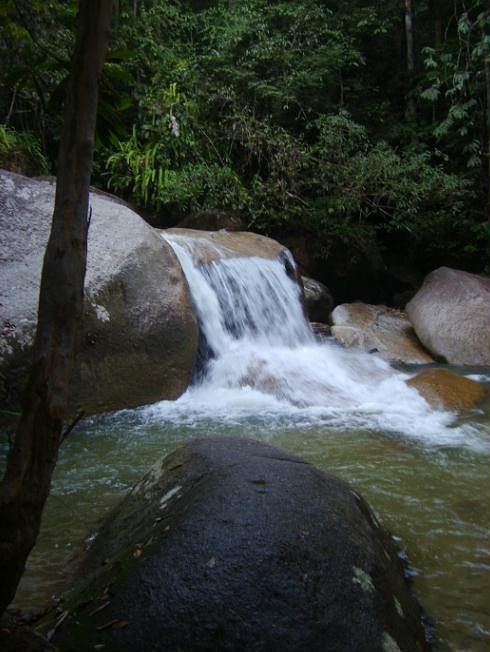
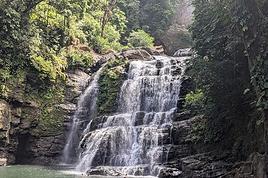
Ce wk-nd je me suis rendu au parc d Ulu Chepor (Ipoh) ne cherchez pas je doute qu'aucun Vforumer n'y ai jamais mis les pieds.
C'est une destination très prisée des locaux qui s'y rendent le wk-nd pour profiter de la fraîcheur des "clearwater".
Ont dit souvent que le tourisme de masse est responsable de beaucoup de désagréments et spécialement au niveau des répercussions environnementales.
C'est donc pas le cas ici car je confirme j'étais le seul blanc sur place. 😉
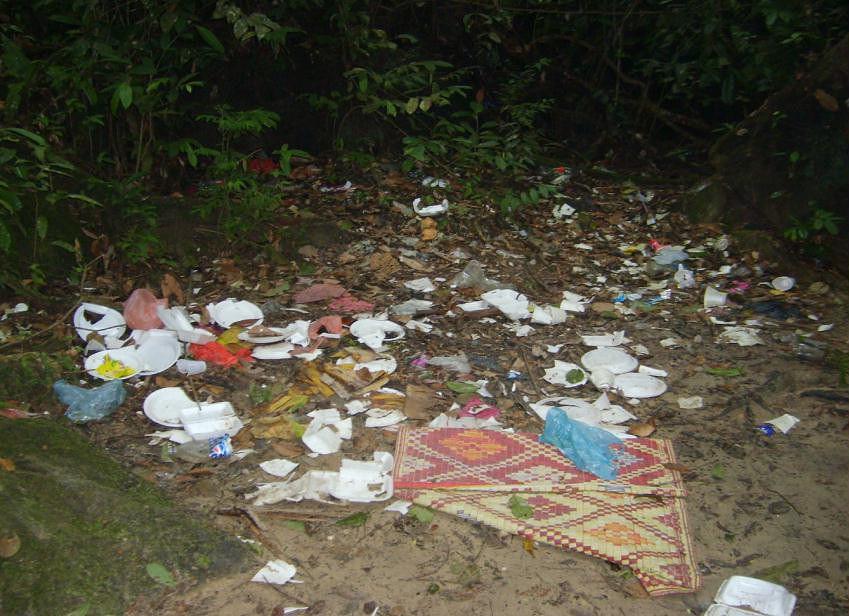
J'en viens au sujet de mon post, au travers de mes découvertes, j'ai toujours la même déconvenue concernant la totale négligence des locaux face au respect de l'environnement.
Ici aucune prise de conscience, et pourtant je ne suis de loin pas un écolo dans l'âme .
Quand j'en parle avec les locaux ils font souvent preuve d'une totale négligence à ce sujet...déconcertant...🤪 Que laisseront-ils au générations futures...???
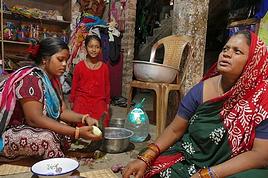
Les quelques images jointes sont parlantes, côté pile, côté face...😕
Je précise que le parc est géré par l'état qui prélève une taxe à l'entrée, certe minime (1MYR) Donc il semblerait qu'ils ne soient pas vraiment plus sensible à la question...
je crois, malheureusement, qu'en France la situation n'est pas toujours plus belle, à certains endroits, 🏴☠️
en Martinique, par exemple, si tu fais de grandes rando, un peu plus difficiles que des ballades toutes simples, c'est propre,
dès que tu vas dans des coins bien fréquentés par les locaux, dans la nature cependant, aménagés en plus pour le grand public, c'est vite dégueulasse,
et là tout le monde est sensibilisé au problèmes de l'environnement, alors !!!
en conclusion, l'humain est crado de nature et PARTOUT PAREIL
dommage pour les animaux qui partagent la planète avec nous !!!
bonne journée à toi
Idem à KL et dans les autres régions que j'ai pu visiter..
Je pense en effet que les notions d'écologie, de protection de l'environnement, ou simplement même de propreté "quotidienne" (selon nos critères occidentaux, en tout cas) ont tendance à être ignorés ici : canettes balancées par la fenêtre de la voiture, restes de pique-nique abandonnés sur place...etc..
C'est tellement dommage...
Heureusement, la main d'oeuvre ne coute pas cher donc l'ensemble du pays (en tout cas les grands axes !) reste assez propre..
J'aimerais avoir votre avis sur la question, spécialement pour ceux qui ont eu la chance de visiter ce merveilleux pays qu'est la Malaisie.........................
__
en thailande au moins, les sites à touristes sont propres. dommage que les malaisien soient crading comme leurs cousins thais. chez allah c'est comme chez boudha on dirait. je ne comprendrai jamais comment on peut vivre au milieu d'ordures. manque d'education sans doute. en asie ils sont les rois pour apprendre au enfants a faire des salamalecs pour la politesse et rien pour le respect de la nature. je ne comprends pas non plus pourquoi les dirigeants ne sont pas sensible a ce probleme, ils doivent pourtant bien voir que leurs pays sont dégueulasses
C'est plus ou moins la même chose en Thaïlande mais là, c'est clairement les étrangers qui sont montrés du doigt.... Pour cette raison, le prix pour l'accès aux parcs nationaux pour un étranger est 5 fois plus élevé que pour un local. Et croyez moi, certains sites sont franchement dégeu! Où va donc tout cet argent destiné à l'origine à l'entretien des parcs....?
Ces arguments comme quoi les étrangers salissent sont fallacieux, bien entendu, car dans la pratique, on contaste que les touristes étrangers sont bien plus respectueux de l'environnement que les locaux.
Le recyclage est un comportement spontané chez nous, là bas, ce n'est pas un reflexe naturel. Pourquoi recycler une canette en aluminium alors que la jeter dans le feu demande moins d'efforts?
De ce côté là, les comportements changent, doucement, mais à la Thaï! "Je veux bien recycler mais moyennant finance". C'est pour celà qu'on voit de plus en plus de personnes récupérer des cannettes vides ou autres bouteilles en verre qui pourront par la suite être revendue 50 satangs voire 1 baht. Bien, ça fait déjà ça de moins dans la nature. Il ne nous reste plus qu'à les convaincre que jeter des piles dans le feu, ce n'est pas bon non plus.... mais tant qu'elles ne seront pas consignées, c'est pratiquement mission impossible.
je vous trouve fort "tranchant" et un peu démago ... 😉 depuis combien de temps vivez-vous en Malaisie, parler le malais etc ... en savoir davantage sur vous permettrait de mieux comprendre vos griefs, vos stupéfactions ... je pense que l'on s'occupe et se préoccupe, que l'on aie une démarche écologique quand on est assuré d'un boulot, d'un salaire, d'une assurance santé et une assurance vieillesse !!
aucun "blan😉c" dites-vous !!! c'est peut-être mieux !!! 😕 pour eux dans certains cas ... de figure !!
Ce wk-nd je me suis rendu au parc d Ulu Chepor (Ipoh) ne cherchez pas je doute qu'aucun Vforumer n'y ai jamais mis les pieds.
attention aux idées toutes faites ... à défaire !! aussitôt ... de sa tête !!!
quel temps fait-il actuellement, là où vous vivez ?
ps. la Malaisie s'intéresse, participe aux projets écologiques ... et nous, d'après vous ? je parle de la population en général ...
Bonjour Madog,
c'est vrai, tu as "raison" mais Eliade (qui n'a pas l'habitiude de macher ses mots 😉) n'a pas tort non plus... le soucis est evidement un probleme d'argent aussi bien que de personnes, l'argent fait cruellement defaut (bien que la malaisie ne soit pas a la plus mauvaise place) et les priorites sont souvent autre part, ce qui est comprehensible mais bien dommage;
Ne te fais pas de soucis, ici, en thailande ce n'est pas mieux et souvent, lorsque l'on "nettoie" c'est pour mettre chez le voisin d'a cote.... je ne suis pas sûr que ce soit la bone solution !
Dommage car c'est par la que tout commence (et que tout finira ? ), pour cela, il faut donc que l'education commence des le plus jeune âge avec une sensibilisation a l'ecole, (l'ideal serait aussi de "re-eduquer" les parents pour qu'ils continuent a la maison), des sorties sur le terrain, du "pratique" en quelque sorte, une education que l'on a deja du mal a donner en france, alors, imagines dans des ces pays....
Ensuite, nous voyageurs ephemeres, c'est a nous de faire attention non seulement a ce que l'on fait mais des que l'occasion nous en est donne, essayer de faire comprendre "aux autres" le pourquoi et le comment, et c'est possible mais il faut que chacun s'y mette, sans que ce soit une "obligation", juste un autre moyen de "partager" et de faire comprendre, de faire toucher du doigt ce que personne ne leur avait jamais dit auparavant;
et puis peut-être que cela empechera de voir ce genre de chose dans l'avenir (!) parce que eux n'y peuvent vraiment rien, ils ne font que "subir"......
bonjour Sidartha 😉😉
le réchauffement climatique, les gestes écologiques etc ... un bon nombre de Malais connaissent tout cela, de plus en plus nombreux sont ceux qui possèdent un ordi, même si la toile est très surveillée ... là où je me pose lorsque je vais aux Perenthians, ils recoivent une revue traitant de la Nature de ses bienfaits et de nos méfaits à son égard ... de + désormais ils ont compris que les coraux étaient non seulement fragiles, mais qu'ils pouvaient mourir aussi ! et donc leur portefeuille se recroqueviller, devenir une peau de chagrin ... tt comme Perrette ... au 17ème !!!!!!
comme tu le dis si bien, ils ont de nombreuses autres priorités ... d'ailleurs sous notre ciel, on parle des bons gestes, ainsi on pense que nbreux sont ceux qui ... j'ai vu une émission dans laquelle on nous rappelait que l'on ne peut pas jeter tout et n'importe quoi dans les contenaires pour le recyclage, ainsi avons nous appris que les couches culottes ... pleines de ... les packs de lait avec du lait à l'intérieur ... des boîtes de conserves coupantes etc ... des tas de choses invraisemblables ... résultat, les personnes qui font le tri il leur arrive d'être blessées ... je rappelle que ces personnes méritent notre respect comme tout travail est respectable ... la saleté ? le manque d'higyène on apprend que ns gardons ntre brosse à dents plus d'un an ... etc ... ns sommes des gens bien élevées, je m'amuse, lorsque je suis bloquée à un feu rouge d(obserber ceux qui sont derrière leur volant et bien l'activité très pratiquée c'est de se mettre les doigts dans le nez ...😕😕😕😉😉😉 et ce n'est que les prémisses du début !!! arrêtons d'accabler les autres dont nous sommes les hôtes 😉😉
à +
quel charabia, c'est hallucinant...🤪
avec toi c'est sur, la planete est sauvee...🤪🤪🏴☠️🏴☠️
j'ai vu une émission dans laquelle on nous rappelait que l'on ne peut pas jeter tout et n'importe quoi dans les contenaires pour le recyclage, ainsi avons nous appris que les couches culottes ... pleines de ... les packs de lait avec du lait à l'intérieur ... des boîtes de conserves coupantes etc ... des tas de choses invraisemblables ... résultat, les personnes qui font le tri il leur arrive d'être blessées ... je rappelle que ces personnes méritent notre respect comme tout travail est respectable ... la saleté ? le manque d'higyène on apprend que ns gardons ntre brosse à dents plus d'un an ... etc ... ns sommes des gens bien élevées, je m'amuse, lorsque je suis bloquée à un feu rouge d(obserber ceux qui sont derrière leur volant et bien l'activité très pratiquée c'est de se mettre les doigts dans le nez ...
Hello, Merci pour vos réactions et prise de positions.
le soucis est evidement un probleme d'argent aussi bien que de personnes, l'argent fait cruellement defaut (bien que la malaisie ne soit pas a la plus mauvaise place) et les priorites sont souvent autre part, ce qui est comprehensible mais bien dommage;
Plutôt d'accord avec votre point de vue Sidatha, par contre pas vraiment avec le fait que l'argent fait cruellement défaut, contrairement aux idées reçues en France la Malaisie est un pays ou l'argent ne manque pas...vous seriez étonné...
Simplement très mal répartis.
Je m'explique, juste un exemple au hasard, enfin presque...😉
Savez-vous combien coûte un litre d'essence 95 en Malaisie?
Réponse: 1.80 Rm soit env 0.39 Eu
Qui paye la différence?
Réponse: Le gouvernement...
Eh oui ici il n'est pas rare de voir 5 stations services qui se chevauchent, aucune concurrence possible, car c'est l'état qui fixe les prix et donc subventionne l'essence.
Vous avez dit "polueur payeur" 😛
je vous trouve fort "tranchant" et un peu démago ..
Chère Eliade, merci de vous contenter de donner votre opinion et de vous abstenir de porter des jugements sur des personnes que vous ne connaissez pas.
Je vis et travaille avec des Malais à longueur d'année je pense pouvoir aborder le sujet sans trop me tromper... Ce qui ne semble pas être votre cas.
Surtout quand vous insinuer des choses comme celà:
même si la toile est très surveillée ...
Vous pensez ne pas être surveillée en France ??? 😇
ou encore celà...
aucun "blanc" dites-vous !!! c'est peut-être mieux !!! pour eux dans certains cas ... de figure !!
Vous devez bien mal connaître la Malaisie, et c'est pas en venant se bronzer au Perenthians que ça va aider...
attention aux idées toutes faites ... à défaire !! aussitôt ... de sa tête !!!
quel temps fait-il actuellement, là où vous vivez ?
Totalement hors sujet... 🤪 Humide et chaud... all year long, and so???
j'apprécie votre réponse en qualité de personne qui vit et qui travaille en Malaisie, qd au terme "blanc" je me suis insurgée car dans le post en question l'adjectif blanc m'a paru un superlatif ...
JE VOUS CITE !
C'est une destination très prisée des locaux qui s'y rendent le wk-nd pour profiter de la fraîcheur des "clearwater".
Ont dit souvent que le tourisme de masse est responsable de beaucoup de désagréments et spécialement au niveau des répercussions environnementales.
C'est donc pas le cas ici car je confirme j'étais le seul blanc sur place. 😉
J'en viens au sujet de mon post, au travers de mes découvertes, j'ai toujours la même déconvenue concernant la totale négligence des locaux face au respect de l'environnement.
Ici aucune prise de conscience, et pourtant je ne suis de loin pas un écolo dans l'âme .
😉 quant à votre pointe d'humour ! à propos des Perenthians ... je précise ! que.. je ne suis pas une "évaporée" !! pas encore !!
à propos de la Malaisie j'attends donc de votre part d'autres éclaicissements qui me permettront d'être "plus" objective ! plus sensée !
ps. à propos du prix de l'essence et de la participation du Gouvernement, petite question sup ! travaillez-vous pour Petronas ?
Salut Olivier,
Comment vas tu?
Juste une remarque concernant le cout de la vie en Malaisie. Bien sur, ramené a ton salaire, la Malaisie n est vraiment pas un pays cher...Mais pour les locaux, il l est . Ramène la comparaison au salaire minimum (environ 700 euros en France, et un peu moins en Ringgit Malaisiens) et ensuite tu regardes le prix des choses...L essence est plus chère qu en France 1.35 euros, les voitures n en parlons pas....Un paquet de pain de mie a 2, 80 euros !!!!
Pour moi, le problème des détritus sauvages, est comme pour le reste du a l 'éducation nationale qui focalise sur pas mal de conneries et oublie l'essentiel ...Ma fille est première de sa classe, et parle très peu anglais, encore moins malais !!! . Mon fils qui est N° 6, situe la France un peu en dessous du Canada ...Tes employés diplomés de grandes écoles confondent les centièmes et les microns...j en passe et des meilleures......
En Suisse, en complément de l'école et de l'information, c 'est la peur de l'amende qui a éduqué les gens peu à peu pour finalement faire de la Suisse un exemple de propreté . Ici, comme tu le sais, difficile de compter la dessus, l'argent irait certainement dans d autres poches .... J'avais fait remarquer son geste a un gars qui avait balancé son sac poubelle depuis la fenetre de sa voiture à un feu rouge ...tu sais sa réponse " Malaysia is my country sir, not yours" .
Je ne m engagerais pas dans les considérations éthniques mais je pense qu' il y a aussi des corrélations.....Du style : " Je fais ce que je veux de ce qui m'appartiens..." ou " Je salis ce qui ne m appartiendra jamais..." .
L'appellation Matsalleh vient de "mad sailor" . Comme ce mot ressemblait phonétiquement a un héros de l'histoire de Bornéo, les malaisiens utilisent celui ci.Il est utilisé de manière péjorative, un peu comme chez nous "melons"......
A ce sujet, Pourquoi " les bourbines"????
C est quand tu veux pour un diner en ville...As tu déjà gouté le Bak Kut Teh? Avec des Tu Ka c est délicieux
Amitiés
Jean-François
ps: J ai pété mon téléphone, et donc je n ai plus ton numéro...
Chere Eliade,
Ne vous méprenez pas, je n ai pas publié ce post pour contredire mon ami Olivier, ni prouver quoique ce soit .Pour moi, il parle vrai aussi.
Olivier n'est en Malaisie que depuis quelques mois et il est très difficile de percer les mystères de la Malaisie et surtout des malaisiens en si peu de temps.
Le rapport d'argent ( ou professionnel) fausse tout et il est difficile d avoir les vraies réponses a nos questions . Les réponses évasives, ou les sourires béats sont légion ici .
C est pas de leur faute, on leur a appris comme ça.....
bonjour concitoyen 😉 "Perancis" !
je suis d'accord avec toi, par contre j'ai trouvé que Olivier faisait des raccourcis 😕 bcp trop appuyés, voire irréfutables 😕
Olivier n'est en Malaisie que depuis quelques mois et il est très difficile de percer les mystères de la Malaisie et surtout des malaisiens en si peu de temps.
Le rapport d'argent ( ou professionnel) fausse tout et il est difficile d avoir les vraies réponses a nos questions . Les réponses évasives, ou les sourires béats sont légion ici .
quand aux sourires "béats" je préfère les sourires que l'inverse ...
pour ce qui me concerne, je n'ai jamais eu l'impression d'avoir le droit à ce genre de sourire ... ne pas oublier que nous venons de l'extérieur et que notre mode de "penser" et "d'agir" en qualité d'européens n'est pas un modèle dominant !
les a-priorori ... les copié-collé ... ne nous aident pas à aller vers les Autres qui ne peuvent que nous enrichir ... dans les situations négatives 😕 dans les relations positives 😉 à nous de faire le ménage dans notre tête ! et de savoir choisir 😉
j'ai apprécié que vous donniez un autre son de cloche !!!
attention !!! désormais être expat ... n'a plus la même saveur 😉 qu'autrefois !!!!
Le sourire béat, c est lorsqu ils ne veulent pas répondre à une question car la réponse n'est justement pas "politiquement correcte" ...Cela, on ne leur a pas appris.
Comme tu le dis, c est une autre culture... N oublions pas que l' ISA est encore en vigueur et que quiconque évoque des problèmes ou des faiblesses politiques ( l écologie en fait partie ) en public et est dénoncé, risque d aller étudier la vie des cafards à Kamunting( prison réservée principalement aux opposants ) pour quelques mois, voire années...Donc, je ne critique pas mais simplement constate .
Cela dit, avec beaucoup de patience, en posant les bonnes questions aux bonnes personnes, on apprend beaucoup de la Malaisie...
Sans poser de question, et avec des a prioris, on tombe vite dans les clichés....
Quelle saveur avait expat autrefois???😛
Personnellement, je me considère comme citoyen de la planète terre.....😉
Les problématiques de l'environnement, de l'écologie et/ou de la protection de la nature sont des sujets bien plus complexes et même polémiques qu'on pourrait croire.
Et pour commencer, le titre d'origine (que j'ai laissé dans ce post) est en soi la preuve d'une connaissance imparfaite du sujet : les ordures dans les lieux touristiques sont un problème d'environnement et pas un problème d'écologie en soi (pour ceux qui en douteraient, je recommande une petite recherche de la signification de ces deux mots)
Penser que des endroits souillés de détritus par des sagouins sont caractéristiques d'un comportement ou du manque d'évolution des mentalités en Malaisie est un raccourci que je trouve bien osé, même si les images montrées sont choquantes pour nous.
Mon intervention a pour but de tenter de remettre les choses un peu en perspective et de prendre un peu de recul sur ce sujet (on parle bien de la mentalité des Malaisiens vis à vis de l'environnement).
1. La volonté gouvernementale
De façon claire et nette, les autorités malaisiennes ont placé l'environnement dans les priorités de gestion du pays. Les choses ne sont pas encore rentrées dans la tête de tous les citoyens, car il faut environ 2 générations (une cinquantaine d'années) pour qu'une pression de communication continue change les mentalités de tout un pays.
Dans les états de Sabah et Sarawak, préserver la forêt est une action prioritaire (ce n'est pas le cas au Kalimantan, la partie indonésienne de l'île de Bornéo). Depuis des années, des budgets de recherche importants sont affectés à l'étude de l'équilibre écologique, et de la regénération des forêts secondaires dans l'objectif de sauver ce qui peut l'être et regénérer ce qui est possible. Ceux qui sont en Malaisie devraient visiter le FRIM (Forest Research Institute Malaysia) près de KL. Cela vaut bien une balade d'une journée, et il n'y a pas de papiers gras. et si vous êtes pasionnés par une question plus précise, n'hésitez pas à demander rendez-vous avec des chercheurs sur le sujet en question.
Pour parler de Parcs Nationaux, la réglementation pour les étrangers comme pour les locaux sur le Taman Negara sont très explicites et rigoureux, et les dérives somme celles rapportées n'existent pas.
2. Le tourisme local
Les Malaisiens (il y en a un dans les échanges qui avait confondu les Malaisiens et les malais qui ne représentent que 60% de la population en caractérisant les Malaisiens comme musulmans) n'étaient pas tellement des touristes dans leur propre pays. Ce phénomène des Malaisiens touristes chez eux est relativement récent et résulte d'un vaste programme promotionnel des autorités malasiennes. Ceux qui sont sur place on certainement remarqué la fameuse campagne Cuti-Cuti avec grandes affiches. Cela ne date que de la fin des années 90.
On commence à s'approcher des chiffres trouvés dans le monde (80% du tourisme est un tourisme de proximité), mais malheureusement, les mentalités et les moyens ne sont pas toujours exactement coordonnés avec l'augmentation de fréquentation.
Les premiers lieux à avoir été équipés (point de collecte des déchets, ramassage pour des centres de traitement, ...) sont les sites touristiques de première importance. Puisque nous parlons des sites naturels, on peut parler par exemple des Perentians déjà cités, de la région de Cherating, de Tioman, de Taman Negara, de Langkawi. Et dans ces hauts lieux touristiques internationaux, vous avez une proportion de touristes locaux de plus en plus grande.
Le tourisme intérieur en Malaisie dépend du MTPB (Malaysia Tourism Promotion Board), qui est un service qui ne dépend pas du même ministère que celui qui s'occupe de l'environnement et des ressources naturelles. Et comme dans tous les pays, la coordination interministérielle n'est pas obligatoriement très simple. Mais je peux vous assurer que la personne en charge du tourisme intérieur au MTPB (on arrive à des niveaux de hauts fonctionnaires), est parfaitement consciente des problèmes d'environnement et de sa préservation. Il est d'ailleurs resté pendant près de 5 ans en France comme Directeur de l'Office du Tourisme de Malaisie à Paris, a visité en long en large toute la France (ses enfants ont découvert la neige à Tignes sur le glacier) et ia protection de l'environnement fait partie de ses préoccupations dans le cadre du développement du tourisme intérieur (on est au coeur de notre sujet).
3. Office du Tourisme
Pour ceux qui sont à Paris (ou peuvent y passer) et sont intéressés par la Malaisie, je vous recommande de faire un saut à l'Office du Tourisme de Malaisie (29 rue des Pyramides).
Vous verrez qu'un très grande partie des brochures (j'aurais tendance à dire la majorité) met en avant les richesses naturelles du pays. Vous pourrez repartir avec des documents couvrant presque tous les aspects possibles de la nature qu'on peut découvrir dans le pays.
Un pays qui base le tourisme international sur la beauté de la nature ne peut pas ne pas s'être préoccupé de la préservation de cette nature. Et il est évident qu'il lutte contre toutes les actions qui seraient propres à mettre à mal cette nature et sa préservation.
Donc, la question de "prise de conscience" n'est même plus à poser, elle est déjà là à un certain niveau. La pénétration dans toutes les classes sociales est progressive et ne se fait pas en un ou deux ans. En France, cela a pris des dizaines d'années, et les efforts continuent d'être nécessaires. La Malaisie a démarré plus tard, en grande partie pour des raisons exprimées ci-dessus, et le travail est en cours.
Mais évidemment, des détritus laissés par une dizaine de personnes se verront toujours plus que ceux qui ne sont pas laissés par des centaines.
Et ce qui est regrettable est que l'action de nettoyage de ce lieu et l'aménagement de colelcte des détritus ne soit pas fait alors que le lieu est très fréquenté.
"les expats d'autrefois" 😉😉😉 et bien comme ceux d'aujourd'hui ... il y avait des gens bien, d'autres moins, des discrets, des m'as-tu-vu, des jeunes loups aux dents aiguisées, des brebis au coeur tendre ... des cervelles bien pleines, des cervelles de moineau ... que sais-je ! la nature humaine ne se transforme en un quart de siècle, ni en un demi-siècle !!
Va bien, merci pour ton post, tes remarques sont très pertinentes.
Concernant le coût de la vie je suis entièrement d'accord avec toi et j'en suis bien conscient.
Comme pour le problème des déchets c'est bien une question d'éducation là encore 100% d'accord.
Merci pour les explications du mot "Matsalleh" je ne suis pas encore au point avec l'orthographe et encore moins au niveau du parler...😛 mais comme tu le dis je ne suis là que depuis 8 mois alors tu me pardonneras. 😉 Il me reste bcp à apprendre et je suis aussi ici pour celà.
A ce sujet, Pourquoi " les bourbines"????
Bonne question... No idea...😎
C est quand tu veux pour un diner en ville...As tu déjà gouté le Bak Kut Teh? Avec des Tu Ka c est délicieux
Non jamais gouté, mais c'est quand tu veux, moi j'ai encore le tiens alors je t'appelle.
Cela dit, avec beaucoup de patience, en posant les bonnes questions aux bonnes personnes, on apprend beaucoup de la Malaisie...
Sans poser de question, et avec des a prioris, on tombe vite dans les clichés....
Merci de votre réponse, assez d'accord sur votre remarque sur le titre de mon post, il n'est pas vraiment adéquat je le reconnais.
1.- Il est certes vrai que les autorités Malaises font beaucoup pour préserver l'environnement, surtout au niveau des fonds marins, il serait malhonnête de le nier. Pour les citoyens c'est effectivement une autre histoire, d'où la raison de mon post.
Donc, la question de "prise de conscience" n'est même plus à poser, elle est déjà là à un certain niveau. La pénétration dans toutes les classes sociales est progressive et ne se fait pas en un ou deux ans.
Malheureusement oui, et ici je le remarque tous les jours... Wait and see...🙁
Mais évidemment, des détritus laissés par une dizaine de personnes se verront toujours plus que ceux qui ne sont pas laissés par des centaines.
Fort juste...😕
Merci pour toutes vos explications fortes intéressantes.
Me mêlant au dernier moment à ce post, je pense avant tout qu'il faudrait arriver à responsabilisé chacun des responsables sur ses propres comportements, mais quant on voit ce qui se passe chez nous alors qu'on est prévenu par l'intérmediare des médias, je pense que l'exemple de developpement durable -c'est bien de çà dont il s'agit en fait n'est pas prêt d'êtretrouvé !🙂
j'ai apprécié que vous donniez un autre son de cloche !!!
attention !!! désormais être expat ... n'a plus la même saveur qu'autrefois !!!!
Certes, mais ne vous méprenez pas, être expat n'est pas un privilège mais une vrai expérience de vie, et j'en suis pas à mon premier coup d'essai, (USA 2 ans)
J'en suis toujours ressortis grandis, une vrai école de vie.Mais cela à un prix.
Je ne veux pas me vanter mais c'est loin d'être à la portée de tout le monde de faire de telles concessions au niveau de sa vie privée et professionnelle.
Je pense qu'il faut effectivement rassembler pas mal de qualités pour relever le défis et c'est un combat de tous les jours pour y arriver .
Je ne suis pas ici pour faire de l'argent, je gagne moins qu'en Suisse, travaille 20% en + (Horaire 55h/sem samedis compris) et paye + de taxes, 28% de mon salaire pour être précis.
Certes, je ne suis cependant pas à plaindre le coût de la vie étant fort inférieur.
En contre partie il y a aussi tellement de bons côtés, il serait insidieux de le nier, et le partage d'expériences journalières avec les locaux en est un, pour le reste les expats me comprendront.
es a-priorori ... les copié-collé ... ne nous aident pas à aller vers les Autres qui ne peuvent que nous enrichir ... dans les situations négatives dans les relations positives à nous de faire le ménage dans notre tête ! et de savoir choisir
Hello everyone! I’m heading off solo in February and wanted to share my rough itinerary with you. Does this sound doable?
PS: I’m not really into beaches.
D1 Departure on February 17, 2027
D2 Arrival in Kuala Lumpur – stroll through Chinatown and visit the Petronas Towers
D3: Kuala Lumpur – Chow Kit Market, Batu Caves, Little India, Bukit Bintang downtown area
D4: Early morning bus to Malacca. Explore Malacca in the afternoon and evening
D5: Another 2–3 hours in Malacca in the morning, then bus back to Kuala Lumpur. Merdeka Square area. Stay in Chinatown
D6: Bus trip to Kuala Tahan. Night tour
D7: Morning – canopy walk and Bukit Terisek hike. Afternoon – off to Lata Berkoh
D8 & D9: 2-day jungle trek in Taman Negara National Park
D10: Head to Cameron Highlands
D11: Morning hike through the plantations. Afternoon still to be decided
D12: Morning – excursion to Mossy Forest and Sungei Plantation. Afternoon bus to Ipoh
D13: Morning – Mirror Lake / Sam Poh Temple area. Afternoon – explore downtown Ipoh
D14: Morning train to Penang. Afternoon – wander around Georgetown
D15: Morning – Penang Hill and Keh Loh Temple. Afternoon – Georgetown
D16: Bus to Butterfly Garden and Spice Garden. Late afternoon – Burmese and Thai temples
D17: Morning flight to Singapore. Afternoon – Chinatown and Marina Bay tour
D18: Morning – Gardens by the Bay area. Afternoon – Boat Quay, Clarke Quay, Kampong Glam
D19: Morning – The Ridges area and Botanical Garden. Afternoon – Little India, then back to Chinatown before 11:15 PM return flight
D20: Morning arrival
Has anyone traveled with the Laos travel agency ADV ?
I’m planning a trip to Laos and have received several quotes. Among them, this agency’s seem very reasonable, and so far, the interactions have been positive.
I’ve found a few positive reviews online, but I’d love to hear from travelers who’ve actually booked with them: how’s the organization, guide quality, accommodations, on-the-ground responsiveness, etc.
Thanks for sharing your experiences!
First stop on our discovery of the peninsula: Amphawa. It’s our first night in Thailand (we arrived at Suvarnabhumi at 8:50 AM).
Our initial plan was to explore the area before heading further south. The Mae Klong Railway Market is tempting... but what else is there to do????
We’ll be there on a Wednesday, and from what I’ve read on the forum, some say there’s absolutely nothing to do during the week—no floating market, barely any shops open, no restaurants, etc.
Others, though, say the place is actually more charming without the weekend crowds.
Could you share your thoughts? Missing the floating market is one thing, but if it’s really a ghost town on Wednesdays, I might just drop our bags somewhere else.
Amphawa seemed like a good first stop, just 1.5 hours from the airport, but I’d still like to settle somewhere a bit lively for our first evening.
We’ll be there at the end of October.
Thanks!
Hi,
I wanted to visit the plantations in the morning with GetYourGuide or by just showing up.
How much time should I really plan for?
I’d like to catch either the 3 PM or 5 PM bus back to KL.
Thanks
Hi,
I wanted to get some info about the cable car and the bridge—I see lots of different options...
How much time should we allow for these two activities? If we arrive around 4 PM, will we have enough time to visit without rushing?
Thanks
Hi there,
I didn’t plan to return to Thailand this year, but my health conditions mean it’ll be the best place for me to stay between two trips to India. The tourism setup there is so well-organized that it’s the most "comfortable" country for a short visit. Thailand feels too sanitized for my taste, and there’s too much religion, Buddha, and the King, but it’s still the best option given how my health has been evolving. I’d considered two weeks in ThaTon for hiking, but I got too sick from the burn-offs during my trips to the mountains around Chiang Rai. So I’m not sure where to go this year. Definitely not the sea, touristy spots, or the mountains with burn-offs...
Hi,
On September 1st, we're heading to Kalimantan for six weeks, probably from Pontianak to the Derawan Islands.
I've scoured this site, which is usually my go-to 😉, and others like VoyageForum, but recent info is pretty scarce.
I'd love any tips on places you've visited—our itinerary is still a work in progress.
We're two couples traveling with backpacks, using buses, boats, guesthouses, and homestays.
Thanks in advance!
Hi fellow travelers,
First trip to Vietnam.
We’ll be arriving in Ho Chi Minh City during Tet.
Is it complicated to find accommodation and get around during this period?
Any tips would be welcome.
Thanks for your replies.
Hi! I’d like to split my trip into two parts: 15 days in Phuket and 15 days in Krabi. Do you know if I can rent a car and drop it off in Krabi when I fly back to France?
Thanks for your feedback!
Have a great Sunday!
Martine
Hello,
After 1 night in Khao Sok, I’d like to find a 2 Days 1 Night package on the lake.
After reading a lot, I decided to "break the bank" and treat ourselves to a private tour—mainly to avoid the crowds.
But after contacting several operators, they offer "private tours" that are very expensive (around 700 €), yet in the details, the boats can only leave from the pier at 10 AM like everyone else. (I was hoping to leave much earlier.) The morning program is the same for everyone too (private or not). They drop us off at noon at our floating hotel (I’d chosen Phupha Waree). Free afternoon (swimming or kayaking in front of the hotel). We head back by boat for a 1-hour sunset ride. And the next morning, we leave the hotel at 8 AM to be at the pier by 9:30 AM at the latest—end of the trip.
So basically, we’re paying a lot for a private tour just to do the same thing as everyone else at the same time.
Or maybe I just had bad luck in my search.
I contacted Panida Ladi, who’s very popular on forums. We’d agreed on a private tour that matched my request (departure from the pier at 8 AM, very personalized itinerary). We settled on the itinerary and price, she asked for a Wise transfer for a 30% deposit, confirmed receipt of the deposit. Then 30 minutes later, she messaged me to say she was canceling everything because it was impossible to do the requested tour—and promised a quick refund of my deposit.
So here’s my question: Who’s done a *real* private tour on this lake? Who can recommend a reliable agency? Is it even really possible to do a private tour here?
I’m searching for a real gem for my 3rd stay in Koh Lanta: a lovely, high-quality hotel right by an easily accessible beach in a lively spot.
If you know of anything that fits what I’m looking for and want to share, don’t hesitate!
Hi, is anyone there in Flores right now? According to some websites, everything is closed and the situation is tough. But our guide says it's fine. Who should we believe? We're supposed to leave on September 2nd. Thanks to anyone in Flores at the moment!
Hi dear community,
I'm planning to visit Cambodia this winter, right after Christmas, for my first solo trip and my first trip to Asia. For two weeks (yes, I know it's short, but I really can't do more...). I have two main desires: Siem Reap and the countryside, the villages, the Mekong...
What do you think of this itinerary? Arrival in Siem Reap, departure from Phnom Penh.
SR: 5 days (1 day for arrival, 3 for the temples, 1 for the lake and its villages)
Kratie (stop on the way to Mondolkiri): 3 days (1 day of travel, 2 days there)
Mondolkiri/Sen Monorom: 4 days (1 day of travel, 1 day there, 2 days of treks)
PP: 3 days (1 day of travel, 2 days of sightseeing)
I think I need to cut one day somewhere if I travel from Saturday to Saturday or Sunday to Sunday. In Kratie, maybe? Or in PP? And I'll miss the boat trip that everyone recommends (SR-Battambang), but I don't see where to fit it in. Unless I do a PP-PP loop starting in the east, skip Kratie or just stay one night, then SR, then PP.
In my timing, Mondolkiri seems closer than Ratanakiri, which also tempted me a lot! Will it be too complicated alone? I'm thinking of using local guides or a small local agency for a nature and village getaway.
I've read that Siem Reap is very crowded between Christmas and New Year's. I could also do the circuit in the opposite direction. But I thought it would be easier to get familiar with the country by arriving in a touristy area—I might be wrong...
Thanks for your advice and opinions!
Hi everyone.
I’m planning my trip, and based on all the posts I’ve read, this country is amazing.
Of course, I’ve got a ton of questions for you.
Here’s a possible itinerary: Vientiane - Vang Vieng - Phonsavan - Sam Neua - Nong Khiaw + villages - Phongsali - Luang Namtha and the area - Udomxai - Huay Xai - Luang Prabang and back to Vientiane.
What do you think?
We’re planning to prioritize local transport—is it possible to do this loop?
We’d also love to go kayaking, but I’m not sure if the season’s right or where the best spot is.
For trekking—I read that Phongsali is the most authentic spot to visit villages and see wildlife. Do you know of a reliable agency and a guesthouse with reasonable prices?
Is it worth taking a slow boat for a stretch on the Mekong, and if so, which route?
For accommodations, is it better to book through Booking.com and Agoda or look when we arrive?
Are mosquitoes bad in Laos, and should we take malaria prophylaxis?
What’s the average daily budget (accommodation, food, visits)?
Is renting scooters a good option for exploring towns, and if so, which ones?
From what I’ve read, it’s best to carry cash—euros or dollars? Is it risky to walk around with that much cash?
I’ve still got tons of questions. Thanks to anyone who can help, and I’m open to all tips, info, etc.
Thanks again
Hi there,
I’m planning a trip to Vietnam in February, specifically Da Nang and Hoi An.
Does anyone know a French-speaking guide in the area?
Thanks for your help
Hi there,
I’m planning a family trip (my wife and I, both 47, and our two sons, aged 5 and 12) to Malaysia for the last week of June and the first two weeks of July 2027.
We used to love road trips as a couple, then as a trio, but since our second child arrived, we’ve taken a break with "camping village" style trips.
Now feels like the right time to get back to our old habits, while adjusting the pace for the kids.
We’re craving Asia. We’ve been lucky enough to visit Thailand, Indonesia (Bali and Lombok), and Sri Lanka before.
Friends have raved about Malaysia, so we’re definitely tempted.
For those who know and love Malaysia, what would be a good itinerary starting from Kuala Lumpur, with a maximum of 3-4 stops? We’d like a mix of culture, nature, and relaxation (just to clarify, we’re not big beach fans). All of this without rushing, of course.
Hello,
We’re a family of four with two teens aged 16 and 18. We’re heading to Thailand this summer. We’ll arrive in Bangkok and plan to take a flight to Luang Prabang.
I’ve seen there are some great visits and excursions to do (temples, markets, waterfalls) and maybe even venture a bit north to places like Nong Khiaw, Muang Xay, Muang Ngoy, or Oudom Xay.
But I’ve also heard about the Bokeo region with the Gibbon Experience.
Since we won’t be able to do everything, I’d love to hear about your experiences, impressions, and advice on the two options I’m considering, especially since we’ll be meeting family in Chiang Mai, Thailand, afterward.
Option 1: A loop from Luang Prabang heading slightly north, then a flight from Luang Prabang to Chiang Mai.
Option 2: A few days in Luang Prabang, exploring within a few dozen kilometers around, then heading to Bokeo province for the 2-day/1-night Gibbon Experience. For this option, I saw on Rome2Rio that it’s possible to book a ferry trip on the Mekong from Luang Prabang to Huay Xay—they mention about 8 hours. But is that realistic? What type of boat is it?
Then, to get to Chiang Mai, there aren’t many options—bus or minivan—but how does crossing the border work?
Finally, for those of you who’ve been to Laos in August, what was the weather like?
We’ve already visited Thailand, Vietnam, and Cambodia during the same period over the past four years and weren’t really bothered by bad weather.
I’m starting a discussion about guides in the Mekong Delta because we’ve just finished our trip in this region and had a hard time finding a French-speaking guide. We had Thanh—she speaks French really well and travels all over the delta region, including Ho Chi Minh City. She’s super friendly and flexible. I recommend her wholeheartedly. If it can help someone...
Feel free to contact us for her number.
Hi everyone,
I couldn’t find any recent info on Kuching.
Can anyone recommend a hotel or guesthouse for under 100 RM that’s nice and affordable? No dorms, please.
Also, does it rain a lot in November, and is it still worth visiting Semenggoh or Bako?
We’ll be arriving in Phnom Penh this coming January and we’re thinking of starting our trip with a stop in Kampong Cham, then Kratie.
After Kratie, we’re considering heading toward Siem Reap with a stop in Kampong Thom.
That said, I’m not really sure how long the Kratie–Kampong Thom journey might take or how complicated it is.
Does this stop on the way to Siem Reap seem like a good idea to you?
If we don’t visit the Sambor Prei Kuk site, are there still any walks or sights worth checking out in Kampong Thom?
Silly question—backpack or hard-shell suitcase for the Sepilok, Kinabatangan, Tioman, KL trip?
I’m struggling to fit all my son’s and my stuff into the 70L backpack... and I’m thinking a suitcase would be easier, but I’m not sure if it’ll work for getting around.
After a stay on Koh Phayam this coming November, I’d like to spend 2 or 3 days on Koh Phra Thong before heading further south.
Do you think it’s doable to leave Koh Phayam early enough to catch the 10 AM boat from Khura Buri to Koh Phra Thong? The next one isn’t until 4 PM, which would cost me a whole day.
I’m planning a trip to Indonesia, specifically Sulawesi and Java, in September for 10 days.
I don’t know this part of the world at all—any advice is welcome!
I’ll be traveling solo and would also love tips on meeting other travelers or locals.
Hello everyone,
Not long ago, I used to travel as a couple, but my husband has since passed away, and I’ve decided to set off again. The trip I took to Cambodia in January 2025 did me a world of good.
I’m now considering Thailand, a destination we never included in our plans because even 15 years ago, people said it was too touristy. Still, I’m thinking about the itinerary below, but I don’t feel up to arranging buses, trains, or guides on my own while I’m there. I’m looking for one or more drivers and have been in touch with an agency, but their offers are just copy-paste group tours that I don’t want.
So, if you have any contacts, experiences, or advice, I’d be so grateful if you’d share them with me. Here’s my rough plan:
Arrival in Bangkok
Ayutthaya (2 nights)
Kanchanaburi (2 or 3 nights)
Sangkhlaburi/Sai Yok (3 nights)
Sukhothai (2 nights)
Lampang (I’ve planned 3 nights, but that might be a bit much—it depends on what time I arrive in the city)
Chiang Mai
Chiang Dao
Pai
Chiang Rai
I was thinking about the Mae Hong Son loop—thoughts?
What do you think about staying overnight at the Golden Triangle?
When I look online, of course, I can find agencies that organize tours to national parks, etc.
I’m retired but in great physical shape. I’d rather go hiking than sit in hot springs with crowds of tourists who’ve all arranged meet-ups. I don’t want to spend a day at an elephant camp, and I don’t want to visit Karen villages.
I’d love to hear your advice.
Thank you all,
Hi everyone,
Could you share your thoughts on my 3-week itinerary?
We’re a small group (family + friends) of 12 people, planning to leave around January 21, 2027.
Here’s my itinerary:
3 nights in Bangkok
4 nights in Chiang Mai
3 nights on Koh Samui
3 nights on Koh Phangan
4 nights in Krabi
4 nights in Phuket
I’m also open to any great tips you might have...
Thanks, everyone! Alain.
Hi there,
We’re planning a 3-week family trip next summer with our three kids, who’ll be 8, 8, and 7 years old.
After some research, we’re leaning toward Malaysia to combine nature/forests and paradise beaches. The idea is to introduce our kids to the country’s culture, nature, and wildlife.
We want a great trip but without splurging on luxury options like high-end lodges and resorts. We’re looking for comfort with a touch of authenticity—basically, a good middle ground.
I’ve started putting together an itinerary and would love your expert advice and tips to help us build this amazing trip with our little ones.
Day 1: Departure from France
Day 2: Kuala Lumpur
Stay at a hotel near the airport or KL Sentral.
Just one night.
Day 3: Morning flight to Sandakan (Borneo).
Stay in Sepilok
Day 4: Sepilok:
* Orangutan Center
* Malayan Sun Bear Center
* Rainforest Discovery Centre
Day 5: Depart for Kinabatangan.
Boat safari in the late afternoon.
Day 6: Sunrise safari.
Jungle walk.
Evening safari.
Day 7: Final safari.
Return to Sandakan.
Flight to Kuala Lumpur, then to Kota Bharu (or overnight transit depending on schedules).
Day 8: Transfer to the port.
Boat to the Perhentian Islands.
Days 9 to 13: Perhentian Besar
5 full days.
* Snorkeling
* Hiking
* Turtle watching
* Wild beaches
* Relaxation
Day 14: Return to the mainland.
Bus or private car to Taman Negara.
Summer seems to be the best time weather-wise for Bali.
And since summer’s when we can take a long trip, let’s go for Bali... even though we know it’ll be *packed* with people!
So we’ll steer clear of the island’s south...
Our current plan (19 days on the ground, 7 stops):
- 4 Nights (3 days) in Ubud
2 days for rice terraces / activities (Tegallalang, Campuhan Ridge, Monkey Forest, Bird Park, coffee plantation, market (?), dance "pestacle," cooking class and/or spa)
1 day with a driver for the Temples (Pura Gunung Kawi, Tirta Empul Spring, Pura Mengening, Goa Gajah...)
- 2 nights in Sidemen (1 day for Pura Kehen + Batur Caldera + Pura Besakih and 1 day to relax in the rice terraces)
- 3 nights on Gili Meno (Rest and beaches) from Padangbai
- 2 nights in Amed (1 day from Padangbai with the Abang rice terrace and Tirta Gangga baths, and the next day a boat tour in Amed)
- 4 nights in Pemuteran (1 day for transfer and rest, 1 day to visit Kawah Ijen, and 2 days of snorkeling at Menjangan Island)
- 2 nights in Munduk (1 day with the Dayang rice terrace and the 3-waterfall hike, 1 day at Pura Ulun Danu Bratan)
- 2 nights in Jatiluwih (1 day in the rice terraces, and on the last day, we’ll stop by Pura Taman Ayun in Mengwi and Pura Tanah Lot before catching our red-eye flight).
Accommodations in homestays or hotels.
Transportation to be arranged on-site with the lodgings (?)
Boat to Gili Meno to book in advance (?)
Kawah Ijen excursion to plan ahead (?)—check with the homestay (?)
Thanks for your thoughts/comments to help us explore this destination...
After reading and researching, we're planning the following stops in Cambodia in January 2027:
- Phnom Penh
- Kampong Cham
- Kratie
- Siem Reap
- Battambang
- Kampot (round trip)
I'm wondering about the direction of these stops, which could also influence our international flights.
Either a round trip from Phnom Penh in the order above.
Or landing in Siem Reap with the following order:
This second option would save us the Battambang - PP - Kampot trip but means doing a round trip to Battambang from Siem Reap and placing the "highlight of the trip" (Angkor) at the beginning of our stay.