Mais de rien, quand on voit ce qui passe à la télé, je me dis que ces chanteurs méritent bien d'etre cités et reconnus!
Mmmmmh, quelque chose de semblable à kidjo, pour l'instant je ne vois pas, il faut dire qu'elle fait un son assez occidentalisé (je ne dis pas ca péjorativement) et c'est vrai qu'elle a une super voix!
Peut etre dobet gnahore, chanteuse solo, belle voix aussi, styles variés...
Par contre, pour kora jazz trio, désolé je ne connais pas assez, je dois dire que je préfère quand meme le "vrai" jazz US😊 (par contre le blues soutient la comparaison) et je préfère meme abdoulaye diabaté en solo. Désolé, donc, je ne saurais t'aider!
Merci pour l'info, je ne connais pas Julia Sarr, je vais essayer d'écouter un peu😉
Choucarde, Ba Cissoko me rappelle qu'on peut aussi citer Baba Sissoko (je préfère) lol!
Pour les autres, pour compléter un peu mon message, je retiendrai comme emblématique du Mali Oumou Sangaré (il y'a quelques temps on m'a fait écouter une chanson magnifique "saa magni") et peut etre djeneba seck=> "tigne" (sublime).
Et puis pour ceux qui aiment les trucs vraiment rythmé avec percu etc, je crois que le chanteur sujet initial de la discussion, Habib Koité (surtout avec Bamada) est une des meilleurs suggestions.
Voila voila, et ceux qui ont envie de discuter d'autres styles de musique africains, n'hésitez pas à créer des topic etc.!
PS. la bossa aussi c'est cool😏



"Massa", Fatoumata Diawara's new album
Fifteen years after her debut album "Fatou" (World Circuit), Fatoumata Diawara has become a key figure on the international music scene. Born in Abidjan and raised in Bamako, this singer and guitarist began her career as an actress before turning to music in 2011. She has performed at prestigious festivals, including Glastonbury (UK) and Montreux (Switzerland), and shared the stage with international stars like Roberto Fonseca, Damon Albarn, and Paul McCartney. This artist effortlessly moves between continents and genres, all while singing in her native language, Bambara. Her new album "Massa", released in May on the Parisian label Nø Førmat!, was produced in collaboration with French musician -M- (Matthieu Chedid) and is her most personal work to date. Diawara explores both political resistance and her life as a daughter, mother, and artist. Musically, "Massa" draws from her homeland, Mali, blending West African traditions with pop, reggae, funk, electro, folk, and rhythmic structures from Afrobeat and jazz.
These stylistic blends never feel artificial or calculated. Traditional rhythms and melodic turns merge naturally with contemporary sounds, creating music that feels both familiar and fresh. But the album’s real strength lies in its songs—narrative pieces whose beauty comes from their sincerity, not spectacle. Her voice carries a unique power: it can be soft yet determined, vulnerable yet confident.
"Massa" is her most personal and introspective work yet. This globally acclaimed singer, songwriter, and guitarist also sees herself as a socially engaged artist—one who doesn’t just get people moving but aims to touch hearts and minds. She tackles social themes like the breakdown of human relationships, disappointment, betrayal, jealousy, and the complex dynamics of polygamous family structures. She also addresses female genital mutilation without preaching, instead sharing stories from her own experience that resonate universally.
Some artists preserve tradition. Others bring it to life. Fatoumata Diawara undoubtedly belongs to the latter. With "Massa", she creates an album deeply rooted in Mali’s musical heritage while speaking the language of the present.
hgb
https://fatoumatadiawaranoformat.bandcamp.com/album/massa
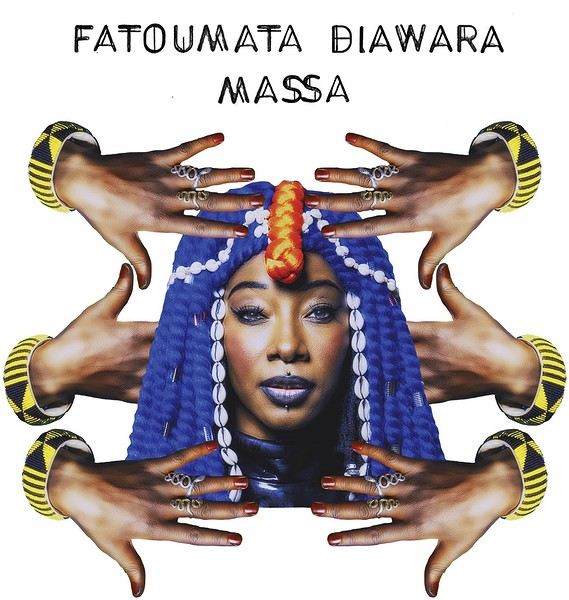
Fifteen years after her debut album "Fatou" (World Circuit), Fatoumata Diawara has become a key figure on the international music scene. Born in Abidjan and raised in Bamako, this singer and guitarist began her career as an actress before turning to music in 2011. She has performed at prestigious festivals, including Glastonbury (UK) and Montreux (Switzerland), and shared the stage with international stars like Roberto Fonseca, Damon Albarn, and Paul McCartney. This artist effortlessly moves between continents and genres, all while singing in her native language, Bambara. Her new album "Massa", released in May on the Parisian label Nø Førmat!, was produced in collaboration with French musician -M- (Matthieu Chedid) and is her most personal work to date. Diawara explores both political resistance and her life as a daughter, mother, and artist. Musically, "Massa" draws from her homeland, Mali, blending West African traditions with pop, reggae, funk, electro, folk, and rhythmic structures from Afrobeat and jazz.
These stylistic blends never feel artificial or calculated. Traditional rhythms and melodic turns merge naturally with contemporary sounds, creating music that feels both familiar and fresh. But the album’s real strength lies in its songs—narrative pieces whose beauty comes from their sincerity, not spectacle. Her voice carries a unique power: it can be soft yet determined, vulnerable yet confident.
"Massa" is her most personal and introspective work yet. This globally acclaimed singer, songwriter, and guitarist also sees herself as a socially engaged artist—one who doesn’t just get people moving but aims to touch hearts and minds. She tackles social themes like the breakdown of human relationships, disappointment, betrayal, jealousy, and the complex dynamics of polygamous family structures. She also addresses female genital mutilation without preaching, instead sharing stories from her own experience that resonate universally.
Some artists preserve tradition. Others bring it to life. Fatoumata Diawara undoubtedly belongs to the latter. With "Massa", she creates an album deeply rooted in Mali’s musical heritage while speaking the language of the present.
hgb
https://fatoumatadiawaranoformat.bandcamp.com/album/massa
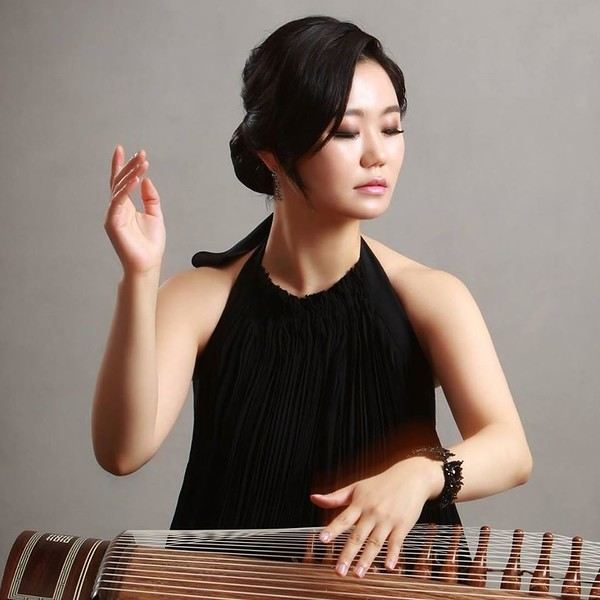
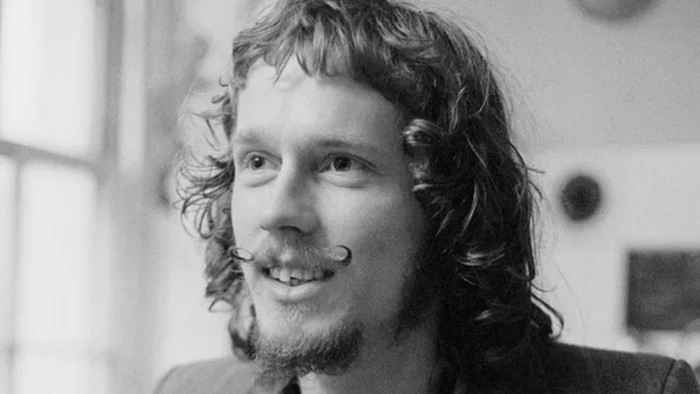 The musician
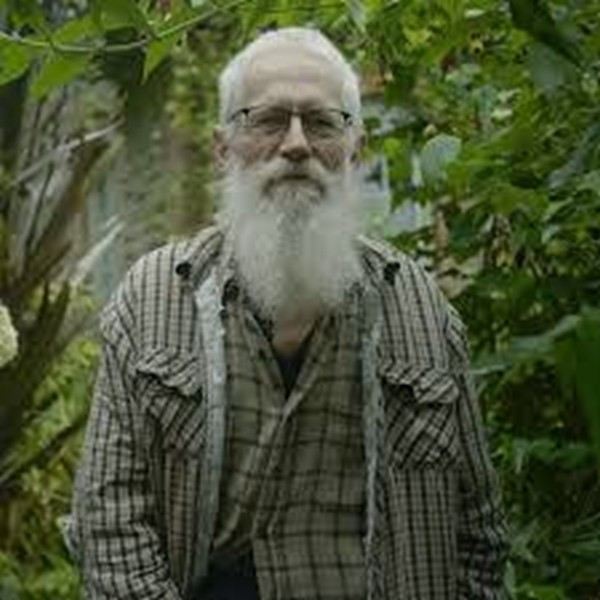 The painter
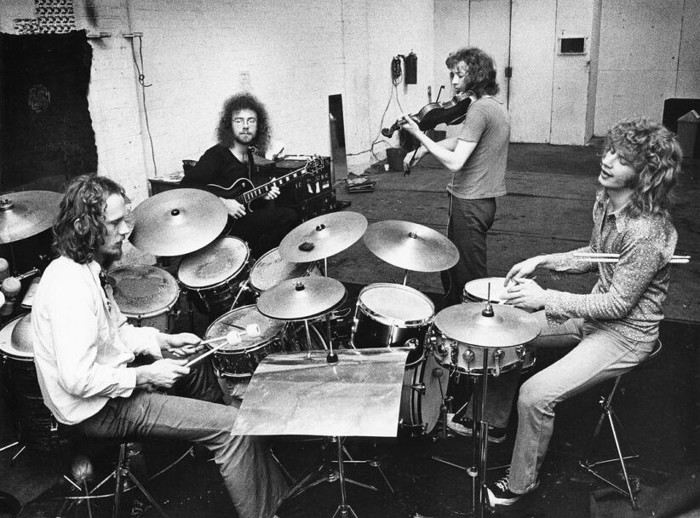 The band (l. to r.: Muir, Fripp, Cross, Bruford)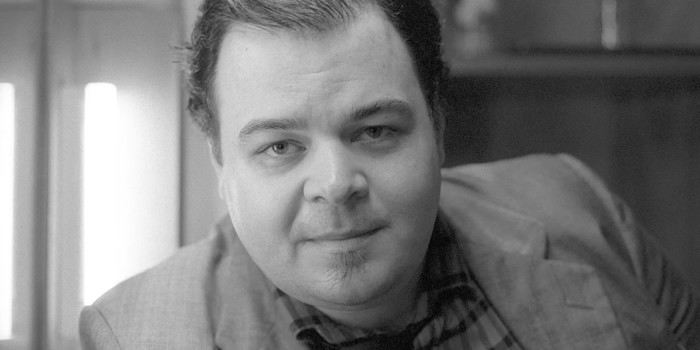
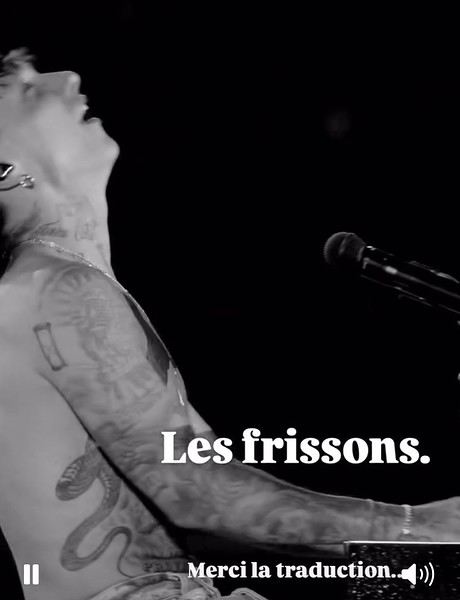 Hi everyone,
From this photo, can you tell me which song the artist Ultimo is performing—or at least give me as much info as possible so I can track down the title of this song?
Hi everyone,
From this photo, can you tell me which song the artist Ultimo is performing—or at least give me as much info as possible so I can track down the title of this song?