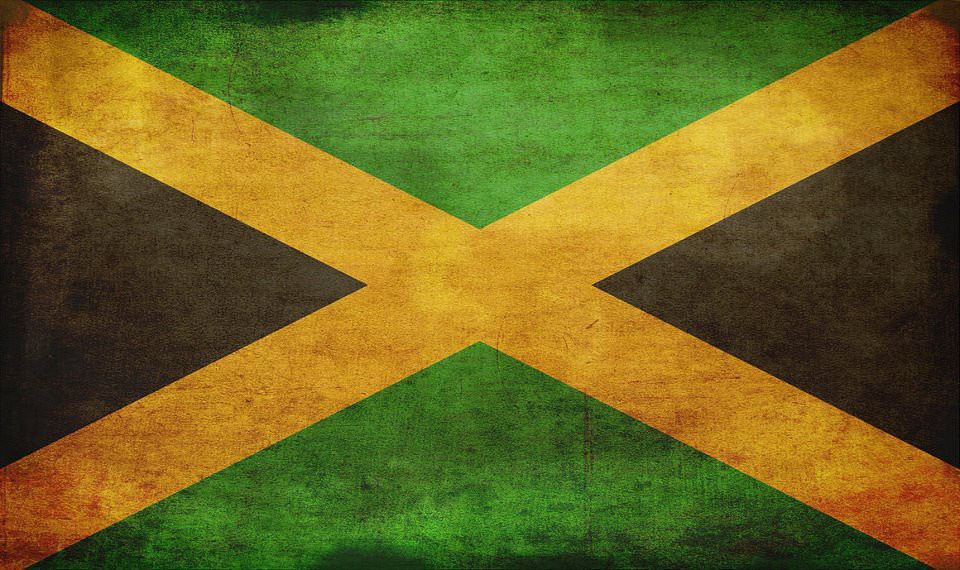
Je viens chercher conseils de connaisseurs sur ce site en ce qui concerne la vie en Jamaique.
J'ai pour projet de m'installer la bas très prochainement, et en lisant plusieurs post sur le sujet (datant de plusieurs années .. ) j'aimerai avoir des renseignements concret sur la vie la bas et si possible, me créer quelques contacts avant de partir.
- Salaire moyen: 1000 $ Jamaicain (= 300€)
- Possibilité de travailler sur place en payant des "taxes" s'élevant à environ 1000 € par an pour les non résident
- Visa difficile a obtenir si la recherche d'emploi n'a pas été effectuer voir abouti à l'avance en France
- Visa de 1 mois de la France et renouvelable (Si possible) 1 mois sur place OU 3 mois de France et possibilité de renouveler 3 mois sur place (J'ai relever deux informations :s)
- Possibilité de devenir résident au bout de 5ans sous justificatif d'avoir travailler 5ans en Jamaique et 7ans pour obtenir la nationalité.
- Charges (Eau, électricité) assez coûteuses.
Voila les quelques informations que j'ai pu obtenir en lisant les anciens postes. Datant de quelques année, j'aimerai avoir des éléments concrets sur la situations la bas maintenant.
Aussi..
- Le faite d’être une fille et blanche (la population a souffert de l'esclavage et est a 95% noir) n'est pas dangereux? Ça peux paraître dingue et naif d'arriver seule avec sa petite valise quand on viens de France ... :s
- Ou vivre en Jamaique ?
- Que faire comme emploi sur place ?
- Quelques sont les formalités pour travailler ?
- Existe t-il des associations sur place pour essayer de s’intégrer rapidement ?
- Existe t-il des aides aux logements ou autres ?
Merci d'avance pour toutes les informations que vous aurez a m'apporter ! :D
s il y avait des aides au logement en jamaique ou autres comme tu dis il y aurait longtemps que le grand fantasme ne serait plus pour les jamaicains d immigrer pour aller chercher du travail aux etats unis ou au royaume uni ou au canada!!
franchement quel post amusant!!!
achete toi un billet et va depenser un peu d argent la bas et tu auras les reponses a tes questions!!
revoit ta conversion Salaire moyen: 1000 $ Jamaicain (= 300€)... oui pour les 300 euros mais ça représente 30-32 K $ JA
bref comme dit le mieux est d aller sur place un mois (ou plus) et de voir par soi-même la réalité locale :)
le salaire minimum , non pas moyen mais minimum, est de 300 euros par mois, ce qui fait 30 000 dollars jamaicains..
aujourd hui la conversion est de 105 dollars jamaicains pour 1 euro..
le cout de la vie cependant est le meme qu en france et meme pour certaines choses superieur..
Je souhaite partir vivrz en jamaique dans un an, plus précisement vers le ( octobre 2013), après avoir passer mon baccalaureat L. Je voudrai poursuivre mes études à l'université de MONA OU CASE. Cependant je compte faire une demande de bourse car n'étant pas citoyenne, je suppose que je devrais payer des frais. En meme tant j'envisagerai de pouvoir apporter mon aide aux diverses associations en donnant des cours de farnçais ou d'anglais gratuitement. Pourrais-tu me donner des conseils pour l'obtention du Visa, le logemtn, l'assurance, ect... Disons les démarches principales. Au moins j'aurais toute une année pour me préparer au mieux.
Ya , I can not speak french fluently but I overstand slightly ( I live in Guadeloupe now for my studies )...
Jamaicans are generally very welcoming and guests are usually encouraged to eat a meal. In these cases, a small gift is appreciated. Ordinary clothes are suitable during the day, but shorts and swimwear should only be used at the beach and pool. Evening wear clothing range with very casual clothing in Negril and a rather distinguished in other tourist season, during which some hotels and restaurants require a jacket and tie for dinner. In summer, people dress more simply. As tourism is a major industry in Jamaica, the tourist is well served and generally staff the hotels and restaurants are friendly and efficient. Outside Kingston, the pace of life is relaxed and the people are friendly and hospitable. Music and African culture are present, as well as former British colonial influences. The island is dotted with signs saying 'lives Jah (God is with us), Jah is the name used by Rastafarians to define God. Possession of marijuana can result in imprisonment and deportation. But above all, tourists absolutely should not try drugs out of the country because the authorities know all the tricks. Tipping: Most hotels and restaurants add a Jamaican service rate amounting to 10 percent, but a tip of 10-15% is common. Maids, waiters, elevator boys and porters airport require all tips. Taxi drivers receive the equivalent of 10 percent of the stroke.
Many hotels have swimming pools and beaches. The best swimming beaches are located primarily on the northern coast. The best surfing are also on the northern coast east of Port Antonio, where a long series of surf lapping in Boston Bay. For the most part, beach hotels rent boats sunfish, sailfish and / or sailboards. To charter larger boats, contact the Royal Jamaica Yacht Club. Skiing facilities are available in most beach hotels and Ski Club in Kingston Morgan's Harbour.
Diving: Jamaica offers many attractions for divers, including shipwrecks near the coast, forests sponges, caves and coral reefs. In some places, visibility is exceptional to 30 meters. Some dive sites most popular include the Throne Room near Negril, where it is possible to observe corals, sponges, nurse sharks and cubera snappers, Ricky's Reef, with its colored fish bright and Kathryn wreck. Many dive operators perform professionally on the island, ask the Tourist Board for a list of approved operators. The stores offer rentals and guided tours for snorkeling and scuba diving.
Fishing: Fishing is popular in freshwater and sea mountain mule, mule nosed, lean and Crossies are caught in rivers. It is possible to organize charter fishing on the high seas through the hotels main stations. Underwater fishing is allowed in the reefs. No license is required. It is possible to fill the registration forms to contest called Blue Martin Tournament, held in Port Antonio in September.
Golf: Jamaica has created some golf courses are among the most beautiful and most difficult of the Caribbean. Montego Bay is the best place and it is not required to reside at the hotel to play on three grounds. Other golf courses include other Caymanas Golf Course (home of the Jamaica Open and Pro-Am every year in November) and Constant Spring near Kingston. For lovers of climbing and hiking, the Blue Mountains, which rise to 2256 meters, offer an unspoiled landscape and a varied flora and fauna. It is best to hike with a guide. Some riding stables are open year-round, others organize programs during the winter season and most of the preparations can be made through the hotel. Cricket is the "national obsession" and matches take place from January to August at Sabina Park, Kingston and other land located in the island. The second most popular sport is probably football, which is played throughout the year. There are many tennis courts and the majority of hotels that do not have their own short can use short neighbors. The tradition of polo dates back more than a century, the matches taking place throughout the year in Kingston. The matches take place every week in Kingston and Drax Hall, near Ocho Rios. Horse races are held at the Caymanas Race Track Raceway, Kingston.
Hi,
I’m looking for real first-hand experiences from adults who’ve done a language stay in Canada, specifically in Vancouver or Toronto.
There are so many different schools and reviews that are both negative and positive (how can you tell if they’re genuine?!) that I’d rather hear from real people.
I’m looking for fun courses where you really make progress in speaking and comprehension.
+ Homestay accommodation: good or bad idea?
I’m 35—this would be a once-in-a-lifetime experience for me since I’ve dreamed about it since I was 17!
I really don’t want to mess this up, especially given how much it costs!
Hi,
I’m leaving on September 4th for Vancouver as a tourist for 6 months.
My boyfriend works there, so I’m going to visit him. I’d like to take the opportunity to learn English at a school during October and November.
Could you recommend any schools—price, activities, location, reputation, etc.?
Hi! I’m 76 and have traveled a lot in my life, and now I’m looking to settle in Réunion.
I’ve seen a retirement community in Saint-Pierre (Ravine des Cabris) and a residence called Village d’Or in Sainte-Clotilde.
I have a feeling that living in Saint-Joseph might be better.
I’ve submitted both applications and would love your thoughts—also if you know of any friendly small residences for rent, or if you have experience living there.
My pension is 1,460 €.
Thanks so much for your help!
Looking forward to hearing from you—warm regards to everyone
After living for many years in the West (Belgium, Italy, Switzerland),
I’ve decided to return and settle in Cameroon, my home country.
Currently an entrepreneur in real estate and transport, I’m looking for a partner / partners / foundation to collaborate on an agriculture project, as I own 10 hectares of land.
The hectares have remained unused for years due to a lack of financial means, since the project requires what I’d call a considerable investment. As the main stakeholder, I have a minimal contribution to offer.
I believe it’s time to bring this space to life to meet pressing needs and serve the common good of society.
The project is simple:
1) Grow maize + build a processing plant to produce flour
2) Open a mini supermarket + a modern bakery using the flour for pastries, etc.
3) Build a healthcare service
4) Build a nursery and primary school
5) Construct free housing for retired expatriates in exchange for their voluntary contributions in their respective fields.
This is a project I truly believe in, and I invite anyone interested to add their personal touch—whether through advice, guidance, or involvement.
Note: This project has national and international potential in terms of employment.
Hi everyone, my son’s school is offering him a one-month Erasmus trip to Ireland, but he has to find a junior cycle school that will accept him and a host family on his own. Honestly, we’re struggling—we’ve contacted two schools and haven’t heard back! If you have any leads...
What price should I expect to pay for a modest small apartment or a large room in a bedroom community in Quito? Are restaurants and food expensive? And which airline is best to travel from Montreal? Thanks for your answers
I’m considering moving to Miami to live and work for a few years.
If anyone knows what the administrative formalities are—both for getting a work permit and for the steps and reputable organizations to contact (since I imagine there are scammers in this space) when buying a studio in Miami or Miami Beach—I’d love any info you can share!
Hi, I was wondering if anyone has already had the experience of working abroad?
I don’t have a specific country in mind yet, so I’m open to hearing about your experiences on this topic—the pros and cons, etc.
Hi there!
I’m a young Malian looking to work in Morocco. Besides a passport, what other documents are required at the **Moroccan** border?
Thanks for your help!
Hi there. I’m planning to move to Luxembourg around December 2025 or January 2026. I’ll be looking for a job and settling in. My question is: is it too complicated to find housing? Is the job market more advantageous and easier than in France? I’m open to any information that could help me.
Thanks in advance for your advice.
I’d love to hear your thoughts and experiences about marrying a Cuban and moving to Cuba (not the other way around!). Yes, some of us actually *want* to stay on the island! Is it possible to work there without too much hassle, or is it really complicated?
I’m heading to Bangkok for a 5-month internship, and I’m wondering about the budget because I’ve read all sorts of things—so I decided to post here to get answers tailored to my situation! :D
I found housing that costs me 7,000 baht (I know it’s a bit pricey, but it’s super convenient...), which works out to about 160 € all-inclusive. So, I was wondering if it’s realistic to live on 500 or 600 € per month, and if so, under what conditions? Is that enough, considering I’ll be working 40 hours a week?
Thanks in advance for your replies—I hope they’ll reassure me!
WEP offers loads of different projects, including one I really like: helping and volunteering on a farm, particularly in South America (Peru or Argentina).
I’d love to know if anyone has tried this project or knows someone who has... or has done something similar? I’d like to get some feedback before diving into the adventure.
If so, could you share your thoughts on the project, any tips, etc.?
Hi there,
Our departure time is getting closer (we have less than 2 years left—it’s both a long time and so short!). To start preparing seriously, we’ll need quite a bit of info. If anyone knows the rates charged by movers for a crate to French Polynesia, or what pitfalls to avoid (I know you can get quotes directly from movers, but I’d love insights from actual customers😉).
Are there any special requirements before leaving France (aside from taxes...)?
Thanks to everyone for your help—every bit of info is useful. We’re aiming for a departure around 06/2010 (just need to save up a little more...).
Thanks again!
Hi, I’m a self-employed physiotherapist in France, and as my wife (a nurse) and I look into working abroad in about two years, I’ve been offered an equivalence to become a respiratory physiotherapist in Switzerland. Actually, I’m currently doing a postgraduate diploma in pediatric respiratory physiotherapy and want to specialize in that area. Anyway, that’s not the main point—could anyone explain the pros and cons of doing this job in Switzerland? Based on the paperwork I’ve received, the equivalence seems purely administrative or almost... What about working conditions, quality of life, salaries, etc.?
Thanks for your replies.
PS: Same question for my wife, a nurse, regarding her integration.
I’m looking for information about jobs in early childhood in New Caledonia. I’m currently a childminder in a MAM (multi-accueil) and I’ve also worked for about 6 years in several daycare centers as a childcare assistant.
In the summer of 2026, my husband is being transferred to New Caledonia. We’ll be living near Nouméa. Do you know if the early childhood sector is a good field for jobs there?
Can’t wait to discover this island! Right now, we’re in the middle of all the administrative paperwork for our 3 kids, finding housing, bringing our cat to the territory, and so on!
Thanks for your feedback!!
Hi there,
I’ve been living in Bali for a month now, but unfortunately on a VOA visa. I’m looking for a European company that’s set up in Indonesia. I’m in electrotechnical maintenance—air conditioning, cold rooms, 220V/380V electricity. I’ve been a tradesperson for 3 months and can bring my full professional toolkit. If anyone’s interested, let me know!
You can send me a message.
Best regards,
I’d love to go to Japan to travel, and if things go well, work there too.
Has anyone tried finding a job there? Is it even possible without speaking Japanese?
I’m thinking of starting out in restaurants (dishwashing or serving) and then moving into my field, IT.
I’d like to move to Spain, specifically to Málaga.
To do that, I’d like to know if I’ll need any official documents from France to work there, or anything like that...
I’d also love to hear from people who’ve moved to Spain for work—do Spaniards like the French? Is it hard to fit in? What are the salary ranges for a ready-to-wear salesperson? And is it easy to find housing?
My partner and I currently live in Antibes—we’re both freelancers working remotely. We’re thinking about potentially moving to Italy.
We’d like to settle near the French border, between Ventimiglia and San Remo (this is important because we need access to Nice Airport twice a month). ✈️
I’d love to hear about life in this region! We’re looking for a quiet spot close to the sea. Any recommendations? As for the paperwork, is it difficult to get everything official? Is finding housing tough in this area? What kind of guarantees are usually required? If any kind soul could shed some light on this, we’d really appreciate it! 🥺🏻
I'm looking for an au pair who'd like to come to Bournemouth in the south of England, and I'd love to know what the best websites are to find one, please.
I’d like to get some information about my eligibility for the DV Lottery.
About my background:
• I earned a *Bac Pro* through VAE (*Validation des Acquis de l’Expérience*), issued by the *Éducation nationale*.
• I also have a professional certification as a *Conseiller en Insertion* (Employment Counselor), issued by the Ministry of Labor.
• Altogether, this adds up to a *Bac+2* level.
I’d like to know if this level qualifies me to apply for the DV Lottery.
Regarding my work experience:
• I work as an *Employment Counselor*.
• I checked on O*Net Online for the classification: Job Zone 4, SVP Range: 7.0 – <8.0.
• I only have one year of experience, but I handle similar tasks in business creation.
So my question is: can I apply for the DV Lottery despite my relatively short experience, given that my job falls under Job Zone 4?
I’m looking for info on villages around Aix, like Fuveau, Bouc-Bel-Air, or even Éguilles and Venelles?
We’re a couple with a child living in the Paris region, and I’ll be relocating to Aix-en-Provence in spring 2026. We’d love to swap our apartment for a house with a pool within 20-30 minutes max of central Aix, with a budget of around 650k €.
In terms of climate and geography, I’ve read that Aix is in a basin where it can get really hot. What about the surrounding villages that are a bit more elevated, like Venelles? Is it just as stifling?
Starting this spring, we want to settle near Aix-en-Provence. We're tired of living in the mountains with all the snow—we really need some sunshine and a fresh start. Is it hard to find a house to rent there? What about prices? If you have any great tips or useful info about the area, we’d love to hear it. I work in education and want to do prevention work in Marseille or Aix—are there jobs in the social sector?
Anyway, we need tons of info, but we’re sure we’re going to take the leap—no hesitation, adventure is adventure!!!
Thanks for your help and any experiences you can share.
I’m an osteopath and I’d like to set up and open an osteopathy practice in Thailand. I don’t have a precise location in mind yet, but I’m thinking maybe Hua Hin.
I saw there’s an osteopath based in Phuket, so I wrote to him for some info, but he still hasn’t replied🤪!
So I’m reaching out to people who live there or know the country well:
I’d like to know what the best ways are to advertise and get known in Thailand. Are there any local classifieds newspapers?
First, I’d like to practice from my apartment. Is that allowed in Thailand?
Ideally, I’d like to work part-time in a private hospital as an osteopath. I’m thinking that in Thailand, the medical field is much more open than in Europe!!! Has anyone seen an osteopath or chiropractor working in a Thai hospital? Do you know the price of a consultation?
Any info you can share will be super helpful! Thanks in advance[;)!!!]
Hello everyone,
We’re a small family from the south of France, with a 2-year-old little boy, and we’re dreaming of starting a new adventure abroad by opening our own business. For now, we haven’t chosen a specific destination yet.
We mainly speak French, with a basic level of Spanish and English, and we’re ready to improve these two languages if needed. We’re looking for a multicultural, safe country with quality healthcare and good schools accessible for our son. We’d also love a pleasant place with a mild climate where life is good.
Our idea is to travel to different countries to explore, compare, and refine our project. We’d be really happy to read your tips, experiences, or anecdotes if you’ve already undertaken a similar project or if you know key points to anticipate.
Thanks in advance for your shares and help—it would really help us move forward with our project! 😄