
Travel guide · AK
Alaska
Undeniably, "The Last Frontier" (the state's nickname) is unlike anywhere else in the country. Beyond its unique history and culture, it remains an incredible nature and adventure destination, one of a kind, sure to delight lovers of wide-open spaces and outdoor activities. That said, making the most of it on your own does require some effort or a certain budget.
Alaska Overview
Aperçu
L'Alaska est l'état le plus étendu et le plus septentrional des USA, mais aussi l'un des moins peuplés.
Repères
- Type de lieu: state.
- Localisation: à l'extrême nord-ouest du continent américain, adossé au Canada.
- Code: AK
- Entrée dans l'Union: 1959 (49e).
- Heure locale: . L'Alaska est très majoritairement à "l'Alaska Time", hormis sa partie ouest qui est au "Aleutian Time".
- Capitale: Juneau.
- Principales villes: Anchorage, Fairbanks et Juneau sont les trois seules villes dépassant 10 000 habitants.
- Population: 738 400 habitants (2015).
- Superficie: 1 717 856 km2.
- Densité: 0,4 habitants/km2.
- Point le plus haut: Denali (6 190 m).
- Point le plus bas: niveau de la mer.
Tourisme
Indéniablement, "The Last Frontier" n'a rien à voir avec le reste des États-Unis. Outre une histoire et une culture spécifiques, l'Alaska demeure une formidable destination nature-aventure qui ne peut que ravir les amateurs de grands espaces et d'activités de plein air malgré un certain budget nécessaire pour bien profiter par soi-même du territoire.
L'essentiel pour le voyage
- Destination: pour voyageur un peu expérimenté.
- En avion: France-Anchorage pour 850 à 1 200 € A/R.
- Budget "routard" quotidien: de 150 à 200 US$ mini par personne (base de deux).
- Le mieux pour l'hébergement: camping.
- Le mieux pour pour se déplacer:
- Risques: très faibles au niveau sanitaire et faibles à occasionnellement élevés par rapport à la nature.
- Meilleure période climat/foule/prix: Juin-juillet, avec éventuellement un prolongement en août-début septembre.
- Intérêts (sur ): Nature ; Aventure ; Culture ; Détente-vacances .
- Site internet: https://www.travelalaska.com
Alaska: Geography and Environment
Geography of the Region
Natural Areas
Wildlife and Flora
Alaska Climate and Weather
As one might imagine, Alaska's climate is harsh, with long winters (from mid-October to late April), very short days, and extreme temperatures in some areas that can easily drop below -30°C. That said, given the state's size and geography, this cold is…
What to See in Alaska
Of the twenty or so American sites listed as UNESCO World Heritage Sites, Alaska has one: Wrangell-St. Elias - Glacier Bay ★★★★ (1979) These two national parks, along with two other Canadian sites, are collectively listed as a UNESCO World Heritage Site. They…
Things to Do in Alaska
Hiking
Hiking on Foot
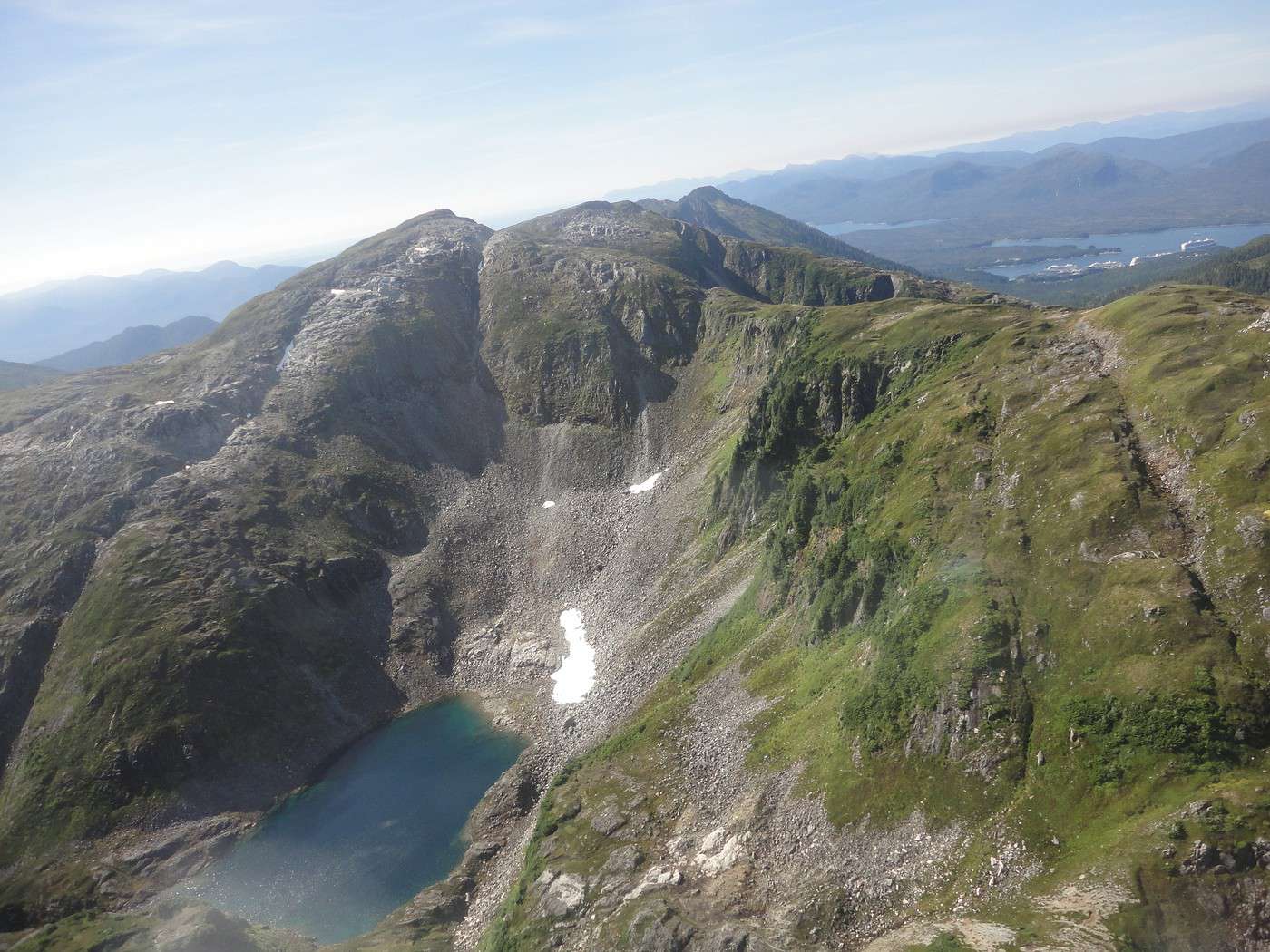
This is the main activity (guided or not) for many during the summer season. Alaska, with its vastness and unique landscapes, is a paradise for trekkers. That doesn’t mean hiking there is always easy, though. While you can find routes without real difficulties or that aren’t very long, the main trails often require some experience (sometimes) in challenging environments, the ability to manage on your own if you’re out for several days, and above all, adapting to the climatic conditions you might encounter (cold, humidity, rain, fog, etc.), along with swarms of mosquitoes and midges in summer, not to mention potential bear encounters. In short, aside from a few exceptions, hiking in Alaska is generally for seasoned and motivated walkers. That said, the scenery is always breathtaking, and there are countless places to explore.
Cycling
Horseback Riding
Whitewater Activities
Canoeing and Kayaking
Rafting
Hunting and Fishing

Skiing and Winter Activities
Other Activities
Swimming and Water Activities
Climbing and Mountaineering
Golf
Cultural Life and Activities
Nightlife and Going Out
Travel and suggested itineraries in Alaska
Best times to visit
Finding the best time to visit means balancing climate constraints with crowd levels and the most attractive prices for travel and on-site costs.
While the summer season logically attracts the most visitors—and the highest prices—the unique climate of Alaska leaves few options for exploring the state in reasonably good conditions. June and July are the best months, with a possible extension into August and early September, though coastal rains and gradually dropping temperatures make visits less pleasant then.
| Jan. | Feb. | Mar. | Apr. | May | Jun. | Jul. | Aug. | Sep. | Oct. | Nov. | Dec. | |
|---|---|---|---|---|---|---|---|---|---|---|---|---|
| Coastal climate | / | |||||||||||
| Interior climate | / | / | ||||||||||
| Avoid crowds | / | |||||||||||
| Low prices | / |
: very favorable | : favorable | : moderately favorable | : unfavorable.
Some itinerary ideas
Flying to Alaska
Étant donné le faible réseau routier existant, la taille de l'état et l'habitat éparse, l'avion remplace dans de très nombreux cas le transport terrestre au point que les aéroports/aérodromes sont pléthore en Alaska. Malgré tout, sur l'ensemble, juste trois…
Getting to Alaska by Land or Sea
By Land
Borders
With no land connection to the rest of the United States, Alaska shares 2,477 km of borders with Canada in British Columbia (to the south) and the Yukon (to the east). As for Russia, it is just a few dozen kilometres away, on the other side of the Bering Strait that separates America from Asia. That said, there is no possibility of a maritime crossing (ferries, cargo ships, sailboats) between the two countries, only a few seasonal flights between Anchorage and Yakutia.
Road Access
Public Transport
Cruises
Alaska is a popular cruise destination. Its unique appeal, the relative difficulty of travelling there, and the cost involved mean that in summer, dozens of cruise ships explore the coast, introducing over a million cruisers—primarily North American—to the region. Typically, ships depart from California, Seattle, or Vancouver and stop in southern Alaskan towns such as Ketchikan, Sitka, Juneau, Skagway, or occasionally Anchorage for those venturing further north.
By Sea
Ferries
Apart from internal routes, there is only one international ferry line to and from Alaska. It is operated by Alaska Marine Highway System, the state’s main ferry company, with an extensive network of over 30 ports spanning 8,000 miles. The route actually begins in Washington State (Bellingham) and British Columbia (Prince Rupert) before continuing along the southern coast of the peninsula to Dutch Harbour in the Aleutian Islands. For those with time (and some means), arriving in Alaska by sea is a great experience, if only because it allows you to discover the Inside Passage, the stunning waterway that runs along the American-Canadian border north of Seattle up to Alaska.
Cargo
Sailing
Getting Around Alaska
Alaska Highway, Alaska, États-Unis · © VoyageForum Alaska's road network is very limited, and many places are only accessible by air, river, or sea, such as the entire southern coast, including the capital Juneau , or more broadly, the entire…
Accommodation in Alaska
Overview of options
Accommodation in Alaska revolves almost exclusively around hotels/motels (plus a few youth hostels), B&Bs with locals, and campsites in the wild or on the outskirts of towns. Apart from the latter, and occasionally hostels, other types of accommodation are expensive to very expensive.
Hotels and motels of all kinds
Youth hostels
You’ll find a few hostels in Alaskan towns, which, if you want to sleep in something "solid," are a much more affordable option than hotels/motels or B&Bs. They usually offer dormitories and sometimes a few double rooms. Expect to pay around $20–30 per person.
Camping
Very common, located on the edges of towns, along roads, in parks and reserves, or lost in the wilderness. Depending on the location—whether they’re private or public, reserved for RVs or not—these sites vary in amenities, with some offering cabins (often basic but worth booking in season). As you’d expect, their opening season depends on the weather, and most welcome campers from mid-May to early September.
In any case, camping is by far the most budget-friendly accommodation in Alaska, often costing less than $20 per site. That said, you’ll need to bring proper camping gear and be prepared to deal with mosquitoes and other summer bugs.
B&Bs and homestays
Which accommodation to choose?
For any summer trip, camping is the ideal—and most economical—option. However, it does require a bit of self-sufficiency when it comes to getting around.
More practical info for Alaska
Vu le climat (températures, pluies, humidité) on aura intérêt à être prévoyant et bien équipé pour son périple. Si en été des vêtements demi-saison agrémentés d'au moins quelque chose de plus chaud peuvent suffirent pour une large partie du territoire (hors…
Types of Travel in Alaska
Travel Themes
- Interests (rated ): Nature ; Adventure ; Culture ; Relaxation-holidays .
Nature and Adventure
This is, of course, the destination’s biggest draw—one of the best in the world for nature and adventure, perfect for enthusiasts. That said, exploring it does require some preparation (and motivation), precautions, and often guidance.
Culture
Alaska stands apart from the rest of the United States, including culturally. Visiting offers a different perspective on the country, its history, and its people. This includes the Indigenous populations (around 15%), who are particularly present in western and northern Alaska. There are also traces of the 19th-century Russian colonial era (Sitka) and the Klondike Gold Rush (Skagway).
Relaxation and Holidays
Alaska isn’t typically a top destination for a conventional relaxing getaway...
Independent Travel
Due to its climate and vast wilderness, Alaska isn’t one of the easiest places for independent travel. It requires some precautions, even in summer and for seemingly simple trips. In short, it’s better suited for travelers with at least some experience.
Organized Travel
Family
To Do
To Avoid
Senior Travelers
Women Travelers
LGBTQ+ Travelers
Travelers with Disabilities
Health and Safety in Alaska
In France, both for individuals and professionals, the "travel advice" from the Ministry of Foreign Affairs regarding precautions for each country has legal value. A similar online travel advice system exists in several countries: Foreign Affairs Belgium…
Something wrong or out of date? Report this page