
Overview of Arles
Thanks to its Roman and Romanesque monuments, the city is a UNESCO World Heritage site. It also hosts many "traditional" Provençal festivals. It is also the largest municipality in metropolitan France, covering over 750 km².
Key Facts
- Type of place: city.
- Tourist interest: (recommended).
- Location:
- Distances:
- Local time: .
- Population: 52,548 inhabitants (2017).
- Area: 759 km².
- Altitude: from 0 to 57 m.
- Website: http://www.arlestourisme.com
History of Arles
What to See in Arles
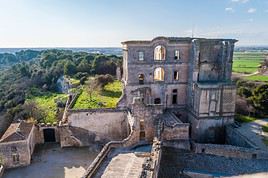
Montmajour Abbey
Located on the outskirts of Arles, this is a very beautiful 10th-century Benedictine abbey.
Located on the outskirts of Arles, this is a very beautiful 10th-century Benedictine abbey.
Alyscamps
This is a necropolis dating back to Roman times. Many of its remains can still be seen, including a Romanesque church, chapels, and an avenue of sarcophagi from later centuries.
This is a necropolis dating back to Roman times. Many of its remains can still be seen, including a Romanesque church, chapels, and an avenue of sarcophagi from later centuries.
Roman Amphitheatre
These are the Arles arenas and the most significant monument of the region's ancient Roman colony. It is also the most visited site in the city, as it additionally hosts numerous events and activities.
These are the Arles arenas and the most significant monument of the region's ancient Roman colony. It is also the most visited site in the city, as it additionally hosts numerous events and activities.
La Cité
Or the Town Hall district. This is the center of Arles, rich in architectural heritage and lively events (especially in summer).
Or the Town Hall district. This is the center of Arles, rich in architectural heritage and lively events (especially in summer).
Cryptoporticos
This is an underground gallery that served as the substructure for the city's forum in ancient times. Though the forum itself has since disappeared, its galleries can still be visited.
This is an underground gallery that served as the substructure for the city's forum in ancient times. Though the forum itself has since disappeared, its galleries can still be visited.
Saint-Trophime Church
This former medieval cathedral is most notable for its richly sculpted portal. The small adjoining cloister is well worth a visit.
This former medieval cathedral is most notable for its richly sculpted portal. The small adjoining cloister is well worth a visit.
Vigueirat Marshes
Partly within the territory of Arles, this nature reserve spanning a thousand hectares is home to rich local wildlife and flora. It is one of the main sites visited in Camargue.
Partly within the territory of Arles, this nature reserve spanning a thousand hectares is home to rich local wildlife and flora. It is one of the main sites visited in Camargue.
Ancient Theatre
It dates from the late 1st century BCE and is considered one of the first Roman theatres built in stone. Still well preserved (though less so than the arenas), it hosts performances and festivals every summer.
It dates from the late 1st century BCE and is considered one of the first Roman theatres built in stone. Still well preserved (though less so than the arenas), it hosts performances and festivals every summer.
Baths of Constantine
These Roman baths are the largest in Provence. Although not fully excavated, several rooms can be seen.
These Roman baths are the largest in Provence. Although not fully excavated, several rooms can be seen.
Museums
Vincent Van Gogh Foundation
Works by contemporary artists paying tribute to the famous Dutch painter. Temporary exhibitions dedicated to various artists can also be seen here.
Works by contemporary artists paying tribute to the famous Dutch painter. Temporary exhibitions dedicated to various artists can also be seen here.
Arles Antiquity Museum
This museum boasts exceptionally rich archaeological collections and is a national benchmark for archaeological museums.
This museum boasts exceptionally rich archaeological collections and is a national benchmark for archaeological museums.
Réattu Museum
A museum dedicated to the local painter Jacques Réattu. It also features Picasso drawings, a photographic collection, and various contemporary artworks.
A museum dedicated to the local painter Jacques Réattu. It also features Picasso drawings, a photographic collection, and various contemporary artworks.
Museon Arlaten
Or "Arles Museum" in Provençal. Founded by Frédéric Mistral, it houses collections representative of the arts, ethnology, and history of the Arles region.
Or "Arles Museum" in Provençal. Founded by Frédéric Mistral, it houses collections representative of the arts, ethnology, and history of the Arles region.
What to Do in Arles
Climate and Weather in Arles
Transportation
Getting There
Getting Around
Accommodation
Dining
Useful Addresses
Nearby
Among the many interesting sites to see around Arles:
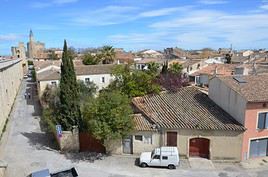
Aigues-Mortes
At the gateway to the Camargue, this very beautiful and quite touristy town offers an old center surrounded by medieval ramparts. At its feet lie salt flats that have been exploited since antiquity.
At the gateway to the Camargue, this very beautiful and quite touristy town offers an old center surrounded by medieval ramparts. At its feet lie salt flats that have been exploited since antiquity.

Avignon
The "City of the Popes" and home of the Festival, Avignon is also the prefecture of Vaucluse. Its historic centre, beautiful architecture, and many notable buildings have earned it UNESCO World Heritage status.
The "City of the Popes" and home of the Festival, Avignon is also the prefecture of Vaucluse. Its historic centre, beautiful architecture, and many notable buildings have earned it UNESCO World Heritage status.
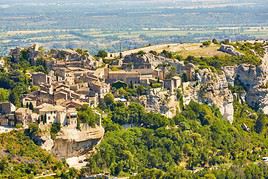
Les Baux-de-Provence
Listed among the "Most Beautiful Villages of France", this perched commune in the Alpilles draws large crowds eager to discover its historical heritage. Les Baux-de-Provence is one of the most visited spots in the PACA region.
Listed among the "Most Beautiful Villages of France", this perched commune in the Alpilles draws large crowds eager to discover its historical heritage. Les Baux-de-Provence is one of the most visited spots in the PACA region.
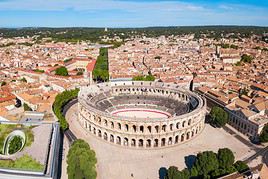
Nîmes
The prefecture of the Gard department boasts not only its old quarters but also numerous traces of its Roman past, including its arenas and the Maison Carrée, to name just the most famous.
The prefecture of the Gard department boasts not only its old quarters but also numerous traces of its Roman past, including its arenas and the Maison Carrée, to name just the most famous.

Alpilles Regional Nature Park
In the north of the department, it consists of the Alpilles massif, where you can hike. Several tourist spots like Les Baux or Saint-Rémy de Provence are located within its boundaries.
In the north of the department, it consists of the Alpilles massif, where you can hike. Several tourist spots like Les Baux or Saint-Rémy de Provence are located within its boundaries.
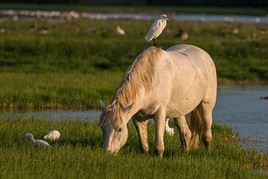
Camargue Regional Nature Park
La Camargue est située dans le delta du Rhône avec l'étang du Vaccarès en son centre. Plate et humide la zone abrite nombre d'espèces d'oiseaux (notamment dans la réserve ornithologique de Pont du Gau) et surtout les fameuses manades qui sont ces élevages de taureaux ou de chevaux de races locales.
La Camargue est située dans le delta du Rhône avec l'étang du Vaccarès en son centre. Plate et humide la zone abrite nombre d'espèces d'oiseaux (notamment dans la réserve ornithologique de Pont du Gau) et surtout les fameuses manades qui sont ces élevages de taureaux ou de chevaux de races locales.

Pont du Gard
A UNESCO World Heritage site, this massive Roman aqueduct is a must-see for tourism in the region.
A UNESCO World Heritage site, this massive Roman aqueduct is a must-see for tourism in the region.
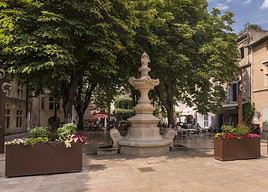
Saint-Rémy-de-Provence
In the heart of the Alpilles, the town offers visitors beautiful mansions and old streets. The surrounding countryside, which inspired many artists (including Van Gogh), is also well worth discovering.
In the heart of the Alpilles, the town offers visitors beautiful mansions and old streets. The surrounding countryside, which inspired many artists (including Van Gogh), is also well worth discovering.