★ 4 · last edited Dec 11, 2019
Brazilian Amazon
Contributionsversion #1created Dec 11, 2019Report this pageLatest contributions in this guideContributors to this guide
Location verified location
 Brazilian Amazon
Open the interactive map
Brazilian Amazon
Open the interactive map
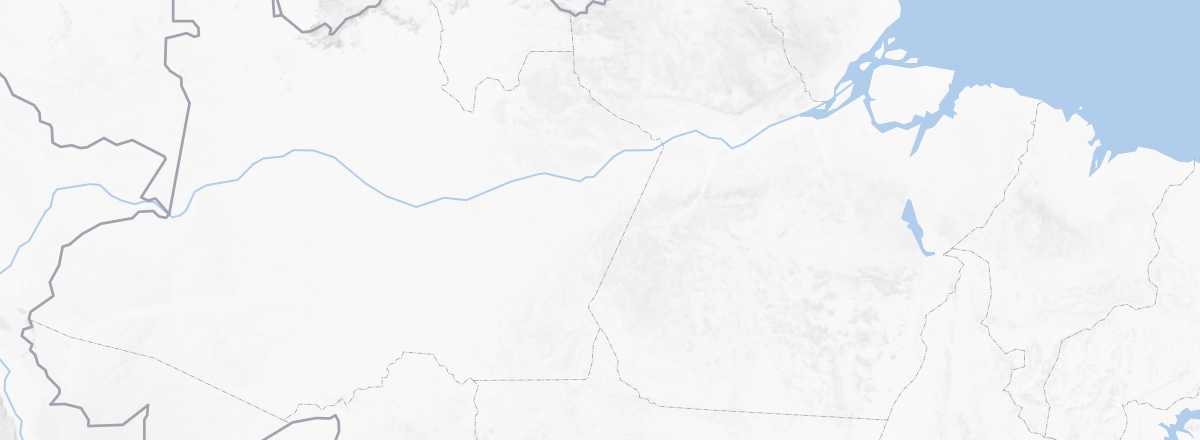
The Brazilian Amazon covers 40% of the country's area but is home to less than 10% of its population. The region holds 80% of Brazil's freshwater thanks to the Amazon River, which flows from west to east before emptying into the Atlantic. Logically, Brazil offers the widest range of Amazonian discoveries and adventures of all kinds.
Overview
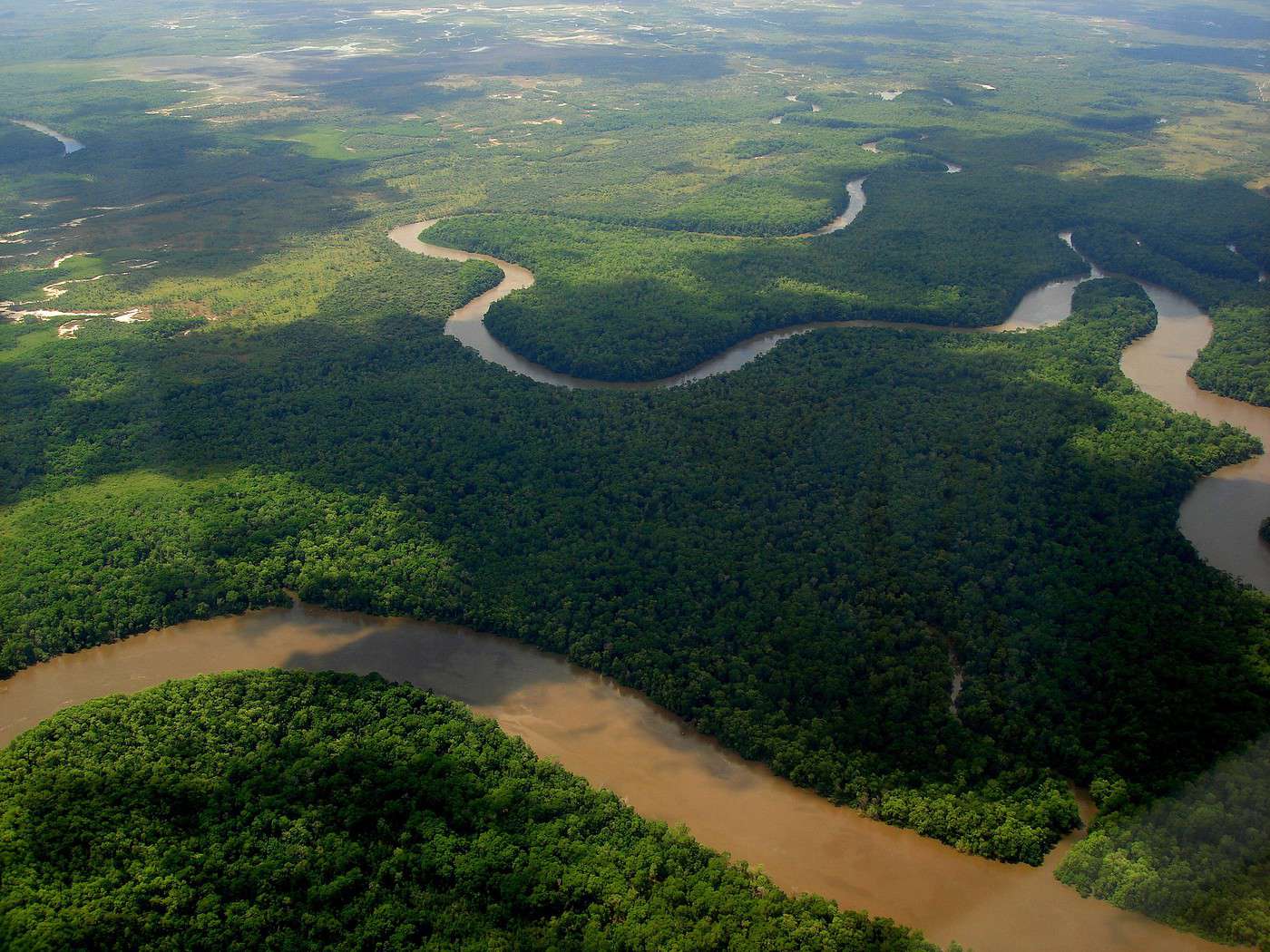
The Brazilian Amazon covers about 40% of the country's area but is home to less than 10% of its population. The region holds 80% of Brazil's freshwater thanks to the Amazon River, which flows from west to east before emptying into the Atlantic near Belém.
Main cities
Tourist attractions
Cities and heritage
Nature and activities
The Amazon rainforest
More than in any other country, the ecosystem and indigenous populations have suffered—and continue to suffer—from the overexploitation of its natural resources. Logically, Brazil offers the widest range of Amazonian discoveries and adventures of all kinds.
The Pantanal
Not quite the Amazon yet, the Pantanal plain (on the border with Paraguay and Bolivia) is perhaps the best place in Brazil to observe local wildlife: all kinds of birds, crocodiles, monkeys, capybaras, and especially anacondas. Observation is fairly easy and doesn’t necessarily require organized tours from cities like Cuiabá or Corumbá, though venturing into the marshy areas for 3 or 4 days with a guide will truly reveal the region’s natural riches.
Rio Araguaia
Further north, the Rio Araguaia offers plenty of opportunities for adventure, wildlife and flora exploration, and encounters with indigenous communities in the region.
The Amazon River
The Amazon River, from Belém to the Peruvian border, remains the primary destination for most visitors. Beyond the towns (and villages) along its banks—such as Belém, Santarém, and especially Manaus, which have a certain charm—the main attractions are boat trips on the river and its tributaries, and, of course, excursions into the rainforest.
As usual, it’s best to choose your tour or "cruise" once you’re there. While you can arrange river trips yourself by taking advantage of the many boats traveling the *rios*, exploring the forest will require an organized structure. There’s a wide range of options in terms of duration and difficulty, mainly from Manaus in the state of Amazonas.
For reference, a journey on the Amazon between Manaus and Leticia (Colombia) takes 4 to 7 days depending on the direction, costing roughly 100 € in deck class (about the same from Manaus to Belém). Then, add around 50 € more to reach Iquitos, Peru, in 1 to 3 days. In total, it takes at least ten days to travel by river from Peru to the Atlantic mouth.
Note that while most offerings start from Manaus, you can also explore the forest and rivers from other regions. True, tourist infrastructure is less developed there, partly due to remoteness—but that doesn’t mean the opportunities are any less interesting...
Climate and weather
The Amazon region is by far the wettest in the country, with rain falling at least every other day year-round. June to September is slightly drier than average, while March and April see the most rain. Even though temperatures remain fairly constant—around 30°C during the day and 20°C at night—the high humidity makes the Amazonian climate feel quite oppressive. In short, there isn’t really a "best" time to visit, though the southern winter is generally a bit more comfortable.
| Jan. | Feb. | Mar. | Apr. | May | Jun. | Jul. | Aug. | Sep. | Oct. | Nov. | Dec. | |
|---|---|---|---|---|---|---|---|---|---|---|---|---|
| Amazon Climate |
: very favorable | : favorable | : moderately favorable | : unfavorable.
Climate and weather in Manaus
Additional information
- Amazon River
- Belém
- Manaus
- Santarém
- Alter do Chão
- Fordlandia
- Marajó Island
- Macapá
- Oiapoque
- São Gabriel da Cachoeira
- Taquarussu
- Jalapão
- Jau National Park
- Bonito
- Campo Grande
- Corumbá
- Chapada dos Guimarães National Park
- Boa Vista (Brazil)
- Amazon Rainforest
- Anavilhanas National Park
- Rio Araguaia
- Pantanal
- Natividade
- Chapada dos Veadeiros National Park
- Emas National Park