
Travel guide · Spain
Central Spain
This is the heart of the country, with Castile and León, Castile-La Mancha, Extremadura, and the Community of Madrid. Often under blazing sun—at least in summer—you’ll discover the Spain of Don Quixote’s small villages, as well as some of the Iberian Peninsula’s most beautiful cities.
Overview of Central Spain
Quick Overview
This is the heart of the country, encompassing Castile and León, Castile-La Mancha, Extremadura, and the Community of Madrid. Often under scorching sun, especially in summer, you’ll discover the Spain of Don Quixote’s small villages as well as some of the Iberian Peninsula’s most beautiful cities.
Key Facts
- Type of place: tourist region.
- Location: the central part of Spain, surrounding the capital.
- Local time: .
- Main cities: Madrid, plus Burgos, Salamanca, Segovia, and Valladolid (Castile and León), Toledo (La Mancha), and Mérida (Extremadura).
- Official language: Spanish.
- Population: 12,278,000 inhabitants (2013).
- Area: 223,342 km².
- Density: 55 inhabitants/km².
- Highest point:
- Lowest point:
Tourism
Travel Essentials
- Destination: for beginner travelers.
- By air: France-Madrid for 90 € to 200 € round trip.
- Backpacker daily budget:
- Accommodation:
- Getting around:
- Risks: almost none in terms of health and low in terms of security.
- Best time for climate/crowds/prices: April to early June and September to October.
- Interests (out of ): Nature ; Adventure ; Culture ; Relaxation/Holidays .
Geography, Climate, and Environment of Central Spain
Environment
Physical Features of the Region
Wildlife and Vegetation
Natural Areas
Climate
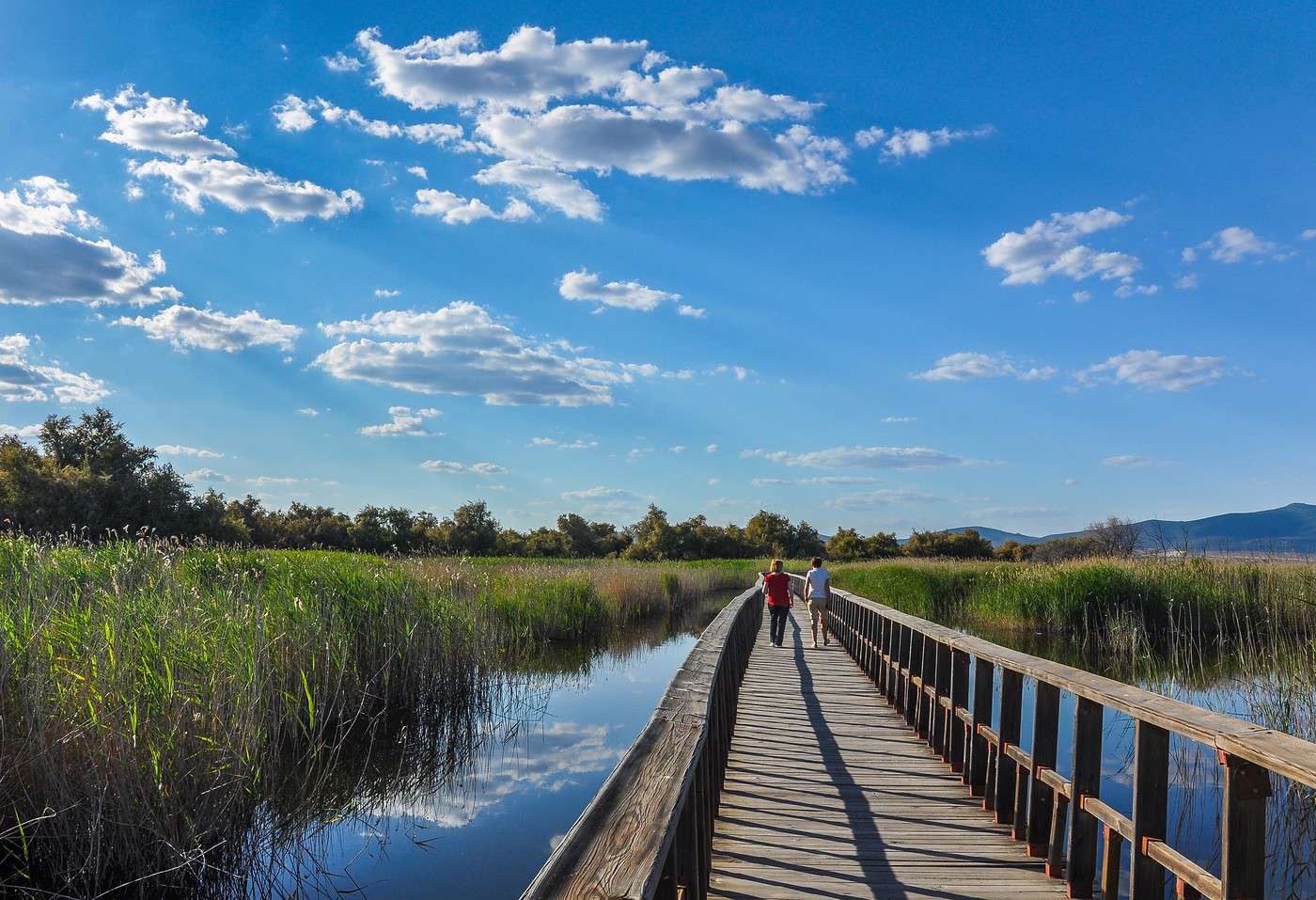
As the region is not subject to maritime influences, it is characterised by a semi-arid climate typical of the country's interior, with hot, dry summers that can even be scorching (temperatures regularly reach 40°C in some places). There are also significant temperature swings between day and night. In some higher-altitude areas, winters can be harsh. As is the case almost everywhere else in Spain, rainfall is relatively low, though the turn of the year is locally a slightly wetter period.
Best Time to Visit
Spring and autumn remain the best times to visit central Spain, if only to avoid the summer heatwaves in some areas.
| Jan. | Feb. | Mar. | Apr. | May | Jun. | Jul. | Aug. | Sep. | Oct. | Nov. | Dec. | |
|---|---|---|---|---|---|---|---|---|---|---|---|---|
| Interior climate | / |
: very favourable | : favourable | : moderately favourable | : unfavourable.
Climate and Weather in Madrid
Other practical information for central Spain
Luggage and equipment to bring
Budget
Precautions
No particular health or safety issues.
Opening hours
Laundromats
Local tourist offices
French language use
What to See in Central Spain
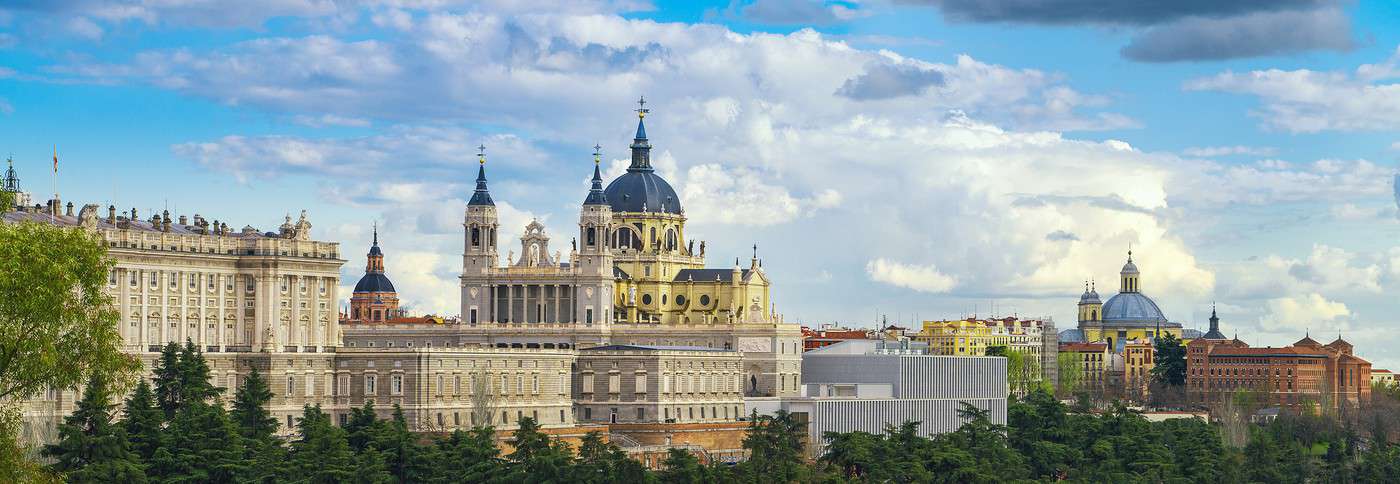
Castile and León, Castile-La Mancha, Extremadura, and the Community of Madrid, including the capital, El Escorial, Salamanca, Segovia, the Sierra de Guadarrama, and Toledo. Madrid and the central region boast 16 UNESCO World Heritage Sites, accounting for…
Things to Do in Central Spain
Travel Themes
Interests (rated ): Nature ; Adventure ; Culture ; Relaxation-holidays .
Nature-Adventure
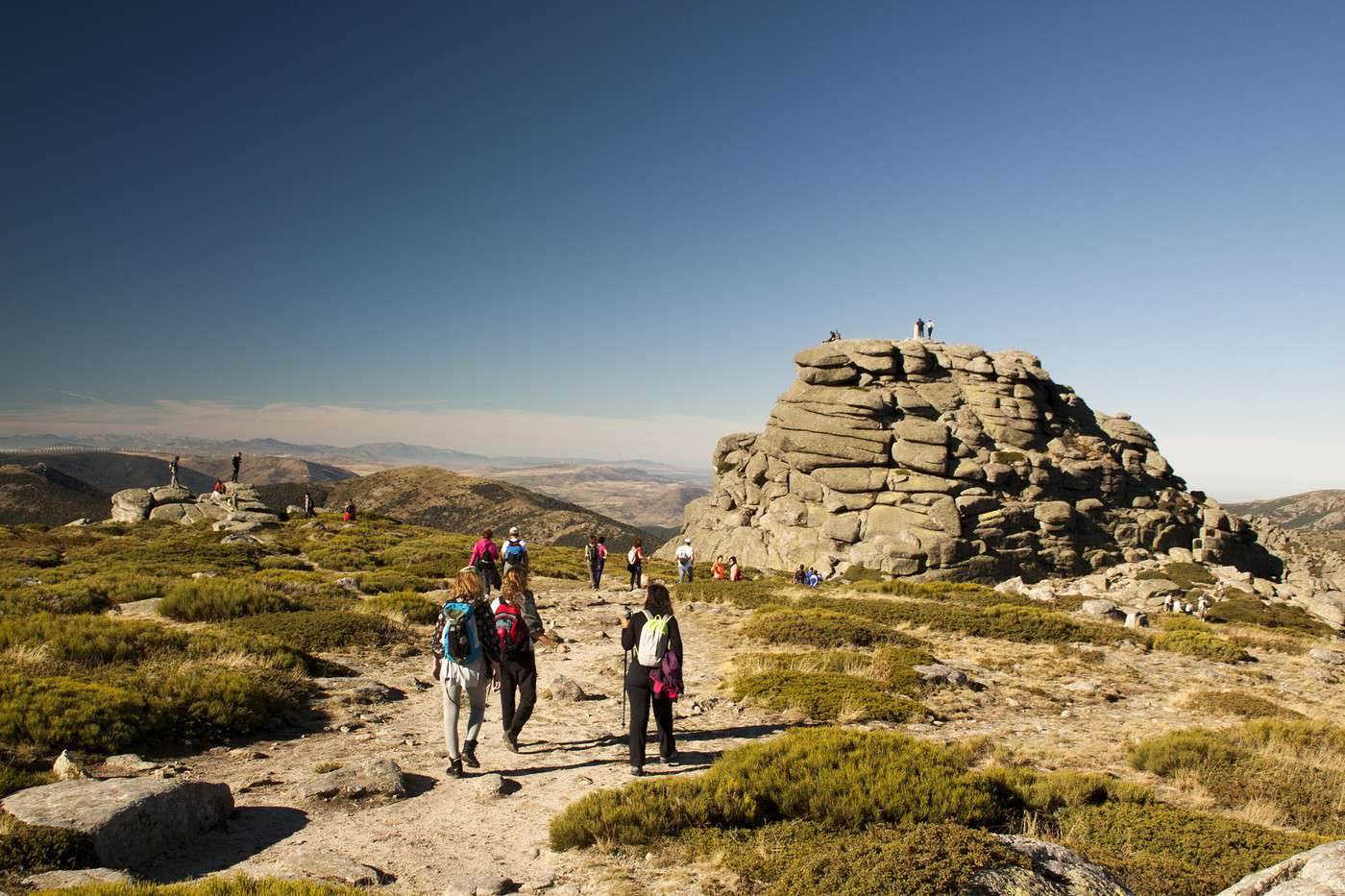
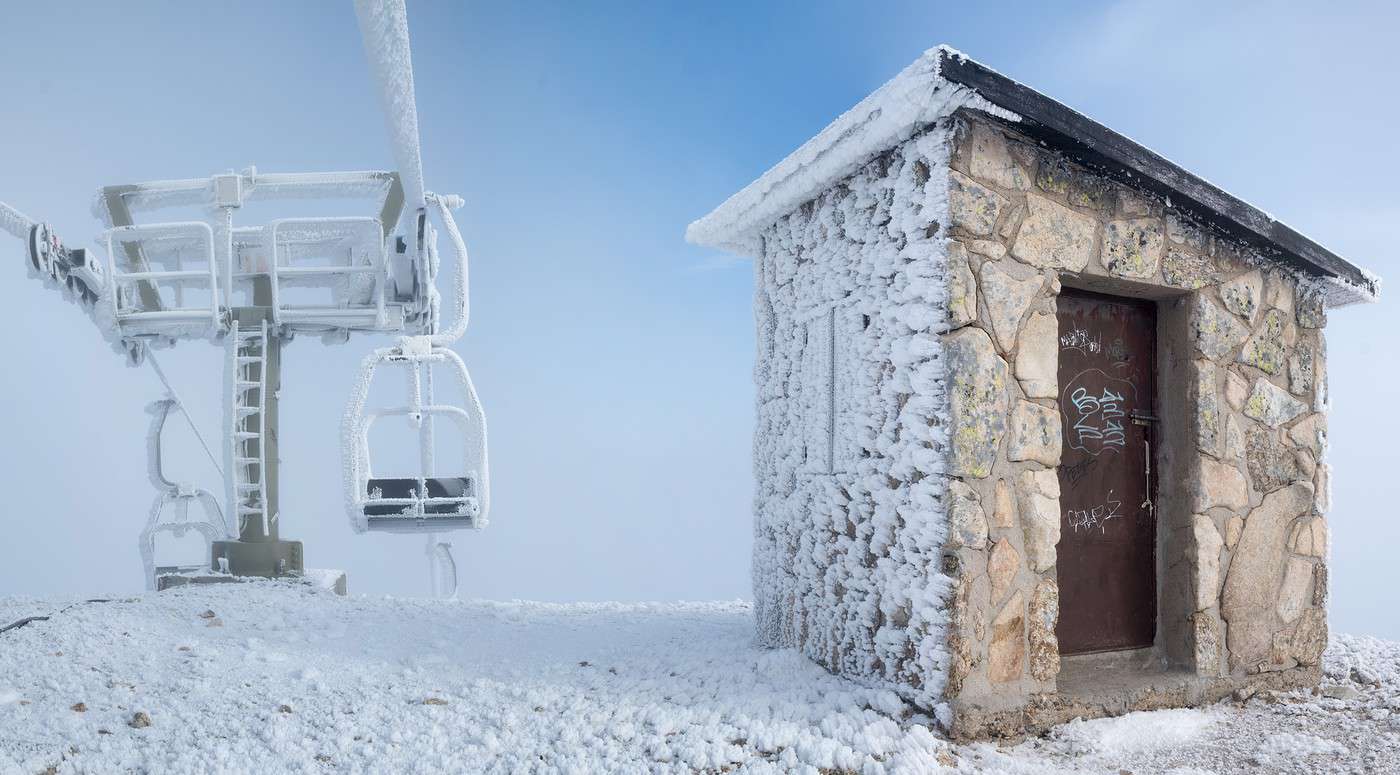
Castile and central Spain are rather arid areas, with landscapes often desolate or even monotonous. In short, even if Sierra de Guadarrama remains a pretty mountain range with many valleys, lakes, and peaks where you can hike, ski, or climb, this is generally not what motivates visitors eager to discover Madrid and Castile.
Culture
Madrid and its surroundings (Alcala de Henares, Aranjuez, El Escorial...), as well as the cities of Toledo, Salamanca, Cuenca, Don Quixote Route, or even several remnants from antiquity: this is the heart of Spain with its history and a very rich cultural heritage, sixteen sites of which have been inscribed by UNESCO.
Relaxation-Holidays
Although central Spain includes various mountainous areas and pleasant countryside spots, the region is not particularly associated with a "relaxation-holiday" image.
Hiking
Hiking
Cycling
Horseback Riding
Golf
Winter Sports
Other Outdoor Activities
Whitewater:
Climbing and Mountaineering:
Paragliding and Aerial Sports:
Fishing:
Caving:
Cultural Life and Activities
Nightlife and Going Out
Travel and suggested itineraries in central Spain
Best times to visit
Finding the best time to visit means balancing climate constraints with crowd levels and the most attractive prices on-site or for getting there.
April to early June and September to October remain the best periods for visiting the heart of Spain, if only to avoid the summer heatwaves in some areas. While tourist crowds are relatively low compared to the coast (especially in summer when cities empty out) and price variations are more tied to events (festivals, etc.) than clearly defined high and low seasons, it’s primarily the temperatures and local climate that should guide your decision.
| Jan. | Feb. | Mar. | Apr. | May | Jun. | Jul. | Aug. | Sep. | Oct. | Nov. | Dec. | |
|---|---|---|---|---|---|---|---|---|---|---|---|---|
| Climate | / | |||||||||||
| Avoid crowds | ||||||||||||
| Low prices |
: very favorable | : favorable | : moderately favorable | : unfavorable.
Types of travel
Independent
Like the rest of Spain, this area is very easy to explore independently.
Organized
Some itinerary ideas
Flying to Central Spain
Although Castile and, more broadly, central Spain account for nearly half of the national territory, there is really only one airport at the heart of the region: Madrid Adolfo Suárez (formerly Barajas). With over 40 million passengers per year, it is by far…
Something wrong or out of date? Report this page