UNESCO World Heritage Sites
Madrid and the central region boast 16 UNESCO World Heritage Sites, accounting for over a third of Spain's total inscriptions:
Community of Madrid
Alcala de Henares (1998)
Just a few dozen kilometres from Madrid, Cervantes’ city is a UNESCO World Heritage Site for its university and historic quarters.
Just a few dozen kilometres from Madrid, Cervantes’ city is a UNESCO World Heritage Site for its university and historic quarters.
Aranjuez (2001)
South of the capital, this city with its beautiful architecture (also known for its concerto and strawberries) is home to a magnificent royal palace that earned it a place on the UNESCO World Heritage list.
South of the capital, this city with its beautiful architecture (also known for its concerto and strawberries) is home to a magnificent royal palace that earned it a place on the UNESCO World Heritage list.
El Escorial (1984)
A monastery, museum, college, necropolis, and royal palace combined in a vast 16th-century complex. The site is a UNESCO World Heritage site. Nearby, in the same municipality, the Valley of the Fallen.
A monastery, museum, college, necropolis, and royal palace combined in a vast 16th-century complex. The site is a UNESCO World Heritage site. Nearby, in the same municipality, the Valley of the Fallen.
Castile and León
Prehistoric Site of Atapuerca (2000)
This UNESCO World Heritage prehistoric site is located in the village of the same name, in the north of Spain.
This UNESCO World Heritage prehistoric site is located in the village of the same name, in the north of Spain.
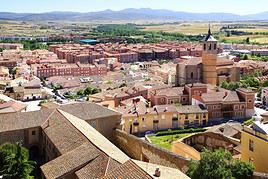
Old Town of Ávila (1985)
It is thanks to its 2,500-metre-long wall, with nine gates and 88 towers, that the old town has preserved its charm to the point of being listed as a UNESCO World Heritage Site, along with several of its churches both inside and outside the walls.
It is thanks to its 2,500-metre-long wall, with nine gates and 88 towers, that the old town has preserved its charm to the point of being listed as a UNESCO World Heritage Site, along with several of its churches both inside and outside the walls.
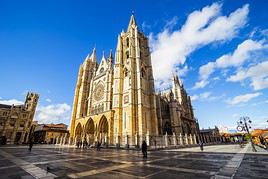
Burgos Cathedral (1984)
It is a masterpiece of Gothic art and one of the most imposing cathedrals in Spain.
It is a masterpiece of Gothic art and one of the most imposing cathedrals in Spain.
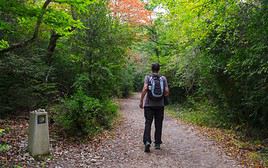
Camino de Santiago (1993)
This UNESCO-listed mythical route has become a renowned hiking itinerary over time. It crosses the region before continuing on to end in Santiago de Compostela.
This UNESCO-listed mythical route has become a renowned hiking itinerary over time. It crosses the region before continuing on to end in Santiago de Compostela.
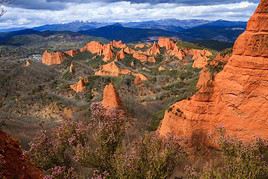
Las Médulas (1997)
Once used by the Romans for gold mining, this beautiful set of reddish sand formations near León is a UNESCO World Heritage site.
Once used by the Romans for gold mining, this beautiful set of reddish sand formations near León is a UNESCO World Heritage site.
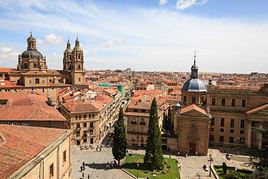
Salamanca Old Town (1988)
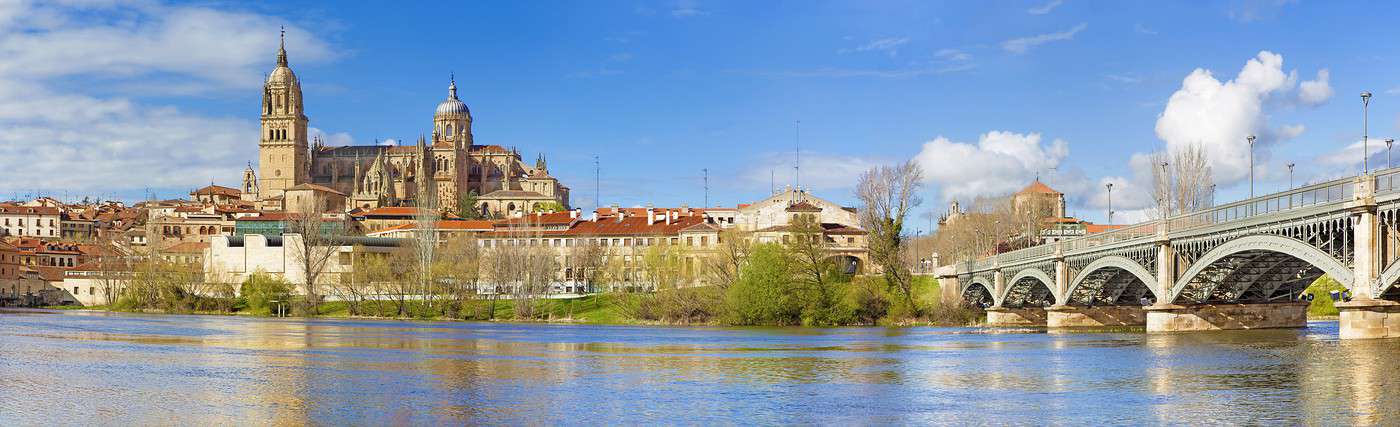
With its remarkable UNESCO-listed architecture, the historic centre covers most of the city as it existed until the mid-20th century.
With its remarkable UNESCO-listed architecture, the historic centre covers most of the city as it existed until the mid-20th century.
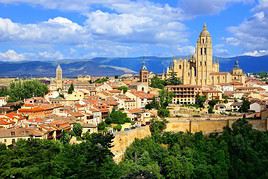
Old Town of Segovia (1985)
Segovia’s old centre is one of Spain’s richest artistic and architectural ensembles. It is a UNESCO World Heritage site, linked to the city’s "famous" Roman aqueduct.
Segovia’s old centre is one of Spain’s richest artistic and architectural ensembles. It is a UNESCO World Heritage site, linked to the city’s "famous" Roman aqueduct.
Castile-La Mancha
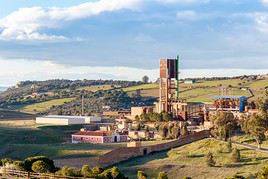
Almadén (2012)
This small town near Andalusia was designated a UNESCO World Heritage site in 2012 for its "mercury heritage." Visitors can explore a museum and a mine on the theme.
This small town near Andalusia was designated a UNESCO World Heritage site in 2012 for its "mercury heritage." Visitors can explore a museum and a mine on the theme.
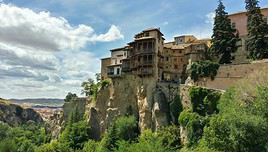
Cuenca (1996)
This stunning fortified historic city between Madrid and Valencia is a UNESCO World Heritage site. It is famous for its iconic hanging houses clinging to the cliffside, which give the city its unique character.
This stunning fortified historic city between Madrid and Valencia is a UNESCO World Heritage site. It is famous for its iconic hanging houses clinging to the cliffside, which give the city its unique character.
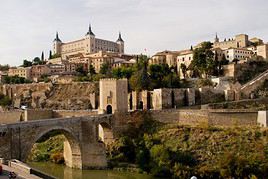
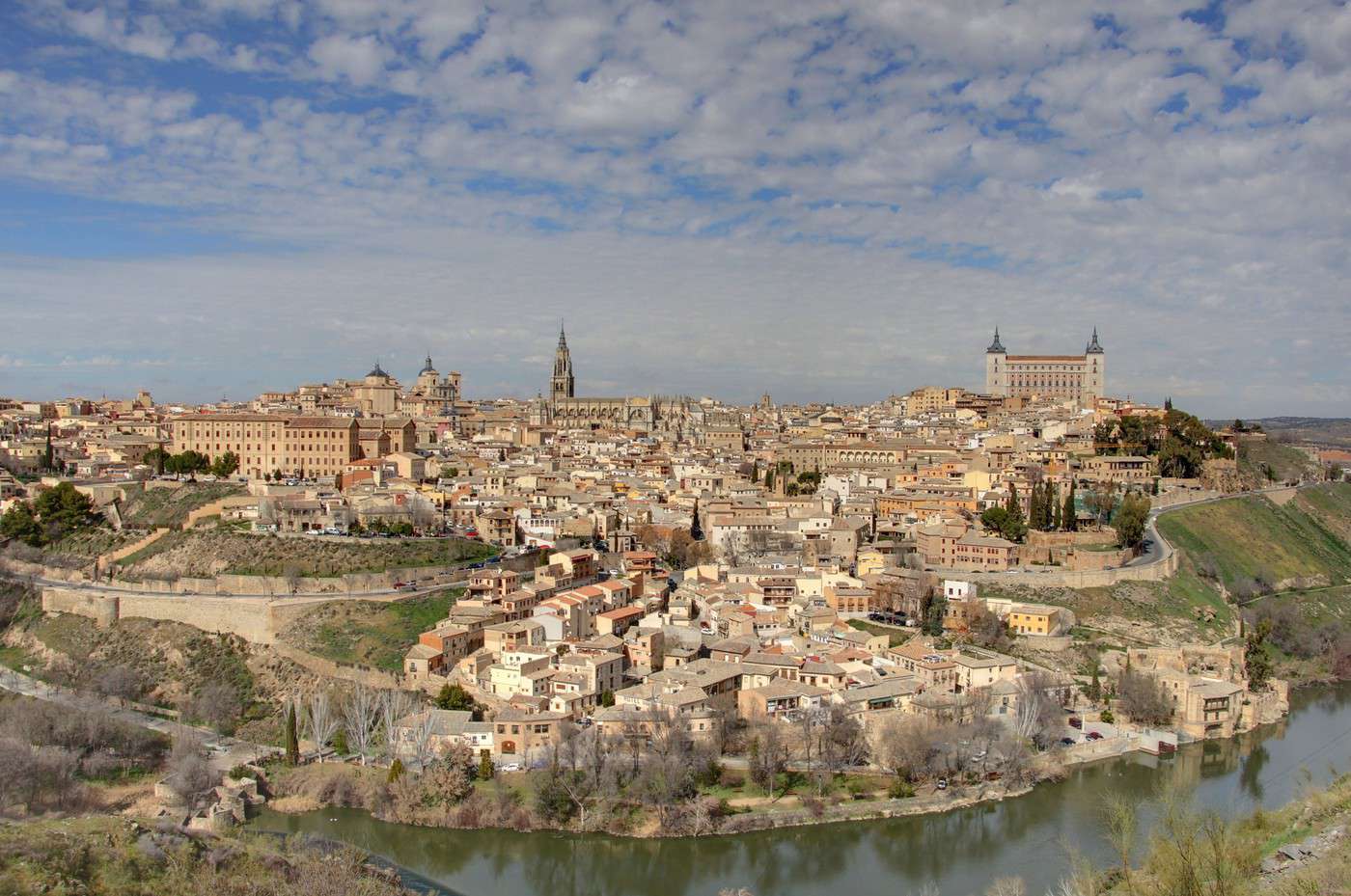
Historic City of Toledo (1986)
A UNESCO World Heritage site, it sits on high ground and is home to many historic monuments, including the citadel and the city’s cathedral.
A UNESCO World Heritage site, it sits on high ground and is home to many historic monuments, including the citadel and the city’s cathedral.
Extremadura
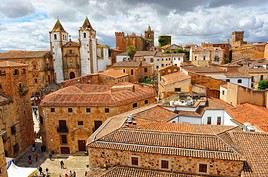
Old Town of Cáceres (1986)
This UNESCO-listed district, enclosed within its Arab walls, houses a unique collection of Gothic and Renaissance manors in Spain.
This UNESCO-listed district, enclosed within its Arab walls, houses a unique collection of Gothic and Renaissance manors in Spain.
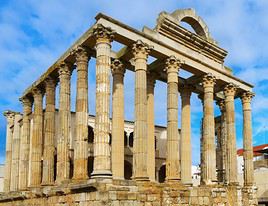
Mérida Archaeological Ensemble (1993)
This is the most important Roman archaeological site on the Iberian Peninsula. Well-preserved, the remains of the ancient city include a bridge, an amphitheatre, a theatre, and a large circus.
This is the most important Roman archaeological site on the Iberian Peninsula. Well-preserved, the remains of the ancient city include a bridge, an amphitheatre, a theatre, and a large circus.
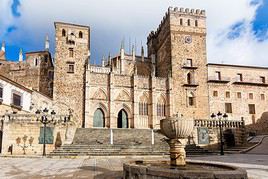
Royal Monastery of Santa Maria de Guadalupe (1993)
Located in the municipality of Guadalupe, east of Mérida, this royal monastery was for a long time the most important in the country. It is a UNESCO World Heritage site.
Located in the municipality of Guadalupe, east of Mérida, this royal monastery was for a long time the most important in the country. It is a UNESCO World Heritage site.
Community of Madrid
Alcala de Henares
Just a few dozen kilometres from Madrid, Cervantes’ city is a UNESCO World Heritage Site for its university and historic quarters.
Just a few dozen kilometres from Madrid, Cervantes’ city is a UNESCO World Heritage Site for its university and historic quarters.
Aranjuez
South of the capital, this city with its beautiful architecture (also known for its concerto and strawberries) is home to a magnificent royal palace that earned it a place on the UNESCO World Heritage list.
South of the capital, this city with its beautiful architecture (also known for its concerto and strawberries) is home to a magnificent royal palace that earned it a place on the UNESCO World Heritage list.
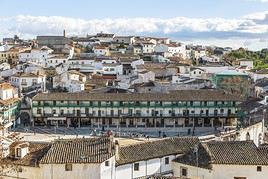
Chinchón
It's a large town with architecture largely dating from the 17th–18th centuries, located a few kilometers southeast of Madrid.
It's a large town with architecture largely dating from the 17th–18th centuries, located a few kilometers southeast of Madrid.
El Escorial
A monastery, museum, college, necropolis, and royal palace combined in a vast 16th-century complex. The site is a UNESCO World Heritage site. Nearby, in the same municipality, the Valley of the Fallen.
A monastery, museum, college, necropolis, and royal palace combined in a vast 16th-century complex. The site is a UNESCO World Heritage site. Nearby, in the same municipality, the Valley of the Fallen.
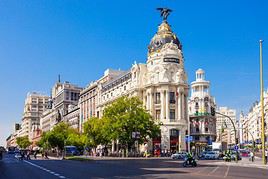
Madrid
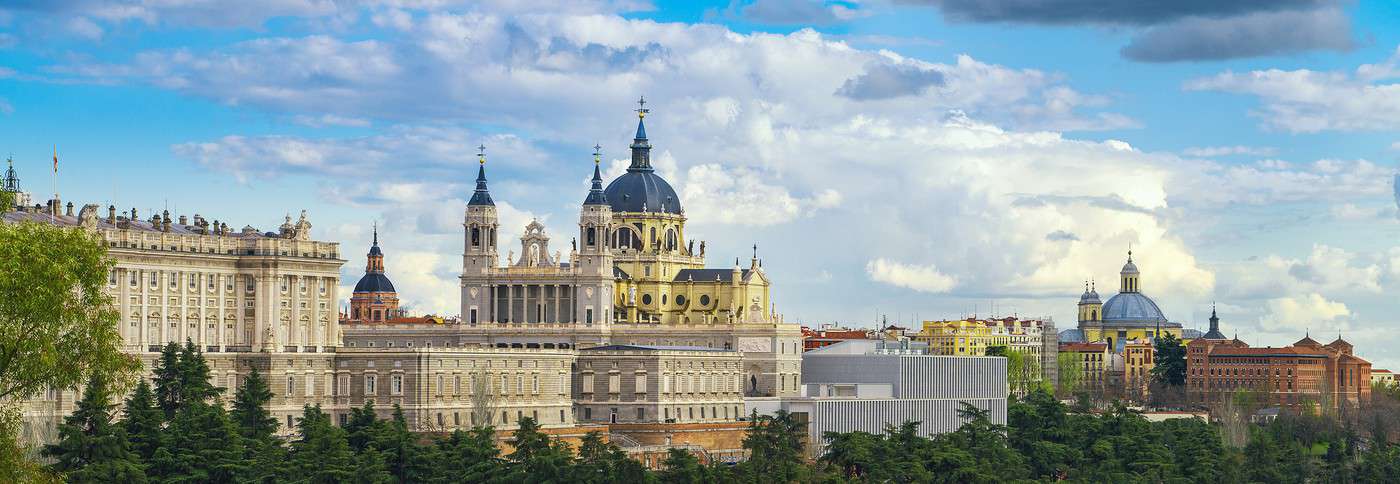
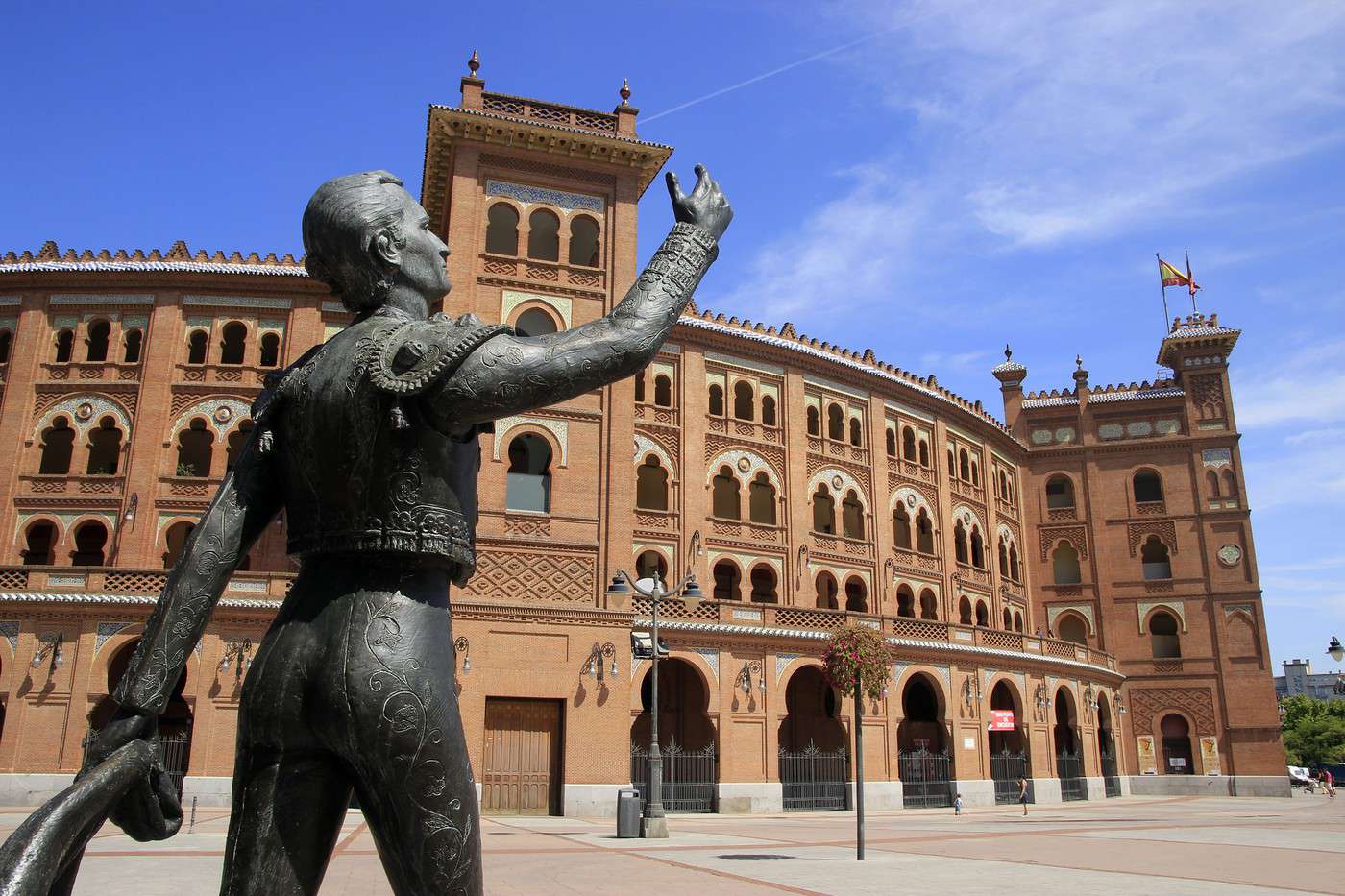
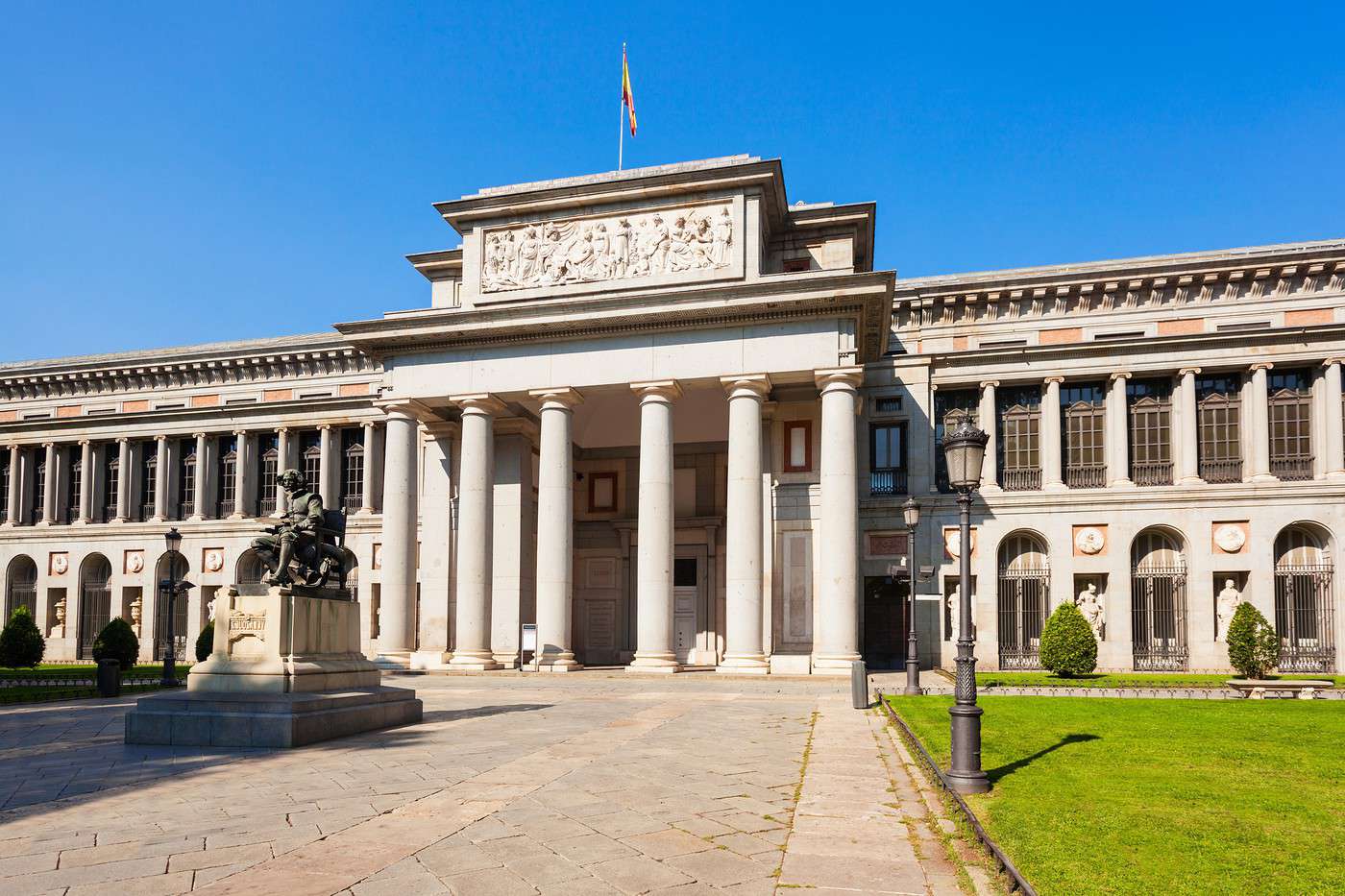
With its many museums, monuments, and vibrant day and nightlife, the Spanish capital is a must-see for tourism in the country.
With its many museums, monuments, and vibrant day and nightlife, the Spanish capital is a must-see for tourism in the country.
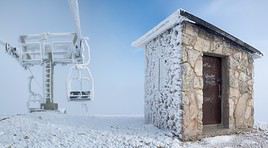
Valdesqui
A small ski resort in the Sierra de Guadarrama, near Madrid, whose ski area could potentially merge with that of its neighbor, Navacerrada.
A small ski resort in the Sierra de Guadarrama, near Madrid, whose ski area could potentially merge with that of its neighbor, Navacerrada.
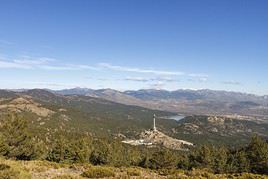
Valley of the Fallen
Located in the same municipality as the Escorial, this vast necropolis dates from the Franco era (Franco himself was buried here until 2019). It is theoretically dedicated to all those who died in the Spanish Civil War.
Located in the same municipality as the Escorial, this vast necropolis dates from the Franco era (Franco himself was buried here until 2019). It is theoretically dedicated to all those who died in the Spanish Civil War.
Natural Heritage
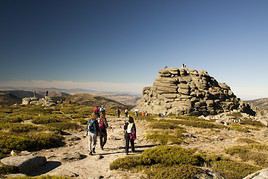
Sierra de Guadarrama
A lovely mountain range between Segovia and Madrid, with numerous valleys, lakes, and peaks perfect for hiking, skiing, or climbing. Being quite close to the capital, it’s naturally a popular destination.
A lovely mountain range between Segovia and Madrid, with numerous valleys, lakes, and peaks perfect for hiking, skiing, or climbing. Being quite close to the capital, it’s naturally a popular destination.
Castile and León
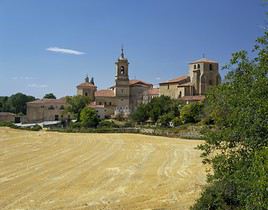
Silos Abbey
A 10th-century Benedictine abbey located in the village of Santo Domingo de Silos, in northern Castile.
A 10th-century Benedictine abbey located in the village of Santo Domingo de Silos, in northern Castile.
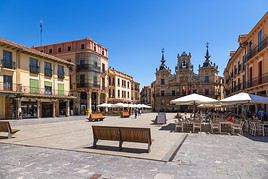
Astorga
A few kilometres from Leon, this small walled town is home to some Roman remains and, above all, an impressive cathedral and an episcopal palace designed by Gaudí.
A few kilometres from Leon, this small walled town is home to some Roman remains and, above all, an impressive cathedral and an episcopal palace designed by Gaudí.
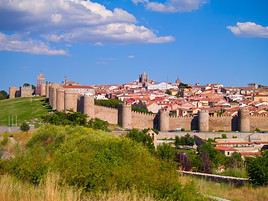
Ávila
At nearly 1,200 m above sea level, Ávila is a beautiful medieval city surrounded by walls. It is a UNESCO World Heritage site for its old town and its churches outside the walls.
At nearly 1,200 m above sea level, Ávila is a beautiful medieval city surrounded by walls. It is a UNESCO World Heritage site for its old town and its churches outside the walls.
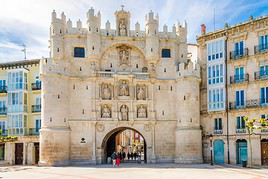
Burgos
This large city, close to the Basque Country and on the Camino de Santiago, has a beautiful old centre with a Gothic cathedral that is a UNESCO World Heritage site.
This large city, close to the Basque Country and on the Camino de Santiago, has a beautiful old centre with a Gothic cathedral that is a UNESCO World Heritage site.
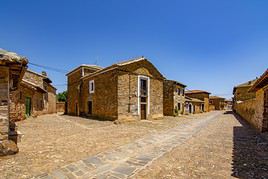
Castrillo de los Polvazares
A charming village bordering Astorga that has preserved its medieval character. It attracts quite a few visitors.
A charming village bordering Astorga that has preserved its medieval character. It attracts quite a few visitors.
Camino de Santiago
This UNESCO-listed mythical route has become a renowned hiking itinerary over time. It crosses the region before continuing on to end in Santiago de Compostela.
This UNESCO-listed mythical route has become a renowned hiking itinerary over time. It crosses the region before continuing on to end in Santiago de Compostela.
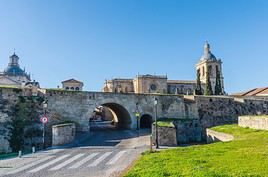
Ciudad Rodrigo
A small hilltop town near Portugal, with a charming historic centre featuring ramparts, a cathedral, and several churches.
A small hilltop town near Portugal, with a charming historic centre featuring ramparts, a cathedral, and several churches.
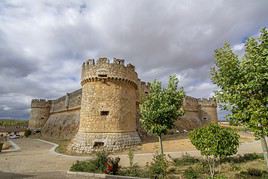
Grajal de Campos
A village between Burgos and León with a 16th-century fortress, the Palace of the Counts of Grajal, and several religious buildings.
A village between Burgos and León with a 16th-century fortress, the Palace of the Counts of Grajal, and several religious buildings.
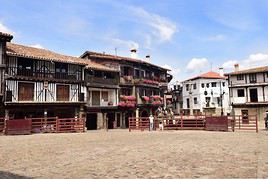
La Alberca
A charming little "historic village" over 1,000 m above sea level, located south of Salamanca. It lies within the Sierra de Francia natural park.
A charming little "historic village" over 1,000 m above sea level, located south of Salamanca. It lies within the Sierra de Francia natural park.
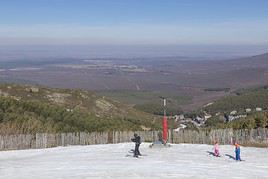
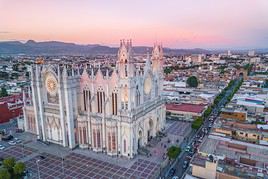
Leon
Between Burgos and Santiago de Compostela, León has preserved its cultural and historical heritage through its old urban centre.
Between Burgos and Santiago de Compostela, León has preserved its cultural and historical heritage through its old urban centre.
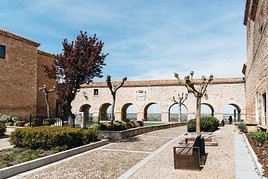
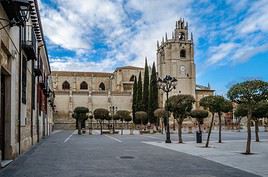
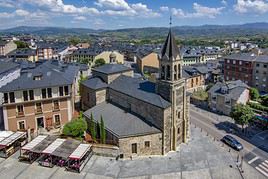
Ponferrada
This stopover town on the Camino de Santiago is home to a 12th-century Templar castle and a 16th-century basilica in its historic centre. You can also hike in the surrounding mountains or explore the UNESCO-listed site of Las Médulas.
This stopover town on the Camino de Santiago is home to a 12th-century Templar castle and a 16th-century basilica in its historic centre. You can also hike in the surrounding mountains or explore the UNESCO-listed site of Las Médulas.
Salamanca
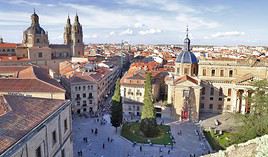
This large city between Madrid and Portugal is one of Europe's most beautiful "Renaissance cities." Its historic center, home to the famous 12th-century university, is a UNESCO World Heritage site.
This large city between Madrid and Portugal is one of Europe's most beautiful "Renaissance cities." Its historic center, home to the famous 12th-century university, is a UNESCO World Heritage site.
Segovia
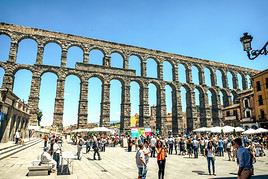
About a hundred kilometres northwest of Madrid and over 1,000 metres above sea level, Segovia is known for its Roman aqueduct and its UNESCO-listed old town.
About a hundred kilometres northwest of Madrid and over 1,000 metres above sea level, Segovia is known for its Roman aqueduct and its UNESCO-listed old town.
Prehistoric Site of Atapuerca
This UNESCO World Heritage prehistoric site is located in the village of the same name, in the north of Spain.
This UNESCO World Heritage prehistoric site is located in the village of the same name, in the north of Spain.
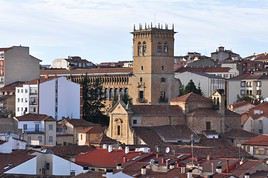
Soria
A small town in the sparsely populated north-central region of Spain. The city has a cathedral and several beautiful medieval civil and religious buildings.
A small town in the sparsely populated north-central region of Spain. The city has a cathedral and several beautiful medieval civil and religious buildings.
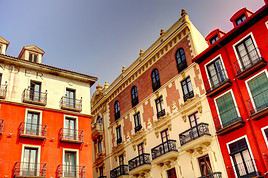
Valladolid
A large industrial city northwest of Madrid with a few religious buildings and an old town centre.
A large industrial city northwest of Madrid with a few religious buildings and an old town centre.
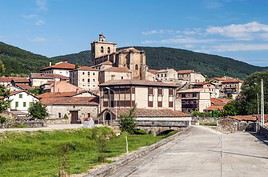
Vinuesa
A high-altitude village near Soria with several historic buildings. It primarily serves as a base for exploring the surrounding mountains, lakes (including the Laguna Negra), and forests.
A high-altitude village near Soria with several historic buildings. It primarily serves as a base for exploring the surrounding mountains, lakes (including the Laguna Negra), and forests.
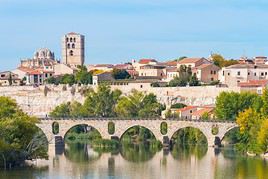
Zamora
Close to the Portuguese border, Zamora offers a charming medieval centre with a castle and numerous Romanesque civil and religious buildings.
Close to the Portuguese border, Zamora offers a charming medieval centre with a castle and numerous Romanesque civil and religious buildings.
Natural Heritage
Las Médulas
Once used by the Romans for gold mining, this beautiful set of reddish sand formations near León is a UNESCO World Heritage site.
Once used by the Romans for gold mining, this beautiful set of reddish sand formations near León is a UNESCO World Heritage site.
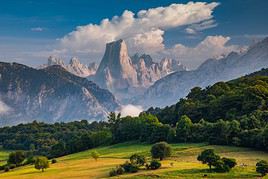
Picos de Europa National Park
In the mountain range of the same name, straddling Castile, Asturias, and Cantabria. The area is popular for its landscapes and hiking, as well as its rich wildlife (chamois, wolves, bears).
In the mountain range of the same name, straddling Castile, Asturias, and Cantabria. The area is popular for its landscapes and hiking, as well as its rich wildlife (chamois, wolves, bears).
Sierra de Guadarrama
A lovely mountain range between Segovia and Madrid, with numerous valleys, lakes, and peaks perfect for hiking, skiing, or climbing. Being quite close to the capital, it’s naturally a popular destination.
A lovely mountain range between Segovia and Madrid, with numerous valleys, lakes, and peaks perfect for hiking, skiing, or climbing. Being quite close to the capital, it’s naturally a popular destination.
Castile-La Mancha
Albacete
A large city that isn't very touristy, better known for its lively atmosphere due to its university culture.
A large city that isn't very touristy, better known for its lively atmosphere due to its university culture.
Almadén
This small town near Andalusia was designated a UNESCO World Heritage site in 2012 for its "mercury heritage." Visitors can explore a museum and a mine on the theme.
This small town near Andalusia was designated a UNESCO World Heritage site in 2012 for its "mercury heritage." Visitors can explore a museum and a mine on the theme.
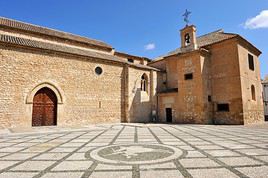
Ciudad Real
A fairly large city south of Toledo with several interesting religious buildings and a Don Quixote museum.
A fairly large city south of Toledo with several interesting religious buildings and a Don Quixote museum.
Cuenca
This stunning fortified historic city between Madrid and Valencia is a UNESCO World Heritage site. It is famous for its iconic hanging houses clinging to the cliffside, which give the city its unique character.
This stunning fortified historic city between Madrid and Valencia is a UNESCO World Heritage site. It is famous for its iconic hanging houses clinging to the cliffside, which give the city its unique character.
Guadalajara
Northeast of Madrid, the city is home to a Gothic-style cathedral and palace dating from the 15th century.
Northeast of Madrid, the city is home to a Gothic-style cathedral and palace dating from the 15th century.
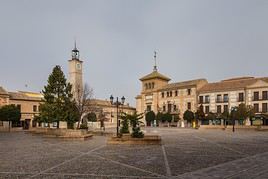
Don Quixote Route
A tourist route exploring several traditional villages (Argamasilla, Consuegra, Criptana, El Toboso) featured in Cervantes' *Don Quixote*, which have developed small-scale tourism around this theme.
A tourist route exploring several traditional villages (Argamasilla, Consuegra, Criptana, El Toboso) featured in Cervantes' *Don Quixote*, which have developed small-scale tourism around this theme.
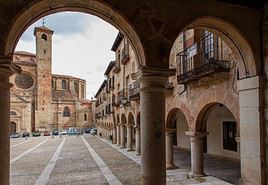
Sigüenza
Between Madrid and Zaragoza, this is a large medieval-style town with a beautiful 12th-century cathedral.
Between Madrid and Zaragoza, this is a large medieval-style town with a beautiful 12th-century cathedral.
Talavera de la Reina
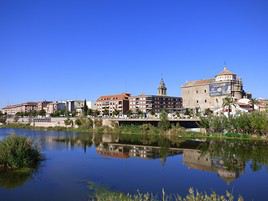
This town near Toledo is known for its ceramics and Easter festival. It also has several historic buildings, particularly religious ones.
This town near Toledo is known for its ceramics and Easter festival. It also has several historic buildings, particularly religious ones.
Toledo
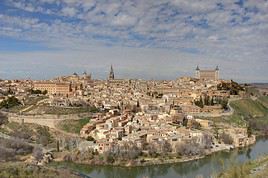
In the heart of Spain, the capital of Castile-La Mancha offers a magnificent historical and architectural heritage, including its famous Alcázar (citadel), which has earned it UNESCO World Heritage status.
In the heart of Spain, the capital of Castile-La Mancha offers a magnificent historical and architectural heritage, including its famous Alcázar (citadel), which has earned it UNESCO World Heritage status.
Natural Heritage
Enchanted City
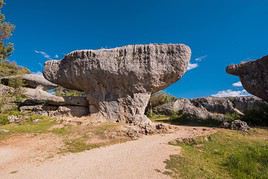
This is a natural site featuring strange rock formations that create labyrinths. It is located north of the city of Cuenca.
This is a natural site featuring strange rock formations that create labyrinths. It is located north of the city of Cuenca.
Alto Tajo Nature Park
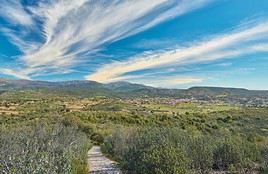
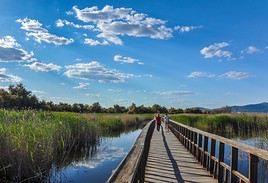
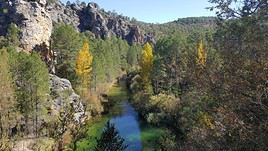
This is a charming partly mountainous region in northern La Mancha. You can hike and enjoy outdoor activities here.
This is a charming partly mountainous region in northern La Mancha. You can hike and enjoy outdoor activities here.
Extremadura
Cáceres
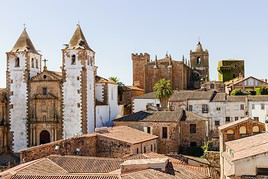
In the west of the country, Cáceres boasts a stunning historic centre nestled within its city walls. The entire area is a UNESCO World Heritage Site.
In the west of the country, Cáceres boasts a stunning historic centre nestled within its city walls. The entire area is a UNESCO World Heritage Site.
Merida
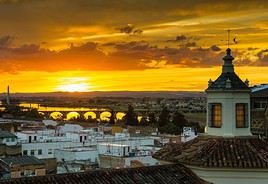
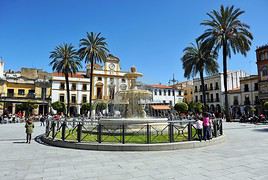
The capital of Extremadura is a UNESCO World Heritage site for its vast and well-preserved Roman heritage. Alongside this, the city also boasts various medieval and Renaissance landmarks.
The capital of Extremadura is a UNESCO World Heritage site for its vast and well-preserved Roman heritage. Alongside this, the city also boasts various medieval and Renaissance landmarks.
Royal Monastery of Santa Maria de Guadalupe
Located in the municipality of Guadalupe, east of Mérida, this royal monastery was for a long time the most important in the country. It is a UNESCO World Heritage site.
Located in the municipality of Guadalupe, east of Mérida, this royal monastery was for a long time the most important in the country. It is a UNESCO World Heritage site.
Plasencia
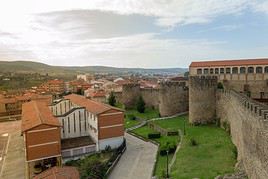
The city, between Salamanca and Cáceres, has an old centre featuring a cathedral, a Roman aqueduct, and several historic religious buildings.
The city, between Salamanca and Cáceres, has an old centre featuring a cathedral, a Roman aqueduct, and several historic religious buildings.
Trujillo
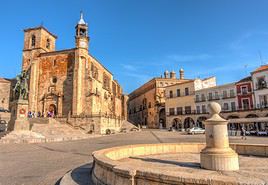
The city of Pizarro offers visitors an old castle, several churches, and beautiful buildings in its historic center.
The city of Pizarro offers visitors an old castle, several churches, and beautiful buildings in its historic center.
Natural Heritage
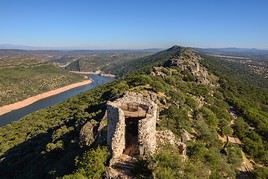
Monfragüe National Park
South of Plasencia, this lovely park is known for its birds and the many cave paintings that can be seen in its caves. Hiking is possible here.
South of Plasencia, this lovely park is known for its birds and the many cave paintings that can be seen in its caves. Hiking is possible here.