★ 3 · last edited Jul 8, 2020
Croatian Islands
Contributionsversion #2created Jul 8, 2020Report this pageLatest contributions in this guideContributors to this guide
Location verified location
 Croatian Islands
Open the interactive map
Croatian Islands
Open the interactive map
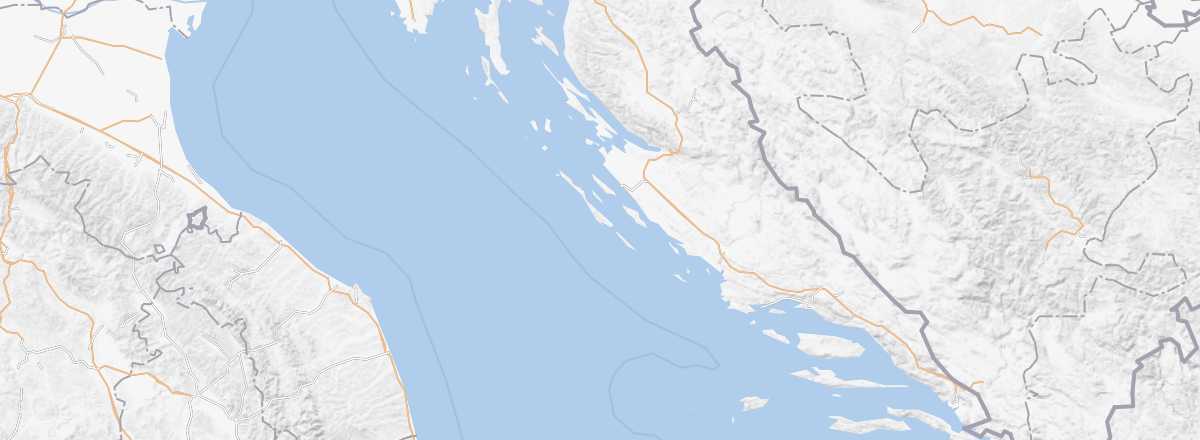
With its 700 islands, around fifty of which are inhabited, Croatia has the second-largest archipelago in the Mediterranean, just behind Greece.
Overview
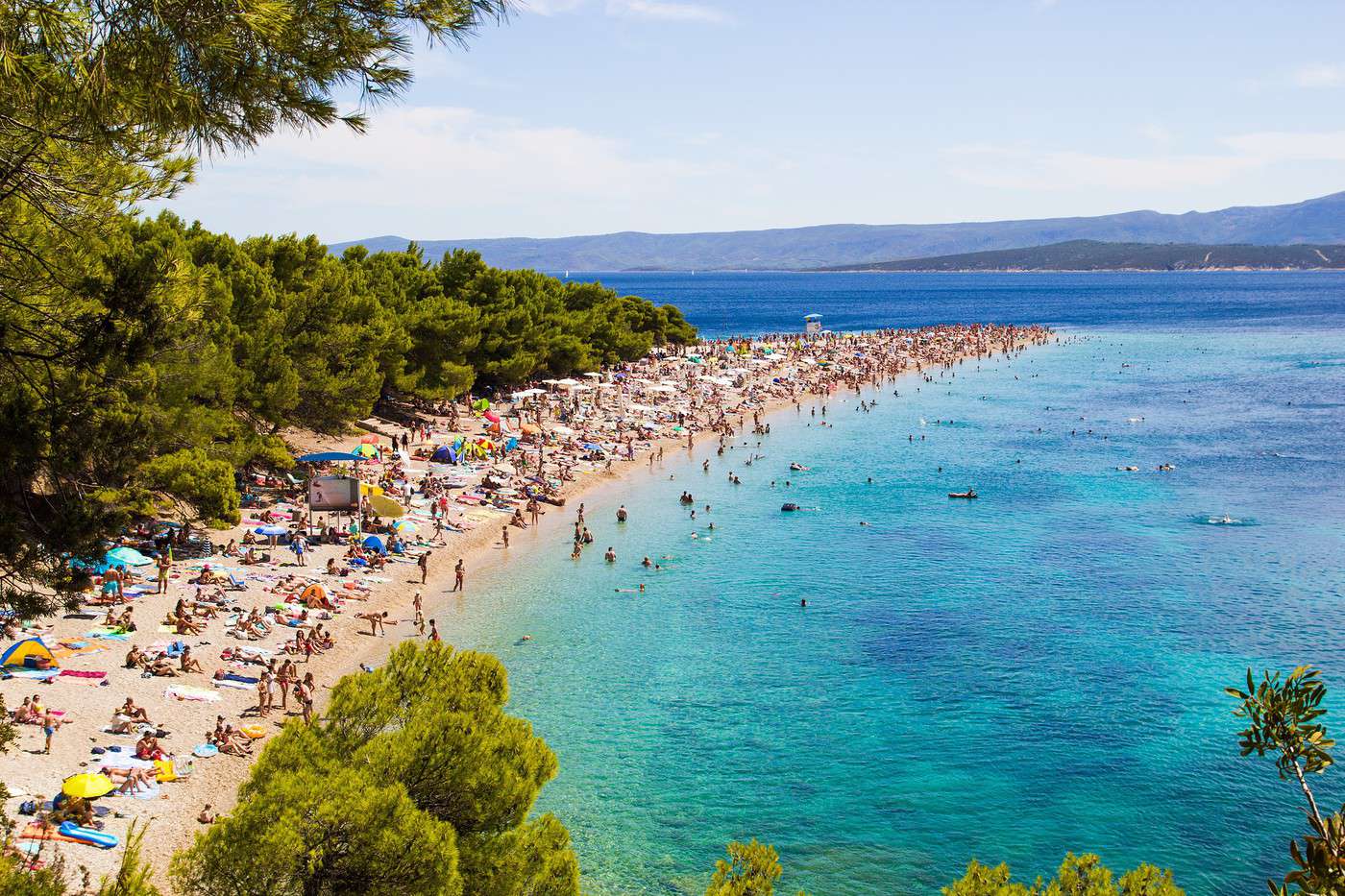
With its 700 islands, around fifty of which are inhabited, Croatia has the second-largest archipelago in the Mediterranean, just behind the Greece. For centuries, these islands primarily lived off agriculture (vineyards, olives...) and fishing, but tourism is now the main source of income for many of them. Krk (17,900 inhabitants), Korčula (16,200), and Brač (14,000) are the most populated, while Krk and Cres are the largest, each covering 405 km².
Main Islands
- Brač: 14,000 inhabitants for 394 km². A large island facing Split, known for its beautiful beaches, caves, and opportunities for diving and hiking.
- Brijuni: No inhabitants for 8 km². This protected archipelago of around fifteen islands near Pula, in Istria, is famous for its landscapes and for having served as Tito’s secondary residence. You can also see some ancient ruins and a small zoo.
- Cres: 3,100 inhabitants for 405 km². One of the largest islands in the Adriatic alongside Krk, but also one of the least densely populated. Visitors love it for its landscapes, inland lake, birds, villages, beaches, and opportunities for hiking and diving.
- Dugi Otok: 1,780 inhabitants for 114 km². An island near Zadar, visited for its landscapes, beaches, and diving.
- Elaphiti Islands: 850 inhabitants for 30 km². A dozen small islands (Šipan, Lopud...) near Dubrovnik, attracting visitors for their landscapes and beaches.
- Hvar: 11,500 inhabitants for 300 km². This large Dalmatian island is one of the most tourist-heavy in the Adriatic. It boasts a rich ancient and medieval heritage (particularly in the town of Hvar), beautiful landscapes, small coves with stunning beaches, and a lively atmosphere that has contributed to its reputation.
- Korčula: 15,500 inhabitants for 279 km². The second-most populated island in Croatia. Its main town, sharing the same name, has a charming old center. In addition to its landscapes, the island offers diving opportunities and beautiful beaches.
- Kornati Archipelago: No inhabitants for 320 km². Several dozen uninhabited small islands in the central Dalmatian coast, nearly a hundred of which form a nature park characterized by high cliffs. The area is mainly visited by sailors or on small cruises.
- Krk: 19,400 inhabitants for 405 km². The largest and most populated island, very tourist-oriented. Located on the northern coast, it is connected to the mainland by a bridge. You can explore its small villages, beaches, and go diving.
- Lošinj: 9,600 inhabitants for 75 km². One of the northern coast islands. Like its neighbors (Rab, Cres...), it attracts many visitors for its beaches, landscapes, and villages.
- Mljet: 1,110 inhabitants for 100 km². Between Korčula and Dubrovnik, Mljet offers a beautiful forested environment, with part of the island designated as a national park, small villages, a lovely monastery, beaches, and diving opportunities.
- Murter: 5,000 inhabitants for 19 km². This island in the Šibenik region has pleasant coves and sandy or pebble beaches, making it popular with visitors.
- Pag: 9,060 inhabitants for 285 km². A long island connected to the mainland near Zadar. Visitors come for the beaches, the old town of Pag, and, above all, for its lively nightlife.
- Pasman: 2,850 inhabitants for 63 km². Beaches and monasteries on this island near Zadar.
- Rab: 9,500 inhabitants for 90 km². One of the most tourist-heavy spots on the northern coast. Visitors come for the beaches, beautiful landscapes, and the old town of Rab.
- Šolta: 1,480 inhabitants for 59 km². A small island facing Split, popular with visitors for water sports and fishing. It also has several old churches and some historical ruins.
- Susak: 190 inhabitants for 4 km². The small island near Lošinj has become a tourist destination.
- Unije: 90 inhabitants for 17 km². The third island in the Cres-Lošinj archipelago. It features bays, beaches, and a charming fishing village.
- Vis: 3,600 inhabitants for 90 km². A place known primarily for its beaches and vineyards.
Tourist Attractions
Sites and Monuments
Beaches and Coastline
Nature and Activities
Climate and Weather
On the islands (and along the coast), the climate is Mediterranean, with mild winters and dry, hot summers, though slightly tempered by the sea. However, autumn and early winter see more rain and can be windy, with cold and sometimes violent winds.
Northern Islands (Krk)
Southern Islands (Mljet)
Sea Temperature Throughout the Year
| Jan. | Feb. | Mar. | Apr. | May | Jun. | Jul. | Aug. | Sep. | Oct. | Nov. | Dec. | |
|---|---|---|---|---|---|---|---|---|---|---|---|---|
| Croatian coast | 14 | 13 | 14 | 15 | 18 | 21 | 23 | 24 | 22 | 20 | 17 | 15 |