

Travel guide · Spain
Spain
For decades, it has been one of the world's top tourist destinations. While its Mediterranean coast—especially the Costa Brava—draws millions of visitors, the country offers far more: stunning landscapes, diverse activities, strong local cultures, and exceptional heritage.
Overview of Spain
Andalusia : abundant sunshine, beaches, and seaside resorts (sometimes a bit overdeveloped), along with a rich history, make the Autonomous Community of Andalusia one of Spain’s most visited regions. Tourism is by far the main resource for this land, which…
Regions of Spain
Estepona, Espagne Abundant sunshine, beaches, and seaside resorts (some admittedly a bit overbuilt), along with a rich history, make the autonomous community of Andalusia one of Spain’s most visited regions. Tourism is by far the main resource for this land,…
Geography and Environment of Spain
Country Physiography
Natural Zones
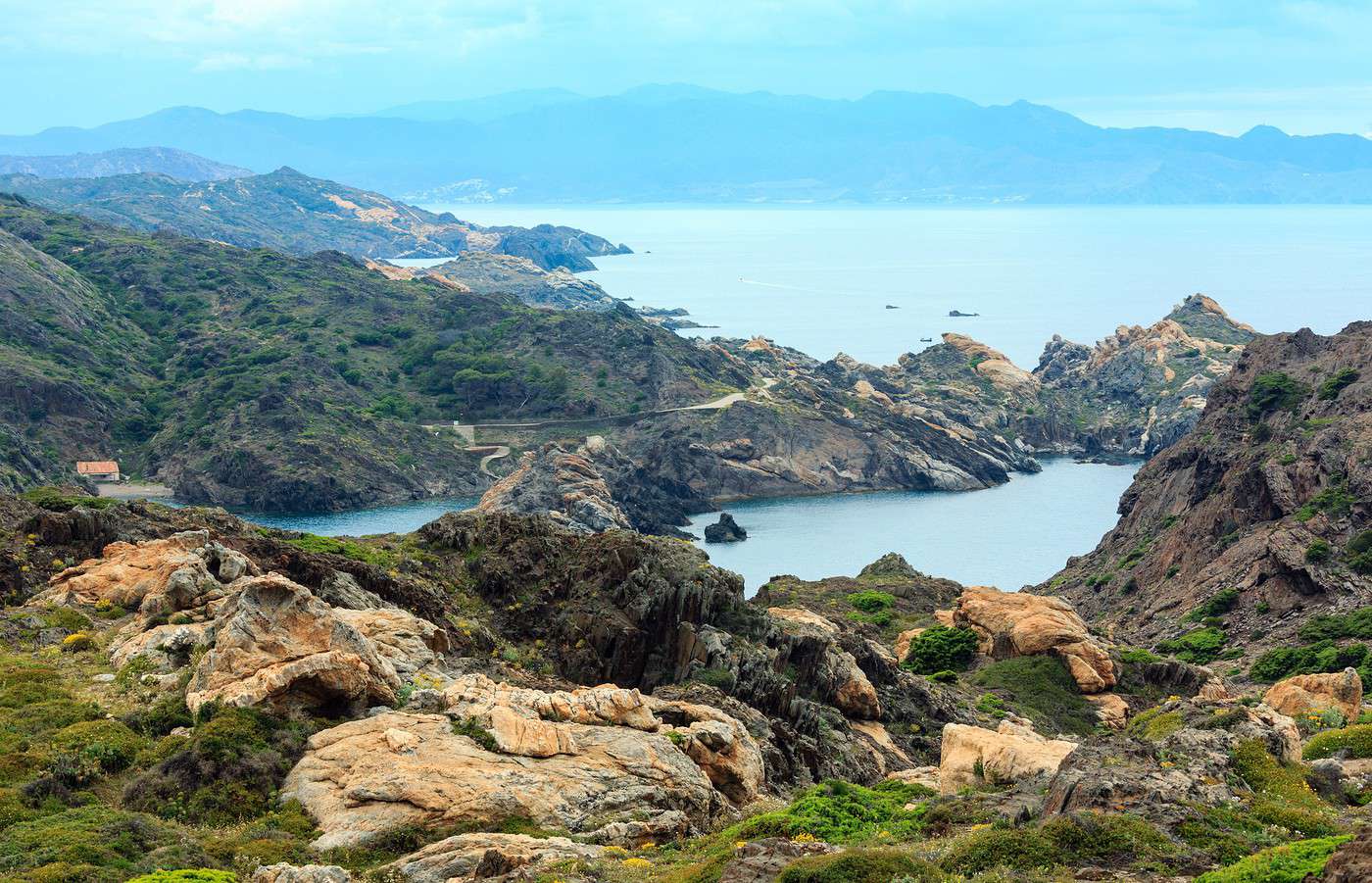
Wildlife and Flora
Spain's Climate and Weather
Spain can broadly be divided into three climatic zones: Oceanic climate : This is found on the northwest coast, from the Basque Country to A Coruña. It is characterised by low temperature ranges, both daily and annually, with monthly averages never dropping…
History of Spain
History of Spain
Key Dates
Culture and Customs of Spain
Arts, Crafts, and Architecture
Arts
Crafts
Architecture
Museums
Customs and Traditions
Local Traditions
Etiquette
Dress and Behavior
Sensitive or Taboo Topics
Languages
While Spanish is the official language of the entire country, it is not the only one. Catalan, Galician, and Basque (and very locally, Aranese in the Val d'Aran) are also recognized as official languages. Catalan is spoken in Catalonia, the Balearic Islands, and the Valencian Community (where it is called Valencian). Basque is officially used in the Basque Country and also partly in Navarre. Galician is spoken in Galicia, on the northern Atlantic coast.
Glossary
A few local words and expressions useful for travelers to know:
Festivals and Celebrations
Major Events and Public Holidays
Books, Films, and Music
What to See in Spain
UNESCO World Heritage Sites
With 46 sites inscribed on the UNESCO World Heritage list, Spain is the third country in the world by number of entries, behind Italy and China and just ahead of France. Reflecting the destination’s diversity, the listed sites range widely. They include cities with remarkable heritage such as Salamanca, Toledo, Granada and Segovia, natural areas like Mont Perdu Massif, as well as sites like Altamira Cave or Camino de Santiago for their "symbolic" value.
By Region
Every region of Spain is rich in sites and other places to discover:
- What to See in Andalusia: Featuring Cádiz, Córdoba, Granada, Seville, Sierra Nevada National Park, Málaga and the Costa del Sol.
- What to See in the Balearic Islands: The islands of Formentera, Ibiza, Majorca and Menorca.
- What to See in Catalonia: Featuring Barcelona, Cadaqués, Montserrat, Tarragona, the Val d'Aran, the Costa Brava and the Costa Daurada.
- What to See on Spain’s East Coast: The regions of Valencia and Murcia, including Alicante, Benidorm, Murcia, Valencia and the Costa Blanca.
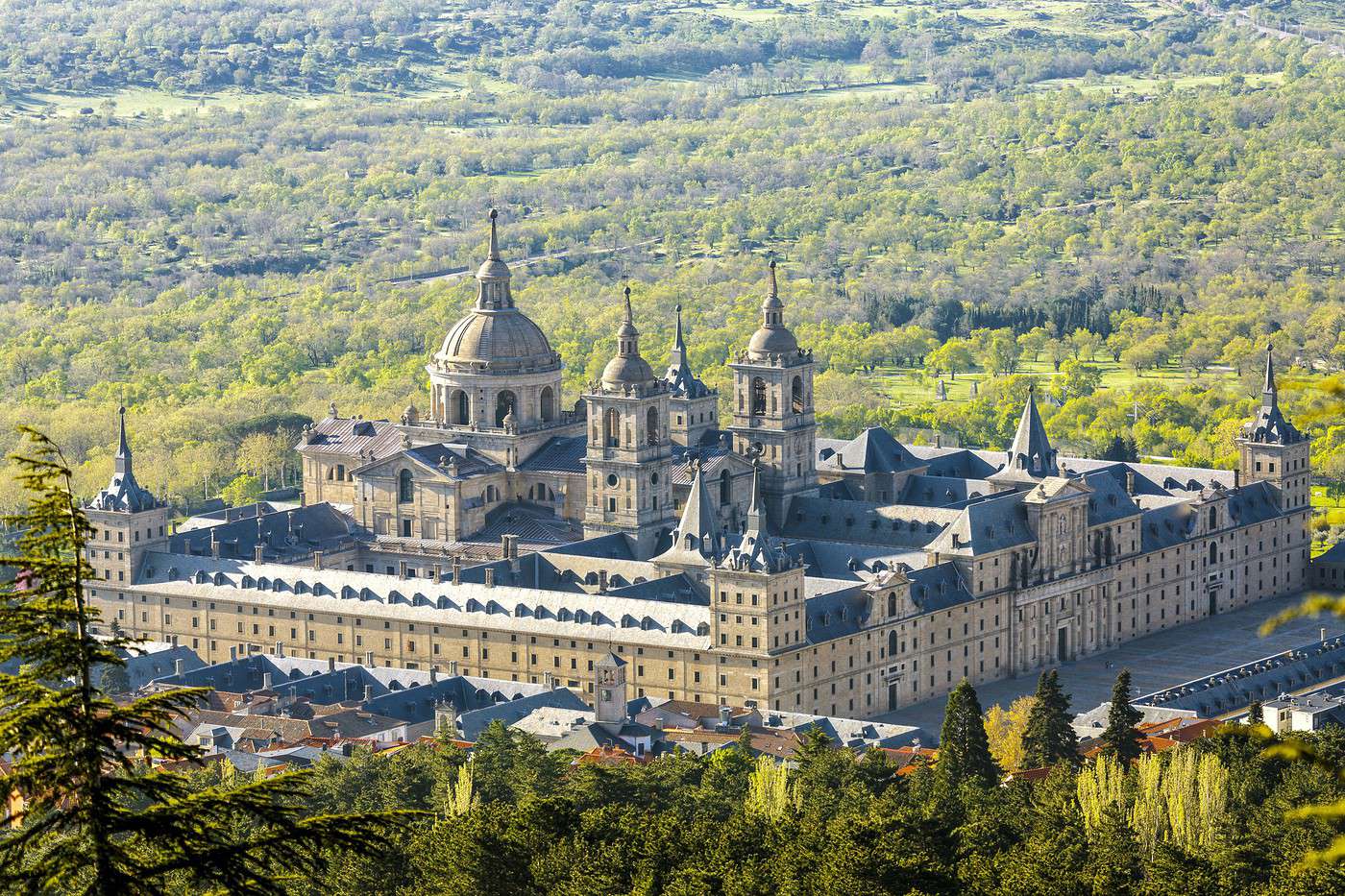
- What to See in Central Spain: Castile and León, Castile-La Mancha, Extremadura and the Community of Madrid, featuring the capital, El Escorial, Salamanca, Segovia, the Sierra de Guadarrama and Toledo.
- What to See in Northern Spain: Aragon, La Rioja and Navarre, featuring Pamplona, Zaragoza and Ordesa y Monte Perdido National Park.
- What to See in Northwestern Spain: Asturias, Cantabria and Galicia, featuring A Coruña, Oviedo, Santiago de Compostela and the famous Camino de Santiago, Santander.
- What to See in the Spanish Basque Country: Featuring Bilbao, Hondarribia, Getaria, Guernica and San Sebastián.
Things to Do in Spain
Beaches and Seaside Resorts
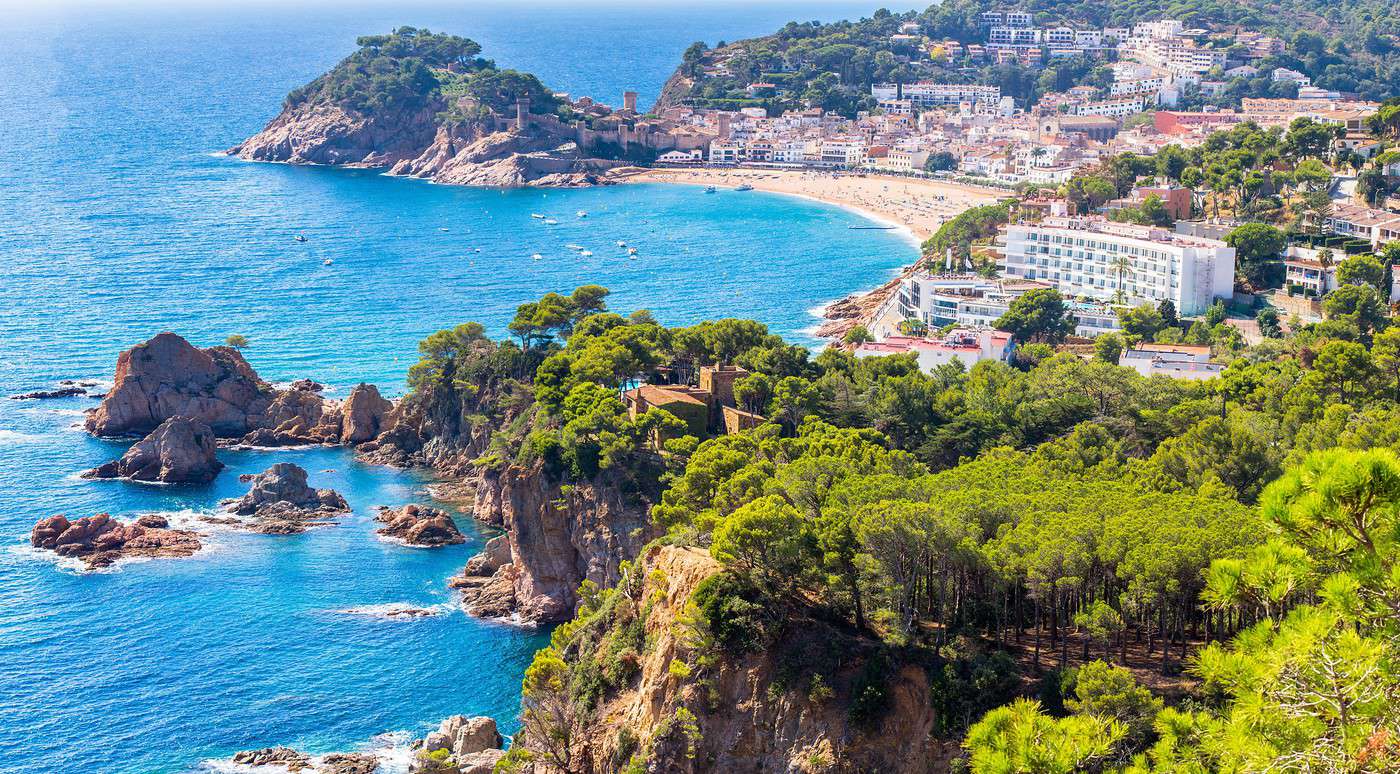
"Costa Brava", "Costa Daurada", "Costa del Sol" and many more... For decades, beach and relaxation holidays have been one of the country’s strengths. So, the locations and infrastructure are there, offering plenty of choice—whether all-inclusive or otherwise—along the Mediterranean and even the Atlantic coasts.
Water Activities
Fishing:
Diving: It’s possible to dive in most seaside resorts, with clubs available for all levels.
Surfing and Watersports:
Sailing:
Thalassotherapy and Wellness
In seaside areas, major hotel complexes typically offer a range of body treatments and wellness programs. Additionally, there are several thermal spas in the mountains (often near ski resorts) or by the sea.
Hiking
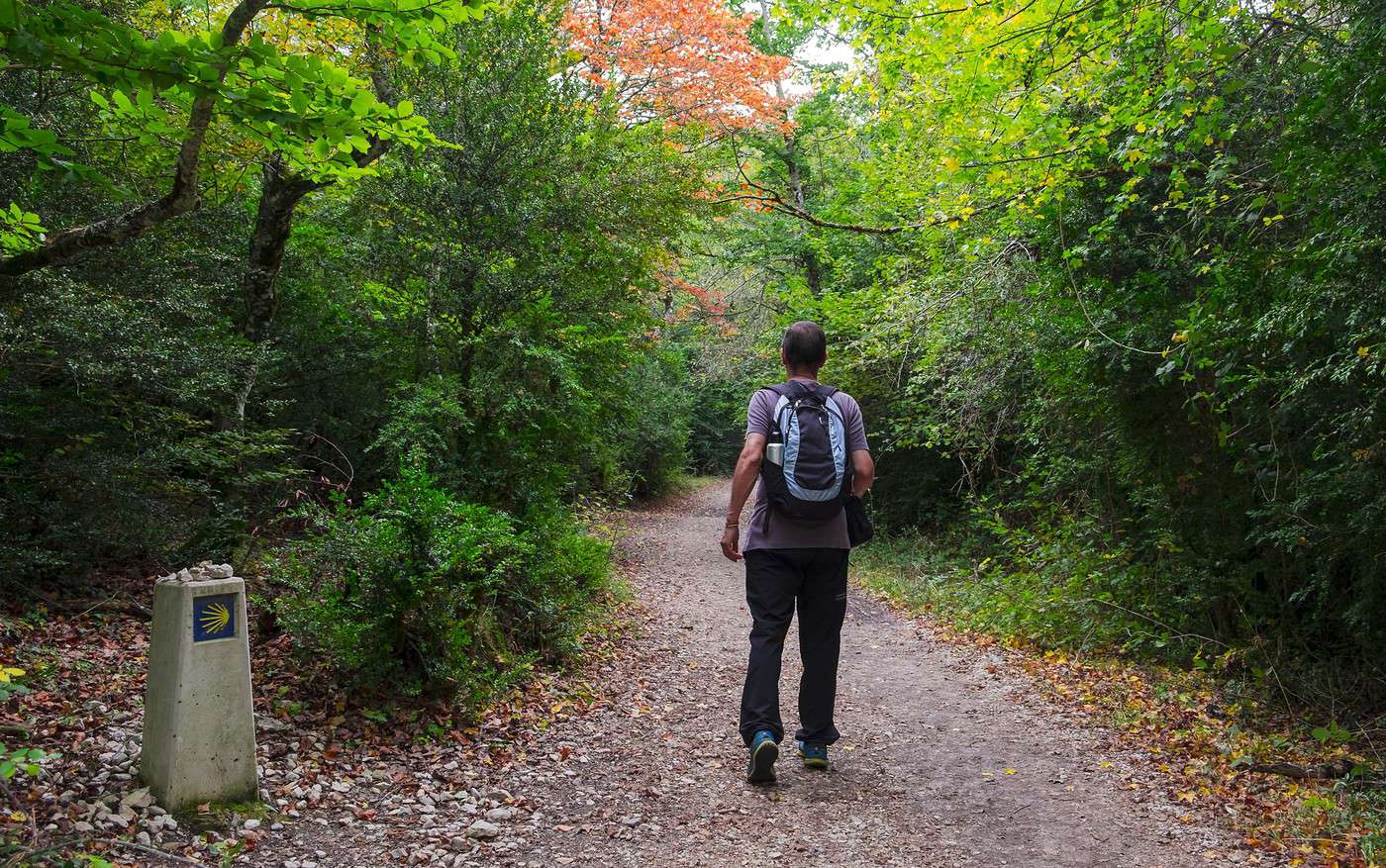
Hiking
Cycling
Horseback Riding
Golf
Spain is Europe’s leader in "golf tourism". It boasts over 500 courses of great variety—whether in cities, the countryside, mountains, or by the sea. The offerings cater to all audiences, with often competitive prices.
Winter Sports
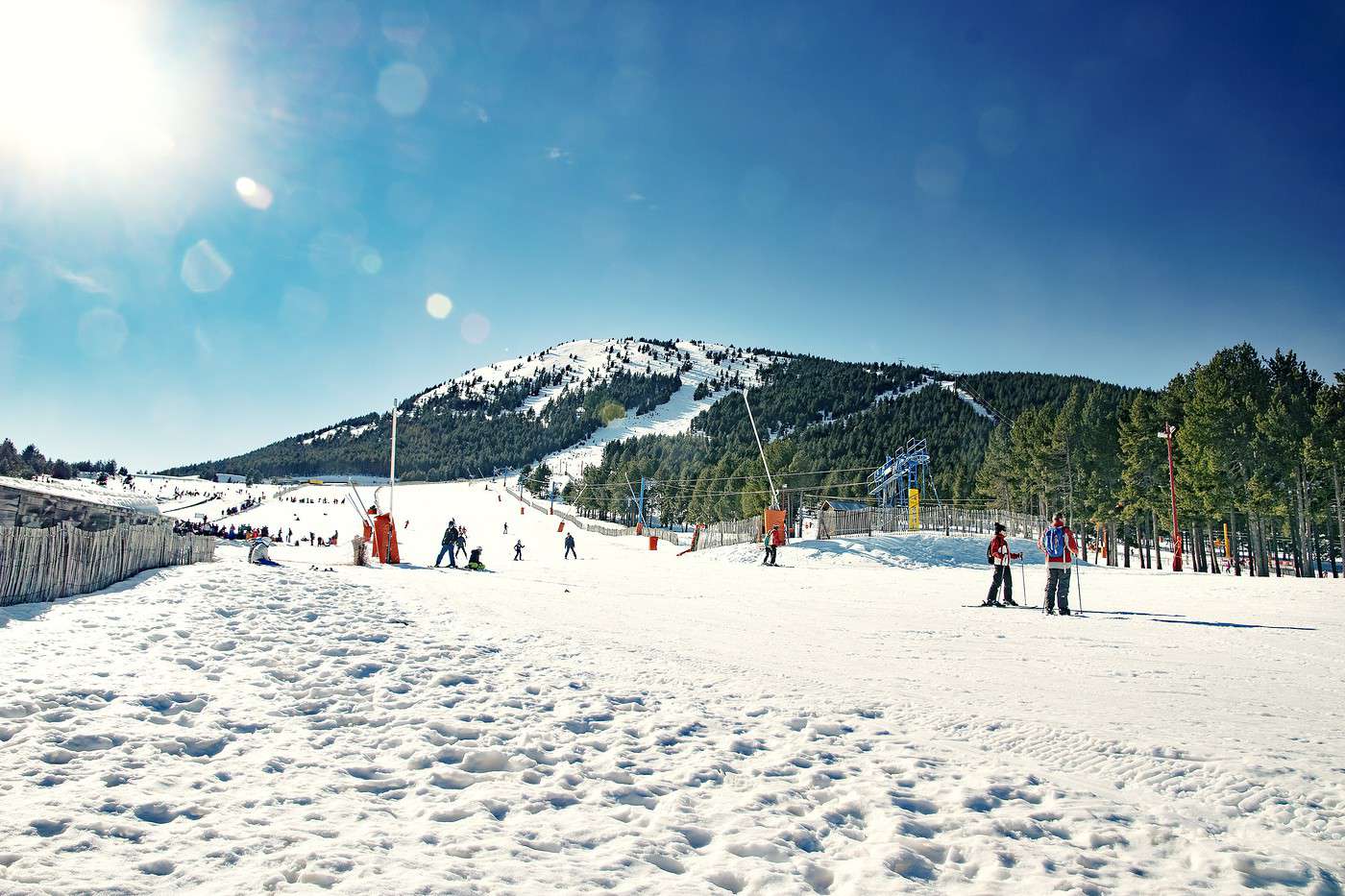
Spain has 34 ski resorts spread across the country. While many are located in the Spanish Pyrenees, several can also be found in the Cantabrian Mountains along the North Atlantic coast, three or four near Madrid, two in the Valencia hinterland, and even two in southern Andalusia. That said, most resorts remain relatively small compared to those in the Alps, for example.
Other Outdoor and Nature Activities
Hunting and Fishing
Whitewater Sports
The Spanish Pyrenees, particularly Aragon, are renowned for canyoning, rafting, kayaking, and other whitewater sports. The Sierra de Guara, a true paradise for canyoning, is even world-famous.
Climbing and Mountaineering
Paragliding and Aerial Sports
Caving
Cultural Life and Activities
Nightlife and Going Out
Types of Travel in Spain
Interests (rated ★★★★ ) : Nature ★★★ ; Adventure ★ ; Culture ★★★★ ; Relaxation-holidays ★★★★ . Nature Adventure Culture Relaxation-holidays Andalusia ★★★ ★★ ★★★★ ★★★★ Balearic Islands ★★ ⊘ ★★ ★★★★ Catalonia ★★★★ ★★ ★★★★ ★★★★ Centre ★★ ★ ★★★★ ★ East Coast ★★ ⊘…
When and Where to Go in Spain
Best Times to Visit Spain
Finding the best time to visit involves balancing climate constraints with crowd levels and the most attractive prices, both on-site and for travel.
Climatically, for most of Spain, spring and autumn are excellent times to visit—if only to avoid the locally scorching summer months and, above all, the overwhelming crowds of July and August, along with the corresponding prices in many places. After all, it’s primarily the tourist pressure on the coast and in inland hotspots that determines whether a stay is worthwhile at certain times. Don’t forget that while summer is peak season, Holy Week (Semana Santa) before Easter also draws large crowds.
In short, considering these factors, April–May and mid-September to October are good times, though of course the country’s size and varied attractions call for some nuance. For those seeking winter warmth and sunshine without the crowds, the southern and southeastern coasts are relatively pleasant in winter as well.
| Jan. | Feb. | Mar. | Apr. | May | Jun. | Jul. | Aug. | Sep. | Oct. | Nov. | Dec. | |
|---|---|---|---|---|---|---|---|---|---|---|---|---|
| Inland climate | / | |||||||||||
| Mediterranean/Southern Atlantic | ||||||||||||
| Northern Atlantic | / | |||||||||||
| Avoid crowds | ||||||||||||
| Low prices |
: very favorable | : favorable | : moderately favorable | : unfavorable.
Where to Go by Travel Type and Interest
Flying to Spain
Spain has a very extensive network of airports across its territory. In fact, it may even be too extensive, as in recent years several unprofitable platforms have seen their traffic collapse or, worse, like the "mega" Ciudad Real airport , which opened at the…
Getting to Spain by Land or Sea
Excluding the enclaves of Ceuta and Melilla in Morocco , Spain shares 63 km of border with Andorra , 623 km with France, just 1.2 km with Gibraltar , and 1,215 km with Portugal . Road and/or rail border crossings between the countries are numerous and pose no…
Getting Around Spain
Spain has a good road and motorway network, partly free (depending on the region), making it easy to get around. However, cities like Madrid or Barcelona can be quite congested and a nightmare when it comes to parking. Driving rules are broadly the same as…
Accommodation in Spain
Spain being a highly tourist country, the range of accommodation is vast and generally offers good value. You'll find everything from hotels of all categories, campsites, to various types of rentals. In terms of capacity, hotels account for 1.4 million beds…
Entry Requirements and Visa for Spain
For travel purposes as a tourist. A valid passport or national identity card is sufficient. Spain is part of the Schengen Area and therefore theoretically has no border controls when arriving from another member country. The same applies to Canadians, Swiss…
Money, Budget, and Shopping in Spain
Money
Currency
- Currency: Euro (100 cents).
- Banknotes: 5, 10, 20, 50, 100, 200 and 500 €.
- Coins: 1, 2, 5, 10, 20 and 50 cents + 1 and 2 €.
- Exchange:
The euro replaced the Spanish peseta in 2002, which had been in circulation in the country since 1868.
Exchange
For those outside the Eurozone, banks (open from 8:30 AM to 2:00 PM on weekdays and Saturday mornings outside summer) and exchange bureaus accept major currencies. ATMs are also widely available.
Payment Methods
You can pay in cash or by card (with no fees for euro-denominated accounts), just like in France.
Budget
Within Western Europe, Spain is mid-range in terms of cost, as long as you don’t stay too long in Madrid and Barcelona or certain coastal resorts during peak season. Budget around 50 to 70 € per day per person (for two). That said, if you plan to visit many sites and museums or enjoy beach resorts or outdoor activities, it’s best to budget a little more.
What Can Be Expensive
- Peak season, especially in coastal areas.
- Parking in cities like Barcelona or Madrid.
What Can Be Affordable
- Flights to get there and even domestic flights.
Price Range
- Budget accommodation: around 30 € minimum for two in a hostel or small hotel.
- Mid-range double room: at best around 50/60 € per night.
- Snacks, cafés, and fast food: around 7 to 10 € for basic meals.
- Restaurant meal: around 20 € per person for a tourist menu.
- Budget car rental:
- 100 km by bus: around 5 to 7 € per 100 km segment.
- 100 km by train:
- Urban taxi:
- Metro or urban bus: about 1 € per ticket without discounts.
Bargaining and Tipping
Bargaining
Tipping
Service is always included in prices. However, it’s common to leave a small tip in bars, restaurants, taxis, or for hotel staff. Typically, this is around 5 to 10% of the bill.
Shopping and Souvenirs
What to Bring Back
Health and Safety in Spain
In France, both for individuals and professionals, the "travel advice" from the Ministry of Foreign Affairs regarding precautions for each country has legal value. A similar online travel advice system exists in several countries: Foreign Affairs Belgium…
Other practical information for Spain
Depending on the time of year and the region, the equipment you need can vary greatly. From spring to autumn, on the coasts and inland, light clothing will be perfectly suitable, though you should also bring a light sweater for cool evenings in some places…
Something wrong or out of date? Report this page