★ 2 · last edited Aug 13, 2020
Haute-Garonne
Contributionsversion #5created Aug 13, 2020Report this pageLatest contributions in this guideContributors to this guide
Location verified location
 Haute-Garonne
Open the interactive map
Haute-Garonne
Open the interactive map
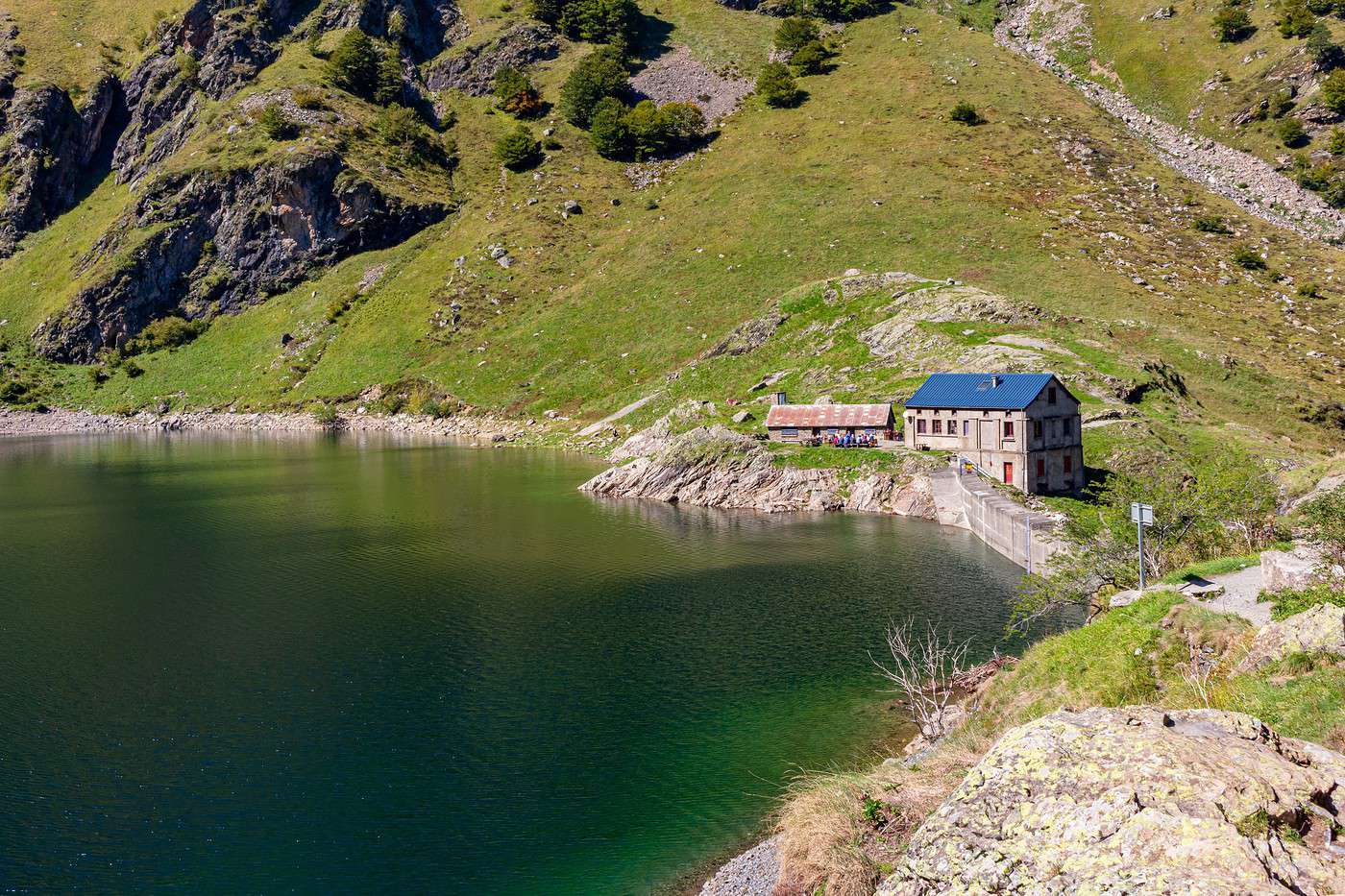
Somewhat overshadowed by Toulouse with its architecture and lively atmosphere, the rest of the department ultimately attracts relatively few visitors, even though the Pyrenees (Lys Valley, Lac d'Ôo...) and the Canal du Midi offer beautiful landscapes and a variety of outdoor activities.
Overview
Key facts
- Type of place: department.
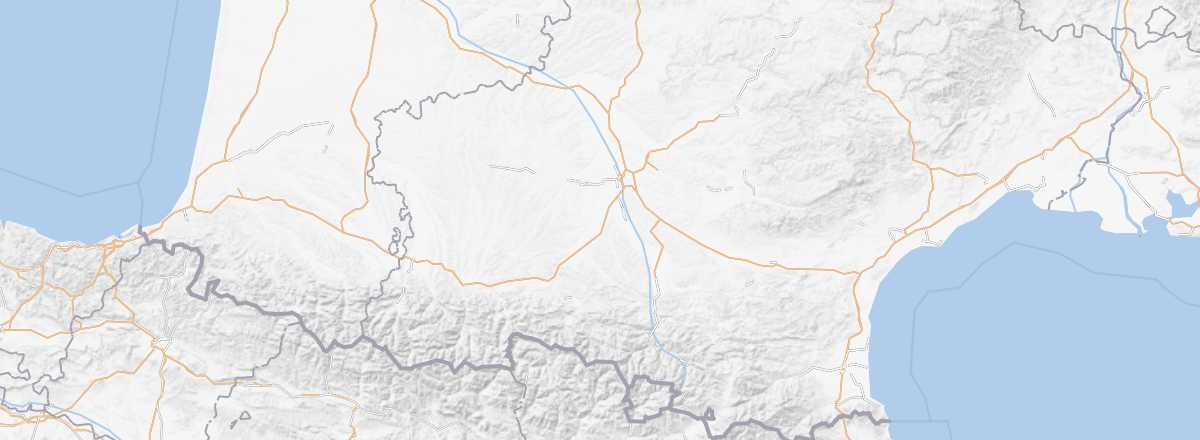
- Location: roughly halfway between the Atlantic and the Mediterranean.
- Department code: 31
- Bordering departments: Ariège, Aude, Gers, Hautes-Pyrénées, Tarn, Tarn-et-Garonne, plus Spain (to the south).
- Prefecture: Toulouse.
- Sub-prefectures: Muret, Saint-Gaudens.
- Number of communes: 588.
- Population: 1,362,672 inhabitants (2017).
- Area: 6,309 km².
- Highest point: Pic de Perdiguère (3,222 m).
- Lowest point: 85 m.
- Coastline: 0 km, no maritime access.
- Highlights (out of ): Nature ; Culture ; Relaxation-holidays
- Website: http://www.hautegaronnetourisme.com
History of Haute-Garonne
Geography and environment
Culture and economy
What to see in Haute-Garonne
Somewhat overshadowed by Toulouse with its architecture and lively atmosphere, the rest of the department ultimately attracts relatively few visitors (outside the Atlantic-Mediterranean transit route), even though the Pyrenees (Lys Valley, Lac d'Ôo...) and the Canal du Midi offer beautiful landscapes and a variety of outdoor sports.
What to do in Haute-Garonne
Climate and weather
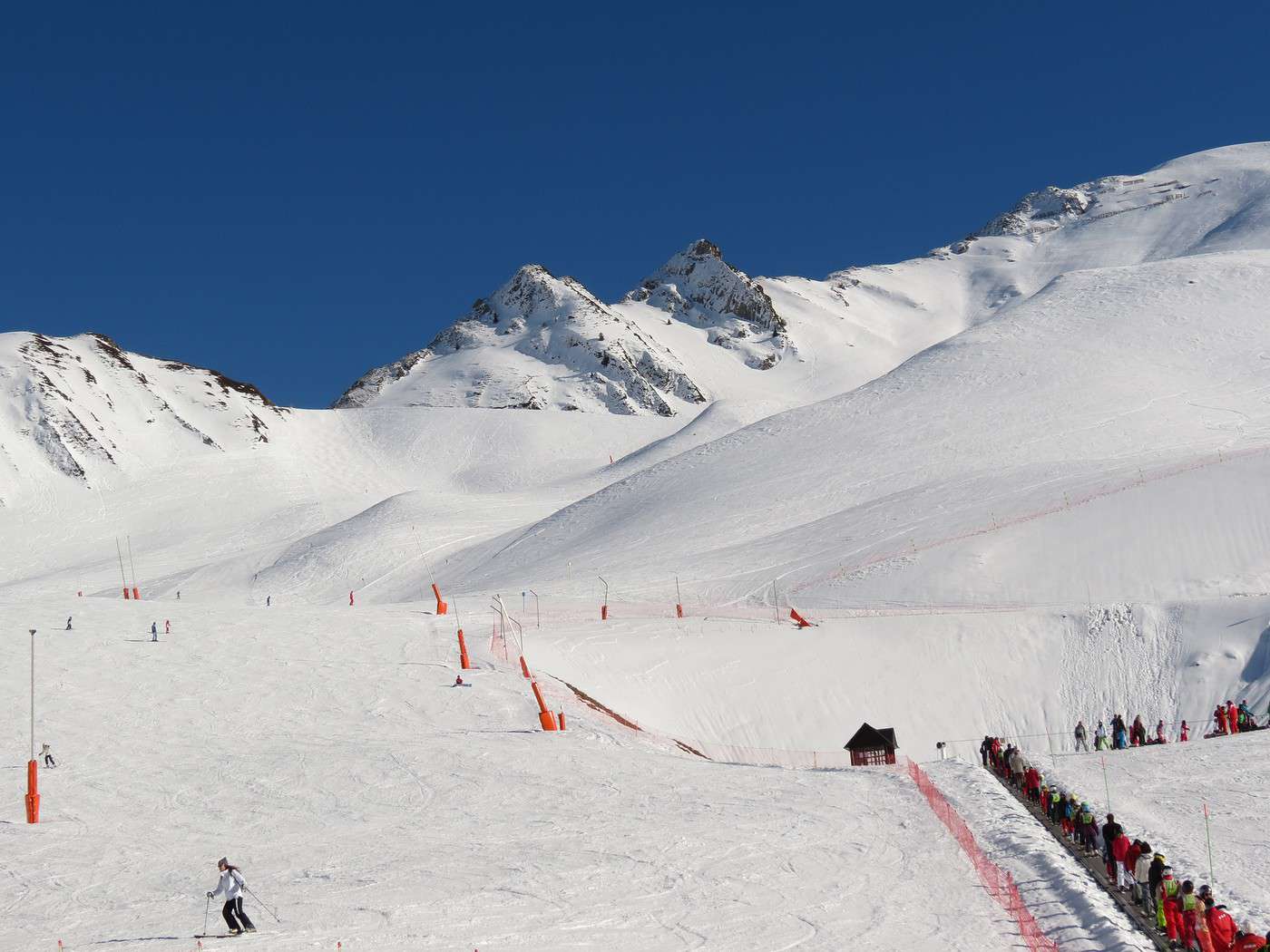
The department has a temperate climate with oceanic and Mediterranean influences, featuring mild winters in the plains and colder temperatures in the south (the Pyrenees), as well as intense summer heat in the plains followed by very sunny autumns. Spring, however, is rainy. The local climate is also marked by the (strong) *autan* wind in the Toulouse plain and frequent summer storms.