
Overview of the Namib Desert
The world's oldest desert stretches along the entire length of Namibia's coast, with a maximum width of 160 km. It features several natural parks (Namib-Naukluft, Cape Cross, Skeleton Coast...) and immense dunes, some of which are UNESCO-listed among the tallest in the world (Sossusvlei, Deadvlei).
Key facts
- Type de lieu: desert.
- Intérêt touristique: (must-see or highly recommended).
- Caractéristiques:
- Localisation:
- Superficie: 81,000 km².
- Altitude:
- Site internet: www.namibian.org/namib-naukluft.htm
Desert environment
Wildlife and flora
What to see
Key highlights of the Namib Desert include:
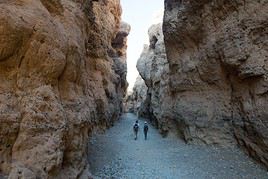
Sesriem Canyon
Just beside the eponymous locality, this small canyon is the country’s second most visited site.
Just beside the eponymous locality, this small canyon is the country’s second most visited site.
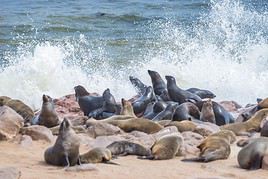
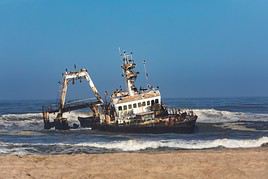
Skeleton Coast
This is the northern part of the Namib Desert. Particularly inhospitable, this coast (a designated natural park) is littered with whale skeletons (hence the name) and shipwrecks.
This is the northern part of the Namib Desert. Particularly inhospitable, this coast (a designated natural park) is littered with whale skeletons (hence the name) and shipwrecks.
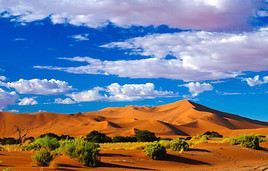
Namib-Naukluft National Park
Africa's largest park and the fourth-largest in the world. It is internationally renowned for the orange dunes of Sossusvlei and Deadvlei, the country's top tourist attraction, as well as the Sesriem Canyon located a few kilometres before them. Local hiking is possible.
Africa's largest park and the fourth-largest in the world. It is internationally renowned for the orange dunes of Sossusvlei and Deadvlei, the country's top tourist attraction, as well as the Sesriem Canyon located a few kilometres before them. Local hiking is possible.
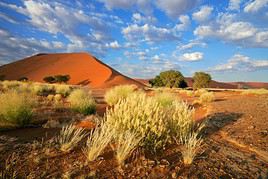
Sossusvlei
This salt desert with its stunning sand dunes is Namibia’s most visited site. It is a UNESCO World Heritage Site along with the nearby salt pans of Deadvlei and Hiddenvlei.
This salt desert with its stunning sand dunes is Namibia’s most visited site. It is a UNESCO World Heritage Site along with the nearby salt pans of Deadvlei and Hiddenvlei.