★ 3 · last edited Dec 11, 2019
Namibia's Atlantic Coast
Contributionsversion #1created Dec 11, 2019Report this pageLatest contributions in this guideContributors to this guide
Location verified location
 Namibia's Atlantic Coast
Open the interactive map
Namibia's Atlantic Coast
Open the interactive map
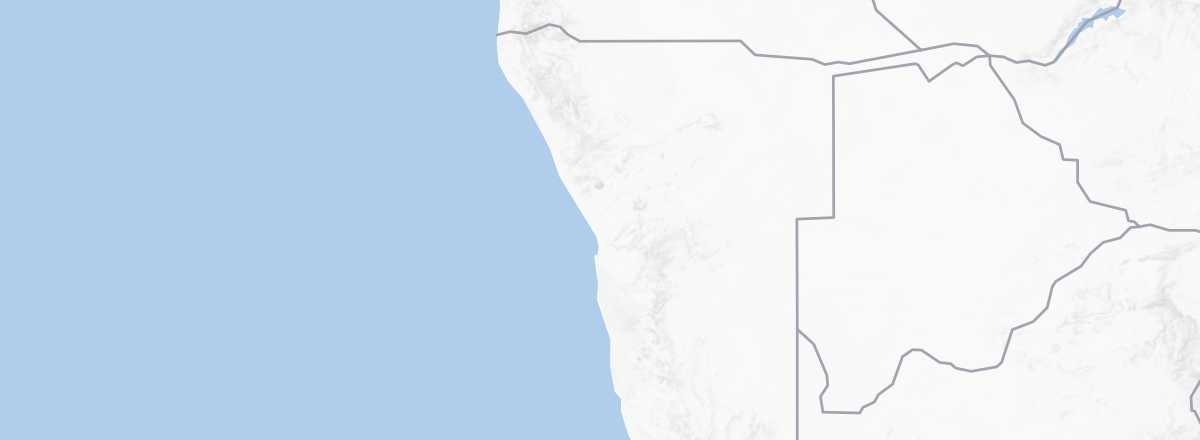
Namibia boasts over 1,500 km of coastline, though it’s far from the most hospitable. Part of the Namib Desert, the coast features key towns built by German colonizers in the late 19th century, many of which retain a distinct architectural style. Touristically, this stretch of the country is well worth the detour, with natural wonders like Cape Cross (home to its seals), the Brandberg massif (great for hiking), and above all the internationally renowned Namib-Naukluft Park, famous for Sesriem Canyon and the orange dunes of Sossusvlei and Deadvlei—Namibia’s top tourist attraction.
Overview
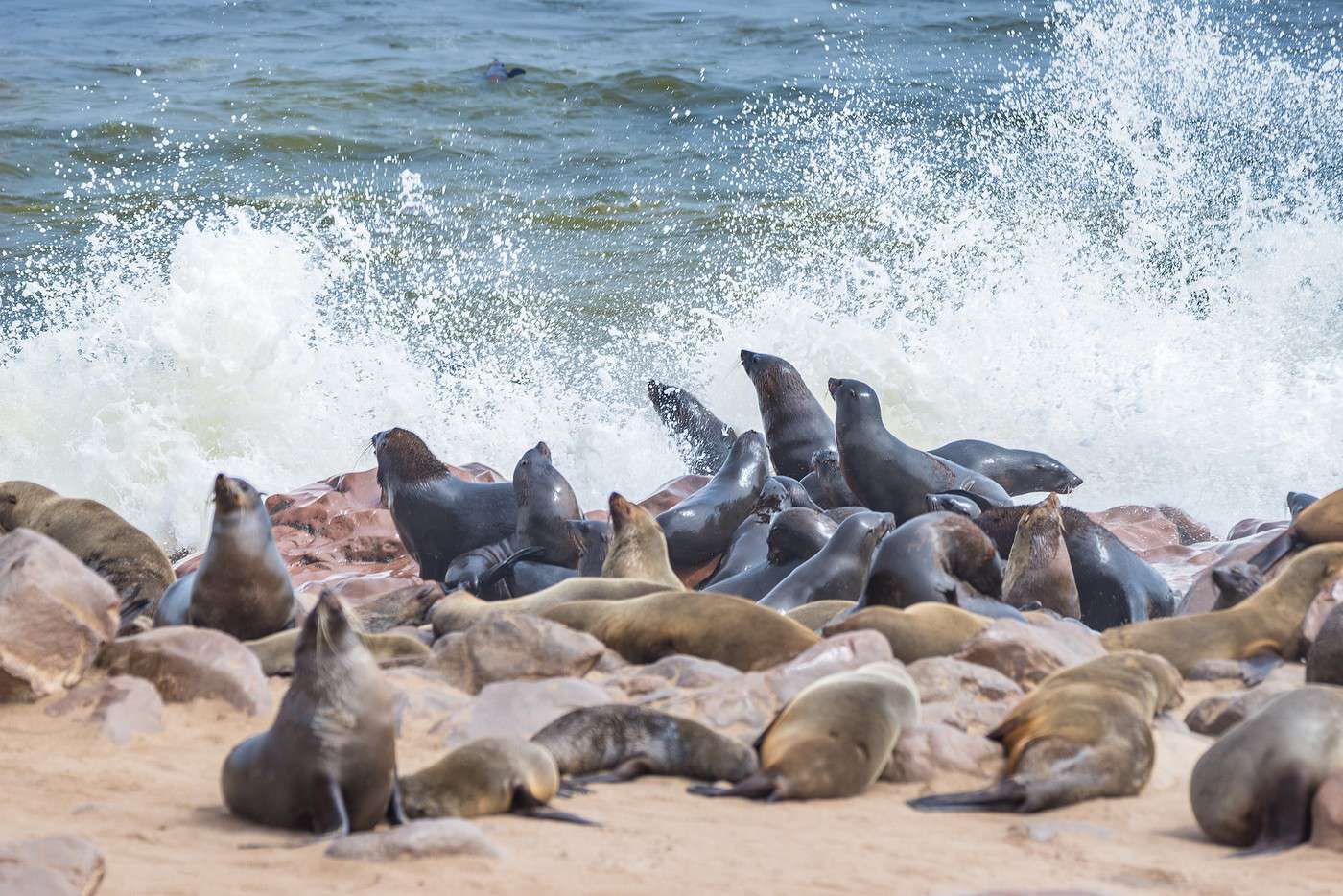
Namibia has over 1,500 km of coastline, though it’s far from the most welcoming. The coast is part of the Namib Desert, with scattered key towns built by German colonizers in the late 19th century, most of which have retained a distinct architectural style.
Touristically, this stretch of the country is well worth the detour, with natural sites like Cape Cross (and its seals), the Brandberg massif (for hiking), and above all the Namib-Naukluft National Park, internationally recognized for Sesriem Canyon and the orange dunes of Sossusvlei and Deadvlei—Namibia’s top tourist attraction.
Main towns
Walvis Bay, Swakopmund, and the "old" Lüderitz are the main (small) coastal settlements.
Tourist attractions
Towns and their heritage
Beaches and coastline
The desert-like nature of the coast (part of the Namib Desert) and the relatively cold water have done little to encourage the development of beach resorts. The country still has two or three, like Henties Bay or Swakopmund, where surfing and deep-sea fishing are popular.
Nature and activities
Climate and weather
Generally, temperatures along the coastal strip remain fairly consistent year-round, averaging between 15 and 20°C. Winter, from May to early October, is the dry season in the country, with slightly cooler temperatures. This is when the effects of the Benguela Current (a cold current specific to the region) are most noticeable along the coast. The cold waters create a high-pressure system that channels cool air but makes temperatures unstable, often causing coastal fog, especially in the south.
Best time to visit Namibia’s coast
Regardless of the season, temperatures and climate remain relatively stable.
| Jan. | Feb. | Mar. | Apr. | May | Jun. | Jul. | Aug. | Sep. | Oct. | Nov. | Dec. | |
|---|---|---|---|---|---|---|---|---|---|---|---|---|
| Coast climate |
: very favorable | : favorable | : moderately favorable | : unfavorable.
Sea temperatures throughout the year
The ocean along Namibia’s coast is never particularly warm, with temperatures ranging between 15 and 20°C year-round. Even during the southern summer, the cold Benguela Current prevents the water from warming up.
| Jan. | Feb. | Mar. | Apr. | May | Jun. | Jul. | Aug. | Sep. | Oct. | Nov. | Dec. | |
|---|---|---|---|---|---|---|---|---|---|---|---|---|
| Swakopmund | 19 | 20 | 19 | 19 | 18 | 16 | 16 | 16 | 15 | 15 | 17 | 19 |