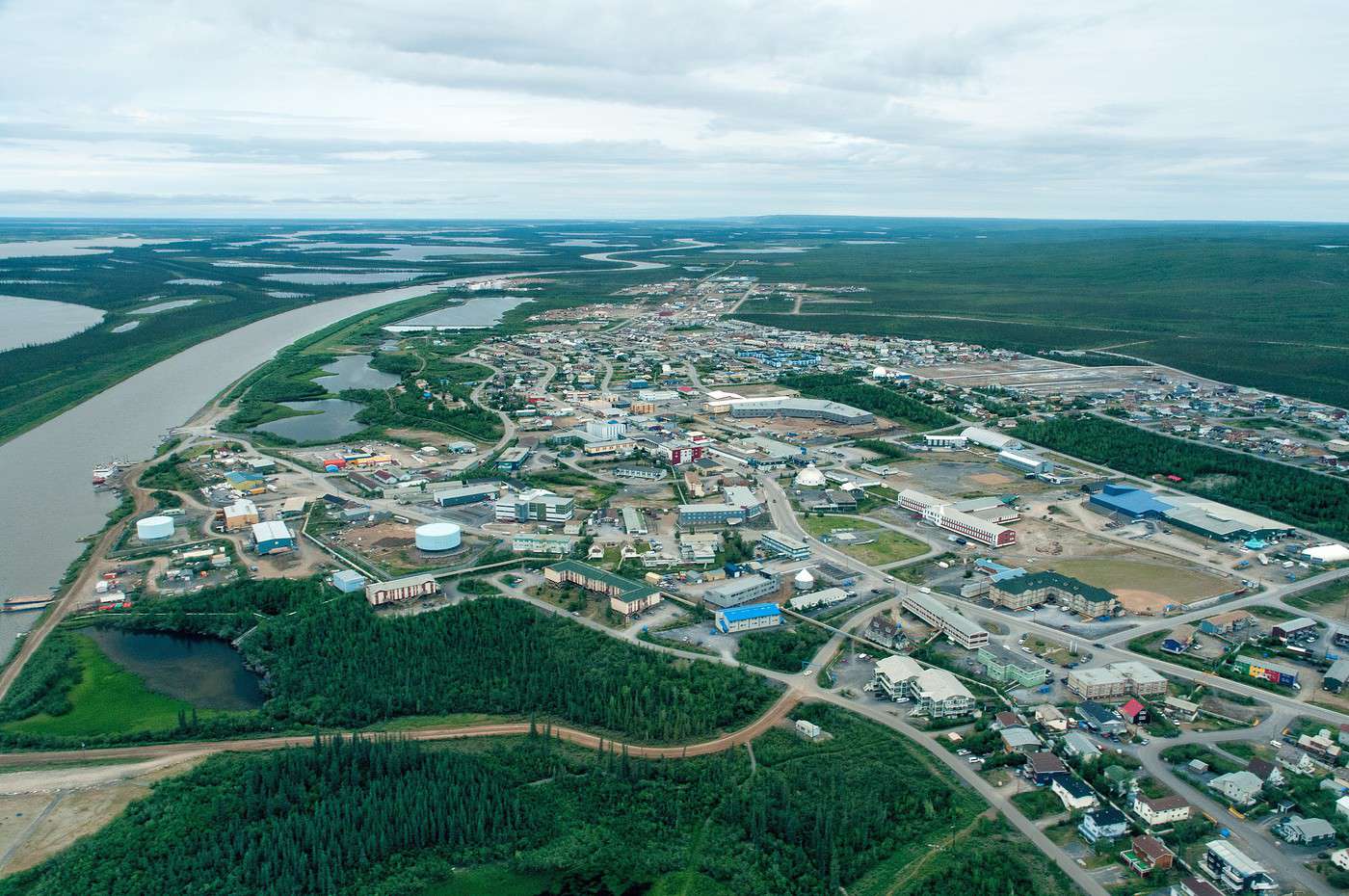
Northern Canada, the ancestral land of the Inuit and First Nations, is very sparsely populated and consists of vast wilderness areas home to unparalleled wildlife and flora.
Northern Canada has 3 sites inscribed on the UNESCO World Heritage list: Northwest Territories: Nahanni National Park ★★★★ (1978) Mountains, forests, canyons, caves, lakes, rivers and waterfalls, hot springs, tundra, and a rich wildlife (birds, bears,…
The Northern Canada region includes the territories of Nunavut, Yukon, and the Northwest Territories.
Key Facts
Type of place: tourist region.
Location: This is the vast part of Canadian territory facing the Arctic Ocean.
Local time: Given the region's size, it spans five time zones, from "Atlantic Time" in the east (Heure : 10475) to "Pacific Time" in the west (Heure : 10841).
Main cities:
Population:
Area:
Density:
Highest point: Mount Logan (5,959 m) in Yukon.
Lowest point: Sea level.
Coastline:
Tourism
Vast, desert-like, and almost uninhabited, these lands of the Far North remain one of the most isolated places on the planet. Rarely visited, they nonetheless have everything to delight lovers of untouched nature and off-the-beaten-path adventures... provided they have a certain budget.
In the north/northeast of the country, heading towards Greenland, Nunavut is the land of the Inuit... and polar bears. As you might imagine, it’s the ultimate nature-adventure destination, but due to the challenges, remoteness, and budget required to explore it, it remains very rarely visited.
Northwest Territories
Parc national Nahanni, Canada
Rivers, lakes, canyons, three national parks (including UNESCO-listed Nahanni), and a few reserves in a landscape dominated by taiga, home to unique wildlife—the Northwest Territories, like their neighbors, are a "nature-adventure" land, also largely off the beaten path.
Yukon
Parc national de Kluane, Canada
The most accessible and tourist-friendly of the three northern territories, partly thanks to its proximity to Alaska and the Vancouver region. Like its neighbors, Yukon is a vast natural expanse that will delight adventure lovers, barely populated by 35,000 inhabitants, and still bearing traces of what made it famous over a century ago: the Klondike Gold Rush.
Rivers, lakes, canyons, three national parks (including UNESCO-listed Nahanni) and a few reserves in a landscape dominated by taiga, home to unique wildlife. Like their neighbours, the Northwest Territories are a "nature-adventure" destination, largely off the beaten track.
Rivers, lakes, canyons, three national parks (including UNESCO-listed Nahanni) and a few reserves in a landscape dominated by taiga, home to unique wildlife. Like their neighbours, the Northwest Territories are a "nature-adventure" destination, largely off the beaten track.
Key facts
Type of place: territory.
Location: facing the Arctic Ocean, between Yukon and Nunavut.
Local time:Heure : 10835. The entire territory is on "Mountain Time."
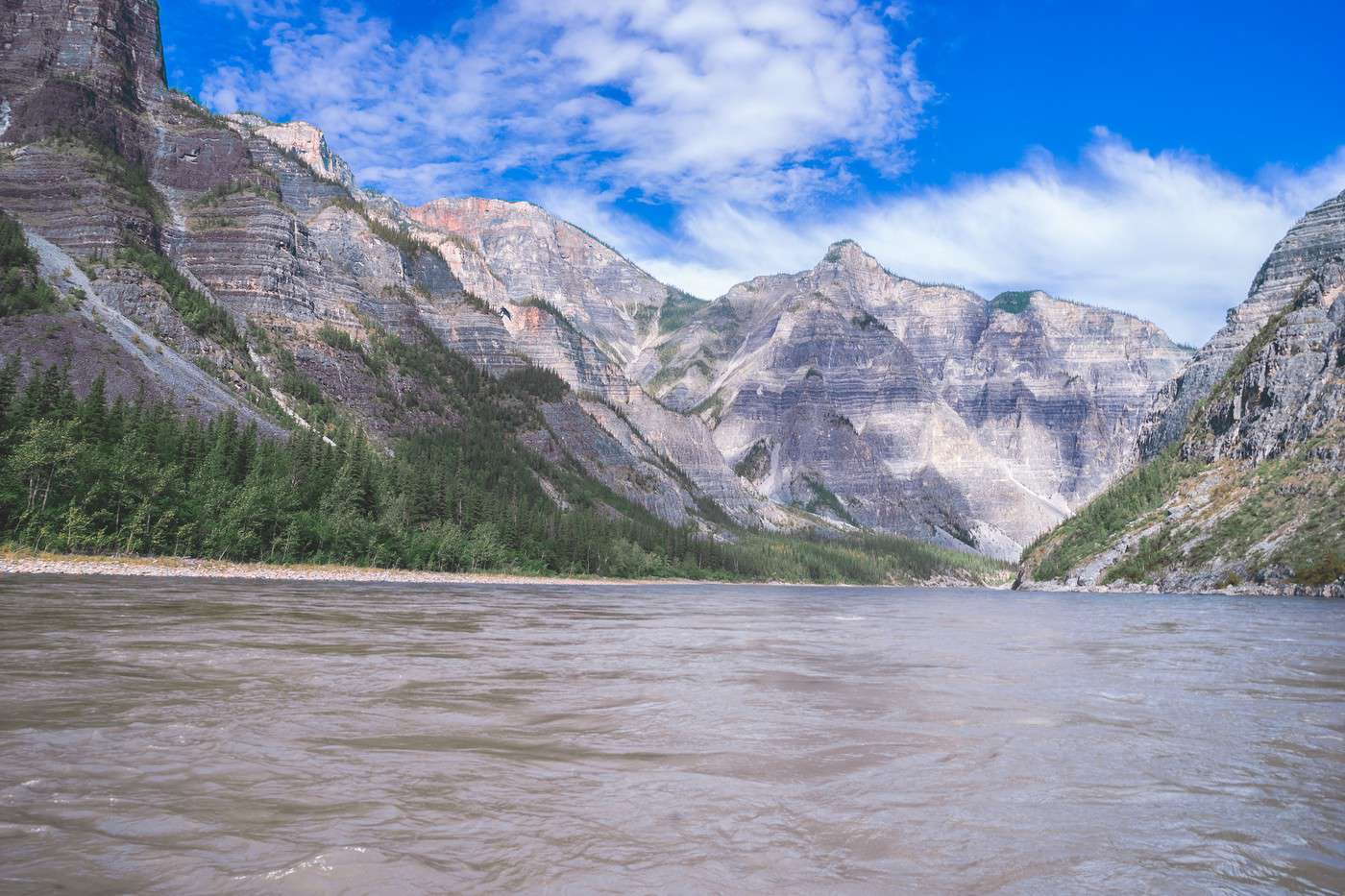
Mountains, forests, canyons, caves, lakes, rivers and waterfalls, hot springs, tundra, and a rich wildlife (birds, bears, wolves...) make up this UNESCO-listed park. Accessible only by air, it welcomes just over a thousand visitors each year who come to hike, canoe, raft, or enjoy other outdoor activities.
Overview of Nahanni National Park
Mountains, forests, canyons, caves, lakes, rivers and waterfalls, hot springs, tundra, and a rich wildlife (birds, bears, wolves...) make up this UNESCO-listed park. Accessible only by air, it welcomes just over a thousand visitors each year who come to hike, canoe, raft, or enjoy other outdoor activities.
Key facts
Type of place: national park.
Tourist interest:★★★★ (must-see or highly recommended).
It's the second-largest national park in the world, straddling Alberta and the Northwest Territories. Created to protect Canada's bison, it's also home to bears, lynx, and wolves. It's a UNESCO World Heritage site.
Overview of Wood Buffalo National Park
It's the second-largest national park in the world, straddling Alberta and the Northwest Territories. Created to protect the bison of Canada, it's also home to bears, lynx, and wolves. It's a UNESCO World Heritage site.
This Inuit town in the Far North is known for its "igloo church" and for hosting several annual festivals and events (arts, traditional games, etc.). It also serves as a base for exploring the surrounding area.
Overview of Inuvik
This Inuit town in the Far North is known for its "igloo church" and for hosting several annual festivals and events (arts, traditional games, etc.). It also serves as a base for exploring the surrounding area.
Key Facts
Type of place: small town.
Tourist interest: ★ (worth a stop if you are in the area).
The capital of the territory and primarily a starting point for exploring the surrounding area, whether for trekking, dog sledding, skiing, fishing, hunting, observing local wildlife, or viewing the northern lights in season.
Overview of Yellowknife
The capital of the territory and primarily a starting point for exploring the surrounding area, whether for trekking, dog sledding, skiing, fishing, hunting, observing local wildlife, or viewing the northern lights in season.
Key Facts
Type of place: small town.
Tourist interest: ★ (worth a stop if you are in the area).
In the north/northeast of the country, towards Greenland, Nunavut is the land of the Inuit... and polar bears. As one might imagine, it’s the ultimate nature-adventure destination, but due to the challenges, remoteness, and budget required to explore it, it remains very rarely visited.
In the north/northeast of the country, towards Greenland, Nunavut is the land of the Inuit... and polar bears. As one might imagine, it’s the ultimate nature-adventure destination, but due to the challenges, remoteness, and budget required to explore it, it remains very rarely visited.
Key Facts
Type of place: territory.
Location: facing the west coast of Greenland.
Local time:Heure : 10840. The territory spans four time zones, ranging from GMT-4 (east) to GMT-7 (west).
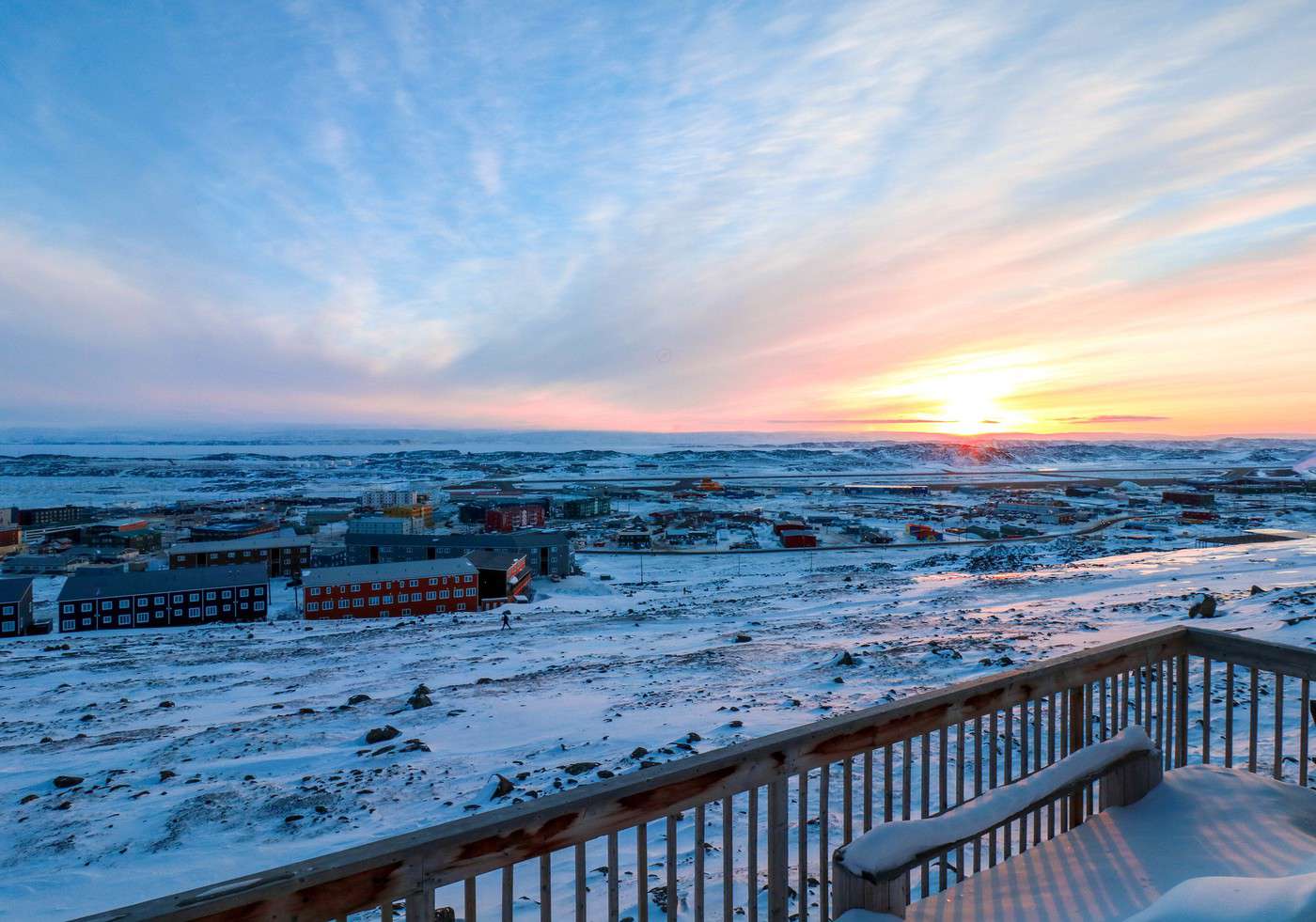
It is the capital of the territory, on Baffin Island, and a transit point for the rest of Nunavut. Beyond Inuit culture, you can explore the surrounding area with its opportunities for outdoor sports and nature activities.
Overview of Iqaluit
It is the capital of the territory, on Baffin Island, and a transit point for the rest of Nunavut. Beyond Inuit culture, you can explore the surrounding area with its opportunities for outdoor sports and nature activities.
Key Facts
Type of place: small town.
Tourist interest: ★ (worth a stop if you are in the area).
At the far north of Nunavut, just a few kilometres from Greenland, this park—with fewer than 100 visitors a year—is the least visited in Canada. Access is genuinely challenging (by plane or cruise), and a visit requires some resources.
Overview of Quttinirpaaq National Park
At the far north of Nunavut, just a few kilometres from Greenland, this park—with fewer than 100 visitors a year—is the least visited in Canada. Access is genuinely challenging (by plane or cruise), and a visit requires some resources.
The site, accessible by air or at the very least by boat, offers great trekking opportunities. You’ll see numerous bears as well as remnants from the Hudson’s Bay Company era.
Overview of Ukkusiksalik National Park
The site, accessible by air or at the very least by boat, offers great trekking opportunities. You’ll see numerous bears as well as remnants from the Hudson’s Bay Company era.
The most accessible and tourist-friendly of Canada’s three northern territories, "helped" by its proximity to Alaska and the Vancouver region. Like its neighbors, the Yukon is a vast natural expanse that will delight adventure lovers, with barely 30,000 inhabitants, and where traces of what made its fame over a century ago—the Klondike Gold Rush—still remain.
The most accessible and tourist-friendly of Canada’s three northern territories, "helped" by its proximity to Alaska and the Vancouver region. Like its neighbors, the Yukon is a vast natural expanse that will delight adventure lovers, with barely 35,000 inhabitants, and where traces of what made its fame over a century ago—the Klondike Gold Rush—still remain.
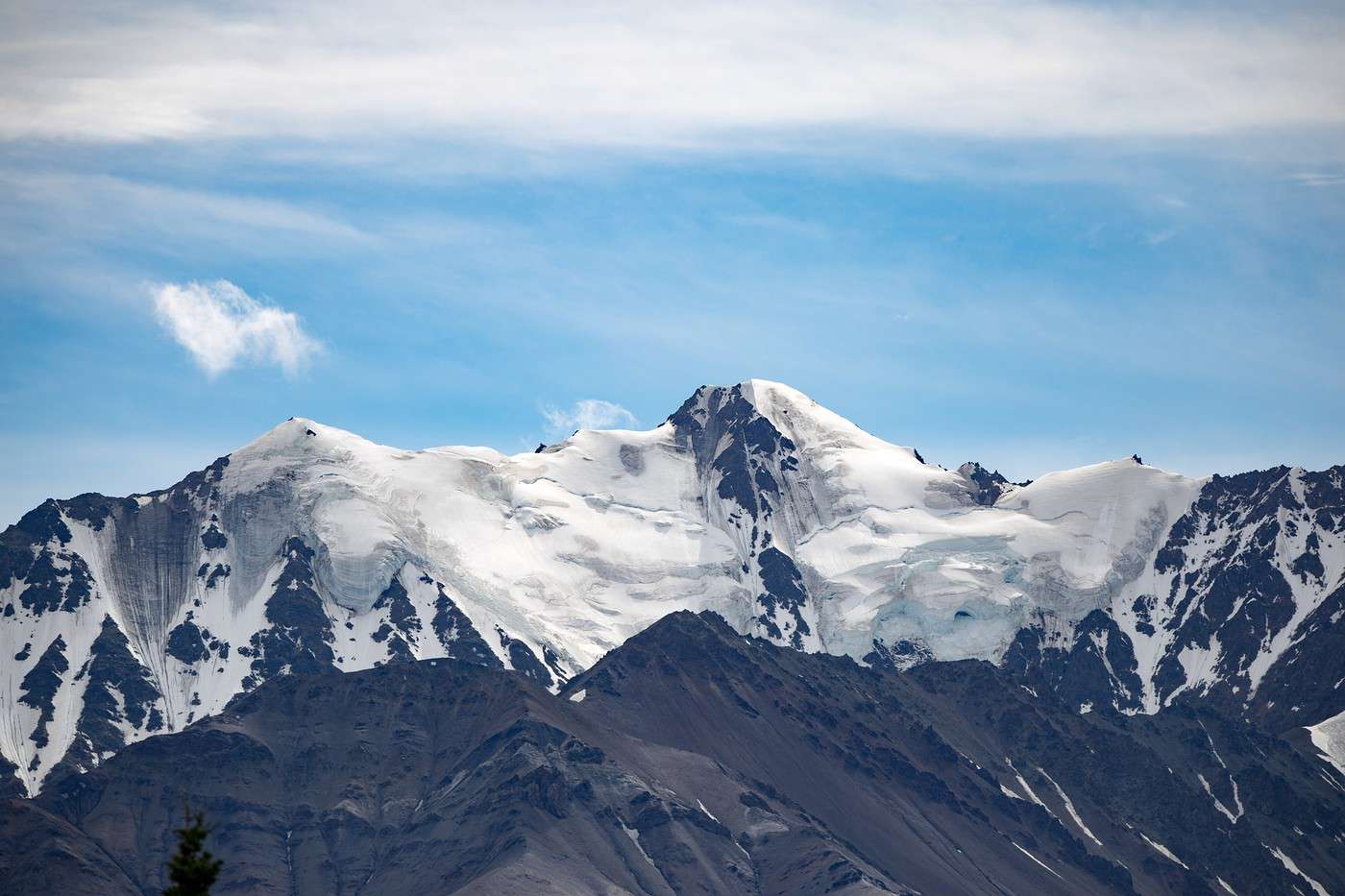
Along with three other parks in British Columbia and Alaska, it is a UNESCO World Heritage Site for its setting. It offers an incredible mix of high mountains, lakes, and glaciers, perfect for hiking or outdoor activities (skiing, dog sledding, mountaineering, horseback riding, white-water sports, fishing, etc.). It is also home to many grizzly bears, wolves, and caribou.
Overview of Kluane National Park
Along with three other parks in British Columbia and Alaska, it is a UNESCO World Heritage Site for its setting. It offers an incredible mix of high mountains, lakes, and glaciers, perfect for hiking or outdoor activities (skiing, dog sledding, mountaineering, horseback riding, white-water sports, fishing, etc.). It is also home to many grizzly bears, wolves, and caribou.
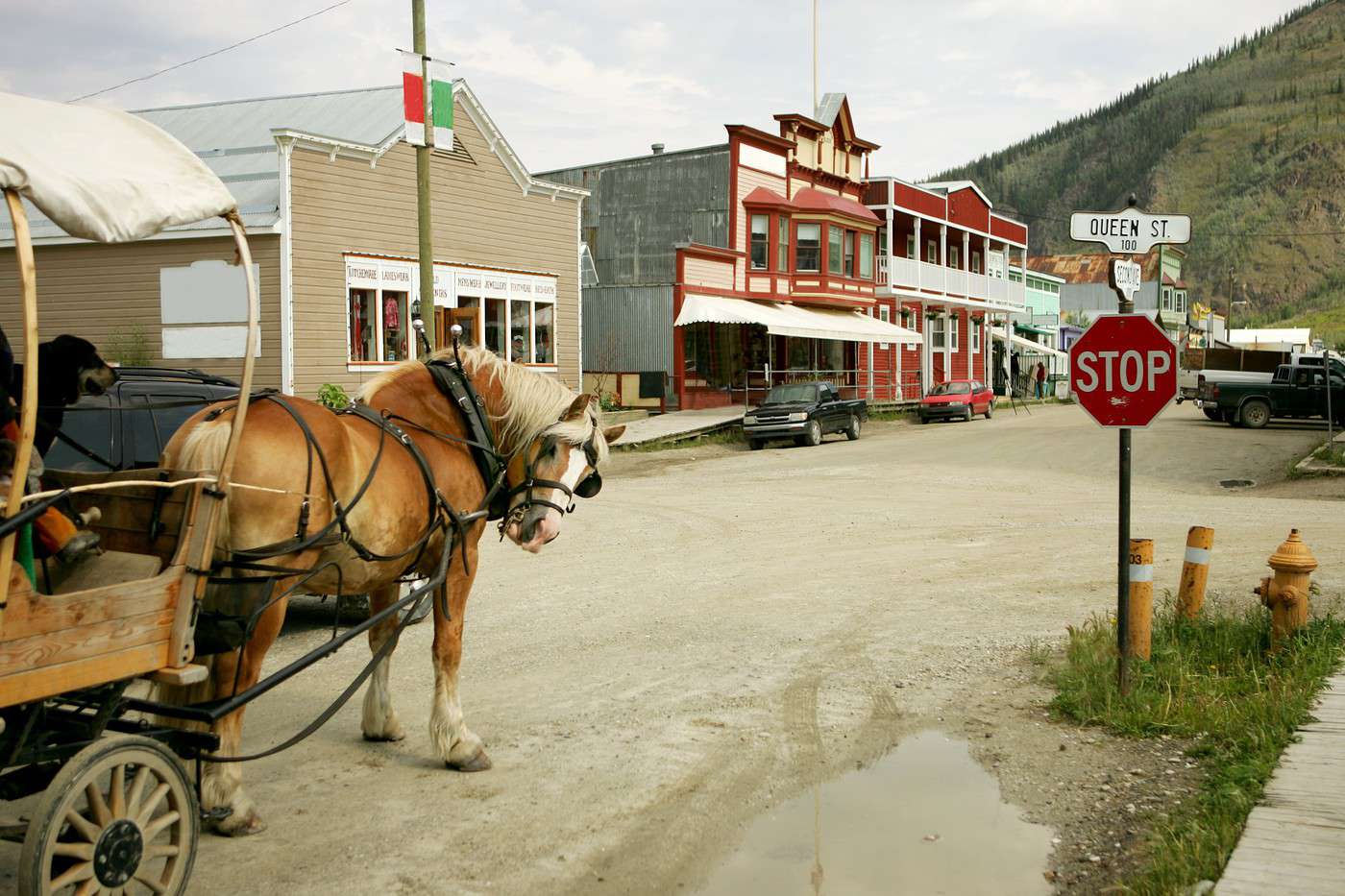
What is now just a village was once the "symbolic city" of the Klondike Gold Rush (1896–99). Dawson still thrives on tourism, thanks to its gold mines, retro style, and period reenactments.
Overview of Dawson City
What is now just a village was once the "symbolic city" of the Klondike Gold Rush (1896–99). Dawson still thrives on tourism, thanks to its gold mines, retro style, and period reenactments.
The small town on the border with British Columbia is famous for its "signpost forest," which now has over 76,000 signs since it was created in 1942. It is also home to the Northern Lights Centre for observation and study.
Overview of Watson Lake
The small town on the border with British Columbia is famous for its "signpost forest," which now has over 76,000 signs since it was created in 1942. It is also home to the Northern Lights Centre for observation and study.
Key Facts
Type of place: village.
Tourist interest: ★ (worth a stop if you are in the area).
The small capital of the Yukon offers a few tourist attractions with its museums and other remnants from the gold rush era. Nearby, Miles Canyon is one of the must-see spots.
Overview of Whitehorse
The small capital of Yukon offers a few tourist attractions with its museums and other remnants from the gold rush era. Nearby, Miles Canyon is one of the must-see spots.