Skip to content
Northern Canada Territories

Travel guide · Canada

Northern Canada Territories

last edited Aug 17, 2020 · 2 versions

Nunavut

Iqaluit, Canada
Iqaluit, Canada

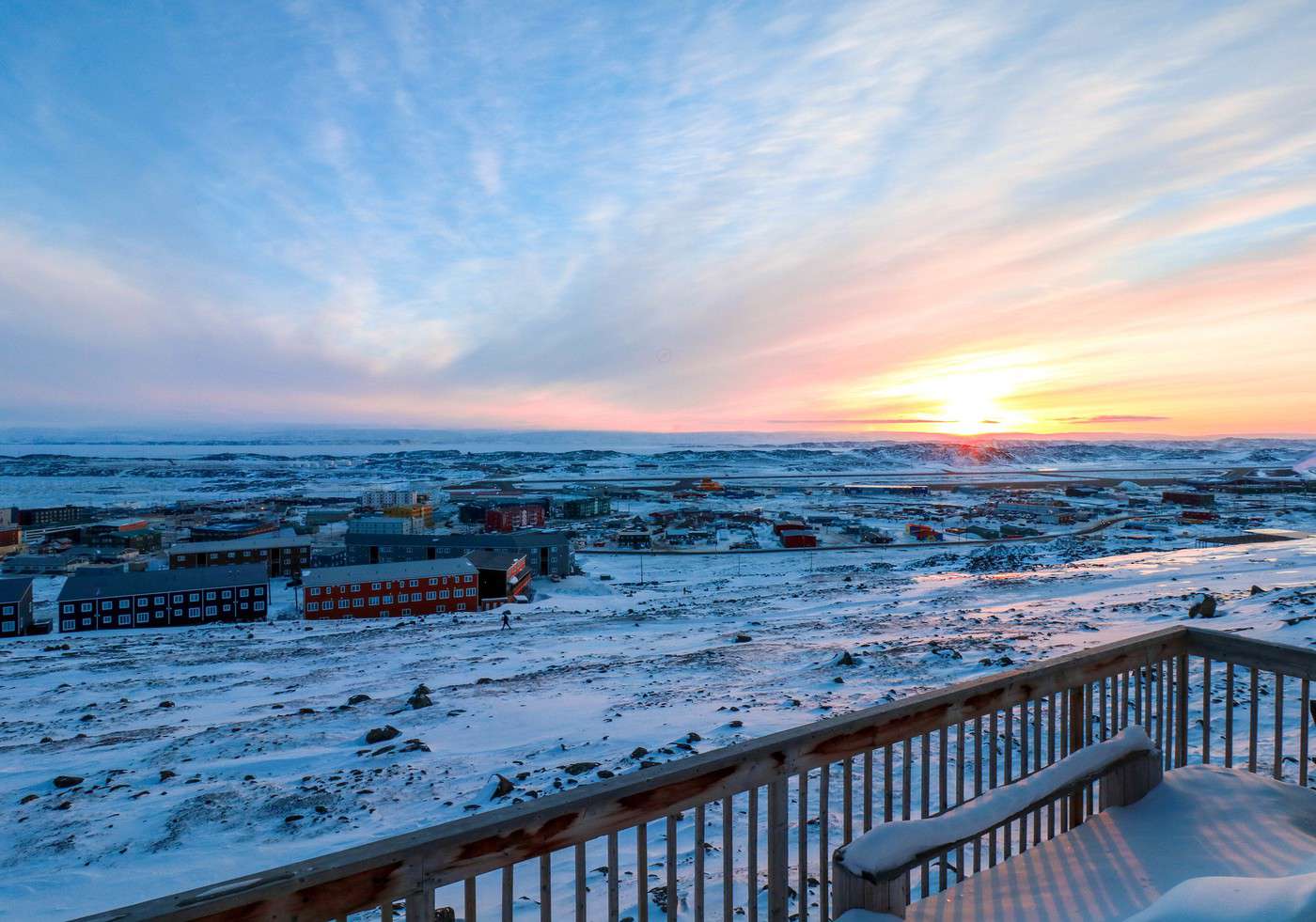
In the north/northeast of the country, heading towards Greenland, Nunavut is the land of the Inuit... and polar bears. As you might imagine, it’s the ultimate nature-adventure destination, but due to the challenges, remoteness, and budget required to explore it, it remains very rarely visited.

Northwest Territories
Parc national Nahanni, Canada

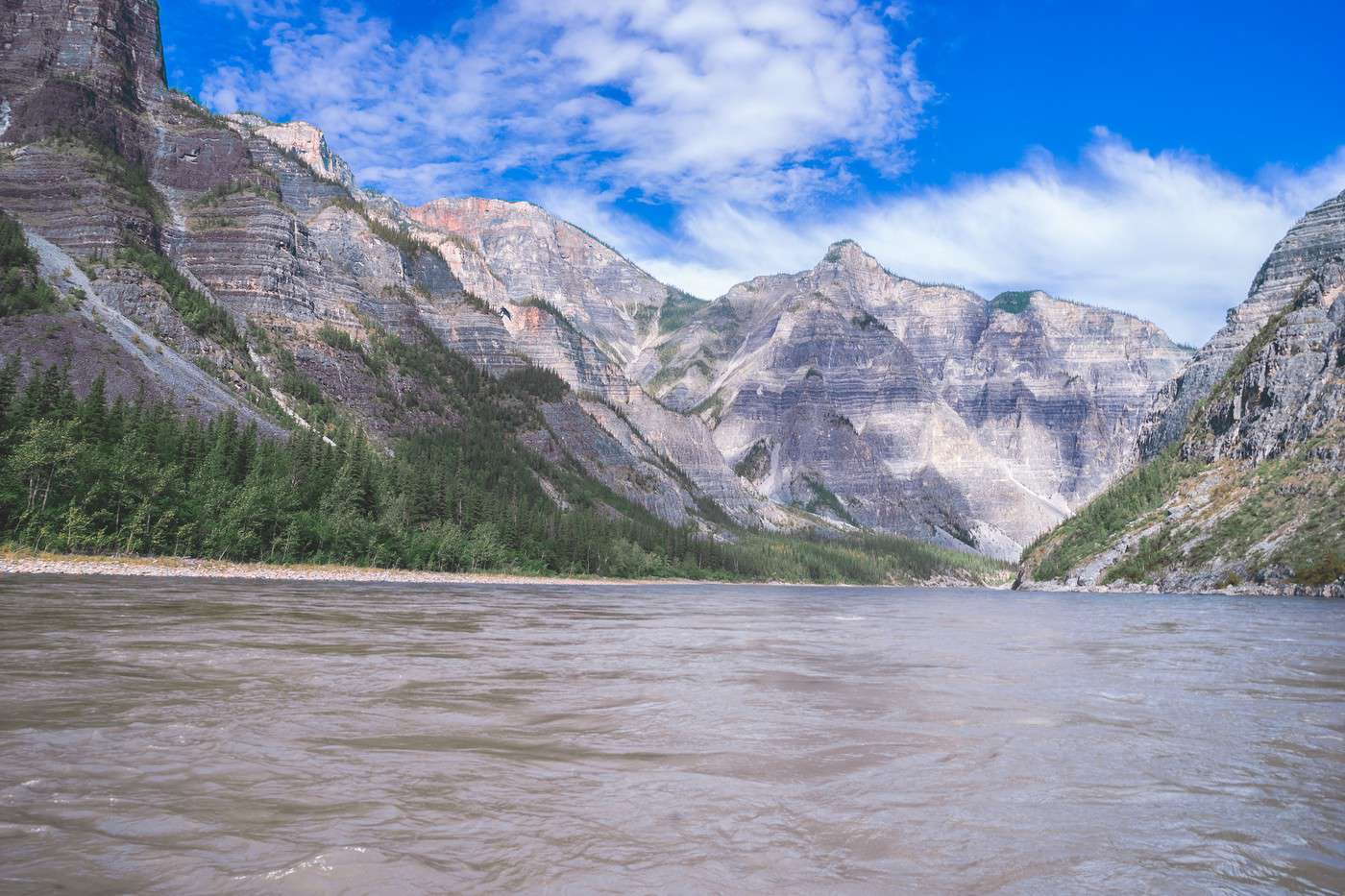
Rivers, lakes, canyons, three national parks (including UNESCO-listed Nahanni), and a few reserves in a landscape dominated by taiga, home to unique wildlife—the Northwest Territories, like their neighbors, are a "nature-adventure" land, also largely off the beaten path.

Yukon
Parc national de Kluane, Canada

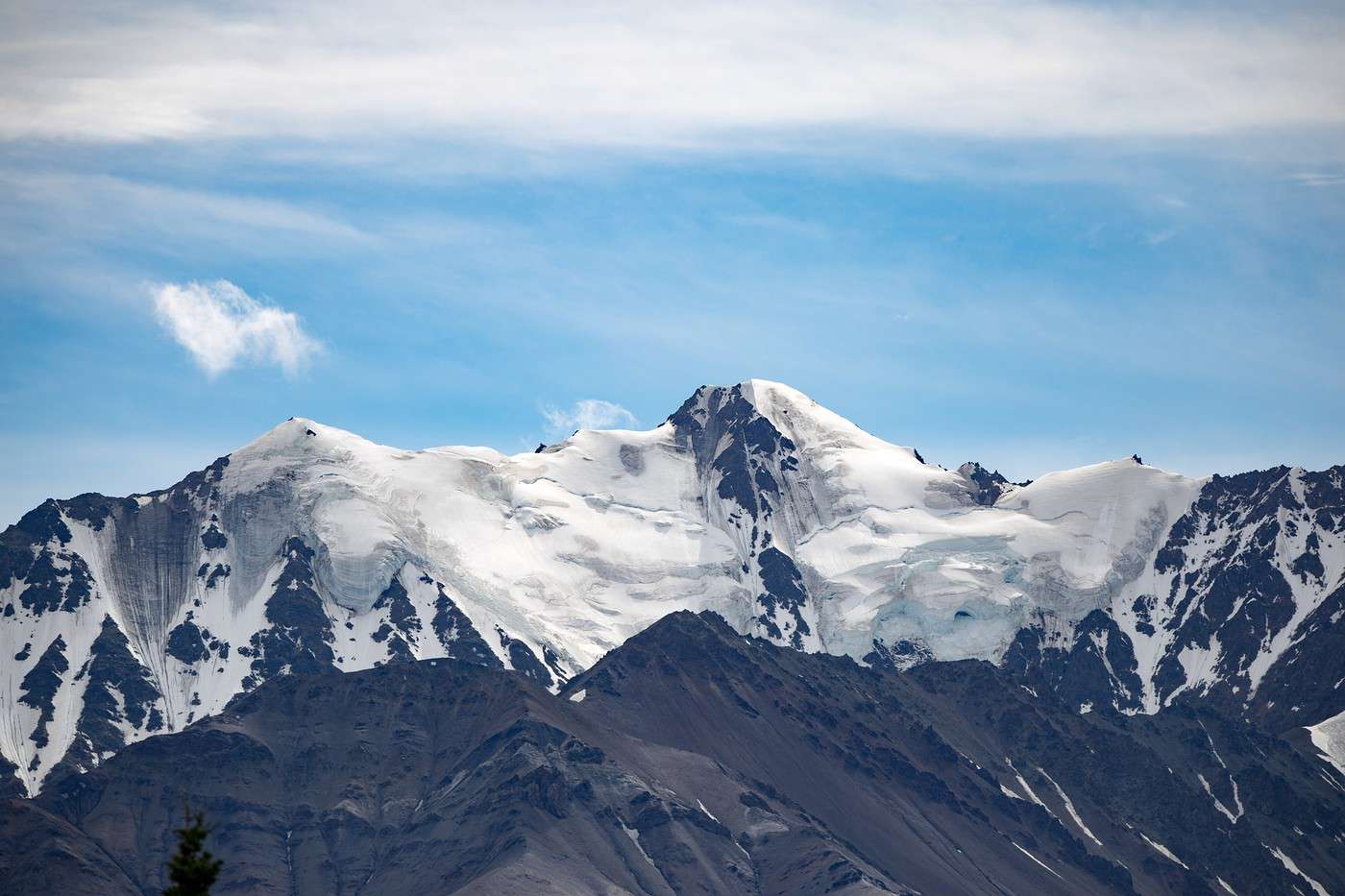
The most accessible and tourist-friendly of the three northern territories, partly thanks to its proximity to Alaska and the Vancouver region. Like its neighbors, Yukon is a vast natural expanse that will delight adventure lovers, barely populated by 35,000 inhabitants, and still bearing traces of what made it famous over a century ago: the Klondike Gold Rush.
Northwest Territories

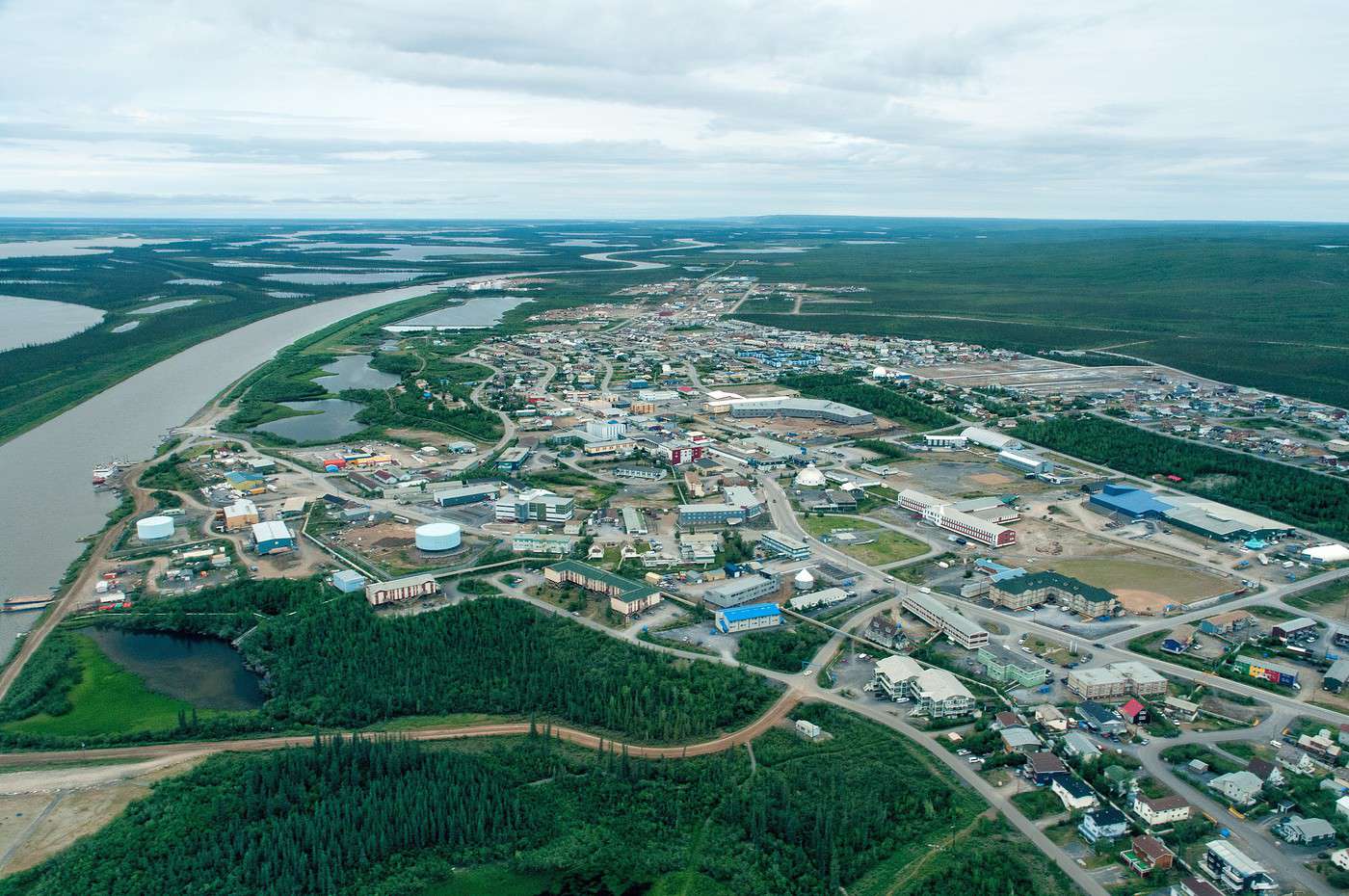
Rivers, lakes, canyons, three national parks (including UNESCO-listed Nahanni) and a few reserves in a landscape dominated by taiga, home to unique wildlife. Like their neighbours, the Northwest Territories are a "nature-adventure" destination, largely off the beaten track.

Overview

Inuvik, Canada
Inuvik, Canada · © VoyageForum

Rivers, lakes, canyons, three national parks (including UNESCO-listed Nahanni) and a few reserves in a landscape dominated by taiga, home to unique wildlife. Like their neighbours, the Northwest Territories are a "nature-adventure" destination, largely off the beaten track.

Key facts

  • Type of place: territory.
  • Location: facing the Arctic Ocean, between Yukon and Nunavut.
  • Local time: Heure : 10835. The entire territory is on "Mountain Time."
  • Main cities:
  • Population: 44,300 inhabitants (2016).
  • Area: 1,346,106 km².
  • Density: 0.03 inhabitants/km².
  • Highest point:
  • Lowest point: sea level.
  • Coastline:
  • Highlights (out of ): Nature ; Adventure ; Culture ; Relaxation-holidays .
  • Website:

Main cities

Tourist attractions

Cities and heritage

Nature and activities

Climate and weather in the Northwest Territories

View guide page: Northwest Territories

Nahanni National Park

Mountains, forests, canyons, caves, lakes, rivers and waterfalls, hot springs, tundra, and a rich wildlife (birds, bears, wolves...) make up this UNESCO-listed park. Accessible only by air, it welcomes just over a thousand visitors each year who come to hike, canoe, raft, or enjoy other outdoor activities.

Overview of Nahanni National Park

Mountains, forests, canyons, caves, lakes, rivers and waterfalls, hot springs, tundra, and a rich wildlife (birds, bears, wolves...) make up this UNESCO-listed park. Accessible only by air, it welcomes just over a thousand visitors each year who come to hike, canoe, raft, or enjoy other outdoor activities.

Key facts

  • Type of place: national park.
  • Tourist interest: (must-see or highly recommended).
  • Features:
  • Local time: Heure : 7741
  • Annual visitors: 1,100 visitors (2016).
  • Area: 30,000 km².
  • Altitude:

Environment

Landscape of the park

Wildlife and flora

Climate and weather

Precautions

What to see

What to do

Practical information

  • Location:
  • Distances:
  • Opening period:
  • Rates:

Getting there

Getting around

Sleeping and eating

What to see nearby

  1. == In addition
View guide page: Nahanni National Park

Wood Buffalo National Park

It's the second-largest national park in the world, straddling Alberta and the Northwest Territories. Created to protect Canada's bison, it's also home to bears, lynx, and wolves. It's a UNESCO World Heritage site.

Overview of Wood Buffalo National Park

It's the second-largest national park in the world, straddling Alberta and the Northwest Territories. Created to protect the bison of Canada, it's also home to bears, lynx, and wolves. It's a UNESCO World Heritage site.

Key facts

  • Type of place: national park.
  • Tourist interest: (recommended).
  • Features:
  • Local time: Heure : 7742
  • Annual visitors: 3,300 visitors (2016).
  • Area: 44,807 km².
  • Altitude:

Environment

Landscape of the park

Wildlife and vegetation

Climate and weather

Precautions

What to see

What to do

Practical information

  • Location:
  • Distances:
  • Opening period:
  • Rates:

Getting there

Getting around

Sleeping and eating

What to see nearby

  1. == En complément
View guide page: Wood Buffalo National Park

Inuvik

This Inuit town in the Far North is known for its "igloo church" and for hosting several annual festivals and events (arts, traditional games, etc.). It also serves as a base for exploring the surrounding area.

Overview of Inuvik

This Inuit town in the Far North is known for its "igloo church" and for hosting several annual festivals and events (arts, traditional games, etc.). It also serves as a base for exploring the surrounding area.

Key Facts

  • Type of place: small town.
  • Tourist interest: (worth a stop if you are in the area).
  • Location:
  • Distances:
  • Local time: Heure : 10533.
  • Population: 3,243 inhabitants (2016).
  • Area:
  • Altitude: sea level.

History of Inuvik

What to See and Do in Inuvik

In the Surrounding Area

Climate and Weather in Inuvik

Transportation

Getting There

Getting Around

Accommodation

Dining

Useful Addresses

Additional Information

View guide page: Inuvik

Yellowknife

The capital of the territory and primarily a starting point for exploring the surrounding area, whether for trekking, dog sledding, skiing, fishing, hunting, observing local wildlife, or viewing the northern lights in season.

Overview of Yellowknife

The capital of the territory and primarily a starting point for exploring the surrounding area, whether for trekking, dog sledding, skiing, fishing, hunting, observing local wildlife, or viewing the northern lights in season.

Key Facts

  • Type of place: small town.
  • Tourist interest: (worth a stop if you are in the area).
  • Location:
  • Distances:
  • Local time: Heure : 10534.
  • Population: 19,569 inhabitants (2016).
  • Area: 105.20 km².
  • Altitude:

History of Yellowknife

What to See and Do in Yellowknife

In the Surrounding Area

Climate and Weather in Yellowknife

Transportation

Getting There

Getting Around

Accommodation

Eating Out

Useful Addresses

Further Information

View guide page: Yellowknife

Nunavut

In the north/northeast of the country, towards Greenland, Nunavut is the land of the Inuit... and polar bears. As one might imagine, it’s the ultimate nature-adventure destination, but due to the challenges, remoteness, and budget required to explore it, it remains very rarely visited.

Overview

Iqaluit, Canada
Iqaluit, Canada · © VoyageForum

In the north/northeast of the country, towards Greenland, Nunavut is the land of the Inuit... and polar bears. As one might imagine, it’s the ultimate nature-adventure destination, but due to the challenges, remoteness, and budget required to explore it, it remains very rarely visited.

Key Facts

  • Type of place: territory.
  • Location: facing the west coast of Greenland.
  • Local time: Heure : 10840. The territory spans four time zones, ranging from GMT-4 (east) to GMT-7 (west).
  • Population: 37,200 inhabitants (2016).
  • Area: 2,038,722 km²
  • Density: 0.02 inhabitants/km².
  • Highest point:
  • Lowest point: sea level.
  • Coastline:
  • Highlights (out of ): Nature ; Adventure ; Culture / ; Relaxation-holidays .
  • Website:

Main towns

Tourist attractions

Towns and heritage

Nature and activities

Climate and weather in Nunavut

View guide page: Nunavut

Iqaluit

It is the capital of the territory, on Baffin Island, and a transit point for the rest of Nunavut. Beyond Inuit culture, you can explore the surrounding area with its opportunities for outdoor sports and nature activities.

Overview of Iqaluit

It is the capital of the territory, on Baffin Island, and a transit point for the rest of Nunavut. Beyond Inuit culture, you can explore the surrounding area with its opportunities for outdoor sports and nature activities.

Key Facts

  • Type of place: small town.
  • Tourist interest: (worth a stop if you are in the area).
  • Location:
  • Distances:
  • Local time: Heure : 10528.
  • Population: 7,740 inhabitants (2016).
  • Area: 52.34 km².
  • Altitude:

History of Iqaluit

What to see and do in Iqaluit

In the surrounding area

Climate and weather in Iqaluit

Transportation

Getting there

Getting around

Accommodation

Eating

Useful addresses

  1. == Additional information
View guide page: Iqaluit

Resolute Bay

This northern village hosts two annual multi-day races to the Magnetic North Pole.

Overview of Resolute Bay

This northern village hosts two annual multi-day races to the Magnetic North Pole.

Key Facts

  • Type of place: village.
  • Tourist interest: (worth a stop if you are in the area).
  • Location:
  • Distances:
  • Local time: Heure : 10529.
  • Population: 214 inhabitants (2011).
  • Area: 116.89 km².
  • Altitude:

History of Resolute Bay

What to See and Do in Resolute Bay

In the Surrounding Area

Climate and Weather in Resolute Bay

Transportation

Getting There

Getting Around

Accommodation

Food

Useful Addresses

Further Information

View guide page: Resolute Bay

Auyuittuq National Park

On the east of Baffin Island, this mid-mountain park of fjords and glaciers is quite remote and moderately accessible.

Overview of Auyuittuq National Park

On the east of Baffin Island, this mid-mountain park of fjords and glaciers is quite remote and moderately accessible.

Key facts

  • Type of place: national park.
  • Tourist interest: (recommended).
  • Features:
  • Local time: Heure : 10530
  • Annual visitors: 200 visitors (2016).
  • Area: 19,089 km².
  • Altitude:

Environment

Landscape of the park

Wildlife and flora

Climate and weather

Precautions

What to see

What to do

Practical information

  • Location:
  • Distances:
  • Opening period:
  • Fees:

Getting there

Getting around

Accommodation and food

Nearby attractions

  1. == En complément
View guide page: Auyuittuq National Park

Quttinirpaaq National Park

At the far north of Nunavut, just a few kilometres from Greenland, this park—with fewer than 100 visitors a year—is the least visited in Canada. Access is genuinely challenging (by plane or cruise), and a visit requires some resources.

Overview of Quttinirpaaq National Park

At the far north of Nunavut, just a few kilometres from Greenland, this park—with fewer than 100 visitors a year—is the least visited in Canada. Access is genuinely challenging (by plane or cruise), and a visit requires some resources.

Key facts

  • Type of place: national park.
  • Tourist interest: (worth seeing).
  • Features:
  • Local time: Heure : 10531
  • Annual visitors: 20 visitors (2016).
  • Area: 37,775 km².
  • Altitude:

Environment

Landscape of the park

Wildlife and flora

Climate and weather

Precautions

What to see

What to do

Practical information

  • Location:
  • Distances:
  • Opening period:
  • Rates:

Getting there

Getting around

Sleeping and eating

What to see nearby

  1. == En complément
View guide page: Quttinirpaaq National Park

Ukkusiksalik National Park

The site, accessible by air or at the very least by boat, offers great trekking opportunities. You’ll see numerous bears as well as remnants from the Hudson’s Bay Company era.

Overview of Ukkusiksalik National Park

The site, accessible by air or at the very least by boat, offers great trekking opportunities. You’ll see numerous bears as well as remnants from the Hudson’s Bay Company era.

Key Facts

  • Type of place: national park.
  • Tourist interest: (worth seeing).
  • Features:
  • Local time: Heure : 10532
  • Annual visitors:
  • Area: 20,885 km².
  • Altitude:

Environment

Landscape of the Park

Wildlife and Flora

Climate and Weather

Precautions

What to See

What to Do

Practical Information

  • Location:
  • Distances:
  • Opening period:
  • Rates:

Getting There

Getting Around

Sleeping and Eating

Nearby Attractions

  1. == En complément
View guide page: Ukkusiksalik National Park

Yukon

The most accessible and tourist-friendly of Canada’s three northern territories, "helped" by its proximity to Alaska and the Vancouver region. Like its neighbors, the Yukon is a vast natural expanse that will delight adventure lovers, with barely 30,000 inhabitants, and where traces of what made its fame over a century ago—the Klondike Gold Rush—still remain.

Overview

Dawson City, Canada
Dawson City, Canada · © VoyageForum

The most accessible and tourist-friendly of Canada’s three northern territories, "helped" by its proximity to Alaska and the Vancouver region. Like its neighbors, the Yukon is a vast natural expanse that will delight adventure lovers, with barely 35,000 inhabitants, and where traces of what made its fame over a century ago—the Klondike Gold Rush—still remain.

Key facts

  • Type of place: territory.
  • Local time: Heure : 10841. The entire territory is on "Pacific Time."
  • Main cities:
  • Population: 37,200 inhabitants (2016).
  • Area: 482,443 km².
  • Density: 0.08 inhabitants/km².
  • Highest point:
  • Lowest point: sea level.
  • Coastline:
  • Highlights (out of ): Nature-adventure ; Culture /; Relaxation-holidays .
  • Website:

Main cities

Tourist attractions

Cities and heritage

Nature and activities

Climate and weather in the Yukon

View guide page: Yukon

Kluane National Park

Along with three other parks in British Columbia and Alaska, it is a UNESCO World Heritage Site for its setting. It offers an incredible mix of high mountains, lakes, and glaciers, perfect for hiking or outdoor activities (skiing, dog sledding, mountaineering, horseback riding, white-water sports, fishing, etc.). It is also home to many grizzly bears, wolves, and caribou.

Overview of Kluane National Park

Along with three other parks in British Columbia and Alaska, it is a UNESCO World Heritage Site for its setting. It offers an incredible mix of high mountains, lakes, and glaciers, perfect for hiking or outdoor activities (skiing, dog sledding, mountaineering, horseback riding, white-water sports, fishing, etc.). It is also home to many grizzly bears, wolves, and caribou.

Key Facts

  • Type of place: national park.
  • Tourist interest: (recommended).
  • Features:
  • Local time: Heure : 7740
  • Annual visitors: 27,600 visitors (2016).
  • Area: 22,013 km².
  • Altitude:

Environment

Landscape of the Park

Wildlife and Flora

Climate and Weather

Precautions

What to See

What to Do

Practical Information

  • Location:
  • Distances:
  • Opening period:
  • Rates:

Getting There

Getting Around

Accommodation and Dining

Nearby Attractions

Additional Information

View guide page: Kluane National Park

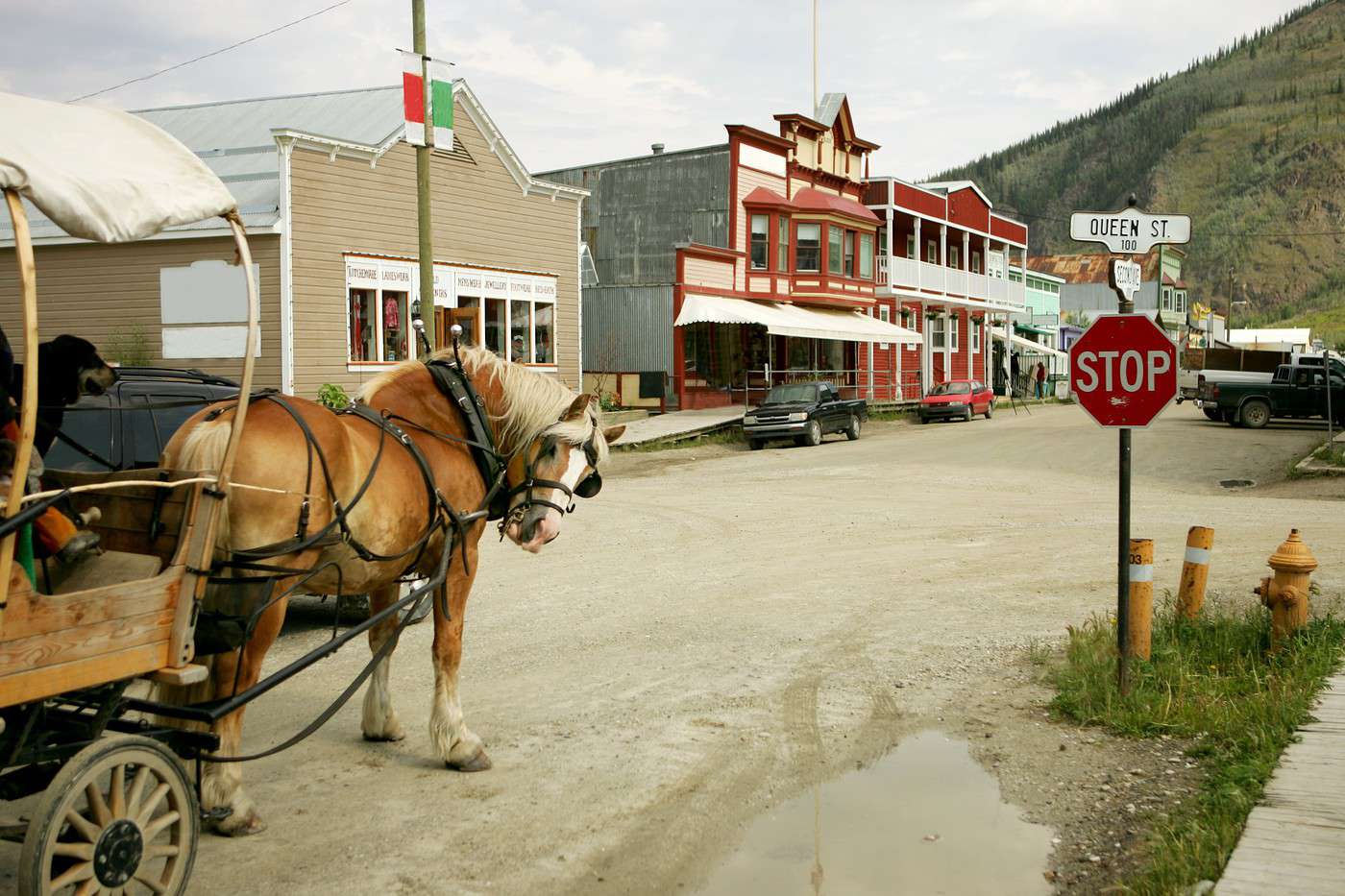
Dawson City

What is now just a village was once the "symbolic city" of the Klondike Gold Rush (1896–99). Dawson still thrives on tourism, thanks to its gold mines, retro style, and period reenactments.

Overview of Dawson City

What is now just a village was once the "symbolic city" of the Klondike Gold Rush (1896–99). Dawson still thrives on tourism, thanks to its gold mines, retro style, and period reenactments.

Key Facts

  • Type of place: village.
  • Tourist interest: (worth seeing).
  • Location:
  • Distances:
  • Local time: Heure : 10536.
  • Population: 1,375 inhabitants (2016).
  • Area: 32.45 km².
  • Altitude: 370 m.

History of Dawson City

What to See and Do in Dawson City

In the Surrounding Area

Climate and Weather in Dawson City

Transportation

Getting There

Getting Around

Accommodation

Dining

Useful Addresses

Further Reading

View guide page: Dawson City

Watson Lake

The small town on the border with British Columbia is famous for its "signpost forest," which now has over 76,000 signs since it was created in 1942. It is also home to the Northern Lights Centre for observation and study.

Overview of Watson Lake

The small town on the border with British Columbia is famous for its "signpost forest," which now has over 76,000 signs since it was created in 1942. It is also home to the Northern Lights Centre for observation and study.

Key Facts

  • Type of place: village.
  • Tourist interest: (worth a stop if you are in the area).
  • Location:
  • Distances:
  • Local time: Heure : 10537.
  • Population: 790 inhabitants (2016).
  • Area: 6.11 km².
  • Altitude:

History of Watson Lake

What to See and Do in Watson Lake

In the Surrounding Area

Climate and Weather in Watson Lake

Transportation

Getting There

Getting Around

Accommodation

Eating Out

Useful Addresses

Further Information

View guide page: Watson Lake

Whitehorse

The small capital of the Yukon offers a few tourist attractions with its museums and other remnants from the gold rush era. Nearby, Miles Canyon is one of the must-see spots.

Overview of Whitehorse

The small capital of Yukon offers a few tourist attractions with its museums and other remnants from the gold rush era. Nearby, Miles Canyon is one of the must-see spots.

Key Facts

  • Type of place: small town.
  • Tourist interest: (worth seeing).
  • Location:
  • Distances:
  • Local time: Heure : 10538.
  • Population: 25,085 inhabitants (2016).
  • Area: 416.43 km².
  • Altitude:

History of Whitehorse

What to See and Do in Whitehorse

In the Surrounding Area

Climate and Weather in Whitehorse

Transportation

Getting There

Getting Around

Accommodation

Food

Useful Addresses

Further Information

View guide page: Whitehorse

Ivvavik National Park

Along with its neighbour Vuntut, these two sites are at the far north of the Yukon. Remote and minimally developed, they attract very few visitors.

Overview of Ivvavik National Park

Along with its neighbour Vuntut, these two sites are at the far north of the Yukon. Remote and minimally developed, they attract very few visitors.

Key Facts

  • Type of place: national park.
  • Tourist interest: (worth a stop if you are in the area).
  • Features:
  • Local time: Heure : 10539
  • Annual visitors: 140 visitors (2016).
  • Area: 10,168 km².
  • Altitude:

Environment

Landscape of the Park

Wildlife and Flora

Climate

Precautions

What to See

What to Do

Practical Information

  • Location:
  • Distances:
  • Opening period:
  • Rates:

Getting There

Getting Around

Sleeping and Eating

Nearby Attractions

Further Reading

View guide page: Ivvavik National Park

Something wrong or out of date? Report this page