★ 4 · last edited Dec 11, 2019
Peruvian Andes
Contributionsversion #1created Dec 11, 2019Report this pageLatest contributions in this guideContributors to this guide
Location verified location
 Peruvian Andes
Open the interactive map
Peruvian Andes
Open the interactive map
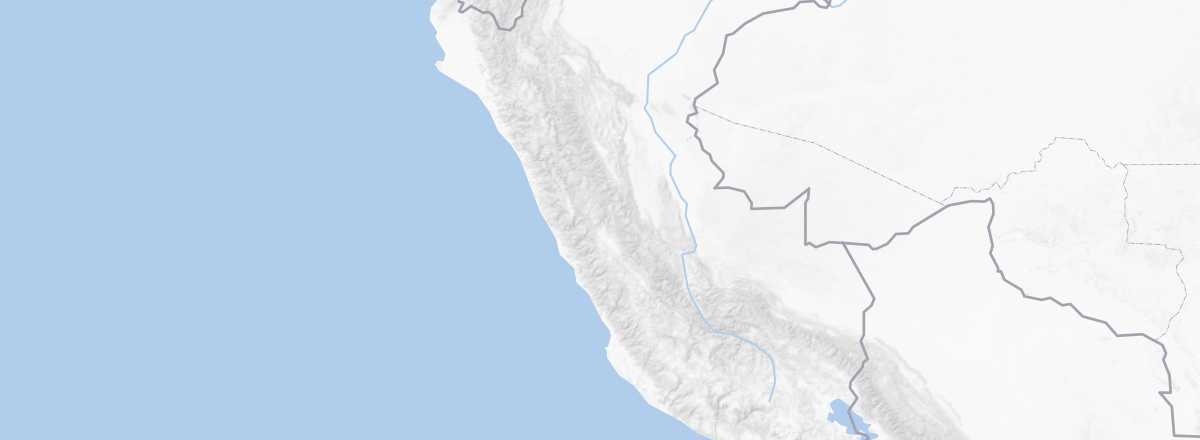
This is the region that matches what people often imagine of Peru: the altiplano, its high peaks, llamas, local populations in traditional dress, Cusco, Machu Picchu, and more. Beyond the somewhat "cliché" image, the Andean part of the country remains the most visited and the richest in heritage, nature, landscapes, and all kinds of activities.
Overview
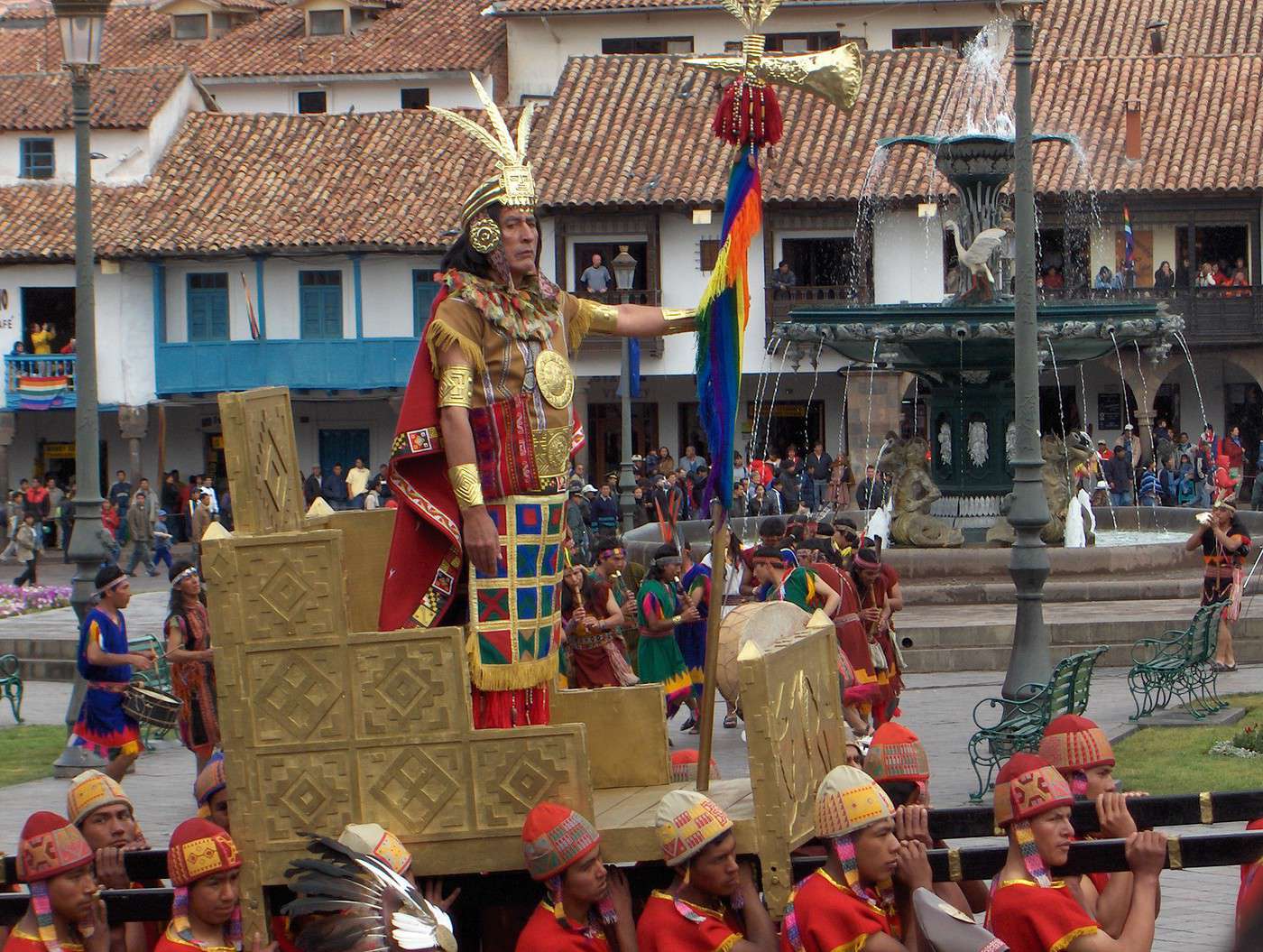
This is the region that matches what people often imagine of Peru: the altiplano, its high peaks, llamas, local populations in traditional dress, Cusco, the Machu Picchu, and more. Beyond the somewhat "cliché" image, the Andean part of the country remains the most visited and the richest in heritage, nature, landscapes, and all kinds of activities.
Main cities
The sierra is home to several important cities, starting with the charming Arequipa, which is the country's second-largest urban area, and the unmissable Cusco. Other cities you’ll encounter on your journey include Huancayo, Puno, and Juliaca.
Tourist attractions
Cities and their heritage
With Cusco and Arequipa, the Peruvian Andes boast two colonial architectural gems classified as UNESCO World Heritage sites. Beyond these cities, it’s the Machu Picchu, the Sacred Valley of the Incas, and other pre-Columbian sites that captivate visitors, along with the life and traditions of the diverse local populations.
Nature and activities
Between majestic peaks and high plateaus, this part of the country is exceptional. It is home to several natural sites and reserves, including the Cordillera Blanca and Cordillera Negra, as well as the Colca Canyon, the deepest in the world, not to mention the famous Lake Titicaca. In this unique setting, everyone can enjoy the many outdoor sports the region offers, from climbing the highest peaks to high-altitude or more moderate hikes, as well as a full range of outdoor activities (rafting, canoeing, canopy tours, etc.).
Climate
In the cordillera, the climate is temperate year-round, with temperatures varying by altitude. Above 2,000/2,500 m (which covers most tourist spots), it’s best to pack warm clothing, even for daytime, though midday is often pleasant. Additionally, many areas of the sierra, especially around the Titicaca, are windy. In terms of precipitation, the sierra experiences light, cold, and persistent rain from late October to late March, which isn’t very pleasant and makes the austral winter (May–September) the preferred time for visits. This is also the best period for high-altitude treks, from April to late September.
Best time to visit the sierra
| Jan. | Feb. | Mar. | Apr. | May | Jun. | Jul. | Aug. | Sep. | Oct. | Nov. | Dec. | |
|---|---|---|---|---|---|---|---|---|---|---|---|---|
| Cordillera climate |
: very favorable | : favorable | : moderately favorable | : unfavorable.
- Aguas Calientes
- Arequipa
- Ayacucho
- Cajamarca
- Caraz
- Chachapoyas
- Huancavelica
- Huancayo
- Huaraz
- Juliaca
- La Rinconada
- Pisac
- Puno
- Tarma
- Chavín
- Choquequirao
- Kuelap
- Machu Picchu
- Sillustani
- Sacred Valley of the Incas
- Colca Canyon
- Gocta Waterfall
- Tres Hermanas Falls
- Inca Trail
- Cordillera Blanca
- Cordillera Negra
- Lake Titicaca
- Huascarán National Park
- Rio Abiseo National Park
- Maras Salt Mines
- Misti Volcano
- Cusco