Travel guide · Canada
Prairies

Introducing the Prairies
Overview
Key Facts
- Type of place: tourist region.
- Location: in west-central Canada, bordering the United States.
- Local time: The Prairies are split between "Central Time" for Saskatchewan or Manitoba () and "Mountain Time" for Alberta ().
- Main cities:
- Population:
- Area:
- Density:
- Highest point:
- Lowest point: sea level.
- Coastline:
Tourism
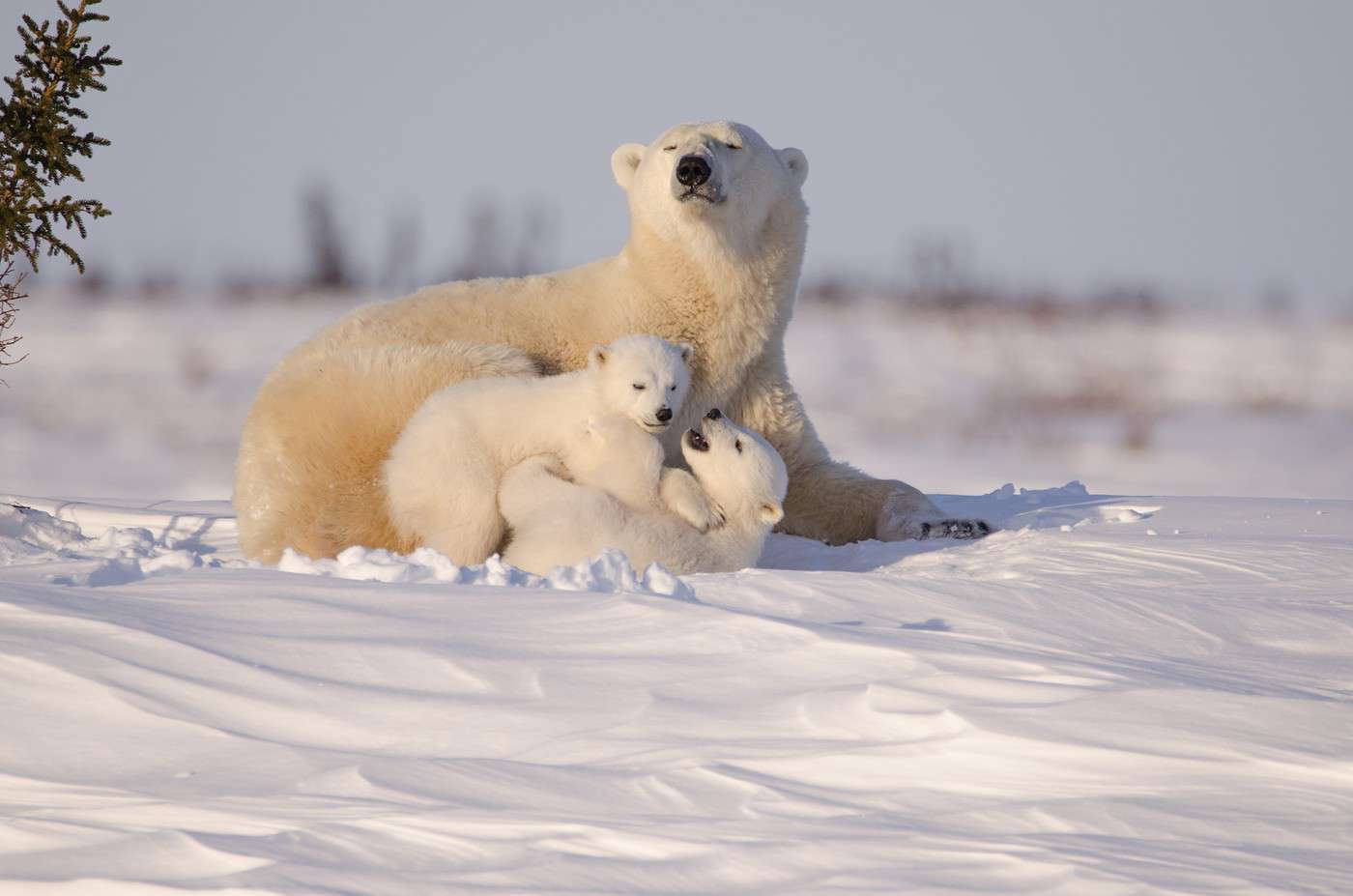
While not necessarily the most tourist-heavy regions, these three central provinces offer plenty of parks and nature reserves with their unique wildlife (bears, bison, wolves...) and landscapes of prairies, hills, mountains, forests, and lakes. Here and there, a few (rare) cities like Calgary, Edmonton, or Winnipeg remain the most pleasant and interesting.
Travel Essentials
- Destination:
- By air:
- Backpacker daily budget:
- Best for accommodation:
- Best for getting around:
- Risks:
- Best time for climate/crowds/prices:
- Interests (out of ): Nature ; Adventure /; Culture ; Relaxation/Holidays .
- Website:
Geography and Environment of the Prairies
Geography of the Region
Natural Areas
Wildlife and Plant Life

Climate and Weather in the Prairies
Climate Overview

Best Time to Visit the Prairies
| Jan. | Feb. | Mar. | Apr. | May | Jun. | Jul. | Aug. | Sep. | Oct. | Nov. | Dec. | |
|---|---|---|---|---|---|---|---|---|---|---|---|---|
| Climate |
: very favorable | : favorable | : moderately favorable | : unfavorable.
Climate and Weather by Province
Alberta
Manitoba
Saskatchewan
Culture, Society, and Customs of the Prairies
Key Historical Dates

Arts and Architecture
Society
Population
Economy
Customs and Traditions
Local Culture and Traditions
Languages
Celebrations and Festivals
Books, Films, and Music
What to See in the Prairies
The Prairies are home to 5 UNESCO World Heritage Sites, all located in the province of Alberta. Head-Smashed-In ★ (1981) This site, also known as "Head-Smashed-In Buffalo Jump," is a UNESCO World Heritage Site for its significance in Indigenous culture. A…
Things to Do in the Prairies
Travel Themes
- Interests (out of ): Nature ; Adventure / ; Culture ; Relaxation-holidays .
Nature-Adventure
Culture
Relaxation-Holidays
Hiking
Hiking on Foot
Cycling
Horseback Riding
Outdoor Sports
"Beaches" and Water Activities
Hunting and Fishing
Whitewater
Other Activities
Skiing and Winter Activities

Life and Cultural Activities
Nightlife and Outings
Travel and Suggested Itineraries in the Prairies
Best Times to Visit
Finding the best time to visit means balancing climate constraints with crowd levels and the most attractive prices for travel and on-site costs.
| Jan. | Feb. | Mar. | Apr. | May | Jun. | Jul. | Aug. | Sep. | Oct. | Nov. | Dec. | |
|---|---|---|---|---|---|---|---|---|---|---|---|---|
| Climate | ||||||||||||
| Avoid crowds | ||||||||||||
| Low prices |
: very favourable | : favourable | : moderately favourable | : unfavourable.
Some Itinerary Ideas
Must-See
Offbeat
Family-Friendly
By Duration
Other practical information for the Prairies
Luggage and equipment to bring
Budget
Precautions
Consulates
Time difference
Opening hours
Laundromats
Local tourist offices
French language use
Prairie Provinces
Alberta

Beyond the large farms and oil or natural gas extraction zones that don’t necessarily help the environment but do drive the province’s wealth, Alberta also offers varied landscapes—from the Rocky Mountains in the west to the eastern plains and the northern forests. For travellers, it boasts several parks and nature reserves, plenty of outdoor opportunities, and two pleasant and interesting cities: Calgary and Edmonton.
Manitoba

Like its neighbours, Manitoba is a nature-focused province with a sparse population outside the Winnipeg region. While it has several parks and reserves, is home to one of the best places to see polar bears in Wapusk National Park, and the Interlake region between massive Lakes Manitoba and Winnipeg draws visitors for its beaches, natural areas, and outdoor activities, the tourism that has developed here is primarily local and rarely international.
Saskatchewan

Though the northern part of the province is dotted with countless lakes, Saskatchewan is known for its flat, monotonous landscapes, especially in the south, with few populated areas. As a result, the province isn’t particularly touristy—much like the Midwest of the United States, which it geographically extends.
Manitoba
Overview

Like its neighbours, Manitoba is a sparsely populated "nature state" outside the Winnipeg region. While it boasts several parks and nature reserves, is home to one of the best places to see polar bears in Wapusk National Park, and the Interlake region between the vast lakes Manitoba and Winnipeg draws visitors for its beaches, natural areas, and outdoor activities, the tourism that has developed here is primarily local and very little international.
Key Facts
- Type of place: province.
- Location: west of Ontario with a maritime outlet at Hudson Bay.
- Local time: . The entire province is on "Central Time."
- Capital: Winnipeg
- Population: 1,304,000 inhabitants (2016)
- Area: 647,801 km².
- Density: 2 inhabitants/km².
- Highest point:
- Lowest point: sea level.
- Coastline:
- Highlights (out of ): Nature ; Adventure ; Culture ; Relaxation/Holidays / .
- Website:
Major Cities
Tourist Attractions
Cities and Heritage
Beaches and Seaside
Nature and Activities
Climate and Weather in Manitoba (Winnipeg)
Winnipeg
Further Information
Introduction to Winnipeg
Overview of Winnipeg
The largest urban area and capital of Manitoba features a historic downtown, quite varied and attractive architecture, and several museums.
Key Facts
- Type of place: large city.
- Tourist interest: (worth seeing).
- Location:
- Distances:
- Local time: .
- Population: 705,244 inhabitants and approximately 780,000 for the metropolitan area (2016).
- Area: 464.08 km².
- Altitude:
- Website: https://www.tourismwinnipeg.com
History of Winnipeg
Precautions
Useful Addresses
- Tourist Office:
Services
- Local agencies:
- Banks:
- Hospital:
- Internet:
- Laundromats:
- Vehicle rental:
- Post office:
Winnipeg Climate and Weather
Climate Overview
Best Time to Visit Winnipeg
| Jan. | Feb. | Mar. | Apr. | May | Jun. | Jul. | Aug. | Sep. | Oct. | Nov. | Dec. | |
|---|---|---|---|---|---|---|---|---|---|---|---|---|
| Climate |
Current Climate and Forecast
Additional Information
Flying to Winnipeg
Winnipeg Airport
Airport details
- Name: James Armstrong Richardson International Airport.
- IATA code: YWG
- Hub:
- Number of terminals:
- Annual passenger capacity:
- Passenger traffic: 4,015,200 (2016).
- Distance from city centre:
- Website: http://www.waa.ca
Services
Sleeping at the airport
Transport to the city centre
Other nearby airports
From the rest of the country or the USA
From the rest of the continent
From Europe
From elsewhere
Additional information
Churchill
Overview of Churchill
This northern village on the shores of Hudson Bay is known as the "polar bear capital of the world." It’s a hub for eco-tourism and (guided) polar bear discovery. The Wapusk National Park is nearby.
Key Facts
- Type of place: village.
- Tourist interest: (worth a stop if you are in the area).
- Location:
- Distances:
- Local time: .
- Population: 899 inhabitants (2016).
- Area: 53.96 km².
- Altitude: sea level.
- Website: http://everythingchurchill.com
History of Churchill
What to See and Do in Churchill
In the Surrounding Area
Climate and Weather in Churchill
Transportation
Getting There
Getting Around
Accommodation
Dining
Useful Addresses
Additional Information
Wapusk National Park
Overview of Wapusk National Park
Next to the village of Churchill. The park remains the best place for polar bear observation.
Key details
- Type of place: national park.
- Tourist interest: (worth seeing).
- Features:
- Local time:
- Annual visitors: 110 visitors (2016).
- Area: 11,475 km².
- Altitude: sea level.
Environment
Landscape of the park
Wildlife and flora
Climate and weather
Precautions
What to see
What to do
Practical information
- Location:
- Distances:
- Opening period:
- Rates:
- Website: http://www.pc.gc.ca/wapusk
Getting there
Getting around
Sleeping and eating
What to see nearby
- == En complément
Interlake
Overview of Interlake
The region between the vast lakes Manitoba and Winnipeg attracts quite a few visitors (locals) for its beaches, natural areas, and outdoor activity opportunities.
Key Features
- Type of place: secondary tourist region.
- Tourist interest: (worth a stop if you are in the area).
- Location:
- Local time:
- Main city:
- Population: 91,743 inhabitants (2016).
- Area: 15,855 km².
- Highest point:
- Lowest point:
- Website: http://www.interlaketourism.com
Climate and Weather
Main Cities
Tourist Attractions
Towns and Heritage
Beaches and Lakeshores
Nature and Activities
- == Further Reading
Lower Fort Garry
Overview of Lower Fort Garry
North of Winnipeg, this is one of the oldest forts of the Hudson's Bay Company.
- Tourist interest: (worth a stop if you are in the area).
History of Lower Fort Garry
What to see
Practical information
- Location:
- Address: 5925 Highway 9, Saint Andrews, MB R1A 4A8, Canada.
- Opening hours:
- Admission:
- Website: http://www.pc.gc.ca/fortgarry
- How to get there:
What to see nearby
- == In addition
Riding Mountain National Park
Overview of Riding Mountain National Park
It’s a vast expanse of prairies, hills, forests, and lakes teeming with bears, bison, moose, wolves, birds, and more. Hiking is a popular activity here.
Key facts
- Type of place: national park.
- Tourist interest: (worth seeing).
- Features:
- Local time:
- Annual visitors: 355,500 (2016).
- Area: 2,976 km².
- Altitude:
Environment
Landscape of the park
Wildlife and flora
Climate
Precautions
What to see
What to do
Practical information
- Location:
- Distances:
- Opening period:
- Rates:
- Website: http://www.pc.gc.ca/riding
Getting there
Getting around
Sleeping and eating
Nearby attractions
- == En complément
Grand Beach Provincial Park
Overview of Grand Beach Provincial Park
On the southeast shore of Lake Winnipeg, it is home to the region’s most popular beach (backed by dunes).
Key details
- Type of place: national park.
- Tourist interest: (worth a stop if you are in the area).
- Features:
- Local time:
- Area: 14.05 km².
- Altitude:
Environment
Landscape of the park
Wildlife and vegetation
Climate
Precautions
What to see
What to do
Practical information
- Location:
- Distances:
- Opening period:
- Rates:
- Website: https://www.gov.mb.ca/parks/grand
Getting there
Getting around
Accommodation and dining
Nearby attractions
- == In addition
Pisew Falls Provincial Park
Overview of Pisew Falls Provincial Park
A completely secluded spot in the northern part of the province, offering great opportunities for off-the-beaten-path treks and canoeing. As the name suggests, you’ll also find beautiful waterfalls here.
Key Details
- Type of place: national park.
- Tourist interest: (worth seeing).
- Features:
- Local time:
- Area:
- Altitude:
Environment
Landscape of the Park
Wildlife and Flora
Climate
Precautions
What to See
What to Do
Practical Information
- Location:
- Distances:
- Opening period:
- Rates:
- Website: https://www.gov.mb.ca/parks/pisew
Getting There
Getting Around
Accommodation and Dining
Nearby Attractions
- == In Addition
Whiteshell Provincial Park
Overview of Whiteshell Park
This park in the southeast, bordering Ontario, is made up of lakes and forests. You can hike and enjoy various water activities, from diving to canoeing.
Key Details
- Type of place: national park.
- Tourist interest: (worth seeing).
- Features:
- Local time:
- Area: 2,721 km².
- Altitude:
Environment
Landscape of the Park
Wildlife and Flora
Climate
Precautions
What to See
What to Do
Practical Information
- Location:
- Distances:
- Opening period:
- Rates:
Getting There
Getting Around
Accommodation and Dining
Nearby Attractions
- == In Addition
Alberta
Overview

Beyond the vast farms and the oil and natural gas extraction zones—which don’t necessarily benefit the environment but do drive the province’s wealth—Alberta also boasts diverse landscapes, stretching from the Rockies in the west to the eastern plains and the northern forests. For travellers, it offers several parks and nature reserves, plenty of outdoor opportunities, and two appealing and interesting cities: Calgary and Edmonton.
Key Facts
- Type of place: province.
- Location: In the western Prairies, bordered by British Columbia and the Rockies.
- Local time: . The entire province is on Mountain Time.
- Capital: Edmonton.
- Population: 4,111,500 (2014).
- Area: 661,848 km².
- Density: 6 inhabitants/km².
- Highest point:
- Lowest point:
- Coastline: 0 km; no maritime access.
- Highlights (out of ): Nature ; Adventure ; Culture ; Relaxation/Holidays .
- Website:
Major Cities
Tourist Attractions
Cities and Heritage
Nature and Activities
Climate and Weather in Alberta (Edmonton)
Edmonton
Further Information
Introduction to Edmonton
Overview of Edmonton
It is the capital of Alberta with several museums, some historic buildings, and the largest shopping mall in North America. The North Saskatchewan River Valley surrounding the city is a vast network of urban parks highly valued by residents.
Landmarks
- Type of place: large city.
- Tourist interest: (worth seeing).
- Location:
- Distances:
- Local time: .
- Population: 932,546 inhabitants and approximately 1.32 million for the metropolitan area (2016).
- Area: 684.37 km².
- Altitude:
- Website: https://exploreedmonton.com
History of Edmonton
Precautions
Useful Addresses
- Tourist Office:
Services
- Local agencies:
- Banks:
- Hospital:
- Internet:
- Laundries:
- Vehicle rental:
- Post office:
Climate and Weather in Edmonton
Climate Overview
Best Time to Visit Edmonton
| Jan. | Feb. | Mar. | Apr. | May | Jun. | Jul. | Aug. | Sep. | Oct. | Nov. | Dec. | |
|---|---|---|---|---|---|---|---|---|---|---|---|---|
| Climate |
Current Climate and Forecast
Additional Information
Flying to Edmonton
Edmonton Airport
Airport details
- Name: Edmonton International Airport.
- IATA code: YEG
- Hub:
- Number of terminals:
- Annual passenger capacity:
- Passenger traffic: 7,523,864 (2016).
- Distance from city centre: 26 km south of the city.
- Website: http://flyeia.com
Services
Sleeping at the airport
Transport to the city centre
Other nearby airports
From the rest of the country or the USA
From the rest of the continent
From Europe
From elsewhere
Additional information
Dinosaur Provincial Park
Overview of Dinosaur Provincial Park
In the Badlands of Alberta, this rather desert-like area is a UNESCO World Heritage Site due to the many fossils, particularly dinosaurs, found here.
Key Facts
- Type of place: national park.
- Tourist interest: (worth seeing).
- Features:
- Local time:
- Area: 73.29 km².
- Altitude:
Environment
Landscape of the Park
Wildlife and Flora
Climate
Precautions
What to See
What to Do
Practical Information
- Location:
- Distances:
- Opening period:
- Rates:
Getting There
Getting Around
Sleeping and Eating
Nearby Attractions
Additional Information
Waterton-Glacier International Peace Park
Overview of Waterton-Glacier Park
In the far southwest of Alberta, this mountainous park is the extension of Glacier NP located in Montana. It’s a destination for stunning landscapes, a wide range of outdoor activities, and, incidentally, scenic lake cruises. The entire area—both the American and Canadian sides—is a UNESCO World Heritage Site.
Key Facts
- Type of place: national park.
- Tourist interest: (recommended).
- Features:
- Local time:
- Annual visitors: 537,000 (2016).
- Area: 4,576.14 km².
- Altitude:
Environment
Landscape of the Park
Wildlife and Flora
Climate
Precautions
What to See
What to Do
Practical Information
- Location:
- Distances:
- Opening period:
- Fees:
Getting There
Getting Around
Accommodation and Dining
Nearby Attractions
Additional Information
Banff
Overview of Banff
At the heart of the national park of the same name, this small town is traditionally the base for exploring the mountains and outdoor activities available here. Banff is one of the main tourist destinations in Western Canada.
Key facts
- Type of place: small town.
- Tourist interest: (worth seeing).
- Location:
- Distances:
- Local time: .
- Population: 7,584 inhabitants (2011).
- Area: 4.88 km².
- Altitude: 1,383 m.
- Website: https://www.banfflakelouise.com
History of Banff
What to see and do in Banff
In the surrounding area
Climate and weather in Banff
Transportation
Getting there
Getting around
Accommodation
Food
Useful addresses
Further information
Bar U Ranch
Overview of Bar U Ranch
Located in Longview, south of Calgary, this ranch was one of the largest in the country in the early 20th century and is now a "museum" with period buildings and costumed reenactments.
- Tourist interest: (worth a stop if you are in the area).
History of Bar U Ranch
What to see
Practical information
- Location:
- Address: Township Rd 17B and Township Rd 17A, Longview, AB T0L 1H0, Canada.
- Opening hours:
- Admission:
- Website: http://pc.gc.ca/baru
- How to get there:
What to see nearby
Further reading
Calgary
Further Information
Overview of Calgary
Overview of Calgary
The largest city in Alberta and the most prosperous in Canada, Calgary owes its wealth to oil and gas. For tourists, it’s primarily its festivals, country music, and famous stampede (rodeo) that draw crowds, along with the nearby Rockies and their stunning landscapes and abundance of outdoor activities.
Key Facts
- Type of place: large city.
- Tourist interest: (worth seeing).
- Location:
- Distances:
- Local time: .
- Population: 1,239,220 residents and roughly 1.4 million for the metro area (2016).
- Area: 825.29 km².
- Altitude: 1,045 m.
- Website: http://www.visitcalgary.com
History of Calgary
Precautions
Useful Addresses
- Tourist Office:
Services
- Local agencies:
- Banks:
- Hospital:
- Internet:
- Laundromats:
- Vehicle rental:
- Post office:
Calgary Climate and Weather
Climate Overview
Best Time to Visit Calgary
| Jan. | Feb. | Mar. | Apr. | May | Jun. | Jul. | Aug. | Sep. | Oct. | Nov. | Dec. | |
|---|---|---|---|---|---|---|---|---|---|---|---|---|
| Climate |
Climate and Forecast
Additional Information
Flying to Calgary
Calgary Airport
Airport details
- Name: Calgary International Airport.
- IATA code: YYC
- Hub:
- Number of terminals: 2.
- Annual passenger capacity:
- Passenger traffic: 15,680,616 (2016).
- Distance from city centre: 9 km northeast of the city.
- Website: http://www.yyc.com
Services
Sleeping at the airport
Transport to the city centre
Other nearby airports
From the rest of the country or the USA
From the rest of the continent
From Europe
From elsewhere
Additional information
Head-Smashed-In
Overview of Head-Smashed-In
This site, also known as "Head-Smashed-In Buffalo Jump," is a UNESCO World Heritage Site for its significance in Indigenous culture. A museum explains the environment and traditional cultures of the region.
- Tourist interest: (worth a stop if you are in the area).
- Features:
- Area:
- Altitude:
History of Head-Smashed-In
What to see
Practical information
- Location:
- Address: Fort MacLeod, AB T0L 0Z0, Canada.
- Opening hours:
- Admission:
- How to get there:
What to see nearby
- == In addition
Jasper
Overview of Jasper
Alongside Banff, it’s the other base for exploring the Canadian Rockies mountain parks, their landscapes, wildlife, and flora, and above all, all the outdoor sports activities possible in this region.
Key Facts
- Type of place: small town.
- Tourist interest: (worth seeing).
- Location:
- Distances:
- Local time: .
- Population: 4,590 inhabitants (2016).
- Area: 925.52 km².
- Altitude: 1,062 m.
- Website: https://www.jasper.travel
History of Jasper
What to See and Do in Jasper
In the Surrounding Area
Climate and Weather in Jasper
Transportation
Getting There
Getting Around
Accommodation
Dining
Useful Addresses
Additional Information
Lake Louise Ski Resort
Overview of Lake Louise Ski Resort
One of the main ski resorts in the Rockies, between Banff and Jasper.
Key details
- Type of place: ski resort.
- Tourist interest: (worth seeing).
- Mountain range: Canadian Rockies.
- Associated resorts:
- Altitude: from 1,646 to 2,637 m.
Resort environment
Climate and weather
Precautions
Facilities and activities
Ski area
- Opening period:
- Number of runs: 145.
- Length of runs:
- Cross-country ski trails:
Other winter activities
Summer activities
Practical information
- Location:
- Website: https://www.skilouise.com
- How to get there:
- Distances:
Accommodation and dining
Events
What to see and do nearby
Additional information
Kananaskis Country
Overview of Kananaskis Country
At the foot of the Rockies, this small region encompassing several provincial parks is a premier outdoor destination, especially for residents of Calgary, which is less than an hour away.
Key Facts
- Type of place: secondary tourist region.
- Tourist interest: (worth seeing).
- Location:
- Local time:
- Main city:
- Population:
- Area: 4,211 km².
- Density:
- Highest point:
- Lowest point:
- Website: https://kananaskis.com
Climate and Weather
Main Towns
Tourist Attractions
Towns and Heritage
Nature and Activities
Further Information
Elk Island National Park
Overview of Elk Island National Park
The reserve, right next to Edmonton, protects local wildlife such as bison, coyotes, and elk. You can go skiing, canoeing, and hiking there. On-site, the Ukrainian Pioneer Home is a museum dedicated to Ukrainian immigration to Canada.
Key Facts
- Type of place: national park.
- Tourist interest: (worth seeing).
- Features:
- Local time:
- Annual visitors: 361,000 visitors (2016).
- Area: 194 km².
- Altitude:
Environment
Landscape of the Park
Wildlife and Flora
Climate
Precautions
What to See
What to Do
Practical Information
- Location:
- Distances:
- Opening period:
- Rates:
- Website: www.pc.gc.ca/elkisland
Getting There
Getting Around
Accommodation and Dining
Nearby Attractions
- == En complément
Lesser Slave Lake
Overview of Lesser Slave Lake
This large lake in central Alberta is the main camping and swimming area in this part of the province. It’s a great spot for birdwatching.
Key Details
- Type of place: lake.
- Tourist interest: (worth a stop if you are in the area).
- Features:
- Area: 1,160 km².
- Altitude: 578 m.
Lake Environment
Wildlife and Flora
Climate and Weather
Precautions
What to See
What to Do
Practical Information
- Location:
- Distances:
Getting There
Accommodation and Dining
Nearby Attractions
- == En complément
Saskatchewan
Overview

Though the northern part of the province is home to countless lakes, Saskatchewan is known for its flat and monotonous landscapes, especially in the south, with relatively few inhabited areas. As a result, the province is not particularly touristy, somewhat like the Midwest of the United States, which it geographically extends.
Key Facts
- Type of place: province.
- Location: in the heart of Canada, bordering the United States.
- Local time: . The entire province is on "Central Time" and does not observe daylight saving time, unlike the rest of the country. As a result, the time is the same as Manitoba in winter and Alberta in summer.
- Capital: Regina
- Population: 1,142,500 inhabitants (2016).
- Area: 651,036 km².
- Density: 1.8 inhabitants/km².
- Highest point:
- Lowest point:
- Coastline: 0 km; no maritime access.
- Interests (out of ): Nature ; Adventure ; Culture ; Relaxation/Holidays .
- Website:
Major Cities
Tourist Attractions
Cities and Heritage
Nature and Activities
Climate and Weather in Saskatchewan (Regina)
Batoche
Overview of Batoche
This village was the site of the most "significant" battle of the 1885 North-West Rebellion. The location is now a "historic park".
Landmarks
- Type of place: battlefield.
- Tourist interest: (worth a stop if you are in the area).
- Features:
- Location:
- Area:
- Altitude:
- Website: http://www.pc.gc.ca/batoche
History of Batoche
Environment
What to see and do
In the vicinity
Climate and weather
Getting there
Sleeping and eating
- == In addition
Moose Jaw
Overview of Moose Jaw
A small city west of Regina that attracts local tourism thanks to its parks, casino, and a few other attractions like its historic tunnels used during the Prohibition era.
Key Facts
- Type of place: small town.
- Tourist interest: (worth a stop if you are in the area).
- Location:
- Distances:
- Local time: .
- Population: 33,890 inhabitants (2016).
- Area: 46.82 km².
- Altitude:
- Website: https://www.tourismmoosejaw.com
History of Moose Jaw
What to See and Do in Moose Jaw
In the Surrounding Area
Climate and Weather in Moose Jaw
Transportation
Getting There
Getting Around
Accommodation
Dining
Useful Addresses
- == Additional Information
Regina
Overview of Regina
It is the capital of Saskatchewan. Not exactly a tourist hotspot, but it has plenty of urban parks and gardens like Wascana Centre.
Key Facts
- Type of place: city.
- Tourist interest: (worth a stop if you are in the area).
- Location:
- Distances:
- Local time: .
- Population: 215,106 inhabitants (2016).
- Area: 118.4 km².
- Altitude:
- Website: http://tourismregina.com
History of Regina
What to See and Do in Regina
In the Surrounding Area
Climate and Weather in Regina
Transportation
Getting There
Getting Around
Accommodation
Food
Useful Addresses
Additional Information
Saskatoon
Overview of Saskatoon
It's the largest city in the province of Saskatchewan, a little lost in the middle of a vast agricultural region.
Key Facts
- Type of place: city.
- Tourist interest: (worth a stop if you are in the area).
- Location:
- Distances:
- Local time: .
- Population: 246,376 inhabitants (2016).
- Area: 170.8 km².
- Altitude:
- Website: http://www.tourismsaskatoon.com
History of Saskatoon
What to See and Do in Saskatoon
In the Surrounding Area
Climate and Weather in Saskatoon
Transportation
Getting There
Getting Around
Where to Stay
Where to Eat
Useful Addresses
Further Information
Prairie National Park
Overview of Prairie National Park
This park of plains, bordering United States, is home to a few hundred bison.
Key Details
- Type of place: national park.
- Tourist interest: (worth a stop if you are in the area).
- Features:
- Local time:
- Annual visitors: 13,400 visitors (2016).
- Area: 906 km².
- Altitude:
Environment
Landscape of the Park
Wildlife and Flora
Climate and Weather
Precautions
What to See
What to Do
Practical Information
- Location:
- Distances:
- Opening period:
- Rates:
- Website: http://www.pc.gc.ca/grasslands
Getting There
Getting Around
Accommodation and Dining
Nearby Attractions
- == En complément
Prince Albert National Park
Overview of Prince Albert National Park
This is a large park of plains and lakes in the northern part of Saskatchewan province, not far from the city of the same name. It’s a popular recreational area for camping, hiking, fishing, and canoeing.
Key details
- Type of place: national park.
- Tourist interest: (worth seeing).
- Features:
- Local time:
- Annual visitors: 249,000 visitors (2016).
- Area: 3,874 km².
- Altitude:
Environment
Landscape of the park
Wildlife and vegetation
Climate and weather
Precautions
What to see
What to do
Practical information
- Location:
- Distances:
- Opening period:
- Rates:
- Website: http://www.pc.gc.ca/princealbert
Getting there
Getting around
Sleeping and eating
What to see nearby
- == En complément
Something wrong or out of date? Report this page