last edited Dec 11, 2019
Socio-Political Issues in Africa
Location Map of Destinations
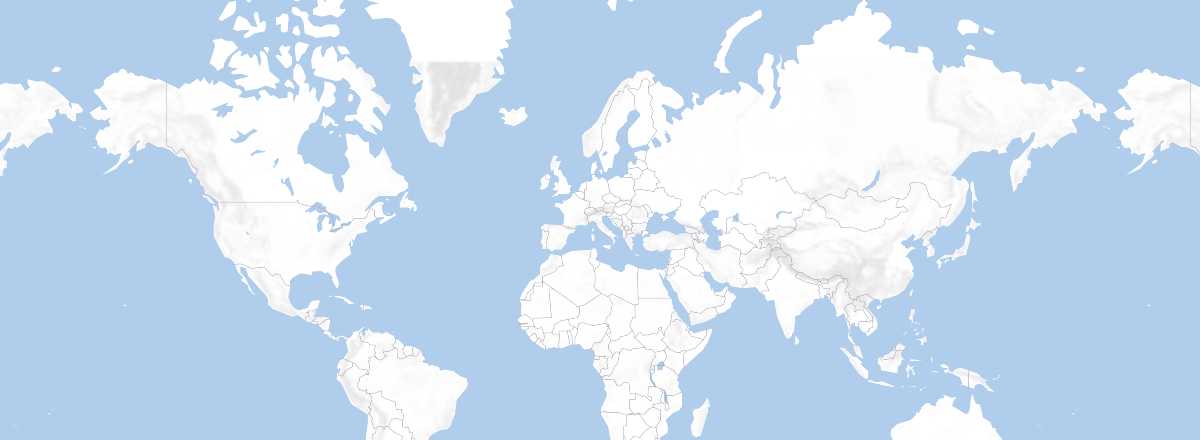 Destinations
Open the interactive map
North Africa
Crime and Delinquency
Traditional crime is relatively low in North African countries. However, what could be described as "tourist scams" is very much present in Morocco, Tunisia, and Egypt.
Political Risks and Terrorism
Beyond the "revolutions" of early 2011 experienced by Maghreb countries, the region remains under tension, particularly since the rise of the Islamic State, which advocates the reestablishment of a caliphate in Iraq and Syria and is gradually extending its influence in North Africa.
In Algeria, the southern part (due to the strong presence of AQIM) and the Djurdjura mountain range (where a French hiker was murdered in September 2014) pose the greatest dangers in this regard. As a result, multiple precautions and thorough prior information are essential, no matter which areas you plan to visit in the country.
In Tunisia, the country is going through a socio-political transition, torn between "traditionalism" and "modernity." Meanwhile, Egypt experiences frequent internal violence that increasingly hampers tourism. As for Libya, since the fall of Gaddafi, it has yet to regain stability and is not really recommended for tourism.
Morocco (Morocco) remains much calmer, even though it has also suffered attacks in the past, and areas near the Algerian border may require some local precautions.
Sub-Saharan Africa
Crime and Delinquency
Crime is a major issue in many countries, starting with Nigeria and Kenya. Risks include pickpocketing, assaults, various scams, and more localized threats like vehicle attacks by highway robbers. It’s best to take precautions and stay vigilant at all times.
In another domain, the Gulf of Guinea and especially the waters off the Somali coast are hotspots for maritime piracy.
Political Risks and Terrorism
Both West and East Africa face local and international political tensions, as well as terrorist risks. Entire countries like the DRC and Somalia are largely advised against, as are certain regions of Mali, Mauritania, Niger, Chad, Nigeria, the Central African Republic, Sudan, Uganda, Kenya, Ethiopia, and even parts of Senegal, such as Casamance. Additionally, countries like Guinea and Côte d'Ivoire are partially advised against, depending on the current situation.
In short, it’s wise to know what you’re getting into before venturing into many parts of sub-Saharan Africa...
Southern Africa
Crime and Delinquency
Crime is the biggest problem in the region, and no country is truly spared, starting with South Africa. It’s more than useful to be cautious by following basic practices (avoiding flaunting wealth, walking alone or at night in certain areas, driving after dark, etc.) to minimize risks.
Political Risks and Terrorism
Compared to the rest of the continent, Southern Africa is now calm in this regard after experiencing several internal conflicts in the past (Angola, Mozambique...). The only areas still requiring some caution are the Caprivi Strip (Namibia), due to the long-standing conflict there, as well as certain parts of Mozambique or the border zones between Zambia and the DRC (armed groups). Countries like Angola and Mozambique still have countless landmines.
Indian Ocean
Crime and Delinquency
The Indian Ocean region is relatively spared from crime, except in Madagascar and, to a lesser extent, Mayotte, where risks are fairly low.
In Madagascar, where the situation is worsening, it’s best to avoid traveling at night, stay alert in cities for pickpocketing or assaults, and take precautions in sparsely populated areas or certain beaches prone to gang attacks.
In another domain, the Malagasy government has put in place a strong legal framework (which is a good thing) to combat sex tourism... but this has had the unintended consequence of fueling blackmail over (false) sexual harassment cases on the island.
Political Risks and Terrorism
There’s a clear divide in this regard: on one side, Réunion, Mauritius, Mayotte, and the Seychelles face no issues, while on the other, Madagascar and the Comoros do. These two countries regularly experience internal political unrest, requiring visitors to take precautions when the situation becomes tense.