last edited Dec 27, 2019
Regions of Croatia
Contributionsversion #2created Dec 27, 2019Report this pageLatest contributions in this guideContributors to this guide
Location Map of Croatia
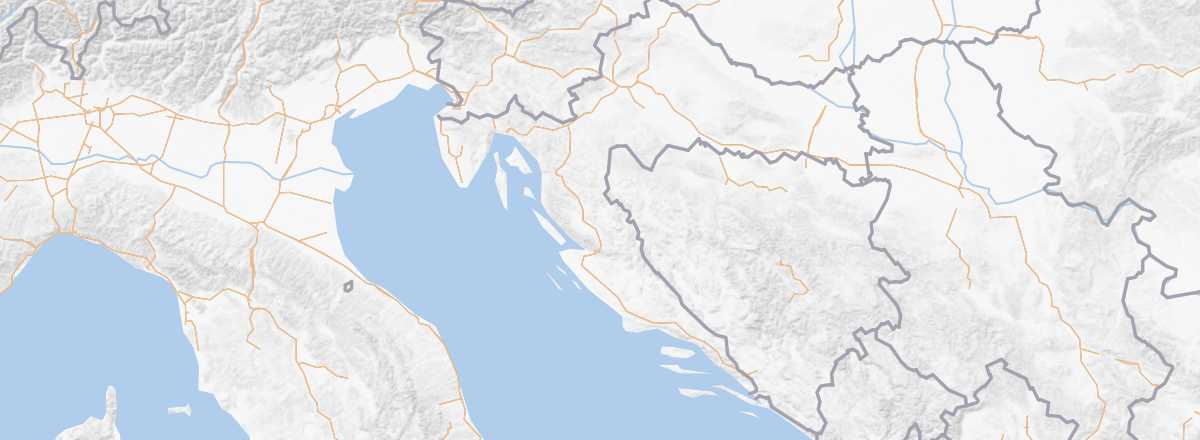 Open the interactive map
Zagreb and the Interior

Slavonia and central Croatia are the least touristy regions of Croatia, despite the presence of the capital Zagreb, which is worth a detour, and a few beautiful sites (including several castles). However, it's also true that the landscapes, mainly plains, are not particularly spectacular. Moreover, this part of Croatia doesn’t necessarily match what many visitors come looking for—beaches, seaside resorts, or the rich heritage of the coastal cities. In short, traveling in this part of the country offers a different perspective, with the added bonus of fewer crowds during the summer season.
Istria
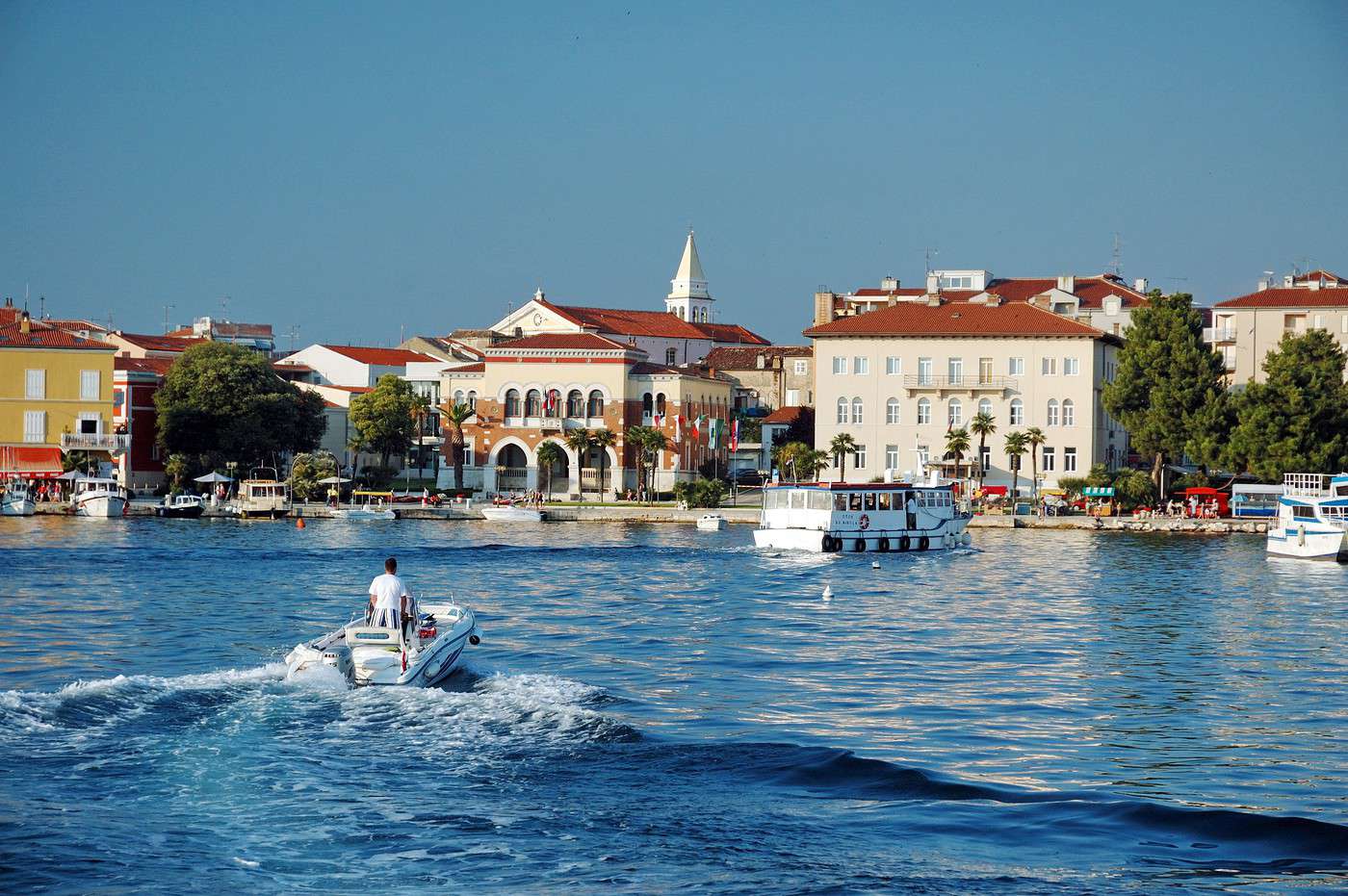
This peninsula on Croatia’s northern coast (extending slightly into Italy and Slovenia) is a major tourist hotspot. Visitors come to explore its beautiful landscapes, particularly the mountainous interior, charming villages, and numerous beaches. Hiking is possible both along the coast and inland.
Dubrovnik and the Coast
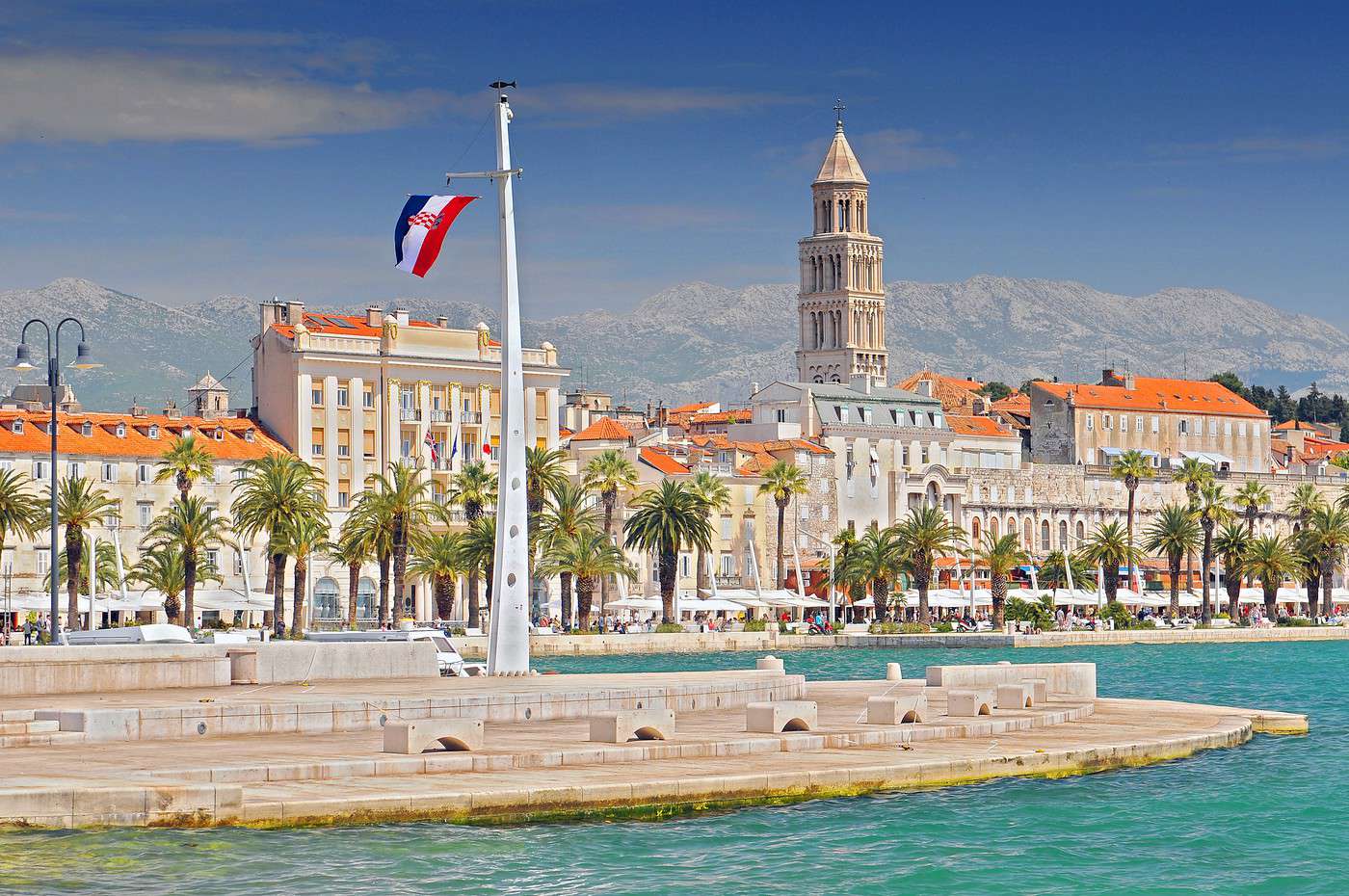
The coastal region, bordering the Adriatic, is the most visited part of the country. It stretches for hundreds of kilometers of often rocky shoreline, from Istria, near Slovenia, to the borders with Montenegro. Summer sees an influx of visitors eager to enjoy the sea and seaside resorts, as well as to discover architectural gems like the cities of Dubrovnik, Split, and Trogir, to name just the most famous.
The Islands

With its 700 islands, around fifty of which are inhabited, Croatia boasts the second-largest archipelago in the Mediterranean, just behind Greece. While for centuries these islands relied on agriculture (vineyards, olives...) and fishing, tourism is now the primary source of income for many. Krk (17,900 inhabitants), Korčula (16,200), and Brač (14,000) are the most populous, while Krk and Cres are the largest, covering 405 km².