last edited Mar 5, 2026
Health and Safety in Brazil
Location Map of Brazil
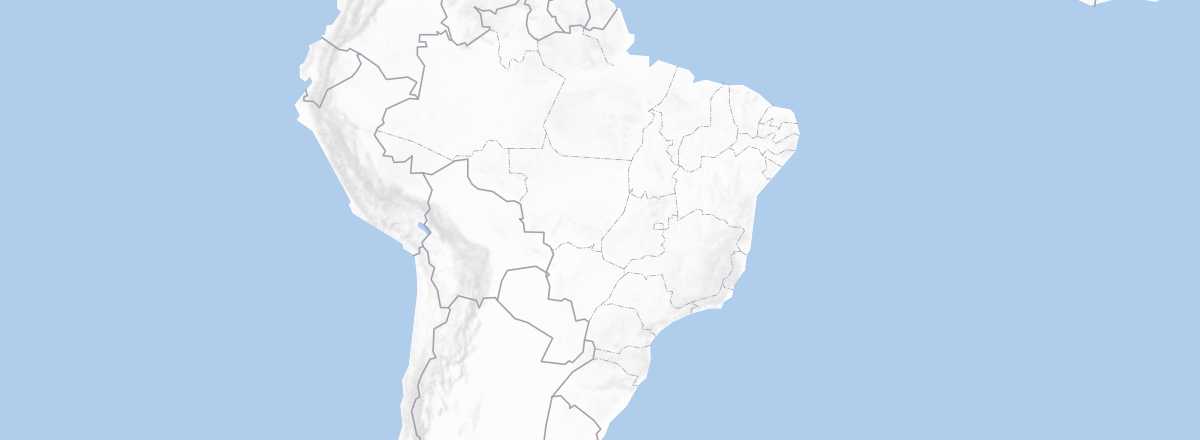 Brazil
Open the interactive map
Official Recommendations
In France, for both individuals and professionals, the "travel advice" from the Ministry of Foreign Affairs regarding precautions for each country has legal value. A similar online travel advice system exists in several countries:
Health
Diseases
While not enormous, except if you venture into the Amazon, there are some disease risks in Brazil. As in many other countries, you’ll first need to watch out for mosquitoes. Dengue, chikungunya, and Zika are present in various areas, as is malaria, but only in the Amazon. Since all these diseases come from mosquito bites, it’s essential to protect yourself with repellents and appropriate clothing, especially in the evening.
Then there’s yellow fever, which circulates sporadically or locally in the country. The vaccine is generally mandatory for travelers coming from French Guiana, as well as a few other South American countries like Bolivia, Colombia, Ecuador, Peru, or Venezuela. For others, it’s just recommended.
Hygiene
As always, good personal and food hygiene is necessary if you’re not used to "eating local." In this case, avoid dishes or foods that don’t seem entirely fresh—if only to prevent traveler’s diarrhea. As for tap water, it’s not really drinkable, even in cities.
Healthcare Facilities on Site
As in many countries, and as you might expect, Brazil’s healthcare system is "a mix of the best and the worst." On one hand, there are recognized and excellent facilities in cities like Rio or São Paulo, but at significant costs since they’re private. On the other, there’s a free public system that does "what it can," especially in rural areas, with limited resources and often overcrowded services.
Additionally, the southern part of the country, where the major cities are, is much better equipped than the rest of the territory, particularly in the interior and the Amazon. In short, it’s essential to have good travel insurance, if only to access private institutions.
Safety
Crime and Delinquency
It’s well known that Brazil isn’t the safest country when it comes to crime and delinquency. This includes risks for tourists, such as theft and assault. As always in such cases, you should stay vigilant and avoid reckless behavior. Don’t flaunt wealth, walk alone at night in isolated areas or certain neighborhoods, opt for official taxis, and be careful in public transport to minimize risks. Also, in case of assault, it’s best not to resist and always have "something" to give to your attackers. Finally, if you have a vehicle, it’s highly recommended to use guarded parking lots and leave nothing inside.
That said, dangers vary by location. Cities like Rio or Salvador often have more issues, including in tourist areas, than rural regions. However, for tourists, some areas like the Northeast also experience violence across their territory.
Sociopolitical Risks
You could say that the existing crime is already "enough" to make people forget that Brazil also experiences political tensions and social movements that can sometimes escalate. While visitors aren’t directly affected, it’s best to stay away from such situations and stay informed.
In another category, all border zones, from Bolivia to the south of French Guiana, are advised against due to the presence of traffickers and armed groups of all kinds and motivations—it’s best to avoid these regions.
Climate, Nature, and Animals
If we exclude the Brazilian Amazon, which is a world apart—especially in terms of nature—the main concerns are heavy rains and floods, forest fires, and occasional heatwaves.
As for animals, while there are snakes, venomous spiders, caimans, jaguars, sharks, and plenty of other creatures that aren’t always friendly in Brazil, the risk of encountering them is extremely low for tourists. Among the local wildlife, it’s actually mosquitoes (which spread diseases) and, secondarily, stray dogs (which can carry rabies) that you should be most wary of.
French Consulates on Site
If you encounter problems while traveling abroad, your country’s consular services can assist you. Also, if you’re an EU citizen and your country isn’t represented, you can contact any other EU member state’s representation.
- Consulate General: Avenida das Nações, Lote 04, Quadra 801, CEP 70404900, DF Brasília.
- Consulate in Recife: Edifício BV Corporate, Rua Professor Pessoa de Araújo, 75 Boa Viagem Recife.
- Consulate in Rio de Janeiro: Avenida Presidente Antonio Carlos 58, 2002010 RJ Rio de Janeiro.
- Consulate in São Paulo: Avenida Paulista 1842, 01310-923 SP São Paulo.