last edited Jan 30, 2026
Things to Do in Tunisia
Location Map of Tunisia
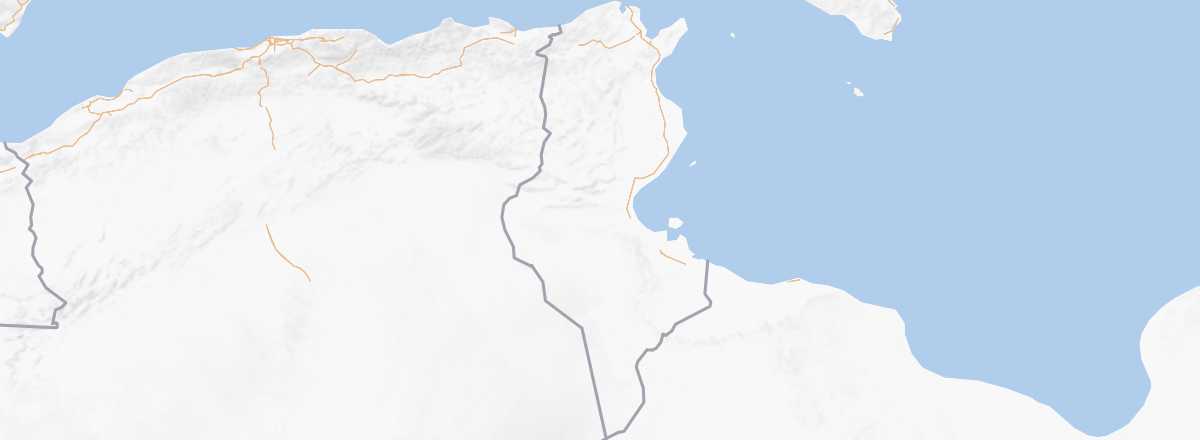 Tunisia
Open the interactive map
Tunisia
Open the interactive map
Beaches and Seaside Resorts
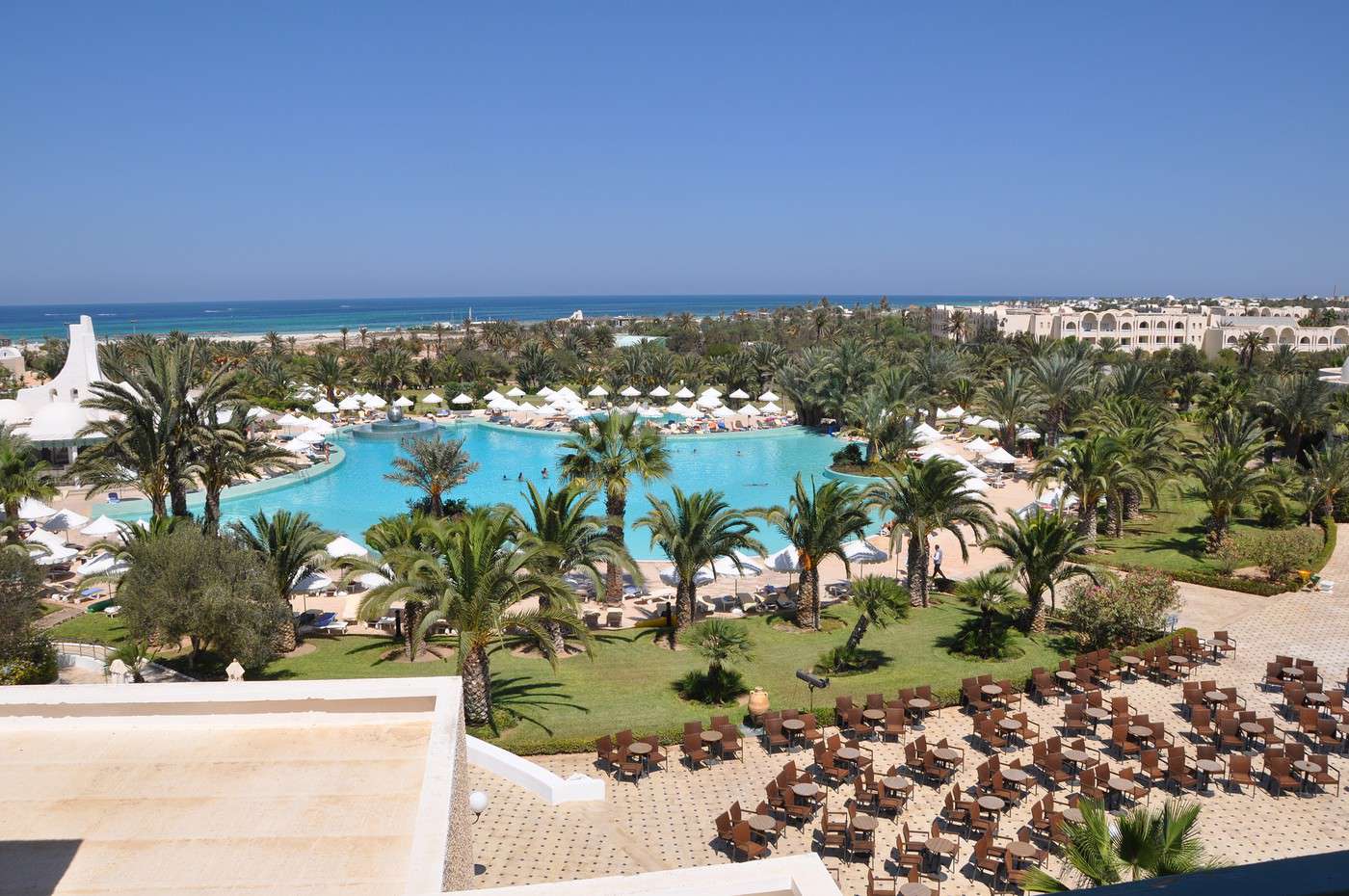
With over a thousand kilometres of coastline, Tunisia remains a renowned and pleasant destination for beach lovers and swimmers. The sea is generally safe, though you should watch out for currents and, occasionally, jellyfish in some areas. That said, some beaches can get quite crowded in season, so if you're looking for "peace and quiet," the north coast is a better bet.
Water Activities
Diving: a few spots along the north coast (Tabarka, Bizerte...) and in the Sousse or Djerba regions.
Watersports: Djerba offers the most opportunities, especially for kitesurfing.
Sailing: with its thousand-plus kilometres of coastline and seaside resorts, it’s no surprise that Tunisia attracts its share of sailors. Of the country’s ten or so marinas, the port of Yasmine Hammamet is one of the most important.
Thalassotherapy and Wellness
Beyond the image of the "traditional hammam," the country increasingly offers activities and services centred around thalassotherapy, thermalism, spas, and general "well-being." In fact, Tunisia now ranks as the world’s number two destination in this field, just behind France.
Tunisia has around forty thalassotherapy centres, primarily located in the coastal tourist zones.
Hiking
Hiking
Tunisia isn’t really a trekking destination, except for all kinds of Saharan hikes. For more "classic" walks, you’ll need to head to the northern interior, where spots like the mountainous Kroumirie region offer opportunities.
Cycling
Far from being developed—or even "respected" (stay alert)—as a mode of transport, cycling is starting to gain traction in Tunisia, with a few opportunities and agencies offering affordable options.
This is especially true on the island of Djerba, where you can cycle around (and it’s flat), and in Tunis and its suburbs. By bike—classic or electric—you can explore the capital and its tourist spots like Carthage, La Marsa, or the charming town of Sidi Bou Saïd. For the more athletic or those who don’t mind the heat, there are also some mountain biking circuits in the far south, around Tozeur.
Horseback Riding
Though the niche isn’t huge, Tunisia has long offered horseback riding and treks. This includes everything from multi-day desert adventures in the south, starting from Douz or Zarzis, to more mainstream options along the coast in Djerba or the Hammamet and Monastir regions. For those looking to go off the beaten path, there are also possibilities in the interior, particularly in the mountainous Kroumirie region, as with hiking.
Camel Trekking
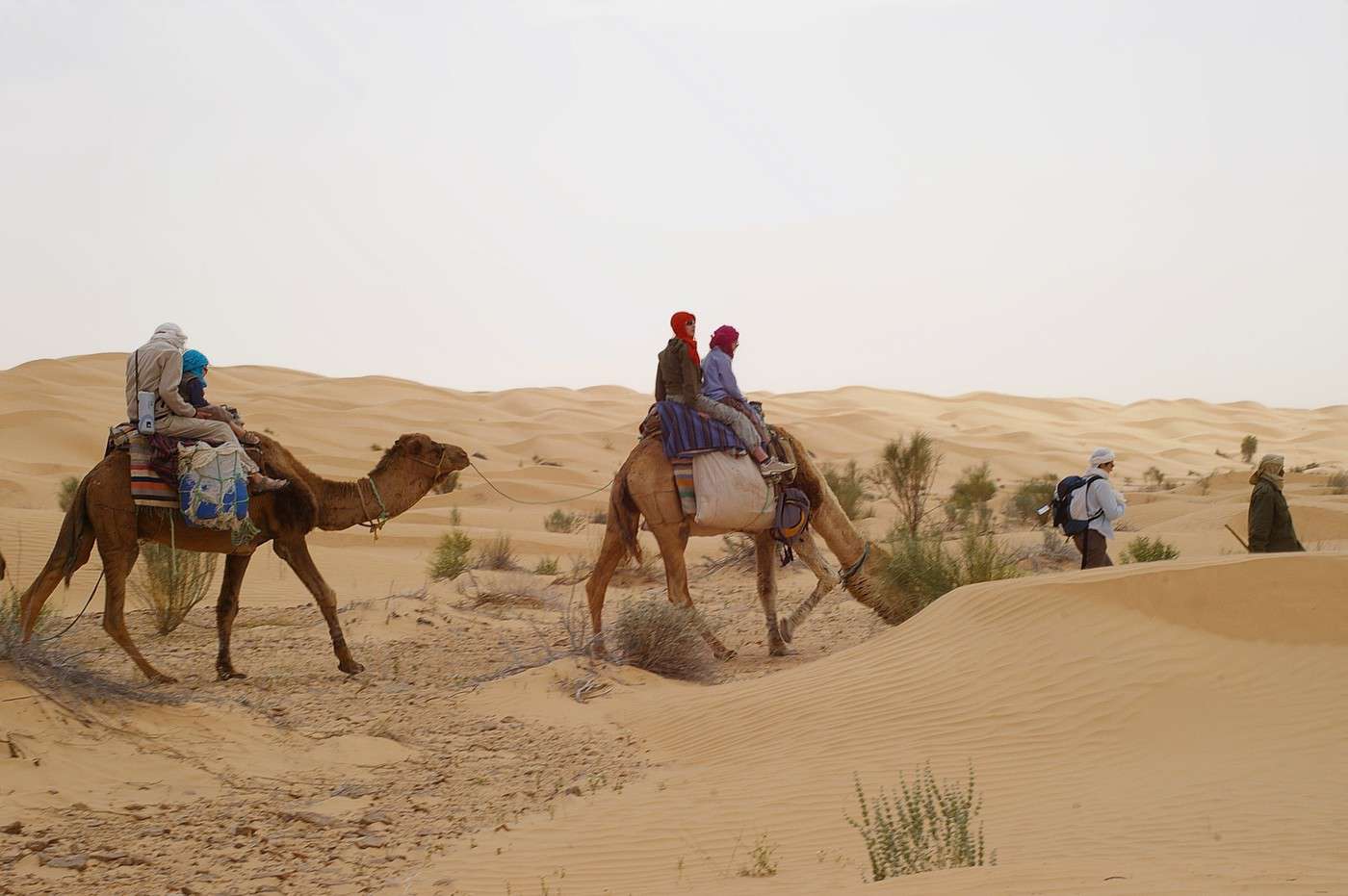
It’s the classic Sahara image: a caravan of camels (actually dromedaries) against a backdrop of dunes. In many ways, Tunisia is an excellent place for camel treks. Not only is it an affordable and easy-to-travel destination, but it also offers a wide range of camel rides, especially from Douz and its surroundings. You can find everything from a few hours to multi-day treks for all tastes and levels. The only downside is that, despite the dunes, the Sahara here isn’t the most spectacular.
Warning: some areas of the (greater) southern Tunisian desert, near the Algerian and Libyan borders, are currently not recommended for security reasons by the French Ministry of Foreign Affairs.
Outdoor and Sports Activities
Hunting and Fishing
While hunting (for wild boar and small game) is strictly regulated and requires going through licensed agencies, fishing is more accessible for visitors.
All forms of recreational fishing are allowed, provided you don’t sell your catch. Spearfishing is also permitted, though logically regulated in terms of locations, sites, and species.
Golf
The country has around fifteen golf courses, mostly located along the coast, where hotel capacity is greatest and tourism most developed.
Shopping and Markets
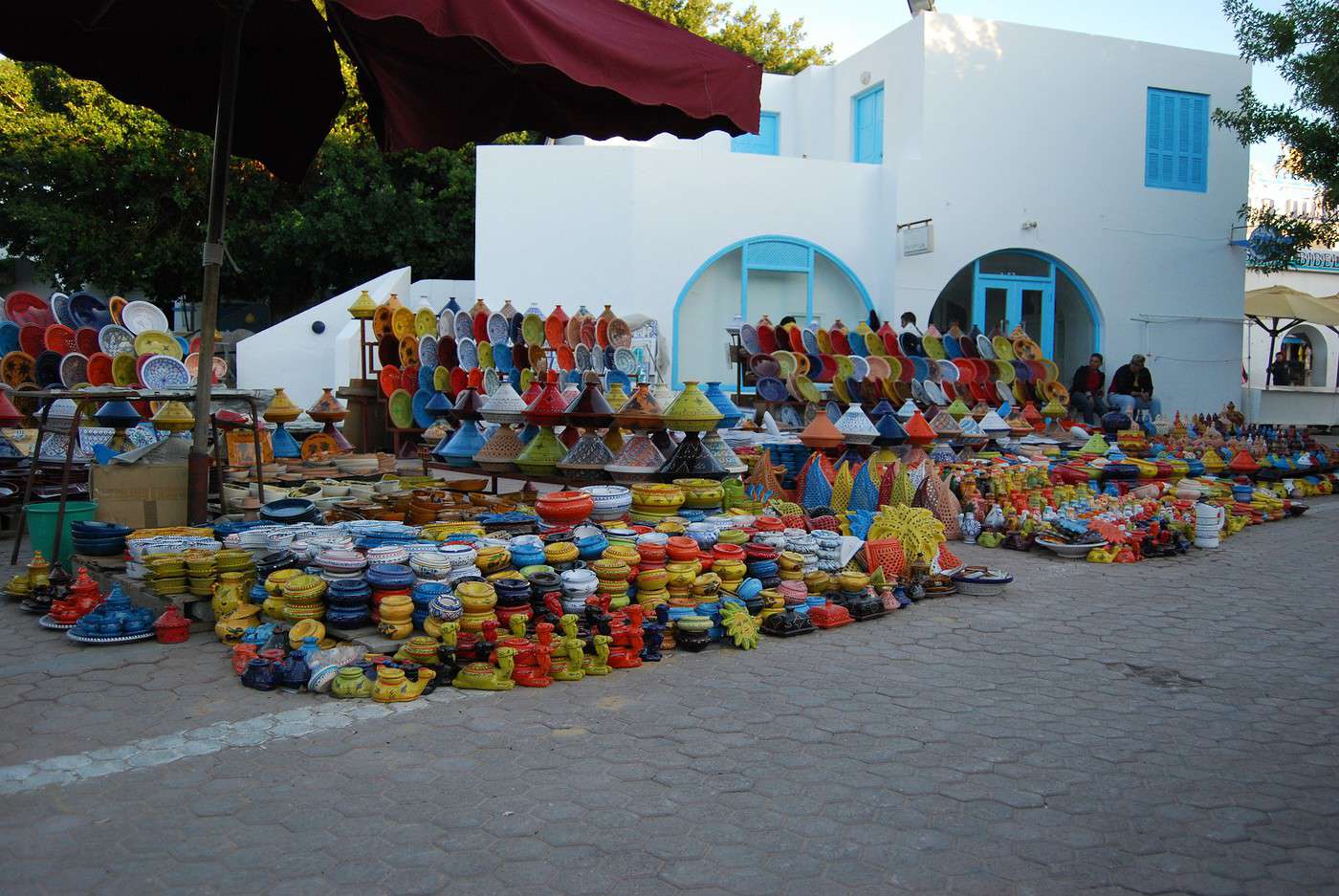
This is often one of the pleasures sought by many tourists in Tunisia. It naturally involves exploring the souks and their treasures, complete with the bargaining that’s an integral part of the shopping experience. For more details, see the Shopping & Souvenirs section of this guide.
Cultural Life and Activities
Beyond the archaeological sites and the few museums in Tunisia, a cultural trip can also be planned around the festivals and events the country hosts regularly.
Among the best-known recurring events are the Carthage International Festival (July-August), featuring music, dance, and theatre in the ancient theatre of the city. It’s the country’s most famous event, drawing large crowds every year. Carthage also hosts the Carthage Film Days in the autumn, the oldest film festival in Africa.
Other notable events include Sicca Jazz in the town of El Kef (in the north, near the Algerian border) and, above all, the two "desert festivals" held in December: the International Festival of the Sahara in Douz and the Oasis Festival in Tozeur, both celebrating nomadic culture in all its forms.
Nightlife and Going Out
While it doesn’t match the "intensity" of other tourist destinations, Tunisia still offers a decent selection of nightlife spots. As you’d expect, these are mainly around the capital and the coastal resort areas.
In Tunis, the best options are in the suburbs, particularly in the small town of Gammarth (the most famous for bars and clubs), as well as La Marsa and Sidi Bou Saïd for more "relaxed" outings. Then there are the resorts of Hammamet, Port El Kantaoui, and the island of Djerba, along with a few others, which provide bars and nightclubs for night owls.
In short, there are some great options, mainly in high season. However, during Ramadan, Tunisian nightlife changes dramatically, with clubs and other nightlife venues typically closing for the entire month.