
Tourist Attractions
Interests (out of ): Nature ; Adventure ; Culture ; Relaxation/Holidays
Lanzarote is a solid "compromise" of culture, nature, and relaxation, offering something for everyone. You can easily spend a good week here.
Cultural Heritage
As with most of the Canary Islands, Lanzarote’s cultural heritage isn’t vast. There are just a few architectural or historical landmarks in Teguise, one of the oldest municipalities in the Canaries, or Tinajo with its religious buildings. Also worth seeing is everything related to the painter-architect-sculptor César Manrique, a native of the island whose foundation and various works can be explored.
Beaches and Coastline
Though less crowded than Tenerife or Gran Canaria, the island has its share of seaside resorts (Costa Teguise, Playa Blanca, and Puerto del Carmen) with all the usual activities.
Nature and Outdoor Activities
This is Lanzarote’s strong point, with stunning landscapes, remarkable natural areas (Timanfaya Park, Chinijo Archipelago...), and a few curiosities like the Cueva de los Verdes, which, at 6 kilometres, is the world’s longest underwater lava tunnel. There are also plenty of hiking opportunities and other outdoor activities, particularly surfing, for which the island is well-known.
Must-See
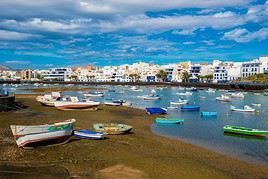
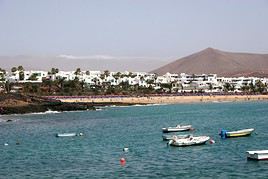
A major seaside resort north of Arrecife. It’s especially popular for its beaches, diving, windsurfing, and water park.
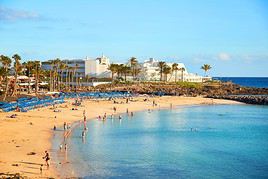
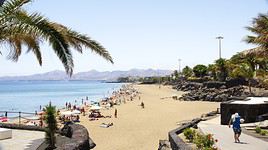
One of the three major seaside resorts on the island. Scuba diving is particularly popular here.
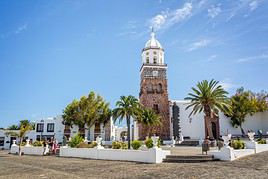
One of the oldest municipalities in the Canary Islands, still featuring some historic buildings. Nearby, in Guatiza, you can visit the Cactus Garden.
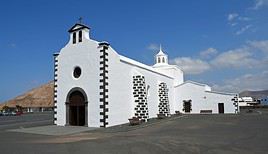
The locality is home to several caves and religious buildings such as the Hermitage of Los Dolores.
Natural Heritage
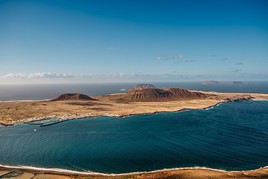
North of Lanzarote, these are five small volcanic islands (of which Graciosa is the only inhabited one) designated as a nature reserve. You can see many birds and enjoy its pleasant beaches and landscapes.
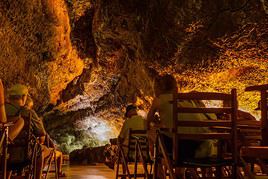
These caves are actually a volcanic tunnel over 6 kilometres long that you can partly visit. At one end is the "Jameos del Agua", a creation by the architect César Manrique.
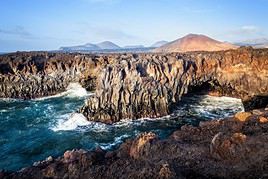
Underwater caves located beneath lava fields descending to the sea on the edge of Timanfaya National Park.
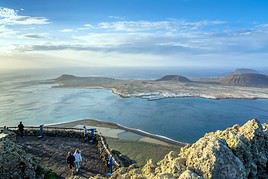
This rocky promontory at the northern tip towers 475 m above the ocean. It was designed by architect César Manrique and offers a stunning panorama.
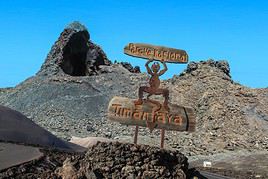
This vast volcanic area features stunning desert landscapes and rugged coastlines like those near El Golfo. Hiking opportunities are available within the park.
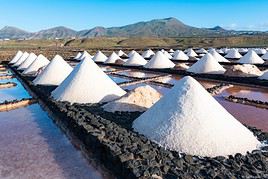
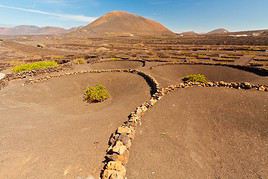
This valley in the southern part of the island is a wine-growing area despite its volcanic soil. The vines grow in a unique way here.