
UNESCO World Heritage Sites
Montenegro has three sites inscribed on the UNESCO World Heritage list:
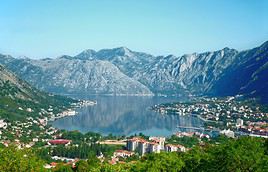
Bay of Kotor (1979)
This is the stunning UNESCO-listed bay where the city of Kotor is nestled. A must-see that can be explored by boat.
This is the stunning UNESCO-listed bay where the city of Kotor is nestled. A must-see that can be explored by boat.
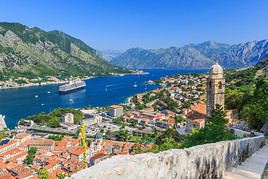
Kotor (1979)
This fortified old town is a UNESCO World Heritage site both for its historical significance and its setting within Europe’s southernmost fjord (the "Bay of Kotor").
This fortified old town is a UNESCO World Heritage site both for its historical significance and its setting within Europe’s southernmost fjord (the "Bay of Kotor").
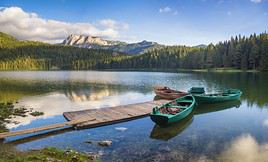
Durmitor National Park (1980)
A UNESCO-listed site, this mountainous region in the north offers stunning landscapes with numerous lakes and a rich variety of wildlife (bears, wolves, birds of prey). Skiing, climbing, hiking, and rafting are popular activities here.
A UNESCO-listed site, this mountainous region in the north offers stunning landscapes with numerous lakes and a rich variety of wildlife (bears, wolves, birds of prey). Skiing, climbing, hiking, and rafting are popular activities here.
The Coast
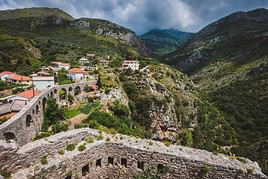
Bar
A major seaside resort in the south, which, in addition to its beaches, is home to the ruins of an old town, Stari Bar, almost abandoned at the end of the 19th century. Bar also benefits from significant ferry traffic to and from Italy.
A major seaside resort in the south, which, in addition to its beaches, is home to the ruins of an old town, Stari Bar, almost abandoned at the end of the 19th century. Bar also benefits from significant ferry traffic to and from Italy.
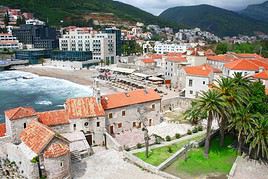
Budva
It's Montenegro's top seaside resort, complete with all the facilities and entertainment you'd expect. But beyond the beaches (and the somewhat concrete-heavy vibe), Budva is also home to one of the oldest old towns on the Adriatic coast.
It's Montenegro's top seaside resort, complete with all the facilities and entertainment you'd expect. But beyond the beaches (and the somewhat concrete-heavy vibe), Budva is also home to one of the oldest old towns on the Adriatic coast.
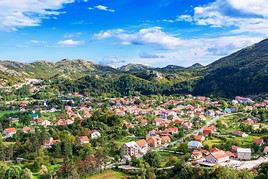
Cetinje
The historic capital of Montenegro offers several museums and interesting civil and religious buildings to visit.
The historic capital of Montenegro offers several museums and interesting civil and religious buildings to visit.
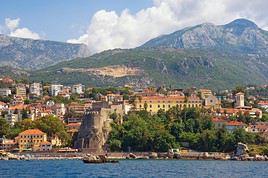
Herceg Novi
On the Adriatic coast near the Croatian border, this seaside resort boasts a charming old town and a medieval fortress.
On the Adriatic coast near the Croatian border, this seaside resort boasts a charming old town and a medieval fortress.
Kotor
This fortified old town is a UNESCO World Heritage site both for its historical significance and its setting within Europe’s southernmost fjord (the "Bay of Kotor").
This fortified old town is a UNESCO World Heritage site both for its historical significance and its setting within Europe’s southernmost fjord (the "Bay of Kotor").
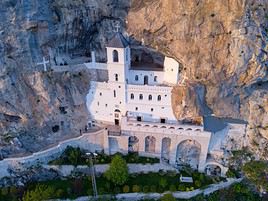
Ostrog Monastery
This impressive Orthodox monastery embedded in a cliff overlooking the plain is one of the most famous pilgrimage sites in the Balkans.
This impressive Orthodox monastery embedded in a cliff overlooking the plain is one of the most famous pilgrimage sites in the Balkans.
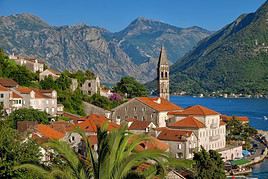
Sveti Stefan
South of Budva, the charming fishing village has been partly transformed into a luxury hotel complex closed to the public. The surrounding beaches remain accessible.
South of Budva, the charming fishing village has been partly transformed into a luxury hotel complex closed to the public. The surrounding beaches remain accessible.
Tivat
This seaside resort has also become a major hub for sailing in the Adriatic. It is also an air gateway into the country for many charter flights.
This seaside resort has also become a major hub for sailing in the Adriatic. It is also an air gateway into the country for many charter flights.
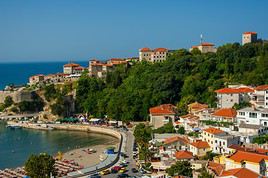
Ulcinj
The last seaside resort before Albania, with beautiful beaches and, above all, a charming old town.
The last seaside resort before Albania, with beautiful beaches and, above all, a charming old town.
Natural Heritage
Bay of Kotor
This is the stunning UNESCO-listed bay where the city of Kotor is nestled. A must-see that can be explored by boat.
This is the stunning UNESCO-listed bay where the city of Kotor is nestled. A must-see that can be explored by boat.

Lake Shkodër
Straddling Albania and Montenegro, where it is known as Skadar Lake National Park, this large lake is home to numerous bird species. You can also navigate its waters and hike around its shores.
Straddling Albania and Montenegro, where it is known as Skadar Lake National Park, this large lake is home to numerous bird species. You can also navigate its waters and hike around its shores.
Lovćen National Park
This beautiful park above Kotor Bay is also home to the Njegoš Mausoleum, which rises to 1,657 m and offers a stunning panorama of the surrounding area.
This beautiful park above Kotor Bay is also home to the Njegoš Mausoleum, which rises to 1,657 m and offers a stunning panorama of the surrounding area.
The Interior
Bijelo Polje
The "big city" of northeastern Montenegro, near the Serbian border. It's the surrounding area (nature activities) rather than the town itself that's most interesting.
The "big city" of northeastern Montenegro, near the Serbian border. It's the surrounding area (nature activities) rather than the town itself that's most interesting.
Kolašin
This small town is a ski resort in the north-central part of the country and a great base for enjoying the various outdoor activities available in the surrounding area.
This small town is a ski resort in the north-central part of the country and a great base for enjoying the various outdoor activities available in the surrounding area.
Podgorica
It is the capital of Montenegro, featuring a mix of old buildings, particularly from the Ottoman period, alongside more modern architecture.
It is the capital of Montenegro, featuring a mix of old buildings, particularly from the Ottoman period, alongside more modern architecture.
Žabljak
In the heart of the Durmitor mountains, this small town is a great base for exploring the surrounding area or engaging in various outdoor sports activities.
In the heart of the Durmitor mountains, this small town is a great base for exploring the surrounding area or engaging in various outdoor sports activities.
Natural Heritage
Tara Canyon
Within Durmitor, these scenic canyons and their river are also great spots for rafting and canyoning.
Within Durmitor, these scenic canyons and their river are also great spots for rafting and canyoning.
Biogradska Gora National Park
This high-altitude park in the east of the country features dense forest around several lakes.
This high-altitude park in the east of the country features dense forest around several lakes.
Durmitor National Park
A UNESCO-listed site, this mountainous region in the north offers stunning landscapes with numerous lakes and a rich variety of wildlife (bears, wolves, birds of prey). Skiing, climbing, hiking, and rafting are popular activities here.
A UNESCO-listed site, this mountainous region in the north offers stunning landscapes with numerous lakes and a rich variety of wildlife (bears, wolves, birds of prey). Skiing, climbing, hiking, and rafting are popular activities here.
Prokletije National Park
This mountainous part of the Dinaric Alps between Albania and Montenegro is still difficult to access on the Montenegrin side.
This mountainous part of the Dinaric Alps between Albania and Montenegro is still difficult to access on the Montenegrin side.