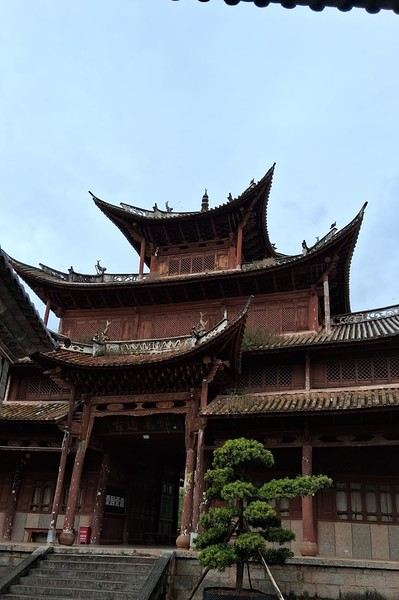
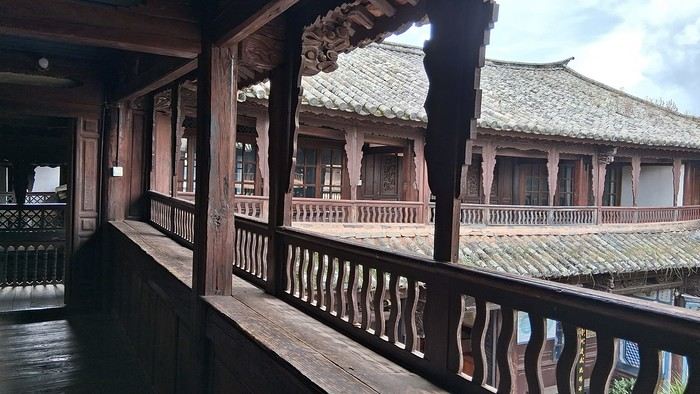
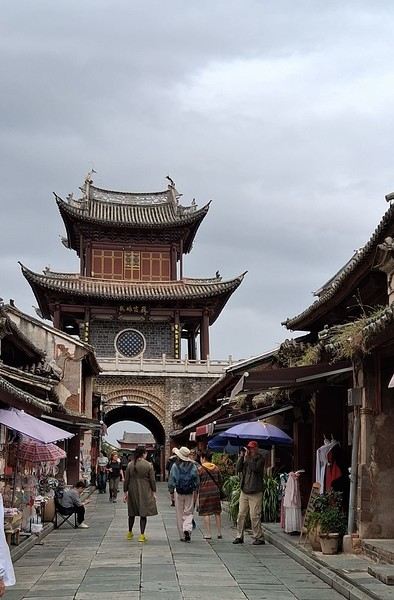
Three weeks in Yunnan in October 2025
FR

Translated into English.

Original post
JE
We just spent three weeks in Yunnan. I’ve started writing up a travel journal about the trip.
VO VoyageForum Globetrotter ·
Oh no... a travel journal on VF or on MyAtlas?
MyAtlas Group VoyageForum.com · MyAtlas.com
JE Jeeaan Globetrotter ·
I’m sorry. I didn’t mean to upset you.
JE Jeeaan Globetrotter ·
China Yunnan

Create a topic

profile, messages, bookmarks and preferences Do you want to install VoyageForum.com on this device? China Guide Must-sees Map Photos Book your trip Forum China Plan your trip to China with our partners

Book a hotel

Car rental in China Three weeks in Yunnan in October China yunnan Nov 6 4 hours ago

jbf 5 d Our first discovery of China was back in 1999, so that was already 26 years ago. We thoroughly scoured travel forums to prepare for these three weeks. We found many answers to our questions there. We also found the references for the Ciel Chine agency, with whom we shared our expectations. We agreed on a small-group trip (10 people) followed by a two-person extension with a driver. The Ciel Chine team was very efficient and available both during the preparation of our trip and during the trip itself. No downsides: a guide, Sébastien, who was very professional and helpful, managing his group like a father figure—always patient, professional, and full of humor. The drivers were cautious, punctual, and helpful. And the accommodations were high-quality, either charming stays or very comfortable hotels. The agency took care of purchasing our flight tickets and train tickets. The agency had also bought us an e-SIM card in Hong Kong, very useful and flawless.

And so, we landed in Kunming after a short layover in Guangzhou. Sébastien was waiting for us at the airport exit. Off to the Cachet Boutique Hotel. There, we met the 8 people who would share this beautiful adventure with us. Like us, it was their first time choosing to travel in a group, and like us, they hoped they wouldn’t regret it. And like us, they would be delighted with this beautiful Chinese interlude.

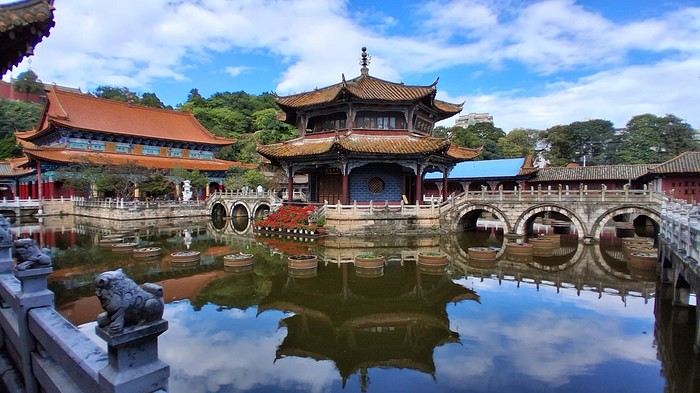
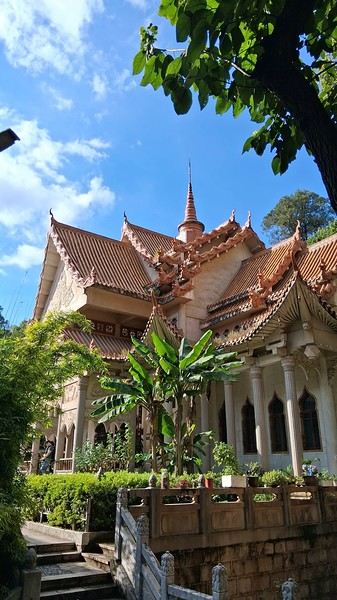
First visit: the Yuantong Buddhist Temple, one of the most important Buddhist temples in Yunnan.


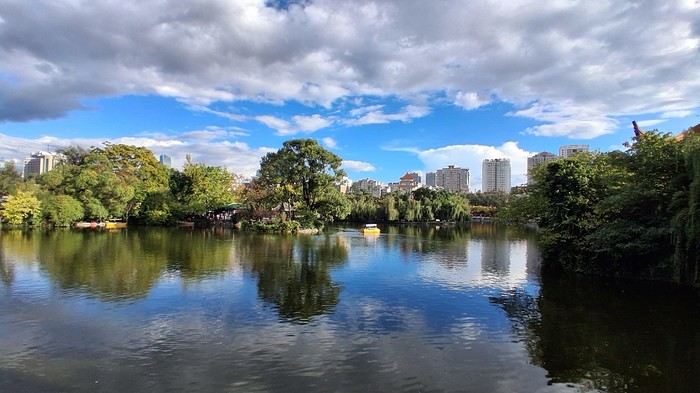
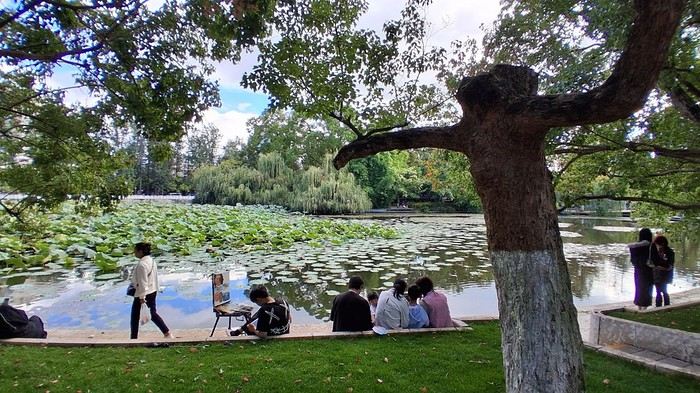
Then, to enjoy Kunming, nicknamed the "City of Eternal Spring" thanks to its mild and pleasant climate year-round, we set off to explore the Emerald Lake Park. Locals come here to stroll, sing, dance, or paint. It’s a true haven of peace.


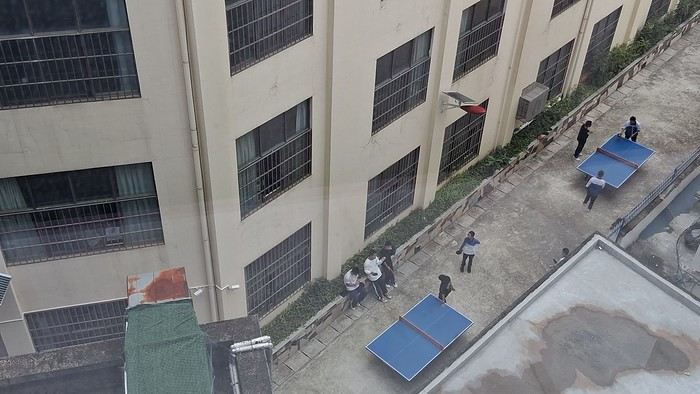
Back at the hotel, we enjoyed taking a little moment to rest. Outside our window, young people were practicing table tennis, a sport the Chinese excel in.


And after a good night’s rest, we wake up in CHINA...


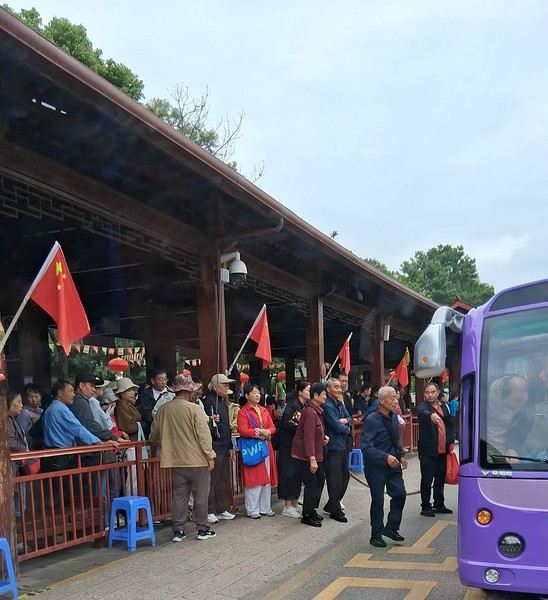
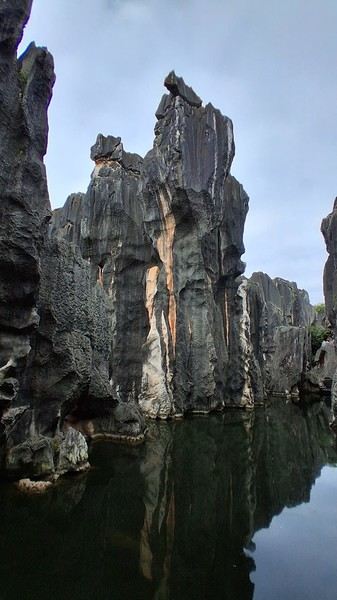
A delicious breakfast was offered in the form of a varied buffet. Around 8 AM, our minibus took us to discover the famous Stone Forest, classified by UNESCO as an exceptional natural heritage site. But we weren’t the only ones there. It’s the most visited site in Yunnan. These are karst rocks rising over an area of 60 km². 99% of the visitors are Chinese. And as everywhere we’ll go, you have to present your passport to access the site. The passport will also be necessary to leave the site. You always need to have your passport on hand... And you have to take a shuttle...
JE Jeeaan Globetrotter ·
And that's what we're doing.

We follow the crowd heading toward the stone forest.
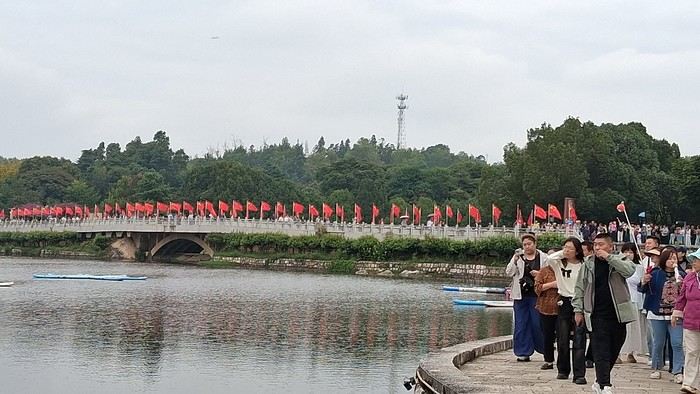
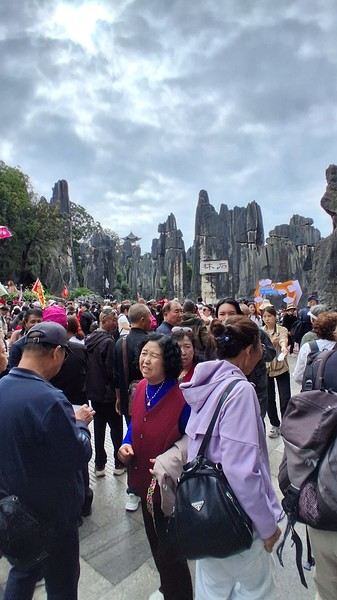


The first part, the Major Stone Forest, is the most visited because it's the quickest to explore. And the Chinese are in a hurry... Each group is led by a guide, often in traditional costume, but always with a microphone in hand. It creates a real cacophony. It's crazy!

Fortunately, as soon as you get closer to the wilder spots, you're practically alone.
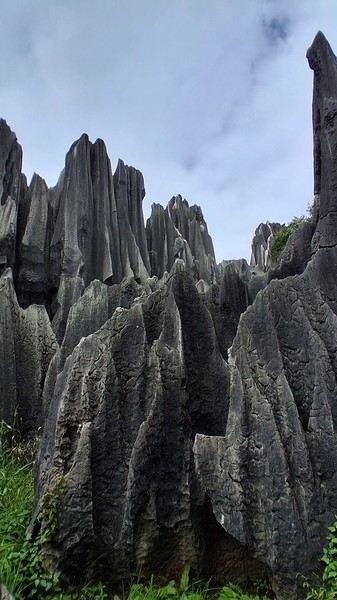
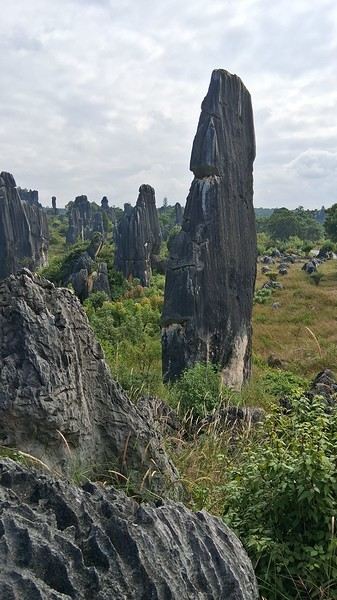


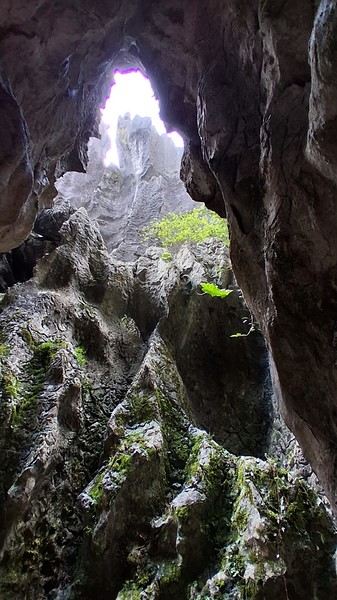
It's a fantastic landscape created by erosion. Water and wind have sculpted thousands of limestone pillars. And everyone can let their imagination run wild while admiring all these shapes.

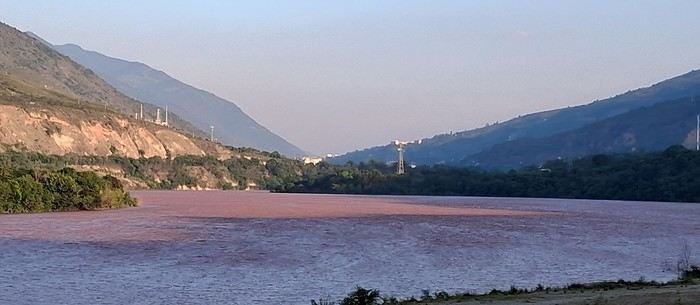
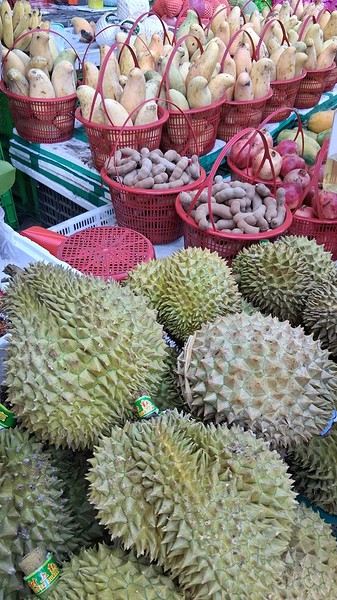
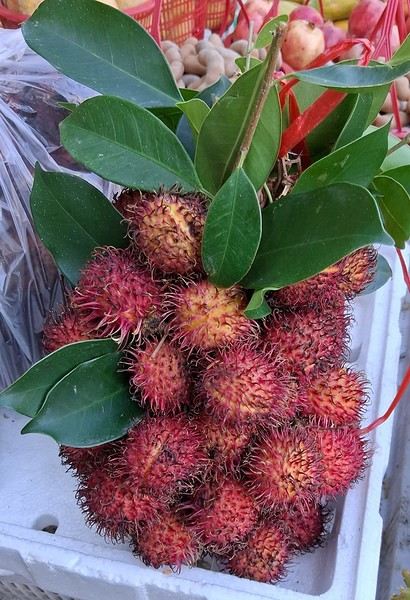
In the afternoon, we'll continue our journey to Yuanyang. Along the way, near the Red River, we stop to buy some fruit.


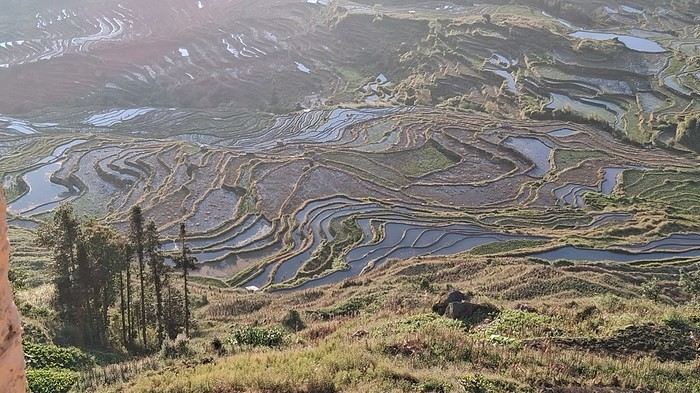
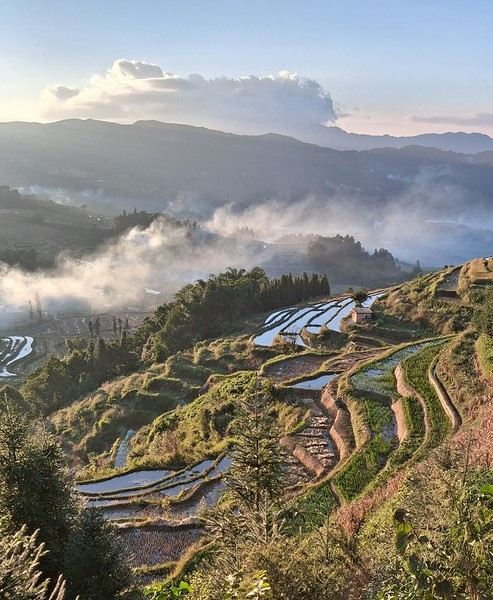
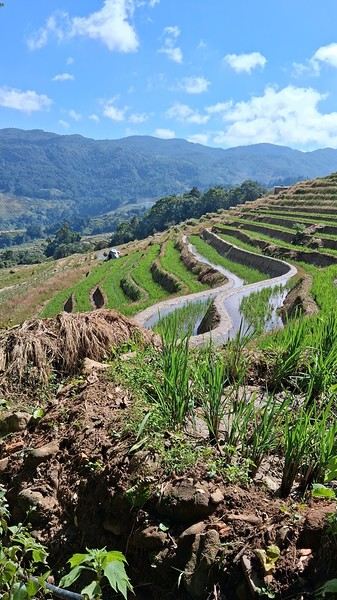
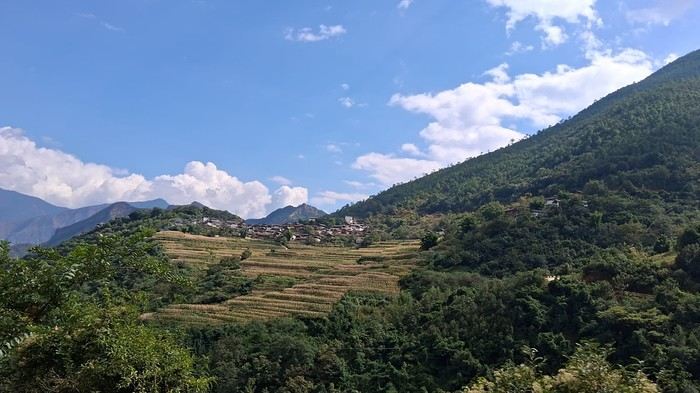
And by 7 PM, we're in Yuanyang, a village nestled in the heart of the Yunnan mountains. Yuanyang is home to China's largest rice terraces. It's a masterpiece patiently shaped by the Hani people's agricultural tradition over several centuries. It's magnificent!
JE Jeeaan Globetrotter ·
We’re staying at Huawowo Inn, a charming little hotel right above the rice terraces.
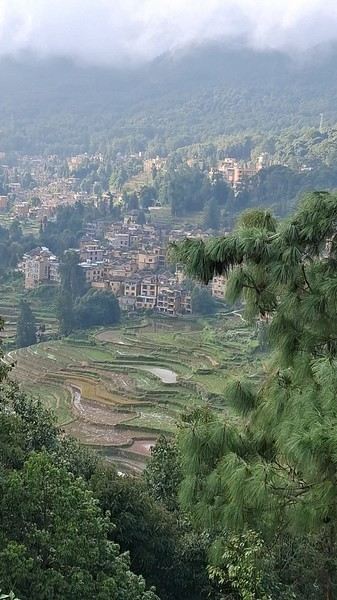
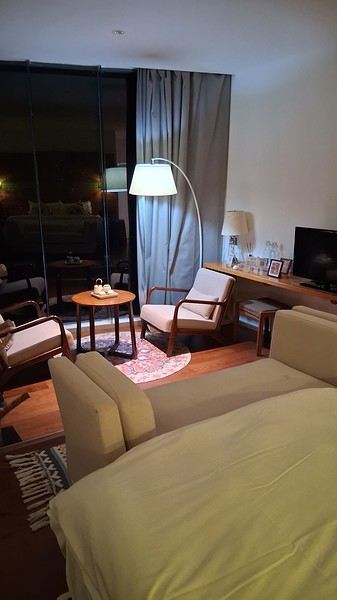
Our room opens wide onto the rice terraces. It’s stunning.
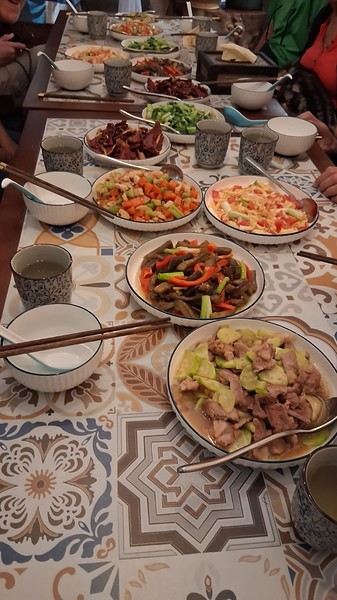


Dinner’s gonna be amazing. Dried buffalo, peanut veggies, spicy chicken, Chinese cabbage, and... rice.


The next morning, we’re up at 6 a.m. It’s 23°C in the room, but outside it must be chillier because there’s a lot of condensation on the windows. Heavy fogging... But no fog today. That’s lucky since apparently, fog rolls in 300 days a year. So we head up to the terrace to enjoy the incredible view of all these rice terraces. It’s breathtaking!

Then we go down for a typical Chinese breakfast.
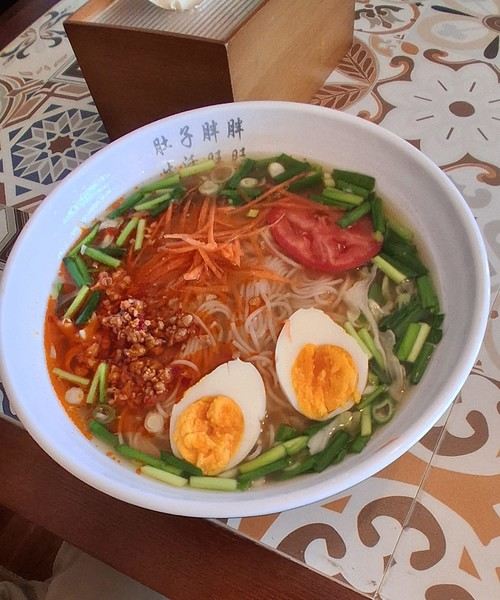
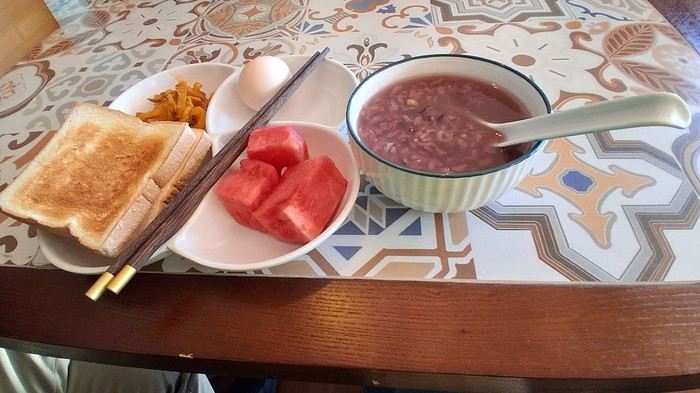


So many choices...
JE Jeeaan Globetrotter ·
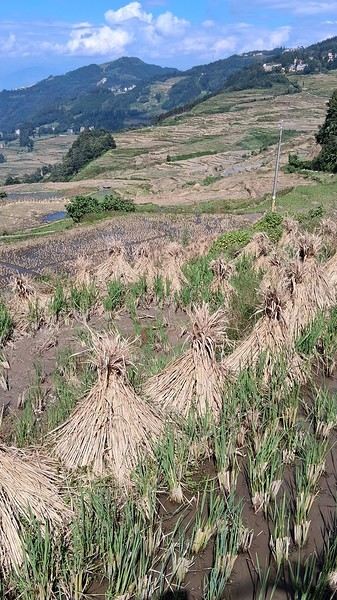
With our stomachs full, we set off hiking through the rice terraces and picturesque little villages. It’s absolutely stunning. But it goes up and down, only to climb back up again. We’re in the mountains.


Sébastien, our guide, explains that rice sells for 3 yuan per kilo—it’s next to nothing.

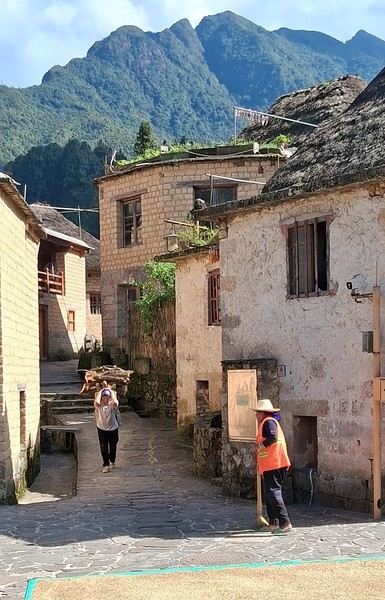
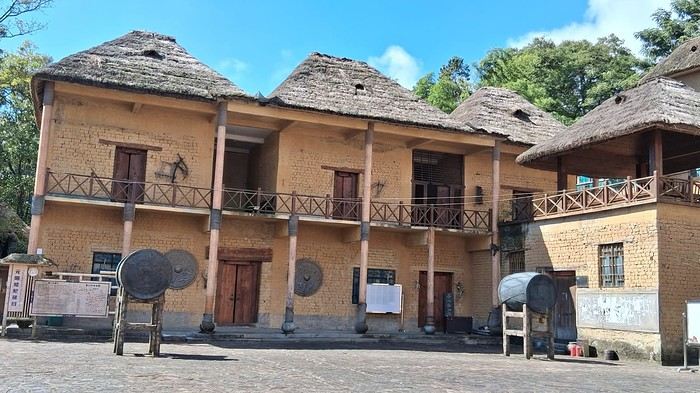
We pass through the lovely village of Azheke, with its thatched-roof houses.


We walk alongside beautiful rice terraces.


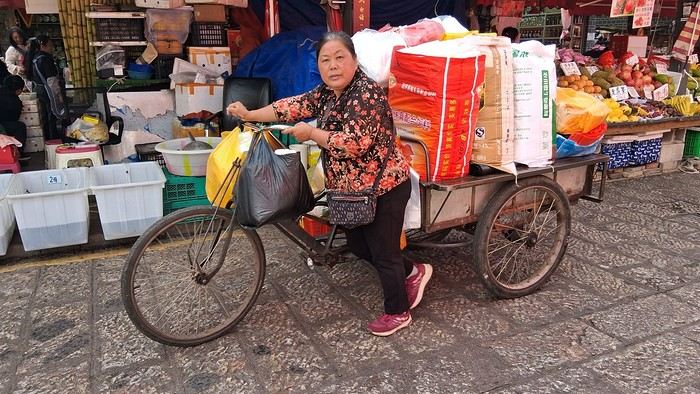
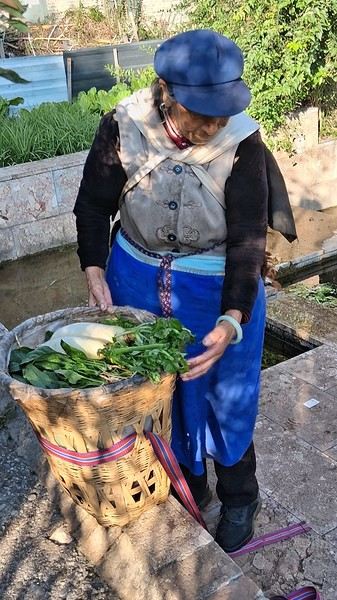
Women are active in every sector—agriculture, trade, construction, transportation...


JE Jeeaan Globetrotter ·
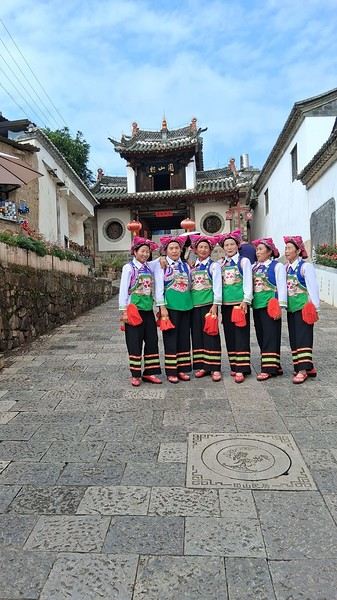
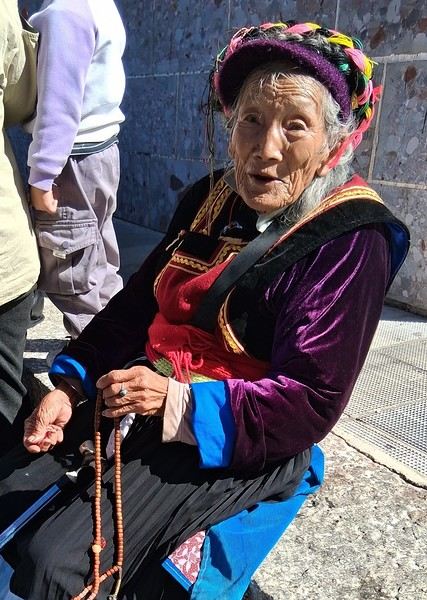
The next day, we're heading to a local market that’ll give us a glimpse into the traditions and crafts of the ethnic minorities. We’re gonna be amazed. Two different ethnic groups live in this region: the Hani and the Xi. China has around fifty ethnic groups, with 25 in Yunnan alone. Here, you can tell them apart by the women’s costumes—some are super colorful, while others are adorned with silver pieces. It’s absolutely stunning....


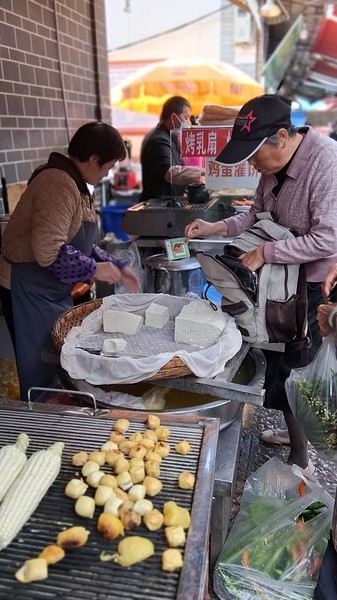
This’ll be our chance to try grilled tofu dipped in soy sauce for extra flavor.
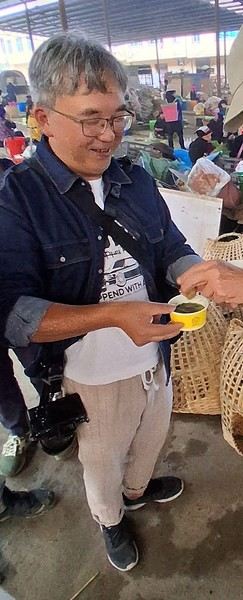
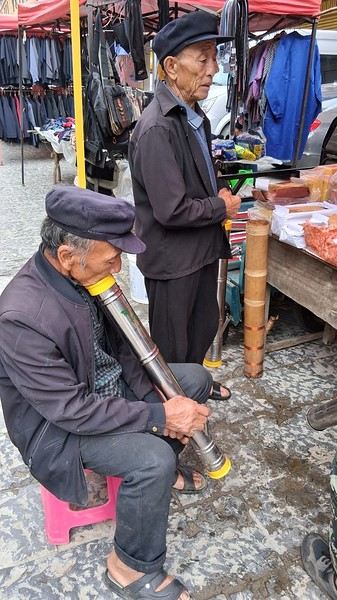


The tobacco vendor is surrounded by water pipe smokers waiting for their wives to finish shopping.


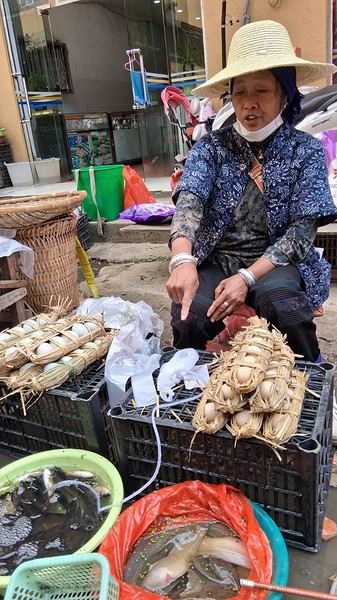
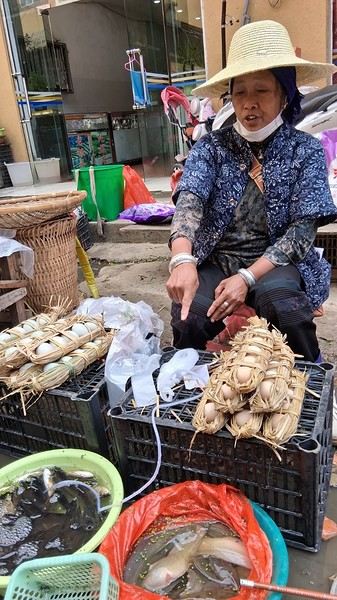
We’re in awe of the handmade egg boxes.


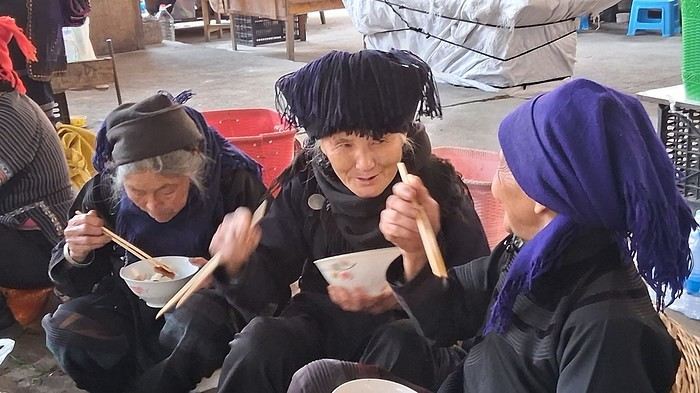
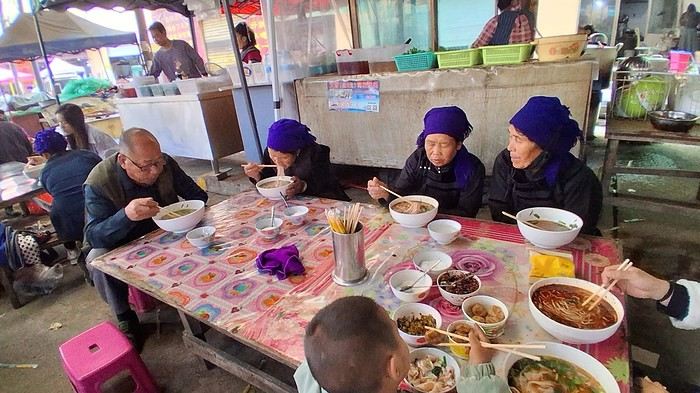
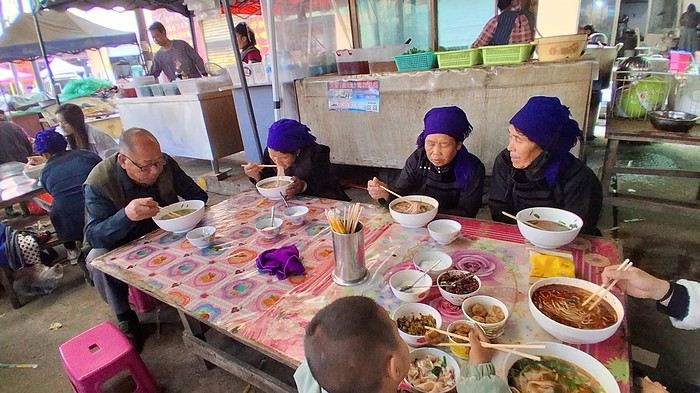
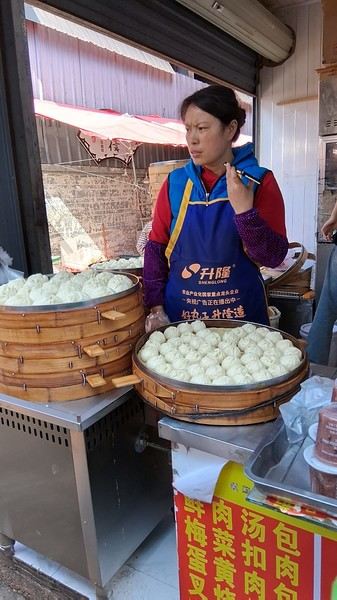
And the friendly little street restaurants.

A really enjoyable and discovery-filled morning.
JE Jeeaan Globetrotter ·
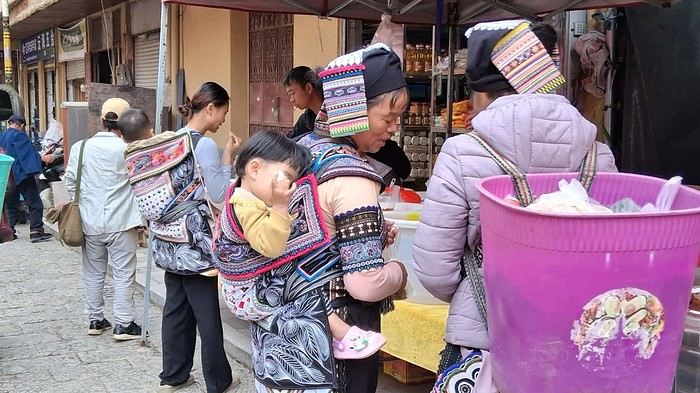
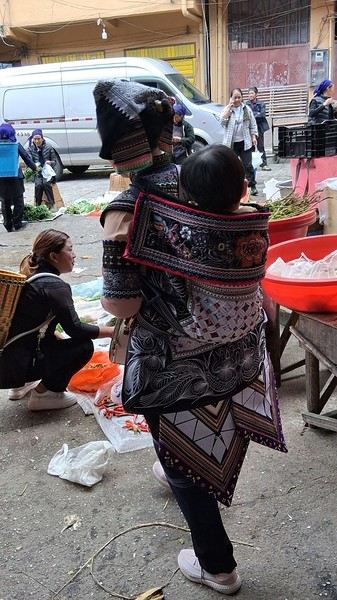
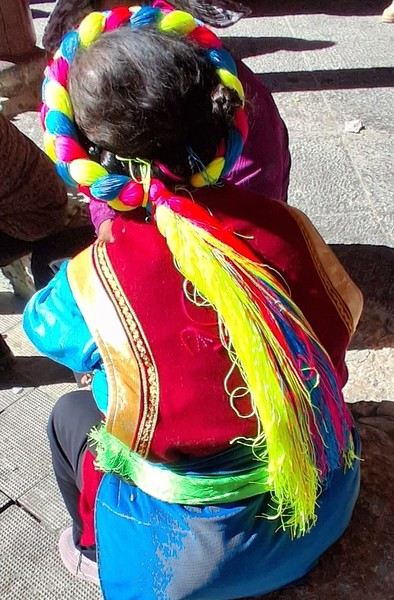
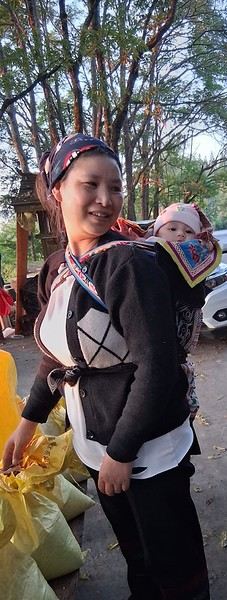
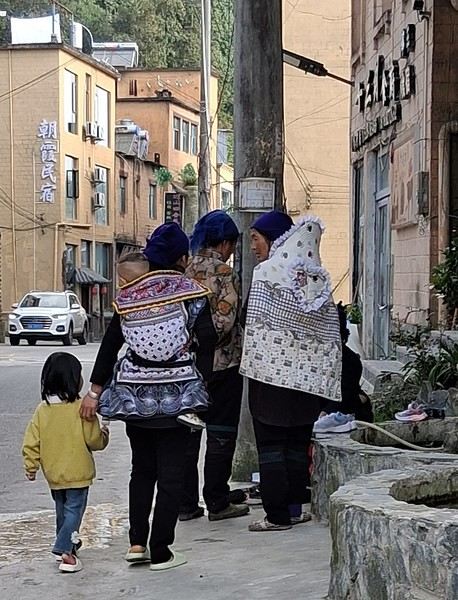
The women carrying their babies on their backs wear stunning outfits.


We’re in awe of the handmade egg containers.


Noodle soup at the little market restaurant.

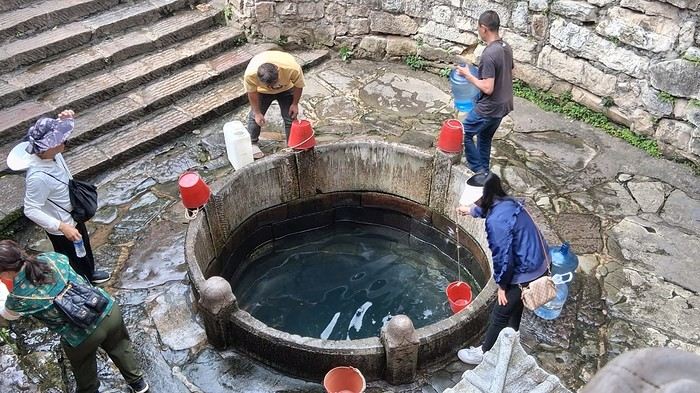
We continue our journey and arrive in Jianshui in the middle of the afternoon. First, we head to the old West Gate district to see the ancient well where locals come to collect pure water.

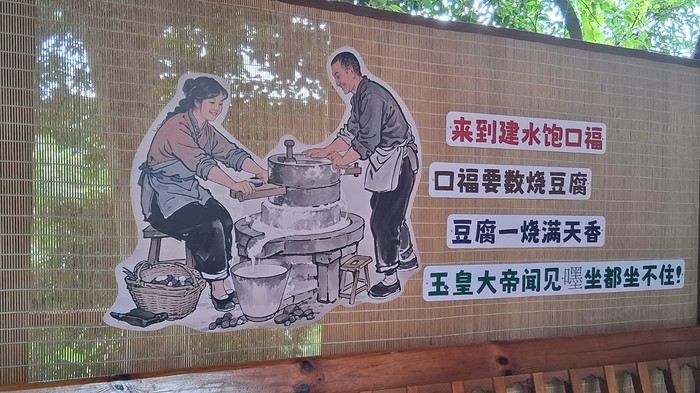
Small traditional tofu workshop.
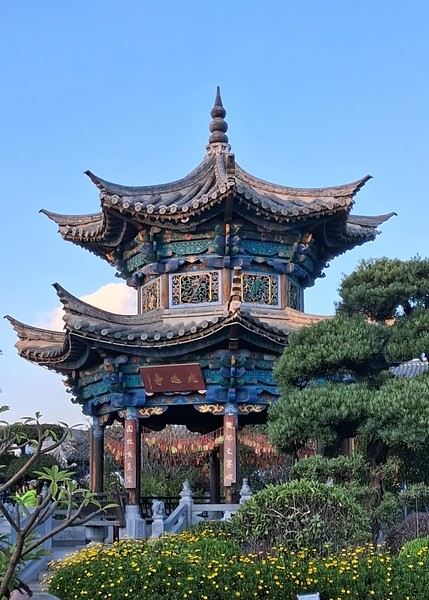


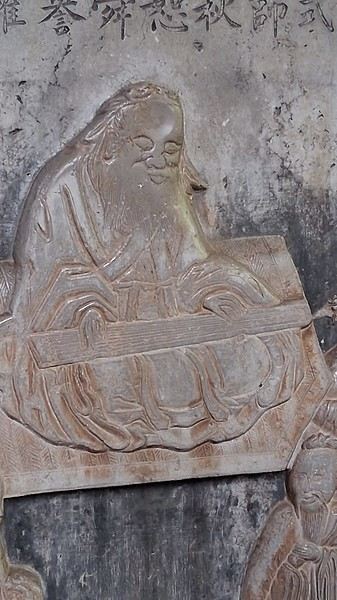
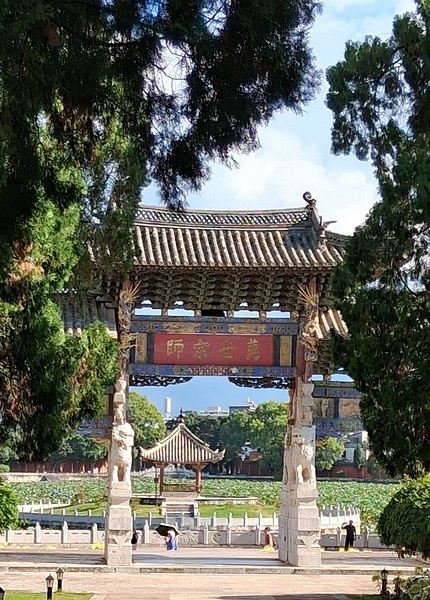
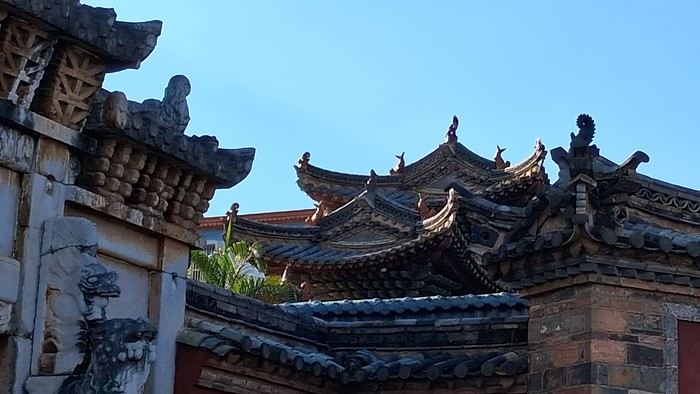
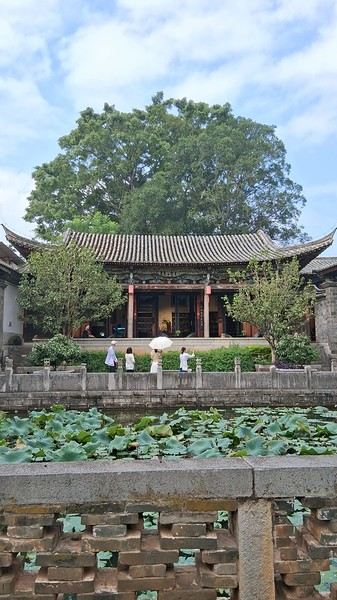
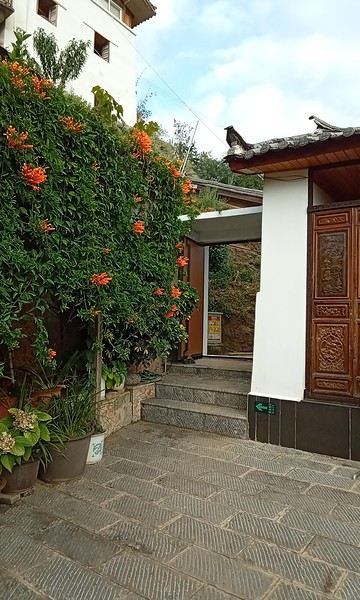
We stroll through the neighborhood before heading back to our hotel, the Hanlinyuan—a charming little place in the heart of the old town. Traditional architecture, but with great comfort and a lovely flower garden. After a short break, we set off to explore the Confucius Temple, the second-largest Confucius temple in China.... It’s set in a large garden, facing a beautiful lake.


JE Jeeaan Globetrotter ·
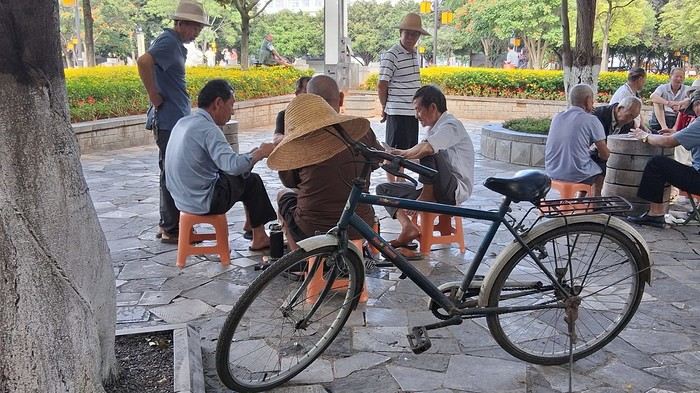
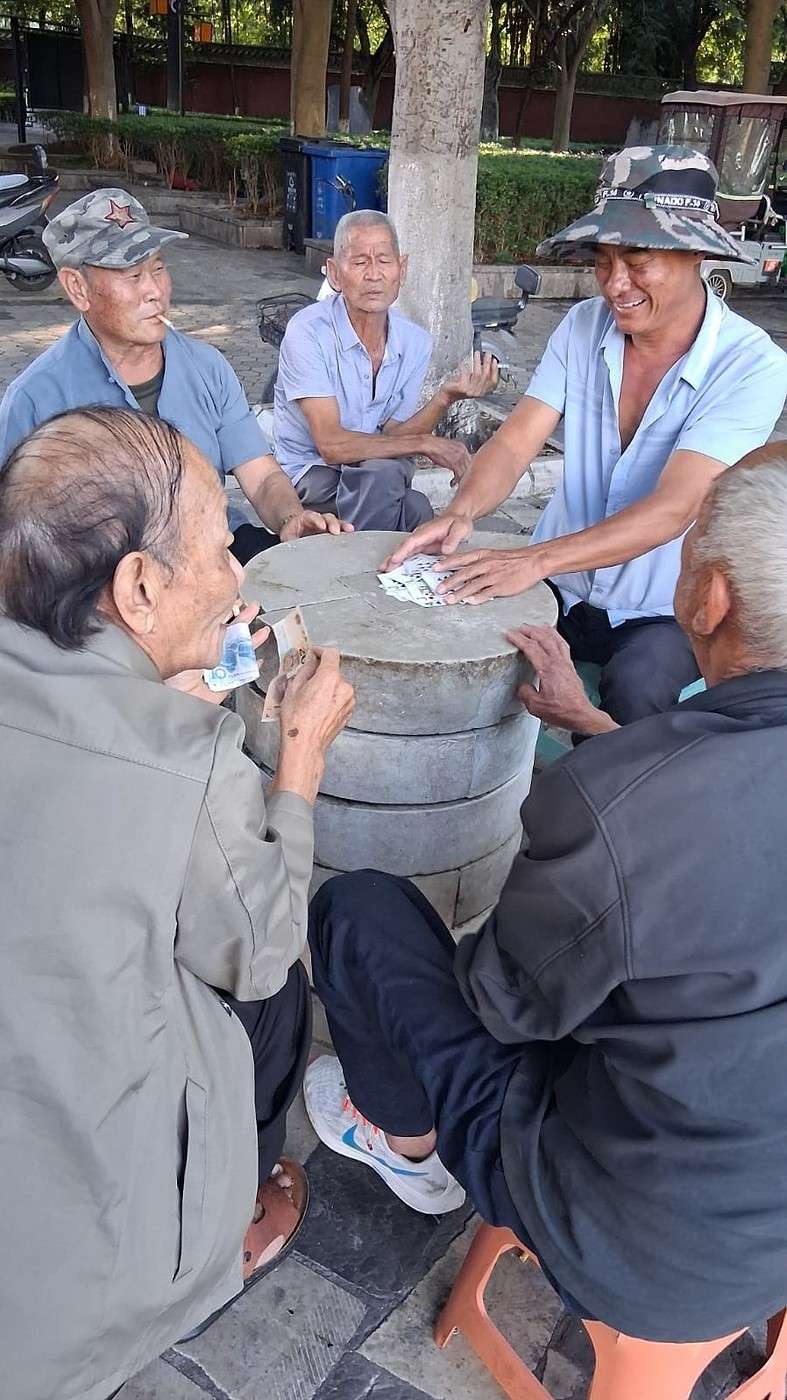
Outside, people are playing cards.


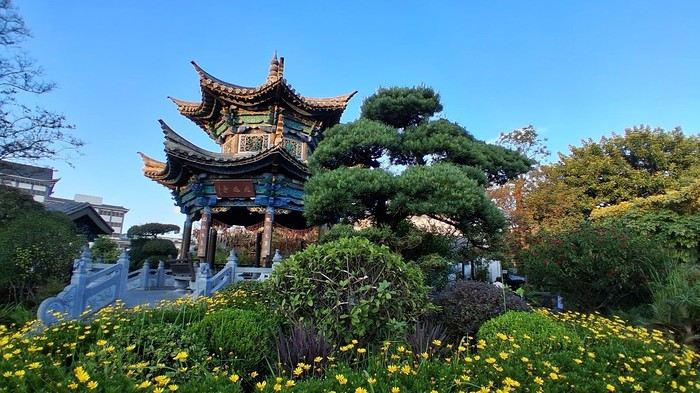
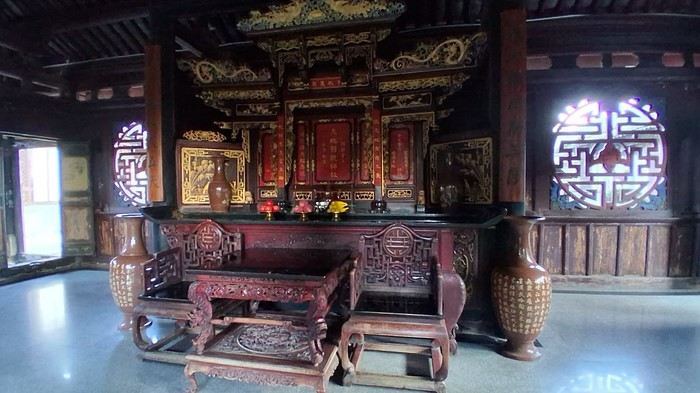
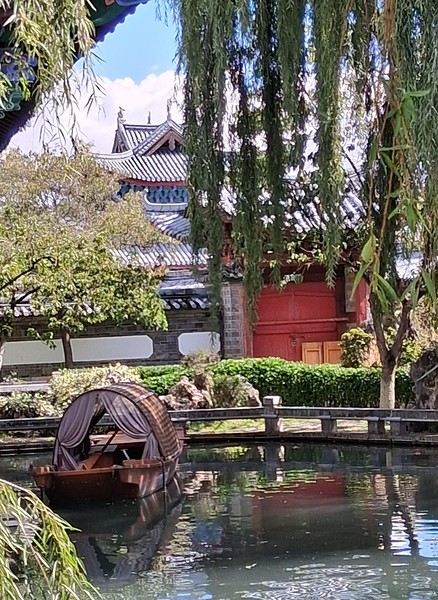
Then we cross the city to visit the Zhu Family Garden. It’s the most beautiful garden and architectural complex in Jianshui. It was built in the early 20th century by a wealthy merchant. It’s a massive garden—and a massive house.


We end the day at the East Gate before checking out an exhibition about a French consul who was in charge of supervising the construction of the railway line.


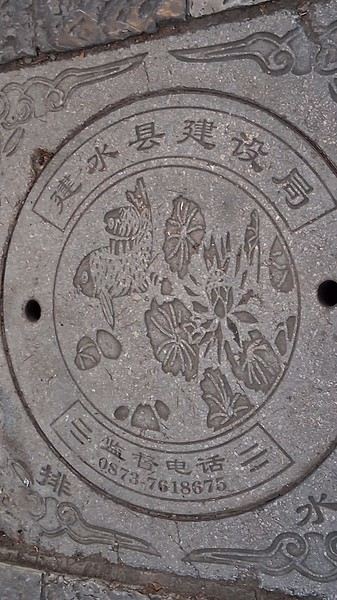
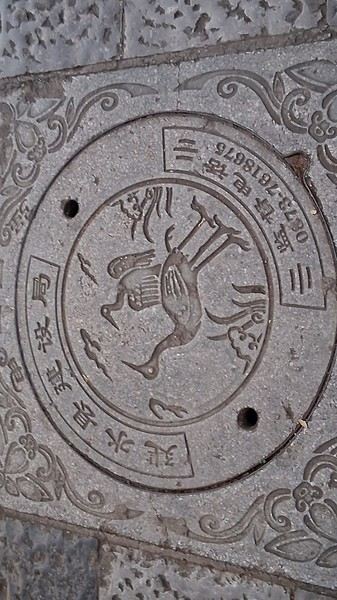
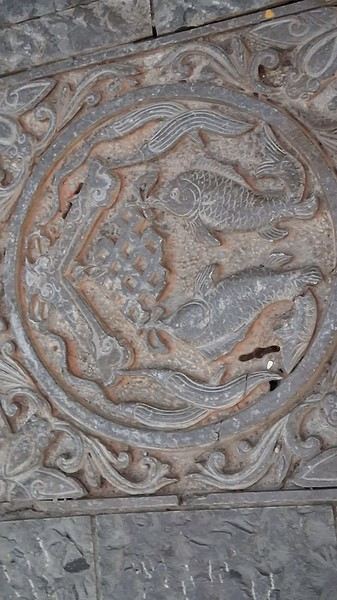
And on the way back, we take the time to look at the manhole covers... Pretty cool...


JE Jeeaan Globetrotter ·
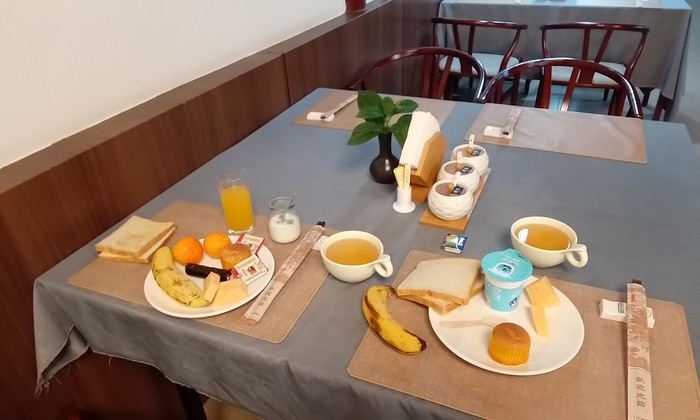
The next morning, the day starts with an excellent breakfast—the dining room and buffet are up to the hotel’s standards. In other words, really amazing!

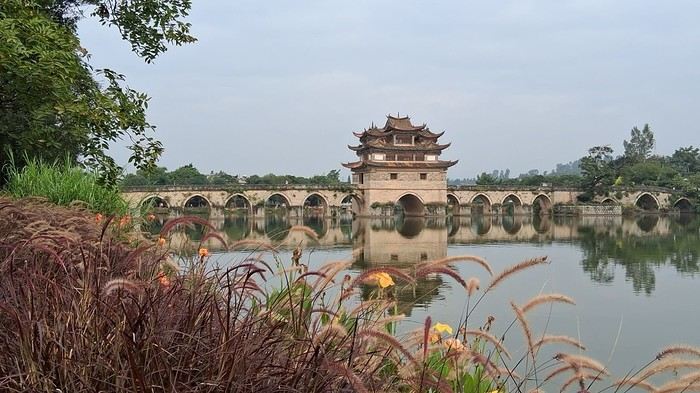
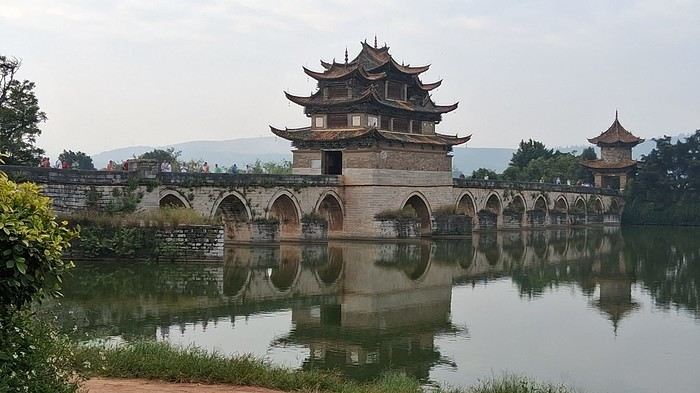
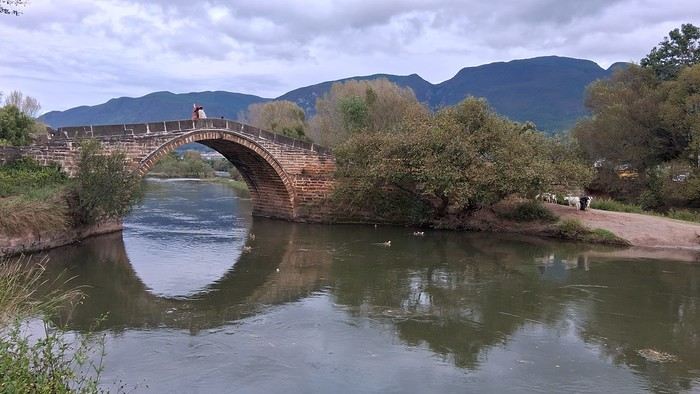
At 8:30 AM, we’re on our way to the Double Dragon Bridge, which has 17 arches and used to span two rivers. It allowed farmers and merchants to travel and sell their goods. Everything was controlled, and taxes were paid at the office located in the center of the bridge.


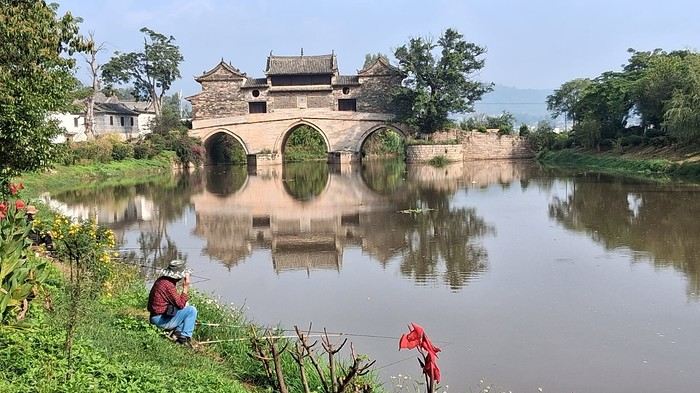
A few kilometers later, we stop again to see a second bridge, more modest but still very beautiful.


Then we make a stop in the village of Tuanshan. The entrance to the village is paid, but like most sites, it’s free for those over 70. Its traditional houses date back to the Qing Dynasty. It’s a wealthy village thanks to the tin trade. We visit the Zhang family’s house and garden.

Tourist entertainment at the entrance.
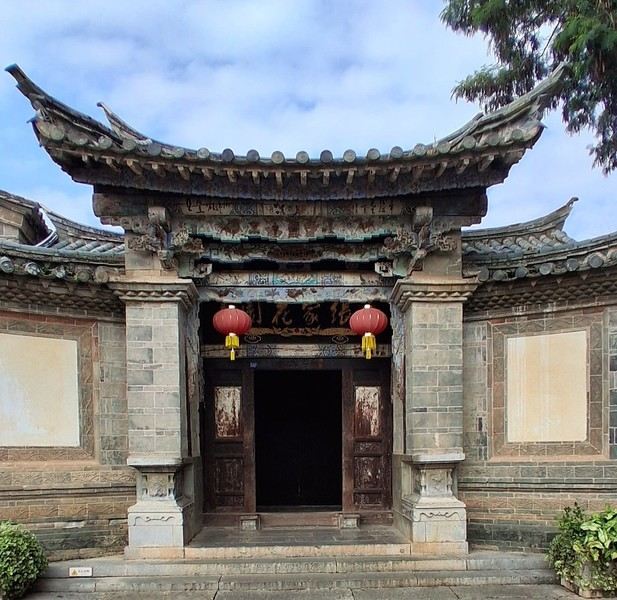
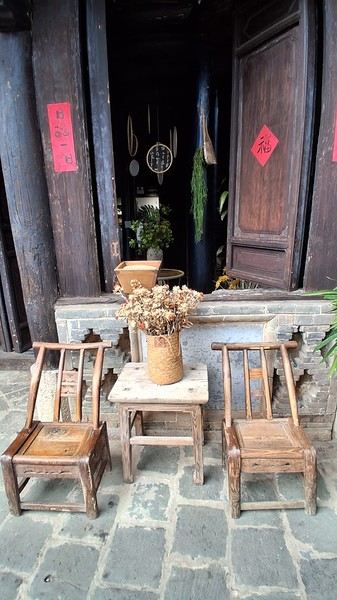


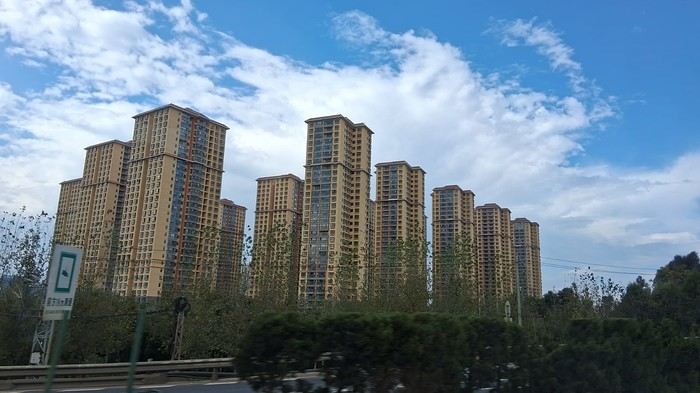
And back to Kunming. We see the many 40-story towers again... gigantic.


We check into the Cachet Boutique Hotel. We know it well—it feels a bit like home...
JE Jeeaan Globetrotter ·
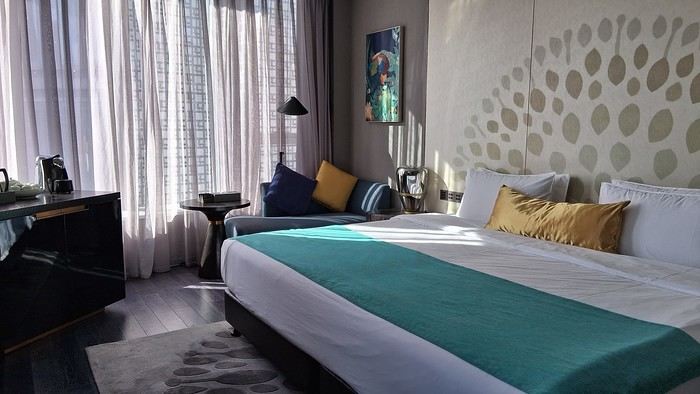
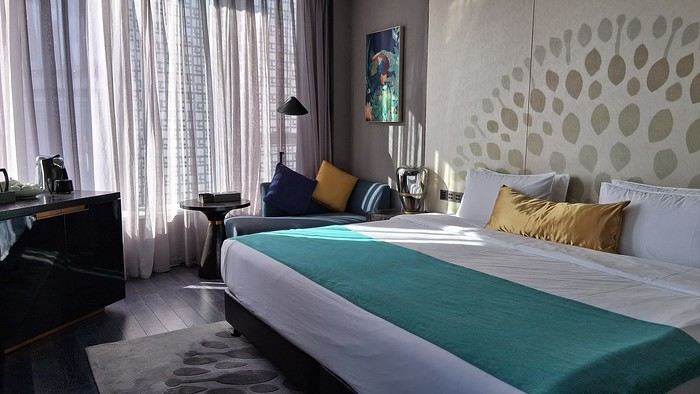
Large, very pleasant room.

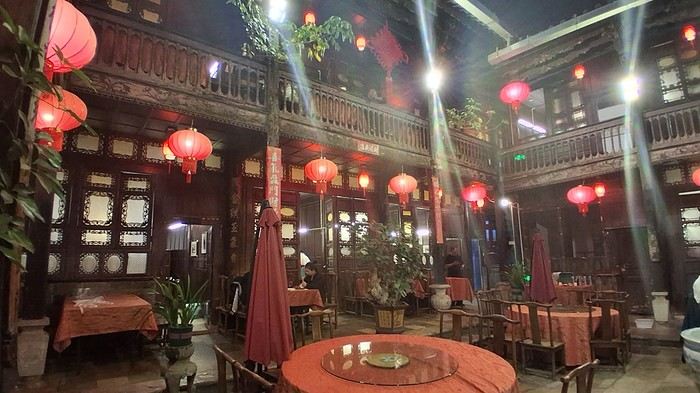
After a short break, we're off to see the flower, cat, dog, and fish market... it's in the oldest district of the city. You can still find old wooden houses there. In fact, we're meeting up in one of these traditional houses before strolling through the market.

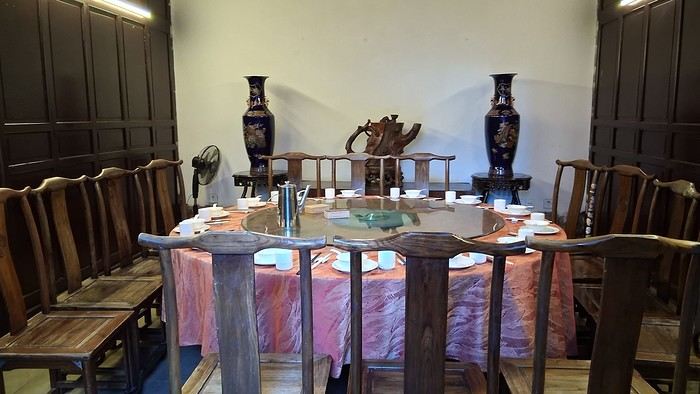
The dinner table is already set.
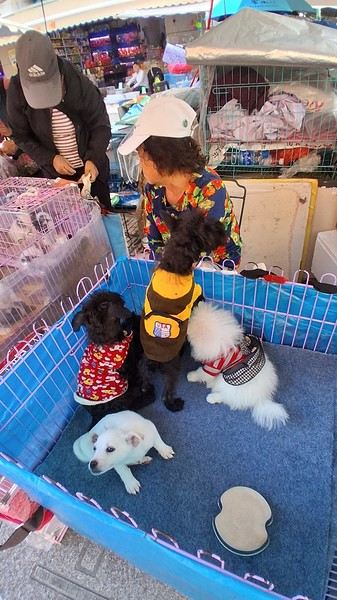


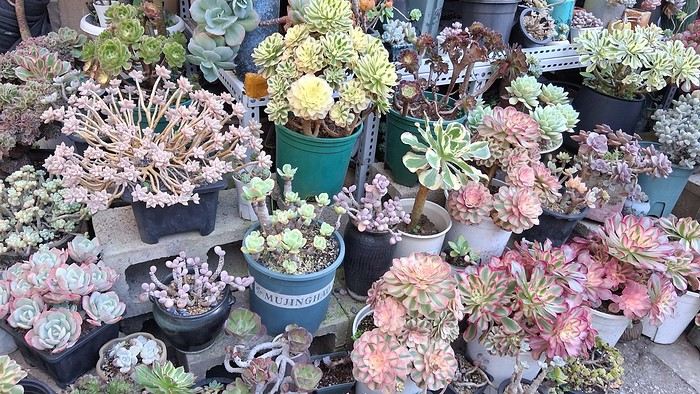
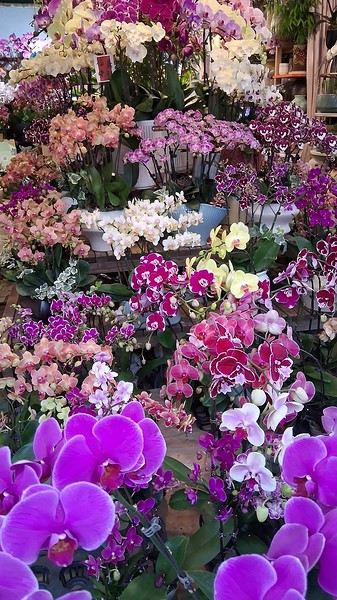
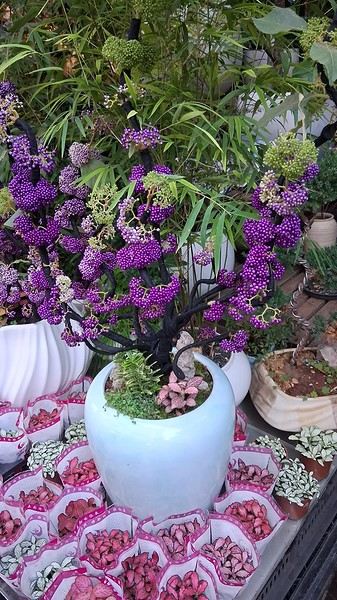
The flower stalls are extraordinary and plentiful.


JE Jeeaan Globetrotter ·
You also come across cats and puppies, dressed or not... We were surprised to see the change since our last trip to China. In the past, dogs and cats were sold at the market to be eaten. But today, they’re pampered pets—thank goodness!
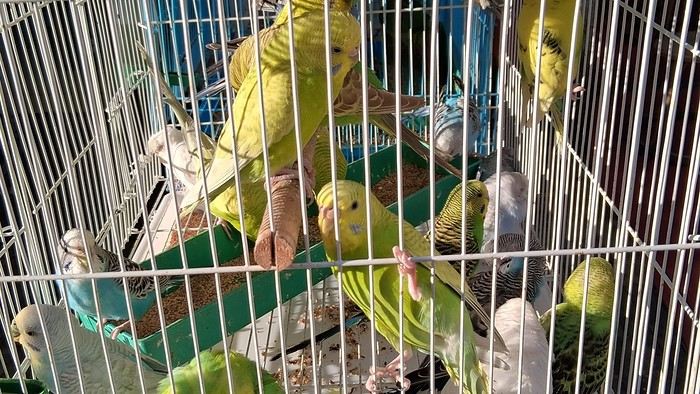
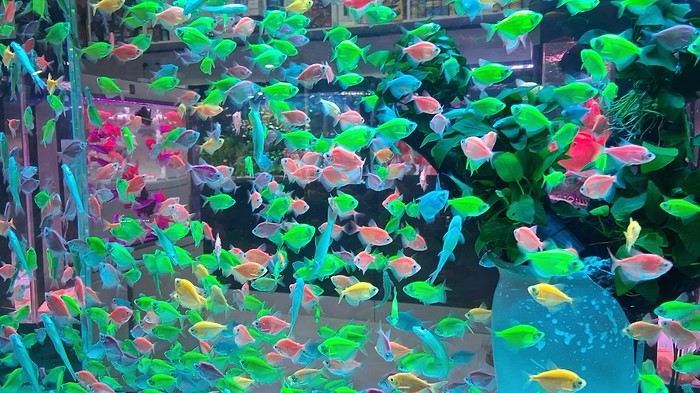
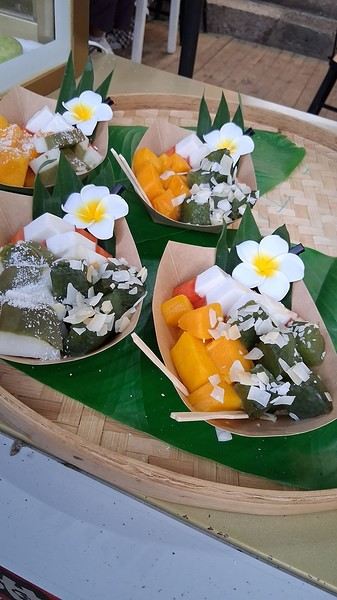
Tons of aquariums and colorful fish.


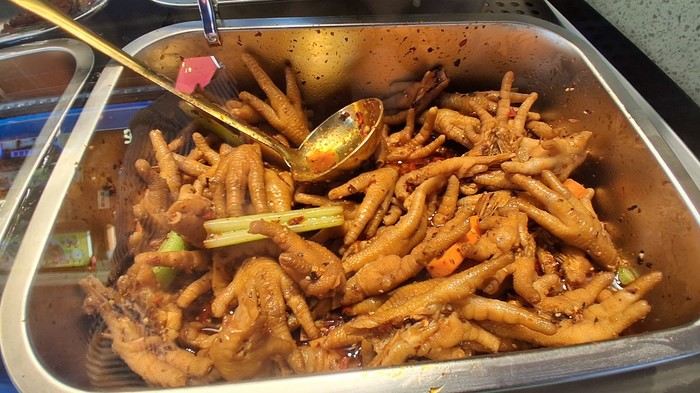
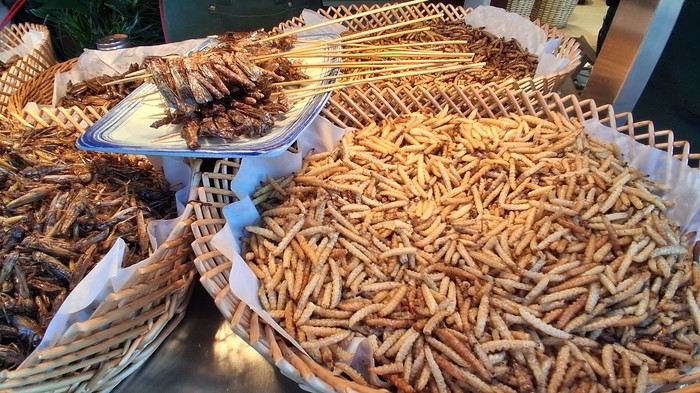
And street restaurants offering dishes that are as varied as they are surprising.


There’s something for every taste.

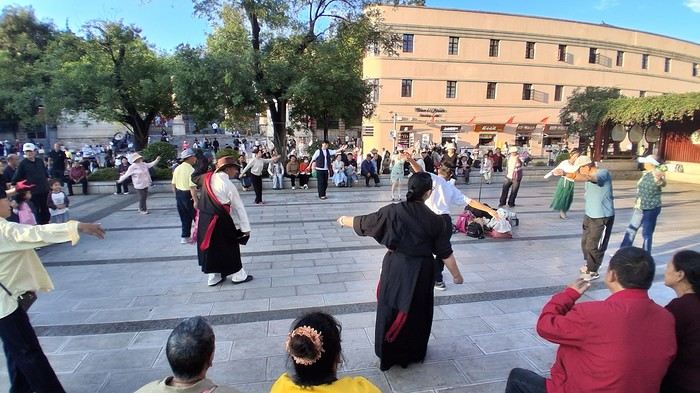
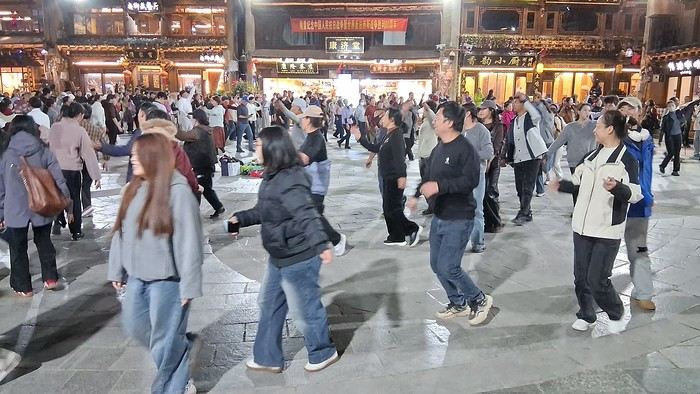
And in the main square, locals gather for the evening dance. It’s really nice.


We head to the restaurant. On the menu: grilled pork, crispy duck, beef with vegetables, seaweed and taro, sweet and sour fish... A great day that ends perfectly.
VI Viovio2 Regular ·
A huge thank you for sharing all the beauties of Yunnan with us. It's amazing. I'm looking forward to the next part!
JE Jeeaan Globetrotter ·
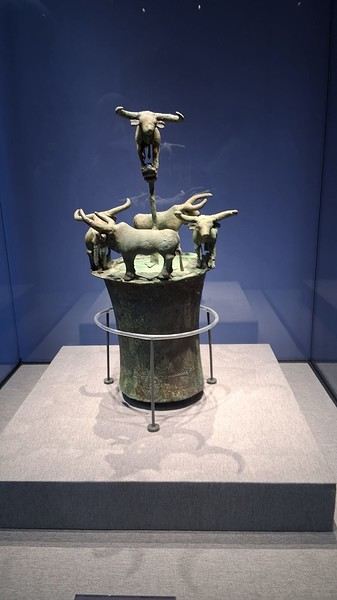
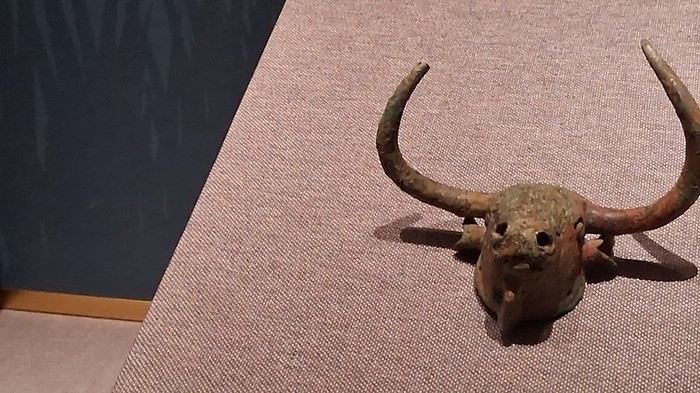
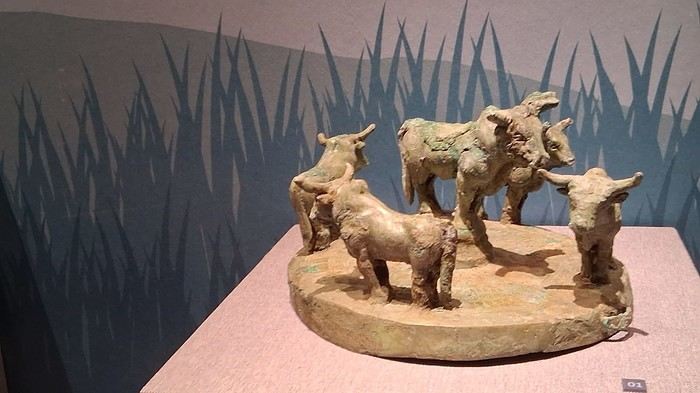
The next day starts with a visit to Kunming’s municipal museum. The first room is dedicated to excavations and bronze artifacts found in the area around the city.


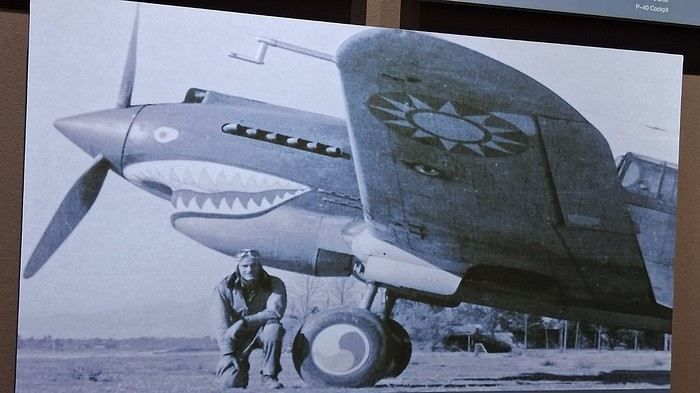
In the next room, documents and photos about the war against Japan are on display. American pilots had come to help the Chinese. They were called the Flying Tigers because on their planes they had painted shark faces, which the Chinese had mistaken for tigers.


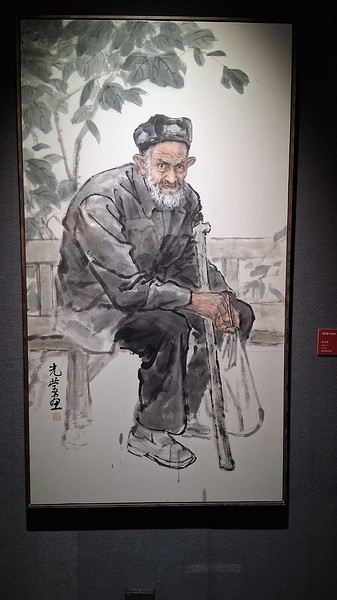
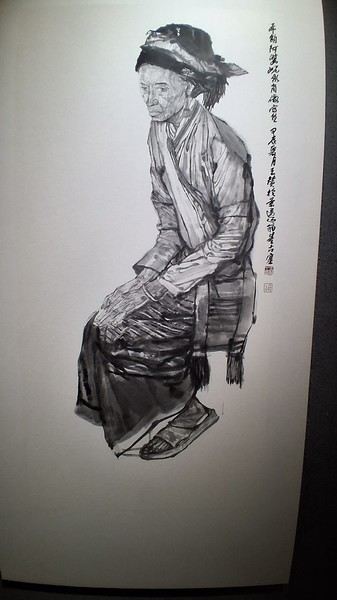
And in the last rooms, we got to see beautiful paper paintings, as well as stunning portraits of women and men from the region.


After that, we head to the train station. We’ve got a train at 12:58, but you need to arrive at least an hour before departure—almost like at the airport. Luggage is scanned, passports are checked thoroughly, and we grab a little picnic in the waiting room.

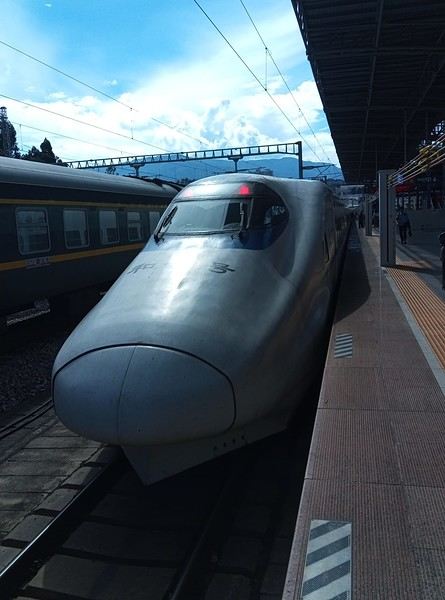
It takes us two hours to reach Dali at 195 km/h. Comfortable train.
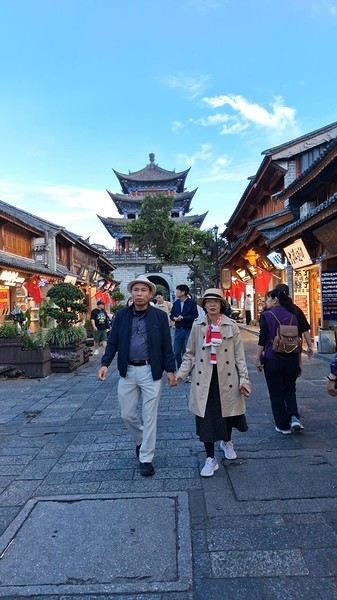
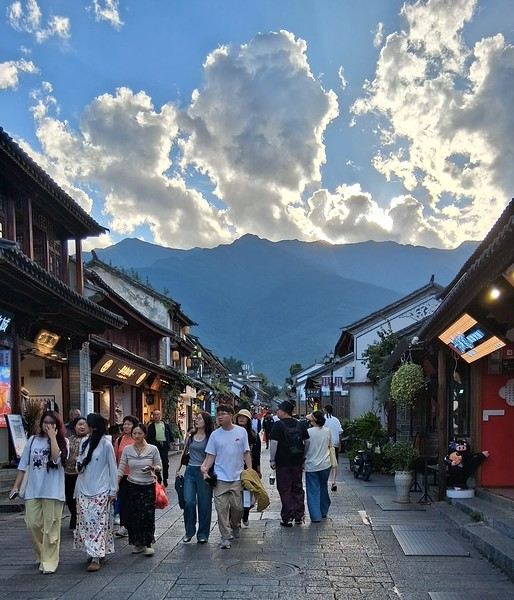
In Dali, our driver is waiting and takes us straight to the north gate of the old town. Our hotel, the Yanqing Shanju Inn, is right near the north gate.

The old town is surrounded by walls and has four entrances. It has a history of over 1,200 years—it’s incredible.

The old houses are gorgeous, but it’s *very* touristy and *very* commercial.


JE Jeeaan Globetrotter ·
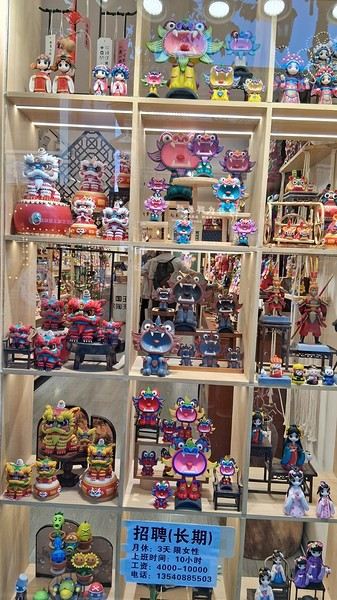
The Chinese are big fans of all these little monsters that are supposed to protect them from evil spirits.
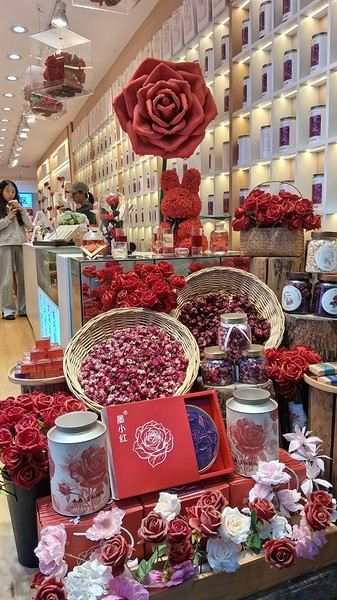
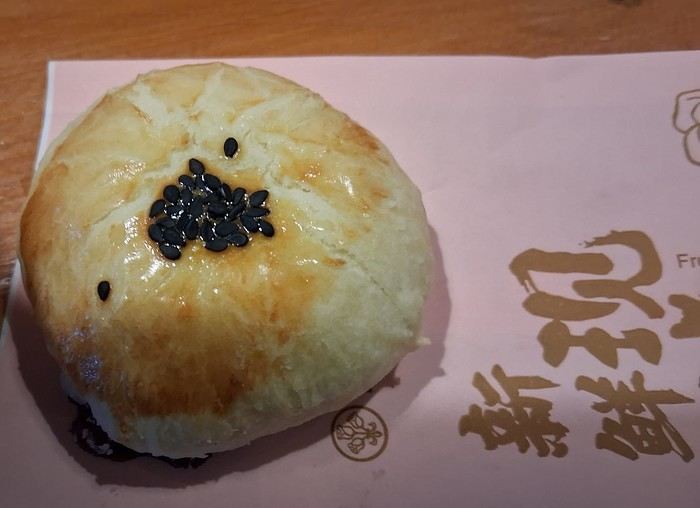
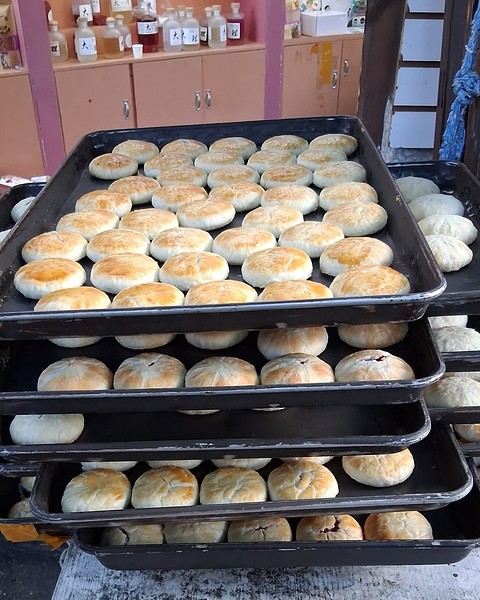


Many shops in the city sell rose-based products—rose water and rose jam cakes are Dali’s specialty.
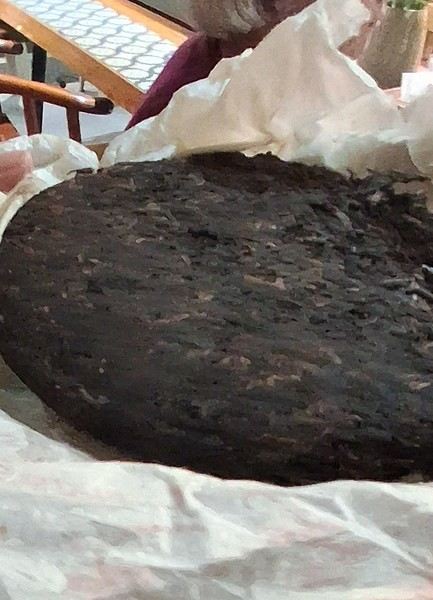
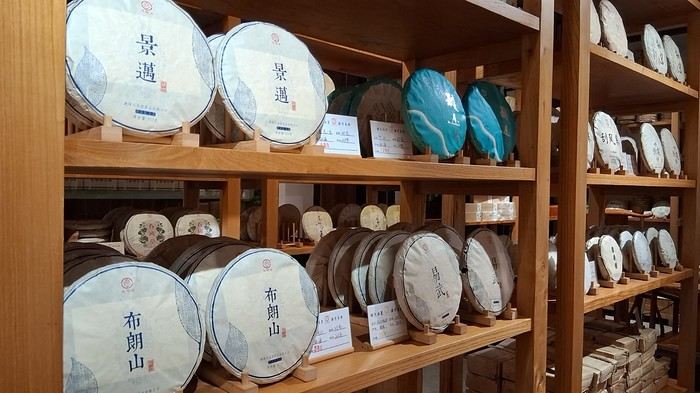
You’ll also find lovely tea shops that offer tea tastings. Here, tea is sold like fine French vineyard wines.

Tea is sold in cakes.


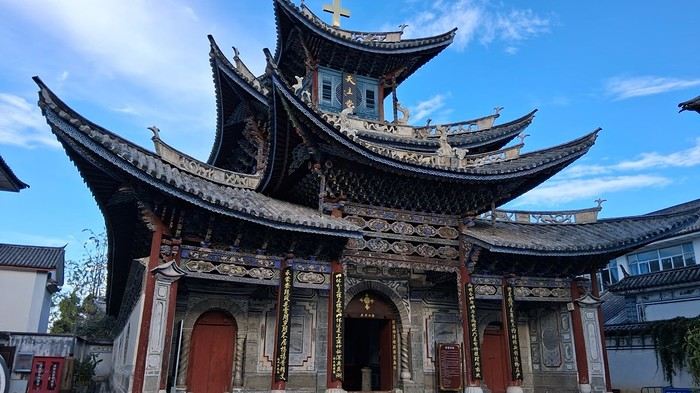
During our walk, we’ll visit a Catholic church founded by missionaries from Bétharram.

JE Jeeaan Globetrotter ·
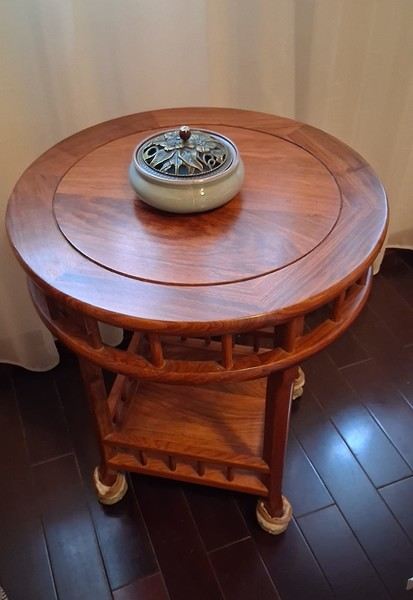
The next morning before leaving the hotel, we have fun photographing the legs of the side table and the armchair. They’re wearing cute little baby booties—probably to avoid disturbing the guests in the room below or to protect the parquet flooring. Whatever the reason, it’s a nice touch.


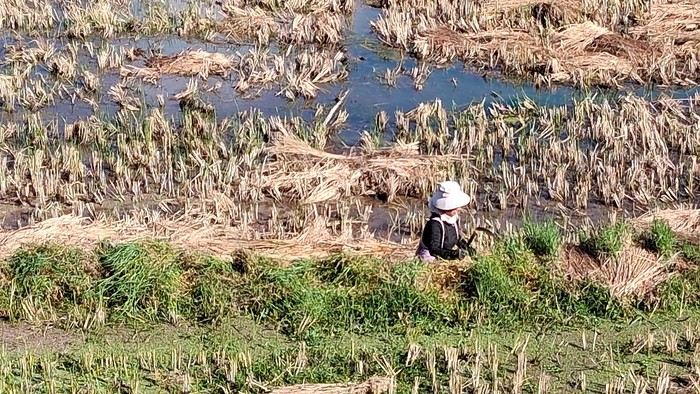
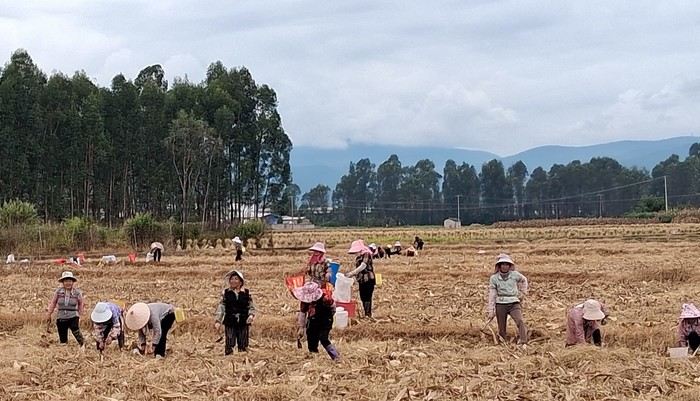
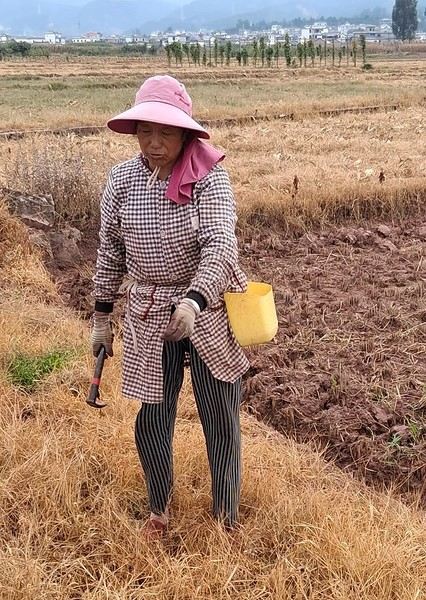
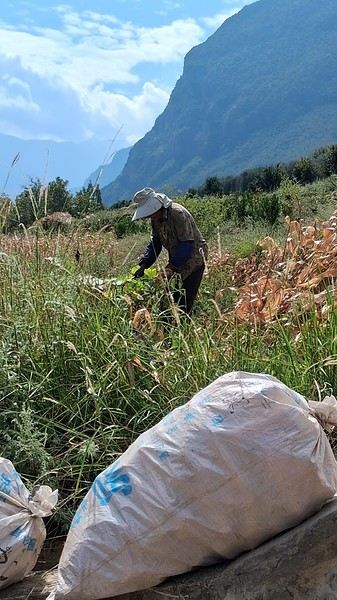
We head toward Weishan. But on the way out of town, we stop to see the fieldwork. Mostly women are working, and there are a lot of them since the labor is mostly done by hand.


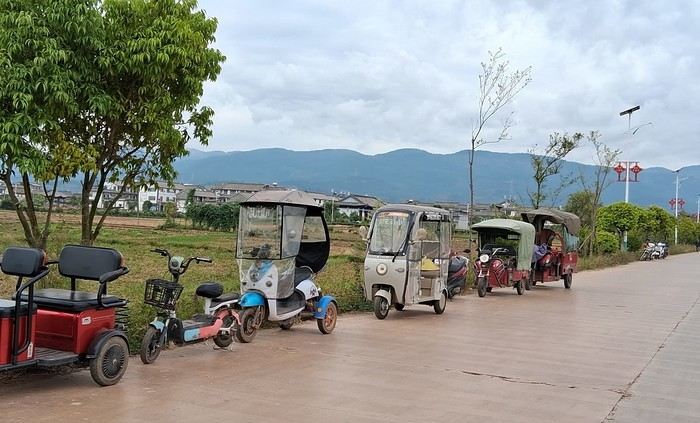
Their means of transportation are parked along the road.


We continue our journey to the Muslim village of Donglianhua, a village located on the ancient Tea-Horse Road, where tea was once traded for horses used in warfare. We stop at the Chinese mosque.


Then we visit a beautiful traditional house—wooden, two-story, built around an inner courtyard.

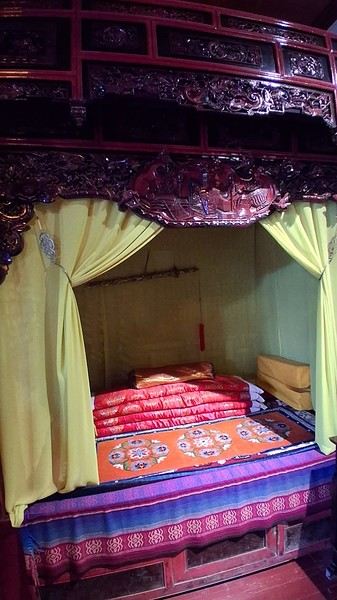
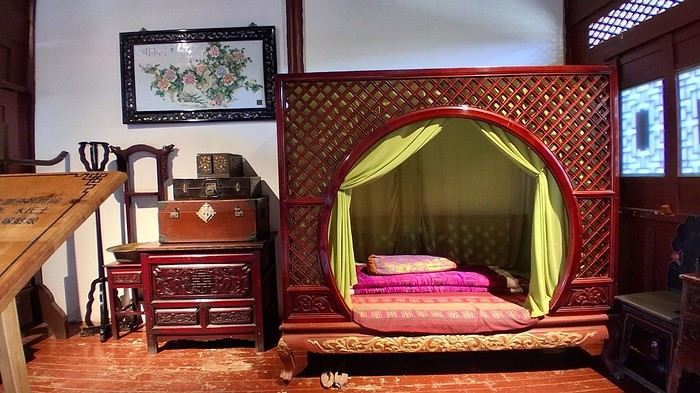
We’re surprised by the bedroom, where we notice two chairs near the bed, reserved for servants who spent the night sitting on them. And if the lady of the house wasn’t available for her husband, the servant would take her place...
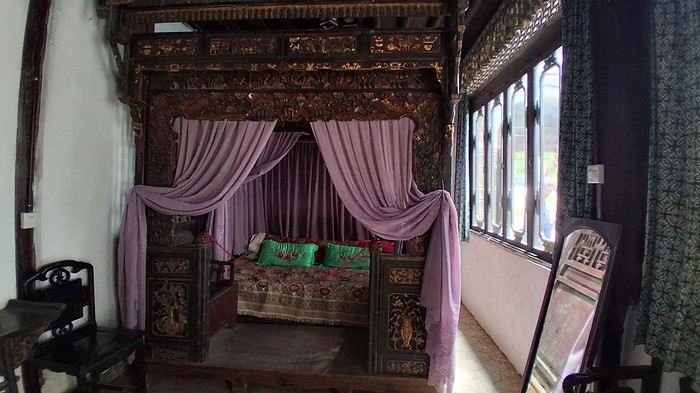
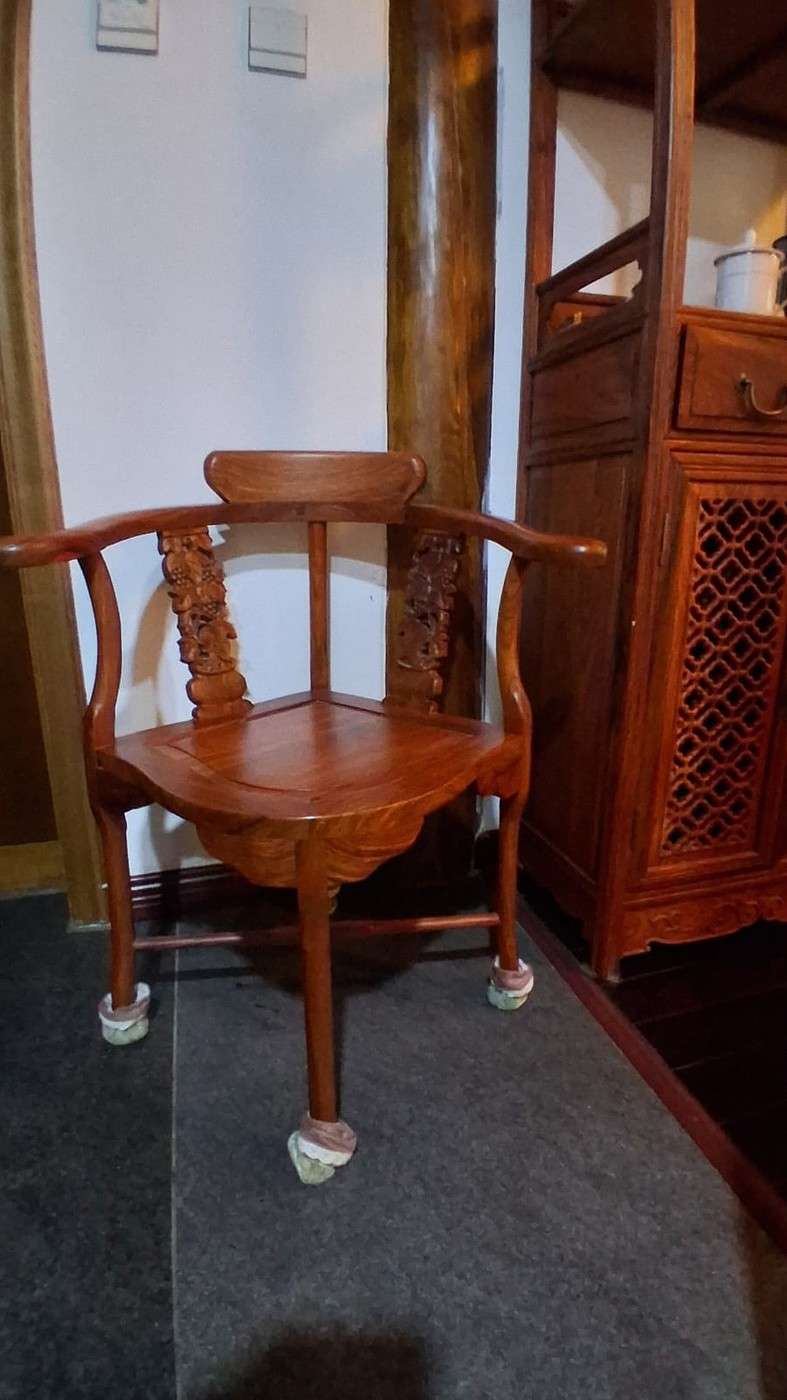
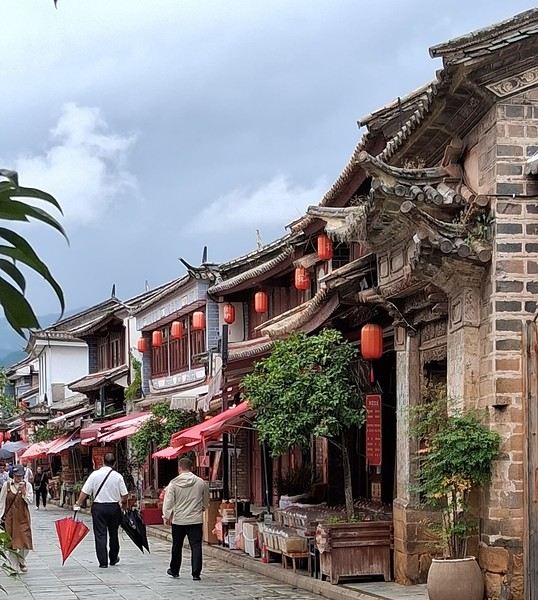
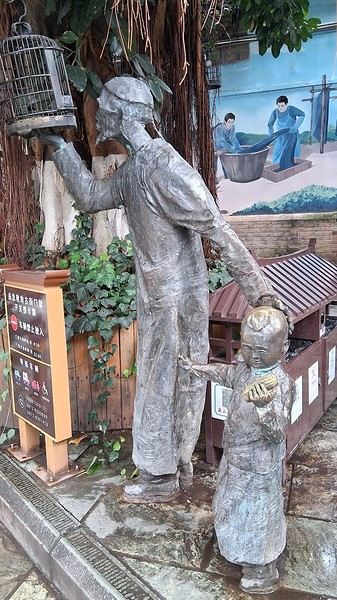
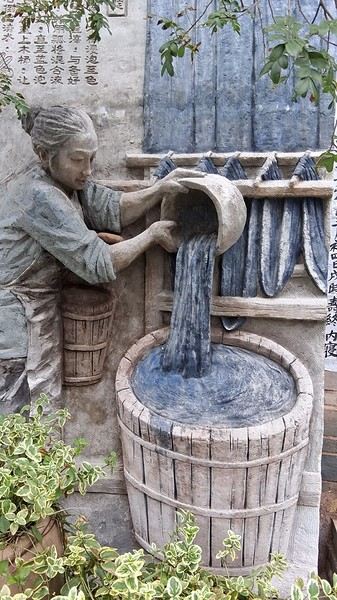
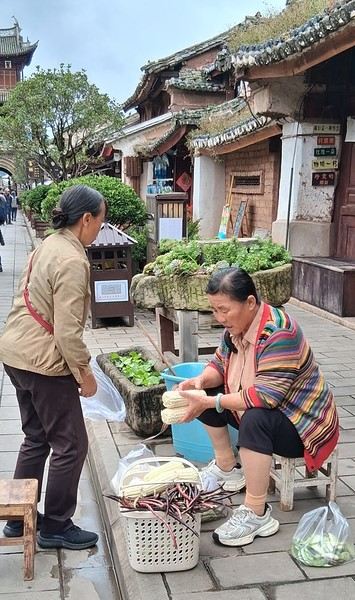
We continue our route to Weishan. A gorgeous little town with lovely cobblestone streets lined with pretty houses and small shops.
JE Jeeaan Globetrotter ·
After this Muslim village, we continue our journey to Weishan. A gorgeous little town with beautiful paved streets lined with charming houses and small shops.


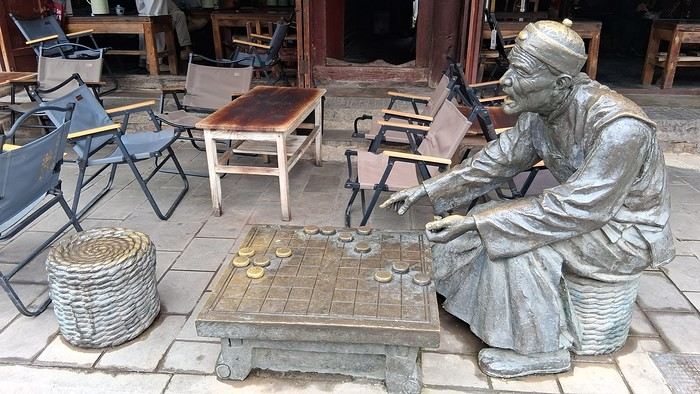
We come across numerous statues depicting scenes of daily life at every street corner.


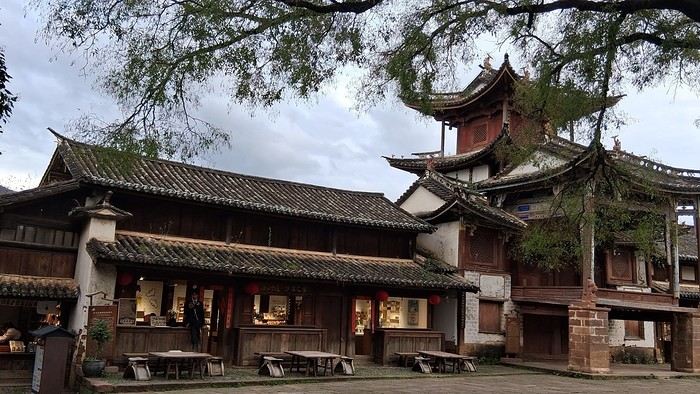
Magnificent gates leading to the old town.


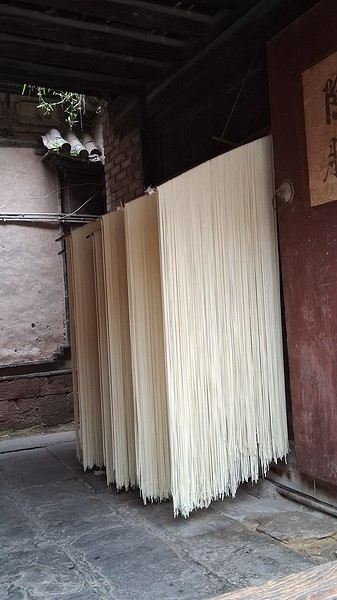
A handmade noodle factory with impressively long noodles.


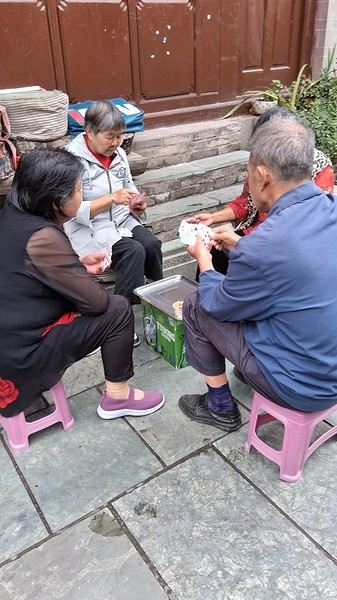
Locals playing cards in the street, and others doing business.


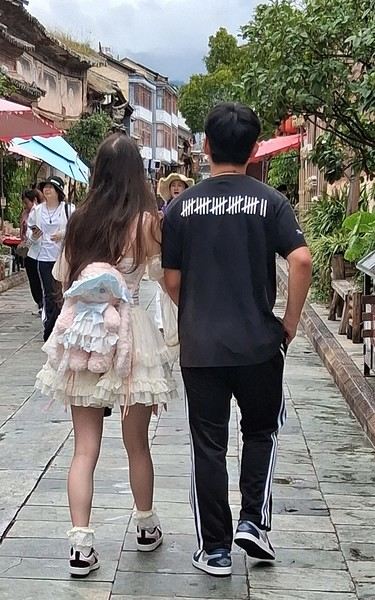
And charming, whimsical strollers.

JE Jeeaan Globetrotter ·
We have lunch in town and then set off to explore the Taoist mountain of Weibaoshan. It’s one of China’s 13 sacred mountains and is home to 25 Buddhist or Taoist sanctuaries. We’ll visit six of them—some completely traditional, others more innovative.


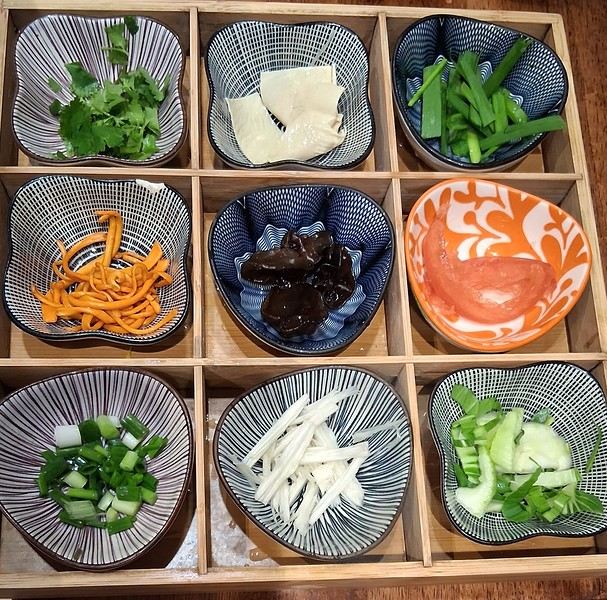
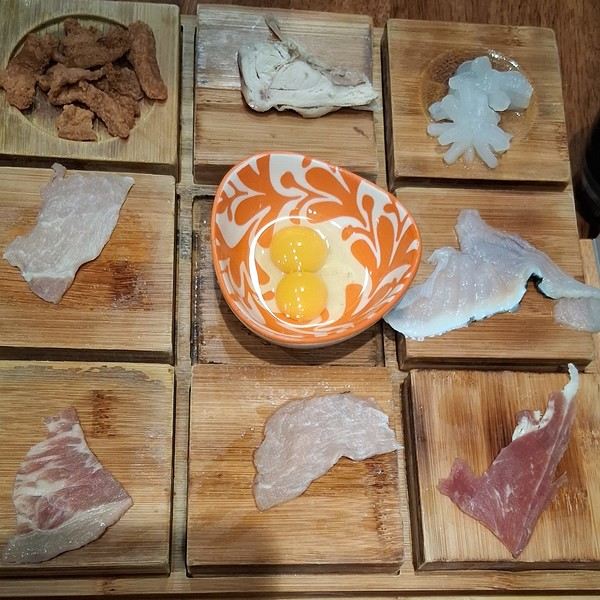
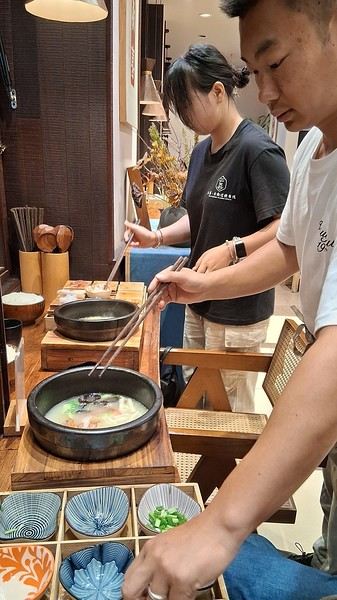
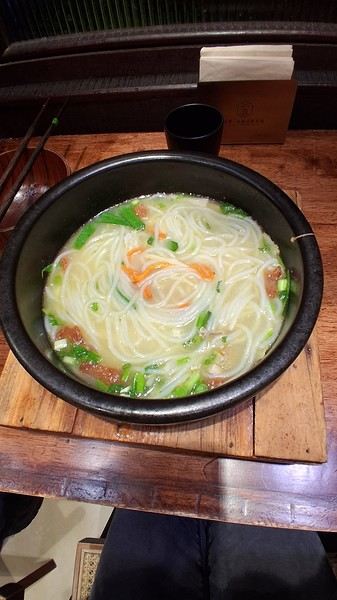
Then we head back to Dali. Rain catches us on the way, and tonight at dinner, we’re trying the famous "crossing-the-bridge noodles." It’s quite the ceremony—vegetables and meats are brought out on platters, along with a large bowl of boiling broth. The ingredients are dipped into the broth, left to cook for about 2 minutes, and then it’s time to dig in. It’s delicious!


When we leave the restaurant, it’s still raining. We buy two umbrellas....
JE Jeeaan Globetrotter ·
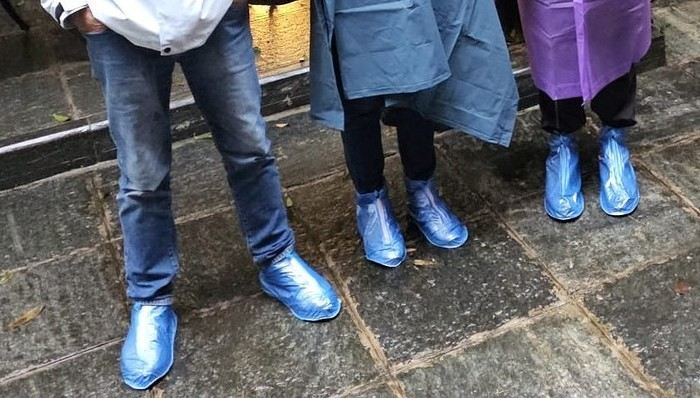
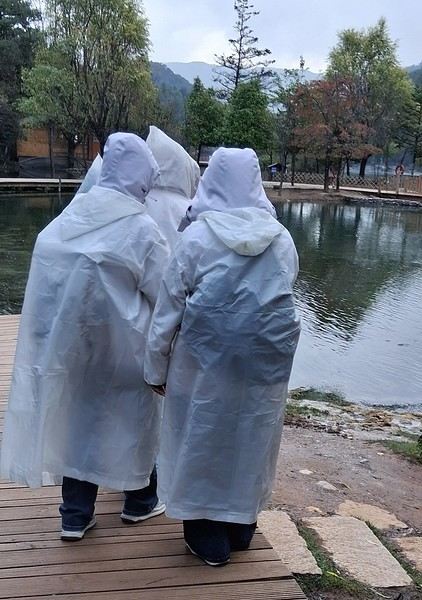
The next day at 8:30 AM, we're ready to leave for Shaxi. It's still raining—it poured all night. A real downpour! The Chinese do everything big here... No drizzle in sight... So we'll do like the Chinese and gear up. Rain ponchos, shoe covers, and umbrellas.

But we won’t get to enjoy our purchases for long because the sun comes back very quickly...
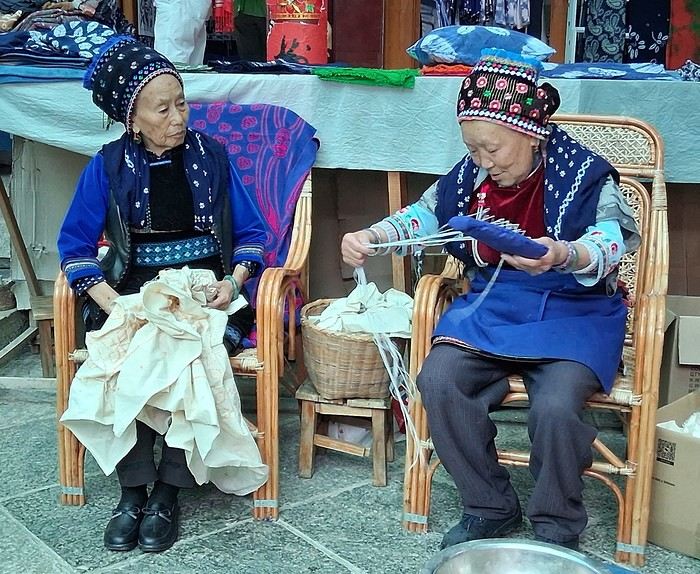
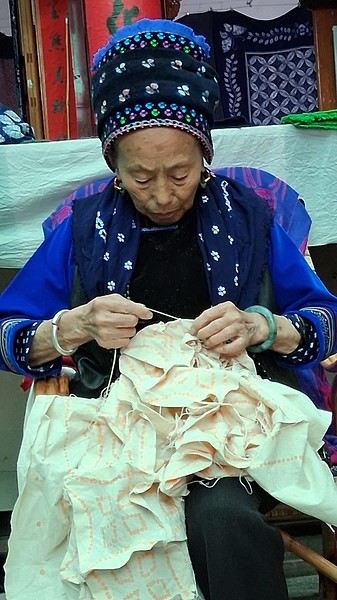
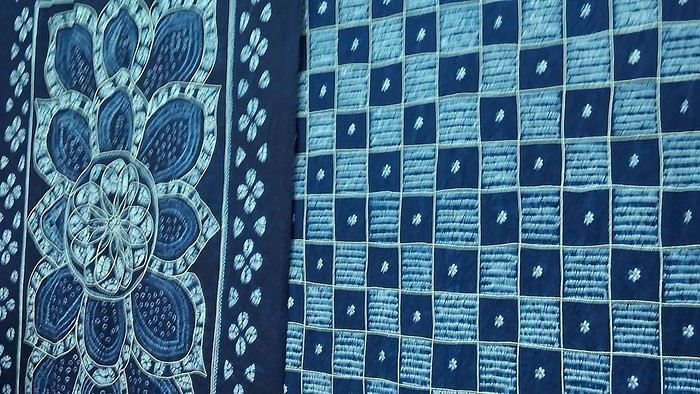
The first stop this morning is a batik factory. The tie-dye technique involves countless tiny knots made following patterns drawn on the fabric. It’s incredibly meticulous. You wonder how it’s even possible to make all those knots and achieve the desired design. It’s truly an art form—absolutely stunning!


The workers aren’t all young, but they’re very dedicated. The result is gorgeous.


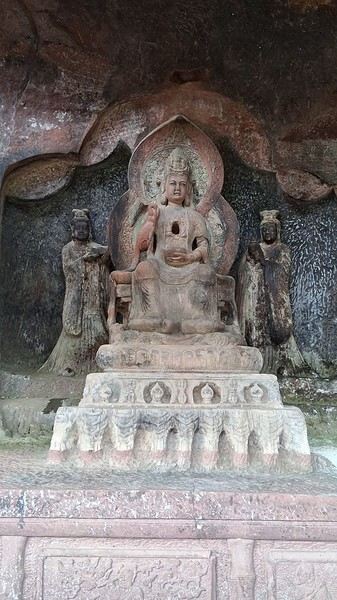
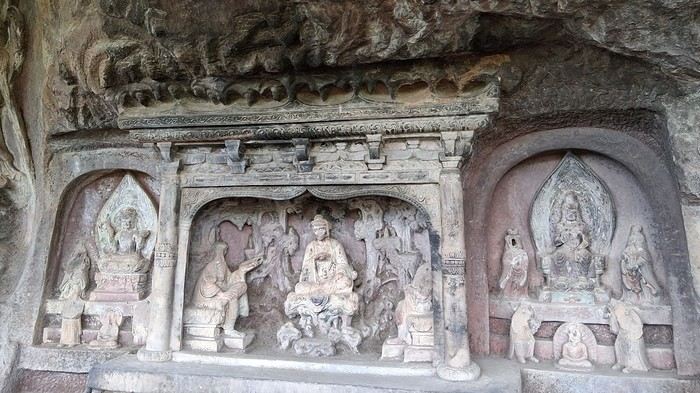
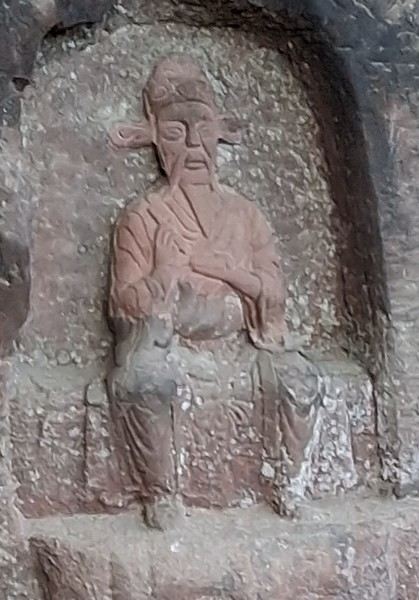
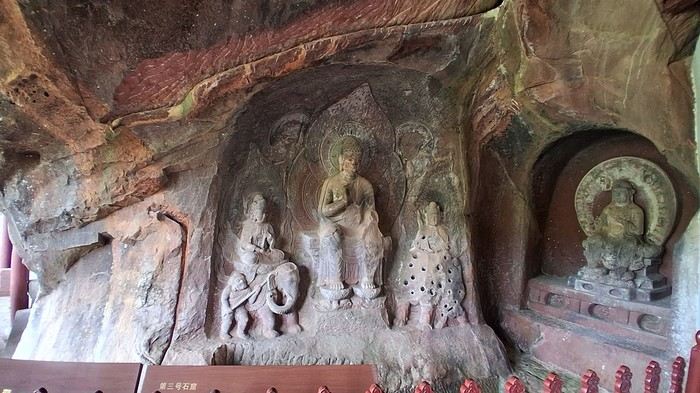
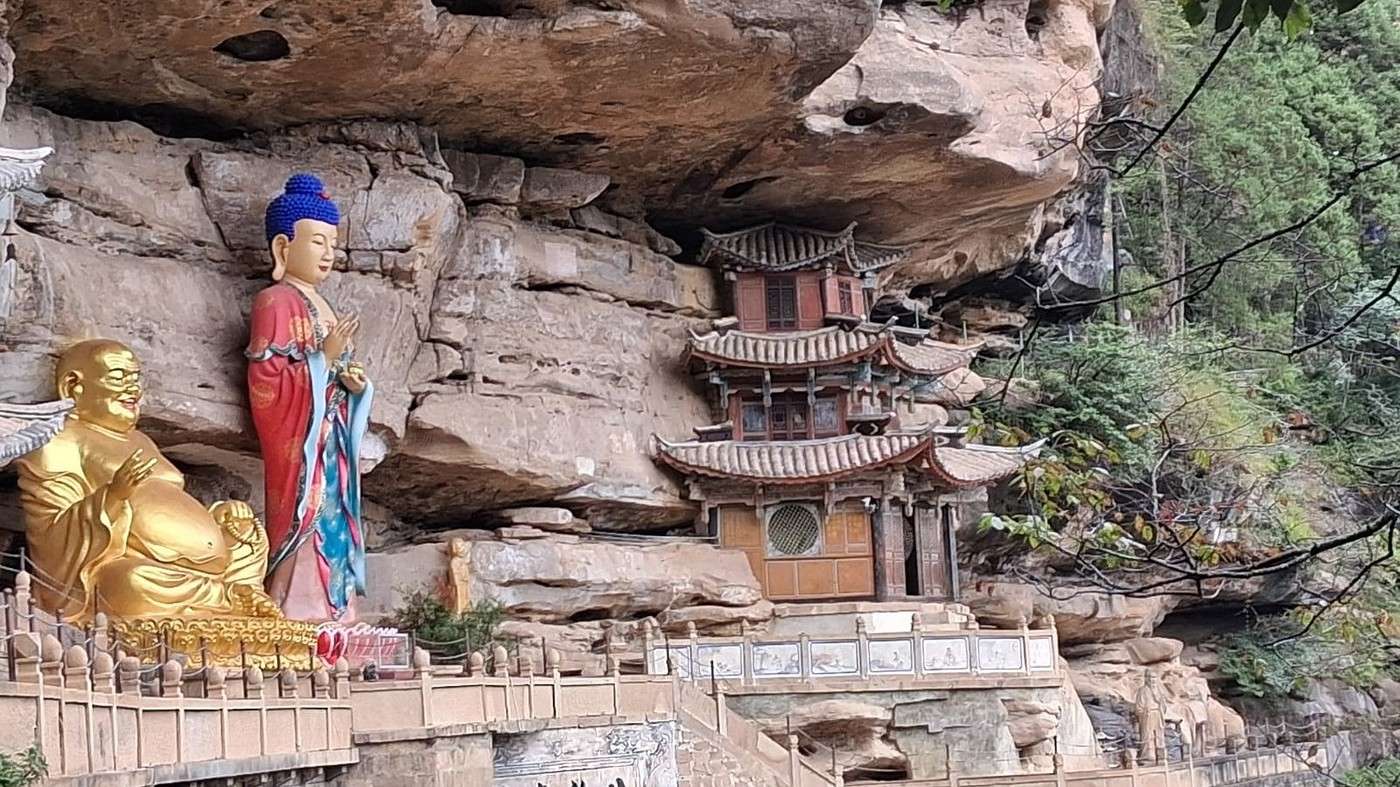
Next, we head to Shibaoshan Mountain to discover an exceptional collection of rock carvings. These masterpieces date from the 9th to the 14th century and depict scenes from daily life and Buddhist deities.


An extraordinary visit.
JE Jeeaan Globetrotter ·
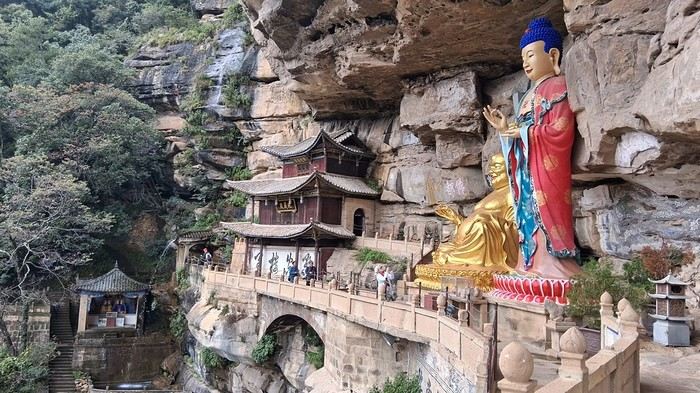
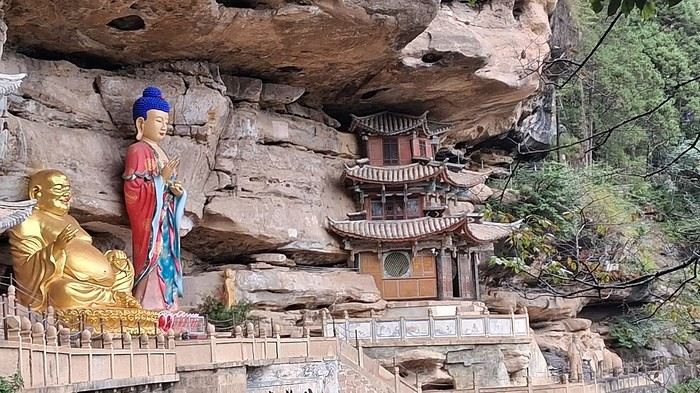
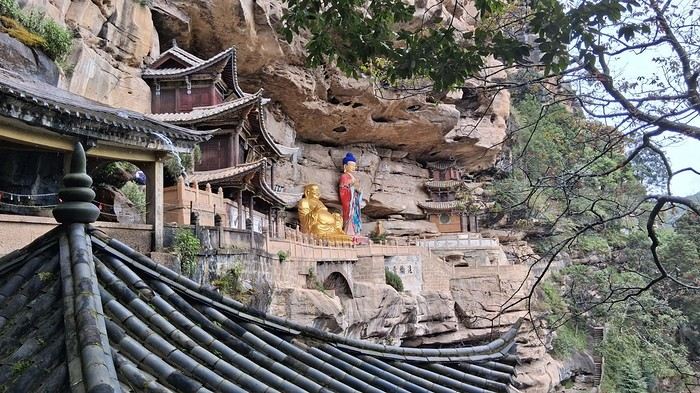
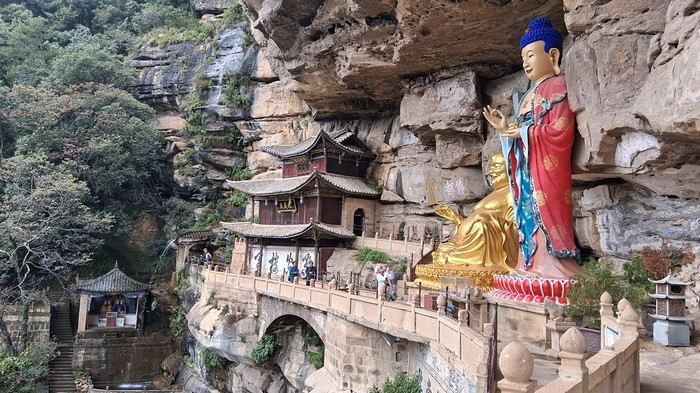
Then we visit Baoxiang Temple, perched on a cliff. Many pavilions cling to the cliffside. The stairs to get there are quite long, but it’s absolutely stunning.

JE Jeeaan Globetrotter ·
Then we visit the Baoxiang Temple, perched on a cliff. Many pavilions cling to the cliffside. The stairs to get there are quite long, but it’s absolutely stunning.


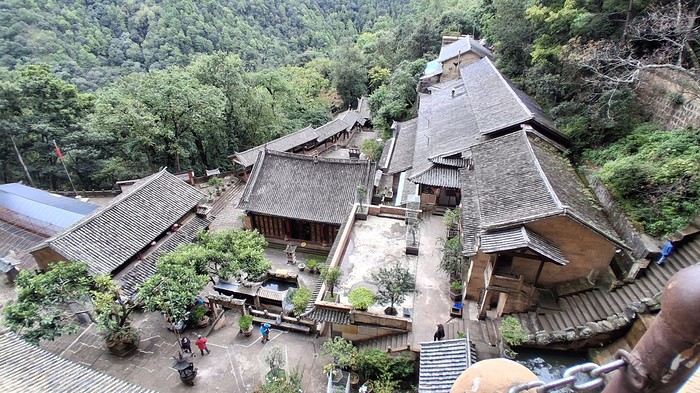
View from above.

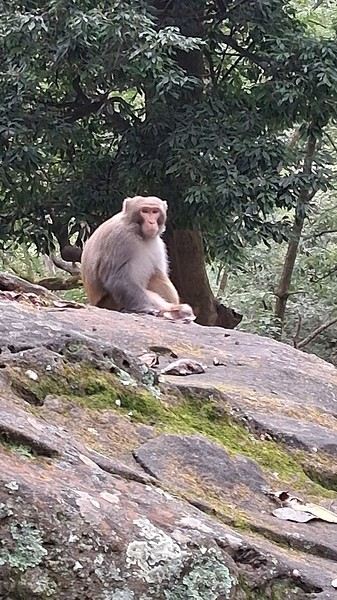
The monkeys keep a close eye on us.


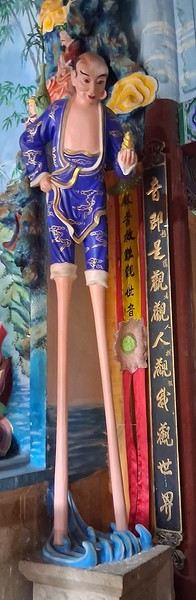
Some fun representations.


Next, we head to Shaxi, a town in the plains at 2,200 meters altitude. It’s a really pretty little town on the Tea Horse Road, with beautiful wooden houses.


And a gorgeous old theater in the central square.
JE Jeeaan Globetrotter ·
The theater.

After our city walk, we’ll take a little stroll along the river.


We’re staying at the Shaxi Aoding Courtyard Hotel. It’s really nice, well located, and we have a large, comfortable room.


After a good breakfast served at the table, we set off for Tiger Leaping Gorge.


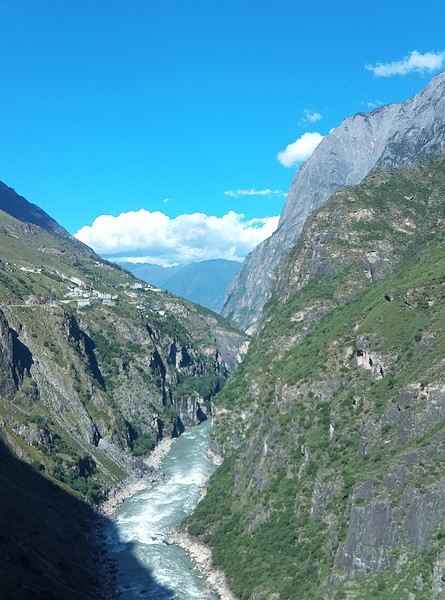
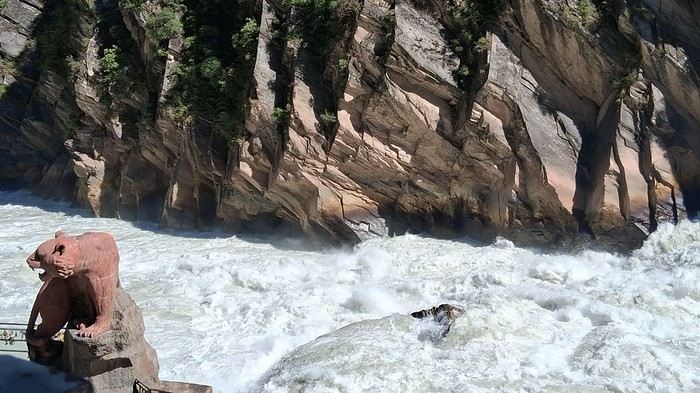
It’s the Yangtze River (the "little crocodile") rushing through the gorge. The waters are tumultuous, and the noise is impressive. The site’s name comes from a legend about a tiger being chased by a hunter and leaping across the river in a single bound. But from the parking lot, you have to take a staircase with 650 steps to reach the riverbank. That means climbing back up those 650 steps to return to the parking lot. We opted for the escalator... Even though there are still a few steps at the end, it’s much faster and way less tiring.
JE Jeeaan Globetrotter ·
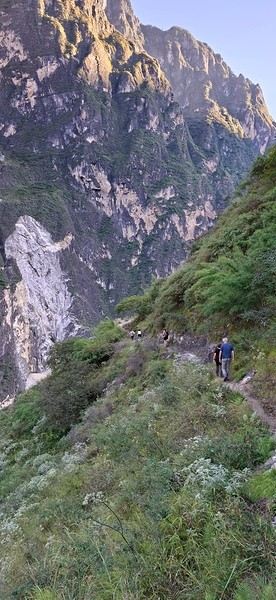
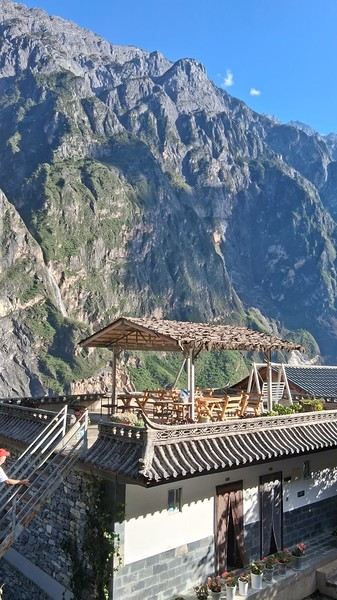
On our way to the guesthouse where we’ll be spending the night. It’s Summer's Guesthouse in the village of Walnut Grove, above the Yangtze River. And we’re off to explore the area... on foot.

In the evening, we’re enjoying our terrace overlooking the Yangtze.


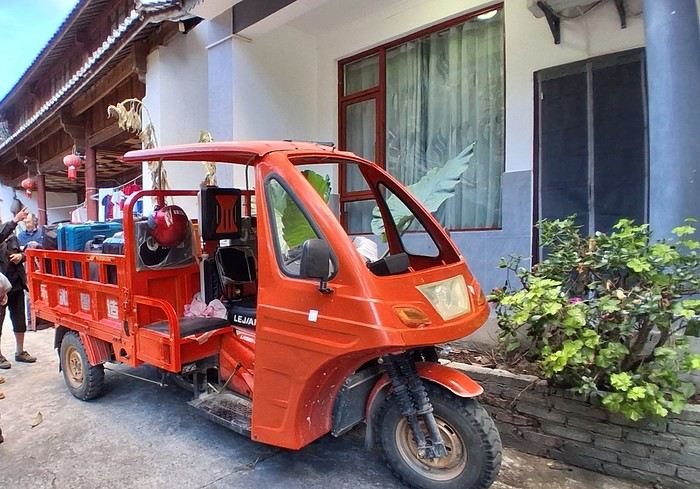
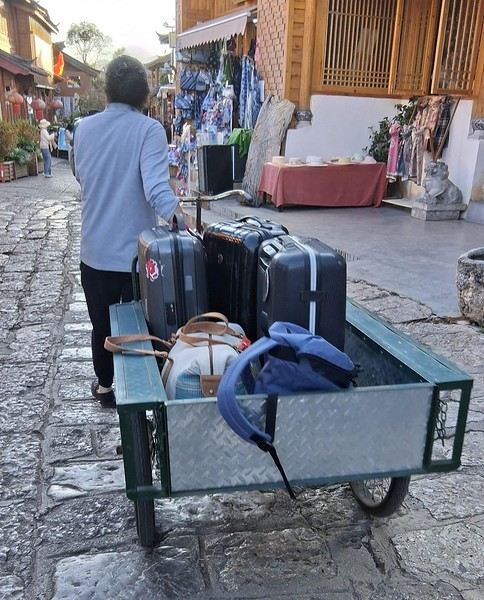
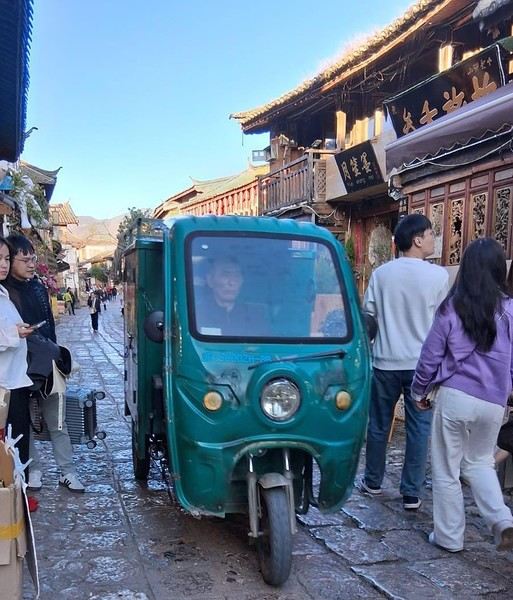
The next day, we head back up to the parking lot to meet our vehicle. The luggage is picked up by a tricycle cart.

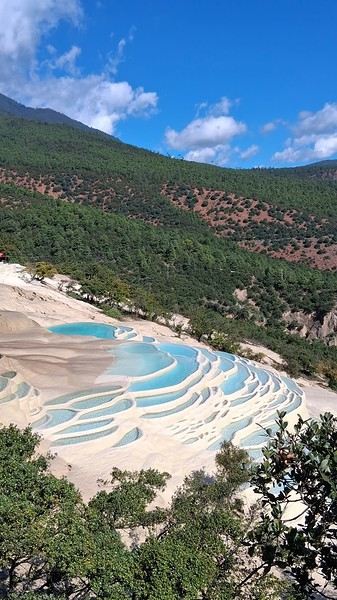
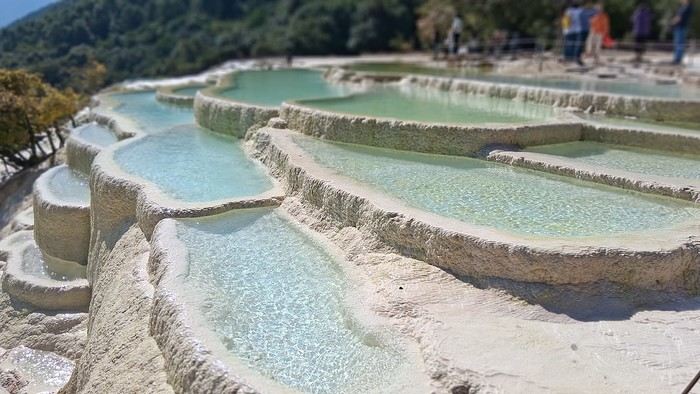
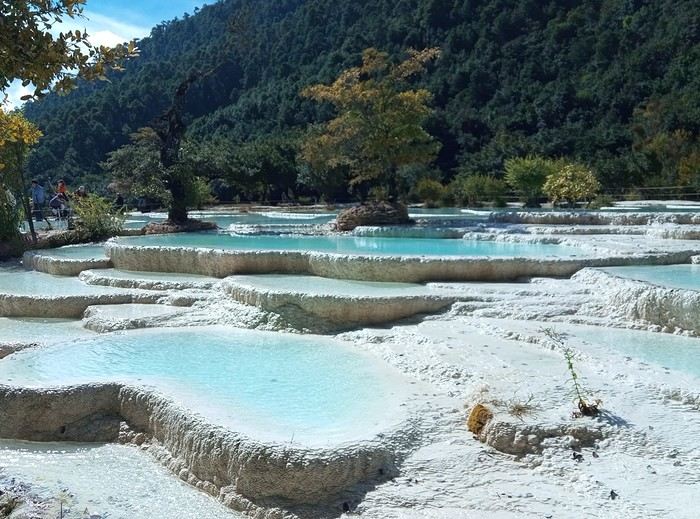
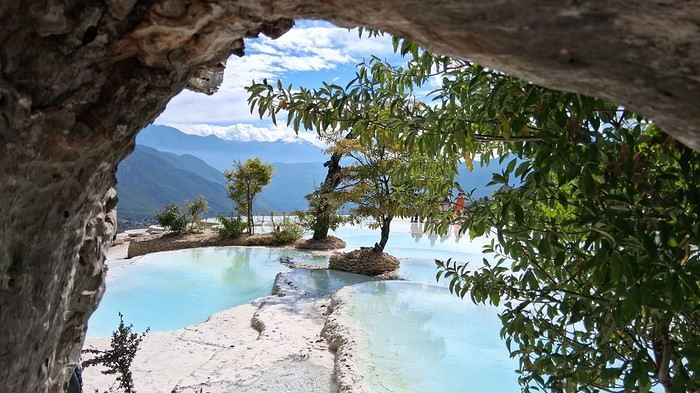
Then we’re off to Baishuitai to see the fascinating white terraces. These natural formations are the result of water springs gushing from the Haba Mountains, which over centuries have transformed into stunning cascading white marble terraces flowing down into the valley.


JE Jeeaan Globetrotter ·
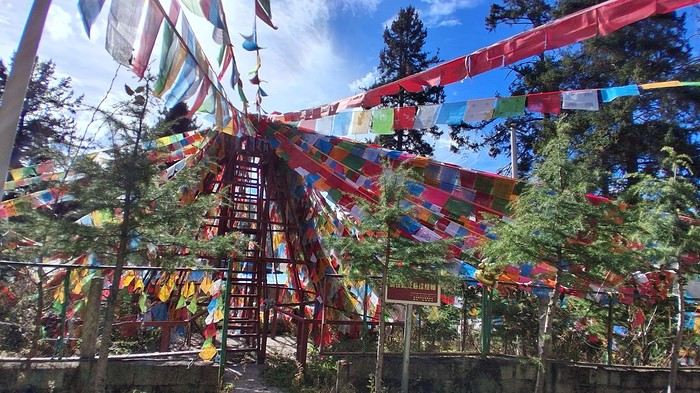
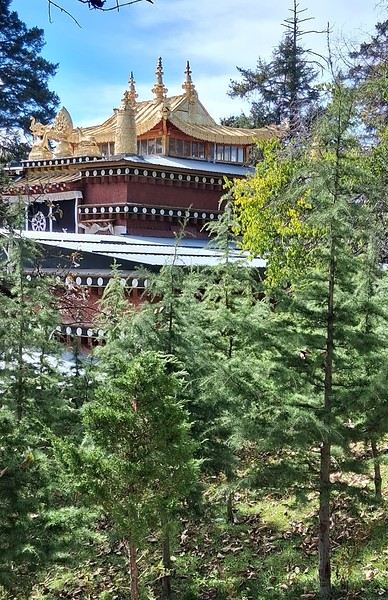
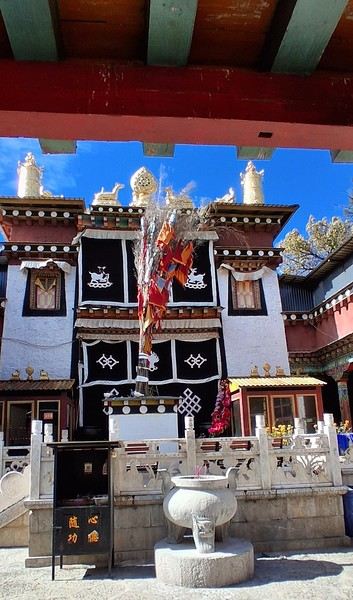
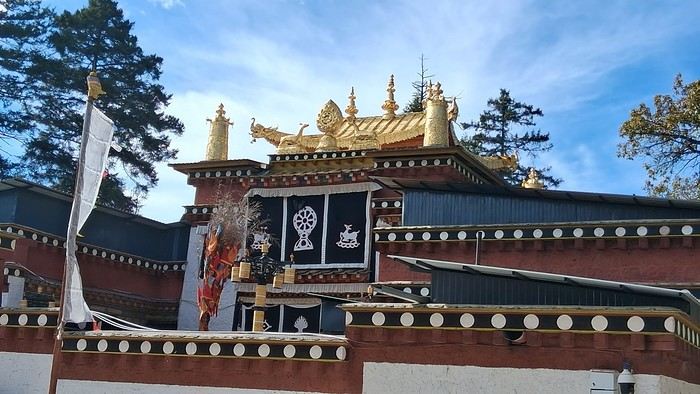
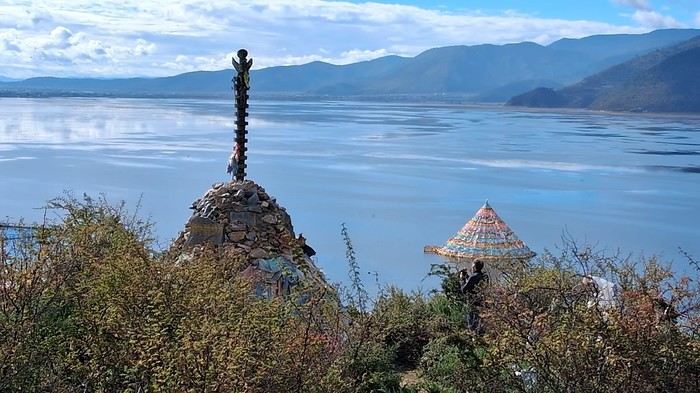
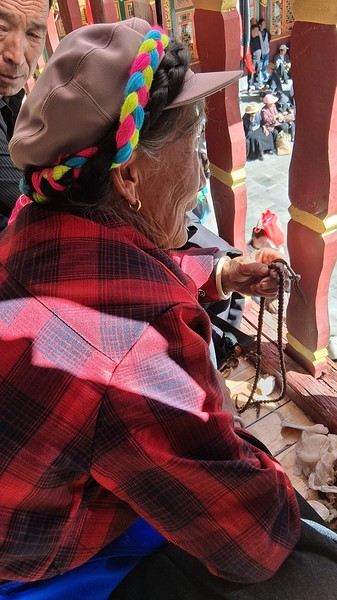
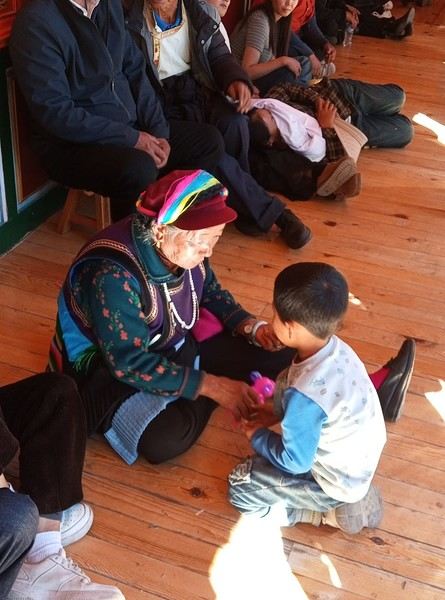
We continue our journey toward Shangri-La. Along the way, we stop in the Tibetan village of Ringha to see its ancient 700-year-old monastery. Locals come here to pray for health, heal illnesses, and bless children. They hang prayer flags that dance in the wind around the monastery.


But all this beauty comes at a price... The stairs are endless....
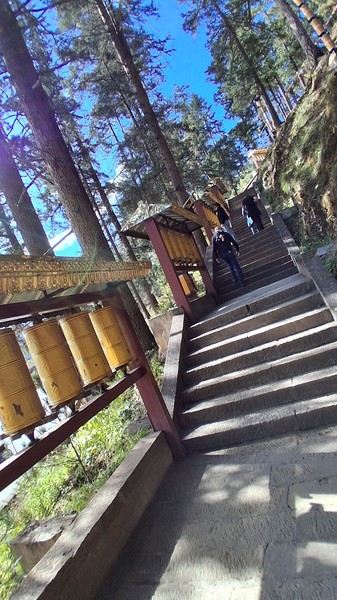
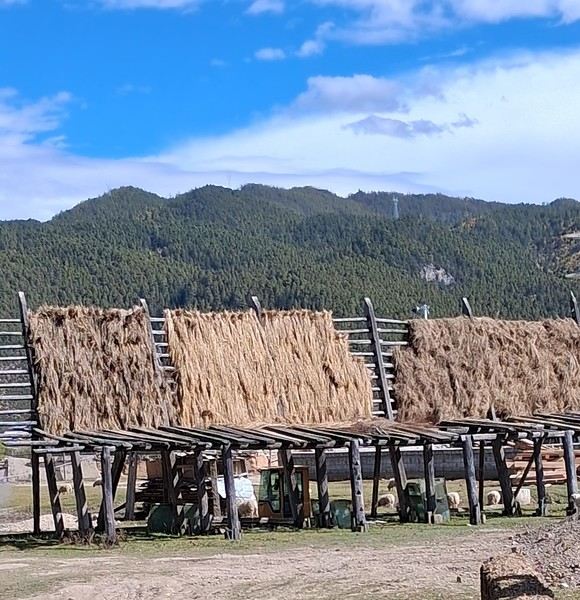
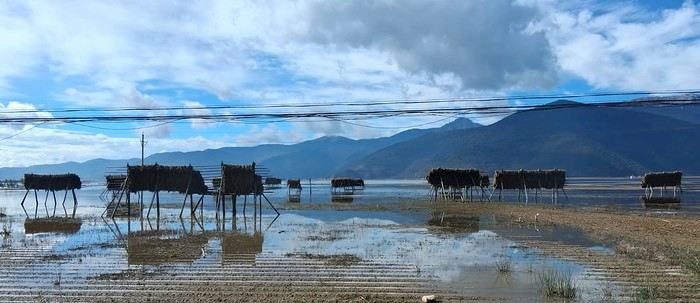
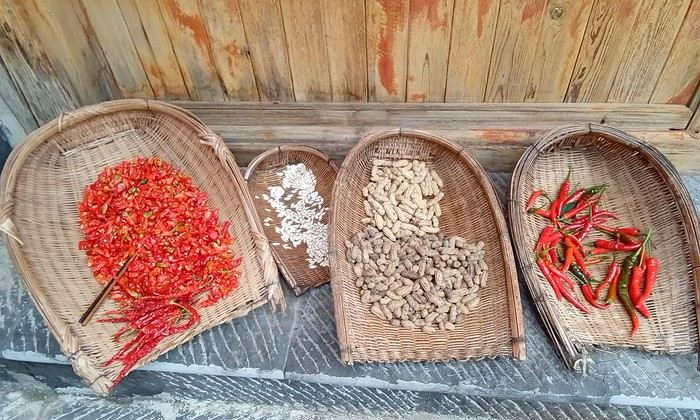
Further on, we pass through a village and are surprised to see drying racks standing just about everywhere—in farmyards or out in the meadows.


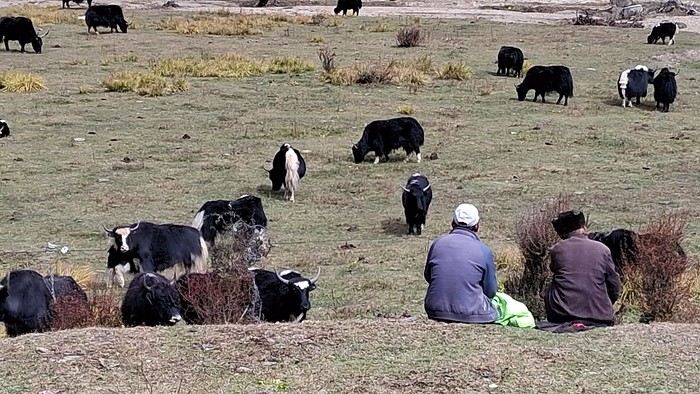
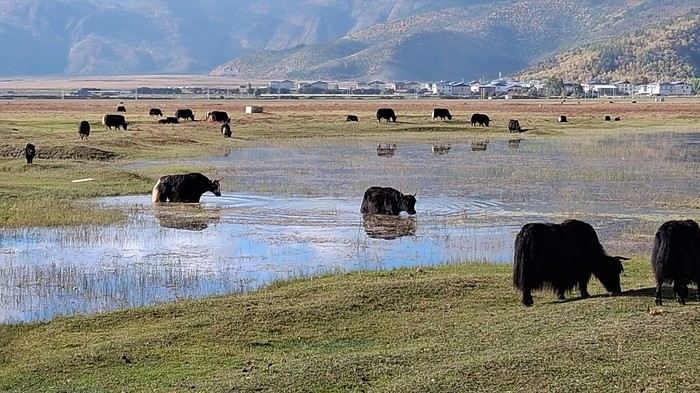
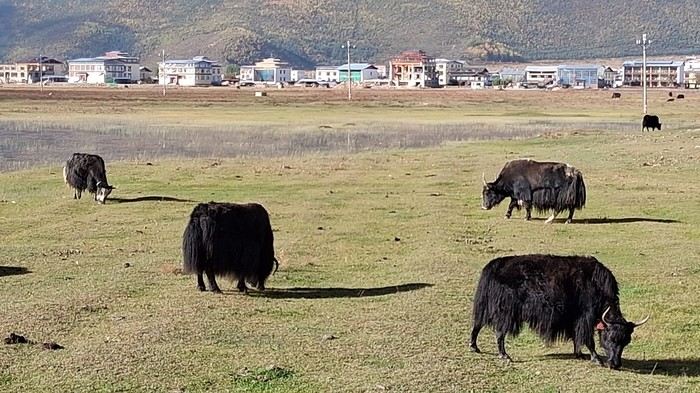
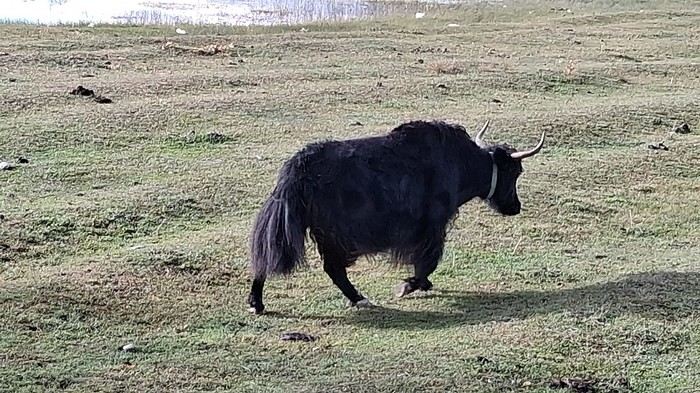
We see our first yaks.


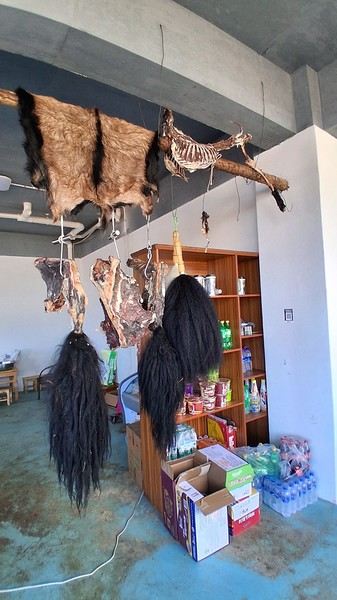
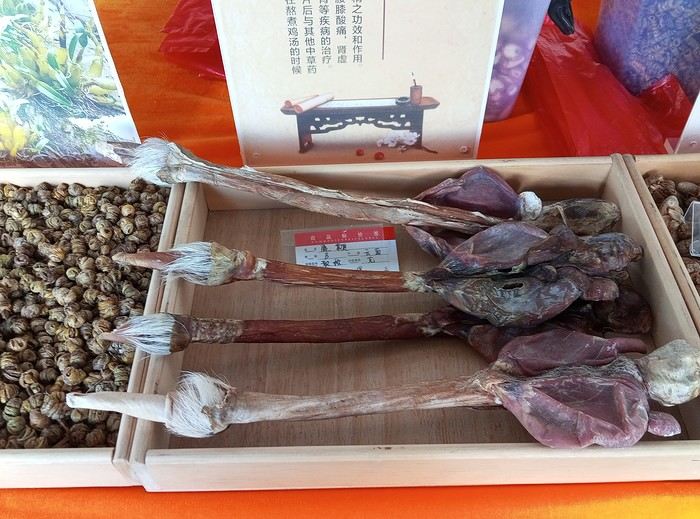
Our first butcher shops selling yak meat—and its genitalia.


NI Nimou74 Veteran ·
Hi there,

Don’t you work in partnership with MyAtlas?

@Jeaaan Thanks for sharing—because of you, I’m reliving my trip! We got back from China two weeks ago. I wrote a travel journal on "MyAtlas"...
« Voyager rend modeste. Vous voyez quelle petite place vous occupez dans le monde. » - Gustave Flaubert https://www.myatlas.com/anneclaire95
JE Jeeaan Globetrotter ·
OK, thank you.
JE Jeeaan Globetrotter ·
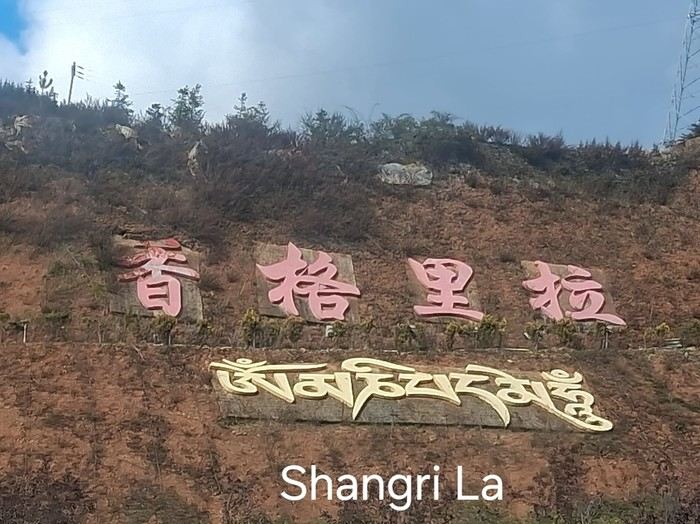
Arrived in Shangri-La, at 3,300 meters above sea level. Before exploring the city, we checked into our room at the Khimstang Hotel, well located near the heart of the city but in a quiet area.


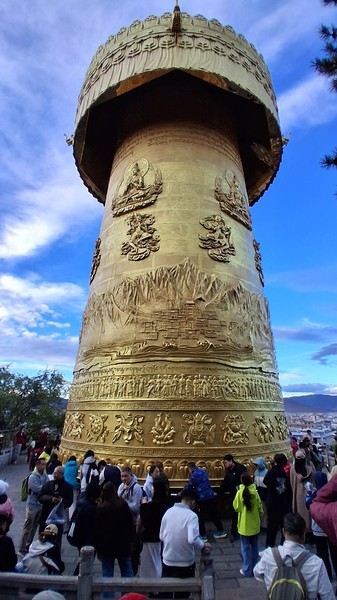
Strolled through the old town and hiked up to Guishan Temple and its prayer wheel, the largest in the world.


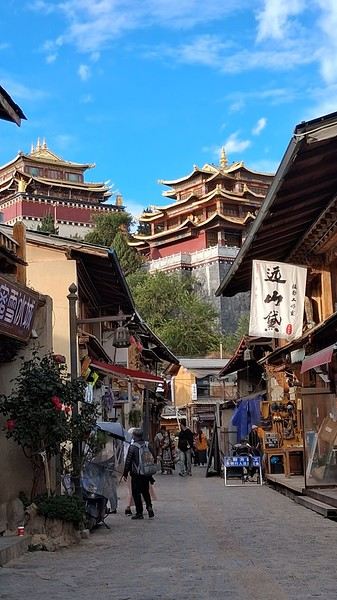
Very lively streets.


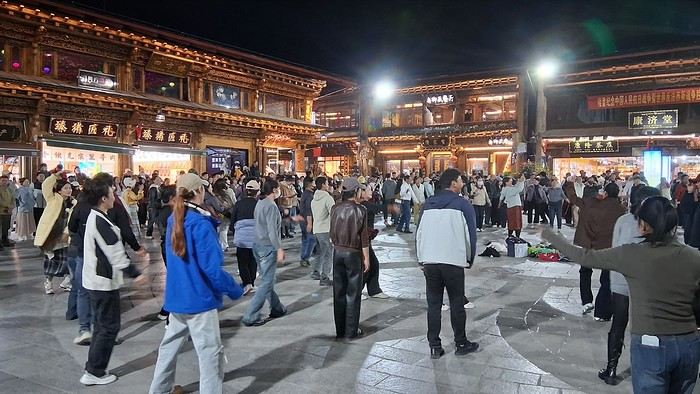
Daily dances in the main square.


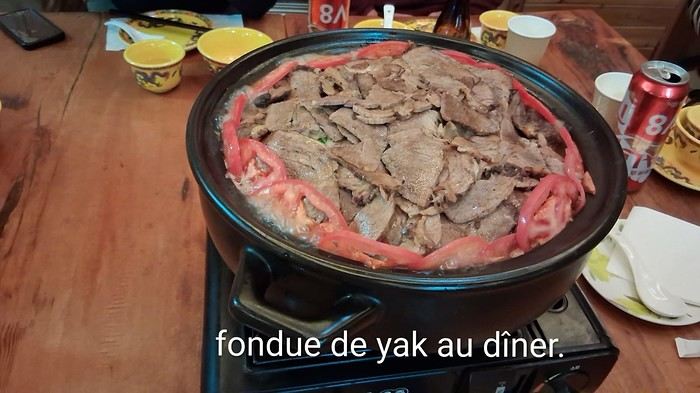
And for dinner, it’ll be yak fondue.
JE Jeeaan Globetrotter ·
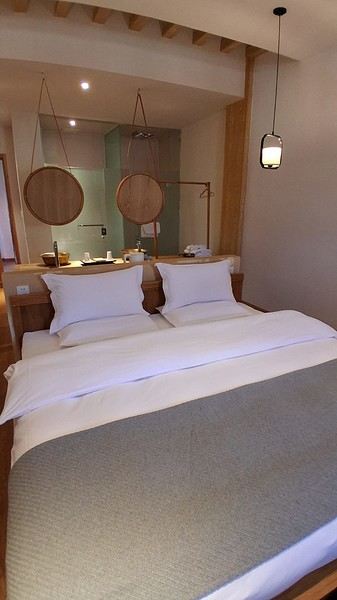
We spent an excellent night in our large, well-heated room. We didn’t expect to have heating, but it’s a really nice plus.

At 9 AM, we hit the road to Benzilan. As soon as we left the city, we stopped to watch the yaks—the herds of yaks. There are so many of them. Completely free. No fences. These massive animals even wander onto the road.


It’s impressive...

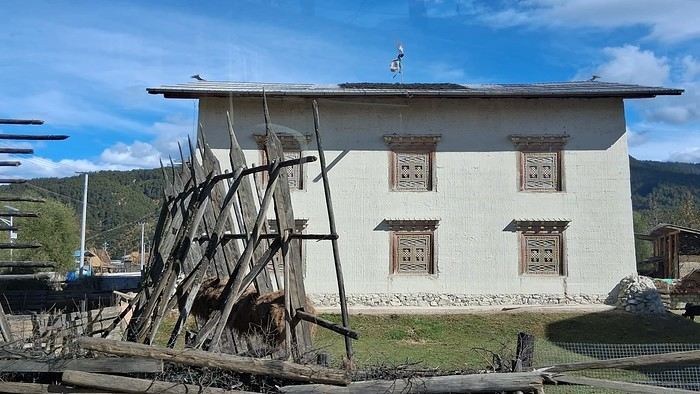
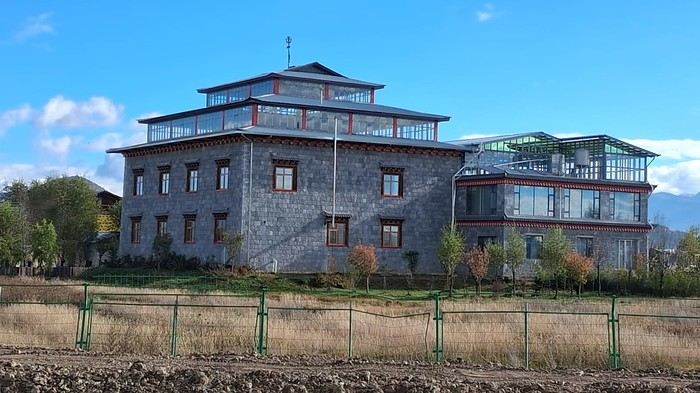
We’re also amazed by the size of the Tibetan houses. They’re enormous.


Next, we head to Napahai Lake. It’s overflowed into the meadows due to recent rains. The hay dryers are standing in water, and so are the prayer flags.


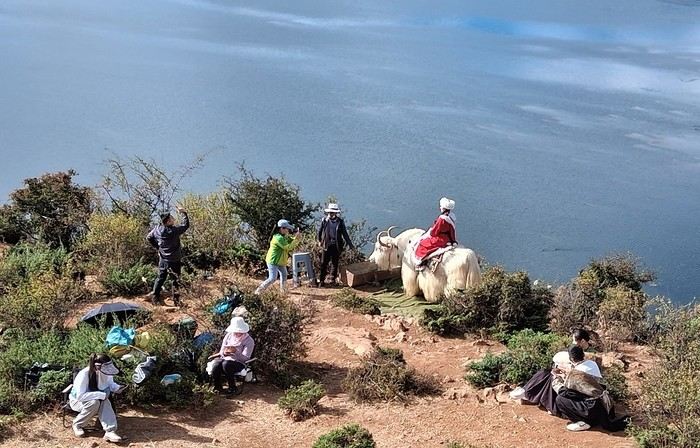
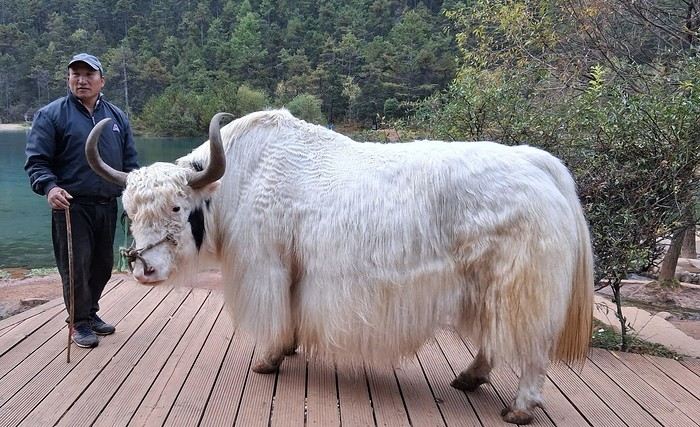
Chinese tourists are getting their photos taken on the back of a white yak—apparently, it brings good luck.
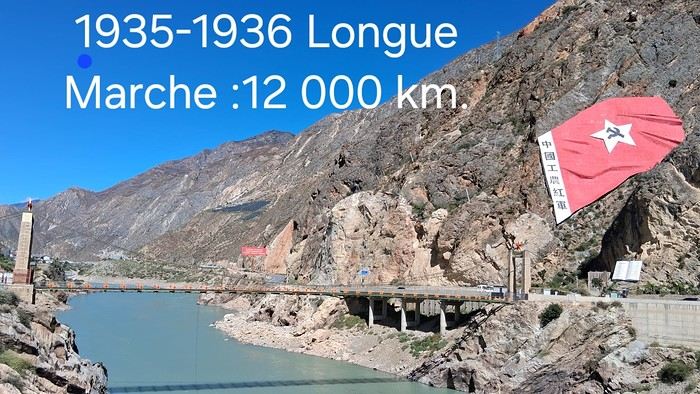
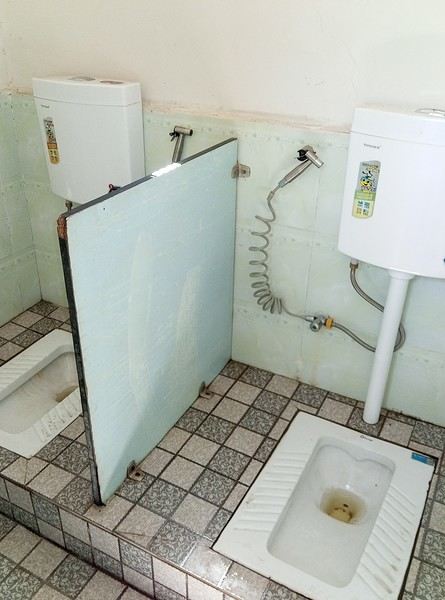
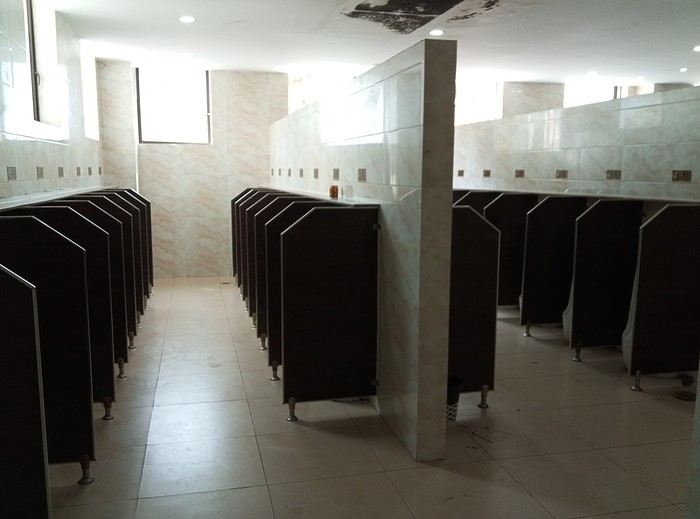
Our next stop is at the border of Yunnan and Sichuan, where we check out the footbridge over the Yangtze River. This bridge allowed Mao’s troops to cross the river during the 12,000-kilometer Long March between 1935 and 1936.

JE Jeeaan Globetrotter ·
We’re having lunch at a roadside restaurant. We’re experiencing the shared restrooms.


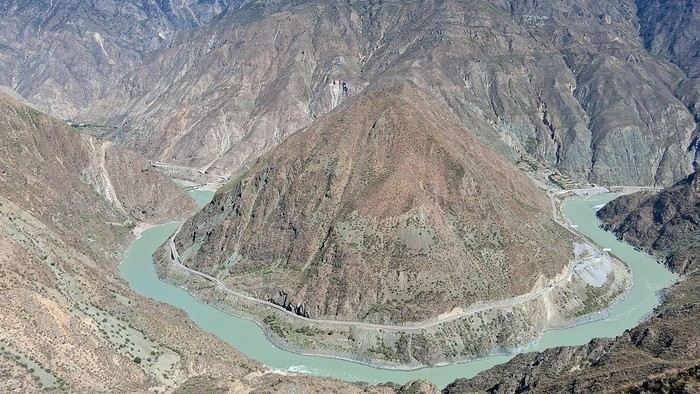
A little later, we stop to see a spectacular bend in the Yangtze River, forming a perfect horseshoe around a pyramid-shaped rocky peak. It’s really beautiful.


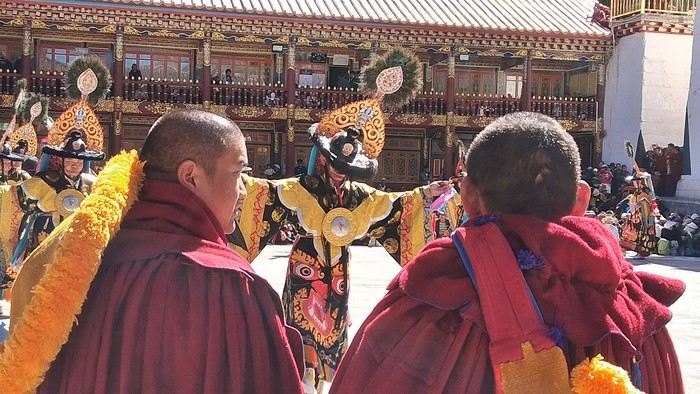
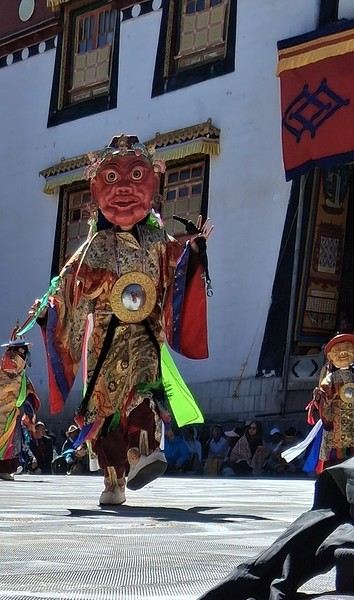
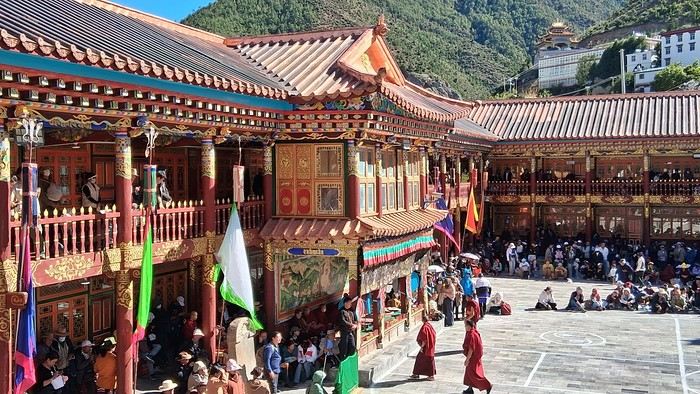
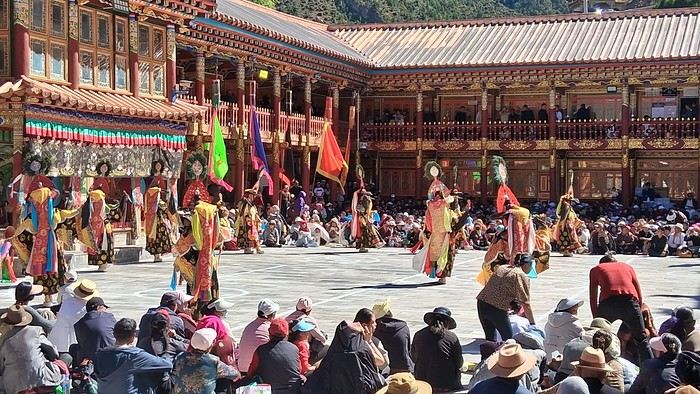
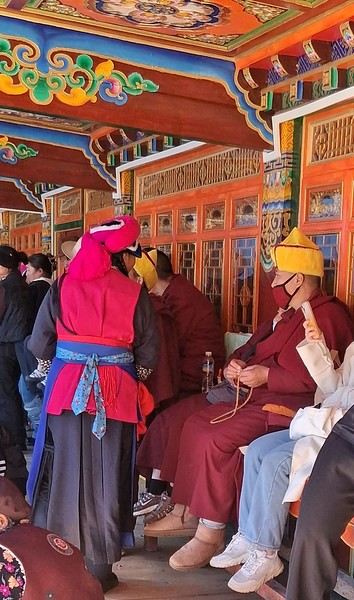
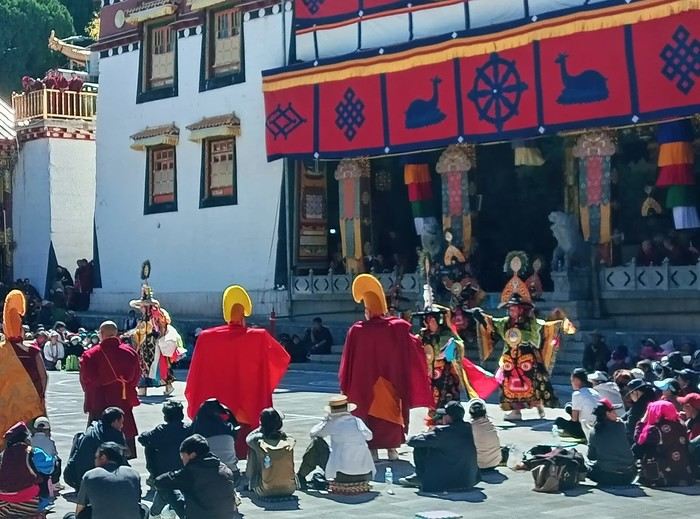
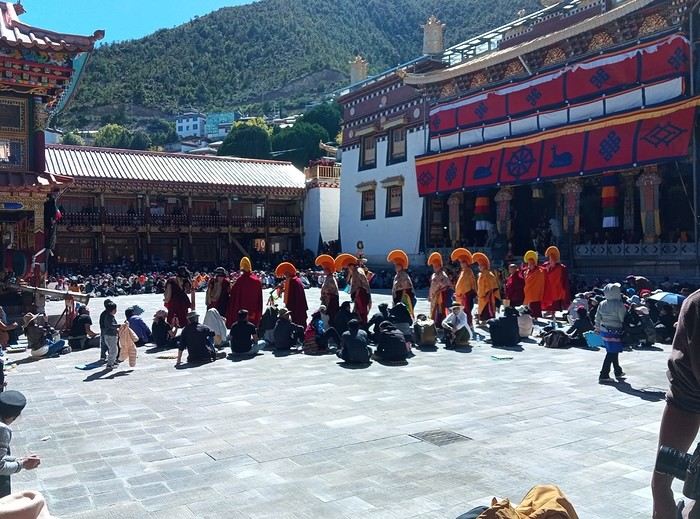
When we arrive in Benzilan, we’re surprised to learn it’s a ceremony day at the monastery—the last day of rituals organized by the monks to bring health and good harvests for everyone. On this final day, the monks dress up in masks and dance for the villagers.


For us, the spectacle is everywhere—on the spectator side, only Tibetans, and on stage, it’s colorful and impressive. But as foreigners, we’re not allowed to take photos, so we ask some Tibetan spectators to take some for us. No problem.


JE Jeeaan Globetrotter ·
We’re sharing an amazing moment with all these Tibetans who are happy to see us and spontaneously offer us a cushion to sit on. A lovely moment...


And when the ceremonies end, everyone heads home.


And for us, it’s back to Shangri-La.

JE Jeeaan Globetrotter ·
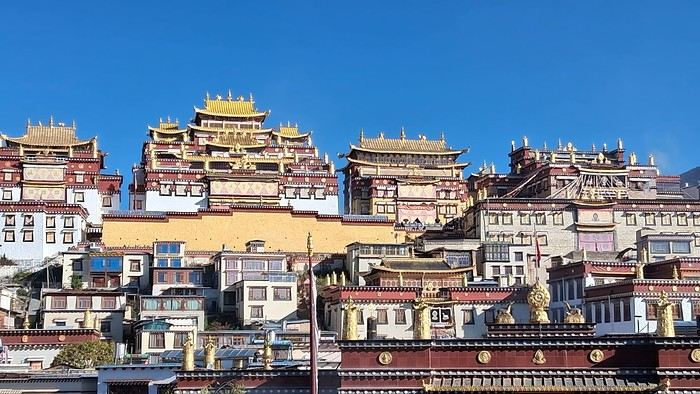
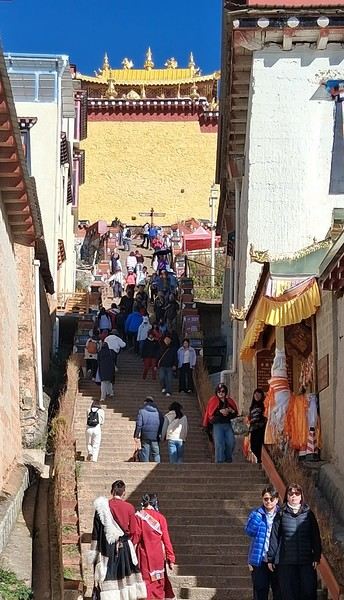
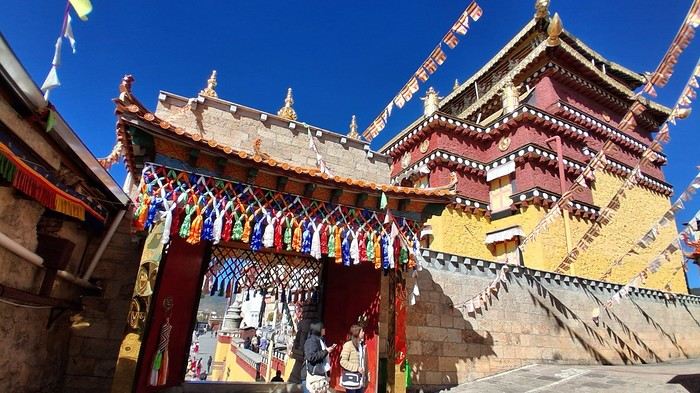
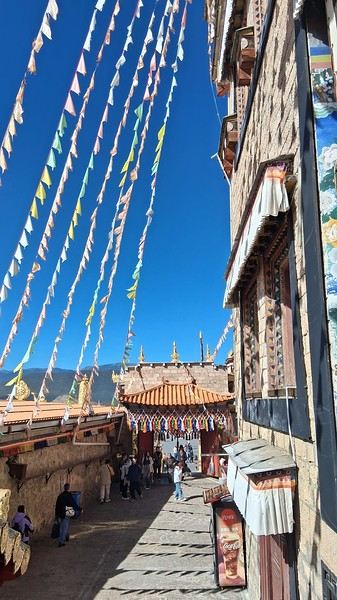
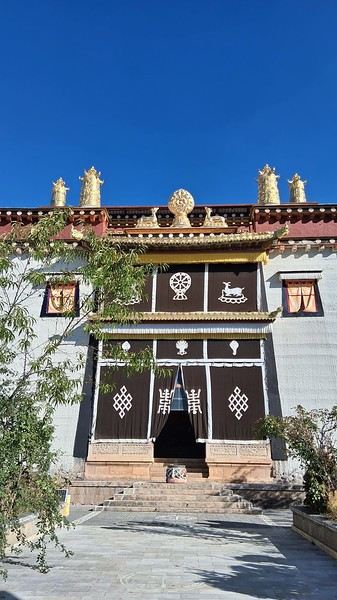
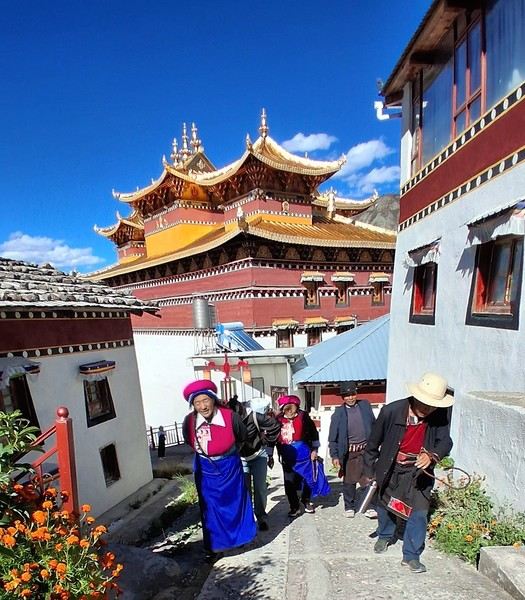
The next day, at 8:30 AM, we leave Shangri-La to head to Lijiang. We stop to visit the Songzanlin Monastery, established in 1679 during the reign of the 5th Dalai Lama. This monastery is nicknamed the "Little Potala." It's the largest lamasery still in operation—a living place that still houses 600 monks.


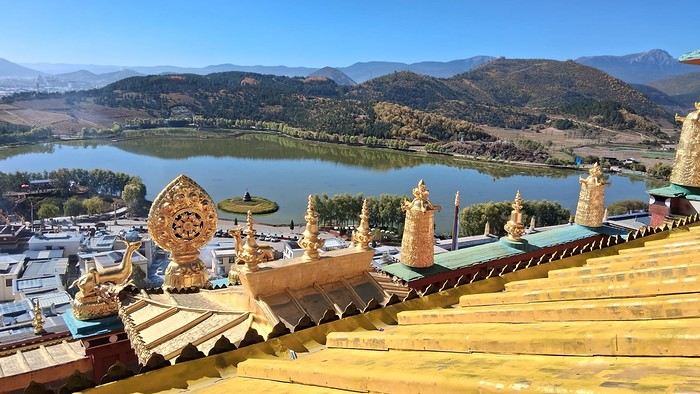
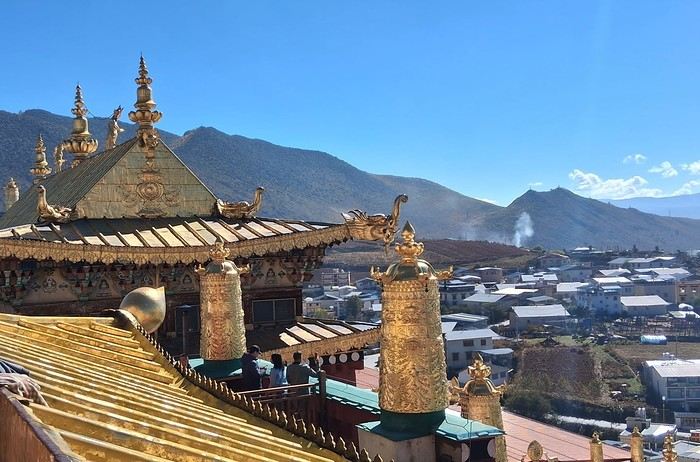
We visit the three main temples. We go up to the terrace of the central temple.


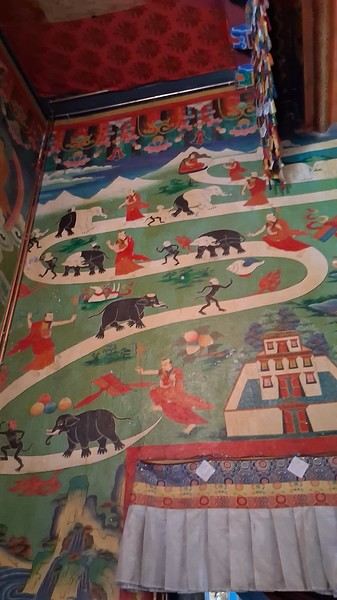
A monk explains the long journey toward reincarnation, symbolized by the black elephant that turns white.


Here again, there are plenty of stairs. Visitors are numerous too, but mostly—or even exclusively—Asian.


JE Jeeaan Globetrotter ·
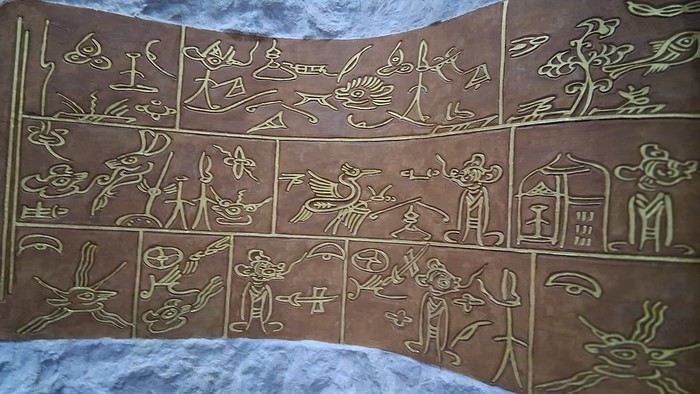
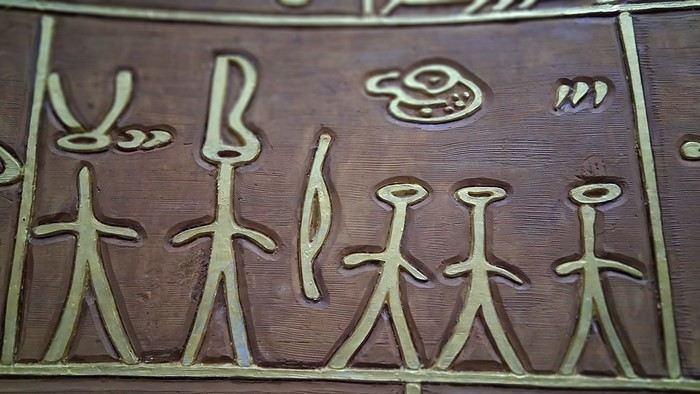
When arriving in Lijiang, we head straight to the Dongba Museum. It’s dedicated to the Dongba culture of the Naxi people. The 1,400 characters and symbols of the Dongba script are on display there. These are ideograms still in use today.


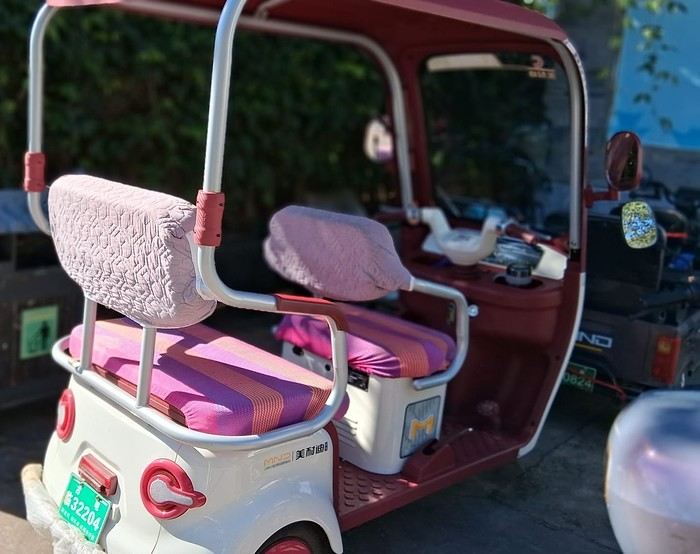
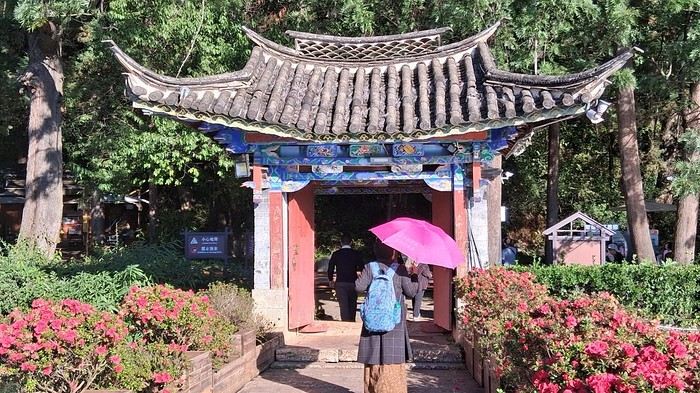
The museum is located right across from the entrance to Black Dragon Pool Park. You could use cute little vehicles to get around, but we’ll explore it on foot.


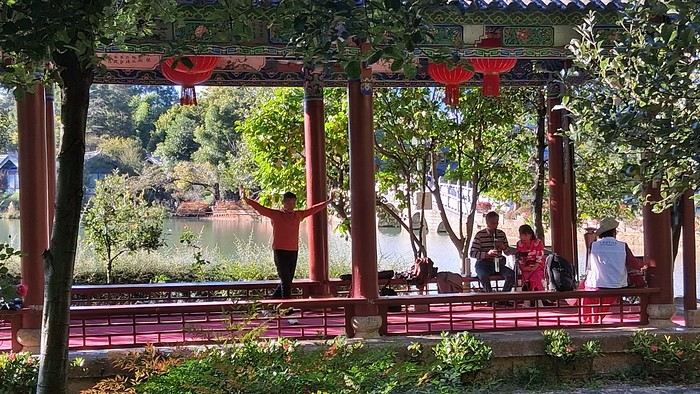
Here, people come to stroll, dance, sing, make music, or paint.


It’s charming, floral, and zen.


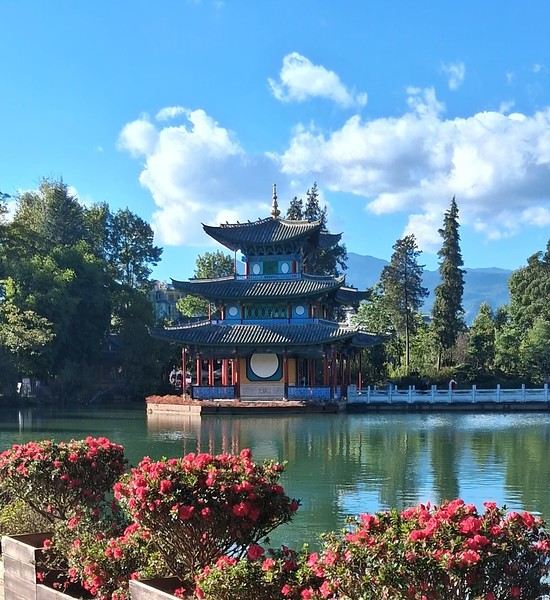
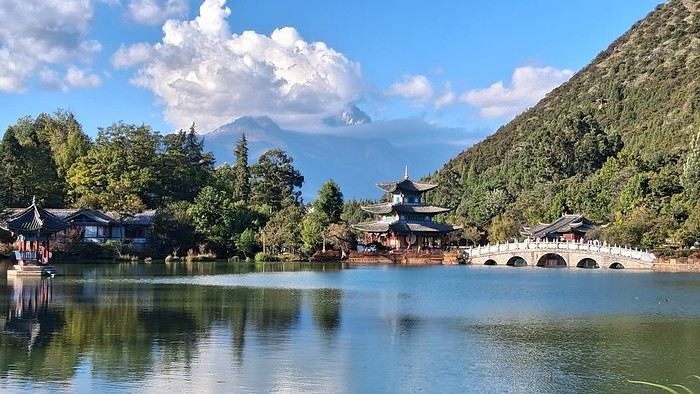
Everyone stops to capture the moment and take the iconic photo of the lake, bridge, and temple with the snowy (or not) mountain backdrop. It’s the signature shot of Yunnan.

SI Sinforosa Veteran ·
Hi Jean,

You used an agency, but do you think it's possible to manage without one, or would it be too complicated? I’m not sure if you met any travelers who did everything without an agency?

I’ve read other travel journals from people who used an agency, so I’m wondering....
" Celui qui voyage sans rencontrer l'autre ne voyage pas , il se déplace " ( Alexandra David-Néel )

" Ahora todos quieren ser latinos , no , ey , pero les falta sazon , bateria y reggaeton " ( Bad Bunny )
JE Jeeaan Globetrotter ·
Everything is doable... As far as we're concerned, we didn't meet any Westerners traveling completely independently. It can be done. Travel journals prove it. But the challenge is the language barrier. Very few Chinese people speak English. We met some French travelers who had a driver—non-French-speaking, of course. That’s actually what we did for the last week. We used translators on our phones, but I found it wasn’t enough. Personally, I need to communicate more than that; I need to learn more than that. The ideal would be to travel with a driver and have a French-speaking guide at the most interesting sites. That’s what we had in Uzbekistan. It was easier to organize because there were fewer cultural sites, though they were extremely interesting. But in China, there are many cities worth visiting. Having a guide is a plus, especially when they’re friendly... We’re not used to traveling with an agency, and we hesitated about going in a group, which was also the case for the other people traveling with us. But if we had to do it again, we’d do it without hesitation. Maybe we’re getting a little older too... And we were lucky to have a very efficient agency, a great guide, and a group that worked really well together. That’s how I feel about it. Hoping this answers your questions...
SI Sinforosa Veteran ·
Yes, that answers my questions perfectly. I suspected the issue was the language barrier. Thanks!
" Celui qui voyage sans rencontrer l'autre ne voyage pas , il se déplace " ( Alexandra David-Néel )

" Ahora todos quieren ser latinos , no , ey , pero les falta sazon , bateria y reggaeton " ( Bad Bunny )
JE Jeeaan Globetrotter ·
Absolutely. And even beyond that, it’s not that simple... we met a woman of Chinese origin who lives in France and was traveling with her son. She told us it was complicated to travel solo...
NI Nimou74 Veteran ·
Thanks again for this travel journal that takes me right back to my recent trip. The places in the photos feel so familiar... I’m also really surprised there aren’t more reactions from other travelers, since so many complain that VF is much less active than it used to be.

Regarding traveling in China: As I explain in my blog and on VF, it’s completely possible to travel in China without an agency. It really depends on the itinerary you have in mind. We went to Gansu with a detour to the Badain Jaran Desert without an agency and were pleasantly surprised by how easy it was to organize everything on the spot. Of course, I’d done a lot of prep work beforehand. Same thing in Hunan. For the Yunnan part, we used Ciel Yunnan to book a car with a driver for us. No guide, though. This "option" let us optimize our route. We’re planning a trip to western Sichuan. We’ll probably go for the same mode of transport. Almost 20 years ago, I traveled alone with my daughter in China, especially in eastern Sichuan. Everything was done without an agency back then, too, but those were more touristy routes.
« Voyager rend modeste. Vous voyez quelle petite place vous occupez dans le monde. » - Gustave Flaubert https://www.myatlas.com/anneclaire95
JE Jeeaan Globetrotter ·
After this lovely walk, we head to the town of Shuhe, at the gates of Lijiang. Our vehicle drops us off at the entrance to the old town, which isn’t accessible by car. Our luggage is immediately picked up and taken to our hotel.

Our hotel is right in the heart of the ancient city but quiet, with a large adjoining vegetable garden.
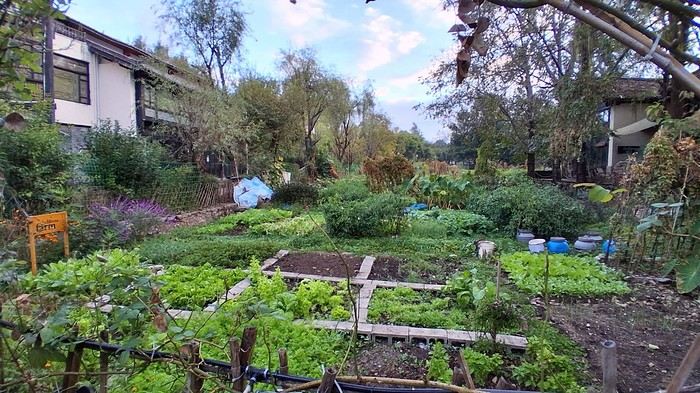
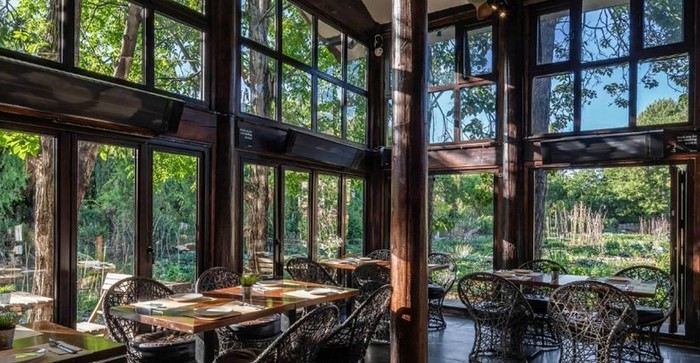
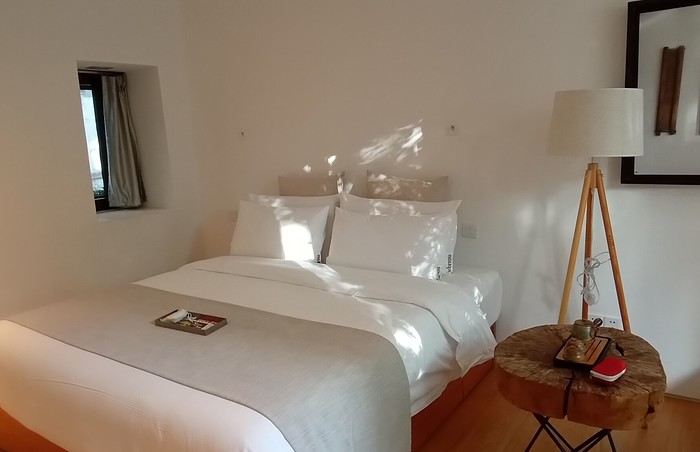
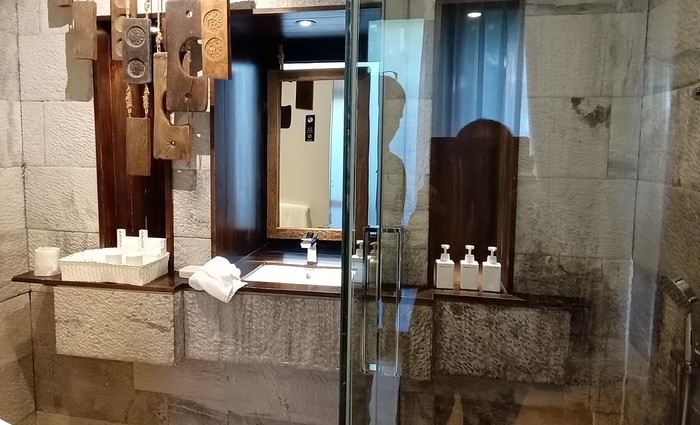
It’s The Bivou hotel—very modern and comfortable. We’re welcomed with tea, homemade gingerbread, and clementines.


We settle into our room—super comfortable and gorgeous.


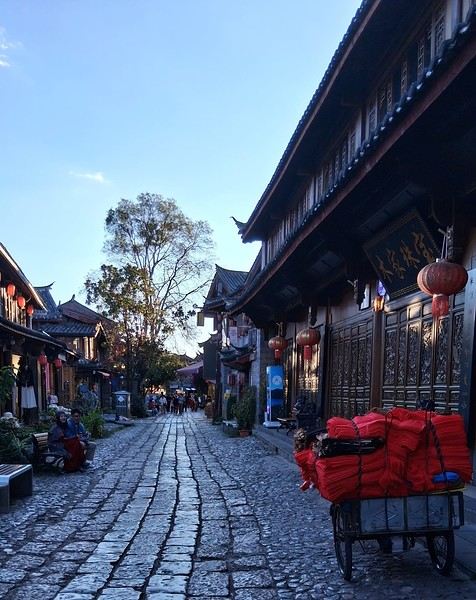
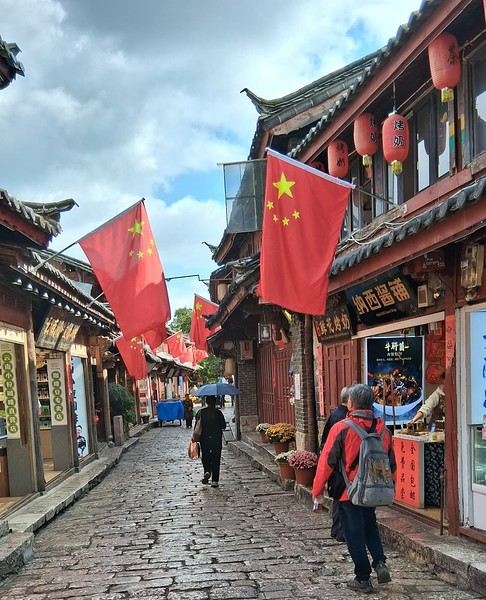
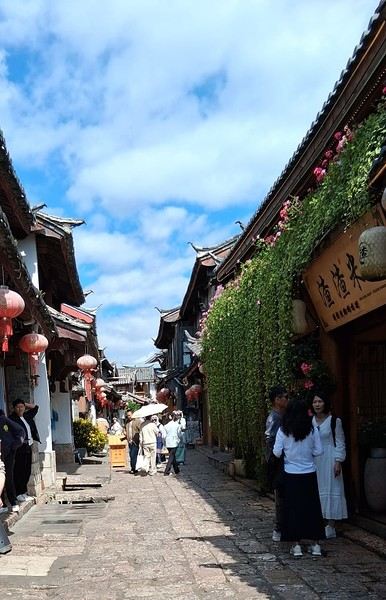
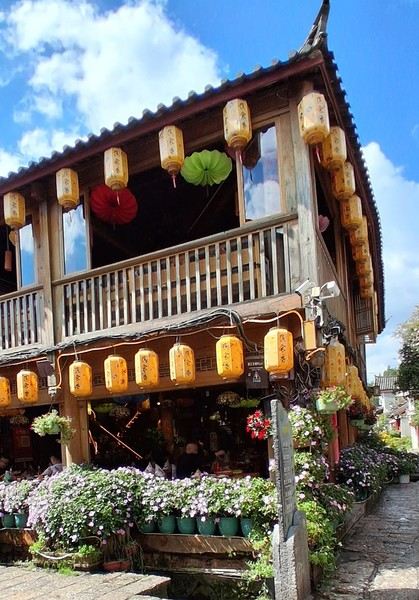
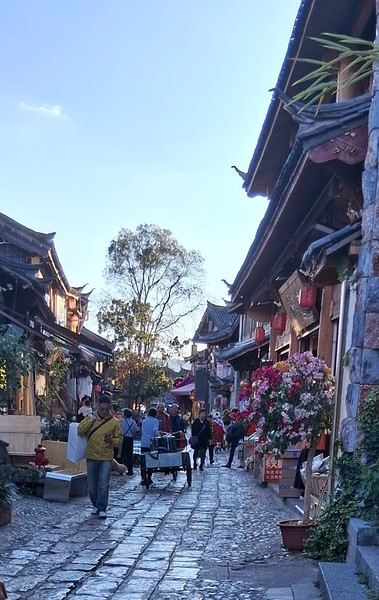
And we don’t waste any time heading out to explore the old town’s streets. It’s charming.


Back at the hotel, which has a VPN, we can receive and open photos sent to us and also send photos to our loved ones. We really appreciate this feature—it hasn’t been possible anywhere else.
JE Jeeaan Globetrotter ·
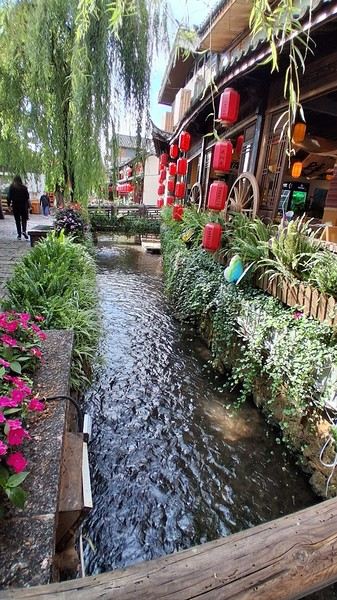
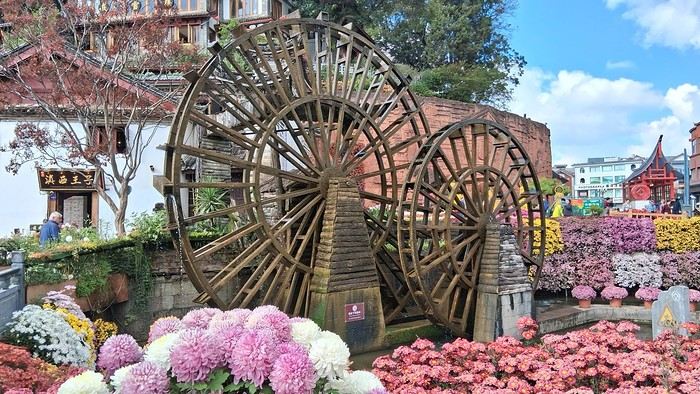
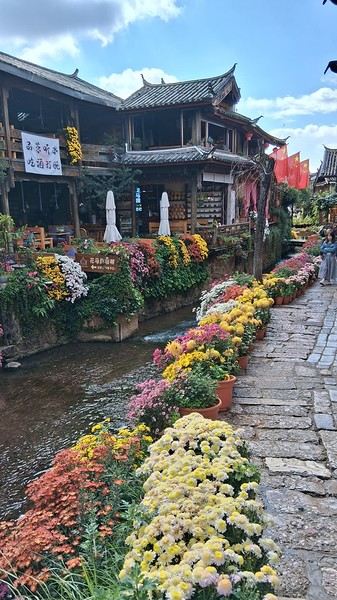
The next day after an excellent buffet breakfast, we set off to visit Lijiang, a city classified as a UNESCO World Heritage site. It's a city built around canals. We enter the city at the large noria (waterwheel).


It's beautifully flowered and superbly maintained.

To facilitate commercial exchanges, the city was never surrounded by walls. It was the women who ran the caravanserais. Among the Naxi, women do everything.... The city developed thanks to trade because the land wasn't fertile.


Today it's a tourist city, but it's quiet this morning. In the evening, the atmosphere seems to be different.
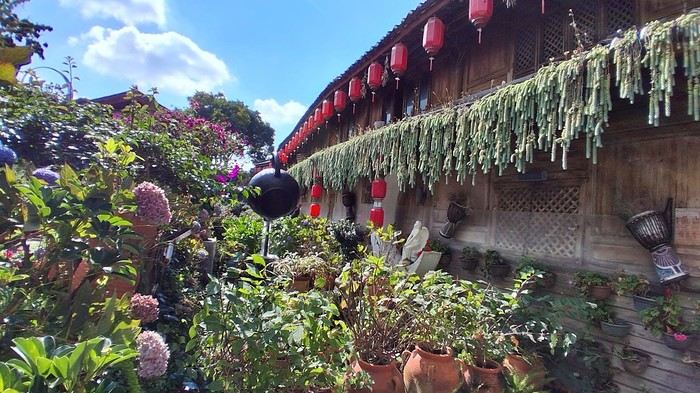
We're amazed by the beauty of the flowers.

JE Jeeaan Globetrotter ·
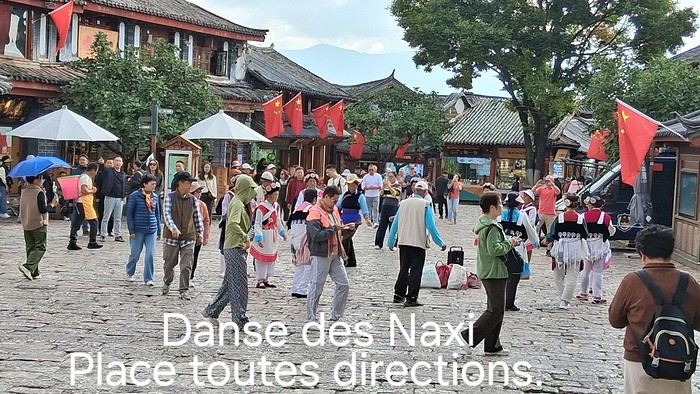
At the Square of All Directions, a group of Naxi in traditional costumes are dancing, joined by locals and tourists.


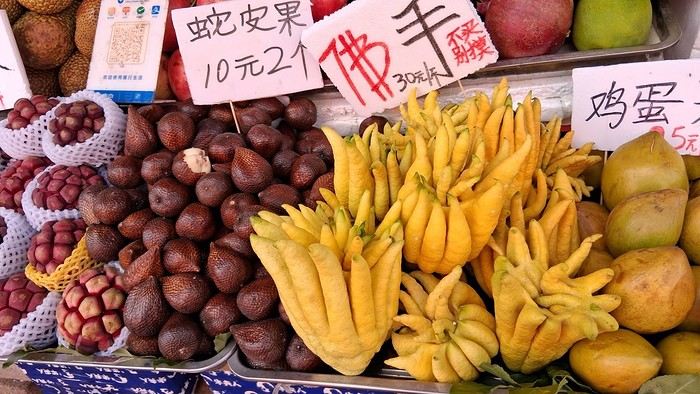
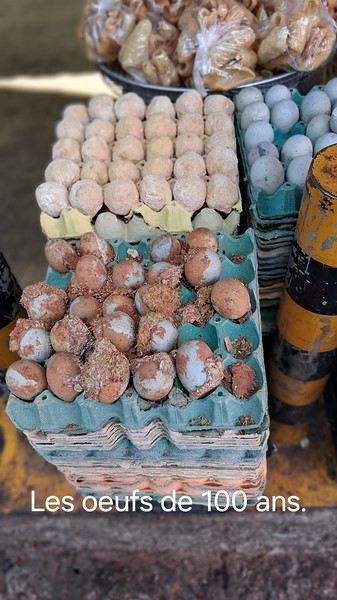
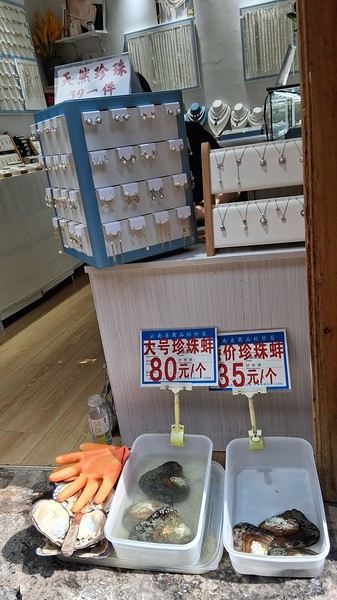
Then we walk leisurely to the Zongi market. It's a market mainly dedicated to food. They even sell century eggs. These are eggs coated in lime and straw, which can be preserved longer... though maybe not a full 100 years. The jeweler sells pearl oysters—or not, it's a gamble....
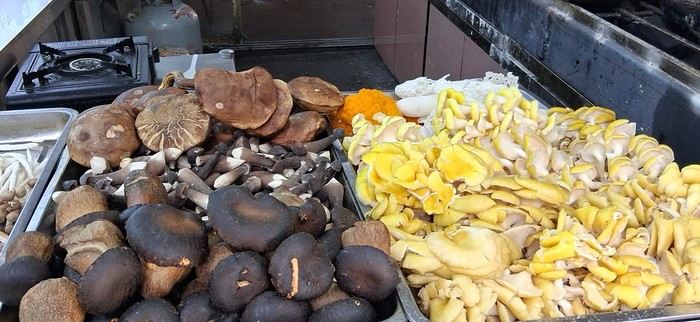
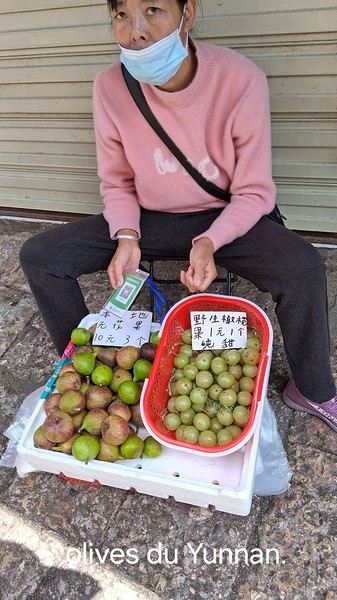
And all kinds of fruits, vegetables, and fish.
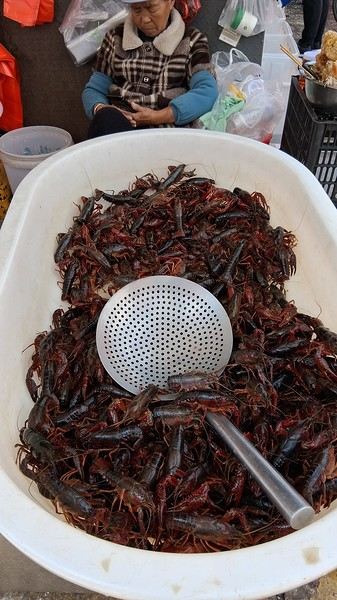


Street food stalls.


Fruits with strange shapes.


Then we head to lunch at a lovely restaurant by the canal.

JE Jeeaan Globetrotter ·
First time for me. Great choice!
JE Jeeaan Globetrotter ·
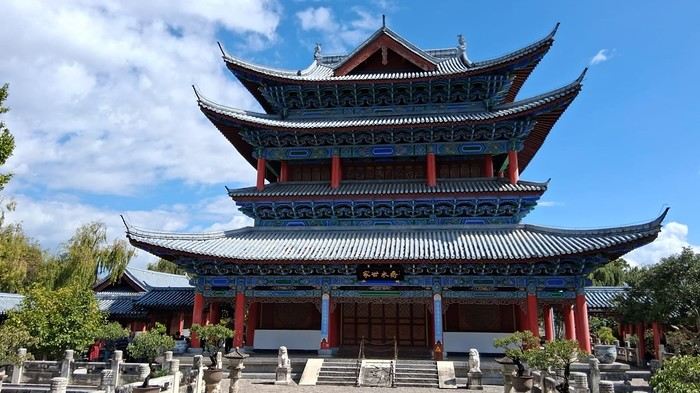
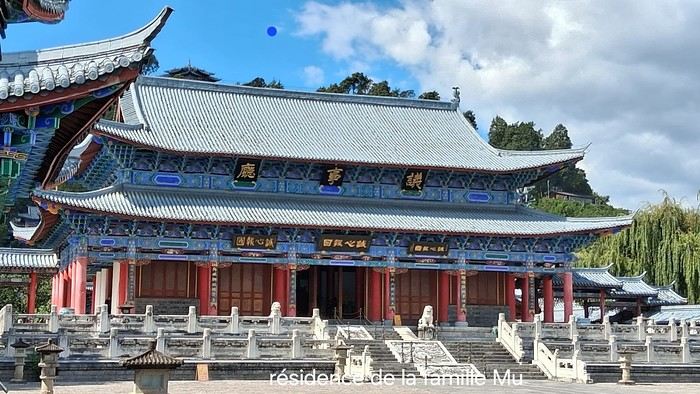
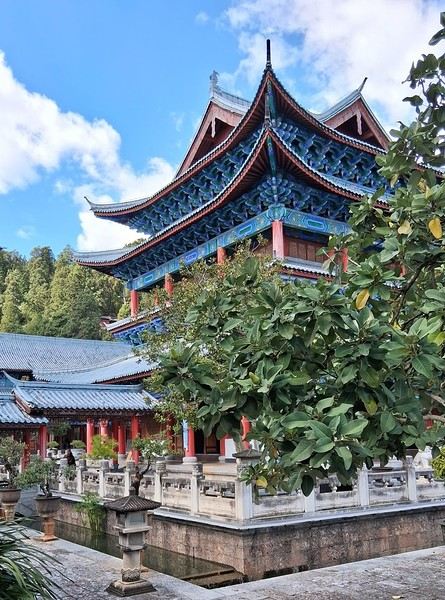
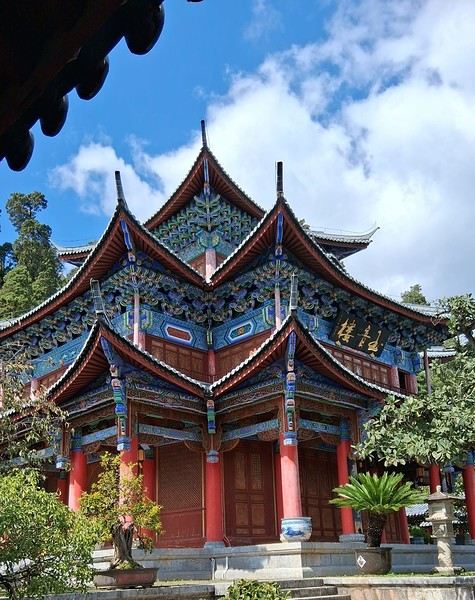
After lunch, we’ll visit the Mu family residence, known as the "Forbidden City of Lijiang." It’s a stunning architectural complex. So colorful!


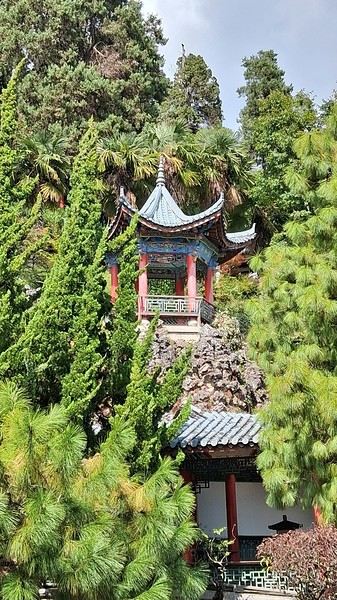
Some small pavilions are tucked away in the greenery.


Water is always present in this type of residence.


We get to see a few rooms in the house—still colorful and cozy.


After this visit, we’ll say goodbye to the other travelers who shared these two weeks with us. The group worked really well together. We’re all thrilled about this time spent together, thanks to everyone’s good vibes, mutual respect, and of course, our guide Sébastien... Each of us will continue our journey separately—some heading farther north, others south, or simply returning to France. For us, it’ll be discovering villages and the less touristy, more authentic side of China.
JE Jeeaan Globetrotter ·
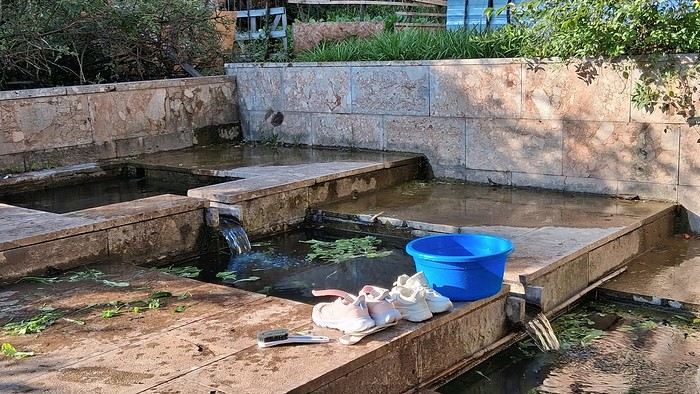
While waiting to return to our hotel in the evening, we’re going to wander around Shuhe in the old town. You can’t get lost—just follow the canals. Near the canal, we spot a well. There, we see the three water levels our guide Sébastien told us about. The top level is reserved for drinking and must not be used for anything else. The next level is for washing vegetables, and the last basin is for laundry.


The usage hours are very strict. Drinking water in the morning, other activities in the afternoon. And since these basins are sloped, the current carries away the wastewater.

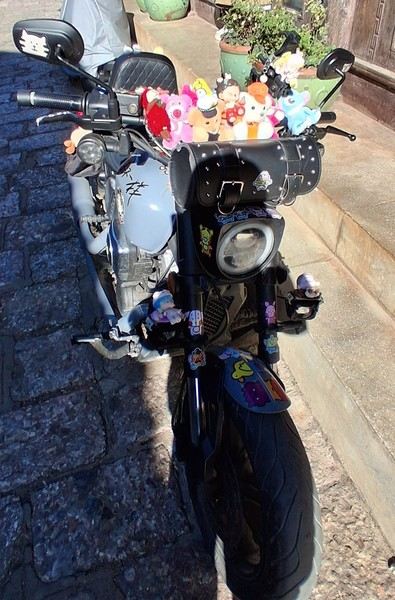
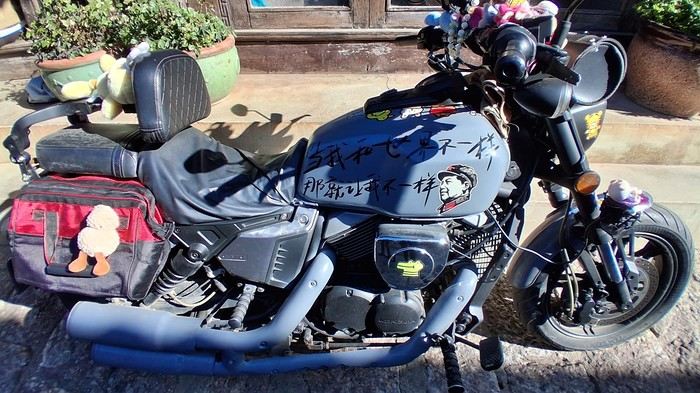
We also take a few photos of the motorbikes we come across. They’re fun with their decorative plushies.


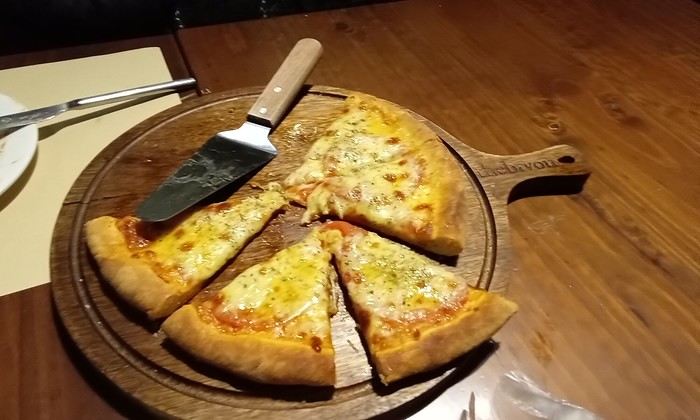
And in the evening, at dinner, we’re going to cheat on Chinese cuisine—we’re having pizza.....

JE Jeeaan Globetrotter ·
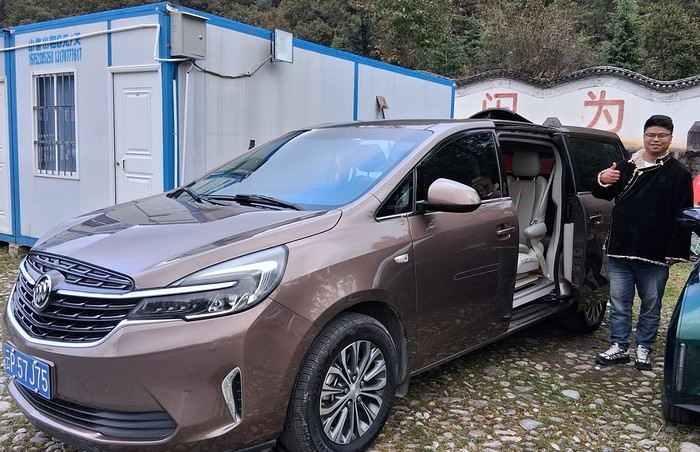
The next day, bright and early, we're already in the car. Our driver Suhe is super friendly and very careful.


Heading to the Blue Moon Mountain. We arrived early, but we weren't the first. The Chinese are early risers. There were already lots of them on-site. They came prepared with rain gear, even though we didn’t get a single drop of rain.


The yaks were already there too, ready for photos.


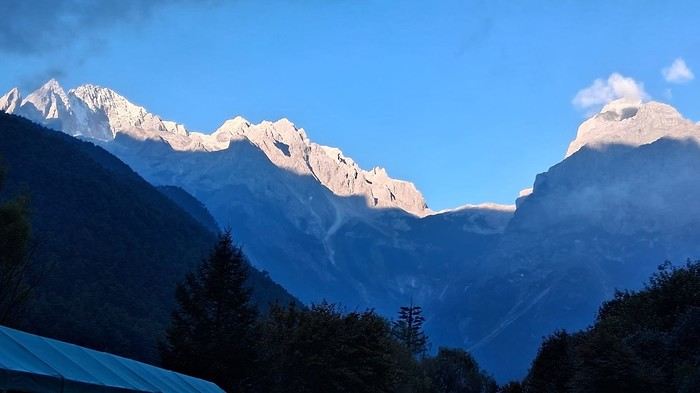
Even the sun showed up. We were lucky to have sunlit peaks—it was gorgeous.

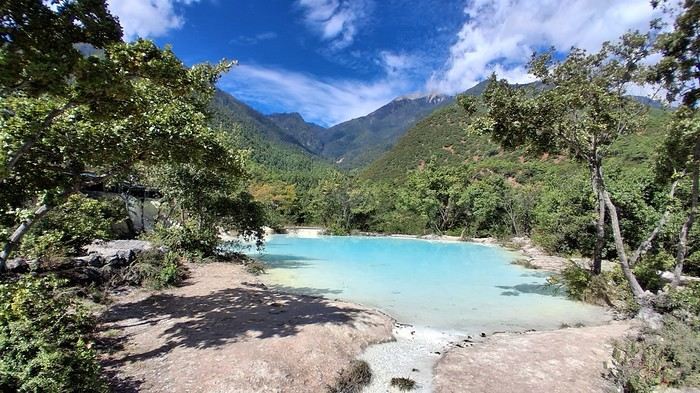
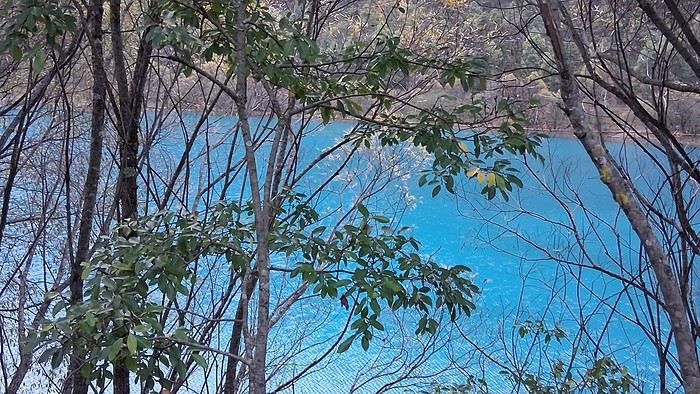
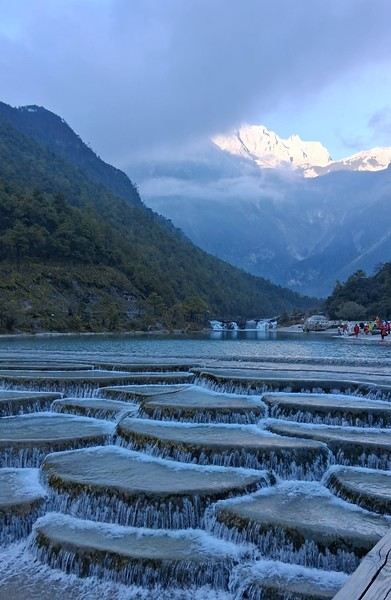
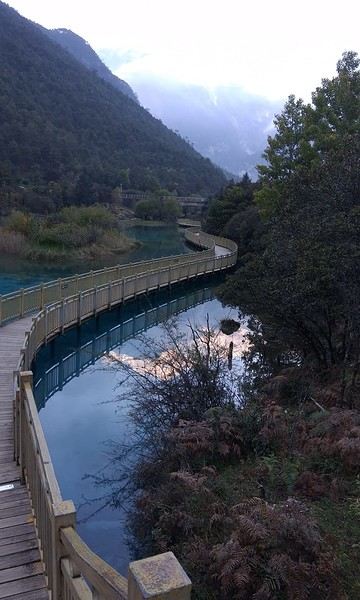
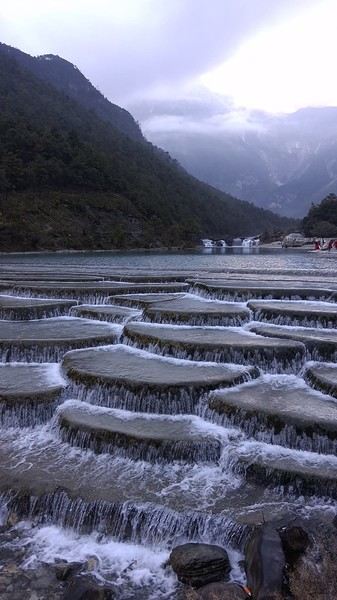
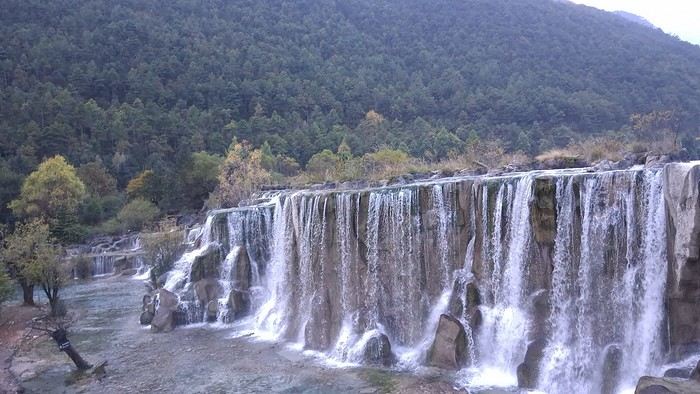
The Blue Lake is definitely an artificial lake—or rather, a series of mountain lakes. Many small water reservoirs flow in cascades. It’s absolutely stunning!


And it’s still so well-maintained, really easy to access.


JE Jeeaan Globetrotter ·
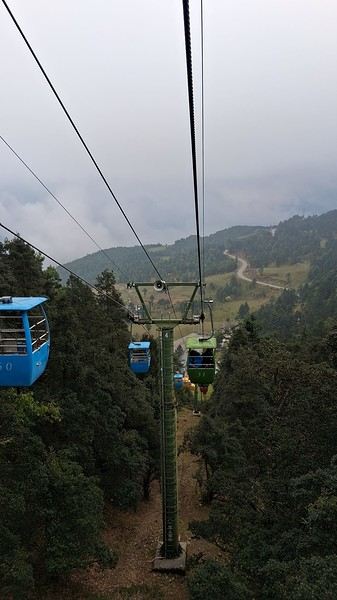
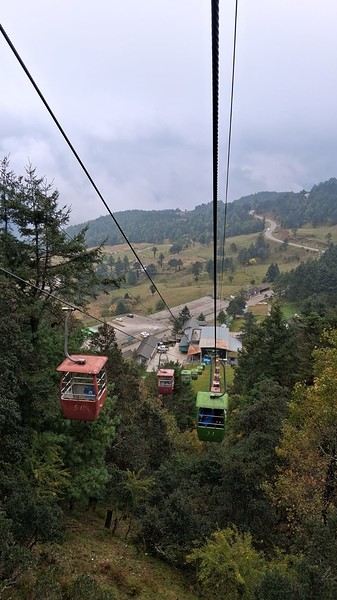
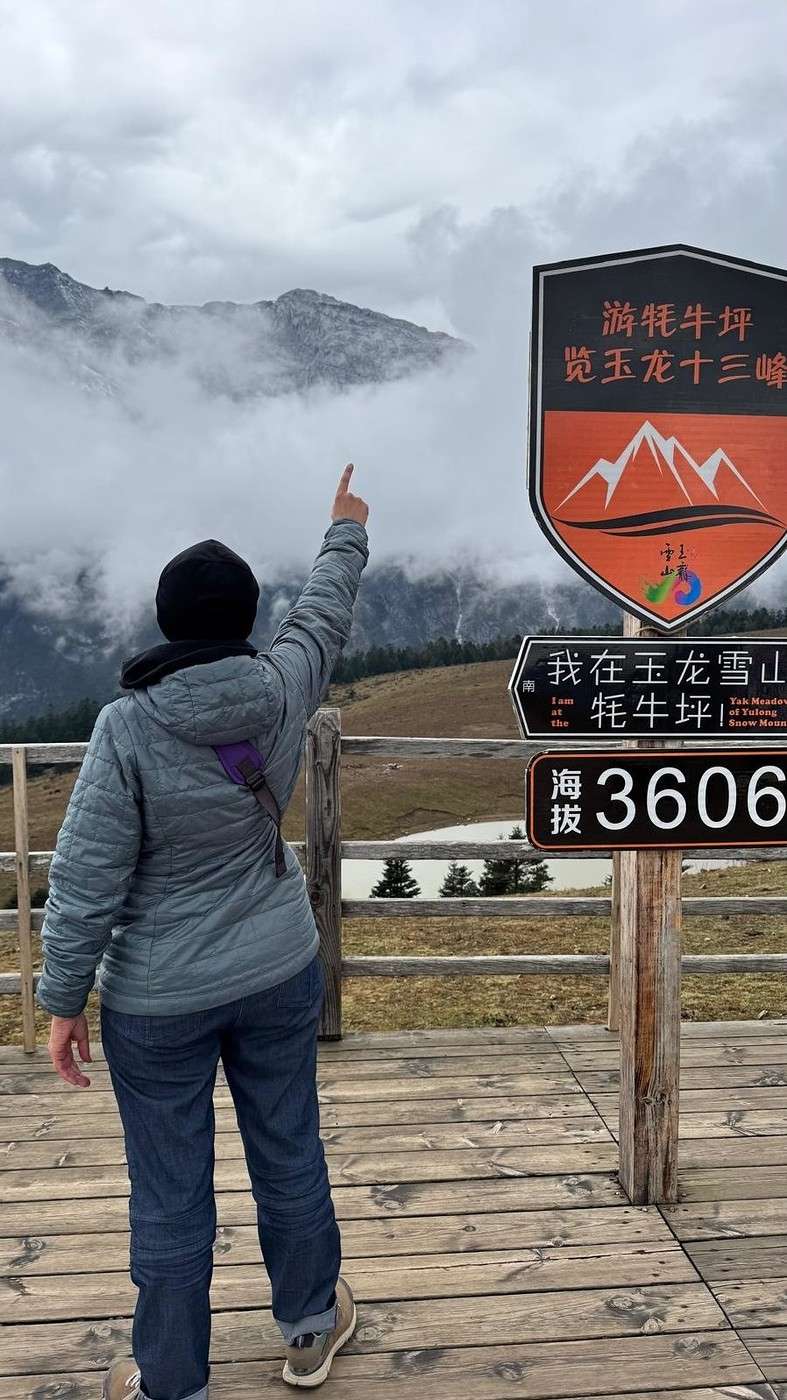
After this lovely visit, we continue our journey to the parking lot that will take us to the cable car up to the yak plateau. It takes twenty minutes to get up there. There are lots of clouds, so we can’t see much, and it’s pretty cold. Luckily, we’re well bundled up. But we come across several young couples taking their wedding photos. They must be freezing...


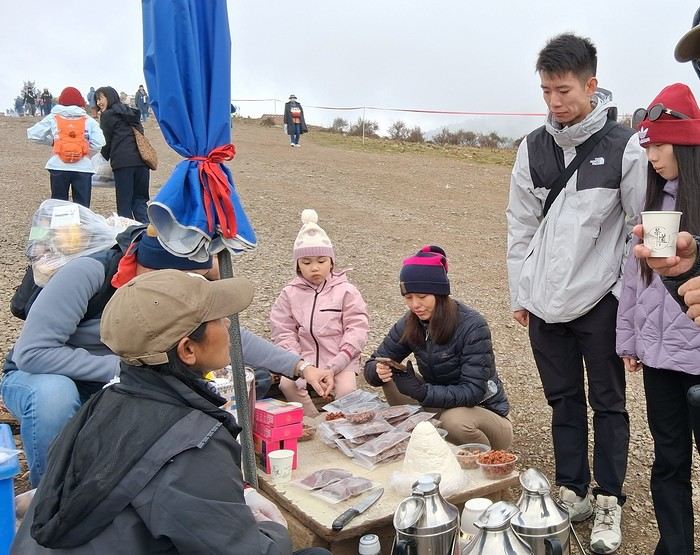
On the plateau, there are a lot of us—maybe too many to spot any yaks. We only see a few goats... and some horses.

We get to taste yak cheese, milk, and dried yak meat.


An hour and a half drive to reach the mountain village of Wumu. It’s really in the middle of nowhere, but it’s beautiful.


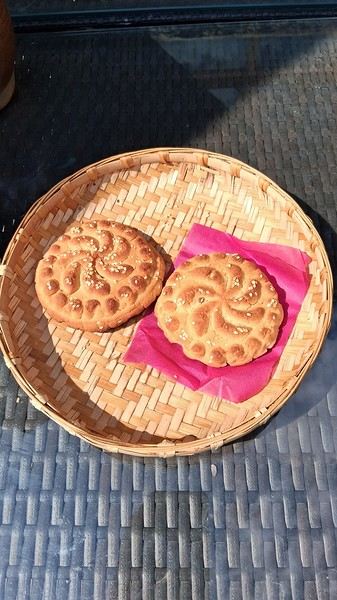
We’ll have lunch in this village but won’t stay long because the whole place is under construction. They’re installing a sewage system. It’s a massive job... The menu: noodle soup and homemade jam-filled pastries.


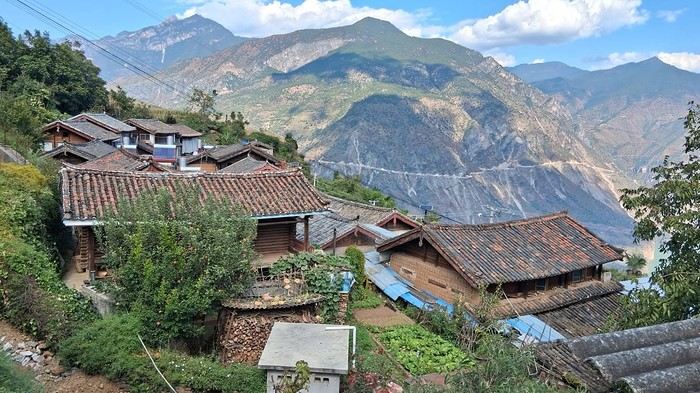
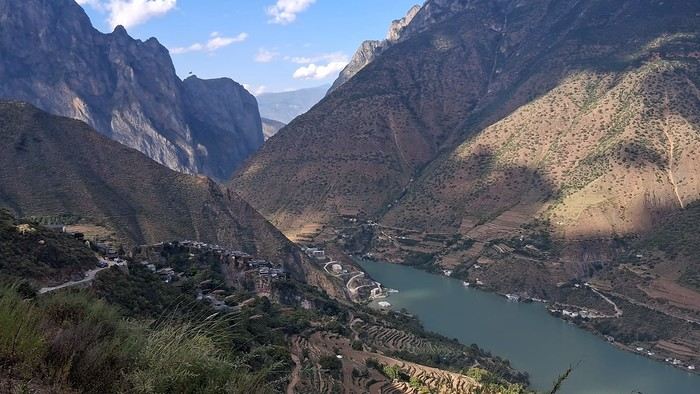
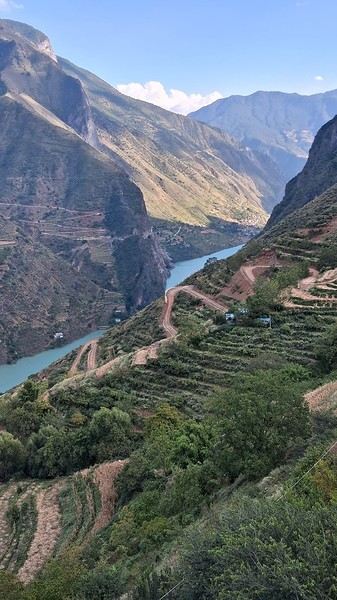
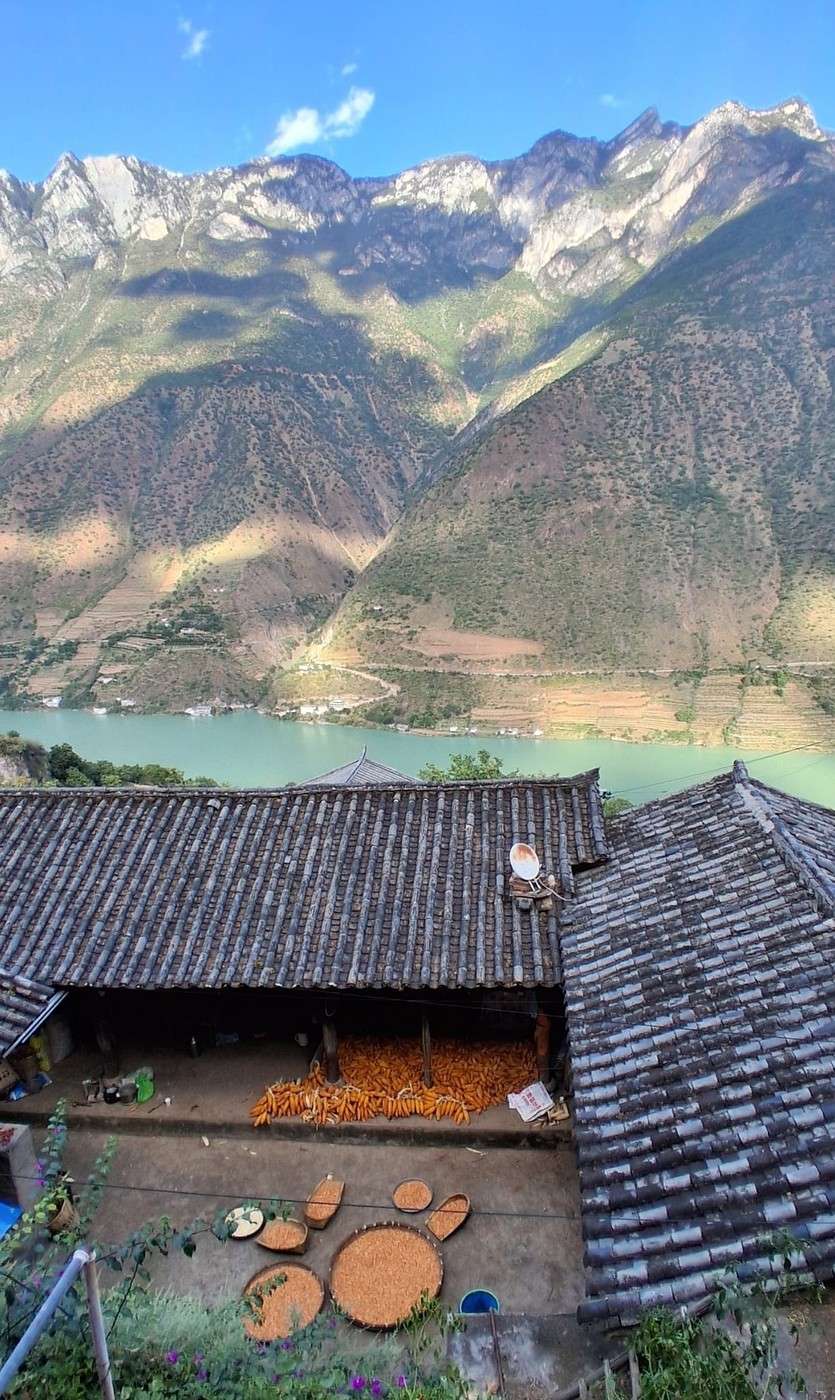
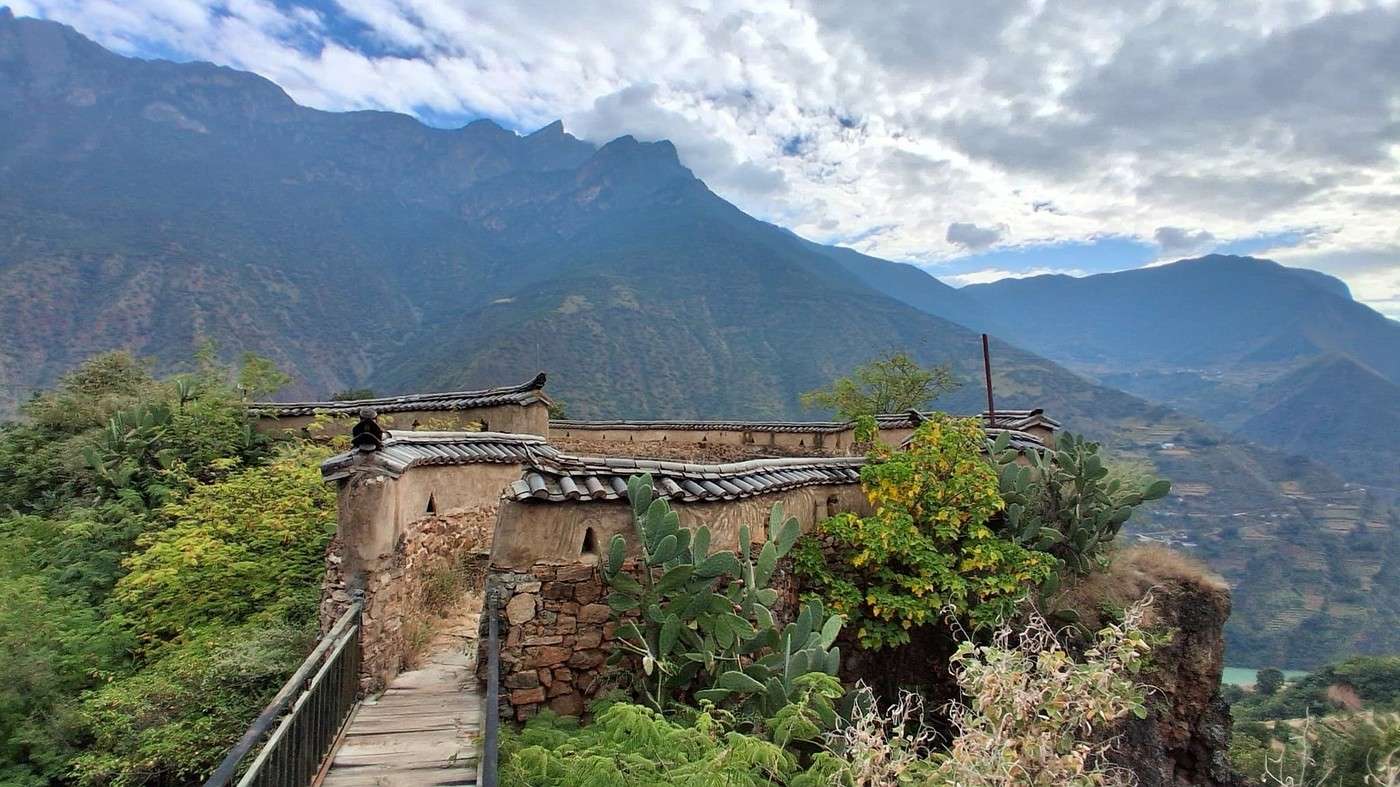
And it’s farther on, on the other side of the river, where we’ll spend the next few days. In a small village of about twenty families, clinging to the mountainside above the Yangtze. It’s an extraordinary place, breathtakingly beautiful.

The village of Baoshan Stone.

JE Jeeaan Globetrotter ·
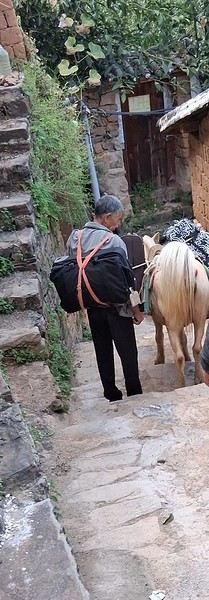
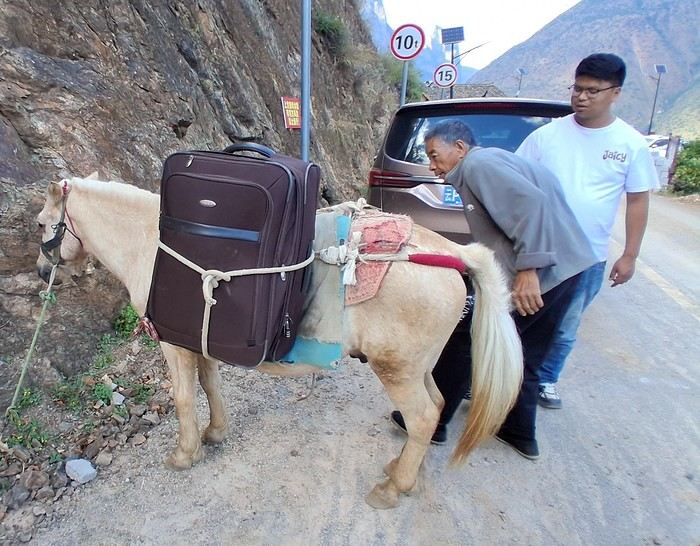
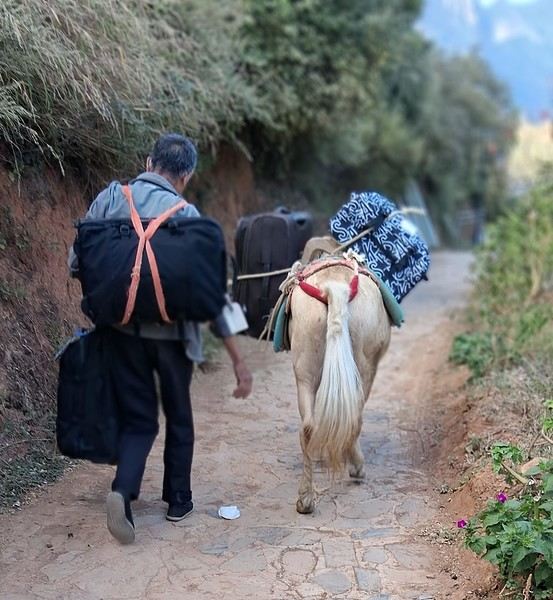
The village isn't accessible by car, so we leave the car at the parking lot. Then a mule comes to pick up our luggage with the owner of the guesthouse where we're staying.


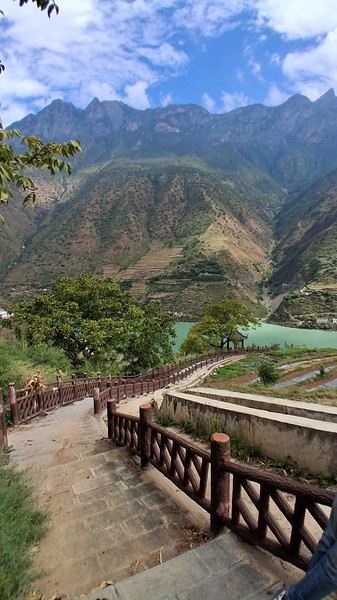
And we start the impressive descent that will take us to our guesthouse.

JE Jeeaan Globetrotter ·
It's stunning, but thankfully we didn’t have to carry our luggage...


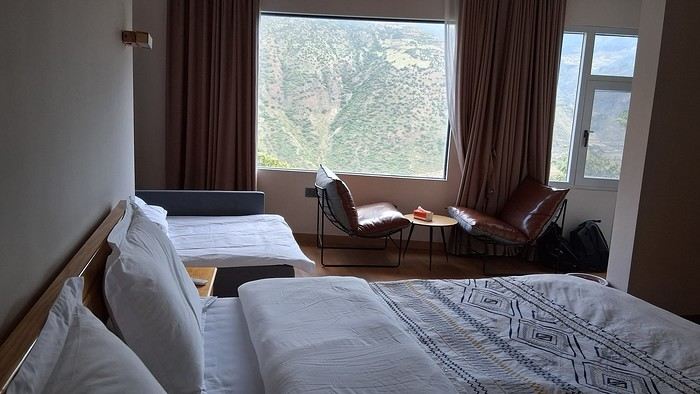
When we arrived, we were offered tea, nuts, peanuts, and clementines. The owners are lovely—attentive and always smiling. We settled into our room. We weren’t expecting such a cozy, comfortable space in such a small village. The view of the river and mountains is incredible. Everything is new, spacious, and spotless. They offered to do our laundry, and the washing machine was at our disposal.
At 7 PM, dinner was served with a view of the mountains. Everything was delicious. Three meat dishes: beef, chicken, pork. Three vegetable dishes: turnips and carrots, potatoes, zucchini. All homemade. And a small glass of corn liquor to help digestion—made by the grandfather.

Needless to say, we weren’t bothered by car noise at night. No noise at all. It’s almost eerie.

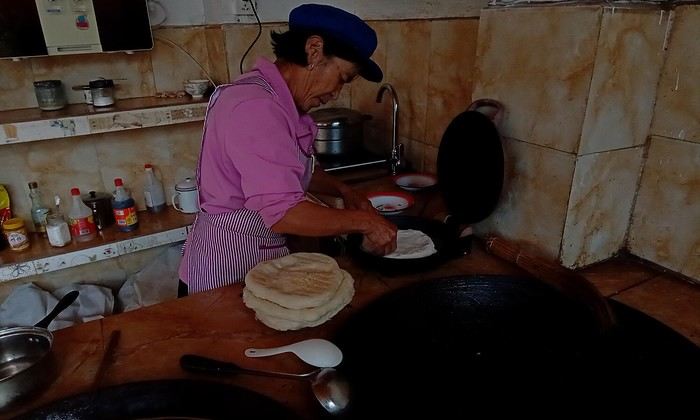
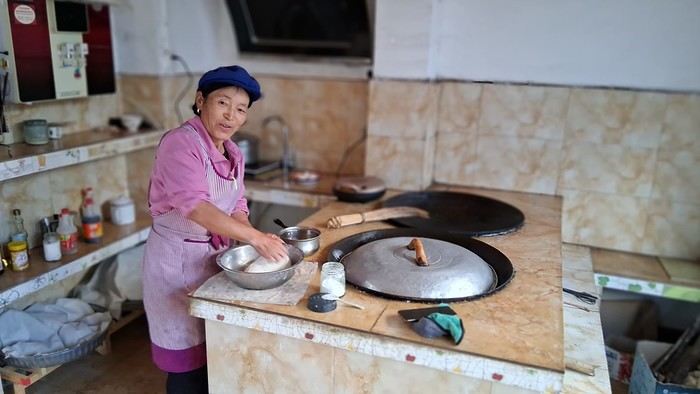
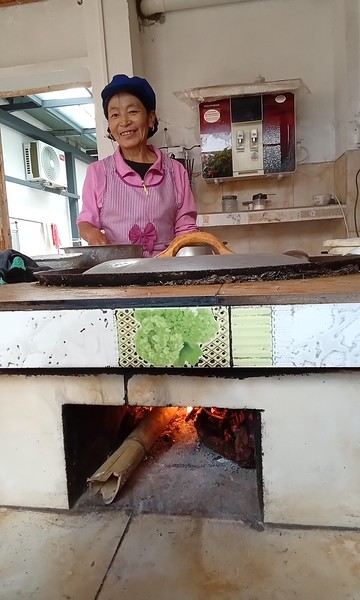
The next morning, the owner was busy preparing bread for breakfast. Big smile. The same warmth as always.


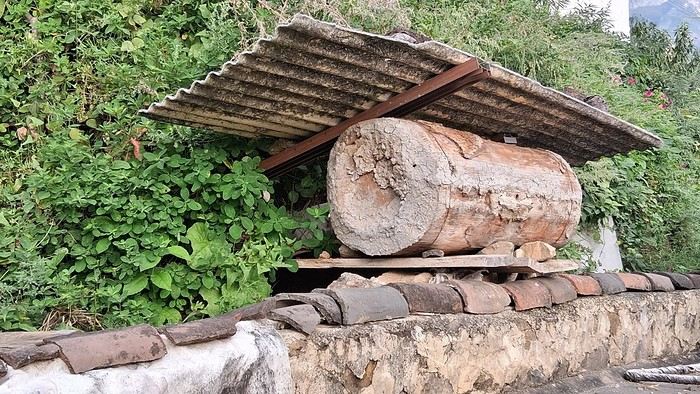
While the bread was baking, the owner offered to show us his beehives.

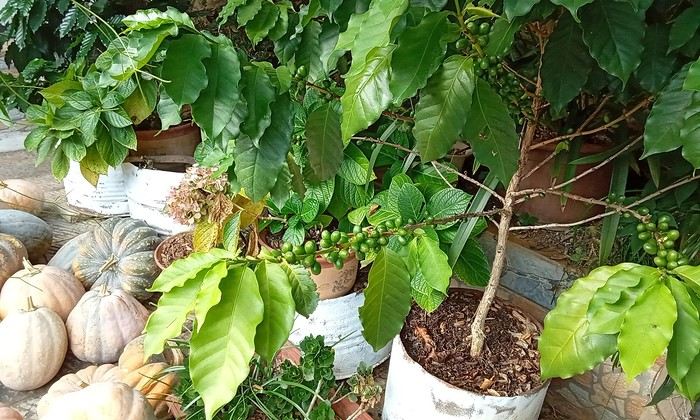
And his crops, his coffee plantations...


Then we sat down for breakfast. Tea, locally produced coffee, homemade honey, fresh bread, farm eggs, sweet potato and squash, rice soup, and fruit. Nothing was missing. Everything was delicious.

JE Jeeaan Globetrotter ·
After breakfast, we set off to descend to the river, first through the village.
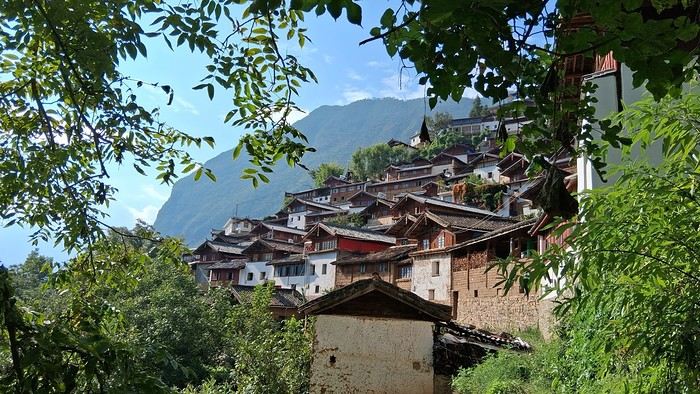
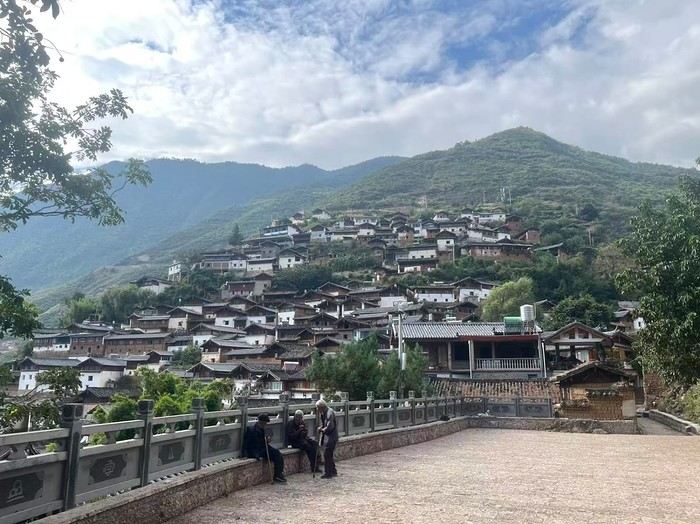


We cross the village square, surprisingly large given the layout of the place.

It’s a meeting spot for the villagers.
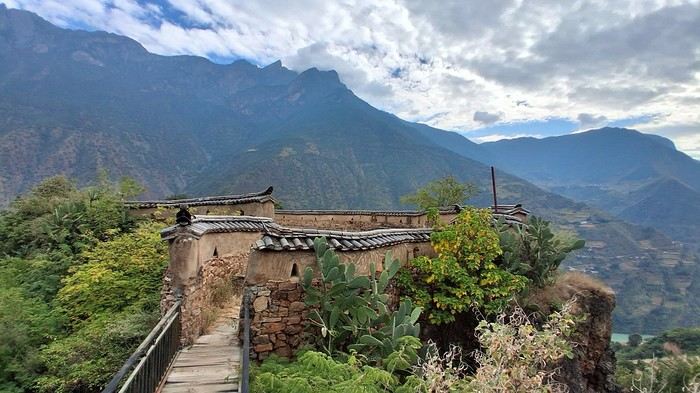
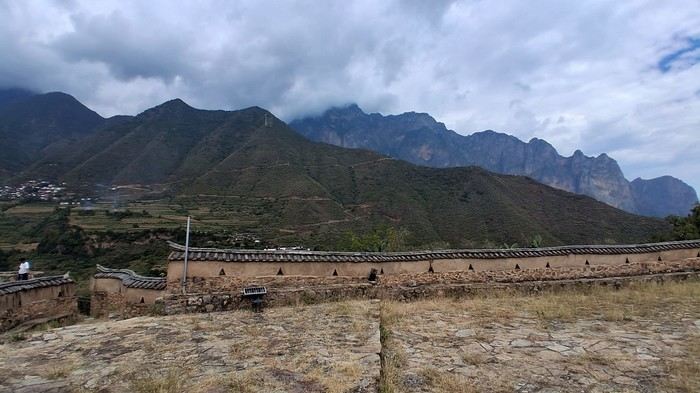
Then we climb onto the ramparts and reach another esplanade overlooking the village.


Next, we walk through the second part of the village. Everyone’s going about their business.


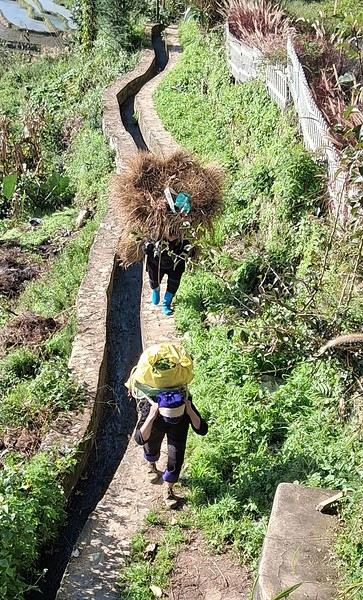
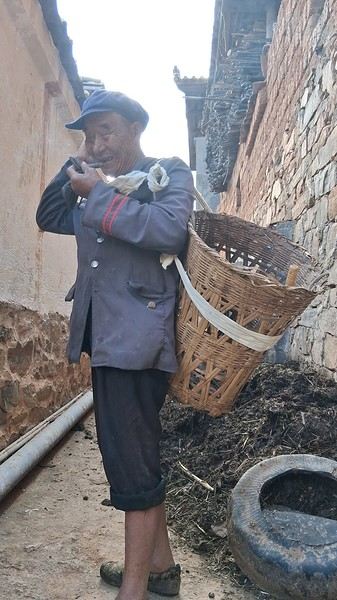
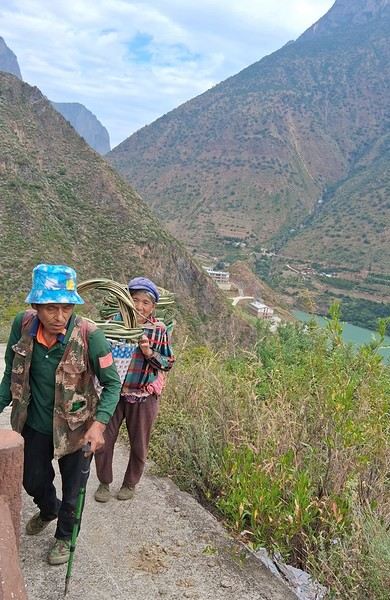
Some villagers are returning from the gardens along the riverbank. It’s tough going—they’re loaded down, and the climb is steep.


JE Jeeaan Globetrotter ·
We went down to the Yangtze River and to the small port that’s set up for river cruises, but at this time of year, navigation is banned—it’s too dangerous. Then we started making our way back up to the guesthouse. The climb was exhausting, really exhausting. We knew it would be, of course... but it was quite the workout. We took several breaks and eventually made it... thankfully, as you’d say...

On the other hand, I can’t seem to upload photos anymore... Sorry about that...

Similar discussions

You might also like