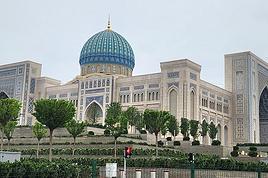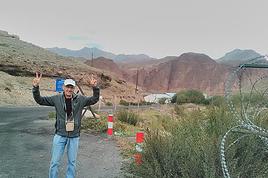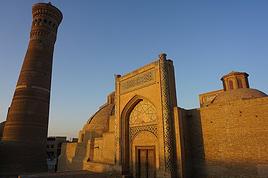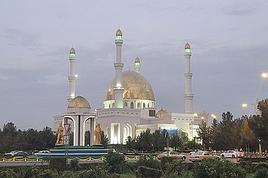
 We took off from Paris in the late afternoon on September 12 and arrived in Tashkent around 7:15 AM on the 13th.
This trip was the result of long contemplation and preparation (it was originally planned for the year of the lockdown (2020) and was prepared with the help and advice of Nasrullo Jumanov from Turquoise Travel.
Stages and Itinerary
Stage 1: Tashkent - September 13 and 14
Stage 2: Ferghana Valley – September 15 to 17
Stage 3: Nukus and Moynaq - September 18 and 19
Stage 4: Mysterious Khiva - September 20 to 22
Stage 5: Holy Bukhara - September 23 to 26
Stage 6: Asraf - September 27 and 28
Stage 7: Mythical Samarkand - September 29 to October 2
Stage 8: Tersak (via Shakhrisabz and Urgut) – October 3 and 4
Stage 9: Samarkand – October 5 and 6
Stage 10: Tashkent/Istanbul/Paris – October 6 and 7
Stage 1: Tashkent
September 13
At the airport exit, we were greeted by the owner of our B&B (B&B Gulnara).
Today was all about recovery and our first steps in the capital. Our first currency exchange made us feel like sudden millionaires.
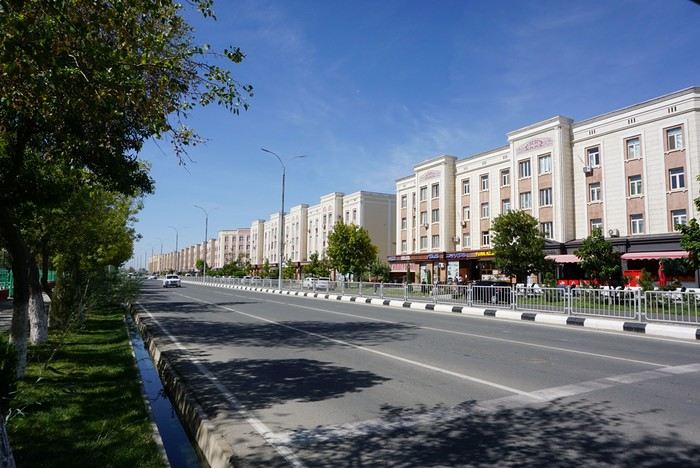
Our first stroll down the avenue leading to Chorsu Market introduced us to the fact that 80 to 90% of the cars here are white Chevrolets.
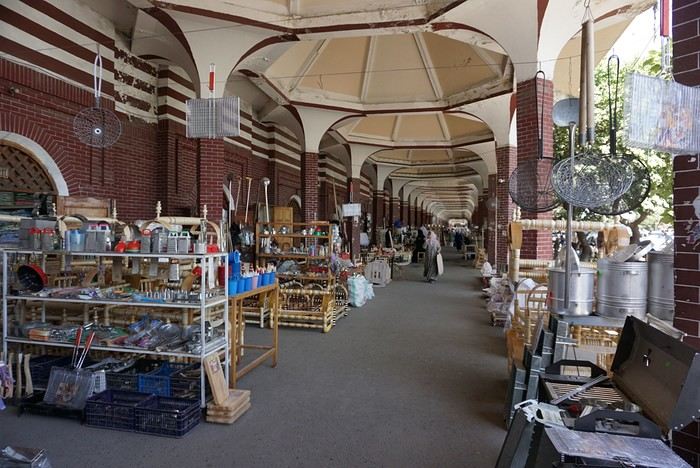
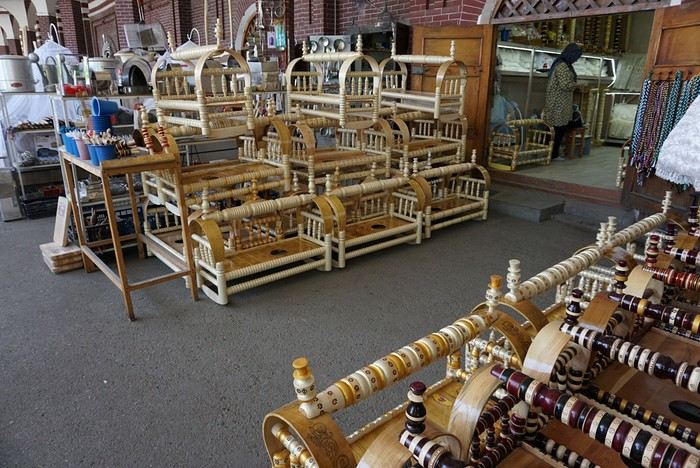
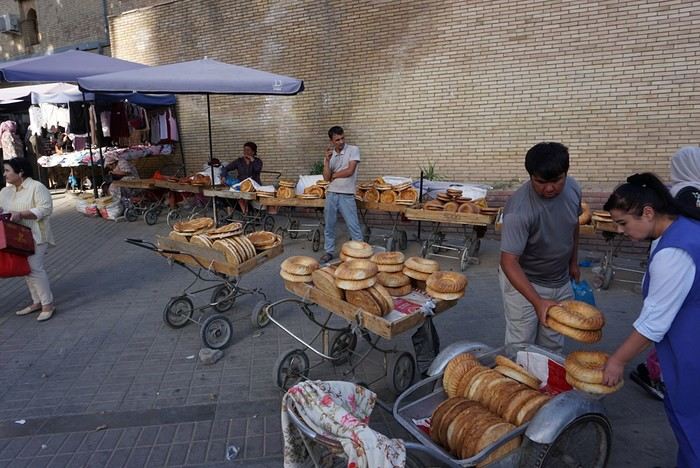
A walk under the arcades facing Chorsu: hardware stores, cabinetmakers, lute makers (one of them gave me a little concert/demo of a few string instruments).
Step 2: The Ferghana Valley (Part 1)
September 15
Early breakfast and taxi at 6:45 AM. 20 minutes later, we’re at the station. Ticket and baggage check before entering the premises.
The train is on time. Comfortably settled in a small 4-person compartment. Tea is served.
We get off at Kokand station around noon. Our driver, Mamour, is waiting for us as planned. He only speaks Uzbek or German (and we speak French, English, or Spanish). It seems like it’ll be tricky, but we’ll manage to understand and appreciate each other without any issues! And when necessary, we’ll call Nasrullo to act as an interpreter!
Actually, every evening during almost the entire trip, we’ll give a little recap of the day and the next day’s program with Nasrullo. This allows him to pass on the latest instructions to the driver when we decide to adjust or modify the initial itinerary (which will happen quite often).
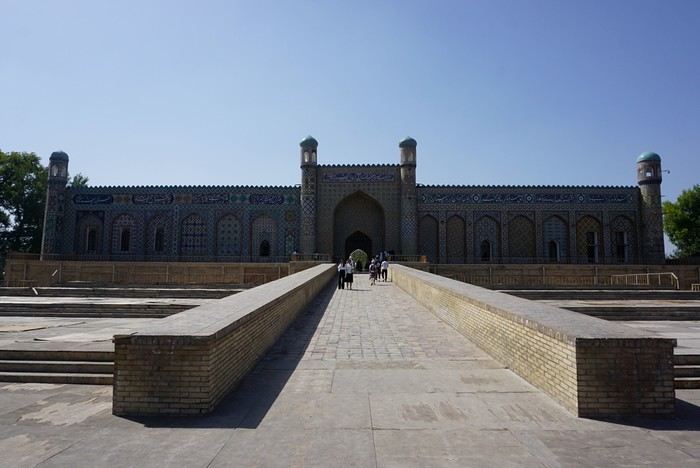
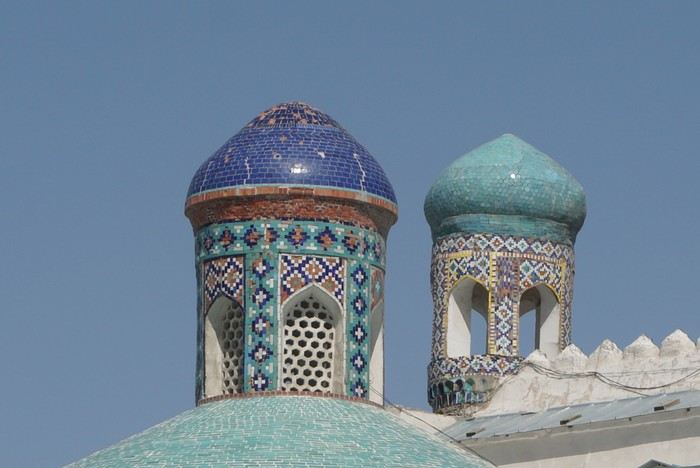
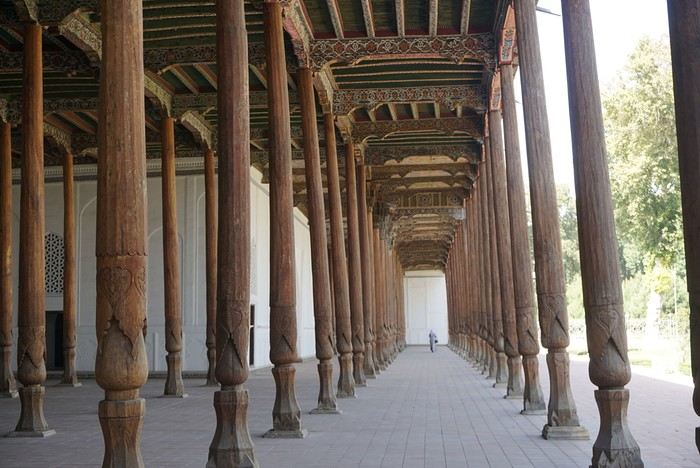
After lunch, we visit the Khudayar Khan Palace (about 1 hour), then the Juma Mosque and the Dakhmai-Shahon Mausoleum.
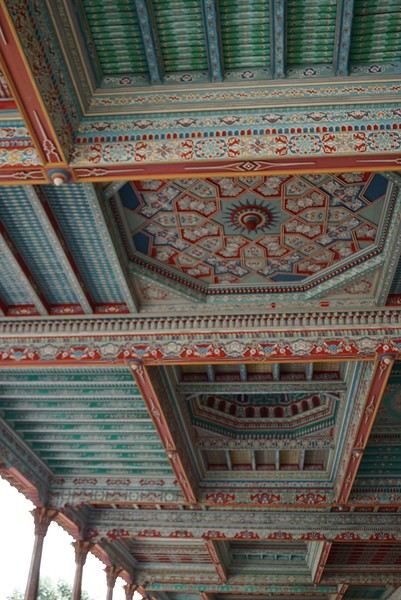
Kokand, also known as the "City of Winds," has a history of over 2,000 years. It was one of the largest trade centers at the crossroads of the Silk Road caravan routes. Next, we head to Rishtan, located 50 km from Kokand on the way to Marghilan, where we’ll be staying. Rishtan is the city of ceramists. For 800 years, the secrets of this craft have been passed down from father to son. Known for their blue and green traditions with a unique glaze (Ichkor), these ceramics are recognized worldwide. We visit a workshop where we see a potter at his wheel and young painters decorating bowls and other ceramics. No obligation to buy—free to wander around the workshop with no pressure to purchase. Pure visual delight!
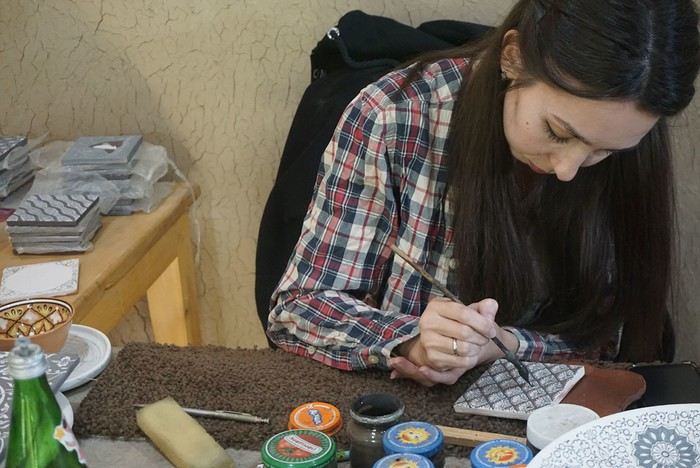
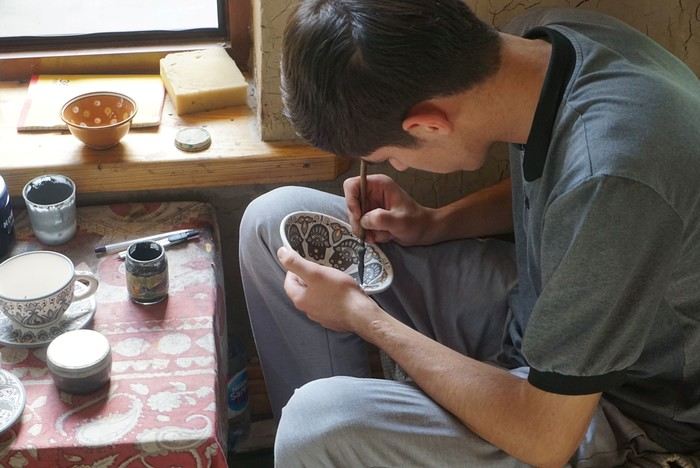
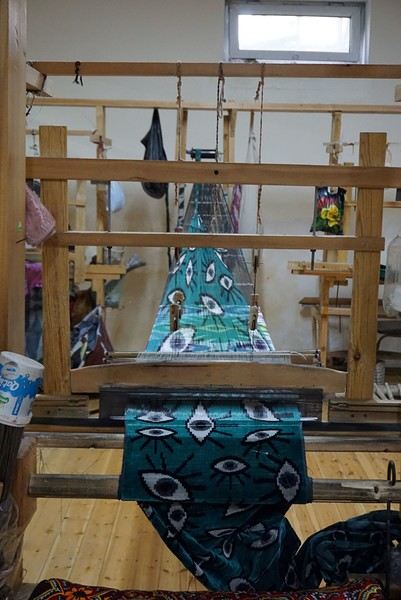
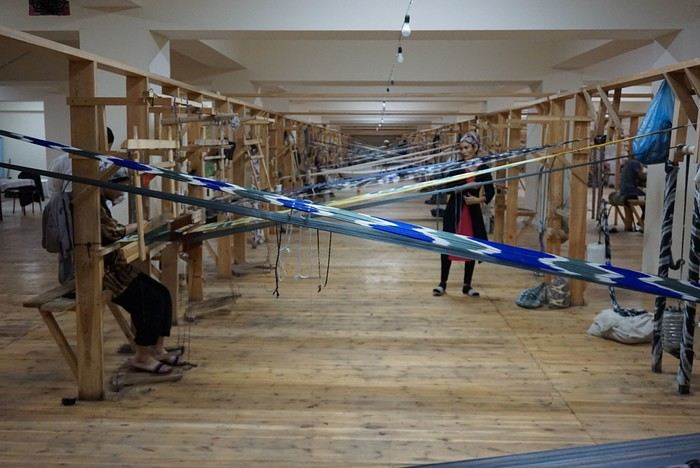
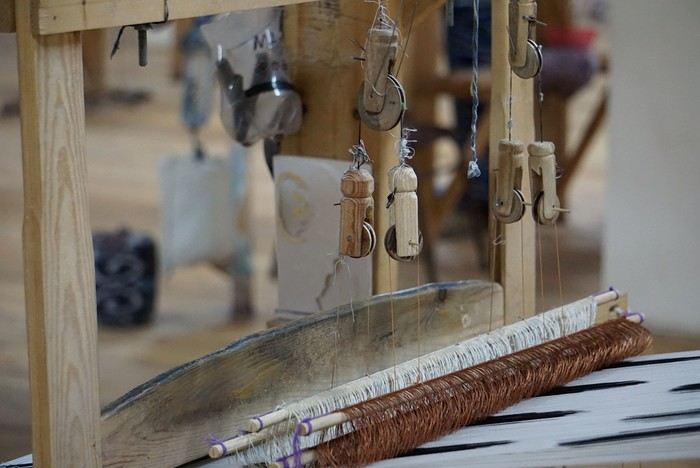
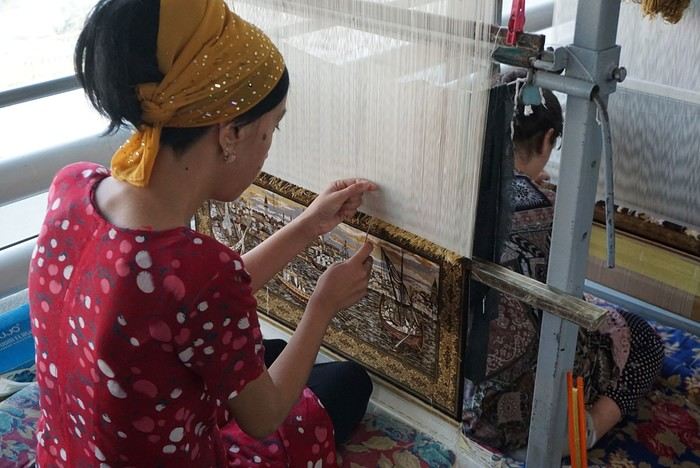
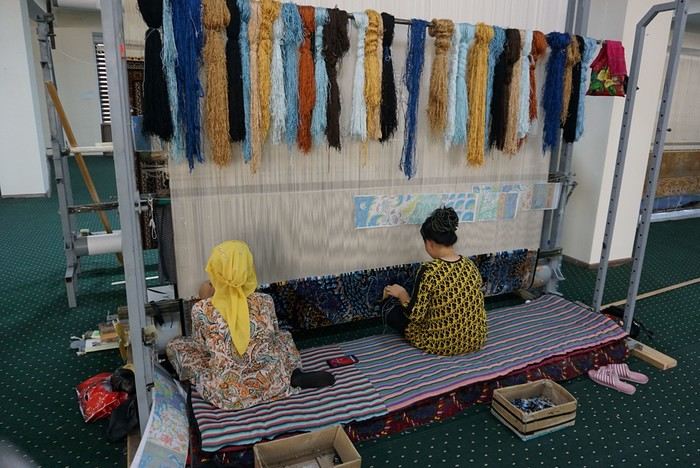
Then we hit the road again toward Marghilan, arriving around 4:30 PM. Check-in at the Diyor Hotel. Meet-up with Mamour set for 9:00 AM the next day. Tonight, we ask Nasrullo to remove the visit to the Yodgorlik silk factory from the program since entrance is now paid. Right next to the hotel, there’s an artisan center with a large weaving workshop in the basement, an exhibition and sales room on the ground floor, and a carpet-making workshop on the first floor.
After lunch, we visit the Khudayar Khan Palace (about 1 hour), then the Juma Mosque and the Dakhmai-Shahon Mausoleum.
Kokand, also known as the "City of Winds," has a history of over 2,000 years. It was one of the largest trade centers at the crossroads of the Silk Road caravan routes. Next, we head to Rishtan, located 50 km from Kokand on the way to Marghilan, where we’ll be staying. Rishtan is the city of ceramists. For 800 years, the secrets of this craft have been passed down from father to son. Known for their blue and green traditions with a unique glaze (Ichkor), these ceramics are recognized worldwide. We visit a workshop where we see a potter at his wheel and young painters decorating bowls and other ceramics. No obligation to buy—free to wander around the workshop with no pressure to purchase. Pure visual delight!
Then we hit the road again toward Marghilan, arriving around 4:30 PM. Check-in at the Diyor Hotel. Meet-up with Mamour set for 9:00 AM the next day. Tonight, we ask Nasrullo to remove the visit to the Yodgorlik silk factory from the program since entrance is now paid. Right next to the hotel, there’s an artisan center with a large weaving workshop in the basement, an exhibition and sales room on the ground floor, and a carpet-making workshop on the first floor.
 The drive to the airport feels long. The closer we get to Tashkent, the heavier the traffic becomes. We finally arrive at the airport with several hours to spare. Like at the train station, before entering the premises, we have to show our ticket and go through baggage control. Inside the terminal, we’re almost alone. Actually, there are very few domestic flights, and passengers only arrive at the last minute, just before boarding.
Full flight. On time. No issues.
Upon arrival, outside the airport, we’re met by a taxi driver who takes us to our hotel (Hotel Tashkent) without us having to ask.
 MapsMe quickly puts us back on the right track. Luckily, it’s not far—about a 20-minute walk. This gives us a chance to explore a few streets in the city and pass by the Museum of Arts and Traditions of Karakalpakstan, which we’ll visit later.
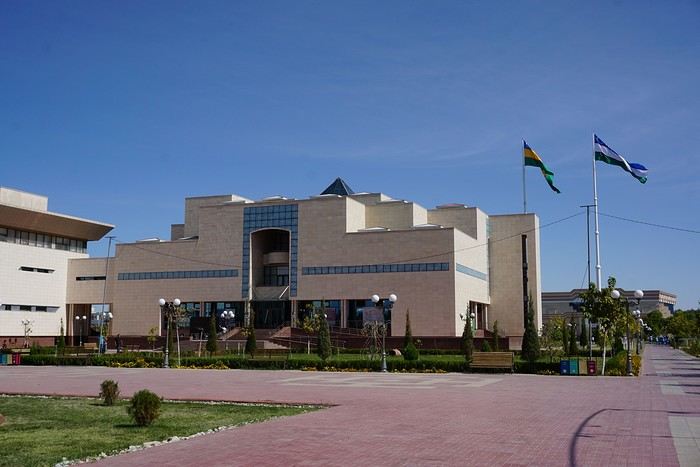
There are so few people in front of the Fine Arts Museum, also known as the ‘Louvre of the Desert,’ that we think we’ve gotten the address wrong again. But no, this is the right place!
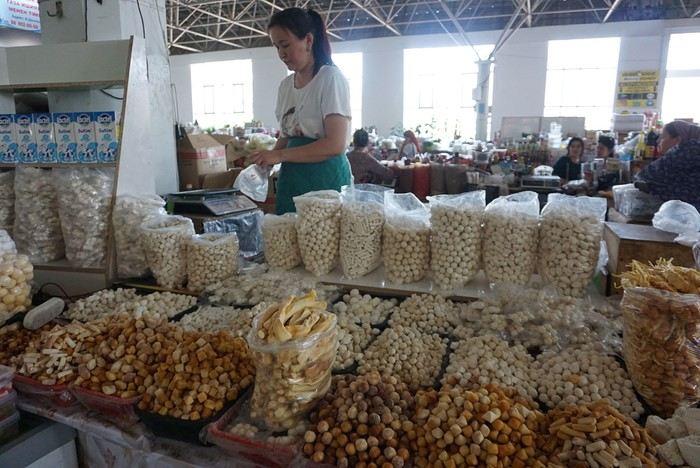
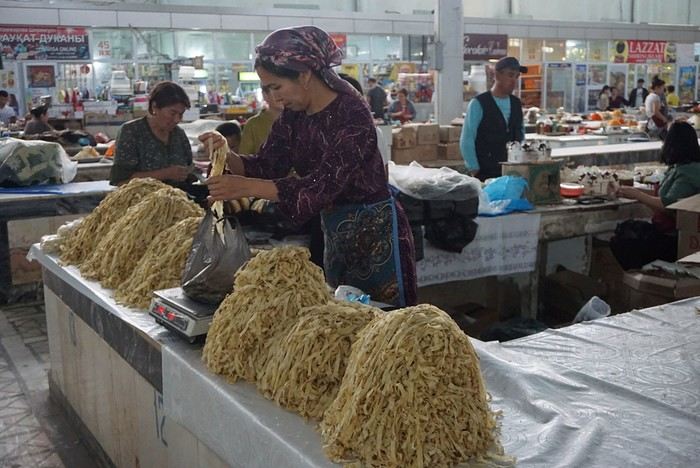
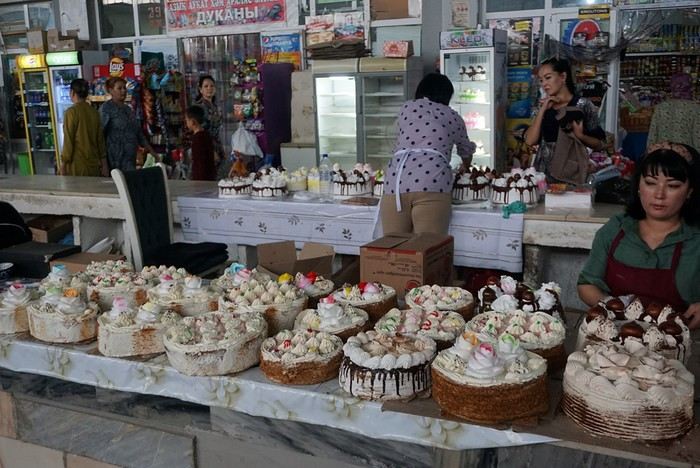
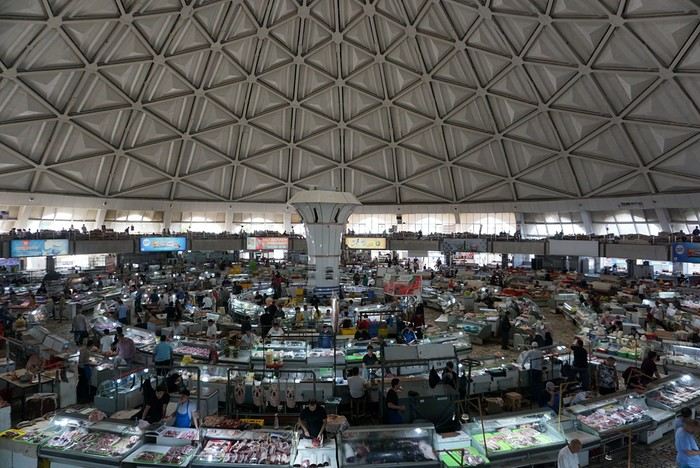
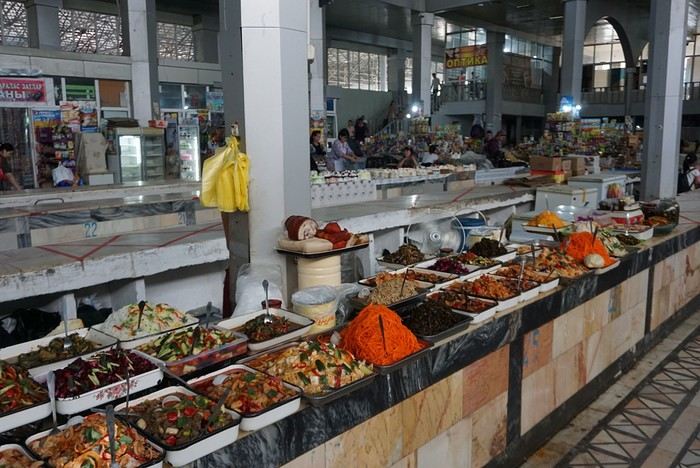 The market is huge. We’re looking for a spot to eat and stumble upon a pork butcher shop. Surprising! Then we find a little snack stand where they offer a whole selection of doughnuts (like hot dogs, but with doughnuts instead of bread) and savory pastries with veggies or meat. We make our choices and order some tea. We eat for about 1.7 € for two. Funny story: I left my cap on a chair, and one of the servers ran after us to return it. I think tonight we can treat ourselves to a nice little restaurant!
Afterward, we continue our walk toward the Museum of Arts and Traditions. Here, the museum is completely empty! No visitors at all! So much so that a guard follows us into every room. A bit overwhelming, honestly!
At the entrance, I ask if I can take photos. Still not with a camera. With my tablet? Yes? Okay. (I should’ve thought of that this morning! What an idiot I am!). Well, there’s not much to remember here. This museum isn’t a must-see, far from it!
At the exit, it’s really hot, and we decide to head back to the hotel for a cool break.
In the late afternoon, we decide to take a walk along the canal near the hotel toward an amusement park. We pass by a Ferris wheel under construction, but of the amusement park… all that’s left are a few ruined buildings.
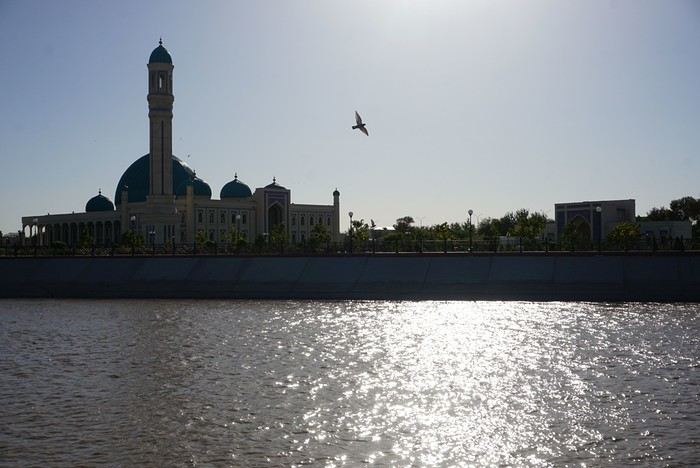 At the end of the canal, on the other bank, is the Nukus Mosque. The walk is still pleasant, and it’s a popular spot for locals, young and old. We head back to the hotel in the late afternoon and debrief with Nasrullo: planning tomorrow’s day, which includes Moynaq, the Mizdakhan necropolis, and the 14th-century Mazloumkhan Sulu Mausoleum. We also agree on the meet-up time with our new driver, Javlon.
Today, we walked a lot and don’t feel like going out again to look for one of the restaurants Nasrullo recommended. So we opt for the hotel’s restaurant… Well, how can I put this? Not really the best choice! We’re the only customers. The menu is very limited. And the piece of boiled meat we’re served… found by chance in the middle of sheep fat. Oh well! We won’t make that mistake again, that’s for sure!
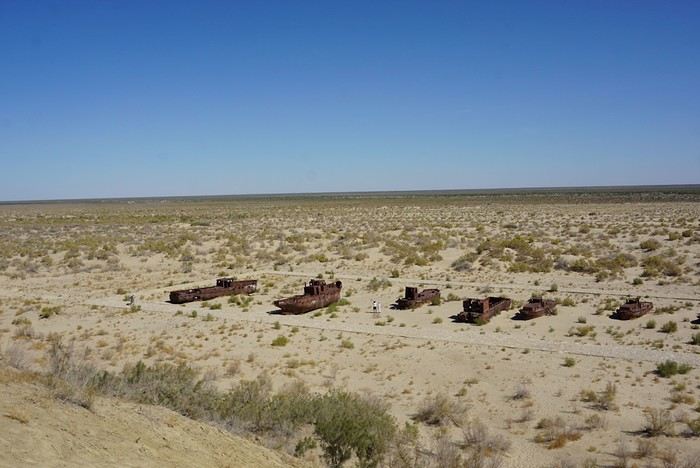
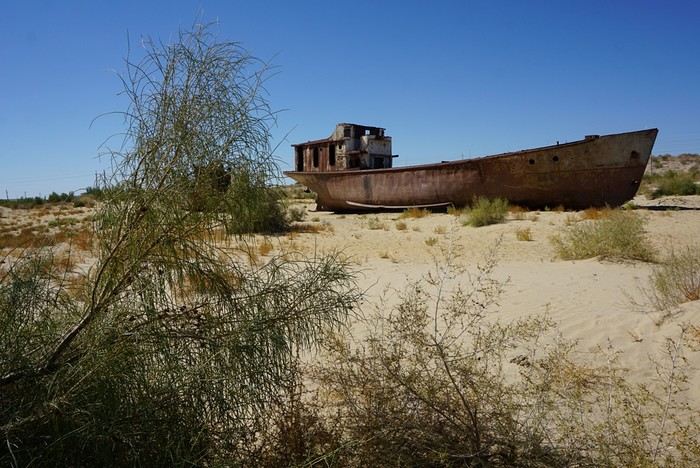
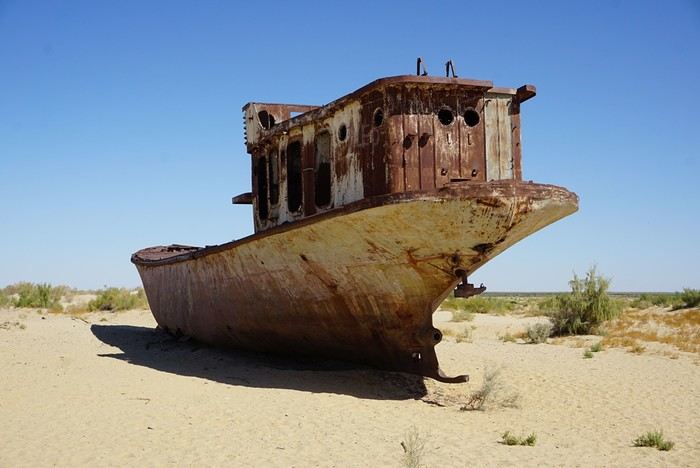
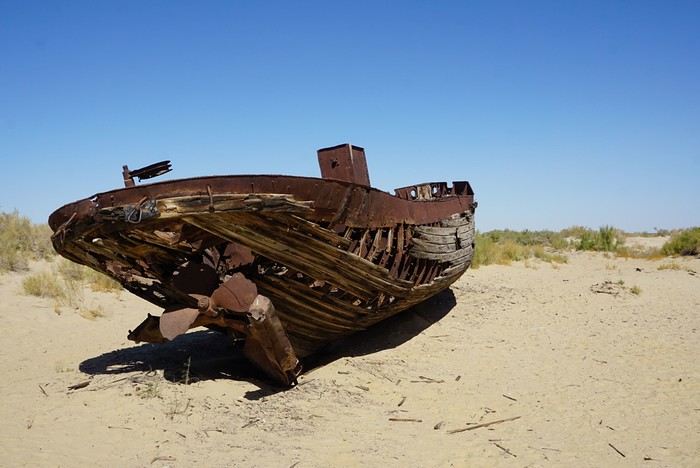
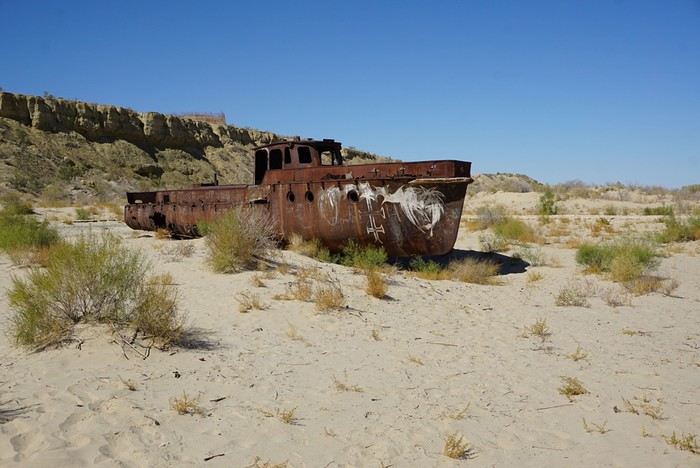 This once-thriving fishing port until the early 1960s declined with the disappearance of the Aral Sea. From that era, only a few stranded ships remain, a lighthouse on a cliff that once overlooked the sea (and now the desert), and a nostalgic museum that recalls this lost prosperity. A short film is shown, featuring almost miraculous fishing scenes and the bustling activity of the canneries.
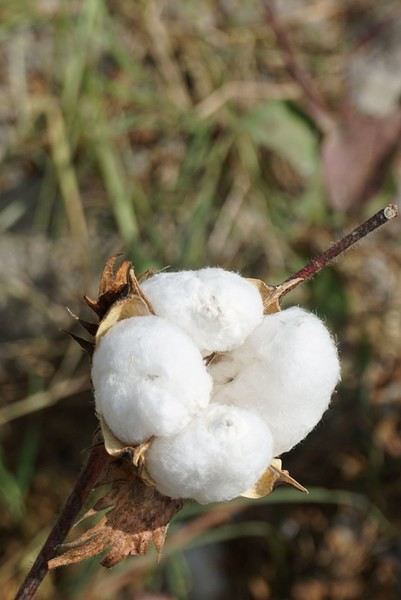
The intensive cotton farming imposed by the USSR, requiring excessive irrigation, prevented the Amu Darya and Syr Darya rivers from feeding the Aral Sea, which quickly retreated from the coast until it nearly vanished. The shores are now 200 km from the port, and the sea continues to recede. Nasrullo will tell us a few days later that the yurt camp for tourists, which was on the shores of the sea just a year or two ago, is now 2 km from the water’s edge.
After wandering around the stranded ships, we had lunch in town. Then, we headed to the Mizdakhan Necropolis.
Another rough road for nearly 200 km.
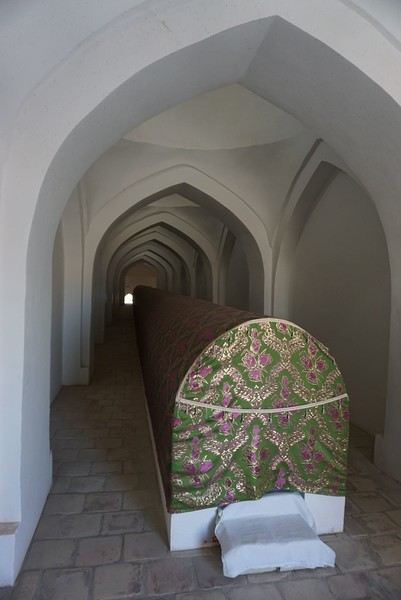
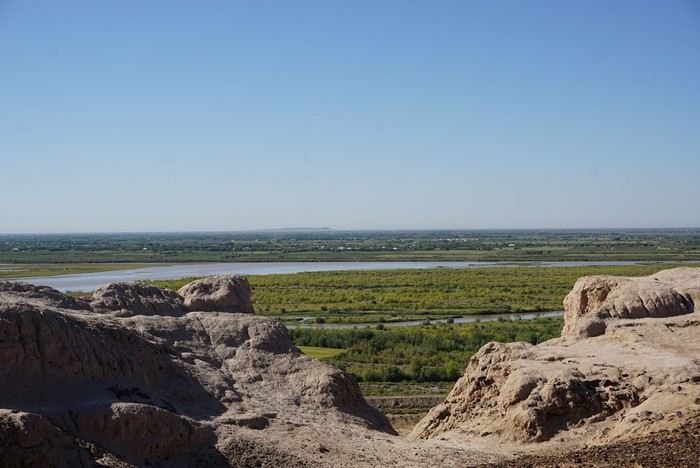
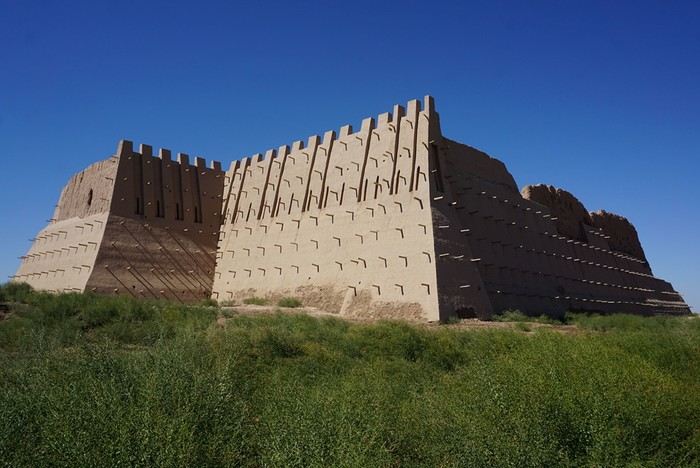
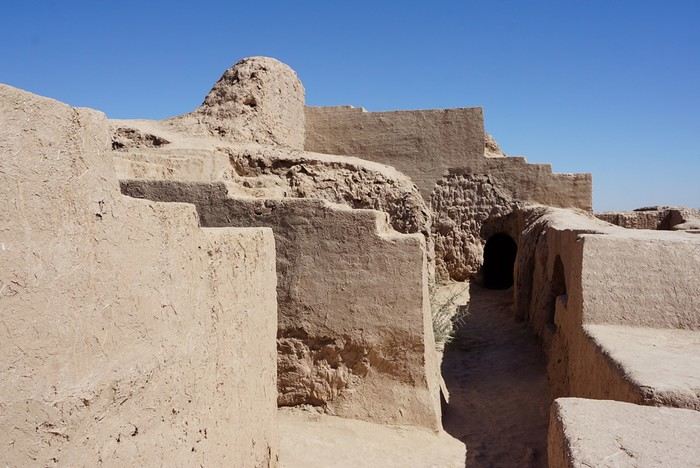
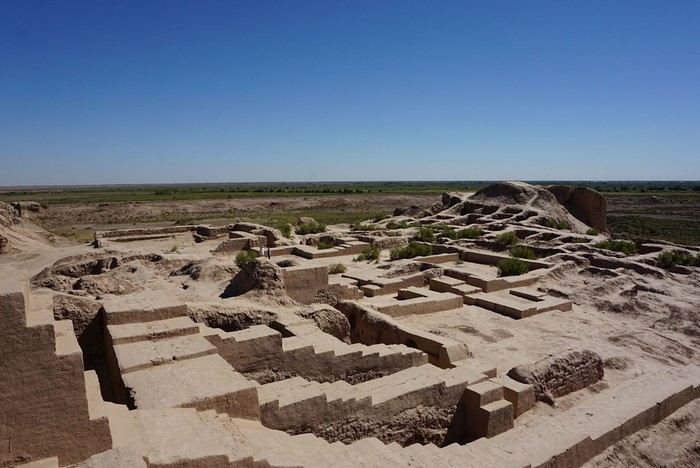
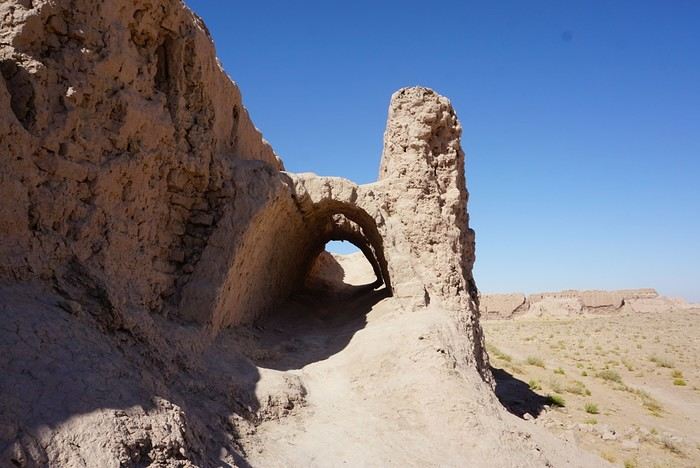
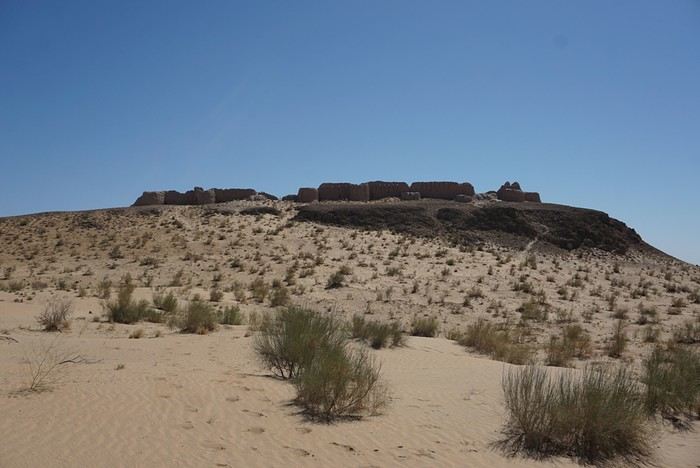
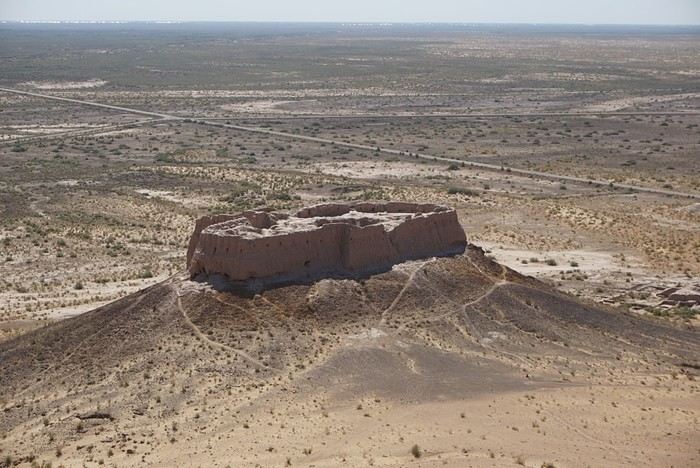
Mizdakhan was once a large city on the banks of the Amu Darya. According to historians, it had over 12,000 suburbs. But it was destroyed by the Mongols, along with the Gaukala fortress.

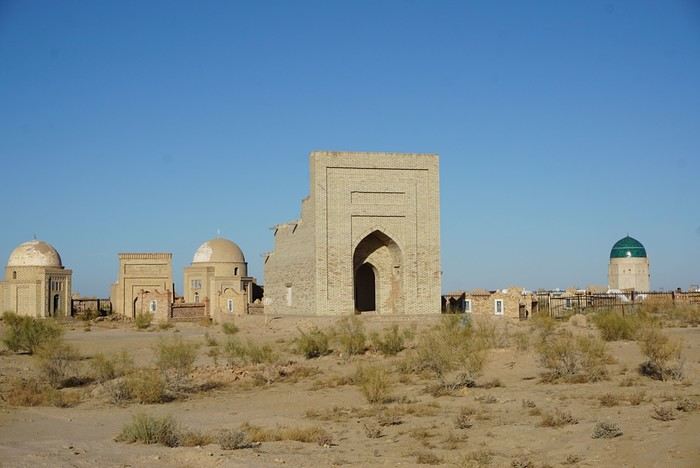
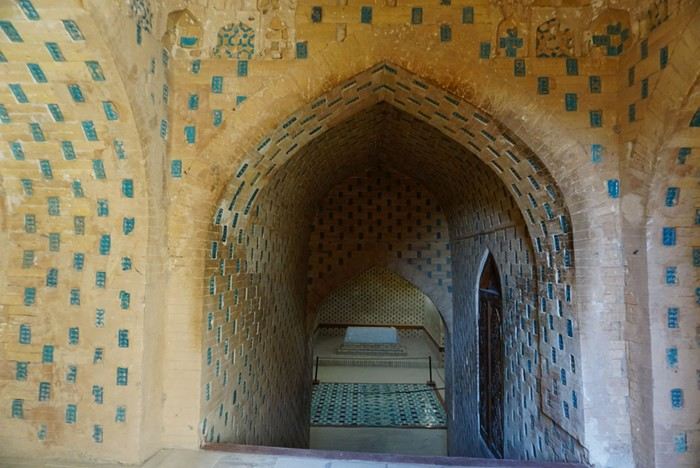
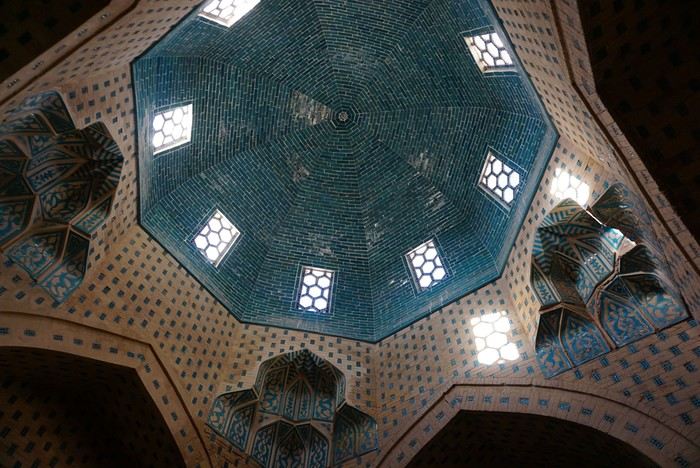 An interesting visit in the late afternoon. A tourist-free site located 22 km from Nukus. The mausoleum is stunning!

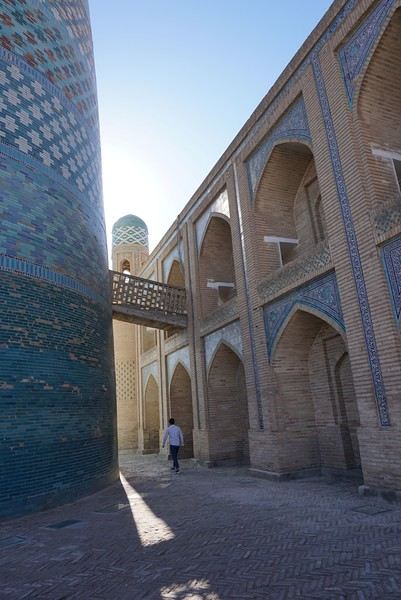
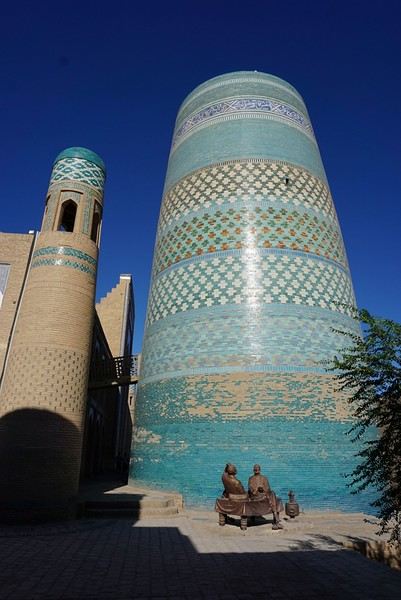
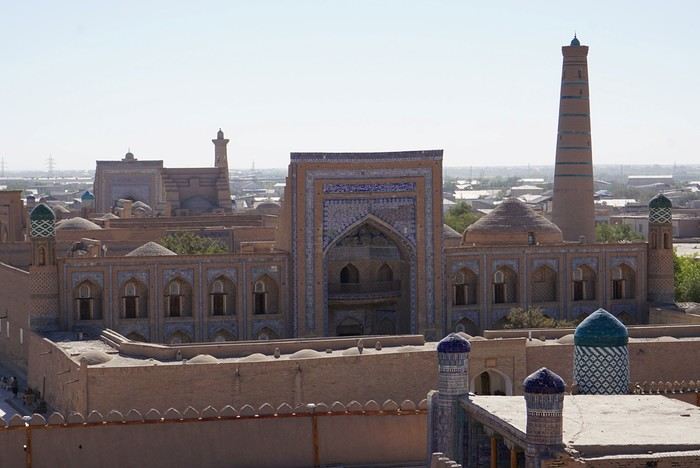
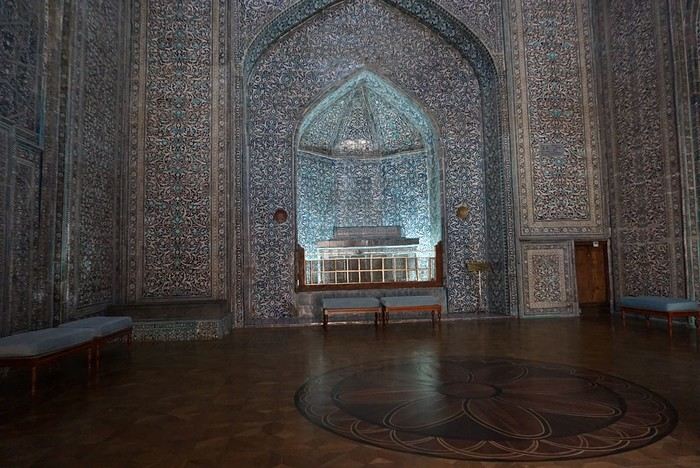
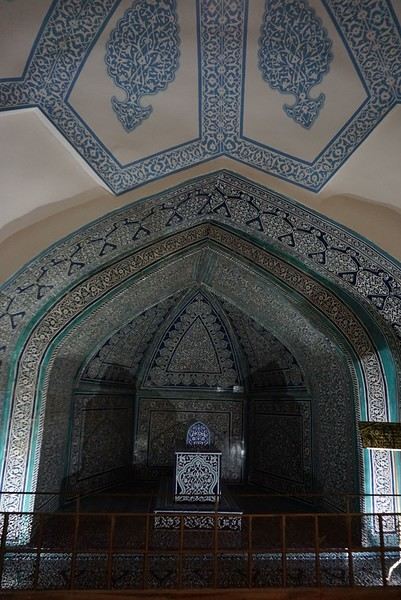
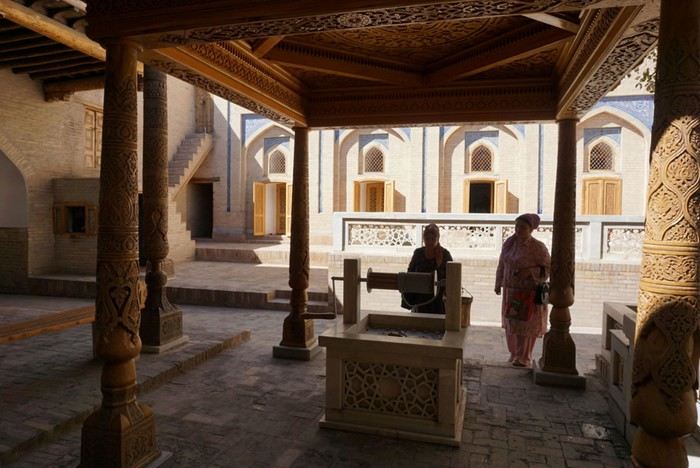
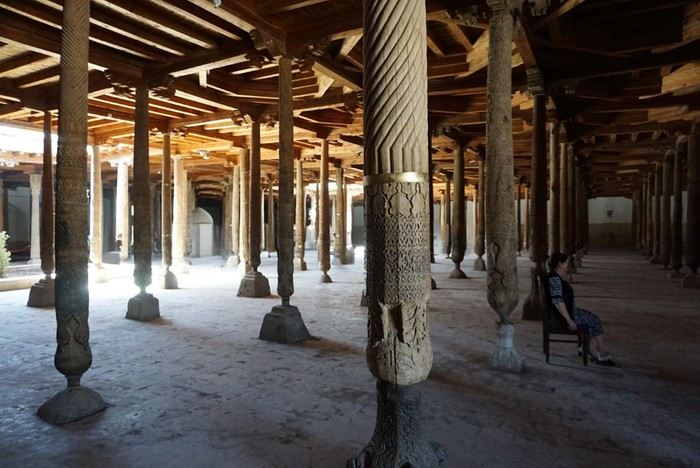
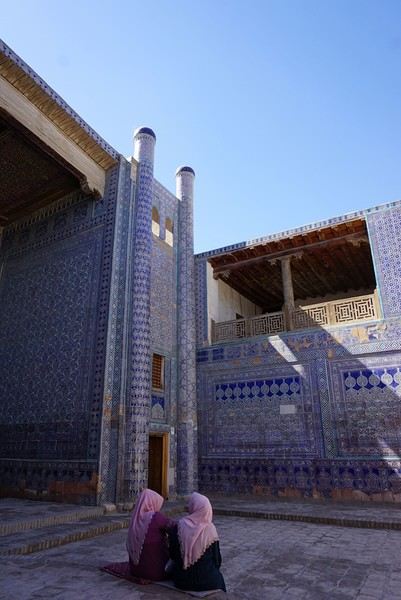
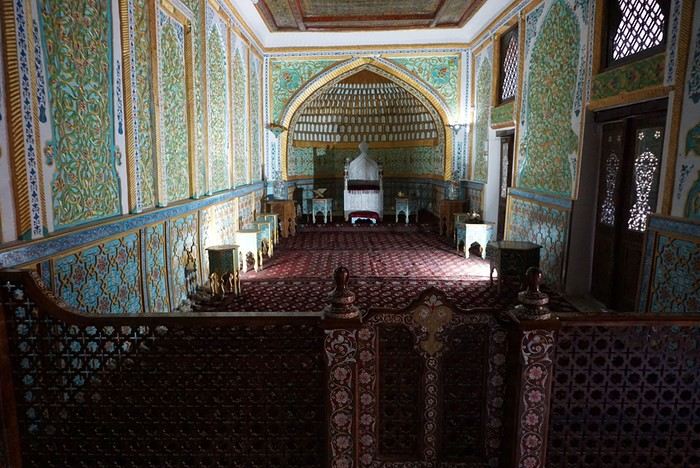
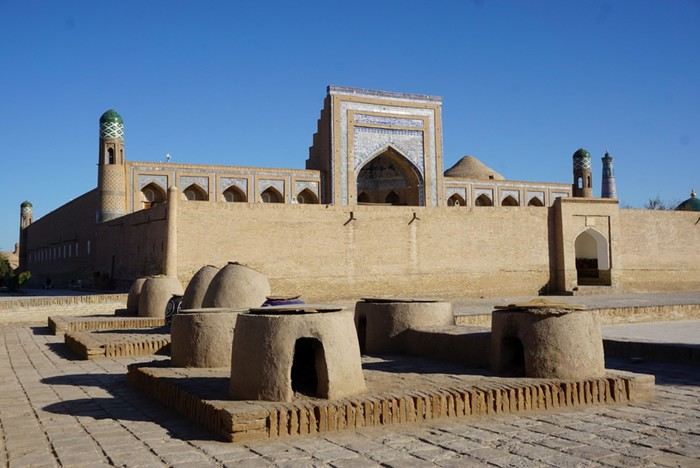
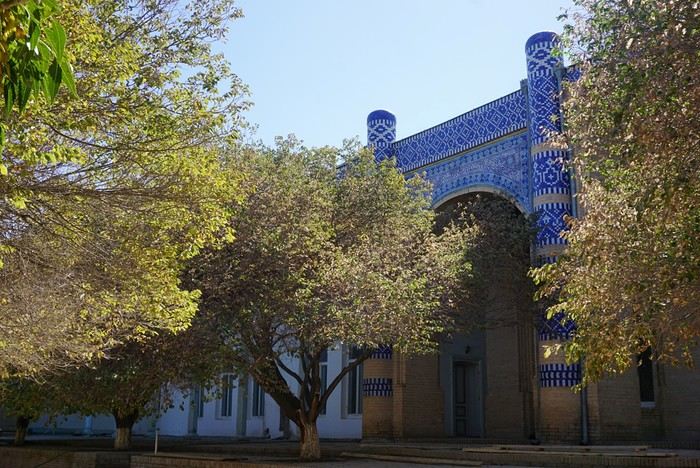
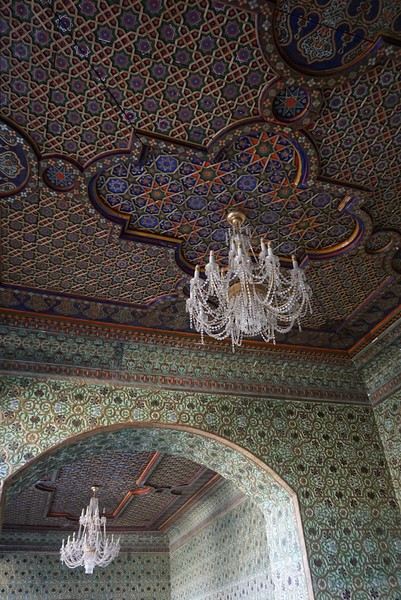
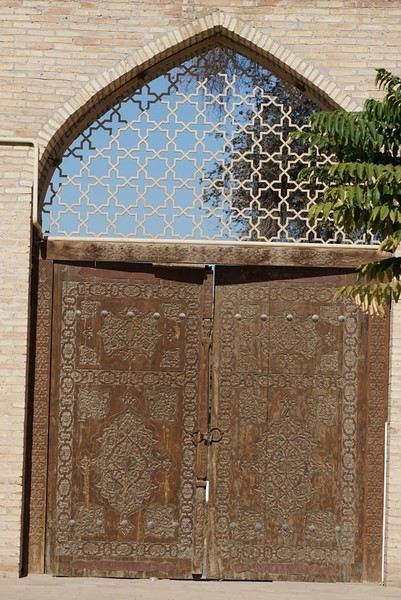
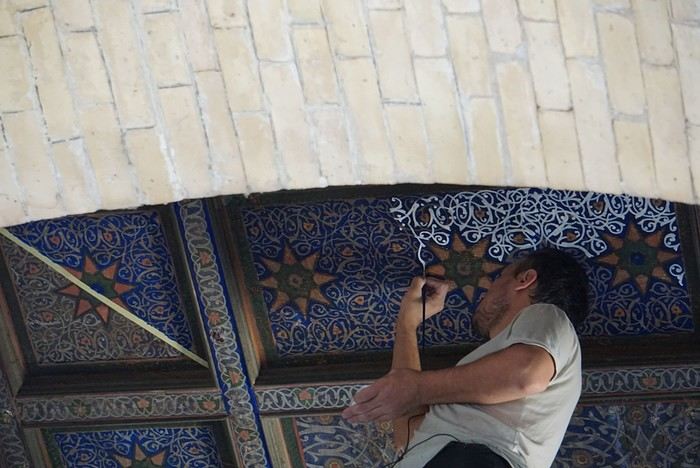
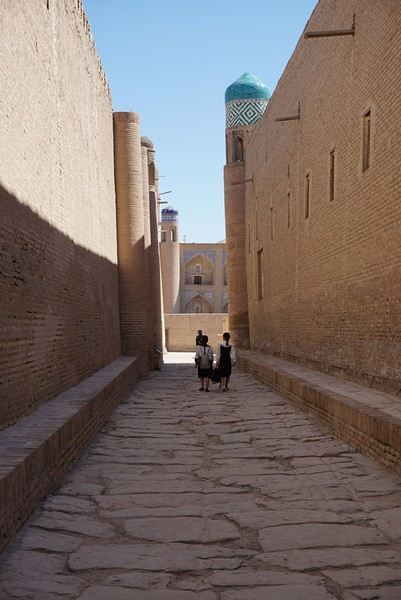 This morning, we set off to visit the Nourallah Bey Palace outside the city, built about ten years before the Russian Revolution by Khan Ferouz. The palace is a mix of Uzbek tradition, modernism, and luxury imported from Saint Petersburg.
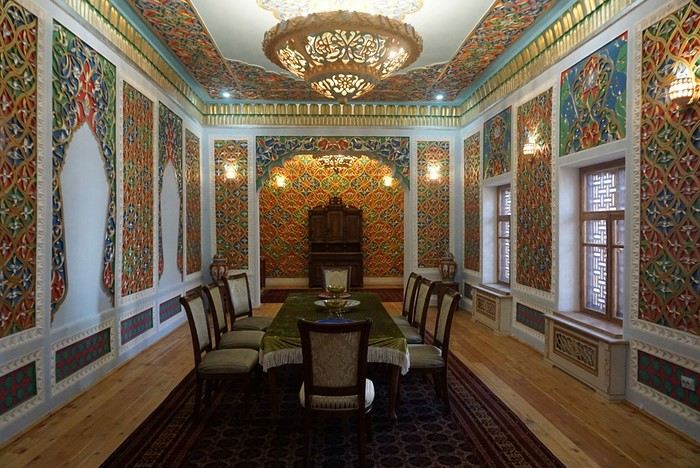
This visit isn’t a must-do, but it gives you a sense of the luxury surrounding the khan. Large, rather empty rooms, pretty tiled fireplaces, an octagonal hall with mirrors in every corner that creates a striking sense of grandeur—especially when you stand right in the middle.
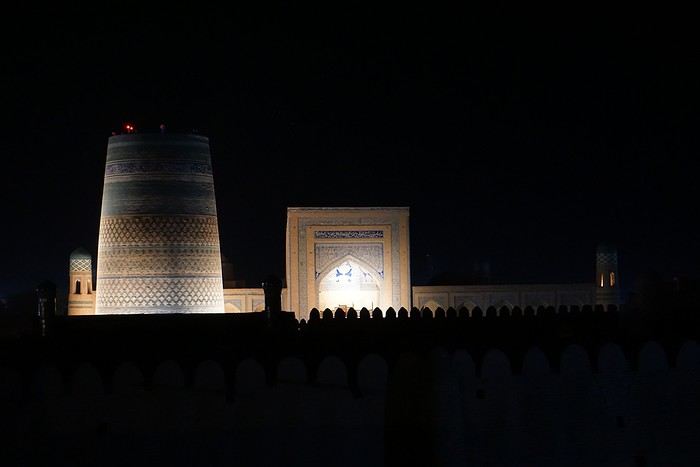
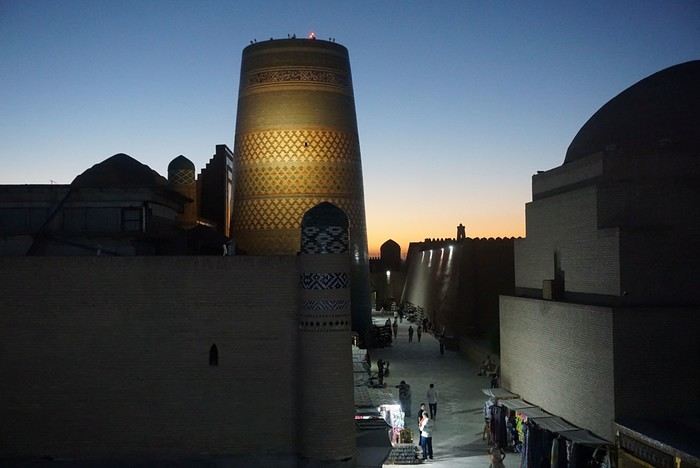 This morning we meet up with Javlon again.
A long drive, mostly on roads in poor or even very poor condition, at least until we enter the desert.
We cross an agricultural region dominated by cotton and corn fields.
The desert crossing is marked by the bridge over the Amu Darya. This single-lane bridge is shared by all means of transport: cars, buses, trucks, motorcycles (rare), and even trains. Traffic alternates. Mandatory stop. To let vehicles coming from the opposite direction pass, but also to let the train go by. Here, the rails run right down the middle of the road.
After the bridge, we enter the desert. The road here is in pretty good shape. We stop to fill up on gas: as always, we have to get out of the car when entering the station. For safety reasons, all passengers must exit their vehicles. The driver parks next to the "gas pump" and an employee fills up the tank. Once the gas is paid for, the driver can get back in the vehicle and pick up passengers where he dropped them off.
Leaving the desert, we encounter construction everywhere: highway extensions or bridges under construction. The road open to traffic is in very poor condition. Javlon tells us all this work has been going on for over two years!
After about a 5.5-hour drive, we reach our destination, and Javlon parks in front of the "L’Oasis d’Hélène" hotel in Bukhara, where he can reunite with his wife, Lola, the hotel manager, and their son.
We’re lucky to be welcomed by Hélène and her cousin Suzanne. Hélène was the first Frenchwoman to invest in hospitality in Uzbekistan.
We take advantage of this warm welcome to get to know each other and discover that Hélène had lived in Toulouse (just 20 km from our place). What a small world!
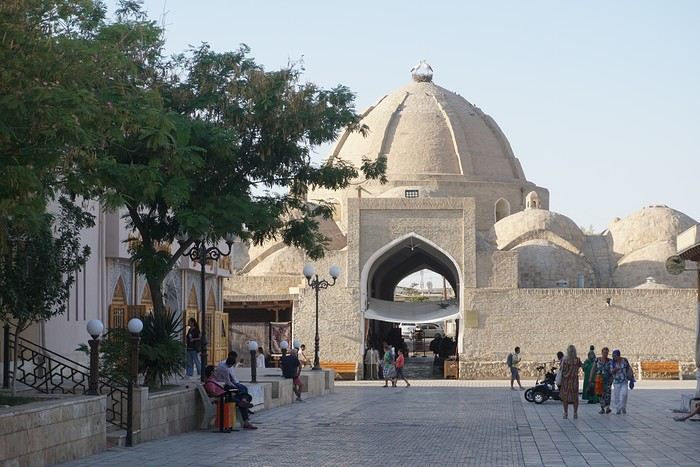
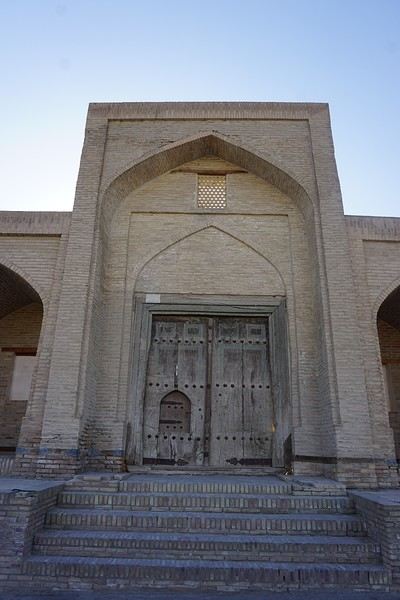
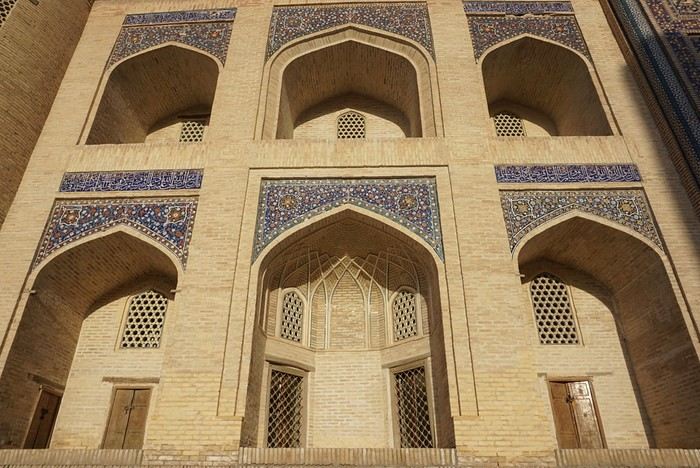
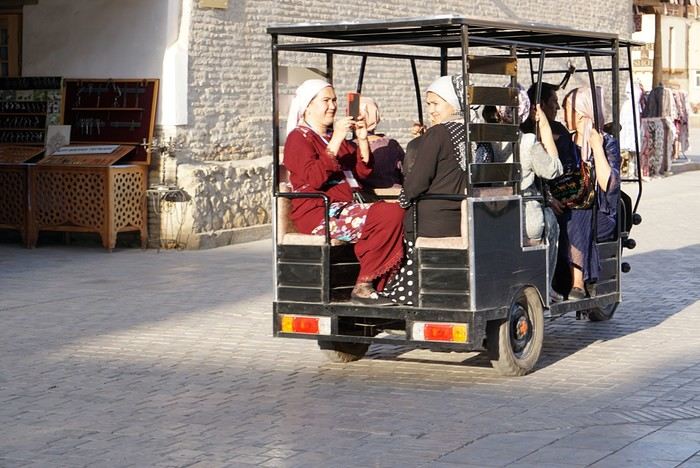
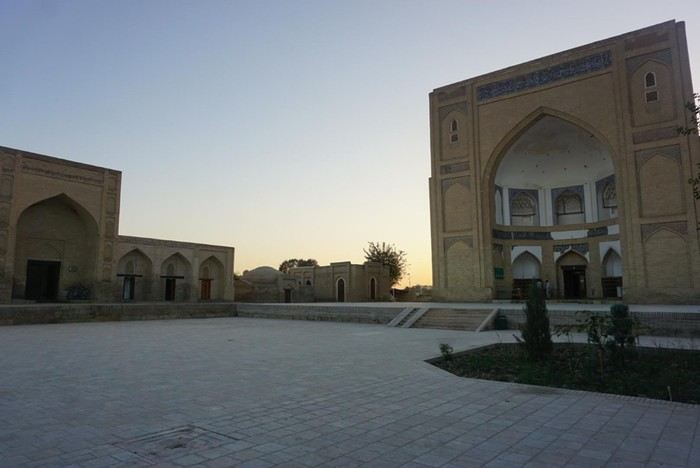
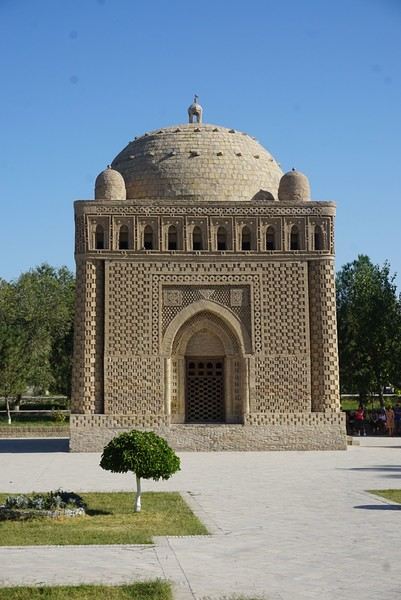 We start the day at the Ismail Samani Mausoleum, a magnificent brick cube. It’s the second oldest mausoleum in the Muslim world. We walk through Samani Park and then the market. We taste *alva*, an Uzbek sweet, a kind of nougat made with sesame, pistachio, and almonds that reminds us of sweetened condensed milk.
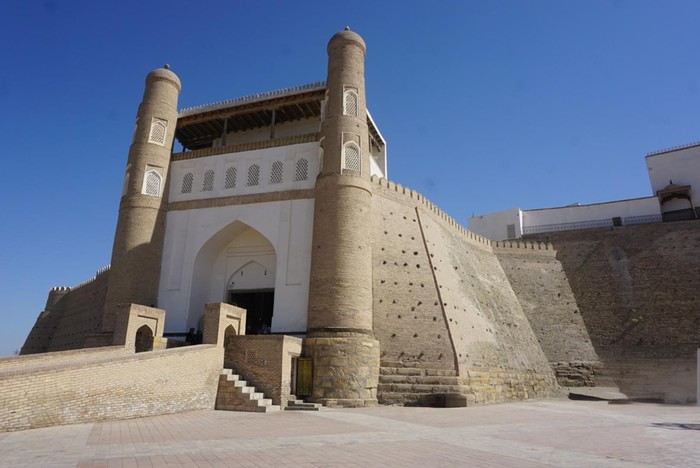
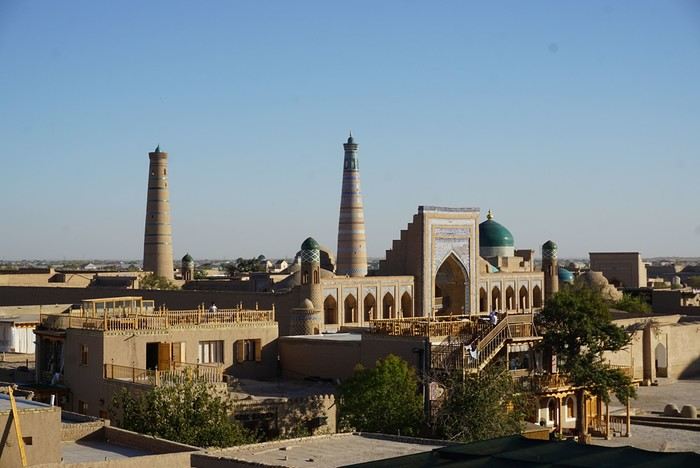
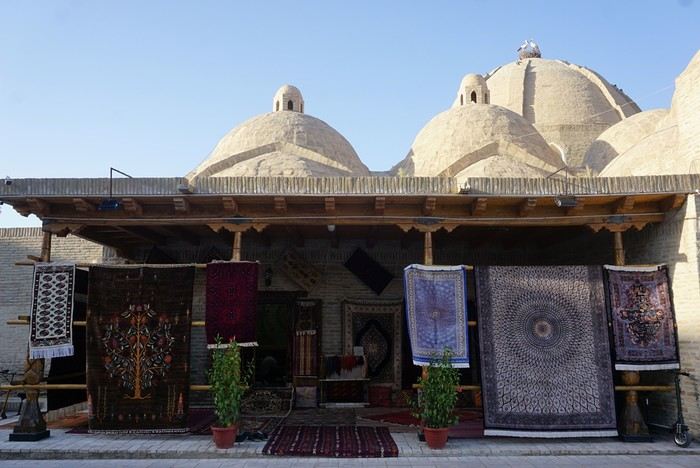
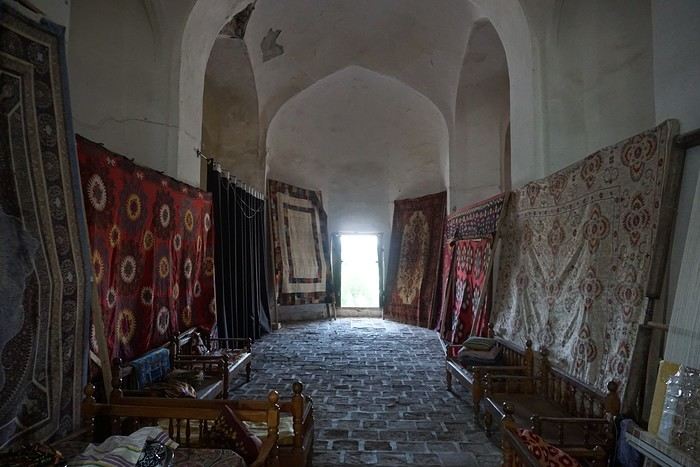
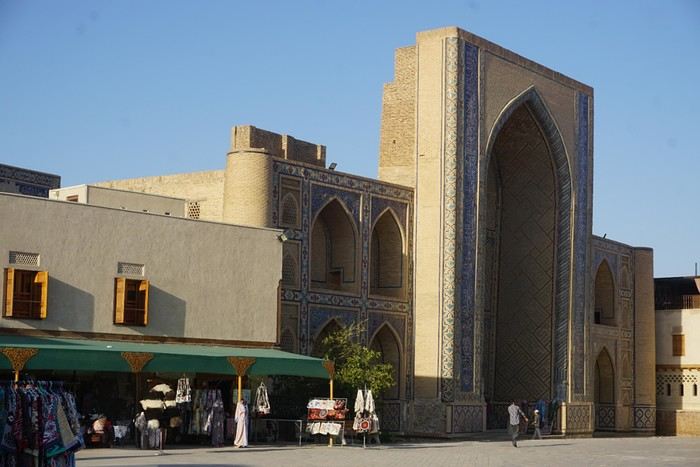
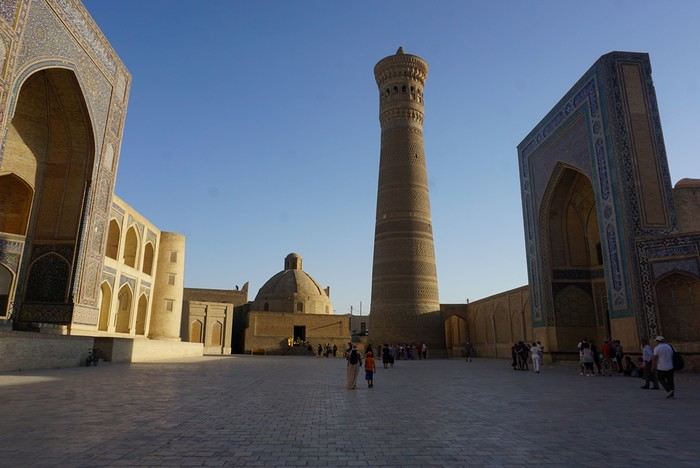
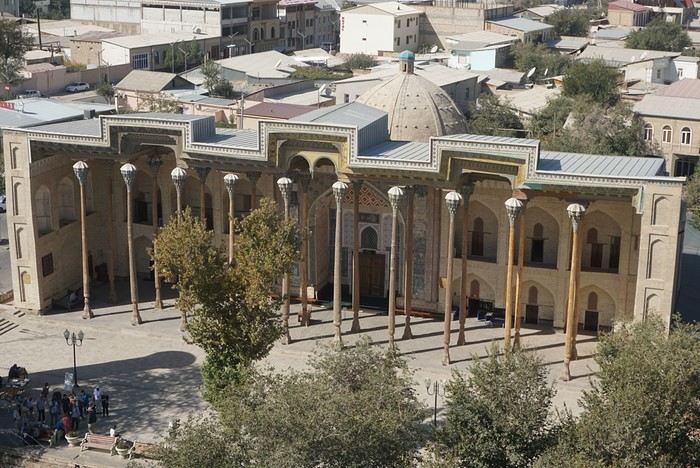
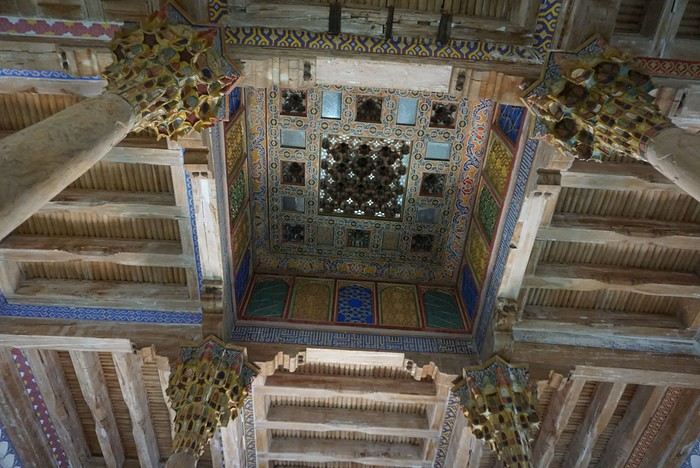
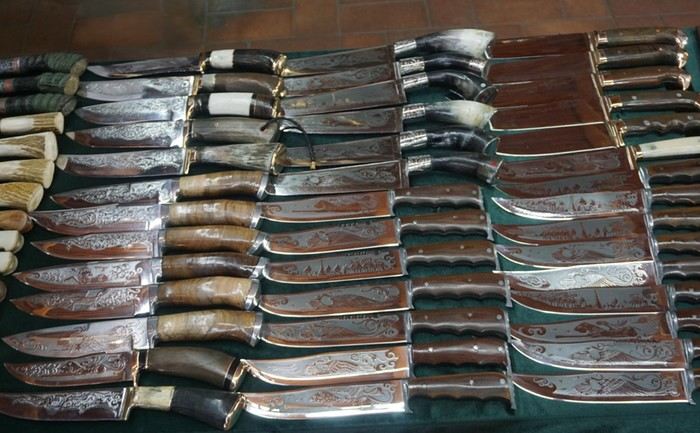
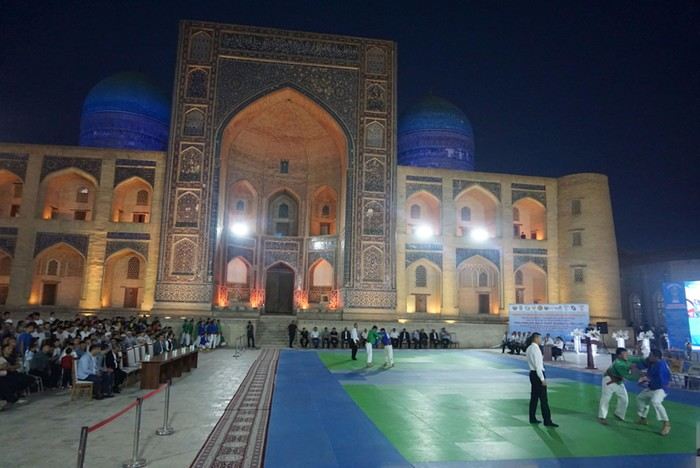
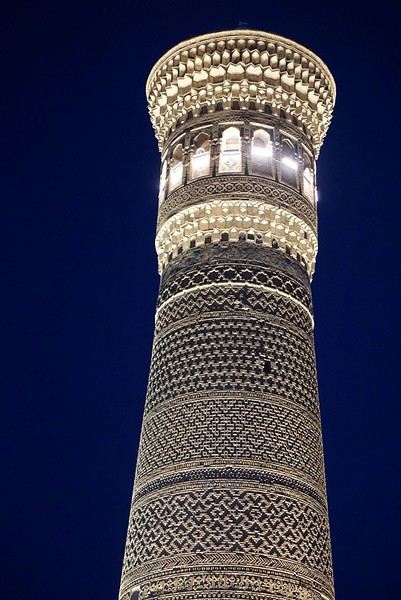
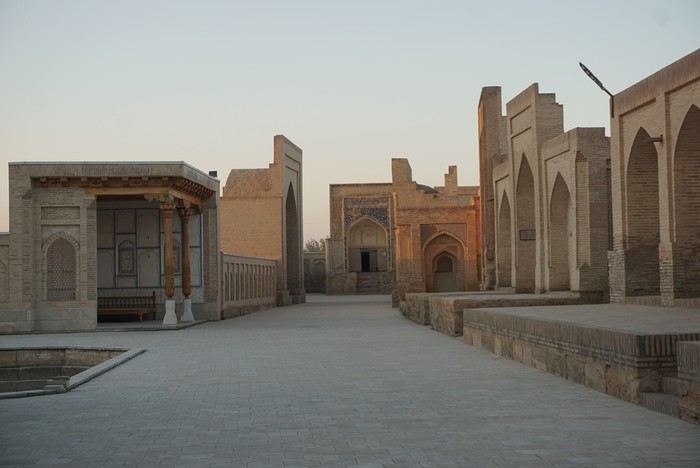
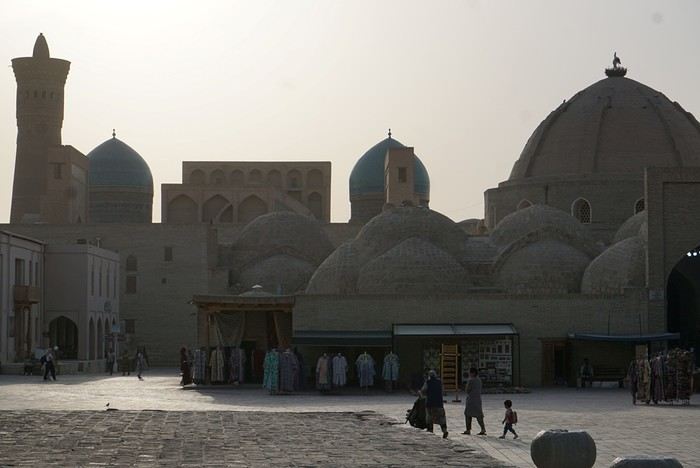
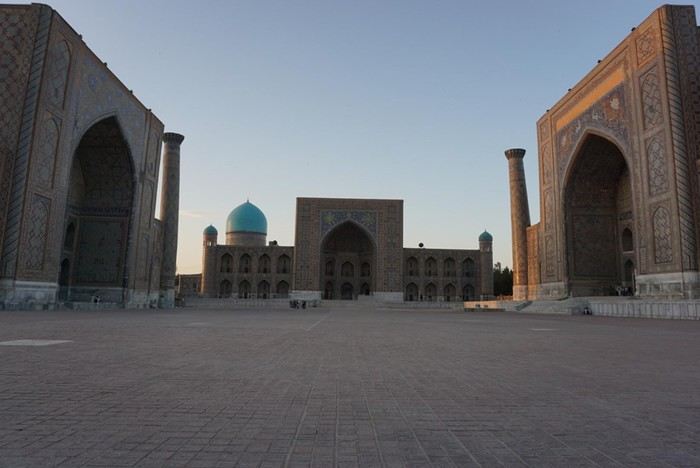
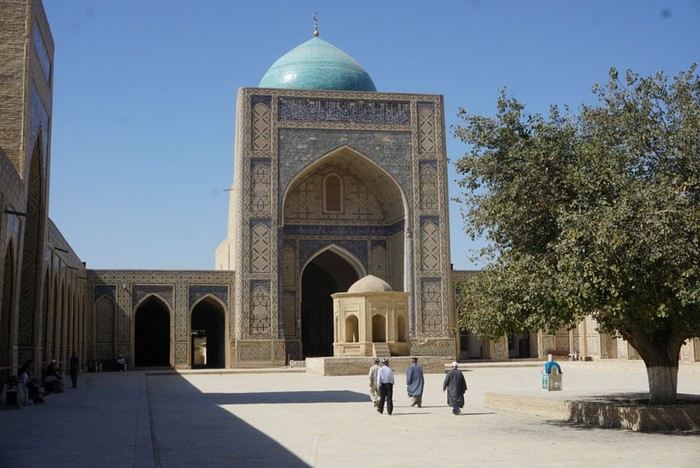 Next, we visit the Ark of Bukhara (Aka), the Emir’s residence, other madrasas and mosques around Registan Square, and the trading domes where artisans and merchants are set up. We discover the work of knife makers there. We also climb the iron tower (their Eiffel Tower) for a panoramic view of the city and its signposts (Paris, Rome, etc.) that make us look toward the horizon. The city is full of splendors. It’s impossible to list them all: Maghoki Attari Mosque, Ulugbek and Abdulazizkhan Madrasas, the Poi Kalon complex with its minaret from which condemned prisoners were thrown alive. Registan Square is very lively, and many people are working to transform it into a huge "dojo." Unfortunately, our young guide doesn’t know what’s being prepared. We’ll come back to see it at the end of the day!
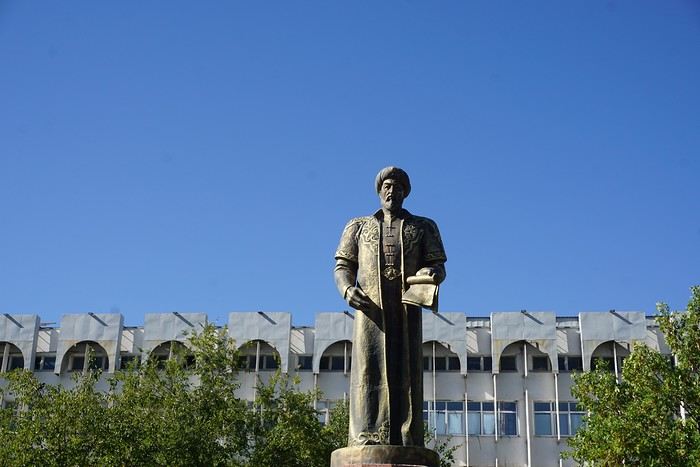
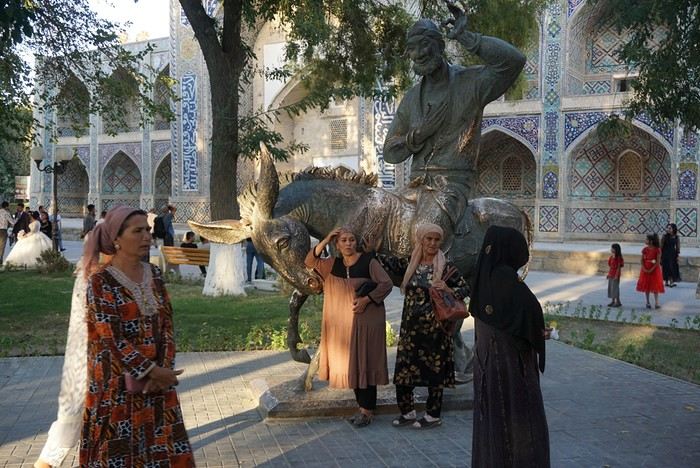 Today, there’s a constant stream of people in front of his statue (you can still see the copper coin between his fingers), where Uzbeks come to pose and also pet the donkey’s ears.
But in front of the madrasa, in the park and around the basin, there’s also a parade of newlyweds. We amused ourselves by commenting on what we saw until a man sitting next to us on the bench joined our conversation. In perfect French, he told us how much he enjoyed speaking French with us—he used to be a driver for a travel agency. He explained the weddings and their exorbitant cost. So much so that imams are calling on Uzbek families to be more moderate because they go deeply into debt to throw a beautiful party for the newlyweds and display beautiful clothes for the guests. To give us an idea, he said it’s common to invite 400, 500, or even more people to a wedding, and it costs $6,000 to $9,000!
At nightfall, we went to see the sports competition on Registan Square. A lot of people and a passionate crowd! The entrance is controlled, but they let us through. So we ended up in the middle of the teams of fighters cheering on their teammates on the tatami mats.
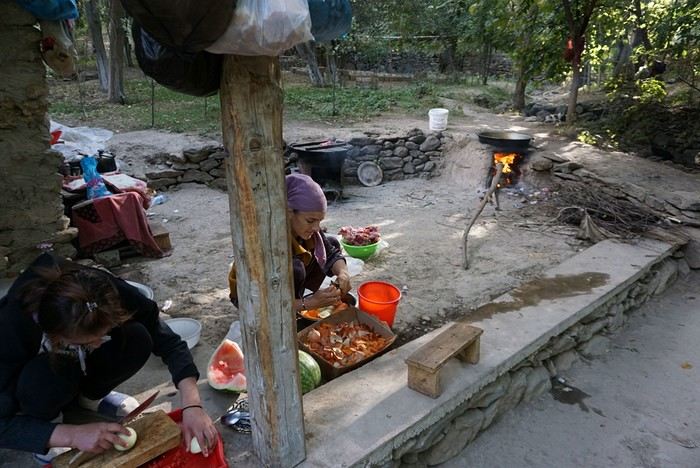
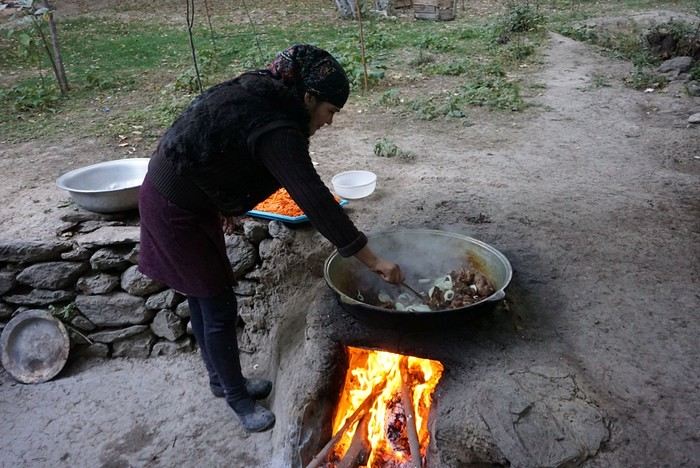
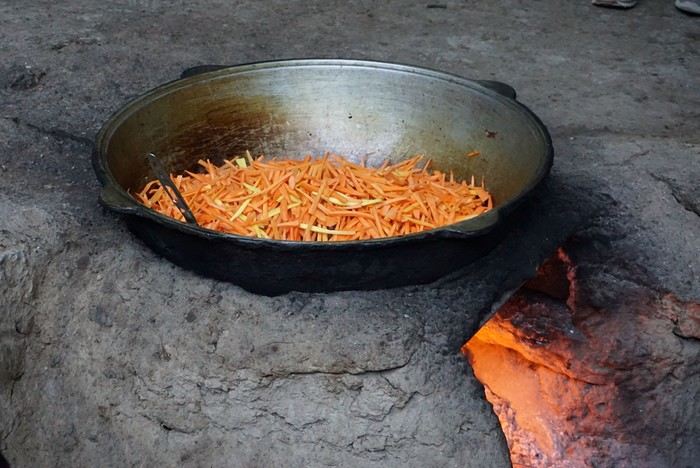
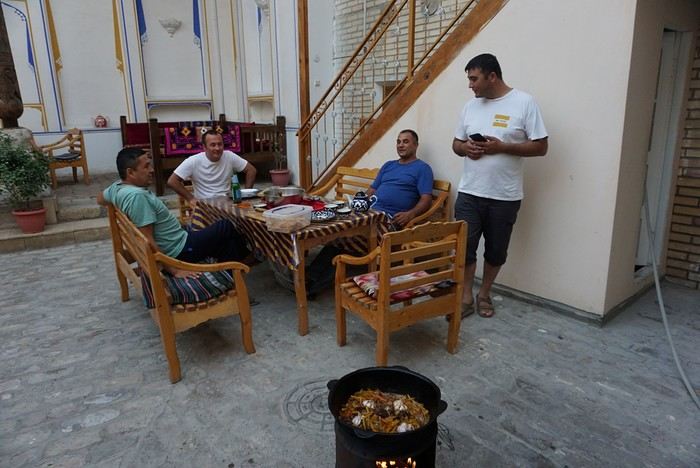 Javlon, his excellent plov with red rice in the works, and his friends
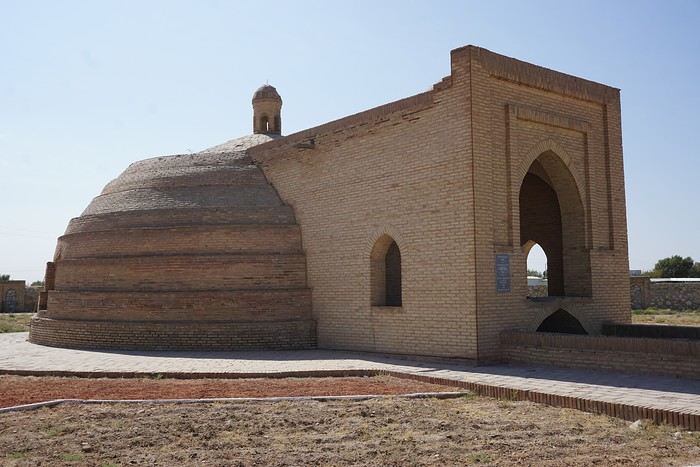
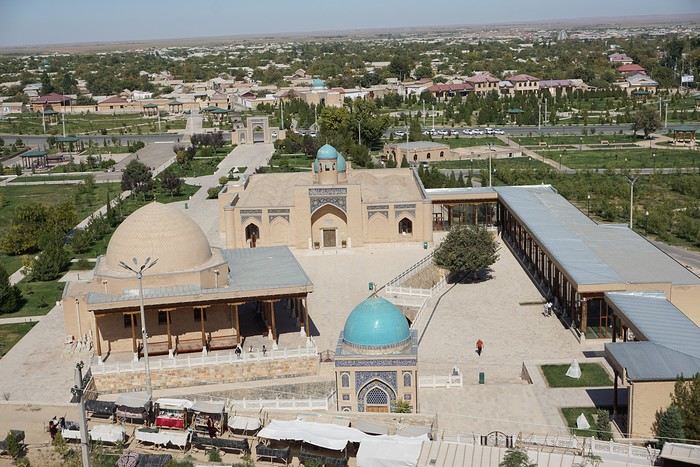
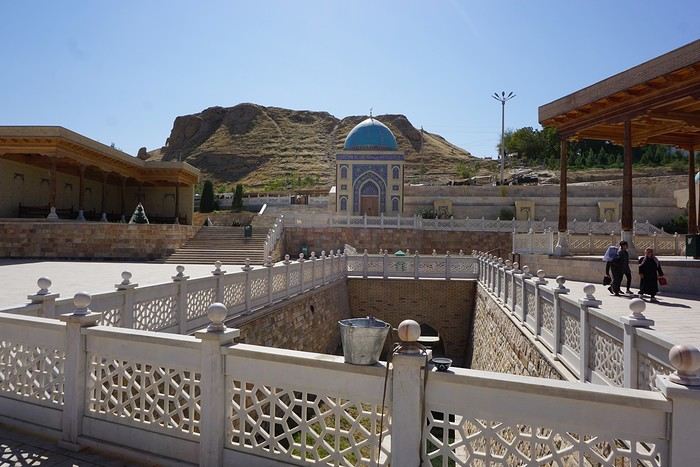
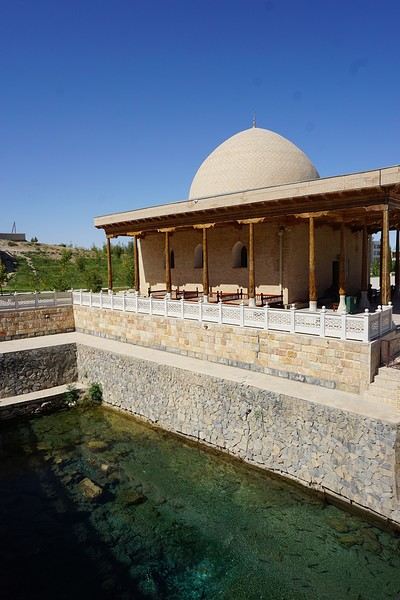
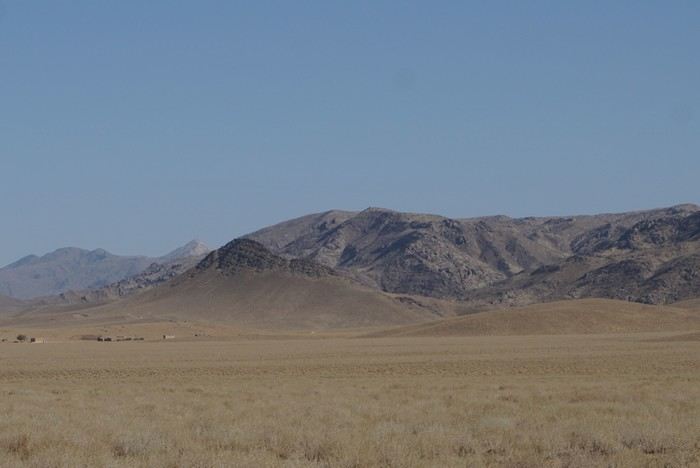
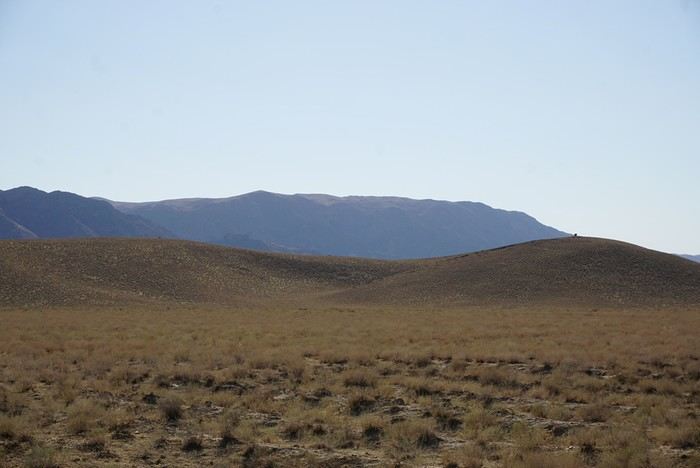
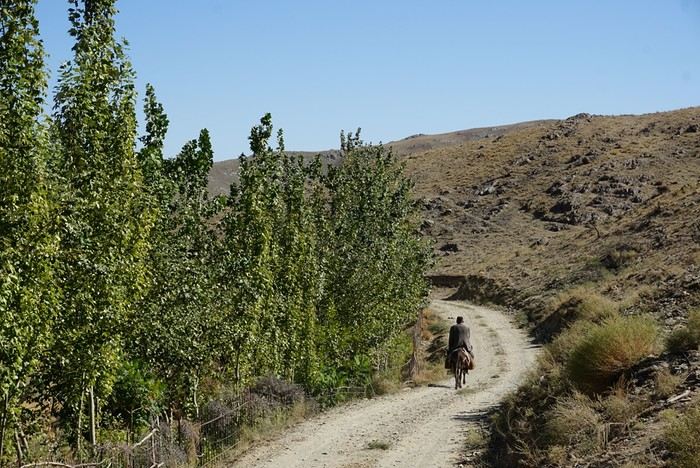
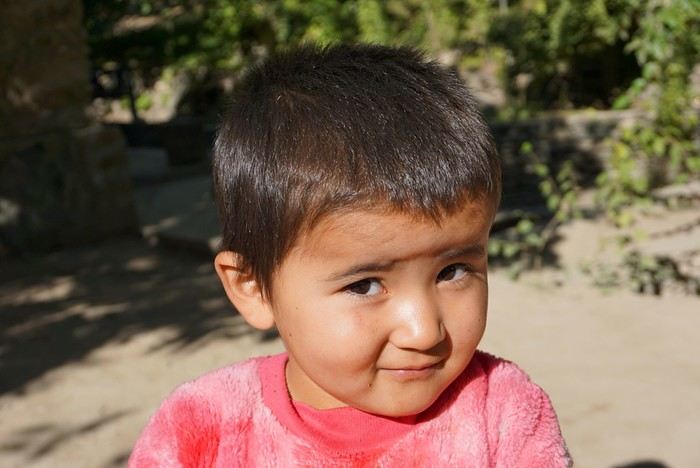
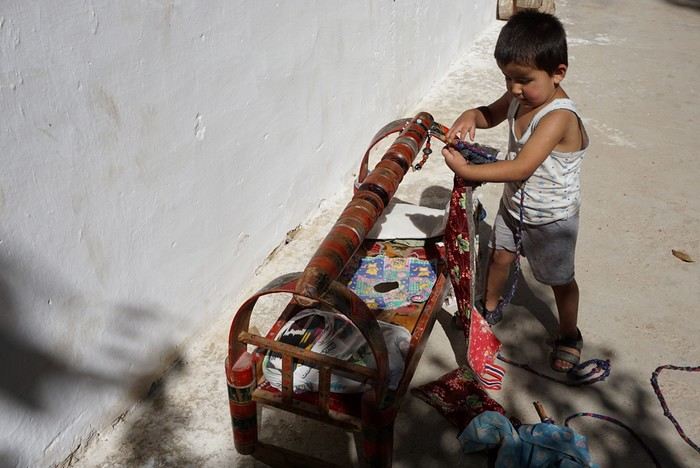
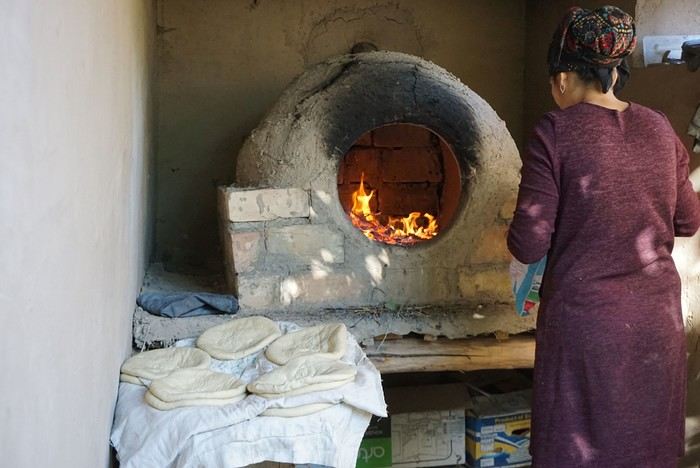
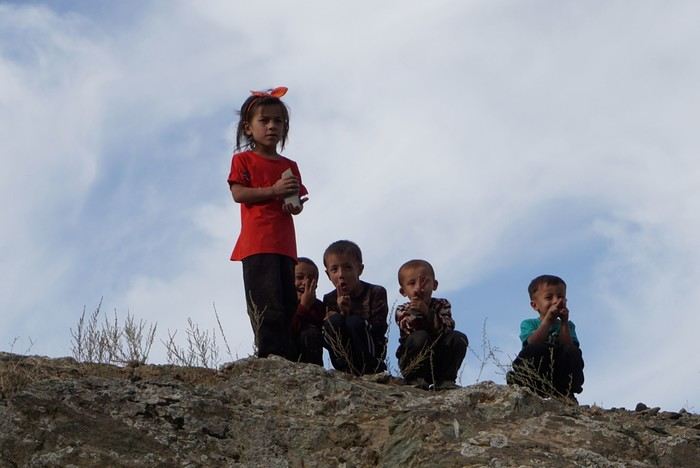
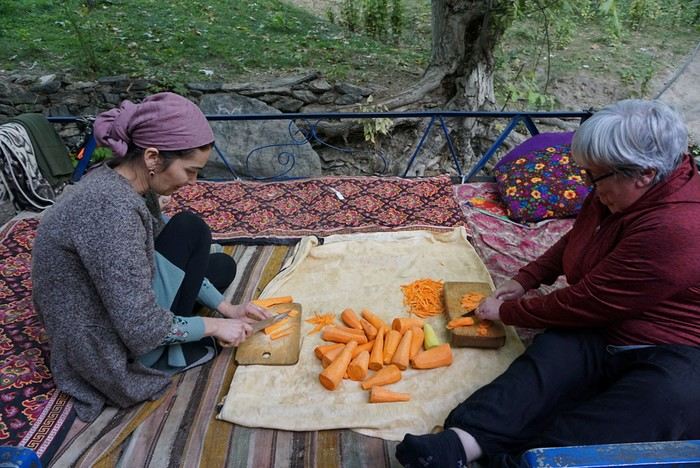
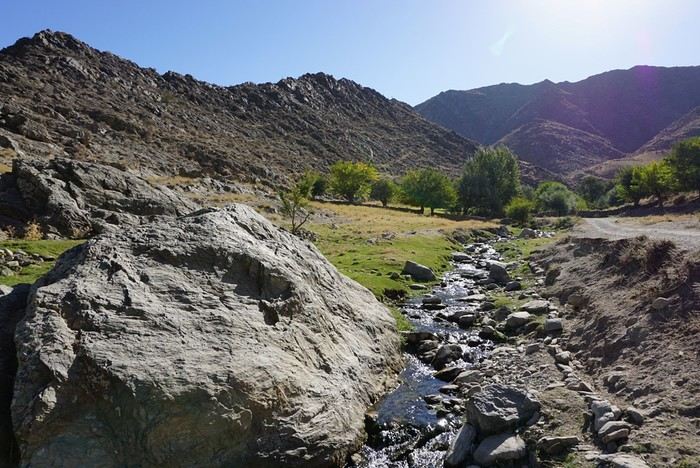
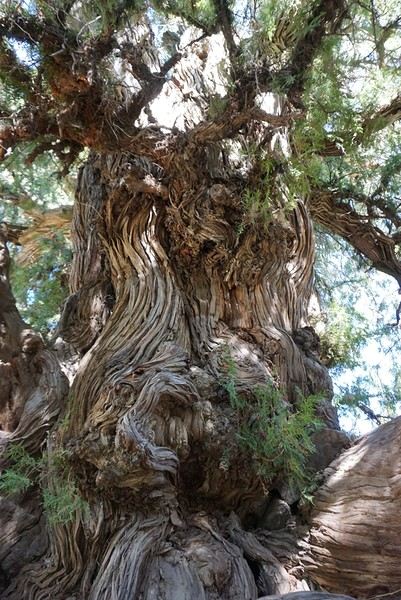
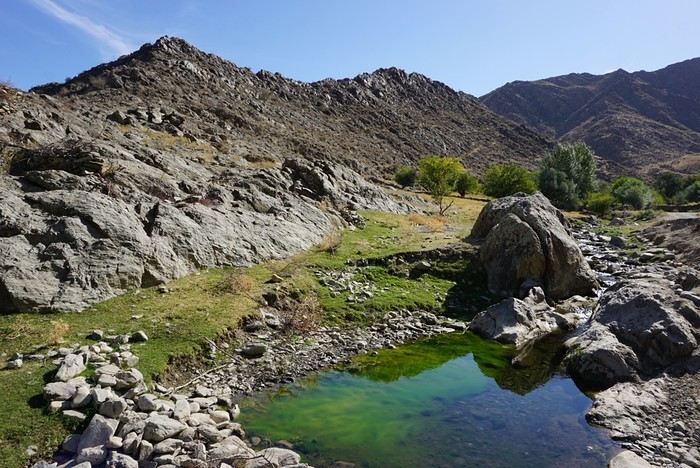
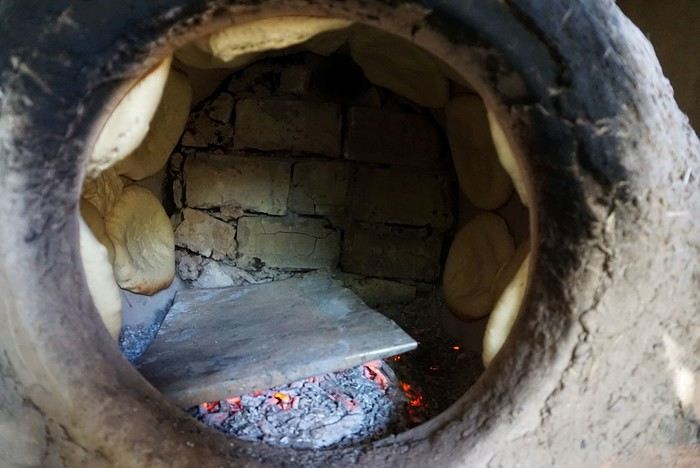 We then set off for a walk around the village with one of the family’s men. The village, home to about 26 families, is very spread out. We take around 2h30 to circle it.
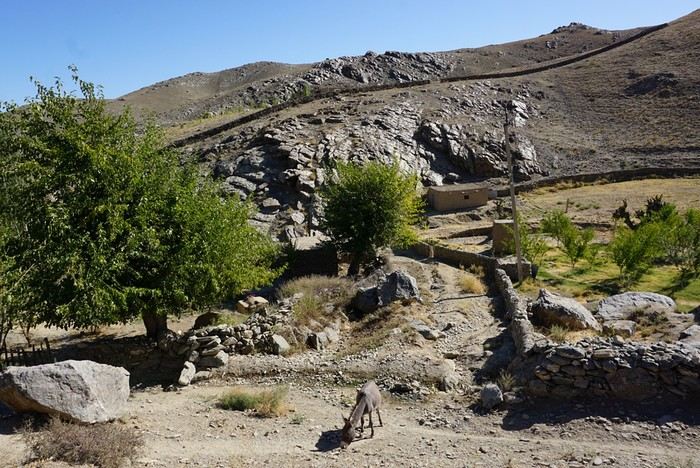
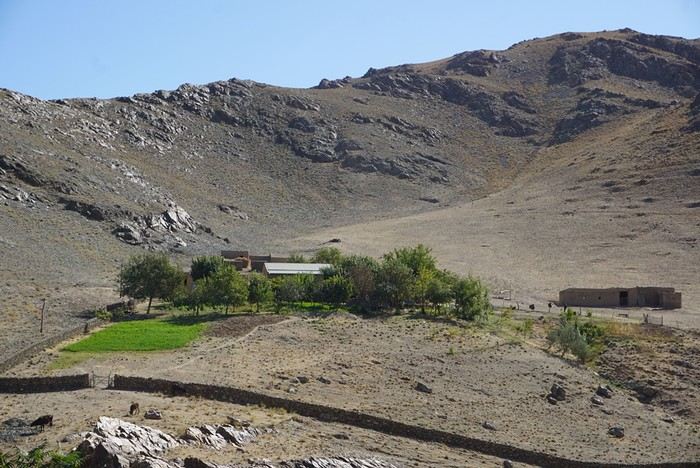
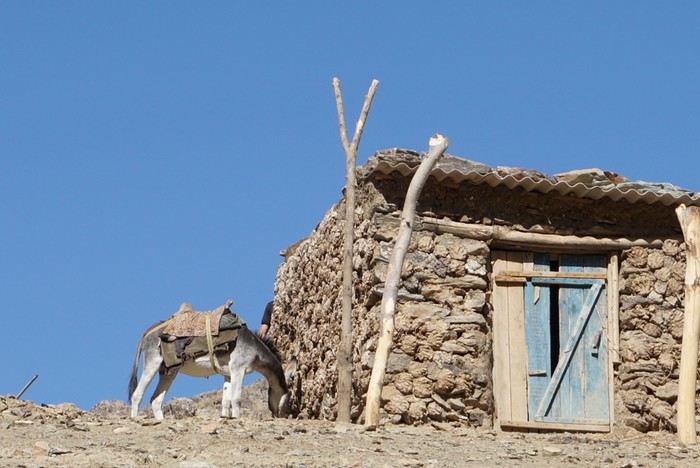
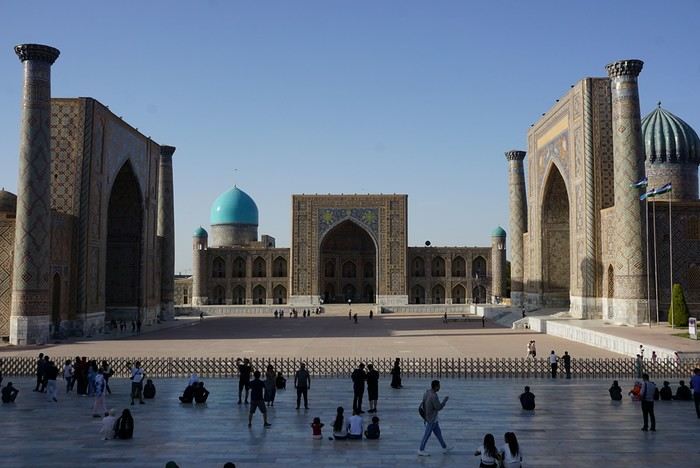
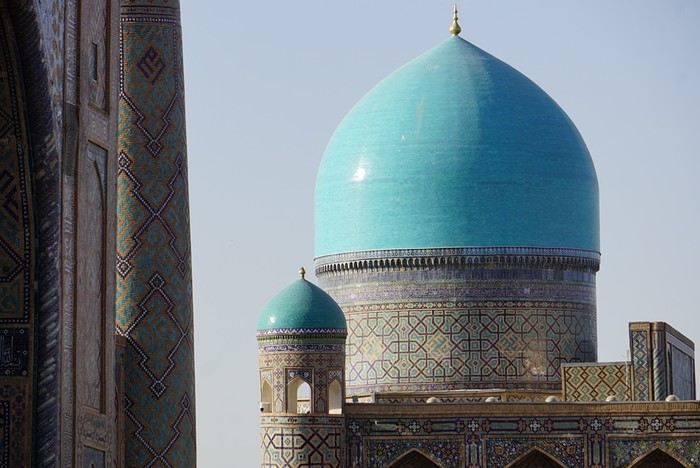
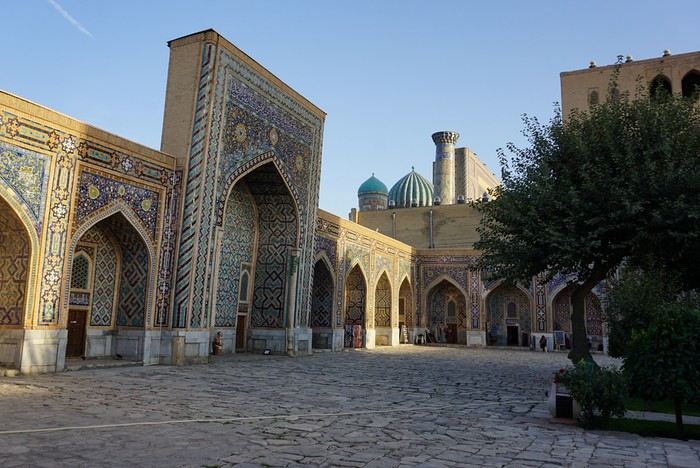
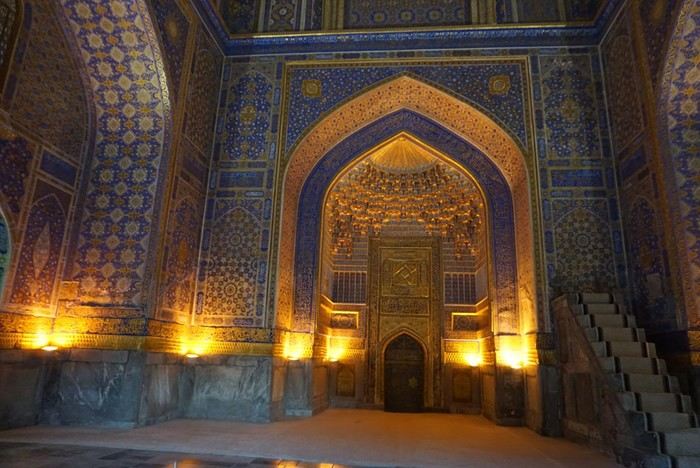
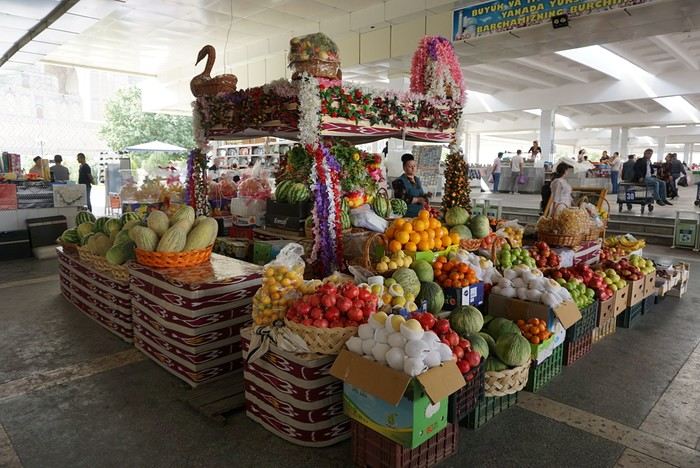
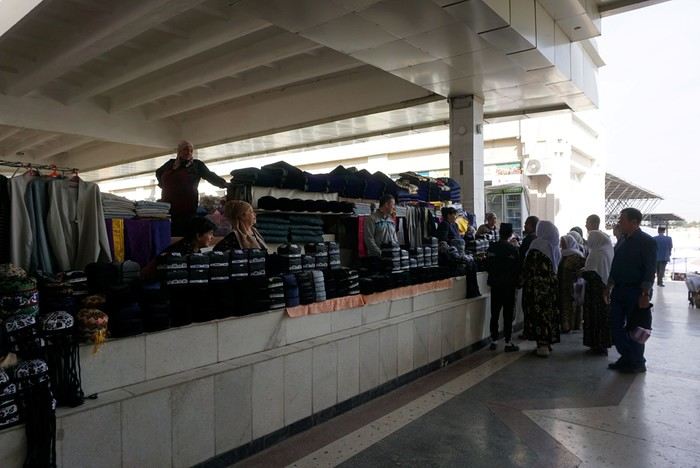
 We continue our stroll to the Samarkand market, just nearby. There, we run into some of the Swiss group members one last time—the lady comes over to chat and once again laments how short her trip was.
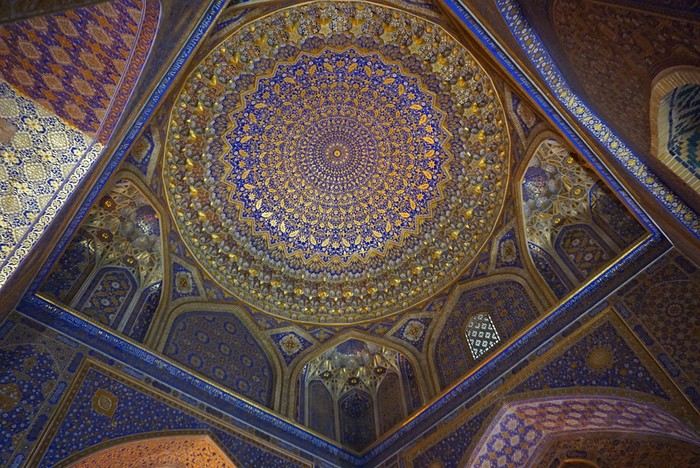
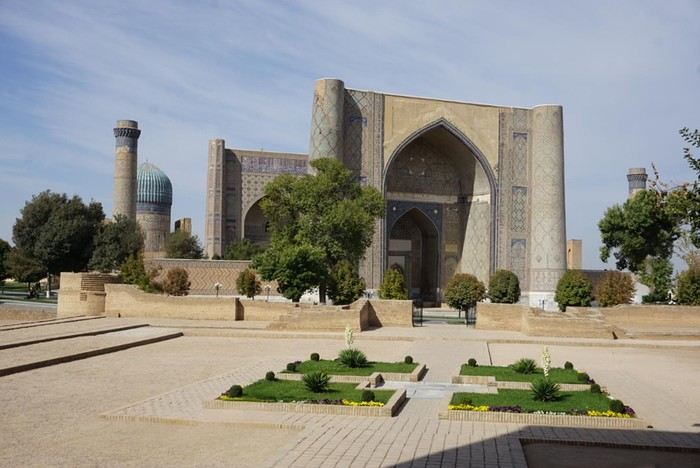
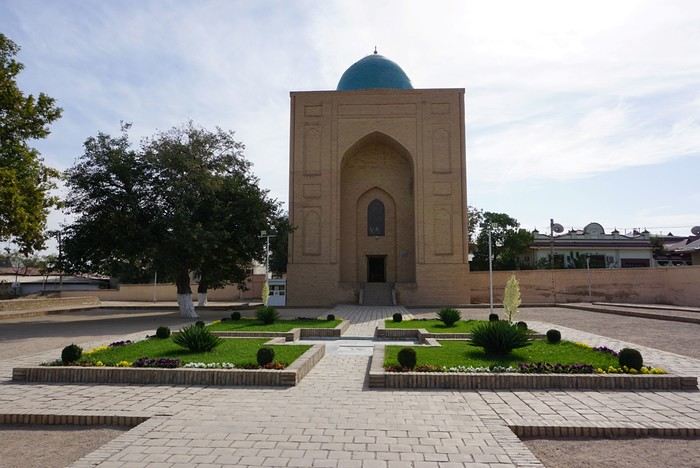
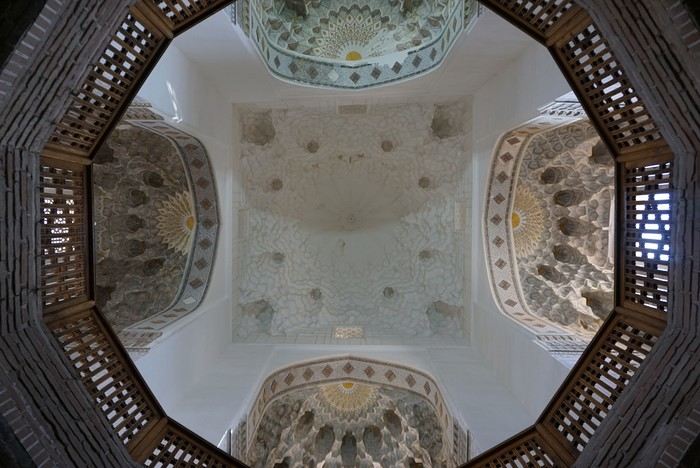
 After a few purchases, we extend our walk to the mausoleum of the first Uzbek President. Beautiful view of the Bibi Khanum Mosque.
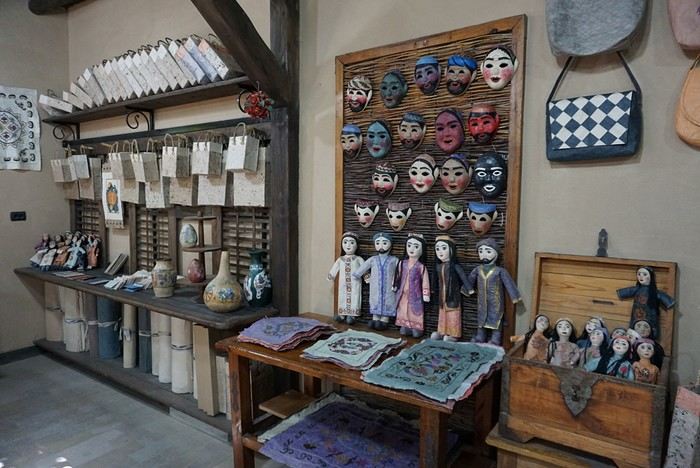
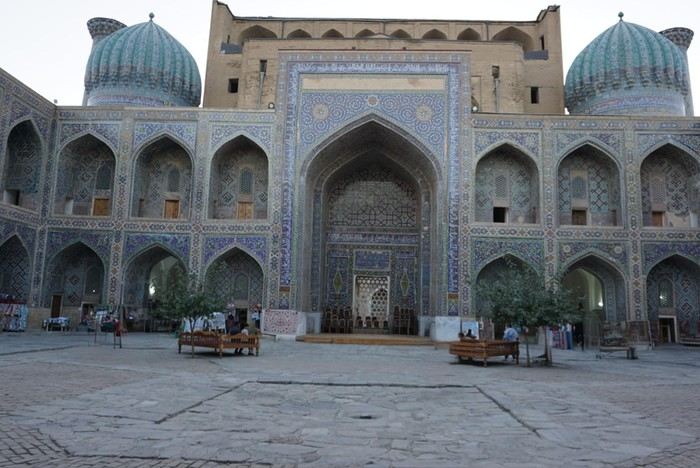
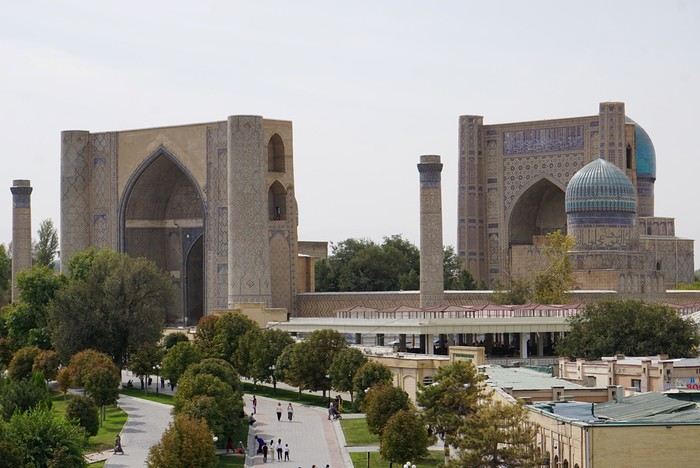 On the way back, between the mosque and Registan Square, we stop at a lovely artisan space (an old caravanserai?) where we discover some great shops.
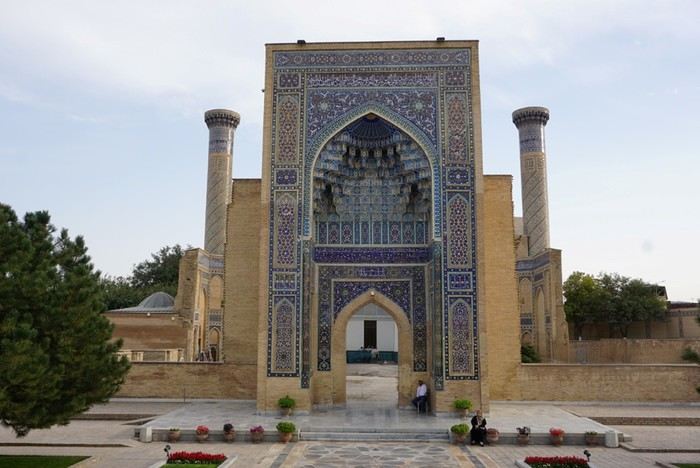
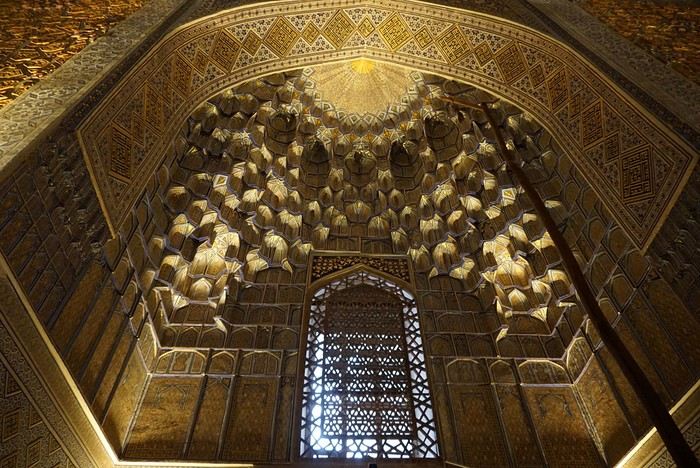
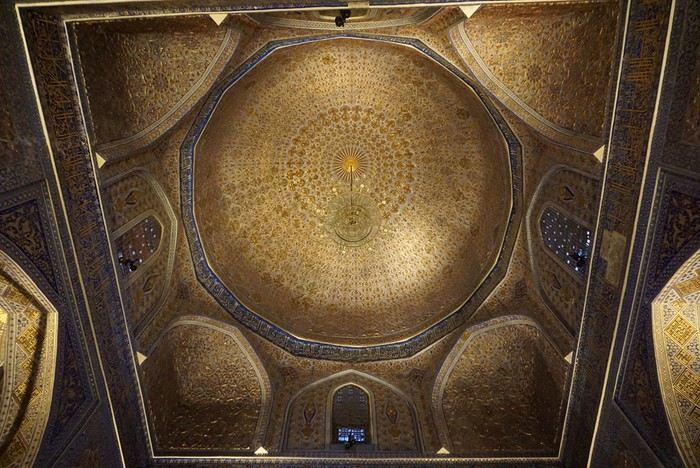
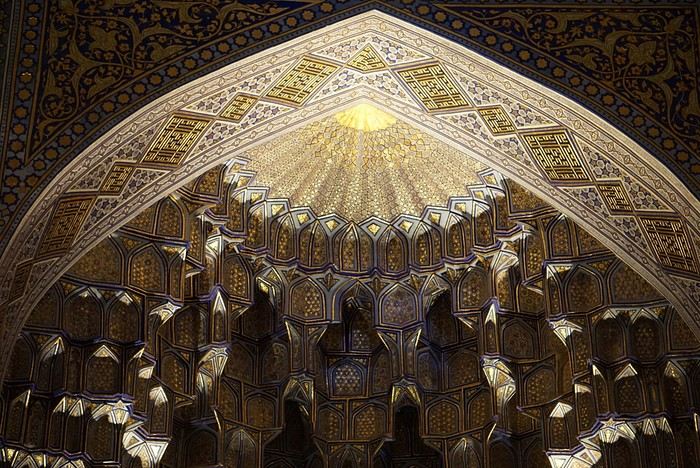
In the early afternoon, we resume our visits and head toward the Gur Emir Mausoleum (or Tamerlane’s Mausoleum) via small alleys. Along the way, a young woman stops us—she wants to know where we’re from, our names, our jobs, our ages, etc. She tells us she’s an English teacher and is honored we took the time to answer her questions. Right after, she invites us to her home but understands we want to visit the mausoleum first. So, she points out her house door and suggests we stop by on our way back.