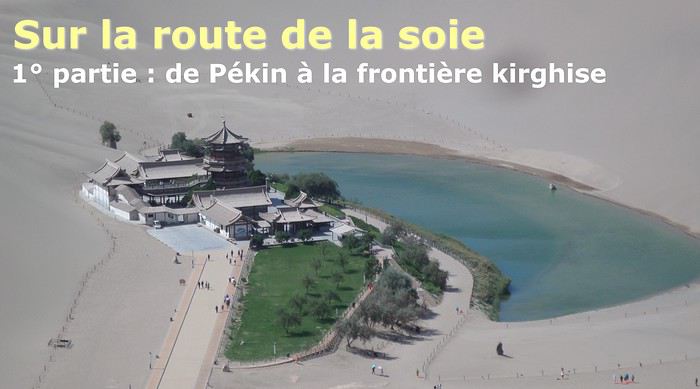
On the Silk Road: Chronicles of a Sixty-Something Traveling Completely Independently
FR

Translated into English.

Original post
SA
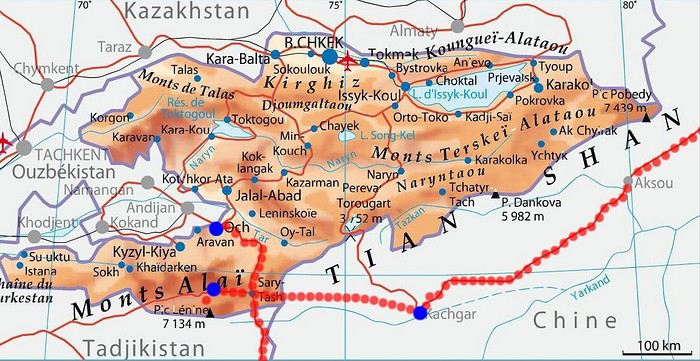
From Beijing to Khiva: China, Kyrgyzstan, Tajikistan, Uzbekistan Chronicle of anecdotes, highlights, and other adventures that marked this eight-week journey in 2018.


The Chinese Far West More than 30 years after my first trip to eastern China, I finally fulfilled an old dream: traveling solo from Beijing to the far west, discovering Xinjiang, the Uyghur people and the oppression they endure, the oases of Turpan and Kashgar, the Taklamakan Desert, the end of the Great Wall... The route was covered by train.

MENU PART 1: CHINA

1- Beijing (Jiankou) : the authentic Great Wall, without tourists 2- Cycling in Beijing, the best way to get around 3- Beijing : departure for the far west 4- Jiayuguan : getting by without English 5- Jiayuguan : scams and heritage 6- Dunhuang : abundance in the middle of the desert 7- Turpan : the Uyghurs under heavy surveillance 8- Kashgar : love at first sight for the old city 9- Kashgar : China’s recipe for controlling the populace 10- Tashkurgan : what on earth was I thinking going there! Kyrgyz border: a surreal epic Photo album from the 80s, contributions from other travelers (page 2)

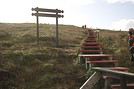
1- JIANKOU Finding the authentic Great Wall, without tourists or a guide Friday, August 24, 2018 Thirty years later, I didn’t feel like revisiting the Great Wall at Badaling or any other overcrowded site. I chose to explore it at Jiankou, in its wildest, most authentic, and unrestored section, starting from a lost village deep in a valley—though it wasn’t *that* lost, since it had everything for communication.
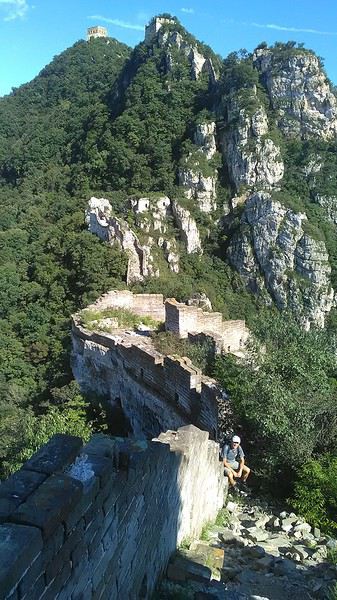


No need to pay for a taxi to get there—by timing it right, you can take the bus for just a few yuan. You have to get off at Xizhazi, the bus terminus. Be careful, there are only two buses a day in each direction. At the Xizhazi bus stop, I met a young couple who’d arrived with zero information about what to expect. We hiked the three of us toward the restored section of Mutianyu.

Still, be cautious With GPS and a topographic map (OpenTopoMap), you can set off without a problem or guide. The trail up to Jiankou is easy and well-marked. The trails down are too. But be careful—once you’re on the Wall, it’s real mountain hiking, with easy but dangerous climbing sections (over sheer drops). Not for amateurs or those afraid of heights! But what a reward. The Wall all to yourself, where it’s at its most daring. Truly mesmerizing.

More photos...

2- BEIJING The best way to get around the capital Sunday, August 26 The best way to explore the city is still by bike. Most are in a bike-share system, but you need to use an app—WeChat, the app that does everything, like monitoring your every move. No way I was installing that.
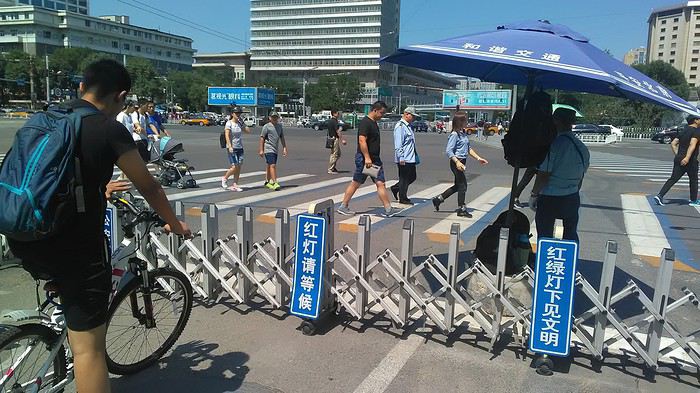


I found one at a rental shop near the hostel. The key is to quickly learn local traffic customs to minimize risks. Bike lanes are wide along the avenues.

But you still have to: - Watch out for anything parked on the bike paths—the most annoying are people napping or talking on the phone in their cars - Keep an eye on everything coming the wrong way—the list is long - The worst is right turns on red, which in Chinese traffic rules seem to have priority Once you get the hang of it, it’s fine. The city is huge but flat, so you can just wing it.

3- BEIJING By train to the far west Sunday, August 26 Beijing West Station is the size and operates like an airport. With your e-ticket from the agency, you first have to pick up your ticket at the special "English" counter, after passing through security. With your ticket in hand, you have to exit and enter through the boarding waiting area—not the platform—after a second security check.
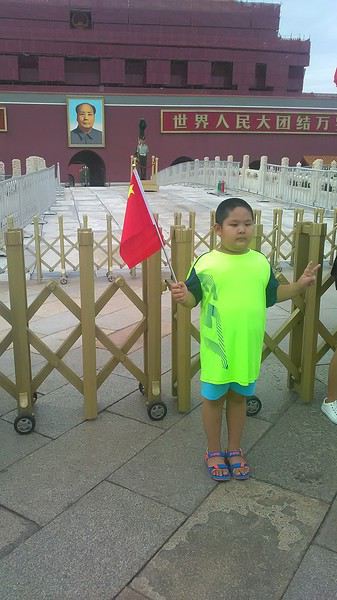
Then you find the right hall and wait for the sign to finally access the platform. In the end, it works pretty well given the incredible number of passengers to manage. Everywhere in Beijing, I saw that the Chinese have mastered crowd flow management.

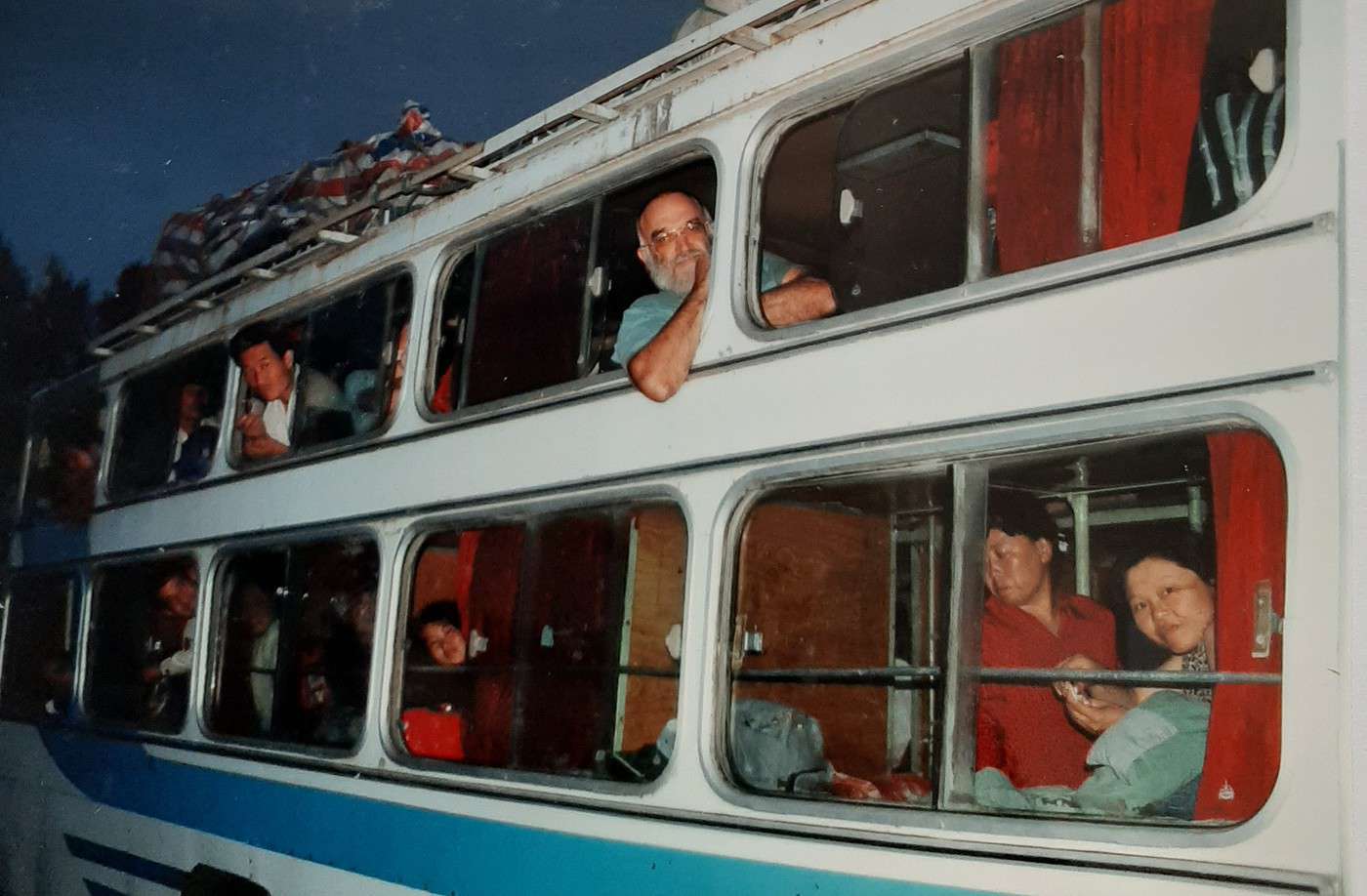
Nice surprise: second-class carriages are clean, air-conditioned, and bright. Perfect, since I was in for 20 hours. One uniformed attendant per carriage, mobile meal service—luxury! Small downside: no luggage space. Hauling your suitcase up to the top bunk is quite a workout. I was in the middle, so it wasn’t too bad. The landscape, though, whether rural or urban, is pretty bleak. That should change once we leave the eastern plains.

Of course, I got my first police visit, with a thorough passport check and bag search. I was warned—going to the Chinese far west exposes you to this kind of hassle. But they were polite and respectful.
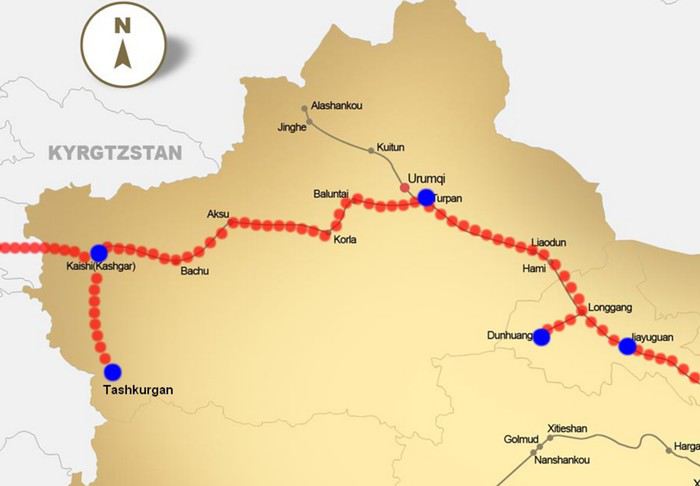
The Chinese Far West

4- JIAYUGUAN Getting by without English Monday, August 27 At the gates of two deserts (Gobi and Taklamakan) and at the foot of the Tibetan highlands, the Great Wall ends at Jiayuguan. Here, I found the deeper China I’d somewhat rediscovered during my bike ride, even if now everyone gets around on electric bikes and I’m no longer stared at like an alien.
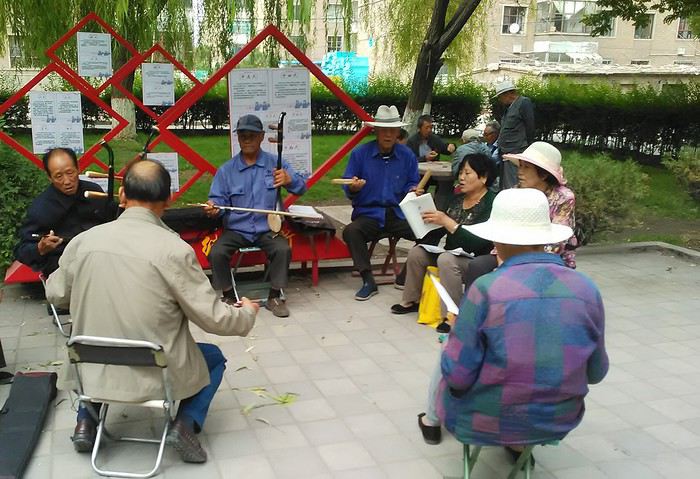


Prices are nothing like Beijing: you can find a full meal for 2 €, and my bike cost 7 € for two days. Plus, few people speak English—neither the owner of the HI hostel where I stayed, nor the ticket sellers at the sites, let alone the servers at the small eateries where I ate. Everything is written in Chinese. So I had to use the little Chinese I know to communicate about essentials. It makes the locals laugh to see a European trying to speak their language, but it earns respect. With Google Translate’s help, I managed.

Rant: With their avenues blocked for construction for kilometers without warning, and new roads not yet on maps, I must’ve taken 15 km of detours. More photos...

5- JIAYUGUAN Scams and heritage Tuesday, August 28 The Great Wall doesn’t exactly end at the fort I visited yesterday but 10 km further, at the entrance to a river gorge at the foot of the mountains. All that’s left is a badly damaged tower (more like a mound of earth) and a section of clay wall, similar to the one I biked yesterday.
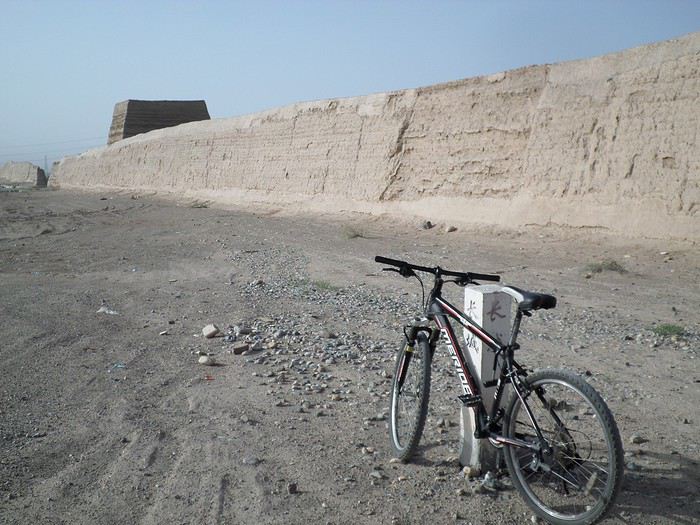


This morning, I hopped on my bike, determined to venture into the desert to see this highly symbolic site. First, you access it via a wide, brand-new road with not a soul in sight. Just before the site, I came across a grand welcome gate, very period-style, but it’s actually the inevitable toll booth.

Behind the gate, the road continues straight to the site, which you can see in the distance—at least 2 km away—the remains of the tower and wall. I had to leave my bike here. Fine. I went to the ticket counter and asked the price: 120 yuan! I couldn’t believe it—over 15 € for a simple mound of earth.

I showed my displeasure to the attendant, who couldn’t care less, and immediately turned back. 120 yuan—that’s the price for a new road, a fancy gate planted 2 km before the site just to force you to take a shuttle, and employees with nothing to do all day... Now I understand why I didn’t meet anyone!

Heritage China is a bit pricey Generally, sites are expensive for the country’s standard of living, but travelers are supposed to have money, so why hold back? I even gave up on the Forbidden City—reservations required days in advance (or on the black market at an impossible price). I prefer to keep the memory of my first visit, when entry must’ve cost a few dozen cents, and there were only a handful of visitors.

This morning, I took a taxi to see remarkable tombs of common people from the 3rd to 6th centuries. They’re small vaulted caves made of painted bricks, depicting scenes of daily life. Very pretty and moving. But even here, though the price was more reasonable, I was left wanting—only one of the 16 tombs is open to visitors, and it’s apparently not the most beautiful.

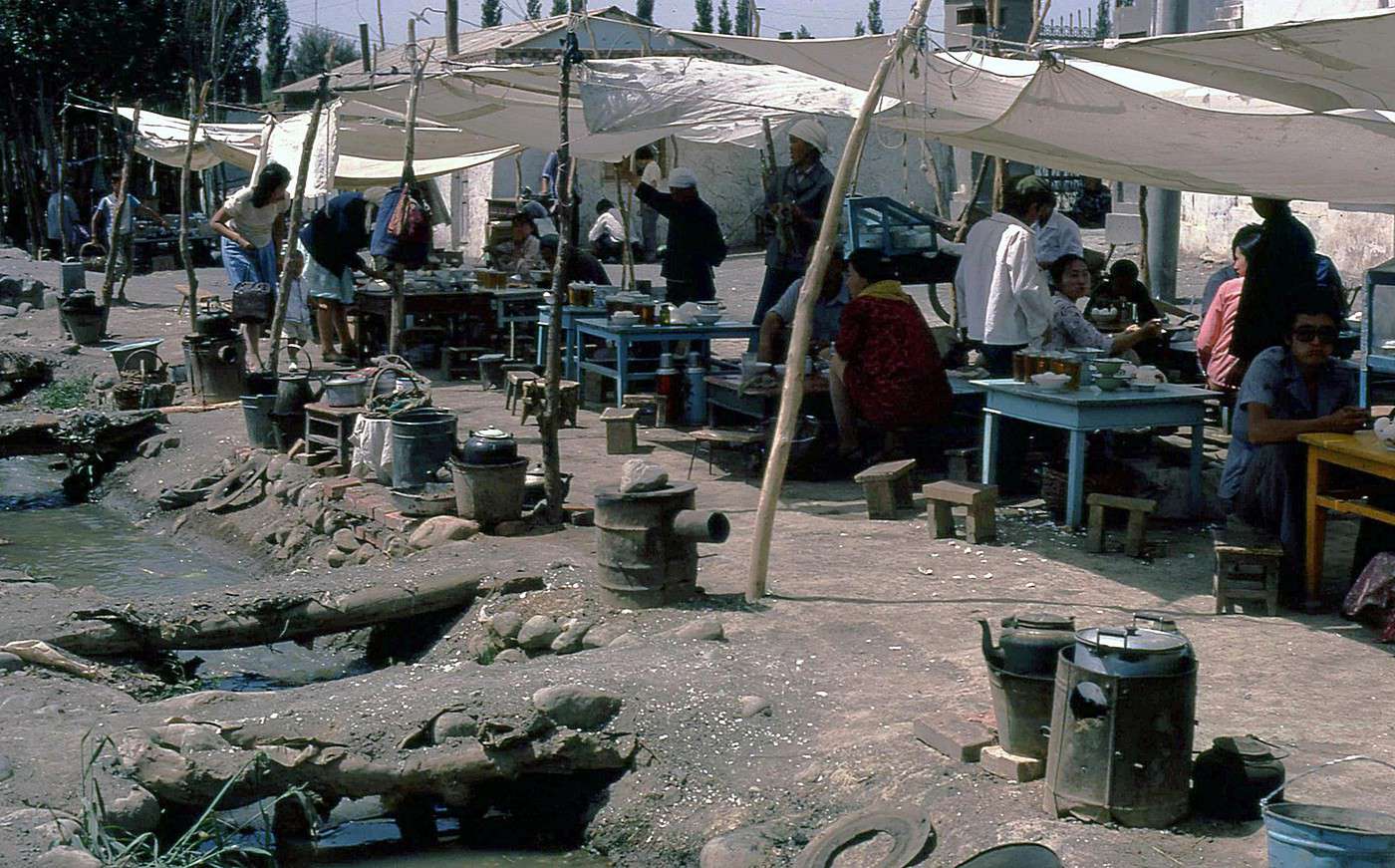
The authentic China—at least what’s left of it... Wandering the impersonal avenues of the city, you stumble upon a market. There, you still find traditional China—small shops with questionable hygiene, Go players, musicians, and even a dental prosthetist. The last refuge for those untouched by modernity. More photos...

6- DUNHUANG Abundance in the middle of the desert Wednesday, August 29 Well, I thought the landscape would be less bleak as I headed west. Nope. The only distraction in this expanse of dark, clayey sand is the forests of pylons and wind turbines, plus wild camels racing each other.
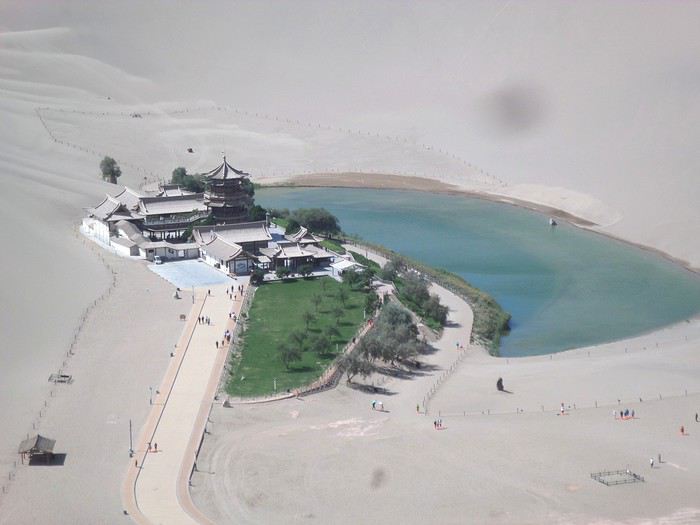
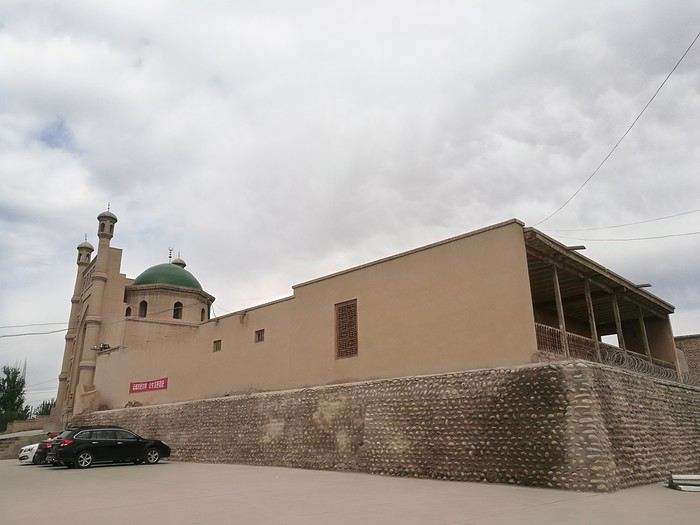
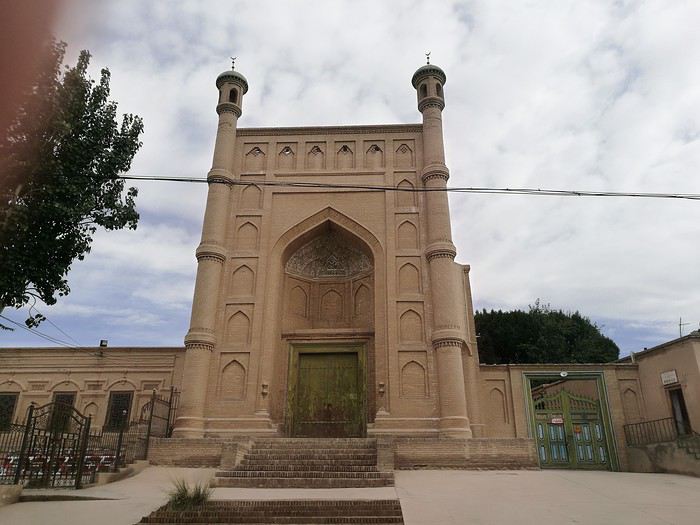
However, Dunhuang, the gateway to the Taklamakan, is by far the most pleasant Chinese city I know. There’s a real city center you can explore on foot. It’s hot but not unbearable, with a light, dry breeze. Much nicer than Beijing. The Han Chinese are still the majority, but the Muslim Uyghurs are more numerous, and the muezzin’s call to prayer echoes around the mosque.

The most surprising thing is the abundance and diversity of fruits and vegetables. You wonder how it all grows here. Well-irrigated, the desert sands are very fertile. Here, raisins have subtle, mysterious flavors, and the lamb really tastes like lamb.

Today, I visited the must-see Mingshashan, a dune complex next to which Pila is a molehill. The Basque Country, but covered in sand... More photos...

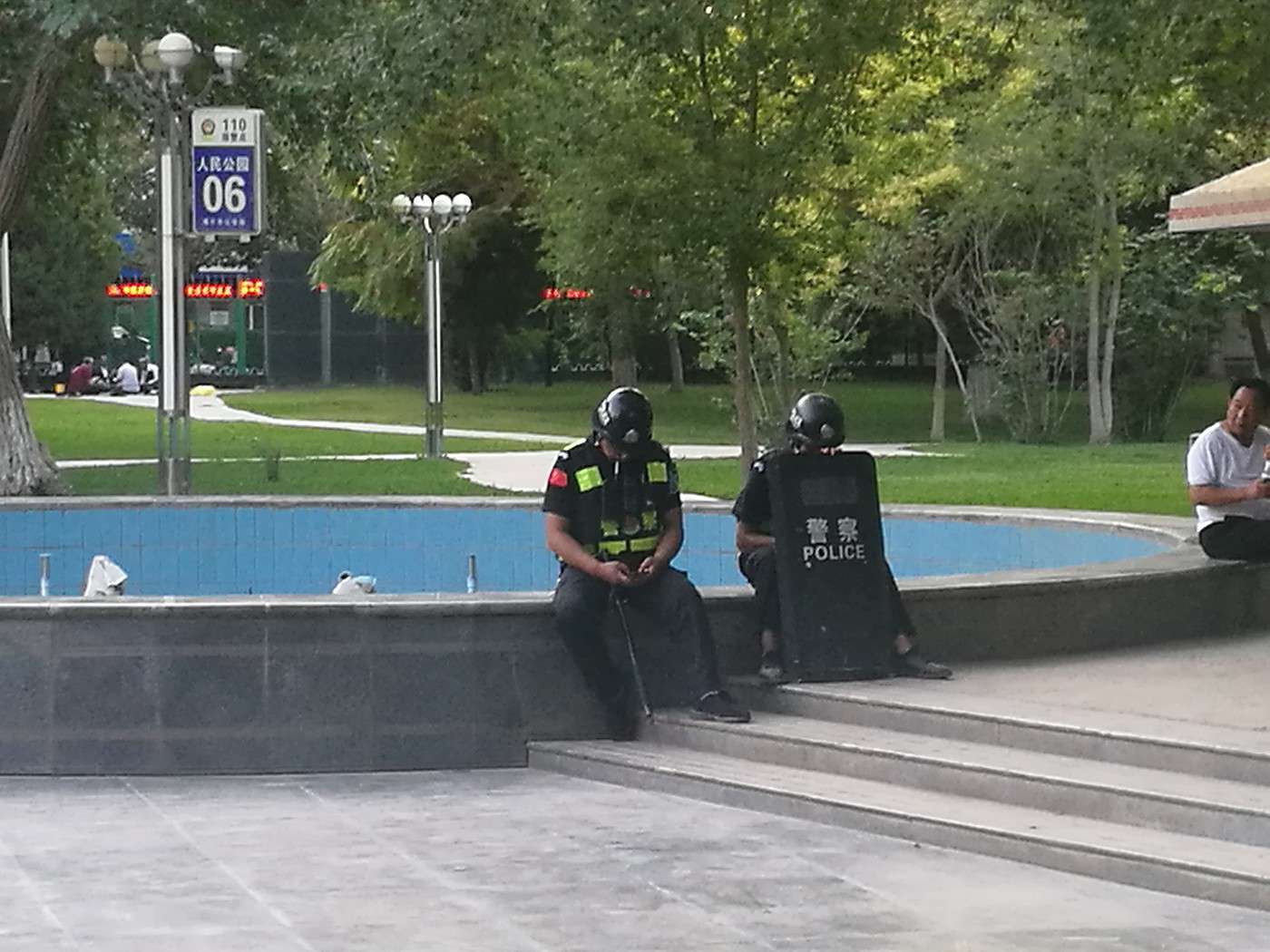
7- TURPAN The Uyghurs under heavy surveillance Friday, August 31 Surveillance cameras everywhere in the city, armed police stationed at intersections, in front of public buildings, at the entrance and inside tourist sites, police stations on every corner, patrols on foot or by car, khaki uniforms even for middle schoolers... here, the Han Chinese are in the minority, and you can feel it. Turpan feels like a city under siege.
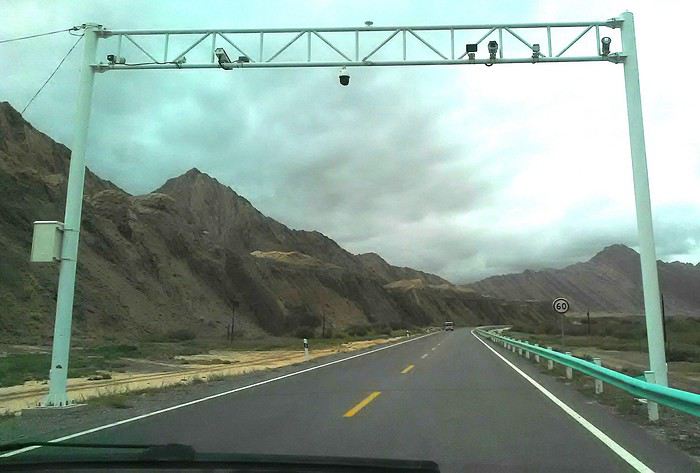


To enter the youth hostel where I stayed, there’s even a security gate, and the receptionist (a Han, like everyone in tourism) wears a bulletproof vest! Reassuring. Still, you don’t feel particularly threatened here, especially as a European. The troublemakers are the Chinese, not the Uyghurs. Generally, China is a very safe country for visitors.

Smile, you’re on camera! I was biking on an avenue when the car in front of me got flashed for driving slowly. I quickly understood why when I got flashed too.

Here, the official time is Beijing time, but it gets dark two hours later. It’ll be even worse in Kashgar. Trickier to manage: everything is displayed in Chinese and Arabic. Nothing in English. Choosing a menu is a shot in the dark. Apart from a few young Chinese, no one here speaks English, and my Chinese doesn’t seem very understandable...

Mogao, the end of the road for the Han Yesterday, near Dunhuang, I went to Mogao, a complex of decorated caves with Buddha sculptures and paintings. Stunning, but so crowded! Luckily, here in Turpan, Chinese tourists barely venture out. So I visited a Silk Road ghost town with only a handful of other visitors and under a howling wind.

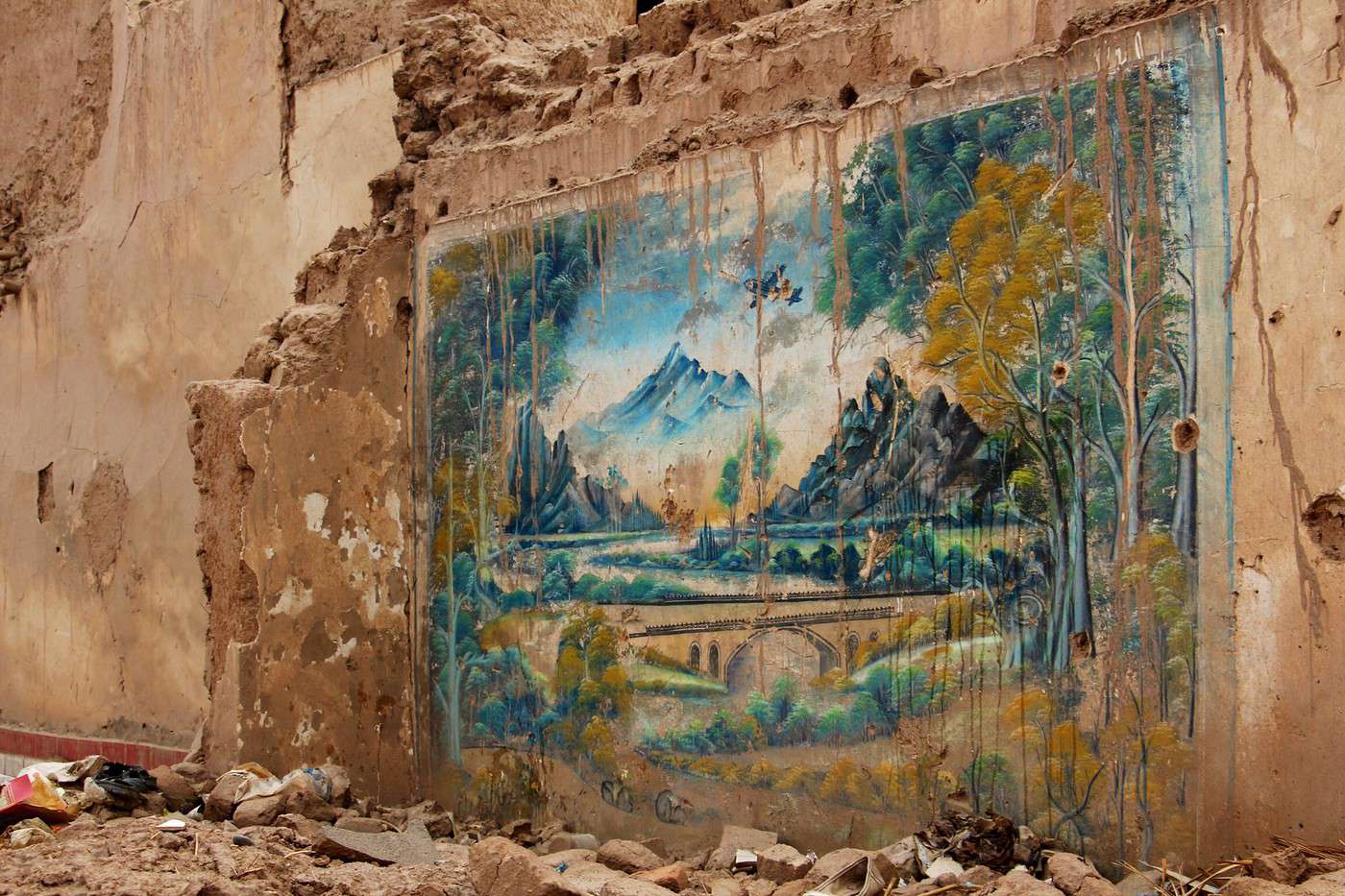
The modern Chinese city is swallowing up the old Uyghur neighborhoods—only a museum-like district remains in the center, and pockets of resistance on the outskirts are doomed to disappear soon. More photos...

8- KASHGAR A (relative) love at first sight for the old city Sunday, September 2 After three overnight trains, here I am in the far west of China, nearly 4,000 km from the capital. Despite the omnipresent police and an old city preserved UNESCO-style, Kashgar is my Chinese love at first sight.
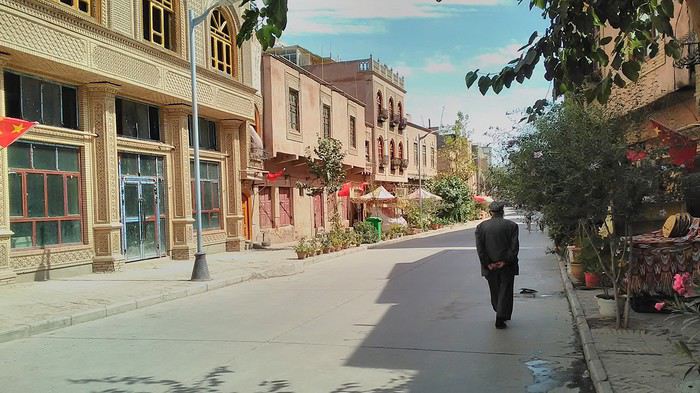


Finally, Chinese... well, sort of, because we’re in Uyghur territory here—a Turkic people with nothing culturally in common with the Han, the eastern Chinese. It started badly yesterday at Turfan station, where after three security gate passes, at least five passport checks, and a bag search, three adorable policewomen confiscated my antibacterial lotion because it had a flammable logo...

Then came the welcoming committee of armed cops at Kashgar station. Once all that was over, they left me alone—except you still have to go through security checks like everyone else to enter the old city, the bazaar, the livestock market... The further west you go, the more the siege mentality is evident. Luckily, the border isn’t far...

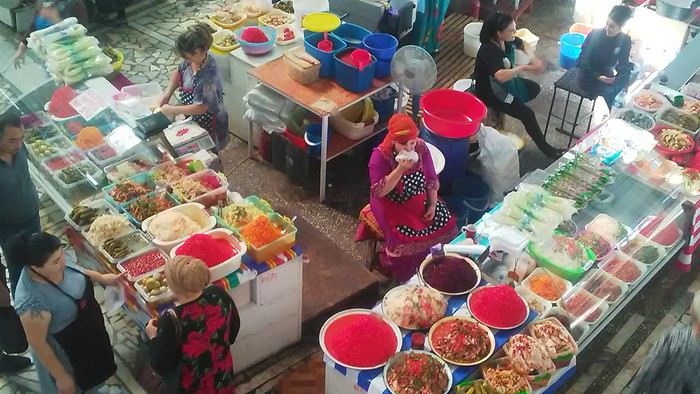
Despite the inevitable destruction-reconstruction, the city center has been well preserved. Thankfully, because it’s a very original style, a mix of local and colonial. I love it, even if it’s a bit too artificial, sanitized, and watered-down, and rather empty of residents. On the Silk Road, the city was famous for its great food. And it still is—rarely have I seen such richness and abundance of food! And not just scorpions or snakes. More photos...

9- KASHGAR China’s recipe for controlling the populace Saturday, September 1 Xinjiang, along with Tibet, is a "sensitive" area of rebellion in the eyes of Chinese authorities. As a result, the state has these regions and their populations under total control. Tourists also feel the consequences, even if they’re not at risk of re-education camps.
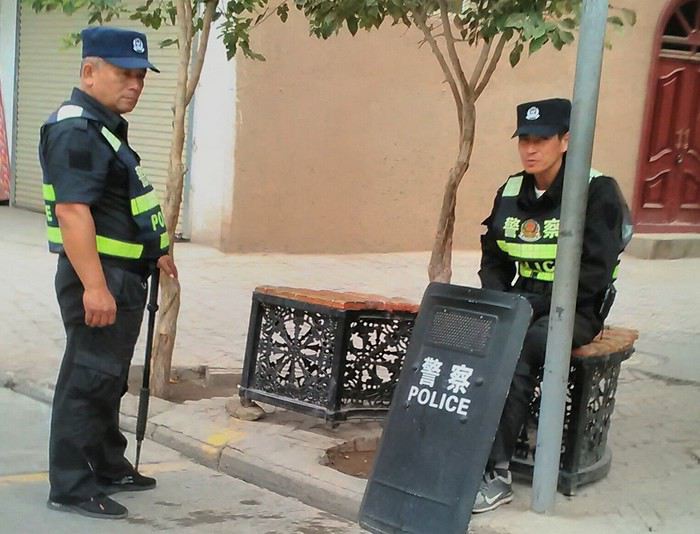
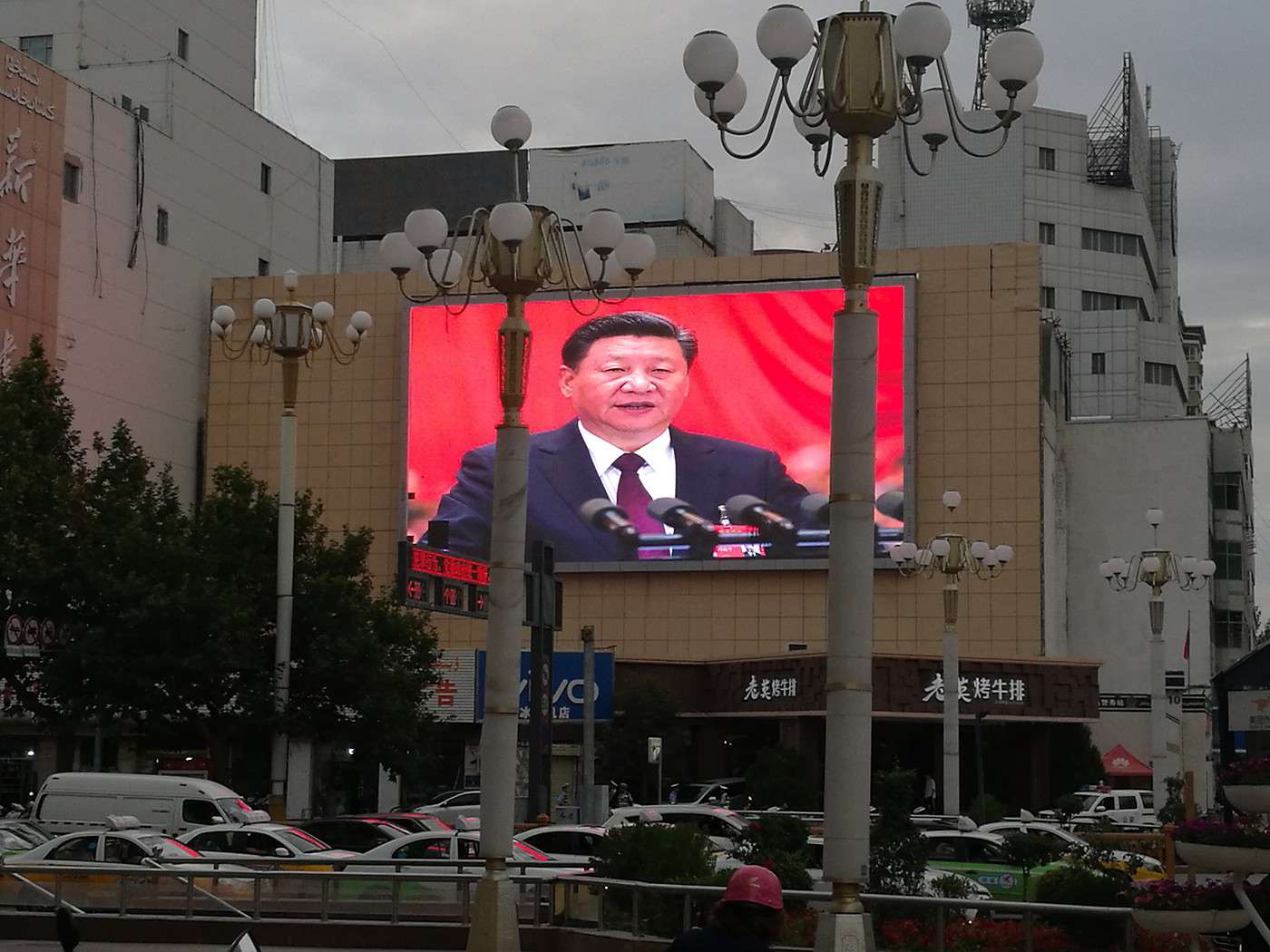
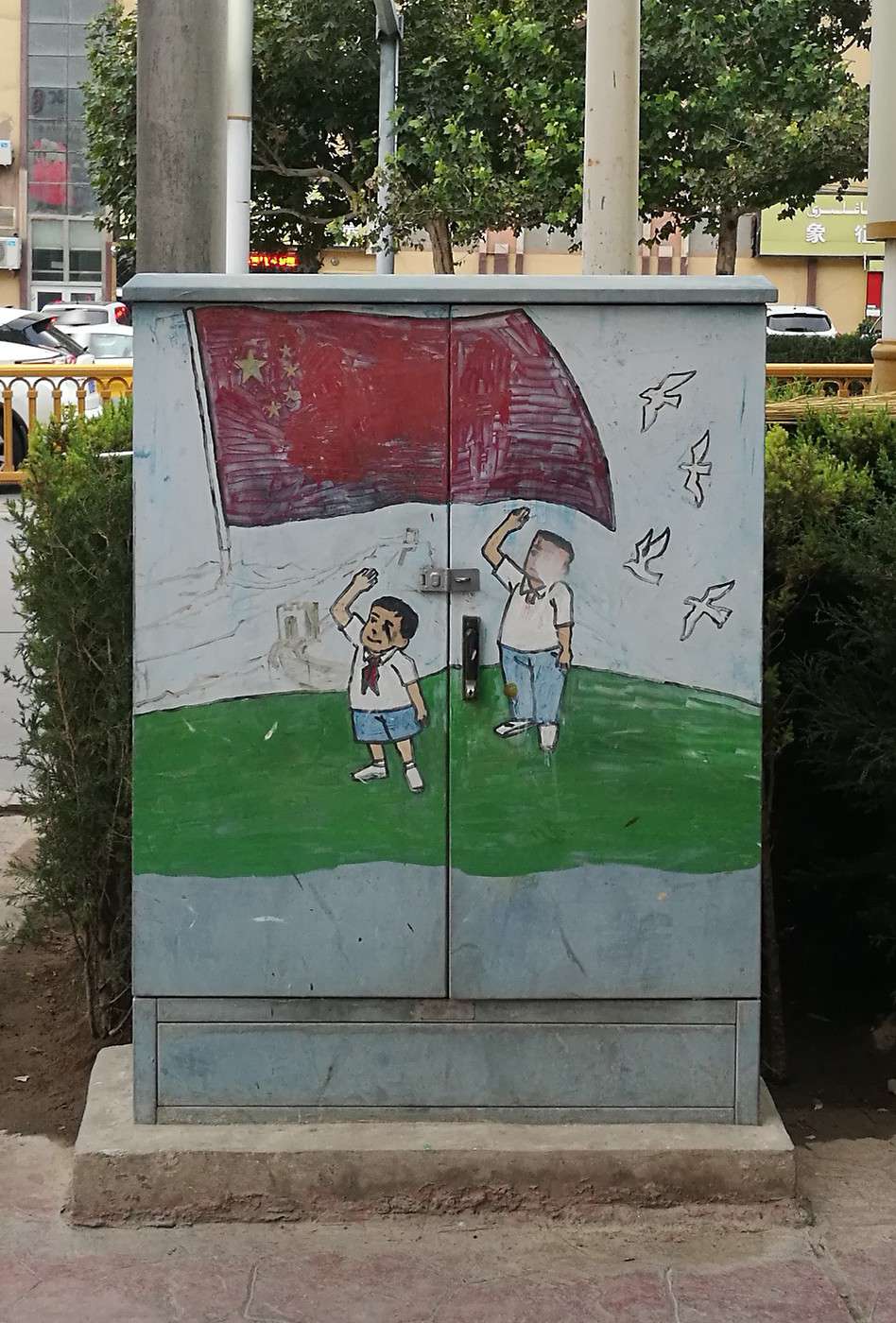
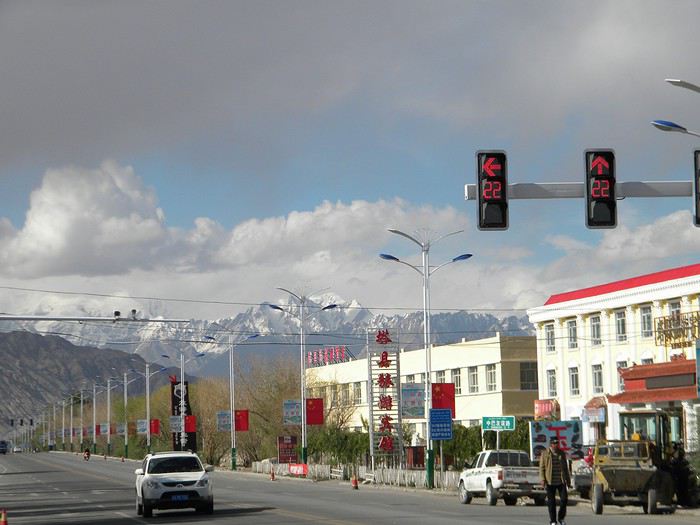
- Putting barbed wire and anti-ramming barriers around sensitive sites (schools, big hotels, government buildings...) - Installing traffic surveillance gates with cameras and photo flashes (for all vehicles passing, including bikes) throughout the city and even in the countryside - Posting uniformed guards with tasers, batons, or huge baseball bats every 100 meters - Training the Han population (ethnic Chinese) in self-defense with sticks, preferably in the morning on the street. Men and women of all ages - Starting school with the national anthem, doing military exercises, and receiving political indoctrination, all neatly lined up in the courtyard. (The dream school for any teacher) - Placing a snitch in uniform (a pseudo-guard) in public gathering places, like youth hostels. Mine spends the day loafing around the courtyard - Putting Chinese flags everywhere on the streets to remind everyone who’s in charge - Installing security gates at every entrance to areas frequented by tourists (thanks for that) but not just there - Never photographing cops, or else! I tried, but it’s not easy...

With all that, you can stroll around safely Not much crime! As for the amount the Chinese state spends to maintain such a system, it’s staggering! A third of the Han living in Xinjiang work in security. Today, I wandered freely around old Kashgar, which is quite large after all. More photos...

10- TASHKURGAN What on earth was I thinking going there! Wednesday, September 5 First, there’s the taxi—pretty crappy, with a driver who doesn’t speak a word of English and won’t stop smoking. Over six hours in that... shared with a completely out-of-it American.
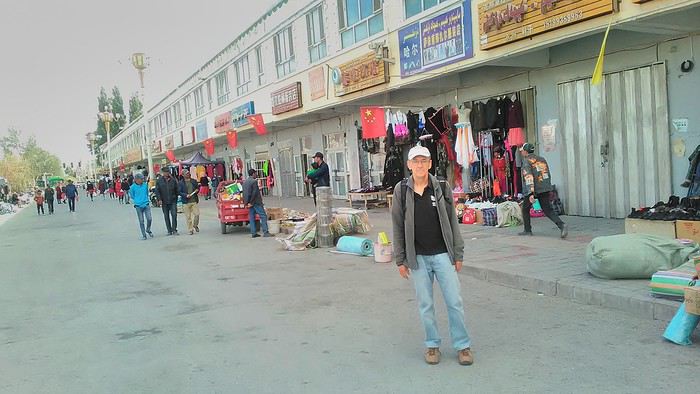


Then there are all the checkpoints along the way. I won’t go on—you know the drill by now.

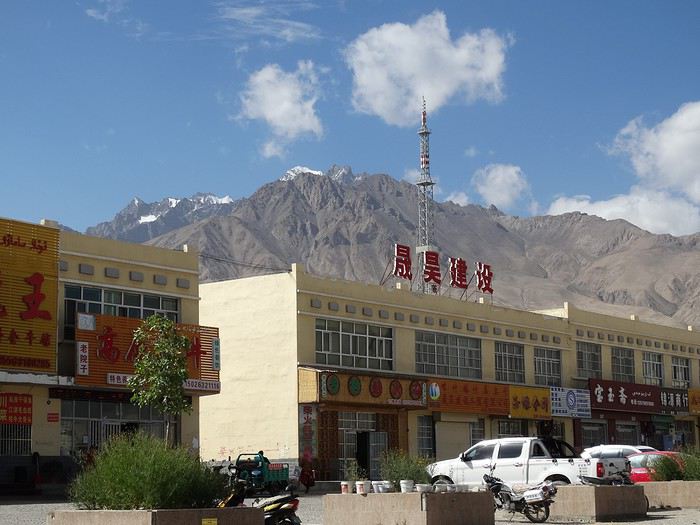
After that, there’s Tashkurgan—a town with nothing to see, nothing to do. Deserted as soon as night falls. There’s this huge youth hostel and a few lost Chinese tapping away on their smartphones, chain-smoking. This lost American-European crowd, swapping tips on how to enter Pakistan or Tajikistan.

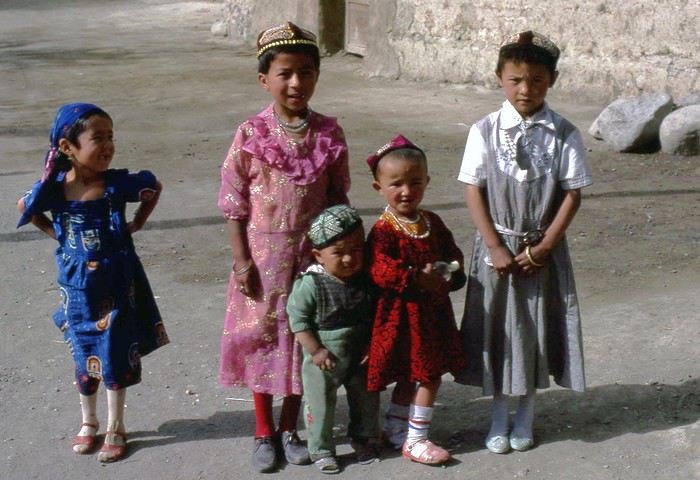
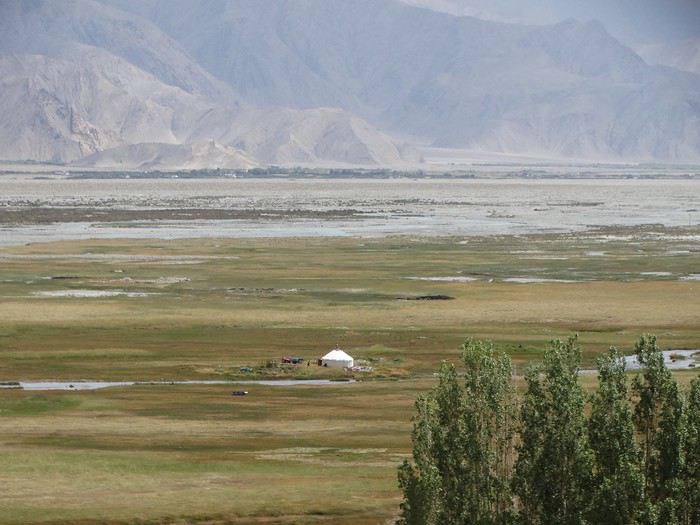
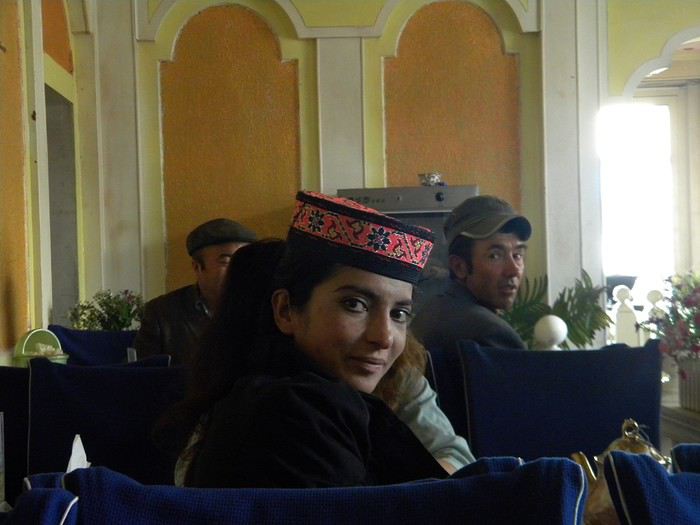
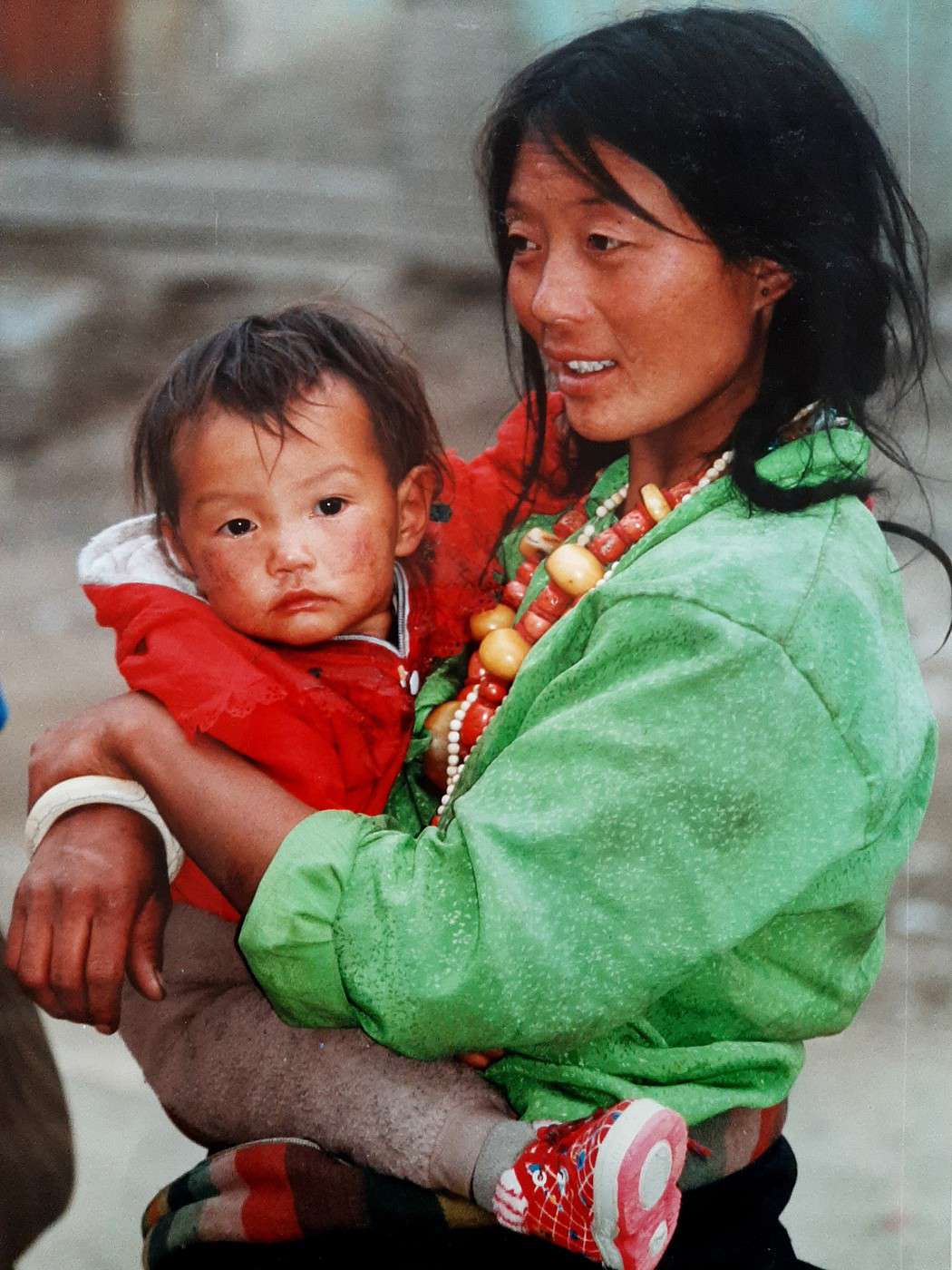
Luckily, there’s the Chinese Pamir Highway, lined with peaks over 7,000m. There’s the feeling of no longer being in China, with a population whose features are Middle Eastern. And these Tajik women with their stunning hairstyles and vibrant costumes. There’s the fact of having reached the westernmost Chinese city, far from crowds and tourist sites. A sort of end of the world. More photos...

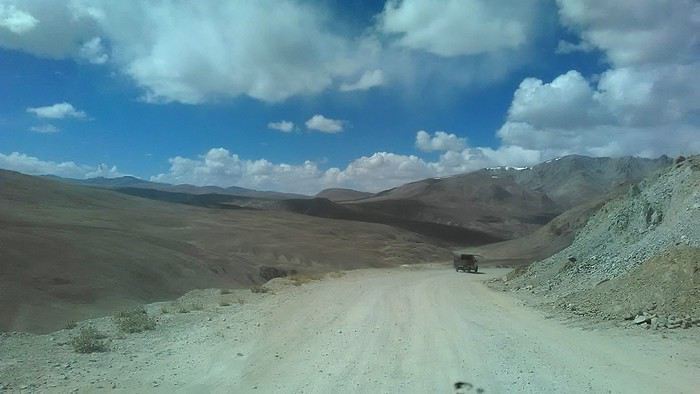
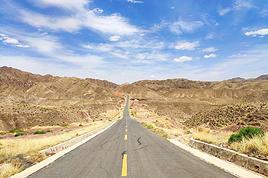
11- KYRGYZ BORDER A surreal epic Thursday, September 6 The road from Kashgar to the Kyrgyzstan border is a little over 200 km and passes through beautiful landscapes of colorful, desert-like mountains with acrobatic folds. That’s the bucolic part of the trip.
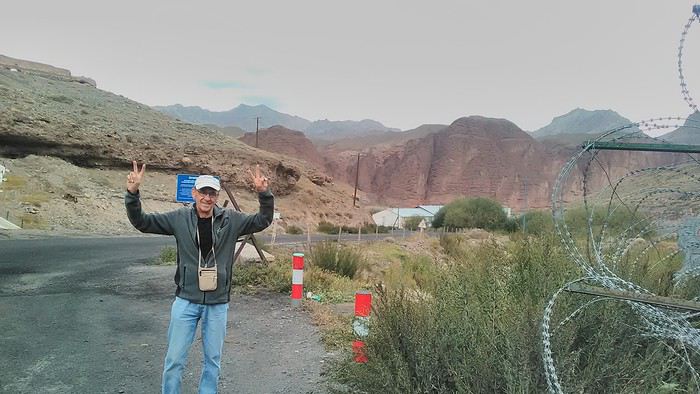
Yesterday, I managed to gather four people to rent a minibus to reach the border more easily: a Spaniard and an Argentine I’d already met in Turpan, and two New Zealanders who responded to the ad left at the hostel.

Absurdity and paranoia of Chinese authorities The highlight was crossing the town of Wuqia, 50 km past Kashgar. After tallying up with my fellow sufferers, we must’ve passed about ten checkpoints with: - Passport checks: 14 times, sometimes by two cops side by side - Bag checks: 4 times - Smartphone checks: 2 times, with deletion of "non-compliant" photos, and registration of your IMEI in the exit log!... Absurd and surreal at the same time, since my camera stayed in my bag, my apps are in French, and my photos have been online for ages...

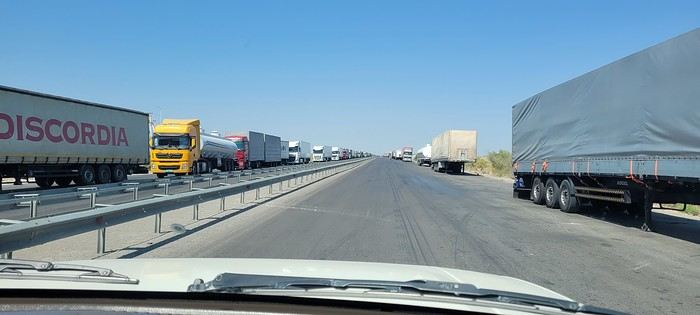
With all that, we arrived just as the last checkpoint before the no man’s land marking the border between the two countries was on lunch break. And bam! Another 1.5-hour wait, alongside truckers who were much more used to this than we were.

What to think? The cops themselves aren’t fooled. They play the role they’re asked to, but sometimes you can coax a smile out of them—they realize how ridiculous the situation is.

What’s the point? That’s the big question my companions and I were tempted to answer with "to piss people off." To show you your place isn’t here, but with the other tourists, over there in the east, in Shanghai, Xi’an, or Guangzhou.

As for you, a traveler from a democratic country, you really experience this as aggression, humiliation, a violation of your private space. And yet, I’m respected, they speak to me properly. Today, I better understand what a Palestinian or a citizen of an occupied country might feel daily. A unique experience! Thanks, China.

And to top it off, the cherry on the cake! It’s still this glowing button you press to rate your passage after clearing the last obstacle before the exit stamp. I was so surprised it turned off before I could react. The Spaniard, with great humor and irony, had time to vote "excellent." In the end, he wasn’t wrong—you can hardly do better!

PS: I ditched my buddies at the border. They didn’t want to pay for a taxi to continue. So I took a direct taxi to Osh. The first 100 km are fabulous. I couldn’t take many photos, but I’ll be back on Monday to go to Tajikistan.

More photos...

The rest of the Silk Road, Part 2, in these travel journals: Kyrgyzstan, Tajikistan, Uzbekistan.
sarana
SA Sarana Regular ·
From Beijing to Khiva Anecdotes, highlights, and other adventures that marked this eight-week journey in 2018

PART 2 MENU: KYRGYZSTAN, TAJIKISTAN, UZBEKISTAN

1- Osh : welcome to Kyrgyzstan 2- Sari Mogol: fantastic Lenin 3- Murghab : the president in the snow 4- Murghab : the manager rules the town 5- Pamir highway: the universal passport for the French 6- Pamir by bike: think twice 7- Khorog : shared taxi, don’t let them walk all over you 8- Langar : Marx and Engels, a bit frustrating, those commies 9- Khorog : the teacher makes ends meet 10- Khorog : are you going to Dushanbe? 11- Fan Mountains : it’s always the same guy we’re screwing over 12- Samarkand : the advantages of flat country 13- Bukhara : a somewhat dead city 14- Khiva : to finish in style 15- Khiva : the typical tour operator portrait 16- Khiva : Uzbek mamas on their way to the capital 17- Tashkent : let’s wipe the slate clean of the past

Part 2: From the Kyrgyz border to Khiva Heading toward the former Soviet republics of Central Asia, long closed to travelers, far from mass tourism and tour operators. Discovering the Pamir region, its people, mountains, and impossible roads. The journey ends with the cities of Uzbekistan, restored and dressed in new clothes, classified as World Heritage by UNESCO and... a bit more crowded.


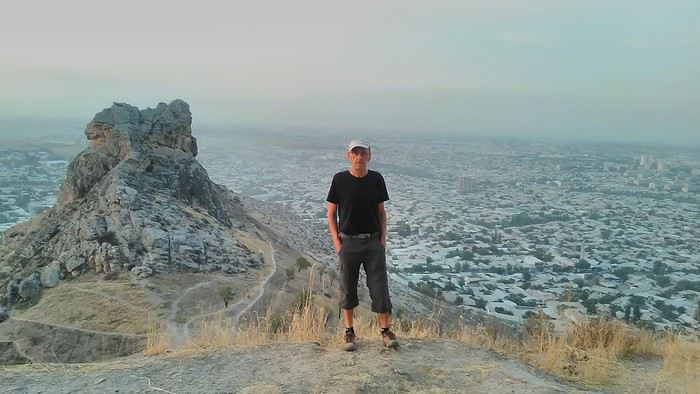
1- OSH Welcome to Kyrgyzstan! Friday, September 7, 2018 Cell phone in one hand and steering wheel in the other, my young driver takes the hairpin turns of the endless descent to Osh at full speed. Since the steering wheel of his Japanese 4x4 is on the right, I sometimes act as co-pilot. His rather sporty driving and all-over-the-place overtaking should normally make me clench my butt cheeks, but the guy knows his stuff. An artist in his own way who dodges, avoids, or overtakes with skill all the obstacles that appear on the magnificent road that first follows the highest peaks of Kyrgyzstan, then crosses lush high pastures dotted with yurts, then jagged mountains with multicolored rocks, before ending its run in the Osh plain. More photos...
However, Kyrgyzstan doesn’t have the wealth of its neighbor. Minimum service for the city of Osh, the country’s second-largest, with its broken sidewalks, dusty streets with no lighting, dilapidated Soviet-era buildings, beggars... Sanitary, environmental, and electrical safety standards... still not for tomorrow. But you can get a meal for 1 € and ice cream cones for 25 cents. In short, a third-world city.

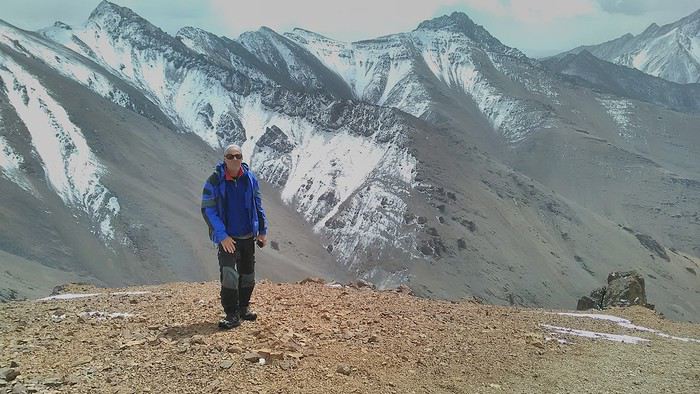
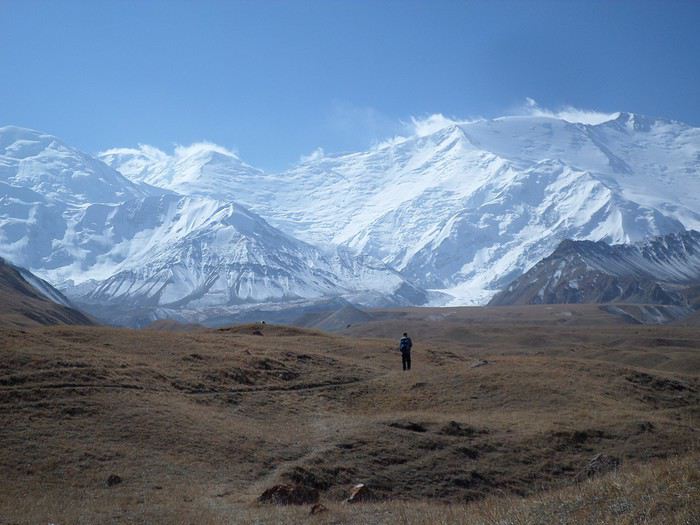
2- SARI MOGOL Fantastic Lenin Tuesday, September 11 Of course, I’m not talking about the first vector of the communist catastrophe, but the Peak that still bears his name (mockery? nostalgia?) straddling the border between Kyrgyzstan and Tajikistan. To reach this dazzling panorama, I left Osh with Christian in a shared taxi to the village of Sary Mogol, nestled on a vast windy and dusty plateau. This morning, a taxi took us across this plateau via a 20 km track to the Lenin Peak base camp. After that, a rather easy hike (20 km round trip, 800 m elevation gain) leads to the shoulder of a moraine at 4,200 m, a fabulous viewpoint over the massif. Naturally grand and unforgettable. A top contender in my best hikes. More photos...


3- MURGHAB The president in the snow Wednesday, September 12 The road connecting southern Kyrgyzstan to Murghab in Tajikistan may have been partially paved in Stalin’s time, but it’s been at the mercy of the elements ever since. It takes a full, bumpy day. You might as well get used to it—this is how it’ll be throughout the country. But the landscapes are magnificent; they can’t be described, you have to experience them.


Thanks to two dynamic and resourceful young Israelis, we shared a taxi with three Taiwanese glued to their cameras. After crossing the border without any particular difficulties (except for an hour and a half wait—no idea why...), then traversing a desert of mountains, barely brightened by the surprising Karakul Lake, we arrived in Murghab, a small town where you wonder what we’re doing here, especially when you get there at night.

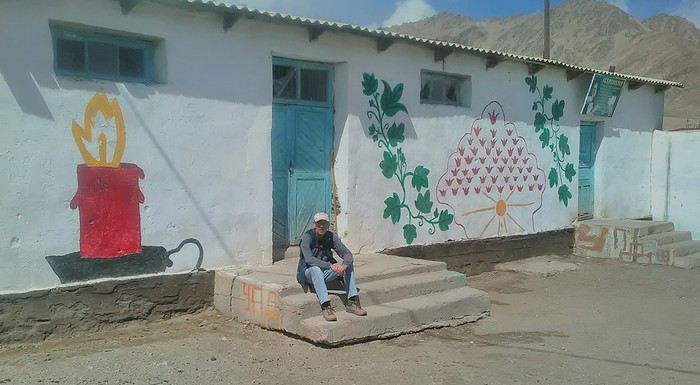
In Murghab, no paved streets, no public lighting, no toilets, no beds, not always water or electricity, but... yes, a hint of Wi-Fi if you catch it at the right moment. We sleep on rugs on the floor, eat vegetarian, and have to walk through the guests’ room to get to ours. But the stop is a must, and there are one or two interesting treks.

And bingo! It’s precisely the day the president chose to get lost in this hole As a result, the town is paralyzed: no taxis, everything closed. Just the possibility to wander around the place with your passport. So, a forced morning of rest. Here at the guesthouse, the hosts have put on their best outfits. In the end, it should be worth seeing (to be continued...)

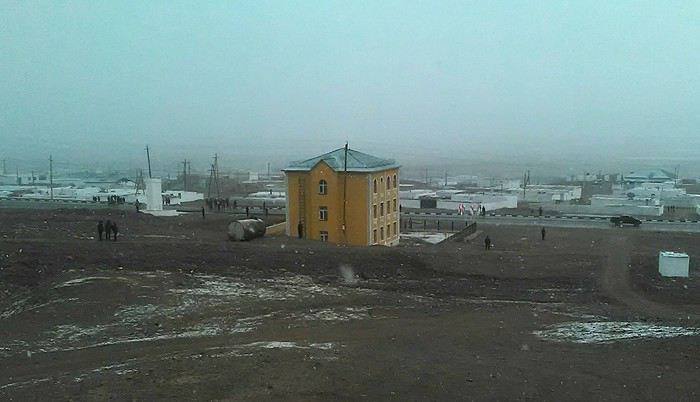
... And in the end, it was under the snow (no surprise, we’re at 3,600 m) that the president arrived by helicopter this morning to inaugurate a brand-new building just below our guesthouse. As a result, we stayed sheltered to watch the ceremony from afar, seeing nothing but the close protection team surrounding the building. As for the president, we had to settle for the numerous portraits displayed around town. More photos...

4- MURGHAB The manager rules the town Thursday, September 13 Gumbeskul Pass is an 18 km trek that starts at the end of a wild valley, 20 km by track from Murghab. You climb to 4,750 m, then descend into another equally wild valley, 25 km from Murghab.


So, you need to hire a 4x4 to take you to the first valley and then pick you up in the second. And trust the driver!...

This was brilliantly organized by the owner of the only local hotel, the "manager" as he’s called here—a kind of big shot—who seems to handle much of the tourist organization and transport logistics. But the prices he negotiates are fair. And he even takes orders at the restaurant! A good deal for Murghab? Don’t hesitate, go through him. More photos...

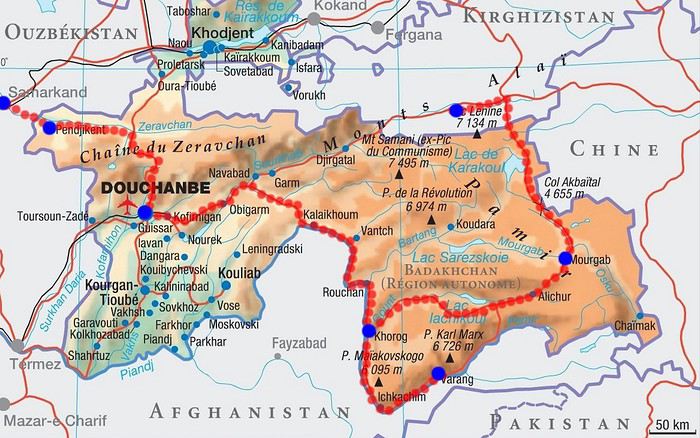
5- PAMIR HIGHWAY The universal passport for the French Saturday, September 15, 2018 The road connecting Murghab to Khorog, also called the Pamir Highway, is without a doubt one of the most beautiful in the world, but covering its 350 km comes at a cost: $15. For that price, don’t expect first-class service in a 4x4 packed with seven other passengers.


For my part, I ended up in the front, sharing a seat designed for one and a half people with a local.

Under these conditions, it’s better to get along with said person because otherwise, the day could get pretty rough. And that’s where the magical passport of the French traveler comes in: "soccer!" Plus, world champions—it opens even more doors, and I got handshakes like I was part of the team.

In the initial plan, I had considered taking the southern route along the Afghan border. But the season was already well advanced, and it wasn’t possible to find a vehicle to take us there. Too bad, we’ll still do a bit of it from Khorog.

Among the most beautiful roads in the world Otherwise, the Pamir Highway constantly jolts, whether on paved sections or dirt tracks. It’s better to keep an eye on the road’s condition before admiring the scenery to avoid breaking your back. The first half crosses a high desert plateau where only a few stray wolves survive. The other half is a long descent into a lush valley watered by a turquoise stream. To give you an idea, it’s a bit like a high Aragonese valley with the highest peaks of the Alps in the background.

Khorog: a third-world city Apart from its park, the city doesn’t have much charm, but compared to Murghab, here it’s opulence. We even have a bathroom in our homestay with real hot water—you get the idea. Plus, the climate and altitude (2,000 m) have changed; this side of the Pamir is warmer and sunnier.

Just a stone’s throw away is Afghanistan, miserable and almost inaccessible. But no danger because the Wakhan Corridor we’re supposed to take tomorrow toward Ishkashim (Tajik side) isn’t in Taliban hands. More photos...

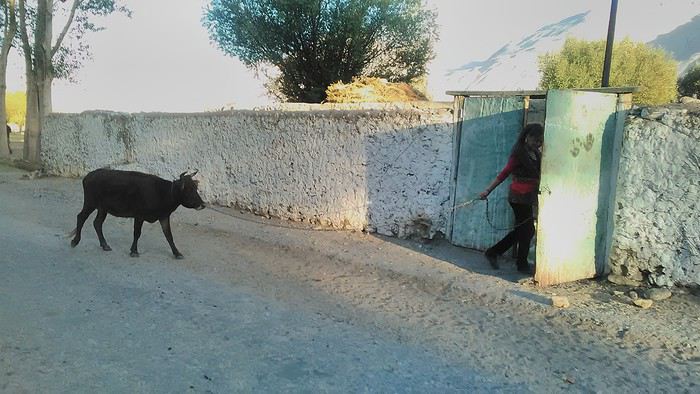
6- PAMIR BY BIKE Better think twice Sunday, September 16, 2018 The Pamir is a region renowned for long-distance cyclists. The July attack, where four of them (including one French) were deliberately run over and then had their throats slit by jihadists, didn’t deter them at all. You see one or two now and then on the road, loaded like mules, weaving around potholes.

Two of them, French, stayed at the same guesthouse as us. It turns out that, given the road’s difficulties, biking here requires enormous willpower because: - You have to constantly watch your trajectory because of potholes, so you don’t even enjoy the scenery - You barely cover 40 km a day due to road conditions and weather - Which means it sometimes takes two days to climb a pass - Even on descents, you often have to pedal because the track is too sandy - You can go several days without seeing a village, so you have to plan camping gear and supplies accordingly - When the wind blows, it blows, and it’s usually head-on - At 4,000 m, it’s freezing! As a result, you end up with a bike + gear weighing nearly 50 kg, which you often have to push up steep slopes.
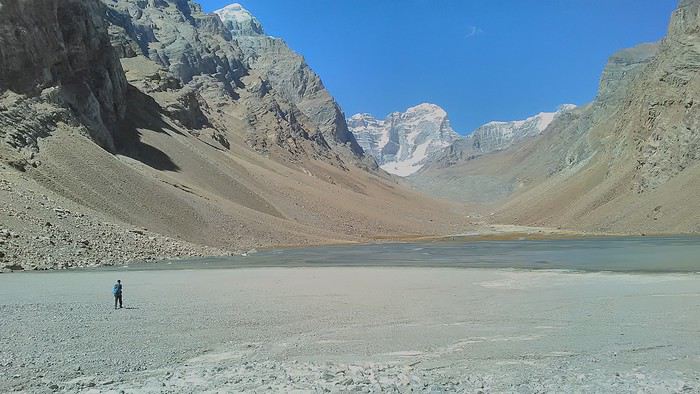
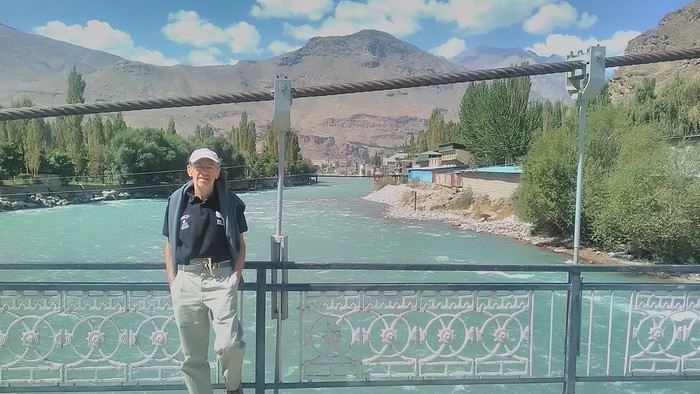
I had understood all this by digging through forums. My initial plan to bike part of the Silk Road quickly went out the window. My next bike trips will be in Europe or North America.

7- KHOROG Shared taxi, don’t let them walk all over you Sunday, September 16 No bus lines in the Pamir; the terrain and road conditions don’t allow it. So, you have to use taxis, usually a 4x4, which can be private or shared. For a private taxi, you pay for the trip and split the cost according to the number of people.


Since it costs around $100 (for 100 to 200 km), it only becomes worthwhile with four people because you save a lot of time.

For a shared taxi, you have to go to the meeting point and find a driver who agrees to take you, but you have to wait until the vehicle is full before leaving. Better to arrive early. In this case, it’ll cost $10 for 200 km. Prices are fixed, though I think locals often pay a bit less.

Here’s the starting premise But nothing’s simple because the driver’s goal is twofold: - Fill up his taxi (7 or 8 passengers) - Find passengers going all the way to his destination, since they’ll pay the full price, while those who get off halfway only pay half. With that in mind, here’s what happened.

This Monday morning, we quickly found a taxi to take us from Khorog to Langar, in the Wakhan Valley—a surprising region I’ll talk about later. Langar, lucky for him, is his final stop. The price, $10 for 200 km, isn’t even negotiable. Plus, with us, he’s full: 7 seats taken—us two, a Polish guy who’s a skilled Russian-speaking negotiator we met in Osh, an American photographer also Russian-speaking, an Australian archaeologist of Polish origin who also speaks Russian, two locals who went shopping and made us wait half an hour, one of whom has to get off halfway (important for later). Everything seems to be going well...

Who gets the best seats? There’s a bit of friction when it comes to seat distribution. The best seat, up front, is objectively given to the American because of his size. The middle bench, the most comfortable, we claim outright with the Pole—after all, we’re paying more, and the others haven’t come back from the market yet. The archaeologist doesn’t complain about the back bench. The two locals finally arrive and settle in the back without too much fuss. With seven passengers, the taxi is full and ready to go.

But then a local guy with a cap and blue eyes shows up, and we finally understand he wants to join us. He asks us to scoot over so four can fit on the middle bench. Of course, the damn driver doesn’t intervene, especially since the guy is going all the way. (Turns out they know each other well, as we’ll find out later.) The guy expects us to accept without complaint. But he’s dead wrong—there’s no way we’re spending the whole day squished like sardines, and we make that clear. The guy then tries to force his way onto the back bench, but of course, it doesn’t fit. So, he tries again with us, but gets firmly rebuffed, and the driver takes a scolding (my first outburst in this country): if the guy gets in, we’re out!

The power dynamic is in our favor, and the driver gets it. Now it’s up to him to handle the situation. After 10 minutes of arguing in Tajik, it’s finally the poor guy who was supposed to get off halfway who gets kicked out! I didn’t see it, but I think he kindly blessed us...

To top it off, halfway through, the driver tried again, this time with his own sister (supposedly) who was waiting by the road. But the pitiful looks from her and the other didn’t make us budge an inch. So, we left with 7 and arrived with 7. Well, almost—two kilometers from the end, we picked up a kid coming out of school. That one, we would’ve felt bad leaving by the roadside as night was falling...

At the gates of Afghanistan Otherwise, the (often paved) road we took follows the border river between Tajikistan and Afghanistan. On one side, the "wealth" of the 18th GDP (in descending order), and on the other, that of the 10th. On one side, a semblance of paved road, cell phones, and cars. On the other, a simple track, mud houses, and farmers walking or riding donkeys. But the landscape is wildly beautiful and harmonious in its first part. Later, the river spreads into a wider, greener valley.

The road is the only traffic axis. Here, rural life in the valley is on full display. A feast for the eyes, with the Hindu Kush massif, bordering Pakistan, as a backdrop just ten kilometers away. Regularly, perpendicular valleys offer glimpses of daring snow-capped peaks. Unforgettable!

Thanks in part to the Russian speakers, relations with the driver and the eighth passenger relaxed. So much so that before arriving, the taxi driver, who also runs a guesthouse, offers to put us up for $15 with half-board, skillfully renegotiated to $10 by our Polish friend (what a gem!).

As for the eighth passenger, the one who tried to force his way in, at the first stop right across from Afghanistan, he tried to convince me that Taliban in ambush were going to shoot at us, which really pissed me off. But by the end of the trip, thanks again to the Russian speakers, we (almost) congratulated each other!

A Greek island vibe The guesthouse is 500 m past the village, in a stunning suspended valley at the foot of the Marx and Engels peaks. It’s actually a beautiful all-white property; we’re spread out in several rooms, the welcome is friendly. Instant crush for this almost magical and totally unexpected place. For a moment, you’d think you’re on a Greek island. As a result, we’re revising our plans and will probably end our Pamir stay here. More photos...

8- LANGAR Marx and Engels, a bit frustrating, those commies Wednesday, September 19 Our guesthouse is 500 m from the start of the trek to Engels Peak. It’s a beautiful hike leading to a lake where the white mass of the peak emerges in the distance. We wanted to push beyond the lake with the ambition of touching the ice.


To get there, you have to cross the glacier’s moraine*, which is horrendously long. After an hour of climbing through loose rocks and unstable boulders, we had to turn back. It actually takes two days to reach the glacier. Plus, the hike doesn’t let you see its neighbor, Karl Marx. Result: over 20 km, 1,200 m elevation gain, a bit frustrating...

The next day was calmer with a hike to the ruins of a fort over 2,000 years old, an important stop on the Silk Road. The Afghan border is just a stone’s throw away, on the other side of the ravine, almost within reach from the fort. The place, very isolated, is quite unique and enchanting. To get there, we took a shortcut near the military camp and were gently (no irony) escorted back to the right path by a patrol.

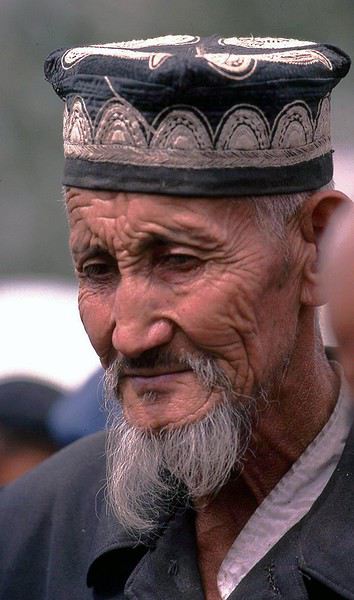
About the Tajiks This is a good opportunity to say that here, people are simple, poor for the most part, but no one ever asks you for anything, solicits you for this or that, or demands a tip. When they talk to you, it’s often to exchange a few words in English. It’s nice to know there’s no hidden agenda. A lot of dignity among the Tajiks. I’m very admiring.

Our guesthouse is in the heart of an agricultural valley where wheat, no doubt very organic but not very productive, grows. The harvest, threshing, sorting—everything is done by hand or, rarely, with ancient machines. This idealized rural scene reminds me of the rural scenes from the famous medieval illuminations "The Very Rich Hours of the Duke of Berry," which I used as teaching material in my history lessons.

* On the way back, after studying the landscape on Google, I realized we climbed the moraine on the wrong side. If you attempt the adventure, don’t follow the cairns on the left; instead, hug the moraine on the right.

9- KHOROG The teacher makes ends meet Thursday, September 20, 2018 Back to Khorog for a short stop before heading to Dushanbe, the capital. The taxi that brought us, housed us, is also taking us back. A real tour operator. The trip is calmer than on the way, and we arrive in Khorog without incident after a day’s drive. The owner of our guesthouse is a teacher. A chance to talk shop. Here, half the kids go to school in the morning, the other half in the afternoon. I understand better why you see kids in uniform (navy blue for girls with a white ribbon, dark suit and tie for boys) morning, noon, and night. And our host is on the same schedule—she works from noon to 4 p.m. She has 25 kids in her bilingual Tajik-Russian class, and the children also have an English teacher.
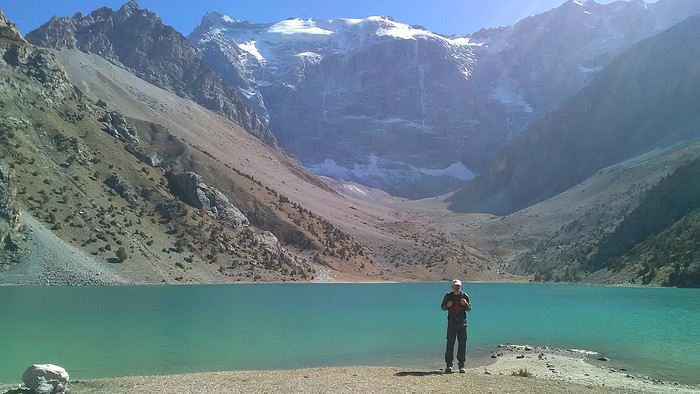
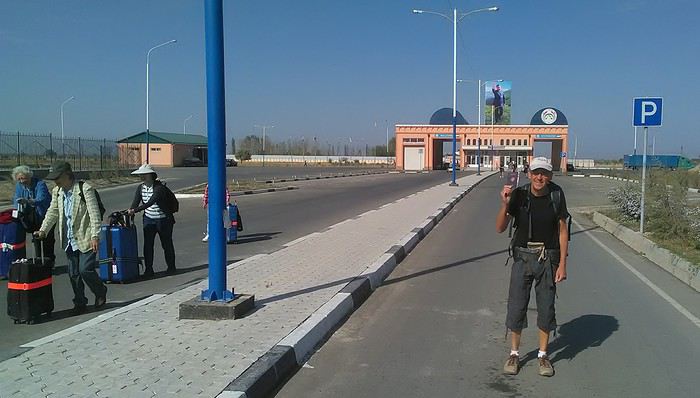
The future isn’t bright for these kids. Two of our host’s daughters work in Moscow, as does her husband...

Not sure the job pays much, nor does the guesthouse. Proof is, she asked us to pay our bill before the market closed so she could buy eggs for breakfast...

And since we’re on the subject of education... Last night, in Langar, the lady of the house came to see me with her 10-year-old son. She showed me a school notebook and a history book with a photo of a Greek vase. I finally understood she wanted me to draw it for the kid. In my broken English, I explained that as a former teacher, I couldn’t. For an educator, it doesn’t matter if the drawing is good or not. What counts is that the child does it. She seemed to understand since she didn’t insist. Except that 5 minutes later, glancing into the family living room, I saw the older sister diligently working on the drawing...

10- KHOROG Are you going to Dushanbe? Friday, September 21, 2018 The teacher at the guesthouse had promised us "Dushanbe! No problem!" Yeah, right... The airline has been suspended for two days. Too bad, we won’t get to enjoy a magnificent flight skimming the snow-capped peaks. Instead, we’ll have to endure another very, very long day of bumpy taxi rides.

Arriving at 8 a.m. at the gathering point near the airport, we’re surprised by the few vehicles and no one jumping on us. Since there are still no flights, the taxis filled up quickly. Only the last ones looking for the final passenger to fill up remain. Impossible to leave with just two people, and the last seat’s price has doubled.

We’re stuck wondering how to get out of this mess when suddenly a seemingly well-equipped vehicle with comfortable seats pulls up. Out steps a rather classy young woman: - Are you going to Dushanbe? Phew! Luck is on our side, and so are the two young French cyclists who just arrived.

The young woman works in Moscow in the import and processing of precious stones. Stuck by the lack of flights to Dushanbe and the saturation of taxis, she asked her brother-in-law to bring her. Three Tajik women and the jeweler’s daughter—who can’t stop vomiting—complete the crew. And so, we’re off for what should normally be a fifteen-hour trip, always along the Afghan border, but this time in fine company.

Tajik resourcefulness And just because we’re heading to the capital doesn’t mean the road is better! Often downhill, it winds along the growing river. Here, the dried-up mountains rise into canyons, then suddenly plunge into wide fertile valleys where you discover that not all Afghans are poor.

The car looked decent inside, but we didn’t notice the rest. It had to happen: a flat tire. And the spare was nearly flat. I don’t know how, but we’d stopped in a hamlet of three houses, and the driver came back with a good tire that he had mounted three kilometers away at one of those completely remote roadside garages. Tajik resourcefulness... Still, by 6 p.m., we were only in Kalaikum, halfway there, and night was falling.

And to top it off, we broke down. Normally, either it gets fixed quickly, or we spend the night here. So, when the hotel owner across the street heard a taxi was stranded, he rushed over to rent us rooms. Too funny!

We really shouldn’t have left Finally, after more than two hours of waiting, we’re back on the road. But we really should’ve slept there because driving at night in this country is quite a challenge. As a result, with a dead battery, one headlight out, and poor visibility, we hit a cow. Result for the car: a dented hood, the left headlight in pieces (luckily the one that was already out), and the bumper in the ditch. As for the poor cow, we don’t know what happened to it since the driver didn’t stop right away.

With all that, and after several checkpoints where the driver gave a bribe each time, we still managed to arrive in one piece in Dushanbe at seven in the morning, after 22 hours on the road for just under 600 km!

In the land of the Soviets Here, we found a reasonably priced hotel that had its glory days in the heyday of triumphant communism. Now, it’s as decrepit as the ideology and its staff. As for the capital, with its grand avenues and buildings with Soviet architecture revamped Vegas-style, it’s hard to imagine that the country around it is so deprived of everything. More photos...

11- FAN MOUNTAINS It’s always the same guy we’re screwing over Monday, September 24, 2018 Departure for the Fan Mountains, 200 km north of the capital. This time, there’s a plethora of taxis, and it’s a rush to offer us seats. As a result, prices plummet dramatically and hit rock bottom in less than thirty seconds. The taxi is a seven-seater. The front seat is already taken.


No problem getting the middle bench since the locals, who pay less, take the back one. On our bench, there’s still the middle seat, which unfortunately doesn’t stay empty for long.

Except it’s a young virgin in colorful attire who shows up. And there’s no way she’s sitting in the middle. Supposedly, she tends to throw up. Yeah, right. And since I’m the smallest, once again, I’m the one they want to push to the middle. But no way—I’m not moving!

Finally, the crowd pressing around me gives in, and the girl leaves with her doll wrapped in a huge pink package. The taxi driver grumbles too, but he has no trouble finding a virile male to replace her. Since the trip only lasts "five hours," it’s no problem.

In conclusion, if you want to be comfortable, don’t expect the middle seat to be empty—buy it!

The road has tolls even though there are only two lanes. In fact, you’re paying for basic tunnels where suffocation is a risk. It’s a beautiful road winding on pavement between mountains and canyons. Lost the habit of hitting 100 km/h.

Tajiks are nice Artuch, the starting village for the trek, is at the end of a valley. Life there is like in the Spanish mountains a century ago, with cell phones added. To find us accommodation, the locals from the taxi prospected with their phones. Then they handed me the phone. After a first failure with someone whose gibberish I didn’t understand, I got the village "caliph" who, in very good French, took all the details about our plans. Shortly after, an English-speaking host called. Really nice, the Tajiks.

The accommodation is more than basic—I’d even call it "medieval." The Fan Mountains are at the western tip of the Himalayas. Today’s trek to Lake Kulikalon is as beautiful as the lakes in the Canadian Rockies. More photos...

12- SAMARKAND The advantages of flat country Wednesday, September 26, 2018 I never imagined crossing the border between Tajikistan and Uzbekistan one day. But here we are, it’s done. Plus, formalities and checks are quick—no waiting.


A regular bus then took us to Samarkand for 2,000 soms (20 euro cents!). As Christian said: "At this price, we could buy the bus" (see taxi anecdotes). Yeah, 1 € is worth 10,000 soms! There are no large bills; everyone walks around with impressive wads of cash in their pockets.

The program includes the three must-see cities of the Silk Road, classified as World Heritage: Samarkand, Bukhara, and Khiva. No more taxi rodeos to get around. Here, since the country is flat, it’s by train. And even though the season is well advanced, we’ll still have to share these wonders with Japanese, Chinese, French, Italian... tour operators. In fact, here in Samarkand, French is spoken at every street corner. First photos

Madrasas, mosques, mausoleums... take your pick! Lucky break today—it’s all free, International Heritage Tourism Day (or something like that). However, when you see in old photos what it all looked like a century ago, you realize everything’s been redone, reassembled... On some facades, only a few fragments of the original mosaics remain. More photos...

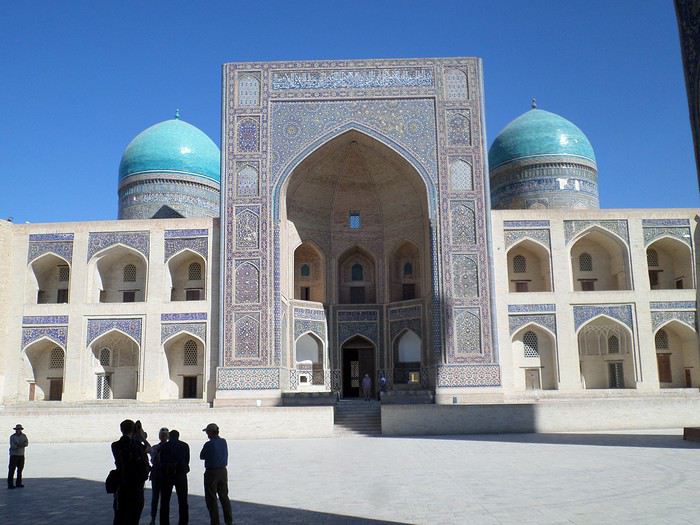
13- BUKHARA A (somewhat) dead city Friday, September 28, 2018 In less than an hour and a half, the fast, comfortable train whisks you from Samarkand to Bukhara, through a landscape alternating desert lands and cotton fields where not-necessarily-voluntary pickers are busy (see the report by Elise Lucet’s team on Uzbek cotton). Bukhara has charm, but the restoration of the city center has turned it into a museum city, emptied of its inhabitants and filled with tourists. All the madrasas are occupied by fabric, souvenir, and other trinket vendors. At least it adds color to the photos! And since we’re at the end of the tourist season, they tend to pounce on customers, but it’s reasonable—nothing like Morocco.
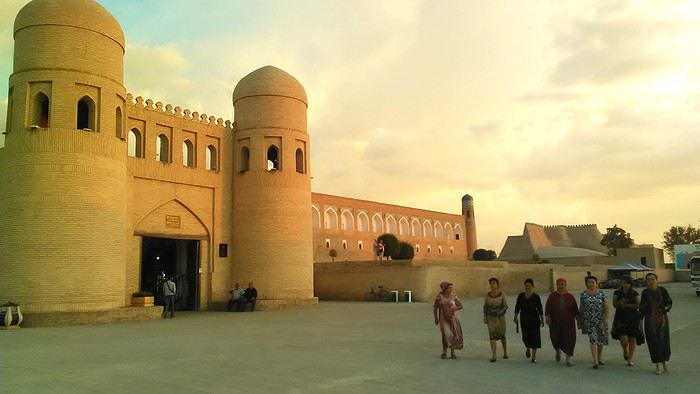
As soon as you leave the historic center, nothing is restored. There are still quite a few dilapidated buildings, combined with the makeshift housing often in the same state. You get an idea of what the city was like before it came under UNESCO’s protection. More photos...

14- KHIVA To finish in style Tuesday, October 2, 2018 Before boarding the night train from Samarkand to Khiva, the conductor pats my shoulder in a friendly way, as if to say "good luck, buddy." But having ridden Chinese trains, the experience isn’t exceptional. Plus, I took the precaution of booking business class—four to a compartment.


The carriage is more run-down than the Chinese ones, and it reeked of jackal when the conductor opened the door, since three Uzbeks had been stewing in there since the train left Tashkent.

But all that quickly dissipated with the door open. In the end, I didn’t sleep too badly, and this morning I was offered tea and dry bread. At least here, I escape ultra-touristic Uzbekistan—my travel companions don’t speak a word of English, by the way. And it’s not the desert landscape of the Kyzyl-Kum that’s going to distract me.

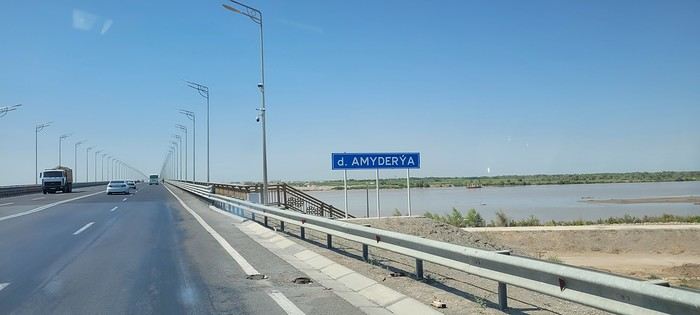
There’s still a little water in the Amu Darya, one of the two rivers that once fed the Aral Sea. Further on, past the doomed city of Nukus, there’ll be nothing left.

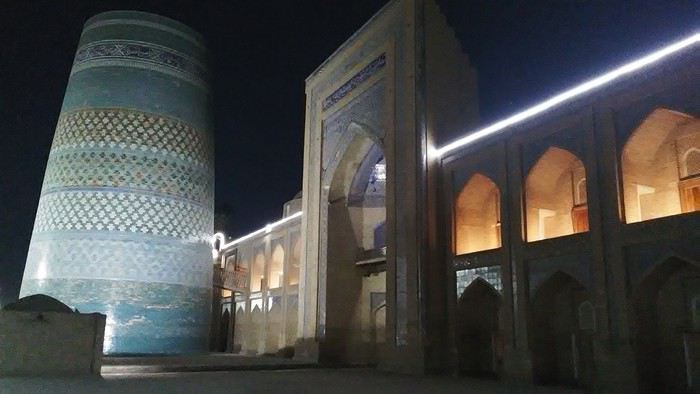
Khiva is the western tip of this journey and my Silk Road terminus. A stone’s throw away is Turkmenistan, and a bit beyond, Iran. The old city is, of course, heavily restored within its walls, but it has a crazy charm, more intimate and less spectacular than Samarkand or Bukhara, especially at sunset. Just missing the inhabitants, the bazaars, the noises, the smells...

My hotel is at the foot of the walls, an old madrasa converted into a caravanserai. Before me, it must’ve been other camels staying in my room. More photos...

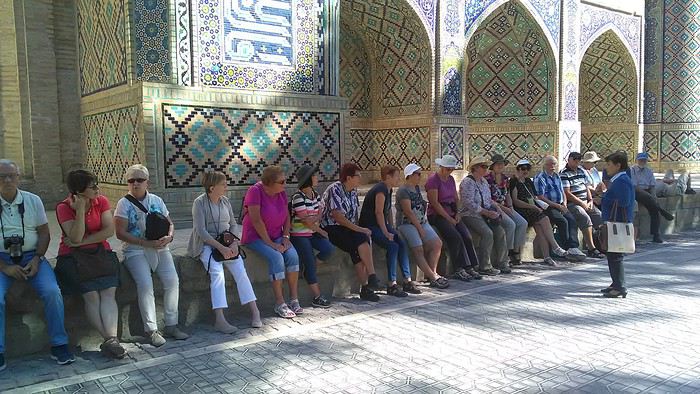
15- KHIVA Typical tour operator portrait Wednesday, October 3, 2018 I know it’s not nice, but I can’t resist a little essay on the subject, with obvious bad faith. And maybe one day it’ll be my turn. But for now, I claim the right to euthanasia. So, the standard tour operator character: - Uses his belly as a camera stand (men) - Descends stairs one by one laboriously and sideways (women) - Has to sit down to endure the guide’s tedious explanations (women) - Walks bent sideways, like minarets, holding their back (women) - Holds onto the railing to climb stairs (all) - Reaches the top of the stairs panting like a seal (men) or stops halfway to catch their breath (women) - Parks their air-conditioned bus in front of the hotel or restaurant where the photo angle is best - Always speaks very loudly and in a foreign language (all) - Haggles fiercely over Chinese-made handicrafts (men) - Messes up the framing completely when you ask them to photograph you (all) - Photographs monuments from every angle, preferably against the light (Asians) - Photographs all decorated women, mistaking them for locals (men) - Wears an awful floppy hat and a horrible striped T-shirt (men) - Can find beer even in fundamentalist territory (Germans) More photos...
16- KHIVA Uzbek mamas on their way to the capital Thursday, October 4, 2018 The return train to the capital ambles gently through the desert sands. It’s in better shape than the one on the way. Good thing too, because at this pace, the trip takes fifteen hours. I’m accompanied by two typically Uzbek mamas—nearly a hundred kilos each in traditional dress, adorned with a row of gold teeth. You have to wonder if in this country, they don’t have their teeth pulled on purpose!


After a certain age, Uzbek women (among others) tend to take advantage of their country’s food abundance and the invasion of American junk food. Far from Tajik women, always slim and elegant, even past menopause. I’ll have to settle for the written portrait—these ladies don’t want me taking a photo with them.

The other traveler is a forty-something Uzbek. I won’t learn more since none of them speak English, but the mamas keep chatting away cheerfully and laughing. I’d love to know what they’re talking about.

As a result, by not even 5 p.m., I’m invited to share their meal—a sort of Uzbek-style pizza, made with round, flat bread, topped with some unknown ingredients, and accompanied by dried meat. I’m set for the night.

The compartment’s mix doesn’t seem to bother anyone Just that the mamas will stay on the lower bunks—you have to be an acrobat or a seasoned climber to reach the upper ones. That wasn’t the case on the way, where I seem to have ended up in an all-female compartment (it was around midnight, I didn’t see well) because the conductor quickly sent me to another compartment. And off we go again for hours of desert steppe, and the Amu Darya still hasn’t risen!

17- TASHKENT Let’s wipe the slate clean of the past Friday, October 5, 2018 By bulldozing old neighborhoods to build their immense avenues and erecting decrepit buildings before they were even inhabited, the Soviets probably didn’t imagine it would mostly benefit cars. Unless they believed in a world where everyone would own a Lada. Poor pedestrian who, to cross certain intersections, has to sprint or try twice. For sure, I don’t know any other city with so much open space. And now, it’s socialism’s remnants that are being bulldozed. Room for the new, the modern, the bold. Let’s wipe the slate clean of the past, long live beautiful business buildings—for housing, we’ll see later—and McDonald’s culture—bad faith, I didn’t see one.

Fortunately, there are still pockets of resistance, and the Chorzu district is one of them, with its large bazaar, mosques, madrasas, and vendors of misery. Here, Uzbekistan’s capital regains a bit of humanity.

The emir didn’t see well Besides that, Tashkent prides itself on having the oldest Quran in the world, from the 7th century, stained with the blood of the emir who was reading it when he was assassinated. A unique piece, even if the legend is stronger than the truth. As for the emir, given the size of the letters, he must’ve had very poor eyesight! The relic is at the center of a huge new Quranic space. You wonder where the money comes from to finance all this.

And then Tashkent also has its flag, one of the tallest in the world, in permanent competition with Dushanbe and I don’t know which other city. Meh... More photos...

Time to go home The damp cold arrived suddenly last night. Good timing—I have to go home, especially after three days of waiting, staying in a Soviet-style apartment, fortunately renovated. To get to the airport, it’s simple—no need to order a taxi, even at 5 a.m. Just stand by the road and wave at the first car that passes.

My other travel journals

Orléans to Berlin by bike Andalusia by bike The Northeast (USA and Canada) by bike and other means of transport Scandinavia by bike 1985: An extraordinary trip to pop China
sarana
MA Mariecurry Globetrotter ·
Thanks for this report and for these photos—they bring back some great memories. Kashgar seems to have changed a lot. I’m also noticing how ubiquitous the Chinese flags are, really visible in your photos.
MA Marathon Globetrotter ·
Thanks for this really interesting account. A few detailed remarks about Kashgar:

tout l'affichage est en chinois et en arabe

More precisely, it’s in Chinese and Uyghur—a Turkic language that’s written with the Arabic alphabet (just like Turkish used to be).

le centre ville a été bien préservé

No, the original city center was completely destroyed between 2009 and 2011, and a pastiche was rebuilt afterward on a smaller area. Back then, I walked through hectares of ruins—every single home had been systematically gutted by excavators to make them uninhabitable and clear those neighborhoods of their population.
SA Sad Regular ·
Excellent chronicle!
SA Sarana Regular ·
Thanks for the clarification. I hadn’t realized it was to that extent. That puts my crush into perspective, kind of like with the Uzbek cities. Let’s give the Chinese credit—they’re really skilled at reconstruction.
sarana
VI Vilabel Regular ·
What an amazing trip! Thanks for sharing your experience! 🙂
JI JianadaRen Globetrotter ·
Great write-up and nice photos! For Kashgar, one of the must-see things is the animal market, but it's only on Sundays. I went there a little after Marathon and had the chance to visit the old town with a "local" who showed us around the homes of some of his friends where we had tea. Many streets are still there, and people still live in them, but it's not exactly luxury. I wouldn't live in those conditions. It's very old, so it's interesting for tourists, but I wouldn't live like that. There's no harm in modernizing. I was surprised by your comment about the high price of the Forbidden City. It's only 60 RMB (about 6 €). You can buy tickets in advance, but it's usually not necessary. And there's no black market because there aren't physical tickets. When you pay for entry, your passport number is registered, and at the entrance, they "scan" your passport. It's the same for trains, by the way—no more paper tickets, you just show your passport (not all stations yet). I'm adding these details for future travelers who'll read your report.
SA Sarana Regular ·
The Sunday market is indeed a highlight of Kashgar, even though it's far from the center and inevitably packed with foreigners. For the Forbidden City, I hit a peak period (there are quotas) and had to book in advance. In that context, I was offered a "black-market" ticket at a very high price. I didn’t push it—I had other plans. I don’t remember the entry fee, but it seemed expensive. Maybe prices fluctuate based on demand. I don’t know. Still, you definitely shouldn’t miss visiting it.
sarana
FA FabGreg Globetrotter ·
Friday, August 31 Turpan: Uyghurs under heavy surveillance

We almost crossed paths—I arrived in Turpan on 09/01/18 from Kashgar after stopping in Kuqa and Ürümqi.

In Turpan, the surveillance is light compared to what I saw earlier in Kashgar or Kuqa. I was even able to walk around on foot without any ID checks, including through the Uyghur quarter all the way to the Emin Mosque. I had a few hitchhiking experiences outside the city to reach some archaeological sites. However, the night market was kept closed, a sign that not everything is considered "secure."

Fabrice
S'exposer à l'Etranger lointain amène à mieux connaître et comprendre sa propre Culture.
FA FabGreg Globetrotter ·
Tashkorgan And those Tajik women with their stunning hairstyles and vibrant costumes.

Not quite Tajik, actually. The historic population is Pamiri, despite the official name "Tajik Prefecture of Tashkorgan."

Unlike the Uyghurs (and even the Kyrgyz of Xinjiang), the Pamiris are Ismaili Muslims, unrelated to Salafism and without any separatist leanings.

Lots of Han tourists when I was there on 08/28/18, especially students before the start of the university term.

Fabrice
S'exposer à l'Etranger lointain amène à mieux connaître et comprendre sa propre Culture.
ME Meg2 Globetrotter ·
Not quite Tajik. Actually, the historic population is Pamiri

hah, I didn’t know that (I’ve still never been to the former Chinese Turkestan), thanks for the info. From the "outside," their language and traditions are relatively close to those of the rest of Tajikistan, with the major "nuance" that they’re actually Ismaili, not Sunni. A particularly important nuance if you’re interested in their views on education and women’s status!
FA FabGreg Globetrotter ·
I didn’t know (I’ve still never been to the former Chinese Turkestan)

The Ismaili community is also found in Afghan Badakhshan and in valleys of northern Pakistan. Their historical refuges from Sunni fundamentalism, which isn’t new.

Similarly, you’ll find minority Sunni communities (e.g., Ahmadiyya, Noorbakhshia, Allahadis...) in the remote valleys of Baltistan, including on the Indian side. Often considered heretical and thus targets of religious persecution on the Pakistani side.

Seen "from the outside," their language and traditions are relatively close to those of the rest of Tajikistan, with the important "nuance" that they are indeed Ismaili and not Sunni.

Additionally, the Pamiri dialects seemed closer to Persian than to the Tajik language.

A particularly important nuance if you’re interested in their approach to education and the status of women!

Yes! Notably, a majority of Pamiri women among the English-speaking women I met in Tajikistan.

It’s certain that the Aga Khan doesn’t really resemble Mullah Omar or Bin Laden. 😉

Fabrice
S'exposer à l'Etranger lointain amène à mieux connaître et comprendre sa propre Culture.
JI JianadaRen Globetrotter ·
The Sunday market is indeed a highlight of Kashgar, even though it's far from the center and inevitably very crowded with foreigners. For the Forbidden City, I hit a busy period (there are quotas) and had to book in advance. In that context, I was offered a very expensive "black-market" ticket. I didn’t push it—I had other plans. I don’t remember the entry price, but it seemed high. Maybe prices fluctuate based on demand. Not sure. Still, you definitely shouldn’t miss this visit.

There are still quotas on the number of entries, which doesn’t make much sense except during major Chinese holidays. In those cases, it’s best to buy in advance (either yourself at the entrance the day before or ask your hotel to do it online). Those "black-market" tickets were definitely a scam.
SA Sarana Regular ·
Absolutely, and if we have the chance, nothing beats a wild getaway on the Great Wall, as I describe in another post.
sarana
TO Toth Veteran ·
Thanks for this feedback, really interesting.
Ma Galerie Photos
PA Parigino Veteran ·
After that, there’s the town of Tashkurgan—nothing to see, nothing to do. A desert as soon as night falls. There’s this huge youth hostel and those lost Chinese travelers tapping away on their smartphones, chain-smoking. That equally lost American and European crowd, swapping tips on how to get into Pakistan or Tajikistan.

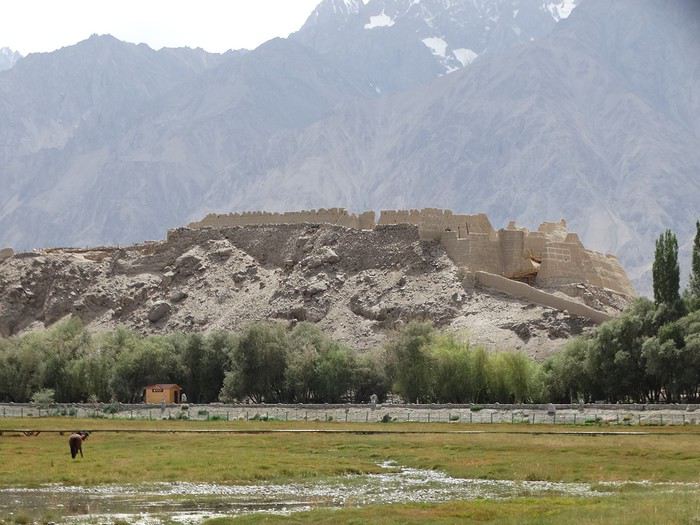
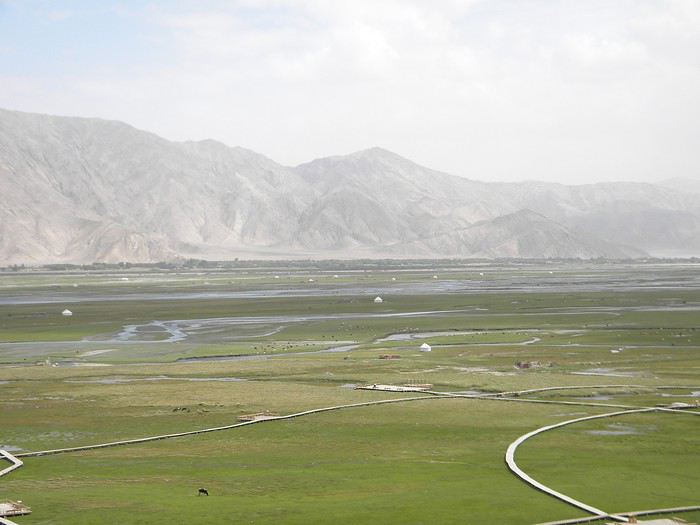
You’re tough on Tashkurgan! Personally, I really liked it, but generally, I love these kinds of middle-of-nowhere places. Plus, it’s not true that there’s nothing to do—there’s the fort! Okay, in a few years, it went from a free site to a paid one, and the number of yurts set up in the meadows has become ridiculous, but it’s still a pleasant walk. And then that very quiet town is a great introduction to neighboring Tajikistan. 😎
AM AmandineEV ·
Hello, I found all of this super interesting! But given the numerous checks, I was wondering about a practical question: do you need a special visa for this kind of route? (I know there are small differences between France and Belgium, but it’s often quite similar, so it could still be useful for me...) Anyway, since I’m planning to do the Silk Road in a few years, this is exactly the kind of account that gives a more concrete perspective on this type of trip. Thanks for sharing!
"Tu ne peux pas voyager sur un chemin sans être toi-même le chemin." - Bouddha

Je partage mes aventures de voyage et toutes mes réflexions sur ce que le voyage peut nous apporter sur mon blog : https://etre-et-voyager.com Mon credo ? Rêvez, voyagez et soyez vous-même!
MA Marathon Globetrotter ·
After that, there’s the town of Tashkurgan—nothing to see, nothing to do. A desert as soon as night falls. There’s this huge youth hostel and those few lost Chinese travelers tapping away on their smartphones, chain-smoking. That equally lost American and European crowd, swapping tips on how to get into Pakistan or Tajikistan.

You’re tough on Tashkurgan! Personally, I really liked it, but generally, I love these kinds of middle-of-nowhere places. Plus, it’s not true to say there’s nothing to do—there’s the fort! Okay, in a few years, it went from a free site to a paid one, and the number of yurts set up in the meadows has become ridiculous, but it’s still a nice walk. And then there’s this very quiet town—it’s a great introduction to neighboring Tajikistan. 😎

Hello,

I had the same reaction (though I didn’t go to Tajikistan).

@Sarana When I was there, I was struck by how almost all the women and children were wearing very colorful traditional clothes—it seemed like an ordinary day, and I didn’t notice any local festival. I wonder if that’s still the case?
FA FabGreg Globetrotter ·
All the women and children were wearing very colorful traditional clothing—it seemed like an ordinary day; I didn’t notice any local festival. I wonder if this is always the case?

I can’t guarantee it’s the case for everyone, but it was true for all the Indo-European women I encountered in Tashkorgan on August 27th and 28th, 2018.

Outfits similar to those worn by women I saw in the Wakhan Valley in the Tajik Pamirs. Makes sense, since they belong to the Pamiri Ismaili community. It’s the standard Pamiri "uniform."

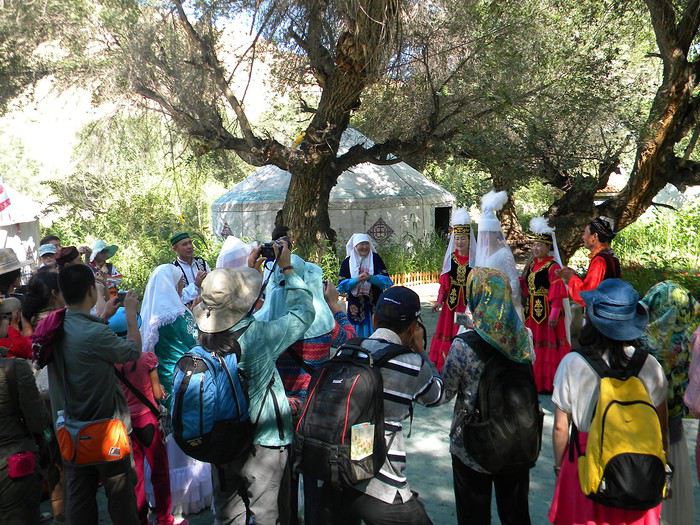
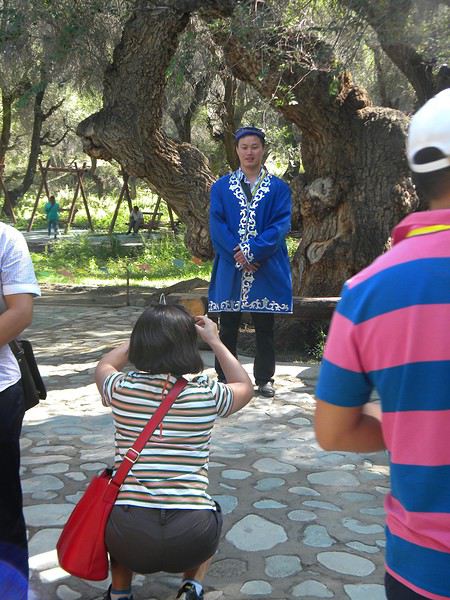
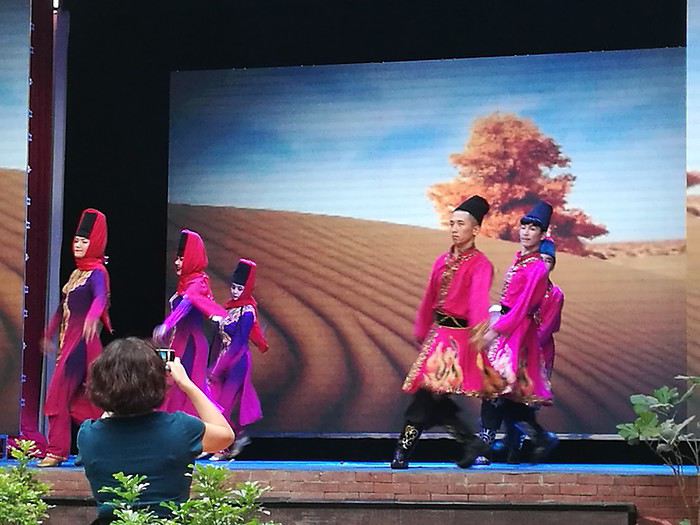
In China, it’s a "cultural" attraction for Han tourists who find it exotic in this westernmost part of the country. With some performances that can feel a bit unsettling...

The Pamiri women in Tashkorgan refused—and even seemed afraid of—my modest camera.

Fabrice
S'exposer à l'Etranger lointain amène à mieux connaître et comprendre sa propre Culture.
SA Sarana Regular ·
Hello, I found all this super interesting! But, given the numerous checks, I had a practical question: do you need a special visa for this kind of route? (I know there are small differences between France and Belgium, but it’s often quite similar, so it could still be useful for me...) Anyway, since I’m planning to do the Silk Road in a few years, this is exactly the kind of account that gives a more concrete perspective on this type of trip. Thanks for sharing!

No special visa, just a passport with the correct entry visa, of course. Whatever you do, don’t lose it. The taxi driver taking us to the border took it for checks and left us in a parking lot in Wuqia. He disappeared for over an hour, and we started to panic. But he eventually came back. The same thing happened in Tashkurgan. What can happen is a border crossing closing unexpectedly—it’s rare, but it does happen without warning. I had a backup plan for Kashgar, just in case. But to get to Osh, we had to take a flight to Urumqi, then to Almaty, and then Bishkek!
sarana
SA Sarana Regular ·
All the women and children were wearing very colorful traditional clothing—it seemed like an ordinary day; I didn’t notice any local festival. I wonder if that’s always the case?

The Pamiri women in Tashkorgan refused, and even feared, my modest camera.

Fabrice

I must’ve hit the jackpot with that one 🙂 https://www.dropbox.com/sh/q8xp1irgyfbp8wc/AADldGsuC7HYzfqTUERc_lRIa?dl=0&preview=IMG_20180904_190152.jpg
sarana
FA FabGreg Globetrotter ·
Nice photo.

I’ll admit I’m not too pushy about taking photos.

Fabrice
S'exposer à l'Etranger lointain amène à mieux connaître et comprendre sa propre Culture.
LE Levelo Veteran ·
Hello,

Thanks for this travel journal.

The section on Xinjiang really caught my interest. It's terrifying and absolutely heartbreaking. The steamroller, unfortunately, still has a long way to go. The bulldozer, though, has already done its work... Does the livestock market that used to be held in Kashgar's old town still exist?

Edith Roux recently photographed it—her work is incredibly moving:

http://www.actuart.org/article-edith-roux-les-depossedes-115106500.html

L.
SA Sarana Regular ·
Does the livestock market that used to be held in the old town of Kashgar still exist?

L.

It was moved a long time ago, about ten kilometers away. It’s still a must-see—just as authentic as ever, definitely worth checking out. But so many photographers now!
sarana
AM AmandineEV ·
No special visa, just the passport with the entry visa, of course. Whatever you do, don’t lose it. The taxi taking us to the border took it for checks and left us in a parking lot in Wuqia. He disappeared for over an hour, and we started to freak out. But he eventually came back. The same thing happened in Tashkurgan, actually. What can happen is a border post closing. It’s rare, but it does happen without warning. I’d planned a backup solution for Kashgar, just in case. But to get to Osh, I had to take a flight to Urumqi, then to Almaty, then Bishkek!

Awesome, thanks for the details!
"Tu ne peux pas voyager sur un chemin sans être toi-même le chemin." - Bouddha

Je partage mes aventures de voyage et toutes mes réflexions sur ce que le voyage peut nous apporter sur mon blog : https://etre-et-voyager.com Mon credo ? Rêvez, voyagez et soyez vous-même!
KM Kmiyetdm ·
Thanks for the clarification. I never imagined it was to that extent. So, that puts my crush into perspective, kind of like with the Uzbek cities. Let's give the Chinese credit for being really skilled at reconstruction.

Kashgar in August 2015. The remains of the old city were still quite visible but in a "ruins" state.
VP VP44 Regular ·
The story is cheerful and fun to follow! Thanks for posting it. Did you happen to see what a Tajik primary school or middle school looks like? What’s it like?
SA Sarana Regular ·
No, we would’ve loved to, but we didn’t ask. We saw lots of schools, but only from the outside.
sarana
SA Sarana Regular ·
Photo album from the 80s Photos sent by Jipeg (Jean-Pierre and Jacqueline)

sarana
SC Schischi Veteran ·
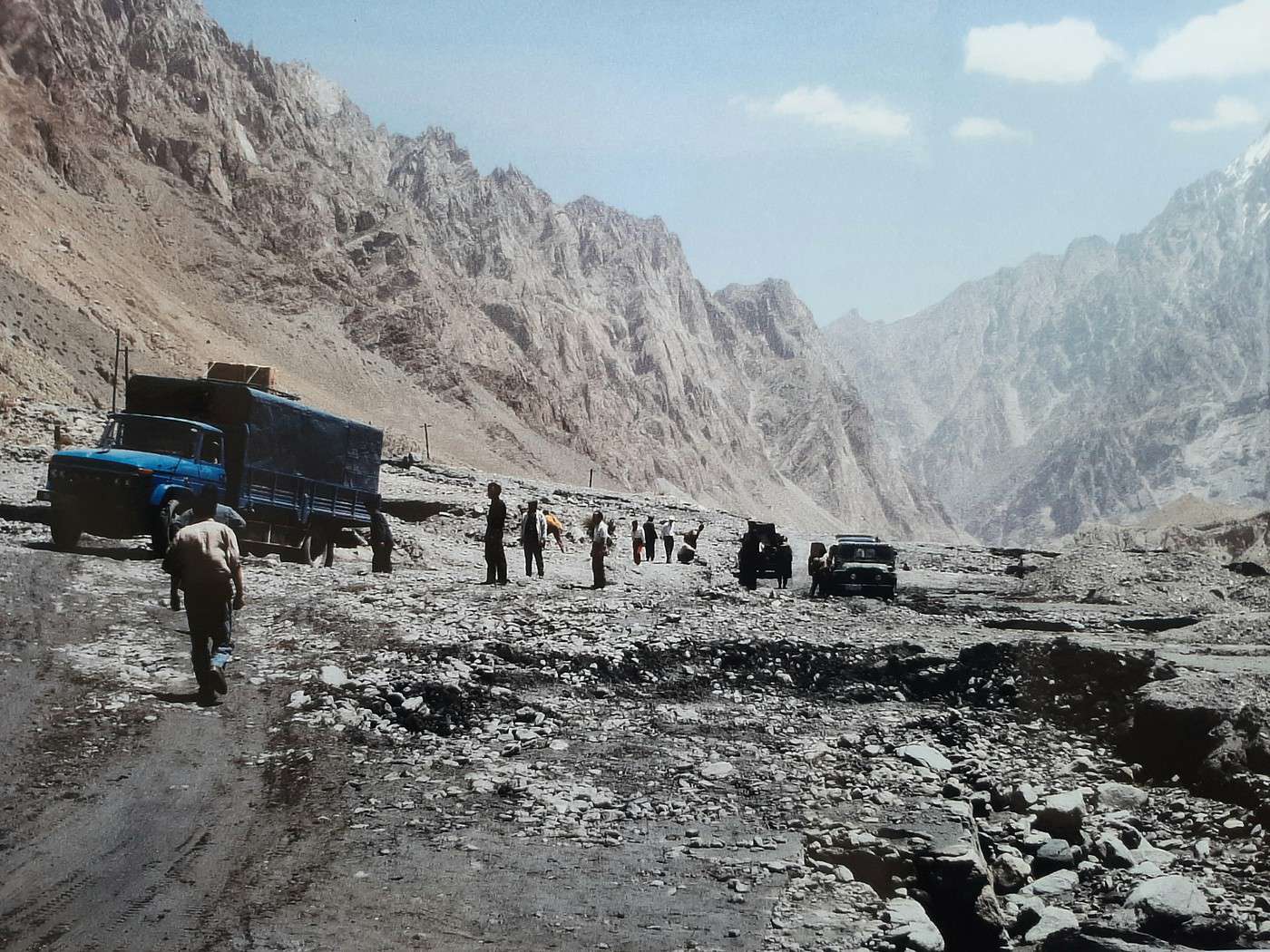
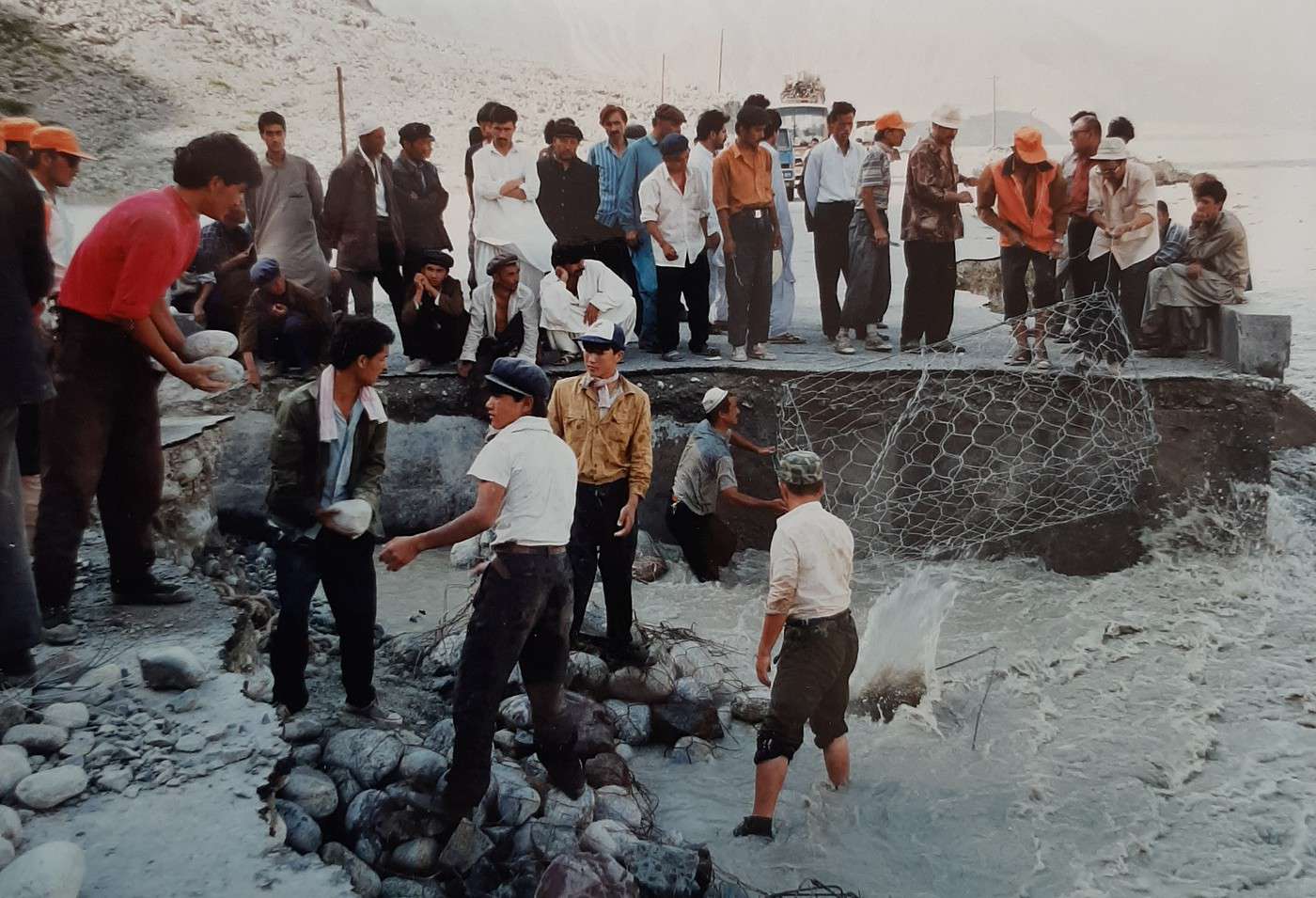
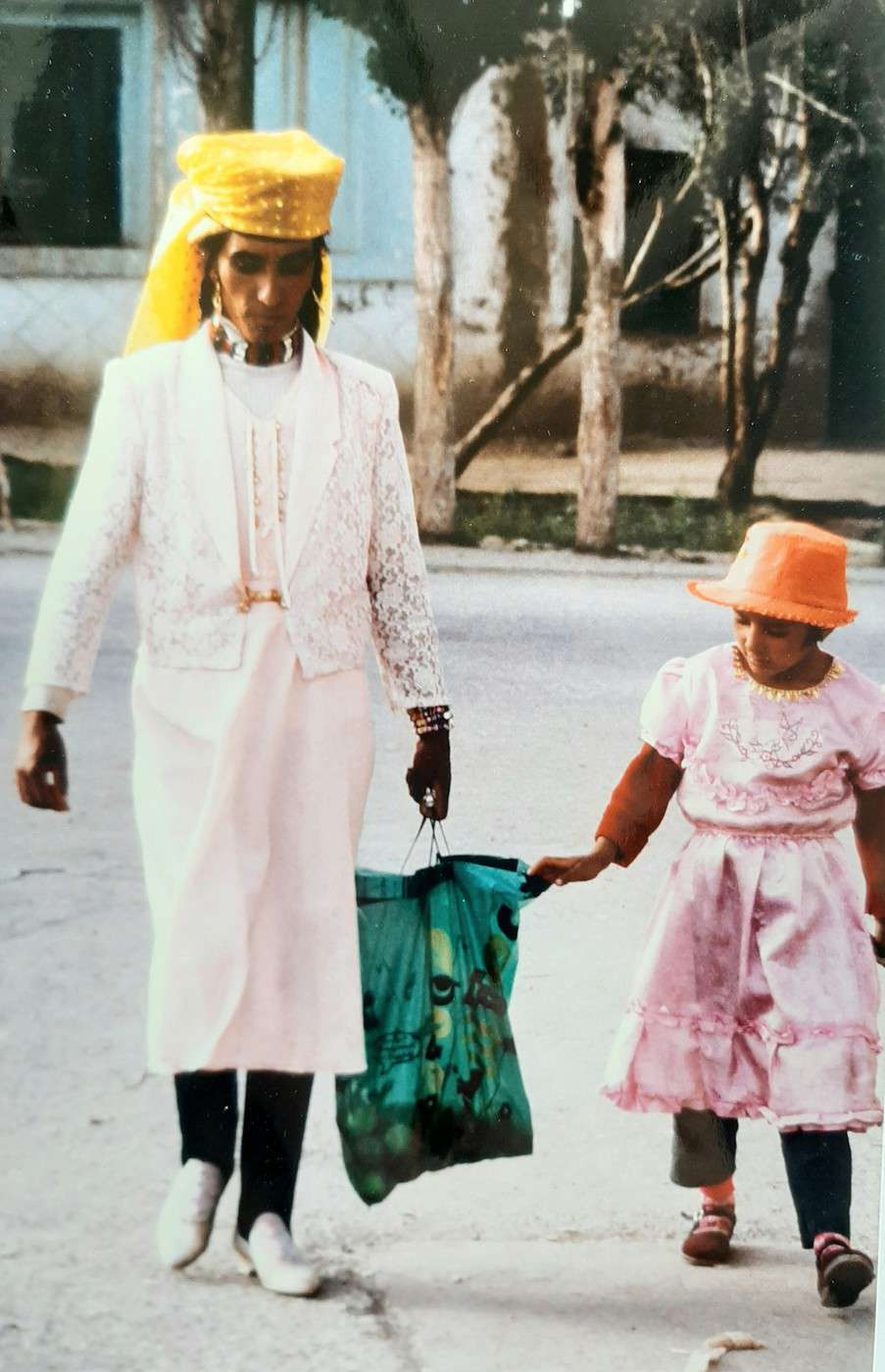
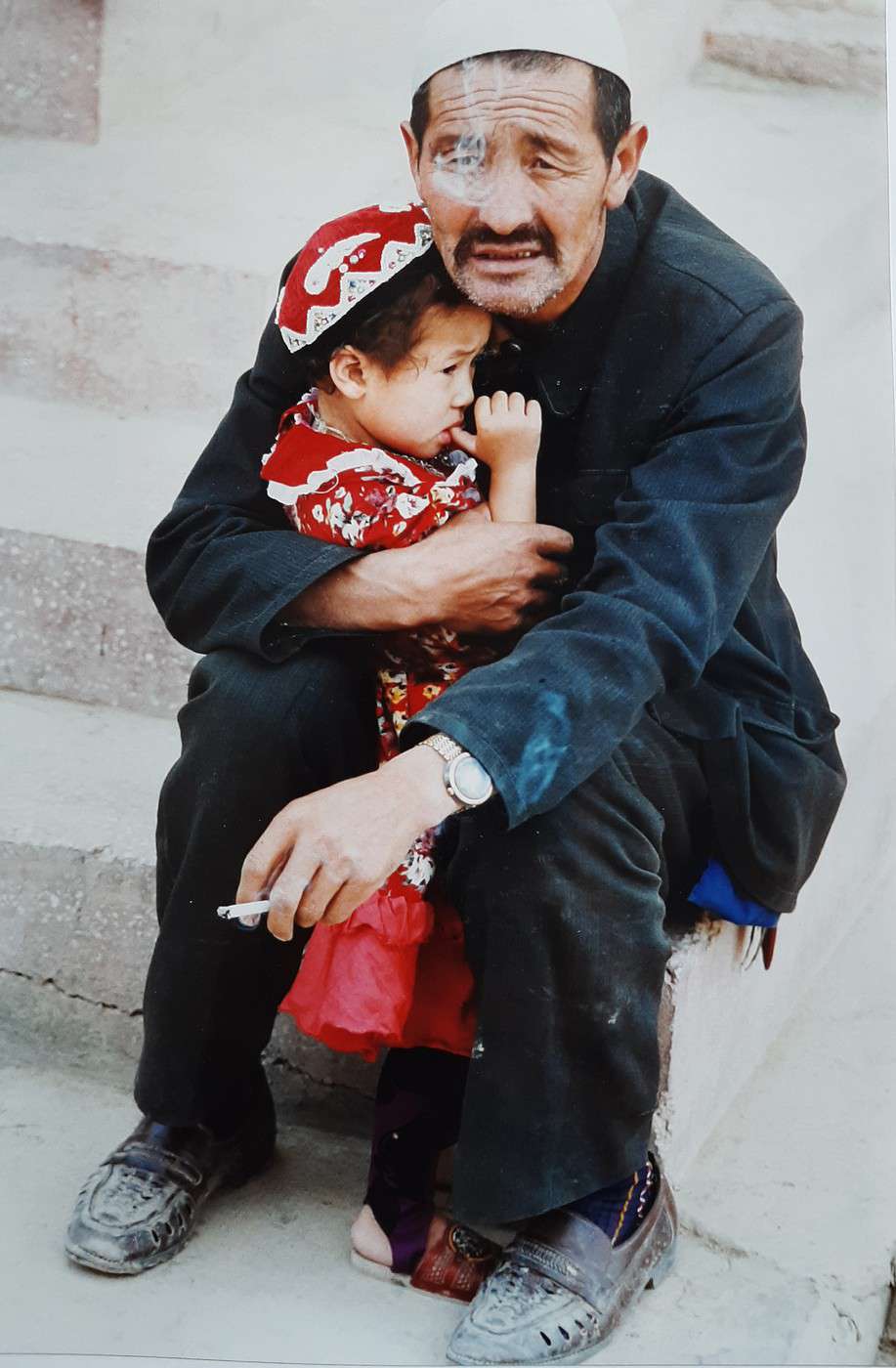
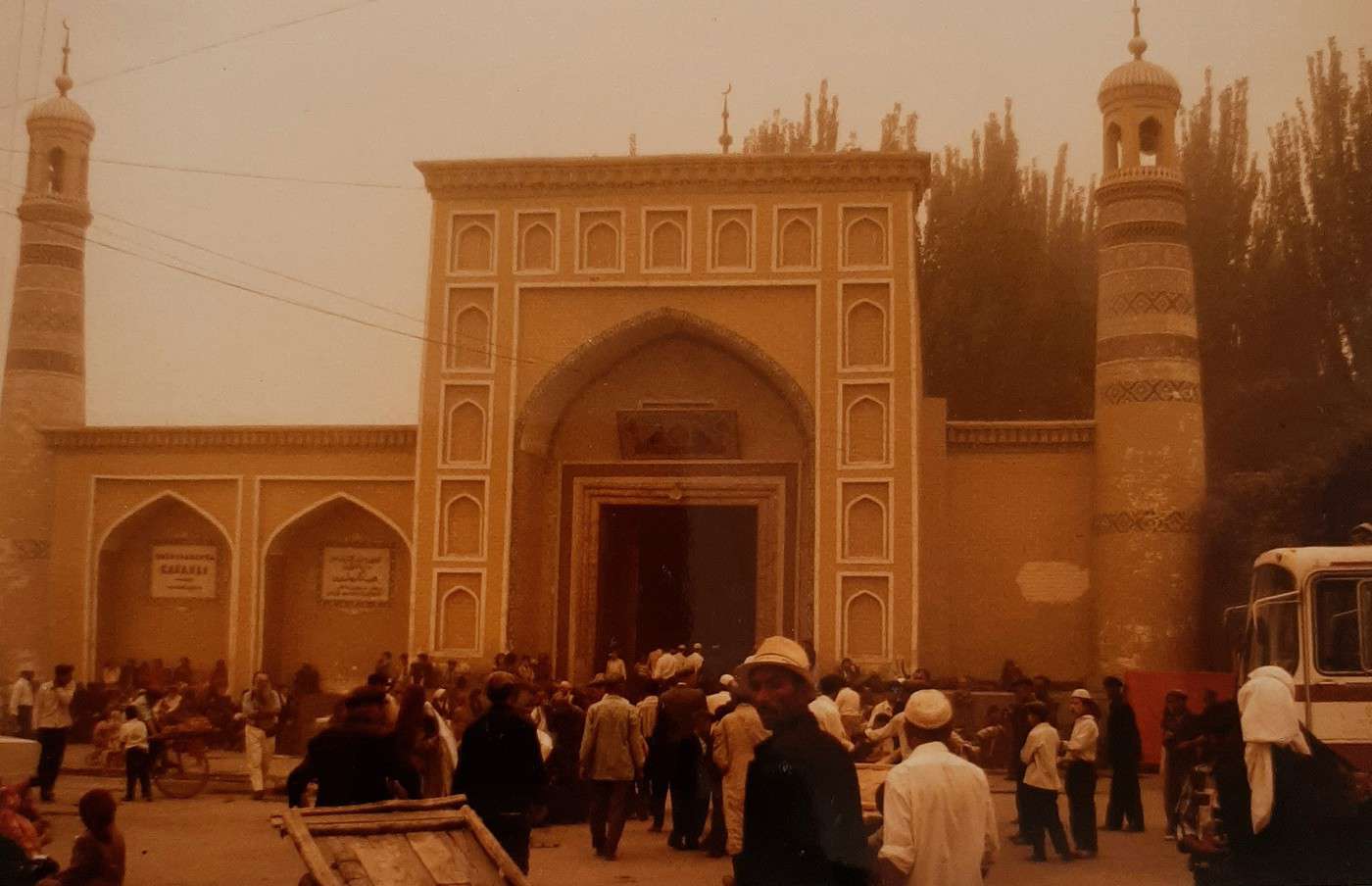
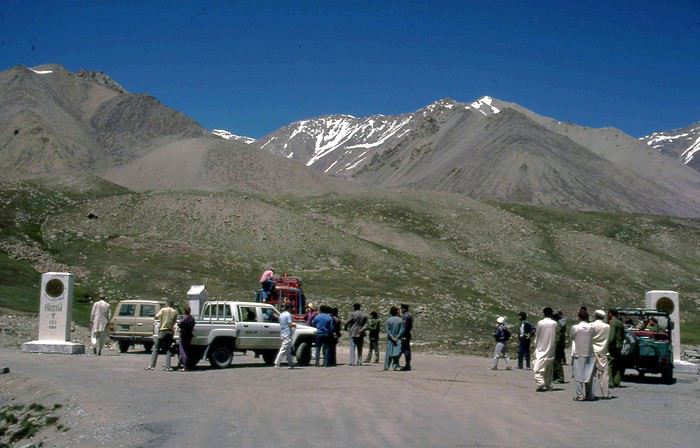
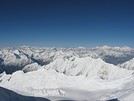
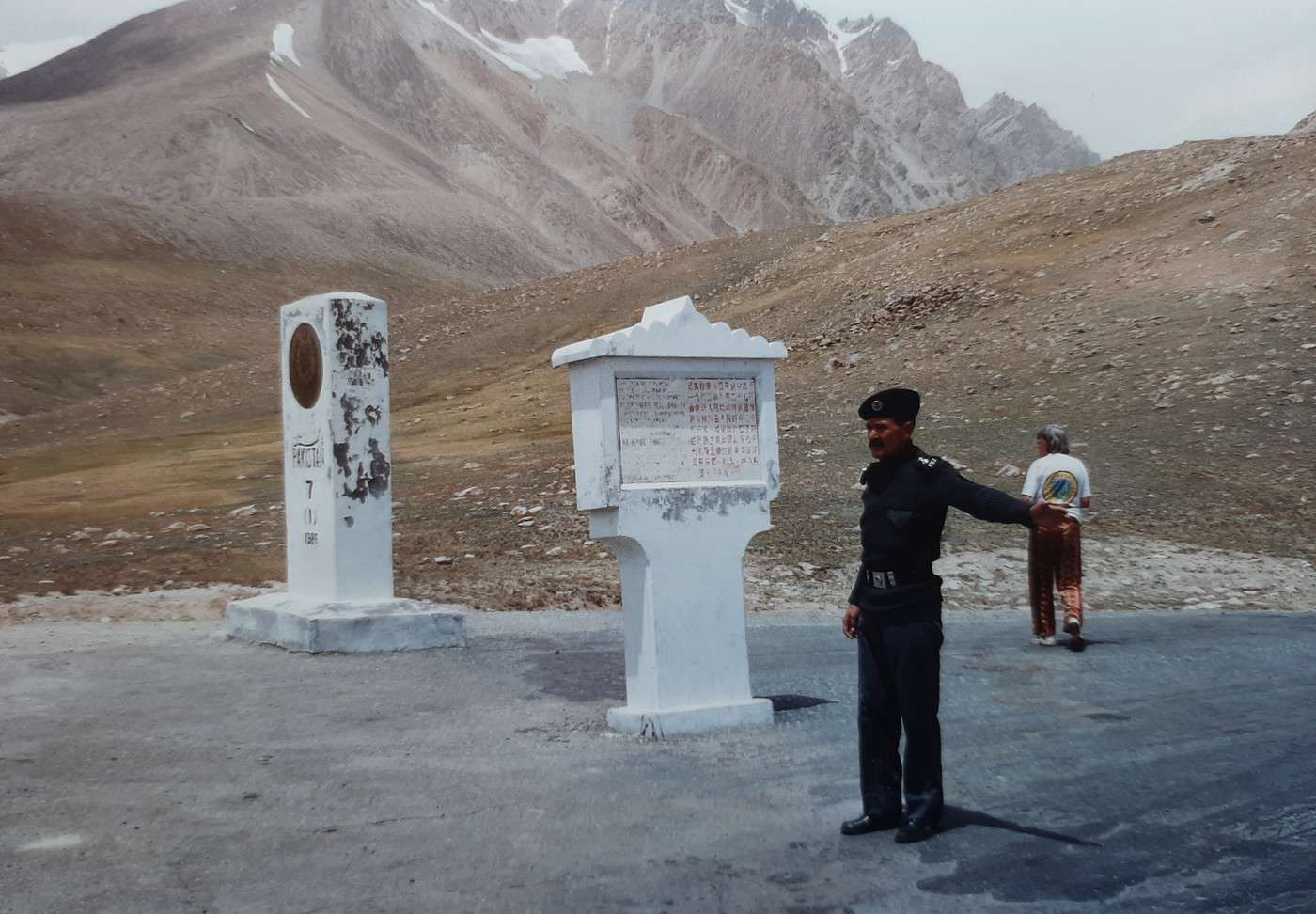
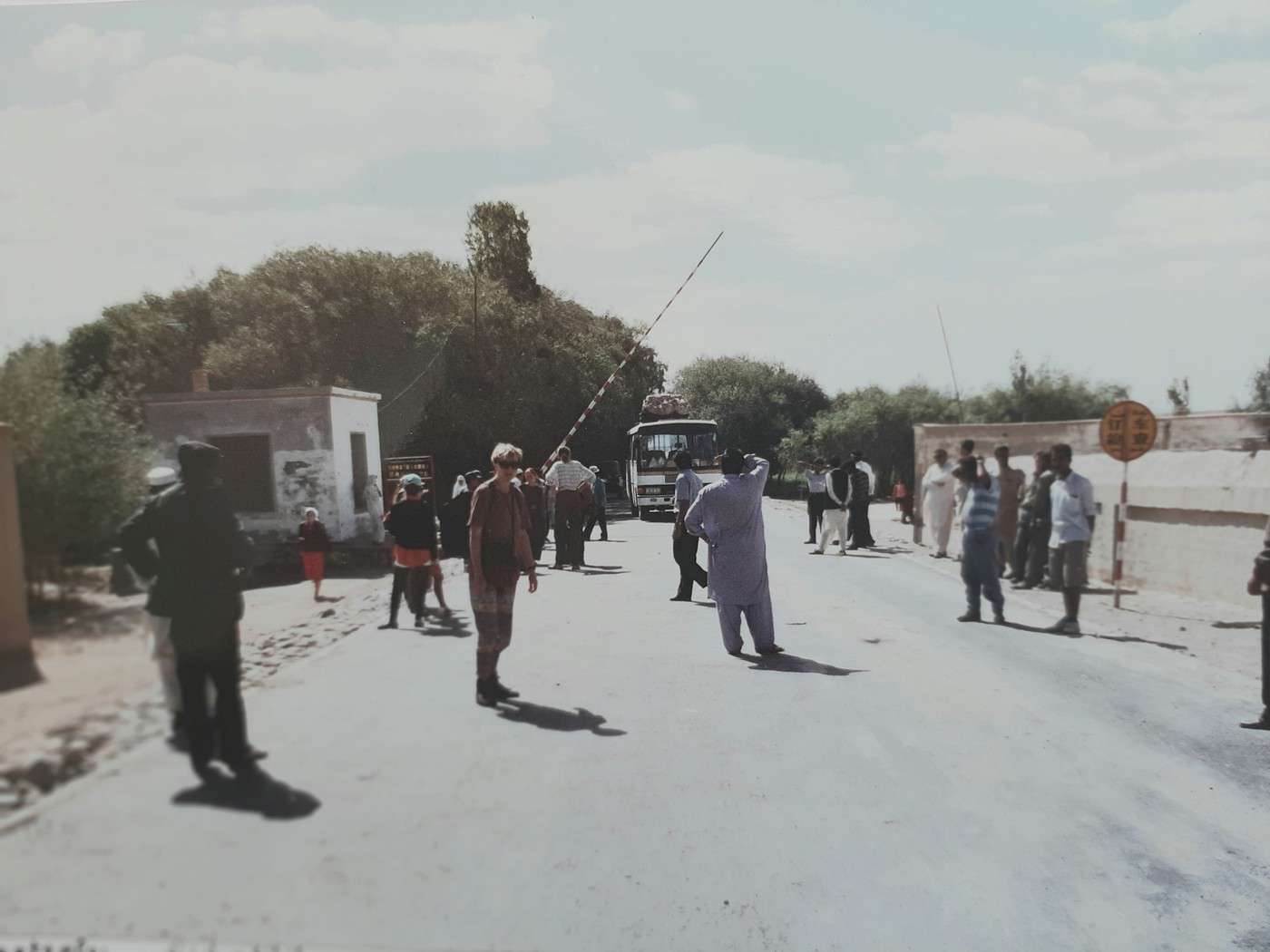
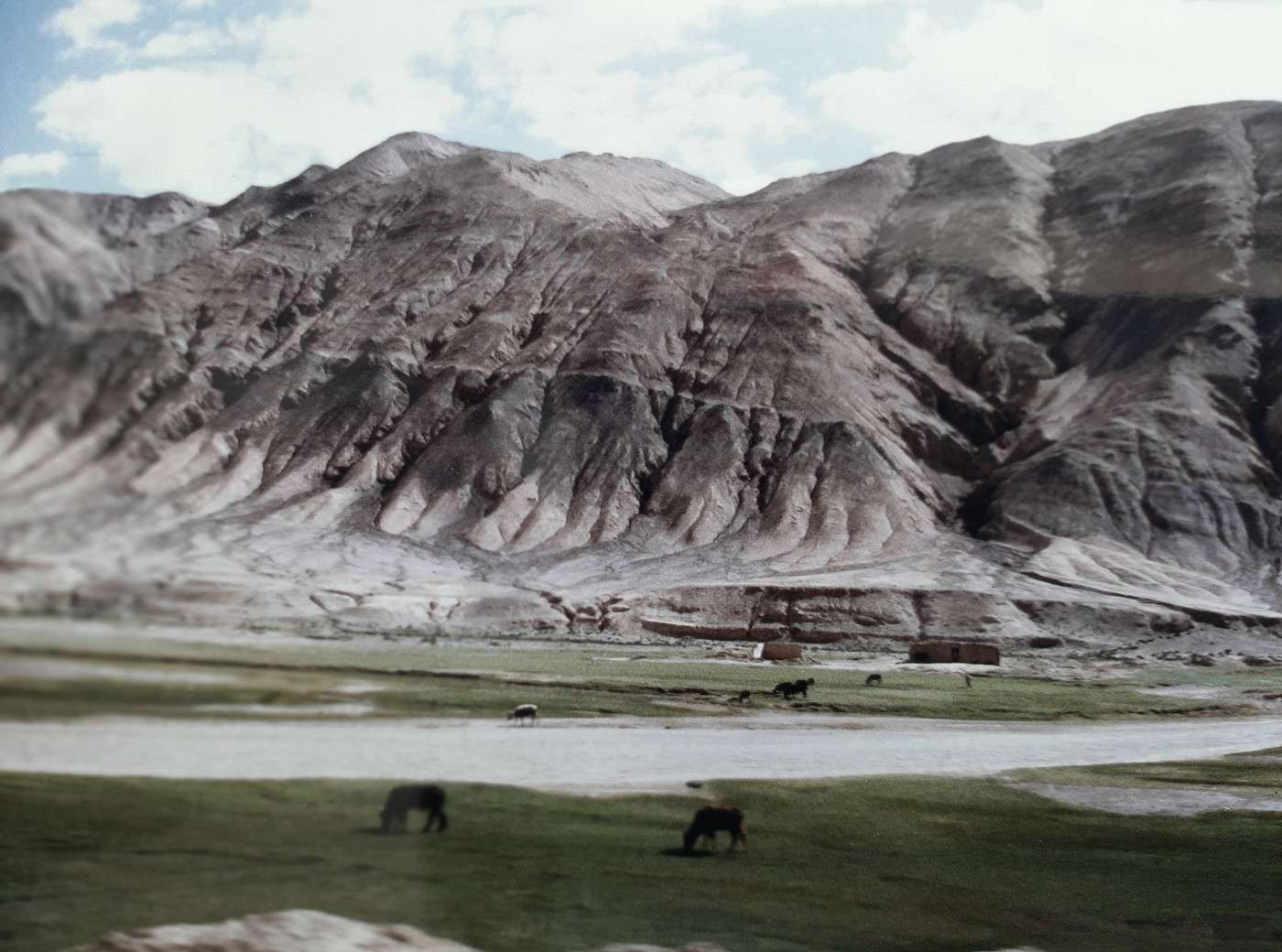
Thanks for these great reports. I’ll add a few memories and photos from the summer of 1995, when we crossed from northern Pakistan into China via the Kunjerab Pass. The climb was serious, but the view was breathtaking. A raging torrent had washed away a large section of the road—something that happens often. For several hours, workers placed big rocks into wire-mesh cages and tossed them into the torrent so vans and trucks could forge a path. Plenty of time to make new acquaintances. Tashgorgan: a disastrous hotel. “No shower,” came the curt, blunt reply from an unfriendly receptionist. Sure enough, the single dilapidated stall in a dim hallway was filled with random debris and broken furniture. The taps around it didn’t work either. It would take more than that to faze our grouchy hostess. The next morning: blaring government loudspeakers echoed through the city. People on the street seemed used to it. Some women wore tall, colorful headdresses. Time to move on. Kashgar: friendly locals, a packed mosque on Friday, a dominant yellow hue from the sandstorm, the old town still charming with its stalls, eateries, small trades, and of course the famous Sunday market.
Schischi
SC Schischi Veteran ·
Kashgar (a few more photos). Another trip: In 2000, we crossed China all the way to Beijing from Uzbekistan and Kazakhstan by bus, train, and every local transport available. Urumqi, Turfan, the vineyards and old villages, the majestic Mogao Caves in Dunhuang, the Great Wall and its fort in Jiayuguan, the stunning monasteries in Xining and Xiahe, a detour to those in Langmusi, Lanzhou with its remarkable little bronze horses in the museum, and finally Beijing. The bus waiting rooms are very well designed, a bit like airports with boarding gates. In our Lonely Planet, the places are also written in Chinese, which makes things easier for us. We compare the destinations on the signs with the characters in our guide to avoid mistakes. Buses with bunks—more or less comfortable (no seats, just beds and quilts)—are great for long distances. While we met some friendly people in Zhangye, we also experienced the famous "méi yǒu" that travelers know all too well. The firm "méi yǒu" at the bus station ticket counter made it clear they refused to sell us tickets. Thinking there were no more seats, we asked again for the next day. Méi yǒu. We insisted, *méi yǒu*, got frustrated (even though you’re not supposed to raise your voice in China or make someone lose face). No common language, no one willing to help, and infuriating, stubborn officials. We blocked the counter. After a while, another employee fetched a dictionary, found the word "wait" (which was all we were doing), and in the end, they finally agreed to sell us four electronic tickets for the two of us. It was either that or she’d take them back. Tough stuff... When the bus attendant pointed us to the worst spots—no real bunk—we jumped on the best bed, buried ourselves under the quilt, and loudly declared, "We’ll only get out at bayonet point!" We’ve run into plenty of shady Chinese folks: the taxi driver who takes detours in every direction to jack up the fare. Too bad for him—Gérard has a compass (no maps back then) and a great sense of direction. The hotel owner who shows a slate with all the room prices. This one, the cheapest... *méi yǒu*. That one... *méi yǒu*. The hotel’s empty, but only the most expensive room is left. No way we were getting scammed. Big argument, and we won. If you’re not careful, you order a dish at a certain price, and when it’s time to pay... it’s more expensive. We got into the habit of paying when we ordered and, if possible, finding out how much locals were paying. On the flip side, some smiling locals helped us out. We’d gone to the wrong bus station. An employee explained it to us in Chinese. Gérard mimed that he didn’t speak or hear the language by covering his mouth and ears. She understood he was deaf and mute and then wrote the info... in Chinese. After some shared laughter, we were pointed in the right direction. Beijing... to be continued.
Schischi
PA Parigino Veteran ·
Since we're in Xinjiang, here are a few somewhat "political" photos of Kashgar from 2019
PA Parigino Veteran ·
This series could be called "The Chinese Tourist Among Minorities"

- Among the Kazakhs in the Tian Shan


- Among the Uyghurs in Kashgar


PA Parigino Veteran ·
In Kuqa, the second mosque in Xinjiang has become... not much


After leaving this mosque to wander around the old town (or what’s left of it before its imminent demolition), I was followed by a not-so-discreet police officer. The day before, I’d been stopped (also in the old town) for an ID check and had a few photos deleted; a police car had even followed me back to my hotel.

That’s Xinjiang for foreigners right now.
SC Schischi Veteran ·
Thank you. Eye-opening and dramatic. The Uyghurs, if not deported, are reduced to folklore... it was still good back in 1985...
Schischi
SC Schischi Veteran ·
I wanted to write...back in 1995...
Schischi
LE Levelo Veteran ·
Thanks for the photos...
JI Jipeg Regular ·
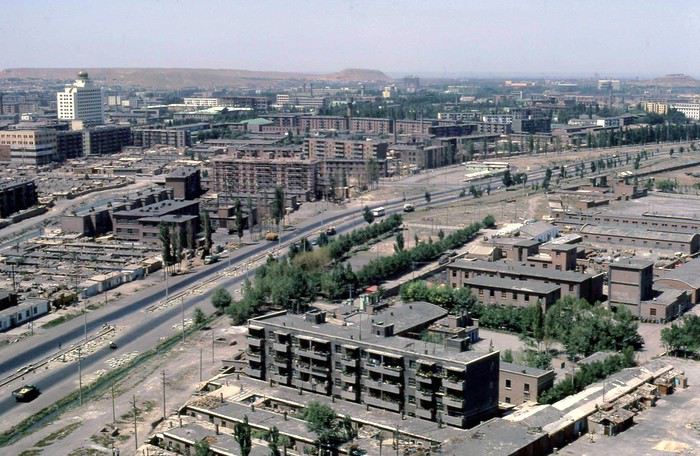
Thanks for the recent updates on Xinjiang, a place we knew well back in 1985 and 1988. The changes don’t surprise us—we saw them coming and noticed them throughout China, where we spent over three years in addition to several decades. Tensions between Uyghurs and Chinese were already very palpable back then. Uyghur bus drivers often refused to pick up Chinese passengers even when there was space, or to play Chinese music cassettes when students from Hong Kong—the rare tourists in the region at the time—asked them to. We’ve tried to find photos of the Kuqa mosque we visited during our stop in that small town on the way to see the Kizil Caves, but no luck... On the other hand, we do have photos of Urumqi from 1985 and 1988 showing the early stages of urbanization, much like in Lhasa...

JI Jipeg Regular ·
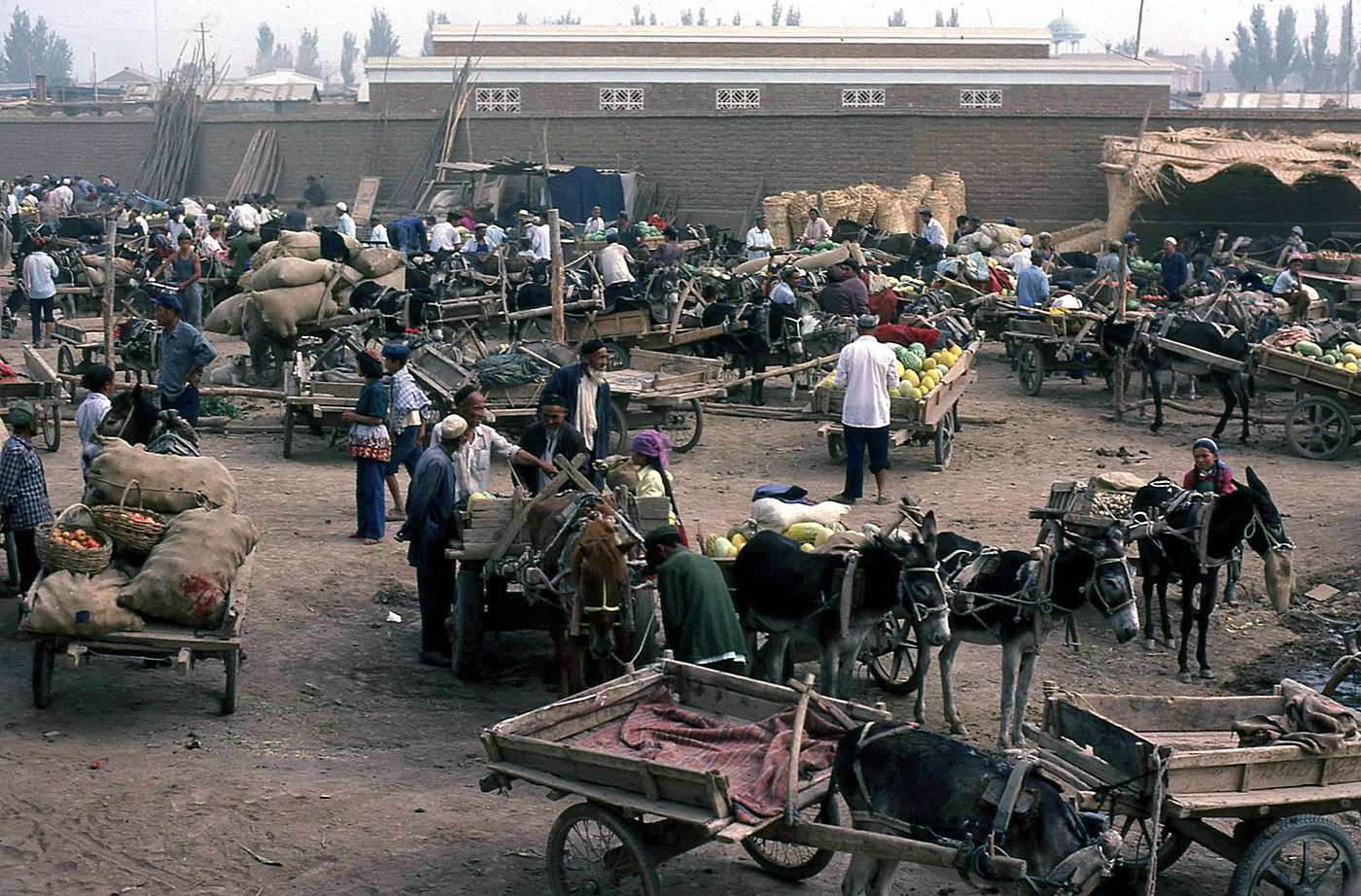
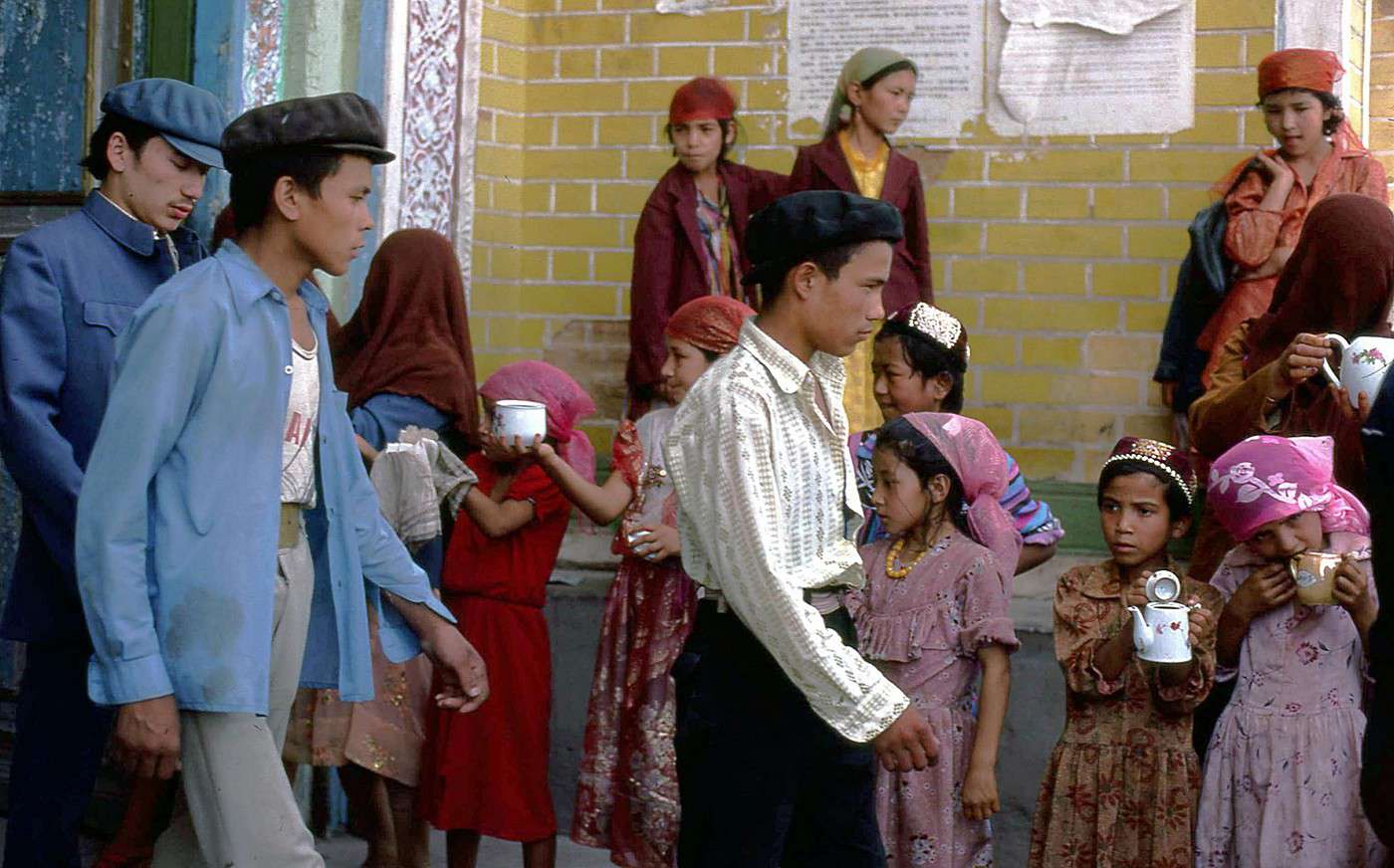
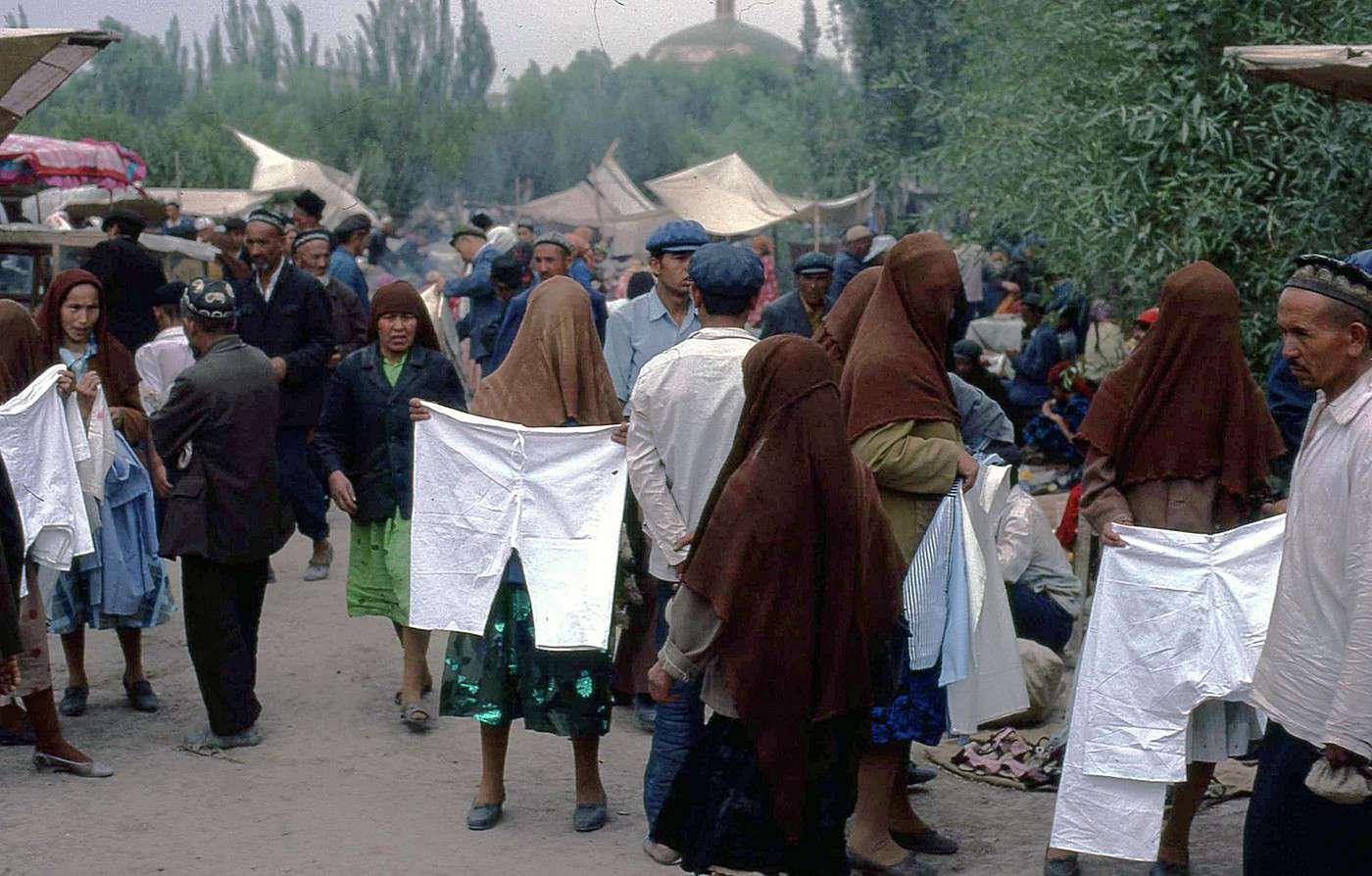
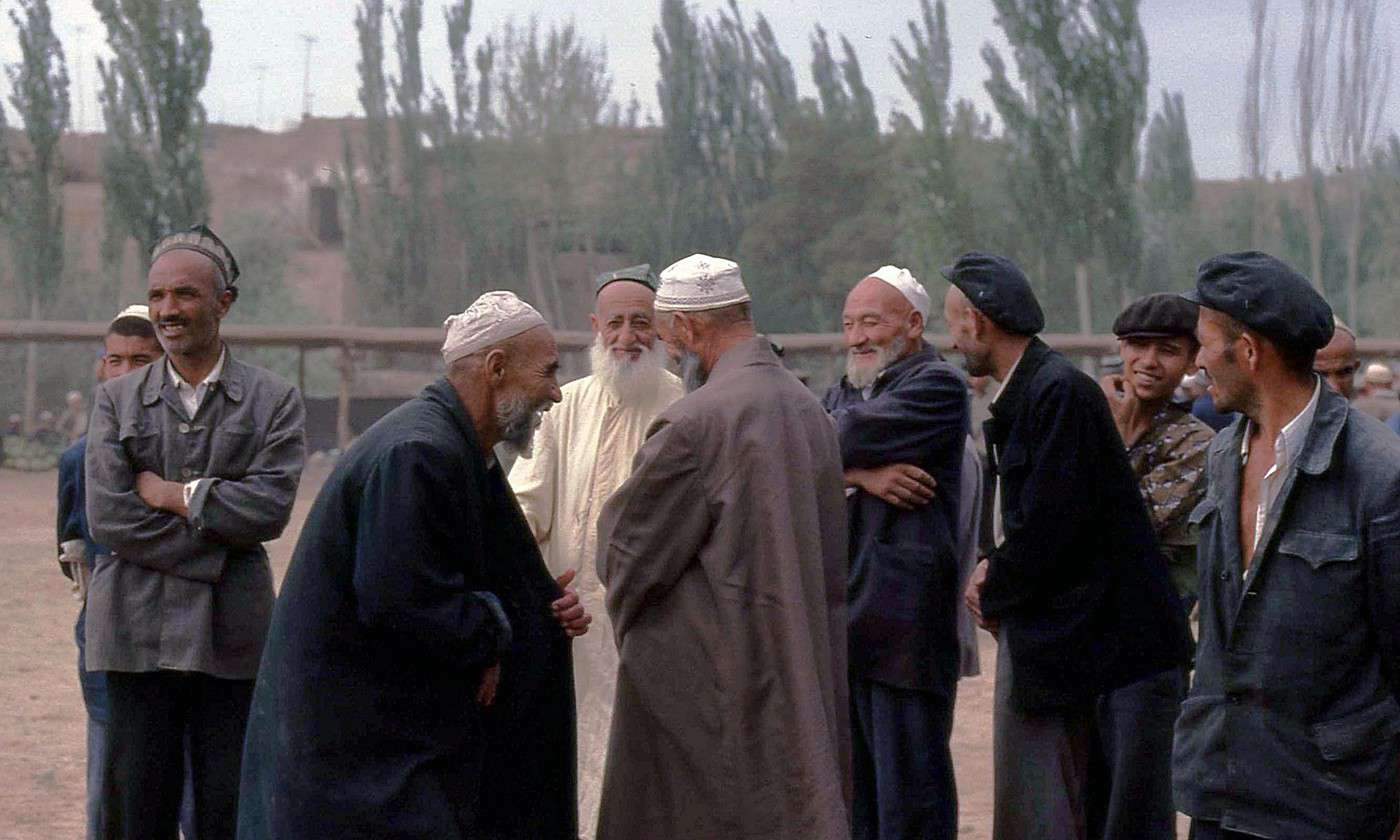
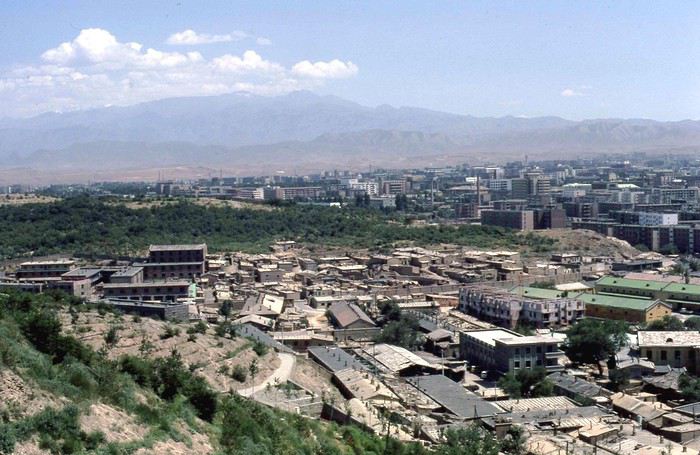
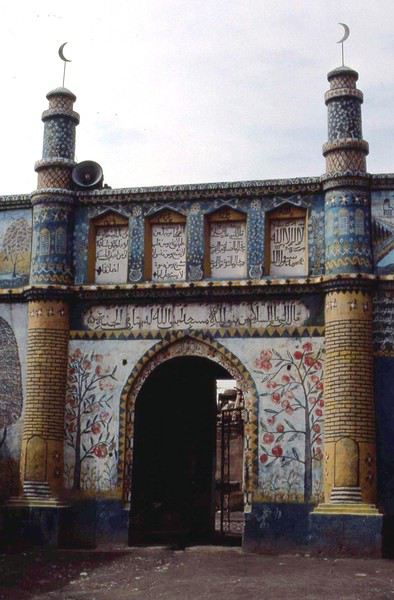
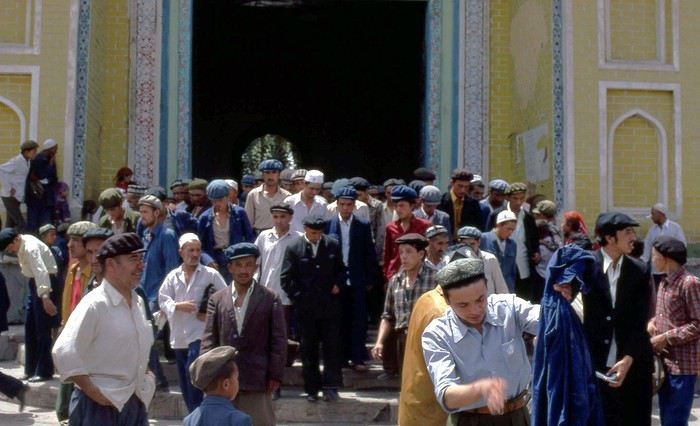
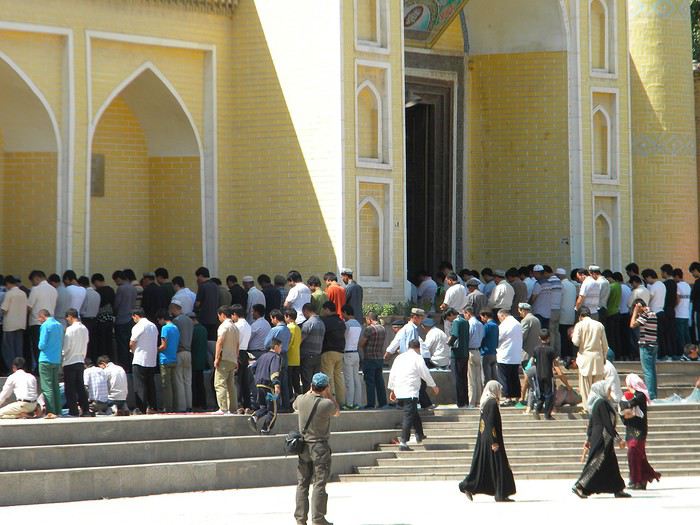
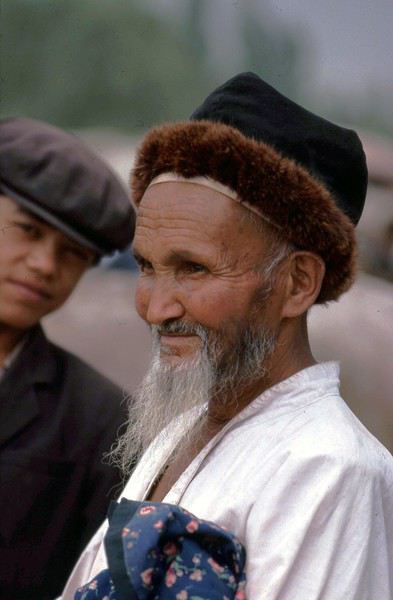
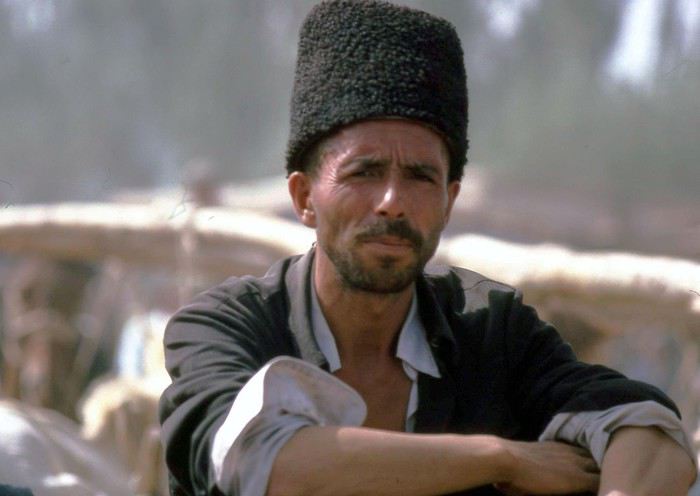
Hello Sarana and Shishi, Now that we’ve figured out how to post photos on VF, here are some new ones from Kashgar in 1985 and 1988. First, photos of the exit after the Friday prayer at Id Kah Mosque. The men would leave the mosque between a guard of honor made up of women and little girls offering cakes and teapots. All they did was blow on them... Does anyone know the significance????

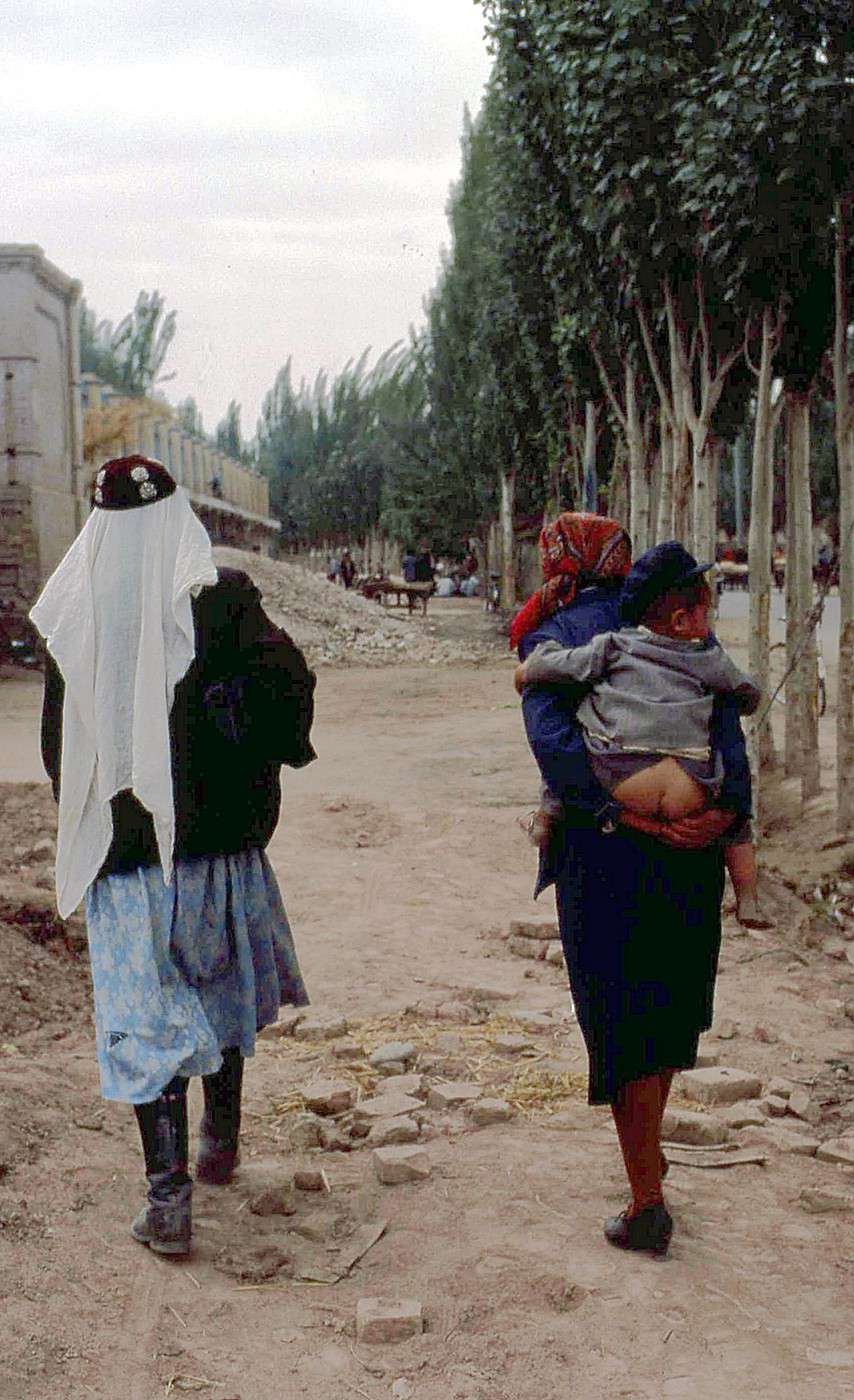
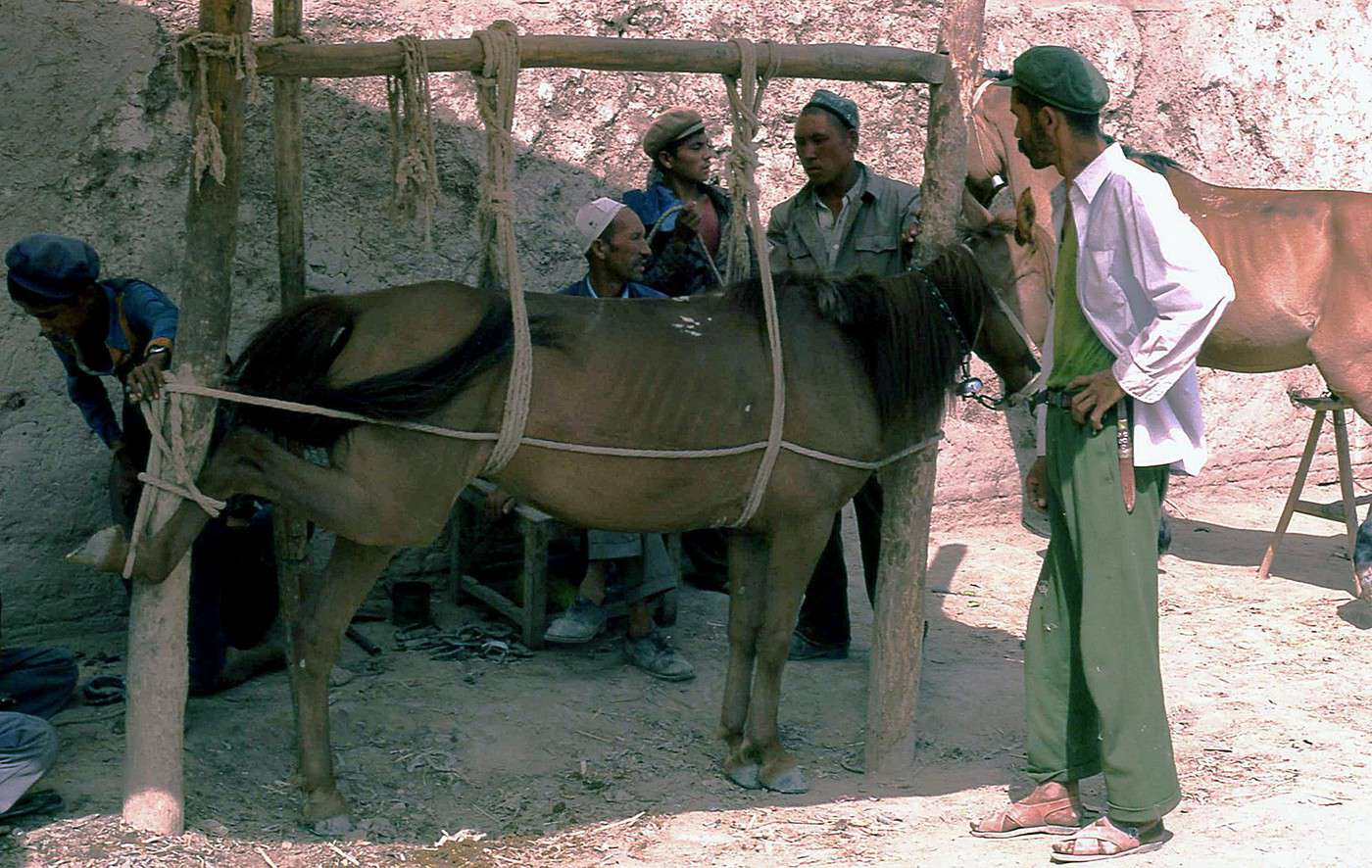
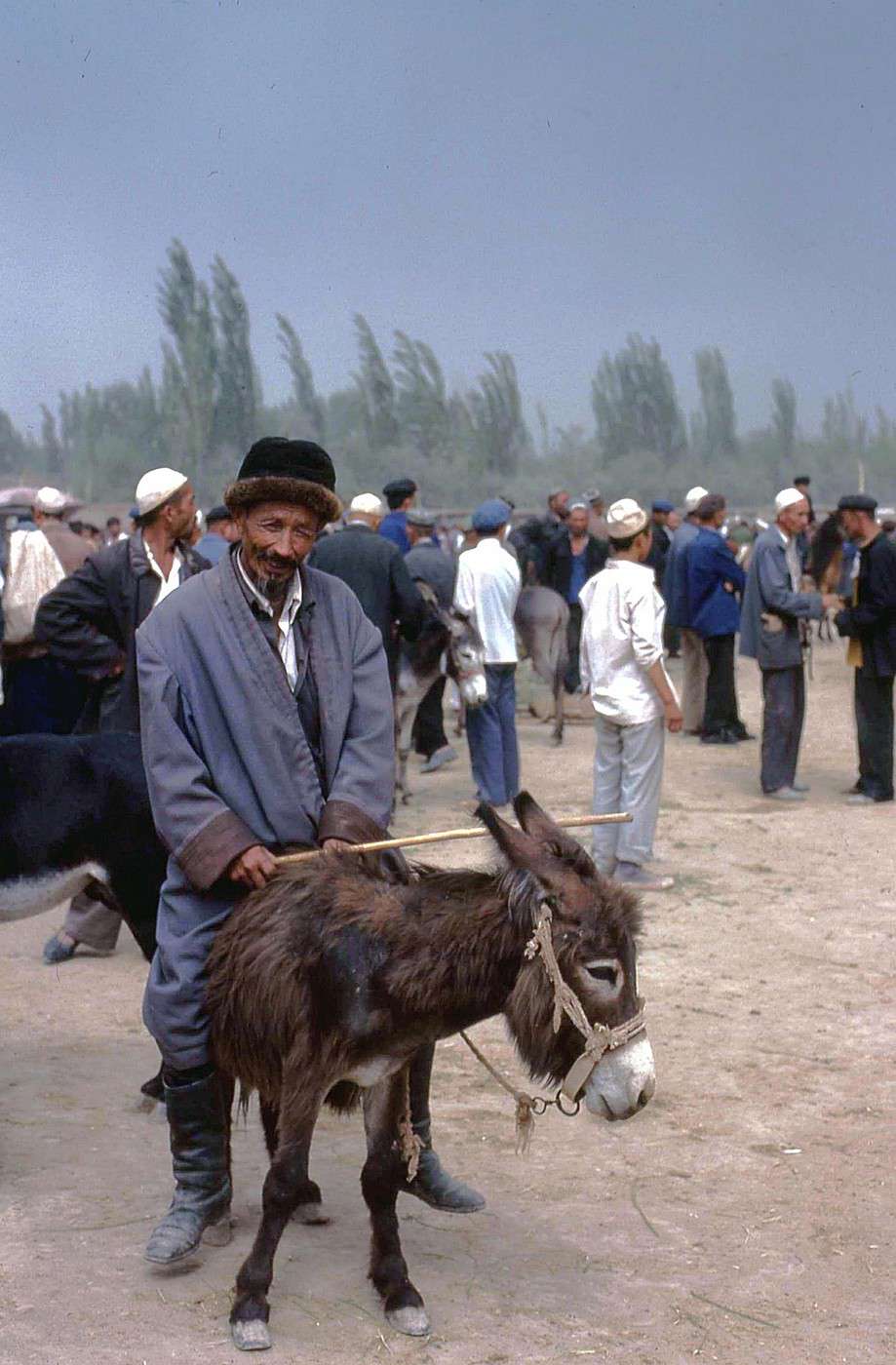
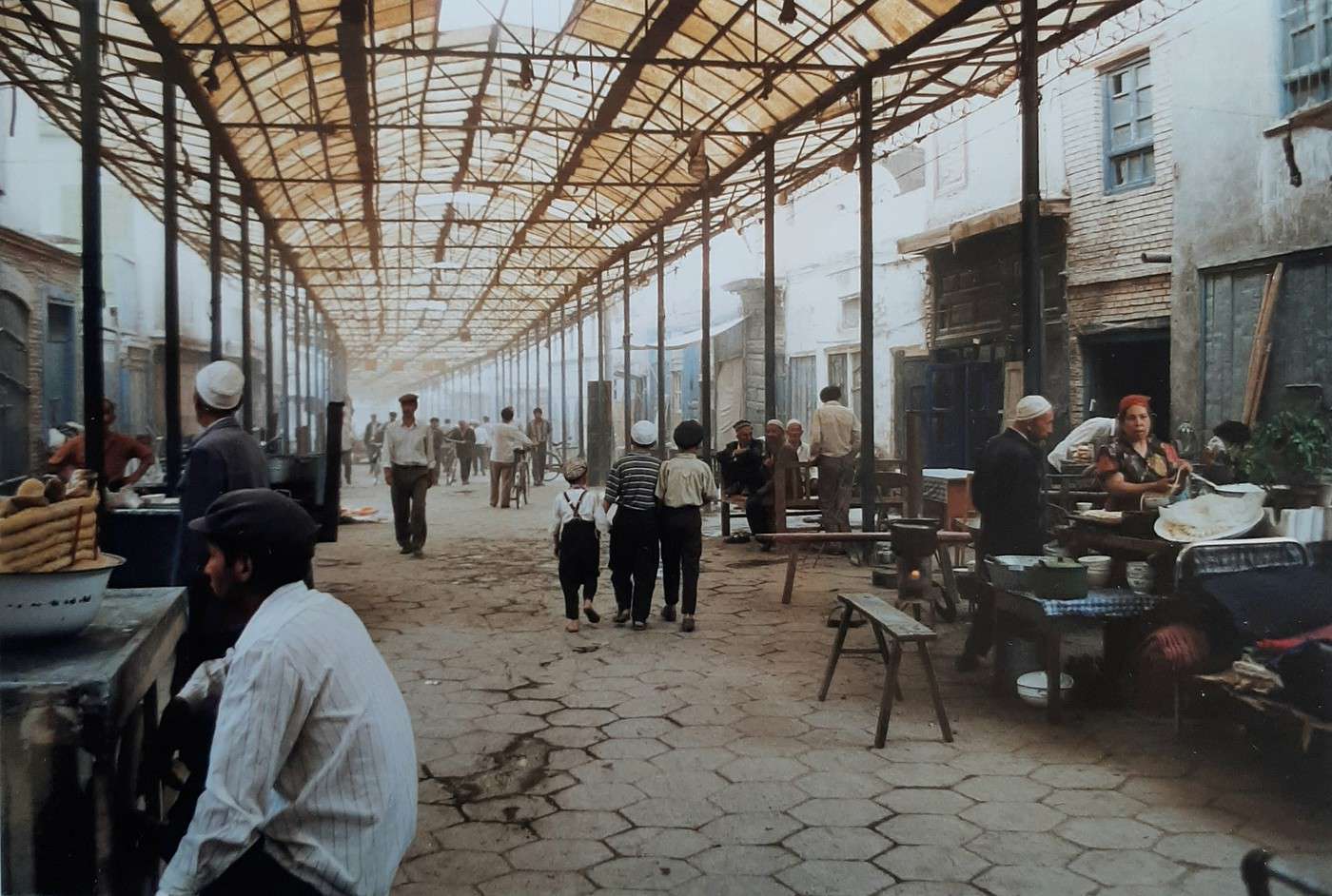
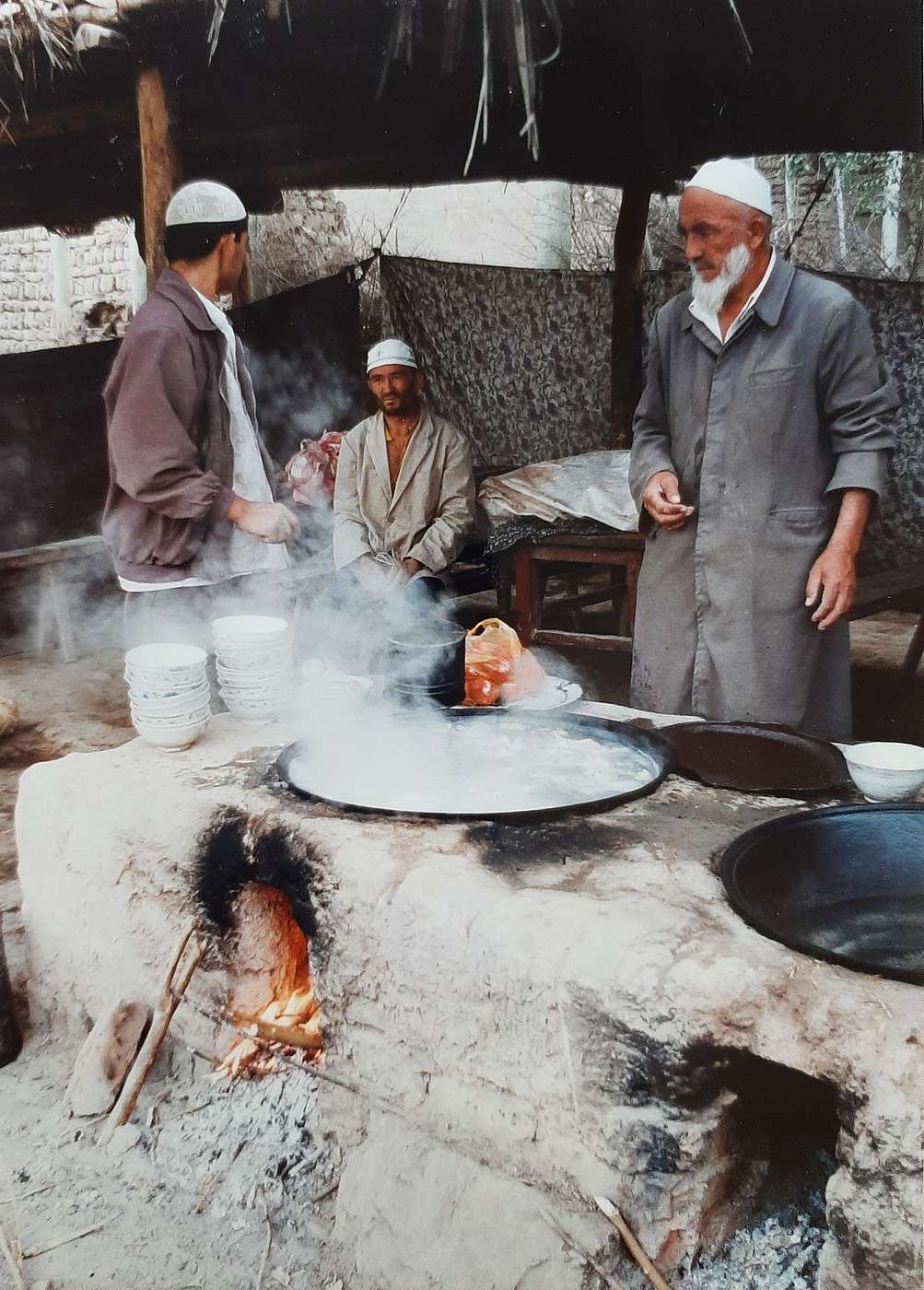
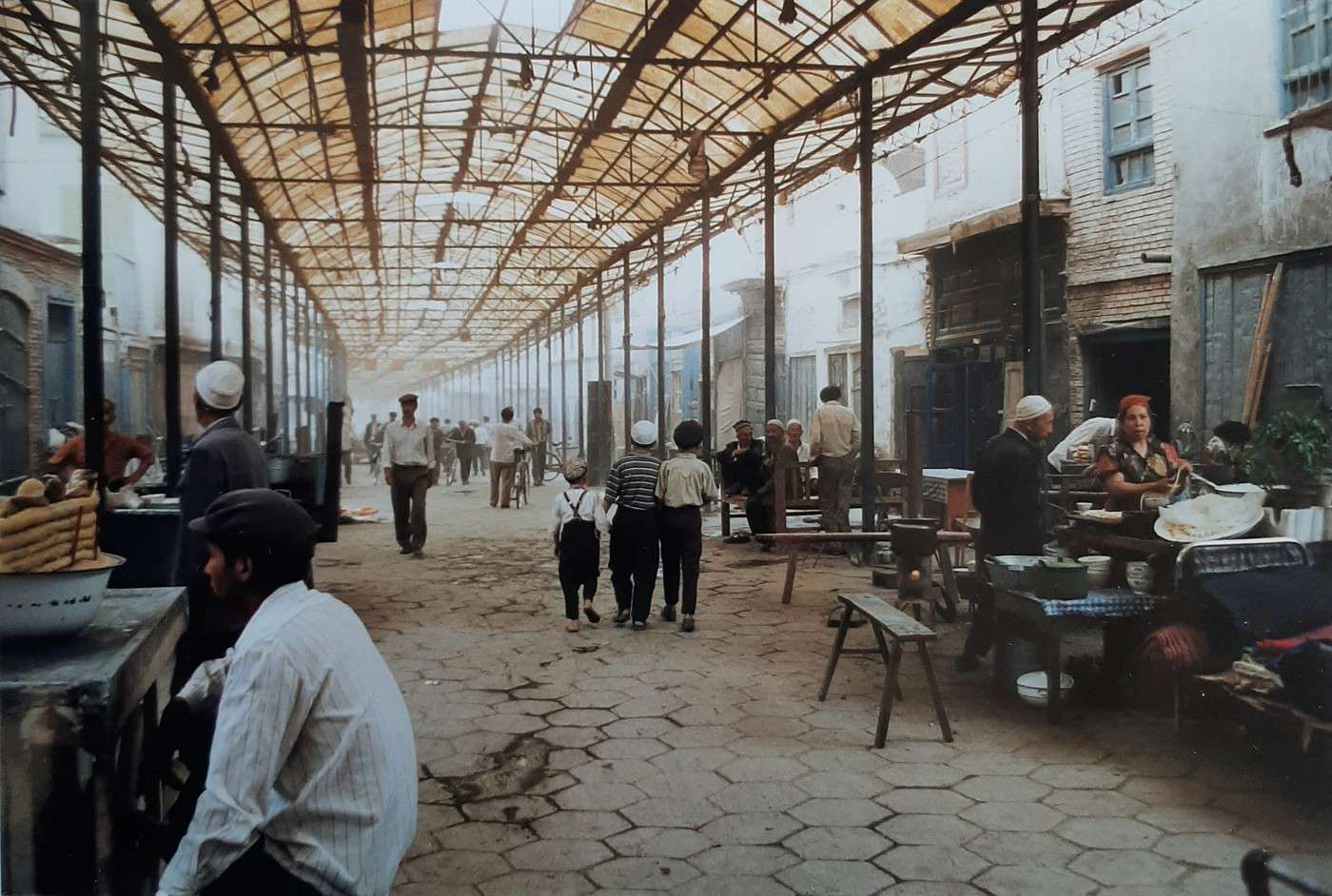
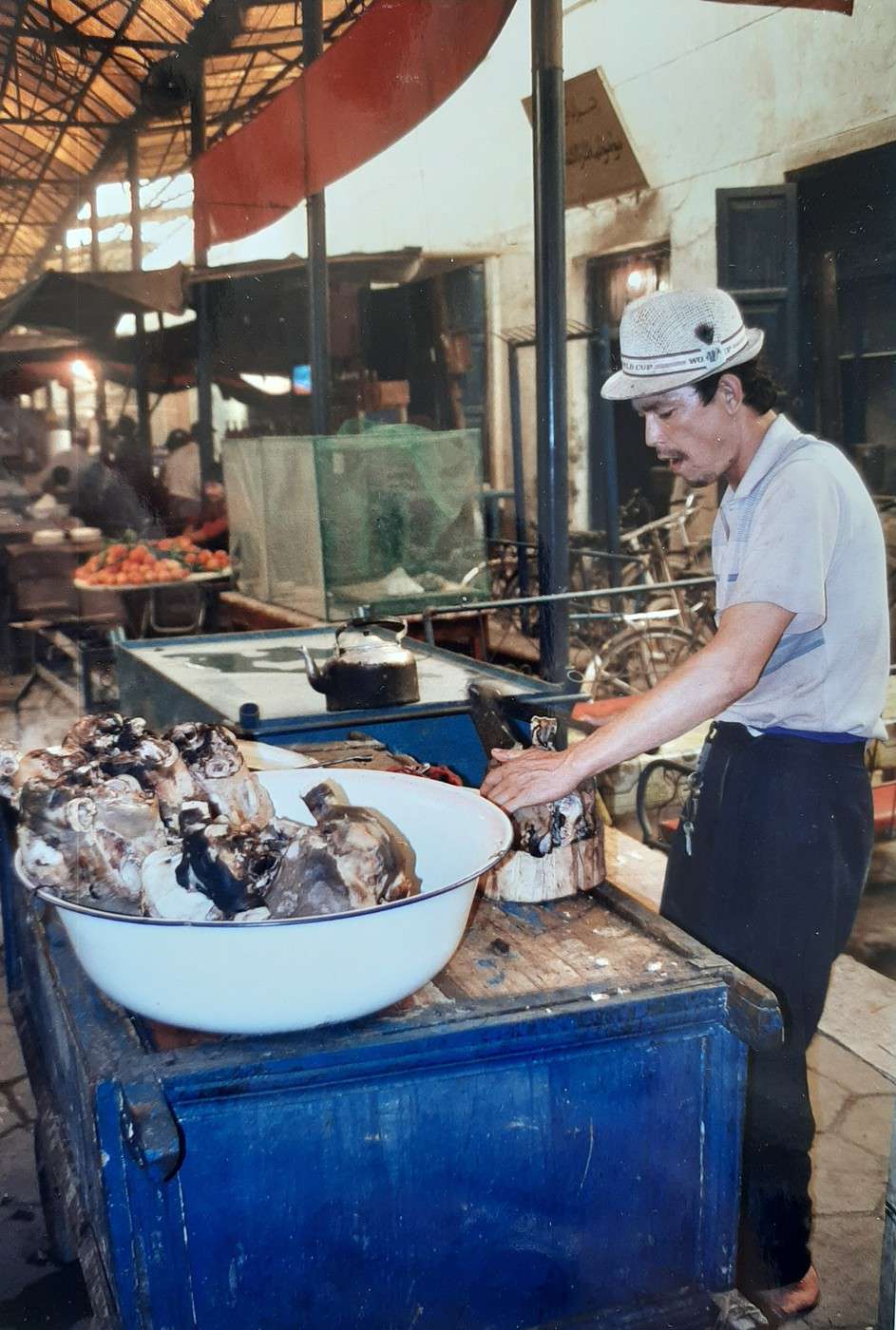
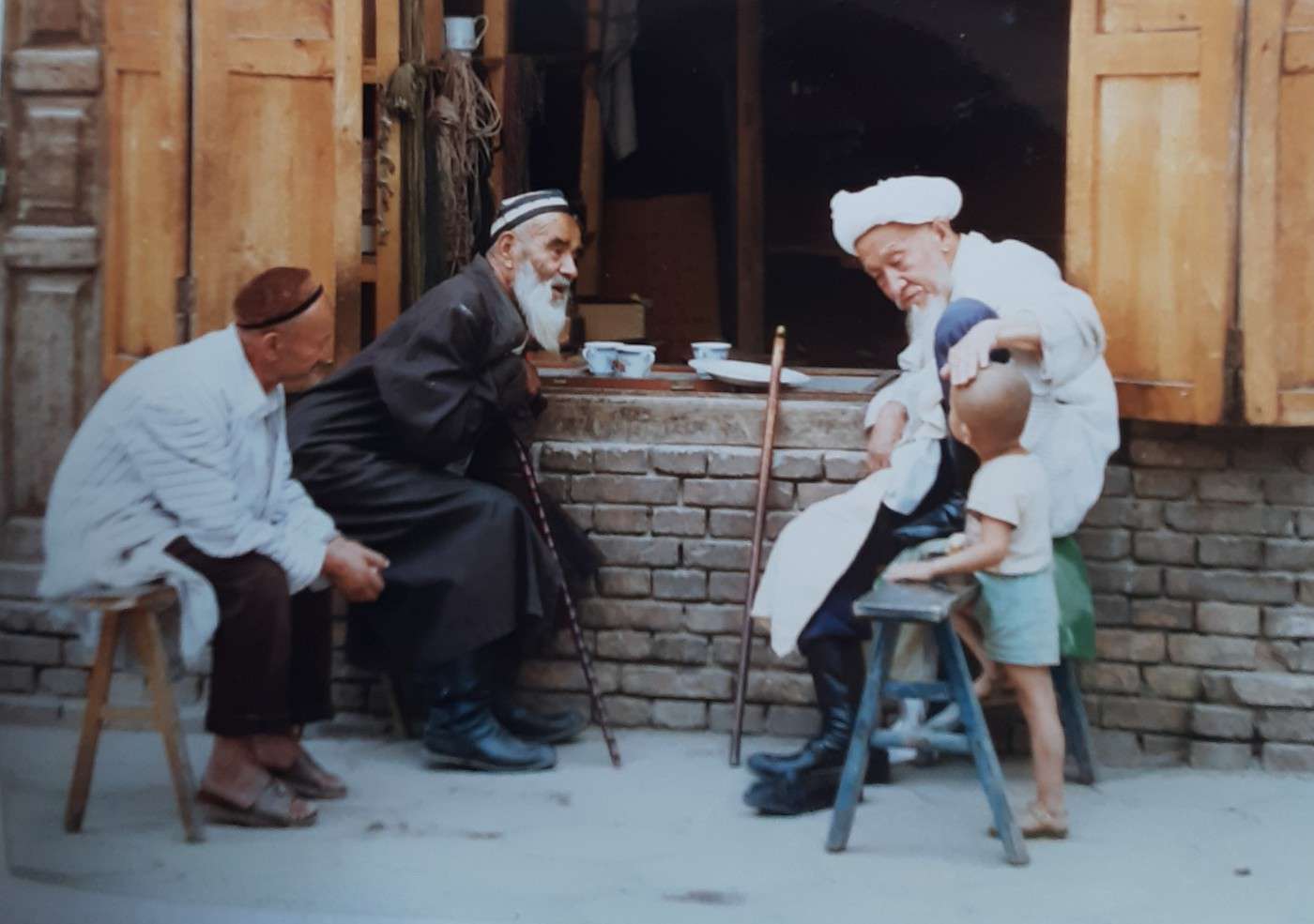
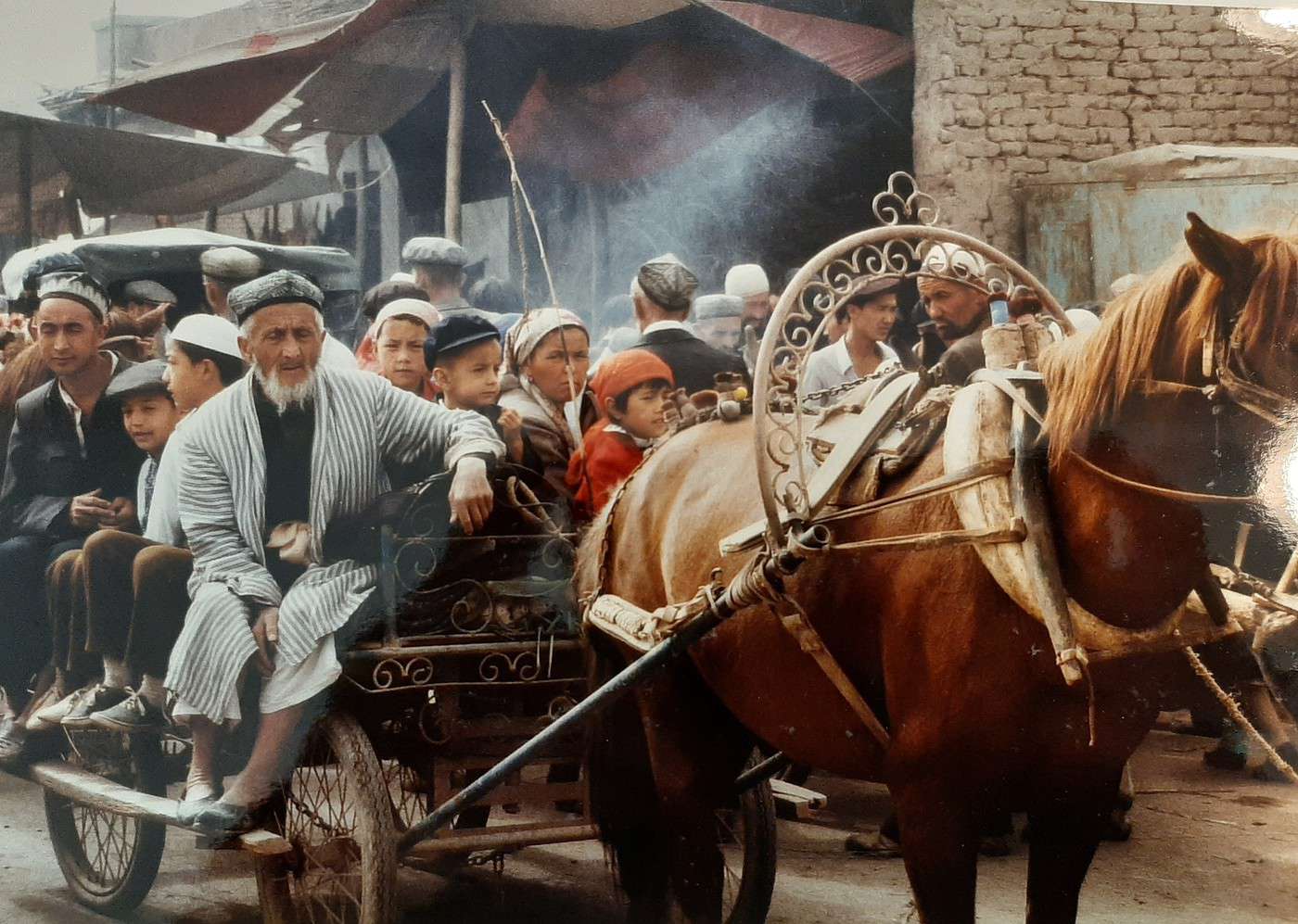
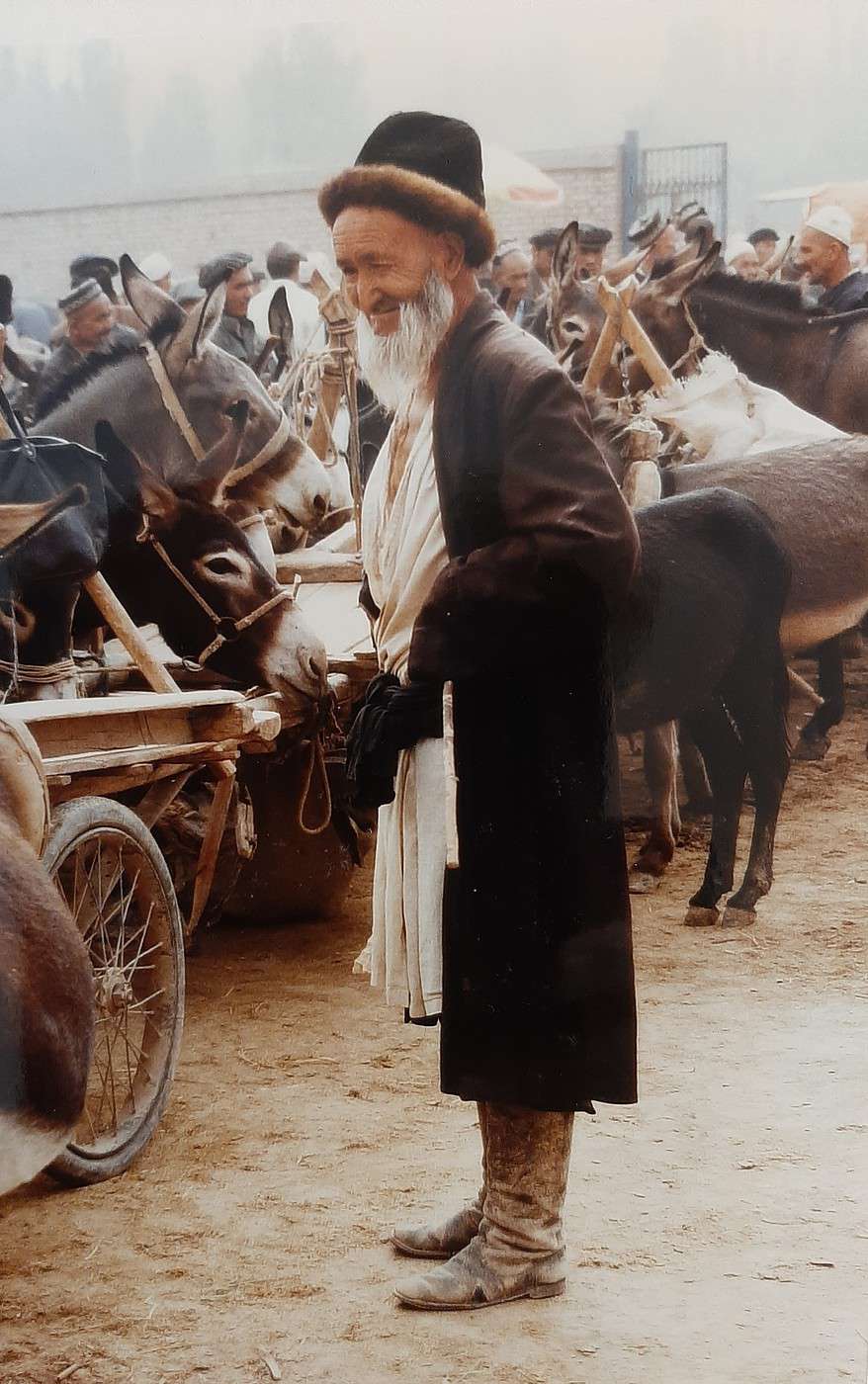
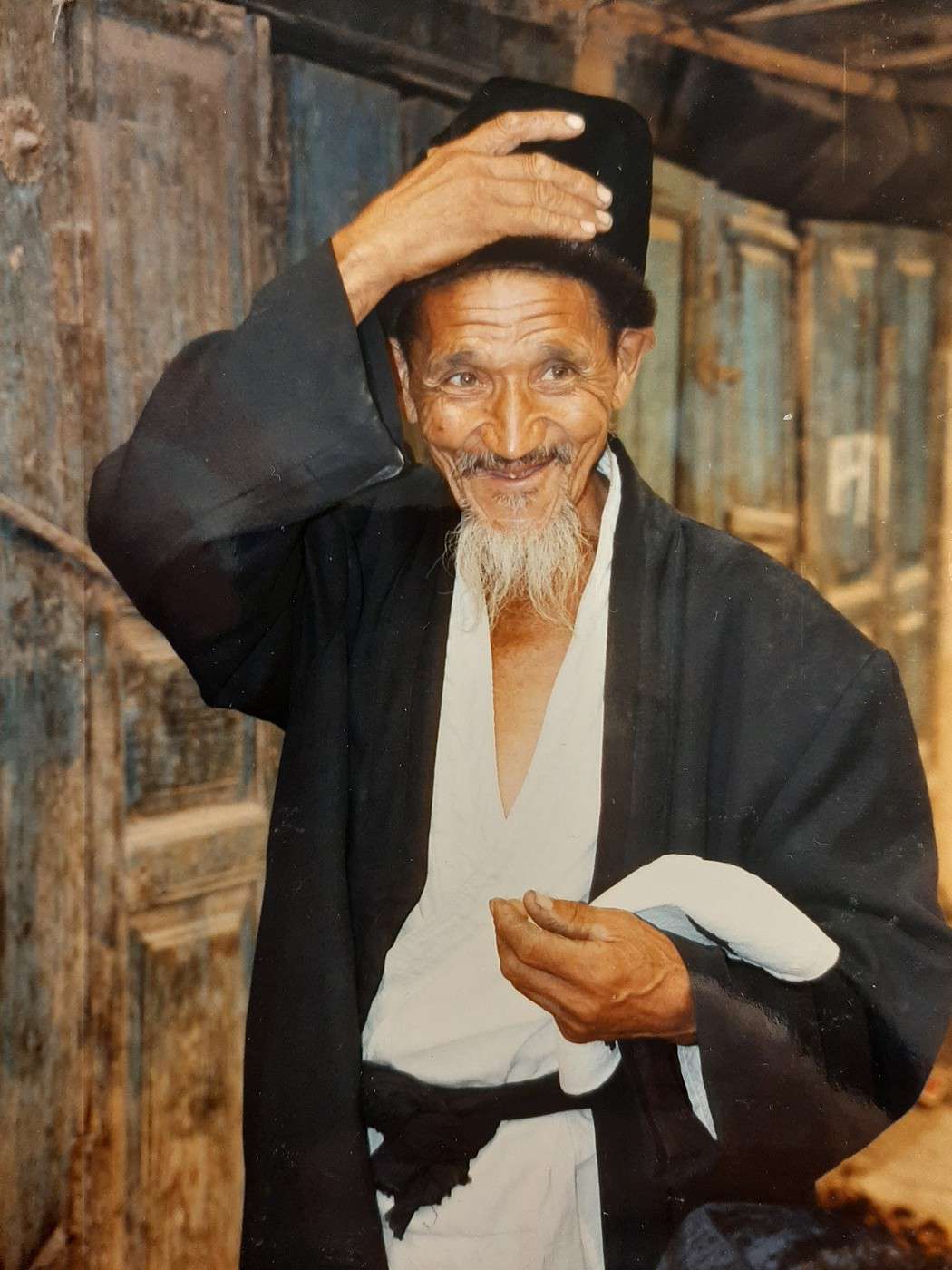
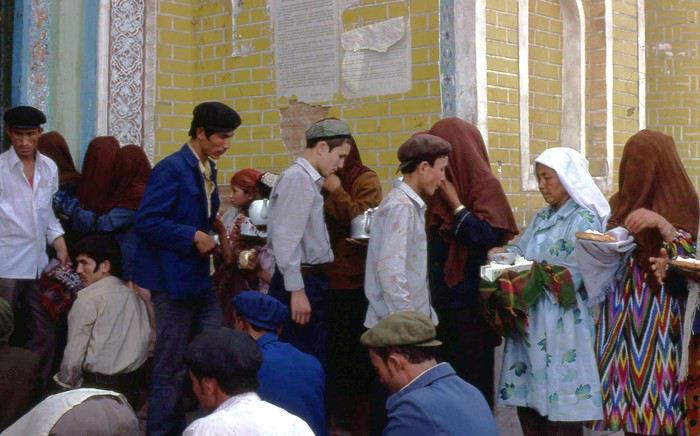
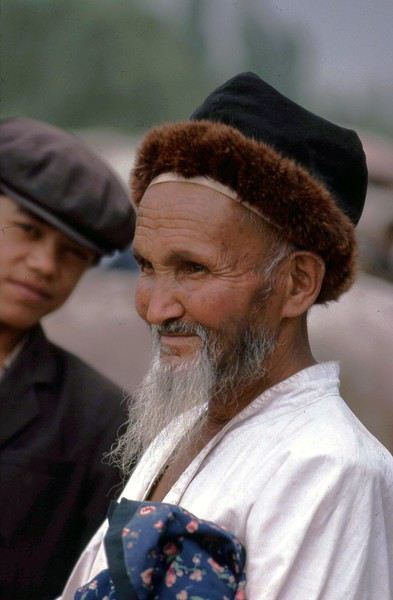
The big Sunday market was moved to the outskirts between those two dates. We even noticed it’s now covered... A few more photos to add to the previous ones.... You can tell the ethnicity by the headwear: Uyghurs, Tajiks, Kyrgyz...


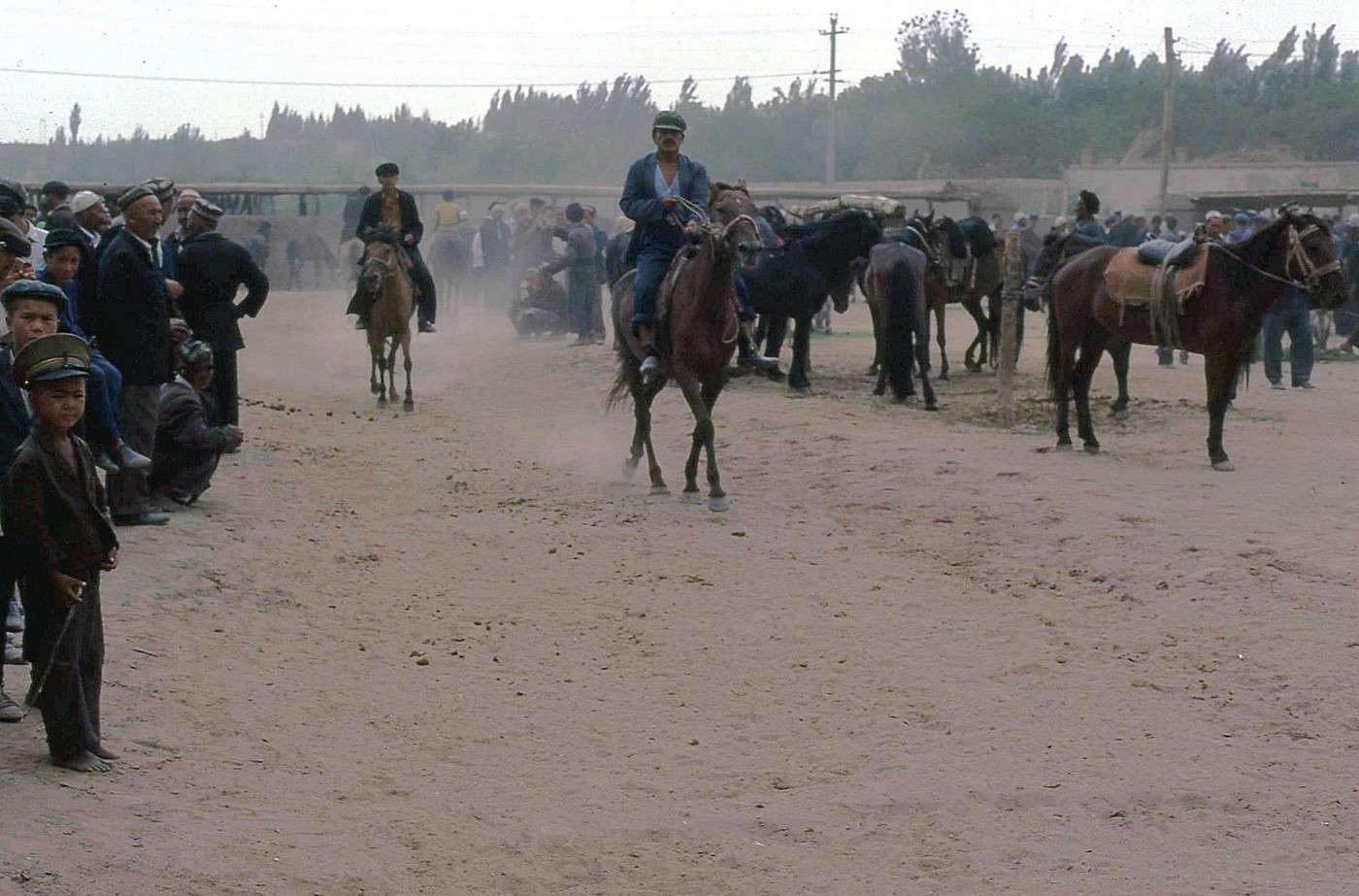
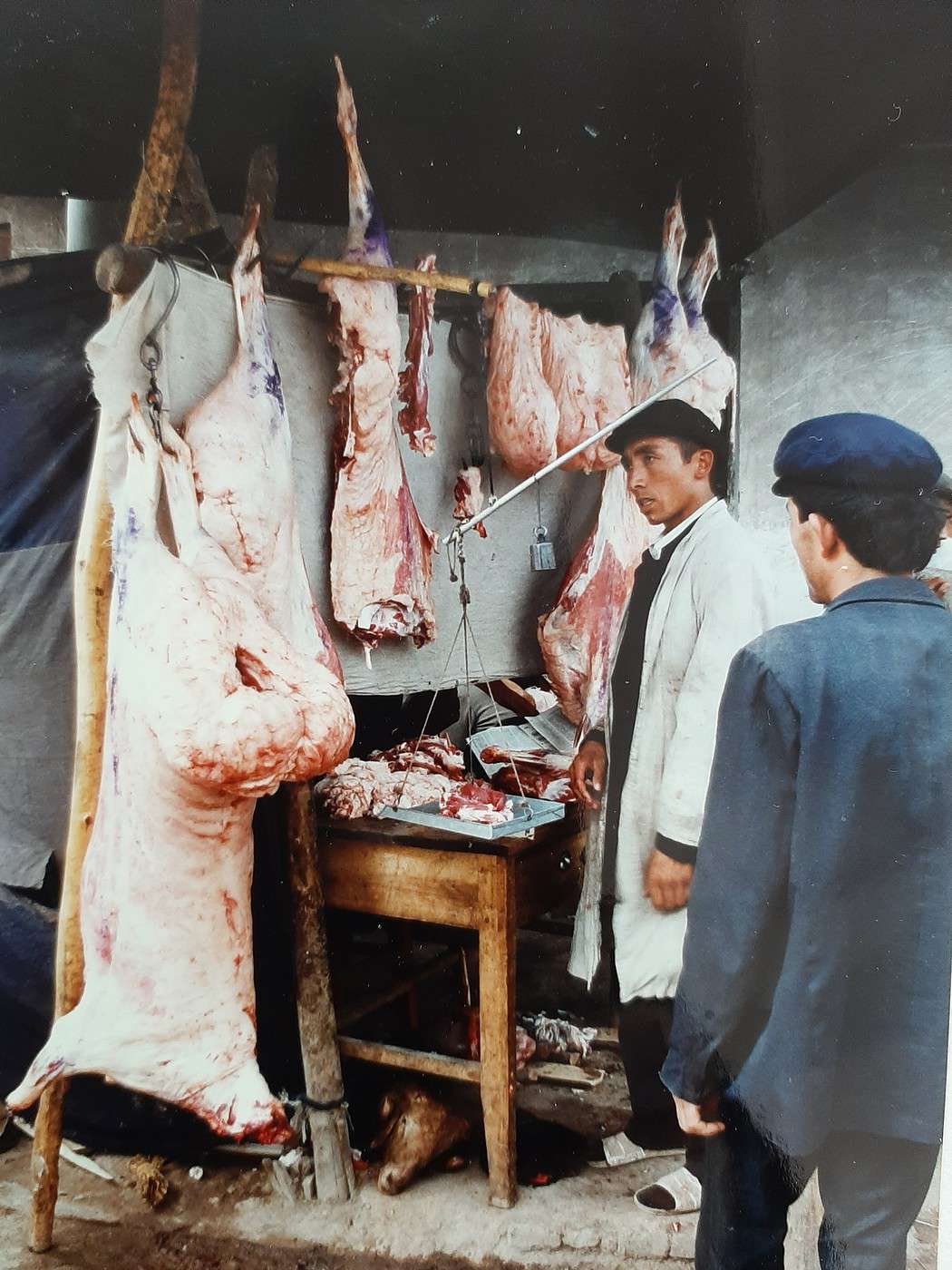
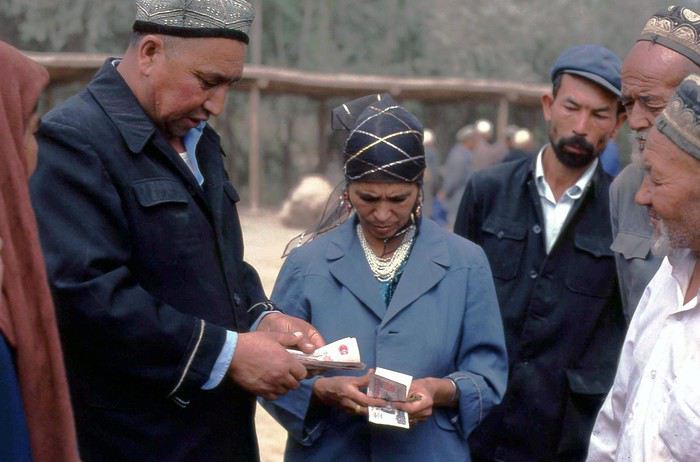
At the livestock market, we were surprised by the transactions, which were done with hands hidden under coats, and the women took part in collecting the money (often Kyrgyz women—Uyghur women wore brown shawls)...

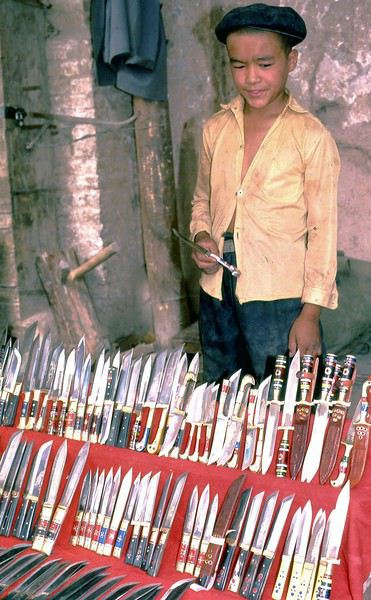
The knives from Yingjishah, not yet for tourists...
PA Parigino Veteran ·
Thanks for the photos of Urumqi from 35 years ago—they’re amazing!

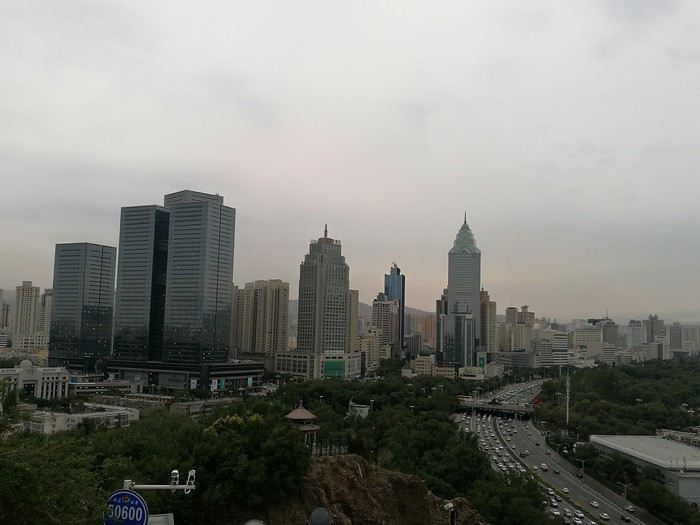
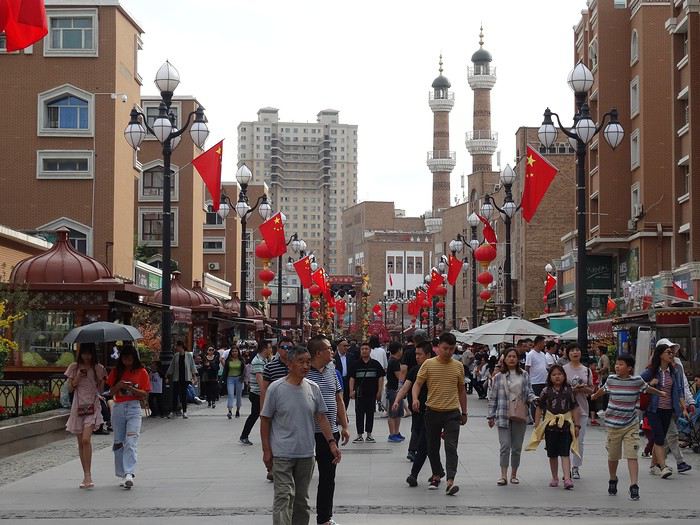
Now the city looks like this:


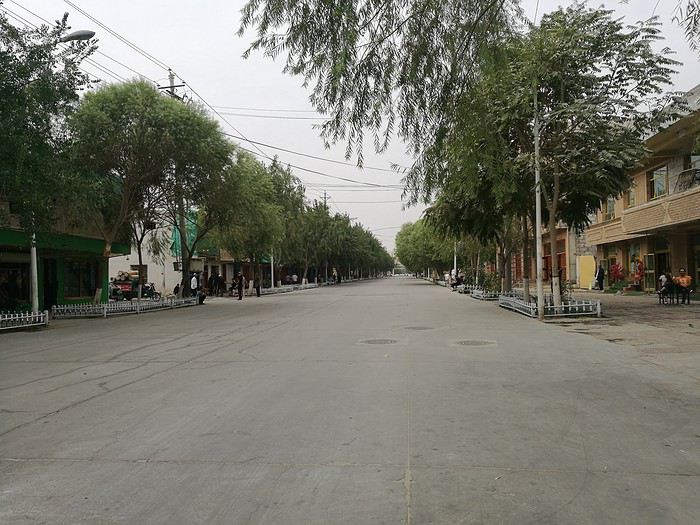
What was once a Uyghur neighborhood has become a commercial artery controlled by police and full of Chinese flags.


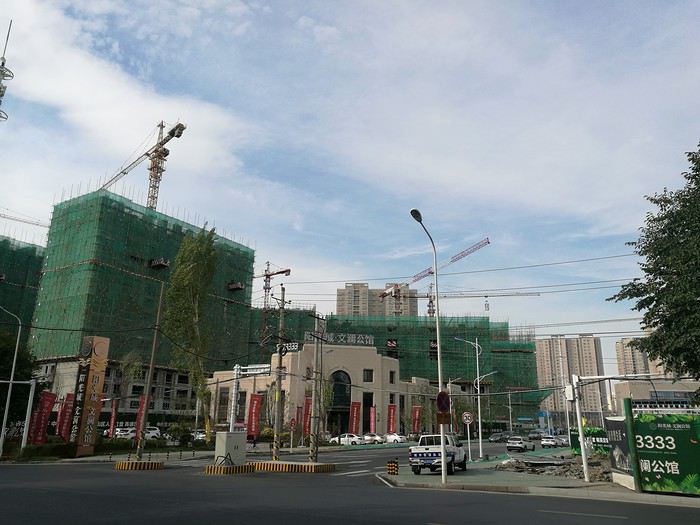
The remaining parts of the neighborhood are slowly being demolished and replaced by residential towers.


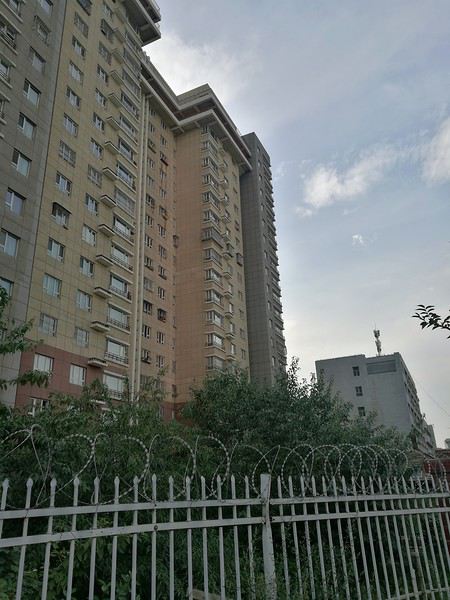
Residential towers surrounded by barbed wire (and guarded 24/7 by police, but I didn’t dare take a photo).

PA Parigino Veteran ·
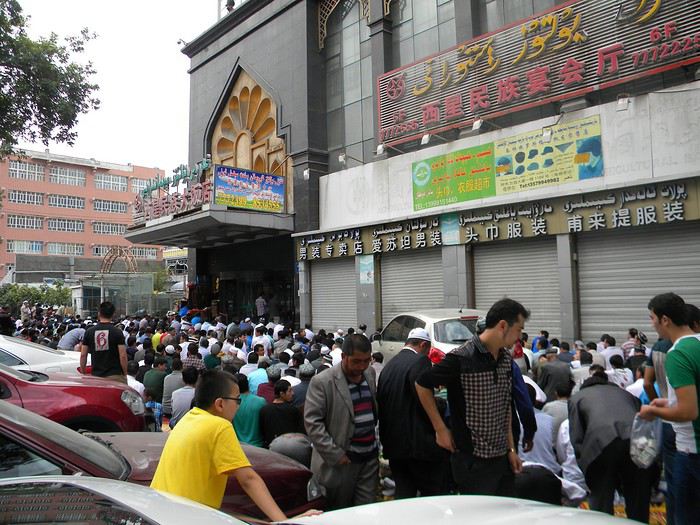
Back in 2013, there was still activity in the mosques.

Here in Urumqi


And here in Kashgar


By 2019, nothing. This is the main mosque in Hotan on a Friday


And the street where it’s located, completely deserted


I took these two photos quickly and without getting too close—I was starting to get fed up with all the checks.
SC Schischi Veteran ·
To Parigino, Jipeg, Sarana... and other visitors to China from the "good old days" or now. Really interesting, these comparisons (keep them coming)... but not very cheerful. 2020, travelers are pretty gloomy!
Schischi
JI Jipeg Regular ·
It's fascinating to see how these cities have evolved, especially when the photos are taken from the same spot... where there was a dual carriageway in 1988, there's now an 8-lane urban highway... not to mention all the high-rises. In Lhasa, the change was even more striking at the foot of the Potala. The shopping street with flags can be found in every major city... with the same luxury stores, often empty because they're too expensive for locals who prefer neighborhood shops.

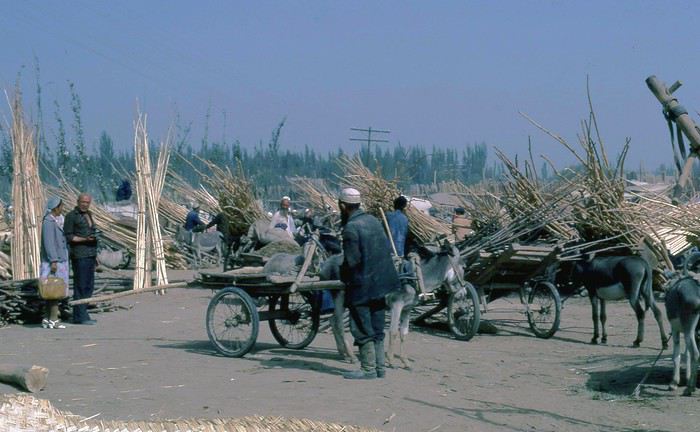
Here are a few more photos from the Kashgar market (1985 and 1988). The wood market and the carts that were the only way to get around the city, to go to the market, to the only hotel for foreigners, the Sanam Binguan, or the former Russian Consulate.


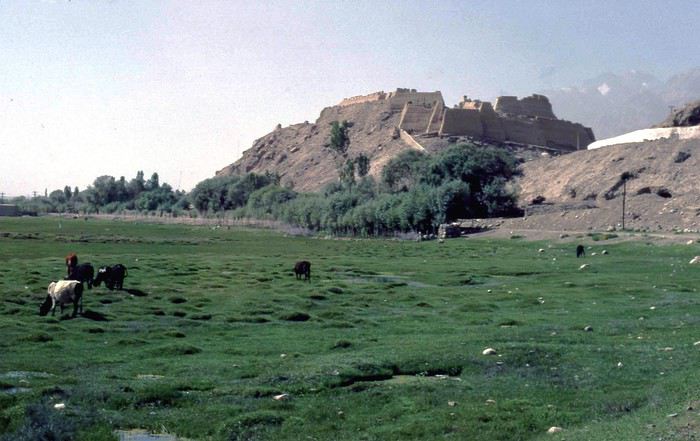
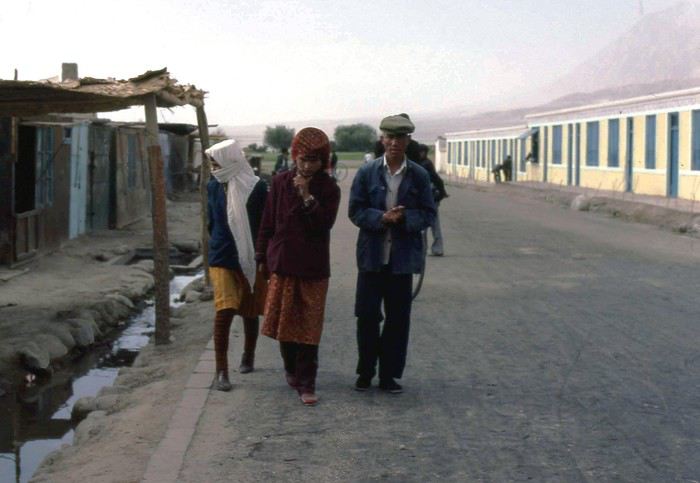
The Kunjerab Road with Tashgorgan (1988), which was limited to its citadel, one main street, and a single run-down hotel where our Pakistani travel companions—who came to China to do business—let off steam and enjoyed the "pijio" and everything that was forbidden back home. After a month in Pakistan during a very troubled time (civil war between Sindh and Punjab), we appreciated it too.


The border post (Khunjerab Pass) at 4,700 meters above sea level. It had only recently opened....

PA Parigino Veteran ·
At the risk of repeating myself, your photos of Tashkurgan are stunning!


Here’s pretty much the same shot from last summer:


While I’d been able to wander around freely a few years earlier, the Taskhurgan Fort has turned into a very Chinese-style tourist site: grandiose, expensive, with a little cart shuttling you from viewpoint to viewpoint. When I was there, we were just a handful of people.

As a result (maybe?), there are hardly any yurts left on the prairie. Check out the difference between 2013 and 2019:


As for the "town," it’s changed a lot too.


The Chinese want to turn it into a must-see tourist spot for any trip to Xinjiang. In fact, the road from Kashgar along the Tajikistan border was being completely redone. No doubt it’ll soon be at least a smooth two-lane highway in each direction, making the town more accessible. There’s already a youth hostel run by young Chinese that brings together a pretty eclectic mix of Chinese tourists, solo foreign travelers, and Pakistanis. Because there are still a lot of Pakistanis in Tashkurgan: students, businessmen... I didn’t continue on to Pakistan, but I saw the buses leaving from the bus station. It still feels like an adventure! 🙂
LE Levelo Veteran ·
Thanks for the photos. Memory from 1998 of an absolutely wonderful spot—yurts on the plain, the fort, the only grimy hotel in the small town, the Mustag Ata and its herders... Back then, you could still travel solo between Sust and Kashgar, though you had to keep a low profile when camping. The Han presence was already starting to be felt, but the old towns were still intact. L.
SB Sbecker Veteran ·
Amazing trip 🙂, it was such a pleasure to read your post.

Your account of passing through Kashgar and crossing the land border into Kyrgyzstan really took me back to my own very similar experience a year earlier 🤪. I felt a huge sense of relief when I arrived in Kyrgyzstan.

By the way, here’s a link to an Arte documentary that focuses on the situation in Xinjiang: https://www.youtube.com/watch?v=8wN3emyA-ew
SC Schischi Veteran ·
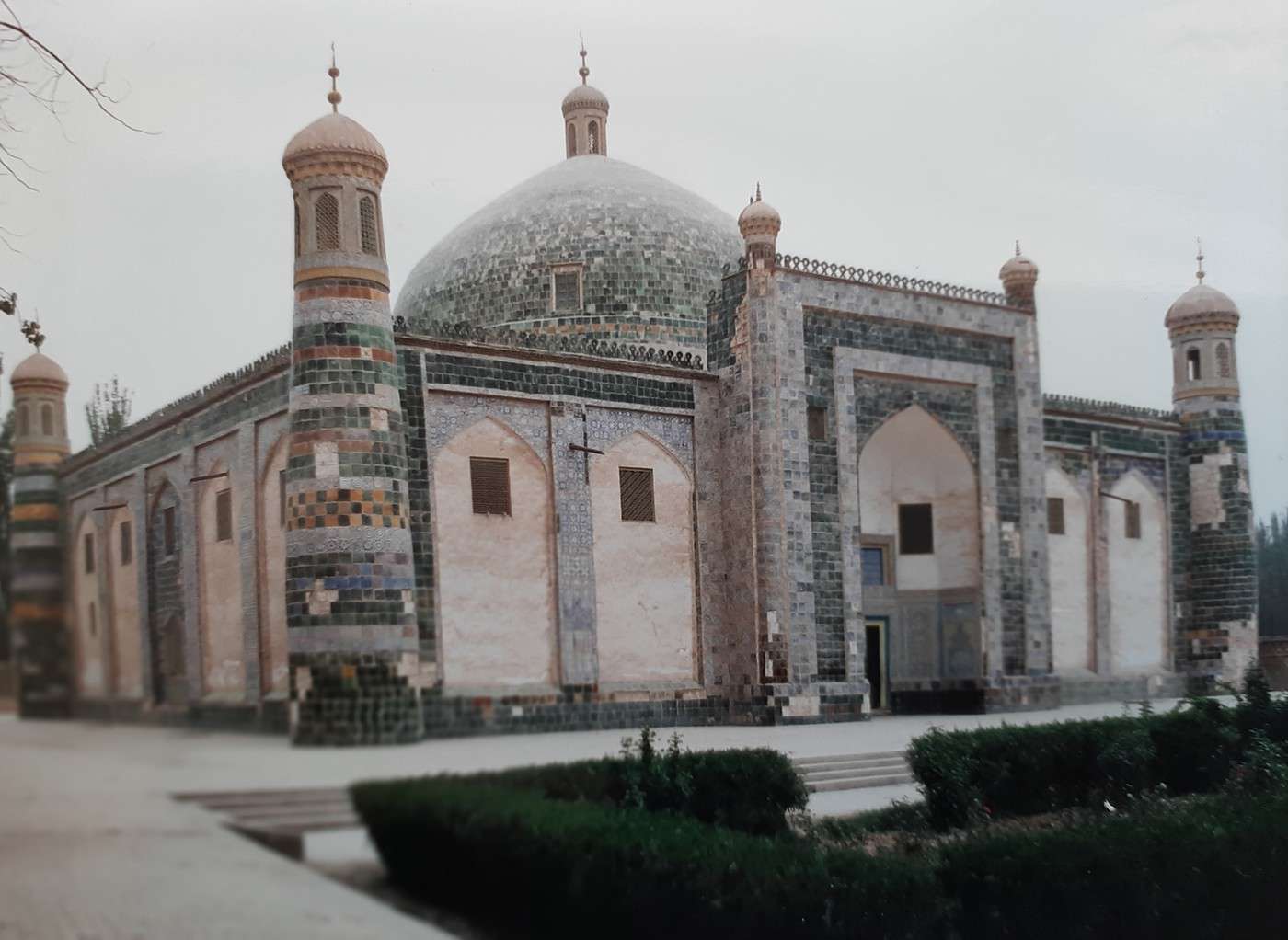
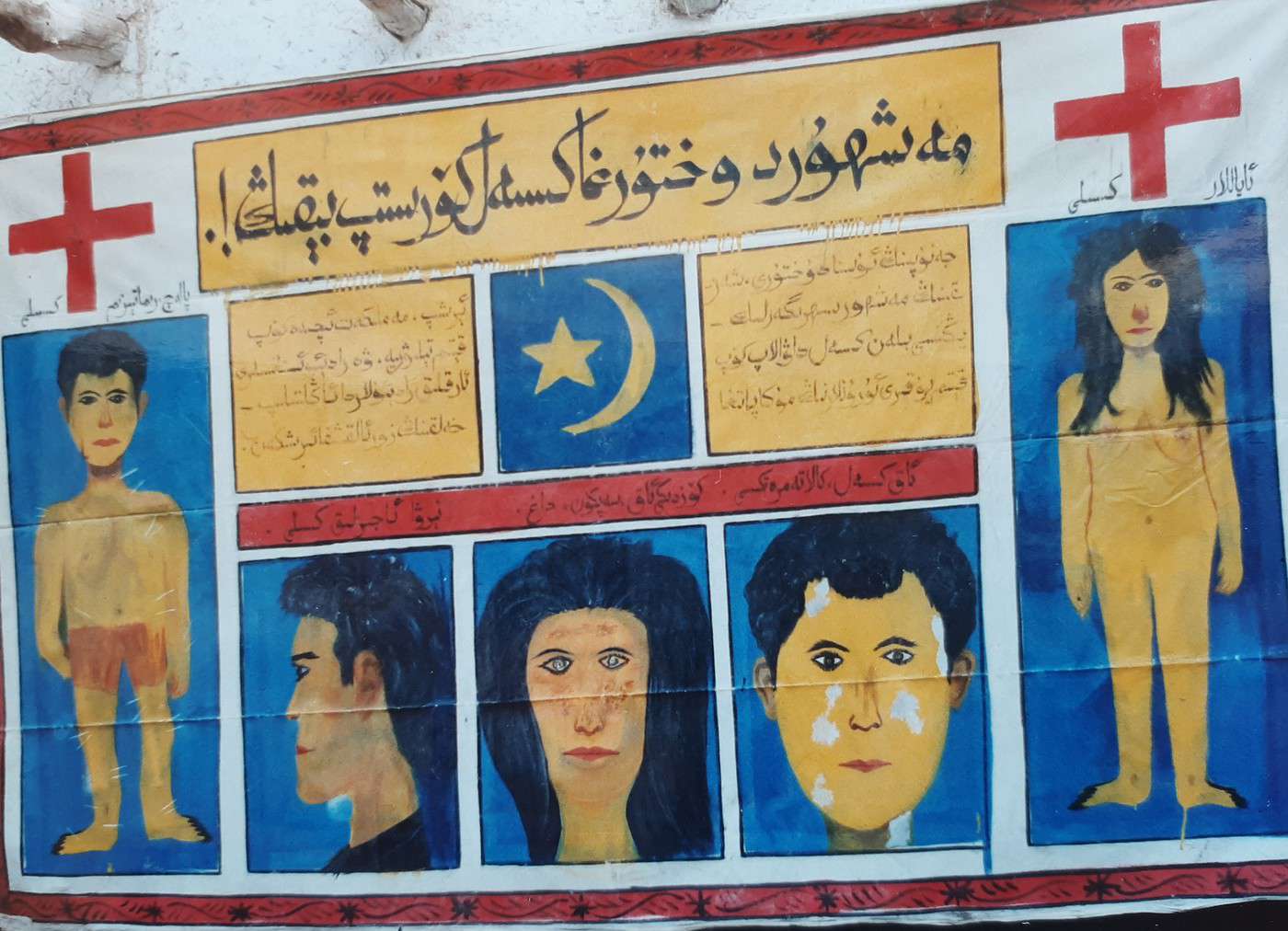
A few more snapshots from 1995 Kunjerab Pass and passport control along the way. Landscape around Tashkurgan. Bike ride to the very pretty Abakh Khoja Mosque (1640) on the outskirts of Kashgar. What has become of it? Informational sign (health) in Kashgar
Schischi
SB Sbecker Veteran ·
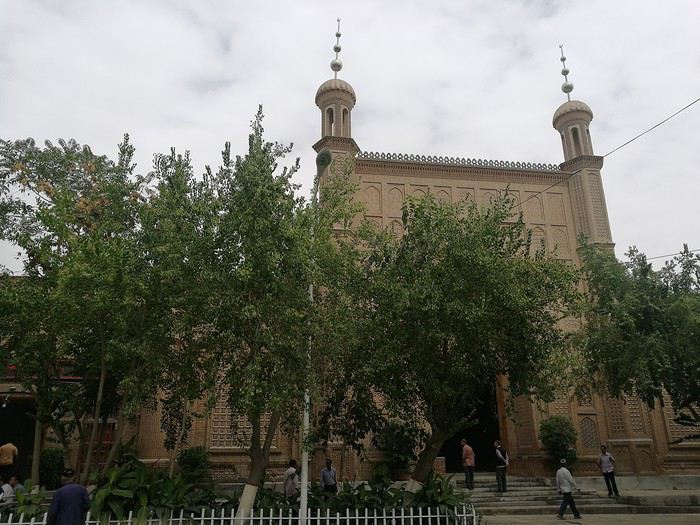
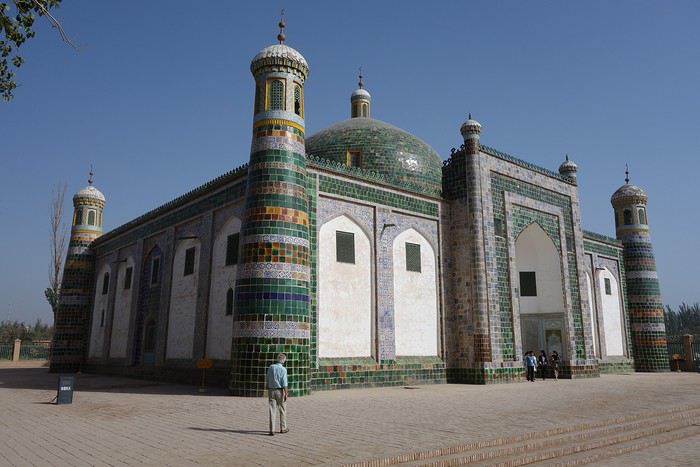
The very lovely Abakh Khoja Mosque (1640) near Kashgar. What has become of it?

Photo from 2017—it’s still there and has even been restored:
SC Schischi Veteran ·
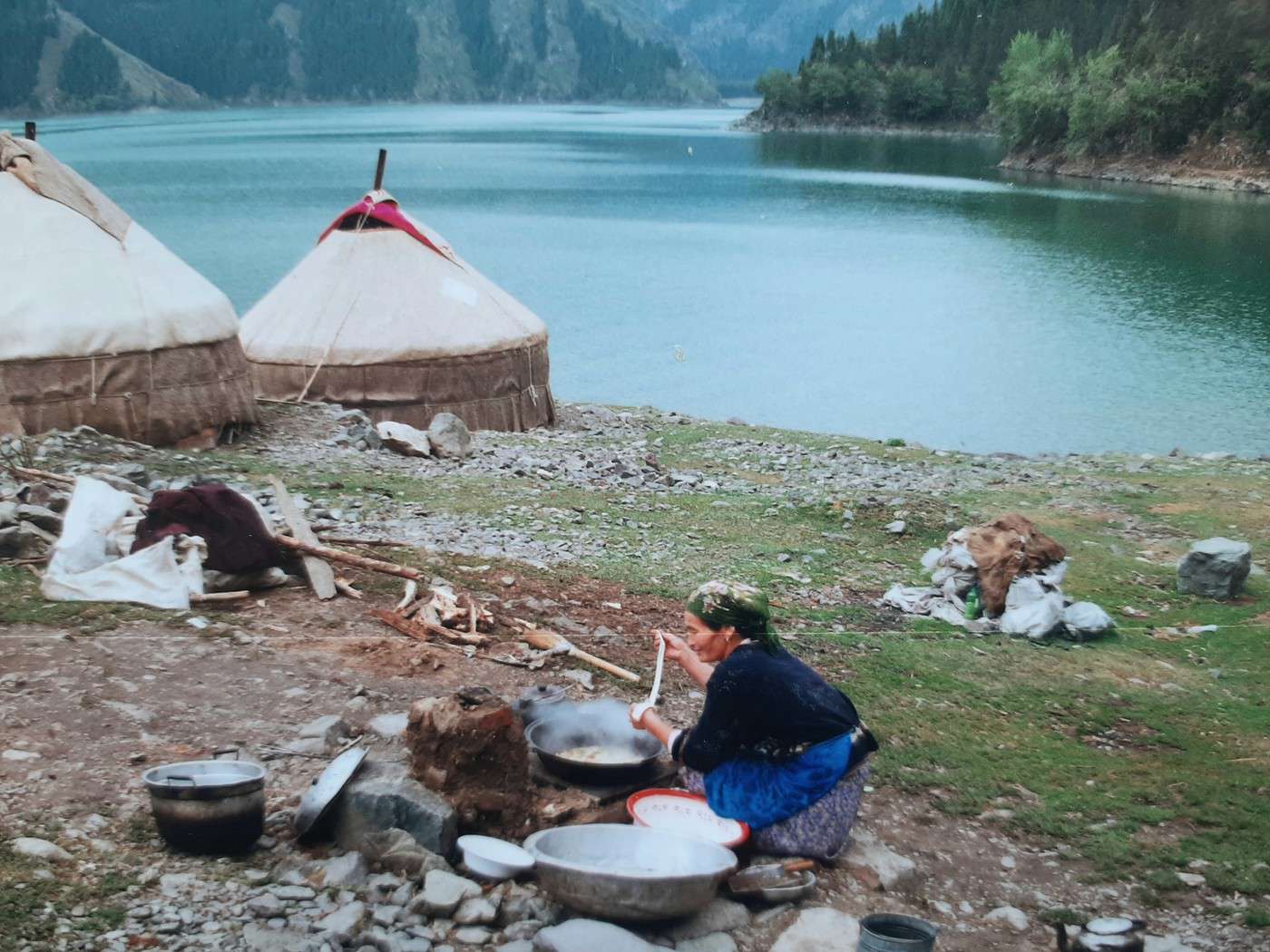
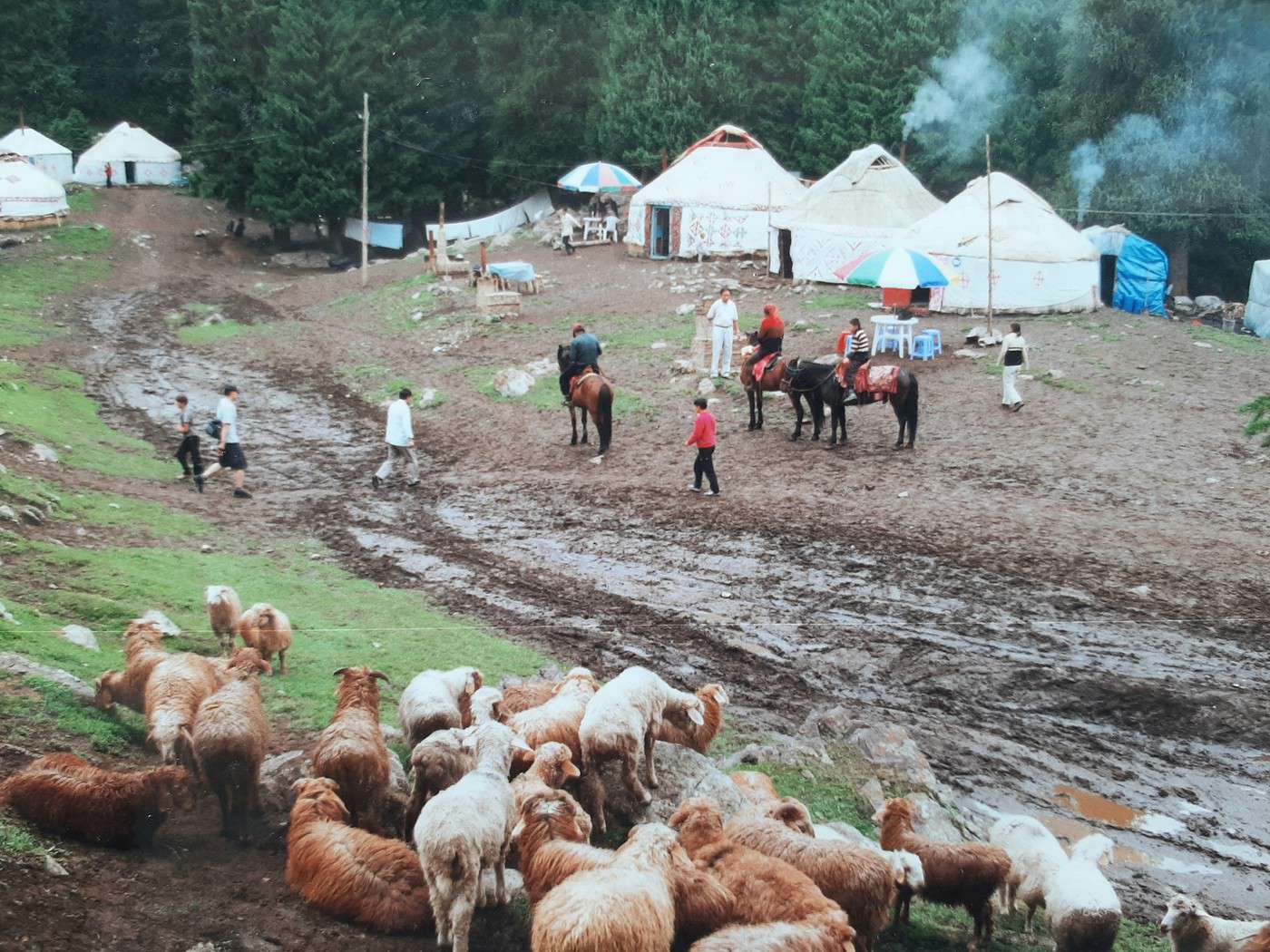
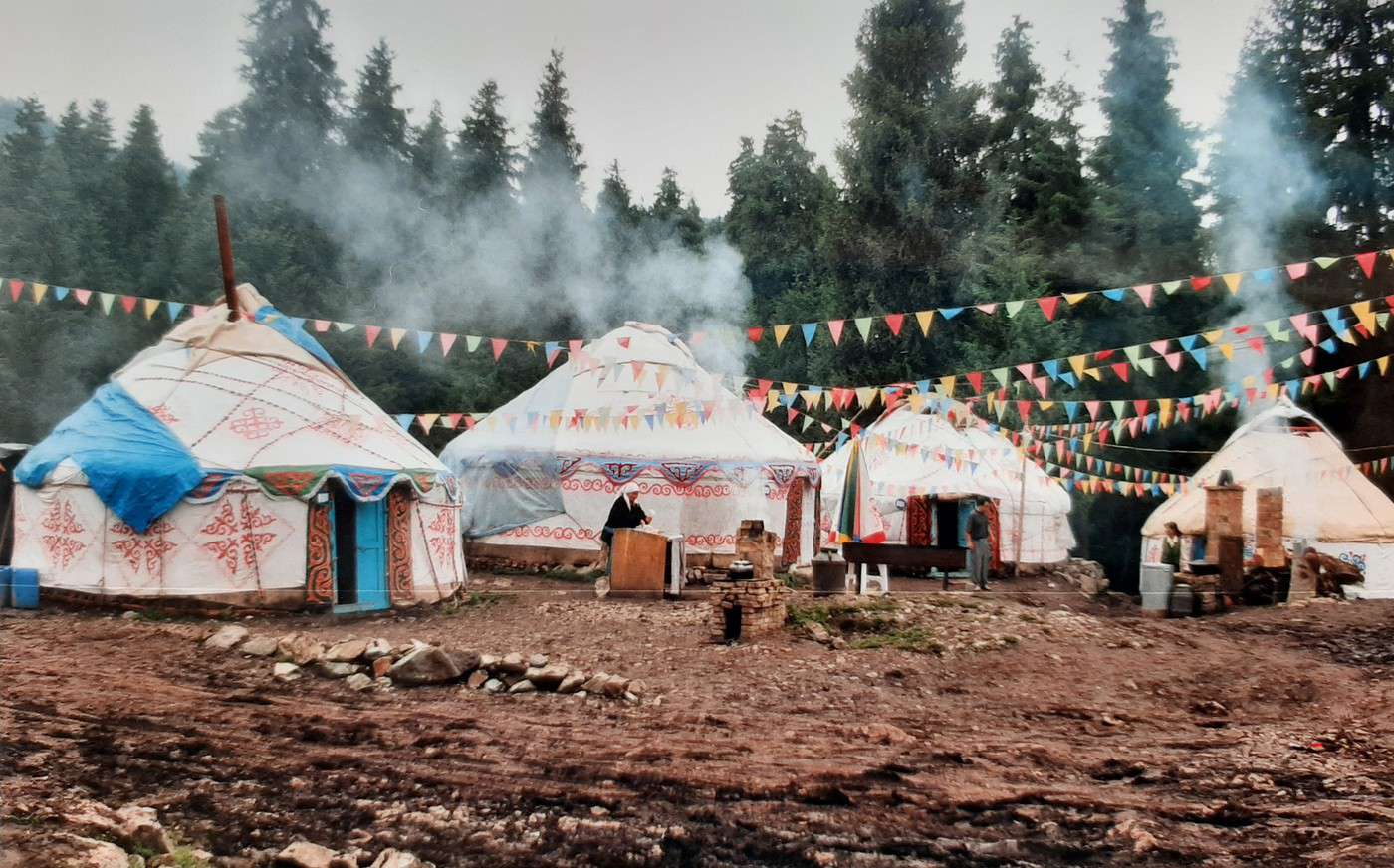
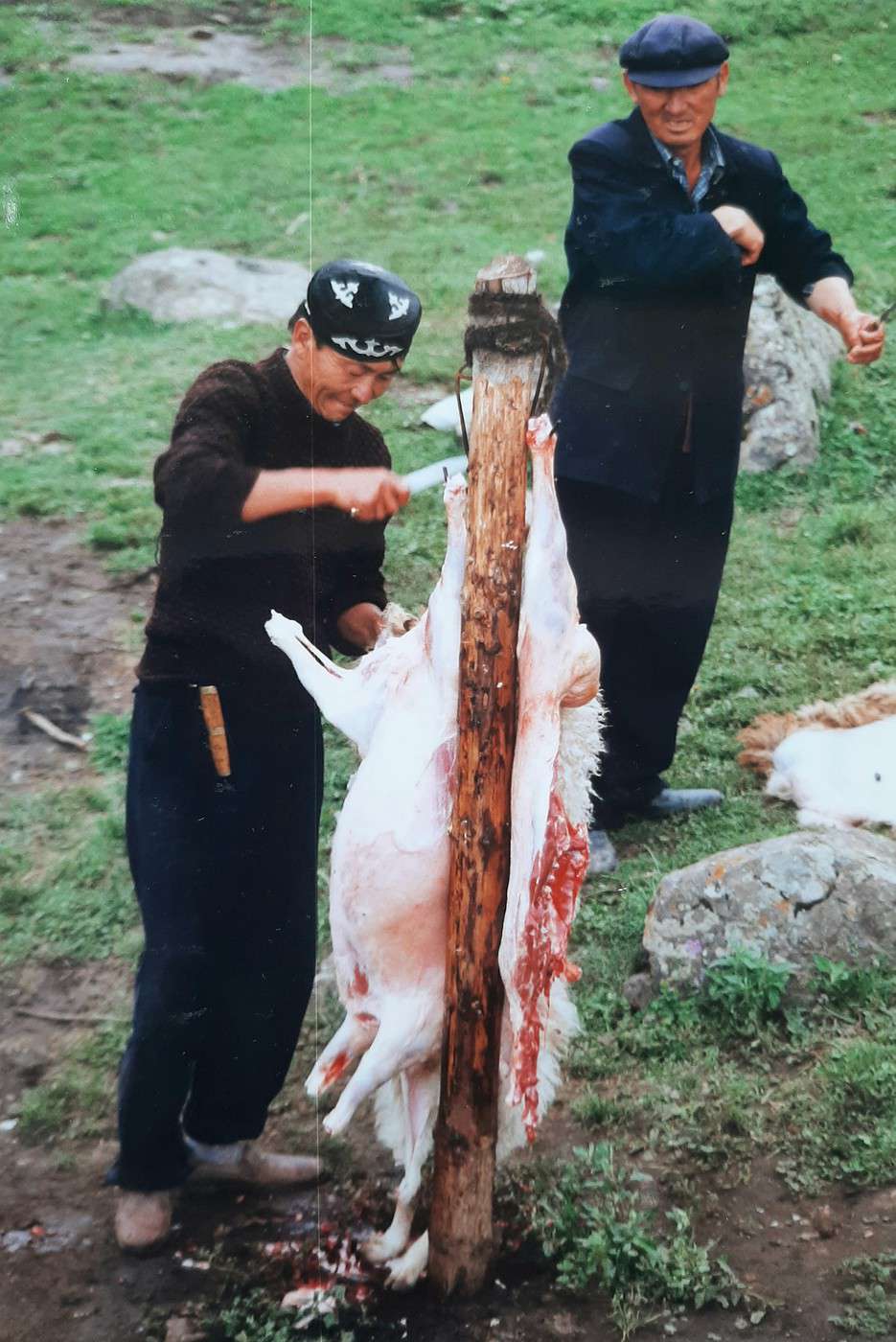
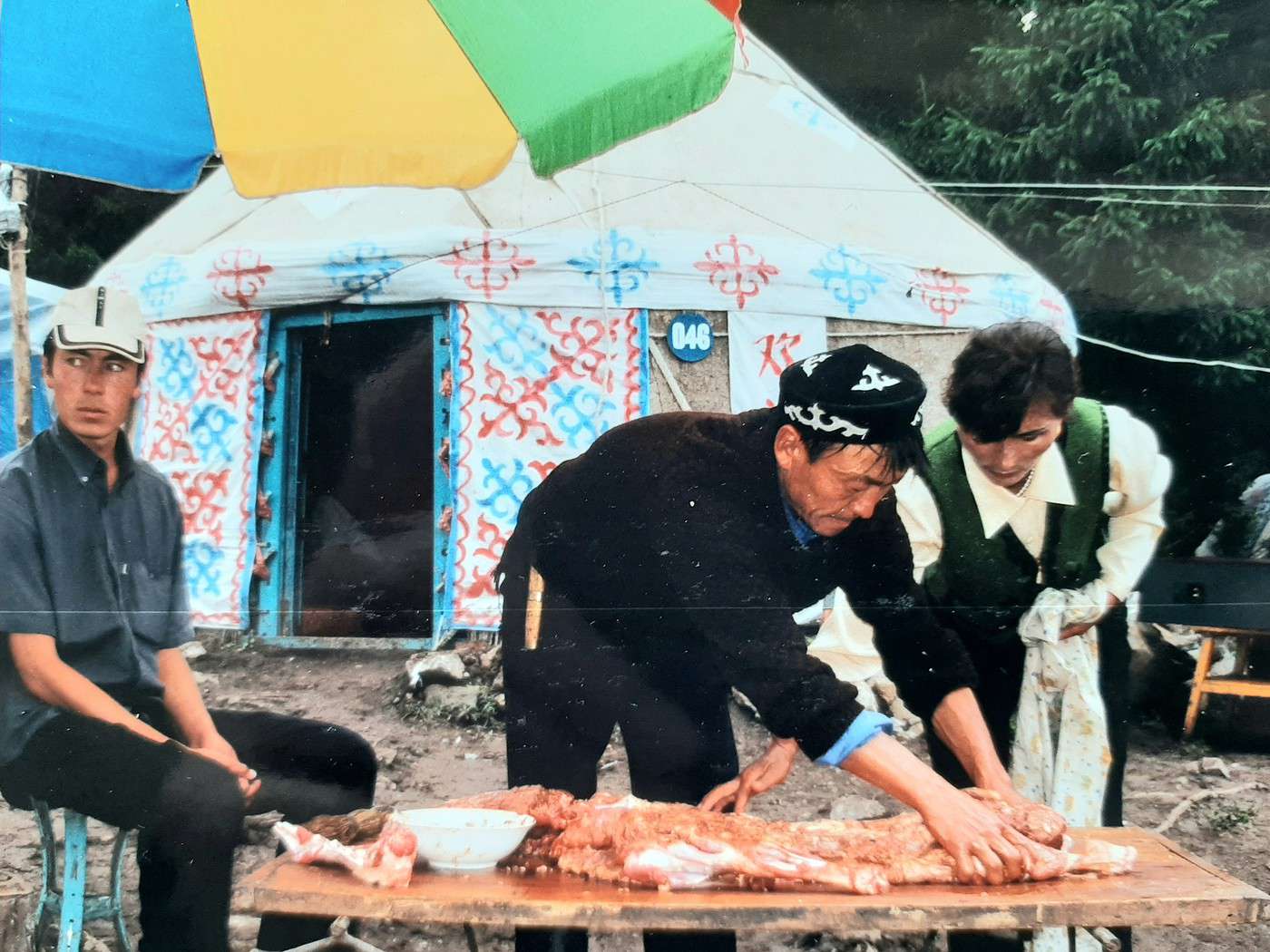
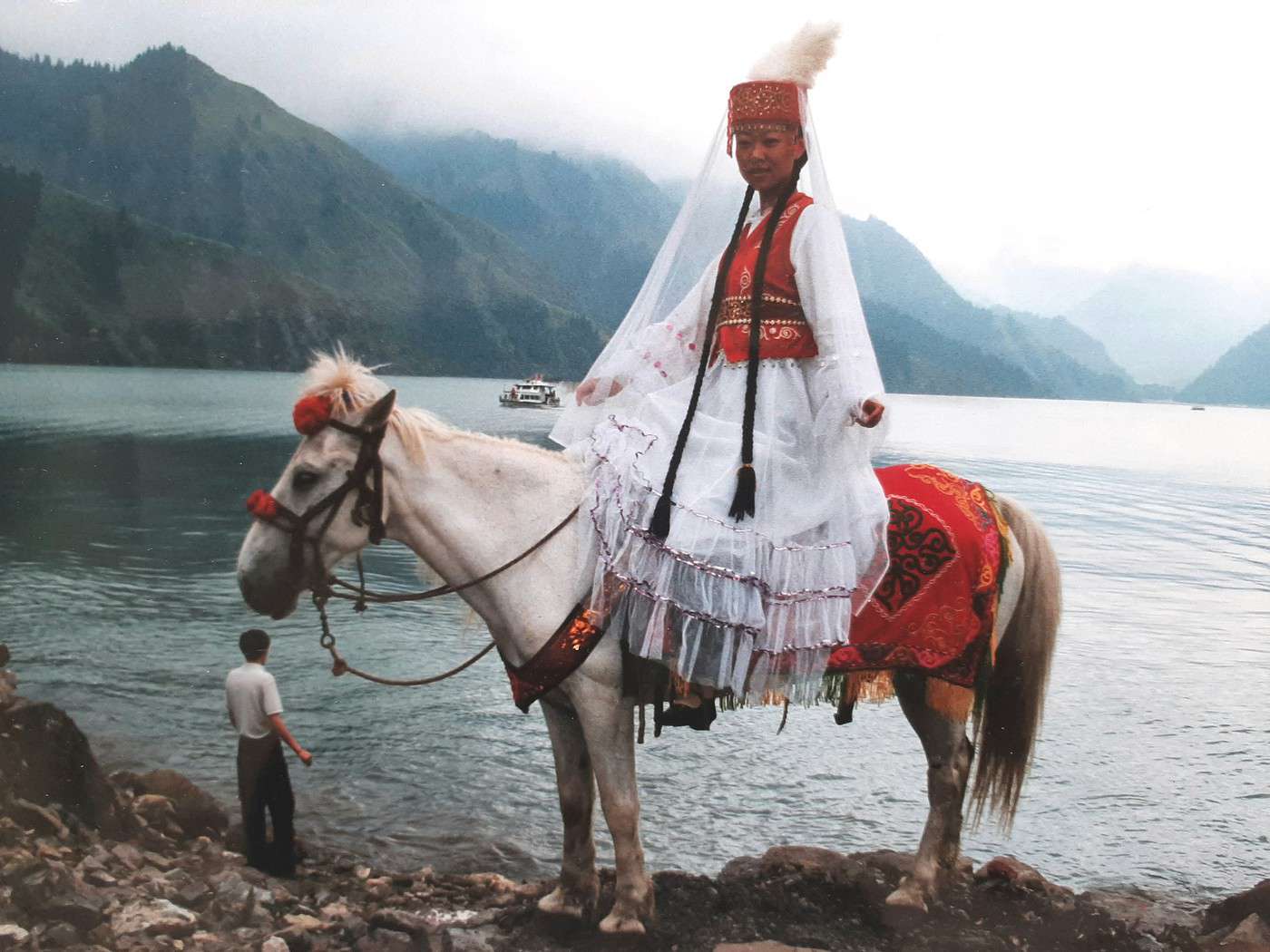
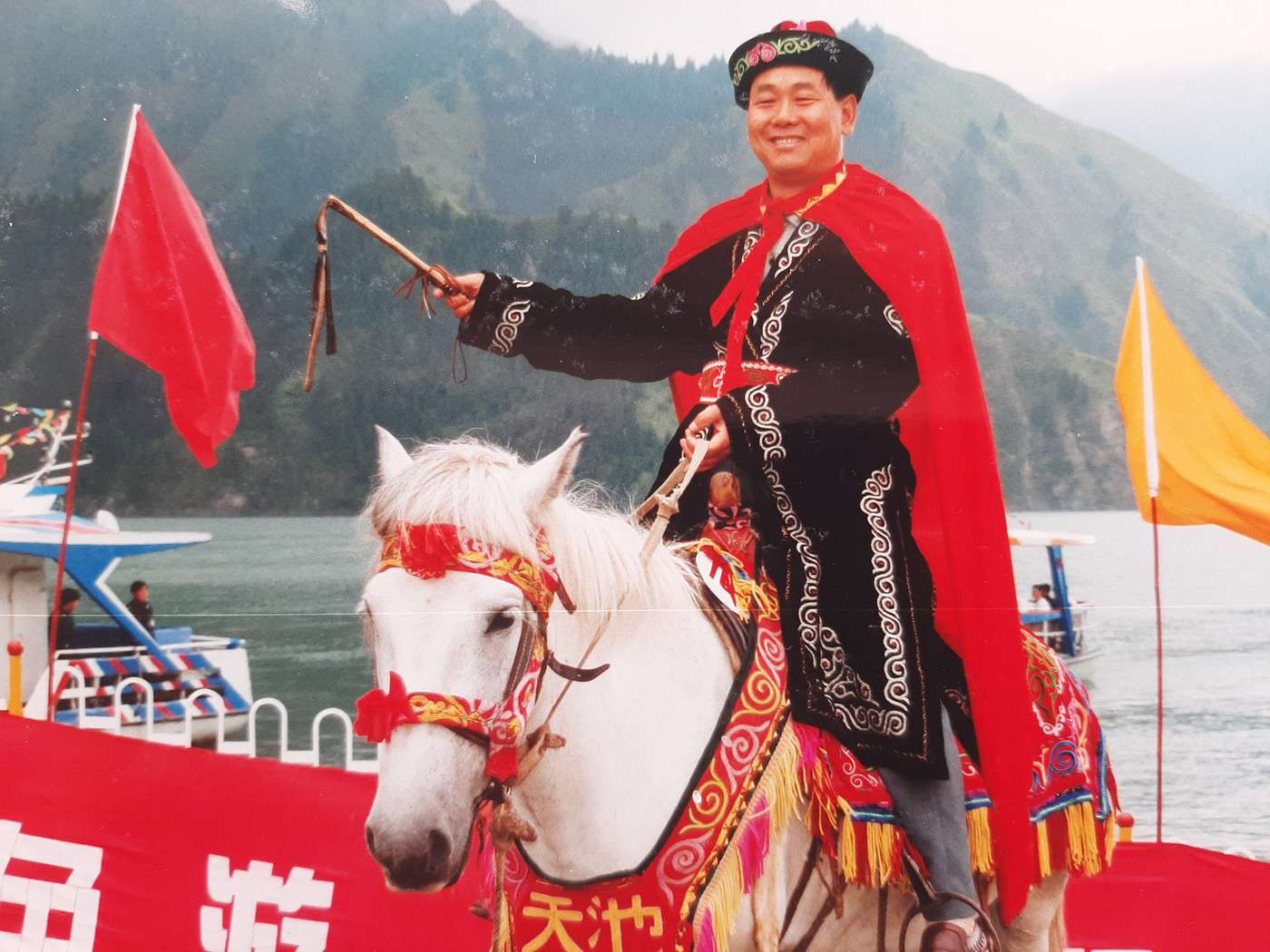
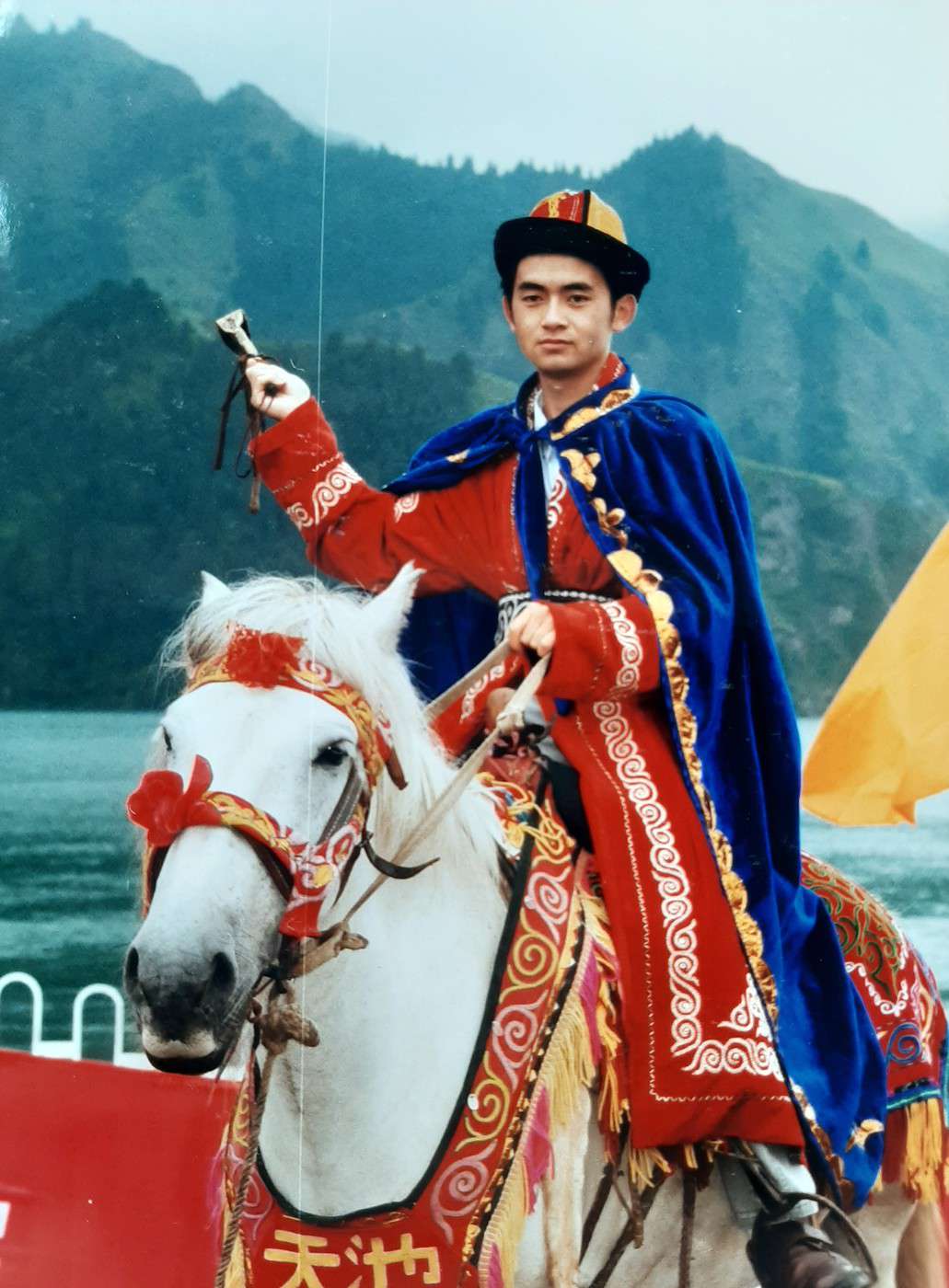
Two hours by bus from Urumchi, summer 2000, a stroll to the stunning Heavenly Lake (Tianchi). Lots of Kazakh yurts. A peaceful spot. You can eat lamb slaughtered on-site. No Westerners, but a few Chinese visitors enjoying the fresh air and renting costumes for photos.

Now, searching online, I’ve read that the site entrance is paid and there’s a shopping center... Any recent updates (or not)?
Schischi

Similar discussions

You might also like