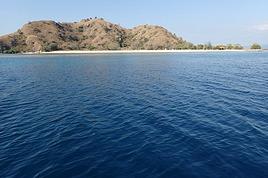
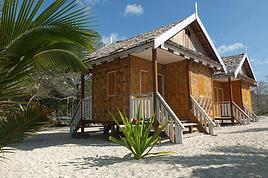
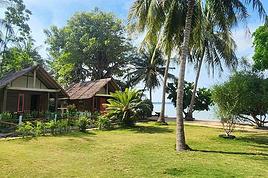
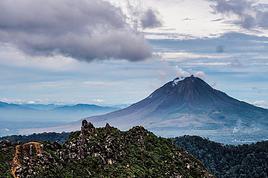
Important : Prix des hôtels donnés à titre indicatif pour un séjour avec un groupe de personnes. Il va de soi que l'on peut trouver moins cher même si pour certains hôtels, le rapport qualité prix est remarquable.
Hôtels
Jogja (Java)
hôtel Rengganis http://hotelrengganisyogya.com/en
ouvert récemment en janvier 2014. En face du restaurant français le Méditerranéen tenu par Kamil. Jl Tirto Dipuran
210000 la double deux lits. Clim. Tv. Wifi.
Architecture traditionnelle. Piscine. Resto. Staff sympa. Petit dej compris dans le prix sous forme de buffet.
Rapport qualité prix remarquable
Lovina (Bali-Nord)
Lovina Beach Hotel http://lovinabeachhotel.com/hotel.html
300000 la double deux lits. Clim. Wifi
très vieil hôtel (1953) qui a donné son nom à la bourgade qui a poussé tout autour. Grand jardin. Belle piscine. Accès direct sur la plage. Resto avec vue sur la mer. Petit dej inclus dans le prix. Très bien. (photo)
Tirtagangga (Bali-Est)
Rijasa Homestay en face du Water Palace au milieu des rizières et de la campagne balinaise avec la vue sur le volcan Agung
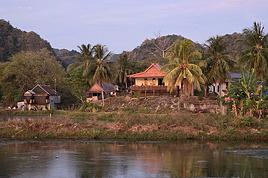
150000 la double deux lits. Ventilateur. Wifi dans le warung. Grand et beau jardin au calme. Tenu par une adorable famille balinaise qui tient aussi le warung devant. Petit dej inclus. Location de bicyclettes et scooters. Ils donnent beaucoup d'infos pratiques très précieuses pour visiter la région. Une base idéale et très conviviale pour rayonner dans la région. Mon coup de coeur à Bali. Le genre d'endroit vraiment attachant. (photo)
Tetebatu (Lombok-Centre)
Wisma Soedjono au pied du mont Rinjani au milieu des plantations et des rizières. En haut du village.
225000 la double deux lits en bungalows. L'hôtel paraît un peu à l'abandon car il y a peu de touristes. Le restaurant est très bien. Les plats sont très copieux et délicieux. J'ai testé le Opor Ayam et le Gado Gado ici. Tellement aimé le 1er plat que j'en ai repris pour le dîner de la seconde soirée. Meilleur souvenir culinaire à Lombok.
Petit dej inclus dans le prix
Sengiggi (Lombok-Ouest)
Bumi Aditya jl Sengiggi http://www.bumiadityahotel.com/
une petite rue sur la droite qui monte sur la colline après warung Ijo. A côté d'une mosquée.
300000 la double deux lits. Hôtel moderne. Grandes chambres. Ac. TV. Le wifi ne fonctionnait pas. Petit dej inclus dans le prix mais service très lent.
Ubud (Bali-Centre)
Pering Sunset Bungalows http://pering-bungalow.ubudhotelsbali.net/fr/
250000 la double deux lits. Hôtel traditionnel balinais. Grandes chambres AC wifi rapide. Terrasse agréable. Petit dej copieux inclus dans le prix. Belle piscine. Staff serviable et discret. (photo)
Jimbaran (Bali-Sud)
Dream Jimabaran http://pering-bungalow.ubudhotelsbali.net/fr/
229000 la double deux lits. Hôtel moderne. Chambres bien aménagées. Petites salles de bain. AC. TV. Petit dej non inclus. Wifi. Piscine. Pas de jardin et de coin ombragé. Quartier en plein chantier.
Tour
donné à titre indicatif. Voyage avec un groupe en tant qu'accompagnateur. Il va de soi que lorsque je voyage seul, j'opère différemment. Voir d'Istanbul à Jakarta par la route
- Jogja 4 nuits
pour infos sur Jogja c'est ici Jogja Infos pratiques
sachant que 4 jours pour visiter la région c'est beaucoup trop court. Minimum 1 semaine et minimum 1 mois si l'on approfondit car cette région est le cœur du Kéjawen (Javanisme).
- Jogja-Probolinggo-Cemoro Lawang-Probolinggo- Sempol-Ketapang
Bromo 1 nuit au Bromo Permai à Cemoro Lawang
Kawah Ijen 1 nuit au Catimor à Sempol
Attention : depuis le 3 mai, les prix ont considérablement augmenté provoquant la colère des gens qui bossent sur le Bromo. Le gouvernement n'a pas fait dans la dentelle : 200% d'augmentation pour les étrangers. 217000 roupiah jours de semaine 317000 roupiah les week ends et holidays ce qui commence à faire cher si l'on ajoute tous les à côtés. A force de tirer sur la corde, ils vont tuer la poule aux œufs d'or.
Je suis passé par une agence de Jogja. Un tour incluant le Bromo et le Kawa Ijen, deux nuits au Permai à Cemoro Lawang et au Catimor à Sempol et tous les transferts de Jogja à Ketapang ferry, coûte 670000 par personne. Agence Cakra à Sosro à côté du Bintang Bar. Demander Irwan.
Pas de mauvaise surprise. Hôtels corrects mention au Bromo Permai au bord de la caldeira du Bromo. Petit dej sous forme de buffet très copieux.
Attention : bien préciser où vous voulez loger : Cemoro Lawang est au bord de la caldeira (photo) et Ngadasari est situé 5kms plus bas.
Paradoxalement ça revient moins cher de passer par une agence à moins de venir soi-même en moto. Les hôtels donnent priorité aux agences qui leur amènent chaque jour des clients et leur réservent les meilleurs chambres. Reste souvent les chambres les plus chères ou les plus vétustes quand il y a de la place. Tout est verrouillé. Passer par une agence garantit d'avoir de la place et d'être bien logé.
Pour aller au point de vue au mont Pananjakan (2700m) compter 100000 par personne par la jeep. Départ à 4h du matin. On paie l'entrée du Bromo au pied de la jeep. Pas très clair...
Malgré les avoir vu des dizaines de fois en photos, cartes postales, les paysages sont saisissants, d'une grande beauté et d'une netteté sans pareil par temps clair.
(photo) (photo)
Le Kawah Ijen (photo)
Attention mafia locale
Bien organisé. Ça part des hôtels où le conditionnement démarre. D'une part, on propose aux touristes de les guider dans le cratère en partant à 1h du matin moyennant paiement d'un guide ou l'autre option est de les conduite au pied du volcan en partant de l'hôtel à 4h du matin. Les chauffeurs se gardent bien de proposer un départ en début de matinée. Car le but de la manœuvre est de demander de payer au pied du minibus lorsque les gens sortent à peine de leur sommeil. Le ticket qu'ils délivrent fait partie de paquets achetés à Gramedia, il suffit ensuite de faire imprimer un tampon pour marquer le tarif qu'ils ont décidé. Là en l'occurrence c'est 55000 rp. Après renseignement, le tarif officiel est de 15000 rp. Des explications? Le supplément concernerait les appareils photos. Très surprenant quand on sait qu'un supplément ne dépasse pas le prix fixe. Les hôtels sont de mèche car ils se sucrent sur les petits déjeuner qui ne leur coûtent pas grand chose : deux tranches de pain de mie + un œuf dur. Sans parler du buffet pour le dîner de la veille : prix unique 50000 rp. Très cher pour les standards indonésiens. Mon sentiment est que le gros de l'argent qu'ils collectent au pied des minibus à 1h / 4h du mat va directement dans les poches des chauffeurs.
Lorsque je leur ai demandé des explications, je n'ai pas eu de réponses.
De plus, aller aussi tôt au Kawah Ijen est inutile car le soleil se lève de l'autre côté. Donc exiger de partir après 7h, prendre un petit déj normal à l'hôtel et ne payer qu'une fois arrivé au Pos où se garent les chauffeurs. Tarif normal 15000 rp. Nul doute que les porteurs de soufre ne voient pas la couleur de l'argent racketté pour les photos.
Pour éviter de manger au Catimor, il y a un warung dans le village avec des prix normaux et un super accueil, il est juste avant la descente qui mène aux sources chaudes et à la cascade.
- Bali-Nord Gilimaluk-Lovina (photo)
Ferry 6500 par personne
Bus local que l'on prend en sortant du débarcadère du ferry. Traverser la route et aller sur la droite.
Bus et bémos pour Singaraja. Prix entre 25000 et 30000 rp. Négocier car ils ont tendance à gonfler les prix en nous voyant. Environ 2h de route.
Lovina est une petite bourgade qui s'étend sur quelques kms le long de la route nationale qui longe la mer. Pour ceux qui sont allergiques au tourisme de masse, le nord et l'est de Bali sont beaucoup plus tranquilles. Quant à Singaraja la grosse ville balinaise à 10kms de Lovina, on y croise rarement des touristes. A Lovina le quartier de Kalibukbuk propose plus de choix de bars, resto et warungs. Mon coup de cœur est le Global Village Kafe https://www.facebook.com/GlobalVillageKafe
au bord de la RN à proximité du Lovina Beach Hotel et après Indomaret. Accueil simple et sympa qui met à l'aise. Le café est bon toute comme la cuisine. Belle déco. Bonne musique. Pour ceux qui aiment les endroits alternatifs, trouver des portraits de Guevara, Mandela passe encore mais il n'est pas commun de trouver dans cette partie du monde un portrait de Bolivar. Il y a aussi les portraits de Luther King, Soekarno, Chavez, Allende et Castro. Ils vendent aussi de l'artisanat local à des prix raisonnables. (photo)
Excursion à Munduk, Buyan et Tamblingan, bratan lacs et le temple Ulan Danu Bratan. Arrêt en route dans un warung au bord du lac Buyan (photo). Il a fallu insister car les chauffeurs stoppent dans des restos buffets où les plats sont hors de prix. Un Indonésien ne paiera jamais aussi cher pour le lunch. En tout cas Eka notre chauffeur a fait un bon choix, nasi babi guling et un jus de fraises frais (c'est la région pour les fraises, Ibu en avait un plein sac). (photo)
A Munduk, plantation de café 'attrape touristes' : visite guidée. Leur marketing est axé sur le kopi luwak sauf qu'ici comme dans de nombreux endroits à Bali, le petit animal vit en captivité. Ici il y en avait qu'un vivant dans une cage. Ensuite passage obligatoire par le café/magasin où la tasse du dit-café coûte 45000rp. A Sumatra, une tasse de véritable café luwak coûte 20000 rp. Ici, j'ai des doutes. Le café n'a rien d'extraordinaire, aucune comparaison possible avec celui de Palupuah. Une question se pose : si c'est un café rare, pourquoi en trouve t-on partout à Bali ?
Après Munduk qui est un village de montagne, beau panorama sur les deux lacs (photo) Buyan et Tamblingan puis redescente sur le lac Bratan. Très beau temple au bord du lac (Ulun Danu Bratan) mais très touristique. (photo)
Prix de la balade en minibus (7 sièges) 500000 rp
La suite Bali-Est-Lombok-Bali-centre et sud arrive bientôt
Bali(suite) (photo)Lovina - Tirtagangga
par minibus privé 8 places 450000 rp 2h de route
Belle région au milieu de rizières en terrasse avec vue sur le mont Agung. (photo)
Si vous aimez la tranquillité et connaître un Bali différent de celui des cartes postales, Tirtagangga est une bonne base pour rayonner dans la région de l'est qui ne manque pas d'attraits (photo). En face du Rijasa se trouve le Water Palace. C'est ouvert 24/24. Après 18h, on y accède gratuitement. Idem tôt le matin. Possibilité de se baigner dans la piscine.
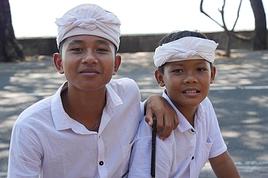
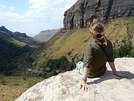
A quelques kms, le mont Lempuyang et ses 7 temples. 1700 marches. Avoir un sarong attaché autour de la taille. Avec un peu de chance, on peut monter en même temps qu'un groupe de Balinais en procession religieuse (photo). Les touristes sont rares car l'ascension est longue et se mérite (photo). Au sommet, vue magnifique sur l'est et les volcans. (photo) (photo)
A l'ouest de Tirtagangga la région de Sidemen et ses rizières.
Au pied du mont Agung, le temple de Besakih, le plus grand temple de Bali. (photo) très touristique.
Besakih attention mafia locale
Après le parking, si vous avez besoin d'un saron, on peut en louer mais ne se laisser intimider par la bande de margoulins qui vous proposent de vous guider. Ils affirment que c'est obligatoire ce qui est faux. Les envoyer gentiment balader. Ensuite, dans l'enceinte, une personne de mon groupe s'est fait menacer par l'un d'entre eux car il prenait des photos. Il menaçait d'appeler la police (sic). Puis voyant que celui-ci n'en avait cure, il lui a demandé de l'argent et en euros s'il vous plait (5 euros). Inutile de dire qu'il est allé se faire brosser avec ces menaces.
Tirtagangga-Padangbai-Tetebatu (Lombok-Centre)
A Tirtagangga bémo privé pour 4 personnes jusqu'au ferry 20000 rp
A Padangbai ferry pour Lembar 40000 rp départ toutes les heures. Durée de la traversée 4h (photo)
Attention aux margoulins essayant de vous vendre des tickets à 50000 rp ou plus à Padangbai ou qui essayent de vous aiguiller vers les bateaux rapides beaucoup plus chers qui vont à Bangsal.
A Lembar minibus privé pour Tetebatu 400000 rp
Au débarcadère, il n'y a quasiment pas le choix. Marchander car les prix démarrent à 500000rp pour Tetebatu. 2h30 de trajet tout dépend de l'heure d'arrivée du ferry car les routes sont vite embouteillées.
Tetebatu petit village au pied du mont Rinjani (photo). Départ pour l'ascension du volcan et belles balades au milieu des plantations (photo) et des rizières (photo) pour observer la vie quotidienne des villageois (photo). Ania du Wisma Soedjono propose une balade guidée intéressante pour 50000/pax. A plus de quatre, possibilité de négocier.
Tetebatu-Sengiggi (Lombok-Ouest)
minibus privé 350000 rp durée du trajet 1h30.
Sengiggi est très touristique. Bars et restaurants sont très chers hormis le Beach Club pour boire un café et une bière.
Pour manger pas cher, le warung Ijo sur jalan Sengiggi et quelques warungs le long de la nationale. Repérer les taxis blue bird et ekspress stationnés.
Le marché de Bertais dans la banlieue de Mataram. Le plus grand marché de Lombok. Ambiance garantie. L'endroit idéal pour acheter des épices. (photo) (photo)
Pour y aller depuis Sengiggi : taxi bluebird environ 75000 rp. Pour revenir bémo public 10000/pers
Les cascades à Senaru
minibus avec chauffeur 7 places excursion passant par la forêt des singes, Bangsal, Senaru, Segenter et Nipah-Malimbu (photo)
450000 rp la journée
Attention à Senaru mafia locale : tous les chauffeurs stoppent devant un warung et un soi-disant bureau des guides. Pour le Rinjani ok mais pour aller aux cascades, ils osent proposer des prix délirants. Ce foutage de gueule me laisse pantois et je propose à mon groupe de les guider par moi-même car j'ai repéré le petit sentier (il part juste en dessous du warung sur la droite). Soudain reculade, ils sont plus raisonnables et je peux marchander. Je veux bien aider et faire marcher l'économie du village mais qu'ils soient plus respectueux avec les touristes. Ce que je fais remarquer à mon guide (finalement après conciliabule avec mon groupe on s'est mis d'accord pour un prix) lui faisant remarquer que les sentiers de montagnes je connais et je n'ai pas besoin de guide pour me rendre au bord de cascades. Celui-ci me dit que l'argent est pour l'entretien des sentiers et du site. Ok soit, voyons voir sur place.
A la première cascade Sindang Gila, des déchets jonchent le sol, aucune poubelle. Rien à dire de plus. En route pour la deuxième cascade Tiu Kelep, je lui dis qu'il peut retourner à Senaru, c'est vraiment facile car le sentier est balisé. Mais non, c'est trop dangereux me dit-il. Il y a des bandits de grand chemin. Tiens donc, hormis les singes chapardeurs je ne vois pas d'autres voleurs....Il me dit que non, il y a des voleurs de diligences. Ben voyons ! A part cela, on peut se passer de guide pour aller à la première cascade, pour la deuxième il y a un passage délicat qui justifie ses services. La deuxième cascade Tiu Kelep, est très belle (photo). Donc récapitulons, au départ de Senaru, ne pas se laisser abuser et endormir par leurs mensonges (c'est le gouvernement qui fixe ces prix blablabla) et ne pas leur donner plus de 100000 rp pour guider un groupe. Ce qui est bien payé.
Taxis Bluebird (bleu) et Ekspress (blanc) à Lombok
Hormis les bémos publics qui ne sont pas évidents à trouver et peu pratiques quand l'on transporte des bagages, prendre un Bluebird et Ekspress revient moins cher qu'affrêter un minibus privé sans avoir besoin de ferrailler avec certains margoulins qui enflent les prix démesurément.
Les taxis bleus et blancs sont faciles à trouver à l'ouest de Lombok entre Mataram et Bangsal. A Lembar au terminal des ferries, Il faut avoir de la chance d'en attraper un qui dépose des clients sinon ils sont rares et pour cause, ils sont interdits d'accès par la mafia locale. Idem à l'aéroport international (à confirmer) où la mafia locale les empêche de travailler à cause de leur honnêteté (utilisation du compteur). A titre d'exemple un trajet Sengiggi-Lembar (4 personnes avec bagages) revient à 140000 rp, un trajet Sengiggi-Bertais dans la banlieue sud-est de Mataram revient à 75000 rp. Quand on vient de Padangbai, le mieux est d'appeler la centrale de réservation 0370 627 000 pour Bluebird, pour qu'un des taxis attende à Lembar, à la sortie du port, sur la route principale. Entre le départ du ferry et l'arrivée à Lembar, compter 4h.
A Bali
exemple de trajet sachant que les barèmes km sont plus chers.
Ubud-Jimbaran environ 300000 rp selon le trafic
Jimbaran-temple d'Uluwatu environ 85000 rp
Kuta-Jimbaran environ 60000 rp
Jimbaran-aéroport environ 45000 rp
Retour à Bali (photo) (photo) (photo)
Padangbai - Ubud - Jimbaran
minibus privé 10 places 200000 rp
Ubud : question de feeling, je n'aime pas du tout l'ambiance. Ok il y a de belles guesthouses, de beaux restaurants mais très chers pour les standards indonésiens, de belles représentations de danses pour les touristes à 80000 rp. Pas de marchands ambulants dans un rayon de 3 kms, de rares warungs. C'est un Ubud calibré pour les touristes et aseptisé.
Bali-Centre
les rizières de Tegallalang (photo)
sur la route de Kintimani, superbe point de vue sur le mont Batur et le lac. (photo)
Plus à l'ouest, le mont Batukaru et le temple. Enorme ferveur durant le Galungan. (photo)
Les belles rizières en terrasse de Jatiluwih. (photo) (photo)
Bali-Sud
Temple d'Uluwatu (20000rp) vue plongeante sur les falaises (photo)
Uluwatu Beach : à 2kms du temple le coin des surfeurs. (photo)
Kuta Beach (photo) : intéressant pour le coucher de soleil. Le long de Kuta, attention aux arnaques des moneychangers. Une arnaque connue et dénoncée mais ils ont toujours pignon sur rue.
Bonjour Eric !
Super toutes ces informations !
Nous partons la semaine prochaine (Java/Bali/lombok) et nous avons vraiment hâte !
J'ai quelques petites questions car vous avez l'air d'avoir plein de bons tuyaux !
Nous avons prévu d'aller à Cemoro Lawang sans rien réserver car nous n'avons rien trouvé de disponible et dans nos prix sur internet... Pensez-vous qu'il y a la possibilité de trouver un hébergement chez l'habitant sur place ? (on y sera début août) ou est-ce trop risqué ? On aime voyager en solo et le plus possible en évitant les circuits avec horaires précis...
Autre question : on va aller au Gunung Rinjani et là on est complètement désarçonnés par les prix que les différentes agences de trekking nous proposent... Avez-vous connaissance de guides locaux avec lesquels il serait possible d'organiser le trek à des prix "normaux" ?
J'ai déjà fait quelques recherches sur les forums et j'ai d'ailleurs contacté le guide Sujar mais je n'ai pas de réponse... en connaissez-vous d'autres ?
Merci pour vos réponses,
Je garde sous le coude toutes les infos que vous avez déjà mises, top !
voyager en solo jusqu'à Cemoro Lawang, je vous conseille d'y aller en moto si vous le sentez. Sur place pas évident car les prix ont flambé et là c'est la haute saison. Le mieux est d'arriver sur place assez tôt. Essayez le wisma tengger à Cemoro, prix plus abordables que les autres hôtels
le Rinjani, ils ont perdu la tête. Les ascensions partent de Senaru au nord du volcan. Essayez le sud vers Tetebatu. J'ai discuté avec un guide qui m'a dit qu'on peut monter en un jour par le sud. A vérifier.
Il y a plusieurs guesthouses dans le village qui proposent des guides.
Commençant mon voyage par le sud de Lombok, j'aurais aimé aller tâter les contreforts du volcan Rinjani avant de filer sur Bali par Sengiggi. J'hésite toujours entre Tetebatu et Sembalun, qui semblent assez différents, notamment à cause du "camp de base" à Sembalun.
Pensez vous que ça vaille le coup de faire sûrement plus de route pour Sembalun ? Les prix doivent flamber en août...
Ubud : question de feeling, je n'aime pas du tout l'ambiance. Ok il y a de belles guesthouses, de beaux restaurants mais très chers pour les standards indonésiens, de belles représentations de danses pour les touristes à 80000 rp. Pas de marchands ambulants dans un rayon de 3 kms, de rares warungs. C'est un Ubud calibré pour les touristes et aseptisé.
..ben oui.....
...au fil du temps, Seminyak est devenu St Tropez et Ubud St Remy de Provence....poudf pouf...
Beaucoup de choses ont augmenté et ce n'est pas fini car le prix à la pompe à pris plus de 30% le premium passant de 6500 à 8500.
Depuis 2014
toutes les entrées des sites ont considérablement augmenté dont par ex :
Bromo : 217000 et 317000 weekend et jours fériés
Kawah Ijen : 100000 et 150000 weekend et jours fériés
Ferry Padang-bai (Bali) - Lembar (Lombok) est passé de 40000 à 45000 par personne
JOGJA
Becak Prawirotaman - Keraton entre 20000 et 25000 rp
Ojek Aéroport - Prawirotaman 40000 rp
Transjogja ticket 3000 rp
Entrée Immogiri : 8000 (incluant la tenue javanaise)
Entrée Mangunan : 5000 rp
Entrée Parangtritis-Depok : 4500 rp
Astuce : Pass Borobudur/Prambanan 360000 rp. marche uniquement le même jour.
Hôtel : Harmony Inn jalan Sartono très bon rapport qualité prix autour de 250000 rp avec AC, TV et Pt dej en forme de buffet inclus. Piscine.
KAWAH IJEN
Catimore Homestay : hôtel moyen mais le plus est la piscine au fond et il y a un bassin dans lequel coule des sources chaudes. Diner à 50000 comprenant 7 plats.
Petit dej famelique
LOVINA (BALI)
Angsoka Hotel : très bon rapport qualité prix. Bon accueil. Chambres spacieuses et grande piscine. A 150 m de la mer et au coeur de Kalibukuk.
http://www.angsoka.com/
Bémo Lovina-Singaraja 5000/pers
TIRTAGANGGA (BALI)
Entrée Lempuyang 7 temples et 1710 marches : donation mini 5000 rp
Entrée Tenganan : donation mini 5000 rp
Entrée palais aquatique Tirtagangga : 10000 rp
Hotel : Rijasa Homestay tenue par une famille balinaise. Rien n'a changé depuis mai, toujours aussi accueillant !
TETEBATU (LOMBOK)
Hôtel : Wisma Soedjono sous forme de bungalows avec vue sur les rizières. Calme.
Cuisine délicieuse : le meilleur Gado Gado que j'ai goûté en Indonésie. Opor Ayam divin. Il faut commande plusieurs heures à l'avance pour qu'ils puissent préparer. Incontournable.
SENGIGGI
Bemo Sengiggi - Ampunan marché 5000 rp
Bemo Ampunan - Bertais marché 5000 rp
Bemo Bertais - Taman Narmada 5000 rp
Bemo Suranadi temple - Taman Narmada 5000 rp
Bemo Lingsar - Suranadi 5000 rp
Taxi blue bird Sengiggi - Lembar ferry 135000 rp
Entrée cascades Senaru : 10000
Pas besoin de guide même si l'amicale des guides locaux vous disent le contraire.
Entrée village de Sengenter : donation mini 5000 rp
UBUD (BALI)
Hôtel : Rumah Roda http://www.rumahroda.com/homestay.html
tenu par une grande famille balinaise. Situé à deux pas du centre et des rizières.
Superbe vue du 3ème étage. Grandes chambres avec ventilateur. Piscine. Bon resto abordable par rapport aux prix pratiqués à Ubud
TUBAN (BALI)
Hôtel : Surya Inn www.suryainn.com tenu par une famille balinaise dans un des rares quartiers qui gardent tout son charme à l'écart de la frénésie de Kuta/Legian. Idéalement situé à 300m de l'aéroport et de la plage. Beaucoup de resto autour servant une excellente cuisine locale à des prix locaux.
Beaucoup de choses ont augmenté et ce n'est pas fini car le prix à la pompe à pris plus de 30% le premium passant de 6500 à 8500.
Depuis 2014
toutes les entrées des sites ont considérablement augmenté dont par ex :
Bromo : 217000 et 317000 weekend et jours fériés
Kawah Ijen : 100000 et 150000 weekend et jours fériés
Ferry Padang-bai (Bali) - Lembar (Lombok) est passé de 40000 à 45000 par personne
...+1....
...les prix que tu cite sur les volcans ne sont que pour les touristes : les indos payant beaucoup beaucoup moins cher...
...et dans la série les augmentations crétines : les croisiéristes ne veulent plus aller à Komodo suite à la hausse délirante du cout d'appontage....alors que les Indos venaient de mettre quelques milliards dans la construction d'une jetée adaptée aux gros bateaux....
"Astuce : Pass Borobudur/Prambanan 360000 rp. marche uniquement le même jour. "
Visite aux sites Borobudur/Prembanan faite le 18/02/2015 : prix du pass = 30 US$ (donc variable en IDR) et le pass est valable deux jours consécutifs. Il faut le demander explicitement aux caisses car le pass ne figure pas sur les tarifs affichés.
Hello everyone! I’m heading off solo in February and wanted to share my rough itinerary with you. Does this sound doable?
PS: I’m not really into beaches.
D1 Departure on February 17, 2027
D2 Arrival in Kuala Lumpur – stroll through Chinatown and visit the Petronas Towers
D3: Kuala Lumpur – Chow Kit Market, Batu Caves, Little India, Bukit Bintang downtown area
D4: Early morning bus to Malacca. Explore Malacca in the afternoon and evening
D5: Another 2–3 hours in Malacca in the morning, then bus back to Kuala Lumpur. Merdeka Square area. Stay in Chinatown
D6: Bus trip to Kuala Tahan. Night tour
D7: Morning – canopy walk and Bukit Terisek hike. Afternoon – off to Lata Berkoh
D8 & D9: 2-day jungle trek in Taman Negara National Park
D10: Head to Cameron Highlands
D11: Morning hike through the plantations. Afternoon still to be decided
D12: Morning – excursion to Mossy Forest and Sungei Plantation. Afternoon bus to Ipoh
D13: Morning – Mirror Lake / Sam Poh Temple area. Afternoon – explore downtown Ipoh
D14: Morning train to Penang. Afternoon – wander around Georgetown
D15: Morning – Penang Hill and Keh Loh Temple. Afternoon – Georgetown
D16: Bus to Butterfly Garden and Spice Garden. Late afternoon – Burmese and Thai temples
D17: Morning flight to Singapore. Afternoon – Chinatown and Marina Bay tour
D18: Morning – Gardens by the Bay area. Afternoon – Boat Quay, Clarke Quay, Kampong Glam
D19: Morning – The Ridges area and Botanical Garden. Afternoon – Little India, then back to Chinatown before 11:15 PM return flight
D20: Morning arrival
Has anyone traveled with the Laos travel agency ADV ?
I’m planning a trip to Laos and have received several quotes. Among them, this agency’s seem very reasonable, and so far, the interactions have been positive.
I’ve found a few positive reviews online, but I’d love to hear from travelers who’ve actually booked with them: how’s the organization, guide quality, accommodations, on-the-ground responsiveness, etc.
Thanks for sharing your experiences!
First stop on our discovery of the peninsula: Amphawa. It’s our first night in Thailand (we arrived at Suvarnabhumi at 8:50 AM).
Our initial plan was to explore the area before heading further south. The Mae Klong Railway Market is tempting... but what else is there to do????
We’ll be there on a Wednesday, and from what I’ve read on the forum, some say there’s absolutely nothing to do during the week—no floating market, barely any shops open, no restaurants, etc.
Others, though, say the place is actually more charming without the weekend crowds.
Could you share your thoughts? Missing the floating market is one thing, but if it’s really a ghost town on Wednesdays, I might just drop our bags somewhere else.
Amphawa seemed like a good first stop, just 1.5 hours from the airport, but I’d still like to settle somewhere a bit lively for our first evening.
We’ll be there at the end of October.
Thanks!
Hi,
I wanted to visit the plantations in the morning with GetYourGuide or by just showing up.
How much time should I really plan for?
I’d like to catch either the 3 PM or 5 PM bus back to KL.
Thanks
Hi,
I wanted to get some info about the cable car and the bridge—I see lots of different options...
How much time should we allow for these two activities? If we arrive around 4 PM, will we have enough time to visit without rushing?
Thanks
Hi there,
I didn’t plan to return to Thailand this year, but my health conditions mean it’ll be the best place for me to stay between two trips to India. The tourism setup there is so well-organized that it’s the most "comfortable" country for a short visit. Thailand feels too sanitized for my taste, and there’s too much religion, Buddha, and the King, but it’s still the best option given how my health has been evolving. I’d considered two weeks in ThaTon for hiking, but I got too sick from the burn-offs during my trips to the mountains around Chiang Rai. So I’m not sure where to go this year. Definitely not the sea, touristy spots, or the mountains with burn-offs...
Hi,
On September 1st, we're heading to Kalimantan for six weeks, probably from Pontianak to the Derawan Islands.
I've scoured this site, which is usually my go-to 😉, and others like VoyageForum, but recent info is pretty scarce.
I'd love any tips on places you've visited—our itinerary is still a work in progress.
We're two couples traveling with backpacks, using buses, boats, guesthouses, and homestays.
Thanks in advance!
Hi fellow travelers,
First trip to Vietnam.
We’ll be arriving in Ho Chi Minh City during Tet.
Is it complicated to find accommodation and get around during this period?
Any tips would be welcome.
Thanks for your replies.
Hi! I’d like to split my trip into two parts: 15 days in Phuket and 15 days in Krabi. Do you know if I can rent a car and drop it off in Krabi when I fly back to France?
Thanks for your feedback!
Have a great Sunday!
Martine
Hello,
After 1 night in Khao Sok, I’d like to find a 2 Days 1 Night package on the lake.
After reading a lot, I decided to "break the bank" and treat ourselves to a private tour—mainly to avoid the crowds.
But after contacting several operators, they offer "private tours" that are very expensive (around 700 €), yet in the details, the boats can only leave from the pier at 10 AM like everyone else. (I was hoping to leave much earlier.) The morning program is the same for everyone too (private or not). They drop us off at noon at our floating hotel (I’d chosen Phupha Waree). Free afternoon (swimming or kayaking in front of the hotel). We head back by boat for a 1-hour sunset ride. And the next morning, we leave the hotel at 8 AM to be at the pier by 9:30 AM at the latest—end of the trip.
So basically, we’re paying a lot for a private tour just to do the same thing as everyone else at the same time.
Or maybe I just had bad luck in my search.
I contacted Panida Ladi, who’s very popular on forums. We’d agreed on a private tour that matched my request (departure from the pier at 8 AM, very personalized itinerary). We settled on the itinerary and price, she asked for a Wise transfer for a 30% deposit, confirmed receipt of the deposit. Then 30 minutes later, she messaged me to say she was canceling everything because it was impossible to do the requested tour—and promised a quick refund of my deposit.
So here’s my question: Who’s done a *real* private tour on this lake? Who can recommend a reliable agency? Is it even really possible to do a private tour here?
I’m searching for a real gem for my 3rd stay in Koh Lanta: a lovely, high-quality hotel right by an easily accessible beach in a lively spot.
If you know of anything that fits what I’m looking for and want to share, don’t hesitate!
Hi, is anyone there in Flores right now? According to some websites, everything is closed and the situation is tough. But our guide says it's fine. Who should we believe? We're supposed to leave on September 2nd. Thanks to anyone in Flores at the moment!
Hi dear community,
I'm planning to visit Cambodia this winter, right after Christmas, for my first solo trip and my first trip to Asia. For two weeks (yes, I know it's short, but I really can't do more...). I have two main desires: Siem Reap and the countryside, the villages, the Mekong...
What do you think of this itinerary? Arrival in Siem Reap, departure from Phnom Penh.
SR: 5 days (1 day for arrival, 3 for the temples, 1 for the lake and its villages)
Kratie (stop on the way to Mondolkiri): 3 days (1 day of travel, 2 days there)
Mondolkiri/Sen Monorom: 4 days (1 day of travel, 1 day there, 2 days of treks)
PP: 3 days (1 day of travel, 2 days of sightseeing)
I think I need to cut one day somewhere if I travel from Saturday to Saturday or Sunday to Sunday. In Kratie, maybe? Or in PP? And I'll miss the boat trip that everyone recommends (SR-Battambang), but I don't see where to fit it in. Unless I do a PP-PP loop starting in the east, skip Kratie or just stay one night, then SR, then PP.
In my timing, Mondolkiri seems closer than Ratanakiri, which also tempted me a lot! Will it be too complicated alone? I'm thinking of using local guides or a small local agency for a nature and village getaway.
I've read that Siem Reap is very crowded between Christmas and New Year's. I could also do the circuit in the opposite direction. But I thought it would be easier to get familiar with the country by arriving in a touristy area—I might be wrong...
Thanks for your advice and opinions!
Hi everyone.
I’m planning my trip, and based on all the posts I’ve read, this country is amazing.
Of course, I’ve got a ton of questions for you.
Here’s a possible itinerary: Vientiane - Vang Vieng - Phonsavan - Sam Neua - Nong Khiaw + villages - Phongsali - Luang Namtha and the area - Udomxai - Huay Xai - Luang Prabang and back to Vientiane.
What do you think?
We’re planning to prioritize local transport—is it possible to do this loop?
We’d also love to go kayaking, but I’m not sure if the season’s right or where the best spot is.
For trekking—I read that Phongsali is the most authentic spot to visit villages and see wildlife. Do you know of a reliable agency and a guesthouse with reasonable prices?
Is it worth taking a slow boat for a stretch on the Mekong, and if so, which route?
For accommodations, is it better to book through Booking.com and Agoda or look when we arrive?
Are mosquitoes bad in Laos, and should we take malaria prophylaxis?
What’s the average daily budget (accommodation, food, visits)?
Is renting scooters a good option for exploring towns, and if so, which ones?
From what I’ve read, it’s best to carry cash—euros or dollars? Is it risky to walk around with that much cash?
I’ve still got tons of questions. Thanks to anyone who can help, and I’m open to all tips, info, etc.
Thanks again
Hi there,
I’m planning a trip to Vietnam in February, specifically Da Nang and Hoi An.
Does anyone know a French-speaking guide in the area?
Thanks for your help
Hi there,
I’m planning a family trip (my wife and I, both 47, and our two sons, aged 5 and 12) to Malaysia for the last week of June and the first two weeks of July 2027.
We used to love road trips as a couple, then as a trio, but since our second child arrived, we’ve taken a break with "camping village" style trips.
Now feels like the right time to get back to our old habits, while adjusting the pace for the kids.
We’re craving Asia. We’ve been lucky enough to visit Thailand, Indonesia (Bali and Lombok), and Sri Lanka before.
Friends have raved about Malaysia, so we’re definitely tempted.
For those who know and love Malaysia, what would be a good itinerary starting from Kuala Lumpur, with a maximum of 3-4 stops? We’d like a mix of culture, nature, and relaxation (just to clarify, we’re not big beach fans). All of this without rushing, of course.
Hello,
We’re a family of four with two teens aged 16 and 18. We’re heading to Thailand this summer. We’ll arrive in Bangkok and plan to take a flight to Luang Prabang.
I’ve seen there are some great visits and excursions to do (temples, markets, waterfalls) and maybe even venture a bit north to places like Nong Khiaw, Muang Xay, Muang Ngoy, or Oudom Xay.
But I’ve also heard about the Bokeo region with the Gibbon Experience.
Since we won’t be able to do everything, I’d love to hear about your experiences, impressions, and advice on the two options I’m considering, especially since we’ll be meeting family in Chiang Mai, Thailand, afterward.
Option 1: A loop from Luang Prabang heading slightly north, then a flight from Luang Prabang to Chiang Mai.
Option 2: A few days in Luang Prabang, exploring within a few dozen kilometers around, then heading to Bokeo province for the 2-day/1-night Gibbon Experience. For this option, I saw on Rome2Rio that it’s possible to book a ferry trip on the Mekong from Luang Prabang to Huay Xay—they mention about 8 hours. But is that realistic? What type of boat is it?
Then, to get to Chiang Mai, there aren’t many options—bus or minivan—but how does crossing the border work?
Finally, for those of you who’ve been to Laos in August, what was the weather like?
We’ve already visited Thailand, Vietnam, and Cambodia during the same period over the past four years and weren’t really bothered by bad weather.
I’m starting a discussion about guides in the Mekong Delta because we’ve just finished our trip in this region and had a hard time finding a French-speaking guide. We had Thanh—she speaks French really well and travels all over the delta region, including Ho Chi Minh City. She’s super friendly and flexible. I recommend her wholeheartedly. If it can help someone...
Feel free to contact us for her number.
Hi everyone,
I couldn’t find any recent info on Kuching.
Can anyone recommend a hotel or guesthouse for under 100 RM that’s nice and affordable? No dorms, please.
Also, does it rain a lot in November, and is it still worth visiting Semenggoh or Bako?
We’ll be arriving in Phnom Penh this coming January and we’re thinking of starting our trip with a stop in Kampong Cham, then Kratie.
After Kratie, we’re considering heading toward Siem Reap with a stop in Kampong Thom.
That said, I’m not really sure how long the Kratie–Kampong Thom journey might take or how complicated it is.
Does this stop on the way to Siem Reap seem like a good idea to you?
If we don’t visit the Sambor Prei Kuk site, are there still any walks or sights worth checking out in Kampong Thom?
Silly question—backpack or hard-shell suitcase for the Sepilok, Kinabatangan, Tioman, KL trip?
I’m struggling to fit all my son’s and my stuff into the 70L backpack... and I’m thinking a suitcase would be easier, but I’m not sure if it’ll work for getting around.
After a stay on Koh Phayam this coming November, I’d like to spend 2 or 3 days on Koh Phra Thong before heading further south.
Do you think it’s doable to leave Koh Phayam early enough to catch the 10 AM boat from Khura Buri to Koh Phra Thong? The next one isn’t until 4 PM, which would cost me a whole day.
I’m planning a trip to Indonesia, specifically Sulawesi and Java, in September for 10 days.
I don’t know this part of the world at all—any advice is welcome!
I’ll be traveling solo and would also love tips on meeting other travelers or locals.
Hello everyone,
Not long ago, I used to travel as a couple, but my husband has since passed away, and I’ve decided to set off again. The trip I took to Cambodia in January 2025 did me a world of good.
I’m now considering Thailand, a destination we never included in our plans because even 15 years ago, people said it was too touristy. Still, I’m thinking about the itinerary below, but I don’t feel up to arranging buses, trains, or guides on my own while I’m there. I’m looking for one or more drivers and have been in touch with an agency, but their offers are just copy-paste group tours that I don’t want.
So, if you have any contacts, experiences, or advice, I’d be so grateful if you’d share them with me. Here’s my rough plan:
Arrival in Bangkok
Ayutthaya (2 nights)
Kanchanaburi (2 or 3 nights)
Sangkhlaburi/Sai Yok (3 nights)
Sukhothai (2 nights)
Lampang (I’ve planned 3 nights, but that might be a bit much—it depends on what time I arrive in the city)
Chiang Mai
Chiang Dao
Pai
Chiang Rai
I was thinking about the Mae Hong Son loop—thoughts?
What do you think about staying overnight at the Golden Triangle?
When I look online, of course, I can find agencies that organize tours to national parks, etc.
I’m retired but in great physical shape. I’d rather go hiking than sit in hot springs with crowds of tourists who’ve all arranged meet-ups. I don’t want to spend a day at an elephant camp, and I don’t want to visit Karen villages.
I’d love to hear your advice.
Thank you all,
Hi everyone,
Could you share your thoughts on my 3-week itinerary?
We’re a small group (family + friends) of 12 people, planning to leave around January 21, 2027.
Here’s my itinerary:
3 nights in Bangkok
4 nights in Chiang Mai
3 nights on Koh Samui
3 nights on Koh Phangan
4 nights in Krabi
4 nights in Phuket
I’m also open to any great tips you might have...
Thanks, everyone! Alain.
Hi there,
We’re planning a 3-week family trip next summer with our three kids, who’ll be 8, 8, and 7 years old.
After some research, we’re leaning toward Malaysia to combine nature/forests and paradise beaches. The idea is to introduce our kids to the country’s culture, nature, and wildlife.
We want a great trip but without splurging on luxury options like high-end lodges and resorts. We’re looking for comfort with a touch of authenticity—basically, a good middle ground.
I’ve started putting together an itinerary and would love your expert advice and tips to help us build this amazing trip with our little ones.
Day 1: Departure from France
Day 2: Kuala Lumpur
Stay at a hotel near the airport or KL Sentral.
Just one night.
Day 3: Morning flight to Sandakan (Borneo).
Stay in Sepilok
Day 4: Sepilok:
* Orangutan Center
* Malayan Sun Bear Center
* Rainforest Discovery Centre
Day 5: Depart for Kinabatangan.
Boat safari in the late afternoon.
Day 6: Sunrise safari.
Jungle walk.
Evening safari.
Day 7: Final safari.
Return to Sandakan.
Flight to Kuala Lumpur, then to Kota Bharu (or overnight transit depending on schedules).
Day 8: Transfer to the port.
Boat to the Perhentian Islands.
Days 9 to 13: Perhentian Besar
5 full days.
* Snorkeling
* Hiking
* Turtle watching
* Wild beaches
* Relaxation
Day 14: Return to the mainland.
Bus or private car to Taman Negara.
Summer seems to be the best time weather-wise for Bali.
And since summer’s when we can take a long trip, let’s go for Bali... even though we know it’ll be *packed* with people!
So we’ll steer clear of the island’s south...
Our current plan (19 days on the ground, 7 stops):
- 4 Nights (3 days) in Ubud
2 days for rice terraces / activities (Tegallalang, Campuhan Ridge, Monkey Forest, Bird Park, coffee plantation, market (?), dance "pestacle," cooking class and/or spa)
1 day with a driver for the Temples (Pura Gunung Kawi, Tirta Empul Spring, Pura Mengening, Goa Gajah...)
- 2 nights in Sidemen (1 day for Pura Kehen + Batur Caldera + Pura Besakih and 1 day to relax in the rice terraces)
- 3 nights on Gili Meno (Rest and beaches) from Padangbai
- 2 nights in Amed (1 day from Padangbai with the Abang rice terrace and Tirta Gangga baths, and the next day a boat tour in Amed)
- 4 nights in Pemuteran (1 day for transfer and rest, 1 day to visit Kawah Ijen, and 2 days of snorkeling at Menjangan Island)
- 2 nights in Munduk (1 day with the Dayang rice terrace and the 3-waterfall hike, 1 day at Pura Ulun Danu Bratan)
- 2 nights in Jatiluwih (1 day in the rice terraces, and on the last day, we’ll stop by Pura Taman Ayun in Mengwi and Pura Tanah Lot before catching our red-eye flight).
Accommodations in homestays or hotels.
Transportation to be arranged on-site with the lodgings (?)
Boat to Gili Meno to book in advance (?)
Kawah Ijen excursion to plan ahead (?)—check with the homestay (?)
Thanks for your thoughts/comments to help us explore this destination...
After reading and researching, we're planning the following stops in Cambodia in January 2027:
- Phnom Penh
- Kampong Cham
- Kratie
- Siem Reap
- Battambang
- Kampot (round trip)
I'm wondering about the direction of these stops, which could also influence our international flights.
Either a round trip from Phnom Penh in the order above.
Or landing in Siem Reap with the following order:
This second option would save us the Battambang - PP - Kampot trip but means doing a round trip to Battambang from Siem Reap and placing the "highlight of the trip" (Angkor) at the beginning of our stay.