Skip to content
Autumn trip from Puglia to Naples via Basilicata...
Italy › Travel journals Brigitte42

Autumn trip from Puglia to Naples via Basilicata...

Translated into English.
Hi everyone!!!

I’m finally getting around to writing about this 20-day trip to southern Italy: we didn’t travel this summer, and luckily, we found beautiful light and dreamy weather there at the end of September.

First, here’s the context of the trip: we’re both "confirmed seniors" but still curious and alert enough to enjoy the itinerary we’d imagined! We wanted a mix of discoveries—culture, cities, and nature—with guaranteed sunshine and the occasional short hike... We’re flying to Naples, round-trip, because the flight times work better for us. We rented a car online, picked it up at the airport (details to come... and it won’t be the highlight of the trip!), and booked our hotels in advance.

A quick overview of the itinerary: leaving Naples on September 15th, early in the morning, we’ll drive straight across the boot of Italy to Bari. After 11 days in Puglia, we’ll head back toward our starting point, taking our time: Matera in Basilicata, Maratea by the sea, and finally Paestum with its incredible temples.

Day 1: Brussels-Naples flight (Brussels Airlines) went smoothly; it landed an hour early, and we were thrilled, thinking we could use that time for a quick visit or two... Everything went well until we left the airport. We took the shuttle to the car rental offices, and at first glance, we realized this wouldn’t be smooth sailing!!! In front of every office (they’re side by side), there were already lines and kids sitting on suitcases—everyone looked exhausted... We resigned ourselves to waiting: nothing moved until tempers flared at the counters, and two people nearly came to blows. Things sped up a little, and after 2 (two...) hours of waiting, we finally got our chariot: a black Fiat Tipo, dirty, with a few dents and scratches that we made sure to note in the contract... but it ran!

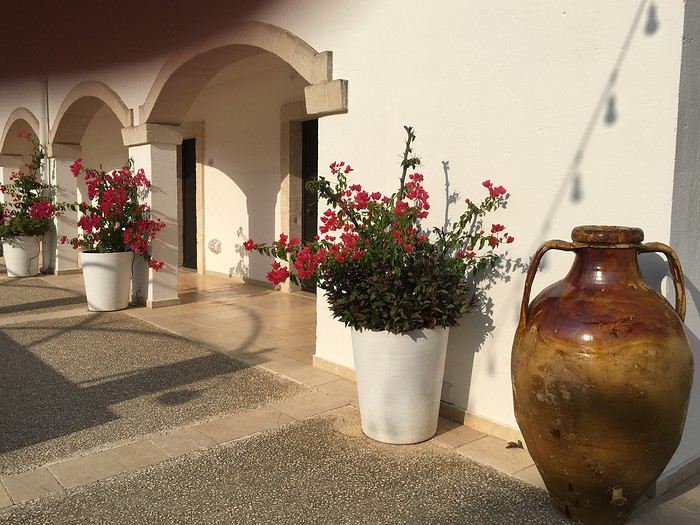
Off to Bari, then: no time for sightseeing along the way! From there, we headed straight to our hotel in the countryside near Polignano a Mare.


A recurring detail: this happened constantly during our travels. We’d installed our own GPS, fully updated... In recent years, many dirt roads have become drivable, and lots of hotels and hostels have opened in the outskirts of towns. It was extremely rare for our ‘guide’ to recognize the street—let alone the number—we entered. Often, we got by calling the hotel reception: it might seem like a small thing, but it happened so often it became frustrating. In hindsight, it seems like without Google Maps, we’d have been lost!

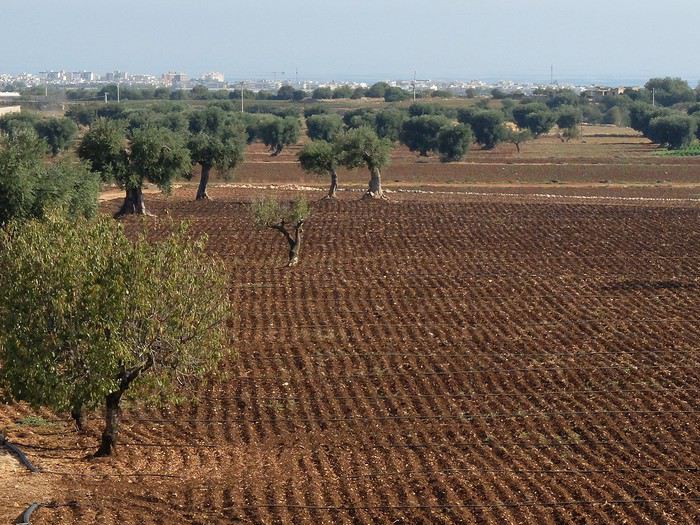
Anyway, we were beautifully settled, with a terrace overlooking olive groves and the sea in the distance: all was well.


To be continued...
Add a reply…

Sign in to reply

Your reply to “Autumn trip from Puglia to Naples via Basilicata...” is one step away. We’ll bring you right back to it.

Create a free account

Why become a member?

182 replies

Jourdes· 7 years ago
Hello everyone!

I’m finally starting to write about this 20-day trip to southern Italy: we hadn’t traveled this summer, and luckily, we found beautiful light and dreamy weather there at the end of September.

First, here’s the context of the trip: we’re both "confirmed seniors" but still curious and alert enough to enjoy the itinerary we’d imagined! We wanted a mix of discoveries—culture, cities, and nature—with guaranteed sunshine and the occasional short hike... We’re flying to Naples, round-trip, because the flight times work better for us. We rented a car online, picked it up at the airport (details to come... and it won’t be the highlight of the trip!), and booked our hotels in advance.

A quick summary of the itinerary: leaving Naples on September 15th, early in the morning, we’ll drive straight across the boot of Italy to Bari. After 11 days in Puglia, we’ll head back toward our starting point, taking our time: Matera in Basilicata, Maratea by the sea, and finally Paestum with its amazing temples.

Day 1: Brussels-Naples flight (Brussels Airlines) went smoothly; it landed an hour early, and we were thrilled, thinking we could use that time for a quick visit or two... Everything went well until we left the airport. We took the shuttle to the car rental offices, and at first glance, we knew it wouldn’t be smooth sailing! In front of every office (they’re side by side), there were already lines and kids sitting on suitcases—everyone looked exhausted... We resigned ourselves to waiting: nothing moved until tempers flared at the counters, and two people almost came to blows. Things sped up a little, and after 2 (two...) hours of waiting, we finally got our chariot: a black Fiat Tipo, dirty, with a few dents and scratches that we made sure to note in the contract... but it ran!

Off to Bari then: no time for sightseeing along the way! From there, we headed straight to our hotel in the countryside near Polignano a Mare.


A recurring detail: this happened constantly during our travels. We’d installed our own GPS, fully updated... In recent years, many dirt roads have become drivable, and lots of hotels and hostels have opened in the outskirts of towns. It was extremely rare for our ‘guide’ to recognize the street—or even the number—we entered. Often, we got by calling the hotel reception. It might seem like a small thing, but it happened so often it became frustrating. In hindsight, it seems like without Google Maps, we’d have been lost!

Anyway, we were beautifully settled, with a terrace overlooking olive groves and the sea in the distance: all was well.


I’ll continue...


Hi Brigitte,

I can’t wait for the rest... I’m counting on you to make me want to go!
Brigitte42OP· 7 years ago
Day 1 to Day 6: Polignano a Mare and surroundings !

Over the following days, we explored the area around Polignano, alternating with days of rest, beach time, and relaxation! Every morning, the kind receptionist at the hotel would tell us to enjoy the beautiful weather... and that’s why we skipped the Castellana Caves, which were on the itinerary for a rainy day!

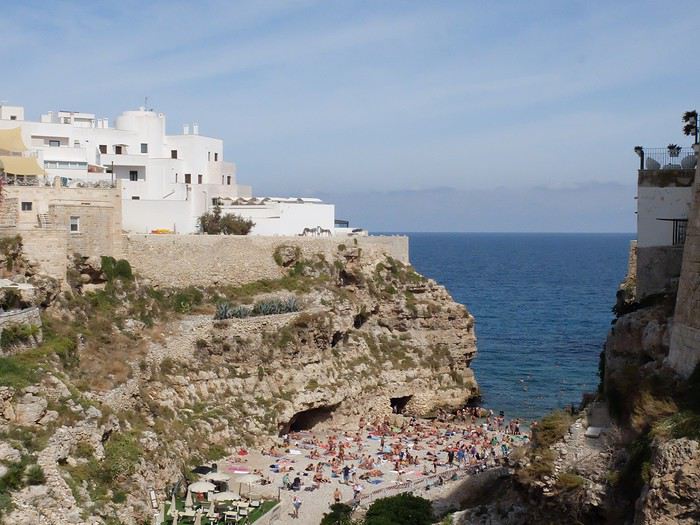
-- First visit: the town and the sea caves. Polignano is a small town clinging to its cliffs, overlooking a deep blue sea!


The town is (very) touristy; at first, we were glad to be staying outside. During the day, many tourists just pass through, look at the rocky coves and beaches from above, step into the tiny historic center to buy a trinket, and then leave. This small center, full of bars, restaurants, and souvenir shops, isn’t too noisy and is quite charming: sloping alleys leading to viewpoints overlooking the sea, narrow and colorful houses, stalls of local ceramics in all sizes and vibrant colors!


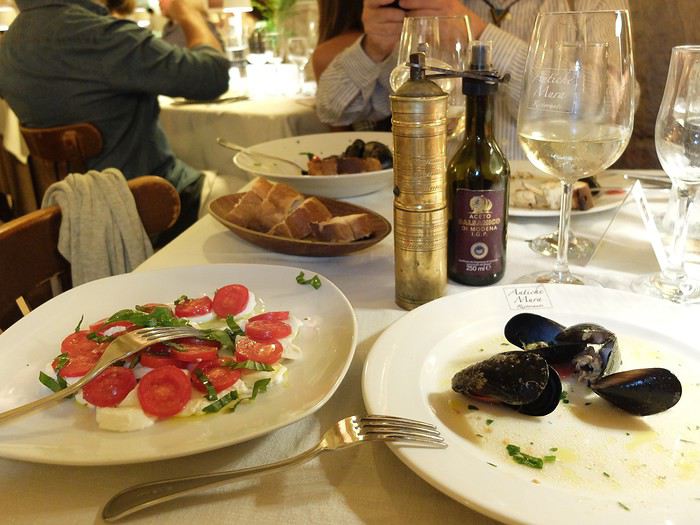
Dining in town in the evening is a real pleasure. Our hotel provided a shuttle to get there and back, and we took full advantage! I recommend its many seafood restaurants, one of the best being "Antiche Mura," tucked away in an old alley. It was lively but not overrun with tourists (at least in late September), with excellent food and a cozy atmosphere—think rough stone walls and nautical decor.


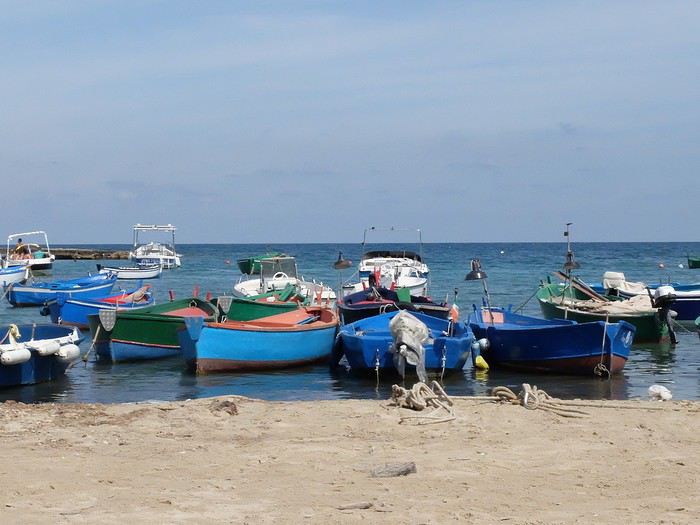
A quick word about our hotel: what stood out most was the staff’s availability and kindness. Every person we met in the morning had some great tips for how to spend the day! That’s how they told us about a small boat agency (8 people max per boat) for visiting the sea caves carved into the cliffs. The tour lasted 2.5 hours, with an option to swim—no big 50-person boats here! We boarded at the small port:


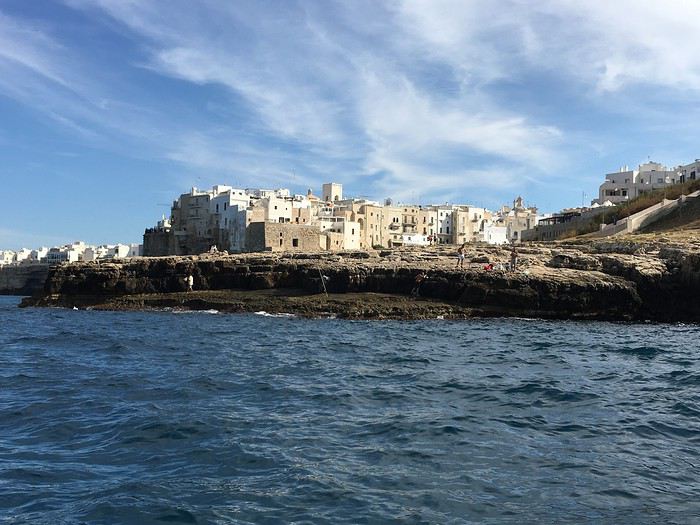
The town, seen from the sea:


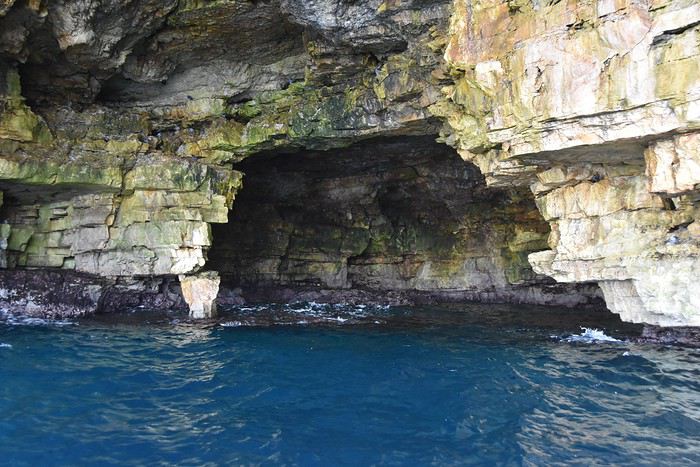
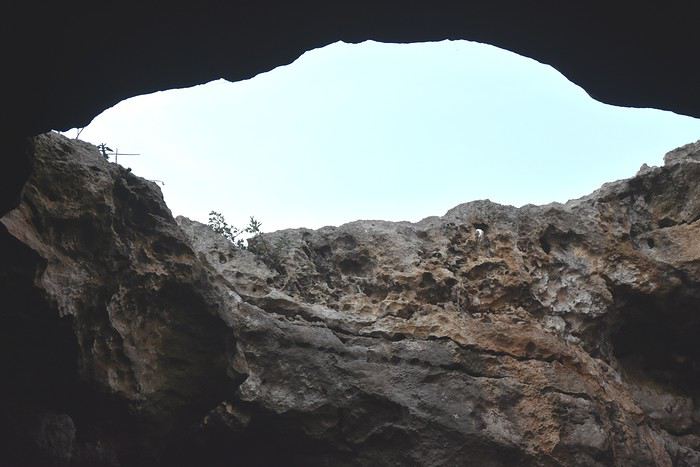
... and the caves!


Tomorrow, we’ll see the TRULLI!!!
Disneydiddl· 7 years ago
Hi Brigitte, As usual, I’ll be following your travel journal with interest (as you know, I discovered Italy this year, and this new destination is calling to me). It’s off to a great start with the view from your hotel! Stunning! And the town of Polignano is really pretty too (though what a crowd in the photo!). Looking forward to the rest... Cheers, Françoise.
Sissi57· 7 years ago
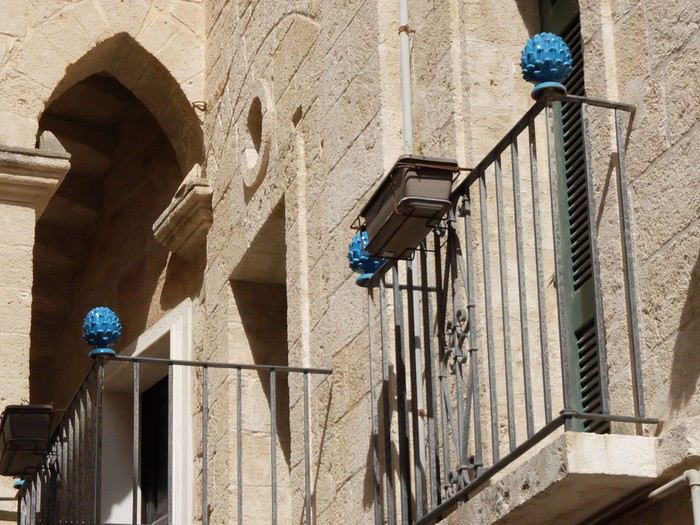
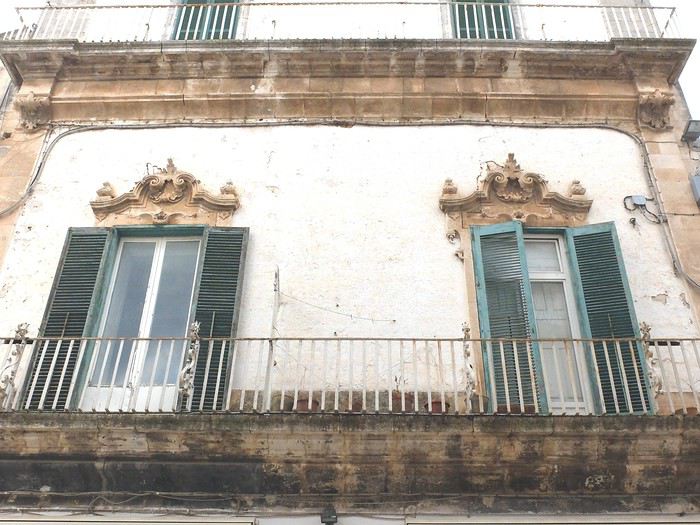
Do you know the meaning behind these balcony decorations shaped like flower buds? I saw a lot of them in Puglia, but I’m not sure if they have a significance beyond just being decorative.
Brigitte42OP· 7 years ago
Yes, from what I remember (I’ll double-check), it’s a wish for abundance and fertility. In Italian, they’re called *putti*.

Have a great evening!
Sissi57· 7 years ago
Thanks so much, Mathilde.

I asked on the spot, but the person I spoke to didn’t know anything.
Brigitte42OP· 7 years ago
Do you know the meaning of these decorations on the balconies? Shaped like flower buds. I saw a lot of them in Puglia, but I don’t know if they have a meaning beyond just being decorative.


Correction: symbol of renewal, message of hope... They’re not *putti* (thanks, Mathilde!), but *‘pumi’*...

Have a good evening!
Show 9 more replies
Brigitte42OP· 7 years ago
Second visit of the week: Theme: the Trulli (Alberobello, Locorotondo, and Martina Franca).

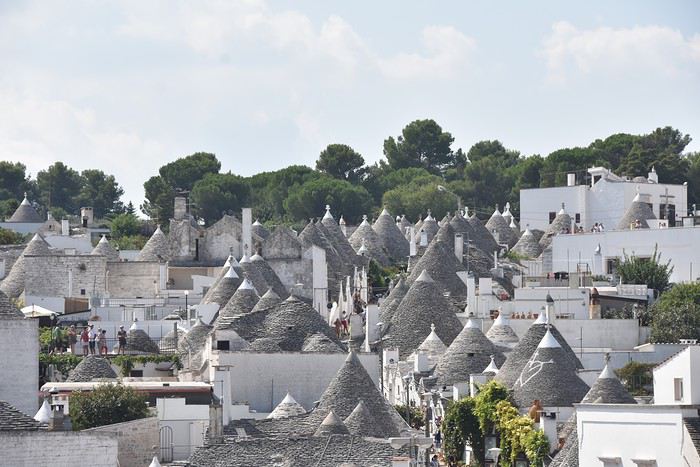
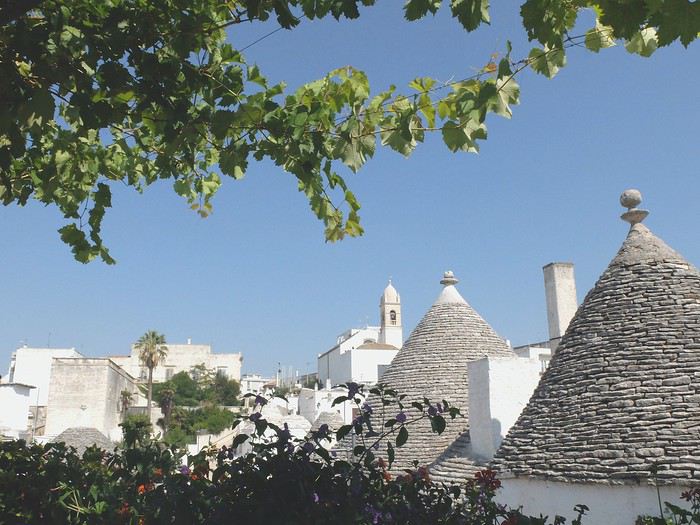
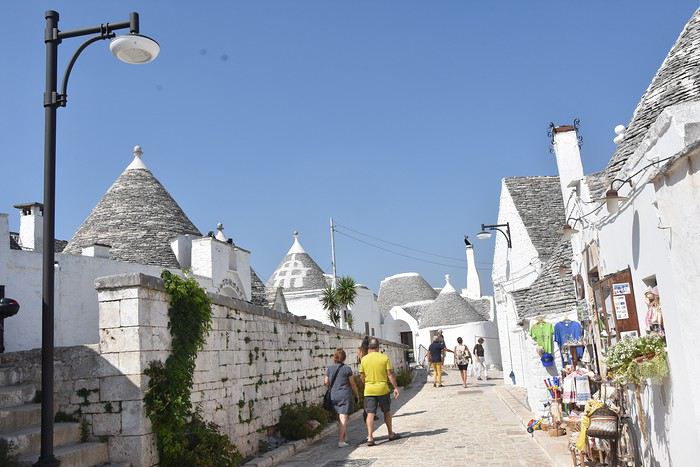
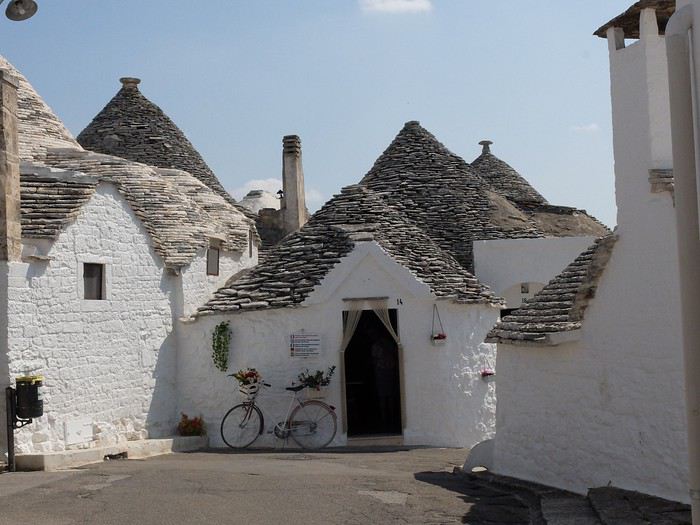
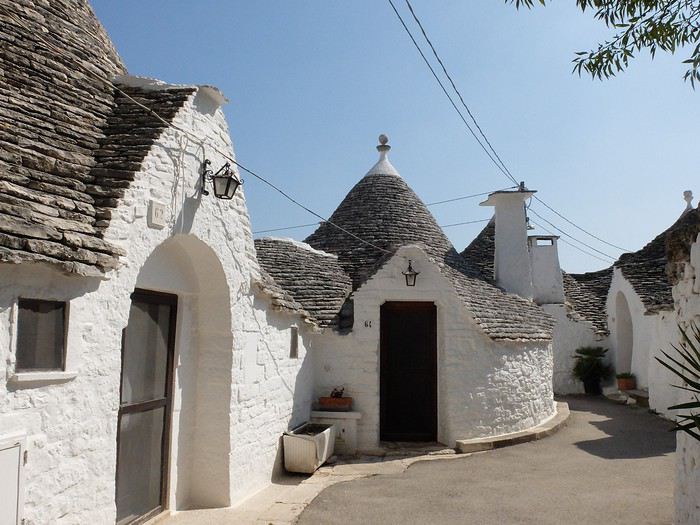
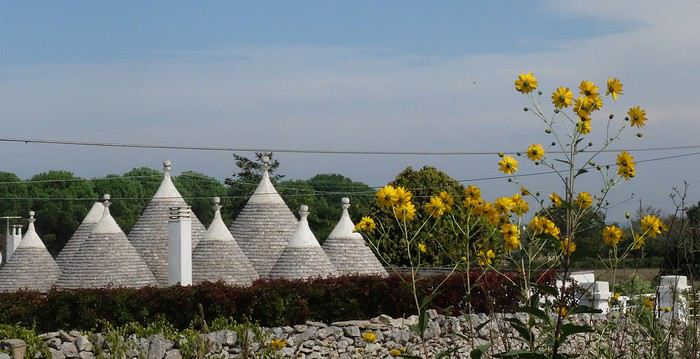
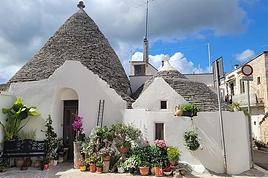
The Trulli, those little houses with conical whitewashed roofs, aren’t straight out of a fairy tale—they’re a traditional form of housing found throughout the region. You’ll see them scattered along the roads connecting villages, often grouped with one or more buildings of a more conventional shape. What made Alberobello famous is its exceptional concentration of Trulli, which earned it a spot on the UNESCO World Heritage list in 1996.


Let’s start by visiting Alberobello! After walking through the Monti district and climbing up the hill toward the Chiesa di Sant’Antonio, you might think you’ve seen the main sights: steep alleys and flower-filled balconies.


Everywhere, you’ll be struck by the dazzling whiteness of the trulli, most of which have been converted into tourist shops. You’re constantly invited to step inside, check out the interior, and admire the view from the terrace opposite the entrance. It’s an excuse to sell some very pretty postcards—but also a bit of... well, anything really. The atmosphere isn’t exactly authentic anymore...


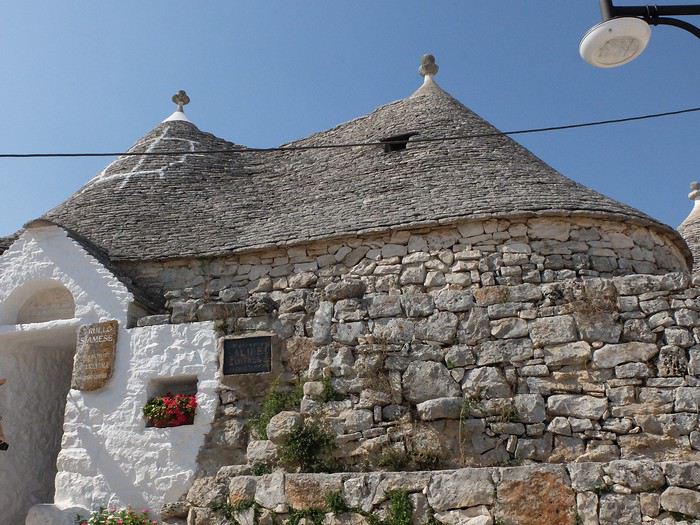
The adorable Trulli Siamesi (Siamese Twins!)


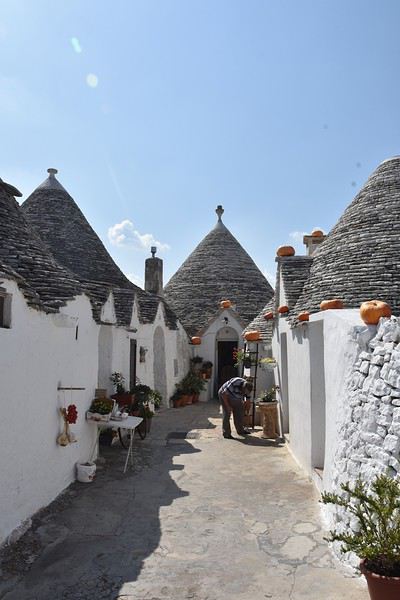
You should head back to the belvedere above the parking lot and stroll through a neighborhood of trulli without shops—these have remained basic residences. Here, they’re still lived in, but many have been converted into guesthouses or B&Bs.


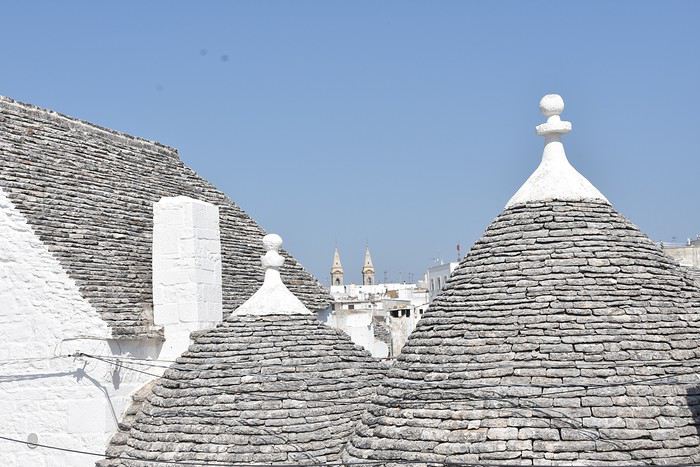
Atop the roofs stand decorative pinnacles featuring motifs tied to ancestral knowledge: stars, crosses, and more. On the rooftops, you can also spot designs drawn in lime to ward off bad luck—symbols of Jupiter, suns, or Hebrew candelabras...


We then decide to head straight to Martina Franca for a lovely Baroque stroll!
Jourdes· 7 years ago
Hi Brigitte!

You're such a night owl!!!

It's gorgeous! But do you know why the roofs have those conical shapes?

Is it for a climatic reason?

Have a great day.
Brigitte42OP· 7 years ago
Hello, Italy lovers... and everyone else!

I was planning to leave this afternoon, September 20th, for Martina Franca...

But first, here’s a bit of background on the creation of the Trulli—there are several legends about them!

Trulli are small dry-stone constructions with stacked conical roofs, built without mortar to hold the stones together. The most widely accepted origin of this type of dwelling, according to Lonely Planet, dates back to the 17th century (or the 15th century, depending on the source). A major landowner, the Count of Conversano, owned vast estates in the region. He forced peasants to stop using mortar in their house construction so they could easily dismantle them—by removing the keystone—before tax collectors arrived, then rebuild them afterward. This way, he avoided paying taxes on dwellings to the Kingdom of Naples! Hence the shape and materials...

We leave Alberobello for Martina Franca, and along the way, we’ll enjoy beautiful views of isolated Trulli in the countryside...


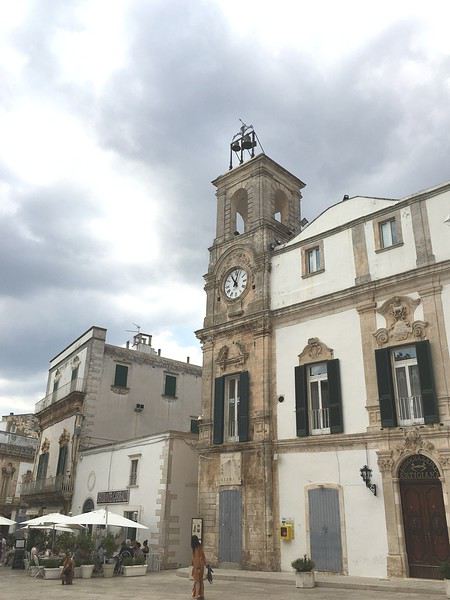
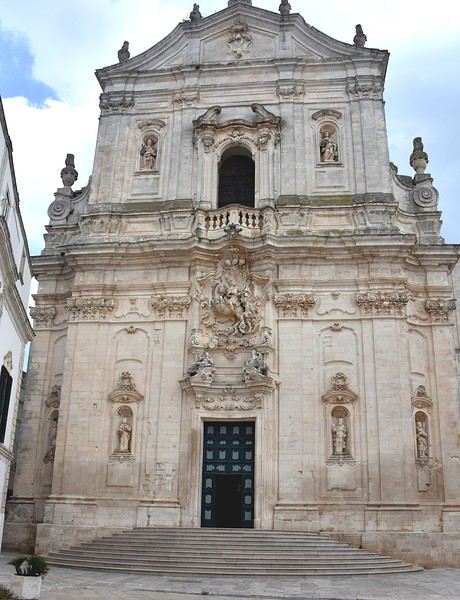
Martina Franca is a lively little town, where the adjective 'Franca' refers to Philip of Anjou, Prince of Taranto, in the 14th century. Its exceptional Baroque decor dates back to the 18th century. Follow the flow of visitors—fewer in late September—and you’ll arrive at Piazza Plebiscito, dominated by the Basilica San Martino.


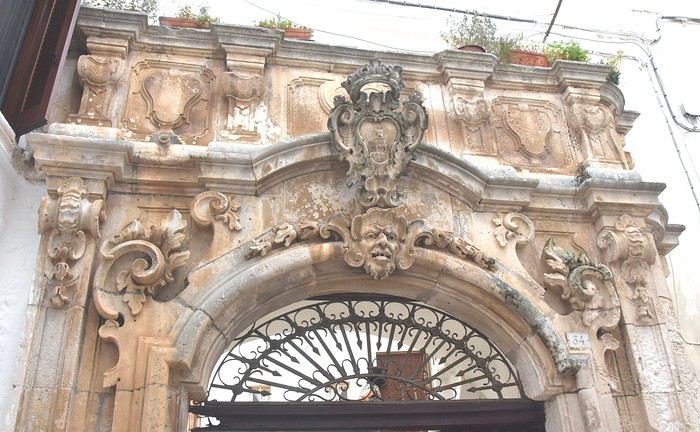
This was our first encounter with Puglia’s version of Baroque—the town felt surprisingly sophisticated! I’ll admit we’re not huge fans of this architectural style, preferring Romanesque art by far... but we were left speechless by the city of Lecce and its basilica with its exuberant Baroque decor! After a quick meal on a terrace with a view of the basilica, we wandered through the town’s streets and alleys, which felt tiny... and managed to get lost in a maze of palaces with dazzling facades, complete with Baroque porches and balconies, of course!


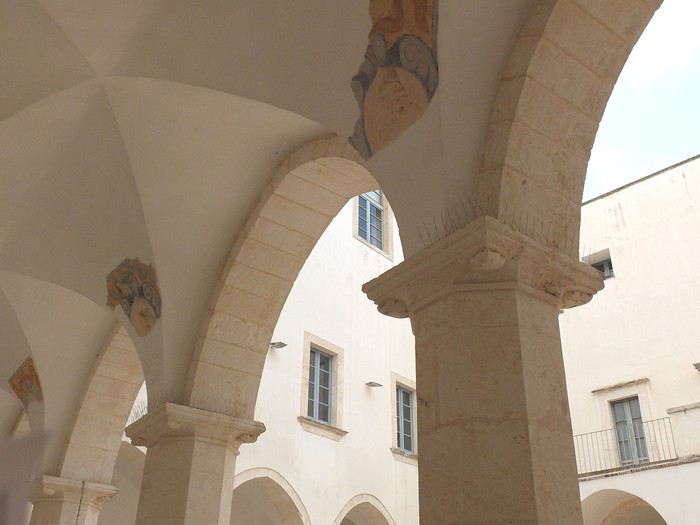
As we wandered, we stumbled upon the Chiesa di San Domenico, a remnant of a Gothic structure with a cloister that hints at what we’d see in Lecce: capitals adorned with acanthus leaves, cherubs, and scrollwork.


The walk took longer than expected, so we only passed through—what a shame—Locorotondo to admire the nearly 360° view of the plain from the Lungomare, a belvedere overlooking the valley!

To be continued...
Mguibentif· 7 years ago
A little aside for those reading this travel journal who might be heading to Matera soon. This morning, a river of mud and water rushed through the sassi. There must be some serious damage... 😕
Brigitte42OP· 7 years ago
Hi Françoise, Glad you were charmed by Italy—one of my (many...) "favorite" countries!

Don’t worry, you won’t see many people in this travel journal’s photos, probably because of the season. On some beaches, we had the place to ourselves—and it wasn’t even 7 AM... Thanks for your message—I’m getting back to it. Best wishes.
Brigitte42OP· 7 years ago
Hi Mathilde, The bad news hasn’t made it over here—I can’t find out more about the consequences. I’ll drop a note to the young woman who guided us there and lives in the area...

Have a good day.

You might also like