Hey everyone!
New to the forum, but not so new to Asia 😄
I’m Nico, from Switzerland, currently based in Bangkok. I love taking my motorcycle out to get lost in the mountains and small villages of Thailand, Laos, Vietnam, and more. I’ve been roaming around this area for a good fifteen years now, racking up quite a few kilometers—especially in northern Vietnam.
This time, I finally decided to tackle the Mae Hong Son Loop, clockwise. I’d been to Pai several times before, but oddly enough, I’d never done the full loop.
So, I’ll try to give you a little recap here, day by day, with the roads, stops, places worth checking out… and those that didn’t quite blow my mind 😅
I also filmed the trip, so I’ll post the corresponding video at the end of each day if that’s okay. If it’s not allowed here, just let me know, and I’ll remove them without any issue.
DAY 1 — Chiang Mai → Doi Inthanon → Mae Chaem → Khun Yuam
I left Chiang Mai after renting a Honda ADV 160 from Pop Motorbike. Not exactly an Africa Twin, but for what I had planned, it was more than enough.
Quick hotel note: I stayed at the Lanna Thaphae Hotel before leaving. Around 30 € per night, super well-located, and probably one of the most comfortable beds I’ve ever slept in. A crucial detail for any motorcycle road trip, obviously.
The plan for the day was pretty straightforward:
Head toward Doi Inthanon… and see what happens.
Flawless Swiss organization.
First stop along the way at Wachirathan Waterfall. A really nice waterfall, very easy to access, but don’t expect to channel your inner Indiana Jones—it’s crowded, touristy, and swimming isn’t allowed. Still, it’s a pretty stop along the way.
Next, up to Doi Inthanon.
The road climbs steeply, and my little 160cc started to realize that carrying my 80 kg to Thailand’s highest point probably wasn’t part of its youthful dreams. I was maxing out at 34 km/h in some spots.
But it made it. Good little bike.
The summit is nice—the forest is beautiful, and it’s cool—but I have to admit, it didn’t completely wow me. Glad I went, but not necessarily the highlight of the day for me.
Because then comes Route 1192.
And that’s *much* more my thing: small mountain roads, beautiful scenery, hardly any traffic… the kind of road where I usually start taking way too many unnecessary detours just because a little side road “looks fun.”
Stopped in Mae Chaem for a bite to eat, then headed to Khun Yuam to finish the day.
A little over 200 km in total.
Khun Yuam is… quiet.
*Very* quiet. 😅
A cute little market, a couple of cafés/restaurants, and zero chance of ending up in a club until 4 AM. But after a day on the bike, it was perfect.
Stayed at the Mit Khun Yuam Hotel, around 20 € for a small but very decent room.
All in all, a solid first day and a pretty relaxed start to the loop. Part of this leg is mostly about getting out of Chiang Mai and really diving into the mountains, in my opinion.
Because for me, the really interesting stuff starts over the next two days…
And a few slightly questionable route decisions will also make an appearance 😅
If anyone’s planning the Mae Hong Son Loop, feel free to ask your questions—I’d be happy to answer!
I also filmed this first day, so for those who’d rather see the roads and landscapes than read my rambling, here’s Day 1 😊
DAY 1 VIDEO
I’ll post the next part in the coming days with Day 2: Khun Yuam → Mae Surin → Mae Hong Son.
And that’s where it starts getting *really* fun. 😉
That’s all for now! Looking forward to contributing as much as I can to the forum!
2,761 similar discussions in English
Week 1 - July 2026
Traveling with just one spare pair of underwear, considering a hot shower a miracle, never staying in the same place too long by sleeping wherever night catches us, taking whatever local, improbable, and rickety transport we can find—this is the DNA of us wanderers. Except this time, the script for our movie is going to be a whole different genre. On paper, the destination doesn’t exactly scream epic adventure: Réunion! And what’s more... we won’t be two, or four, or even ten. We’ll be a solid thirty. All from the same family. Yes, thirty. At this point, it’s not just a trip—it’s a summer camp on the move! Why inflict this on such a peaceful island? Because my brother decided to get married there with his lovely bride. A great idea, you might say... especially when it involves relocating the equivalent of a small Ardennes village 10,000 kilometers from home for three weeks! So who’s stepping up to be the guide and wave the little flag?
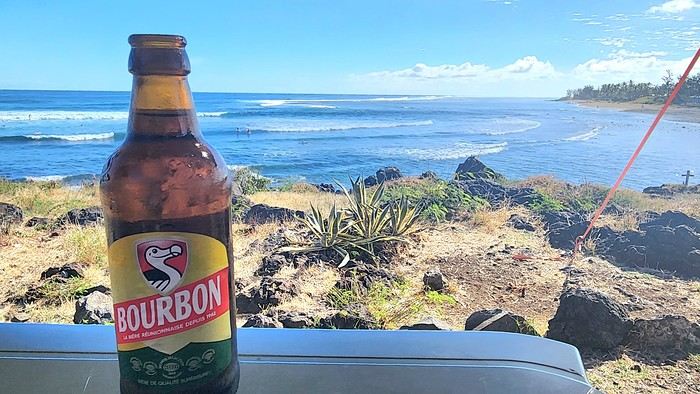
So, for an exceptional trip, exceptional stories! Don’t worry, the debates at the supermarket over whether to choose plain chips or roast chicken chips, the beach picnics washed down with ti’ punch, and other rougail sausages to digest by the pool will only make it into the family archives. Here, I’ll stick to the tales of our beautiful escapes, the ones where we explore the wild corners of this little volcanic rock planted in the middle of the Indian Ocean. So where exactly are we headed?
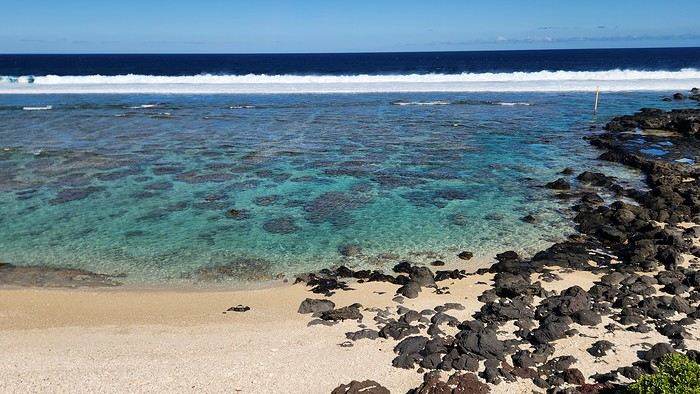
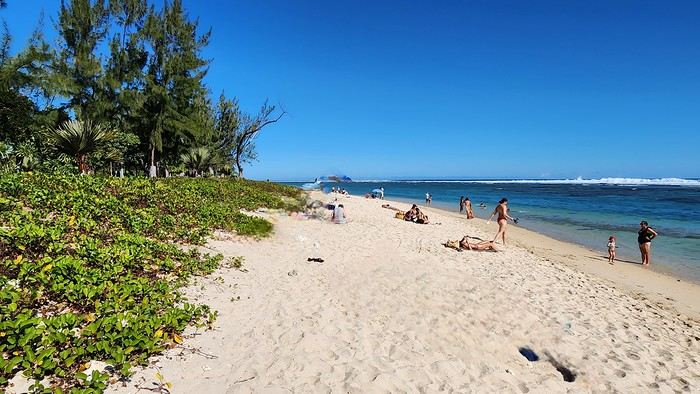
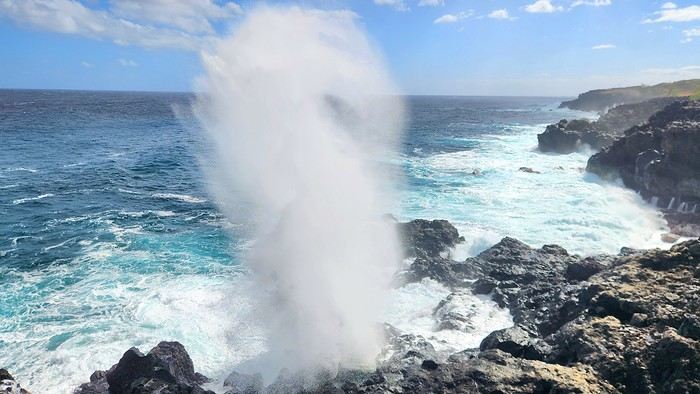
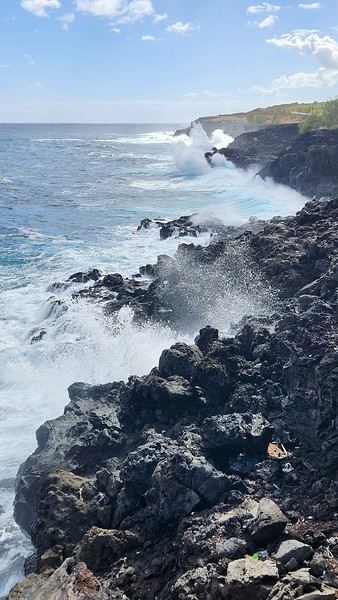
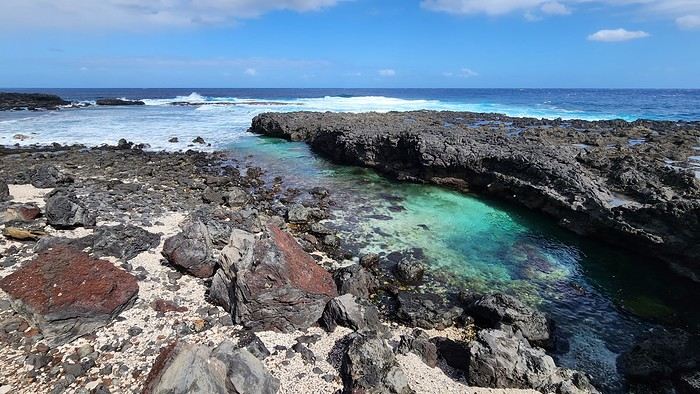
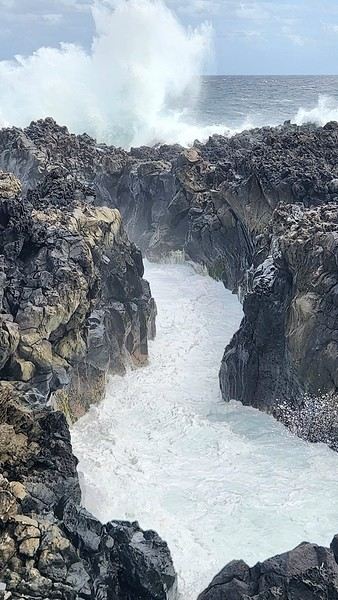
For the first week—the subject of this first installment—we’re taking it easy. We’ll start by rediscovering the coastline, from the Souffleur in Saint-Leu to the Hermitage lagoon, before a little trip to the Cirque de Cilaos and its legendary road with 400 turns, just to get our legs warmed up.
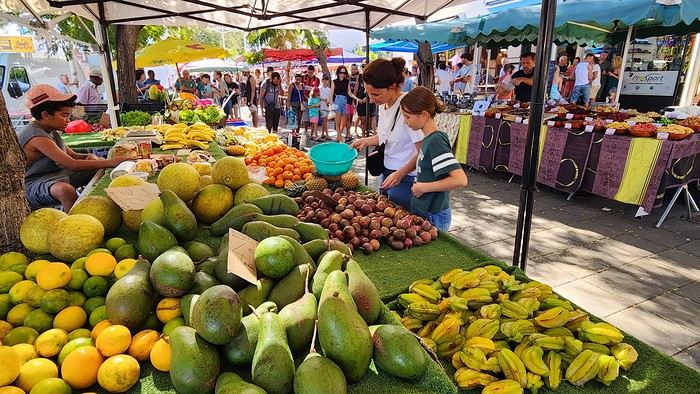
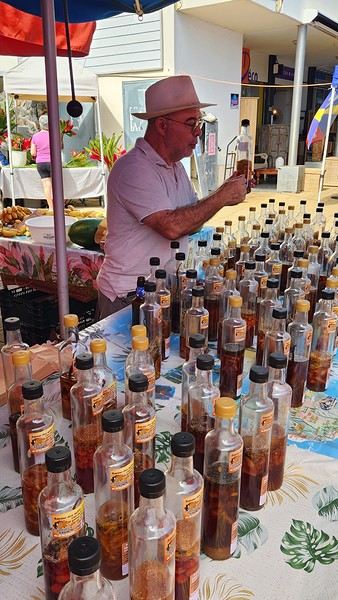
Traveling with just one spare pair of underwear, considering a hot shower a miracle, never staying in the same place too long by sleeping wherever night catches us, taking whatever local, improbable, and rickety transport we can find—this is the DNA of us wanderers. Except this time, the script for our movie is going to be a whole different genre. On paper, the destination doesn’t exactly scream epic adventure: Réunion! And what’s more... we won’t be two, or four, or even ten. We’ll be a solid thirty. All from the same family. Yes, thirty. At this point, it’s not just a trip—it’s a summer camp on the move! Why inflict this on such a peaceful island? Because my brother decided to get married there with his lovely bride. A great idea, you might say... especially when it involves relocating the equivalent of a small Ardennes village 10,000 kilometers from home for three weeks! So who’s stepping up to be the guide and wave the little flag?
So, for an exceptional trip, exceptional stories! Don’t worry, the debates at the supermarket over whether to choose plain chips or roast chicken chips, the beach picnics washed down with ti’ punch, and other rougail sausages to digest by the pool will only make it into the family archives. Here, I’ll stick to the tales of our beautiful escapes, the ones where we explore the wild corners of this little volcanic rock planted in the middle of the Indian Ocean. So where exactly are we headed?
For the first week—the subject of this first installment—we’re taking it easy. We’ll start by rediscovering the coastline, from the Souffleur in Saint-Leu to the Hermitage lagoon, before a little trip to the Cirque de Cilaos and its legendary road with 400 turns, just to get our legs warmed up.
I’m sharing my successful e-Visa application experience because I’ll admit—I really struggled with the website and gathering all the required documents.
https://www.thaiembassy.fr/fr/visa-rdv/les-types-de-visa-et-les-documents-necessaires/visa-touristique/
I recommend preparing everything in advance according to the instructions below and trying to complete the 60-day TR tourist e-Visa application in one go. You can save and return to it later, but I didn’t find the site very intuitive (it took a lot of time to figure out how it works, etc.). For the 60-day TR tourist e-Visa, it took me about 2 to 3 hours to prepare all the required documents and fill out the online form completely. (Next time, though, it’ll take me much less time since I’ll know how it works better, etc.).
I received my e-Visa 15 days later, but according to the embassy, the processing time can be much longer (the embassy recommends in section 4.3: “We advise you to submit your visa application between 2 and 3 months before your planned departure.”)
https://www.thaiembassy.fr/fr/visa-rdv/infos-generales/
⚠️ RECOMMENDATION: 4 months before applying (so 6 months before your trip if you apply 2 months ahead), make sure your bank statements show a minimum balance of 700 € for each of the 3 months prior to your application.
DOCUMENTS REQUIRED FOR THE 60-DAY TR SINGLE-ENTRY E-VISA IN THAILAND
A digital copy of your passport: Color copy of the double-page spread with your photo. It must show the entire machine-readable zone (the two lines of characters at the bottom) and all four corners of the page. Your passport must be valid for at least 6 months after your departure date. (Format: JPEG or PDF) A color ID photo: Official ID photo on a plain white background, max 3 MB in size, and taken within the last 6 months. If you use the same photo as the one printed in your passport (if it was issued 2 years ago, for example), the system will detect the inconsistency and reject your application. The background must be strictly white, with no shadows, no glasses, and your face must be fully visible. Proof of financial means: Official bank statements (checking and/or savings) for the last 3 months. They must clearly display your name and show a minimum balance of 700 € for each month (1,000 € is preferable), per person (even for couples). Bank statement format and date: Screenshots from mobile banking apps (without your name or the bank’s logo) are systematically rejected. You must provide the full official statement in PDF format, downloaded from your online banking. Additionally, the most recent statement must be less than 30 days old at the time of submission. Don’t forget to merge the 3 statements into a single PDF, as only one document can be uploaded per category. Entry and exit tickets: A reservation or confirmation of flight tickets showing your entry into and exit from Thailand. The document must include the PNR (Passenger Name Record: a 6-character booking code used as a reference by the airline) and/or the e-ticket number.
90-day rule: Your exit flight date must not exceed 90 days after your arrival in Thailand. If you have separate tickets: If you have two different tickets for entry and exit, merge them into a single document showing only the entry and exit from Thailand within 90 days (exclude other flights). For example, if you have a round-trip Paris-Bangkok ticket spaced 6 months apart but plan to stay in Indonesia after 60 or 90 days, only submit the inbound flight to Thailand from your first ticket (exclude the return flight that’s 6 months later) and the outbound flight from Thailand to Indonesia (without the flight out of Indonesia, which is likely separate). Merge the two PDFs into one.
Proof of residence in France (less than 3 months old): Mobile phone, landline, internet, or electricity bill in your name. This document must prove that you currently reside in the country from which you’re applying. (Format: PDF or JPEG)
Hotel reservation in your name: Covering the first few nights with your name on it, or an official invitation letter signed by your host along with a copy of their ID. (Format: PDF or JPEG)
⚠️ FOR COUPLES: The official confirmation of your first accommodation in Thailand (hotel, Airbnb) must clearly display the names of BOTH members of the couple, as it will need to be attached to each individual e-Visa application. The second name is essential because each visa applicant must provide proof of accommodation in their name. If your partner’s name doesn’t appear anywhere on the hotel document, their visa application may be blocked or rejected, even if you include a marriage certificate. Prepare the addresses of the first two hotels for the online form; Write down (on paper) the exact address of the first hotel and the next one, as the form also asks for the address of the second hotel (without requiring proof of reservation). Look up the name of the sub-district, district, and province of these establishments online. When applying for the e-Visa, you’ll need to enter the exact address and select the province, district... from dropdown menus. How to add your partner’s name to the hotel reservation?
Log in to your account (Agoda, Booking, etc.), go to your reservations, and look for the option to modify traveler details. You can often add the second person’s name or, in the main traveler name field, enter both names separated by a slash or comma. If you can’t modify it online, ask the hotel for an official reservation confirmation letter (“Confirmation Letter”) explicitly stating: “Room booked for and ”. Thai hotels are used to this process for visas and will send it to you quickly by email in PDF format.
How to merge PDF files? To combine your multiple bank statements or flight tickets in the correct order into a single PDF, you can use a free and intuitive online tool like iLovePDF or Smallpdf. No software to download—everything is done online.
PS: I’ve shared the steps I followed to get my e-Visa. I put them together by comparing recommendations from several AIs and the official e-Visa website. ID photo: I had 6 ID photos taken in an automatic photo booth (found in shopping malls). I cut one out and scanned it in color with a regular scanner. Bank statements: I downloaded the last 3 official monthly bank statements in PDF format and merged them into one. However, 3 years ago, a friend told me he didn’t submit his statements but instead provided a document from his bank (requested from his banker, with stamps, the bank’s logo, and the banker’s signature) clearly stating he had the required funds. I don’t know if this option is still available, but I’m mentioning it. File names: For all files (PDF, JPEG) attached to my e-Visa application, I used my name followed by a description of the document (e.g., “Name photo”).
October 9 - Day 1
There’s an old Chinese proverb I particularly like: "Dú wán juán shù, búrú xing wán li lú." In slightly more familiar terms, it means you always learn more by traveling ten thousand miles than by reading ten thousand books. And I’m the perfect guy for this because, first, I don’t have time to read ten thousand books about our new destination... And second, the proverb is literally made in our new adventure playground: China!
China... or should I say, "Paradox-land"! A country we see everywhere—on the news or on the "Made in China" labels of half the objects around us—but one we actually know very little about. A country hurtling toward the future while still casually chatting with its rich past. A country that, through our Western lens, seems uniform and just filled with Chinese people who all look alike, yet reveals an incredible cultural, natural, demographic, and culinary diversity as soon as you dig a little deeper. A country with a reputation for being logistically tricky for solo travelers, yet where you can book public toilets on your smartphone. In short, a delightful mess of disorienting contradictions—and, of course, a destination that was bound to charm our wandering soles for a while.
That "while" will be two weeks... And the "we," since I wanted the best in the world to join me, will be Flo and me in this backpacking duo stamped with wanderlust! Just the two of us for two weeks to explore a tiny part of this continent-sized country, trying to understand how old wooden stilt houses coexist in the middle of futuristic skyscrapers glowing with lights, tasting all the weird and wonderful things that come our way, and—incidentally—covering the famous ten thousand kilometers from our proverb.
Well... we’ll probably cover a little less than that, but enough to let us write our own travel journal instead of reading others’... Because you know us—between living our lives watching others live theirs by reading ten thousand books, or writing our own by truly roaming the world, we’ve long since chosen our side! And you, who’s reading this—team book or team live?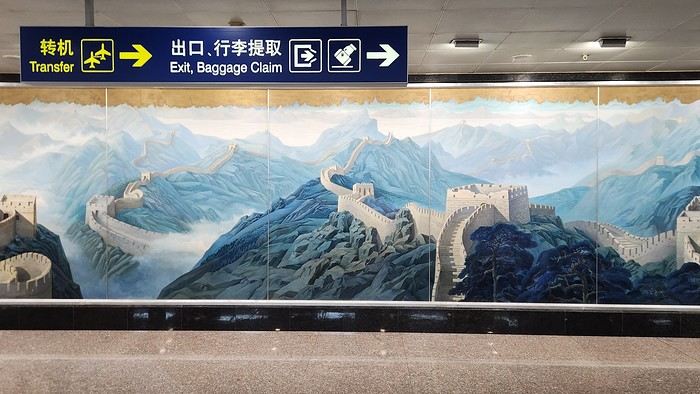
There’s an old Chinese proverb I particularly like: "Dú wán juán shù, búrú xing wán li lú." In slightly more familiar terms, it means you always learn more by traveling ten thousand miles than by reading ten thousand books. And I’m the perfect guy for this because, first, I don’t have time to read ten thousand books about our new destination... And second, the proverb is literally made in our new adventure playground: China!
China... or should I say, "Paradox-land"! A country we see everywhere—on the news or on the "Made in China" labels of half the objects around us—but one we actually know very little about. A country hurtling toward the future while still casually chatting with its rich past. A country that, through our Western lens, seems uniform and just filled with Chinese people who all look alike, yet reveals an incredible cultural, natural, demographic, and culinary diversity as soon as you dig a little deeper. A country with a reputation for being logistically tricky for solo travelers, yet where you can book public toilets on your smartphone. In short, a delightful mess of disorienting contradictions—and, of course, a destination that was bound to charm our wandering soles for a while.
That "while" will be two weeks... And the "we," since I wanted the best in the world to join me, will be Flo and me in this backpacking duo stamped with wanderlust! Just the two of us for two weeks to explore a tiny part of this continent-sized country, trying to understand how old wooden stilt houses coexist in the middle of futuristic skyscrapers glowing with lights, tasting all the weird and wonderful things that come our way, and—incidentally—covering the famous ten thousand kilometers from our proverb.
Well... we’ll probably cover a little less than that, but enough to let us write our own travel journal instead of reading others’... Because you know us—between living our lives watching others live theirs by reading ten thousand books, or writing our own by truly roaming the world, we’ve long since chosen our side! And you, who’s reading this—team book or team live?
Autumn 2025 marks my 11th trip to Japan. I’ve neglected the south for too long, so like last year, it’s my main destination again.
We’ll revisit some familiar spots, but of course, we’ll also try plenty of new things. This trip feels a bit strange—no more of that initial magic, but on the other hand, we’ve really explored some off-the-beaten-path and private locations. The variety of regions, landscapes, and vehicles I’ve photographed is pretty remarkable. In search of vintage trains and threatened lines, I think my future trips will follow the same vibe.
After the 2017 and 2024 travel journals, it’s time to dive into Japan’s lesser-known side—all by public transport, of course. Day 1, arrival in Tokyo
The timing won’t be like other years since we arrive at Narita in the mid-afternoon after a layover in Hong Kong.
The only real mission for this afternoon is picking up tickets for the next day. And already, the first travel stress: I’ll have to rewrite the entire day because the Revaty Kinu 109 to Kinugawaonsen is fully booked, just like all the morning trains. So instead of a relaxed start exploring Ueno, I’m back to scrutinizing schedules. I manage to snag something last-minute after struggling for hours. Then, I wait for a message from Seiichi to meet up for dinner. Meeting friends on the first day and staying up late with jet lag—like I said, this trip isn’t like the others.
A great evening at a place I love.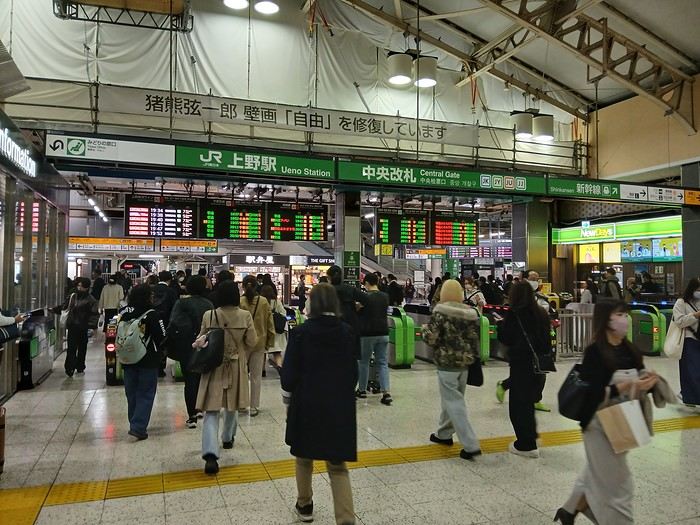
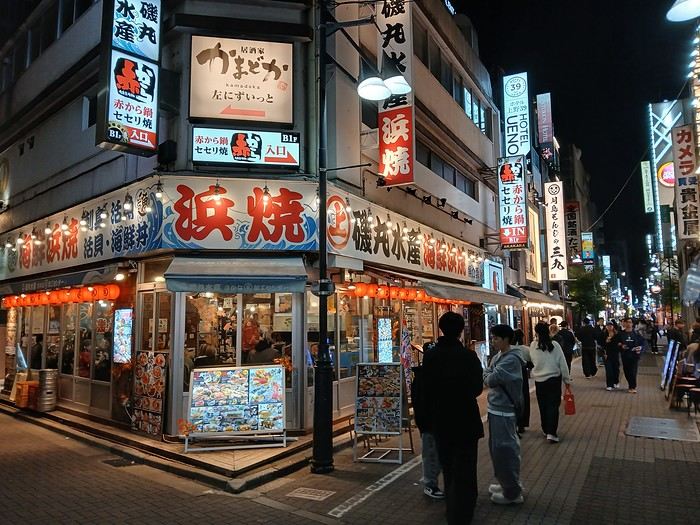
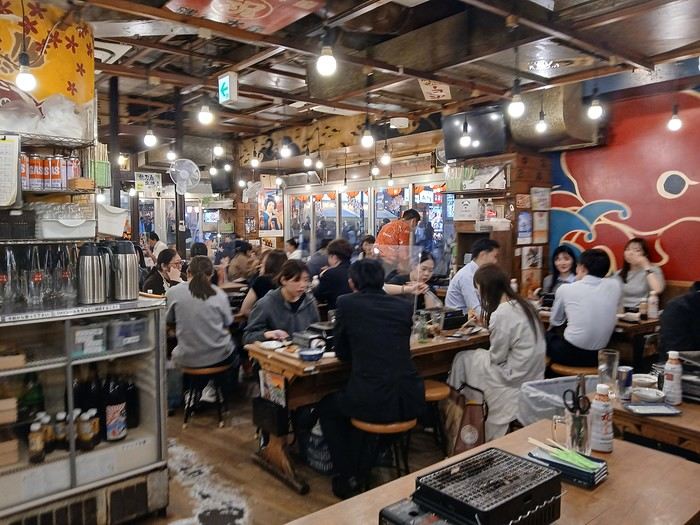
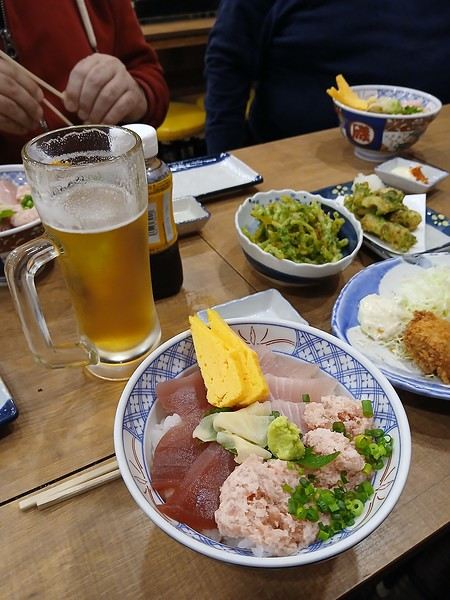
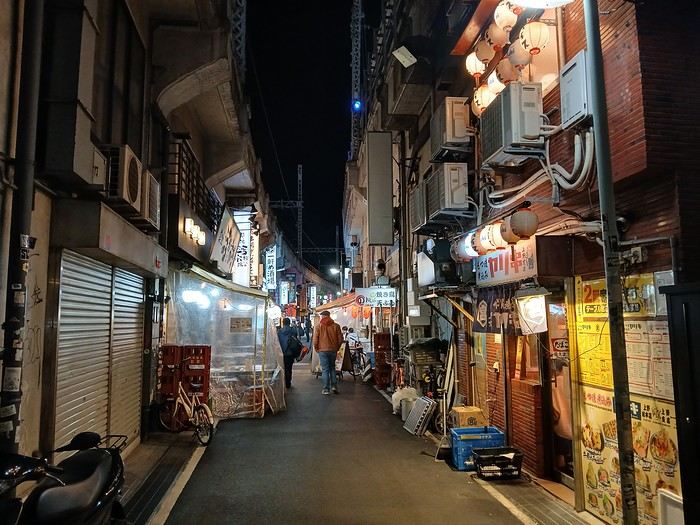
We’ll revisit some familiar spots, but of course, we’ll also try plenty of new things. This trip feels a bit strange—no more of that initial magic, but on the other hand, we’ve really explored some off-the-beaten-path and private locations. The variety of regions, landscapes, and vehicles I’ve photographed is pretty remarkable. In search of vintage trains and threatened lines, I think my future trips will follow the same vibe.
After the 2017 and 2024 travel journals, it’s time to dive into Japan’s lesser-known side—all by public transport, of course. Day 1, arrival in Tokyo
The timing won’t be like other years since we arrive at Narita in the mid-afternoon after a layover in Hong Kong.
The only real mission for this afternoon is picking up tickets for the next day. And already, the first travel stress: I’ll have to rewrite the entire day because the Revaty Kinu 109 to Kinugawaonsen is fully booked, just like all the morning trains. So instead of a relaxed start exploring Ueno, I’m back to scrutinizing schedules. I manage to snag something last-minute after struggling for hours. Then, I wait for a message from Seiichi to meet up for dinner. Meeting friends on the first day and staying up late with jet lag—like I said, this trip isn’t like the others.
A great evening at a place I love.
Here’s my second travel journal since my 2017 one. You can check it out here if you’d like: https://voyageforum.com/forum/densha-otaku-passion-japonaise-d9177495/
This was my first trip back to Japan since the COVID lockdown. Between 2017 (with a short visit in 2018) and 2024, a lot has unfortunately changed. Economic and demographic shifts have led—and will continue to lead—to the closure of many rural railway lines. Fewer residents, fewer travelers, rising operating costs, staffing shortages, and increasingly precarious funding. Then there’s the ever-growing number of tourists who damage everything in their path and frustrate locals. Fortunately, there are still plenty of ways to escape the crowds, even if you do run into groups of Chinese tourists arriving by bus at the Mino Railway Museum or aboard a Kiha 120 crossing the Izumo-Sakane switchback. (Oops, spoiler alert—that’s for my 2025 travel journal.) We’ll see if PM Takaichi has as much success on the ground as he does in his speeches.
I’m lucky to love remote regions and places most tourists don’t know about. Taking public transport—mostly trains—and living like the locals do. That’s what my trips are all about. Those who’ve followed me on these pages know I love trains, especially older ones. These are becoming rarer in regular service, and Japan still isn’t ready to allow even certified museums to run historic trains on public lines, unlike many other countries. I even have my own license to drive historic trams, despite being an IT specialist in my day job. You’ll find some comments that clearly reflect my opinions and experience with the operation and rolling stock of certain lines—sometimes positive, sometimes not.
My trips are always intense. This isn’t about relaxing. It’s about discovering, blending in with locals, being welcomed by associations and museums, and uncovering things most people wouldn’t even imagine exist halfway across the world.
Sorry for the long intro.
Hi everyone! We see some amazing plans and also posts that go unanswered despite being for pretty popular destinations. We want to liven things up to help you travel more often with companions and in complete safety. Let us know what’s missing for you!
What’s your main hurdle when it comes to using this section?
Fear of not sharing the same interests as the other person. Difficulty managing money and bookings as a group. Lack of seriousness (people who don’t respond or back out). Time spent organizing the itinerary from A to Z.
What would help you the most to take the plunge?
A system of "verified" profiles (identity/trust).[/li> Pre-built itineraries by the forum where you just need to join in.[/li>
Hi there,
Last February, I made a trip using "public transport" from France to southern Senegal via Spain, Morocco, Western Sahara, and Mauritania.
It’s a journey of about 5,000 km, where I took trains (as far as Marrakech), ferries (to cross Gibraltar and then to reach Casamance from Dakar), and mostly buses on the long desert straightaways. I hadn’t planned any stops in advance or booked any hotels, except for the very first train to Spain, which left plenty of room for the unexpected. Why travel by land and sea? In recent years, flight-free travel has been gaining popularity. On social media, posts explaining how to cross Europe by train as quickly as possible go viral. Traveling without flying—and making sure people know about it—has become a great way to earn a badge of eco-responsibility: an essential totem for anyone wanting to prove both their dedication to the ecological cause and the wisdom of slow travel. I haven’t flown in years, and this journey to West Africa could easily be filed under "responsible travel." But it wouldn’t be honest to say that: in reality, it wasn’t really my aversion to flying that motivated this long trek. I see overland travel primarily as a way to experience the world’s geography at a grounded, earthly pace—the pace of the locals. Besides, I’ll be flying back, which disqualifies any claim to being a model of sustainability. So no eco-badge, and no adventurer’s badge either: you won’t find any heroic tales of camel rides in lost lands or mineral train wagons in this account (popular with influencers, the Mauritania iron ore train now attracts tourists from all over the world, turning "the experience" into something you "have to do at least once in your life"). This five-part story, written on the road, has no other ambition than to recount a journey through places and people, and to share the thoughts they inspire in me. As simply and, I hope, as humbly as possible.
I’m posting the episodes here, which you can also find on my blog (with more photos) at the following links:
Episode 1: Spain, from Avignon to Algeciras
Episode 2: Morocco, from Tangier to Tarfaya
Episode 3: Western Sahara, from Tarfaya to Guerguerat
Episode 4: Mauritania, from Guerguerat to Nouakchott
Episode 5: Senegal, from Rosso to Saloulou
To help those who might want to make the same trip, I’ve also put together a summary of the route with recommendations—you can read it at the end of the story and on the blog: From France to Senegal Without Flying: Route and Itinerary Recommendations
Happy reading, and safe travels!
hey everyone,
I’m landing in Madagascar with a buddy before the end of April 2026. We’re planning to bike around for about twenty days or so. We don’t have a specific goal other than exploring the country and meeting the locals.
Ideally, we’d prefer a loop route starting from Antananarivo with a good chunk of it along the coast. On the bike side, we’re used to riding 6 to 8 hours a day, depending on the needs, encounters, and mood 😉 Any feedback or tips from trips around this length?
Thanks in advance, Jérôme
So, even before starting my explanation, I’d like to introduce myself since this is my first post on the forum :) I’m Jérôme, a huge Asia enthusiast, and I’m currently in the process of moving to Japan with my family in 2028.
Now, onto the topic :)
We’re a family of four traveling together to Seoul, with two separate bookings.
Our original itinerary was: Madrid → Doha → Seoul (March 23–24)
The issue is that our entire outbound flight was canceled, and the airline simply rescheduled the Madrid → Doha leg. Now we’re left with an incomplete journey, with no solution to reach our final destination (Seoul).
Since then:
- Can’t modify flights online (technical error every time) - Can’t get help via chat or WhatsApp - Phone support is unreachable, and the usual French number isn’t working right now
We don’t want a refund. We just want to be rerouted to Seoul, as our original ticket promised.
We’re flexible:
- On dates (we can leave on March 21 or 22 instead of the 23rd) - On the itinerary (different layovers if needed)
Have any of you dealt with this before? Do you know how to unlock a booking in this case or get a rerouting? We’re considering going straight to the airport to resolve it at the Qatar Airways counter....
Thanks so much for your help! 😊
Hi there,
When I run searches on Skyscanner, I see that only Lufthansa has flights to Seoul with just one stop. Air France doesn’t show up, even though I thought the French airline served Seoul? I can’t even log into the Air France website—it keeps glitching.
When I run searches on Skyscanner, I see that only Lufthansa has flights to Seoul with just one stop. Air France doesn’t show up, even though I thought the French airline served Seoul? I can’t even log into the Air France website—it keeps glitching.
Hey everyone,
Yesterday, I checked the Thailand forum to see if there were any questions to answer, but not much was happening—it was pretty quiet. Then I scrolled through the Southeast Asia section and realized that, even though Burma (Myanmar) was included, there weren’t many posts about it... I’ve only been there once, back in 1987, so it’s hard to create a photo thread about multiple trips like I sometimes do for Thailand. Still, that one trip was packed with unusual adventures, so I thought I’d share a few stories from it.
Since I didn’t take any notes at the time, this is all from memory—it’s not an exhaustive travel journal and isn’t meant to help plan a future trip to Myanmar.
Don’t expect photos; there won’t be any. I have some, but they’re slides that would need scanning and editing one by one to fix the wear and tear of time—way too much work.
The Context.
Back then (reminder: 1987), I was volunteering in Paris at the counter of a travel agency on Rue des Écoles. The agency was part of a well-known organization based in Mulhouse that mostly offered scheduled flights to Asia, charter flights to the Mediterranean, and flights to Mali with their own plane. They also had a few rare "roots"-style trips to certain destinations—trips where you didn’t bring your tennis racket but were ready to soak in everything, even if it meant tough conditions.
I’d already been to Thailand, Indonesia, and the Philippines in Asia. The director knew this, so he asked me to accompany a group to Burma. At the time, tours to Burma were already being sold by competitors, but they all had to go through the state-run agency, Touristburma (buses and hotels for tourists, and they only showed you what they wanted you to see—kind of like traveling in North Korea today). The service was only payable in dollars at the official exchange rate (which was six times worse than the black market rate, mind you...), and since it went through the state agency, all the money ended up with the junta.
My job was to do everything *without* going through Touristburma, which was completely illegal there. Nothing would be booked in advance. Back then, the Burmese visa was only valid for 8 days/7 nights, and since clients were paying for the experience, the itinerary was planned ahead. I’d have to find transport and a guide on the black market as soon as I arrived.
The clients weren’t misled—they knew from the start that the trip would be off the books, that officially we’d be a small group of friends (not an agency), unlike the truth (Touristburma wasn’t mandatory for individual travelers), and that it would be challenging. They also knew their trip would cost 3-4 times less while giving them a much better experience of Burma. As for pretending to be a group of friends, there were only six of us, so it worked out.
To cover all expenses (accommodation, transport, excursions), the agency gave me a sufficient budget. They also gave me the *same* budget a second time, which was strictly for bribing officials who might cause trouble, for backshish (tips), and, if needed, to "help" me get out of prison.
Before I left, I was thoroughly briefed by another guy who’d led the previous trip (he’d dealt with all the initial challenges). He explained everything I needed to know, what to watch out for, and advised me on what to bring as "gifts" (samples of well-known perfumes, specific cigarette and whisky brands, etc.). For the perfume samples, I rallied my family, friends, and even stores. For the rest, I’d pick things up at the duty-free shops in Don Muang (Bangkok’s only airport at the time)—I had the budget for it.
I couldn’t wait to leave...
Hello,
I’ve been dreaming about the Silk Road for a long time and hope to visit Uzbekistan next year with my husband and son (11 years old). Late April to early May.
I’m planning a very classic itinerary: Tashkent - Samarkand - Bukhara - Khiva - Tashkent.
I checked the Uzbekistan Railways website, but it seems you can only book tickets three months in advance?
Otherwise, I’ve seen some people in other discussions suggest booking through Uzrailway. Are these the apps below? Are they reliable?
I really don’t want to go through a travel agency—I’d prefer to organize everything myself—and it seems the only hurdle is booking the trains. I was thinking of taking the train from Tashkent to Samarkand, then to Bukhara, and finally to Khiva, before flying back from Urgench to Tashkent with Uzbekistan Airways (is that a bad idea?🤪). What do you think?
Since we’re traveling with a child, I’d rather book and organize everything in advance to avoid any potential hassles. I tend to plan my trips much more now than I used to😏.
Would you have any great accommodation recommendations (not luxury, but not a youth hostel either)? We prefer places with charm, friendly owners, and a nice setting...
Also, I speak several languages but not Uzbek or Russian🤪... Is English widely spoken these days?
Thanks everyone 🙂
hi there
we’ll arrive in Luang Prabang on November 8th from Bangkok and plan to leave from Vientiane on November 19th.
Little question—we’d love to visit northern Laos, but I can’t do mountain walks or climbing. My partner can, though. What do you recommend for us?
Thanks for your tips!
Best,
Monique
Hi,
If you take the bus from Bangkok Ekkamai to Pattaya, foreigners will be asked to pay an extra 20k for checked baggage, even though it’s already been paid for and listed on the ticket. They don’t even weigh it—a woman just demands you pay again, and if you refuse, she goes to get security colleagues who yell at you and threaten not to let you board. We later found out at the hotel that this is a well-known organized scam. The company is ROONG REUANG COACH, and we were about fifteen people—all foreign tourists—in the same situation. For Thai passengers, they didn’t ask for anything.
Then in Pattaya, violence and corruption rule. The next day, we learned the city is classified as "scarlet" (high-risk). A hotel guest was attacked with a knife by four Thais on a scooter—they stole his bag with his bank card and cash inside, luckily not his passport. A large hotel near ours was just shut down administratively for pedophilia. On Apple Maps, many reviews warn about how dangerous the city is. I’ve been coming to Thailand regularly for over 30 years, but I barely recognize the country since COVID. The "Land of Smiles" is turning into the "Land of Scowls," and a form of racism is emerging. For us, this will be the last time—next stop, Vietnam, and even China, which pleasantly surprised us.
Finally, China and the U.S. are advising their citizens against traveling to Thailand due to violence. Right now, most tourists here are Indians and Russians—together, they make up the majority—along with some from the Gulf (Qatar, Dubai, Oman).
Hi everyone,
I’m embarking on my first trip to Asia, starting with South Korea.
I’ll be traveling with my 15-year-old daughter, who came up with the idea...
We’ll be there from July 15th to 22nd.
I’ve currently planned to stay in Seoul from the 15th to the 19th, then head to Busan from the 19th to the 21st. We need to be back in Seoul on the evening of the 21st because our flight is at 10 AM on the 22nd.
I love modern cities, but for a first trip to Asia, I’d also like to see some traditional sights. Do you think Busan is a good idea?
I’m considering staying in Gyeongju instead and spending two days in Busan...
What do you think?
Maybe another city in a different region of Korea?
Thanks for your help
Hi Voyage Forum members,
My wife and I took American Airlines flight no. 63 on Tuesday, February 18, 2025, at 9:30 AM, with a scheduled arrival in Miami at 1:30 PM local time.
After about half an hour of flight, a young passenger had a medical emergency. They were given care, and a flight attendant went to get an oxygen bottle. Then, an announcement over the loudspeakers informed passengers that the plane was diverting to London.
Once at London Heathrow (LHR), we were waiting to depart again. But a new announcement asked us to disembark because the plane wouldn’t be able to take off until the next day. (American responded to my follow-up, saying they’re required to limit their staff’s working hours to a certain number per day.)
A crowd of travelers gathered at the American Airlines counter, where they were told to follow instructions to get to a hotel. Meanwhile, I called the airline’s customer service to find a replacement flight that same day, since I couldn’t afford to leave the next day. If I had, I would’ve lost my hotel and car rental reservations due to late cancellation, which would’ve cost me a significant amount.
After discussing in English with customer service and the counter staff (who I handed my phone to), we managed to get two seats on British Airways flight BA 0209, which was leaving about 2 hours later.
That’s how, after a stressful wait unsure if we’d get our luggage back, and once we did, we hurried—heavily loaded—to reach the far-off terminal for our new boarding on foot and by train shuttle.
We finally took off for Miami and landed around 7:30 PM, which was 6 hours later than the originally scheduled arrival time of American Airlines flight 63.
On top of the stress, there were the costs of meals in the meantime, and I had to notify the hotel and car rental company about our delay.
As a result, I requested compensation for a flight delay of at least 3 hours (and I’ve involved my insurance’s legal protection to pursue this claim). American Airlines argued that exceptional circumstances prevented them from compensating me.
What do you think? Is my request unreasonable?
Namaste everyone,
We went to Nepal last October and literally fell in love with this country (like so many others, it seems). During our trek, we had the chance to meet and travel with an incredible independent local guide, Apsara Luitel. She told us about a unique project she’s organizing starting mid-May, and we wanted to share it in case it interests anyone. We mentioned it on another travel forum, but just in case, we’re posting it here too to reach as many people as possible.
Apsara, who knows the Api mountain valley (a name as joyful as it is intriguing!) in Nepal’s Far West (on the border between India and Tibet, at the edge of the world) perfectly, is offering an off-the-beaten-path trek for a group of 3 to 8 people max. The program? An authentic and preserved itinerary combining homestays and small mountain lodges, all the way to the Api base camp. Once at base camp, locals will guide us to secret spots only they know, where we’ll harvest yarsagumba (those famous caterpillar-fungi, rare and prized for their medicinal properties in traditional Chinese medicine—they were going for $20,000 per kilo last year!).
Mid-May is the ideal time to discover this almost unexplored region and take part in harvesting these natural treasures. This kind of adventure, led by an inspiring young woman like Apsara, is rare, and we think it could appeal to Nepal lovers and those who enjoy authentic treks far from the usual tourist routes.
No matter how many participants there are (between 3 and 8), there will always be two guides: Apsara, who speaks English (and is learning French!), and a French-speaking guide. The dates are flexible around May 15th, depending on the availability of those who’d like to take on the adventure.
Hi there,
I’m planning to spend two months in Mongolia, and I’d love to be welcomed by a nomadic or semi-nomadic family in the Altai Mountains. I can work and, of course, contribute money for my stay! Has anyone already had this experience? Also, is it still possible today to take the Trans-Siberian to Novosibirsk and then cross the Russia-Mongolia border at Tashanta?
Looking forward to your replies!
Thanks
Hello everyone,
I’m currently planning our next trip to Morocco. We really enjoy visiting one or two collective granaries on each of our trips. We’ve seen some already, like the one in Aït Kine, or the one in Tasguent, and of course those in Amtoudi, as well as the cliffside granary of Ifri. There are still many left to explore. I’d love to hear which ones you’d recommend—preferably ones that aren’t too hard to access. I’m counting on you! Thanks
Hi,
I’m starting this thread after a digression that began in the India section and continued in a travel journal about Kerala.
The original topic was whether India is—or isn’t—a nature destination.
I’ll let you all discuss and share your own definition of a nature destination. 🙂
I’m starting this thread after a digression that began in the India section and continued in a travel journal about Kerala.
The original topic was whether India is—or isn’t—a nature destination.
I’ll let you all discuss and share your own definition of a nature destination. 🙂
Hi there,
Lately, when I check Skyscanner (sorted by price low to high 😛), I don’t see Gulf airlines at the top of the list anymore. Instead, Air India dominates (I flew with them a few years ago, and my experience was pretty mixed). After that, there’s Royal Jordanian… and the first Gulf Air, Etihad, and others only show up at 7XX € or more (with endless layovers). What’s going on with these airlines? Did they change their target market? I really like these routes for Southeast Asia trips because they give you a perfect midway break.
Lately, when I check Skyscanner (sorted by price low to high 😛), I don’t see Gulf airlines at the top of the list anymore. Instead, Air India dominates (I flew with them a few years ago, and my experience was pretty mixed). After that, there’s Royal Jordanian… and the first Gulf Air, Etihad, and others only show up at 7XX € or more (with endless layovers). What’s going on with these airlines? Did they change their target market? I really like these routes for Southeast Asia trips because they give you a perfect midway break.
Hi everyone,
We’re heading to the Pacific Northwest (USA) and Western Canada this summer. We’ve made some progress planning, but we still have a few questions.
Our trip is mostly nature-focused—hiking, wildlife spotting (ideally bears, orcas/whales, otters, etc.), mountains, forests—and a few days in cities, though we’re not big on museums.
We’re looking at flying into Seattle (cheaper than Vancouver), then renting a car and staying in Airbnbs.
A few years ago, we traveled through eastern Canada/USA (Halifax/Montréal/Boston/Halifax) and ended up driving *way* too much and switching accommodations too often. This time, we’d like to settle in a bit more.
Here’s our current plan:
- 2 nights in Seattle to avoid hitting the road right after the flight. One day for a quick city visit, then we’ll leave early after the second night. -> Heading to Olympic National Park from the south.
- 4 nights near Olympic National Park, likely around Forks. -> Then to Port Angeles and a ferry to Vancouver Island via Victoria (maybe 1 night there).
- 7 nights in Port Alberni, which seems like a central base for exploring Vancouver Island (Tofino, Pacific Rim, Cathedral Grove, etc.). We really want to enjoy the area without constantly packing and unpacking.
The issue is, that brings us to 13–14 nights, and we’d like to spend 2 in Vancouver.
We’re wondering if we should head farther north on the island and add a few more days, or reduce our stay in Port Alberni to explore the north as well.
After that, we’d have about a week left. We’re considering a detour near the Canadian Rockies, then slowly making our way back to Seattle via North Cascades National Park.
Anyway, we’d love your input on all this!
Thanks for your suggestions,
Emilie and Thomas
Slovenia was the originally planned destination for summer 2022, as a complement to a road trip through Croatia and Montenegro. Plans changed on a whim in February of that year. Our Balkans road trip would ultimately be limited to Slovenia and take place over 10 days during the Easter school holidays. Flight tickets and car rental were booked right away; all that was left was to finalize our itinerary, already sketched out, and the accommodation reservations.
I decided to add Plitvice Lakes in Croatia to our program. I really wanted to discover them, and for my husband, it was a chance to revisit them several years after a trip to Yugoslavia when he was a teenager.
I’m happy to contribute to the reopening of our forum by posting this travel journal (originally posted in 2022 on another forum, the text has been partially revised and photos added). As usual, a few photos to start with—maybe they’ll inspire you to join in!

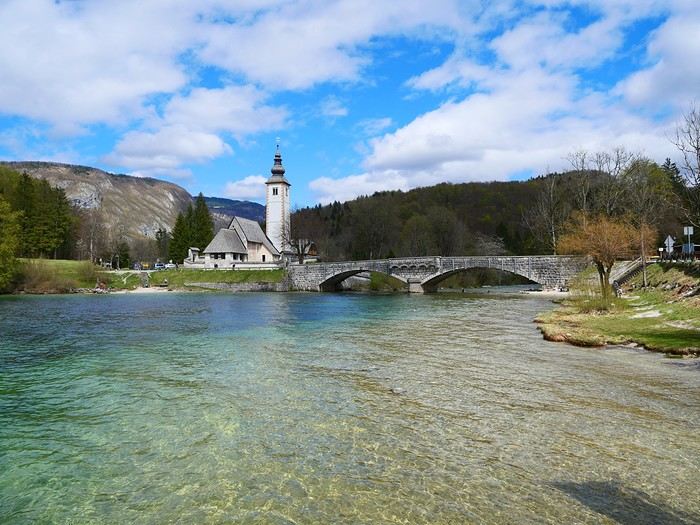
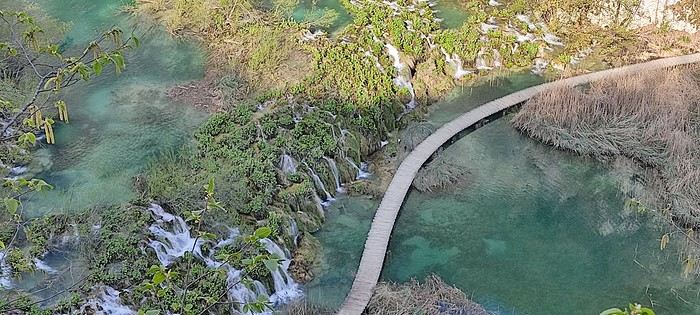

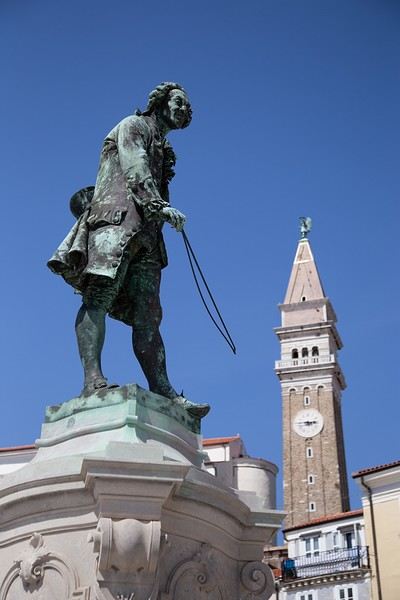
I decided to add Plitvice Lakes in Croatia to our program. I really wanted to discover them, and for my husband, it was a chance to revisit them several years after a trip to Yugoslavia when he was a teenager.
I’m happy to contribute to the reopening of our forum by posting this travel journal (originally posted in 2022 on another forum, the text has been partially revised and photos added). As usual, a few photos to start with—maybe they’ll inspire you to join in!
Hello everyone,
I’ve been to Morocco about fifteen times, but I’ve never posted a travel journal here on Voyage Forum. Why? I have no idea… Maybe because this section was so active, with lots of stories and photos. I thought sharing my adventures in *al Maghrib* wouldn’t be very original. Today, this space feels quieter, so what if I tried to give it a little life back, modestly? With some help…
This trip will be different. From the start of my relationship with Richard, I was determined to introduce him to *my* Morocco. But he was a bit reluctant… He’ll tell you about our 2022 meeting, and I’ll illustrate it with my photos, just like we did with our India travel journal.
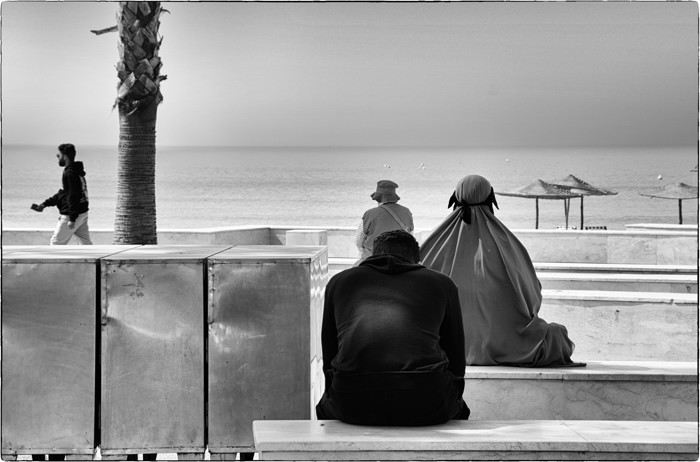
I’ve been to Morocco about fifteen times, but I’ve never posted a travel journal here on Voyage Forum. Why? I have no idea… Maybe because this section was so active, with lots of stories and photos. I thought sharing my adventures in *al Maghrib* wouldn’t be very original. Today, this space feels quieter, so what if I tried to give it a little life back, modestly? With some help…
This trip will be different. From the start of my relationship with Richard, I was determined to introduce him to *my* Morocco. But he was a bit reluctant… He’ll tell you about our 2022 meeting, and I’ll illustrate it with my photos, just like we did with our India travel journal.
Hello everyone, what a pleasure to be back on this forum!
My partner and I are heading to Japan for the first time from mid-December to mid-January for 31 days. It’s a long-held dream we’ve been saving for over two years, and we want to enjoy ourselves while also being mindful of our budget for parts of the trip. We’d love to explore Tokyo, but we’ve chosen to spend more time in nature. My partner plans to get his driver’s license translated locally so we can rent a car. We’ve heard from friends who’ve been that Japan isn’t the best place for improvisation, so we’ve tried to allow plenty of time in each location to avoid rushing. Still, I’d love to hear your thoughts on the itinerary we’ve planned—whether it’s feasible in terms of travel and how interesting it seems. Given the recent increase in the JR Pass price and the fact that we’ll spend about ten days on Goto, Ojika, and Yakushima (where the JR Pass doesn’t cover travel), we don’t think it’s worth it for us. Instead, we’re planning to take the train from Tokyo to Fukuoka and then use buses and ferries for the rest of Kyushu. Here’s our itinerary:
1- December 13 / Arrival in Tokyo, one night in Tokyo, then departure for Fukuoka by train on the morning of the 14th.
2 - December 14-16 / 2 nights in Fukuoka, sightseeing, then departure on the evening/night of the 16th by ferry to Ojika Islands.
3 - December 17-21 / 4 nights on Ojika, cycling and exploring, then departure on the 21st by ferry to Fukue on the Goto Islands.
4 - December 21-24 / 3 nights on the Goto Islands, renting a car to explore, maybe a trip to Hisaka. Departure for Nagasaki by ferry on the morning of the 24th.
5- December 24-26 / 2 nights in Nagasaki, visiting the city and memorials, possibly the hot springs in Unzen. Departure on the evening of the 26th by bus or ferry (?) to Kumamoto.
6- December 26-29 / 3 nights in Kumamoto, sightseeing, day trip by car to Mount Aso and surrounding areas. Departure on the 29th in the late afternoon by bus to Kagoshima, overnight in Kagoshima.
7- December 30 to January 2 / Morning departure by ferry to Yakushima for 3 nights, hiking and exploring the island. Departure on January 2 on the only ferry (?) in the early afternoon back to Kagoshima.
8- January 2 to 5 / Uncertain leg... We’d like to spend the night of the 4th to the 5th at a ryokan in Kurokawa Onsen and then head back to Fukuoka and Tokyo by train on the 5th. From the 2nd to the 4th, since we’ll arrive in Kagoshima in the late afternoon, we thought we could head back up to Kumamoto by train or bus—going to Yufuin or Beppu would take much longer and leave us with very little time. But is it worth staying another 2 nights in Kumamoto to explore the area, given we’ll already be there for 3 days from December 26-29? Or should we stay in Kagoshima and head up to Kurokawa Onsen on the afternoon of the 4th for our overnight stay?
9- January 5 to 13, Tokyo and its endless things to do and see, then back to France!
If you have any advice on any of these stops, we’d love to hear it! Have a wonderful day.
Hi there,
We’re planning a trip for 2 adults and 2 kids to Tanzania and Zanzibar. I’ve had a quick look, and the prices are starting to get pretty wild.
We’ve got a budget of 8,000 €, and I was thinking of doing three or four days of safari and three or four days in Zanzibar, but even that seems like it might be over budget. Have you got any thoughts? I was also considering heading straight to Zanzibar and doing a one- or two-day excursion by plane instead—maybe that’d be cheaper than staying in a lodge.
Anyway, thanks for sharing your experiences and any price tips, departing from Nice!
Hi everyone!
First time for me in the States from March 24 to April 7, 2025—only 15 days, so choices have to be made. I want to explore part of the West, but obviously planning the route is the trickiest part, so here’s what I’ve come up with and where I have doubts:
-Leaving Paris for LA
1 or 2 nights to visit
-Heading to Vegas, where one couple would go by motorcycle (they’re fans and want the thrill of Route 66) and another by plane (I won’t linger here either—1 or 2 days max!)
Then, Lake Powell, Monument Valley, Grand Canyon, all by rental car for everyone, so the motorcycle gets returned in Vegas.
Now here’s where it gets tricky: either I continue the road trip through the big parks to finish in San Francisco (but it doesn’t seem like the best time—might be too cold), or I head down to San Diego for the return flight. But which itinerary? Kingman, Joshua Tree, Palm Springs, and San Diego—does that make sense? Is it better to go back to Vegas to take a plane or drive the whole way?
So many questions—your help and advice would be super welcome! Thanks in advance, Anne from Périgord Noir
We bought round-trip tickets from Mulhouse/Basel to Maun (Botswana) in January 2023 through Option Way.
Turkish Airlines issued the entire round-trip tickets. The flight plan was:
31 August 2023: TK 926 from Basel/Mulhouse to Istanbul and TK38 from Istanbul to Johannesburg 1 September 2023: Airlink (4Z)300 from Johannesburg to Maun. 11 September 2023: Airlink (4Z)301 from Maun to Johannesburg and TK43 from Johannesburg to Istanbul 12 September 2023: TK1923 from Istanbul to Basel/Mulhouse.
On 1 September, on the outbound trip, Turkish Airlines flight TK38 from Istanbul to Johannesburg arrived 1 hour and 30 minutes late due to airport congestion. As a result, we missed our connection with Airlink flight (4Z) 300 from Johannesburg to Botswana (even though the initial layover time was sufficient for the connection). Upon arrival at Johannesburg Airport, a Turkish Airlines agent greeted us, booked us a room near the airport, and rebooked us on the same flight for the following day, 2 September. On 2 September, after numerous difficulties checking in at the Airlink counter in Johannesburg, we finally reached our final destination with a 24-hour delay. We lost our first day of vacation in Botswana, including the activities that were planned for that day. On 11 September, during our return trip and almost certainly due to the rescheduling of the outbound flight, the Airlink check-in counter in Maun did not recognize our tickets issued by Turkish Airlines. After many searches and phone calls, we had to buy new tickets for the Maun/Johannesburg flight 4Z301. This cost us 9,306 Botswana pula (643 €). Upon arrival in Johannesburg, the Turkish Airlines check-in counter again had trouble identifying us for flight TK43 from Johannesburg to Istanbul. It’s clear that the root of our check-in problems stemmed from the renumbering of our tickets when the Turkish Airlines representative rebooked us on the Airlink (4Z)300 flight for 2 September. During this process, all subsequent flight tickets must have been canceled. Since our return, I’ve requested the following from Turkish Airlines: · Compensation under the European Regulation EC 261/2004 of 11 February 2004 for flight delays, amounting to 600 € per passenger. We meet all the conditions: departure from a Franco/Swiss airport, arrival at the final destination more than 4 hours late, and a distance greater than 3,500 kilometers. Turkish Airlines has not provided evidence that they did everything possible to avoid this delay. · Reimbursement for the Airlink Maun/Johannesburg tickets on 11 September, which we had to pay again to Airlink even though we had already paid for them through our agent, Option Way. Turkish Airlines refuses compensation on the grounds that they complied with all regulations. Turkish Airlines and Airlink are passing the buck when it comes to reimbursing the tickets we paid for twice. For Turkish Airlines, claims can only be made through their website, and each time a different agent responds. I’ve contacted our insurance, legal protection, the travel ombudsman... without success. Currently, the case is with a lawyer working for "Air Indemnité," but I have little hope. Obviously, I won’t be flying with Turkish Airlines again—they seem to have a habit of not respecting schedules or customer satisfaction. A good lesson for planning very long layovers.
Hello,
We’re planning a trip to Zambia in 2 years. This will be our 4th trip to Southern Africa—the last one this year was Moremi, Boteti, KCGR, and KTP as a self-drive with campsites and no guide, just my wife and me. For this year’s trip, we prepared 2 years in advance—bookings are really complicated. We were lucky to get a spot at Bitterpan in KTP (there are only 4 chalets).
We’d like to know if it’s easy to get around Zambia, especially when it comes to restocking supplies. Should we rent a 4x4 in Zambia, Namibia, or South Africa? Botswana is very expensive. Which parks are the most interesting? We’re into wildlife photography.
Looking forward to hearing from you. Thanks in advance! Best regards, Jean-Marc