Hi,
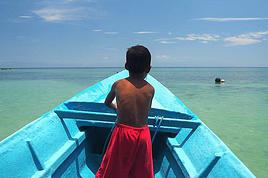
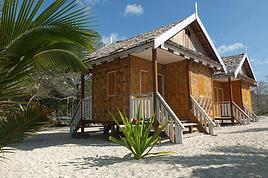
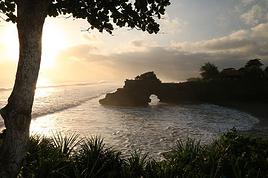
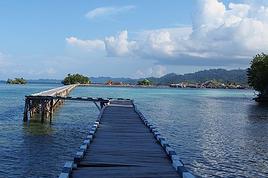
We’re planning a trip to Bali for the second half of March, staying 15 days: 5 days in Ubud, 5 days in Nusa Dua, and 5 days in Lombok. I know it’s not the ideal season, but can anyone tell me if it rains a lot in March, and whether the sea is too rough for swimming in Lombok and Nusa Dua?
Thanks in advance,
Corinne
Hi,
We’re planning a trip to Nosy Be from March 14th to 29th. I saw on the "Where and When to Go" site that the weather isn’t great then—has anyone been to this part of Madagascar during this period? Does it rain a lot? Thanks so much for your help!
Hi there,
I’m currently looking for a bike to do my first bike trip across France, with the ultimate goal of cycling through Latin America. I’ve got a lot of questions and I’d love to hear if you have any answers or advice to share. First off, I’ve been through this before with hiking. I want to get top-quality gear right away. When I started hiking, I ended up buying everything three times—first beginner gear, then intermediate, then expert, etc. For biking, I’d prefer to skip that process and invest right now in a bike that could ideally handle Latin America. I’ve set a total max budget of around 5000 € (roughly 4000–4500 € for the bike and the rest for accessories: panniers, helmet, cycling shorts, etc.).
So, I’ve got quite a few questions:
* I’ve read in several places that some people recommend buying the bike directly in Latin America. Since I need a first bike to train in Europe, would it be better to buy an entry-level bike in France (and sell it before the big departure)? Or is it preferable to start right away with my final bike to get used to it? Is buying it there just to save a bit of money?
* For a long-term trip (around six months) in Latin America, is it better to go for a gravel bike or a mountain bike?
* Should I buy a new bike or a refurbished one? Even more so given that I’m planning a long trip—could a refurbished bike end up causing more breakdowns?
If you have any advice on models, technical features to prioritize, or recommended sellers or resellers, I’d love to hear it. I’m a total beginner—I’ve only just started watching videos and reading up on the subject, and all the technical specs are new to me!
Thanks in advance for your help!
I’m currently looking for a bike to do my first bike trip across France, with the ultimate goal of cycling through Latin America. I’ve got a lot of questions and I’d love to hear if you have any answers or advice to share. First off, I’ve been through this before with hiking. I want to get top-quality gear right away. When I started hiking, I ended up buying everything three times—first beginner gear, then intermediate, then expert, etc. For biking, I’d prefer to skip that process and invest right now in a bike that could ideally handle Latin America. I’ve set a total max budget of around 5000 € (roughly 4000–4500 € for the bike and the rest for accessories: panniers, helmet, cycling shorts, etc.).
So, I’ve got quite a few questions:
* I’ve read in several places that some people recommend buying the bike directly in Latin America. Since I need a first bike to train in Europe, would it be better to buy an entry-level bike in France (and sell it before the big departure)? Or is it preferable to start right away with my final bike to get used to it? Is buying it there just to save a bit of money?
* For a long-term trip (around six months) in Latin America, is it better to go for a gravel bike or a mountain bike?
* Should I buy a new bike or a refurbished one? Even more so given that I’m planning a long trip—could a refurbished bike end up causing more breakdowns?
If you have any advice on models, technical features to prioritize, or recommended sellers or resellers, I’d love to hear it. I’m a total beginner—I’ve only just started watching videos and reading up on the subject, and all the technical specs are new to me!
Thanks in advance for your help!
Hi! I’m on vacation from 10/31 to 11/7 and want to go somewhere sunny. I’m leaving from Toulouse and the flight can’t be more than 5 hours.
Any ideas?
Thanks for your help
I'm currently exploring how to create a travel itinerary using AI, specifically ChatGPT.
Question: Bike route from Bordeaux to Paris.
Rough response:
A bike route between Bordeaux and Paris is an incredible adventure, typically around 600 to 650 km depending on the chosen path. Here’s an example of an itinerary with key points:Main Option: La Scandibérique (EuroVelo 3) La Scandibérique is the French section of EuroVelo 3, connecting Bordeaux to Paris through stunning landscapes. This route is well-marked and takes you through small roads and greenways.Main Stages
Bordeaux → Libourne (about 40 km)
Follow the Garonne River, cross the vineyards of Entre-deux-Mers, and reach Libourne, a charming wine town. Greenways available.
Libourne → Périgueux (about 100 km)
Cross the Dordogne with stops in villages like Montpon-Ménestérol. Mix of quiet small roads and trails.
Périgueux → Châteauroux (about 160 km, in several stages)
Through the Parc Naturel Régional de la Brenne. This stage is longer but rich in nature and heritage.
Châteauroux → Orléans (about 110 km)
Reach the banks of the Loire to enjoy the famous Loire à Vélo, a beautiful section with châteaux.
Orléans → Paris (about 140 km)
Pass through the Forêt de Fontainebleau before joining the bike paths along the Seine all the way to Paris.
Question: Bike route from Bordeaux to Paris.
Rough response:
A bike route between Bordeaux and Paris is an incredible adventure, typically around 600 to 650 km depending on the chosen path. Here’s an example of an itinerary with key points:Main Option: La Scandibérique (EuroVelo 3) La Scandibérique is the French section of EuroVelo 3, connecting Bordeaux to Paris through stunning landscapes. This route is well-marked and takes you through small roads and greenways.Main Stages
Bordeaux → Libourne (about 40 km)
Follow the Garonne River, cross the vineyards of Entre-deux-Mers, and reach Libourne, a charming wine town. Greenways available.
Libourne → Périgueux (about 100 km)
Cross the Dordogne with stops in villages like Montpon-Ménestérol. Mix of quiet small roads and trails.
Périgueux → Châteauroux (about 160 km, in several stages)
Through the Parc Naturel Régional de la Brenne. This stage is longer but rich in nature and heritage.
Châteauroux → Orléans (about 110 km)
Reach the banks of the Loire to enjoy the famous Loire à Vélo, a beautiful section with châteaux.
Orléans → Paris (about 140 km)
Pass through the Forêt de Fontainebleau before joining the bike paths along the Seine all the way to Paris.
When you're trying to travel with your bike, SNCF sometimes tells you there's no solution, even though you could combine TGVs, TETs, and TERs.
- We used to check the Swiss CFF website https://www.sbb.ch/fr,
but it’s become useless since the "bike" option for France was removed.
- Next, we go to the Deutsche Bahn website https://www.bahn.com/fr, which has a "bike" option that combines TGVs, TETs (IC), and TERs. Then, you can either: - Buy the ticket directly on the Deutsche Bahn site, or - Note all the trains in the itinerary and, to use your discount cards, go to the SNCF website to purchase all the necessary tickets. The Deutsche Bahn site lets you adjust connection times in the "details" of an itinerary if the suggested one seems too short. I’ve found that 10 minutes is really risky—delays, crowds on the platform making it hard to move quickly, not to mention the line for the elevator and navigating an unfamiliar station. Still, it’s best to double-check that each train allows bikes.
- Now, thanks to the site "Biclous et bidouilles," check it out here:
https://biclousetbidouilles.com/un-site-en-or-pour-voyager-en-ter/
I discovered this site, which helps calculate bike-friendly routes in France:
https://www.horaires-de-trains.fr/horaires-ter.html
I gave it a quick test, but it seems limited to TERs—too bad, since the ideal is to combine all available train options.
One pitfall to avoid: always make sure you’re still on https://www.horaires-de-trains.fr/horaires-ter.html and haven’t accidentally switched to https://www.horaires-de-trains.fr/.
These days, SNCF is gradually converting all its TGVs to INOUI. Normally, they all have bike spaces, so these workarounds might not be needed much longer.
- We used to check the Swiss CFF website https://www.sbb.ch/fr,
but it’s become useless since the "bike" option for France was removed.
- Next, we go to the Deutsche Bahn website https://www.bahn.com/fr, which has a "bike" option that combines TGVs, TETs (IC), and TERs. Then, you can either: - Buy the ticket directly on the Deutsche Bahn site, or - Note all the trains in the itinerary and, to use your discount cards, go to the SNCF website to purchase all the necessary tickets. The Deutsche Bahn site lets you adjust connection times in the "details" of an itinerary if the suggested one seems too short. I’ve found that 10 minutes is really risky—delays, crowds on the platform making it hard to move quickly, not to mention the line for the elevator and navigating an unfamiliar station. Still, it’s best to double-check that each train allows bikes.
- Now, thanks to the site "Biclous et bidouilles," check it out here:
https://biclousetbidouilles.com/un-site-en-or-pour-voyager-en-ter/
I discovered this site, which helps calculate bike-friendly routes in France:
https://www.horaires-de-trains.fr/horaires-ter.html
I gave it a quick test, but it seems limited to TERs—too bad, since the ideal is to combine all available train options.
One pitfall to avoid: always make sure you’re still on https://www.horaires-de-trains.fr/horaires-ter.html and haven’t accidentally switched to https://www.horaires-de-trains.fr/.
These days, SNCF is gradually converting all its TGVs to INOUI. Normally, they all have bike spaces, so these workarounds might not be needed much longer.
Hi there,
For those who’ve experienced it, what’s the weather like in Shanghai at the end of December? I’ve heard it’s cold, but coming from France, is the winter milder than in Lyon, for example?
I’m tempted to spend the Christmas holidays in Shanghai and the surrounding areas (Nanjing, Suzhou) with my family—kids are 11 and 2. It’d be a bummer if the little one catches a cold over there.
Generally, is this a good time for simple family visits to the main spots, restaurants in the city, indoor heating, and outdoor walks?
For those who’ve experienced it, what’s the weather like in Shanghai at the end of December? I’ve heard it’s cold, but coming from France, is the winter milder than in Lyon, for example?
I’m tempted to spend the Christmas holidays in Shanghai and the surrounding areas (Nanjing, Suzhou) with my family—kids are 11 and 2. It’d be a bummer if the little one catches a cold over there.
Generally, is this a good time for simple family visits to the main spots, restaurants in the city, indoor heating, and outdoor walks?
Hey fellow cyclists,
Cyclists on trails, paths, or greenways—why do so few (if any) of you use your bells to warn walkers, runners, and other pedestrians when they’re moving in the same direction as you?
I exercise every day (brisk walking) among you in France and abroad, and it’s something I’ve noticed—often with a few scares (and I’m guessing some accidents between cyclists or with pedestrians).
Personally, I always stick to the rules, walking on the left (facing traffic) so I can see you coming, but not everyone does that—neither pedestrians nor cyclists, and let’s be honest, it’s a bit of a free-for-all. 🤪
Your bikes make little to no noise, so why take risks and put others at risk too?
A quick, light *ding-ding* would be enough to warn people—what do you think? 😅
Hi there,
What’s the best month to visit Bali—September or October?
We’d like to do some snorkeling in addition to sightseeing.
Thanks!
Hello,
I’m planning to cycle from Paris to Prague in three weeks. It’s the worst time of year temperature-wise, especially since I’m pretty sensitive to the cold. But I don’t have a choice about either the timing or the destination (it’s a break between two jobs that just happens to fall during this period, and I’m heading to Prague to meet friends for a specific event in mid-February).
So it’s going to be *very* cold. And while I’ve done a few relaxed one- to two-week bike trips before, I’ve never cycled in winter. That’s why I’d love your advice on two things! :)
1- Accommodation along the route On my previous trips, the weather was more forgiving, so I always brought my tent and didn’t have to worry about accommodation logistics. But this time, it’s a whole different story—I won’t be able to sleep outside (too cold + it gets dark too early). So I need to plan all my lodging in advance.
I’ve looked at a few existing threads about cycling from Paris to Prague, but they all focus on campsites/tents since the timing allowed for outdoor sleeping. Does anyone know: 1- If those campsites, which seem to be fairly evenly spaced along the route, have winter facilities (I assume most close in winter, but you never know)? This is especially important for the German and Czech sections (I’ll be fine in France). 2- How easy it is to find affordable youth hostels everywhere, and if so, whether I should book them in advance?
2- Winter cycling gear Since I’ve never cycled in winter before, I don’t have the right gear. I’m particularly concerned about gloves and shoes, since my extremities will take a beating. What shoes would you recommend for temperatures around 0°C? I don’t plan to cycle in winter again after this, and all my other trips have been in regular running shoes, which worked just fine for me. So I’d prefer not to spend a fortune on super technical gear that I’ll only use once. But I also don’t want to skimp on cold protection—being freezing could ruin the whole trip. So if the only solution is "super technical" shoes, I’ll go for it.
> What shoes do you wear or recommend for simple bike trips that keep your feet warm and dry? > Does the overshoe option (over a pair of regular sneakers, for example) seem like a good solution? (I just discovered overshoes—I have no idea how effective they are.) If so, are Decathlon’s overshoes good enough, or should I go to a specialty bike shop?
Thanks so much!
(Oops, sorry for the novel...)
I’m planning to cycle from Paris to Prague in three weeks. It’s the worst time of year temperature-wise, especially since I’m pretty sensitive to the cold. But I don’t have a choice about either the timing or the destination (it’s a break between two jobs that just happens to fall during this period, and I’m heading to Prague to meet friends for a specific event in mid-February).
So it’s going to be *very* cold. And while I’ve done a few relaxed one- to two-week bike trips before, I’ve never cycled in winter. That’s why I’d love your advice on two things! :)
1- Accommodation along the route On my previous trips, the weather was more forgiving, so I always brought my tent and didn’t have to worry about accommodation logistics. But this time, it’s a whole different story—I won’t be able to sleep outside (too cold + it gets dark too early). So I need to plan all my lodging in advance.
I’ve looked at a few existing threads about cycling from Paris to Prague, but they all focus on campsites/tents since the timing allowed for outdoor sleeping. Does anyone know: 1- If those campsites, which seem to be fairly evenly spaced along the route, have winter facilities (I assume most close in winter, but you never know)? This is especially important for the German and Czech sections (I’ll be fine in France). 2- How easy it is to find affordable youth hostels everywhere, and if so, whether I should book them in advance?
2- Winter cycling gear Since I’ve never cycled in winter before, I don’t have the right gear. I’m particularly concerned about gloves and shoes, since my extremities will take a beating. What shoes would you recommend for temperatures around 0°C? I don’t plan to cycle in winter again after this, and all my other trips have been in regular running shoes, which worked just fine for me. So I’d prefer not to spend a fortune on super technical gear that I’ll only use once. But I also don’t want to skimp on cold protection—being freezing could ruin the whole trip. So if the only solution is "super technical" shoes, I’ll go for it.
> What shoes do you wear or recommend for simple bike trips that keep your feet warm and dry? > Does the overshoe option (over a pair of regular sneakers, for example) seem like a good solution? (I just discovered overshoes—I have no idea how effective they are.) If so, are Decathlon’s overshoes good enough, or should I go to a specialty bike shop?
Thanks so much!
(Oops, sorry for the novel...)
Hello, I spent a month cycling in Thailand earlier this year with a touring bike equipped with two rear panniers. I loved being able to ride and stop at a hotel every night, and eat just about anywhere. I tried India two months ago but gave up because of the road conditions and chaotic traffic.
I’m looking for countries where I can cycle "without autonomy"—so no tent, no stove, just the bare minimum. Ideally, I’d like to stop at hotels or similar accommodations regularly, without having to cover 200 km a day!
I’d love to hear from your experiences—what countries make it easy to travel this way? Thanks!
I’m looking for countries where I can cycle "without autonomy"—so no tent, no stove, just the bare minimum. Ideally, I’d like to stop at hotels or similar accommodations regularly, without having to cover 200 km a day!
I’d love to hear from your experiences—what countries make it easy to travel this way? Thanks!
Hi everyone, I’m heading to Namibia from March 20 to April 7 (Kalahari, Tok Tokkie Trail, Sossusvlei, Spitzkoppe, Twyfelfontein, and Etosha). I was wondering if the rainy season has started and whether it’s expected to be heavy?
Also, if anyone has traveled there during this period, I’d love to hear about your experience. Thanks in advance!
Also, if anyone has traveled there during this period, I’d love to hear about your experience. Thanks in advance!
Hi,
We’ve booked our flight tickets and we’re leaving from October 29th to November 13th for Mauritius.
I just reserved our accommodation in Cap Malheureux.
We’re used to hot and especially very sunny destinations like Oman, Jordan, Uzbekistan...
If you can reassure me about the period—can we expect sunny weather? I’m really dreaming of discovering Le Morne Brabant under beautiful sunshine...
Thanks
Hey everyone! 🙂
Just giving you the quick context: A group of friends and I are planning a trip to South Korea (Seoul/Busan) at the end of June/July next year. It falls right in the middle of the monsoon season, but we don’t really have other availability options.😕
I’d love to hear from people who’ve visited the country and these cities during this period—basically, is it not as bad as it sounds, or should we just cancel our tickets (we don’t mind the heat, it’s mostly the rain that scares us).
I know there are plenty of indoor activities, but do you think we’ll still manage to get a few sunny days, or will it be torrential rain for our entire 2-week trip?
The only other country we’ve visited during the rainy season is Brazil (in the northeast) around the same time, and honestly, aside from a few really annoying downpours, we had sunshine most of the time and it was awesome. That said, the climate is totally different, so I’m not sure how relevant the comparison is.
Thanks in advance to anyone who takes the time to read or reply to this post! 🙂
A firsthand account of a 30-day cycling trip (the length of the visa) in southern Vietnam, from Hue to the Mekong Delta. 1,500 kilometers pedaled in December 2022 and January 2023.
Roads and Traffic The roads are generally in very good condition. The secondary road network is limited. Since Vietnam is a densely populated country, needless to say, traffic is often heavy, including on secondary roads. Cyclists, along with pedestrians, are at the very bottom of the road-user hierarchy. In short, when you're on a bike, you never have the right of way. The atmosphere is deafening—Vietnamese people honk all the time. For a Western ear, it's hard to tell the difference between a honk that just signals someone's presence, one that warns of imminent danger, or an angry honk. 😏
Weather Vietnam is a long, narrow country (1,600 km). The weather isn’t the same in the north, center, or south. I cycled through the central part in December. Even though the monsoon peak had passed, I still encountered a lot of rain. Since the monsoon usually lasts until January, it might be better to cycle there starting in February. I was in the Mekong Delta in January. The best season, as it’s the driest month with the least hot temperatures. At this time of year, the prevailing winds come from the northeast. So, it’s better to travel from north to south. That way, you’ll usually have the wind at your back.
Accommodation I always stayed in hotels without ever booking in advance. Typically, I paid between 10 and 20 € for a double room with a private bathroom and AC. To find hotels, I used Google Maps and Maps.me. Wi-Fi is available for free almost everywhere.
The Route Hue → Danang → Hoi An → Nha Trang → Phan Rang → Tan Son → Dalat → Di Linh → Mui Ne → La Gi → Vung Tau → Nha Be → My Tho → Tra Vinh → Can Tho → Cao Lanh → Tranh Hoa → Trang Bang I took the train from Danang to Nha Trang. Not all trains accept bikes, so you’ll need to check beforehand. The railway handles bikes—they’re packed by staff and travel in the same train but in a freight car. I paid 14 € for the ticket plus 7 € for the bike (there’s an extra 0.50 € to pay upon arrival).
The Verdict So, is cycling in Vietnam worth it? If you enjoy biking in traffic, then yes. Otherwise... 😎
Roads and Traffic The roads are generally in very good condition. The secondary road network is limited. Since Vietnam is a densely populated country, needless to say, traffic is often heavy, including on secondary roads. Cyclists, along with pedestrians, are at the very bottom of the road-user hierarchy. In short, when you're on a bike, you never have the right of way. The atmosphere is deafening—Vietnamese people honk all the time. For a Western ear, it's hard to tell the difference between a honk that just signals someone's presence, one that warns of imminent danger, or an angry honk. 😏
Weather Vietnam is a long, narrow country (1,600 km). The weather isn’t the same in the north, center, or south. I cycled through the central part in December. Even though the monsoon peak had passed, I still encountered a lot of rain. Since the monsoon usually lasts until January, it might be better to cycle there starting in February. I was in the Mekong Delta in January. The best season, as it’s the driest month with the least hot temperatures. At this time of year, the prevailing winds come from the northeast. So, it’s better to travel from north to south. That way, you’ll usually have the wind at your back.
Accommodation I always stayed in hotels without ever booking in advance. Typically, I paid between 10 and 20 € for a double room with a private bathroom and AC. To find hotels, I used Google Maps and Maps.me. Wi-Fi is available for free almost everywhere.
The Route Hue → Danang → Hoi An → Nha Trang → Phan Rang → Tan Son → Dalat → Di Linh → Mui Ne → La Gi → Vung Tau → Nha Be → My Tho → Tra Vinh → Can Tho → Cao Lanh → Tranh Hoa → Trang Bang I took the train from Danang to Nha Trang. Not all trains accept bikes, so you’ll need to check beforehand. The railway handles bikes—they’re packed by staff and travel in the same train but in a freight car. I paid 14 € for the ticket plus 7 € for the bike (there’s an extra 0.50 € to pay upon arrival).
The Verdict So, is cycling in Vietnam worth it? If you enjoy biking in traffic, then yes. Otherwise... 😎
Hello,
It’s so great to be able to write on this site again—it was such a valuable resource during my travels in the past! We’re planning a 6-week trip (as a couple) to Nepal in July and August. It’s not the ideal time, I know, but you’ve probably guessed we don’t really have a choice. I’ve read briefly that it’s doable, that it limits some options (but hey, we always have to make choices anyway), but at least there’s the advantage of not being there during peak season. Do any of you have experience or advice to share about this? Any tips or opinions?
Thanks, and welcome back to everyone on Voyage Forum! Thérèse
It’s so great to be able to write on this site again—it was such a valuable resource during my travels in the past! We’re planning a 6-week trip (as a couple) to Nepal in July and August. It’s not the ideal time, I know, but you’ve probably guessed we don’t really have a choice. I’ve read briefly that it’s doable, that it limits some options (but hey, we always have to make choices anyway), but at least there’s the advantage of not being there during peak season. Do any of you have experience or advice to share about this? Any tips or opinions?
Thanks, and welcome back to everyone on Voyage Forum! Thérèse
Is it a good idea to go to Thailand at the end of October?
Will the rainy season be over?
Thanks
Hi everyone,
Who’s been to Zanzibar in March? How’s the rain situation, please? And the temperatures?
Thanks,
Eve13
Hi everyone!
So great to be back on this forum after being away for—I don’t even know what!
I’m planning a trip to Malaysia in July with my 5-year-old son. The thing is, I’m not sure which coast to choose. AI keeps telling me east one minute and west the next. Which spot is least affected by rain during this time?
Thanks a bunch
So great to be back on this forum after being away for—I don’t even know what!
I’m planning a trip to Malaysia in July with my 5-year-old son. The thing is, I’m not sure which coast to choose. AI keeps telling me east one minute and west the next. Which spot is least affected by rain during this time?
Thanks a bunch
Hi there,
I’m planning a trip to Namibia in 2026.
I’m torn between visiting the Fish River Canyon and the Caprivi Strip / Victoria Falls.
I’d also love your advice on the best time to travel for wildlife viewing and pleasant weather.
I haven’t chosen a tour operator yet... since I’m traveling solo, I’d prefer a small-group escorted trip. Has anyone traveled with a local agency and what’s your feedback or advice?
Thanks so much!
Sunny destinations in October???
Not too much rain.
Martinique, Mexico, Dominican Republic, Mauritius, Cape Verde, or somewhere else?????
Any tips? Thanks for your help
Hi everyone.
I’m planning to spend a week in Krabi and visit the surrounding areas (Phang Nga Bay, Khao Sok, and Cheow Lan Lake) during the second half of November.
What kind of weather can we expect?
If you’ve got any tips for this area, that’d be really helpful.
Thanks, and have a great day.
Hi, it's all in the title but I’ll clarify 😊
We want to do a few safaris, visit villages, the mountains, see tea plantations, etc. But we also want to see turtles. We love snorkeling but aren’t experts—we’re just happy to see colorful fish and coral. We’ve always wanted to see turtles too, so the idea is still to see *something* underwater 😊
Can you tell us which regions to prioritize and which to avoid given the climate at this time of year? Thanks a million!
We want to do a few safaris, visit villages, the mountains, see tea plantations, etc. But we also want to see turtles. We love snorkeling but aren’t experts—we’re just happy to see colorful fish and coral. We’ve always wanted to see turtles too, so the idea is still to see *something* underwater 😊
Can you tell us which regions to prioritize and which to avoid given the climate at this time of year? Thanks a million!
hi everyone,
I’m planning to spend 2 days trekking in the jungle in this park in late February.
My question is: is it a good time to go?
Thanks
What would be the ideal time to travel to northern Laos without it being too cold or too hot, and to enjoy the landscapes with green rice paddies and water? We love photography, hiking, and meeting people.
We’re considering April/May—is that a good choice?
Hi there,
We’re heading to Peru from February 3 to 27, 2025. From the 12th to the 23rd, we’ll be traveling through high-altitude areas above 4,000 meters between Arequipa and Puno, Puno and Cuzco, and then Cuzco and Nazca. My question is whether we might encounter snowy roads, and if so, whether rental vehicles (a standard tourist car rented at Lima airport) come equipped with chains or anything similar. Thanks in advance! Eric
We’re heading to Peru from February 3 to 27, 2025. From the 12th to the 23rd, we’ll be traveling through high-altitude areas above 4,000 meters between Arequipa and Puno, Puno and Cuzco, and then Cuzco and Nazca. My question is whether we might encounter snowy roads, and if so, whether rental vehicles (a standard tourist car rented at Lima airport) come equipped with chains or anything similar. Thanks in advance! Eric
Hello fellow travelers,
I’m planning to go to Thailand with my two teenagers during the upcoming All Saints' Day break—that’s the second half of October—and I see it’s the bad season. Should I give up and pick another destination? Or is there a region, north or south, that I should avoid? Those of you who know this country well, could you please give me some advice? I don’t want to put my kids at risk. Otherwise, I might head to Mauritius or... I don’t know!
Thanks, friends, for your help.
Looking forward to reading your replies,
I'm planning a 10-day trip to Tenerife to go hiking in February. Is the weather decent without too much fog at this time of year? Is an excursion to Teide National Park doable?
Thanks for your replies.
Hi everyone! Thanks for welcoming me to the forum :)
I’m preparing for a long trip heading to Nepal, with stops along the way depending on my mood, work needs, and the season. I cycle a lot, but this will be my first big touring adventure. I’d like to camp regularly to keep costs down, so I’ll be riding on all kinds of surfaces: smooth and rough roads, main highways and rocky paths to find my camping spots, flat terrain and the occasional steep slopes.
For my bike model, I’m prioritizing durability, versatility, and repairability. From that perspective, I prefer a steel frame and fork with rim brakes since I’m used to them. I’ve narrowed my choices down to four models:
- The VSF Fahrradmanufaktur T-700 LTD (1400 €): steel frame, aluminum fork, hydraulic rim brakes, 28" wheels, 40mm tires, 36 spokes (2 mm), lightweight rear rack (max 20 kg), no front rack included, smallest gear ratio of 0.72, weight of 13.9 kg.
- The VSF Fahrradmanufaktur TX-400 (2200 €): steel frame and fork, hydraulic rim brakes, 26" wheels, 50mm tires, 36 spokes (2.34 mm), front and rear racks included (40+18 kg), smallest gear ratio of 0.71, weight of 15.9 kg.
- The Genesis Tour de Fer 30 (2150 €): steel frame and fork, mechanical disc brakes, 28" wheels, 36 spokes, 40mm tires, front and rear racks included (27+10 kg), smallest gear ratio of 0.77, weight of 15.9 kg.
- The Rockrider ADTV 900 from Decathlon (1700 €): aluminum frame and fork, mechanical disc brakes, USB port, 28" wheels, 47mm tires, 28 spokes, front and rear racks included (40+20 kg), smallest gear ratio of 0.71, weight of 17.1 kg. This is the successor to the Riverside Touring 900, which was a hit.
I’ve got a few questions:
1/ Should I go for 26" or 28" wheels for my trip? 26" wheels seem better for rough terrain, but 28" wheels feel more comfortable on roads. I’ve also read that 26" tires/tubes are easier to find.
2/ Do you recommend a steel frame and fork over aluminum? I’m guessing a high-quality aluminum frame and fork would be better than a low-quality steel one, right?
3/ Regarding the smallest gear ratio, is 0.71 a good number for a loaded bike in the mountains?
4/ Finally, what do you think of these four models for my project? My heart leans toward the TX-400—it seems to combine the versatility and robustness I’m looking for. But the price difference with the T-700 LTD is making me think twice!
Thanks so much for reading and sharing your thoughts!
I’m preparing for a long trip heading to Nepal, with stops along the way depending on my mood, work needs, and the season. I cycle a lot, but this will be my first big touring adventure. I’d like to camp regularly to keep costs down, so I’ll be riding on all kinds of surfaces: smooth and rough roads, main highways and rocky paths to find my camping spots, flat terrain and the occasional steep slopes.
For my bike model, I’m prioritizing durability, versatility, and repairability. From that perspective, I prefer a steel frame and fork with rim brakes since I’m used to them. I’ve narrowed my choices down to four models:
- The VSF Fahrradmanufaktur T-700 LTD (1400 €): steel frame, aluminum fork, hydraulic rim brakes, 28" wheels, 40mm tires, 36 spokes (2 mm), lightweight rear rack (max 20 kg), no front rack included, smallest gear ratio of 0.72, weight of 13.9 kg.
- The VSF Fahrradmanufaktur TX-400 (2200 €): steel frame and fork, hydraulic rim brakes, 26" wheels, 50mm tires, 36 spokes (2.34 mm), front and rear racks included (40+18 kg), smallest gear ratio of 0.71, weight of 15.9 kg.
- The Genesis Tour de Fer 30 (2150 €): steel frame and fork, mechanical disc brakes, 28" wheels, 36 spokes, 40mm tires, front and rear racks included (27+10 kg), smallest gear ratio of 0.77, weight of 15.9 kg.
- The Rockrider ADTV 900 from Decathlon (1700 €): aluminum frame and fork, mechanical disc brakes, USB port, 28" wheels, 47mm tires, 28 spokes, front and rear racks included (40+20 kg), smallest gear ratio of 0.71, weight of 17.1 kg. This is the successor to the Riverside Touring 900, which was a hit.
I’ve got a few questions:
1/ Should I go for 26" or 28" wheels for my trip? 26" wheels seem better for rough terrain, but 28" wheels feel more comfortable on roads. I’ve also read that 26" tires/tubes are easier to find.
2/ Do you recommend a steel frame and fork over aluminum? I’m guessing a high-quality aluminum frame and fork would be better than a low-quality steel one, right?
3/ Regarding the smallest gear ratio, is 0.71 a good number for a loaded bike in the mountains?
4/ Finally, what do you think of these four models for my project? My heart leans toward the TX-400—it seems to combine the versatility and robustness I’m looking for. But the price difference with the T-700 LTD is making me think twice!
Thanks so much for reading and sharing your thoughts!
Hi there,
I’m heading to Chile for 3 weeks starting May 1st.
I can’t seem to find reliable info about the weather in May in the southern areas (Lake District and Patagonia).
Do you think some sites are still doable without too much rain at that time?
Thanks in advance to anyone who can help! 😊
Ludo
I can’t seem to find reliable info about the weather in May in the southern areas (Lake District and Patagonia).
Do you think some sites are still doable without too much rain at that time?
Thanks in advance to anyone who can help! 😊
Ludo