Discussions Lemairebis took part in
About 63 results.
More options
Many results are in French, the community’s main language. English translations are added over time.
Search results
Questions about the Hurtigruten Coastal Express Cruise
Hello,
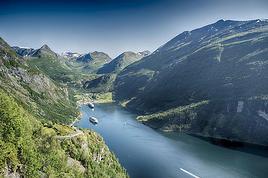
I'm considering a cruise on the Hurtigruten Coastal Express from Bergen to Kirkenes and back to Bergen over 11 days in mid-March 2027. Has anyone already done this trip? I think it’s a great way to discover the Norwegian coast with the chance to see magnificent northern lights, but isn’t the trip a bit *too* long? There are about thirty stops, but most last only a few minutes, with just one daily stop of over 2 hours, which gives a quick glimpse of a few towns but doesn’t allow for a full excursion. Is the supplement for an outside cabin with a porthole (800 € for 2!) really worth it? It’s more pleasant than an inside cabin, but do you spend enough time in your cabin to make the most of it? Thanks for sharing your thoughts on this journey. Best regards.
I'm considering a cruise on the Hurtigruten Coastal Express from Bergen to Kirkenes and back to Bergen over 11 days in mid-March 2027. Has anyone already done this trip? I think it’s a great way to discover the Norwegian coast with the chance to see magnificent northern lights, but isn’t the trip a bit *too* long? There are about thirty stops, but most last only a few minutes, with just one daily stop of over 2 hours, which gives a quick glimpse of a few towns but doesn’t allow for a full excursion. Is the supplement for an outside cabin with a porthole (800 € for 2!) really worth it? It’s more pleasant than an inside cabin, but do you spend enough time in your cabin to make the most of it? Thanks for sharing your thoughts on this journey. Best regards.
Reliable operators around San Pedro de Atacama
Hi there,
Not wanting to go through a traditional travel agency—often based in France and only offering "items pulled from an internet catalog"—I’ve decided to plan this trip to Chile on my own this year, in March-April.
However, I’m overwhelmed by the number of options online.
I’ll be staying in San Pedro de Atacama for 4 nights. I’d love to explore San Pedro de Atacama and its surroundings.
Since I won’t have a vehicle, I’ll likely need to rely on group transfers. What do you recommend as must-see places and activities? And most importantly, which trustworthy providers should I turn to?
Thanks in advance!
Jamet JC
Iceland: A Week on the Land of Ice and Fire in April
4 years... it’s been so long!!!
What a pleasure to be back on VF and, most of all, to see all the forum members again 🙂
And what a joy to read the travel journals of those travel addicts who were quicker than their own shadow to share their discoveries. Their keyboards and mice must’ve been itching
I’ll admit I’m feeling a bit of that itch too, but I’m way too lazy to dive into the story of our latest trip—last summer in the northwest USA. I’ll probably get to it later, but it might take a while! So, I’m jumping into the short recap of our *way* too short trip to Iceland at the end of April 2024. And even though it’s not the done thing, I’m going to spoil it and start with the conclusion: it was *amazing*!!!
Back in February, on the eve of leaving for a few days’ holiday in Alsace, we started wondering what we could do for Easter break. Scotland and Iceland were the top contenders. The boys are growing up, but they still travel with us often, and they tipped the scales in favor of Iceland. Since we decided a bit late, before booking the flights, I took a quick look at available accommodations. There wasn’t much left, and some were at crazy prices, but I managed to line up a decent itinerary with places that seemed like good value for money. I read travel journals on VF and blogs I could find, picked up bits of info from Facebook groups, and the route quickly took shape—even if I struggled with the place names, mixing them up and forgetting them. The dream could begin...
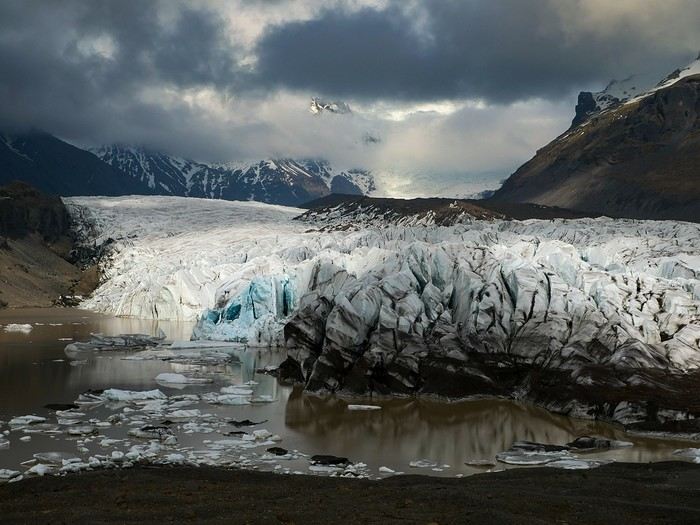
Bookings
Flight tickets bought directly from Fly Play’s website: 1520 € for the four of us (adult fare), with just two checked bags and one carry-on each. It was the compromise we found to keep costs down while still fitting all the bulky clothes we’d need. Late April isn’t quite winter anymore, but it’s not quite spring either, so we packed for chilly weather. Fly Play is Icelandair’s low-cost airline. No complaints: check-in was quick, service was efficient, and the flights were on time.
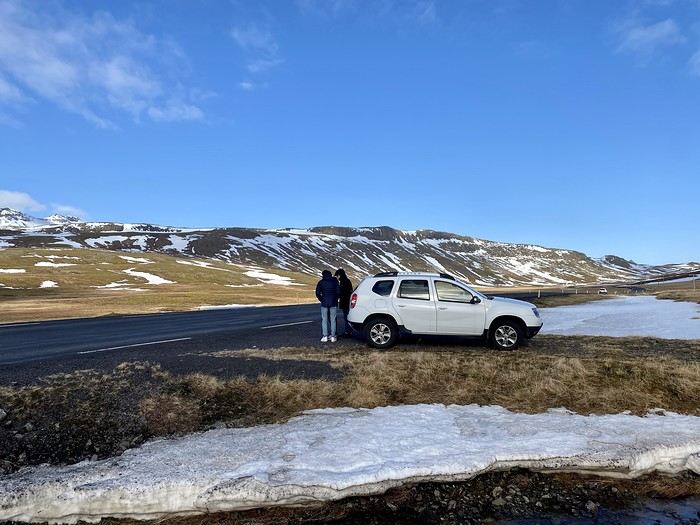
The car. Booked with Golden Circle car rental, a small family-run business with offices just 5 minutes from the airport. I’d read good things about them, and I can confirm everything went smoothly with our Dacia Duster—it wasn’t brand new, but it was reliable and spacious. We paid 463 € for the week, with full insurance included. The manager picked us up at the airport 10 minutes after I messaged him on WhatsApp to say we’d arrived. For the return trip, since our flight was super early and the agency wasn’t open yet, we agreed to leave the car in the airport parking lot and sent him a photo of the spot so he could find it. Super convenient! I read *so* many questions on Facebook groups about insurance: *Should I get the max coverage or not? I’ve got a Visa Premier, I’ve never had an accident, it adds 100 €...* Between sandstorms that can damage the bodywork and skidding off the road due to bad weather (we saw a few cars in ditches!), we decided to go for the rental company’s max insurance to be safe. It was also a requirement for leaving the car in the airport parking lot on our way back, since we couldn’t do the final inspection.
Accommodations were all booked on Booking.com and Hotels.com: - 2 nights in a cottage at Fossatun Country Hotel, near Borgarnes (we rented the sunset cottage—great spot, with a nice view and separate from the other lodgings) - 1 night in an apartment at Bakki Hostel and Apartments, in Eyrarbakki (top-notch) - 1 night in a gorgeous (and pricey!) apartment at Vik Apartments - 2 nights in a family room at Adventure Hof Hotel (perfect location) - 1 night at Blue Viking Studio near the airport (meh, but fine for a few hours’ sleep before an early flight) Total: 1234 €, averaging 176 € per night for 4-person accommodations.
The itinerary Day 1: Arrival around noon at the airport - Hraunfossar / Night at Fossatun Country Hotel Day 2: Snæfellsnes Peninsula / Night at Fossatun Country Hotel Day 3: Bruarfoss - Geysir - Gullfoss - Reykjadalur hot springs / Night in Eyrarbakki Day 4: Seljalandsfoss and Gljúfrafoss - DC-3 wreck (the one near Seljalandsfoss) - Skógafoss - Kvernufoss - Sólheimajökull (hike to the foot of the glacier) - Dyrhólaey - Reynisfjara Beach / Night in Vík Day 5: Fjaðrárgljúfur Canyon - Vatnajökull (3-hour hike to Svartifoss and Skaftafell) / Night in Hof Day 6: Múlagljúfur Canyon (2h45 hike) - Fjallsárlón - Jökulsárlón and Diamond Beach - Svínafellsjökull / Night in Hof Day 7: Drive back - Reykjavik - Sky Lagoon / Night in Keflavík Day 8: Flight back at 6 AM
That’s the practical side covered. I’ll leave you with a photo of our trusty steed.
And what a joy to read the travel journals of those travel addicts who were quicker than their own shadow to share their discoveries. Their keyboards and mice must’ve been itching
I’ll admit I’m feeling a bit of that itch too, but I’m way too lazy to dive into the story of our latest trip—last summer in the northwest USA. I’ll probably get to it later, but it might take a while! So, I’m jumping into the short recap of our *way* too short trip to Iceland at the end of April 2024. And even though it’s not the done thing, I’m going to spoil it and start with the conclusion: it was *amazing*!!!
Back in February, on the eve of leaving for a few days’ holiday in Alsace, we started wondering what we could do for Easter break. Scotland and Iceland were the top contenders. The boys are growing up, but they still travel with us often, and they tipped the scales in favor of Iceland. Since we decided a bit late, before booking the flights, I took a quick look at available accommodations. There wasn’t much left, and some were at crazy prices, but I managed to line up a decent itinerary with places that seemed like good value for money. I read travel journals on VF and blogs I could find, picked up bits of info from Facebook groups, and the route quickly took shape—even if I struggled with the place names, mixing them up and forgetting them. The dream could begin...
Bookings
Flight tickets bought directly from Fly Play’s website: 1520 € for the four of us (adult fare), with just two checked bags and one carry-on each. It was the compromise we found to keep costs down while still fitting all the bulky clothes we’d need. Late April isn’t quite winter anymore, but it’s not quite spring either, so we packed for chilly weather. Fly Play is Icelandair’s low-cost airline. No complaints: check-in was quick, service was efficient, and the flights were on time.
The car. Booked with Golden Circle car rental, a small family-run business with offices just 5 minutes from the airport. I’d read good things about them, and I can confirm everything went smoothly with our Dacia Duster—it wasn’t brand new, but it was reliable and spacious. We paid 463 € for the week, with full insurance included. The manager picked us up at the airport 10 minutes after I messaged him on WhatsApp to say we’d arrived. For the return trip, since our flight was super early and the agency wasn’t open yet, we agreed to leave the car in the airport parking lot and sent him a photo of the spot so he could find it. Super convenient! I read *so* many questions on Facebook groups about insurance: *Should I get the max coverage or not? I’ve got a Visa Premier, I’ve never had an accident, it adds 100 €...* Between sandstorms that can damage the bodywork and skidding off the road due to bad weather (we saw a few cars in ditches!), we decided to go for the rental company’s max insurance to be safe. It was also a requirement for leaving the car in the airport parking lot on our way back, since we couldn’t do the final inspection.
Accommodations were all booked on Booking.com and Hotels.com: - 2 nights in a cottage at Fossatun Country Hotel, near Borgarnes (we rented the sunset cottage—great spot, with a nice view and separate from the other lodgings) - 1 night in an apartment at Bakki Hostel and Apartments, in Eyrarbakki (top-notch) - 1 night in a gorgeous (and pricey!) apartment at Vik Apartments - 2 nights in a family room at Adventure Hof Hotel (perfect location) - 1 night at Blue Viking Studio near the airport (meh, but fine for a few hours’ sleep before an early flight) Total: 1234 €, averaging 176 € per night for 4-person accommodations.
The itinerary Day 1: Arrival around noon at the airport - Hraunfossar / Night at Fossatun Country Hotel Day 2: Snæfellsnes Peninsula / Night at Fossatun Country Hotel Day 3: Bruarfoss - Geysir - Gullfoss - Reykjadalur hot springs / Night in Eyrarbakki Day 4: Seljalandsfoss and Gljúfrafoss - DC-3 wreck (the one near Seljalandsfoss) - Skógafoss - Kvernufoss - Sólheimajökull (hike to the foot of the glacier) - Dyrhólaey - Reynisfjara Beach / Night in Vík Day 5: Fjaðrárgljúfur Canyon - Vatnajökull (3-hour hike to Svartifoss and Skaftafell) / Night in Hof Day 6: Múlagljúfur Canyon (2h45 hike) - Fjallsárlón - Jökulsárlón and Diamond Beach - Svínafellsjökull / Night in Hof Day 7: Drive back - Reykjavik - Sky Lagoon / Night in Keflavík Day 8: Flight back at 6 AM
That’s the practical side covered. I’ll leave you with a photo of our trusty steed.
Road tolls and ferries in Norway
I’m planning a trip to Norway in June 2025 and I’d like to know how to handle tolls with a contract like I read about
First trips after...
A turbulent period came to an end around 2022.
Many of us have returned to big trips after making only very small ones—or none at all. For a little anecdote, my dentist told me that due to the lack of travel, a lot of clients treated themselves to implants they would’ve otherwise skipped. The joy of traveling again probably gave some vacationers smiles they hadn’t dared to show before!
Here, you can share what’s on your mind: Have these new, real trips disappointed you, rejuvenated you, or just relieved a long frustration?
For my part, not being so young anymore, there was definitely relief but no explosion of joy. I just had the feeling of picking up the thread of life after a foggy pause, with the bitter taste that 2 or 3 years of my life had been partly stolen from me.
Sumatra: Off the Beaten Path in Asia
Here’s the thing: ever since Sumatra, I’ve become picky.
I don’t want the grey-green of the North Sea anymore. I want turquoise, crystal-clear waters—so clear you can see the coral 10 meters down. You see it, right?
I don’t want those "equatorial greenhouses" you visit politely in well-maintained park alleys. I want wild, humid, buzzing jungle—hostile yet captivating at the same time.
I don’t want wheat that becomes flour that becomes bread that dips into soup. I want jade-green rice terraces rippling in the wind through distant valleys, where you can enjoy a nasi goreng.
I want more! I want coconut trees in sight, fine sand underfoot, smiles in the streets, and the world’s largest volcanic lake with a charming little island inside. Simple, really!
Here’s the 26-day itinerary across this island:
LAKE TOBA: 4 days It’s the story of a volcanic island at the bottom of a lake at the bottom of a volcano. The lake is Toba. The island is Samosir. Time here is for pausing. Time is for savoring lobsters, swimming in calm waters, enjoying the mild climate without the tourist crowds. And when time isn’t for pausing, it’s for wandering at a leisurely pace—walking, canoeing, or scootering. You’ll discover lush jungle landscapes, Batak villages (a Christian ethnic group) with surprising architecture, small inner lakes, and breathtaking views from the summit. Tuk Tuk, the main village on Samosir, offers plenty of charming restaurants and accommodations. But you can also venture into lost villages and find a peaceful haven with locals... and never want to leave. If you want to know more and see all the photos, it’s here: Lake Toba.
BERASTAGI: 2 days We’re in the heart of Sumatra’s volcanoes. Berastagi is the starting point for climbing the smoking, sulfurous mountains nearby. The town itself isn’t interesting, but you’ll find everything you need (markets, lodging, warungs, restaurants...). For the volcanoes, the most accessible is Gunung Sibayak. No guide needed—the hike only takes a few hours (depending on where you start). All accommodations provide clear directions. The summit is only 2,095 meters high. Oh, this volcano isn’t all that impressive. But it’s really nice to feel the earth’s warmth in this lunar, ochre-yellow landscape, through the hissing fumaroles escaping the rocks. The place is stunning on a clear day, or even better if you’re lucky enough to rise above the clouds. Across from it, you’ll see the splendid view of a more turbulent neighboring volcano: Mount Sinabung and its dramas.
The jungle KETAMBE: 4 days
This is the real jungle. Not the Hollywood studio kind or the city zoo version. No: the jungle. Teeming, dense, humid, and noisy. With the help of a specialized guide, we spotted plenty of insects and birds, long-tailed macaques, "Thomas leaf monkeys," and the much-anticipated orangutan... Ketambe is less touristy than Bukit Lawang. The animals are completely wild, not "semi-tame." This part of Gunung Leuser National Park is also harder to access, but the experience remains authentic even as tourism grows. In these times of deforestation advancing like a terrestrial cancer, experiencing the jungle is a unique, moving, essential moment: it’s "For the wild beauty of the last primary forests" (Le Monde, November 13, 2013). Leech socks and a small backpack: you’re ready for a multi-day trek? Off you go for muddy slopes, liters of sweat, hot rivers, endless green... and primates! Sleeping at least one night is a memorable adventure: the sounds of the jungle in total darkness deliver their dose of sensations, chills, and lifelong memories. If you want to know more and see all the photos, it’s here: the Ketambe jungle.
PULAU WEH: 5 days It’s all here: turquoise waters, fishing villages, thrilling scuba diving, lush jungle, coconut trees, warungs, and fresh fish on abandoned beaches with seashells and crustaceans. A small island north of Sumatra (50 minutes by ferry), Pulau Weh is slowly recovering from the 2004 tsunami. For now, the place isn’t overrun by tourists. But the infrastructure is more pleasant than in the rest of Sumatra. You’ll find some charming bungalows right on the water. Rent a scooter, and you can easily find yourself alone on a paradise-like cove for a romantic sunset. For the party scene, uh... it’s pretty quiet! People come here mainly for scuba diving with its colorful corals (though some have bleached) and lively marine life. Snorkeling also reveals beautiful sights. If you’re not here to swim, there’s always lazing on the beach in a hammock, sipping while gazing at the turquoise waves. That’s great too! If you want to know more and see all the photos, it’s here: Pulau Weh.
LAKE MANINJAU: 2 days The mist yawns slowly over the waters at dawn. When it finally lifts, you discover a blue treasure at the bottom of the old volcano’s caldera. In central-west Sumatra, Lake Maninjau is home to the Minang Kabau people. Less touristy than Lake Toba, it still offers equally beautiful landscapes. By scooter, a full day is enough to circle the lake (40 km) through villages, jungle, and rice terraces: it’s very pleasant, especially the southern part where traffic is light. You’ll find bungalows by the water, mainly near the village of Maninjau (yes, same name as the lake). From the crater’s heights, you can admire the whole of Maninjau (the lake!). To get there, you can navigate the 44 hairpin turns (!) by motorized vehicle from Maninjau (the village!) or tackle the path climbing from Bayur to Puncak Lawang, where the view is... top (yes, same name as the village).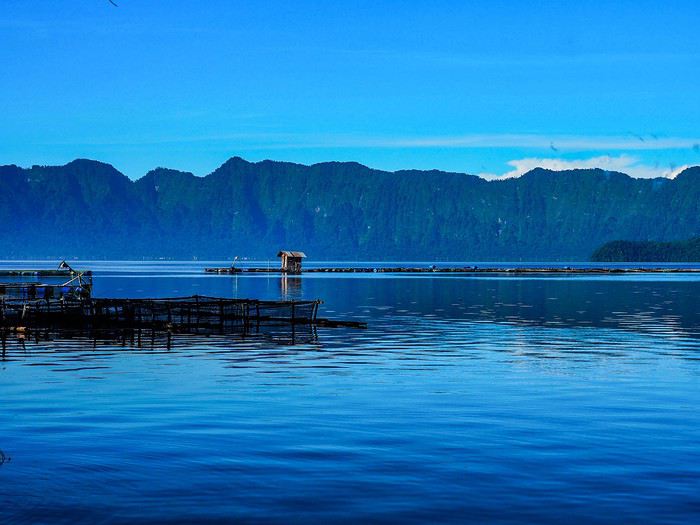
HARAU VALLEY: 3 days Magnificent rice terraces surrounded by towering cliffs and cascading waterfalls. That’s what awaits the adventurer—happy like Ulysses after a long journey to the fertile Harau Valley. It’s peaceful, off the beaten path, and rejuvenating. Few tourists here, and few accommodations. The well-known Abdi Homestay offers quiet bungalows, slightly set back from the main road, in a stunning setting. Again, renting a scooter is a great idea, but here, "happiness is in the fields"—well, the rice terraces. So, park your two wheels and venture along the paths crisscrossing the terraces, following small streams, brushing past villages lost in the valley. If you want to know more and see all the photos, it’s here: Harau Valley.
BEACHES SOUTH of PADANG: 4 days 20 km south of Padang lies Bungus Beach. But that’s not it yet... You’ll need to take a fisherman’s boat for 40 minutes south to land on a peninsula inaccessible by car. That’s the minimum to reach this little paradise, nestled between jungle and sea, far from Padang’s pollution and hustle. An Eden on an isolated beach, with nothing but small bungalows and possible excursions to the nearby islands. The only way to get around: by boat and on foot... Pure bliss, toes in the water. And on the blog "Un tour dans le sac", nothing is spared—especially not the description to make your mouth water (Indian Ocean water, that is): sublime turquoise waters, postcard-perfect coconut trees, lazing in your favorite hammock.
For the practical side, here’s some info:
Sumatra Travel: Itinerary Summary My thoughts Sumatra is a magnificent Indonesian island and still relatively untouched. Tourists mainly flock to Java and Bali. It’s especially suited for nature lovers who’ll appreciate its volcanoes, paradise islands, jungle, and rice terraces. Sumatra is huge: in 3 weeks, we only visited the northern half of the island... And even then, we barely scratched the surface of this stunning part of Sumatra. That said, this itinerary offers an exceptional variety of landscapes: beaches, volcanoes, rice terraces, jungle—the winning combo!
Overall, Sumatra is still lacking in infrastructure, and maybe that’s a good thing: it’s far from Bali’s rampant "hotel urbanization." That said, you’ll have to accept spartan comfort: Sumatra, as beautiful as it is, is only for backpackers, adventurers, and travelers who can do without cozy 3-star hotels. In short, Sumatra is earned, but the effort is well worth it, and the warm welcome from the locals will make you forget the minor travel inconveniences.
A disappointment? The food isn’t as good as Bali’s (check out our article on the subject (link)). The stop in Berastagi is nice but not essential, especially if you’ve already seen Java’s impressive volcanoes.
A favorite? There were so many! But if I had to choose, I’d pick the Ketambe jungle. It was my first experience in a natural environment I didn’t know: a primary forest and memories that’ll last!
Would I do the Sumatra trip again? I regret not going to the Mentawai Islands. This archipelago, off Sumatra’s west coast, has long remained isolated: some inhabitants still live traditionally. These "flower men" live in harmony with nature. Unfortunately, their way of life is threatened by modern influences, and their fragile, unique culture risks disappearing. I would’ve loved to spend time with this incredible ethnic group. But it takes time: a week seems necessary. I would’ve had to skip some stops in our itinerary—maybe the peninsula south of Bungus and Berastagi?
Budget: It’s really cheap, especially the food, which, let’s be honest, isn’t amazing. Backpackers who can settle for spartan comfort (small bungalows without AC or hot water) and local food in warungs can easily get by on 20 € per day for two people (food + lodging). The cost of flights from Europe to Sumatra remains high. For our part, we found great deals on Paris-Hong Kong tickets (350 € round trip). Then you just need to reach Medan by low-cost airline.
No mandatory tipping in restaurants or accommodations. However, it’s more common to tip guides or taxi drivers.
Like many places in Indonesia, everything is negotiable. If you’re new to this, it’s not easy at first... Especially when dealing with a population poorer than us, "rich Westerners." But bargaining is part of the local culture! And you’ll get used to it—it even becomes fun. Plus, you don’t want to be that tourist paying the "tourist price" they’ll likely quote first, right?
To negotiate, be firm, respect your counterpart, smile, stay polite... Clearly show it’s too expensive or that the deal is done (by shaking hands, for example). Typing the numbers on your phone helps communicate the price. Learning a few words in the local language ("It’s too expensive," "How much?") is appreciated! Okay, it’s a rough tip, but here’s a base: dividing the first price by 2 gets you close to a fair negotiation.
Currently, 15,000 Indonesian rupiahs are worth about 1 €.
Accommodation Infrastructure is underdeveloped in Sumatra. You’ll find fewer "charming lodgings" than in Bali. Still, there are some very pleasant places. If you read our Sumatra articles, we recommend Abdi Homestay in Harau Valley and Silimalumbo at Lake Toba. In Pulau Weh, the choice is wider, but we suggest trying the seafood pasta at Bixio Café!
Health We didn’t get sick in Sumatra. By following a few simple rules (avoiding tap water, not swimming in stagnant freshwater), you’ll avoid the main issues. Hygiene is improving anyway. Anti-malaria treatment is still recommended, but cases are rare.
Also, keep in mind that Sumatra has a hot, humid climate—adjust your behavior accordingly (stay hydrated, protect yourself from the sun, etc.).
Here’s the 26-day itinerary across this island:
LAKE TOBA: 4 days It’s the story of a volcanic island at the bottom of a lake at the bottom of a volcano. The lake is Toba. The island is Samosir. Time here is for pausing. Time is for savoring lobsters, swimming in calm waters, enjoying the mild climate without the tourist crowds. And when time isn’t for pausing, it’s for wandering at a leisurely pace—walking, canoeing, or scootering. You’ll discover lush jungle landscapes, Batak villages (a Christian ethnic group) with surprising architecture, small inner lakes, and breathtaking views from the summit. Tuk Tuk, the main village on Samosir, offers plenty of charming restaurants and accommodations. But you can also venture into lost villages and find a peaceful haven with locals... and never want to leave. If you want to know more and see all the photos, it’s here: Lake Toba.
BERASTAGI: 2 days We’re in the heart of Sumatra’s volcanoes. Berastagi is the starting point for climbing the smoking, sulfurous mountains nearby. The town itself isn’t interesting, but you’ll find everything you need (markets, lodging, warungs, restaurants...). For the volcanoes, the most accessible is Gunung Sibayak. No guide needed—the hike only takes a few hours (depending on where you start). All accommodations provide clear directions. The summit is only 2,095 meters high. Oh, this volcano isn’t all that impressive. But it’s really nice to feel the earth’s warmth in this lunar, ochre-yellow landscape, through the hissing fumaroles escaping the rocks. The place is stunning on a clear day, or even better if you’re lucky enough to rise above the clouds. Across from it, you’ll see the splendid view of a more turbulent neighboring volcano: Mount Sinabung and its dramas.
The jungle KETAMBE: 4 days
This is the real jungle. Not the Hollywood studio kind or the city zoo version. No: the jungle. Teeming, dense, humid, and noisy. With the help of a specialized guide, we spotted plenty of insects and birds, long-tailed macaques, "Thomas leaf monkeys," and the much-anticipated orangutan... Ketambe is less touristy than Bukit Lawang. The animals are completely wild, not "semi-tame." This part of Gunung Leuser National Park is also harder to access, but the experience remains authentic even as tourism grows. In these times of deforestation advancing like a terrestrial cancer, experiencing the jungle is a unique, moving, essential moment: it’s "For the wild beauty of the last primary forests" (Le Monde, November 13, 2013). Leech socks and a small backpack: you’re ready for a multi-day trek? Off you go for muddy slopes, liters of sweat, hot rivers, endless green... and primates! Sleeping at least one night is a memorable adventure: the sounds of the jungle in total darkness deliver their dose of sensations, chills, and lifelong memories. If you want to know more and see all the photos, it’s here: the Ketambe jungle.
PULAU WEH: 5 days It’s all here: turquoise waters, fishing villages, thrilling scuba diving, lush jungle, coconut trees, warungs, and fresh fish on abandoned beaches with seashells and crustaceans. A small island north of Sumatra (50 minutes by ferry), Pulau Weh is slowly recovering from the 2004 tsunami. For now, the place isn’t overrun by tourists. But the infrastructure is more pleasant than in the rest of Sumatra. You’ll find some charming bungalows right on the water. Rent a scooter, and you can easily find yourself alone on a paradise-like cove for a romantic sunset. For the party scene, uh... it’s pretty quiet! People come here mainly for scuba diving with its colorful corals (though some have bleached) and lively marine life. Snorkeling also reveals beautiful sights. If you’re not here to swim, there’s always lazing on the beach in a hammock, sipping while gazing at the turquoise waves. That’s great too! If you want to know more and see all the photos, it’s here: Pulau Weh.
LAKE MANINJAU: 2 days The mist yawns slowly over the waters at dawn. When it finally lifts, you discover a blue treasure at the bottom of the old volcano’s caldera. In central-west Sumatra, Lake Maninjau is home to the Minang Kabau people. Less touristy than Lake Toba, it still offers equally beautiful landscapes. By scooter, a full day is enough to circle the lake (40 km) through villages, jungle, and rice terraces: it’s very pleasant, especially the southern part where traffic is light. You’ll find bungalows by the water, mainly near the village of Maninjau (yes, same name as the lake). From the crater’s heights, you can admire the whole of Maninjau (the lake!). To get there, you can navigate the 44 hairpin turns (!) by motorized vehicle from Maninjau (the village!) or tackle the path climbing from Bayur to Puncak Lawang, where the view is... top (yes, same name as the village).
HARAU VALLEY: 3 days Magnificent rice terraces surrounded by towering cliffs and cascading waterfalls. That’s what awaits the adventurer—happy like Ulysses after a long journey to the fertile Harau Valley. It’s peaceful, off the beaten path, and rejuvenating. Few tourists here, and few accommodations. The well-known Abdi Homestay offers quiet bungalows, slightly set back from the main road, in a stunning setting. Again, renting a scooter is a great idea, but here, "happiness is in the fields"—well, the rice terraces. So, park your two wheels and venture along the paths crisscrossing the terraces, following small streams, brushing past villages lost in the valley. If you want to know more and see all the photos, it’s here: Harau Valley.
BEACHES SOUTH of PADANG: 4 days 20 km south of Padang lies Bungus Beach. But that’s not it yet... You’ll need to take a fisherman’s boat for 40 minutes south to land on a peninsula inaccessible by car. That’s the minimum to reach this little paradise, nestled between jungle and sea, far from Padang’s pollution and hustle. An Eden on an isolated beach, with nothing but small bungalows and possible excursions to the nearby islands. The only way to get around: by boat and on foot... Pure bliss, toes in the water. And on the blog "Un tour dans le sac", nothing is spared—especially not the description to make your mouth water (Indian Ocean water, that is): sublime turquoise waters, postcard-perfect coconut trees, lazing in your favorite hammock.
For the practical side, here’s some info:
Sumatra Travel: Itinerary Summary My thoughts Sumatra is a magnificent Indonesian island and still relatively untouched. Tourists mainly flock to Java and Bali. It’s especially suited for nature lovers who’ll appreciate its volcanoes, paradise islands, jungle, and rice terraces. Sumatra is huge: in 3 weeks, we only visited the northern half of the island... And even then, we barely scratched the surface of this stunning part of Sumatra. That said, this itinerary offers an exceptional variety of landscapes: beaches, volcanoes, rice terraces, jungle—the winning combo!
Overall, Sumatra is still lacking in infrastructure, and maybe that’s a good thing: it’s far from Bali’s rampant "hotel urbanization." That said, you’ll have to accept spartan comfort: Sumatra, as beautiful as it is, is only for backpackers, adventurers, and travelers who can do without cozy 3-star hotels. In short, Sumatra is earned, but the effort is well worth it, and the warm welcome from the locals will make you forget the minor travel inconveniences.
A disappointment? The food isn’t as good as Bali’s (check out our article on the subject (link)). The stop in Berastagi is nice but not essential, especially if you’ve already seen Java’s impressive volcanoes.
A favorite? There were so many! But if I had to choose, I’d pick the Ketambe jungle. It was my first experience in a natural environment I didn’t know: a primary forest and memories that’ll last!
Would I do the Sumatra trip again? I regret not going to the Mentawai Islands. This archipelago, off Sumatra’s west coast, has long remained isolated: some inhabitants still live traditionally. These "flower men" live in harmony with nature. Unfortunately, their way of life is threatened by modern influences, and their fragile, unique culture risks disappearing. I would’ve loved to spend time with this incredible ethnic group. But it takes time: a week seems necessary. I would’ve had to skip some stops in our itinerary—maybe the peninsula south of Bungus and Berastagi?
Budget: It’s really cheap, especially the food, which, let’s be honest, isn’t amazing. Backpackers who can settle for spartan comfort (small bungalows without AC or hot water) and local food in warungs can easily get by on 20 € per day for two people (food + lodging). The cost of flights from Europe to Sumatra remains high. For our part, we found great deals on Paris-Hong Kong tickets (350 € round trip). Then you just need to reach Medan by low-cost airline.
No mandatory tipping in restaurants or accommodations. However, it’s more common to tip guides or taxi drivers.
Like many places in Indonesia, everything is negotiable. If you’re new to this, it’s not easy at first... Especially when dealing with a population poorer than us, "rich Westerners." But bargaining is part of the local culture! And you’ll get used to it—it even becomes fun. Plus, you don’t want to be that tourist paying the "tourist price" they’ll likely quote first, right?
To negotiate, be firm, respect your counterpart, smile, stay polite... Clearly show it’s too expensive or that the deal is done (by shaking hands, for example). Typing the numbers on your phone helps communicate the price. Learning a few words in the local language ("It’s too expensive," "How much?") is appreciated! Okay, it’s a rough tip, but here’s a base: dividing the first price by 2 gets you close to a fair negotiation.
Currently, 15,000 Indonesian rupiahs are worth about 1 €.
Accommodation Infrastructure is underdeveloped in Sumatra. You’ll find fewer "charming lodgings" than in Bali. Still, there are some very pleasant places. If you read our Sumatra articles, we recommend Abdi Homestay in Harau Valley and Silimalumbo at Lake Toba. In Pulau Weh, the choice is wider, but we suggest trying the seafood pasta at Bixio Café!
Health We didn’t get sick in Sumatra. By following a few simple rules (avoiding tap water, not swimming in stagnant freshwater), you’ll avoid the main issues. Hygiene is improving anyway. Anti-malaria treatment is still recommended, but cases are rare.
Also, keep in mind that Sumatra has a hot, humid climate—adjust your behavior accordingly (stay hydrated, protect yourself from the sun, etc.).
Location de voiture pour San Pedro de Atacama
j'y vais fin avril début mai 2019 avec mes deux grands fils et je me posais la question soit de louer une voiture à Calama et qu'on se débrouille pour faire les principaux sites seuls soit de passer par un guide francophone et donc nous passer de voiture : nous ne resterons que 5 jours. Que nous conseillez-vous ?
Les chutes d'Iguazú côtés brésilien et argentin
Bonjour.
Pour réaliser la visite des chutes des deux côtés, est-ce envisageable sur une journée ? Quel est l'itinéraire à suivre et le moyen de transport à privilégier ?
Merci de vos réponses.
Vaccins obligatoires pour le Brésil
Bonjour,
le vaccin contre la fièvre jaune est fortement recommandé ou est- il obligatoire?
je part dans 5 jours pour une semaine et c'est un voyage non prévu. Si je ne le fais pas y a t-il un risque que je sois refoulé à l’aéroport?
Merci
Idées d'itinéraires de 12 jours au Brésil (au féminin)
Bonjour,
Je compte partir au Brésil dans le courant du mois de novembre. Ce sera une première pour moi, du coup je compte un peu sur vous pour des idées d"itinéraires ..
Dans des régions ou il ne pleut pas trop à cette périodes, en tenant compte du fait que nous serons 2 femmes et voyageant en bus ... Quels sont les endroits à ne pas manquer, ceux à éviter ...
D'autres questions également, niveau sécurité au Brésil vous en pensez quoi ? L'anglais est-il beaucoup parlé ?
D'avance merci pour tous vos conseils.
D'avance merci pour tous vos conseils.
Visiter les alentours de San Pedro de Atacama sans louer de voiture
Bonjour,
J'ai cru comprendre qu'en étant basée à San Pedro de Atacama on pouvait faire des excursions facilement pour visiter les sites aux alentours. Ne prévoyant pas de louer de voiture, je pense compter essentiellement sur les tours organisés. Pourriez vous me donner une idée du prix et surtout de la forme qu'ils prennent à savoir aller retour sur la journée, circuits de 2/3 jours etc. Avez vous des conseils à ce sujet?
l'une de mes craintes et de devoir enchainer quotidiennement des excursions qui demandent de se lever tot et de rentrer tard avec beaucoup de transport dans la journée (je ne me rends pas bien compte des distances entre chaque point d'interet).
Je sais qu'il faut que j'organise tout une fois sur place avec les agences de SPA mais vos réponses me donneront une idée du temps et du budget que je dois prevoir plus ou moins et puis de si je dois réserver un hébergement pour plusieurs jours ou pas (au cas où l'excursion se déroulerait sur plusieurs jours).
Merci beaucoup par avance pour vos retours,
Cécile
Agence de voyage à la carte au Brésil
Bonjour,
J'envisage un voyage en famille au Brésil au printemps prochain. Je ne souhaite pas de circuit groupé mais un circuit privé à la carte. J'ai déjà quelques idées des endroits que nous souhaiterions visiter. Je recherche une agence spécialiste du Brésil qui propose des voyages à la carte ? Auriez-vous quelques recommandations à me faire svp ? Car je ne souhaite pas choisir au hasard... Merci d'avance pour votre aide.
J'envisage un voyage en famille au Brésil au printemps prochain. Je ne souhaite pas de circuit groupé mais un circuit privé à la carte. J'ai déjà quelques idées des endroits que nous souhaiterions visiter. Je recherche une agence spécialiste du Brésil qui propose des voyages à la carte ? Auriez-vous quelques recommandations à me faire svp ? Car je ne souhaite pas choisir au hasard... Merci d'avance pour votre aide.
Voyage Bolivie et région d'Atacama
Bonjour.
Je souhaiterais effectuer un voyage en Bolivie et dans la région d'Atacama au Chili.
Globalement, mon programme serait celui-ci :
Paris …, Sucre, Potosi, Tupizza, Sud Lipez, le sud de la Bolivie …, aller au Chili pour visiter la région d’Atacama, remonter en Bolivie vers le nord …, Salar d’Uyuni …, Oruro …, La Paz … Paris
Il semblerait que le meilleur parcours, aller, en avion soit : Paris-Madrid-Santa Cruz. Aller ensuite à Sucre.
Est-ce bien le cas ? Certaines agences vont de Paris à La Paz puis vont ensuite vers Sucre. Est-ce cohérent ? Je ne souhaite pas aller au lac Titicaca car j'y suis déjà allé au Pérou. Je ne souhaite pas non plus aller à Santiago car je suis déjà allé au Chili sauf dans la région d'Atacama. Que me conseillez-vous ?
Merci pour vos réponses. Cordialement. Pascal.
Itineraire 2 semaines nord Chili et Bolivie
Bonjour,
Je pars avec une amie pour seulement 2 semaines en aout. Nous souhaitons découvrir l'incontournable sud lipez/salar d'Uyuni mais également passer quelques jours dans des endroits plus sauvages. Pouvez-vous nous donner vos avis et conseils concernant cette première ébauche d'itinéraire :
J1 : Arrivée à Calama – Trajet vers San Pedro de Atacama – Nuit à San Pedro de Atacama
J2 : Visite des alentours, réservation de l’expédition 4x4 – Nuit à San Pedro de Atacama
J3 : Expédition en 4x4 de 3 jours dans le Sud Lipez / Salar Uyuni
J4 : Expédition en 4x4 de 3 jours dans le Sud Lipez / Salar Uyuni
J5 : Expédition en 4x4 de 3 jours dans le Sud Lipez / Salar Uyuni
J6 : Trajet vers Sajama (par Oruro) – Nuit à Sajama
J7 : Visite / Randonnée parc naturel Sajama, sources chaudes – Nuit à Sajama
J8 : Visite / Randonnée parc naturel Sajama – Nuit à Sajama
J9 : Trajet vers Parinacota (passage frontière) – Nuit à Parinacota
J10 : Visite / Randonnée parc naturel Lauca
J11 : Visite / Randonnée parc naturel Lauca
J12 : Trajet vers Arica
J13 : Vol intérieur Arica – Santiago du Chili – Journée à Santiago du Chili
J14 : Visite de Valparaiso dans la journée – Nuit à Santiago du Chili
J15 : Vol retour
Est-ce faisable et judicieux ?
Merci par avance !
Sud Lipez et Salar de Uyuni avec de bons hébergements
Avec mon épouse nous souhaitons visiter le Sud Lipez et le Salar de Uyuni avec pour nos nuits des hébergements de qualité c'est-à-dire une chambre privée avec un bon lit, duvet, couvertures et douche chaude !!!
Quelqu'un a-t-il fait le circuit de 4 jours et 3 nuits avec départ de Tupiza et arrivée à Uyuni avec de tels hébergements ?
Quelqu'un a-t-il déjà logé dans l'un des 4 hôtels que la chaîne Tayka possède dans ce secteur ?
Merci à toute personne pouvant nous faire part de son expérience d'hébergement confortable ou pouvant nous fournir une information utile dans ce sens.
Nous commencerons notre circuit à Tupiza le 12 ou 13 novembre 2015; y a-t-il par hasard 1 ou 2 personnes ayant le même souhait qui se joindraient à nous ?
Juillet-août: quelles températures sur l'Altiplano?
Bonjour à toutes et à tous!
Je pars tout bientôt pour un voyage d'un peu plus de 5 semaines en Amérique du Sud, plus précisément en Bolivie avec un crochet par le Chili, et je suis à la recherche d'informations concernant les températures sur l'Altiplano entre les mois de juillet d'août, car j'ai de la peine à m'y retrouver dans tout ce que je lis. Mon itinéraire n'est pas encore vraiment arrêté (je vais voyager les premières semaines avec ma soeur qui baroude depuis un an en Amérique du Sud, du coup ça va certainement être un peu "freestyle" 😛), mais je vais pour sûr faire le salar de Uyuni, certainement les lagunes du Sud Lipez, peut-être aussi passer à Potosi (bref, vous voyez la région), puis descendre sur le désert d'Atacama côté chilien avant de remonter sur la Bolivie. Je ne sais pas encore si j'irai à La Paz, mais j'arrive et repars de Santa Cruz.
Du coup, à quelles températures dois-je m'attendre? Que dois-je impérativement prévoir niveau matériel? Merci d'avance! 🙂
Bolivie, Islande ou l'Amérique du Nord?
Bonjour,
Mes vacances d'été 2014 étant bouclées, je pense déjà à celles de 2015. Mais j'hésite avec plusieurs destinations.
J'adore randonner dans de très beaux paysages et camper.
Je ne suis pas une randonneuse d'haute montagne et j'ai des vertiges.
Est-ce que c'est possible de faire de belles randonnées sans trop souffrir en Bolivie ?
Et pour le logement que me conseillez-vous, SVP ?
Je ne suis pas une grande fan des hôtels, mais s'il le faut...
Les autres destinations qui m'attirent beaucoup sont l'Islande (déjà fait en hiver) et l'Amérique du Nord (destination à définir selon vos conseils).
Un grand merci d'avance de vos messages !
Quelqu'un a-t-il eu des problèmes à l'entrée à Bali?
Bonjour, je m'explique. J'ai lu sur ce même forum l'histoire d'un homme français ( d'origine indienne) ayant ete refoulé à la frontière à JAKARTA, et j'ai peur.
je voudrais savoir si d'autres personnes ont eu ce genre de mésaventure à l'entrée à BAli, voir, s'il existe sur ce forum des parents blancs avec des enfants pas trop blanc qui ont passé l'immigration sans probleme.
Bon je m'explique. Notre jolie famille est constituée de 2 parents blancs et de 2 enfants ( de 6 et 9 ans) noirs. Nos enfants sont bien sur adoptés. Ils sont bien sur Français, portent notre nom et détenteurs de passeport biométriques français.
L'histoire raconté me fait peur je me demande si je risque quoi que ce soit, si je dois apporté des papiers jugements livrets de famille ou demander des papiers au consulat d'indonésie ?
Si quelqu'un a été dans mon cas ou si des personnes d'origine etrangere mais française à présent ont passé l'immigration sans problème j'aimerai que vous me rassuriez.
Merci pour vos réponses ou témoignages
Balader en solo dans les environs de Coroico pour voir des champs de coca? (Bolivie)
Dernière question (pour le moment) : une fois Coroico, sans faire le trek de choro, est-il possible de se ballader en solo dans les environs et voir des champs de coca, des vergers, d'autres petits pueblos et peut-on louer les services d'un local à la journée par ex pour voir ce qui est intéressant ?
Merci🙂
Bolivie: prendre un bateau pour l'Isla del Sol depuis Copacabana?
Bonjour,
Je souhaiterais savoir s'il existe des bateaux publics à partir de copacabana pour se rendre sur la isla del sol sans devoir passer par une agence. Doit-on réserver ? Peut-on prendre un bateau et revenir le lendemain afin de passer une nuit sur l'île ? Où s'arrêtent-ils ? Sur l'île est-il conseillé de réserver son logement (août) ? Grand merci😉
Je souhaiterais savoir s'il existe des bateaux publics à partir de copacabana pour se rendre sur la isla del sol sans devoir passer par une agence. Doit-on réserver ? Peut-on prendre un bateau et revenir le lendemain afin de passer une nuit sur l'île ? Où s'arrêtent-ils ? Sur l'île est-il conseillé de réserver son logement (août) ? Grand merci😉