Discussions Simc4 took part in
About 166 results.
More options
Many results are in French, the community’s main language. English translations are added over time.
Search results
In the Land of Mountain Gorillas: The Story of an "Epic" Trip
Passionate about travel, animals (furry, feathered, scaly), and my partner’s love for photography, it was in 2014, after encountering orangutans in Gunung Leuser National Park in Sumatra, that I felt the urge to see other great apes in their natural habitat and in the wild. For my 40th birthday, I dreamed of only one thing... seeing gorillas. I still had four years to wait and four years to save up.
At the time, I had only heard of the Virunga Mountains, particularly the part in Rwanda. To be honest, Uganda had never really struck me as a destination I’d ever set foot in, and the DRC, for security reasons, didn’t particularly appeal to me.
But then, one day, I heard that Rwanda was going to increase the price of gorilla permits to USD 1,500 per person. Ouch... that seemed way overpriced, especially since we were going as a couple and I really wanted to see them twice. $6,000 for two days... Okay, it’s for my 40th birthday, but still...
At the end of 2017, I started looking more closely into our trip planned for December 2018. A stroke of luck in my schedule meant my former English teacher sent me a link to an article she’d written for her travel agency about her encounter with gorillas in Uganda. Hmm, Uganda? It was the first time I’d read about the country. Why not?
I scoured various forums in French and English and re-discovered voyageforum.com. And most importantly, I came across Ticapi’s travel journal, which I devoured in one evening, and a few months later, Muriel18’s, whose release I eagerly awaited. Wow!!! Not only can you see gorillas in Uganda, but also chimpanzees and the shoebill, not to mention the savannah and the chance to go on more classic safaris.
All that’s left is to convince my better half that Uganda is a safe country...
Usually, and now more than ever, we prefer independent travel and self-drive trips in particular. But given the proximity to the DRC border, the potentially impassable roads after rain, and rental cars that aren’t always in the best condition, we hired a guide for two weeks in December 2018. The months passed, and the excitement grew.
Three weeks before departure, I fell ill after a work trip to Asia. Darn! This time, I didn’t waste any time—I quickly saw a doctor and got rid of that virus. That was the plan! Flu or malaria? (I’d been to the Amazon six months earlier.) The doctor didn’t know; the cough only appeared a few days later. We did blood tests two days in a row to rule out malaria. So it was the flu or... pneumonia :-( ...?
The X-rays spoke for themselves—it was pneumonia, and it was already quite advanced. No big deal, I still had two weeks to recover! I religiously took my antibiotics, downed loads of vitamin C, but nothing worked—the antibiotics didn’t seem to be doing anything. I was coughing so hard I thought my lungs would come up, I was short of breath, exhausted. I’d dreamed of this trip for so long... it seemed unthinkable not to go. Five days before departure, my doctor hospitalized me—the pneumonia had worsened, and my blood oxygen levels were dangerously low. I was in tears but still in denial about what was happening to me. Besides, I’d still taken my anti-malarial, because I was determined to leave.
I spent the first day in the emergency room on oxygen 24/7. The germ causing my pneumonia was unknown to the infectious disease and pulmonary specialists. They tried a combination of antibiotics. No big deal, in four days, I’d be leaving. I harassed the doctor, who must have thought I was crazy, to find out when I could be discharged—"because, you see, doctor, I have a flight to Uganda on Saturday." On Thursday, the doctor was firm: I’d still be hospitalized on Saturday... deep down, I knew it but didn’t want to admit it. My partner handled canceling the flights, contacted our travel insurance (thankfully we had some), and I wrote to our guide (who, in the meantime, had become our tour operator) who could hardly believe it. And neither could I! We told ourselves it was just postponed and that we’d take this long-awaited trip at the end of 2019!
March 2019, the tour operator reached out to us: "Didn’t you say you wanted to go to Uganda this year? You’d better hurry and book the gorilla permits before they run out."
Oh yes, we wanted to see the gorillas. But we hesitated about rebooking. I still hoped to do this trip as a self-drive. The thing is, this year, we managed to take three weeks off, and we also wanted to spend a week in Rwanda. My partner still didn’t feel comfortable driving there. Yet, he’s driven all over the world. I respected his feelings, especially since he’s the only one who drives.
Anyway, we went back and forth but neither of us really said what we were thinking: "What if we used someone else to organize our trip?" In the end, we went with him again, made a first deposit for four gorilla permits (two days each) (not the best idea we’ve ever had), and looked into adding Rwanda to our itinerary. We’d have a guide/driver for the whole trip with mid-range accommodations.
After several back-and-forths, the itinerary was supposed to look something like this. To be honest, I got fed up after a while.
Day 1: Arrival in Kigali in the evening Day 2: Transfer from Kigali to Akagera NP Day 3: Safari in Akagera NP Day 4: Akagera NP and night in Nyagatare Day 5: Transfer from Nyagatare to Nyungwe Forest Day 6: Nyungwe Day 7: Nyungwe Day 8: Transfer from Nyungwe to Lake Kivu, Rubavu/Gisenyi Day 9: Transfer from Rubavu/Gisenyi to Kisoro/Uganda via the Cyanika border Day 10: Gorilla tracking in Mgahinga NP Day 11: Golden Monkey tracking in Mgahinga NP, night at Lake Mutanda Day 12: Gorilla tracking in Bwindi, Ruhija (later changed to Rushaga) Day 13: Queen Elizabeth NP, Ishasha sector in the morning and Kazinga Channel in the afternoon Day 14: No clear answer on activities for that day. After three attempts, I gave up. I shouldn’t have... Day 15: Chimpanzee tracking in Kyambura Gorge, night at Lake Nkuruba Day 16: Lake Nkuruba, morning activities around the lake and Bigodi Swamps in the afternoon Day 17: Transfer from Lake Nkuruba to Murchison Falls Day 18: Murchison Falls Day 19: Murchison Falls Day 20: Transfer from Murchison Falls via Ziwa Rhino Sanctuary, night in Entebbe Day 21: Entebbe – Mabamba Swamps Day 22: Mabamba Swamps in the morning, Botanical Garden in Entebbe in the afternoon, and transfer to the airport for the overnight return flight.
In April, he asked us for a substantial deposit for the accommodations and some park activities, as one of his colleagues was doing the same tour in May and it would be good if he could secure the already-made reservations by paying the bill.
A week before departure, just like in 2018, we paid the remaining balance of the agreed amount. Three days later, since I hadn’t heard from him (the TO is based in Germany), I sent him a message to confirm he’d received the payment.
My partner joked, "And that’s when he tells us he closed the account we sent the money to." I forced a laugh... and even more so when the TO asked me which account I’d sent the balance to... "Uh, the same one as before." And then he told me he’d closed that account and maybe should’ve mentioned it earlier... uh, you think?! And of course, he needed the money sent again quickly. "Well, buddy, you’ll have to wait until I get it back!!!
It was already late, and my bank had been closed for hours. The next morning, first thing, I called my bank and explained the situation.
"Unfortunately, we can’t do anything for you; you’ll have to wait for the money to be returned." "But how long will that take?" "A few days or weeks, depending on the banks, and you should expect transfer fees."
Brilliant! :-(
After nearly 10 years of traveling almost exclusively without traditional travel agencies, had we just been scammed? I went back to the forums to reread posts about this TO from other travelers. They were all positive; no one mentioned a scam.
The next day, I searched online for the contact details of his bank in Germany. I wrote to the generic email address in English, explaining that I’d made a transfer without knowing that this gentleman had closed his bank account. The employee replied in impeccable English that the bank only responded to emails written in German. Grrr! I used a well-known translator since my German is, let’s say, rusty, and resent my email in German. The same agent replied in German that unfortunately, they couldn’t do anything for me—that if the account had been closed, an automatic rule would return the money to the sender... period, end of story!
Well, our money is lost somewhere in the "cloud," or so we hope! Wait and see!
No news from our TO, and we didn’t reach out either—we were too annoyed by the whole situation.
Avis sur itinéraire avec agence locale au Pérou en août
Bonjour,
Nous allons partir cet été avec des amis (nous serons 6) effectuer le circuit classique du Sud Pérou. Les billets d’avion sont déjà pris, donc les dates ne sont plus flexibles, et nous sommes en train de finaliser notre itinéraire. Je me suis tournée vers des agences locales pour nous concocter un tour plus privatif car à 6 ça ne reviens guère plus cher et moins d’organisation sur place que de louer une voiture et faire le circuit seul comme nous en avons l’habitude.
J’aurais besoin de vos avis, de vos suggestions, de vos remarques sur cet itinéraire avant de solliciter les agences pour un devis final :
J1 - Lundi 3 Août : Vol Paris / Montréal / Lima Arrivée 00h55 – Fin nuit Lima
J2 - Mardi 4 Août : Visite Lima Nuit Lima
J3 - Mercredi 5 Août : Matin : bus Paracas (4h) Après-midi : Parc National Paracas Nuit Paracas
J4 - Jeudi 6 Août : Matin : Excursion îles Ballestas (2h30) Après-midi: Ica - Oasis Huacachina (buggy, sandboard) Nuit Huacachina
J5 – Vendredi 7 Août : Matin : Géoglyphes Palpa, Mirador lignes Nasca, Survol lignes Nasca Après-midi : visite Chauchilla, Musée Antononi, aqueduc Cantalloc Nuit bus couchette : départ 22h pour Arequipa (durée 10h)
J6 – Samedi 8 Août : Visite Arequipa Nuit Arequipa
J7 – Dimanche 9 Août : Matin : Route pour Canyon de Colca (4h) – Réserve de Salinas et Aguada Blanca… Après-midi : Acclimatation - Baignade sources d’eaux thermales Nuit Chivay
J8 – Lundi 10 Août : Matin : Belvédère Cruz del Condor, Choquetico, Maca, Achoma, Yanque Après-midi : Bus pour Puno (6h) – Pampa Canahuas, Altiplano, Lagunillas Nuit Puno
J9 – Mardi 11 Août : Matin : Route pour péninsule de Capachica (2h) Après-midi : Promenade sur la péninsule, visite de Llachon Nuit chez l’habitant Llachon
J10 – Mercredi 12 Août : Matin : Visite des îles Titinos Après-midi : Visite de Taquile Nuit Puno
J11 – Jeudi 13 Août : Journée trajet en bus pour Cusco : Musée de Pucara, col de Raya, site de Raqchi, chapelle d’Andahuaylillas Nuit Cusco
J12 – Vendredi 14 Août : Matin : Visite Cusco Après-midi : Saqsayhuaman, Tambomachay, Puka Pukara, Q’enko Nuit Cusco
J13 – Samedi 15 Août : Matin : Site de Moray, Salines de Maras Après-midi : Forteresse d’Ollantaytambo – Train pour Aguas Calientes Nuit Aguas Calientes
J14 – Dimanche 16 Août : Visite Machu Picchu : Montée Huayna Picchu ? – Site Machu Picchu Bus + Train pour Ollantaytambo Nuit Ollantaytambo
J15 – Lundi 17 Août : Matin : Descente à pied de l’Intihuatana vers Pisac (1h30) - Visite site de Pisac – Marché artisanal Après-midi : Retour à Cusco Nuit Cusco
J16 – Mardi 18 Août : Journée montagne Vinicunca – Retour par Red Valley ? Nuit Cusco
J17 – Mercredi 19 Août : Journée randonnée Laguna Humantay ? Qui connait ? Ou journée supplémentaire au canyon de Colca pour faire une randonnée ?? Laquelle ? Nuit Cusco
J18 – Jeudi 20 Août : Matin : Vol Cusco / Lima Après-midi : Lima
J19 – Vendredi 21 Août : Départ Lima 2h40 – Vol Lima / Montréal / Lyon
Je précise que la plupart du temps, nous aurons un véhicule privé avec chauffeur ce qui peut nous permettre plus de flexibilité.
Merci d’avance pour vos réponses,
Isabelle
Parcours voyage 17 nuits en Namibie en avril-mai
Bonjour à tous,
Tout d'abord, bonne et heureuse année 2020 !
Cela fait des semaines que je parcours le forum pour notre futur voyage en Namibie qui aura lieu (normalement) du 25 avril au 9 mai 2020.
Avant de rentrer dans le vif du sujet, je souhaite remercier toutes les personnes qui font vivre ce forum au quotidien et qui apportent leurs connaissances.
C'est pour cela que je fais appel à vous : j'ai besoin d'aide et de conseils.
Mon mari et moi sommes un couple de trentenaires qui adorons voyager. La Namibie sera notre voyage de noces. Nous louerons un 4x4 avec tente sur le toit pour alterner camping et lodge.
A priori (nous attendons quelques informations pour réserver nos billets), notre vol arrivera à Windhoek le 25/04/20 à 6h30 et nous en repartirons le 09/05/20 à 21h35. Cela représente 14 nuits sur place. Malheureusement, nous ne pouvons pas allonger notre séjour tout simplement car nos employeurs nous refusent plus de 15 jours de vacances hors mois d'août.
Après toutes mes lectures, voilà le parcours parfait à nos yeux :
1 nuit arrivée Namibie, 2 nuits Namibrand family hideout, 1 nuit sesriem, 1 nuit Gecko Camp ou Rostock Ritz (qu'en pensez-vous ?), 2 nuits Swakopmund, 1 nuit Spitzkoppe, 1 nuit Brandberg, 2 nuits Grootberg ou Palmwag (que conseillez-vous ? j'ai lu qu'il était possible de faire du camping sauvage dans Palmwag ? la track rhino est-elle vraiment à faire au Grootberg ?) 2 nuits Purros, 3 nuits Etosha, 1 nuit Otiwarongo ou Okonjima.
Cela fait un total de 17 nuits ! Donc 3 nuits en trop par rapport à notre séjour.
Qu'en pensez-vous ? Voyez-vous des étapes que je pourrai supprimer ou diminuer ? Pensez-vous qu'il soit possible de rejoindre le Namibrand directement en arrivant ? Une seule nuit au Namibrand vaut-elle le coup ?
Est-il vraiment nécessaire de réserver les campings/lodges sachant que nous sommes en début de bonne saison ? Cela nous laisserait plus de libertés.
Concernant Purros, tout le monde vante cet endroit et dit que c'est le paradis. Cela me semble un incontournable pour nous sachant que nous souhaitons vraiment voir les éléphants du désert. J'ai contacté un TO qui m'a dépeint ce lieu de manière assez négative en appuyant fortement sur la dangerosité (il y aurait déjà eu un mort sur place) des éléphants et l'état de la route pour y aller. Qu'en pensez-vous ?
Enfin, nous avons choisi la Namibie pour sa diversité : paysages et animaux. Or, en Avril/Mai, les observer n'est pas du tout garanti (je sais que ce sont des êtres humains et que rien n'est prévisible). Les retours sur le forum pour cette période sont donc mitigés pour la faune. J'en arrive à ma question : cela vaut-il le coup d'aller à Etosha ? Le Botswana est-il plus adapté ? Si oui, cela est-il possible de s'envoler pour 3 jours là-bas avec un séjour organisé et rentrer à Windohek pour prendre l'avion du retour ? Un TO à proposer ?
J'ai beaucoup de questions et j'en suis désolée.
Je remercie d'ores et déjà toutes les personnes qui prendront le temps de me répondre et je reste à leur disposition pour tout complément d'informations.
Bonne journée,
Anne Laure
Voir des animaux en Namibie pendant la saison des pluies en février
Bonjour à tous les voyageurs,
Nous partons 3 semaines en Namibie à partir du 8 février. Malgré la saison des pluies, nous aimerions voir des animaux, surtout notre fille de 14 ans. Que nous conseillez-vous ?
Merciiii
Location de voiture en Afrique du Sud et franchise
Bonjour à tous,
J'envisage un voyage de deux semaines en Afrique du Sud (partie Est) et au Lesotho. Pour cela, je vais devoir louer un SUV ou un 4X4. Comme je suis une grande angoissée, je prends toujours l'assurance super cover du loueur afin de n'avoir aucune franchise et de pouvoir rouler sereinement dans le pays que je visite.
Toutefois, un rachat de franchise totale ne semble pas exister chez les loueurs sud-africains ou bien moyennant un cout exorbitant (tel qu'AVIS qui réclame 2000€ complémentaires !).
Pouvez-vous me conseiller un loueur qui propose une telle assurance moyenne un coût raisonnable ? Pouvez-vous me faire part de vos expériences avec tel ou tel loueur avec lequel vous n'avez pas eu de souci malgré la présence d'une franchise ?
Merci d'avance pour vos retours !
Mathilde
Voyage de cinq semaines en Afrique du Sud en janvier
Bonjour à tous,
Nous partons en couple fin janvier 2020 en Afrique du Sud pour 5 semaines.
Pour notre 1er voyage dans ce grand pays, nous avons choisi de ne pas courir et d'explorer l'ouest du pays : régions du Cap Occidental (péninsule du Cap, West Coast, Cederberg, Winelands, Garden Route, Karoo), du Cap Oriental (Côte, Addo Elephant NP, Amathole, Wild Coast, Highlands), et peut-être du Cap Nord (Kagalagadi Transfrontier Park, Augrabies Falls).
Nous avons des billets Paris / Le Cap aller-retour. Nous allons passer 2 à 3 jours au Cap puis allons louer une voiture pendant 30 jours.
J'ai plusieurs questions à poser à ceux qui connaissent le pays : 1 - Nous voyageons "lentement". Est-ce que nous aurons le temps d'aller jusqu'au Kgalagadi Transfrontier Park ? ou est-ce que vous nous conseillez de rester dans les régions du Cap Occidental et du Cap Oriental ? 2. Nous arrivons au Cap vers 23 h. Est-ce que vous nous conseillez de réserver un hôtel près de l'aéroport et d'y aller avec la navette de l'hôtel ou de réserver un hôtel dans le centre et d'y aller en taxi ? 3. Nous allons louer une voiture de type "berline moyenne". Est-ce que nous pourrons rouler sur des routes non goudronnées ou est-ce qu'il y a, comme en Australie, une clause qui l'interdit ? 4. Nous conseillez-vous d'emporter du matériel de camping pour dormir dans les parcs ? (tente, sacs de couchage, matériel de cuisine)
Tous vos conseils sont les bienvenus, merci d'avance pour vos réponses !
Marie Christine
Voyage Afrique du Sud en voiture en famille puis Swaziland et Le Cap
Bonjour a tous.
Je suis en pleine organisation de mon futur voyage en Afrique du Sud pour 2 semaines a partir de mi juin. Nous sommes 5 personnes, ma femmes, moi et les enfants de 20ans, 15ans et 13ans.
Programme : arrivée Johannesburg, location voiture direction blyde river pour 2 nuits puis parc national Kruger 4 jours ( quel sont les meilleurs camps ?) Puis Swaziland, et je pense aussi faire le cap pour quelques jours.
Si vous avez des endroits à me proposer.
Merci par avance.
Brelan d'as dans les Stans: Kirghizistan, Tadjikistan et Ouzbekistan
Hello tous,
C'est avec plaisir que je vous fait partager notre voyage de l'été 2019 dans les pays en stan.🙂
La version complète est ici, elle se construit au même rythme que je fais paraitre mes posts
GENESE Mais quelle idée d’aller dans les stan ! En fait, à l’origine cela devait être le Ladakh (joliment raconté par Diamina et Ticapi que je salue). Mais la crainte de ne pas arriver à tenir sur des treks de longues durées et le fait de ne pas pouvoir conduire moi-même m’ont incité à chercher une alternative. C’est là que Marie(Mlefevre) a eu le bon goût de publier un carnet sur le Kirghizistan et Perju de relater son voyage dans les stans, les deux en self drive …. C’est bon on tient notre destination 2019 ! Au niveau pays, ambiance, c’est d‘abord le corridor de Wakham et le Pamir qui m’ont séduit et ce sera le « centre » du voyage. En revanche je n’ai pas trouvé grand-chose au niveau véhicule de location au Tadjikistan. Comme ce voyage se faisait avec des amis de longues dates (avec qui on a déjà sillonné la Bolivie et le nord-ouest de la Namibie) j’ai trouvé intéressant d’y adjoindre un petit bout de Kirghizistan qui leur permettait de voir un autre type de paysage et en plus il est beaucoup plus facile de louer un véhicule à Bishkek. Lorsque ma chère et tendre a vu que nous n’étions pas loin de Samarcande (qu’on avait admiré en 2007) elle a souhaité y retourner. Du coup cela nous a fait un voyage avec 3 ambiances différentes, ce qui est génial pour nous. Niveau durée il a fallu rajouter un petit bout aux 3 semaines initialement prévues pour arriver à tout faire tenir.

PREPARATION
A partir de là j’ai commencé à construire notre parcours. En parallèle j’ai fait des recherches (et demandes) pour le véhicule. Au final, j’ai retenu une agence Ouzbek francophone qui a tout de suite compris nos problématiques d’Européens (véhicule récent, avec matériel de camping, avec les différents transferts et qui prend en charge les quelques réservations d’hôtels, guides, etc, ..). Le véhicule sera donc un Toyota Prado de 2012. La compagnie aérienne sera Turkish Airline qui dessert très bien les pays en Stan (même un vol Samarcande - Istanbul) Visas: pour le Kirghizistan il est délivré directement à l'aéroport, en revanche pour le Tadjikistan il faut le demander à l'avance. ATTENTION, le Pamir nécessite un permis particulier (comme c'est une région semi-autonome), il faut le demander en même temps que le visa en cochant la case permit GBAO (région autonome duHaut-Badakhchan).
OUTILS Comme c'est une destination encore peu couru en self drive je vais développer un peu plus que d'hab. Au niveau guide papier: Je n'ai pas mis de "S" car il n’y en a eu quasiment qu’un, mais qui pour le coup est parfait pour qui veut voyager comme nous : le nouveau guide de Cecile Miramont et Laurent Bendel : KIRGHIZISTAN TADJIKISTAN, qui a été écrit à destination des self-drivers et qui propose différents itinéraires commentés. Mon conseil, après le voyage : le guide n’enjolive pas les choses et s’adresse plutôt aux personnes ayant déjà des notions de « off road » ou de voyage « solitaire », donc quand ils écrivent "difficile" ça l’est vraiment, même "moyen" c’est déjà costaud. Par forcément au niveau difficulté de la piste elle-même mais par la dangerosité liée à la solitude, le peu de traces et le risque de croiser des gués plus ou moins remplis. Au niveau carte: il y en a une très belle et complète pour le Pamir, il s'agit de celle de Markus Hauser édité par Gekco Maps.
Comme je suis très GPS j'ai fait pas mal de recherches. Pour Garmin je n'ai pas été plus séduit que ça. Du coup je me suis penché sur les applications Android. Je connaissais déjà MAPS.ME qui est très bien mais sans courbe de niveaux, j'ai donc aussi testé GAIA, OSMAND, TERRA MAP et SOVIET MILITARY MAPS. Cette dernière est celle qui offre le plus de possibilités de cartographie plus ou moins détaillée, dont les fameuses cartes militaires Russes ultra détaillées. Mais au final c'est OSMAND que j'ai utilisé le plus pendant le voyage, je pense même que cette application remplacera GARMIN dans mon véhicule. MAPS.ME est très bien, mais au niveau topographie elle est un cran en dessous et je l'ai trouvé moins pratique pour gérer les itinéraires. Ce qui est dommage, c'est que toutes ces applications n'ont pas leur pendant sur PC, ce qui aurait été pratique pour préparer le voyage. Du coup je fais tout sur Mapsource et je transfers ensuite les waypoints sur les applications. J'ai aussi utilisé une application où les voyageurs indiquent les lieux de bivouac (ou autre) qui leur ont plu. Il s'agit de IOVERLANDER, très bonne application également. Dernier outil et non des moindres: les CBT, ce sont les offices de tourisme version Kirghize, il y en a dans les principales villes touristiques. Ils sont du grande aide et ont bien souvent un site internet, par exemple sur celui de Nryn on peut acheter, à l'avance, les permis pour la zone frontalière. Ils peuvent aussi vous indiquer des randonnées, en organiser avec des guides, gérer les hébergements, ... Pour le Pamir vous avez l'équivalent qui se nomme PECTA, nous y achèterons les permis pour circuler dans le parc de Zorgul. Il y a aussi le site visitpamirs.com qui regroupe un certain nombre d'informations.
RAVITAILLEMENT et EQUIPEMENT : au Kirghizistan aucun problème, en revanche au Tadjikistan c’est une autre histoire, sur les hauts plateaux très peu de choses disponibles, mais comme on s’y attendait on avait amené des « sachets de graines ». Au niveau vestimentaire il faut de quoi résister au froid (polaire, doudoune, bonnet) mais sans que ce soit extrême non plus (je crois que nous n'avons jamais eu des températures négatives). EN revanche pour la nuit vaut mieux avoir de bon duvets, il a fait entre 0° et 15° suivant l'altitude et la localisation.
Compagnie Turkish Airline qui dessert très bien les pays en Stan (même un vol Samarcande - Istanbul)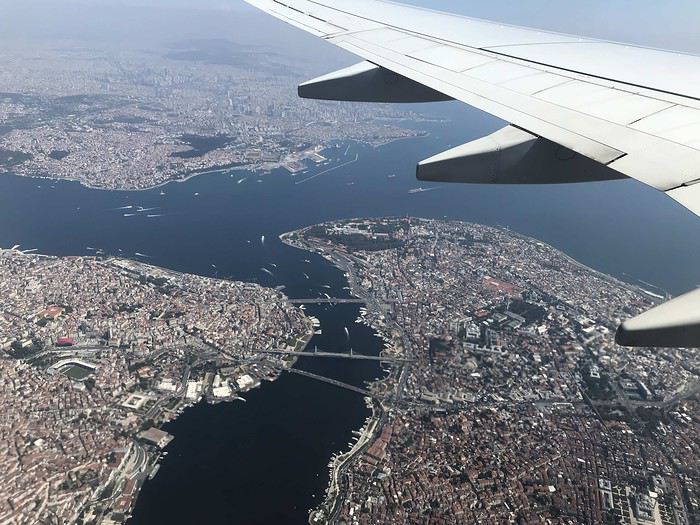
GENESE Mais quelle idée d’aller dans les stan ! En fait, à l’origine cela devait être le Ladakh (joliment raconté par Diamina et Ticapi que je salue). Mais la crainte de ne pas arriver à tenir sur des treks de longues durées et le fait de ne pas pouvoir conduire moi-même m’ont incité à chercher une alternative. C’est là que Marie(Mlefevre) a eu le bon goût de publier un carnet sur le Kirghizistan et Perju de relater son voyage dans les stans, les deux en self drive …. C’est bon on tient notre destination 2019 ! Au niveau pays, ambiance, c’est d‘abord le corridor de Wakham et le Pamir qui m’ont séduit et ce sera le « centre » du voyage. En revanche je n’ai pas trouvé grand-chose au niveau véhicule de location au Tadjikistan. Comme ce voyage se faisait avec des amis de longues dates (avec qui on a déjà sillonné la Bolivie et le nord-ouest de la Namibie) j’ai trouvé intéressant d’y adjoindre un petit bout de Kirghizistan qui leur permettait de voir un autre type de paysage et en plus il est beaucoup plus facile de louer un véhicule à Bishkek. Lorsque ma chère et tendre a vu que nous n’étions pas loin de Samarcande (qu’on avait admiré en 2007) elle a souhaité y retourner. Du coup cela nous a fait un voyage avec 3 ambiances différentes, ce qui est génial pour nous. Niveau durée il a fallu rajouter un petit bout aux 3 semaines initialement prévues pour arriver à tout faire tenir.
PREPARATION
A partir de là j’ai commencé à construire notre parcours. En parallèle j’ai fait des recherches (et demandes) pour le véhicule. Au final, j’ai retenu une agence Ouzbek francophone qui a tout de suite compris nos problématiques d’Européens (véhicule récent, avec matériel de camping, avec les différents transferts et qui prend en charge les quelques réservations d’hôtels, guides, etc, ..). Le véhicule sera donc un Toyota Prado de 2012. La compagnie aérienne sera Turkish Airline qui dessert très bien les pays en Stan (même un vol Samarcande - Istanbul) Visas: pour le Kirghizistan il est délivré directement à l'aéroport, en revanche pour le Tadjikistan il faut le demander à l'avance. ATTENTION, le Pamir nécessite un permis particulier (comme c'est une région semi-autonome), il faut le demander en même temps que le visa en cochant la case permit GBAO (région autonome duHaut-Badakhchan).
OUTILS Comme c'est une destination encore peu couru en self drive je vais développer un peu plus que d'hab. Au niveau guide papier: Je n'ai pas mis de "S" car il n’y en a eu quasiment qu’un, mais qui pour le coup est parfait pour qui veut voyager comme nous : le nouveau guide de Cecile Miramont et Laurent Bendel : KIRGHIZISTAN TADJIKISTAN, qui a été écrit à destination des self-drivers et qui propose différents itinéraires commentés. Mon conseil, après le voyage : le guide n’enjolive pas les choses et s’adresse plutôt aux personnes ayant déjà des notions de « off road » ou de voyage « solitaire », donc quand ils écrivent "difficile" ça l’est vraiment, même "moyen" c’est déjà costaud. Par forcément au niveau difficulté de la piste elle-même mais par la dangerosité liée à la solitude, le peu de traces et le risque de croiser des gués plus ou moins remplis. Au niveau carte: il y en a une très belle et complète pour le Pamir, il s'agit de celle de Markus Hauser édité par Gekco Maps.
Comme je suis très GPS j'ai fait pas mal de recherches. Pour Garmin je n'ai pas été plus séduit que ça. Du coup je me suis penché sur les applications Android. Je connaissais déjà MAPS.ME qui est très bien mais sans courbe de niveaux, j'ai donc aussi testé GAIA, OSMAND, TERRA MAP et SOVIET MILITARY MAPS. Cette dernière est celle qui offre le plus de possibilités de cartographie plus ou moins détaillée, dont les fameuses cartes militaires Russes ultra détaillées. Mais au final c'est OSMAND que j'ai utilisé le plus pendant le voyage, je pense même que cette application remplacera GARMIN dans mon véhicule. MAPS.ME est très bien, mais au niveau topographie elle est un cran en dessous et je l'ai trouvé moins pratique pour gérer les itinéraires. Ce qui est dommage, c'est que toutes ces applications n'ont pas leur pendant sur PC, ce qui aurait été pratique pour préparer le voyage. Du coup je fais tout sur Mapsource et je transfers ensuite les waypoints sur les applications. J'ai aussi utilisé une application où les voyageurs indiquent les lieux de bivouac (ou autre) qui leur ont plu. Il s'agit de IOVERLANDER, très bonne application également. Dernier outil et non des moindres: les CBT, ce sont les offices de tourisme version Kirghize, il y en a dans les principales villes touristiques. Ils sont du grande aide et ont bien souvent un site internet, par exemple sur celui de Nryn on peut acheter, à l'avance, les permis pour la zone frontalière. Ils peuvent aussi vous indiquer des randonnées, en organiser avec des guides, gérer les hébergements, ... Pour le Pamir vous avez l'équivalent qui se nomme PECTA, nous y achèterons les permis pour circuler dans le parc de Zorgul. Il y a aussi le site visitpamirs.com qui regroupe un certain nombre d'informations.
RAVITAILLEMENT et EQUIPEMENT : au Kirghizistan aucun problème, en revanche au Tadjikistan c’est une autre histoire, sur les hauts plateaux très peu de choses disponibles, mais comme on s’y attendait on avait amené des « sachets de graines ». Au niveau vestimentaire il faut de quoi résister au froid (polaire, doudoune, bonnet) mais sans que ce soit extrême non plus (je crois que nous n'avons jamais eu des températures négatives). EN revanche pour la nuit vaut mieux avoir de bon duvets, il a fait entre 0° et 15° suivant l'altitude et la localisation.
Compagnie Turkish Airline qui dessert très bien les pays en Stan (même un vol Samarcande - Istanbul)
Uganda: 20 days discovering authenticity
Preamble:
For summer 2019, the idea was to return to Africa. We had already been to Namibia in 2017 (+ a few days in Botswana and the end of the trip at Victoria Falls), which we loved, and a trip to Asia in 2018 (Borneo, Perhentian, and Singapore), a nature-focused trip but a bit disappointing due to environmental destruction. The desire to return to Africa was very strong. We wanted a change of scenery, nature, discoveries, to step out of our little comfort zone (a bit, anyway!) and experience travel differently. In short, we dreamed of authenticity, and we weren’t disappointed.
We traveled as a family of four with our daughters, aged 19 and 17. When the urge for Africa hit, Uganda quickly stood out, especially for the chance to see rare animals, particularly the famous mountain gorillas. When I looked into the budget, I was quickly disheartened. It’s really expensive. Too expensive… Then, after reading a few trip reports on "VoyageForum" (thanks Muriel J!), I decided to ask a local agency for a quote. The first contact was very friendly and responsive, and the initial offer for two weeks fit our budget :). A few images gathered from the internet (especially Sipi Falls) finally convinced us all. I asked for an adapted offer with a few more sites to extend the trip to three weeks and cover a fairly complete visit to the country (which, of course, increased the budget! To stay within an acceptable range, we prioritized activities over accommodations and regularly chose the cheapest options, with 2-3 nice lodges in between). It’s booked! We were in October 2018, and the first thing to do was reserve permits to see the gorillas and chimpanzees. Then, the agency took care of all the bookings except for the international flights, which we booked with Ethiopian Airlines. A few months of waiting to look forward to… and a little worry too! Two events didn’t reassure us: the kidnapping of an American tourist by four men at the DRC border and the Ebola outbreak in Congo, with confirmed cases in Uganda by mid-June…
Here we are in July, and departure is approaching. The suitcases are packed (warm clothes, long, short, dark, light, practical, sun, rain, hiking/trekking shoes, flip-flops—clothes for every situation! Don’t forget: headlamp (essential!), binoculars, cameras), and we’re ready.
One day before departure, our agency Mpolampola, through its manager Paul, informs us that he won’t be the one taking care of us during the trip but another guide named Moses. He has a big problem with a vehicle and can’t do otherwise. For us, as long as everything is okay, no worries, especially since I had read glowing reviews about Moses, who turned out to be a very pleasant guide, cautious (most important) on the road, clear about all the activities, and an expert on birds, his specialty. We briefly met Paul in the middle of the trip, who is also very friendly. In short, we 100% recommend this agency. Flights to Entebbe went smoothly; we arrived around 10:30 AM, filled out health forms (Ebola information signs everywhere), visas, baggage claim, and met Moses, who took us directly to the vehicle. It was in pretty good condition with huge tires (we’d understand why later!), but it had quite a few miles (400,000 on the odometer!). Just missing a seatbelt… Okay, it’s Africa!
Now, here’s our day-by-day itinerary, which I’ll summarize briefly with ratings for each activity: ****TOPISSIME (Amazing) ***Very good **Good *Meh
Day 1) Departure from the airport at 11:45 AM for some currency exchange. Stop along the way at the equator for a meal and souvenir photo! Arrival at Lake Mburo Park *** around 5:00 PM. Even before entering the park, we saw lots of antelopes, zebras, elks, etc.—it’s magnificent. On the way, we had already encountered many goats and cows, and we were impressed by their enormous horns. We enjoyed a nice game drive until about 7:00 PM, when we reached our lodge, one of the nicest of the trip, Eagle’s Nest ****, with a magnificent view, a tent with a nice bathroom/shower, and a very good meal.
Day 2) Departure at 7:00 AM for a game drive; we encountered many animals again, especially antelopes, zebras, and birds. There are no giraffes, lions, or cheetahs in this park. We didn’t get lucky enough to see a leopard… :-) Then, we continued to Lake Bunyonyi ***, where the road and views are very beautiful, but we were shocked to see locals (mostly women and children) breaking stones by hand on the mountainside in very precarious safety conditions. There are regularly dramatic accidents because, over time, entire sections detach and cause landslides. These stones are then used for road construction… Another world… This was the only place we saw this. Lake Bunyonyi is a nice stop (but less exotic in our opinion since we have many lakes back home too!). We took a boat to our accommodation, Byoona Amagara ***, which has a lot of charm. We stayed in huts called "geodomes," completely open to nature, so it was very cool at night. To reach the toilets located below, you had to be brave! The meal consisted of lake shrimp—good but a bit bland.
Day 3) After a good breakfast, departure at 9:00 AM to visit three islands. We took several nice walks with beautiful views of the lake and islands. A local meal was served on the last island. At 1:00 PM, we met Moses for the rest of the program and headed to Ruhija in Bwindi Forest****. The landscapes are breathtaking. After two hours of driving and many photo stops, we arrived at our accommodation near the trekking starting point, Ruhija Gorilla Friends Resort **. We stayed in a room instead of the initially planned tents, which was just as well because there was a lot of wind during the night. We still had time for an activity and decided to meet the Bwata pygmies despite the bad reviews in the guide… The first part of the visit was quite nice, with a visit to a school where the children gave us a very joyful welcome. We had a great time listening to them sing and dance! Then we met the Bwata pygmies who live on the edge of the forest. When Bwindi Forest was declared a national park, they had to leave their habitat because their activities weren’t compatible with nature and wildlife protection. We left on a somewhat sad note… The visit ended with a local doctor explaining different medicinal plants, and we watched the making of local beer from sorghum. Good meal. We had butterflies in our stomachs—tomorrow was a big day! I admit I was a bit stressed, not entirely confident in my physical abilities…
Day 4) After a short night due to excitement, breakfast, and departure at 7:30 AM. First, it started calmly with singing and dancing. Then, a 15-minute briefing and group assignments. No one asked if we had any physical problems or anything (when booking, I had inquired a bit, and they told me groups were assigned based on physical abilities). We were assigned to the Mukiza group. At first, I was pretty happy—it was a fairly large group with babies :). The ranger explained that for now, they didn’t know where the gorillas were… the trackers couldn’t find them… Oh… (that’s not a good sign!!!) We set off at a good pace, first on a reasonably sloped path. We were accompanied by a family of four Italians and five porters (four for us!). After an hour, the ranger stopped us and informed us they still couldn’t find them—they had fought with another group the day before and scattered throughout the forest, so they were very far away, and we needed to move faster… Hmm… we picked up the pace (we weren’t going slowly before!!!) and walked for another good hour—down, up, down again, up again, we kept going, but always more or less on paths. Then another stop. A 10-minute break waiting for news. The news wasn’t very precise, it seemed! The ranger decided to cut through the forest—machetes were used to clear the path. We descended unimaginable slopes, then climbed back up. Our stick kept getting stuck; luckily, our porter helped us, held our hands, and the terrain was vertical! An hour later, another stop: we heard gorilla cries (yay!!!). False hope—we waited again for news from the trackers, who informed our ranger that it was a non-habituated family, so we couldn’t see them. Cold shower—we had to go all the way back up and return to the starting point to maybe see another group. But time was running out… We arrived around 1:30 PM; all the other groups had already left long ago. Our guide was worried because we still had a long drive ahead. We quickly ate a banana, and off we went for another trek (I was exhausted!). Luckily, this group was close—about 45 minutes of steep descent (I was already thinking about the climb back and considering being adopted by a gorilla ). The forest was sublime, with magnificent tree ferns—the place was truly splendid. Finally, we were there. The porters stayed behind, we grabbed our cameras, and followed the ranger. The progress wasn’t easy, but suddenly, a female was in front of us, curled up in a little ball, eating—so cute. The emotion overwhelmed us. But she moved away—it’s hard to observe them; they move constantly, and the terrain is very steep and uneven. We saw a female descending from a tree with a baby on her back—too adorable. Then, here was the silverback, enormous, incredible, yet so calm and peaceful. He ate quietly and gave us a nice demonstration of nostril exploration! We could observe them for a good hour, but photographing them wasn’t easy because they kept moving, and we could barely stand! Toward the end, a large male (black back) suddenly stood up and decided to pass right where I was! I ended up in the bushes, and the male passed in front of me just a few centimeters away (he stepped on one of my daughters’ feet!) followed by the whole family. Just an exceptional moment. It was time to leave; we had to climb back up. I dreaded it because, I admit, I was exhausted. We finished the hike after 4:00 PM, exhausted but happy. The ranger gave us diplomas, and we didn’t linger because we still had a long drive—we needed to reach Ishasha before nightfall. Our guide was a bit stressed. If we were to do it again, we’d spend an extra night in Bwindi. However, it seems finishing so late is exceptional—it never happens, according to our guide! The road between Bwindi and Ishasha is sublime, with extraordinary landscapes, and despite the late hour, we regularly asked our guide to stop for photos. We arrived at Enjojo *** Lodge around 6:00 PM. The huts are located quite far from the reception and the bathrooms, a bit far from the huts, but otherwise, it was very nice.
Day 5) Departure at 8:00 AM after a good breakfast with the hope of seeing tree-climbing lions (no luck!). Overall, there weren’t many animals, and we arrived around 12:45 PM at our next stop, Parkview Safari Lodge ****, with a magnificent view, a beautiful family bungalow, and a good meal. We enjoyed a short relaxation by the lovely pool. At 4:00 PM, we left to see Kyambura Gorge *** and hike there. Unfortunately, this activity is no longer available, so we walked around the area—it was very beautiful. Back at the hotel, a little rest after the previous day wasn’t a bad idea! Reading, swimming, meals, and dances made the end of the day enjoyable.
Day 6) Departure at 6:30 AM—one of our daughters was sick (stomachache, cold sweats…). Safari in Queen Elizabeth ** (Kaseny Plains)—a bit disappointing. Stop by the salt lake with a nice view. A small market, but we weren’t thrilled by the crafts (overall, apart from some beautiful baskets/plates, there wasn’t much, and the wooden objects were, in our opinion, much less pretty than in Namibia). Then we took the crater road (27 km long) **** with magnificent landscapes. However, you absolutely must close the windows because it’s infested with tsetse flies. At noon, we arrived at Mweya, where we stayed in basic rooms, but the restaurant was well-placed with a beautiful view of the Kazinga Channel. At 2:00 PM, we enjoyed a magnificent cruise **** on the channel. Elephants, antelopes, crocodiles, hippos (including adorable babies), buffaloes, all kinds of birds. Wow!!! Two hours of pure bliss. Quiet end of the day playing cards with a view of the channel and elephants.
Day 7) Departure at 6:00 AM—still sick, we weren’t sure if it was due to the preventive treatment (Malarone) or something else… Another game drive in Queen Elizabeth (Kaseny Plains) and breakfast by the salt lake. Overall, we were a bit disappointed by this park. Then we took the road to Crater Lakes***, again with very beautiful landscapes. A hike of about an hour and a half allowed us to discover these beautiful crater lakes (the water mainly comes from the Rwenzoris). We crossed pretty villages and had nice encounters. End of the day at Tinka’s Home ****, with a family. We loved this place—very welcoming, where we took a cooking class with our hosts. A really great time. After the meal, we enjoyed African stories and dances. Really awesome.
Day 8) Departure at 7:30 AM for another highly anticipated discovery—the chimpanzees in Kibale Forest ****. We went to the meeting point and were split into groups of six, each with a guide. We saw three different groups, and for the last group, we followed a chimpanzee (slightly more comfortable running in the forest than we were!) that led us to the group. Their cries are very impressive, and we could observe them well, even though they were often high up in the trees. We were lucky enough to see two on the ground, very close to us. It was magnificent. End of the encounter and return to the starting point—it was noon. We went back to Tinka’s Home for the meal (delicious!). At 2:00 PM, we hiked in Bigodi Swamp ***, a marsh surrounded by beautiful vegetation, especially huge papyrus, and inhabited by many birds and monkeys. We saw, among others, black-and-white colobus monkeys, red colobus monkeys, and vervet monkeys. We also visited a basket-weaving workshop where we bought two beautiful baskets. Then a short stop in Fort Portal, where we stayed for two nights at Ruwenzori View Guesthouse ***, a nice place with a family room and very good communal meals.
Day 9) Departure at 8:00 AM for a hike in the Rwenzori****—it was a bit chaotic today. First, we had to exchange shillings because we wouldn’t have another chance in the following days. At the bank, employees went to get the bills by motorcycle from other buildings—it was quite surreal! And it took time! Then there was a misunderstanding between the organizer and me… I really wanted to see the region where chameleons are found in the Rwenzori—this region is south of the mountain range, and we were in the north! Anyway, the program included an ascent in the northern part with a positive elevation gain of over 1,500 meters… Talking to the guide scheduled for this hike (Noah), we explained that we really wanted to discover the vegetation and these famous chameleons, not necessarily achieve a physical feat… (we’d had enough!). The decision was made to go south, which meant quite a bit of driving. The hike was really enjoyable, with magnificent vegetation by the river. We saw three of the four chameleon species present, including the famous three-horned chameleon. The region is superb. We ended with a drink at Ruboni Camp, which has a magnificent view of the region (ideally, we should have stayed there). Two hours of driving to finish, and a good meal :).
Day 10) Departure at 8:00 AM—we had a long drive to Ziwa Rhino Ranch****. We passed through Hoima, had lunch in Masindi, and arrived in time for the rhino tracking walk. We could approach them closely on foot—it was impressive. We saw eight. Since we were staying on-site in the guesthouse **, we received precise safety instructions for moving between the rooms and the restaurant. And we quickly understood why!
Day 11) Departure at 6:00 AM for breakfast—surprise, in front of our room, several large rhinos were sleeping (we had also heard a lot of animal noises during the night—rhinos but also what seemed to be predators). So we had to take a detour to reach the restaurant! Second surprise—next to the restaurant, just three meters away at most, two mothers and their baby were also sleeping! Memorable! Then we had an appointment for the shoebill trek and canoe ride **** (package with the previous day’s walk). So there we were, in our boots, splashing through 30 cm of water in search of the shoebill (I really wanted to see one :))! It was really fun, and luck was on our side—a shoebill had just landed in the distance! We approached as best we could and observed it from afar. What a strange bird! There are very few left, and Uganda is one of the countries where the chances of seeing one are quite good. The tour continued with a canoe cruise where we saw a herd of cows (the famous ones with enormous horns) being swum as a dowry to the father of the future bride! A funny spectacle. This stop wasn’t the most anticipated, but we all thought it was really worth the detour. Road to Murchison Falls Park, and arrival around noon at Red Chili Rest Camp **, where we stayed for two nights (family banda). Good meal. Then a cruise to Murchison Falls*** where we disembarked and continued on foot. It was pretty. Back to Red Chili.
Day 12) This morning, early departure for a cruise in search of the shoebill*** (booked in case we didn’t see one at Ziwa). The landscapes were pretty, but there weren’t many birds in the end. We spotted the chosen one from afar after the first 10 minutes—so the suspense didn’t last long :-) It was a nice activity but quite long—5 hours. In the afternoon, safari in Murchison Park****—this park is sublime, the landscapes fabulous. Really one of our favorite parts of the trip. Lots of animals and even a leopard spotted with binoculars because it was far away! Night at Red Chili.
Day 13) Departure for the first morning ferry—it was drizzling, the sky was threatening at first, so the landscape was spectacular! Beautiful contrasts. In the middle of the morning, we were lucky to observe a whole group of lions, first from afar, then with a little patience, the whole group approached until they passed beside and in front of our vehicle. What emotion and excitement! We could then observe large groups of giraffes. They were magnificent. The morning was incredible. Then we headed to our lodge, Fort Murchison ****, and on the way, we saw a whole group of elephants—the view was magnificent. We had a very good meal and enjoyed the pool a bit. We also met Paul, the organizer of our trip. Very nice :). In the late afternoon, off for a short safari in the park. We slept in very well-equipped tents.
Day 14) Today, we had a long drive to Kidepo Park. It was raining, which didn’t help our guide—according to him, the tracks near Kidepo turn to mud with rain and become difficult to navigate. We saw, among other things, a bus in a bad situation in the ditch. Some sections were really tricky, and we were glad to have a driver. The end of the trip—the landscape was spectacular and original, and we saw some traditional villages. We arrived at Kidepo quite late. Short safari in the park before reaching the accommodation. We booked two simple bandas in the park camp**. It was clean but didn’t hold up well in the rain . The restaurant was very nice, though.
Day 15) The day was dedicated to discovering Kidepo Park **** where the landscapes were again superb. First encounter with a lioness resting on a rock. We saw other lions later and observed them for a long time. There were almost no other tourists in the park. Our daughter wasn’t feeling well, and by the time we arrived at the lodge, she had a temperature of 39.5°C (103.1°F)… A nap was necessary. In the late afternoon, we returned to the spot where we had seen the lions that morning, and they were still there—they weren’t happy because rain was threatening! It was a great photo opportunity. Then came the downpour, and our driver urged us to return quickly because the tracks were becoming impassable. Indeed, a jeep was in the ditch… The return was eventful, and several times we slid without being able to do anything… Wow, what a day!
Day 16) No safari this morning because of impassable tracks—the road to Kotido*** was longer than expected as we had to take a detour. The landscapes along the way were surprising. We finally arrived around 1:00 PM at the accommodation and left at 3:00 PM to visit the largest manyatta in East Africa with two translators. It was incredible—a very beautiful experience. The manyatta is immense and has 28,000 inhabitants. Night at Karamojaarts guesthouse*—very average meal.
Day 17) Departure for Moroto****—on the way, we saw many bird species. Moroto doesn’t look like other Ugandan cities. Life there seems very pleasant. We arrived at Kara-Tunga and had a bite to eat. At 4:00 PM, we left to visit a Karamojong village. We enjoyed beautiful dances and watched communal games—it was fun and so authentic. Then we headed to a kraal (where shepherds and herds are) to set up our camp. Moses had to get used to the idea of sleeping in the tribe in a tent! It was incredible to find ourselves in this universe. The place was beautiful, and we had a great time with the Karamojong. Some had never seen white people… had never been in a car… Their culture is incredible. During the evening, around the fire, to our guide’s dismay (a bird enthusiast), they grilled hornbills! On our side, we ate a meal prepared by Kara-Tunga for our sensitive stomachs! Night in a tent.
Day 18) Dawn wake-up in the fog—the atmosphere was quite strange. Our daughter was attacked by a cow—fortunately, more fear than harm, but she ended up with a lot of thorns in her buttocks and thighs ! Then we left for the Mount Elgon region, specifically Sipi Falls****. Lacam Lodge****, perched on the edge of the cliff with a direct view of one of the falls, was just magnificent. The view and landscapes were fabulous. Big favorite. We had dinner and then went for a hike to visit the three falls in the region, partly in the rain. The landscapes were breathtaking! Sunset at Lacam Lodge with the sun setting over the waterfall. We couldn’t get enough and stayed to admire until nightfall!
Day 19) Visit to coffee plantations*** where we were given all the useful explanations to understand the culture and the incredible work required for this product, which is ultimately not very glorified. The visit was very interesting, and we drank very good coffee with the owners. Last photos at Lacam Lodge, and then departure for Jinja, where we arrived in the middle of the afternoon. We took a small cruise to see the source of the Nile*. Very touristy and not at all to our taste… Then a meal at Jinja Base Camp** where we enjoyed guacamole. Our guide Moses left us because another group was waiting for him!
Day 20) Road to Kampala***, the market, the Gaddafi Mosque. Short but interesting visit. Last meal in Entebbe by Lake Victoria, where we almost felt like we were by the sea. Transfer to the airport and return to Switzerland…
Epilogue: All four of us were enchanted by this trip, which will undoubtedly remain one of the most beautiful we’ve ever taken. Talking about it gives me chills and brings tears to my eyes. It was simply a magnificent experience. However, I wouldn’t recommend this trip to everyone because you often have to overlook small inconveniences like toilets (the worst of my life) and certain comfort details that, for us, remain details but could be important to others.
Our favorites: - The gorilla trek - The cruise on Kazinga Channel - The Fort Portal region - The Rwenzori Mountains - The chimpanzee trek - Murchison Falls - Kidepo - Spending time with the Karamojong tribe - The Sipi Falls region - The accommodations: Eagle’s Nest, Byonna Amagara, Parkview Lodge, Tinka’s Home, Rwenzori Guesthouse, Fort Murchison, Night in the kraal, and Lacam Lodge
What we liked less: - Queen Elizabeth Park - Jinja - The accommodations: Ziwa Rhino Ranch, Karamojaarts Guesthouse
I’ll try to post some photos later. If you have any questions about a future trip, I’d be happy to answer them.
Douze jours en Afrique du Sud... une première
Bonjour.
Je suis un néophyte du continent africain.
Avec mon épouse nous avon 15 jours de congés fin janvier. On ne savait pas Trop où partir et en voyant des prix interessants pour Johannesburg je me dis pourquoi pas ....
Mais déjà le premier hic.., le temps j ai lu que c etait la saison des pluies et que ce n etait pas forcément la meilleur période...du coup si vous avez des expériences à cette période je suis tout ouie.
Du coup sur 12 jours, on se ferait tranquillement Johannesburg, Pretoria, le Kruger et éventuellement le pilansberg. On peut se deplacer en bus ou train ou faut il louer une voiture? D apres ce que j ai compris le parc kruger peut se faire en solo....ca se fait bien?
Merci à tous et joyeuses fêtes
Du coup sur 12 jours, on se ferait tranquillement Johannesburg, Pretoria, le Kruger et éventuellement le pilansberg. On peut se deplacer en bus ou train ou faut il louer une voiture? D apres ce que j ai compris le parc kruger peut se faire en solo....ca se fait bien?
Merci à tous et joyeuses fêtes
Logement dans le Royal Natal national park (Afrique du Sud)
Nous serons en février dans le royal natal park et désirons loger près de l'amphithéatre.
Où loger à des prix raisonnables et comment réserver ?
Idées circuits et agences locales référencées pour l'Afrique du Sud
Bonjour à tous les voyageurs, j'aurais besoin de vos conseils concernant la construction d'un autotour avec une amie pour découvrir en Mars prochain l'Afrique du Sud.
Nous voudrions partir env 3semaines afin de découvrir un maximum de choses et pour le moment nous ne sommes pas très motivées par un circuit tout fait via les tours opérateurs... Si certains d'entre vous on voyagé dans les conditions que nous le souhaitons avec mon amie, auriez des conseils, recommandations à nous donner : location voiture, agences locales pour visites & guides, idées de visites... bref j'attends et je prends toutes les infos pour construire notre séjour. Merci d'avance et bon dimanche :-)
Combien de jours pour Blyde River Canyon et le parc Kruger
Bonjour,
Nous partons pour 3 semaines avec nos 2 ados. On compte partir de Johanesburg, passer par Blyde River Canyon, aller au Kruger et le traverser jusque Pafuri. De là, entrer dans le Mozambique et aller jusque Vilanculos. Descendre la côte jusque Maputo et rejoindre Johanesburg pour rendre le 4X4.
Avez vous des conseils ? Combien de jours pour Blyde River Canyon ? de jours pour le Kruger?
merci pour votre aide !
Avez vous des conseils ? Combien de jours pour Blyde River Canyon ? de jours pour le Kruger?
merci pour votre aide !
Itinéraire en Namibie: campings et logements
Bonjour à tous,
Je prévois de partir avec ma femme en Namibie pendant 2 semaines et demi sur le mois de mai et juin 2020. Nous voudrions faire un road trip en 4x4 avec tente sur le toît. Nous voudrions faire la plupart des nuits en camping mais également certaines nuits en logement.
J'ai lu plusieurs carnets sur le forum qui m'ont permis de créer une ébauche d'itinéraire. Pourriez-vous me donnez votre avis sur celui-ci ?
J1 : Arrivée à l'aéroport de Windhoek à 10h40. Récupérer la voiture, faire les courses. Nuit à Windhoek ou proche de Windhoek. J2 : Route jusque Mariental (+/- 3h). Safari l'après-midi et nuit à Mariental. J3 : Route jusque Sesriem (+/- 4h). Sesriem canyon et Elim dunes. Nuit à Sesriem. J4 : Visite de Sossusvlei et Deadvlei. Nuit à Sesriem. J5 : Route jusque Swakopmund avec quelques arrêts : Solitaire, Tropic of Capricorn, Kuiseb Canyon, Moon Landscape. Nuit à Swakopmund. J6 : Balade en mer + 4x4 à Sandwich Harbor. Nuit à Swakopmund. J7 : Route jusque Cape Cross (+/- 1h30). Ensuite, route jusque Spitzkoppe (+/- 3h). Visite de Spitzkoppe et nuit à Spitzkoppe. J8 : Route jusque Brandberg (+/- 2h30). White lady trail. Ensuite l'après-midi faire le Drive pour voir les éléphants. Nuit à Brandberg. J9 : Route jusque Twyfelfontein (+/- 2h30). Visite de Twyfelfontein. Ensuite, route jusque Palmwag (+/- 2h). Nuit à Palmwag. J10 : Self drive à Palmwag. Ensuite, route jusque Kamanjab. Nuit à Kamanjab. J11 : Route jusque Okaukuejo. Visite de la partie ouest d'Etosha. Nuit à Okaukuejo. J12 : Route jusque Halali en faisant différents arrêts. Nuit à Halali. J13 : Route jusque Namutoni en faisants différents arrêts. Nuit à Namutoni. J14 : Visite des derniers points d'Etosha aux alentours de Namutoni et puis route jusque Otjiwarongo. Nuit à Otjiwarongo. J15 : Cette journée est assez floue. Nous hésitons avec Waterberg, Cheetah Conservation Fund et Okonjima Nature Reserve. Nuit dans les alentours. J16 : Route jusque Windhoek. Visite rapide de Windhoek. Remise du véhicule. Nuit à Windhoek. J17 : Vol retour
Trouvez-vous que cet itinéraire tient la route ? Est-ce que j'ai oublié des choses importantes ? Y a-t-il des visites qui ne sont pas nécessaires ?
J'ai aussi quelques autres questions :
J'ai lu à plusieurs endroits que les voitures étaient fouillées pour la nouriture à l'entrée de certains parcs. A quels endroits c'est le cas et qu'est ce qui est interdit ? Otjitotongwe Cheetah Guestfarm et Cheetah Conservation Fund. Lequel est le plus intéressant ? Y a t-il un heure idéalle pour y être ? Quel site conseillez-vous pour réserver les activités de la journée à Swakopmund ? Etosha : est-ce qu'il est plus intéressant de faire 2 nuits à Okaukuejo et 1 nuit à Namutoni ou bien 1 nuit à Okaukuejo, 1 nuit à Halali et 1 nuit à Namutoni ? Waterberg : est-ce que ça vaut la peine ? Si oui, combien de temps est nécessaire ? Pour la réservation des campings et des logements, est-il préférable de passer par un tour operator (si oui, lequel ?) ou peut-on le faire par nous-même ? Pour la réservation du 4x4, y a-t-il certaines choses auxquelles il faut faire attention ? Quel loueur conseillez-vous ?
Merci d'avance
Un mois dingue en Bolivie et au Pérou
Voici le récit de notre extra voyage d’1 mois en Bolivie- Perou sac à dos, mon pote Christian et moi, Patrick (chacun 58 ans)
Tout d’abord le circuit fait en juillet 2017- oui je sais j’ai mis du temps à cette mise en ligne mais depuis j’ai été au Myanmar, Canada, Oman, Vietnam. Et maintenant que notre futur trip en Namibie l’été prochain est booké, je me lance dans ce retour arrière de 2 ans. Après énormément de recherches sur de nombreux blogs perso, carnets de voyages et forum de voyages, on a finalisé notre circuit :
J1 : départ de Bruxelles J2 :arrivée La Paz- transfert le soir sur Uyuni J3 :Uyuni-Tupiza J4 :Tupiza J5 :Tupiza- sud Lipez J6 :sud Lipez J7 :sud Lipez J8 :sud Lipez- Uyuni-La Paz J9 :La Paz-Rurrenabaque J10 :Amazonie J11 :Amazonie J12 :Amazonie J13 :Amazonie J14 :Amazonie J15 :Amazonie-Rurrenabaque J16 :Rurrenabaque-La Paz- Copacabana J17 :Copacabana-isla del sol J18 :isla del sol-Puno J19 :Puno- Cusco J20 :Cusco J21 :Cusco-Ollantaytambo J22 :Ollantaytambo- Pisac J23 :Pisac- Cusco J24 :inca trail J25 :inca trail J26 :inca trail J27 :Machu picchu- Cusco J28:Cusco J29 :Cusco-La paz J30 :La Paz- départ J31 :arrivée
Tout d’abord le circuit fait en juillet 2017- oui je sais j’ai mis du temps à cette mise en ligne mais depuis j’ai été au Myanmar, Canada, Oman, Vietnam. Et maintenant que notre futur trip en Namibie l’été prochain est booké, je me lance dans ce retour arrière de 2 ans. Après énormément de recherches sur de nombreux blogs perso, carnets de voyages et forum de voyages, on a finalisé notre circuit :
J1 : départ de Bruxelles J2 :arrivée La Paz- transfert le soir sur Uyuni J3 :Uyuni-Tupiza J4 :Tupiza J5 :Tupiza- sud Lipez J6 :sud Lipez J7 :sud Lipez J8 :sud Lipez- Uyuni-La Paz J9 :La Paz-Rurrenabaque J10 :Amazonie J11 :Amazonie J12 :Amazonie J13 :Amazonie J14 :Amazonie J15 :Amazonie-Rurrenabaque J16 :Rurrenabaque-La Paz- Copacabana J17 :Copacabana-isla del sol J18 :isla del sol-Puno J19 :Puno- Cusco J20 :Cusco J21 :Cusco-Ollantaytambo J22 :Ollantaytambo- Pisac J23 :Pisac- Cusco J24 :inca trail J25 :inca trail J26 :inca trail J27 :Machu picchu- Cusco J28:Cusco J29 :Cusco-La paz J30 :La Paz- départ J31 :arrivée
Programme 3 semaines en Namibie en juillet (en 4x4)
Bonjour,
En juillet 2020, nous (2 adultes 60 ans) partirons en Namibie pour 3 semaines, avec un 4x4 équipé d'une tente, avec en gros alternance de 4 campings et d’1 lodge.
Nous avons déjà réservé nos logements via l’agence Namvic
Voici notre programme : J2 : arrivée le matin et logement à Krumhuk farm J3 :vers Bagatelle camp J4 :Vers Naukluft camp J5 :vers Sesriem camp J6 :Vers Gecko camp J7 :vers Walvis bay (oysterbox guesthouse) J8 :vers Swakopmund (sea breeze guesthouse) J9 :vers Spitzkoppe camp J10 :vers Ameib camp J11 :vers Madiza camp J12 :vers Grootberg lodge J13 :vers Aussicht camp J14 :vers Epupa camp J15 :vers Kunene camp J16 :vers Etosha (olifantsus camp) J17 :vers Okaukuejo camp J18 :vers Onguma bush camp J19 :vers Frans indongo camp J20 :vers Mount Etjo lodge J21 :vers Windhoek J22 :départ
Alors quelques questions : J5 : nous comptons faire la rando Olive trail le matin, puis go vers Sesriem. Sunset a dune Elim ou dune 45 ?
J8 :quelle compagnie conseiller pour faire kayak +sandwich harbor ?
J9 :quel trajet vers Spitkoppe ? rester un peu à Swapopmund le matin ? passer par moon landscape ou pas ?
J13 :nous voudrions randonner dans khowarib gorge. Est-ce faisable en combien de temps ? nous avons environ 3 heures ? automatiquement avec un guide ?
J17 : le trajet olifantsus vers Okaukuejo le matin et parcourir les divers points eau au sud d’Okaukuejo l’apres midi (gemsbokvlate, olifantbad, Aus, Nebrowni). Envisageable ?
J19 – 20 : nous comptons réentrer dans Etosha pour voir des points eau autour de Namutoni le matin, pus trajet vers Frans indongo l’apres midi. Le lendemain aller vers la CCF. Y rester la matinée. Trajet vers mount Etjo l’apres midi Envisageable ?
J21 :faire un game drive la matinée au mount Etjo. Quelqu’un l’a-t-il fait ?
Déjà merci pour vos réponses Patrick
Vacances speed ou vacances plus relax en Namibie?
Bonjour,
Notre agence nous a conconté un magnifique voyage en Namibie! Mais après réflexion nous devrons faire énormément de km et j'ai peur que cela soit trop pour mon mari et les enfants. Même si je rêve de TOUT faire, je dois tenir compte des besoins de chacun, je voudrais que cela reste des vacances pour tout le monde. Du coup j'ai retravaillé l'itinéraire (j'ai supprimé Epupa Falls) mais j'ai peur de tomber dans le travers inverse et de trop rester dans les mêmes paysages. Bien qu'il y a certainement mille sortes de visites, promenades, ... à faire à chaque stops? Pourriez-vous me donner votre avis? Merci beaucoup pour votre aide.
Windhoek Gardens Guesthouse Waterberg Wilderness Valley Lodge Onguma Bush Camp NWR Halali NWR Okaukuejo Hobatere lodge Grootberg Lodge Hoada Campsite Mowani Mountain Camp Spitzkoppe Campsite Brandberg white lady lodge Desert Breezer Lodge Desert Breezer Lodge Camp gecko NWR Sesriem NWR Sesriem Mariental Anib Lodge Windhoek
Vaccin fièvre jaune et vol pour l'Afrique du Sud avec escale au Kenya
Bonjour à tous,
Nous avons un projet de voyage pour l'AFS pour juillet 2020. J'ai trouvé des vols à bon prix avec escale à Nairobi . Je n'arrive pas à trouver d'info avec certitude. L'AFS exige un vaccin obligatoire contre la fièvre jaune en cas de séjour dans un pays infecté. Le Kenya a l'air de faire partie de la liste. Est-ce que cela concerne également les simples stops pour cause d'escale ?
Merci! Pascale
Avis d'itinéraire pour 18 jours en Afrique du Sud... la semaine prochaine
Bonjour à tous,
Après avoir écumé moult pages de ce forum je voulais avoir votre ressenti sur mon itinéraire de voyage en Afrique du Sud. Nous avons décidé de partir en dernière minute et nous atterrirons jeudi matin prochain à Johannesburg et re-décollerons du Cap le samedi 14 au soir soit 17 jours sur place.
Nous avons envie de nature et de montagnes. N'étant pas forcément particulièrement attirés par les animaux, nous avions au départ décidé d'opter pour le Maputaland plutôt que Kruger et Blyde mais finalement nous avons décidé qu'il serait quand même dommage d'aller en Afrique du Sud sans faire une virée au Kruger ... (et puis Blyde a l'air incroyable aussi !).
Voici l'itinéraire prévu : voyez-vous des choses à modifier ?
J1 : Arrivée à Johannesburg à 11h30 - visite du Musée de l'apartheid l'après-midi
J2 : Décollage pour Skukuza - location de voiture - nuit au Kruger (où ? Lower Sabie déjà complet, Berg en Dal ?)
J3 : Kruger : Nuit 2 (quel deuxième camp ? Je voulais aller à Olifants mais c'est 10h de trajet du coup impossible sur une journée du coup je ne sais pas pour quel point de chute opter)
J4 - J5 : Blyde : 2 nuits à Her en Dal, marche dans le canyon
J6 : Trajet en voiture de Blyde au Royal Natal (cela se fait bien en une journée ?)
J7 - J10 : Drakensberg : 2 nuits au Royal Natal puis vers le Sud (Sani Pass par exemple)
J11 - J17 : Virée au Cap et proximité (Cape Town, Table Mountain, Cap de Bonne espérances, 2J de vignobles, peut-être Overberg ...)
J18 : Retour tristesse et grisaille
J'ai encore quelques doutes sur la première partie du périple sur lesquels je serais ravi d'avoir des lumières :
* pour le Kruger, où passeriez-vous vos deux nuits en atterrissant à Skukuza ? (sachant que Lower Sabie pas dispo sur la période) Au même endroits ? Deux endroits différents ?
* avez-vous des conseils sur la meilleure manière de relier Blyde au Drakensberg ? De ce que j'ai compris le trajet est long env. 7h de voiture voire plus, particulièrement ennuyeux avec peu de points d'arrêt entre les deux destinations et il n'y a pas non plus de vol direct ...
* Auriez-vous des recommandations pour les points du chute et hébergements pour nos 5 jours au Drakensberg ?
Un grand merci par avance pour votre aide et n'hésitez pas à me dire si certains points ne sont pas clairs ou vous semblent mal goupillés ... !
Raphaël
Traduction du permis de conduire nouveau format (carte de crédit) pour l'Afrique du Sud
Bonjour à tous,
J'ai une question concernant le permis de conduire. Nous avons décidé de partir un peu en dernière minute en Afrique du Sud (premier voyage depuis looongtemps !).
J'ai fait la demande pour le permis international mais étant donné les délais d'attente, il n'y a que très peu de chances qu'il arrive d'ici à notre départ la semaine prochaine.
J'ai lu sur les différents fils qu'il valait mieux dans ce cas avoir un permis traduit par les traducteurs assermentés répertoriés sur le site de l'ambassade. Pas vraiment pour les loueurs qui sont peu regardants qu'en cas de contrôle de police.
Pourtant, concrètement sur les nouveaux permis il n'y a littéralement ... que le titre à traduire. D'où ma question à laquelle je n'ai pas réussi à trouver de réponse claire sur les autres fils de conversation :
==> faut-il faire traduire ce nouveau permis (parce que ça représenterait un document officiel) même s'il n'y a littéralement que "permis de conduire, République Française" à traduire ?
Merci beaucoup !
Raphaël