Discussions started by Rotsaka
About 27 results.
More options
Many results are in French, the community’s main language. English translations are added over time.
Search results
Comoros again: trip report
Well, I still feel a bit lonely about this destination—no requests for info, no travel journals, or trip reports since I last posted over a year ago. A little disheartening.
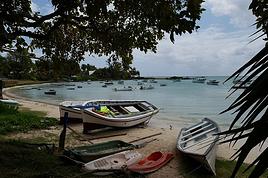
That said, I did cross paths with slightly more tourists this time. Not a ton, but enough to notice compared to my last stay. Beyond that, not much has changed—the people are just as lovely, and every interaction, whether at the market, in the medinas, in town, or in the countryside, was positive. It was so pleasant; my "alert meter" stayed at zero the whole time (which is pretty different from some other places I visit now and then). The roads outside the cities remain dangerous, and the accident rate seems high. Best to drive during the day and take it easy (on some rough stretches, you don’t really have a choice anyway). The scattered plastic and metal waste hasn’t magically disappeared, and it’s still pretty discouraging to see the most beautiful beaches surrounded by empty bottles, straws, diapers, and rusted carcasses of an old Xantia or a skeletal Espace. When it’s not on the beach itself (since those are cleaned), it’s just a few meters away. Usually, there’s not much in the water or close to shore—the seabeds are gorgeous, with coral and a wide variety of scaly friends... But stepping back onto the hardened lava, you dodge a chip bag or a shriveled battery. Such a paradox. Honestly, it’s like this almost everywhere except on hotel beaches or those far from human settlements. But otherwise, in places like Chomoni, Bouni, Itsandra, Moya, and Domoni (on Anjouan), Nioumachoua (on Mohéli, and even on the nearby islets), it’s hard to ignore. And it unfortunately tarnishes the beauty of these otherwise stunning spots.
That said, you can still find secluded micro-bays, protected and remote, where this isn’t an issue. And where there are hotels—like in Petite Itsandra in Moroni, in front of Laka Lodge in Nioumachoua, Trou du Prophète, or even Chomoni (though the surrounding areas are so littered...)—the beaches are cleaned, so...
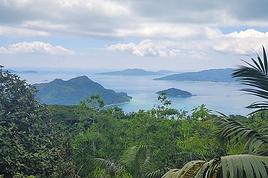
So why go? Why still love it despite all this? Well, first, the Comorians themselves—that’s already essential and probably the main reason. Then there’s the breathtaking topography: the imposing Karthala, the dizzying peaks and cliffs of Anjouan, vast ravines, a tortured geology covered in lush nature, and Mohéli, much more serene and gentle, blanketed in spice plants and trees with names that make you dream, like an open-air spice market. The flora across the islands—the fields, trees, scents: clove trees, cinnamon trees, lychee, mango, cardamom, nutmeg, vanilla, coconut palms, banana trees, coffee plants, cocoa... A profusion of green dotted with red, white, and yellow berries and flowers... The seabeds are stunning in many places, and there are some beautiful beaches/oceanfront spots, especially near Trou du Prophète (but not only there). The history and culture—between traditional festivals, but especially the medinas with their staircases, covered passages, palaces, and mosques that create Escher-like constructions. I love wandering through them for hours, stumbling upon an unlikely shop, a more or less philosophical saying like "pain is a warning," "a promise is a debt," or the less original "little by little, the bird makes its nest." A grocery store, women negotiating freshly caught fish (usually tuna, immediately cut and ready to sell), kids playing, old men playing checkers, a call to prayer... In Moroni, Mutsamudu, and Domoni, I spent most of my "urban" time.
If anyone’s interested—though given the hype about Comoros on the forum, I doubt it—but if you need info on accommodation across the three islands, some restaurants, or sites to visit, don’t hesitate to ask.
This message is another message in a bottle (one more, if I dare...) for the Comoros destination.
Hiking, camping, and snorkeling on Madagascar's east coast
Hello,
I’m continuing the Antalaha–Maroantsetra discussion but for some info in the other direction, specifically about hiking from Maroantsetra to Antalaha.
In mid-December, I plan to take it easy from Tamatave to Antalaha. I’m thinking of making a few stops, like Nosy Atafana—has anyone snorkeled there? Is it nice? Can you find bush taxis on the Soniera–Ivongo / Maroantsetra stretch?
After that, I’m considering walking from Maroantsetra to Antalaha and figuring things out as I go, since the path seems well-used, so I’m not planning on a guide. Good idea or totally foolish? Should I bring a tent and some camping gear, or, as I’ve read multiple times, are there several villages with lodging and food options along the way? Any spots worth stopping at or nothing special to see?
In Antalaha, I saw the recommendation for Villa Malaza in the previous discussion, so I’m keeping that in mind. If there’s space, I’ll plan to stay there. In Antalaha itself, are there any places to visit, things to see, or activities you’d recommend?
Thanks in advance to everyone for any tips—they’ll be really helpful!
Nothing’s stopping you from going to Ampefy (Madagascar)
During these three big weeks in Madagascar, one week in Sainte Marie, a few days for a little loop in the west/south, and the rest in Tana.
This loop I’m talking about covers an area I’d never taken the time to visit before. A recent road in good condition, the chance to pass through beautiful highland landscapes, and a few free days made it the perfect opportunity. Destination: Ampefy, west of Tana via the RN1, then a turn south onto the recently rehabilitated RN43 to reach Antsirabe before heading back to Tana. Four days planned—perfect, since an extra day wouldn’t have been a problem given all the activities in Ampefy.
First day: a relaxed and fairly late departure for Ampefy. We weren’t in a rush and took our time. Traffic leaving Tana to get back on the RN1 cost us the head start we had on our original schedule. An hour and a half bumper-to-bumper with the *buxis*, inching painfully toward the roundabout and then the bridge that acts as a bottleneck—we dove in like all our fellow sufferers. It’s not our everyday reality, and we were early, so no big deal, but man, it’s long and slow. Once past that obstacle, traffic flowed smoothly, and the road was good (all the way to Ampefy). We moved through highland landscapes, bustling villages full of activity, and countless agricultural supply shops—clear proof, if any were needed, that we were crossing a prime farming region. Around Arivonimamo, we passed through a forest with a Mediterranean vibe: a single-species forest of stout little trees with glossy, elongated light-green leaves—these are *tapia*. An endemic tree in Madagascar, and a pretty unique forest as a result (you can see them elsewhere, like between Antsirabe and Ambositra). There are efforts to protect it from illegal logging because the wood is fire-resistant, which helps shield the forest from wildfires. Beyond its biodiversity value, the *tapia* hosts silkworms, giving it economic and cultural importance.
As we kept going, we started spotting a lake and mountains with the rounded shapes typical of extinct volcanoes worn down by time and the elements. We were approaching Lake Itasy and, by extension, Ampefy. We stopped at a *hotely* for a plate of *tongon’kisoa*—pig’s trotters caramelized by cooking, with thick, flavorful skin—along with the obligatory portion of rice, which we took the time to drizzle with cooking juices to make it a bit more appetizing. Full, we turned left to reach Ampefy and our hotel. The landscape was dotted with collapsed, dormant volcanic cones, and suddenly, the view opened up onto the lake. Shallow and expansive, we followed it, losing sight of it now and then before finding it again in Ampefy itself, which we entered after crossing the Lily, a beautiful river that drains the lake. Lots of hotels and restaurants, with plenty of options at all price points. We chose the *Farihy*, about 5 km past Ampefy. A gorgeous spot by the lake, with a pool and lovely bungalows—some with picture windows overlooking the lake. Really nice. In the evening, a drink and some *sak sak* for aperitif on the terrace. It wasn’t warm, there was a lot of wind, and a storm was brewing. Off to bed quickly to start the next day’s visits.
After buying some lychees—we hadn’t seen many this year, and these were fresh from the field, picked in Ampefy—we headed to the Lily Falls. Well signposted, with a paved road in great condition, we stopped at the kiosk for the entrance fee and parking (1 euro for one *vahiny* and 10 cents for one Malagasy). We set off down the path and quickly reached the first waterfall, then continued for maybe 1 km on a well-marked trail to the second. A guide led us to the third, which is harder to spot and isn’t actually on the Lily itself. Beautiful countryside scenery: fishermen straight out of *Tom Sawyer*, straw hats on their heads, lying down with one foot hooked to a fragile bamboo rod, their line dipping into the calm river. Men preparing rice paddies with their *angady*, women transplanting rice, bent over the water. At some points, we walked along the dikes between paddies almost ready for harvest. It’s peaceful and beautiful when you’re strolling or fishing, but working the paddies is grueling, especially under that beating sun. A really nice walk—2 hours and a bit, going at a leisurely pace. A guide isn’t mandatory; only the entrance fee is. We took one because it provides a bit of work and puts money in the hands of locals, giving them more incentive to protect the site. But you can easily skip it, like most people do. Lots of visitors since it was the weekend—Tananarivians with family or groups of young people, scout groups organized under their chaperones’ direction. Very few foreign tourists, though—that’s a general observation. It’s great to see this growth in domestic tourism, giving Malagasy people the chance to discover their own country and allowing those in the sector to rely less on foreign visitors, who’ve been scarce for years.
Next, we headed to the "geysers" (which aren’t actually geysers, but whatever). We had to go back to the RN1, head toward Tsiroanomandidy, and a few kilometers later, a well-marked sign and a newly paved track led us to a pretty site. Again, lots of people, another kiosk, more fees to pay, and guides available. This time, we skipped the guide. A downpour caught us in front of the "geysers," so we took shelter under a little shop, grabbing an ice cream and some drinks. We didn’t stay long—we weren’t interested in a massage or a dip in the thermal water. The countryside and barren mountain landscapes were stunning on the way back to the hotel. We noticed you could go paragliding right in front of the bungalow, so we booked a session for the next morning. After eating at the *Auberge* in the town center (it was good), we headed back to the hotel to turn in early. Once again, a storm rolled in during the afternoon, and the temperature dropped significantly.
The next morning, around 8 a.m., we walked to the takeoff zone near the hotel. Towed by a small boat, we took off for a flight over the lake and the volcanic domes before landing back at the same spot. Two companies handle this. I’m no expert, but it seemed safe and well-organized.
To be continued...
Mora Mora in Boraha, One Week on a Little Malagasy Polynesian Vibe
Just back from a week on Nosy Boraha, better known as Île Sainte-Marie. Mostly on Île aux Nattes, actually, at the very south of the island—literally just a few hundred meters from Sainte-Marie’s airport. Far east of Madagascar, and if you keep going straight, you’ll hit Australia.
We flew in through that airport to avoid a long, rough road trip before and after Tamatave, plus a boat ride that could be short or long (boat time was inversely proportional to the bus ride to the port for the Sainte-Marie ferry). No issues with Tsaradia—departures and returns were on time, service was impeccable, and the ATR plane was smooth. Too bad the prices are so high. We managed a change due to a delayed Kenya Airways flight.
First, we stayed in the northern half, on the west coast of the island, at Natiora Green Lodge. The place is absolutely stunning—a little cove opening onto a small bay dotted with rocky outcrops under lush vegetation. The bungalows are practically on the beach, in a gorgeous, forested setting alive with birdsong. It’s the perfect spot for a pirate crew and just begs for daydreaming. No reef barrier, so it gets deep pretty quickly, but the rocks have healthy coral and plenty of small fish. Great snorkeling—we even saw a turtle. Really, really nice. The only downside is that it’s a bit far from the island’s center and kinda isolated, so eating anywhere but the hotel or going for a walk without a rental car or tuk-tuk is tricky. Not impossible, but harder than if you’re somewhere livelier.
Next, we moved to Île aux Nattes at Baboo Village, which overlooks the channel between Nosy Boraha and Nosy Nato. The bungalows are right on the water, nicely and simply decorated, with a restaurant and terrace right next door. You get to the hotel directly by pirogue from Sainte-Marie’s "embarcadère"—it takes 2-3 minutes, or a little longer if the motor’s acting up. The owner is super friendly and welcoming, with a relaxed, "family/friendly" vibe. There are often a few lemurs in the hotel’s park, adding life to the place, and the vegetation is beautiful once again. The path that circles the island starts right at the hotel entrance, making it easy to reach the island’s dock and the different beaches on the west, east, or even south. Several restaurants are within walking distance, and nothing’s far by pirogue anyway. You can also find the island’s "center" with a few small shops for basic supplies or a meal at a hotely. Since there’s no electricity on the island, the generator at the hotel runs from 6 PM to 10 PM, but you can charge your phone anytime by leaving it at reception. Kayaks are free to use and great for exploring—the whole island is doable, even if you’re not an expert. Just take your time. The upside of Île aux Nattes and Sainte-Marie’s east coast is the reef barrier and lagoon (unlike the west side), which means those gorgeous water colors, accessible coral, and shallow swimming spots. The only downside of Baboo for me, since I love snorkeling, is its location right on the channel. Personally, I prefer the south side of Île aux Nattes (near the Aurora) or the east side (like Kintana) for the lagoon views and easier snorkeling (though my wife didn’t agree). But as I said, those spots are still super easy to reach from Baboo. The west side’s okay, but I like it less—except for the view of Madagascar and the sunset. Again, totally subjective.
On Sainte-Marie, we didn’t try any restaurants other than Natiora’s. Not a ton of options, but it was fine. We weren’t fans of Chez Nono in Baie d’Ampanihy—overpriced for the tiny portions. Sure, the crab was good, but there was so little of it for the price. A bit of a rip-off, since crabs are everywhere and can’t cost much for Nono. On Île aux Nattes, there are plenty of little restaurants. We tried three—Chez Adelaide, La Buvette, and Coco Sud—and every time, we had fish or seafood, and it was always good and generous, with great achards. Prices were very reasonable.
Of course, we soaked up the time, the light, the beauty of the place, the sounds, the smells... just chilling in full *tranquillou billou* mode.
We also did some activities. Snorkeling—I’ll come back to it. In 2019, I thought it was a disaster, with no nice spots and really disappointing. This year, I jumped in everywhere I could and tested spots I’d spotted on Maps or during my last trip. And it was *really* good. Mostly on Île aux Nattes: the south side near the sacred islet, west in front of Kintana, west north of the channel (especially the sand islets), and on Sainte-Marie at Natiora’s rocks. Lots of healthy coral and plenty of fish typical of the area. If you’re into big fish, this isn’t the place, but if you love coral and little critters, it’s awesome. Snorkeling outside the reef was disappointing again, and diving was too. Unless you get lucky, it’s not worth it, in my opinion.
The tour of Île aux Nattes with a meal included was great—perfect for taking breaks whenever you find a pretty spot to snorkel or just relax on a nice beach.
A trip to the sand islets was also really fun. You can’t stay long because it gets super hot, and you’re at the mercy of the tides. There’s a good flock of terns that probably nest there. The coral reefs on the east side of the islet are gorgeous. Really, really nice. Plus, the islets themselves are just stunning.
We chose to go to Ampanihy via the lagoon, hugging the shore—it’s beautiful, with amazing colors, a wilder coastline than the west, and views of seaweed farms. It’s a long trip, though, and at Ampanihy, there’s a pretty beach (but there are tons elsewhere) and a nice mangrove. Maybe it’s better to go by road to the bay and take a boat to explore the lagoon and stop somewhere without going all the way to Ampanihy, saving yourself 2 hours of boat time round-trip. Once there, you can take a little pirogue tour to the beach and through the mangrove. The way we did it, the trip wasn’t essential. As I said, Chez Nono was disappointing—bring a picnic or try Chez Samson instead.
Of course, we visited the pirate cemetery, a place I love even though there’s not much left to see—just a few graves, unfortunately, and some vandalism. The site is still magical, though, and you can let your thoughts drift with La Buse and William Kidd, who passed through here.
We organized all our outings with Crépin, who runs two small boats with his brother. We met him totally by chance, but we don’t regret it. We could adjust the trips based on what we wanted—where to stop or which spot to visit next—and Crépin handled the meals. Prices were super affordable for a full day. I can share his number if you want. We didn’t try anyone else, but I’m sure there are other great operators—I just can’t compare or recommend.
Good prep for anyone looking for an alternative to Nosy Be. Way fewer activities, sure, but also way fewer people and a really nice vibe on Sainte-Marie in general, and Île aux Nattes in particular. The beaches are more beautiful than Nosy Be’s, and there’s a reef and lagoon (it *is* the pirate island, after all). And in whale season, well, the whales.
All in all, a great place to stay for a trip.
Two weeks in the Comoros – my feedback
Some impressions and info after two weeks in Grande Comore and Anjouan. Trip mid-2024.
First and foremost, the Comorians are absolutely lovely. I don’t usually like generalizing, but I honestly don’t know what else to say beyond what struck me most: kindness everywhere, great friendliness, curiosity—basically, every interaction was super pleasant, whether at the hotel, in the street, or in shops.
On the less positive side (because it needs to be mentioned), I was also struck by the overwhelming amount of waste along the coastline (and elsewhere, especially roadsides and riverbanks) in pretty shocking quantities. Of course, it improves once you get away from populated areas, but it was still a bit of a shock.
That said, underwater—even at sites where the shore was littered with plastic—the corals are stunning, snorkeling is fantastic, the seabeds are truly beautiful, and there’s a great diversity of fish.
The islands and landscapes are gorgeous, especially Anjouan’s interior and highlands. I can’t say much about Mohéli since I didn’t go, but I only heard glowing reviews.
In Moroni and Mutsamudu, the medinas are really charming, far from the tourist crowds of Stone Town, for example. Winding alleys, old buildings, stairs, and twists and turns—I spent hours just wandering and getting lost. Really nice.
In Moroni, I stayed at the Retaj. It was good, with great service, an evening buffet, and a pretty extensive menu. There’s a beautiful ocean view and a small volcanic beach at the end of the grounds. I snorkeled there, and it’s lovely (though, being close to the city, there were bags and wrappers on the rocks). Around 100 € per night if I remember correctly—not the cheapest, but not the most expensive either (prices in the Comoros are generally quite high). I also stayed at the Jardin de la Paix, closer to the city center. Also very good. The rooms were spotless. Fewer meal options, mostly chalkboard specials, and sometimes very long waits. On the plus side, there’s a large tree-filled inner courtyard, but no ocean view or small beach. From memory, it was cheaper, but I’m not 100% sure.
Among the few travelers and tourists, many were heading to Itsandra Beach Hotel at the entrance to the city when coming from the airport. It’s in a much higher price range. I only went there for the hotel’s beach, Petite Itsandra, because the snorkeling is amazing.
In Anjouan, I only stayed at the Hôtel des Îles in Mutsamudu. The owner is very welcoming and super nice. There’s a lovely terrace with an ocean view, where you can watch the boats coming and going in the morning and evening. Peaceful and really pretty. You can also see the huge fruit bats up close since some like to hang out in the tree across from the terrace. It’s easy to walk to the medina, the coast, or even the market and port—everything’s close by.
For meals, I mostly ate at hotels, but also tried some evening street food stands. In hotels or restaurants, expect to pay around 10 to 15 €. Oh, and one thing: in the evenings when the fishermen return to Moroni, there’s *tons* of tuna. So it’s on the menu pretty much everywhere. But either because of the type of tuna or the preparation, the tuna steaks are dry and honestly not great. Nowhere I tried was an exception. The only non-hotel restaurant I remember is New Select, in the courtyard out back where you could order skewers of different kinds while religious chants played in a relaxed but respectful atmosphere. You could also order a shisha. Really nice and not too expensive.
As for activities, like I said, I mostly walked around the cities—markets, medinas, ports, and the seafront. Chatted with people I met along the way. Did some snorkeling, especially at Itsandra Beach Hotel, but didn’t get the chance to go to Itsandra Beach (which is public). Did a bit of hiking in the countryside, especially in Anjouan—just wandering random paths, so I can’t really give much detail on that.
I can’t say anything about climbing Mount Karthala, the Prophet’s Hole, etc. I would’ve liked to spend some time in Domoni (Anjouan), but didn’t get the chance.
A few roads have been recently redone and are in great condition, but a lot are still in really bad shape, which makes travel times longer. The inland roads often offer stunning views of dramatic landscapes with the ocean and sometimes lagoons in the background.
To get from one island to another, you can take a plane or a boat. Local airlines aren’t very reassuring—technical issues are common. It’s also possible to arrange flights with Precision Air (from Tanzania). From experience, it’s better. I didn’t take the boat, but I’m considering it for next time.
In short, these are islands to discover where tourism is still in its early stages. Great encounters and a beautiful experience
Resuming discussions and returning to Madagascar
Oh, the good news—the site is back up after such a long closure. I think many of us were really missing it, though some have moved on to other forums like Routard.
Hopefully, activity will pick up little by little. Travel habits have probably changed post-Covid, and some regulars won’t be coming back for all sorts of reasons.
But for the rest of us, the forum is here for travel journals and pre-trip questions. Anyway…
Back to the main point: my last trip to Madagascar was a while ago now—about a year—on the High Plateaus during the austral winter. It was really chilly, and to be honest, my feelings were mixed between the joy of returning to Madagascar and the sadness of seeing the state of the country. The infrastructure is crumbling, and the population is sinking into poverty at unprecedented levels. The country’s closure likely had immeasurable consequences, compounded by destructive cyclones. Even secondary cities have seen large numbers of rural people arriving in search of work, while some rural areas barely allow survival. I’ve never felt such despair over the situation in 20 years.
From Tana to Fianar, it was nothing but heartbreaking observations. Probably made worse by the drizzle and cold typical of that season in the region.
In a few weeks, I’m planning to return to the High Plateaus and also Sainte Marie. On that note, a few questions: has anyone stayed at Samaria Cosy Lodge, and what did you think of it? On Île aux Nattes, which hotel would you recommend for a few peaceful days, ideally on the coast best suited for snorkeling?
Thanks in advance
Oh djadja in Karamoja...
Back from two weeks in Karamoja, northeastern Uganda, from Moroto to Kidepo Valley National Park.
A few notes from a few months ago for those who might be interested and whom this area wouldn’t leave indifferent. And rightly so.
First, about access to the region: There have been huge improvements to the infrastructure lately. Although not yet finished, the roadworks have made a big difference, and it’ll be even quicker to get there soon. Currently, allow 8 hours. First from Kampala to Mbale, then from Mbale to Moroto via Soroti. The Jinja to Mbale section is under construction, so that slows things down—count 3.5 to 4 hours from Kampala if there aren’t too many traffic jams on the way out or back. From Mbale to Moroto via Soroti, allow another 4 hours, with only a few kilometers of good dirt road left now that the tarmac is being laid. In a few months, it’ll be done, maybe even sooner.
You can do it in two legs with an overnight in Mbale itself or at Sipi Falls, or go direct. In Mbale, stay at Nurali’s if you really want to keep costs down—also a great spot for Indian food. The vibe is nostalgic, like stepping back in time with granny’s oilcloth table cover (if your granny were Indian). Otherwise, Wash and Wills has a nice pool and a view of the mountains across the way. Lovely garden.
For those who don’t mind driving on dirt roads when it hasn’t rained too much, or who aren’t afraid of taking longer, I’d still recommend going via Nakapiripirit from Mbale. It’s longer, more tiring, and tougher (and if it rains a lot, it can be a real hassle), but wow, is it ever more beautiful. Your call.
Once you arrive in Karamoja, it’s time to enjoy the region you’ve taken the time to reach. So many people only go for Kidepo—what a shame, since the area has so much more to offer. The people are incredibly friendly, and the local culture is so diverse and fascinating.
In Moroto, accommodation options are multiplying like loaves and fishes. At Tita’s, the Karatunga campsite, and of course the institution, Mount Moroto Hotel, which feels a bit stuck in time but is where you’ll find a bit of Moroto’s history. In short, something for every taste and budget. The same goes for meals—you can eat for 5,000 UGX (1.25 €) in local spots or 25,000 UGX (6 €) at the fancier places in town. No risk of going broke here.
Same in Kaabong. From a sleepy little town, it’s slowly but surely moving toward a gentle, steady kind of modernity. There are hotels and guesthouses like Kaabong Resort, which I’d recommend. Forget the name and the appearances—ignore the "Resort" part that’s just there to lure you in. In the end, it’s a cozy little place where you’ll hear both local radio and Madonna’s greatest hits (from the late ‘90s). The staff are welcoming and attentive. They really want to make you happy, and it shows. Here too, you can eat for 5,000 UGX in the village or 15,000–20,000 UGX at the hotels.
Between Moroto and Kaabong, stop in Kotido—more new developments there too. And more guesthouses and restaurants with very reasonable prices. La Maison is a spot that, for the more Francophone among us, will feel like a little taste of France. But Kotido is really worth it for the Karamoja region’s biggest livestock market, held on Wednesdays. Colors, noise, smells—so much joy in being there, right in the middle of all that energy pulsing with the pastoral life of Karamoja. Not a single herder will refuse a photo, proudly sporting the "Karamojong package": a vibrant piece of fabric, a military jacket harking back to the Karamojong’s glorious fighting days, an ostrich-feather hat (or a Guangzhou knockoff), a walking stick, and the dual-purpose stool (for sitting or resting your head, used vertically or horizontally depending on how tired you are and how much local beer you’ve had).
In Moroto, take the local tracks—either across the plains or along the Mount Moroto range. The area is mostly pastoral, with manyattas seeking protection not just from raiders (now rare) but also from grazing animals. On the tracks along the mountains, you’ll cross a few small streams and see some camps for gold prospectors or marble cutters, as well as other geological wonders that are putting pressure on the area from unscrupulous investors. You can also follow the tracks into the valleys to discover the Tepeth villages—more agricultural, more remote, surrounded by unexpected greenery.
KaraTunga can help you explore all this. It’s a local agency I haven’t used myself, but they can provide guides and offer services like mountain hikes or manyatta visits...
Pérégrinations orientales à Madagascar
Au couchant d'un nouveau séjour à Madagascar, des remerciements d'abord à tous les forumeurs qui avaient répondu à mes demandes ou à ceux qui avaient donné des infos sur la côte est, le canal des pangalanes, Ste Marie, Tamatave… Je ne ferai pas la liste de crainte d'en oublier certains mais tout m'a été super utile.
L'idée au départ était d'aller randonner vers Maroantsetra, disposant de pas mal de temps. Mais le temps de profiter d'un peu de temps en famille et belle famille sur les hauts plateaux, le temps a fondu et le plan initial a du être revu. Pas grave, la rando sera pour une autre fois. Finalement je profite des étapes des hauts plateaux pour poursuivre vers la remontée du canal des pangalanes depuis Mananjary jusque Mahanoro avant d'aller faire un séjour sur Sainte Marie puis du temps vers Andasibe. Et 2 semaines et un peu plus pour Tana, que j'aime toujours autant et où je n'arrive décidément pas à m'ennuyer.
En général, je n ai pas vraiment fait attention à l'argent et au cout, ni n'ai couru pour en faire le plus ou pour tout voir. L'idée c'était plutôt pépère et no stress. Et donc pas de course au bon plan, par conséquent pas d adresse qui vont intéresser ceux qui recherchent les petits prix.
Quelques infos utiles (ou pas) : Pour les trajets : quand possible j'ai utilisé les compagnies de taxi brousse premium et c'est top. Tres satisfait. Gasy Car qui a son départ au Chalet des Roses à Tana quand je suis descendu vers Fianar et Cotisse pour la cote Est et Tamatave. Sinon taxi brousse habituel et une partie du temps en location mini bus 7 places pour 160 000 Ar par jour une fois que des amis étaient sur place. Rien à signaler. Taxi brousse toujours un peu folklo, on sait qu'on a a peu pres sa journée quel que soit le trajet car la route est sinueuse, que les pauses sont nombreuses pour charger ou décharger des voyageurs...Avec les premiums, un peu plus de garantie sur les horaires mais de ttes facons les trajets sont longs. Ce qui me renforce dans l'idée qu'il faut limiter les jours de trajet, quelle que soit la distance, surtout si on ne dispose pas de son véhicule. Sinon chaque jour est consacré à la route.
Sur Tana : Nuits au Colbert car les autres endroits que je ciblais étaient full. En particulier Sakamanga. 60 euros la nuit, comme dit, pas en budget limité cette fois. Bon rapport qualité prix et supere position mais pas non plus enthousiasme fou, il y a bien entendu de bien meilleurs plans dans la capitale. Un peu compassé (je le savais) mais bref pas vraiment un hotel a vivre. Plus pour un business trip que pour chiller. Pour manger, toute la gamme de prix et de choix qui permet de tres bien manger pour quasi rien a pas tres cher quand meme. Toujours tres bien mangé en tous les cas. Aux Fruits de la Mer de Madagascar a qq pas de la tour Orange, tres bien pour des fruits de mer de bonne qualité à prix gentil dans Tana. La Ruche bien pour un mine sao ou un plat rapide pas loin d'Analakely. Buffet du Jardin sympa quand il fait chaud pour le petit jardin et l'ombre qui en résulte. Rossini, Sakamanga, 3 Metis, des valeurs sures pour des repas plus gastro.
Sur Antsirabe : resto l'Insolite, vraiment sympa, tres bonne nourriture a prix tranquille et une épicerie fine adossée qui a un choix intéressant.
Sur Fianar : l'Ancre d'Or, toujours aussi bien pour un repas dans une atmosphère animée
A Mananjary, les jardins de la mer. 10 à 15 euros la nuit. Bien placé, beau jardin, bungalows fonctionnels, certains en réfection pour rafraichir l'endroit. Proprio très sympa.
A Nosy Varika : hotel Volazara, pas grand choix, mais il faut dormir, 5 euros. Authentique. Proprios sympas aussi mais pas de bol, plus que des chambres avec toilettes et douches communes.
A Tamatave : hotel Veranda selon conseils récents lus sur le site. 30 euros, tres bien. Bien placé tt pres de plusieurs restos, pas loin du port et de la place des Banians. Et pas loin de Gasikara be ce qui était bien pratique vu l'objectif Ste Marie.
A Ste Marie : hotel Libertalia, vers 40 euros. Bien, beau, bonne place pas loin du port mais en dehors du village et sur la route qui va a l ile aux Nattes. Bien aussi car le ponton permet d aller nager autour du rocher.
A Andasibe : Vakona Lodge, 90 euros je crois, tres beau site, splendide, carte tres belle et bien exécutée.
Pour le canal des pangalanes, j'avais prospecté pour des bateaux avec des agences qui le font mais je m y suis pris au dernier moment et j'etais seul, donc prix très élevés et hors de portée. Normal. Donc bateau brousse. Première étape : Mananjary-Nosy Varika 12 000 Ar. Il suffit d aller au port d'embarquement (qui est différent de celui de débarquement) le matin meme plutôt tres tot (6h30 dans mon cas) et de choisir un des bateaux. On a eu pas mal de souci, du changer de bateau 2 fois et donc arrivée vers 19h quand les bateaux arrivaient plutôt vers 16h. Deuxieme étape: Nosy Varika-Mahanoro, idem, même démarche et aussi 12 000 Ar. Le matin, direction le port très tot. Toujours 6h30 et voir pour un bateau qui va à Mahanoro. Il me semble qu'il y en a moins. Là encore pas de bol, bateau à vide et de retour pour Mahanoro donc on y va lentement, très lentement… Au final on s est arreté vers 22h pour dormir sur le bateau au niveau d'un village avant de repartir vers 4h du mat. Je pense aussi qu assez souvent les gens préfèrent dormir sur le bateau pour ne pas avoir a arriver le soir a Mahanoro et pour donc arriver pour les 1eres lignes de taxi qui remontent sur Tamatave depuis Mahanoro. Si je le refaisais, je prendrai plus de précautions pour le nécessaire pour dormir dans le bateau. Je n avais pas et ca a été un peu hardos. Il pourrait y avoir des étapes entre Nosy Varika et Mahanoro si moyen de le décider mais en mode bateau brousse, moins de flexibilité. C était au final tres sympa, mon malgache m a été utile car personne ne parlait français, certaines portions sont plus attrayantes que d'autres et j ai préféré Mananjary-Nosy Varika à la suite.
Côté Ste Marie, j'étais à la cool. Un tour au cimetière des pirates, une journée sur l'ile aux Nattes, je voulais aller a Ampanihy mais finalement annulé donc j ai opté pour un scooter pour ballader sur l ile (40 000 la journée). Franchement j y allais pour y aller. Un peu à reculons. Et c'était vraiment top. J y retournerai pour voir d autres sites, voir les baleines et pour retourner sur l ile aux Nattes. Endroit magique. Beau snorkeling en dehors de la barrière et le tour de ile en pirogue puis a pied m ont donné un gout de trop peu. Pour s y rendre, Gasikara Be est top. La aussi appréhension vu tt ce que j avais lu sur cette traversée mais 1 la mer était impecc et 2 le bateau de Gasikara et leur service est impecc aussi. De mémoire 80 000 pour l aller Tamatave/Ste Marie
A Andasibe, pas grand chose à dire. Au Vakona, des parcours de rando, une réserve privée pour les lémuriens, un site pour l equitation… Bref de quoi s occuper. Ensuite un passage au parc, foret pas spécialement extraordinaire. Bon on a vu l indri.
A Tana, 2 virées vers Ambohimanga, toujours intéressant et site reposant et rural a 2 pas de la ville. Le reste à ballader dans les rues, les marchés, admirer l architecture, rever devant l enchevetrement de ruelles, de maisons, la vie qui pulse et l energie de la ville.
Sinon bien entendu le point sur la sécu ; bien moins de tension que l'année passée ou le sujet était plus régulier donc sentiment d insécurité moins prégnant. Bref une nouvelle fois, les mesures habituelles de sécu semblent suffisantes pour éviter tout probleme. Sans jamais etre a l abri de malchance. Toujours bcp de touristes, sacs à dos, jeunes, seuls ou en couple, en groupe et en voyage organisé ou en backpacker… Bref toute la palette qui fait de Mada une destination qui peut s adapter a tous les styles de voyage et de voyageur.
Une semaine vers l'est de Tananarive
Bonjour,
Besoin de l'aide éclairée des contributeurs qui ont des infos récentes et connaissent cette zone bien mieux que moi.
L'objectif : 1 semaine à l'Est de Tana, tranquillou, histoire de voir du pays, de pas etre dans le stress et la course. Semaine avec famille et amis.
On veut un moment sur la cote en fin de trajet, Fenerive ou Foulpointe ? et quel hotel (au bord de l'eau si possible) ? Sur ces sites, des choses à voir autour ? les fonds peuvent etre sympa pour du palme masque tuba car il y a 3 enfants.
Sur le chemin qui va de Tana à cet objectif, quelles étapes possibles et quel temps prévoir pour chaque ?
Merci bien d avance
Sécurité à Madagascar: pour objectiver un peu
Bonjour
Entre Mada enfer sur terre, pays de cauchemar aux menaces soit disant uniques au monde et Mada pays des bisounours, une carte. Simple, nette. Précise.
Qui provient de sources qu'on ne peut qualifier d'angéliques ou de bisounoursiennes, les autorités américaines. Pour ceux qui connaissent, au niveau sécu, ils ne rigolent pas bien (en témoigne le niveau de menace indiqué pour France, Royaume Uni et Allemagne que je trouve pour ma part assez ridicule mais bref…).
Voyez à quel niveau est Mada. Ca relativise, rassure, j espere un peu au moins, pour tous ceux qui annulent ou reportent leur voyage a force de lire les msgs alarmistes et parfois délirants concernant le pays ici.
Pas le pays des bisounours donc, mais loin d etre l enfer présenté par certains… on est loin du do not travel ou meme du reconsider your travel.
https://travelmaps.state.gov/TSGMap/?extent=-0.879381859,47.401628436,20.397707357,54.42135931
Juste objectif et loin des passions qui s expriment ici, pour le meilleur et parfois le pire.
Retour de 3 belles semaines tranquilles à Madagascar
Bonsoir,
Allez hop, un petit retour de voyage apres 3 semaines à Mada. C etait 3 semaines prévues pour etre tranquille et elles l'ont été. Pas de grand tour, de longues distances, de chevauchées sauvages dans des territoires moins faciles d'accès. Les Hauts Plateaux et c est quasi tt.
1 semaine et demi à Tana et le reste entre Antsirabe, Fianar et un micro poil d'Est de Ranomafana à Manakara. A la cool donc.
Au programme, restos, ballades en ville, amis... Rien d extraordinaire donc.
Et au bilan, tt s est bien passé, aucun pb à aucun niveau. Pas de pb de sécu en particulier ni jamais senti de moment qui part en live. Est ce à dire qu'il n'y a pas de pb de sécu, ben non. Ce n est pas parce que tt a bien été qu'il n'y a pas de souci. C est un sujet qui revient généralement dans les discussions, on voit bien que les magasins ferment et les gens rentrent plus tot désormais. Mais en tant que touriste, a part les évidentes précautions d'usage, et en se gardant de fréquenter les lieux infréquentables aux horaires inappropriées, pas de souci. Meme avec un enfant, inconscient que je suis...
Surpris par le gd nb de touristes croisés quasi partt. De toutes les sortes et pas seulement des bandes de jeunes musclés prompts à éviter coups de couteau ou des fameux gourdins cloutés... Des familles (pas le plus fréquent tt de meme), des jeunes, des vieux, des solitaires, des couples, des groupes (en particulier de retraité.e.s). Bref bien plus de monde que la derniere fois que j y fus et bien plus que ce a quoi je m attendais.
Sur les adresses, et bien, cela reste vraiment tres bon marché pour un rapport qualité prix parfois assez dingo. On est pas dans les trucs déments de l Asie mais c est tt de meme vraiment pas bien cher pour des prestations qui vont du bien a l excellent. Et la nourriture, ouah...
Pour les adresses, on reste fidèles à nos habitudes et grosso modo, pas de déception sauf une petite. Sakamanga à Tana, Tsara Guest à Fianar, Chez Gaspard à Ranomafana et Parthenay à Manakara. La chambre la plus chère était à 42€ au Sakamanga. Tt tres bien mais la petite déception pour le Tsara Guest qui se laisse un peu aller et qui n est plus la référence ultime qu elle était il y a encore quelques années. Un peu délaissée par Hery a priori.
Pour ce que j ai aimé : les ballades dans les rues de Tana et dans la ville haute à Fianar, le trou du commissaire, la piscine des thermes de Ranomafana, Antsirabe qui se porte de mieux en mieux, les brochettes dans la rue...
Pour ce que je n ai pas aimé : qu'il faut partir un jour (mais pas sans retour)...
Sinon pour info et suivant une discussion sur un autre sujet, un zebu vaut bien dans les 200/300 € en particulier un animal de trait.
Voilà en vrac...
Tourisme en hausse en Afrique
Allez hop, le noyeur de poissons est de retour pour une nouvelle fois propager son optimisme béat et lancer ses bien inoffensifs rideaux de fumée sur la sombre réalité que d'aucuns assènent et veulent imposer à longueur de msgs.
Bref un petit article sur Le Monde qui confirme les infos précédentes il y a quelques mois et déjà partagés http://www.lemonde.fr/afrique/article/2017/08/16/regain-de-touristes-en-afrique-qui-s-affirme-comme-une-destination-d-avenir_5173111_3212.html qui redonne un peu d'espoir (à ceux qui n'en sont pas définitivement dépourvus).
A priori Mada a connu une des plus belles hausses en Afrique à + 20% et une année 2017 qui démarrerait bien aussi. Si les élections ne viennent pas encore tt fiche à plat, si la sécu ne repart pas dans un cycle de dégradation... Mada revient sur une bonne pente en termes de fréquentation. Une destination peu chère (hormis les vols !), plutôt pour ceux qui aiment un voyage "à la rencontre" et qui acceptent une dose d'imprévu...
Le Rwanda s'en sort plus que bien en se positionnant sur le haut de gamme (1500 USD pour les gorilles désormais) avec un tourisme de conférences et pro en pleine explosion. Pas le même public donc mais il n'empêche que c'est un pays qui mérite aussi largement qu'on le découvre. Sécu assurée, belles routes, paysages splendides et population accueillante.
Alors y a des choses qui vont pas mais y en a aussi qui vont mieux...
Malheureusement avec ce qu'il se passe en Afrique de l'Ouest, Mali, Burkina risquent de ne pas connaitre le même mouvement avant longtemps. Dieu sait pourtant que ce sont des pays splendides recelant de trésors et d'une immense hospitalité.
Maintenant, Messieurs les aigris, tirez les premiers !
Après les lions, les rhinos sont réintroduits au Rwanda
Bonjour,
Une nouvelle bonne nouvelle au Rwanda pour la faune sauvage. En effet, après les lions en 2016, ce sont les rhinos qui sont réintroduits au Rwanda après des années d'absence. Ils arrivent en ce moment pour reprendre leur place au sein du parc Akagera sous l'impulsion d'African Parks qui gère le parc en lien avec les autorités rwandaises.
Pour ceux pour qui ce genre de symbole importe, les big 5 seront donc désormais visibles à l'Akagera. Pour ma part, surtout une bonne nouvelle pour le retour de cette espèce en grand danger dans la région.
Pour ceux pour qui ce genre de symbole importe, les big 5 seront donc désormais visibles à l'Akagera. Pour ma part, surtout une bonne nouvelle pour le retour de cette espèce en grand danger dans la région.
Frémissement touristique à Madagascar
Cet article ce matin http://www.rfi.fr/afrique/20170104-reportage-touristes-toujours-plus-nombreux-madagascar
Plus 15% en 2016 et plus 22% dans les parcs nationaux (ce qui montre qu'il y a bien une hausse du tourisme et pas seulement des arrivées à Mada en cumulant tous les types de voyageurs). A 280 000 personnes, c est toujours très très modeste. Mais cela va plutot dans le bon sens alors tant mieux.
Cela marque probablement que la stabilité politique et un petit mieux économique portent qq fruits avec par exemple une insécurité (et particulièrement les crimes violents vis à vis des vahiny) qui a diminué par rapport à 2015 où la situation était fort détériorée. Aussi de la comm positive qui provient des évènements qui ont eu lieu à Mada cette année et qui ont été plutot salués comme bien organisés comme la francophonie.
Bien entendu, ce n est pas rose, tout n est pas réglé, il reste de l'insécurité, le meurtre de Ste Marie l'a montré et la consultation de la presse le démontre aussi.
Mais bon, un petit mieux dans une période où il est plutot de bon ton d'insister sur ce qui ne va pas (à Mada ou ailleurs d'ailleurs), il ne faut pas se priver.
Reportage M6: sécurité à Madagascar
Bonsoir
Hier sur 66 minutes il me semble, reportage concernant l'augmentation de l'insécurité à Madagascar. Pas grand chose à apprendre du reportage. L'assassinat du couple français à Diego était affreux, la police n'a pas de moyens et ne peut pas grand chose, la crise et la pauvreté grandissante explique l'insécurité violente croissante...
Plusieurs réflexions : 1- les derniers reportages consacrés à Mada sur les plus grandes chaînes nationales ont concerné l'insécurité, les meurtres de vazaha, des enlèvements, la pédophilie... A ceux qui s'inquiètent régulièrement sur ce forum que le monde entier ignore ou même voudrait cacher ce qu'il se passe de mauvais à Mada, qu'ils se rassurent. C'est le sujet majeur des reportages tournés à Mada et ce depuis pas mal d'années.
2- il est tout de même étonnant de n'aborder à chaque fois Mada que sous le prisme de ce qu'il s'y passe pour les vazaha, aller plus en profondeur sur la dégringolade économique du pays, la mauvaise gouvernance, la criminalité croissante qui touche en premier lieu les malgaches... permettrait certainement d'aller un peu au delà de la relation assez brute et sans éclairage d'un fait divers, horrible au demeurant. Evidemment le fait divers touchant un vazaha concerne plus les français mais cela pourrait être justement l'occasion de parler aussi plus de Mada et de la situation qui y règne et explique ces faits divers.
3- il était aussi troublant et pour ma part, je trouve fort peu déontologique, de prendre comme principal témoignage sur la situation de la sécurité, un vazaha installé depuis 20 ans et actif dans... la sécurité (vend tout le matériel nécessaire et même des villas ultra sécurisés, c'est dire si le gars est objectif et impartial). Il en a mis des couches et pourquoi pas, il a bien raison, il a ses trucs à vendre. La situation sécuritaire est dégradée, il n'y a aucun doute mais j'ai plus confiance dans le témoignage de quelqu'un qui n'aurait aucun intérêt à susciter encore plus le sentiment d'insécurité.
4- à côté de ces reportages sur l'enfer au paradis, il est troublant de constater que 2 ou 3 fois, il y a aussi eu les exacts contraires. Des reportages invitant quasiment à investir les yeux fermés à Mada et en particulier à Nosy Be comme en 2012. On y voyait une Claudine et ses 300 euros de salaire, un couple qui construisait sa maison perdue et un autre investissant sa fortune issue de la vente de sa boîte pour un resort de luxe. A l'époque cela avait déjà suscité suspicion et ironie au cours de discussions sur ce forum. Qu'est devenu Claudine ? j'ai vu que la maison est construite et elle est toujours en vente (à 195 000€ selon ce que je crois me rappeler, mais ce n'était pas pour faire de l'argent...), l'hôtel a l'air de toujours fonctionner. Mais était ce vraiment le paradis promis par M6 ?
Et désormais Mada est elle vraiment l'enfer décrite...
Un peu plus d'équilibre ne nuirait pas. Evitant une année d'envoyer des naïfs au casse pipe croyant se trouver au paradis alors que finalement ils ne sont que dans un pays pauvre où pour vivre, il faut justement se garder de toute naïveté. Evitant aussi une autre année de ne décrire qu'un enfer que Mada n'est pas non plus.
Les lions de retour à l'Akagera (Rwanda)
Bonjour
Cela fait plusieurs années que c est dans l'air et cela se confirme désormais. La semaine prochaine 7 lions provenant d'Afrique du Sud vont venir s'installer dans le parc Akagera. Après leur disparition à la fin des années 90, début des années 2000.
Une bonne nouvelle donc dans une période qui ne déborde pas de ces évènements propres à la légèreté et au sourire.
Attaques au sud Mali
Malheureusement ce qui ne devait pas arriver arriva.
Une attaque dans le sud Mali à qq kilomètres de la frontière ivoirienne et à un jet de pierres de Sikasso. Misseni en fait.
Cela fait suite à pas mal d'incidents et d'attaques dans le sud ouest et le centre du Mali, dont la dernière, une incursion d'une bande armée à Guiré il y a 7 jours.
Défaits au Nord, les djihadistes et bandits de ttes espèces attaquent désormais rapidement, à coup sûr en décalant aussitôt et ce, jusqu'à tout au sud. Probablement pour montrer leur capacité de déplacement quasi sans limites désormais et pour insinuer l'idée qu'on est nulle part en sécurité au Mali.
Tellement triste pour le pays et les maliens.
Les dix plaies de Madagascar
Je vais aussi faire mon cul-bénit et d'aucuns dans certains temples alentours ou au Magro Berohirirka y verront un châtiment divin condamnant la présidence actuelle, mais hier énorme nuage de criquets dans Tana.
Impressionnant.
Une aubaine pour pas mal des désoeuvrés qui remplissaient des sacs de futur sakafo à bon compte. Ce matin, qq cadavres restants et d'autres qui volètent encore. Rares désormais.
Impressionnant.
Une aubaine pour pas mal des désoeuvrés qui remplissaient des sacs de futur sakafo à bon compte. Ce matin, qq cadavres restants et d'autres qui volètent encore. Rares désormais.
Parc de l'Akagera au Rwanda
Bonjour
Simplement pour faire un petit update sur les infos concernant l'Akagera. J'avais cherché sur le site mais trouvé assez peu de messages avec des infos à jour. Pour mon ressenti aussi.
Sur les infos pratiques : - 2h de bonne route dont 30 bornes de bonne piste depuis Kigali jusqu'au parc. Peut se faire en berline avec des locations qui peuvent se faire à 30$ la journée plus le carburant, compter 1,5$ du litre (certaines zones du parc seront inaccessibles) ou en 4x4, location à partir de 100$ pour un RAV4 qui permet d'aller quasi partout dans le parc. Attention seule l entrée sud près de Rwamagana/Kayonza est ouverte, l entrée nord est fermée jusqu'à nouvel ordre ce qui change pas mal l'organisation de la visite du parc.
- tarif entrée : 30$ pour les touristes, 20$ pour les résidents la journée (même prix si on fait une nuit sur place et gratuit pour les enfants de moins de 5 ans)
- tarif nuitée : à l'Akagera game lodge (en réfection, un poil vieillot mais belle vue et une piscine) : de 60$ la simple à 120$ la familiale, il y a aussi des bungalows style 175$ pour 6 pers (mais pas sur du prix exact). On a pas été voir le Rusizi Tented Lodge, beaucoup plus cher. Possible aussi de camper, de mon point de vue, le mieux et c est d ailleurs ce que nous avons fait : 20$/personne, on peut louer une tente mais on avait les notres. Sur place : peu d'infrastructures mais des bidons d eau pour une toilette sommaire, du bois pour le feu et une paillotte si orage trop fort. Vue magnifique aussi.
Au final pour 4 et pour le parc cela nous est revenu à 120$ (3 x 20 entrée + 3 x 20 camping car sommes résidents et 1 petite fille de - de 5 ans). Ce qui me semble vraiment correct et pas si cher.
A cela s ajoute la loc du vehicule et le carburant (pour 450 bornes dans notre cas).
On peut aussi prendre un permis de pêche, sympa sur un WE quand on aime bien entendu.
On a tout fait en self-drive, les plans sont assez clairs et l'apport du guide pas bien déterminant selon toutes les infos qu'on a eu.
Comme l'entrée nord est fermée, le conseil est de partir tot le matin pour aller direct jusqu'à la grande plaine au nord où se trouvent les plus grands troupeaux de buffles, zèbres, antilopes, généralement pas mal de girafes et des éléphants. Cela peut prendre 2h30/3h si sec car la piste a pas mal été reprise. Tres beaux paysages assez divers et des animaux tout du long.
Une fois la plaine atteinte, en profiter puis descendre au rythme désiré en s arrêtant désormais plus longtemps et en faisant des pauses aux endroits qui vous disent. On a bien aimé Hippo Beach, les bords de ce lac qui était gavé d'hippos, de crocos, de phacochères et de buffles solitaires (nom du lac oublié mais c est celui qui est le plus près de la plaine donc assez au nord).
Les lacs les plus près des campements et donc au sud est ont été assez décevants et les pistes qui sont indiqués sont moins bien marquées et parfois, bizarrement, ne mènent sur rien. Bref de mémoire, les pistes 15, 16 et 17 sur le plan ne nous ont pas laissées les meilleurs souvenirs.
Sur le ressenti : On a adoré la diversité et la densité d'animaux en particulier sur le bord des lacs et sur la petite et la grande plaine. On aime aussi beaucoup les oiseaux et donc on a été gâté. On a beaucoup aimé les paysages, assez variés entre les lacs, les collines, la crête... On a beaucoup aimé le fait de se sentir seuls tout le temps, pas de véhicules par dizaine autour d'un lion (il y en a pas de ttes façons) ou d'une girafe, pas mal de liberté dans le parc et en particulier le camping est vraiment agréable pour ceux qui acceptent un confort limité. Quasi du camping sauvage.
On a pas aimé : rien. Pour nous c'était vraiment parfait. On a pas vu les éléphants mais ce sera pour une prochaine fois et c est aussi ca qui fait le charme du truc : pas de garantie si on est en "autonomie".
Mais pour être complet, les potes avec nous qui ont fait plus de safaris en Afrique de l'Est ou Australe sont généralement déçus par le faible nombre d'animaux et le fait que certains "manquent" : pas de lions, pas de rhinos. Donc pas les big-5. Mais apparemment le gérant sud-af prévoit d'en faire venir.
Sur place : éléphants, girafes, zèbres, hippos, buffles, crocos, phacos, gazelles, antilopes et élans variés
Pour nous cela n a pas été un problème, le coucher puis le lever de soleil, la nuit étoilée, les beaux paysages et les animaux dans leur espace nous ont plus que contentés.
A chacun donc de se faire son avis selon ses goûts, son background en termes de safari etc. J espere avoir donné les infos qui aident à faire ce choix.
Mais pour nous, ca risque d'être un endroit ou on retournera de temps en temps avec grand plaisir.
En tous les cas, bon séjour au Rwanda qui vaut de ttes façons la visite bien au delà de l'Akagera
Accès à Ishango (Congo)
Bonjour,
Certains ont ils eu l'occasion d'aller à Ishango récemment ou pas d'ailleurs ?
Comment y accéder depuis Beni ou depuis l'Ouganda ?
Y a t il sur place des moyens de se loger et est ce toujours fonctionnel eu égard à la situation sécu dans la zone ?
Je suis certain que ce n'est pas la meilleure période actuellement mais peut-être si un jour, ça se calme, j'espère pouvoir y passer lors d'un de mes passages à Beni ou Butembo.
Merci d avance