Results for "Inde+événement"
About 37,803 results.
More options
Many results are in French, the community’s main language. English translations are added over time.
Search results
Poèmes du monde entier
des poémes vous ont marqué .. l invitation au voyage... une belle morale... ou une légende.. un conte .. une envolée poétique .. si vous avez la version originale et la traduction ... ou alors que le texte et j essaierais d en trouver la traduction ... et je la mettrais sur ce site...
jiji m a conté que certains poèmes arabes de l'époque où les arabes sont venus en espagne... donc ca date pas d hier ... ces poèmes sont d une telle beauté et d une modernité éblouissante...que j aimerais en humer quelques vers... elle a la chance de lire et surtout de comprendre l arabe littéraire et pas moi.. snif snifff...
bref si vous pouvez me faire partager de beaux moments de poésie ou de réflexions personnelles aussi.. du monde entier... j aimerais bien les illustrer par des dessins aussi !!! enfin rikoo a toujours pleins de projets!!! lol
à pour-suivre
jiji m a conté que certains poèmes arabes de l'époque où les arabes sont venus en espagne... donc ca date pas d hier ... ces poèmes sont d une telle beauté et d une modernité éblouissante...que j aimerais en humer quelques vers... elle a la chance de lire et surtout de comprendre l arabe littéraire et pas moi.. snif snifff...
bref si vous pouvez me faire partager de beaux moments de poésie ou de réflexions personnelles aussi.. du monde entier... j aimerais bien les illustrer par des dessins aussi !!! enfin rikoo a toujours pleins de projets!!! lol
à pour-suivre
Indonésie - Sumatra - Java
Sumatra kembali...
Samedi 30 Janvier 1999 - Partis de Nice dès l'aube, nous sommes arrivés à Amsterdam pour un vol "Garuda Indonesia" à destination de l'île de Sumatra. Un certain retard vient d'être annoncé : notre long-courrier ne quitte le sol hollandais que sept longues heures plus tard, à la suite de l'avarie d'une pompe hydraulique... De la salle d'attente, nous avons vu plusieurs employés chargés de boîtes à outils monter à bord, et comble du comique, le dernier armé d'une ventouse-débouche canalisations !
Les passagers de ce vol Amsterdam-Java sont en majorité de robustes hollandais en goguette... Insupportables. Ils circulent dans les étroits couloirs du Boeing, s'interpellant à pleins poumons, trinquant de leurs bouteilles de whisky achetées avant l'embarquement qu'ils abandonneront vides dans les allées de l'appareil, juste avant de débarquer sur la piste de Jakarta.
Nous arrivons dans un chaos indescriptible, rien n'a été prévu pour accueillir les nombreux voyageurs en transit, comme nous en attente d'un vol pour Sumatra. Nous avons bien sûr raté la correspondance qui s'est envolée depuis longtemps. On court dans l'immense dédale de couloirs à la recherche d'un guichet où nous espérons obtenir des détails sur la suite du voyage. C'est un peu au hasard qu'on finit par avoir nos coupons de vol Jakarta-Medan, prévu le lendemain lundi 1er février, vers 7h du matin.
Nous sommes une vingtaine de laissés pour compte. Enfin, un bus nous transporte jusqu'à un hôtel où chambres et repas ont été préparés à notre intention. Une cinquantaine d'heures après notre départ de Nice, nous posons le pied sur le sol de Sumatra !
Le correspondant de Nouvelles Frontières à Medan, Christophe, nous attend à l'hôtel Tiara afin de préparer la suite du voyage. Il nous pilote en ville dans sa voiture aux sombres vitres teintées dont il verrouille automatiquement les portières dès le démarrage. Il tient à nous faire déjeuner dans un restaurant "très bien pour vous", dit-il, "où vous serez bien servis"... Un Mc Do ! C'est vraiment pour ne pas lui faire de peine que nous acceptons de faire honneur au fast-food international.
Medan, capitale de Sumatra, est une ville d'importance moyenne (1 million d'habitants), la circulation automobile n'a rien de comparable à celle de l'Inde, et nous semble un peu endormie. Un musée, une mosquée et le palais du sultan, c'est à peu près tout ce qu'on peut visiter en une matinée. Peu de touristes, pour ne pas dire que nous sommes les seuls.
Première étape : au nord-est de l'île, destination Bukit-Lawang, en voiture avec chauffeur. Célèbre pour sa réserve animalière des orangs-outangs, ce village vit essentiellement du tourisme de passage. Nous sommes logés dans un charmant "losmen" situé au bord de la rivière Bohorok, une chambre ouverte sur la nature foisonnante, où insectes et bestioles viennent nous rendre visite. Un gros crapaud a élu domicile sur le tapis au pied du lit... Ne pas le déranger, et si c'était un prince charmant ensorcelé ?...
Il faut s'inscrire et payer pour un droit d'entrée dans la forêt refuge des grands singes roux protégés par la World Wildlife Foundation. On marche le long de la rivière au milieu d'une végétation touffue. Une étroite pirogue manoeuvrée par un câble tendu d'une rive à l'autre pour traverser le torrent, et nous progressons sur les pentes boueuses de la colline qui abrite les animaux surveillés comme des trésors par les employés de la réserve. Ces derniers emportent des seaux remplis de friandises : indifférents, les singes malicieux se dissimulent sur les hautes branches des arbres et observent ces humains qui sont à l'affût d'une vaine photo.
On repart plutôt déçu de ce trek attrape-touristes... La redescente sur un sentier transformé en toboggan de boue gluante est laborieuse, mais des jeunes garçons se proposent d'aider quelques personnes en difficulté, moyennant un petit backchich... Classique.
Les paysages sont magnifiques, montagnes et rivière noyées dans la brume du soir, les petites maisons blanches aux toits pointus s'alignent sur les rives comme sur un dessin d'enfant. Soirée et nuit dans un murmure d'eau et d'insectes bourdonnants. Notre royal crapaud sort pour un festin nocturne en se dandinant avec grâce...
Samedi 30 Janvier 1999 - Partis de Nice dès l'aube, nous sommes arrivés à Amsterdam pour un vol "Garuda Indonesia" à destination de l'île de Sumatra. Un certain retard vient d'être annoncé : notre long-courrier ne quitte le sol hollandais que sept longues heures plus tard, à la suite de l'avarie d'une pompe hydraulique... De la salle d'attente, nous avons vu plusieurs employés chargés de boîtes à outils monter à bord, et comble du comique, le dernier armé d'une ventouse-débouche canalisations !
Les passagers de ce vol Amsterdam-Java sont en majorité de robustes hollandais en goguette... Insupportables. Ils circulent dans les étroits couloirs du Boeing, s'interpellant à pleins poumons, trinquant de leurs bouteilles de whisky achetées avant l'embarquement qu'ils abandonneront vides dans les allées de l'appareil, juste avant de débarquer sur la piste de Jakarta.
Nous arrivons dans un chaos indescriptible, rien n'a été prévu pour accueillir les nombreux voyageurs en transit, comme nous en attente d'un vol pour Sumatra. Nous avons bien sûr raté la correspondance qui s'est envolée depuis longtemps. On court dans l'immense dédale de couloirs à la recherche d'un guichet où nous espérons obtenir des détails sur la suite du voyage. C'est un peu au hasard qu'on finit par avoir nos coupons de vol Jakarta-Medan, prévu le lendemain lundi 1er février, vers 7h du matin.
Nous sommes une vingtaine de laissés pour compte. Enfin, un bus nous transporte jusqu'à un hôtel où chambres et repas ont été préparés à notre intention. Une cinquantaine d'heures après notre départ de Nice, nous posons le pied sur le sol de Sumatra !
Le correspondant de Nouvelles Frontières à Medan, Christophe, nous attend à l'hôtel Tiara afin de préparer la suite du voyage. Il nous pilote en ville dans sa voiture aux sombres vitres teintées dont il verrouille automatiquement les portières dès le démarrage. Il tient à nous faire déjeuner dans un restaurant "très bien pour vous", dit-il, "où vous serez bien servis"... Un Mc Do ! C'est vraiment pour ne pas lui faire de peine que nous acceptons de faire honneur au fast-food international.
Medan, capitale de Sumatra, est une ville d'importance moyenne (1 million d'habitants), la circulation automobile n'a rien de comparable à celle de l'Inde, et nous semble un peu endormie. Un musée, une mosquée et le palais du sultan, c'est à peu près tout ce qu'on peut visiter en une matinée. Peu de touristes, pour ne pas dire que nous sommes les seuls.
Première étape : au nord-est de l'île, destination Bukit-Lawang, en voiture avec chauffeur. Célèbre pour sa réserve animalière des orangs-outangs, ce village vit essentiellement du tourisme de passage. Nous sommes logés dans un charmant "losmen" situé au bord de la rivière Bohorok, une chambre ouverte sur la nature foisonnante, où insectes et bestioles viennent nous rendre visite. Un gros crapaud a élu domicile sur le tapis au pied du lit... Ne pas le déranger, et si c'était un prince charmant ensorcelé ?...
Il faut s'inscrire et payer pour un droit d'entrée dans la forêt refuge des grands singes roux protégés par la World Wildlife Foundation. On marche le long de la rivière au milieu d'une végétation touffue. Une étroite pirogue manoeuvrée par un câble tendu d'une rive à l'autre pour traverser le torrent, et nous progressons sur les pentes boueuses de la colline qui abrite les animaux surveillés comme des trésors par les employés de la réserve. Ces derniers emportent des seaux remplis de friandises : indifférents, les singes malicieux se dissimulent sur les hautes branches des arbres et observent ces humains qui sont à l'affût d'une vaine photo.
On repart plutôt déçu de ce trek attrape-touristes... La redescente sur un sentier transformé en toboggan de boue gluante est laborieuse, mais des jeunes garçons se proposent d'aider quelques personnes en difficulté, moyennant un petit backchich... Classique.
Les paysages sont magnifiques, montagnes et rivière noyées dans la brume du soir, les petites maisons blanches aux toits pointus s'alignent sur les rives comme sur un dessin d'enfant. Soirée et nuit dans un murmure d'eau et d'insectes bourdonnants. Notre royal crapaud sort pour un festin nocturne en se dandinant avec grâce...
Bouthan
Bjr,
Une personne sur ce forum a t il deja voyage au Bouthan? D' apres divers messages j ai pu recolter sur ce forum des infos pratiques. Je recherche plutot une experience sur place.
Merci
Une personne sur ce forum a t il deja voyage au Bouthan? D' apres divers messages j ai pu recolter sur ce forum des infos pratiques. Je recherche plutot une experience sur place.
Merci
Nouvelles du Népal 08/03/2004 Figaro International
ASIE L'insurrection, active depuis 1996, a juré de faire tomber la monarchie et contrôle la quasi-totalité du pays
Le Népal sous le joug maoïste
Plus d'un mois après le coup de force du roi Gyanendra, qui a démis le 1er février dernier le gouvernement parlementaire et a suspendu les libertés publiques, la monarchie népalaise est plus seule que jamais face à une guérilla communiste d'un autre âge. Se réclamant du maoïsme, les rebelles ont juré la chute de la monarchie et tiennent d'une main de fer la quasi-totalité du pays. Retranchée dans les villes, l'armée népalaise a reçu carte blanche du roi pour tenter de juguler l'insurrection par tous les moyens. Soixante-dix personnes, présentées comme des rebelles, auraient été tuées dans des affrontements par l'armée avant-hier. L'organisation de défense des droits de l'homme Human Rights Watch dénonce dans un récent rapport l'ampleur des «disparitions» causées par l'armée et le «bilan atroce de meurtres, tortures et intimidations causées par les maoïstes». Et ce petit royaume hindouiste des contreforts de l'Himalaya, paradis des randonneurs et des alpinistes, glisse peu à peu vers le chaos. Dans les montagnes népalaises, le pays mao s'organise selon les préceptes du collectivisme.
District de Rolpa : de notre envoyé spécial Adrien Jaulmes [08 mars 2005]
Le visage de l'aubergiste se ferme d'un seul coup. Il jette un regard inquiet vers trois hommes qui viennent d'arriver à l'autre bout de la passerelle suspendue, au fond d'une étroite vallée de l'ouest du Népal. Puis il rentre précipitamment dans sa chaumière où il fait mine de s'affairer. Au débouché du pont qui oscille sous leur poids, les nouveaux arrivants grimpent d'un pas rapide vers l'auberge.
Le premier, la cinquantaine d'années, a le visage dépigmenté d'un albinos et porte une barbe blanche. Derrière lui marchent deux adolescents au visage masqué par un foulard. L'un porte un sac à dos sous lequel est roulé un duvet. L'autre un vieux fusil anglais Enfield presque aussi grand que lui. «Salut, camarades !», dit l'homme âgé en levant le poing comme dans un vieux film de propagande communiste. Ses deux compagnons l'imitent.
Les villageois répondent sans enthousiasme à leur salut. L'aubergiste, lui, regarde ses pieds. Les arrivants ne portent pas d'uniforme et n'ont qu'un fusil pour trois. Mais tous les paysans ont reconnu la longue silhouette de l'albinos, Kuber Oli, surnommé «camarade Surya», la principale autorité du district de Rolpa. Cette région reculée de l'ouest du Népal, dont les vallées ne sont généralement accessibles qu'au terme de plusieurs jours de marche, a été l'une des premières à tomber aux mains de la guérilla maoïste lors du déclenchement de l'insurrection en 1996.
Depuis, les représentants de l'Etat népalais n'ont pas reparu, et les habitants vivent sous l'autorité d'une «République populaire népalaise» autoproclamée. A l'entrée de chaque village, entre les champs en escalier de ces contreforts de l'Himalaya, flottent des rangées de drapeaux rouges frappés d'une faucille et d'un marteau. Des banderoles signées du «Parti communiste népalais-maoïste» souhaitent partout «longue vie au marxisme-léninisme-maoïsme» et invitent à «célébrer le dixième anniversaire de la grande guerre populaire».
Tout sourire, le camarade Surya est intarissable sur le sujet.
«Nous sommes dans la phase finale de la conquête du pouvoir», dit-il. «La dictature féodale du roi Gyanendra est vouée à disparaître, ajoute-t-il avec certitude. Ce sont le matérialisme dialectique et le déterminisme historique qui décident, pas les individus.»
Niant tranquillement les crimes communistes du XXe siècle, le camarade Surya affirme sa foi dans le succès de ce dernier avatar de l'idéologie de Karl Marx.
«Ce n'est pas Mao Tsé Toung qui a échoué, explique-t-il. C'est l'héritage de Mao Tsé Toung qui a été trahi par ses successeurs. Nous avons tiré les leçons des exemples étrangers, comme les revers du Sentier lumineux au Pérou. Et nous nous appuyons sur les principes du marxisme-léninisme-maoïsme, revus à la lumière de la Voie de Prachenda, pour réussir à instaurer au Népal une véritable république populaire.»
Président du parti et chef suprême de l'Armée populaire de Libération, le «camarade Prachenda», de son vrai nom Pushpa Kamal Dahal, est le fondateur et l'âme du mouvement. Intellectuel dévoyé et communiste convaincu, Prachenda est l'un des fondateurs de la branche maoïste du Parti communiste népalais, qui prône la lutte armée après ses échecs électoraux aux premiers scrutins du régime parlementaire népalais au début des années 90, et l'auteur de la Voie de Prachenda, contribution népalaise au renouveau de la pensée marxiste.
Mais les succès fulgurants de la guérilla utilisent plutôt les bonnes vieilles méthodes de tous les mouvements communistes. Le camarade Surya et ses deux gardes du corps repartis, l'aubergiste garde le visage fermé. Sa femme est la seule à accepter de parler, une fois les portes closes. «Tout le monde a peur. Personne n'ose parler, les maos ont leurs espions dans chaque village. Il faut leur donner de l'argent, et personne ne peut nous défendre contre eux», explique-t-elle.
Attaquant des postes de police isolés, chassant les «propriétaires terriens», généralement des paysans à peine moins pauvres que les autres, rançonnant et terrorisant, les maoïstes ont en quelques années pris le contrôle de la quasi-totalité du pays, en dehors de la vallée de Katmandou, la capitale, et de quelques grandes villes. Mais ils n'ont jamais réussi à s'emparer durablement de la moindre capitale régionale, en partie en raison d'un manque chronique d'armement.
Ils ne bénéficient ni du soutien de la Chine populaire, embarrassée par ces encombrants émules et occupée à siniser le Tibet voisin, ni de celui de l'Inde, qui craint l'extension de l'insurrection à ses propres jacqueries paysannes, les «Naxalites».
Les maoïstes népalais s'arment en pillant les postes de police et en fabriquant des bombes artisanales, les socket bombs, sorte de bouts de tuyau remplis d'explosifs qui constituent l'armement de base des militants, avec des fusils Enfield datant de la campagne de Birmanie.
Mais, malgré leur idéologie aussi désuète que leur armement, les maoïstes représentent un adversaire redoutable pour la petite armée népalaise, mal équipée pour reprendre le contrôle d'un pays aux vallées encaissées et aux routes inexistantes.
COMPLEMENT 🤪
Une route qui ne mène nulle part
A. J. [08 mars 2005]
Arc-boutés sur des barres à mine, une dizaine d'hommes tente de faire basculer au fond de la vallée un énorme rocher. Le bloc oscille sur le bord de la route avant de basculer dans un fracas. Des femmes armées de pelles aplanissent le sol, pendant que les hommes attaquent un autre rocher. La scène se répète sur des dizaines de kilomètres, le long du flanc escarpé d'une vallée du district de Rolpa, au coeur de zones tenues par la guérilla maoïste. «Cette route constitue un modèle de développement pour tout le pays», explique le camarade Surya, l'un des membres du comité central maoïste. Le tracé qui serpente vers un col fait selon lui 90 kilomètres. «10 000 personnes travaillent en permanence volontairement sur le chantier, explique-t-il fièrement, tout est fait à la main.» Les barres à mine sont raffûtées sur des forges artisanales improvisées, les gravats portés dans des paniers d'osier. Aucun garde armé ne semble surveiller le chantier, mais à chaque virage des jeunes gens avec des foulards autour du cou ne perdent pas de vue les équipes. Ce travail éreintant, réalisé avec une technique moyenâgeuse, semble susciter plus de fierté chez le camarade Surya que chez les centaines de paysans réquisitionnés, qui gardent le visage fermé au passage du chef rebelle. «Nous sommes obligés de venir de nos villages, à plus de quatre jours de marche d'ici, et fournissons notre propre nourriture», explique un travailleur appuyé sur son pic. La route sera achevée d'ici à cinq ans. «Mais elle n'est pas reliée au reste du réseau, explique l'homme. Elle ne mène nulle part.»
District de Rolpa : de notre envoyé spécial Adrien Jaulmes [08 mars 2005]
Le visage de l'aubergiste se ferme d'un seul coup. Il jette un regard inquiet vers trois hommes qui viennent d'arriver à l'autre bout de la passerelle suspendue, au fond d'une étroite vallée de l'ouest du Népal. Puis il rentre précipitamment dans sa chaumière où il fait mine de s'affairer. Au débouché du pont qui oscille sous leur poids, les nouveaux arrivants grimpent d'un pas rapide vers l'auberge.
Le premier, la cinquantaine d'années, a le visage dépigmenté d'un albinos et porte une barbe blanche. Derrière lui marchent deux adolescents au visage masqué par un foulard. L'un porte un sac à dos sous lequel est roulé un duvet. L'autre un vieux fusil anglais Enfield presque aussi grand que lui. «Salut, camarades !», dit l'homme âgé en levant le poing comme dans un vieux film de propagande communiste. Ses deux compagnons l'imitent.
Les villageois répondent sans enthousiasme à leur salut. L'aubergiste, lui, regarde ses pieds. Les arrivants ne portent pas d'uniforme et n'ont qu'un fusil pour trois. Mais tous les paysans ont reconnu la longue silhouette de l'albinos, Kuber Oli, surnommé «camarade Surya», la principale autorité du district de Rolpa. Cette région reculée de l'ouest du Népal, dont les vallées ne sont généralement accessibles qu'au terme de plusieurs jours de marche, a été l'une des premières à tomber aux mains de la guérilla maoïste lors du déclenchement de l'insurrection en 1996.
Depuis, les représentants de l'Etat népalais n'ont pas reparu, et les habitants vivent sous l'autorité d'une «République populaire népalaise» autoproclamée. A l'entrée de chaque village, entre les champs en escalier de ces contreforts de l'Himalaya, flottent des rangées de drapeaux rouges frappés d'une faucille et d'un marteau. Des banderoles signées du «Parti communiste népalais-maoïste» souhaitent partout «longue vie au marxisme-léninisme-maoïsme» et invitent à «célébrer le dixième anniversaire de la grande guerre populaire».
Tout sourire, le camarade Surya est intarissable sur le sujet.
«Nous sommes dans la phase finale de la conquête du pouvoir», dit-il. «La dictature féodale du roi Gyanendra est vouée à disparaître, ajoute-t-il avec certitude. Ce sont le matérialisme dialectique et le déterminisme historique qui décident, pas les individus.»
Niant tranquillement les crimes communistes du XXe siècle, le camarade Surya affirme sa foi dans le succès de ce dernier avatar de l'idéologie de Karl Marx.
«Ce n'est pas Mao Tsé Toung qui a échoué, explique-t-il. C'est l'héritage de Mao Tsé Toung qui a été trahi par ses successeurs. Nous avons tiré les leçons des exemples étrangers, comme les revers du Sentier lumineux au Pérou. Et nous nous appuyons sur les principes du marxisme-léninisme-maoïsme, revus à la lumière de la Voie de Prachenda, pour réussir à instaurer au Népal une véritable république populaire.»
Président du parti et chef suprême de l'Armée populaire de Libération, le «camarade Prachenda», de son vrai nom Pushpa Kamal Dahal, est le fondateur et l'âme du mouvement. Intellectuel dévoyé et communiste convaincu, Prachenda est l'un des fondateurs de la branche maoïste du Parti communiste népalais, qui prône la lutte armée après ses échecs électoraux aux premiers scrutins du régime parlementaire népalais au début des années 90, et l'auteur de la Voie de Prachenda, contribution népalaise au renouveau de la pensée marxiste.
Mais les succès fulgurants de la guérilla utilisent plutôt les bonnes vieilles méthodes de tous les mouvements communistes. Le camarade Surya et ses deux gardes du corps repartis, l'aubergiste garde le visage fermé. Sa femme est la seule à accepter de parler, une fois les portes closes. «Tout le monde a peur. Personne n'ose parler, les maos ont leurs espions dans chaque village. Il faut leur donner de l'argent, et personne ne peut nous défendre contre eux», explique-t-elle.
Attaquant des postes de police isolés, chassant les «propriétaires terriens», généralement des paysans à peine moins pauvres que les autres, rançonnant et terrorisant, les maoïstes ont en quelques années pris le contrôle de la quasi-totalité du pays, en dehors de la vallée de Katmandou, la capitale, et de quelques grandes villes. Mais ils n'ont jamais réussi à s'emparer durablement de la moindre capitale régionale, en partie en raison d'un manque chronique d'armement.
Ils ne bénéficient ni du soutien de la Chine populaire, embarrassée par ces encombrants émules et occupée à siniser le Tibet voisin, ni de celui de l'Inde, qui craint l'extension de l'insurrection à ses propres jacqueries paysannes, les «Naxalites».
Les maoïstes népalais s'arment en pillant les postes de police et en fabriquant des bombes artisanales, les socket bombs, sorte de bouts de tuyau remplis d'explosifs qui constituent l'armement de base des militants, avec des fusils Enfield datant de la campagne de Birmanie.
Mais, malgré leur idéologie aussi désuète que leur armement, les maoïstes représentent un adversaire redoutable pour la petite armée népalaise, mal équipée pour reprendre le contrôle d'un pays aux vallées encaissées et aux routes inexistantes.
COMPLEMENT 🤪
Une route qui ne mène nulle part
A. J. [08 mars 2005]
Arc-boutés sur des barres à mine, une dizaine d'hommes tente de faire basculer au fond de la vallée un énorme rocher. Le bloc oscille sur le bord de la route avant de basculer dans un fracas. Des femmes armées de pelles aplanissent le sol, pendant que les hommes attaquent un autre rocher. La scène se répète sur des dizaines de kilomètres, le long du flanc escarpé d'une vallée du district de Rolpa, au coeur de zones tenues par la guérilla maoïste. «Cette route constitue un modèle de développement pour tout le pays», explique le camarade Surya, l'un des membres du comité central maoïste. Le tracé qui serpente vers un col fait selon lui 90 kilomètres. «10 000 personnes travaillent en permanence volontairement sur le chantier, explique-t-il fièrement, tout est fait à la main.» Les barres à mine sont raffûtées sur des forges artisanales improvisées, les gravats portés dans des paniers d'osier. Aucun garde armé ne semble surveiller le chantier, mais à chaque virage des jeunes gens avec des foulards autour du cou ne perdent pas de vue les équipes. Ce travail éreintant, réalisé avec une technique moyenâgeuse, semble susciter plus de fierté chez le camarade Surya que chez les centaines de paysans réquisitionnés, qui gardent le visage fermé au passage du chef rebelle. «Nous sommes obligés de venir de nos villages, à plus de quatre jours de marche d'ici, et fournissons notre propre nourriture», explique un travailleur appuyé sur son pic. La route sera achevée d'ici à cinq ans. «Mais elle n'est pas reliée au reste du réseau, explique l'homme. Elle ne mène nulle part.»
Nouvelles du Népal (la presse)
KATMANDOU, 9 fév (AFP)
Première fronde de la justice contre le roi du Népal
Le roi du Népal a fait face mercredi à une première fronde, la justice ayant interpellé son gouvernement sur une des nombreuses arrestations depuis l'instauration de l'état d'urgence alors que des défenseurs des droits de l'Homme se préparaient à protester jeudi.
Dans une première décision de justice depuis que le roi Gyanendra a pris les pleins pouvoirs et instauré l'état d'urgence, un juge de la Cour Suprême a ordonné au nouveau gouvernement présidé par le souverain de s'expliquer sur l'arrestation d'un ancien président de l'Association du barreau du Népal.
La Cour suprême a pris cette décision après qu'une requête eut été déposée en vertu de l'Habeas Corpus par le président de l'Association du barreau, Shambhu Thapa, selon une source judiciaire. Le roi, en vertu de l'état d'urgence, a suspendu tous les droits fondamentaux sauf l'Habeas Corpus. De ce fait les dossiers portant sur la détention illégale peuvent encore être déposés devant la Cour Suprême et la cour d'appel.
L'ancien président de cette association de juristes, Sindhunath Pyakurel, avait été arrêté le 1er février, jour où le roi a limogé son gouvernement.
Selon des partis politiques et organisations de défense des droits de l'Homme, des centaines de dirigeants et militants politiques, syndicaux, étudiants, journalistes ont été arrêtés depuis dans tout le pays.
Un porte-parole de l'armée a estimé mardi qu'il n'y en avait qu'une centaine et a indiqué qu'ils pouvaient être détenus pour une durée d'au moins trois mois.
Les défenseurs des droits de l'Homme qui ont échappé à cette vague d'arrestation ont mis la dernière touche à l'organisation d'une action de protestation contre le roi et pour la démocratie, prévue jeudi à Katmandou, la première depuis le coup de force royal. Comme le droit d'expression, les rassemblements publics ont été interdits.
Krishna Pahadi, ancien président de Human Rights and Peace Societya indiqué à l'AFP qu'une vingtaine d'organisations seraient représentées et a dit s'attendre à ce que tous les participants soient arrêtés. "Il est certain que ceux qui participeront au meeting seront arrêtés", a-t-il déclaré.
M. Pahadi a insisté sur le fait que le nombre de personnes qui participeraient à cette action était moins important que le message symbolique qu'elle permettrait de faire passer.
"Demain, même s'il y a peu de monde, la présence des différentes organisations permettra de délivrer un message symbolique, (...) un message clair selon lequel nous sommes contre la décision du roi, qu'il n'y a pas de compromis sur le dos de la démocratie", a-t-il dit.
M. Pahadi, un des instigateurs de cette action, a espéré que cela ne serait qu'un "début" qui permettrait de mobiliser dans la foulée les mouvements politiques et étudiants.
Peu après une réunion clandestine, M. Pahadi a été arrêté, a indiqué l'HURPES qui a précisé que l'action de protestation était toujours à l'ordre du jour.
De nombreux militants politiques et associatifs sont passés dans la clandestinité depuis une semaine tandis que d'autres ont fui le pays, notamment des dirigeants du Congrès népalais, a indiqué un porte-parole de ce parti.
Les autres se réunissent clandestinement et "préparent une stratégie (pour organiser) des protestations de rue pacifiques contre la décision du roi", a dit Arjun Narsingha.
Le roi a limogé le gouvernement de Sher Bahadur Deuba notamment parce qu'il lui reprochait de n'avoir pas réussi à entamer des négociations avec les maoïstes en guerre contre le pouvoir depuis 1996. Il s'est donné trois ans pour ramener la paix et restaurer la démocratie.
kms-ss-dp/jhl
Le roi du Népal a fait face mercredi à une première fronde, la justice ayant interpellé son gouvernement sur une des nombreuses arrestations depuis l'instauration de l'état d'urgence alors que des défenseurs des droits de l'Homme se préparaient à protester jeudi.
Dans une première décision de justice depuis que le roi Gyanendra a pris les pleins pouvoirs et instauré l'état d'urgence, un juge de la Cour Suprême a ordonné au nouveau gouvernement présidé par le souverain de s'expliquer sur l'arrestation d'un ancien président de l'Association du barreau du Népal.
La Cour suprême a pris cette décision après qu'une requête eut été déposée en vertu de l'Habeas Corpus par le président de l'Association du barreau, Shambhu Thapa, selon une source judiciaire. Le roi, en vertu de l'état d'urgence, a suspendu tous les droits fondamentaux sauf l'Habeas Corpus. De ce fait les dossiers portant sur la détention illégale peuvent encore être déposés devant la Cour Suprême et la cour d'appel.
L'ancien président de cette association de juristes, Sindhunath Pyakurel, avait été arrêté le 1er février, jour où le roi a limogé son gouvernement.
Selon des partis politiques et organisations de défense des droits de l'Homme, des centaines de dirigeants et militants politiques, syndicaux, étudiants, journalistes ont été arrêtés depuis dans tout le pays.
Un porte-parole de l'armée a estimé mardi qu'il n'y en avait qu'une centaine et a indiqué qu'ils pouvaient être détenus pour une durée d'au moins trois mois.
Les défenseurs des droits de l'Homme qui ont échappé à cette vague d'arrestation ont mis la dernière touche à l'organisation d'une action de protestation contre le roi et pour la démocratie, prévue jeudi à Katmandou, la première depuis le coup de force royal. Comme le droit d'expression, les rassemblements publics ont été interdits.
Krishna Pahadi, ancien président de Human Rights and Peace Societya indiqué à l'AFP qu'une vingtaine d'organisations seraient représentées et a dit s'attendre à ce que tous les participants soient arrêtés. "Il est certain que ceux qui participeront au meeting seront arrêtés", a-t-il déclaré.
M. Pahadi a insisté sur le fait que le nombre de personnes qui participeraient à cette action était moins important que le message symbolique qu'elle permettrait de faire passer.
"Demain, même s'il y a peu de monde, la présence des différentes organisations permettra de délivrer un message symbolique, (...) un message clair selon lequel nous sommes contre la décision du roi, qu'il n'y a pas de compromis sur le dos de la démocratie", a-t-il dit.
M. Pahadi, un des instigateurs de cette action, a espéré que cela ne serait qu'un "début" qui permettrait de mobiliser dans la foulée les mouvements politiques et étudiants.
Peu après une réunion clandestine, M. Pahadi a été arrêté, a indiqué l'HURPES qui a précisé que l'action de protestation était toujours à l'ordre du jour.
De nombreux militants politiques et associatifs sont passés dans la clandestinité depuis une semaine tandis que d'autres ont fui le pays, notamment des dirigeants du Congrès népalais, a indiqué un porte-parole de ce parti.
Les autres se réunissent clandestinement et "préparent une stratégie (pour organiser) des protestations de rue pacifiques contre la décision du roi", a dit Arjun Narsingha.
Le roi a limogé le gouvernement de Sher Bahadur Deuba notamment parce qu'il lui reprochait de n'avoir pas réussi à entamer des négociations avec les maoïstes en guerre contre le pouvoir depuis 1996. Il s'est donné trois ans pour ramener la paix et restaurer la démocratie.
kms-ss-dp/jhl
Liste des organisations venant en aide aux sinistrés d'Asie du Sud et Sud est
liste des organisations venant en aide aux sinistrés d'Asie du Sud et Sud Est
Liste donnée par Afbé75 :
PARIS (AP) - Pour aider les victimes des raz-de-marée en Asie du Sud et du Sud-Est, on peut verser des dons aux organisations suivantes:
La Croix-Rouge Par courrier, les chèques peuvent être adressés à
Croix-Rouge Française
Séisme Asie BP 100
75008 Paris Sur Internet, on peut faire un don en ligne sur le site
www.croixrouge.fr A Paris, les chèques à l'ordre de "Croix-Rouge séisme Asie" peuvent être déposés dans le hall de la mairie du Xe arrondissement de 8h30 à 17h (19h30 le jeudi)
UNICEF Par courrier
UNICEF - Urgence séisme Asie du Sud
BP 600
75006 Paris Sur Internet
www.unicef.fr
Médecins sans frontières
BP 2004
75544 Paris Cedex 11
Médecins du monde
www.msf.fr
Urgence Raz-de-marée Asie
BP 100
75018 Paris
www.medecinsdumonde.org
Secours catholique / Caritas France
Séisme Asie du Sud
BP 455
75007 Paris
www.secours-catholique.asso.fr
Secours islamique
Tremblement de terre en Asie du Sud
58 boulevard Ornano
93285 Saint Denis Cedex
www.secours-islamique.org
Secours populaire français
BP 3303
75123 Paris Cedex 03
www.secourspopulaire.asso.fr
Handicap International
raz-de-marée
69361 Lyon
www.handicap-international.org
Fondation de France
Solidarité Asie du Sud
BP 22
75008 Paris
www.fdf.org
Care France
BP 1
75019 Paris
www.carefrance.org
Action contre la faim
Urgence / Sri Lanka
4 rue Niepce
75014 Paris
www.acf-fr.org
Plan France
Urgence Asie ARO0021
11 rue de Cambrai
75019 Paris
www.planfrance.org
Very young my ambition was to see a tiger, later that was to shoot a tiger, I accomplished that on foot with an old army rifle. It was while trying to photograph tigers that I learnt the little I know about them". Jim Corbett LAURENT www.savewildafrica.org
Liste donnée par Afbé75 :
PARIS (AP) - Pour aider les victimes des raz-de-marée en Asie du Sud et du Sud-Est, on peut verser des dons aux organisations suivantes:
La Croix-Rouge Par courrier, les chèques peuvent être adressés à
Croix-Rouge Française
Séisme Asie BP 100
75008 Paris Sur Internet, on peut faire un don en ligne sur le site
www.croixrouge.fr A Paris, les chèques à l'ordre de "Croix-Rouge séisme Asie" peuvent être déposés dans le hall de la mairie du Xe arrondissement de 8h30 à 17h (19h30 le jeudi)
UNICEF Par courrier
UNICEF - Urgence séisme Asie du Sud
BP 600
75006 Paris Sur Internet
www.unicef.fr
Médecins sans frontières
BP 2004
75544 Paris Cedex 11
Médecins du monde
www.msf.fr
Urgence Raz-de-marée Asie
BP 100
75018 Paris
www.medecinsdumonde.org
Secours catholique / Caritas France
Séisme Asie du Sud
BP 455
75007 Paris
www.secours-catholique.asso.fr
Secours islamique
Tremblement de terre en Asie du Sud
58 boulevard Ornano
93285 Saint Denis Cedex
www.secours-islamique.org
Secours populaire français
BP 3303
75123 Paris Cedex 03
www.secourspopulaire.asso.fr
Handicap International
raz-de-marée
69361 Lyon
www.handicap-international.org
Fondation de France
Solidarité Asie du Sud
BP 22
75008 Paris
www.fdf.org
Care France
BP 1
75019 Paris
www.carefrance.org
Action contre la faim
Urgence / Sri Lanka
4 rue Niepce
75014 Paris
www.acf-fr.org
Plan France
Urgence Asie ARO0021
11 rue de Cambrai
75019 Paris
www.planfrance.org
Very young my ambition was to see a tiger, later that was to shoot a tiger, I accomplished that on foot with an old army rifle. It was while trying to photograph tigers that I learnt the little I know about them". Jim Corbett LAURENT www.savewildafrica.org
Liste des organisations venant en aide aux sinistrés d'Asie du Sud et Sud Est
Liste donnée par Afbé75 :
Les organisations venant en aide aux sinistrés d'Asie
PARIS (AP) - Pour aider les victimes des raz-de-marée en Asie du Sud et du Sud-Est, on peut verser des dons aux organisations suivantes:
La Croix-Rouge Par courrier, les chèques peuvent être adressés à
Croix-Rouge Française
Séisme Asie BP 100
75008 Paris Sur Internet, on peut faire un don en ligne sur le site
www.croix-rouge.fr A Paris, les chèques à l'ordre de "Croix-Rouge séisme Asie" peuvent être déposés dans le hall de la mairie du Xe arrondissement de 8h30 à 17h (19h30 le jeudi)
UNICEF Par courrier
UNICEF - Urgence séisme Asie du Sud
BP 600
75006 Paris Sur Internet
www.unicef.fr
Médecins sans frontières
BP 2004
75544 Paris Cedex 11
www.msf.fr
Médecins du monde
Urgence Raz-de-marée Asie
BP 100
75018 Paris
www.medecinsdumonde.org
Secours catholique / Caritas France
Séisme Asie du Sud
BP 455
75007 Paris
www.secours-catholique.asso.fr
Secours islamique
Tremblement de terre en Asie du Sud
58 boulevard Ornano
93285 Saint Denis Cedex
www.secours-islamique.org
Secours populaire français
BP 3303
75123 Paris Cedex 03
www.secourspopulaire.org
Handicap International
raz-de-marée
69361 Lyon
www.handicap-international.org
Fondation de France
Solidarité Asie du Sud
BP 22
75008 Paris
www.fdf.org
Care France
BP 1
75019 Paris
www.carefrance.org
Action contre la faim
Urgence / Sri Lanka
4 rue Niepce
75014 Paris
www.acf-fr.org
Plan France
Urgence Asie ARO0021
11 rue de Cambrai
75019 Paris
www.planfrance.org
Les organisations venant en aide aux sinistrés d'Asie
PARIS (AP) - Pour aider les victimes des raz-de-marée en Asie du Sud et du Sud-Est, on peut verser des dons aux organisations suivantes:
La Croix-Rouge Par courrier, les chèques peuvent être adressés à
Croix-Rouge Française
Séisme Asie BP 100
75008 Paris Sur Internet, on peut faire un don en ligne sur le site
www.croix-rouge.fr A Paris, les chèques à l'ordre de "Croix-Rouge séisme Asie" peuvent être déposés dans le hall de la mairie du Xe arrondissement de 8h30 à 17h (19h30 le jeudi)
UNICEF Par courrier
UNICEF - Urgence séisme Asie du Sud
BP 600
75006 Paris Sur Internet
www.unicef.fr
Médecins sans frontières
BP 2004
75544 Paris Cedex 11
www.msf.fr
Médecins du monde
Urgence Raz-de-marée Asie
BP 100
75018 Paris
www.medecinsdumonde.org
Secours catholique / Caritas France
Séisme Asie du Sud
BP 455
75007 Paris
www.secours-catholique.asso.fr
Secours islamique
Tremblement de terre en Asie du Sud
58 boulevard Ornano
93285 Saint Denis Cedex
www.secours-islamique.org
Secours populaire français
BP 3303
75123 Paris Cedex 03
www.secourspopulaire.org
Handicap International
raz-de-marée
69361 Lyon
www.handicap-international.org
Fondation de France
Solidarité Asie du Sud
BP 22
75008 Paris
www.fdf.org
Care France
BP 1
75019 Paris
www.carefrance.org
Action contre la faim
Urgence / Sri Lanka
4 rue Niepce
75014 Paris
www.acf-fr.org
Plan France
Urgence Asie ARO0021
11 rue de Cambrai
75019 Paris
www.planfrance.org
Qui a des nouvelles de Kho Phi Phi (Thaïlande)?
On s'inquiette pour ces îles merveilleuses dont on a très peu d'images TV. Mais on y va le 12 février donc si quelqu'un a des news...
Conseils pour Zanzibar pour famille de voyageurs
Bonjour à tous !
Nous voudrions préparer un voyage/séjour à Zanzibar pour l'année prochaine (car ma femme attend le prochain membre de "Lafamily" pour février 2005. Nous sommes une petite famille de voyageurs (11ans, 4ans et...), loins des hotels (jamais), des sites touristiques. Pouvez-vous nous conseiller pour ceux d'entres vous qui y sont allé ?
Notre Stratégie : on pose les sacs dans un endroit puis on rayonne une fois sur place à partir de ce point fixe.
Notre Objectif : vivre avec les gens, à coté d'eux et comme eux, pour terminer (souvent) avec eux !
La Technique : Prendre son temps, se faire discret, modeste (puis le fait dêtre en famille fait le reste !)
Nos plus beaux souvenirs : outres les paysages, DES EMOTIONS avec des gens !
Voici nos questions : Hébergement style case ou bungalow (même sans électricité et sans confort !) en bord de mer (sinon autre & tarif..) Ou est-il préférable de séjourner (quelle partie/coin de l'île le plus chouette ?) Comment se déplacer (difficile /facile /prix /types de transports ?...). Comment s'y rendre : escale en Tanzanie obligatoire ? Vos coins préférés / détestés Les pièges à éviter (les endroits à vraiment voir !) Très touristique ? quel type ?
Vos expériences sont les bien venues (carnet de voyage?)
Nous avons consulté le guide du routard et déjà quelques carnets de voyages, mais le vécu, c'est souvent mieux !!
Attention nous partirons évidemment avec notre tout dernier (nous en avons l'habitude et n'avons pas besoins de conseils sur le sujet - hors spécifiques Zanzibar ?-) donc nous serons un peu limités et moins "roots" ou "routard" que d'habitude...
Nous partirons le mois d'Août, qui n'est pas la meilleure saison pour s'y rendre (vacances des enfants obligent!) le temps est il particulier à cette époque...
Merci d'avance !!!!
Francis "membre de Lafamily"
Nous voudrions préparer un voyage/séjour à Zanzibar pour l'année prochaine (car ma femme attend le prochain membre de "Lafamily" pour février 2005. Nous sommes une petite famille de voyageurs (11ans, 4ans et...), loins des hotels (jamais), des sites touristiques. Pouvez-vous nous conseiller pour ceux d'entres vous qui y sont allé ?
Notre Stratégie : on pose les sacs dans un endroit puis on rayonne une fois sur place à partir de ce point fixe.
Notre Objectif : vivre avec les gens, à coté d'eux et comme eux, pour terminer (souvent) avec eux !
La Technique : Prendre son temps, se faire discret, modeste (puis le fait dêtre en famille fait le reste !)
Nos plus beaux souvenirs : outres les paysages, DES EMOTIONS avec des gens !
Voici nos questions : Hébergement style case ou bungalow (même sans électricité et sans confort !) en bord de mer (sinon autre & tarif..) Ou est-il préférable de séjourner (quelle partie/coin de l'île le plus chouette ?) Comment se déplacer (difficile /facile /prix /types de transports ?...). Comment s'y rendre : escale en Tanzanie obligatoire ? Vos coins préférés / détestés Les pièges à éviter (les endroits à vraiment voir !) Très touristique ? quel type ?
Vos expériences sont les bien venues (carnet de voyage?)
Nous avons consulté le guide du routard et déjà quelques carnets de voyages, mais le vécu, c'est souvent mieux !!
Attention nous partirons évidemment avec notre tout dernier (nous en avons l'habitude et n'avons pas besoins de conseils sur le sujet - hors spécifiques Zanzibar ?-) donc nous serons un peu limités et moins "roots" ou "routard" que d'habitude...
Nous partirons le mois d'Août, qui n'est pas la meilleure saison pour s'y rendre (vacances des enfants obligent!) le temps est il particulier à cette époque...
Merci d'avance !!!!
Francis "membre de Lafamily"
Scènes de vie d'ailleurs...
Salut à tous,
Je pompe l’idée de Trekk sur la diffusion de photos qui semble intéresser quelques un(e)s d’entre nous.
Je propose un sujet sur les scènes de vie qui pourrait être abordé par thèmes… cuisine, transports, famille, fêtes, travail, commerce, nomades, industrie, travaux des champs… que sais-je … à chacun de proposer …
Je commence par le thème : travail de la laine
A vos albums …
Je pompe l’idée de Trekk sur la diffusion de photos qui semble intéresser quelques un(e)s d’entre nous.
Je propose un sujet sur les scènes de vie qui pourrait être abordé par thèmes… cuisine, transports, famille, fêtes, travail, commerce, nomades, industrie, travaux des champs… que sais-je … à chacun de proposer …
Je commence par le thème : travail de la laine
A vos albums …
Handicap et voyages
Namaste,
J'ai remarque qu'il n'y avait vraiment pas beaucoup (ou pas du tout!) de discussions sur le handicap en voyage. Vous etes tous en bonne sante et sans rien de casse? Les handicapes ne voyagent pas???!! Il y a pourtant grand nombre de handicaps qui touchent tous les sens (moteur, visuel, auditif...) et ces gens menent une vie normale et je pense que comme les autres certains ont le virus du voyage.
Bon, je vais devoiler un peu de moi meme😊, pour me rassurer et trouver d'autres personnes dans mon cas !
Je suis mal-entendante et seul un appareil auditif me permet d'entendre les bruits de ce siecle. Je pratique la lecture labiale pour suivre les conversations et je galere un peu dans ce monde de communication orale : le telephone, la radio, la television…
Ce qui m'enerve le plus, c'est que la parole est encore trop souvent le seul canal d'information dans les endroits importants : les aeroports, les gares, les trains... Combien de fois ai-je peste contre les messages au haut parleur ou je ne comprends rien, combien de fois ai-je flippe de rater la correspondance en avion ou l'arret de train parce que les informations passent seulement par l'oral sans un seul support ecrit. Et encore, j'ai beaucoup de chance, je peux demander aux gens ce qui a ete dit, mais j'ai beaucoup d'amis sourds qui ne parlent que la langue des signes et qui doivent batailler plus pour avoir toutes les informations.
Ce qui me gene aussi, c'est la "pollution sonore", c'est a dire ce bruit ambiant de plus en plus fort. Beaucoup de belles rencontres en voyage ou a la maison se font autour d'un verre dans un cafe ou au restaurant. N'ayant pas de "filtres internes" efficaces, j'ai du mal a dissocier la voie de l'interlocuteur a celle du gars derriere ou de la musique du comptoir. Je ne goutte donc pas trop a ces virees ou soirees entre voyageurs a se rememorer les periples ici et la, les anecdotes des bus, trains... Mais bon, je compense en observant en silence la vie des gens, sur le bord de la route, sur cette place, dans les champs...
L'apprentissage des langues est aussi complique. Deja je n'entends pas la difference entre mon accent et l'accent correct (remarque, je sais que ca arrive aussi a beaucoup d'entendants !😉). Ensuite, j'ai du mal a comprendre les mots tant que je n'en ai pas vu une ecriture phonetique...Heureusement, y'a des guides !
Deux petites "galeres" de voyage liees a mon handicap, pour continuer le topic bien charge par ailleur > Canada, mon premier voyage seule, pour visiter une cousine qui etudiaient a Quebec.
L'avion de retour Montreal-Londres-Paris qui devait partir dans la soiree est encore bloque a Philadelphie. La compagnie nous offre donc gracieusement une nuit d'hotel dans le Hilton super chicos de l'aeroport, avec depart le lendemain matin vers 6h. A l'epoque je n'avais pas encore trouve le super reveil de voyage de compet (je dors sans appareil, reveil avec la lumiere ou un vibreur sous l'oreiller) et il m'a donc fallu demander au portier-concierge de me reveiller a 5h le lendemain matin.
"Pas de probleme, je programme le reveil de la television"
"Non, je n'entends pas la nuit, il faut venir dans ma chambre"
"D'accord, je frapperais a la porte alors"
"Non, il faut entrer dans ma chambre et allumer la lumiere pour me reveiller"
Vous imaginez la gene du concierge, oblige d'ouvrir la porte de la chambre d'un client dans un hotel 5 etoiles. Et ma gene aussi a etre obligee de demander a quelqu'un d'entrer dans ma chambre alors que je n'entends rien !
A Londres, meme scenario, l'avion est arrive trop tard pour la correspondance, deuxieme Hilton, encore plus chicos que le premier, avec clientes indiennes en saris magnifiques et hommes en smoking. Le meme discours au concierge, le meme principe pour entrer dans la chambre et allumer la lumiere.
Pas trop fiere la Douya ! > Inde, business trip, samedi apres-midi.
En train de prendre ma douche tranquille (sans appareil donc, ca n'aime pas la flotte ces concentres de technologie !). Un collegue de travail indien passe me chercher en avance de 20 minutes et frappe a ma porte. Pas de reponse, re-frappe, toujours pas de reponse…
10 minutes apres, quand je remets mon appareil, j'entends les coups a la porte. Qui vois-je derriere? Mon collegue ainsi que… le reponsable marketing de l'hotel, le portier, le gars de la reception, le serveur de l'etage et encore deux ou trois autres mecs.
En fait mon collegue me sachant dans la chambre, etait inquiet de ne pas avoir de reponse et il avait rameute tout le personnel !! Ils etaient sur le point d'ouvrir la porte avec le pass !
Bref, pas des galeres bien mechantes, mais ca met du piment au voyage !!! Mon handicap ne m'empeche pas de voyager, meme si je dois souvent jouer d'ingeniosite dans certaines situations. Je dirais meme que grace a mon handicap et mes voyages, j'ai beaucoup evolue, finie la timidite, place a la debrouillardise, au systeme D.
Pour finir avec une anecdote beaucoup plus sympa. Ballade dans les souks de Marrakech avec mon frere. Je lui parle en langue des signes car il est sourd profond. Les vendeurs des souks sont tres doues pour deviner la nationalite des gens juste a leur visage et a leur allure. Et bien pour nous deux, parlant en silence avec les mains, il m'a fallu dix minutes pour convaincre le vendeur de babouches que nous n'etions pas Italiens !
C'est bien pratique la langue des signes, quand quelqu'un m'embette, je fais semblant d'etre completement sourde et lui parle avec les mains ! Ca en calme plus d'un, ca en amuse d'autres qui essayent de communiquer aussi avec les mains...
Et vous, comment vivez-vous et surmontez vous vos handicaps en voyage? Trouvez vous votre handicap plus dur a l'etranger que chez vous? Avez vous croise des handicapes qui vous ont epate par la maniere de surmonter le handicap en voyage?
Douya
J'ai remarque qu'il n'y avait vraiment pas beaucoup (ou pas du tout!) de discussions sur le handicap en voyage. Vous etes tous en bonne sante et sans rien de casse? Les handicapes ne voyagent pas???!! Il y a pourtant grand nombre de handicaps qui touchent tous les sens (moteur, visuel, auditif...) et ces gens menent une vie normale et je pense que comme les autres certains ont le virus du voyage.
Bon, je vais devoiler un peu de moi meme😊, pour me rassurer et trouver d'autres personnes dans mon cas !
Je suis mal-entendante et seul un appareil auditif me permet d'entendre les bruits de ce siecle. Je pratique la lecture labiale pour suivre les conversations et je galere un peu dans ce monde de communication orale : le telephone, la radio, la television…
Ce qui m'enerve le plus, c'est que la parole est encore trop souvent le seul canal d'information dans les endroits importants : les aeroports, les gares, les trains... Combien de fois ai-je peste contre les messages au haut parleur ou je ne comprends rien, combien de fois ai-je flippe de rater la correspondance en avion ou l'arret de train parce que les informations passent seulement par l'oral sans un seul support ecrit. Et encore, j'ai beaucoup de chance, je peux demander aux gens ce qui a ete dit, mais j'ai beaucoup d'amis sourds qui ne parlent que la langue des signes et qui doivent batailler plus pour avoir toutes les informations.
Ce qui me gene aussi, c'est la "pollution sonore", c'est a dire ce bruit ambiant de plus en plus fort. Beaucoup de belles rencontres en voyage ou a la maison se font autour d'un verre dans un cafe ou au restaurant. N'ayant pas de "filtres internes" efficaces, j'ai du mal a dissocier la voie de l'interlocuteur a celle du gars derriere ou de la musique du comptoir. Je ne goutte donc pas trop a ces virees ou soirees entre voyageurs a se rememorer les periples ici et la, les anecdotes des bus, trains... Mais bon, je compense en observant en silence la vie des gens, sur le bord de la route, sur cette place, dans les champs...
L'apprentissage des langues est aussi complique. Deja je n'entends pas la difference entre mon accent et l'accent correct (remarque, je sais que ca arrive aussi a beaucoup d'entendants !😉). Ensuite, j'ai du mal a comprendre les mots tant que je n'en ai pas vu une ecriture phonetique...Heureusement, y'a des guides !
Deux petites "galeres" de voyage liees a mon handicap, pour continuer le topic bien charge par ailleur > Canada, mon premier voyage seule, pour visiter une cousine qui etudiaient a Quebec.
L'avion de retour Montreal-Londres-Paris qui devait partir dans la soiree est encore bloque a Philadelphie. La compagnie nous offre donc gracieusement une nuit d'hotel dans le Hilton super chicos de l'aeroport, avec depart le lendemain matin vers 6h. A l'epoque je n'avais pas encore trouve le super reveil de voyage de compet (je dors sans appareil, reveil avec la lumiere ou un vibreur sous l'oreiller) et il m'a donc fallu demander au portier-concierge de me reveiller a 5h le lendemain matin.
"Pas de probleme, je programme le reveil de la television"
"Non, je n'entends pas la nuit, il faut venir dans ma chambre"
"D'accord, je frapperais a la porte alors"
"Non, il faut entrer dans ma chambre et allumer la lumiere pour me reveiller"
Vous imaginez la gene du concierge, oblige d'ouvrir la porte de la chambre d'un client dans un hotel 5 etoiles. Et ma gene aussi a etre obligee de demander a quelqu'un d'entrer dans ma chambre alors que je n'entends rien !
A Londres, meme scenario, l'avion est arrive trop tard pour la correspondance, deuxieme Hilton, encore plus chicos que le premier, avec clientes indiennes en saris magnifiques et hommes en smoking. Le meme discours au concierge, le meme principe pour entrer dans la chambre et allumer la lumiere.
Pas trop fiere la Douya ! > Inde, business trip, samedi apres-midi.
En train de prendre ma douche tranquille (sans appareil donc, ca n'aime pas la flotte ces concentres de technologie !). Un collegue de travail indien passe me chercher en avance de 20 minutes et frappe a ma porte. Pas de reponse, re-frappe, toujours pas de reponse…
10 minutes apres, quand je remets mon appareil, j'entends les coups a la porte. Qui vois-je derriere? Mon collegue ainsi que… le reponsable marketing de l'hotel, le portier, le gars de la reception, le serveur de l'etage et encore deux ou trois autres mecs.
En fait mon collegue me sachant dans la chambre, etait inquiet de ne pas avoir de reponse et il avait rameute tout le personnel !! Ils etaient sur le point d'ouvrir la porte avec le pass !
Bref, pas des galeres bien mechantes, mais ca met du piment au voyage !!! Mon handicap ne m'empeche pas de voyager, meme si je dois souvent jouer d'ingeniosite dans certaines situations. Je dirais meme que grace a mon handicap et mes voyages, j'ai beaucoup evolue, finie la timidite, place a la debrouillardise, au systeme D.
Pour finir avec une anecdote beaucoup plus sympa. Ballade dans les souks de Marrakech avec mon frere. Je lui parle en langue des signes car il est sourd profond. Les vendeurs des souks sont tres doues pour deviner la nationalite des gens juste a leur visage et a leur allure. Et bien pour nous deux, parlant en silence avec les mains, il m'a fallu dix minutes pour convaincre le vendeur de babouches que nous n'etions pas Italiens !
C'est bien pratique la langue des signes, quand quelqu'un m'embette, je fais semblant d'etre completement sourde et lui parle avec les mains ! Ca en calme plus d'un, ca en amuse d'autres qui essayent de communiquer aussi avec les mains...
Et vous, comment vivez-vous et surmontez vous vos handicaps en voyage? Trouvez vous votre handicap plus dur a l'etranger que chez vous? Avez vous croise des handicapes qui vous ont epate par la maniere de surmonter le handicap en voyage?
Douya
Vos petits moments de bonheur en voyage
Bonjour,
J'aimerais bien partir une discussion sur les plus beaux souvenirs de voyages des membres, leurs plus beaux moments de bonheur en voyage.
Depuis que je voyage, je me suis aperçu que, en plus de faire de belles découvertes, je vivais aussi parfois des moments intenses de bonheur.
Quelques exemples : En Égypte, j'ai fait l'ascension du Mont-Sinaï et j'ai couché la nuit à son sommet. J'y ai vécu un moment de bonheur en assistant au lever du soleil de mon sac à couchage et un autre en descendant le mont Sinaï vers le monastère Ste-Catherine. Ce matin-là, le ciel était radieux, il y avait un de ces silences... Toujours en Égypte, une ballade sur la Corniche à Assouan en fin de journée en assistant au coucher de soleil, avec une vue imprenable sur le Nil. En Indonésie, mon séjour au Plateau de Dieng sur l'île de Java fut un grand moment de bonheur, ainsi que ma visite sur l'île de Komodo. En Tunisie, des visites à Douz et à Chénine furent des moments forts.
J'aimerais bien partir une discussion sur les plus beaux souvenirs de voyages des membres, leurs plus beaux moments de bonheur en voyage.
Depuis que je voyage, je me suis aperçu que, en plus de faire de belles découvertes, je vivais aussi parfois des moments intenses de bonheur.
Quelques exemples : En Égypte, j'ai fait l'ascension du Mont-Sinaï et j'ai couché la nuit à son sommet. J'y ai vécu un moment de bonheur en assistant au lever du soleil de mon sac à couchage et un autre en descendant le mont Sinaï vers le monastère Ste-Catherine. Ce matin-là, le ciel était radieux, il y avait un de ces silences... Toujours en Égypte, une ballade sur la Corniche à Assouan en fin de journée en assistant au coucher de soleil, avec une vue imprenable sur le Nil. En Indonésie, mon séjour au Plateau de Dieng sur l'île de Java fut un grand moment de bonheur, ainsi que ma visite sur l'île de Komodo. En Tunisie, des visites à Douz et à Chénine furent des moments forts.
Peru: A Childhood Dream Finally Fulfilled
Preamble
I could have titled my travel journal like Carmen: "Some trips are born twice." Indeed, we had considered this destination back in February 2020. However, an honest tour operator advised us against traveling at that time due to the climate. So, we gave up and opted for Guatemala instead (see "On the Mayan Lands" on this site).
So, why this title? When I was in primary school, over 65 years ago, the illustrations in my history books (Machu Picchu) and geography books (Lake Titicaca) made me dream, and those images stayed in my mind. It took until 2026 to finally make this dream come true!
We prepared our trip with Tout Pérou, a French-speaking "agency." Everything was handled via email and WhatsApp exchanges with our contact: Laurent, who was both competent, friendly, and full of good advice. For 200 €, Tout Pérou provided us with drivers and guides whenever we wanted, helped us buy our domestic flights (cheaper when purchased in Peru), booked shuttles between airports and hotels, and got us a discount on the train ride to Aguas Calientes, as well as on the buses between Chivay and Puno and between Puno and Cusco. In short, Laurent took care of all the logistics and the Machu Picchu tickets. It was up to us to book our hotels. Tout Pérou provided a list, but we weren’t obliged to follow it. Another advantage of the package: we didn’t have to pay in advance; we paid the service providers directly day by day.
We didn’t meet Laurent in person because he was on vacation in Europe. Before his departure, he gave us a briefing, provided a summary table with the entire program, the service providers, their phone numbers, their fees, the schedules, and gave us plenty of advice (money, exchange, safety, etc.). After returning at the end of our stay, he kept checking in on us.
Lastly, we had also gathered information from Arnaud Lagadec, who runs a hotel in Cusco and offers tours of the region. He gave us a lot of useful information. Another contact: Thomas Montaigne, very friendly, who runs an agency in Arequipa (Agence Pérou Exclusif).
Day 1 – Paris to Lima
Foreword I’ll share our trip without any pretension—I don’t have the talent of some contributors on this forum—and I’ll illustrate it with a few photos (taken with an ordinary smartphone). My comments are personal and only reflect my own views. So, please be kind! Feel free to comment on my story as you like, but let’s avoid pointless debates.
Even though we live in the south of the Paris region, true to our habits when the flight is in the morning, we chose to spend the night before our departure in a hotel near CDG and parked our car in a parking lot in Garches. This way, we avoid the stress that often comes with traveling around Paris (accidents, roadworks, traffic jams, etc.).
Check-in and border control went smoothly on that Sunday morning. Our Air France flight was uneventful. In Lima, border control took a particularly long time, and for the first time, we didn’t get an entry visa stamped in our passports.
As planned, a driver took us to the Miraflores district, where our hotel was located. We were surprised by the numerous signs about possible tsunamis, having forgotten that Peru is prone to such events and regularly experiences earthquakes. We’d see the consequences of these during our journey.
Exhausted from the early wake-up, the 13-hour flight, and the 7-hour time difference, we had dinner at the hotel before a restful night.
Note that this day was Peru’s presidential election day. As a result, we weren’t served beer—the sale of alcohol was banned that Sunday.
I could have titled my travel journal like Carmen: "Some trips are born twice." Indeed, we had considered this destination back in February 2020. However, an honest tour operator advised us against traveling at that time due to the climate. So, we gave up and opted for Guatemala instead (see "On the Mayan Lands" on this site).
So, why this title? When I was in primary school, over 65 years ago, the illustrations in my history books (Machu Picchu) and geography books (Lake Titicaca) made me dream, and those images stayed in my mind. It took until 2026 to finally make this dream come true!
We prepared our trip with Tout Pérou, a French-speaking "agency." Everything was handled via email and WhatsApp exchanges with our contact: Laurent, who was both competent, friendly, and full of good advice. For 200 €, Tout Pérou provided us with drivers and guides whenever we wanted, helped us buy our domestic flights (cheaper when purchased in Peru), booked shuttles between airports and hotels, and got us a discount on the train ride to Aguas Calientes, as well as on the buses between Chivay and Puno and between Puno and Cusco. In short, Laurent took care of all the logistics and the Machu Picchu tickets. It was up to us to book our hotels. Tout Pérou provided a list, but we weren’t obliged to follow it. Another advantage of the package: we didn’t have to pay in advance; we paid the service providers directly day by day.
We didn’t meet Laurent in person because he was on vacation in Europe. Before his departure, he gave us a briefing, provided a summary table with the entire program, the service providers, their phone numbers, their fees, the schedules, and gave us plenty of advice (money, exchange, safety, etc.). After returning at the end of our stay, he kept checking in on us.
Lastly, we had also gathered information from Arnaud Lagadec, who runs a hotel in Cusco and offers tours of the region. He gave us a lot of useful information. Another contact: Thomas Montaigne, very friendly, who runs an agency in Arequipa (Agence Pérou Exclusif).
Day 1 – Paris to Lima
Foreword I’ll share our trip without any pretension—I don’t have the talent of some contributors on this forum—and I’ll illustrate it with a few photos (taken with an ordinary smartphone). My comments are personal and only reflect my own views. So, please be kind! Feel free to comment on my story as you like, but let’s avoid pointless debates.
Even though we live in the south of the Paris region, true to our habits when the flight is in the morning, we chose to spend the night before our departure in a hotel near CDG and parked our car in a parking lot in Garches. This way, we avoid the stress that often comes with traveling around Paris (accidents, roadworks, traffic jams, etc.).
Check-in and border control went smoothly on that Sunday morning. Our Air France flight was uneventful. In Lima, border control took a particularly long time, and for the first time, we didn’t get an entry visa stamped in our passports.
As planned, a driver took us to the Miraflores district, where our hotel was located. We were surprised by the numerous signs about possible tsunamis, having forgotten that Peru is prone to such events and regularly experiences earthquakes. We’d see the consequences of these during our journey.
Exhausted from the early wake-up, the 13-hour flight, and the 7-hour time difference, we had dinner at the hotel before a restful night.
Note that this day was Peru’s presidential election day. As a result, we weren’t served beer—the sale of alcohol was banned that Sunday.
Practical aspects spring 2026: border to Murmansk, to Pskov, SIM cards, internet.
I took a few days to get some fresh air outside the Schengen-NATO prison. Between March 18, 2026, and March 25, 2026, as shown by the passport stamps:
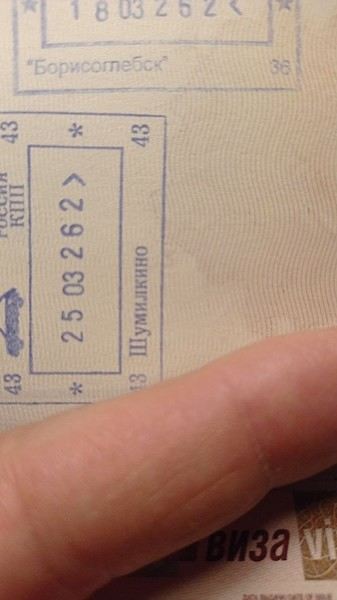
Borisoglebsk is the Russian border checkpoint after Kirkenes, on the road to Murmansk.
Kirkenes is a tiny town with a correspondingly small airport. Nothing has changed there: the minibuses to Murmansk wait on the right as you exit the airport. They’re synchronized with the two daily flights from Oslo—the SAS around 11:00 AM and Norwegian around 11:30 AM. They stop in Kirkenes at the corner of the Scandic for an hour, where other passengers can board, then head straight to the nearby border.
This is the least hassle Frontex/Schengen border. The Norwegian agent quickly scans your passport, and that’s it. No customs, since Norway is Schengen but not in the EU. On the Russian side, there’s a passport check and a quick customs inspection. All in all, crossing both the Norwegian and Russian checkpoints takes about 15 minutes.
A paper visa is required; e-visas aren’t accepted.
Two companies run the route: Avto Ekspress and Borodin: https://ae51.ru/routes/kirkenes-murmansk/ https://borodinbus.com/
The one-way fare is 5,500 ₽. You can either buy it online in rubles with a MIR card or make a formal reservation and pay in NOK cash to the driver. I took Borodin, and the price in NOK was much more expensive than in ₽.
=========================
On March 25, I left from Pskov via the Estonian border post at Luhaama. I spent three days in Murmansk, flew to St. Petersburg (SPB), stayed there for two days, then took an evening train to Pskov.
Since the end of February—and reportedly until the end of May—the Estonians have restricted the opening hours of the two border crossings near Pskov: Koidula (Pechory on the Russian side) and Luhaama (Izborsk on the Russian side). They’re closed at night between 7:00 PM and 7:00 AM. Right now, there’s a bus from Pskov at 7:00 AM to the border. It drops you off at the end of the road where truckers—many Kazakh and Serbian—are parked on the side. You finish the rest on foot to the barrier, where there’s a quick initial check for Ukrainian stamps in passports. Then you walk to the customs building, followed by passport control at the kiosk for motorists. After that, it’s a 500-meter walk to the Estonian checkpoint. At the moment, things seem calmer. Passport control is quick. The usual silly questions in English: "Where were you? Where are you going?" I just gave my most clueless smile: "Sorry, I don’t understand." Yeah, right—I don’t speak English, especially not at an Estonian border with a French passport. If they’re in a mood, though... A very quick bag inspection. Once you exit the Estonian post, walk to the bus stop sign by the road where another coach takes you to Riga.
The catch: in my case, last Wednesday, there were two passengers (Russians) with old Ukrainian stamps in their passports. The bus from the Estonian post to Riga was supposed to leave around 9:30 AM. We ended up leaving around noon after the two were grilled by the FSB. Since it was a weekday outside of holidays, the bus was half-empty. The fuller the bus and the more people with Ukrainian stamps, the worse the nightmare. Don’t book a same-day flight from Riga. I had a flight at 6:00 PM, so it worked out.
=============
The Kirkenes-Murmansk route is still clearly the easiest and fastest. But it’s not the most convenient since it’s way up north.
Next, I’d say the Gdansk-Kaliningrad route in the middle of the week. Avoid weekends and holiday departures/returns.
Avoid the Narva-Ivangorod route during Christmas, Easter, May 9, and *all* summer.
==============
About flights from Murmansk to St. Petersburg: prices are good. I bought my ticket the day before departure on Rossiya for 7,500 ₽, including 10 kg of luggage + a handbag.
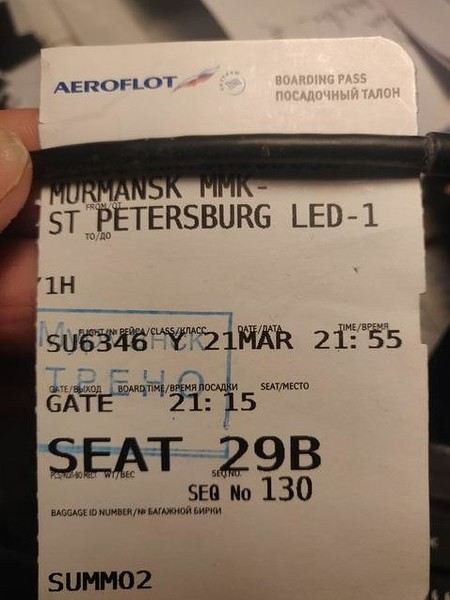
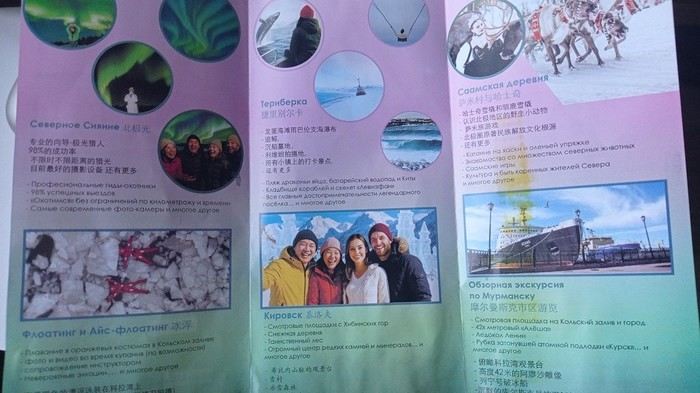
It’s the tail end of the northern lights season, and there were still crowds of Chinese tourists.
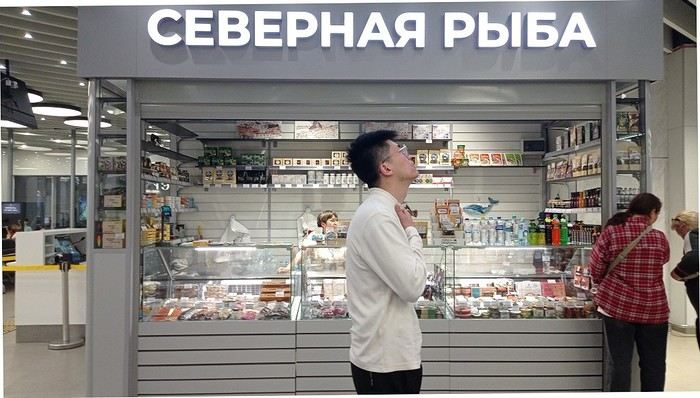
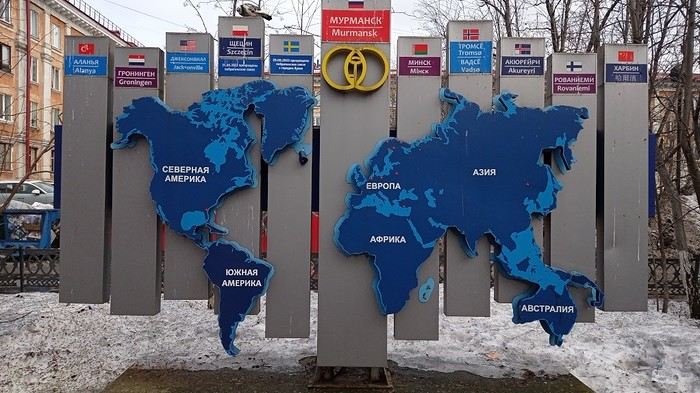
By the way, Murmansk is twinned with Harbin:
Chinese tourists are the largest foreign group, followed by Indians, then a mix of others from the Far East, Turks, Arabs, etc. Brochures are bilingual—Russian and Chinese:
============================
But let’s talk practical stuff. --
My domestic SIM card was restricted for SMS and internet for 24 hours. After that, if you want to keep using SMS, don’t turn off your phone—restarting triggers another 24-hour purgatory.
My Russian SIM cards (Megafon, MTS, Beeline) were activated as soon as I logged into their respective apps with my credentials.
Internet --
Telegram is heavily slowed down by authorities. To use it, you need to connect through proxy servers, which you load into the latest version of the app. Traffic is then rerouted internally within Telegram to servers outside Russia (Germany, Poland, Sweden, etc.). You can find these proxies on various channels. One is ChatVPN—check their website too.
For general internet use, like browsing the web, VPNs that work right now use the VLESS protocol. You can find several on Telegram by searching "VPN." A few free days, then payment in rubles or crypto.
Rozkomnadzor’s team are experts at this, so things can change. It’s a constant cat-and-mouse game.
Pskov is a special case. The city is near Estonia and has a large military base. Depending on NATO drone swarms launched from the Baltics, Wi-Fi can be completely suspended except for the most essential mobile apps. The drone swarms use the 4G network, and the powerful electronic jamming and drone suppression systems cause periods without Wi-Fi—including in hotels. Wired connections aren’t affected.
Borisoglebsk is the Russian border checkpoint after Kirkenes, on the road to Murmansk.
Kirkenes is a tiny town with a correspondingly small airport. Nothing has changed there: the minibuses to Murmansk wait on the right as you exit the airport. They’re synchronized with the two daily flights from Oslo—the SAS around 11:00 AM and Norwegian around 11:30 AM. They stop in Kirkenes at the corner of the Scandic for an hour, where other passengers can board, then head straight to the nearby border.
This is the least hassle Frontex/Schengen border. The Norwegian agent quickly scans your passport, and that’s it. No customs, since Norway is Schengen but not in the EU. On the Russian side, there’s a passport check and a quick customs inspection. All in all, crossing both the Norwegian and Russian checkpoints takes about 15 minutes.
A paper visa is required; e-visas aren’t accepted.
Two companies run the route: Avto Ekspress and Borodin: https://ae51.ru/routes/kirkenes-murmansk/ https://borodinbus.com/
The one-way fare is 5,500 ₽. You can either buy it online in rubles with a MIR card or make a formal reservation and pay in NOK cash to the driver. I took Borodin, and the price in NOK was much more expensive than in ₽.
=========================
On March 25, I left from Pskov via the Estonian border post at Luhaama. I spent three days in Murmansk, flew to St. Petersburg (SPB), stayed there for two days, then took an evening train to Pskov.
Since the end of February—and reportedly until the end of May—the Estonians have restricted the opening hours of the two border crossings near Pskov: Koidula (Pechory on the Russian side) and Luhaama (Izborsk on the Russian side). They’re closed at night between 7:00 PM and 7:00 AM. Right now, there’s a bus from Pskov at 7:00 AM to the border. It drops you off at the end of the road where truckers—many Kazakh and Serbian—are parked on the side. You finish the rest on foot to the barrier, where there’s a quick initial check for Ukrainian stamps in passports. Then you walk to the customs building, followed by passport control at the kiosk for motorists. After that, it’s a 500-meter walk to the Estonian checkpoint. At the moment, things seem calmer. Passport control is quick. The usual silly questions in English: "Where were you? Where are you going?" I just gave my most clueless smile: "Sorry, I don’t understand." Yeah, right—I don’t speak English, especially not at an Estonian border with a French passport. If they’re in a mood, though... A very quick bag inspection. Once you exit the Estonian post, walk to the bus stop sign by the road where another coach takes you to Riga.
The catch: in my case, last Wednesday, there were two passengers (Russians) with old Ukrainian stamps in their passports. The bus from the Estonian post to Riga was supposed to leave around 9:30 AM. We ended up leaving around noon after the two were grilled by the FSB. Since it was a weekday outside of holidays, the bus was half-empty. The fuller the bus and the more people with Ukrainian stamps, the worse the nightmare. Don’t book a same-day flight from Riga. I had a flight at 6:00 PM, so it worked out.
=============
The Kirkenes-Murmansk route is still clearly the easiest and fastest. But it’s not the most convenient since it’s way up north.
Next, I’d say the Gdansk-Kaliningrad route in the middle of the week. Avoid weekends and holiday departures/returns.
Avoid the Narva-Ivangorod route during Christmas, Easter, May 9, and *all* summer.
==============
About flights from Murmansk to St. Petersburg: prices are good. I bought my ticket the day before departure on Rossiya for 7,500 ₽, including 10 kg of luggage + a handbag.
It’s the tail end of the northern lights season, and there were still crowds of Chinese tourists.
By the way, Murmansk is twinned with Harbin:
Chinese tourists are the largest foreign group, followed by Indians, then a mix of others from the Far East, Turks, Arabs, etc. Brochures are bilingual—Russian and Chinese:
============================
But let’s talk practical stuff. --
My domestic SIM card was restricted for SMS and internet for 24 hours. After that, if you want to keep using SMS, don’t turn off your phone—restarting triggers another 24-hour purgatory.
My Russian SIM cards (Megafon, MTS, Beeline) were activated as soon as I logged into their respective apps with my credentials.
Internet --
Telegram is heavily slowed down by authorities. To use it, you need to connect through proxy servers, which you load into the latest version of the app. Traffic is then rerouted internally within Telegram to servers outside Russia (Germany, Poland, Sweden, etc.). You can find these proxies on various channels. One is ChatVPN—check their website too.
For general internet use, like browsing the web, VPNs that work right now use the VLESS protocol. You can find several on Telegram by searching "VPN." A few free days, then payment in rubles or crypto.
Rozkomnadzor’s team are experts at this, so things can change. It’s a constant cat-and-mouse game.
Pskov is a special case. The city is near Estonia and has a large military base. Depending on NATO drone swarms launched from the Baltics, Wi-Fi can be completely suspended except for the most essential mobile apps. The drone swarms use the 4G network, and the powerful electronic jamming and drone suppression systems cause periods without Wi-Fi—including in hotels. Wired connections aren’t affected.
From the Awakening to Travel to Morocco in the 90s
As I’ve mentioned elsewhere, I inherited my love of travel from my parents and some of my grandparents. A strong passion, but one that was unfortunately limited by our family’s modest resources. Back then, living in northern Alsace, a simple trip to the southern part of the region—with the Wine Route as our destination—felt like an extraordinary journey to a land of plenty for the little boy I was in the late 60s and early 70s.
Everything seemed so huge when you were still just a kid.
Back then, I was overwhelmed by countless sensations—I was already highly sensitive, with a keen mind and a nose and taste buds that were developing like a pro’s. Which, as I’d later realize, wasn’t always an advantage.
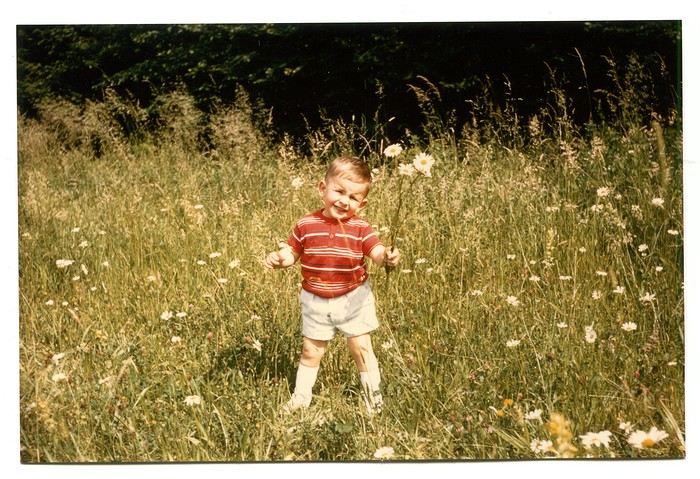
Those magical days always began with a gentle late-spring or midsummer morning. The interior of the white Peugeot 404, license plate 210 LZ 67, had already soaked up the sun before the engine purred to life, and the cabin gave off a scent I could still recognize today—a fragrance I found so pleasant. Back then, I had no idea it was just the smell of warm plastic from the car’s interior. Yes, the scents of the 404 on sunny days became my madeleine de Proust... What’s more, the whole family was unusually cheerful because those moments of relaxation and leisure were rare. Everyone worked, and no one had an easy job or was well paid. Without the *Trente Glorieuses*, these experiences might never have happened.
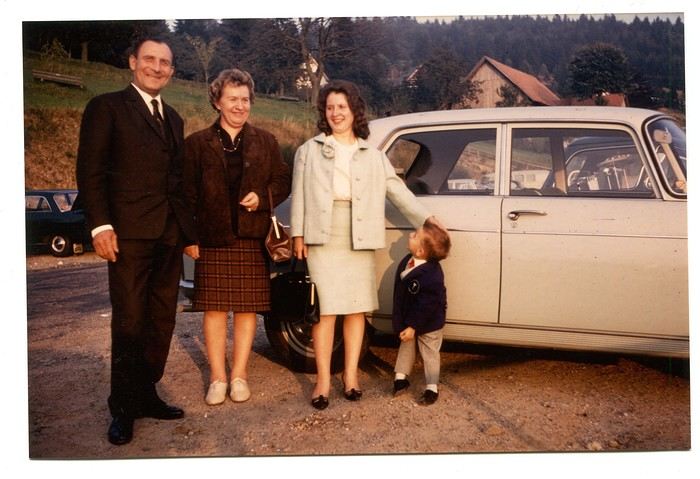
Once we crossed the canton’s borders, I felt like I was light-years away from my everyday surroundings, and every kilometer plunged me deeper into *terra incognita*. It was thrilling. Far from my so-called "medium-sized" town, wheat fields, cornfields, and cabbage patches stretched out, punctuated by tall poles connected by long wires and topped with vegetation—like giant clotheslines without laundry, where magical beanstalks might grow to touch the sky. Back then, I was still far from tasting their product, which was simply beer. At the time, there was still a significant local hop production. Fun fact: it wasn’t until 2002 that Anglo-Saxon scientists proved hops and cannabis belong to the same biological family.
After the fields, the landscape took another step up as it rolled past the little boy’s eyes, often glued to the windows. First came modest hills, then a succession of rolling slopes that soon formed an unbroken chain. Their 700 meters in altitude felt like Himalayan peaks to me—impressive, inert giants, a whole new world. Gazing at them, an intense emotion welled up somewhere between my stomach and lungs, nearly taking my breath away. What mysteries, what treasures did these heights hold? And then there were the cherries on top—the crowning touch that made the scene even more magical: proud, majestic castles perched on the summits like impassive sentinels. Monuments from the past, yet firmly rooted in the present on their rocky spurs. The little boy’s eyes sparkled—he’d been given a castle for Christmas, complete with battlements, towers, a drawbridge, and fully armed knights. He’d watched and lived *Ivanhoe* on the only French TV channel that existed back then.
Only once did my paternal grandfather join us on one of these trips. A tall, intelligent man with a face that could shift from stern to mischievous, clearly full of humor and charisma. Sadly, his relationship with alcohol had taken a toll on his life and, by extension, those of his loved ones. He had a strong personality—if his boss crossed the line, he wouldn’t hesitate to punch him, which meant he went through a lot of different jobs. Back then, you could quit one job and easily find another. It was quite something to see him in his final stages, hallucinating pink elephants and even drinking perfume when he had nothing else left. The last time I saw him, he’d slipped away from the doctors and nurses while hospitalized in pretty bad shape—at least, I assume his liver was the issue. We were sitting down for a family lunch when the door burst open, and there he stood in his pajamas, eyes twinkling with mischief, clearly pleased with the dramatic entrance. That theatrical moment didn’t spare us from burying him a few months later at the age of 71. One day, my mother told me the family doctor had quietly remarked that it was a shame—with his robust constitution, he could’ve lived to be a hundred. Yes, the family doctor—this was the man who’d come treat you any day, at almost any hour, just for a phone call. It really existed, it’s not a myth!
That day, his wife—my paternal grandmother—was also along for the ride. Everyone agreed that Jeannette was a good woman. She worked as a waitress at *Le Tigre*, the biggest brasserie in town, right in the center. Most customers preferred to be served by her, including local dignitaries and even the mayor. As a kid, I didn’t find her very fun, open, or warm—she seemed a bit stern. Back then, women in their fifties already had the face and build of grandmothers. Same went for men, don’t get me wrong. I had no idea about the struggles she faced because of her husband. I didn’t know that 30 years earlier, she’d had to flee Alsace while pregnant, under threat from Nazi fighter-bombers. I didn’t know she’d had several miscarriages, and that my father—her only surviving child, born prematurely in March 1940 at the other end of France—weighed less than a kilo at birth and was so tiny he could fit in a shoebox. Hard to imagine he’d grow into a strapping man nearly 1.80 meters tall, tipping the scales at 100 kilos. When you come back from summer camp in early August and ask why she didn’t pick you up with your parents, and they gently tell you she’s "in heaven," you don’t realize she passed away at 54 after suffering greatly from stomach cancer that had spread.
Back to that family outing, that enchanted parenthesis. I even remembered where we’d had lunch when I passed through Dambach-la-Ville decades later. One of those charming, flower-filled towns Alsace produces in abundance—and preserves so well. This one sits high on a hill, and I was a bit stunned on the parking lot because the view stretched far, revealing the Alsace plain below—its fields, villages, hills, and forests. The world seemed so vast and enticing that day, even though I was only glimpsing a tiny fraction of it.
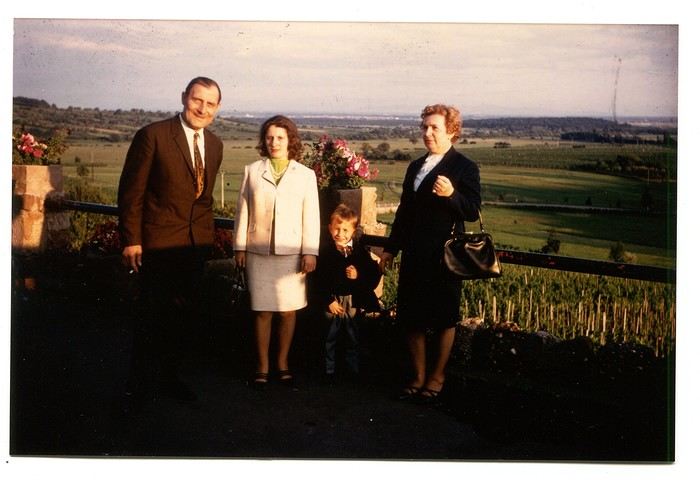
The region was already very touristy, but I wouldn’t notice the downsides until much later. That Sunday noon, I discovered a large restaurant filled with diners. I can still see the enormous piece of meat they served me, decorated with a little wooden skewer topped with a flag. I kept that one for a long time. Those were the golden days of rich, flowing, thick sauces—so flavorful—and the era of the world’s best fries, made on the spot with the best potatoes. To top it off, I was *exceptionally* allowed a small bottle of apple juice, Orangina, or—even better if possible—Sinalco. Yes, Sinalco—like Orangina, but better. A brand that must’ve disappeared in the 70s, but why, and what a shame! Since then, Orangina’s little bubbles have taken the brand to the other side of the planet—it’s now Japanese.
Year after year, I’d eagerly await that ecstatic moment when the most beautiful castle in Alsace, the Haut-Koenigsbourg, appeared in my field of vision. The perfect model, the archetype that blended into the landscape at the height of a child’s dreams. The trip home always felt like a reality check—less jarring than an alarm clock, but more diffuse and melancholic. From then on, there was only one wish: *When do we leave again?*
Those magical days always began with a gentle late-spring or midsummer morning. The interior of the white Peugeot 404, license plate 210 LZ 67, had already soaked up the sun before the engine purred to life, and the cabin gave off a scent I could still recognize today—a fragrance I found so pleasant. Back then, I had no idea it was just the smell of warm plastic from the car’s interior. Yes, the scents of the 404 on sunny days became my madeleine de Proust... What’s more, the whole family was unusually cheerful because those moments of relaxation and leisure were rare. Everyone worked, and no one had an easy job or was well paid. Without the *Trente Glorieuses*, these experiences might never have happened.
Once we crossed the canton’s borders, I felt like I was light-years away from my everyday surroundings, and every kilometer plunged me deeper into *terra incognita*. It was thrilling. Far from my so-called "medium-sized" town, wheat fields, cornfields, and cabbage patches stretched out, punctuated by tall poles connected by long wires and topped with vegetation—like giant clotheslines without laundry, where magical beanstalks might grow to touch the sky. Back then, I was still far from tasting their product, which was simply beer. At the time, there was still a significant local hop production. Fun fact: it wasn’t until 2002 that Anglo-Saxon scientists proved hops and cannabis belong to the same biological family.
After the fields, the landscape took another step up as it rolled past the little boy’s eyes, often glued to the windows. First came modest hills, then a succession of rolling slopes that soon formed an unbroken chain. Their 700 meters in altitude felt like Himalayan peaks to me—impressive, inert giants, a whole new world. Gazing at them, an intense emotion welled up somewhere between my stomach and lungs, nearly taking my breath away. What mysteries, what treasures did these heights hold? And then there were the cherries on top—the crowning touch that made the scene even more magical: proud, majestic castles perched on the summits like impassive sentinels. Monuments from the past, yet firmly rooted in the present on their rocky spurs. The little boy’s eyes sparkled—he’d been given a castle for Christmas, complete with battlements, towers, a drawbridge, and fully armed knights. He’d watched and lived *Ivanhoe* on the only French TV channel that existed back then.
Only once did my paternal grandfather join us on one of these trips. A tall, intelligent man with a face that could shift from stern to mischievous, clearly full of humor and charisma. Sadly, his relationship with alcohol had taken a toll on his life and, by extension, those of his loved ones. He had a strong personality—if his boss crossed the line, he wouldn’t hesitate to punch him, which meant he went through a lot of different jobs. Back then, you could quit one job and easily find another. It was quite something to see him in his final stages, hallucinating pink elephants and even drinking perfume when he had nothing else left. The last time I saw him, he’d slipped away from the doctors and nurses while hospitalized in pretty bad shape—at least, I assume his liver was the issue. We were sitting down for a family lunch when the door burst open, and there he stood in his pajamas, eyes twinkling with mischief, clearly pleased with the dramatic entrance. That theatrical moment didn’t spare us from burying him a few months later at the age of 71. One day, my mother told me the family doctor had quietly remarked that it was a shame—with his robust constitution, he could’ve lived to be a hundred. Yes, the family doctor—this was the man who’d come treat you any day, at almost any hour, just for a phone call. It really existed, it’s not a myth!
That day, his wife—my paternal grandmother—was also along for the ride. Everyone agreed that Jeannette was a good woman. She worked as a waitress at *Le Tigre*, the biggest brasserie in town, right in the center. Most customers preferred to be served by her, including local dignitaries and even the mayor. As a kid, I didn’t find her very fun, open, or warm—she seemed a bit stern. Back then, women in their fifties already had the face and build of grandmothers. Same went for men, don’t get me wrong. I had no idea about the struggles she faced because of her husband. I didn’t know that 30 years earlier, she’d had to flee Alsace while pregnant, under threat from Nazi fighter-bombers. I didn’t know she’d had several miscarriages, and that my father—her only surviving child, born prematurely in March 1940 at the other end of France—weighed less than a kilo at birth and was so tiny he could fit in a shoebox. Hard to imagine he’d grow into a strapping man nearly 1.80 meters tall, tipping the scales at 100 kilos. When you come back from summer camp in early August and ask why she didn’t pick you up with your parents, and they gently tell you she’s "in heaven," you don’t realize she passed away at 54 after suffering greatly from stomach cancer that had spread.
Back to that family outing, that enchanted parenthesis. I even remembered where we’d had lunch when I passed through Dambach-la-Ville decades later. One of those charming, flower-filled towns Alsace produces in abundance—and preserves so well. This one sits high on a hill, and I was a bit stunned on the parking lot because the view stretched far, revealing the Alsace plain below—its fields, villages, hills, and forests. The world seemed so vast and enticing that day, even though I was only glimpsing a tiny fraction of it.
The region was already very touristy, but I wouldn’t notice the downsides until much later. That Sunday noon, I discovered a large restaurant filled with diners. I can still see the enormous piece of meat they served me, decorated with a little wooden skewer topped with a flag. I kept that one for a long time. Those were the golden days of rich, flowing, thick sauces—so flavorful—and the era of the world’s best fries, made on the spot with the best potatoes. To top it off, I was *exceptionally* allowed a small bottle of apple juice, Orangina, or—even better if possible—Sinalco. Yes, Sinalco—like Orangina, but better. A brand that must’ve disappeared in the 70s, but why, and what a shame! Since then, Orangina’s little bubbles have taken the brand to the other side of the planet—it’s now Japanese.
Year after year, I’d eagerly await that ecstatic moment when the most beautiful castle in Alsace, the Haut-Koenigsbourg, appeared in my field of vision. The perfect model, the archetype that blended into the landscape at the height of a child’s dreams. The trip home always felt like a reality check—less jarring than an alarm clock, but more diffuse and melancholic. From then on, there was only one wish: *When do we leave again?*
Another side of my trip to Thailand: Villages, nature, countryside, mountains...
February 9th is a pivotal day during my trip to Thailand. Up until this date, my focus had been on cities, temples, and other urban landmarks. Starting February 10th, I’ll finally leave the city behind for the outskirts—one town, one life, farther from tourism, more real, more authentic... Then comes the bucolic surroundings of Chiang Mai, nature, the countryside, the mountains.
This morning, I head to visit the ethnographic museum. I’d been told about another one, but it’s permanently closed. I wonder if it’s the same one that might have changed its name and location.
I thoroughly enjoy visiting this museum. At first, I’m a bit annoyed because the place is packed with noisy school groups blocking the display cases without even showing the slightest interest. But soon, their chaperones manage to lead them into another room, giving me some peace. They maintain this distance throughout the tour, allowing me to explore the museum in complete tranquility. I really appreciate their tact.
I’m amazed by the absolutely stunning fabric displays and the countless everyday objects, especially the very old pottery. There’s so much beautiful basketry and intricately carved wood. The statues are also incredible... After seeing all of them, I no longer feel like buying any from the shops.
On my way back, not far from my hotel, I discover a rather unique place that only serves one drink, which they’ve made their specialty: egg coffee! A pretty surprising novelty. I have to try it.

At the bottom of the cup, they pour a layer of milk, topped with a layer of liquid coffee, followed by a layer of egg yolk, and finally a top layer that turns out to be a mix of coffee and cocoa powder. It’s a cold drink that, in the end, doesn’t have much flavor, and the price is pretty steep for such a small cup. You’re paying for the exclusivity!
Later in the day, I venture once again into small alleys, something I love doing when exploring a new city—no specific goal, just wandering east of the city, outside the walls.

I encounter very few tourists there and discover unsuspected little shops overflowing with lovely items, much cheaper than what you find in the heart of the tourist district. Then I wander through the floors of Warorot Market. I discover another kind of temple there: the temple of good deals. I love finding clothes that are really original for locals, not the flood of shirts and pants that tourists love but no Thai would ever buy, which invade the shops in the "Historic Square." I stop in my tracks in front of a stall with beautiful shirts featuring stunning geometric patterns in elegant color combinations and very short sleeves. Hmm, these would be perfect for showing off my biceps, one of which is adorned with the magnificent Ganesh tattoo I got last year in Bali. "When you’ve got nice things, you’ve got to show them off!" he said. 😜🙏💪 I pick out two for 380 baht and negotiate them down to 300. But the seller won’t go any lower. I understand I’ve reached the limit of her commercial possibilities. Just as I’m leaving the shop, happy with my purchase, my ever-helpful inner voice, Petite Voix, suggests: - You didn’t try them on because you were too lazy to take off the one you’re wearing and also because of the sweat, but you could just put one on over the one you’re wearing. It’s light enough that it won’t bother you.
I go back to the two sellers, who burst out laughing when I ask to try them on. - Oh no, it’s way too small for you! It’s a women’s shirt! - But they don’t look particularly feminine in style! And I chose XXL... I put the shirt on, and of course, it won’t close. Then I notice the buttons are on the wrong side. That’s why the sleeves seemed so short!!! They put the shirts back on the rack and refund me without any fuss, commenting amid total hilarity: - Well, thank goodness you tried it on just as you were leaving the shop!
Since I don’t want to walk too much before tomorrow’s first Big Outing with the driver, I end my stroll with a visit to two very pretty temples recommended by Joël.

I’d rather not post more temple photos. But these ones smell like village and countryside...


I’ve never seen anything like Wat Ket Karam, so extravagant...


And I end my day with two other lesser-known temples: Wat Noung Kham, simple and finally free of gold and glitter,

and Wat Dap Phai, where an intimate ceremony is taking place at the end of the day.
This morning, I head to visit the ethnographic museum. I’d been told about another one, but it’s permanently closed. I wonder if it’s the same one that might have changed its name and location.
I thoroughly enjoy visiting this museum. At first, I’m a bit annoyed because the place is packed with noisy school groups blocking the display cases without even showing the slightest interest. But soon, their chaperones manage to lead them into another room, giving me some peace. They maintain this distance throughout the tour, allowing me to explore the museum in complete tranquility. I really appreciate their tact.
I’m amazed by the absolutely stunning fabric displays and the countless everyday objects, especially the very old pottery. There’s so much beautiful basketry and intricately carved wood. The statues are also incredible... After seeing all of them, I no longer feel like buying any from the shops.
On my way back, not far from my hotel, I discover a rather unique place that only serves one drink, which they’ve made their specialty: egg coffee! A pretty surprising novelty. I have to try it.
At the bottom of the cup, they pour a layer of milk, topped with a layer of liquid coffee, followed by a layer of egg yolk, and finally a top layer that turns out to be a mix of coffee and cocoa powder. It’s a cold drink that, in the end, doesn’t have much flavor, and the price is pretty steep for such a small cup. You’re paying for the exclusivity!
Later in the day, I venture once again into small alleys, something I love doing when exploring a new city—no specific goal, just wandering east of the city, outside the walls.
I encounter very few tourists there and discover unsuspected little shops overflowing with lovely items, much cheaper than what you find in the heart of the tourist district. Then I wander through the floors of Warorot Market. I discover another kind of temple there: the temple of good deals. I love finding clothes that are really original for locals, not the flood of shirts and pants that tourists love but no Thai would ever buy, which invade the shops in the "Historic Square." I stop in my tracks in front of a stall with beautiful shirts featuring stunning geometric patterns in elegant color combinations and very short sleeves. Hmm, these would be perfect for showing off my biceps, one of which is adorned with the magnificent Ganesh tattoo I got last year in Bali. "When you’ve got nice things, you’ve got to show them off!" he said. 😜🙏💪 I pick out two for 380 baht and negotiate them down to 300. But the seller won’t go any lower. I understand I’ve reached the limit of her commercial possibilities. Just as I’m leaving the shop, happy with my purchase, my ever-helpful inner voice, Petite Voix, suggests: - You didn’t try them on because you were too lazy to take off the one you’re wearing and also because of the sweat, but you could just put one on over the one you’re wearing. It’s light enough that it won’t bother you.
I go back to the two sellers, who burst out laughing when I ask to try them on. - Oh no, it’s way too small for you! It’s a women’s shirt! - But they don’t look particularly feminine in style! And I chose XXL... I put the shirt on, and of course, it won’t close. Then I notice the buttons are on the wrong side. That’s why the sleeves seemed so short!!! They put the shirts back on the rack and refund me without any fuss, commenting amid total hilarity: - Well, thank goodness you tried it on just as you were leaving the shop!
Since I don’t want to walk too much before tomorrow’s first Big Outing with the driver, I end my stroll with a visit to two very pretty temples recommended by Joël.
I’d rather not post more temple photos. But these ones smell like village and countryside...
I’ve never seen anything like Wat Ket Karam, so extravagant...
And I end my day with two other lesser-known temples: Wat Noung Kham, simple and finally free of gold and glitter,
and Wat Dap Phai, where an intimate ceremony is taking place at the end of the day.
AI, the Holy Grail of Travel and Travel Journals?
Three of our grandchildren came to spend the last weekend of the holidays at our house.
With her driver’s license just in hand, the oldest took her sister and a cousin along.
I was talking about VoyageForum, and the conversation turned to AI, which finds writing travel journals a breeze—churning out amazing ads for this or that country and even nudging tourists to visit one place over another.
Jules: "It’s crazy, you can plan and organize everything, then just add your photos and the AI’s text, and boom—you’ve got something great." Héloïse: "What a cheat for yourself and for others." (She’s so wise!) Gaïané: "Ugh, no more surprises. It even picks the restaurants—so lame."
I had this idea to stay on the theme of travel journals:
I found an excerpt from a book (I’ll let you guess the title and author—of course, the kids figured it out in two seconds with their phones), then I wrote my own version, and finally, the AI generated its own using a few keywords.
Here they are:
"We walked at dusk through the thick, dark forest. Sometimes, a clearing would reveal a dreamlike landscape. A magical world, far from humans. A world of frozen waterfalls, stiff fir trees, and sharp peaks slicing through the blinding whiteness of the air.
We gazed, dazzled, at the spectacle, imagining we’d left the human world behind and joined that of the spirits."
"For days, we walked through the half-darkness of dense, untouched forests, then suddenly, a clearing would unveil landscapes you only see in dreams. Sharp peaks piercing the sky, icy torrents, giant waterfalls—an entire fantastical world, blindingly white, rising above the dark line traced by the giant fir trees. We stared at this extraordinary sight, speechless, awestruck, ready to believe we’d reached the limits of the human world and stood at the threshold of the spirits’ realm."
"We walked through the mountain, wild and unyielding, its sharp peaks tearing the sky like honed blades. Giant waterfalls roared and foamed, as if the earth’s hidden forces were pouring out. Higher still, the blinding whiteness belonged to the world of spirits—capricious beings whispering to lost travelers. Faced with this silent vastness, we felt tiny, uninvited guests meditating on the invisible that dwells in these forbidden peaks."
And, amazingly, they unanimously agreed that the author’s excerpt was a thousand times more poetic. Héloïse, my history buff, said: "Nothing replaces the real travel experience." Jules said: "Yeah, but it does the job. Even if the excerpt is cool." And our oldest added: "It makes you want to go there—not at all like the other two versions. Sorry, Mamido."
And then, miracle—Jules asks: "Do you have the book? Can I borrow it?"
I’m so relieved—young people aren’t completely devoured by technology yet. And the forum will keep its charm and usefulness for a long time. Phew!
You agree, right?
Jules: "It’s crazy, you can plan and organize everything, then just add your photos and the AI’s text, and boom—you’ve got something great." Héloïse: "What a cheat for yourself and for others." (She’s so wise!) Gaïané: "Ugh, no more surprises. It even picks the restaurants—so lame."
I had this idea to stay on the theme of travel journals:
I found an excerpt from a book (I’ll let you guess the title and author—of course, the kids figured it out in two seconds with their phones), then I wrote my own version, and finally, the AI generated its own using a few keywords.
Here they are:
"We walked at dusk through the thick, dark forest. Sometimes, a clearing would reveal a dreamlike landscape. A magical world, far from humans. A world of frozen waterfalls, stiff fir trees, and sharp peaks slicing through the blinding whiteness of the air.
We gazed, dazzled, at the spectacle, imagining we’d left the human world behind and joined that of the spirits."
"For days, we walked through the half-darkness of dense, untouched forests, then suddenly, a clearing would unveil landscapes you only see in dreams. Sharp peaks piercing the sky, icy torrents, giant waterfalls—an entire fantastical world, blindingly white, rising above the dark line traced by the giant fir trees. We stared at this extraordinary sight, speechless, awestruck, ready to believe we’d reached the limits of the human world and stood at the threshold of the spirits’ realm."
"We walked through the mountain, wild and unyielding, its sharp peaks tearing the sky like honed blades. Giant waterfalls roared and foamed, as if the earth’s hidden forces were pouring out. Higher still, the blinding whiteness belonged to the world of spirits—capricious beings whispering to lost travelers. Faced with this silent vastness, we felt tiny, uninvited guests meditating on the invisible that dwells in these forbidden peaks."
And, amazingly, they unanimously agreed that the author’s excerpt was a thousand times more poetic. Héloïse, my history buff, said: "Nothing replaces the real travel experience." Jules said: "Yeah, but it does the job. Even if the excerpt is cool." And our oldest added: "It makes you want to go there—not at all like the other two versions. Sorry, Mamido."
And then, miracle—Jules asks: "Do you have the book? Can I borrow it?"
I’m so relieved—young people aren’t completely devoured by technology yet. And the forum will keep its charm and usefulness for a long time. Phew!
You agree, right?
So where are they and what are they doing?
This catchy and somewhat mysterious title comes from several questions I’ve been asking myself.
VF has been back open for a reasonable number of weeks and months now. The number of visitors overall matches past averages, but the number of members online in the last 24 hours seems relatively lower than what we used to see.
Yet, to my surprise, I’m seeing fewer travel journals, way fewer messages, and way fewer questions. I don’t see many new registered users online, and I notice a number of members who are logged in but either aren’t participating or have stopped participating.
Something’s not adding up for me because, in my opinion, VF is still appealing, and I don’t see which other sites could really compete.
Was there a real break between pre- and post-Covid? Does it just take more time for some people to discover the site or learn that it’s active again? Do people now prefer quick consumption on sites like FB or others I’m not familiar with? Where have the site’s old-timers gone, and what are they doing with their time now? What’s really going on here?
VF has been back open for a reasonable number of weeks and months now. The number of visitors overall matches past averages, but the number of members online in the last 24 hours seems relatively lower than what we used to see.
Yet, to my surprise, I’m seeing fewer travel journals, way fewer messages, and way fewer questions. I don’t see many new registered users online, and I notice a number of members who are logged in but either aren’t participating or have stopped participating.
Something’s not adding up for me because, in my opinion, VF is still appealing, and I don’t see which other sites could really compete.
Was there a real break between pre- and post-Covid? Does it just take more time for some people to discover the site or learn that it’s active again? Do people now prefer quick consumption on sites like FB or others I’m not familiar with? Where have the site’s old-timers gone, and what are they doing with their time now? What’s really going on here?
The rule of the three unities
"In one place, in one day, a single deed accomplished,
May hold the theater filled until the end."
- Sunday morning, a chilly dawn - The kitchen - Smell of coffee and toast, a jar of honey on the table.
- Tits pecking at sunflower seeds in the transparent feeder stuck to the window.
- France Musique on the radio: Brahms, violin concerto by the lovely Hilary Hahn - Characters: - An old man in a plush dark blue dressing gown - An old woman in a worn-out duck-blue dressing gown. They dance cheek to cheek, the woman’s head resting on the old man’s broad chest. The old man breathes in the tangled hair of the lady. She smiles. Happy. Tomorrow, they’re off on a trip.
- Sunday morning, a chilly dawn - The kitchen - Smell of coffee and toast, a jar of honey on the table.
- Tits pecking at sunflower seeds in the transparent feeder stuck to the window.
- France Musique on the radio: Brahms, violin concerto by the lovely Hilary Hahn - Characters: - An old man in a plush dark blue dressing gown - An old woman in a worn-out duck-blue dressing gown. They dance cheek to cheek, the woman’s head resting on the old man’s broad chest. The old man breathes in the tangled hair of the lady. She smiles. Happy. Tomorrow, they’re off on a trip.
A long journey around Australia
Sunday, October 1st, 2023
Mulhouse-London
We dumped our trash on our neighbors. We hugged, overflowing with emotion. Then Léa from Taxis S showed up. She knows us well. For ages, she’s been our driver. She was practically the official taxiwoman for the trips of the company where Dom and I met. She knew us when we were single! Almost teenagers! She knows everyone and fills in the biographies of people we’d forgotten.
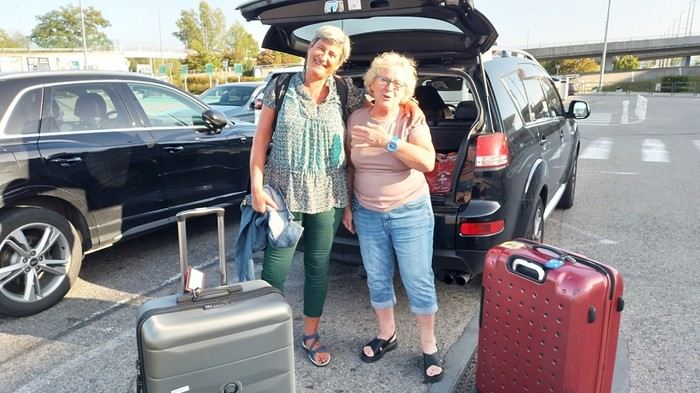 Across the street, while we loaded the luggage, S., perched in his window frame, waved a handkerchief. This wasn’t just any trip.
 Then things got tricky. It’s funny how fate sinks its teeth into our happy moments—there’s this whole intermediate phase where the poison seeps in unnoticed because you’re still in the dark...
First, there was a delay on our flight to London. Dom immediately went on high alert, while I stayed calm. In my mind, we had two hours. I knew we had to go from Terminal 5 to Terminal 4, but two hours—come on, that’s plenty, right?
Then things got tricky. It’s funny how fate sinks its teeth into our happy moments—there’s this whole intermediate phase where the poison seeps in unnoticed because you’re still in the dark...
First, there was a delay on our flight to London. Dom immediately went on high alert, while I stayed calm. In my mind, we had two hours. I knew we had to go from Terminal 5 to Terminal 4, but two hours—come on, that’s plenty, right?
Bad calculation! Because those two hours were between the first flight’s landing and the second’s takeoff. But flights close at least half an hour before departure. Getting from one terminal to another means taking a shuttle bus. We waited for the one going to Terminal 4... until a young guy paid to direct people (who hadn’t seen us) informed us it was no longer possible to access Terminal 4 without going through Terminal 2 first for a connection! That really cranked up the pressure. We started installing a mental countdown with a programmed explosion at the end—guaranteed stress with added beads of sweat. The terminal bus was driven by a young Pakistani guy. We were *so* tense we bombarded him with our frantic, repetitive questions. “So? When are we getting there? What’s happening? Why aren’t we moving?” Our eyes were glued to our watches. The poor guy knew. Perfectly. Because it was obvious—no way around it. We weren’t going to make it. It was impossible. But Dom and I stubbornly refused to believe it. Then the kid stopped the bus. Me, hysterical: “What are you doing? What’s going on? Our plane takes off in... in... 4 minutes!!!! We’re gonna miss iiiiiit!” He wasn’t calm either. “You’ve already missed it!” He explained we had to cross a zone that required an escort car to clear a path through the runways. Impossible to do without. It’s forbidden. We had to WAIT (!!!). Then he got a radio call—he had to rush to Terminal 3 to pick up a passenger who was *super* tight on time. “Amir!!!! It’s RIGHT NOW!” they yelled in his already-red ears, thanks to the complaints of two hysterical Frenchies. Dom and I were in overdrive, hallucinating! We wanted to stop him, maybe even hit him to prevent him from turning around. He picked up the girl, whom we instantly hated like the most despicable witch. I turned on my data, searched for Malaysia Airlines’ number at Terminal 4, called, and actually got someone—quite a feat. A woman cut off my frantic rambling with a blunt “It’s over, the check-in is closed, the plane is about to take off.” I heard her but refused to accept it. I yelled, “We’re coming!” She shot back her monolithic “It’s over.” Finally at the doors of that damn Terminal 4, we ran—*really* ran—a marathon, Gate 6, security checks, pat-downs, “Take off your belts,” we asked questions, everyone seemed confident, we ran with one hand holding up our pants, the other clutching our belt, Gate 6—the room was empty. A girl was sitting there, calmly on the phone. We pounced on her. She calmed us down. Little by little, the light came back. Our brains rebooted. We finally understood it was over. We’d have to start crafting a new plan with the new reality. It started with a return to Terminal 5 to talk to British Airways, which took a good hour. With the same driver as before. We were alone with him. He took the time to apologize, to assure us it wasn’t his fault, that our problem had no solution, that nothing could’ve changed the outcome. At BA, we were exhausted. We were greeted by a handsome young man in a navy-blue uniform with gold stripes everywhere. We could’ve made a scene, but we were just relieved to find someone who’d take charge of our story. It was a minimal response, but it was *a* response. I suppose we could’ve demanded a business-class upgrade or a free trip, but we were just happy with a few vouchers for food, a hotel room with breakfast, and a little bag with plastic toys, a razor, toothbrush, hygiene products, and a T-shirt... Trinkets... But we were fine with it all—we said thank you eagerly because the essential was assured. He found us seats on flights tomorrow. *Tomorrow.* We were afraid to hope! We had the exact same flights but a day later. The same crappy times, but it was all good. We felt saved from the shipwreck, like survivors. - And what about the luggage? - .... !!!!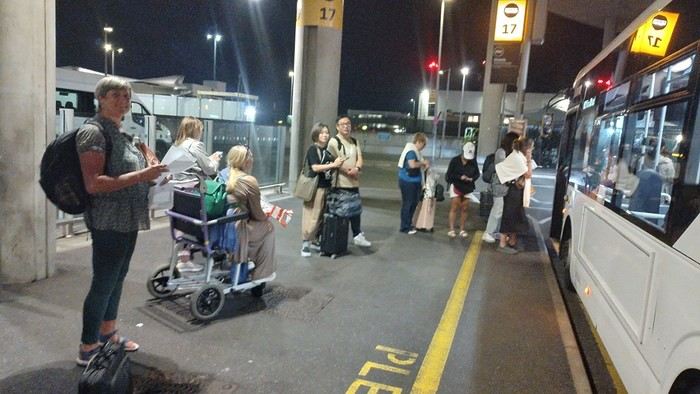
Monday, October 2nd, 2023 London - Kuala Lumpur
It wasn’t the Ritz, but with exhaustion on our side, we slept well. The continental breakfast was way better than we’d expected from an Ibis Budget. Still, it wasn’t enough to restore my joy for life. The course correction had turned into an arduous obstacle course. I scoured the car rental site every which way. Couldn’t reschedule the car. I’d done it before, but this time... Not to mention the laptop battery was complaining—the Brits have this quirk of making their power outlets incompatible with our chargers. Frustrated, I called them but ended up with a girl who declared herself incompetent and offered to have someone from Avis in Perth call me back—someone who’d supposedly handle rentals better. I decided to wait while taking a bath. Barely settled in, the phone rang. I was soaking wet, of course, and asked Dom to answer. Unfortunately, she’s known for disliking my phone, and in a clumsy move, she hung up. We got annoyed. She put dry towels on the edge of the bathtub, but—another false move—they fell in the water. The phone rang again... I completely redid the plans for the next two days, then transferred the files to my phone to consult them later offline. I plugged in my USB cable... *Plop!* The battery died abruptly—my PC shut down without any of the usual polite warnings! I looked around, hoping to find someone to strangle... Long story short, you can tell the day started under the worst omens. I was in a foul mood and spread my bad vibes to Dominique, who was initially in much better spirits... I called Mastercard, hoping to get a refund for the non-refundable night in Perth we’d already paid for. Same old song: “We’ll call you back”... Then... I’ll cut it short—buses, trains, lots of waiting... We rushed to reach the infamous Terminal 4.
We tried new options and convinced ourselves that a delayed departure flight is unrecoverable, no matter the scenario. We were furious that BA hadn’t bothered to tell us, leaving us to run around like rats in a burning house.
Tuesday, October 3rd, 2023 Kuala Lumpur-Perth
The flight was pretty nice. 13 hours, though. Dom and I were facing each other across the aisle. We could get up easily whenever we wanted without bothering anyone and chat when we felt like it. Besides, their chicken was amazing. They were kind enough to offer Dom a truly remarkable glass of rum. Good movies too, including the excellent *Prisoners* by Denis Villeneuve. At KL, during boarding, we developed a nagging worry about our luggage. We checked with some Malaysian Airlines staff. I sensed their hesitation. They made calls. Then changed their minds, giving us smiles and thumbs up...
Wednesday, October 4th, 2023 Perth
*Happy is the man who, like Ulysses, has had a fine voyage.* Well, for us, it wasn’t that. Finally arrived, we experienced the loneliness of tourists watching the baggage carousel spin, emptying of its precious containers one by one, until only a handful of travelers were left, staring at each other in disbelief. Without luggage, you’re kinda screwed. Not even a change of socks—our feet had been swimming in the same shoes for 3 days. No adapter, so no laptop. No toiletries. We could’ve cried! The lost luggage guy played his part. If you want compensation, fill out the disclaimer on the website made for that. And then, “Don’t worry, your luggage will arrive tomorrow!” “Don’t worry?!” From the start of the trip, we’ve been jerked around, fed lies. Tomorrow is the *absolute* last chance to get them back. Beyond that, we’d have to scramble a whole new trip. And lose a lot in the process! I have no idea how to go about it. Tomorrow... OMG... Tomorrow... We landed at 1 AM. Avis, the car rental place, opens at 6:30. Luckily, we found some decent breakfast. It cheered us up and gave us a second wind. Incorrigible, we started believing again! Well, then we just killed time. What else was there to do?

In front of Avis’s little shack, we were freezing. We’d been there since dawn. The girl who showed up, a Latina, immediately saw us as a nuisance who’d ruin her hopes of a peaceful start. Her face and tone were as unwelcoming as possible. You know us—it ended with hugs. She gave us a gorgeous, brand-new car! A hybrid with ultra-sophisticated features, all buttons you shouldn’t touch if you want to drive this thing without causing irreparable damage! We’re off! Driving on the left is easy at first. You think about it constantly. It’s counterintuitive, it takes effort. It’s later, when you get used to it and confidence sets in, that it becomes dangerous—old reflexes can send you into a wall. Anyway, the car and I immediately clicked.
In Perth, underground parking next to the hotel, friendly welcome—we ended up forgetting all the morning’s mishaps. Should we go sightseeing?
https://voyageforum.com/images/posts/small/1733767537-5Nwk6t3DsBZNOzf.jpg
Across the street, while we loaded the luggage, S., perched in his window frame, waved a handkerchief. This wasn’t just any trip.
Then things got tricky. It’s funny how fate sinks its teeth into our happy moments—there’s this whole intermediate phase where the poison seeps in unnoticed because you’re still in the dark...
First, there was a delay on our flight to London. Dom immediately went on high alert, while I stayed calm. In my mind, we had two hours. I knew we had to go from Terminal 5 to Terminal 4, but two hours—come on, that’s plenty, right?
Bad calculation! Because those two hours were between the first flight’s landing and the second’s takeoff. But flights close at least half an hour before departure. Getting from one terminal to another means taking a shuttle bus. We waited for the one going to Terminal 4... until a young guy paid to direct people (who hadn’t seen us) informed us it was no longer possible to access Terminal 4 without going through Terminal 2 first for a connection! That really cranked up the pressure. We started installing a mental countdown with a programmed explosion at the end—guaranteed stress with added beads of sweat. The terminal bus was driven by a young Pakistani guy. We were *so* tense we bombarded him with our frantic, repetitive questions. “So? When are we getting there? What’s happening? Why aren’t we moving?” Our eyes were glued to our watches. The poor guy knew. Perfectly. Because it was obvious—no way around it. We weren’t going to make it. It was impossible. But Dom and I stubbornly refused to believe it. Then the kid stopped the bus. Me, hysterical: “What are you doing? What’s going on? Our plane takes off in... in... 4 minutes!!!! We’re gonna miss iiiiiit!” He wasn’t calm either. “You’ve already missed it!” He explained we had to cross a zone that required an escort car to clear a path through the runways. Impossible to do without. It’s forbidden. We had to WAIT (!!!). Then he got a radio call—he had to rush to Terminal 3 to pick up a passenger who was *super* tight on time. “Amir!!!! It’s RIGHT NOW!” they yelled in his already-red ears, thanks to the complaints of two hysterical Frenchies. Dom and I were in overdrive, hallucinating! We wanted to stop him, maybe even hit him to prevent him from turning around. He picked up the girl, whom we instantly hated like the most despicable witch. I turned on my data, searched for Malaysia Airlines’ number at Terminal 4, called, and actually got someone—quite a feat. A woman cut off my frantic rambling with a blunt “It’s over, the check-in is closed, the plane is about to take off.” I heard her but refused to accept it. I yelled, “We’re coming!” She shot back her monolithic “It’s over.” Finally at the doors of that damn Terminal 4, we ran—*really* ran—a marathon, Gate 6, security checks, pat-downs, “Take off your belts,” we asked questions, everyone seemed confident, we ran with one hand holding up our pants, the other clutching our belt, Gate 6—the room was empty. A girl was sitting there, calmly on the phone. We pounced on her. She calmed us down. Little by little, the light came back. Our brains rebooted. We finally understood it was over. We’d have to start crafting a new plan with the new reality. It started with a return to Terminal 5 to talk to British Airways, which took a good hour. With the same driver as before. We were alone with him. He took the time to apologize, to assure us it wasn’t his fault, that our problem had no solution, that nothing could’ve changed the outcome. At BA, we were exhausted. We were greeted by a handsome young man in a navy-blue uniform with gold stripes everywhere. We could’ve made a scene, but we were just relieved to find someone who’d take charge of our story. It was a minimal response, but it was *a* response. I suppose we could’ve demanded a business-class upgrade or a free trip, but we were just happy with a few vouchers for food, a hotel room with breakfast, and a little bag with plastic toys, a razor, toothbrush, hygiene products, and a T-shirt... Trinkets... But we were fine with it all—we said thank you eagerly because the essential was assured. He found us seats on flights tomorrow. *Tomorrow.* We were afraid to hope! We had the exact same flights but a day later. The same crappy times, but it was all good. We felt saved from the shipwreck, like survivors. - And what about the luggage? - .... !!!!
Monday, October 2nd, 2023 London - Kuala Lumpur
It wasn’t the Ritz, but with exhaustion on our side, we slept well. The continental breakfast was way better than we’d expected from an Ibis Budget. Still, it wasn’t enough to restore my joy for life. The course correction had turned into an arduous obstacle course. I scoured the car rental site every which way. Couldn’t reschedule the car. I’d done it before, but this time... Not to mention the laptop battery was complaining—the Brits have this quirk of making their power outlets incompatible with our chargers. Frustrated, I called them but ended up with a girl who declared herself incompetent and offered to have someone from Avis in Perth call me back—someone who’d supposedly handle rentals better. I decided to wait while taking a bath. Barely settled in, the phone rang. I was soaking wet, of course, and asked Dom to answer. Unfortunately, she’s known for disliking my phone, and in a clumsy move, she hung up. We got annoyed. She put dry towels on the edge of the bathtub, but—another false move—they fell in the water. The phone rang again... I completely redid the plans for the next two days, then transferred the files to my phone to consult them later offline. I plugged in my USB cable... *Plop!* The battery died abruptly—my PC shut down without any of the usual polite warnings! I looked around, hoping to find someone to strangle... Long story short, you can tell the day started under the worst omens. I was in a foul mood and spread my bad vibes to Dominique, who was initially in much better spirits... I called Mastercard, hoping to get a refund for the non-refundable night in Perth we’d already paid for. Same old song: “We’ll call you back”... Then... I’ll cut it short—buses, trains, lots of waiting... We rushed to reach the infamous Terminal 4.
We tried new options and convinced ourselves that a delayed departure flight is unrecoverable, no matter the scenario. We were furious that BA hadn’t bothered to tell us, leaving us to run around like rats in a burning house.
Tuesday, October 3rd, 2023 Kuala Lumpur-Perth
The flight was pretty nice. 13 hours, though. Dom and I were facing each other across the aisle. We could get up easily whenever we wanted without bothering anyone and chat when we felt like it. Besides, their chicken was amazing. They were kind enough to offer Dom a truly remarkable glass of rum. Good movies too, including the excellent *Prisoners* by Denis Villeneuve. At KL, during boarding, we developed a nagging worry about our luggage. We checked with some Malaysian Airlines staff. I sensed their hesitation. They made calls. Then changed their minds, giving us smiles and thumbs up...
Wednesday, October 4th, 2023 Perth
*Happy is the man who, like Ulysses, has had a fine voyage.* Well, for us, it wasn’t that. Finally arrived, we experienced the loneliness of tourists watching the baggage carousel spin, emptying of its precious containers one by one, until only a handful of travelers were left, staring at each other in disbelief. Without luggage, you’re kinda screwed. Not even a change of socks—our feet had been swimming in the same shoes for 3 days. No adapter, so no laptop. No toiletries. We could’ve cried! The lost luggage guy played his part. If you want compensation, fill out the disclaimer on the website made for that. And then, “Don’t worry, your luggage will arrive tomorrow!” “Don’t worry?!” From the start of the trip, we’ve been jerked around, fed lies. Tomorrow is the *absolute* last chance to get them back. Beyond that, we’d have to scramble a whole new trip. And lose a lot in the process! I have no idea how to go about it. Tomorrow... OMG... Tomorrow... We landed at 1 AM. Avis, the car rental place, opens at 6:30. Luckily, we found some decent breakfast. It cheered us up and gave us a second wind. Incorrigible, we started believing again! Well, then we just killed time. What else was there to do?
In front of Avis’s little shack, we were freezing. We’d been there since dawn. The girl who showed up, a Latina, immediately saw us as a nuisance who’d ruin her hopes of a peaceful start. Her face and tone were as unwelcoming as possible. You know us—it ended with hugs. She gave us a gorgeous, brand-new car! A hybrid with ultra-sophisticated features, all buttons you shouldn’t touch if you want to drive this thing without causing irreparable damage! We’re off! Driving on the left is easy at first. You think about it constantly. It’s counterintuitive, it takes effort. It’s later, when you get used to it and confidence sets in, that it becomes dangerous—old reflexes can send you into a wall. Anyway, the car and I immediately clicked.
In Perth, underground parking next to the hotel, friendly welcome—we ended up forgetting all the morning’s mishaps. Should we go sightseeing?
https://voyageforum.com/images/posts/small/1733767537-5Nwk6t3DsBZNOzf.jpg