Results for "Morne+Brabant+|+122+>+67"
10825 results found.
«L'Himalaya bouddhiste» (livre) English translation pending
Bonjour,
Une suggestion de livre pour ceux qui s'intéressent au Tibet et à sa culture: Himalaya bouddhiste de Matthieu Ricard, Olivier Föllmi et Danielle Föllmi. Il s'agit d'un magnifique et immense livre de photos superbes et de textes sur le bouddhisme tibétain. Je vous le recommande fortement!
Texte à l'arrière du livre:
«Himalaya bouddhiste invite à un voyage à la fois extérieur et intérieur. La beauté des paysages majestueux, des visages - maîtres spirituels ou humbles bergers -, des lieux et édifices sacrés, est naturellement reliée au regard intérieur qui révèle l'essence du bouddhisme et l'âme de l'Himalaya.
Olivier et Danielle Föllmi ont partagé la vie des villageois et des nomades pendant plus de vingt-cinq ans, souvent dans l'isolement des hivers rigoureux. Matthieu Ricard vit depuis trente ans aux côtés de remarquables maîtres spirituels. L'intimité et la complicité des photographes avec les peuples de l'Himalaya transparaissent de façon unique dans leurs images. Les perspectives complémentaires du photographe-voyageur et du moine-photographe offrent une harmonieuse mosaïque de la richesse inégalable de la civilisation du Toit du Monde.
Leur présentation est magnifiée par les contributions d'éminents spécialistes et par les réflexions des plus grandes personnalités politiques et spirituelles de l'Himalaya bouddhiste. Chacun des vingt et un auteurs s'est impliqué dans la compréhension du monde himalayen. Cette somme de connaissances réunies fait de cet ouvrage la référence de l'Himalaya bouddhiste au XXIe siècle.
Le livre comporte quatre sections: Naissance, Vie, Mort et Renaissance, qui reflètent non seulement le cycle de nos existences, mais aussi l'histoire de l'Himalaya. »
Bonne lecture! 🙂
François
Une suggestion de livre pour ceux qui s'intéressent au Tibet et à sa culture: Himalaya bouddhiste de Matthieu Ricard, Olivier Föllmi et Danielle Föllmi. Il s'agit d'un magnifique et immense livre de photos superbes et de textes sur le bouddhisme tibétain. Je vous le recommande fortement!
Texte à l'arrière du livre:
«Himalaya bouddhiste invite à un voyage à la fois extérieur et intérieur. La beauté des paysages majestueux, des visages - maîtres spirituels ou humbles bergers -, des lieux et édifices sacrés, est naturellement reliée au regard intérieur qui révèle l'essence du bouddhisme et l'âme de l'Himalaya.
Olivier et Danielle Föllmi ont partagé la vie des villageois et des nomades pendant plus de vingt-cinq ans, souvent dans l'isolement des hivers rigoureux. Matthieu Ricard vit depuis trente ans aux côtés de remarquables maîtres spirituels. L'intimité et la complicité des photographes avec les peuples de l'Himalaya transparaissent de façon unique dans leurs images. Les perspectives complémentaires du photographe-voyageur et du moine-photographe offrent une harmonieuse mosaïque de la richesse inégalable de la civilisation du Toit du Monde.
Leur présentation est magnifiée par les contributions d'éminents spécialistes et par les réflexions des plus grandes personnalités politiques et spirituelles de l'Himalaya bouddhiste. Chacun des vingt et un auteurs s'est impliqué dans la compréhension du monde himalayen. Cette somme de connaissances réunies fait de cet ouvrage la référence de l'Himalaya bouddhiste au XXIe siècle.
Le livre comporte quatre sections: Naissance, Vie, Mort et Renaissance, qui reflètent non seulement le cycle de nos existences, mais aussi l'histoire de l'Himalaya. »
Bonne lecture! 🙂
François
Reportage sur les tatouages en Thaïlande English translation pending
je suis photographe et je souhaiterai faire un reportage sur les tatouage notament les moines qui se tatouent.
Quelqu'un aurait-il des infos??
Je souhaite me rendre dans le sud de la thailande, les plages, les iles etc...
looking for hiking & discovery buddies 24.08 - 14.09
Hi there,
Here comes the time for well-deserved holidays. Breathing in the fresh air, swimming, hiking... and enjoying an apéro 😎
I’m looking for travel buddies to co-create a getaway around Lake Annecy.
The idea is to explore with day hikes (no pressure, no performance vibes) and discover stunning views, local history... Try canoeing, mountain biking; check out street art performances, music festivals, art exhibitions—anything that makes for a good time.
I’m also open to other suggestions: the Pyrenees, Crete, Sardinia, Lanzarote, or anywhere else here or there 🙂
Holidays in a zen, laid-back spirit—no stress, no grumpiness, no ambiguity.
Energy. Culture. Sharing. Respect. Curiosity to discover the world. Chill vibes.
If you’ve got ideas for trips mixing cultural walks, heritage, music, arts, hiking, etc. (in France or abroad), hit me up to chat. Dates, locations, activities... we’ll figure it out together.
We can discuss via messaging and/or over coffee/ice cream in Paris, Marne-la-Vallée, or Meaux.
Marc,
(already 54 years old! *sigh*. From Seine-et-Marne)
Here comes the time for well-deserved holidays. Breathing in the fresh air, swimming, hiking... and enjoying an apéro 😎
I’m looking for travel buddies to co-create a getaway around Lake Annecy.
The idea is to explore with day hikes (no pressure, no performance vibes) and discover stunning views, local history... Try canoeing, mountain biking; check out street art performances, music festivals, art exhibitions—anything that makes for a good time.
I’m also open to other suggestions: the Pyrenees, Crete, Sardinia, Lanzarote, or anywhere else here or there 🙂
Holidays in a zen, laid-back spirit—no stress, no grumpiness, no ambiguity.
Energy. Culture. Sharing. Respect. Curiosity to discover the world. Chill vibes.
If you’ve got ideas for trips mixing cultural walks, heritage, music, arts, hiking, etc. (in France or abroad), hit me up to chat. Dates, locations, activities... we’ll figure it out together.
We can discuss via messaging and/or over coffee/ice cream in Paris, Marne-la-Vallée, or Meaux.
Marc,
(already 54 years old! *sigh*. From Seine-et-Marne)
Naturism and Hiking Holiday 08/23 - 09/13
Hello!
With the summer sun, what could be better than a holiday combining naturism, cool sports activities, culture, music, heritage, hiking, and an apéro 😉
I’m on holiday from August 23rd to September 13th and I’m looking for naturists—or non-naturists—to join me in naturist resorts to experience daily nudity, between relaxation, swimming, activities, and discoveries.
Duration, locations, visits, and activities… all to be decided together to co-create this holiday project.
The mindset is clear: energy, culture, sharing, respect, and curiosity about the world. Chill vibes.
The word *naturism* is to be taken in its original sense. This is a FRIENDLY endeavor: any notions of exhibitionism, voyeurism, swinging, or disrespect (for dunes, people) are STRICTLY FORBIDDEN. Link to the French Naturist Federation: https://ffn-naturisme.com/ We can discuss this via messaging and/or over a coffee/ice cream in Paris, Marne-la-Vallée, or Meaux. Naturally, Marc, 🙂 (already 54 years old! *sigh*. From Seine-et-Marne)
The word *naturism* is to be taken in its original sense. This is a FRIENDLY endeavor: any notions of exhibitionism, voyeurism, swinging, or disrespect (for dunes, people) are STRICTLY FORBIDDEN. Link to the French Naturist Federation: https://ffn-naturisme.com/ We can discuss this via messaging and/or over a coffee/ice cream in Paris, Marne-la-Vallée, or Meaux. Naturally, Marc, 🙂 (already 54 years old! *sigh*. From Seine-et-Marne)
Thai Massage School in Thailand
Hi! It was totally by chance that I stumbled upon VoyageForum (an ad online and a story lol), and I’ve been reading some really old posts from 2011 about Thai massage schools—discussions on how to get by, accommodation, prices, etc. It reminded me of my own experience: I kept things simple by staying with a local family during my entire trip. I only shared all the expenses with them, which, I’ll admit, was super cheap… and I often traveled with them, which naturally opened a lot of doors for me. To start, at the school in Salaya, my Thai friend immediately connected me with Teacher Phong (the school’s mentor and teacher of teachers, a former monk). I was supposed to join a group session with other foreigners, but for some reason I don’t know, I got two days of private lessons for free with this expert… incredible! And on top of that, he loved France! It was an amazing experience. I "discovered" massage by chance—the Thai family just told me: "Try it, you’ll see!" (I’d had a pretty intense massage in the capital before 😅… but the next day, I felt unbelievably great!))
Every morning, I’d take a taxi (chosen by the Thai family at prices that beat all the competition) to this school—I’ve forgotten the name of the little village now… right in the heart of the countryside. Then, in the evenings, I’d keep practicing massage on all the family members… and they’d teach me Thai at the same time!))
Since then, I’ve practiced a bit, with lots of positive feedback. Following Teacher Phong’s advice—he thought my pressure was deep, firm, and precise—he strongly encouraged me to take this seriously.
I love Thailand so much. It’s a whole different way of living… and it’s a real blessing, even if I couldn’t live there full-time. Anyway, that was an unforgettable memory, and sometimes the Thai family and I still say hi—from 2011, 2013… right up to today!
Take care, everyone! !
Every morning, I’d take a taxi (chosen by the Thai family at prices that beat all the competition) to this school—I’ve forgotten the name of the little village now… right in the heart of the countryside. Then, in the evenings, I’d keep practicing massage on all the family members… and they’d teach me Thai at the same time!))
Since then, I’ve practiced a bit, with lots of positive feedback. Following Teacher Phong’s advice—he thought my pressure was deep, firm, and precise—he strongly encouraged me to take this seriously.
I love Thailand so much. It’s a whole different way of living… and it’s a real blessing, even if I couldn’t live there full-time. Anyway, that was an unforgettable memory, and sometimes the Thai family and I still say hi—from 2011, 2013… right up to today!
Take care, everyone! !
USA Road Trip - November 2023
After staying in Aruba in November 2023, we picked up our camper van, which we had left in a hotel parking lot in Miami, Florida.
This isn’t our first road trip across the United States. Since we’re retired, we took the opportunity to travel along the American West Coast, starting with the Everglades in Florida to visit a few parks where we could spot alligators.
We also made a few stops in Mississippi and Texas to explore the most important cities in those states.
Did you know that Austin is home to the world’s largest urban bat colony? It’s truly impressive to see thousands of them take flight at dusk.
I invite you to keep reading this travel journal and watch the videos that’ll give you a little more insight into these different destinations.
Videos are embedded throughout the summary. Just click on the image to start the video.
To jump to a specific post, here are the relevant links:
FLORIDA:
Big Cypress National Preserve - Ochopee Captain Mitch's Everglades Airboat Tours Marco Island
MISSISSIPPI:
Exploring Biloxi
TEXAS:
Downtown Houston Corpus Christi San Antonio Attractions McNutt Sculpture Garden - San Antonio Mission San José - San Antonio Austin Attractions The World’s Largest Urban Bat Colony - Austin Downtown Fort Worth Attractions Downtown Dallas
This isn’t our first road trip across the United States. Since we’re retired, we took the opportunity to travel along the American West Coast, starting with the Everglades in Florida to visit a few parks where we could spot alligators.
We also made a few stops in Mississippi and Texas to explore the most important cities in those states.
Did you know that Austin is home to the world’s largest urban bat colony? It’s truly impressive to see thousands of them take flight at dusk.
I invite you to keep reading this travel journal and watch the videos that’ll give you a little more insight into these different destinations.
Videos are embedded throughout the summary. Just click on the image to start the video.
To jump to a specific post, here are the relevant links:
FLORIDA:
Big Cypress National Preserve - Ochopee Captain Mitch's Everglades Airboat Tours Marco Island
MISSISSIPPI:
Exploring Biloxi
TEXAS:
Downtown Houston Corpus Christi San Antonio Attractions McNutt Sculpture Garden - San Antonio Mission San José - San Antonio Austin Attractions The World’s Largest Urban Bat Colony - Austin Downtown Fort Worth Attractions Downtown Dallas
April 2026 Photo Contest Theme: Feeling Fishy?
The 140th (wow!) edition of the contest is now live!
Since it’s April Fools’ month and I’m a diver at heart, I had to pick a theme around the sea and fish.
This month’s theme is: sea fishing 🙂. Deep-sea fishing, rockpooling, shore casting, shellfish & crustaceans—anything remotely related to sea fishing fits the bill 😉
Photos of fishing boats, fishing ports, fish auctions, seafood stalls, nets and trawls, lobster pots, fishermen, your kids collecting cockles, even those New Year’s oyster shells 😏—no limits as long as it ties into the theme 😛 And of course, a special shout-out to anglers worldwide! 🙂
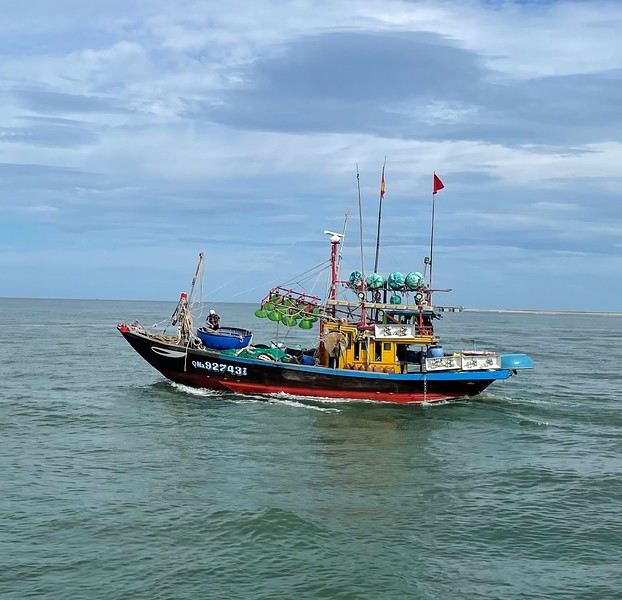
I’m traveling right now, so I don’t have many photos on hand. To illustrate the theme, I’ve chosen this shot of a small Vietnamese fishing boat I spotted near the Cham Islands, returning from a dive.
Contest rules: You can post up to three photos, each in a separate message, clearly numbering them (1, 2, or 3) and including the location where the photo was taken. Any explanations about your photos are welcome.
When voting, you’ll choose three photos, clearly stating the participant’s name followed by their photo number. The first photo in your vote gets three points, the second gets two, and the third gets one.
The winner will be the person whose photo earns the most points. In case of a tie, the winner will be the one with the most first-place votes, or if still tied, the most second-place votes. If it’s a perfect tie, the person who reached their score first wins. The winner then gets the honor of choosing and organizing May 2026’s contest theme. Ties for any other position won’t be broken. Finally, you don’t need to enter the contest to vote, but participants (and I hope there’ll be lots of you!) are *strongly* encouraged to vote!
Please only post contest photos in this thread. Starting Saturday, April 25 (00:01 Paris time), only votes should be posted.
Key dates: You can submit your photos from today until Friday, April 24, 2026 (23:59 Paris time—Xavier, you can do the math for Perth 😏). Voting starts the very next minute and ends on Thursday, April 29 (23:59 Paris time). Results will be announced on Thursday, April 30, 2026... The next host can take over on Saturday, May 2 (yeah, May 1 is a no-work day 😛)
Ready, set, shoot!
Since it’s April Fools’ month and I’m a diver at heart, I had to pick a theme around the sea and fish.
This month’s theme is: sea fishing 🙂. Deep-sea fishing, rockpooling, shore casting, shellfish & crustaceans—anything remotely related to sea fishing fits the bill 😉
Photos of fishing boats, fishing ports, fish auctions, seafood stalls, nets and trawls, lobster pots, fishermen, your kids collecting cockles, even those New Year’s oyster shells 😏—no limits as long as it ties into the theme 😛 And of course, a special shout-out to anglers worldwide! 🙂
I’m traveling right now, so I don’t have many photos on hand. To illustrate the theme, I’ve chosen this shot of a small Vietnamese fishing boat I spotted near the Cham Islands, returning from a dive.
Contest rules: You can post up to three photos, each in a separate message, clearly numbering them (1, 2, or 3) and including the location where the photo was taken. Any explanations about your photos are welcome.
When voting, you’ll choose three photos, clearly stating the participant’s name followed by their photo number. The first photo in your vote gets three points, the second gets two, and the third gets one.
The winner will be the person whose photo earns the most points. In case of a tie, the winner will be the one with the most first-place votes, or if still tied, the most second-place votes. If it’s a perfect tie, the person who reached their score first wins. The winner then gets the honor of choosing and organizing May 2026’s contest theme. Ties for any other position won’t be broken. Finally, you don’t need to enter the contest to vote, but participants (and I hope there’ll be lots of you!) are *strongly* encouraged to vote!
Please only post contest photos in this thread. Starting Saturday, April 25 (00:01 Paris time), only votes should be posted.
Key dates: You can submit your photos from today until Friday, April 24, 2026 (23:59 Paris time—Xavier, you can do the math for Perth 😏). Voting starts the very next minute and ends on Thursday, April 29 (23:59 Paris time). Results will be announced on Thursday, April 30, 2026... The next host can take over on Saturday, May 2 (yeah, May 1 is a no-work day 😛)
Ready, set, shoot!
Mamoudzou, Mayotte - December 2025
There exists a rare land where life expresses itself, a land where everything is destroyed, patched up, where everything is dirty and faded, yet paradoxically, each passing day is synonymous with light and joy. Seen from the sea, magnified by its translucent waters, the island is splendid; seen from inland, ochre and green dress a landscape one would wish to be pristine. As you approach the coast with the tides, countless boat wrecks never finish dying; returning from a hike, you know you’re nearing the city by the increasingly obvious proliferation of all kinds of trash. Overflowing the towns, makeshift homes made of corrugated iron stand here and there, wherever the eye lands; from a height, looking toward the horizon, you find the calm blue of the ocean and the beauty of infinity.
But where does all this corrugated iron come from? Blue, gray, red, or black, you find it pretty much everywhere—except, of course, on the island’s heights, where the heat is such that all life seems impossible. Yet, a few kilometers from the capital, more than an hour’s walk away, the corrugated iron is very much there, omnipresent, guaranteeing a land registry as hypothetical for us Europeans as it is very real for those who live there, far from civilization and comfort. I keep climbing. I’m precisely looking to meet these people who live on very little, if not nothing.
- Jéjé Mogné (Hello, sir in Shimahorais)! Where do you get water here, in this place? How do you drink, irrigate your plants?
- I wait for the rain. We have tanks that fill up well with each rainfall. But right now, it’s not raining much.
At the top of the next hill, lost in the bushes, it’s easier for me to guess the distant city, Mamoudzou, than the rest of the path, a remnant of a magnificent GR called the Island Tour, abandoned for the most part, sometimes maintained between two lost hamlets. The city, the pulse, water. Below, the ocean, running water, drinking water—despite regular interruptions; here, up high, an hour and a half’s walk away, tanks, arbitrariness. On other slopes, however, during another hike, I saw the water supply network, made of sturdy pipes tangled in the earth, right there by the path. It seems there are places where water climbs. Others not. Each to their own karma. In 2025. In a French department.
A path of misfortune, lost and regained, thanks to a sign, an inscription, or the compass’s directions. No one walks here anymore, except those who live here or come to harvest their crops. I remember that breathtaking hike in 2013, when I connected Bandrélé to Mamoudzou, passing by the peaks of Bénara (660m) and Bépilipili (643m), barely pausing at Tsararano and Vahibé: 34 km of intense effort on a rollercoaster path, along a trail that was still discernible. Today, it’s as if everything had disappeared. By also destroying the paths and vegetation, Chido* broke the last momentum of these cautious hikers: insecurity has made its way across the archipelago, and Sunday strolls are no longer the norm. Me, I keep going. I will have walked here and there during these three weeks to get an idea of the places, the people, the landscapes, and the superhuman effort required to move forward in over 40°C. To tell the truth, during my last hike, I cut my plans short and let myself be carried by a group of young people heading back to the city. The path is now just an inextricable network of small trails, the specter of Providence** comes to mind. True wisdom is knowing when to give up. I leave.
* A cyclone named "desire" (in Shona), which ravaged the island of Mayotte on December 14, 2024. ** June 2023, a very poorly prepared hike on Providence Island (Caribbean) from which I miraculously escaped.
On Petite-Terre, Marie takes me to visit some locals, white people who have lived there for a long time and make a living from their art; jewelry for her, all kinds of objects for him. We love this little shop, this oasis amid the chaos that embodies Dostoevsky’s phrase: "Beauty will save the world." It’s clean and tidy, beautiful, well-kept. Invariably, the question of insecurity resurfaces in the middle of the conversation. The woman says:
- I know someone who slipped in their bathtub. Still, I keep taking baths…
So, is this insecurity a myth or reality? I hear stories that are often true but sometimes seemingly exaggerated through the lens of misunderstanding and one-upmanship. Like that of this midwife assaulted one evening (it gets dark early) on her way home from work. Sometimes she was attacked on the path, dragged by the hair for several meters, sometimes she made it home, but it was her roommate who let the two men in. One version talks about a snatched phone and gratuitous violence, another about violence outright. In short, one thing is certain: walking around at night flaunting your phone isn’t a good idea, no more in Mamoudzou than in the rough neighborhoods of Nantes. Also, I played it safe: nothing flashy, nothing bling-bling, and always something to give if needed. I was never approached. It’s not easy to get a sense of the realities, between the hazy reports from journalists sensationalizing everything and the real lives of real people. But I know I can’t rely on these few ideas I’ve formed: I’m nobody, and above all, I don’t live here. What I do know, however, is that since my last visit to the island in 2017, over 80,000 babies have been born, and tens of thousands of immigrants have reached the archipelago’s shores. What’s also obvious is that poverty, hunger, and—let’s say it—indignity foster delinquency and insecurity. So, without taking journalists’ alarmist speeches at face value, we’ll try to keep in mind that a young person rendered orphaned by circumstances (parents expelled), poor and often hungry, involved more or less against their will in village wars and fueled by synthetic drugs*, will readily turn to violence when they truly have nothing to lose. We can trace the origin of this despair to the fact that in Mayotte, those without legal existence have virtually no hope of accessing anything.
* "Chimique" is a series of synthetic cannabinoids
Meanwhile, in the evening, it’s good to go home before the time of stone-throwing. From time to time, along the roads, gangs throw stones at vehicles and school buses, but mostly at police cars—almost all the white Dusters on the island! In front of the Mamoudzou police station, all parked vehicles—mostly Dusters—bear the scars of these attacks. Maybe it’s only at night that gangs unleash and all the burglaries happen? I saw nothing, heard nothing. I lived three weeks in a sort of bunker with no real access to outside light, protected by a fake wooden door doubled with a real metal door, both locked at all times. You don’t tempt fate. You endure it differently.
Today, extraordinarily, it’s raining. Yet, it’s the rainy season! But with my karma helping (what selfishness to want to walk dry when so many souls live off the rain) or is it climate change? The rain only falls once I’ve put on my horrible green pajamas. In front of the board outlining the program, I’m told that out of the six scheduled C-sections today (sic), they’ll probably only do two, maybe three. Because it’s raining. And when it rains, people don’t move around. Not for lack of will. Rather, for lack of means. And that ties into those sad days when the police patrol around the hospital: patients don’t come. They’ll come back tomorrow. To compensate, I’m happy at the thought of tackling the abscess program, but the sterilization unit is acting up and blocking the instrument trays. When it’s not the rain, it’s the unions. And when both finally quiet down, there’s always someone to find fault with the order of operations. You have to imagine an operating room where the question of urgency reigns supreme. Here, no surgery is scheduled more than 24 hours in advance—only emergencies, nothing but emergencies. So, following that reasonable adage that what’s done is no longer to be done, it’s sheer madness when the rain meets the interests of Force Ouvrière and the bad will of some combines with the laziness of others. To tell the truth, I’ve never seen so much energy expended to… do nothing. Hallucinating. But who am I, a small-time striver, an islander in my spare time, a temporary worker at the end of the world? I came, I saw, I was disappointed? Not really. Here again, I can’t judge a system in so little time. I can barely utter a few bitter words in front of obvious facts. But nothing will take away my joy of being here for three weeks. Here, they heal with somewhat outdated but still functional means. You do what you can with what you have, 8,000 km from the Métropole. Yes, the operating room doors hesitate, and the operating tables stutter, but in this blessed period, we lack neither medicines nor supplies. So we examine, anesthetize, and repair, far more undocumented people than French—if I may play with somewhat borderline statistics here; we deliver babies, dress wounds, and relieve pain in this hospital at the end of the world where neither white women nor Mahorais women would ever consider giving birth or getting treated.
What’s the solution? The obstetrician talks to the woman during a C-section under spinal anesthesia:
- Bouéni! (Madame, in Shimahorais) You need to think about tubal ligation. This is your fourth C-section. Your uterus is like tissue paper. Your next pregnancy will be very risky.
No answer. Culture. It’s all about culture. The funniest thing is that France also gets bogged down with the idea of other cultures’… cultures. The woman in question arrived illegally a few years ago to give birth to her first child. Since then, rejecting the very idea of contraception—her husband, for his part, will invoke God or Allah to refuse a vasectomy—she comes back every 12-14 months. And the obstetrician explains to me how his idea of making information about permanent contraception mandatory was deemed racist by associations. It’s always the same story. I suggest to the associations that they take charge of all these extra births, not only the medical costs but also the entire education, not just financial, of all these children doomed to live a life of misery on this forsaken archipelago. The probability that one of these offspring will emerge as a gifted, sensitive, and fiercely happy individual must truly be weighed against the degradation and abandonment that will invariably afflict the thousands of others living around him. In reality, simply mentioning a very real danger to the mother should be enough to impose sterilization. But we are a country whose greatness of soul is measured by the number of heads cut off to uphold the famous rights of man... Already a proponent at home of ending family allowances after the third child—you can’t subscribe to a certain idea of society and, at the same time, accept that tens of thousands of children are sacrificed on the altar of thoughtlessness and financial interest*—I will weakly advocate here for a controlled right to have children. Well, what will they say about me when I express the idea of imposing sterilization on women in irregular situations after the birth of their third child? National solidarity funds the noblest ideals? In Mayotte? Let’s be serious. It’s so much easier to hide behind the inalienable right of women to control their bodies than to acknowledge one’s own powerlessness to assume the consequences of such a policy. Because after 18 years of struggles as a second-class citizen, the young stateless person will have no choice but to live in hiding: faced with the impossibility of claiming birthright citizenship**, they will be deportable. In Mayotte, there aren’t enough schools, not enough housing, not enough projects for youth, not enough jobs, not enough money, not enough future… In Mayotte, an average of 5 children are born per woman. In reality, we never ask about the right of children to control their own lives.
* Single parent with 4 children: RSA at 1937 € + family allowances… ** Law of May 12, 2025 aiming to strengthen the conditions for accessing French nationality in Mayotte.
I live in the city in a clean apartment where air conditioning eases my aches and sweat, and where water flows abundantly, thanks to huge tanks that fill up between water cuts. On the hills of Koungou, I was struck by this image: there, women (a matriarchal society?) do the dishes in a miserable stream. Upstream of the same stream, the same image as downstream: disgusting water with bits of foam floating on it. A little further, however, there are taps with running water that children play with. Strange. In any case, water is a question. They tell me it’s drinkable; I doubt it. A system that’s regularly cut doesn’t seem reliable to me. In any case, I can’t help but think of the Canary Islands and their chronic water shortage, especially in Lanzarote. Without entering the debate on desalination plants—I’m quite ignorant about environmental repercussions—I’ll just say that in the Canary Islands, you can buy 8 L jugs of purified water for less than 2 €. Here, in Mayotte, the price of water—as is the price of gasoline—is the same everywhere: 0.65 € for a bottle of Cristaline (1 €/L)*. While I was walking up there with a couple of farmers shuttling between two remote spots, I know I hit the mark by offering them one of my two bottles I’d brought for the occasion.
* At home, we find Cristaline at 1.14 € for a 9 L pack, i.e., 0.13 € per liter.
Outside, everything is broken, abandoned, old, worn, torn, faded, heavy, dirty, forsaken. But life goes on. And that’s fascinating. At home, at 5:45 PM, people close their shutters and watch cable TV, sometimes late into the night, emptying the streets of any salutary clamor, unwittingly extinguishing the necessary pulse of life. At home, we die of boredom. In Mamoudzou, between two dying trash cans, metal frames laid on the ground are covered by the elements of a broken garden set. A bare concrete staircase, without railings, provides access to the upper floor of a dwelling. On the steps, you can read: Private space - Please take your trash with you. Metal rods protrude from the said dwelling. On the ground, it’s a festival of screws and nails… A cat passes by. It doesn’t look great. A madwoman crosses the street dancing. A slightly hurried driver brakes. A six- or seven-year-old boy comes out in his underwear from his low house made of corrugated iron. He smiles. He’s having fun doing acrobatic figures over an old mattress on the sidewalk. Forward roll, backward roll. You wonder if he eats enough. Different culture. Different customs.
I will remember for a long time this blinding morning light, a raw, vital, striking light. I almost forgot where I came from, the grayness and boredom of that continental European country where nothing really happens anymore. Here, I could join Camus, contemplating these people placed halfway between misery and the sun, resigned for the most part and, for the other part, not too unhappy with their lot. But the Mahorais discourse is unanimous: "France really screwed us over!" Today, more than half of the island’s inhabitants are undocumented; a tremendous amount of energy is spent expelling 20,000 to 25,000 of them each year; colossal sums are swallowed up to care for all these people, and the island is drifting. I talk with some gendarmes. One of them tells me:
- They intercept one kwassa* out of three… Can you explain to me why they can’t catch everyone? It’s 2025! Can’t they put the necessary boats in place?
Clearly, and this is also my opinion, this whole mess serves interests beyond us. For who can believe for a second that this glaring incompetence isn’t orchestrated? Shared interests between secret France and the Union of the Comoros? A desire to bring insecurity to its peak, either by the Comoros to eventually take back control of Mayotte, or by our own government, in a deliberate effort to see all the white people leave the archipelago and let the Mahorais fend for themselves? At one point, I’m even told about an extraordinary deposit beneath Mayotte’s soil, a promise of infinite wealth**. Not to infringe on human rights, to do some cleaning from time to time, to calm things down to avoid implosion, while waiting to go after this providential bounty? Decidedly, Mayotte hasn’t said its last word!
*What’s paradoxical is that in the early 2010s, to revive traditional fishing activity, the UN financed in Anjouan the construction of a factory to produce these light boats, 7-10m long and 1m wide, which largely served the interests of smugglers. This skiff owes its name to a Congolese dance known for being as rhythmic as it is jerky, much like the navigation experience offered during a crossing to Mayotte. ** A 2025 study revealed the existence of a gigantic magmatic reservoir located 23km beneath the archipelago. If the Icelandic experiment succeeds (Project KMT, see here), Mayotte will then possess almost unlimited energy.
Hell on earth. Paradise at sea. The world’s largest lagoon offering spectacular marine depths, Mayotte’s coral reef suffers less from the abundance of tourists* than from tropical storms**. So, let’s admit that Mayotte is best appreciated when approached from the lagoon. The heights are for old hands like me. The sea spray is rather for the snobs who shun the sun god Ra, risking too much exposure and ending up on sick leave for sunstroke! But I’m not exclusive: I twice don my snob attire and head out to tackle the waves, the seabeds, and the elusive. Because yes, underwater, we leave our landlubber reflexes behind, and flying over corals and other magnificent drop-offs, it’s as if we’re soaring, keeping in memory only what our eyes can store. Multicolored, even phosphorescent fish, sharks, rays, the immensity of the blue, and then, there, dolphins, just a few meters from me, underwater. Incredible.
* 70,000 tourists annually, mostly affinity tourism (links with family or an expatriate). ** Present almost at the water’s surface, the reefs were largely destroyed by Chido.
Paradise at sea? When you think that Mayotte comes from the Arabic Jazirat al Mawet—literally, Island of Death—because of its double coral barrier where many skiffs have run aground and continue to do so… Paradise. Eldorado. The Comoros now face an unprecedented influx of immigrants from the African Great Lakes. And Mayotte, for its part, continues to attract relentlessly, thanks to the evolution of the law*. In reality, whether hidden interests exist or not, France remains bound hand and foot by international, European, and French rules: it can’t do much. Barely has it boarded a kwassa when the one who flees by swimming cries attempted murder; barely has one been sent back to the Comoros when an association will look into their detention conditions and find a loophole; barely has one told a bouéni how her next pregnancy could be fatal when so-called human voices cry scandal.
* Regarding the Métropole, the rights of squatters and other bad payers against the notion of private property, legally violated in favor of the right to housing… ** You can read about France being condemned for its illegal practices of expelling Comorian minors. Inhumane treatment, arbitrary detention, collective expulsion.
Everyone forms their own idea of justice, and no one can claim a monopoly on good thinking. So, as long as I treat without prejudice, as long as my hands are sincerely guided by the love I bear for our humanity, I’ll allow myself to think what I think, understanding that I’m rather open to dialogue and that my opinions evolve with time and events. Today, Mayotte represents for me the failure of a model, a European one in this case, where opulence quickly meets its limits. For it’s not wrong to think that our society can’t share more than it produces, nor is it wrong to think that every human being has a right to their share of the pie; in Mayotte, you’ll find the proven result of our civilization: it doesn’t work. Exclusively financed by the right, the ideas of the left jam in Mayotte more than anywhere else: national solidarity coupled with a sense of guilt creates chaos. Political courage, or true social justice, would be to offer a future to those who have no choice—the one who’s already here, the child to be born—not to offer a present to those who can choose or to whom one can give keys to understanding—the woman of childbearing age, the candidate for exile. Ultimately, the Comoros’ coup d’état over France comes at the cost of many innocent victims, starting with the children*.
* Tens of thousands of deaths by drowning between Anjouan and Mayotte, tens of thousands of children left to fend for themselves and doomed to a non-existent future.
On the evening of the 31st, I go for my usual run and notice near a roundabout a fool in rags pedaling the wrong way. A police car passes by: the guy gets stopped. A rather quick identity check. The guy is taken away. Would he still be among us if he had ridden the right way? In the evening, the line is long in front of the club near the dock. Me, I’m just passing by, greeting my friends of the season, much more inclined to savor rest than to exhaust myself on an overheated dance floor. There, a man, thirty or forty years old, clearly in a world of his own, is searching the trash for something to eat. He’s barefoot. I console myself by thinking that at least he won’t die of cold. Out of ten children born in Mayotte, I can reasonably think that only one will be able to afford an existence that minimally meets any of our criteria.
It’s time to go home. After sweating and thinking so much about this gem of the Mozambique Channel, I spend peaceful hours by the pool at a hotel next to the airport. We checked out at 8 AM, and the flight is at 7 PM. The perfect opportunity to slack off and chat a bit more. I’m happy to get to know one of the co-pilots of tonight’s flight, staying at this hotel, while one of my flight attendant friends from this airline had already recommended me to the crew. But it’s not the captain’s day, who’s in a rather gloomy mood. I’ll travel in the back, up to the vertical of Cairo. Midnight has just struck; it’s January 2nd, my name day. Concerned about solving an unsolvable problem with a passenger, the crew asks me to give up my exit row seat and takes me to the front for the last four hours of the flight. In the end, the captain gave in? I laugh to myself: if there’s one thing I mustn’t forget, it’s that God never abandons me!
But where does all this corrugated iron come from? Blue, gray, red, or black, you find it pretty much everywhere—except, of course, on the island’s heights, where the heat is such that all life seems impossible. Yet, a few kilometers from the capital, more than an hour’s walk away, the corrugated iron is very much there, omnipresent, guaranteeing a land registry as hypothetical for us Europeans as it is very real for those who live there, far from civilization and comfort. I keep climbing. I’m precisely looking to meet these people who live on very little, if not nothing.
- Jéjé Mogné (Hello, sir in Shimahorais)! Where do you get water here, in this place? How do you drink, irrigate your plants?
- I wait for the rain. We have tanks that fill up well with each rainfall. But right now, it’s not raining much.
At the top of the next hill, lost in the bushes, it’s easier for me to guess the distant city, Mamoudzou, than the rest of the path, a remnant of a magnificent GR called the Island Tour, abandoned for the most part, sometimes maintained between two lost hamlets. The city, the pulse, water. Below, the ocean, running water, drinking water—despite regular interruptions; here, up high, an hour and a half’s walk away, tanks, arbitrariness. On other slopes, however, during another hike, I saw the water supply network, made of sturdy pipes tangled in the earth, right there by the path. It seems there are places where water climbs. Others not. Each to their own karma. In 2025. In a French department.
A path of misfortune, lost and regained, thanks to a sign, an inscription, or the compass’s directions. No one walks here anymore, except those who live here or come to harvest their crops. I remember that breathtaking hike in 2013, when I connected Bandrélé to Mamoudzou, passing by the peaks of Bénara (660m) and Bépilipili (643m), barely pausing at Tsararano and Vahibé: 34 km of intense effort on a rollercoaster path, along a trail that was still discernible. Today, it’s as if everything had disappeared. By also destroying the paths and vegetation, Chido* broke the last momentum of these cautious hikers: insecurity has made its way across the archipelago, and Sunday strolls are no longer the norm. Me, I keep going. I will have walked here and there during these three weeks to get an idea of the places, the people, the landscapes, and the superhuman effort required to move forward in over 40°C. To tell the truth, during my last hike, I cut my plans short and let myself be carried by a group of young people heading back to the city. The path is now just an inextricable network of small trails, the specter of Providence** comes to mind. True wisdom is knowing when to give up. I leave.
* A cyclone named "desire" (in Shona), which ravaged the island of Mayotte on December 14, 2024. ** June 2023, a very poorly prepared hike on Providence Island (Caribbean) from which I miraculously escaped.
On Petite-Terre, Marie takes me to visit some locals, white people who have lived there for a long time and make a living from their art; jewelry for her, all kinds of objects for him. We love this little shop, this oasis amid the chaos that embodies Dostoevsky’s phrase: "Beauty will save the world." It’s clean and tidy, beautiful, well-kept. Invariably, the question of insecurity resurfaces in the middle of the conversation. The woman says:
- I know someone who slipped in their bathtub. Still, I keep taking baths…
So, is this insecurity a myth or reality? I hear stories that are often true but sometimes seemingly exaggerated through the lens of misunderstanding and one-upmanship. Like that of this midwife assaulted one evening (it gets dark early) on her way home from work. Sometimes she was attacked on the path, dragged by the hair for several meters, sometimes she made it home, but it was her roommate who let the two men in. One version talks about a snatched phone and gratuitous violence, another about violence outright. In short, one thing is certain: walking around at night flaunting your phone isn’t a good idea, no more in Mamoudzou than in the rough neighborhoods of Nantes. Also, I played it safe: nothing flashy, nothing bling-bling, and always something to give if needed. I was never approached. It’s not easy to get a sense of the realities, between the hazy reports from journalists sensationalizing everything and the real lives of real people. But I know I can’t rely on these few ideas I’ve formed: I’m nobody, and above all, I don’t live here. What I do know, however, is that since my last visit to the island in 2017, over 80,000 babies have been born, and tens of thousands of immigrants have reached the archipelago’s shores. What’s also obvious is that poverty, hunger, and—let’s say it—indignity foster delinquency and insecurity. So, without taking journalists’ alarmist speeches at face value, we’ll try to keep in mind that a young person rendered orphaned by circumstances (parents expelled), poor and often hungry, involved more or less against their will in village wars and fueled by synthetic drugs*, will readily turn to violence when they truly have nothing to lose. We can trace the origin of this despair to the fact that in Mayotte, those without legal existence have virtually no hope of accessing anything.
* "Chimique" is a series of synthetic cannabinoids
Meanwhile, in the evening, it’s good to go home before the time of stone-throwing. From time to time, along the roads, gangs throw stones at vehicles and school buses, but mostly at police cars—almost all the white Dusters on the island! In front of the Mamoudzou police station, all parked vehicles—mostly Dusters—bear the scars of these attacks. Maybe it’s only at night that gangs unleash and all the burglaries happen? I saw nothing, heard nothing. I lived three weeks in a sort of bunker with no real access to outside light, protected by a fake wooden door doubled with a real metal door, both locked at all times. You don’t tempt fate. You endure it differently.
Today, extraordinarily, it’s raining. Yet, it’s the rainy season! But with my karma helping (what selfishness to want to walk dry when so many souls live off the rain) or is it climate change? The rain only falls once I’ve put on my horrible green pajamas. In front of the board outlining the program, I’m told that out of the six scheduled C-sections today (sic), they’ll probably only do two, maybe three. Because it’s raining. And when it rains, people don’t move around. Not for lack of will. Rather, for lack of means. And that ties into those sad days when the police patrol around the hospital: patients don’t come. They’ll come back tomorrow. To compensate, I’m happy at the thought of tackling the abscess program, but the sterilization unit is acting up and blocking the instrument trays. When it’s not the rain, it’s the unions. And when both finally quiet down, there’s always someone to find fault with the order of operations. You have to imagine an operating room where the question of urgency reigns supreme. Here, no surgery is scheduled more than 24 hours in advance—only emergencies, nothing but emergencies. So, following that reasonable adage that what’s done is no longer to be done, it’s sheer madness when the rain meets the interests of Force Ouvrière and the bad will of some combines with the laziness of others. To tell the truth, I’ve never seen so much energy expended to… do nothing. Hallucinating. But who am I, a small-time striver, an islander in my spare time, a temporary worker at the end of the world? I came, I saw, I was disappointed? Not really. Here again, I can’t judge a system in so little time. I can barely utter a few bitter words in front of obvious facts. But nothing will take away my joy of being here for three weeks. Here, they heal with somewhat outdated but still functional means. You do what you can with what you have, 8,000 km from the Métropole. Yes, the operating room doors hesitate, and the operating tables stutter, but in this blessed period, we lack neither medicines nor supplies. So we examine, anesthetize, and repair, far more undocumented people than French—if I may play with somewhat borderline statistics here; we deliver babies, dress wounds, and relieve pain in this hospital at the end of the world where neither white women nor Mahorais women would ever consider giving birth or getting treated.
What’s the solution? The obstetrician talks to the woman during a C-section under spinal anesthesia:
- Bouéni! (Madame, in Shimahorais) You need to think about tubal ligation. This is your fourth C-section. Your uterus is like tissue paper. Your next pregnancy will be very risky.
No answer. Culture. It’s all about culture. The funniest thing is that France also gets bogged down with the idea of other cultures’… cultures. The woman in question arrived illegally a few years ago to give birth to her first child. Since then, rejecting the very idea of contraception—her husband, for his part, will invoke God or Allah to refuse a vasectomy—she comes back every 12-14 months. And the obstetrician explains to me how his idea of making information about permanent contraception mandatory was deemed racist by associations. It’s always the same story. I suggest to the associations that they take charge of all these extra births, not only the medical costs but also the entire education, not just financial, of all these children doomed to live a life of misery on this forsaken archipelago. The probability that one of these offspring will emerge as a gifted, sensitive, and fiercely happy individual must truly be weighed against the degradation and abandonment that will invariably afflict the thousands of others living around him. In reality, simply mentioning a very real danger to the mother should be enough to impose sterilization. But we are a country whose greatness of soul is measured by the number of heads cut off to uphold the famous rights of man... Already a proponent at home of ending family allowances after the third child—you can’t subscribe to a certain idea of society and, at the same time, accept that tens of thousands of children are sacrificed on the altar of thoughtlessness and financial interest*—I will weakly advocate here for a controlled right to have children. Well, what will they say about me when I express the idea of imposing sterilization on women in irregular situations after the birth of their third child? National solidarity funds the noblest ideals? In Mayotte? Let’s be serious. It’s so much easier to hide behind the inalienable right of women to control their bodies than to acknowledge one’s own powerlessness to assume the consequences of such a policy. Because after 18 years of struggles as a second-class citizen, the young stateless person will have no choice but to live in hiding: faced with the impossibility of claiming birthright citizenship**, they will be deportable. In Mayotte, there aren’t enough schools, not enough housing, not enough projects for youth, not enough jobs, not enough money, not enough future… In Mayotte, an average of 5 children are born per woman. In reality, we never ask about the right of children to control their own lives.
* Single parent with 4 children: RSA at 1937 € + family allowances… ** Law of May 12, 2025 aiming to strengthen the conditions for accessing French nationality in Mayotte.
I live in the city in a clean apartment where air conditioning eases my aches and sweat, and where water flows abundantly, thanks to huge tanks that fill up between water cuts. On the hills of Koungou, I was struck by this image: there, women (a matriarchal society?) do the dishes in a miserable stream. Upstream of the same stream, the same image as downstream: disgusting water with bits of foam floating on it. A little further, however, there are taps with running water that children play with. Strange. In any case, water is a question. They tell me it’s drinkable; I doubt it. A system that’s regularly cut doesn’t seem reliable to me. In any case, I can’t help but think of the Canary Islands and their chronic water shortage, especially in Lanzarote. Without entering the debate on desalination plants—I’m quite ignorant about environmental repercussions—I’ll just say that in the Canary Islands, you can buy 8 L jugs of purified water for less than 2 €. Here, in Mayotte, the price of water—as is the price of gasoline—is the same everywhere: 0.65 € for a bottle of Cristaline (1 €/L)*. While I was walking up there with a couple of farmers shuttling between two remote spots, I know I hit the mark by offering them one of my two bottles I’d brought for the occasion.
* At home, we find Cristaline at 1.14 € for a 9 L pack, i.e., 0.13 € per liter.
Outside, everything is broken, abandoned, old, worn, torn, faded, heavy, dirty, forsaken. But life goes on. And that’s fascinating. At home, at 5:45 PM, people close their shutters and watch cable TV, sometimes late into the night, emptying the streets of any salutary clamor, unwittingly extinguishing the necessary pulse of life. At home, we die of boredom. In Mamoudzou, between two dying trash cans, metal frames laid on the ground are covered by the elements of a broken garden set. A bare concrete staircase, without railings, provides access to the upper floor of a dwelling. On the steps, you can read: Private space - Please take your trash with you. Metal rods protrude from the said dwelling. On the ground, it’s a festival of screws and nails… A cat passes by. It doesn’t look great. A madwoman crosses the street dancing. A slightly hurried driver brakes. A six- or seven-year-old boy comes out in his underwear from his low house made of corrugated iron. He smiles. He’s having fun doing acrobatic figures over an old mattress on the sidewalk. Forward roll, backward roll. You wonder if he eats enough. Different culture. Different customs.
I will remember for a long time this blinding morning light, a raw, vital, striking light. I almost forgot where I came from, the grayness and boredom of that continental European country where nothing really happens anymore. Here, I could join Camus, contemplating these people placed halfway between misery and the sun, resigned for the most part and, for the other part, not too unhappy with their lot. But the Mahorais discourse is unanimous: "France really screwed us over!" Today, more than half of the island’s inhabitants are undocumented; a tremendous amount of energy is spent expelling 20,000 to 25,000 of them each year; colossal sums are swallowed up to care for all these people, and the island is drifting. I talk with some gendarmes. One of them tells me:
- They intercept one kwassa* out of three… Can you explain to me why they can’t catch everyone? It’s 2025! Can’t they put the necessary boats in place?
Clearly, and this is also my opinion, this whole mess serves interests beyond us. For who can believe for a second that this glaring incompetence isn’t orchestrated? Shared interests between secret France and the Union of the Comoros? A desire to bring insecurity to its peak, either by the Comoros to eventually take back control of Mayotte, or by our own government, in a deliberate effort to see all the white people leave the archipelago and let the Mahorais fend for themselves? At one point, I’m even told about an extraordinary deposit beneath Mayotte’s soil, a promise of infinite wealth**. Not to infringe on human rights, to do some cleaning from time to time, to calm things down to avoid implosion, while waiting to go after this providential bounty? Decidedly, Mayotte hasn’t said its last word!
*What’s paradoxical is that in the early 2010s, to revive traditional fishing activity, the UN financed in Anjouan the construction of a factory to produce these light boats, 7-10m long and 1m wide, which largely served the interests of smugglers. This skiff owes its name to a Congolese dance known for being as rhythmic as it is jerky, much like the navigation experience offered during a crossing to Mayotte. ** A 2025 study revealed the existence of a gigantic magmatic reservoir located 23km beneath the archipelago. If the Icelandic experiment succeeds (Project KMT, see here), Mayotte will then possess almost unlimited energy.
Hell on earth. Paradise at sea. The world’s largest lagoon offering spectacular marine depths, Mayotte’s coral reef suffers less from the abundance of tourists* than from tropical storms**. So, let’s admit that Mayotte is best appreciated when approached from the lagoon. The heights are for old hands like me. The sea spray is rather for the snobs who shun the sun god Ra, risking too much exposure and ending up on sick leave for sunstroke! But I’m not exclusive: I twice don my snob attire and head out to tackle the waves, the seabeds, and the elusive. Because yes, underwater, we leave our landlubber reflexes behind, and flying over corals and other magnificent drop-offs, it’s as if we’re soaring, keeping in memory only what our eyes can store. Multicolored, even phosphorescent fish, sharks, rays, the immensity of the blue, and then, there, dolphins, just a few meters from me, underwater. Incredible.
* 70,000 tourists annually, mostly affinity tourism (links with family or an expatriate). ** Present almost at the water’s surface, the reefs were largely destroyed by Chido.
Paradise at sea? When you think that Mayotte comes from the Arabic Jazirat al Mawet—literally, Island of Death—because of its double coral barrier where many skiffs have run aground and continue to do so… Paradise. Eldorado. The Comoros now face an unprecedented influx of immigrants from the African Great Lakes. And Mayotte, for its part, continues to attract relentlessly, thanks to the evolution of the law*. In reality, whether hidden interests exist or not, France remains bound hand and foot by international, European, and French rules: it can’t do much. Barely has it boarded a kwassa when the one who flees by swimming cries attempted murder; barely has one been sent back to the Comoros when an association will look into their detention conditions and find a loophole; barely has one told a bouéni how her next pregnancy could be fatal when so-called human voices cry scandal.
* Regarding the Métropole, the rights of squatters and other bad payers against the notion of private property, legally violated in favor of the right to housing… ** You can read about France being condemned for its illegal practices of expelling Comorian minors. Inhumane treatment, arbitrary detention, collective expulsion.
Everyone forms their own idea of justice, and no one can claim a monopoly on good thinking. So, as long as I treat without prejudice, as long as my hands are sincerely guided by the love I bear for our humanity, I’ll allow myself to think what I think, understanding that I’m rather open to dialogue and that my opinions evolve with time and events. Today, Mayotte represents for me the failure of a model, a European one in this case, where opulence quickly meets its limits. For it’s not wrong to think that our society can’t share more than it produces, nor is it wrong to think that every human being has a right to their share of the pie; in Mayotte, you’ll find the proven result of our civilization: it doesn’t work. Exclusively financed by the right, the ideas of the left jam in Mayotte more than anywhere else: national solidarity coupled with a sense of guilt creates chaos. Political courage, or true social justice, would be to offer a future to those who have no choice—the one who’s already here, the child to be born—not to offer a present to those who can choose or to whom one can give keys to understanding—the woman of childbearing age, the candidate for exile. Ultimately, the Comoros’ coup d’état over France comes at the cost of many innocent victims, starting with the children*.
* Tens of thousands of deaths by drowning between Anjouan and Mayotte, tens of thousands of children left to fend for themselves and doomed to a non-existent future.
On the evening of the 31st, I go for my usual run and notice near a roundabout a fool in rags pedaling the wrong way. A police car passes by: the guy gets stopped. A rather quick identity check. The guy is taken away. Would he still be among us if he had ridden the right way? In the evening, the line is long in front of the club near the dock. Me, I’m just passing by, greeting my friends of the season, much more inclined to savor rest than to exhaust myself on an overheated dance floor. There, a man, thirty or forty years old, clearly in a world of his own, is searching the trash for something to eat. He’s barefoot. I console myself by thinking that at least he won’t die of cold. Out of ten children born in Mayotte, I can reasonably think that only one will be able to afford an existence that minimally meets any of our criteria.
It’s time to go home. After sweating and thinking so much about this gem of the Mozambique Channel, I spend peaceful hours by the pool at a hotel next to the airport. We checked out at 8 AM, and the flight is at 7 PM. The perfect opportunity to slack off and chat a bit more. I’m happy to get to know one of the co-pilots of tonight’s flight, staying at this hotel, while one of my flight attendant friends from this airline had already recommended me to the crew. But it’s not the captain’s day, who’s in a rather gloomy mood. I’ll travel in the back, up to the vertical of Cairo. Midnight has just struck; it’s January 2nd, my name day. Concerned about solving an unsolvable problem with a passenger, the crew asks me to give up my exit row seat and takes me to the front for the last four hours of the flight. In the end, the captain gave in? I laugh to myself: if there’s one thing I mustn’t forget, it’s that God never abandons me!
2 weeks in northern Portugal: what to see with the Douro Valley and Porto?
Hi there,
We’re traveling in our camper van from Haute-Savoie.
We’ve got 2 weeks in April and want to explore northern Portugal.
We’re thinking of:
- Peneda-Gerês National Park - the Douro Valley - Porto
We love nature, hiking, and culture (and also good food and wine).😉
Do you have an itinerary to suggest?
Thanks in advance for your replies
We’re traveling in our camper van from Haute-Savoie.
We’ve got 2 weeks in April and want to explore northern Portugal.
We’re thinking of:
- Peneda-Gerês National Park - the Douro Valley - Porto
We love nature, hiking, and culture (and also good food and wine).😉
Do you have an itinerary to suggest?
Thanks in advance for your replies
Question about travel time for a 2-week Egypt itinerary
Hi there,
I’ve finally decided to make my childhood dream come true—and at the same time, fulfill my two boys’ dreams (ages 9 and 13). Just to give you some context, we’re used to "backpacker" vacations—the little one even crossed Malaysia on my back. But now I’ve got a teenager, so if I pack too much, he complains, and I’m getting older, so I’m more tired 😉.
I’ve put together this itinerary trying not to rush, based on a felucca trip with a small local agency that has a solid reputation.
Day 1: Late arrival in Cairo Day 2: Cairo - Flight to Aswan (11:20 PM)? Day 3: Aswan? Cairo? Day 4: Aswan Day 5: Sail Day 1 Day 6: Sail Day 2 (camel market + Kom Ombo) Day 7: Sail Day 3 (Jabal El Silsila) Day 8: Sail Day 4 Edfu - transfer to Luxor - arriving at 2 PM Day 9: Luxor (Valley of the Kings) Day 10: Luxor (Karnak) Day 11: Luxor / Cairo? Day 12: Cairo: Giza Day 13: Cairo Giza again - Flight home at 11 PM
My main question is about how much time to allocate in Aswan, Luxor, and Cairo to avoid missing out but without feeling rushed. We definitely have: - 3 full days in Cairo - 2.5 days in Luxor - 1 day in Aswan
I can adjust a bit: - By adding 1 day in Aswan or Cairo - By adding a half-day in Cairo or Luxor.
What would you recommend and why?
Thanks in advance!
Catherine, back on VoyageForum—what a joy.
I’ve finally decided to make my childhood dream come true—and at the same time, fulfill my two boys’ dreams (ages 9 and 13). Just to give you some context, we’re used to "backpacker" vacations—the little one even crossed Malaysia on my back. But now I’ve got a teenager, so if I pack too much, he complains, and I’m getting older, so I’m more tired 😉.
I’ve put together this itinerary trying not to rush, based on a felucca trip with a small local agency that has a solid reputation.
Day 1: Late arrival in Cairo Day 2: Cairo - Flight to Aswan (11:20 PM)? Day 3: Aswan? Cairo? Day 4: Aswan Day 5: Sail Day 1 Day 6: Sail Day 2 (camel market + Kom Ombo) Day 7: Sail Day 3 (Jabal El Silsila) Day 8: Sail Day 4 Edfu - transfer to Luxor - arriving at 2 PM Day 9: Luxor (Valley of the Kings) Day 10: Luxor (Karnak) Day 11: Luxor / Cairo? Day 12: Cairo: Giza Day 13: Cairo Giza again - Flight home at 11 PM
My main question is about how much time to allocate in Aswan, Luxor, and Cairo to avoid missing out but without feeling rushed. We definitely have: - 3 full days in Cairo - 2.5 days in Luxor - 1 day in Aswan
I can adjust a bit: - By adding 1 day in Aswan or Cairo - By adding a half-day in Cairo or Luxor.
What would you recommend and why?
Thanks in advance!
Catherine, back on VoyageForum—what a joy.
New Navi Mumbai International Airport
India inaugurates the new Navi Mumbai International Airport and the final phase of Mumbai’s Metro Line 3—a major turning point for the country’s infrastructure.
Mumbai, India’s economic capital, is entering a new era of modernization. The Indian government has officially inaugurated the Navi Mumbai International Airport, one of the country’s most ambitious infrastructure projects, along with the final phase of Metro Line 3, a key axis to ease congestion in the megacity.
The Navi Mumbai International Airport (NMIA), located about 35 km from the city center, aims to eventually handle up to 60 million passengers per year. Built to reduce pressure on the already saturated Chhatrapati Shivaji Maharaj Airport, it features ultra-modern facilities, sustainable design, and cutting-edge technologies for air traffic management and energy efficiency.
At the same time, the completion of Mumbai’s Metro Line 3, connecting Colaba to Bandra-SEEPZ, marks a major advancement in urban mobility. This 33.5 km underground section will significantly reduce travel time and congestion in a city known for its chronic traffic jams.
These two projects reflect the Indian government’s commitment to transforming Mumbai into a global hub, combining connectivity, sustainability, and economic development.
The Navi Mumbai International Airport (NMIA), a project two decades in the making, has finally come to fruition. Phase one of the airport was inaugurated Wednesday by Prime Minister Narendra Modi, in the presence of Chief Minister Devendra Fadnavis and Deputy Chief Ministers Eknath Shinde and Ajit Pawar. Although the first phase, which includes Terminal 1 and Runway 1 with 10 bus gates and 29 aero bridges, has been inaugurated, flight operations will not begin immediately.
"Post-inauguration, the airport will be handed over to the Central Industrial Security Force (CISF) for a security sweep, which could take 30 to 45 days. We also need to mobilize customs and immigration teams and complete end-to-end testing, which is a 45-60-day process," said Arun Bansal, CEO of Adani Airports Holdings Ltd, developer and operator of the NMIA, during a press briefing at the NMIA premises Monday. Even though an exact date hasn’t been announced, NMIA CEO Captain B V J K Sharma and Bansal said commercial flights are expected to begin in December 2025. Plans of major carriers Three major airlines—Air India, Akasa Air, and IndiGo—have already signed on to shift part of their operations to NMIA. Last month, Air India announced plans to start with 20 daily departures (40 air traffic movements) through Air India Express, connecting 15 Indian cities in the first phase. By mid-2026, it aims to scale up to 55 daily departures, including up to five international flights. IndiGo, which made its announcement in May, plans to operate 18 daily flights to more than 15 cities from the first day of commercial operations and intends to expand to 140 daily flights—30 of which will be international—within 18 months. In June, Akasa Air said it will start with 15 daily domestic flights, scaling up to over 300 domestic and 50 international flights a week within a few months. When asked which airline will operate the first flight, Bansal said, "We want all three airlines to be there on Day 1. It depends on who has the earliest slot that day, and the destination choice lies entirely with the airlines." Operations to begin with 12-hour window In the first month, flights will operate between 8 am and 8 pm, with the 12-hour window likely to be extended as operations stabilize. Although NMIA’s full capacity is 40 air traffic movements (ATMs) per hour, the initial phase will handle 10 ATMs—allowing 10 aircraft to land or take off every hour. Airlines are expected to announce routes and ticket sales soon. Touted as an international aviation hub, NMIA positions Mumbai alongside global twin-airport cities such as London, Dubai, and New York, and plans to launch both domestic and international operations from Day 1. Concession for international carriers When asked if international carriers will be given any concessions, Bansal said, "For international airlines, we will not charge them parking fees for the first year." The duo added that NMIA aims to reclaim Mumbai’s rightful place on the global aviation map. "For a decade… travelers didn’t have a choice—airlines couldn’t get additional slots (at the Mumbai airport), so traffic shifted to Delhi. We are course-correcting that with NMIA. It won’t happen overnight, but over the next five–seven years, you’ll see the change," said Bansal. He noted that Mumbai currently lacks direct flights to major destinations in Europe and the U.S., something NMIA hopes to change. "If you see east-to-west flights, Mumbai is a natural stop," added Sharma. As reported earlier, NMIA will eventually feature four terminals and two parallel runways, with a total capacity to handle up to 90 million passengers per annum (MPPA), compared to 20 MPPA in the first phase. In the long term, the airport aims to serve as a key transfer hub between the East and the West, enabling passengers from Southeast Asia to connect seamlessly to Europe and North America.
The Navi Mumbai International Airport (NMIA), a project two decades in the making, has finally come to fruition. Phase one of the airport was inaugurated Wednesday by Prime Minister Narendra Modi, in the presence of Chief Minister Devendra Fadnavis and Deputy Chief Ministers Eknath Shinde and Ajit Pawar. Although the first phase, which includes Terminal 1 and Runway 1 with 10 bus gates and 29 aero bridges, has been inaugurated, flight operations will not begin immediately.
"Post-inauguration, the airport will be handed over to the Central Industrial Security Force (CISF) for a security sweep, which could take 30 to 45 days. We also need to mobilize customs and immigration teams and complete end-to-end testing, which is a 45-60-day process," said Arun Bansal, CEO of Adani Airports Holdings Ltd, developer and operator of the NMIA, during a press briefing at the NMIA premises Monday. Even though an exact date hasn’t been announced, NMIA CEO Captain B V J K Sharma and Bansal said commercial flights are expected to begin in December 2025. Plans of major carriers Three major airlines—Air India, Akasa Air, and IndiGo—have already signed on to shift part of their operations to NMIA. Last month, Air India announced plans to start with 20 daily departures (40 air traffic movements) through Air India Express, connecting 15 Indian cities in the first phase. By mid-2026, it aims to scale up to 55 daily departures, including up to five international flights. IndiGo, which made its announcement in May, plans to operate 18 daily flights to more than 15 cities from the first day of commercial operations and intends to expand to 140 daily flights—30 of which will be international—within 18 months. In June, Akasa Air said it will start with 15 daily domestic flights, scaling up to over 300 domestic and 50 international flights a week within a few months. When asked which airline will operate the first flight, Bansal said, "We want all three airlines to be there on Day 1. It depends on who has the earliest slot that day, and the destination choice lies entirely with the airlines." Operations to begin with 12-hour window In the first month, flights will operate between 8 am and 8 pm, with the 12-hour window likely to be extended as operations stabilize. Although NMIA’s full capacity is 40 air traffic movements (ATMs) per hour, the initial phase will handle 10 ATMs—allowing 10 aircraft to land or take off every hour. Airlines are expected to announce routes and ticket sales soon. Touted as an international aviation hub, NMIA positions Mumbai alongside global twin-airport cities such as London, Dubai, and New York, and plans to launch both domestic and international operations from Day 1. Concession for international carriers When asked if international carriers will be given any concessions, Bansal said, "For international airlines, we will not charge them parking fees for the first year." The duo added that NMIA aims to reclaim Mumbai’s rightful place on the global aviation map. "For a decade… travelers didn’t have a choice—airlines couldn’t get additional slots (at the Mumbai airport), so traffic shifted to Delhi. We are course-correcting that with NMIA. It won’t happen overnight, but over the next five–seven years, you’ll see the change," said Bansal. He noted that Mumbai currently lacks direct flights to major destinations in Europe and the U.S., something NMIA hopes to change. "If you see east-to-west flights, Mumbai is a natural stop," added Sharma. As reported earlier, NMIA will eventually feature four terminals and two parallel runways, with a total capacity to handle up to 90 million passengers per annum (MPPA), compared to 20 MPPA in the first phase. In the long term, the airport aims to serve as a key transfer hub between the East and the West, enabling passengers from Southeast Asia to connect seamlessly to Europe and North America.
Call for postcards for a school project (Creuse, ULIS program)
Hello everyone,
I’m reaching out to all travelers and globe-trotters on this forum. I’m a teacher in Creuse working in a ULIS program (which welcomes children aged 6 to 12 with disabilities into a mainstream school). This year, I’m launching a school journal project that will involve the kids in many different topics. A big part of this journal will focus on opening up to the world, embracing differences, travel, global cultures, and more.
I’m putting out a call to invite as many of you as possible to send us a postcard (from France or anywhere in the world)! The goal is to help us "travel" and discover new places, countries, and horizons in a way that’s much more fun and exciting than a geography textbook. One section of our journal could be called "We received a letter from ," where we’d research the location and share what we learn with our readers—a really enriching activity for the classroom.
The project starts in September 2025 but doesn’t have a strict end date, since this journal and world-discovery initiative will span several school years (the kids stay in the ULIS program for multiple years). Postcards can be sent anytime—throughout the year, across seasons, even during holidays! The kids will find them when they return.
I hope this idea appeals to as many of you as possible, and that you’ll spread the word to your fellow travelers. Help us dream and explore!
For those who’d like to write to us in a language other than French, no problem—quite the opposite!
Thank you in advance for your participation! Below is our address. If you’d like us to write back, feel free to leave your address on a corner of the postcard! 😊
ULIS program students Bonnat Elementary School 12 rue Georges Sand 23220 BONNAT Thank you, and I hope to hear from you soon! 😊 Julien 🙂
I’m putting out a call to invite as many of you as possible to send us a postcard (from France or anywhere in the world)! The goal is to help us "travel" and discover new places, countries, and horizons in a way that’s much more fun and exciting than a geography textbook. One section of our journal could be called "We received a letter from ," where we’d research the location and share what we learn with our readers—a really enriching activity for the classroom.
The project starts in September 2025 but doesn’t have a strict end date, since this journal and world-discovery initiative will span several school years (the kids stay in the ULIS program for multiple years). Postcards can be sent anytime—throughout the year, across seasons, even during holidays! The kids will find them when they return.
I hope this idea appeals to as many of you as possible, and that you’ll spread the word to your fellow travelers. Help us dream and explore!
For those who’d like to write to us in a language other than French, no problem—quite the opposite!
Thank you in advance for your participation! Below is our address. If you’d like us to write back, feel free to leave your address on a corner of the postcard! 😊
ULIS program students Bonnat Elementary School 12 rue Georges Sand 23220 BONNAT Thank you, and I hope to hear from you soon! 😊 Julien 🙂
Hotel or guesthouse recommendations in Pondicherry
Hello there!
Any hotel or guesthouse you’d recommend in Pondicherry?
Arriving on October 5th for up to 15 days.
Come discover the island of Madeira with me
Introduction
We arrived on the island of Madeira (Portugal) at the beginning of May 2023 and stayed for 5 weeks.
This island is renowned for its rich cultural heritage, its famous hikes through lush landscapes, and its seaside resorts. It offers an unforgettable experience for nature lovers.
In this travel journal, you’ll find a list of the many activities we did during our stay to explore the different attractions of this magnificent island.
These attractions are categorized to make it easier to search based on your interests, if needed.
Videos are included throughout the summary. Please click on the image to start the video.
To jump to a specific post, here are the appropriate links:
HIKES:
Calheta - PR19 Caminho Real do Paúl do Mar Santana - Ribeiro Frio - PR11 Vereda dos Balcões Sao Vicente - Gingas - PR16 Levada Fajã do Rodrigues Rabaçal - PR6.1 Levada do Risco & PR6 Levada das 25 fontes Rabaçal - PR6.2 Levada do Alecrim & PR6.3 Vereda da Lagoa do Vento Caniçal - PR8 Vereda da Ponta de São Lourenço São Jorge - PR18 Levada do Rei Ponta do Sol - PR7 modified - Levada Nova & Levada do Moinho Machico - PR5 Vereda das Funduras Funchal - PR1 Vereda do Areeiro (Pico do Areeiro to Pico Ruivo) Funchal - PR1 Vereda do Areeiro (Pico Ruivo to Pico do Areeiro) Funchal - PR1.2 Vereda do Pico Ruivo (outbound) Funchal - PR1.2 Vereda do Pico Ruivo (return) Porto Moniz - Fanal Forest Porto Moniz - PR14 Levada dos Cedros Ribeira Brava - PR17 Caminho do Pináculo e Folhadal (Encumeada) Ribeira Brava - PR17 Caminho do Pináculo e Folhadal (Lombo do Mouro) Ribeira Brava - PR17 Caminho do Pináculo e Folhadal (Bica da Cana) Santana - PR9 Levada do Caldeirão Verde Lamaceiros - Levada Ribeira da Janela Ribeiro Frio - PR10 Levada do Furado Tabua - Levada da Nova (Eastern Sector) Tabua - Levada da Nova (Western Sector) Boa Morte - Levada do Norte Verada da Levada do Facho - Levada do Norte (South) Vale Paraiso - Levada da Serra do Faial Porto Moniz - PR13 Vereda do Fanal Referta - Levada do Castelejo Porto da Cruz - Levada do Castelejo Estanquinhos - Pico Ruivo do Paul da Serra Boaventura - Levada de Cima & Levada da Acha Grande
SEASIDE RESORTS & NATURAL POOLS:
Natural pools of Seixal Seixal Naval Club Seaside Resort - Natural pool Natural pools of Porto Moniz Funchal - Lido Seaside Resort Santana - Foz da Ribeira do Faial Seaside Resort Câmara de Lobos - Salinas Seaside Resort Porto Moniz - Aquário/Cachalote Natural Pools Funchal - Doca do Cavacas Seaside Resort Funchal - Ponta Gorda Seaside Resort Caniço - Roca Mar Hotel Seaside Resort Caniço - Lido Galoma Seaside Resort Calhau de São Jorge Seaside Resort Ribeira Brava Seaside Resort
BEACHES:
São Jorge Beach Calheta Beach Seixal - Laje Beach (Jamaica) Porto de Seixal Beach Caniço - Reis Magos Beach Machico - Machico Beach (Banda d'Além) Machico - São Roque Beach Machico - Ribeira Natal Beach Caniçal - Prainha Beach Porto da Cruz - Alagoa Beach
TOWNS:
Stroll through the town of Ponta do Sol Stroll through the town of Câmara de Lobos Stroll through the town of Ribeira Brava Stroll through the town of Funchal Funchal - Wicker toboggan ride Stroll through the town of Machico Stroll through the town of Santana Stroll through the town of São Vicente São Vicente Caves Park
VIEWPOINTS:
Calheta Region Ponta do Sol Region Ribeira Brava Region Câmara de Lobos Region Funchal Region Santa Cruz Region Porto Moniz Region São Vicente Region Santana Region Machico Region On the road in Madeira
WATERFALLS ALONG THE WAY
Ponta do Sol - Anjos Waterfall Sao Vicente - Água d'Alto Waterfall Seixal - Córrego da Furna Waterfall
We arrived on the island of Madeira (Portugal) at the beginning of May 2023 and stayed for 5 weeks.
This island is renowned for its rich cultural heritage, its famous hikes through lush landscapes, and its seaside resorts. It offers an unforgettable experience for nature lovers.
In this travel journal, you’ll find a list of the many activities we did during our stay to explore the different attractions of this magnificent island.
These attractions are categorized to make it easier to search based on your interests, if needed.
Videos are included throughout the summary. Please click on the image to start the video.
To jump to a specific post, here are the appropriate links:
HIKES:
Calheta - PR19 Caminho Real do Paúl do Mar Santana - Ribeiro Frio - PR11 Vereda dos Balcões Sao Vicente - Gingas - PR16 Levada Fajã do Rodrigues Rabaçal - PR6.1 Levada do Risco & PR6 Levada das 25 fontes Rabaçal - PR6.2 Levada do Alecrim & PR6.3 Vereda da Lagoa do Vento Caniçal - PR8 Vereda da Ponta de São Lourenço São Jorge - PR18 Levada do Rei Ponta do Sol - PR7 modified - Levada Nova & Levada do Moinho Machico - PR5 Vereda das Funduras Funchal - PR1 Vereda do Areeiro (Pico do Areeiro to Pico Ruivo) Funchal - PR1 Vereda do Areeiro (Pico Ruivo to Pico do Areeiro) Funchal - PR1.2 Vereda do Pico Ruivo (outbound) Funchal - PR1.2 Vereda do Pico Ruivo (return) Porto Moniz - Fanal Forest Porto Moniz - PR14 Levada dos Cedros Ribeira Brava - PR17 Caminho do Pináculo e Folhadal (Encumeada) Ribeira Brava - PR17 Caminho do Pináculo e Folhadal (Lombo do Mouro) Ribeira Brava - PR17 Caminho do Pináculo e Folhadal (Bica da Cana) Santana - PR9 Levada do Caldeirão Verde Lamaceiros - Levada Ribeira da Janela Ribeiro Frio - PR10 Levada do Furado Tabua - Levada da Nova (Eastern Sector) Tabua - Levada da Nova (Western Sector) Boa Morte - Levada do Norte Verada da Levada do Facho - Levada do Norte (South) Vale Paraiso - Levada da Serra do Faial Porto Moniz - PR13 Vereda do Fanal Referta - Levada do Castelejo Porto da Cruz - Levada do Castelejo Estanquinhos - Pico Ruivo do Paul da Serra Boaventura - Levada de Cima & Levada da Acha Grande
SEASIDE RESORTS & NATURAL POOLS:
Natural pools of Seixal Seixal Naval Club Seaside Resort - Natural pool Natural pools of Porto Moniz Funchal - Lido Seaside Resort Santana - Foz da Ribeira do Faial Seaside Resort Câmara de Lobos - Salinas Seaside Resort Porto Moniz - Aquário/Cachalote Natural Pools Funchal - Doca do Cavacas Seaside Resort Funchal - Ponta Gorda Seaside Resort Caniço - Roca Mar Hotel Seaside Resort Caniço - Lido Galoma Seaside Resort Calhau de São Jorge Seaside Resort Ribeira Brava Seaside Resort
BEACHES:
São Jorge Beach Calheta Beach Seixal - Laje Beach (Jamaica) Porto de Seixal Beach Caniço - Reis Magos Beach Machico - Machico Beach (Banda d'Além) Machico - São Roque Beach Machico - Ribeira Natal Beach Caniçal - Prainha Beach Porto da Cruz - Alagoa Beach
TOWNS:
Stroll through the town of Ponta do Sol Stroll through the town of Câmara de Lobos Stroll through the town of Ribeira Brava Stroll through the town of Funchal Funchal - Wicker toboggan ride Stroll through the town of Machico Stroll through the town of Santana Stroll through the town of São Vicente São Vicente Caves Park
VIEWPOINTS:
Calheta Region Ponta do Sol Region Ribeira Brava Region Câmara de Lobos Region Funchal Region Santa Cruz Region Porto Moniz Region São Vicente Region Santana Region Machico Region On the road in Madeira
WATERFALLS ALONG THE WAY
Ponta do Sol - Anjos Waterfall Sao Vicente - Água d'Alto Waterfall Seixal - Córrego da Furna Waterfall
Hiking the "Jordan Trail" without a guide
Hi there.
Is it legally possible to do this hike without a guide?
Thanks.
Questions about visiting Egypt with kids
Hi everyone,
We’re two families planning a trip to Egypt with our kids during the autumn 2025 holidays. Our youngest will be 5 1/2 at the time. Do you think this is a good idea? Is a guide absolutely necessary? We were hoping to travel independently (4 adults and 4 kids).
Here’s what I had in mind—let me know if this seems doable or if I’m way off 😉 - Day 1: Cairo (Khan el Khalili souk, Saladin Citadel, and maybe a museum if possible) - Day 2: Saqqara necropolis - Day 3: Giza Plateau - Day 5: Fly to Luxor and visit Luxor Temple in the evening - Day 6: Visit Karnak Temple early in the morning, relax in the afternoon, and a felucca ride in the evening - Day 7: Valley of the Kings and Hatshepsut Temple - Day 8: Hot-air balloon ride and Medinet Habu Temple - Day 9: Bus to the Red Sea for diving and chilling until our return flight.
I tried to leave some downtime for the kids, but I’m not sure how realistic the visiting times are. Thanks so much for your thoughts!!
Here’s what I had in mind—let me know if this seems doable or if I’m way off 😉 - Day 1: Cairo (Khan el Khalili souk, Saladin Citadel, and maybe a museum if possible) - Day 2: Saqqara necropolis - Day 3: Giza Plateau - Day 5: Fly to Luxor and visit Luxor Temple in the evening - Day 6: Visit Karnak Temple early in the morning, relax in the afternoon, and a felucca ride in the evening - Day 7: Valley of the Kings and Hatshepsut Temple - Day 8: Hot-air balloon ride and Medinet Habu Temple - Day 9: Bus to the Red Sea for diving and chilling until our return flight.
I tried to leave some downtime for the kids, but I’m not sure how realistic the visiting times are. Thanks so much for your thoughts!!
Mixed (even disappointed) review of the NCL Sky Indian Ocean cruise from April 19 to May 3, 2025
Hi everyone,
I’m back from this “mixed” two-week cruise in the Indian Ocean on the Norwegian Sky.
Originally, I had booked a cruise with AIDA (also in the Indian Ocean), but unfortunately, the company decided to cancel it and offered us other options, which we declined because the dates didn’t work for us.
Since my wife really wants to do a cruise in the Indian Ocean, but very few companies offer this destination, it’s a bit complicated—especially when the dates don’t line up. Finding a good compromise between companies and timing is tough. Retirement can’t come soon enough!!!
After some research, I found a really great itinerary with Silversea (a luxury cruise line) for a 19-day cruise from Cape Town to Victoria, stopping in Madagascar (2 days), Praslin, La Digue... But my wife couldn’t get the time off. Not only was the itinerary amazing, but the price was unbeatable (5,200 € per person for a balcony suite, all-inclusive). What a shame—I would’ve loved to try this company, but maybe next time (if we’re lucky enough to have the chance).
My wife tried to take unpaid leave but wasn’t successful... Oh well!
On my end, I have more flexibility with vacation time since I travel a lot for work, so I can accumulate my days off and take them when it suits me.
So, we settled for this cruise (the only one that matched my wife’s vacation dates). Sure, we weren’t thrilled about the ship, but the itinerary wasn’t bad. We figured, why not?
I requested a quote from Logitravel, and after a discount, we paid 2,600 € per person for a balcony cabin (category BA) with the More At Sea package, which includes: 300 minutes of internet, premium drinks, 5 restaurants, and discounts on excursions...
The itinerary:
Day 1 Dubai (UAE) Boarding 11:59 PM Day 2 Abu Dhabi (UAE) 7:00 AM Day 3 Abu Dhabi (UAE) 2:00 PM Day 4 Sea day Day 5 Sea day Day 6 Sea day Day 7 Sea day Day 8 La Digue (Seychelles) 10:00 AM 8:00 PM Day 9 Mahé (Seychelles) 7:00 AM 8:00 PM Day 10 Sea day Day 11 Antsiranana (Madagascar) 7:00 AM 6:00 PM Day 12 Sea day Day 13 Pointe des Galets (Réunion) 8:00 AM 9:00 PM Day 14 Port Louis (Mauritius) 7:00 AM Day 15 Port Louis (Mauritius) 8:00 AM
After booking the cruise, I started looking for flights (Paris/Dubai and Mauritius/Paris). It’s peak Easter vacation time, so tickets are crazy expensive... I ran several simulations on Skyscanner and was shocked by the prices.
A direct flight from Paris to Dubai with Emirates is 1,400 € per person (one way), and the return from Mauritius to Paris (also with Emirates via Dubai) is 1,350 € per person.
Given these outrageous prices, I decided to book a flight with a layover. The best value I found was with Qatar (via Doha) for 650 € per person, with a 2.5-hour layover in Doha, and a direct flight from Mauritius to Paris with Corsair for 750 € per person.
With the More At Sea package, we had a 300 € credit per person for flight tickets (as long as we booked through NCL).
I requested a quote, and they offered: OUTBOUND: April 18, 2025 – Egyptair CDG-CAIRO 10:05 PM-2:30 AM February 19, 2025 – CAIRO-DUBAI 5:30 AM-10:55 AM RETURN: May 3, 2025 – Kenya Airways Port Louis-Nairobi 6:50 PM-10:10 PM, Nairobi-CDG 11:50 PM(+1)-7:30 AM (price: 950 € per person).
Sure, the price was good, but we didn’t want to fly with those airlines, and NCL didn’t have any other options. So, we booked our flights ourselves.
D-Day: Departure from Paris on April 18 with Qatar via Doha:
Two days before leaving, I checked in online and took the opportunity to buy seats near the emergency exits since my wife tends to get swollen legs on long flights. So, she prefers having extra legroom (cost: 132 € per person). It’s a bit pricey, but peace of mind is priceless.
Usually, when I have an early flight from Roissy, I always book a hotel the night before (near the airport) to avoid stress and not miss my flight. But since it was school vacation time and Good Friday, we decided to leave very early from home...
The flight was scheduled for 9:05 AM. We live 70 km from the airport and had to be there by 7:05 AM.
We barely slept... Up at 4:30 AM, and by 5:45 AM, our Uber was outside. We arrived at the airport (Roissy Terminal 1) by 6:50 AM.
Check-in was smooth—less than 10 minutes, and our bags were dropped off with boarding passes in hand.
This was my first time flying out of Roissy Terminal 1 since it was renovated for the Olympics. Wow, it’s a huge improvement—nothing like the old “camembert box” we used to know!
A few photos:
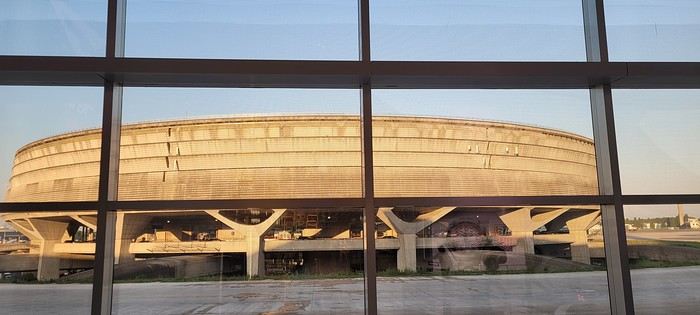
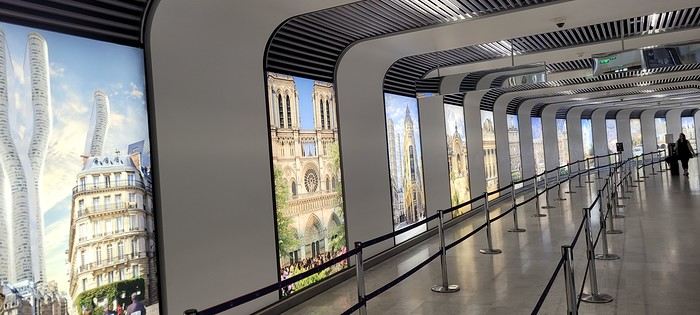
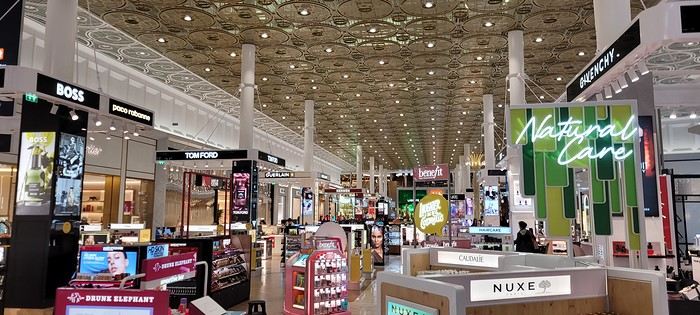
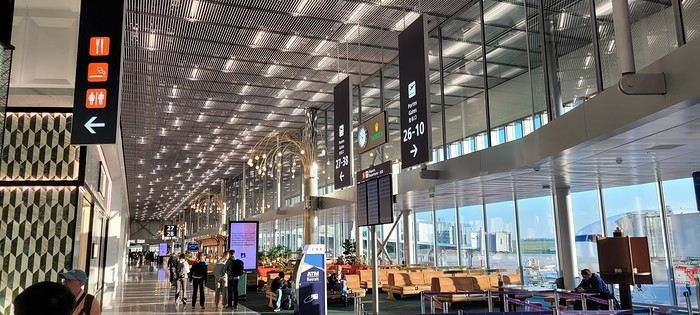
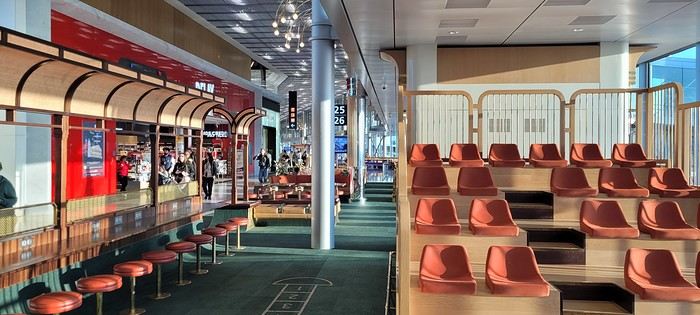
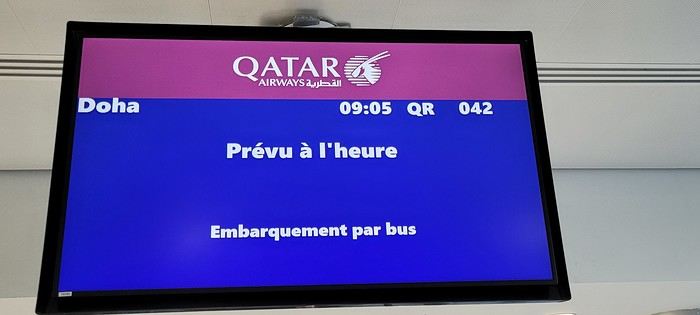
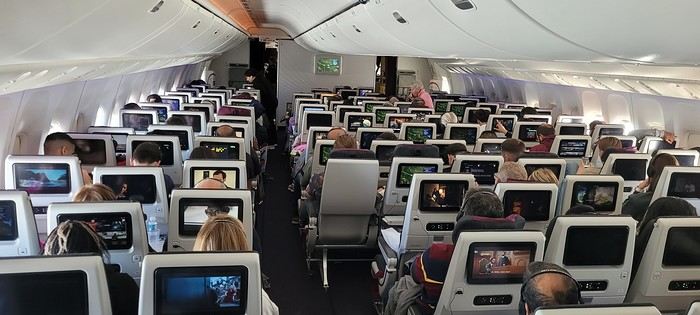
Coming up: Layover in Doha
I’m back from this “mixed” two-week cruise in the Indian Ocean on the Norwegian Sky.
Originally, I had booked a cruise with AIDA (also in the Indian Ocean), but unfortunately, the company decided to cancel it and offered us other options, which we declined because the dates didn’t work for us.
Since my wife really wants to do a cruise in the Indian Ocean, but very few companies offer this destination, it’s a bit complicated—especially when the dates don’t line up. Finding a good compromise between companies and timing is tough. Retirement can’t come soon enough!!!
After some research, I found a really great itinerary with Silversea (a luxury cruise line) for a 19-day cruise from Cape Town to Victoria, stopping in Madagascar (2 days), Praslin, La Digue... But my wife couldn’t get the time off. Not only was the itinerary amazing, but the price was unbeatable (5,200 € per person for a balcony suite, all-inclusive). What a shame—I would’ve loved to try this company, but maybe next time (if we’re lucky enough to have the chance).
My wife tried to take unpaid leave but wasn’t successful... Oh well!
On my end, I have more flexibility with vacation time since I travel a lot for work, so I can accumulate my days off and take them when it suits me.
So, we settled for this cruise (the only one that matched my wife’s vacation dates). Sure, we weren’t thrilled about the ship, but the itinerary wasn’t bad. We figured, why not?
I requested a quote from Logitravel, and after a discount, we paid 2,600 € per person for a balcony cabin (category BA) with the More At Sea package, which includes: 300 minutes of internet, premium drinks, 5 restaurants, and discounts on excursions...
The itinerary:
Day 1 Dubai (UAE) Boarding 11:59 PM Day 2 Abu Dhabi (UAE) 7:00 AM Day 3 Abu Dhabi (UAE) 2:00 PM Day 4 Sea day Day 5 Sea day Day 6 Sea day Day 7 Sea day Day 8 La Digue (Seychelles) 10:00 AM 8:00 PM Day 9 Mahé (Seychelles) 7:00 AM 8:00 PM Day 10 Sea day Day 11 Antsiranana (Madagascar) 7:00 AM 6:00 PM Day 12 Sea day Day 13 Pointe des Galets (Réunion) 8:00 AM 9:00 PM Day 14 Port Louis (Mauritius) 7:00 AM Day 15 Port Louis (Mauritius) 8:00 AM
After booking the cruise, I started looking for flights (Paris/Dubai and Mauritius/Paris). It’s peak Easter vacation time, so tickets are crazy expensive... I ran several simulations on Skyscanner and was shocked by the prices.
A direct flight from Paris to Dubai with Emirates is 1,400 € per person (one way), and the return from Mauritius to Paris (also with Emirates via Dubai) is 1,350 € per person.
Given these outrageous prices, I decided to book a flight with a layover. The best value I found was with Qatar (via Doha) for 650 € per person, with a 2.5-hour layover in Doha, and a direct flight from Mauritius to Paris with Corsair for 750 € per person.
With the More At Sea package, we had a 300 € credit per person for flight tickets (as long as we booked through NCL).
I requested a quote, and they offered: OUTBOUND: April 18, 2025 – Egyptair CDG-CAIRO 10:05 PM-2:30 AM February 19, 2025 – CAIRO-DUBAI 5:30 AM-10:55 AM RETURN: May 3, 2025 – Kenya Airways Port Louis-Nairobi 6:50 PM-10:10 PM, Nairobi-CDG 11:50 PM(+1)-7:30 AM (price: 950 € per person).
Sure, the price was good, but we didn’t want to fly with those airlines, and NCL didn’t have any other options. So, we booked our flights ourselves.
D-Day: Departure from Paris on April 18 with Qatar via Doha:
Two days before leaving, I checked in online and took the opportunity to buy seats near the emergency exits since my wife tends to get swollen legs on long flights. So, she prefers having extra legroom (cost: 132 € per person). It’s a bit pricey, but peace of mind is priceless.
Usually, when I have an early flight from Roissy, I always book a hotel the night before (near the airport) to avoid stress and not miss my flight. But since it was school vacation time and Good Friday, we decided to leave very early from home...
The flight was scheduled for 9:05 AM. We live 70 km from the airport and had to be there by 7:05 AM.
We barely slept... Up at 4:30 AM, and by 5:45 AM, our Uber was outside. We arrived at the airport (Roissy Terminal 1) by 6:50 AM.
Check-in was smooth—less than 10 minutes, and our bags were dropped off with boarding passes in hand.
This was my first time flying out of Roissy Terminal 1 since it was renovated for the Olympics. Wow, it’s a huge improvement—nothing like the old “camembert box” we used to know!
A few photos:
Coming up: Layover in Doha
Ferry from Madagascar to Réunion and Réunion to Mauritius
Hi everyone, I’m heading to Madagascar in December 2025 and I’d like to know the one-way fare without checked baggage—just cabin luggage—from Tamatave/Toamasina to Saint-Denis on Réunion Island, please. Also, how many days a week are there connections, and how long does the trip take? Thanks!
I’d also like to know about the route between Réunion Island and Mauritius: where does it depart from, how much does it cost, and on which days are there connections? Thanks in advance!
Best regards,
I’d also like to know about the route between Réunion Island and Mauritius: where does it depart from, how much does it cost, and on which days are there connections? Thanks in advance!
Best regards,
Road maps and GPS in Namibia
Hello, what’s the best road map? How reliable are GPS devices, and what downloads do you recommend before departure in case Wi-Fi isn’t available?
Kandy Esala Perahera Festival in Sri Lanka
Hi there,
We’re a family with kids aged 10 and 12, and we’ll be in Sri Lanka during the Kandy Esala Perahera. I’d love to know if it’s really worth prioritizing the procession on the final night—is it that different? What do the other nights miss out on? From what I’ve gathered, you can watch for free if you’re okay with sitting on the ground, which isn’t an issue for us. In that case, is it still easy to get a good view? We’ll be coming from Jaffna—are train tickets to Kandy harder to get during the Perahera? Also, August 8th is a public holiday. Do trains still run on public holidays?
Thanks in advance for your tips! !
We’re a family with kids aged 10 and 12, and we’ll be in Sri Lanka during the Kandy Esala Perahera. I’d love to know if it’s really worth prioritizing the procession on the final night—is it that different? What do the other nights miss out on? From what I’ve gathered, you can watch for free if you’re okay with sitting on the ground, which isn’t an issue for us. In that case, is it still easy to get a good view? We’ll be coming from Jaffna—are train tickets to Kandy harder to get during the Perahera? Also, August 8th is a public holiday. Do trains still run on public holidays?
Thanks in advance for your tips! !
Visiting Yala Park (Sri Lanka)
Hi there,
We’re planning to visit Yala Park for half a day. Could anyone tell me which block is the most interesting to visit, given that we’re coming from Tangalle?
Thanks for your reply.
We’re planning to visit Yala Park for half a day. Could anyone tell me which block is the most interesting to visit, given that we’re coming from Tangalle?
Thanks for your reply.
Cost of a tuk-tuk ride in Bangkok in 2025
Hi there!
I think the question’s in the title...
What price can I expect to pay in 2025 for a ride of about two kilometers in the tourist center?
Thanks😉
I think the question’s in the title...
What price can I expect to pay in 2025 for a ride of about two kilometers in the tourist center?
Thanks😉
Feedback on 3-week itinerary: Atlantic Coast - Spanish Basque Country - Northern Spain
Hello everyone,
So, summer 2025 is when I turn 40, and to mark the occasion, I had the idea of doing a road trip through Northern Spain. Since I’ll be traveling with my two kids (9 and 6½ years old), I’m tied to school holidays, but I’m hoping the northern regions of Spain are a little less crowded than the Costa Brava.
We’d leave from Lyon to reach the Atlantic coast, head down to the Basque Country, cross the Spanish border, and then visit: Cantabria - Asturias - Galicia. It’s not exactly around the corner—I’ve seen that it’s about 1,500 km (one way) from Lyon to Galicia. But for this adventure, I’ve got 3 to 3½ weeks. The twist would be doing it in an electric car, stopping for 2-3 days here and there before moving on (alternating between wild camping and hotels). Why electric? Because it’s my company car, and my employer covers the charging and toll costs. Over 3 weeks of vacation, that adds up to big savings.
Question: Do you think this plan is doable? Aside from the charging stops, does the route seem too ambitious for 3 weeks with two kids? And in July/August, are these regions not too packed?
Thanks for your feedback and experiences!
So, summer 2025 is when I turn 40, and to mark the occasion, I had the idea of doing a road trip through Northern Spain. Since I’ll be traveling with my two kids (9 and 6½ years old), I’m tied to school holidays, but I’m hoping the northern regions of Spain are a little less crowded than the Costa Brava.
We’d leave from Lyon to reach the Atlantic coast, head down to the Basque Country, cross the Spanish border, and then visit: Cantabria - Asturias - Galicia. It’s not exactly around the corner—I’ve seen that it’s about 1,500 km (one way) from Lyon to Galicia. But for this adventure, I’ve got 3 to 3½ weeks. The twist would be doing it in an electric car, stopping for 2-3 days here and there before moving on (alternating between wild camping and hotels). Why electric? Because it’s my company car, and my employer covers the charging and toll costs. Over 3 weeks of vacation, that adds up to big savings.
Question: Do you think this plan is doable? Aside from the charging stops, does the route seem too ambitious for 3 weeks with two kids? And in July/August, are these regions not too packed?
Thanks for your feedback and experiences!
Buying a Buddha Statue in Thailand
Hello,
I’m Buddhist by conviction. Even though I don’t practice anymore, I have a Buddhist altar at home that’s becoming increasingly ecumenical—just like in India, it includes Ganesha, the Holy Family, a Virgin of Lourdes, several Shivas, Tara, Avalokiteshvara, and more...
I was hoping to buy a beautiful wooden, stone, or metal Buddha statue in Thailand. On top of that, I wanted to have my statue "blessed." But then I heard it’s forbidden to take any statue or representation of Buddha out of the country... What’s the reality in practice?
Have any of you brought back a Buddha statue or other representation in your luggage? Did you make the mandatory declaration?
Thanks
Preparing for a trip to Paros
Hi there,
My partner and I are planning to visit Paros from June 4th to 11th, 2025.
I’ve been reading a lot of conflicting things, so I’m a bit confused.
Does Paros feel more like St. Tropez or Porto-Vecchio—overcrowded, too built-up, and has it lost its authentic charm?
Are umbrella and sunbed prices on the beach still reasonable?
Thanks so much for your input—we’re thinking of heading there in early June with my partner.
Holiday in Santo Antão, Cape Verde
Hi there,
We’ve just returned from 15 days in Cape Verde, including 8 days of hiking in Santo Antão. It was a fantastic trip with great weather and heat that stayed manageable. Everything was organized by a highly competent local agency that really listened to our requests. I’m happy to share more details about the hikes, hotels, etc. if you’d like!
Because of a miscalculation on extra costs (non-hotel expenses and transfers), I’ve got 18,000 escudos left—I’d be more than happy to exchange them for a more widely used currency!
We’ve just returned from 15 days in Cape Verde, including 8 days of hiking in Santo Antão. It was a fantastic trip with great weather and heat that stayed manageable. Everything was organized by a highly competent local agency that really listened to our requests. I’m happy to share more details about the hikes, hotels, etc. if you’d like!
Because of a miscalculation on extra costs (non-hotel expenses and transfers), I’ve got 18,000 escudos left—I’d be more than happy to exchange them for a more widely used currency!
A Month in Laos and Cambodia
Hello everyone,
At the start of November, a bit of rest before winter will be perfect to kick off this travel journal. There aren’t many recent journals about this part of the world, so I’ll take the plunge—my way of celebrating the (unexpected) return of this forum, which has been such a big part of my life for over 15 years.
So, back to Asia at the end of 2023. After Myanmar in 2015 and Vietnam in 2018, we’ve chosen Laos this time. And when talking with friends (you know how it is—everyone asks, "So, where are you going this year?"), a couple of friends asked to join us ("You see, my wife dreams of a trip to Asia, and I dream of traveling like you, independently"). We’ve spent a week with them (and other friends) in Portugal, so we know they’re easygoing and flexible. They’ll only be with us after Christmas (due to lots of grandkids), so deal—we’re bringing them along! A new experience for us.
A new experience that’ll start with tweaking the itinerary. Originally, I planned to stay a month in Laos, but what could be more magical for my friend’s wife than discovering Asia by way of Angkor! Plus, our two daughters asked for some beach time at the end of the trip! So, it’ll be Laos and Cambodia—neither of which we’ve visited before, so no complaints there.
The route will be pretty classic, though a bit scattered to fit our dates and wishes. For us, we’ll arrive in Luang Prabang (LP) to take some time to acclimate, then a few days in the northern Laos mountains, Nong Khiaw and Muang Ngoi. Back to LP for a direct flight to Pakse. Yes, I know—so many amazing places we’ll miss along the way, but as you know, choosing means letting go... From Pakse, I’m leaving a few days open (no bookings), but I’m eyeing Champassak and the 4,000 Islands. That’s where Mariel and Naty (our friends!) will join us on December 30th. I’ve tentatively added the Bolaven Plateau loop to the plan (still no bookings). Their Laos adventure will be short—by January 3rd, we’ll cross the border into Cambodia, heading straight to Siem Reap for 5 days. Then, I’ll fulfill my promise with a magical detour to Koh Rong Sanloem via a night bus (a must-do in Asia!). On to Phnom Penh for 2 days—where our trip ends, while Mariel and Naty will stop in Bangkok for 3 days before flying home.
So, fasten your seatbelts, flight attendants at the doors, and sorry for the long intro—here we go on this Asian adventure!
At the start of November, a bit of rest before winter will be perfect to kick off this travel journal. There aren’t many recent journals about this part of the world, so I’ll take the plunge—my way of celebrating the (unexpected) return of this forum, which has been such a big part of my life for over 15 years.
So, back to Asia at the end of 2023. After Myanmar in 2015 and Vietnam in 2018, we’ve chosen Laos this time. And when talking with friends (you know how it is—everyone asks, "So, where are you going this year?"), a couple of friends asked to join us ("You see, my wife dreams of a trip to Asia, and I dream of traveling like you, independently"). We’ve spent a week with them (and other friends) in Portugal, so we know they’re easygoing and flexible. They’ll only be with us after Christmas (due to lots of grandkids), so deal—we’re bringing them along! A new experience for us.
A new experience that’ll start with tweaking the itinerary. Originally, I planned to stay a month in Laos, but what could be more magical for my friend’s wife than discovering Asia by way of Angkor! Plus, our two daughters asked for some beach time at the end of the trip! So, it’ll be Laos and Cambodia—neither of which we’ve visited before, so no complaints there.
The route will be pretty classic, though a bit scattered to fit our dates and wishes. For us, we’ll arrive in Luang Prabang (LP) to take some time to acclimate, then a few days in the northern Laos mountains, Nong Khiaw and Muang Ngoi. Back to LP for a direct flight to Pakse. Yes, I know—so many amazing places we’ll miss along the way, but as you know, choosing means letting go... From Pakse, I’m leaving a few days open (no bookings), but I’m eyeing Champassak and the 4,000 Islands. That’s where Mariel and Naty (our friends!) will join us on December 30th. I’ve tentatively added the Bolaven Plateau loop to the plan (still no bookings). Their Laos adventure will be short—by January 3rd, we’ll cross the border into Cambodia, heading straight to Siem Reap for 5 days. Then, I’ll fulfill my promise with a magical detour to Koh Rong Sanloem via a night bus (a must-do in Asia!). On to Phnom Penh for 2 days—where our trip ends, while Mariel and Naty will stop in Bangkok for 3 days before flying home.
So, fasten your seatbelts, flight attendants at the doors, and sorry for the long intro—here we go on this Asian adventure!
La Bulgarie aux nuances slaves et ottomanes English translation pending
Bonjour à tous,
De retour d'un petit séjour de 10 jours en Europe de l'Est en Bulgarie, je démarre ce 5ème carnet de voyage. C'était une première pour nous dans cette zone géographique et nous avons été saisis par la beauté, la diversité des paysages, la culture et la richesse folklorique de ce petit pays. Nous avons longtemps hésité et n'avions réservé nos billets d'avion que 2 jours précédents notre départ de France. Les frontières n'étaient pas bloquées fin Aout, les tests PCR n'étaient pas encore obligatoires entre les 2 pays, mais qu'en serait-il à notre retour début Septembre? Partir en pleine pandémie n'est pas chose aisée mais l'envie d'explorer cette partie du monde a été plus forte et y a t-il un vrai bonheur sans une légère prise de risque ?
Arrivés à 0h50 le 28 Aout à Sofia, nous logeons dans l’hôtel le plus proche de l'aéroport, sachant que quelques heures plus tard, nous retournerons à ce même aéroport pour y louer une petite voiture. Très bon plan. Transfert immédiat, un service au top!
Le 28 Aout, nous quittons Sofia pour le monastère de Rila à 2h de route de là. La voiture est basique, pas de GPS, mais nous sommes dans l'espace Schengen et notre téléphone portable sera un allié précieux. Pas de frais supplémentaires pour l'utiliser et il nous guidera tout au long de notre séjour, nous faisant éviter embouteillages, routes en travaux. Encore un bon plan.
Le Monastère de Rila (en bulgare : Рилски Манастир, Rilski Manastir) fut fondé au X siècle par saint Jean de Rila, un ermite canonisé par l'Église orthodoxe. Il fait partie du patrimoine mondial de l'Unesco. C'est une merveille. Peu de monde et aucun touriste étranger. Le soir nous avons demandé s'il était possible de loger dans le monastère et un moine nous a conduit dans une cellule avec 2 lits et une petite salle de bain pour une poignée de Leva. Quand les quelques pèlerins ou touristes bulgares avaient quitté les lieux, nous avions le monastère pour nous. Une soirée douce dans un grand calme avec les sons des cloches toutes les heures et les psalmodies des moines. Magique.


Départ aux aurores le 29 Aout vers le sud. Première halte à Melnik, un village traditionnel mais qui a été 'transformé' pour les touristes en une multitude de restaurants et d’hôtels. Il ne demeure que c'est assez joli et nous avons arpenté l'unique grand rue pour traverser le village de bas en haut.

A 8km de là dans la montagne au milieu de cheminées de fées ocres et rouilles, il y a le petit monastère de Rozhen. Pour les courageux, on peut randonner entre Melnik et Rozhen au milieu de ce paysage unique, mais il faisait 36°....donc la voiture était la bienvenue🤪.
 L'entrée du monastère.
Un vrai petit bijou.
De retour d'un petit séjour de 10 jours en Europe de l'Est en Bulgarie, je démarre ce 5ème carnet de voyage. C'était une première pour nous dans cette zone géographique et nous avons été saisis par la beauté, la diversité des paysages, la culture et la richesse folklorique de ce petit pays. Nous avons longtemps hésité et n'avions réservé nos billets d'avion que 2 jours précédents notre départ de France. Les frontières n'étaient pas bloquées fin Aout, les tests PCR n'étaient pas encore obligatoires entre les 2 pays, mais qu'en serait-il à notre retour début Septembre? Partir en pleine pandémie n'est pas chose aisée mais l'envie d'explorer cette partie du monde a été plus forte et y a t-il un vrai bonheur sans une légère prise de risque ?
Arrivés à 0h50 le 28 Aout à Sofia, nous logeons dans l’hôtel le plus proche de l'aéroport, sachant que quelques heures plus tard, nous retournerons à ce même aéroport pour y louer une petite voiture. Très bon plan. Transfert immédiat, un service au top!
Le 28 Aout, nous quittons Sofia pour le monastère de Rila à 2h de route de là. La voiture est basique, pas de GPS, mais nous sommes dans l'espace Schengen et notre téléphone portable sera un allié précieux. Pas de frais supplémentaires pour l'utiliser et il nous guidera tout au long de notre séjour, nous faisant éviter embouteillages, routes en travaux. Encore un bon plan.
Le Monastère de Rila (en bulgare : Рилски Манастир, Rilski Manastir) fut fondé au X siècle par saint Jean de Rila, un ermite canonisé par l'Église orthodoxe. Il fait partie du patrimoine mondial de l'Unesco. C'est une merveille. Peu de monde et aucun touriste étranger. Le soir nous avons demandé s'il était possible de loger dans le monastère et un moine nous a conduit dans une cellule avec 2 lits et une petite salle de bain pour une poignée de Leva. Quand les quelques pèlerins ou touristes bulgares avaient quitté les lieux, nous avions le monastère pour nous. Une soirée douce dans un grand calme avec les sons des cloches toutes les heures et les psalmodies des moines. Magique.
Départ aux aurores le 29 Aout vers le sud. Première halte à Melnik, un village traditionnel mais qui a été 'transformé' pour les touristes en une multitude de restaurants et d’hôtels. Il ne demeure que c'est assez joli et nous avons arpenté l'unique grand rue pour traverser le village de bas en haut.
A 8km de là dans la montagne au milieu de cheminées de fées ocres et rouilles, il y a le petit monastère de Rozhen. Pour les courageux, on peut randonner entre Melnik et Rozhen au milieu de ce paysage unique, mais il faisait 36°....donc la voiture était la bienvenue🤪.
L'entrée du monastère.
Un vrai petit bijou.
Une dizaine de jours dans le Gard English translation pending
Bonjour,
Breton, je vais me baser une dizaine de jours à Connaux dans le Gard à la mi septembre avec quelques amis.
Nous serons 6.
Nous sommes assez éclectiques et indépendants : 4 en voiture et 2 à moto, 4 assez agiles et 2 contemplatifs qui le sont fort peu.
Nous ne détestons pas faire des choses ensemble dans la journée, bien loin de là quand c’est possible, mais notre grand plaisir est en toutes hypothèses de partager nos soirées.
Je pense à priori que nous devrions pouvoir rayonner chaque jour dans un rayon maximum d’une centaine de km, en sachant bien sûr que l’objectif n’est pas de cumuler ces km.
Evidemment, j’ai consulté la documentation touristique accessible par internet et je dois recevoir bientôt un peu de complément par courrier : je me sens donc « armé » pour les « fondamentaux ».
Mais je suis à la recherche de projets plus originaux, plus insolites, éventuellement plus relationnels car je suis convaincu que le sel des voyages ce sont les rencontres.
Toute suggestion serait très bienvenue.
A charge de revanche… ;-)
Breton, je vais me baser une dizaine de jours à Connaux dans le Gard à la mi septembre avec quelques amis.
Nous serons 6.
Nous sommes assez éclectiques et indépendants : 4 en voiture et 2 à moto, 4 assez agiles et 2 contemplatifs qui le sont fort peu.
Nous ne détestons pas faire des choses ensemble dans la journée, bien loin de là quand c’est possible, mais notre grand plaisir est en toutes hypothèses de partager nos soirées.
Je pense à priori que nous devrions pouvoir rayonner chaque jour dans un rayon maximum d’une centaine de km, en sachant bien sûr que l’objectif n’est pas de cumuler ces km.
Evidemment, j’ai consulté la documentation touristique accessible par internet et je dois recevoir bientôt un peu de complément par courrier : je me sens donc « armé » pour les « fondamentaux ».
Mais je suis à la recherche de projets plus originaux, plus insolites, éventuellement plus relationnels car je suis convaincu que le sel des voyages ce sont les rencontres.
Toute suggestion serait très bienvenue.
A charge de revanche… ;-)
Crossing the Alps and Mont Ventoux by Bike
Hey Cyclists! So, here we go—departure this Thursday from Giromagny (90), still in bikepacking mode, but this time with my wife’s bike lol.
12 years later, back in the Alps for a crossing all the way to Barcelonnette. From there, I’ll head toward Vaucluse and face Mont Ventoux for the first time 🚴♂️. Until then, the Alps will most likely leave their mark 😅🚵♂️🚴♂️. I’m a bit nervous about the Col de la Colombière—if all goes well, I should leave a wreath there lol! The return after Mont Ventoux should be less traumatic (or maybe not).
A few photos below.
If you’re on my route, it’d be great to chat! ;) I’m also planning to film the ride (as usual), my impressions, etc.
Good luck with your preparations to everyone working on a project, and safe travels to those already on the road! ;) Gilles
12 years later, back in the Alps for a crossing all the way to Barcelonnette. From there, I’ll head toward Vaucluse and face Mont Ventoux for the first time 🚴♂️. Until then, the Alps will most likely leave their mark 😅🚵♂️🚴♂️. I’m a bit nervous about the Col de la Colombière—if all goes well, I should leave a wreath there lol! The return after Mont Ventoux should be less traumatic (or maybe not).
A few photos below.
If you’re on my route, it’d be great to chat! ;) I’m also planning to film the ride (as usual), my impressions, etc.
Good luck with your preparations to everyone working on a project, and safe travels to those already on the road! ;) Gilles