Results for "rizières+Banaue+|+8+>+191"
14597 results found.
Lariam et Malarone English translation pending
A priori, d'aprés les contacts que j'ai eu et les gens que j'ai vu qui ont pris du Lariam (en test avant le voyage par précaution en général -merci pour eux aux médecins qui sont informés-), ils ont eu des effets secondaires pas top (depression, humeurs "volages"...). Certains sont partis sans traitement du coup (mais avec des répulsifs DEEP). Je compte, moi, prendre de la Malarone (malgré son prix) pour un voyage de 8 mois en asie du sud-est avec en reserve quelque sachets de Lariams en cas de crise (je compte également prendre des répulsif vêtement et moustiquaire).
Je suis certainement trop prudent (un membre de ma famille est revenu avec le palu pour un voyage de 15 jours donc ça ne me fait pas envie).
Je ne compte pas gacher ce voyage pour un manque d'information ou de précaution de ma part !
Mais, cela vous paraît-il une solution cohérente en cas d'oubli de prise de Malarone et de piqûre hasardeuse ?
Vous semble-t-il également normal de prendre de la Malarone pendant une durée aussi longue (8 mois) ? Y a-t-il des expériences néfastes connues (je n'en ai pas trouvé sur le net) ?
Personnelement, je pense que je devrais me limiter aux précautions des vêtements longs, de la moustiquaire et du répulsif et éventuellement prendre un traitement sporadique à la Malarone dans les zones de jungles/forêts ou de riziéres.
Qu'en pensez-vous ?
Je suis certainement trop prudent (un membre de ma famille est revenu avec le palu pour un voyage de 15 jours donc ça ne me fait pas envie).
Je ne compte pas gacher ce voyage pour un manque d'information ou de précaution de ma part !
Mais, cela vous paraît-il une solution cohérente en cas d'oubli de prise de Malarone et de piqûre hasardeuse ?
Vous semble-t-il également normal de prendre de la Malarone pendant une durée aussi longue (8 mois) ? Y a-t-il des expériences néfastes connues (je n'en ai pas trouvé sur le net) ?
Personnelement, je pense que je devrais me limiter aux précautions des vêtements longs, de la moustiquaire et du répulsif et éventuellement prendre un traitement sporadique à la Malarone dans les zones de jungles/forêts ou de riziéres.
Qu'en pensez-vous ?
Que choisir entre Langkawi et Penang en Malaisie? English translation pending
salut
j'ai l'intention de partir en malaisie début mars. j'hésite encore encore entre Langkawi et penang. quelqu'un peut il m'aider a me décider?
merci
j'ai l'intention de partir en malaisie début mars. j'hésite encore encore entre Langkawi et penang. quelqu'un peut il m'aider a me décider?
merci
Volcans en Indonésie English translation pending
Nous partons mon mari et moi cet été en Indonésie dans l'optique de voir des volcans, notre passion.
Je recherche des renseignements concernants les visites de volcans et les difficultés possibles pour les ascensions. Quels sont les plus spéctaculaires?
Je recherche des renseignements concernants les visites de volcans et les difficultés possibles pour les ascensions. Quels sont les plus spéctaculaires?
Excursions à Punta cana? English translation pending
Quelle excursion me conseillez-vous depuis Punta Cana (H10 Bavaro)
Nous partons le 26 janvier avec Marsans.
D'avance Merci
Nous partons le 26 janvier avec Marsans.
D'avance Merci
2 semaines à Madagascar English translation pending
je voudrais aller à madagascar fin aout pour 2 semaines
j'aime marcher, découvrir la nature et les gens
je pense qu'en 2 semaines, il faut se contenter d'une petite partie de l'île
que me conseillez-vous?
j'aime marcher, découvrir la nature et les gens
je pense qu'en 2 semaines, il faut se contenter d'une petite partie de l'île
que me conseillez-vous?
Vos trois plus beaux treks...en photo si possible! English translation pending
Salut amis trekkers !😉
Venez tous nous parler de vos 3 plus beaux treks, cela nous donnera des idées pour nos prochaines randonnées !
Bon ... Je commence ...
1 - Le tour des Annapurna : Le plus varié
Pour moi c'est le plus beau trek. Tout d'abord il accuse un dénivelé de 4700 m. L'on commence à 700 m d'altitude dans la jungle tropicale, pour finir dans le monde minéral et glaciaire du col du Thorong-La ! L'on travers toutes les climats et totes les strates végétales... rizières, forêts de rhododendrons, forêts tempérées, alpages, parterre de fleurs de haute altitude ... L'on habite et mange chez l'habitant, chez ces multiples ethnies qui jalonnent le parcours avec lesquelles on partage un peu de nos vies. Bien sûr ce parcours est aussi le plus beau pour le passage du col du Thorong, tout d'abord pour sa difficulté physique, mais surtout pour le panorama unique qu'il offre sur les massifs de l'Annapurna et du Dhaulagiri. Egalement un plus, la traversée du bas-Mustang, le royaume interdit où l'on peut déguster de la viande de Yak séchée arrosée de Tchang !
2 - Le tour du Nanga-Parbat : Le plus sauvage
Tout d'abord pour la vue imposante qu'offre le massif depuis Tarshing. Ensuite parce qu'il est sauvage. L'on traverse d'immenses glaciers, croise de petits villages coupés du monde, et des villageois farouches (surtout ceux de la tribu Yashkin). Ce n'est pas un "Apple pie trek" comme les Annapurna. Les habitants vivent en autosubsistance, dans un habitat précaire hors du temps. L'on se croit parfois projeté 1000 ou 2000 ans en arrière. Ensuite la difficulté technique du col du Mazeno-La à 5399 m et sa vue sur les innombrables glaciers géants environnants. Une expérience parfois dangereuse, mais à vivre absolument.
3 - Le tour du Mont Blanc : Très physique !
C'est un trek qui a de nombreux atouts. Tout d'abord c'est près de chez nous ( ... sauf pour nos amis Canadiens du site, c'est sûr ! 🤪) Il nous fait traverser 3 pays, la France, l'Italie et la Suisse. De plus je le trouve très physique, si on le fait en autonomie ! En effet, ça monte et ça descend tout le temps, souvent sur des sentiers de transhumance. Très beau aussi pour l'odeur des fleurs d'alpage, très présente, et le côtoiement des troupeaux de vaches. Enfin il permet de voir le Mont Blanc sous toutes ses facettes (ah non, pas du coté Suisse, dommage ! )
à vous amis trekkers, parlez nous de vos plus beaux treks et donnez nous des idées pour nos prochaines randonnées !
@ + 😉
Beub le trekker
Venez tous nous parler de vos 3 plus beaux treks, cela nous donnera des idées pour nos prochaines randonnées !
Bon ... Je commence ...
1 - Le tour des Annapurna : Le plus varié
Pour moi c'est le plus beau trek. Tout d'abord il accuse un dénivelé de 4700 m. L'on commence à 700 m d'altitude dans la jungle tropicale, pour finir dans le monde minéral et glaciaire du col du Thorong-La ! L'on travers toutes les climats et totes les strates végétales... rizières, forêts de rhododendrons, forêts tempérées, alpages, parterre de fleurs de haute altitude ... L'on habite et mange chez l'habitant, chez ces multiples ethnies qui jalonnent le parcours avec lesquelles on partage un peu de nos vies. Bien sûr ce parcours est aussi le plus beau pour le passage du col du Thorong, tout d'abord pour sa difficulté physique, mais surtout pour le panorama unique qu'il offre sur les massifs de l'Annapurna et du Dhaulagiri. Egalement un plus, la traversée du bas-Mustang, le royaume interdit où l'on peut déguster de la viande de Yak séchée arrosée de Tchang !
2 - Le tour du Nanga-Parbat : Le plus sauvage
Tout d'abord pour la vue imposante qu'offre le massif depuis Tarshing. Ensuite parce qu'il est sauvage. L'on traverse d'immenses glaciers, croise de petits villages coupés du monde, et des villageois farouches (surtout ceux de la tribu Yashkin). Ce n'est pas un "Apple pie trek" comme les Annapurna. Les habitants vivent en autosubsistance, dans un habitat précaire hors du temps. L'on se croit parfois projeté 1000 ou 2000 ans en arrière. Ensuite la difficulté technique du col du Mazeno-La à 5399 m et sa vue sur les innombrables glaciers géants environnants. Une expérience parfois dangereuse, mais à vivre absolument.
3 - Le tour du Mont Blanc : Très physique !
C'est un trek qui a de nombreux atouts. Tout d'abord c'est près de chez nous ( ... sauf pour nos amis Canadiens du site, c'est sûr ! 🤪) Il nous fait traverser 3 pays, la France, l'Italie et la Suisse. De plus je le trouve très physique, si on le fait en autonomie ! En effet, ça monte et ça descend tout le temps, souvent sur des sentiers de transhumance. Très beau aussi pour l'odeur des fleurs d'alpage, très présente, et le côtoiement des troupeaux de vaches. Enfin il permet de voir le Mont Blanc sous toutes ses facettes (ah non, pas du coté Suisse, dommage ! )
à vous amis trekkers, parlez nous de vos plus beaux treks et donnez nous des idées pour nos prochaines randonnées !
@ + 😉
Beub le trekker
De retour d'Indonésie English translation pending
Salut à tous,
Je ne sais pas encore si je vais faire un carnet de voyage, mais me voilà de retour d'un voyage d 'un peu plus de trois semaines en Indonésie, donc si certains d'entre vous désirent des infos toutes fraîches, n'hésitez pas.
Mon parcours fut le suivant :
Arrivée sur Bali, une nuit à Legian, puis envol pour Maumere sur l'île de Florés que nous avons traversé d' Est en Ouest ( Moni avec le Kelimutu, Bajawa, Ruteng et Labuhanbajo ), les dragons de Komodo sur l'île de Rinca, puis traversée rapide de Sumbawa, avant d'arriver sur Lombok etde rester sur Kuta lombok, Tetebatu et ses rizières et le paradis des îles Gili avec Gili Trewangan.
Il faut savoir qu'il n'y a pratiquement personne en Indonésie pour le moment, traumatisme de l'attentat de Bali bien présent, que les prix sont au plus bas et que les paradis sont de ce fait bien présents tant est que l'on ne se bouscule nulle part, donc courez y avant que la foule des T.O ne redécouvre cette destination.
Moi, en tout cas, celà faisait bien longtemps que je n'avais pris un tel pied de bien être avec des gens super accueillants....
A bientôt,
Je ne sais pas encore si je vais faire un carnet de voyage, mais me voilà de retour d'un voyage d 'un peu plus de trois semaines en Indonésie, donc si certains d'entre vous désirent des infos toutes fraîches, n'hésitez pas.
Mon parcours fut le suivant :
Arrivée sur Bali, une nuit à Legian, puis envol pour Maumere sur l'île de Florés que nous avons traversé d' Est en Ouest ( Moni avec le Kelimutu, Bajawa, Ruteng et Labuhanbajo ), les dragons de Komodo sur l'île de Rinca, puis traversée rapide de Sumbawa, avant d'arriver sur Lombok etde rester sur Kuta lombok, Tetebatu et ses rizières et le paradis des îles Gili avec Gili Trewangan.
Il faut savoir qu'il n'y a pratiquement personne en Indonésie pour le moment, traumatisme de l'attentat de Bali bien présent, que les prix sont au plus bas et que les paradis sont de ce fait bien présents tant est que l'on ne se bouscule nulle part, donc courez y avant que la foule des T.O ne redécouvre cette destination.
Moi, en tout cas, celà faisait bien longtemps que je n'avais pris un tel pied de bien être avec des gens super accueillants....
A bientôt,
Coût de la vie, logement, transports à Madagascar? English translation pending
je recherche des infos recentes sur madagascar et plus particulierement des infos sur la vie courante:transports, hotel, restau, etc....que ce sois sur les prix, les diponibilites, l'acceuil ect...........😉
Vos suggestions pour le Vietnam, Laos et la Thailande English translation pending
Coucou!
Je pars en Malaysie pour 6 semaines pour le boulot en Aout, et j'ai bien l'intention de me prendre 2 semaines pour aller visiter les environs. J'hesite pour l'instant entre le Laos, le Vietnam et la Thailande🤪.... J'aime la rando...plutot suis orientee nature. Je vais voyager seule....des suggestions????🙂
Merci!
Caroline
Je pars en Malaysie pour 6 semaines pour le boulot en Aout, et j'ai bien l'intention de me prendre 2 semaines pour aller visiter les environs. J'hesite pour l'instant entre le Laos, le Vietnam et la Thailande🤪.... J'aime la rando...plutot suis orientee nature. Je vais voyager seule....des suggestions????🙂
Merci!
Caroline
Mousson en Birmanie? (juillet/août) English translation pending
Bonjour !
Je souhaite partir en Birmanie, mais ce n'est possible que durant la période juillet - août, période de la mousson.
Est-ce que cela pose un réel problème ? Pleut-il vraiment beaucoup ? Merci de me renseigner sur ce sujet !
magaly
Je souhaite partir en Birmanie, mais ce n'est possible que durant la période juillet - août, période de la mousson.
Est-ce que cela pose un réel problème ? Pleut-il vraiment beaucoup ? Merci de me renseigner sur ce sujet !
magaly
2 free days between Hanoi and Bac Ha: what to do?
Hi there,
we’re currently in Mai Chau and tomorrow we’re hitting the road back to Hanoi to head up toward Bac Ha and Sapa.
We haven’t really had a set plan since we arrived—we’ve already done the Halong Bay on land and by sea.
I’ve got 2 free days before heading to Bac Ha and Sapa.
Any tips?
Thanks, and looking forward to hearing from you.
Northern Vietnam Trip Report
Hi there,
I’ve found so many tips and reviews on this forum, so it’s my turn to contribute a little.
We spent just over two weeks with our family, with the following itinerary:
- Hanoi: 5 days
- Halong Bay: 3 days and 2 nights
- Tam Coc: 3 days
- Mai Chau: 2 days
- Sapa: 3 days
We got around by bike, scooter, Grab, and bus.
Our main accommodations were homestays and hotels in Hanoi.
We visited lots of museums, temples, and neighborhoods in Hanoi.
We did a 2-day, 1-night trek in Sapa with May, a Hmong local, without going through an agency.
A few small regrets: the weather was overcast, and we couldn’t make it to Fansipan, but nothing major 😅. We also couldn’t find transport to get from Sapa to Mu Cang Chai.
Other than that, this trip will stay in our memories for the kindness of the Vietnamese people, the connections we made, the food (street food, homestays...), the coffee 😋, the landscapes, and how easy it was to get around...
Our goal was to take our time and focus only on a small part of northern Vietnam.
If you need any tips or recommendations, don’t hesitate to ask.
Looking forward to hearing from you.
Cédric.
Good deals and travel buddies for backpacking in Asia
Hi! I’m Hugo, I’m 20, and I’m a recent graduate with a tourism BTS. I’m heading off alone in November 2026 with my backpack for a road trip across Asia.
I already have my first flight ticket to Bangkok, but nothing else is planned yet. So I’m signing up on this forum hoping for tips, good deals, and maybe even meet-ups while I’m there!
Thanks in advance! 😉
I already have my first flight ticket to Bangkok, but nothing else is planned yet. So I’m signing up on this forum hoping for tips, good deals, and maybe even meet-ups while I’m there!
Thanks in advance! 😉
Sharing our one-month itinerary for China
We’re back from a one-month trip to China and wanted to share our itinerary. Hopefully, this can give future travelers some ideas for exploring this beautiful country.
Beijing → Temple of Heaven / Forbidden City Jinshanling → Great Wall Zhangjiajie → Tianmen Mountain and Heaven’s Gate Wulingyuan → Avatar Mountains / sandstone pillars Fenghuang → riverside houses Ping’an → terraced rice fields Tiantouzhai → village / rice terraces Yangshuo → Li River / karst mountains Shanghai → skyline with the Oriental Pearl Tower
Our travel journal is available on our travel journal, written day by day. You’ll find lots of photos and some travel tips there.
Beijing → Temple of Heaven / Forbidden City Jinshanling → Great Wall Zhangjiajie → Tianmen Mountain and Heaven’s Gate Wulingyuan → Avatar Mountains / sandstone pillars Fenghuang → riverside houses Ping’an → terraced rice fields Tiantouzhai → village / rice terraces Yangshuo → Li River / karst mountains Shanghai → skyline with the Oriental Pearl Tower
Our travel journal is available on our travel journal, written day by day. You’ll find lots of photos and some travel tips there.
What to see during 15 days in Flores?
Hi everyone on the forum, happy to be back!
I’m planning a 15-day trip to Flores in October. I’m coming from Bali, which I know well, as well as Lombok and Sulawesi, but it’s my first time in Flores.
I’d love to hear about your experiences—what should I see? How long should I stay at each stop?
I travel at a relaxed pace and won’t be renting a scooter. I enjoy walking, exploring, and taking it easy—not just lounging on beaches. For some trips, I can hire a driver and car if public transport is complicated.
Thanks for your tips! 🙂
Short stop in Bali: stay in Denpasar or go to Ubud?
Hi everyone,
This September, my partner and I are heading to North Sulawesi for 3 weeks. Our international flight is with Malaysia Airlines, departing from Paris. We have a layover in KL, then fly to Denpasar, followed by a domestic flight from Denpasar to Manado. We land in Bali Denpasar on 05/09 around 12:00 PM, and our flight to Manado is on 07/09 at 1:30 AM. The plan was to have at least one night (from the 5th to the 6th of September) between our international flight and our flight to Manado, just to recharge a bit since we're not 20 anymore 😛. My question is, given the very short stop in Bali (a day and a half), is it better to stay in Denpasar rather than go to Ubud for the night? I’ve been to Bali before, and from what I remember, even though the distances are short, transfers take a long time because of the extremely heavy traffic—but I was there in July, not September. I’m not sure if that makes a big difference? If the answer is "it’s better to stay in Denpasar," are there any nice places to visit? There’s very little feedback about the city since tourists usually don’t stick around. Thanks in advance for your replies.
This September, my partner and I are heading to North Sulawesi for 3 weeks. Our international flight is with Malaysia Airlines, departing from Paris. We have a layover in KL, then fly to Denpasar, followed by a domestic flight from Denpasar to Manado. We land in Bali Denpasar on 05/09 around 12:00 PM, and our flight to Manado is on 07/09 at 1:30 AM. The plan was to have at least one night (from the 5th to the 6th of September) between our international flight and our flight to Manado, just to recharge a bit since we're not 20 anymore 😛. My question is, given the very short stop in Bali (a day and a half), is it better to stay in Denpasar rather than go to Ubud for the night? I’ve been to Bali before, and from what I remember, even though the distances are short, transfers take a long time because of the extremely heavy traffic—but I was there in July, not September. I’m not sure if that makes a big difference? If the answer is "it’s better to stay in Denpasar," are there any nice places to visit? There’s very little feedback about the city since tourists usually don’t stick around. Thanks in advance for your replies.
Traveling Against the Grain in 2026: 8 Alternatives to Overcrowded Destinations
In 2026, traveling becomes a choice. While the same destinations are buckling under mass tourism, there are still preserved alternatives, often just a few hours away from the beaten path. This guide doesn’t ban any countries but suggests different practices and destinations that still breathe.
Here are 8 experiences to reinvent for better travel this year.
1. Tanzania: Swap the jeep safari for a walking safari The classic: Setting off to see the "Big Five" and the vast savanna from a 4x4. Why rethink this: You don’t go to see wild animals just to end up in a traffic jam of Toyota Land Cruisers. The noise of engines and exhaust fumes stress the wildlife. Some observation points look like parking lots. The alternative: A walking safari in the Ngorongoro Highlands or the Serengeti, accompanied by Maasai guides. On foot, your senses sharpen: it’s an immersion that a car window blocks.
Practical tip: Opt for mobile bush camps rather than fixed lodges. Look into walking safaris that include bivouacs.
2. India: Skip Kerala’s houseboats for kayaking on secret lagoons The classic: Cruising the famous Backwaters in a houseboat. Why rethink this: Houseboats pollute and destroy the fragile ecosystem of the lagoons. Overcrowding in Alleppey drains the experience of its magic. Not to mention the noise of the engines. The alternative: Munroe Island or Valiyaparamba by canoe or kayak. These northern lagoons remain preserved. You can organize trips with local fishermen, spend a day with families from the area, and sleep in the heart of biodiversity instead of floating resorts.
Good to know: The famous Kettuvallams (houseboats) aren’t that old. Originally, they were rice transport barges. It was only in the 1990s that someone had the idea to add rooms. Authenticity is sometimes a marketing invention!
3. Portugal: Forget Lisbon and the Algarve for the Alentejo The classic: The charm of Lisbon’s azulejos and the golden beaches of the Algarve. Why rethink this: Lisbon is suffocating under Airbnbs, and the Algarve has become a forest of umbrellas and tourist complexes. The Portuguese soul is fading under mass tourism. The alternative: The Alentejo region, between Lisbon and the Algarve. Stay in a *Herdade* (traditional farm), taste amphora wine, and explore wild beaches where cliffs replace concrete. This is Portugal at a slower pace—the one with white villages and endless plains.
Good to know: The Alentejo is the world’s largest cork producer. Cork oaks are harvested only once every 9 years. It’s a region that sets its own rhythm, slow and respectful of nature.
4. Indonesia: Less Bali, more Sulawesi, Java, or Lombok The classic: Spirituality, rice terraces, and Bali’s beaches. Why rethink this: Between water shortages, "spiritual" traffic jams in Ubud, and beaches turned into clubs, Bali needs a break. The island is suffocating. The alternative: Sulawesi for the ancestral rites of the Toraja people, Java for the lunar volcanoes of the East and lost temples, or Lombok for a quieter version of Bali. You’ll rediscover Indonesia’s wild origins.
Good to know: Bali is the only predominantly Hindu island in the world’s largest Muslim country. Exploring Java or Sulawesi reveals a cultural diversity that Bali’s tourist bubble often overshadows.
5. South Korea: Shorten Seoul for Gyeongju and Suncheon Bay The classic: Futuristic modernity and K-Culture in Seoul. Why rethink this: Seoul is experiencing the "Kyoto effect." Historic neighborhoods like Bukchon are closing streets to protect residents’ privacy from the influx of tourists in rented hanboks. The alternative: Gyeongju and Suncheon Bay in the authentic south. Between Gyeongju’s millennia-old temples (the ancient capital) and Suncheon’s biosphere reserve, you’ll discover the real Korea—without the lines.
Good to know: Gyeongju is often called "the museum without walls." You’ll find tumuli (royal tombs shaped like grassy hills) right in the middle of the modern city. Ancient history coexists with the present.
6. Thailand: Escape Bangkok and the southern islands for Isan The classic: Bangkok, then off to Phuket, Phi Phi, or Koh Samui. Why rethink this: The southern islands are suffocating: marine pollution, crowded beaches, authenticity diluted in standardized resorts. The experience feels more like Ibiza than traditional Thailand. The alternative: The Northeast (Isan), the unknown region. Forgotten Khmer temples, authentic villages, colorful local markets, and preserved nature in parks like Phu Kradueng. Few Westerners, lots of authenticity.
Good to know: Isan makes up a third of Thailand but receives less than 5% of tourists. Yet it’s the birthplace of authentic Thai cuisine and preserved traditions. Prices are also two to three times lower.
7. Peru: Skip Machu Picchu for Kuelap and northern Peru The classic: Machu Picchu and the Sacred Valley. Why rethink this: Strict quotas, mandatory bookings months in advance, sky-high prices, and timed tourist flows. The experience has become administrative before it’s spiritual. The alternative: Northern Peru with Kuelap, the "Machu Picchu of the north" without the crowds. The Gocta Canyon, the Chachapoyas region, and lesser-known but equally fascinating pre-Inca cultures. The modern cable car makes access easy without the hordes.
Good to know: Kuelap is larger and older than Machu Picchu but receives 100 times fewer visitors. Its cyclopean walls reach 20 meters high, and the fortress remains shrouded in mystery.
8. Iceland: Ditch the Golden Circle for the northern fjords The classic: The Iceland tour via the Ring Road and the famous Golden Circle. Why rethink this: The Ring Road has become a single-file line of rental vans. Iconic sites (Golden Circle, Solheimasandur plane wreck, Reynisfjara Beach) are saturated, turning the quest for Icelandic solitude into a crowded parking lot experience. The alternative: The Tröllaskagi Peninsula and the northern fjords. Forget the clock to rediscover the Iceland of the sagas. This is the kingdom of mountains plunging into the sea, secret hot springs accessible only on foot, and fjords where silence reigns.
Good to know: In Iceland, you don’t "own" nature—you borrow it. Over 50% of Icelanders still believe in the existence of *Huldufólk* (the hidden people), elves who live in the rocks. To catch a glimpse of them, they say, you must leave the noise of Route 1’s engines and learn to listen to the silence of the fjords.
1. Tanzania: Swap the jeep safari for a walking safari The classic: Setting off to see the "Big Five" and the vast savanna from a 4x4. Why rethink this: You don’t go to see wild animals just to end up in a traffic jam of Toyota Land Cruisers. The noise of engines and exhaust fumes stress the wildlife. Some observation points look like parking lots. The alternative: A walking safari in the Ngorongoro Highlands or the Serengeti, accompanied by Maasai guides. On foot, your senses sharpen: it’s an immersion that a car window blocks.
Practical tip: Opt for mobile bush camps rather than fixed lodges. Look into walking safaris that include bivouacs.
2. India: Skip Kerala’s houseboats for kayaking on secret lagoons The classic: Cruising the famous Backwaters in a houseboat. Why rethink this: Houseboats pollute and destroy the fragile ecosystem of the lagoons. Overcrowding in Alleppey drains the experience of its magic. Not to mention the noise of the engines. The alternative: Munroe Island or Valiyaparamba by canoe or kayak. These northern lagoons remain preserved. You can organize trips with local fishermen, spend a day with families from the area, and sleep in the heart of biodiversity instead of floating resorts.
Good to know: The famous Kettuvallams (houseboats) aren’t that old. Originally, they were rice transport barges. It was only in the 1990s that someone had the idea to add rooms. Authenticity is sometimes a marketing invention!
3. Portugal: Forget Lisbon and the Algarve for the Alentejo The classic: The charm of Lisbon’s azulejos and the golden beaches of the Algarve. Why rethink this: Lisbon is suffocating under Airbnbs, and the Algarve has become a forest of umbrellas and tourist complexes. The Portuguese soul is fading under mass tourism. The alternative: The Alentejo region, between Lisbon and the Algarve. Stay in a *Herdade* (traditional farm), taste amphora wine, and explore wild beaches where cliffs replace concrete. This is Portugal at a slower pace—the one with white villages and endless plains.
Good to know: The Alentejo is the world’s largest cork producer. Cork oaks are harvested only once every 9 years. It’s a region that sets its own rhythm, slow and respectful of nature.
4. Indonesia: Less Bali, more Sulawesi, Java, or Lombok The classic: Spirituality, rice terraces, and Bali’s beaches. Why rethink this: Between water shortages, "spiritual" traffic jams in Ubud, and beaches turned into clubs, Bali needs a break. The island is suffocating. The alternative: Sulawesi for the ancestral rites of the Toraja people, Java for the lunar volcanoes of the East and lost temples, or Lombok for a quieter version of Bali. You’ll rediscover Indonesia’s wild origins.
Good to know: Bali is the only predominantly Hindu island in the world’s largest Muslim country. Exploring Java or Sulawesi reveals a cultural diversity that Bali’s tourist bubble often overshadows.
5. South Korea: Shorten Seoul for Gyeongju and Suncheon Bay The classic: Futuristic modernity and K-Culture in Seoul. Why rethink this: Seoul is experiencing the "Kyoto effect." Historic neighborhoods like Bukchon are closing streets to protect residents’ privacy from the influx of tourists in rented hanboks. The alternative: Gyeongju and Suncheon Bay in the authentic south. Between Gyeongju’s millennia-old temples (the ancient capital) and Suncheon’s biosphere reserve, you’ll discover the real Korea—without the lines.
Good to know: Gyeongju is often called "the museum without walls." You’ll find tumuli (royal tombs shaped like grassy hills) right in the middle of the modern city. Ancient history coexists with the present.
6. Thailand: Escape Bangkok and the southern islands for Isan The classic: Bangkok, then off to Phuket, Phi Phi, or Koh Samui. Why rethink this: The southern islands are suffocating: marine pollution, crowded beaches, authenticity diluted in standardized resorts. The experience feels more like Ibiza than traditional Thailand. The alternative: The Northeast (Isan), the unknown region. Forgotten Khmer temples, authentic villages, colorful local markets, and preserved nature in parks like Phu Kradueng. Few Westerners, lots of authenticity.
Good to know: Isan makes up a third of Thailand but receives less than 5% of tourists. Yet it’s the birthplace of authentic Thai cuisine and preserved traditions. Prices are also two to three times lower.
7. Peru: Skip Machu Picchu for Kuelap and northern Peru The classic: Machu Picchu and the Sacred Valley. Why rethink this: Strict quotas, mandatory bookings months in advance, sky-high prices, and timed tourist flows. The experience has become administrative before it’s spiritual. The alternative: Northern Peru with Kuelap, the "Machu Picchu of the north" without the crowds. The Gocta Canyon, the Chachapoyas region, and lesser-known but equally fascinating pre-Inca cultures. The modern cable car makes access easy without the hordes.
Good to know: Kuelap is larger and older than Machu Picchu but receives 100 times fewer visitors. Its cyclopean walls reach 20 meters high, and the fortress remains shrouded in mystery.
8. Iceland: Ditch the Golden Circle for the northern fjords The classic: The Iceland tour via the Ring Road and the famous Golden Circle. Why rethink this: The Ring Road has become a single-file line of rental vans. Iconic sites (Golden Circle, Solheimasandur plane wreck, Reynisfjara Beach) are saturated, turning the quest for Icelandic solitude into a crowded parking lot experience. The alternative: The Tröllaskagi Peninsula and the northern fjords. Forget the clock to rediscover the Iceland of the sagas. This is the kingdom of mountains plunging into the sea, secret hot springs accessible only on foot, and fjords where silence reigns.
Good to know: In Iceland, you don’t "own" nature—you borrow it. Over 50% of Icelanders still believe in the existence of *Huldufólk* (the hidden people), elves who live in the rocks. To catch a glimpse of them, they say, you must leave the noise of Route 1’s engines and learn to listen to the silence of the fjords.
Waterways Around the World: January 2026 Photo Contest
The first theme of 2026 is:
"Waterways Around the World".
Water is present almost everywhere on our blue planet, so I’ve narrowed the theme down to waterways—rivers, streams, brooks, and the like.
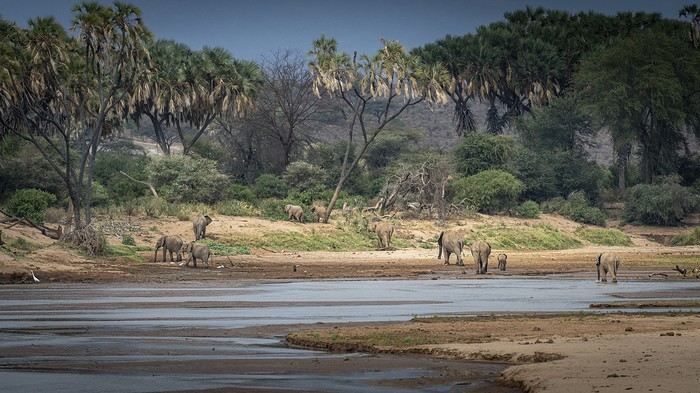
Seas, oceans, lakes, or other stagnant waters won’t be considered for this month’s theme 😅. However, waterfalls and cascades are very welcome 😊!
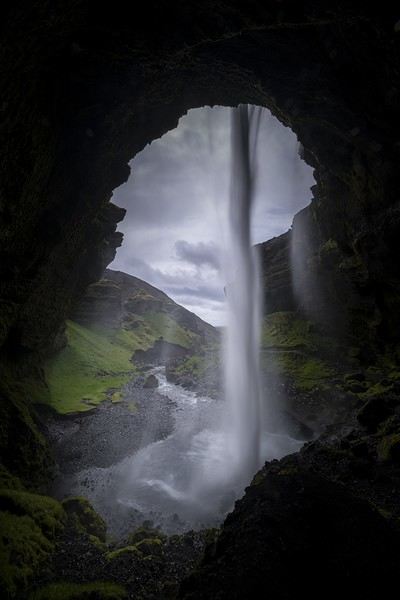
Practical details:
**Participation** Each VF member can submit up to 3 photos, until Sunday, January 25th at 11:59 PM Paris time. Each photo must be posted in a separate message, with its number (1, 2, or 3). Don’t forget to add a little explanation (commentary, location, etc.).
**Voting** Each VF member can vote for the 3 photos they consider the best, based on their own criteria and the theme.
Voting will take place from Monday, January 26th to Saturday, January 31st at 11:59 PM Paris time.
Photos should be ranked in order of preference: - 1st photo: 3 points - 2nd photo: 2 points - 3rd photo: 1 point
The winner is the photographer whose photo receives the most points.
Results will be published on February 1st. In case of a tie, the number of first-place votes will decide. The winner will have the honor of organizing February 2026’s contest.
Photos that have already been nominated (1st, 2nd, or 3rd place) in another contest are not eligible to participate in this one.
This thread is exclusively for contest photo submissions. All discussions, comments, and chit-chat should take place in the thread: here
Water is present almost everywhere on our blue planet, so I’ve narrowed the theme down to waterways—rivers, streams, brooks, and the like.
Seas, oceans, lakes, or other stagnant waters won’t be considered for this month’s theme 😅. However, waterfalls and cascades are very welcome 😊!
Practical details:
**Participation** Each VF member can submit up to 3 photos, until Sunday, January 25th at 11:59 PM Paris time. Each photo must be posted in a separate message, with its number (1, 2, or 3). Don’t forget to add a little explanation (commentary, location, etc.).
**Voting** Each VF member can vote for the 3 photos they consider the best, based on their own criteria and the theme.
Voting will take place from Monday, January 26th to Saturday, January 31st at 11:59 PM Paris time.
Photos should be ranked in order of preference: - 1st photo: 3 points - 2nd photo: 2 points - 3rd photo: 1 point
The winner is the photographer whose photo receives the most points.
Results will be published on February 1st. In case of a tie, the number of first-place votes will decide. The winner will have the honor of organizing February 2026’s contest.
Photos that have already been nominated (1st, 2nd, or 3rd place) in another contest are not eligible to participate in this one.
This thread is exclusively for contest photo submissions. All discussions, comments, and chit-chat should take place in the thread: here
Flores or Sulawesi? Can't decide!
Hi everyone,
First post in years on the forum—I’m so happy it’s back up and running!
I’ve been wrestling with this question for weeks now: Flores or Sulawesi?
I’m leaving in July for 24 days, followed by 2 weeks around Makassar/Wakatobi for work. For the first part, I’m traveling with my family (my partner + 3 kids aged 6 to 14).
I’ve had a long-time dream of Komodo, but I’m worried it’s become super touristy... though the crossing to Maumere still sounds amazing. I’m also not thrilled about all the internal flights.
On the other hand, since I’ll be in Sulawesi anyway, I’m thinking a crossing from Gorontalo to Luwuk via the Togians (maybe even a few days in Banggai) + a detour to Toraja (which I visited 10 years ago) could be an incredible trip too.
For my family, this is their first trip to Indonesia, so I’d love it to feel *mythic* ;).
Any advice is welcome—I’m really struggling to decide! I know it’s a choice between two great options...
Thanks!
I’ve been wrestling with this question for weeks now: Flores or Sulawesi?
I’m leaving in July for 24 days, followed by 2 weeks around Makassar/Wakatobi for work. For the first part, I’m traveling with my family (my partner + 3 kids aged 6 to 14).
I’ve had a long-time dream of Komodo, but I’m worried it’s become super touristy... though the crossing to Maumere still sounds amazing. I’m also not thrilled about all the internal flights.
On the other hand, since I’ll be in Sulawesi anyway, I’m thinking a crossing from Gorontalo to Luwuk via the Togians (maybe even a few days in Banggai) + a detour to Toraja (which I visited 10 years ago) could be an incredible trip too.
For my family, this is their first trip to Indonesia, so I’d love it to feel *mythic* ;).
Any advice is welcome—I’m really struggling to decide! I know it’s a choice between two great options...
Thanks!
Transport questions for a 9-day Northern/Central Vietnam itinerary
Hi everyone,
We’re heading to Vietnam in February as a family (2 adults and 2 kids) for 9 full days, and I was thinking of this itinerary:
Day 1: Hanoi Day 2: Halong Bay (Lan Ha) Day 3: Halong Bay (Lan Ha) Day 4: Hue Day 5: Danang Day 6: Danang Day 7: Hoi An Day 8: Hoi An/My Son Day 9: Hanoi
After reading almost all the discussions about Vietnam, I don’t see anything about transportation options for getting from Hue to Danang, then from Danang to Hoi An. Any ideas (train, bus)? From the map, it looks like Danang is close to Hoi An—easily accessible by taxi, right?
Also, after reading lots of comments and websites, I’ve noticed that Danang, aside from being a big developing city, seems to be more about hotels for relaxing on the beach—very laid-back, isn’t it? Not really a place to visit like Hanoi or Hoi An.
Generally speaking, if you have any recommendations for the itinerary or tips, I’d love to hear them.
I’ll post a trip report when we get back.
Merry Christmas to all!
Alex
We’re heading to Vietnam in February as a family (2 adults and 2 kids) for 9 full days, and I was thinking of this itinerary:
Day 1: Hanoi Day 2: Halong Bay (Lan Ha) Day 3: Halong Bay (Lan Ha) Day 4: Hue Day 5: Danang Day 6: Danang Day 7: Hoi An Day 8: Hoi An/My Son Day 9: Hanoi
After reading almost all the discussions about Vietnam, I don’t see anything about transportation options for getting from Hue to Danang, then from Danang to Hoi An. Any ideas (train, bus)? From the map, it looks like Danang is close to Hoi An—easily accessible by taxi, right?
Also, after reading lots of comments and websites, I’ve noticed that Danang, aside from being a big developing city, seems to be more about hotels for relaxing on the beach—very laid-back, isn’t it? Not really a place to visit like Hanoi or Hoi An.
Generally speaking, if you have any recommendations for the itinerary or tips, I’d love to hear them.
I’ll post a trip report when we get back.
Merry Christmas to all!
Alex
Recommendations for a third trip to Cambodia in the summer
Hi everyone,
We’re planning to return to Cambodia in July 2026, as a family, for the third time. Since we’ve already visited Siem Reap and Battambang, we’re not considering going back this time. Instead, we’d like to travel more slowly and take the time to settle in.
We’re thinking of an itinerary around Mondulkiri, Kampot, and Koh Kong (Tatai waterfalls, mangroves, etc.).
For those who know the Koh Kong province and Mondulkiri well: are these areas still accessible and enjoyable during the rainy season?
We’d also like to spend 2 or 3 days on an island, but we’re not sure if it’s really feasible at this time of year (sea conditions, boat crossings…). If it’s doable, which one would you recommend?
We’re planning to spend only a short time in Phnom Penh, then a few days with family near Koh Thom.
If you have any other ideas, firsthand experiences, or suggestions for stops that work well for a trip in July, we’d love to hear them.
Thanks in advance !
4 weeks in Bali, Java, and Sulawesi
We’re a couple in our sixties and spent four weeks in Indonesia during October 2025.
First, we got all the necessary documents—Indonesian visa, Bali-specific visa, and customs forms—from specialized Indonesian websites. You *can* get them on arrival, but it takes a lot of time.
Unfortunately, we chose to spend the first six days of our trip in Ubud and Amed, on Bali, which we bitterly regretted. You can arrive in Indonesia without going through Bali—this island is overcrowded with tourists, cars, and scooters, and it’s home to 4,400,000 people despite being smaller than Corsica. The locals are very kind, helpful, and friendly, and the food is good, but everything is geared toward tourists—nothing feels truly authentic. At least in the parts of Bali we visited: Sanur in the south (where we spent three days before flying back to France), Ubud, and Amed. The north of the island might be more interesting, but we didn’t go there.
After Bali, we headed to Yogyakarta, on Java, to explore the city and, most importantly, visit the temples of Borobudur and Prambanan.
It’s like going from a hyper-touristy universe to a world with almost no tourists. When you walk around the city, you barely see any tourists—the people are very approachable and happy to chat. As for Borobudur and Prambanan, they’re an absolute must on this trip. You *can* visit both temples in one day, including seeing Borobudur at sunrise. We split the visits over two days. We booked Borobudur the day before on the official site, which offers specific visiting times. For Prambanan, we bought the ticket and hired a guide on-site.
We spent four days on Java before flying to Sulawesi, also called Celebes. Makassar, the island’s capital, was just a stopover between flights, but we had time to admire the beautiful new mosque at sunset. Then, we spent four days in Toraja country, another highlight of the trip, visiting cemeteries and attending a funeral ceremony with around 600 people near Rantepao. We experienced truly unique and extraordinary moments. Above Toraja country, a few hours’ drive away, lies the Bada Valley and its megaliths—the tallest is 4.8 meters high, and there are about fifteen scattered across the rice fields. We saw five of them. There were a few tourists in Toraja, but in Bada, we were alone. Unforgettable memories, stunning landscapes, and always-smiling, kind, approachable people.
To wrap up the trip, we spent five nights in the Togian Islands, north of the Bada Valley, alone in a resort with three bungalows. The view was a white-sand beach and the nearby coral reef, complete with colorful fish, turtles, dolphins, and sharks.
After eleven nights in Sulawesi, we returned to Bali. Our last nights were in Sanur, a beach town with all-inclusive hotels (we stayed in an Airbnb), restaurants serving beef bourguignon, and tourists who don’t really go to Indonesia—they just go to Bali.
Practical tip: download Grab, the local Uber—it’s super handy. This year, we opted for an eSIM, which is also very convenient. You can buy it in France and activate it when you arrive at the airport.
I’m happy to answer any questions!
PS: Despite my mixed feelings about Bali, it *can* still be a travel destination—but Indonesia has so much more to offer! Marc
First, we got all the necessary documents—Indonesian visa, Bali-specific visa, and customs forms—from specialized Indonesian websites. You *can* get them on arrival, but it takes a lot of time.
Unfortunately, we chose to spend the first six days of our trip in Ubud and Amed, on Bali, which we bitterly regretted. You can arrive in Indonesia without going through Bali—this island is overcrowded with tourists, cars, and scooters, and it’s home to 4,400,000 people despite being smaller than Corsica. The locals are very kind, helpful, and friendly, and the food is good, but everything is geared toward tourists—nothing feels truly authentic. At least in the parts of Bali we visited: Sanur in the south (where we spent three days before flying back to France), Ubud, and Amed. The north of the island might be more interesting, but we didn’t go there.
After Bali, we headed to Yogyakarta, on Java, to explore the city and, most importantly, visit the temples of Borobudur and Prambanan.
It’s like going from a hyper-touristy universe to a world with almost no tourists. When you walk around the city, you barely see any tourists—the people are very approachable and happy to chat. As for Borobudur and Prambanan, they’re an absolute must on this trip. You *can* visit both temples in one day, including seeing Borobudur at sunrise. We split the visits over two days. We booked Borobudur the day before on the official site, which offers specific visiting times. For Prambanan, we bought the ticket and hired a guide on-site.
We spent four days on Java before flying to Sulawesi, also called Celebes. Makassar, the island’s capital, was just a stopover between flights, but we had time to admire the beautiful new mosque at sunset. Then, we spent four days in Toraja country, another highlight of the trip, visiting cemeteries and attending a funeral ceremony with around 600 people near Rantepao. We experienced truly unique and extraordinary moments. Above Toraja country, a few hours’ drive away, lies the Bada Valley and its megaliths—the tallest is 4.8 meters high, and there are about fifteen scattered across the rice fields. We saw five of them. There were a few tourists in Toraja, but in Bada, we were alone. Unforgettable memories, stunning landscapes, and always-smiling, kind, approachable people.
To wrap up the trip, we spent five nights in the Togian Islands, north of the Bada Valley, alone in a resort with three bungalows. The view was a white-sand beach and the nearby coral reef, complete with colorful fish, turtles, dolphins, and sharks.
After eleven nights in Sulawesi, we returned to Bali. Our last nights were in Sanur, a beach town with all-inclusive hotels (we stayed in an Airbnb), restaurants serving beef bourguignon, and tourists who don’t really go to Indonesia—they just go to Bali.
Practical tip: download Grab, the local Uber—it’s super handy. This year, we opted for an eSIM, which is also very convenient. You can buy it in France and activate it when you arrive at the airport.
I’m happy to answer any questions!
PS: Despite my mixed feelings about Bali, it *can* still be a travel destination—but Indonesia has so much more to offer! Marc
Transport, accommodation, and great spots for a month in Cambodia
Hello!
We’re heading to Cambodia for a month in March. We’re planning to visit Phnom Penh, Battambang, Siem Reap, the Angkor temples, Kompong Luong, then head down to Kampot, Kep, and finish our trip on the islands of Koh Rong. Has anyone done this trip recently?
Any great spots to recommend? Neighborhoods to stay in Phnom Penh (lively but not too touristy)?
Tips for getting around between the major cities—bus, train, boat, motorbike?
Thanks for all the advice!
Fabienne
Questions for a 15-day itinerary in China
Hi everyone
I’m currently planning my trip to China for next August.
I’m starting from scratch, so I’m counting on your advice and firsthand experiences!
For now, I only know that I’ll arrive in China via Beijing, Shanghai, or Hong Kong and leave 15 days later from another one of these three cities.
In between, I’d love to explore a mountainous and natural region in the countryside.
The Guilin area really appeals to me with its spectacular landscapes.
I still have tons of questions:
- What can you do during this often humid season?
- Is it better to go through a local agency or organize everything yourself?
- What itineraries would you recommend?
Anyway, everything’s still up in the air, and I can’t wait to read your opinions, suggestions, and great tips to help me build this trip!
Cambodia and Indonesia in summer: ideal itinerary with kids?
Hi everyone,
After letting our backpacks gather dust for several years, we’ve decided to set off on another adventure—this time as a family, with our 10- and 12-year-old kids! We’re planning a trip from mid-June to the end of July, with two stops: Cambodia (2 weeks) and Indonesia (4 weeks). But before diving into the details, we’ve got quite a few questions and doubts.
About Cambodia: We know this period is the rainy season. Is it really a good idea to go then? And if so, is it better to start with Cambodia and then move on to Indonesia, or does the order not matter from a climate perspective? Here are the activities and sites we’ve shortlisted: · The Mekong and Irrawaddy dolphins: do we actually have a chance of seeing them? · The Mondulkiri Project (elephant sanctuary): is this an ethical project? We want to avoid any form of animal exploitation. · The temples of Angkor: are 2 or 3 days enough to fully enjoy them? · Floating villages: where should we go for an authentic experience? Is it possible to spend the night there? · Hikes with waterfalls, lakes, etc.: are there any must-do treks? · And most importantly, what activities or sites would appeal to kids?
For Indonesia: We were there 15 years ago and loved our itinerary: Yogyakarta / Borobudur → Bromo → Kawah Ijen → Bali → Gili Trawangan. This time, we’re torn: · Retracing part of that route to share it with our kids (even if revisiting the same places isn’t super appealing), · Or exploring new regions. What’s almost certain is that we’d like to spend about two weeks in Raja Ampat. For the other two weeks, we’re undecided. We’re looking for kid-friendly ideas for places and activities, while avoiding too many connections for budget and environmental reasons. Since we’ll already see temples in Cambodia, we’d like to mix things up.
And finally… On our last trip to the region, we traveled without kids and went super free-spirited: only the round-trip tickets were booked, and we improvised the rest day by day without any major issues finding accommodation, food, or accessing the activities we’d spotted. Do you think this style of travel is still doable with two kids? Or has it become too risky or stressful? Are there regions where the "backpacker" approach is still possible, and others where it’s better to book in advance? And for certain activities or sites, is it recommended to hire guides?
Thanks in advance for your tips and experiences!
After letting our backpacks gather dust for several years, we’ve decided to set off on another adventure—this time as a family, with our 10- and 12-year-old kids! We’re planning a trip from mid-June to the end of July, with two stops: Cambodia (2 weeks) and Indonesia (4 weeks). But before diving into the details, we’ve got quite a few questions and doubts.
About Cambodia: We know this period is the rainy season. Is it really a good idea to go then? And if so, is it better to start with Cambodia and then move on to Indonesia, or does the order not matter from a climate perspective? Here are the activities and sites we’ve shortlisted: · The Mekong and Irrawaddy dolphins: do we actually have a chance of seeing them? · The Mondulkiri Project (elephant sanctuary): is this an ethical project? We want to avoid any form of animal exploitation. · The temples of Angkor: are 2 or 3 days enough to fully enjoy them? · Floating villages: where should we go for an authentic experience? Is it possible to spend the night there? · Hikes with waterfalls, lakes, etc.: are there any must-do treks? · And most importantly, what activities or sites would appeal to kids?
For Indonesia: We were there 15 years ago and loved our itinerary: Yogyakarta / Borobudur → Bromo → Kawah Ijen → Bali → Gili Trawangan. This time, we’re torn: · Retracing part of that route to share it with our kids (even if revisiting the same places isn’t super appealing), · Or exploring new regions. What’s almost certain is that we’d like to spend about two weeks in Raja Ampat. For the other two weeks, we’re undecided. We’re looking for kid-friendly ideas for places and activities, while avoiding too many connections for budget and environmental reasons. Since we’ll already see temples in Cambodia, we’d like to mix things up.
And finally… On our last trip to the region, we traveled without kids and went super free-spirited: only the round-trip tickets were booked, and we improvised the rest day by day without any major issues finding accommodation, food, or accessing the activities we’d spotted. Do you think this style of travel is still doable with two kids? Or has it become too risky or stressful? Are there regions where the "backpacker" approach is still possible, and others where it’s better to book in advance? And for certain activities or sites, is it recommended to hire guides?
Thanks in advance for your tips and experiences!
Feedback on 30-day Denpasar to Singapore itinerary
Hello everyone!
It’s such a pleasure to be back on VoyageForum after so many years. A long time ago, I used it to plan and share a wonderful trip between Namibia and Botswana.
This time, I’m preparing a family trip for next summer (two parents, a 15-year-old boy, and an 11-year-old girl) that’ll be our big Christmas gift. I already have the flight tickets: we arrive in Denpasar on July 13th and return from Singapore on August 12th.
Our main focus is Indonesia, but since we don’t often get the chance to travel this far, I wanted to take the opportunity to stop in Kuala Lumpur and Singapore on the way back. It’ll give my kids—especially my son, who’s passionate about geography—a taste of these two major cities.
We prefer quiet spots (no need for party vibes or trendy places), though the girls (yes, there are two of them!) still enjoy discovering local crafts, souvenir shops, and the like. We don’t mind organizing things ourselves—I actually love doing that—and I assumed it’d be easy to arrange transport between hotels by booking through them. We’re not chasing cultural discoveries (one beautiful temple is enough; no need to see all 35, even if they’re stunning).
After reading tons of websites, guides, and forum posts, I’ve put together an itinerary I’d love to get your thoughts on. It’s already changed many times… and I’m sure it’ll change again! The goal is to avoid obvious mistakes, see if we’re trying to do too much, or if some places aren’t worth the effort. Here’s what it looks like so far:
- **Day 1**: Arrival in Denpasar in the late afternoon. Transport to a hotel outside Denpasar.
- **Days 2–5 (4 days)**: Bali. We’d like to stay in one or two quiet spots, away from the southern area, to explore the famous rice terraces, temples, and maybe do some light hiking.
- **Day 6**: Transfer to Lombok by fast ferry from Padang Bai (to avoid going back to the busy southern port, since I’ve heard traffic there is chaotic).
- **Days 6–11 (5 days)**: Lombok. We’d especially like to climb Mount Rinjani (we’re in good enough shape for it) and spend 2–3 days in a nice, quiet seaside spot (I was thinking of the southern Gilis near Lembar or the beautiful beaches in the south of the island).
- **Day 11**: Flight from Lombok Airport to Labuan Bajo.
- **Days 12–14**: 3-day/2-night cruise to Rinca and the various "hot spots" of Komodo National Park.
- **Day 15**: Labuan Bajo. I was thinking of doing a beginner’s diving excursion.
- **Day 16**: Flight back to Denpasar, then transfer to Banyuwangi by bus/boat (apparently possible via Express Bahari).
- **Day 17**: Morning visit to Ijen Crater, then return to the same hotel to relax for the rest of the day.
- **Day 18**: Transfer to a base camp for a sunrise visit to Mount Bromo on Day 19. - **Day 19**: Visit Bromo. We’d like to spend the whole day there to enjoy the site once most people have left. - **Day 20**: Transfer to Surabaya or Yogyakarta. - **Day 21**: Flight to Medan, then transfer to Bukit Lawang. - **Days 22–25**: Bukit Lawang. Jungle trek for 2–3 days and some downtime for 1–2 days. - **Day 23**: Transfer to Dumai. - **Day 25**: Boat from Dumai to Malacca.
The rest isn’t as relevant here.
I have a few big doubts, especially: - Is it worth spending 4 days in Bali and 5 in Lombok, or would it be better to focus on just one island? If so, we’d probably lean toward Lombok—it seems quieter, and Rinjani is calling our name…
- I’m counting on the Komodo trip to explore the islands and marine life in the area. It sounds like a true paradise (manta rays, turtles, Komodo dragons…). From what I’ve read, snorkeling in Bali or Lombok doesn’t offer the same experiences. Do you think that’s really the case? I’ve seen some unflattering comments about Labuan Bajo… Originally, I wanted to do the Lombok–Flores crossing by boat, but the "mandatory" whale shark stop in Sumbawa seems controversial, so I ruled it out.
- For the stretch between Days 16 and 21, I’m not sure about the best way to organize things to enjoy Ijen and Bromo without being in constant rush mode or sleeping for just 3 days. I can’t decide whether to stay near the crater (the hotels seem basic—is it worth spending 2 nights there?) or farther away, even if it means more travel. I’ve also considered skipping Bromo to attempt the Semeru climb. There are also some nice spice plantations nearby (Margo Utomo in Kalibaru). Any thoughts?
Anyway, thanks for making it this far! :-)
Looking forward to reading your replies! !
It’s such a pleasure to be back on VoyageForum after so many years. A long time ago, I used it to plan and share a wonderful trip between Namibia and Botswana.
This time, I’m preparing a family trip for next summer (two parents, a 15-year-old boy, and an 11-year-old girl) that’ll be our big Christmas gift. I already have the flight tickets: we arrive in Denpasar on July 13th and return from Singapore on August 12th.
Our main focus is Indonesia, but since we don’t often get the chance to travel this far, I wanted to take the opportunity to stop in Kuala Lumpur and Singapore on the way back. It’ll give my kids—especially my son, who’s passionate about geography—a taste of these two major cities.
We prefer quiet spots (no need for party vibes or trendy places), though the girls (yes, there are two of them!) still enjoy discovering local crafts, souvenir shops, and the like. We don’t mind organizing things ourselves—I actually love doing that—and I assumed it’d be easy to arrange transport between hotels by booking through them. We’re not chasing cultural discoveries (one beautiful temple is enough; no need to see all 35, even if they’re stunning).
After reading tons of websites, guides, and forum posts, I’ve put together an itinerary I’d love to get your thoughts on. It’s already changed many times… and I’m sure it’ll change again! The goal is to avoid obvious mistakes, see if we’re trying to do too much, or if some places aren’t worth the effort. Here’s what it looks like so far:
- **Day 1**: Arrival in Denpasar in the late afternoon. Transport to a hotel outside Denpasar.
- **Days 2–5 (4 days)**: Bali. We’d like to stay in one or two quiet spots, away from the southern area, to explore the famous rice terraces, temples, and maybe do some light hiking.
- **Day 6**: Transfer to Lombok by fast ferry from Padang Bai (to avoid going back to the busy southern port, since I’ve heard traffic there is chaotic).
- **Days 6–11 (5 days)**: Lombok. We’d especially like to climb Mount Rinjani (we’re in good enough shape for it) and spend 2–3 days in a nice, quiet seaside spot (I was thinking of the southern Gilis near Lembar or the beautiful beaches in the south of the island).
- **Day 11**: Flight from Lombok Airport to Labuan Bajo.
- **Days 12–14**: 3-day/2-night cruise to Rinca and the various "hot spots" of Komodo National Park.
- **Day 15**: Labuan Bajo. I was thinking of doing a beginner’s diving excursion.
- **Day 16**: Flight back to Denpasar, then transfer to Banyuwangi by bus/boat (apparently possible via Express Bahari).
- **Day 17**: Morning visit to Ijen Crater, then return to the same hotel to relax for the rest of the day.
- **Day 18**: Transfer to a base camp for a sunrise visit to Mount Bromo on Day 19. - **Day 19**: Visit Bromo. We’d like to spend the whole day there to enjoy the site once most people have left. - **Day 20**: Transfer to Surabaya or Yogyakarta. - **Day 21**: Flight to Medan, then transfer to Bukit Lawang. - **Days 22–25**: Bukit Lawang. Jungle trek for 2–3 days and some downtime for 1–2 days. - **Day 23**: Transfer to Dumai. - **Day 25**: Boat from Dumai to Malacca.
The rest isn’t as relevant here.
I have a few big doubts, especially: - Is it worth spending 4 days in Bali and 5 in Lombok, or would it be better to focus on just one island? If so, we’d probably lean toward Lombok—it seems quieter, and Rinjani is calling our name…
- I’m counting on the Komodo trip to explore the islands and marine life in the area. It sounds like a true paradise (manta rays, turtles, Komodo dragons…). From what I’ve read, snorkeling in Bali or Lombok doesn’t offer the same experiences. Do you think that’s really the case? I’ve seen some unflattering comments about Labuan Bajo… Originally, I wanted to do the Lombok–Flores crossing by boat, but the "mandatory" whale shark stop in Sumbawa seems controversial, so I ruled it out.
- For the stretch between Days 16 and 21, I’m not sure about the best way to organize things to enjoy Ijen and Bromo without being in constant rush mode or sleeping for just 3 days. I can’t decide whether to stay near the crater (the hotels seem basic—is it worth spending 2 nights there?) or farther away, even if it means more travel. I’ve also considered skipping Bromo to attempt the Semeru climb. There are also some nice spice plantations nearby (Margo Utomo in Kalibaru). Any thoughts?
Anyway, thanks for making it this far! :-)
Looking forward to reading your replies! !
Vietnam for 3 weeks in March: your recommendations
Hi fellow travelers!
I’m planning a little 3-week trip to Vietnam in mid-to-late March. It’ll probably be the only time I can go.
I enjoyed Thailand but clearly preferred Laos—it was calmer.
For Vietnam, I don’t have a precise idea of what I want to see yet, and I’m the type to improvise a bit once I’m there. I’m not super adventurous but I’m curious, and I prefer street food over restaurants, markets and off-the-beaten-path villages over big attractions.
But I don’t want to miss the must-sees either.
So, given that I’ll only be there for 3 weeks, I’m wondering: should I absolutely stick to either the north or the south? Or is it possible to have a nice, not-too-hectic trip by spending, say, one week in the south and two in the north?...
(I’d take a multi-city flight for arrival and departure)
What do you think?
Thanks! 🙂
Langtang – Trekking in the Rain
We did the Langtang trek (hike) from September 10th to 17th, with the first and last days being the trip from Kathmandu and back—so 6 days of actual walking. It’s a fairly well-known trek but certainly not as famous or crowded as those in the Annapurna or Everest regions, which is why we chose it.
In theory, it’s mandatory to have a guide for this trek. In reality, it seems there are ways to bypass the regulations: we met at least two people hiking without a guide—a South Korean, a New Zealander, and possibly also a couple of English women and an American couple, though we’re not sure if they had a guide.
The agency we booked with had told us it was an affordable trek for relatively older people in good shape—which is our case (I’m 72 myself). I have to say upfront that we found it quite challenging, maybe because we didn’t have good weather—it was the end of the monsoon season. To be clear, no matter your fitness level, I’d say doing this trek in the middle of the monsoon season would be suicidal.
Day 1 – Journey from Kathmandu to Syapru Besi
On Monday, September 8th, there had been violent protests in Kathmandu against the government, which had, among other things, blocked access to social media and been accused of nepotism and corruption. There were 19 deaths. The situation was very tense on the day of our departure, Wednesday the 10th. The agency warned us that public transport was very unreliable. So, we decided to take a jeep, at an additional cost of $100 ($160 minus what was already budgeted for the bus).
We left a little before 7 a.m. and it took us a good hour just to reach the outskirts of Kathmandu. Along the way, we saw several houses and vehicles set on fire by protesters.
The road to Syapru Besi is only 120 km, but it’s frankly awful. It’s always narrow, winds through endless mountains, and the shoulders range from bad to confusing to nonexistent. Several sections are just dirt tracks. We didn’t regret opting for the jeep, as we could stop several times at our convenience—if only to let Y (my Thai partner) throw up everything she had. She’d taken her usual motion sickness medication, but the constant turns, accelerations, and braking eventually made her terribly carsick.
In Nuwakot, we stopped for breakfast at a nice little restaurant, Jimbu. It was around 8:30 a.m., and we’d barely covered 60 km. The restaurant has a lovely garden overlooking the Trishuli Ganga, the river flowing down from Syapru Besi. First photo: the river in the bottom right corner, mist and clouds over the mountain on the other side.
An hour later, my second photo: the hills along the Trishuli Ganga. You can see the different crops—lush green rice paddies in the lower right and corn, already yellowed and likely harvested, in the foreground on the left. And of course, the mist and clouds through which you can glimpse the mountain on the other side of the river.
In theory, it’s mandatory to have a guide for this trek. In reality, it seems there are ways to bypass the regulations: we met at least two people hiking without a guide—a South Korean, a New Zealander, and possibly also a couple of English women and an American couple, though we’re not sure if they had a guide.
The agency we booked with had told us it was an affordable trek for relatively older people in good shape—which is our case (I’m 72 myself). I have to say upfront that we found it quite challenging, maybe because we didn’t have good weather—it was the end of the monsoon season. To be clear, no matter your fitness level, I’d say doing this trek in the middle of the monsoon season would be suicidal.
Day 1 – Journey from Kathmandu to Syapru Besi
On Monday, September 8th, there had been violent protests in Kathmandu against the government, which had, among other things, blocked access to social media and been accused of nepotism and corruption. There were 19 deaths. The situation was very tense on the day of our departure, Wednesday the 10th. The agency warned us that public transport was very unreliable. So, we decided to take a jeep, at an additional cost of $100 ($160 minus what was already budgeted for the bus).
We left a little before 7 a.m. and it took us a good hour just to reach the outskirts of Kathmandu. Along the way, we saw several houses and vehicles set on fire by protesters.
The road to Syapru Besi is only 120 km, but it’s frankly awful. It’s always narrow, winds through endless mountains, and the shoulders range from bad to confusing to nonexistent. Several sections are just dirt tracks. We didn’t regret opting for the jeep, as we could stop several times at our convenience—if only to let Y (my Thai partner) throw up everything she had. She’d taken her usual motion sickness medication, but the constant turns, accelerations, and braking eventually made her terribly carsick.
In Nuwakot, we stopped for breakfast at a nice little restaurant, Jimbu. It was around 8:30 a.m., and we’d barely covered 60 km. The restaurant has a lovely garden overlooking the Trishuli Ganga, the river flowing down from Syapru Besi. First photo: the river in the bottom right corner, mist and clouds over the mountain on the other side.
An hour later, my second photo: the hills along the Trishuli Ganga. You can see the different crops—lush green rice paddies in the lower right and corn, already yellowed and likely harvested, in the foreground on the left. And of course, the mist and clouds through which you can glimpse the mountain on the other side of the river.
Feedback on my China itinerary - Hong Kong to Chengdu
Hi there,
I’m planning a route through China from Hong Kong to Chengdu.
Here’s the draft:
Hong Kong + Macau (4 nights) Shenzhen (1 night) Guangzhou (2 nights) Yangshuo (3 nights) Sanjiang (1 night) Longji Rice Terraces (1 night) Guilin then head north (1 night) Zhangjiajie (3 nights) Chongqing (1 night) Chengdu (2 nights)
I’d love your thoughts. Can I cut nights from some spots and add them elsewhere?
Quick note—I’ve got a lot of travel experience and I’m pretty fast and efficient (early riser, etc.). So I usually pack in more than the average traveler...
Thanks for your help!
I’m planning a route through China from Hong Kong to Chengdu.
Here’s the draft:
Hong Kong + Macau (4 nights) Shenzhen (1 night) Guangzhou (2 nights) Yangshuo (3 nights) Sanjiang (1 night) Longji Rice Terraces (1 night) Guilin then head north (1 night) Zhangjiajie (3 nights) Chongqing (1 night) Chengdu (2 nights)
I’d love your thoughts. Can I cut nights from some spots and add them elsewhere?
Quick note—I’ve got a lot of travel experience and I’m pretty fast and efficient (early riser, etc.). So I usually pack in more than the average traveler...
Thanks for your help!
Day-hike guide in Northern Vietnam
My husband and I are planning a 10-day trip to Northern Vietnam in November, traveling independently (no agency organizing everything) and using local buses. We’d like to spend at least 3 days in each place (including Meo Vac). We’re wondering if it’s possible to find local guides for day hikes, and if so, in which towns/villages (Meo Vac plus one or two other spots to explore the surrounding area).
Thanks!