Results for "Six-Fours+|+127"
14176 results found.
Où dormir à bas prix en Europe? English translation pending
Bonjour,
Je pars avec NatduQuebec pour 3 semaines en Europe (surtout la France). Nous somme supposés aller à Bruxelles, Amsterdam, Paris, Bordeaux, Lyon, Marseille, Perpignan, Nice. Nous voulons voyager à petit budget côté hébergement. Nous avons constaté que les places en auberge de jeunesse s’envolent rapidement et nous ne voulons pas tout réserver d’avance afin de garder une certaine flexibilité pour le voyage. Avez-vous des suggestions d’endroit où dormir pour pas trop chère dans les régions mentionnées plus haut? Pas nécessaire que ce soit directement dans les grands centres urbains ou touristiques. Devrait-on tout réserver d’avance?
Merci
Martinique ou République Dominicaine? English translation pending
Hello, bonjours à tous.
Je suis entrain de préparer des vacances, et je me demandais si quequ'un pouvais me renseigner ou me donner des conseilles. Je vais partir avec un groupe d'amis (10/15) mais nous hésitons entre la Martinique et la République Dominicaine. Nous voulons pouvoir aller à la plage 😛, mais aussi pouvoir faire du sport et des excurtions. Durée du voyage, 2 à 3 semaines.
Merci de bien vouloir me renseigner si vous connaisser les deux destinations, ou si vous avez des conseilles ou mise en garde.
Vive les vacances 😎
Situation politique au Népal? English translation pending
Bonjour,
Dans l'optique d'un voyage, j'aimerais avoir plus de détails sur la situation du Népal . On sait qu'il y a d'importants conflits là-bas, le nombre de morts augmente ; certaines régions sont déconseillées aux touristes... Les membres d'ONG ont cependant commencé à briser le silence des médias pour décrire une situation complexe voire dangereuse, même si l'on dit que les maoïstes ne s'attaquent pas aux étrangers. Qu'en est-il là-bas ? En clair, peut-on si rendre sans risque ?
Si vous revenez du Népal ou si vous pouvez répondre à mes interrogations, merci d'avance.
Célia
Italie, Espagne, Grèce et îles grecques English translation pending
Salut tout le monde,
je pars en Europe de l'ouest pour 3 mois en mars 2003 avec une amie et j'aimerais avoir des renseignements, puisque c'est mon premier grand voyage, sur les manières d'économiser en voyage. Par exemple: comment acheter un billet d'avion au plus bas prix? Prendre le train ou le bus? En camping ou en auberge? et toute autre informations intéressantes de personnes ayant déjà visité l'Espagne, l'Italie, la Grèce et les Iles grecques. Merci beaucoup
Émilie
Sponsored: Mediterranean Cruise: What I Wish I’d Known Before Choosing My Operator
Stopovers, onboard atmosphere, cabins, dining... A look back at the criteria that make all the difference when choosing a Mediterranean cruise.
When planning a first cruise—or even a fifth—the choice of operator is often the last criterion considered, after dates, budget, and stopovers. That’s a mistake. The operator determines the onboard atmosphere, how unexpected situations are handled, the quality of dining, and the level of entertainment. Two cruises on the same itinerary can feel like completely different experiences.
Here’s what I took away after comparing several options this autumn in the western Mediterranean.
The stopover question: quantity vs. depth
Many "large-scale" cruises pack six to eight stopovers into seven days. It looks appealing on paper. In practice, you spend two hours in each port—just enough time for a photo and a coffee. If you really want to explore a city—Barcelona, Valencia, Palermo—it’s better to choose an itinerary with fewer stopovers but full half-days docked.
Operators whose ships stay in port until the evening let you experience the city in a way that’s more than just a bus tour. It’s a criterion worth checking systematically before booking.
How onboard atmosphere really makes a difference
A cruise also means a lot of time at sea. The quality of onboard programming—shows, workshops, relaxation spaces—determines whether you experience those hours as a pleasant break or just waiting around.
I tested two approaches here. The first, very minimalist, suits travelers looking for absolute peace and quiet. The second, with lively entertainment and a mixed international crowd, created a much more vibrant atmosphere. If you’re traveling solo or as a couple and want to meet people, this is a key factor.
This is where I took the time to explore Costa Cruises, whose reputation for onboard atmosphere and passenger diversity comes up regularly in forums. Their positioning is clearly geared toward travelers who want the cruise itself to be a destination, not just a way to get from one stopover to the next.
Cabin: the classic mistake to avoid
Opting for the cheapest interior cabin to "save money" can make sense for a short cruise or if you plan to spend little time in the room. But over 7 to 10 days, the lack of natural light takes a toll. The value for money of outside cabins with a porthole is often better than it seems, especially if you book early or take advantage of the early-bird windows most operators offer.
Note: "Guarantee" cabins (where you let the operator assign your location) sometimes give access to higher categories at a reduced price. It’s a gamble if you’re sensitive to engine noise, but worth it if you’re flexible.
Dining: an underestimated criterion
The all-inclusive formula is misleading. Most cruises include the buffet and main dining room. Specialty restaurants—often the best onboard—are charged as extras. Budget 15 to 30 € per person per evening if you plan to visit them several times.
Some operators offer dining packages at a discounted rate upon embarkation. It’s worth checking, as long as you verify which establishments are included.
What I’d do differently next time
Book excursions directly rather than through the operator. Prices are usually 30 to 40% lower, groups are smaller, and guides are often more passionate. Forums like this one are the best resource for finding reliable local providers port by port.
Double-check the actual departure port—some cruises "departing from Barcelona" actually leave from Tarragona or a terminal far from the city center. A small logistical detail with a real impact on the trip.
Article based on personal experience. Pricing and programs may vary by season.
Before traveling abroad: 7 essential checks for a stress-free trip
A trip often gets complicated because of small details: a passport about to expire, a low bank limit, or documents that aren’t accessible offline. A checklist a few days before departure helps eliminate most avoidable risks.
1. Check passport, visa, and entry requirements Passport validity requirements vary by destination, as do visa or electronic authorization rules. Service-Public.fr recommends planning ahead for ID renewals. Before booking anything non-refundable, verify the country’s requirements and those of any layovers.
2. Consult official destination information France Diplomatie’s Travel Advice provides country-by-country security information, entry conditions, health recommendations, and recent alerts. Checking before departure—and again closer to the trip—helps avoid outdated information.
3. Register for Fil d’Ariane for short stays For tourist or business trips under six months, Fil d’Ariane lets you receive security alerts in case of major events in your destination country. The service is free. It doesn’t replace insurance or geolocation services but is a simple way to stay reachable during a crisis.
4. Plan multiple payment methods A blocked or lost card can quickly strand a traveler. Two separate payment methods, a small cash reserve, and verified withdrawal limits reduce this risk. Also, save emergency contact numbers before departure.
5. Know how to activate your medical coverage Before leaving, travelers should identify coverage suited to their trip and understand how to use it: who to contact, which documents to keep, which expenses require approval, and how to request reimbursement. This practical info is often more useful when a problem arises than just a list of limits.
6. Keep documents in duplicate Passports, tickets, certificates, prescriptions, and reservations should be stored as secure digital copies—and mostly offline. Avoid keeping all originals and copies in the same place.
7. Download essentials before takeoff Offline maps, tickets, your first accommodation address, booking confirmations, and emergency contacts can all be downloaded before departure. This habit is still useful even with an international plan—a dead battery, no signal, or a finicky local connection can make a document inaccessible at the worst time.
A short checklist for peace of mind The goal isn’t to plan everything but to secure the things that are hard to fix once abroad. Documents, official info, payments, medical coverage, and offline access form a simple foundation. The rest of the trip can stay unpredictable—in the best way.
Verified sources: France Diplomatie – Travel Advice | France Diplomatie – Fil d’Ariane | Service-Public.fr – Travel Documents
In Memory of Jamie Muir (1942–2025)
Musician, monk, painter: The metamorphoses of Jamie Muir
James David "Jamie" Muir, a talented drummer and percussionist and brief member of King Crimson, who left the world of pop music and show business to retreat to a Buddhist monastery in Scotland before dedicating himself almost entirely to painting, passed away last year at the age of 81. His artwork was recently featured in two exhibitions in Cornwall and London...
Born in Edinburgh, Scotland, in 1942, Jamie Muir attended the College of Art there in the 1960s. Early on, he was drawn to jazz.
Later settling in London, Jamie Muir played jazz trombone before turning to percussion. Influenced by American drummers like Tony Williams, Kenny Clarke, and Milford Graves, as well as musicians such as Pharoah Sanders and Albert Ayler, he gravitated toward free music, meaning improvisation. It was during this time that he began assembling an arsenal of household objects he later used alongside his standard drum kit: rattles, whistles, horns, chimes, bells, gongs, sheets of metal, shakers, drums, and plastic bottles.
After a brief stint in a multimedia group, Jamie Muir worked with choreographer Lindsay Kemp (as did David Bowie), played music in the short-lived jazz-rock group Sunship (with guitarist Allan Holdsworth, formerly of Soft Machine), and became involved in the ensemble known as The Music Improvisation Society, with Derek Bailey, Hugh Davies, and Evan Parker between 1968 and 1971. The Music Improvisation Society recorded an album for the ECM label in 1971 (never reissued on CD except in Japan) and a posthumous album (1968–71). Both records gained a cult following among fans of experimental and improvised music. After this experience, Muir played in Pete Brown’s Battered Ornaments and then in the band Boris with Jamie Peters, Don Weller, and former Colosseum member Jim Roache. He also briefly joined Assagai, an Afro-rock group featuring South African and Nigerian musicians from the legendary South African band Blue Notes (including drummer Louis Moholo, saxophonist Dudu Pukwana, and trumpeter/flutist Mongezi Feza).
In the summer of 1972, Robert Fripp, leader and guitarist of King Crimson, whom a journalist from *Melody Maker* had suggested meet this percussionist from the English experimental scene, invited Jamie Muir to join the new King Crimson lineup he was assembling: Robert Fripp (guitar, mellotron), David Cross (violin), John Wetton (bass), Bill Bruford (drums), and Jamie Muir (percussion). "King Crimson was the ideal for me because it was a rock band that had more than three brain cells. I was very much more an instrumental style of musician rather than being song-based, and there weren’t many other bands that I would have been any good in. I was extremely pleased and felt completely at home with Crimson." Once formed, the new group honed their sound on stage from early October to mid-December 1972 (see the 1972 live albums in the discography below), before recording the album Larks’ Tongues in Aspic in early 1973. A grand album, one of the band’s best, and one of the best of the 1970s.
However, after a concert at the Marquee Club in London, Jamie Muir left not only the band but also the music world entirely, with immediate effect. During the six months Muir spent with King Crimson, his presence completely upended the group’s philosophy, loosening the notoriously strict rules imposed by Fripp and pushing the boundaries of improvisation. Jamie Muir’s contribution—clearly heard on Larks’ Tongues in Aspic—was to introduce a touch of anarchy into Robert Fripp’s music, which was usually so tight, rational, and meticulously structured.
Muir returned to Scotland, to the Samye Ling Monastery near Eskdalemuir in Dumfries and Galloway (in the south), where he spent several years as a Buddhist monk, the pleasures of his former life giving way to retreat and meditation.
Muir came back to London and music in the 1980s, playing and recording with Derek Bailey and Evan Parker from the Music Improvisation Company, as well as with former King Crimson member Michael Giles on the soundtrack for the independent British film Ghost Dance (1983).
In 1990, Muir left music behind once more and increasingly devoted himself to painting, a discipline he maintained until his death. In his later years, he began exploring digital art as another form of expression.
In recent years, he lived in Penzance, Cornwall, where he passed away in February 2025.
Hery
Discography:
A. Jamie Muir with King Crimson: • Larks’ Tongues In Aspic (1973) • Larks’ Tongues In Aspic (The Complete Recordings) (2023, 4 CDs) • Cosmic Muir (1998, Japan, unofficial release) • The Beat Club Bremen 1972 (1999) • Live at the Zoom Club Frankfurt, Germany (October 13, 1972) (2002, 2 CDs) • Live in Guildford (November 13, 1972) (2003) • Live in Newcastle (December 8, 1972) (2019, mono) B. Jamie Muir and other projects: • The Music Improvisation Company: The Music Improvisation Company (1970) • The Music Improvisation Company: 1968–1971 (1976) • Derek Bailey / Jamie Muir: Dart Drug (1981) • Michael Giles / Jamie Muir / David Cunningham: Ghost Dance (1996) • Evan Parker / Jamie Muir / Paul Rodgers: The Ayes Have It (2001)
Links:
https://www.jamiemuirart.com/
https://www.youtube.com/watch?v=eDyf0ofV5n4 (King Crimson: "Larks' Tongues in Aspic") https://www.youtube.com/watch?v=ZgoKT8hEBFQ&list=RDJ2FjbpvX8dA&index=2 (Michael Giles, Jamie Muir, David Cunningham)
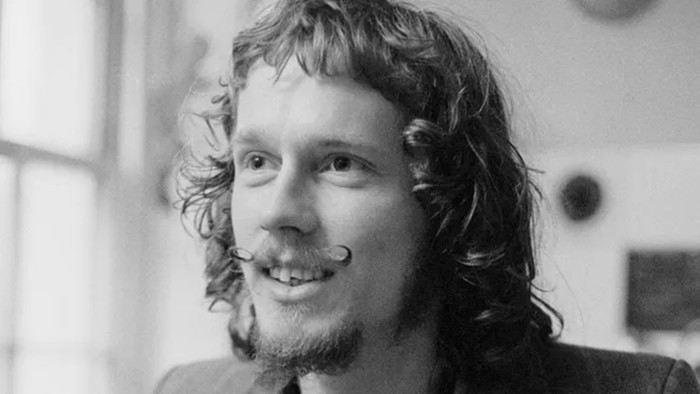 The musician
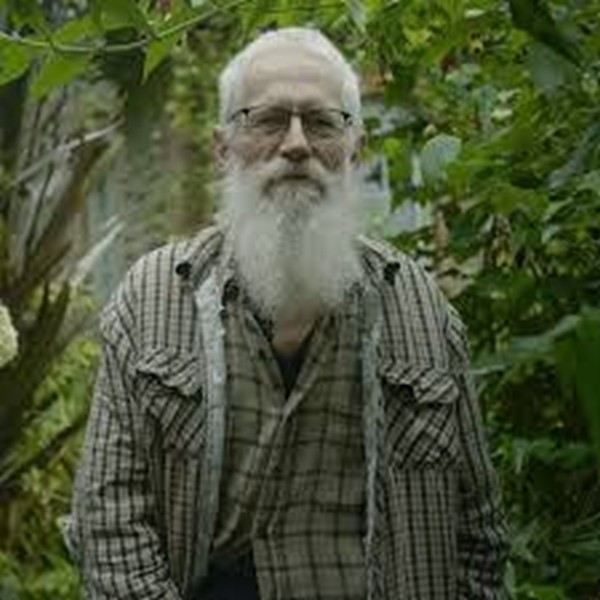 The painter
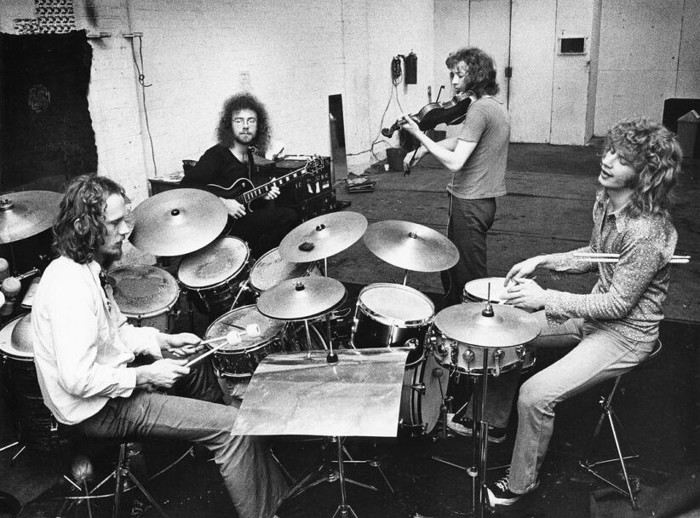 The band (l. to r.: Muir, Fripp, Cross, Bruford)
James David "Jamie" Muir, a talented drummer and percussionist and brief member of King Crimson, who left the world of pop music and show business to retreat to a Buddhist monastery in Scotland before dedicating himself almost entirely to painting, passed away last year at the age of 81. His artwork was recently featured in two exhibitions in Cornwall and London...
Born in Edinburgh, Scotland, in 1942, Jamie Muir attended the College of Art there in the 1960s. Early on, he was drawn to jazz.
Later settling in London, Jamie Muir played jazz trombone before turning to percussion. Influenced by American drummers like Tony Williams, Kenny Clarke, and Milford Graves, as well as musicians such as Pharoah Sanders and Albert Ayler, he gravitated toward free music, meaning improvisation. It was during this time that he began assembling an arsenal of household objects he later used alongside his standard drum kit: rattles, whistles, horns, chimes, bells, gongs, sheets of metal, shakers, drums, and plastic bottles.
After a brief stint in a multimedia group, Jamie Muir worked with choreographer Lindsay Kemp (as did David Bowie), played music in the short-lived jazz-rock group Sunship (with guitarist Allan Holdsworth, formerly of Soft Machine), and became involved in the ensemble known as The Music Improvisation Society, with Derek Bailey, Hugh Davies, and Evan Parker between 1968 and 1971. The Music Improvisation Society recorded an album for the ECM label in 1971 (never reissued on CD except in Japan) and a posthumous album (1968–71). Both records gained a cult following among fans of experimental and improvised music. After this experience, Muir played in Pete Brown’s Battered Ornaments and then in the band Boris with Jamie Peters, Don Weller, and former Colosseum member Jim Roache. He also briefly joined Assagai, an Afro-rock group featuring South African and Nigerian musicians from the legendary South African band Blue Notes (including drummer Louis Moholo, saxophonist Dudu Pukwana, and trumpeter/flutist Mongezi Feza).
In the summer of 1972, Robert Fripp, leader and guitarist of King Crimson, whom a journalist from *Melody Maker* had suggested meet this percussionist from the English experimental scene, invited Jamie Muir to join the new King Crimson lineup he was assembling: Robert Fripp (guitar, mellotron), David Cross (violin), John Wetton (bass), Bill Bruford (drums), and Jamie Muir (percussion). "King Crimson was the ideal for me because it was a rock band that had more than three brain cells. I was very much more an instrumental style of musician rather than being song-based, and there weren’t many other bands that I would have been any good in. I was extremely pleased and felt completely at home with Crimson." Once formed, the new group honed their sound on stage from early October to mid-December 1972 (see the 1972 live albums in the discography below), before recording the album Larks’ Tongues in Aspic in early 1973. A grand album, one of the band’s best, and one of the best of the 1970s.
However, after a concert at the Marquee Club in London, Jamie Muir left not only the band but also the music world entirely, with immediate effect. During the six months Muir spent with King Crimson, his presence completely upended the group’s philosophy, loosening the notoriously strict rules imposed by Fripp and pushing the boundaries of improvisation. Jamie Muir’s contribution—clearly heard on Larks’ Tongues in Aspic—was to introduce a touch of anarchy into Robert Fripp’s music, which was usually so tight, rational, and meticulously structured.
Muir returned to Scotland, to the Samye Ling Monastery near Eskdalemuir in Dumfries and Galloway (in the south), where he spent several years as a Buddhist monk, the pleasures of his former life giving way to retreat and meditation.
Muir came back to London and music in the 1980s, playing and recording with Derek Bailey and Evan Parker from the Music Improvisation Company, as well as with former King Crimson member Michael Giles on the soundtrack for the independent British film Ghost Dance (1983).
In 1990, Muir left music behind once more and increasingly devoted himself to painting, a discipline he maintained until his death. In his later years, he began exploring digital art as another form of expression.
In recent years, he lived in Penzance, Cornwall, where he passed away in February 2025.
Hery
Discography:
A. Jamie Muir with King Crimson: • Larks’ Tongues In Aspic (1973) • Larks’ Tongues In Aspic (The Complete Recordings) (2023, 4 CDs) • Cosmic Muir (1998, Japan, unofficial release) • The Beat Club Bremen 1972 (1999) • Live at the Zoom Club Frankfurt, Germany (October 13, 1972) (2002, 2 CDs) • Live in Guildford (November 13, 1972) (2003) • Live in Newcastle (December 8, 1972) (2019, mono) B. Jamie Muir and other projects: • The Music Improvisation Company: The Music Improvisation Company (1970) • The Music Improvisation Company: 1968–1971 (1976) • Derek Bailey / Jamie Muir: Dart Drug (1981) • Michael Giles / Jamie Muir / David Cunningham: Ghost Dance (1996) • Evan Parker / Jamie Muir / Paul Rodgers: The Ayes Have It (2001)
Links:
https://www.jamiemuirart.com/
https://www.youtube.com/watch?v=eDyf0ofV5n4 (King Crimson: "Larks' Tongues in Aspic") https://www.youtube.com/watch?v=ZgoKT8hEBFQ&list=RDJ2FjbpvX8dA&index=2 (Michael Giles, Jamie Muir, David Cunningham)
The musician
The painter
The band (l. to r.: Muir, Fripp, Cross, Bruford)Choosing Packages on the "Renaissance" (CFC) - "Jewels of Vestlandet" Circuit
Hello,
We’ll be sailing on the Renaissance with CFC to southern Norway from July 4 to 11, 2026, departing from Dunkirk (the cruise was booked through "Planète Croisière").
When entering some personal details or pre-selecting options on the CFC website, I’m wondering about the "optional" categories for drinks and WiFi.
I’m actually a bit surprised by these extra charges, as we weren’t used to them on other cruises (Australis in Patagonia; Hurtigruten’s Coastal Express in Norway and Alaska; Rivages du Monde in the Arctic or on the Douro River; a Nile river cruise in Egypt), where we sometimes had access to basic drinks at meals and free WiFi when near land.
Anyway, for those who’ve already taken a CFC cruise on the Renaissance, could you share some advice? Specifically about the most basic drink package, called "Fraîcheur" (238 € for two), which doesn’t seem to be described anywhere. The "Premium" package seems excessive (490 € for two for the week) for light drinkers.
As for WiFi, it’s 10 € per day per person. While I find that price acceptable for parking our car in Dunkirk, it feels overpriced here (especially since it was free on the Nordlys "Coastal Express" just 3 or 4 years ago).
So, I’d love to hear from experienced cruisers who’ve been on this ship!
Looking forward to seeing the excursion prices, which should be available soon! 😐
Thanks in advance!
Thanks in advance!
Trump orders blockade of the Strait of Hormuz
Hi,
It's all in the title—this means nothing's getting through, so no more oil.
In Europe, kerosene reserves are still good, but by the end of April, flights will have to be reduced.
European airports fear running out of kerosene if the Strait of Hormuz isn’t reopened within three weeks
Bluff or not? Stay tuned....
Bluff or not? Stay tuned....
Off on an adventure in Sri Lanka
Day 1 – December 6
Our decision is our decision. And it’s firm and final. Next winter, our plane will spread its great wings toward the island of Ceylon! "Wait a minute... Ceylon... Ceylon... that name rings a bell, but I can’t quite place it on the globe Grandma gave me for Christmas! Ceylon... Oh right, I’ve got it: Ceylon is the name of my tea!" Exactly. But the name on your pretty tea box is also the one used until 1972 for this island nation, a speck on the Indian Ocean at the southern tip of the Indian subcontinent: Sri Lanka!
For this new adventure, I’m exceptionally leaving my Flo behind, cowardly replaced by a double dose of testosterone. To write the book of this journey with me, I’m bringing along my brother, who’s used to this kind of thing, and... a guest star: My model of resilience. My dad! All aboard! Or rather, all aboard our tuk-tuk! Yes, you read that right: A real tuk-tuk, a little colorful rolling box that putters along at two miles an hour. The idea? Well, Sri Lanka and its winding roads overlooking the vastness of lush nature are tailor-made for this kind of vehicle. And since it’s one of only two countries in the world that allow foreigners to rent and drive these mini speedsters, we’ll be crisscrossing the island in our two-square-meter rolling box. Plus, adopting this mode of transport is a surefire way to connect directly with the locals, who’ll surely be curious to see a foreigner driving their iconic vehicle. Not to mention the... let’s say... spicy anecdotes it might generate. I mean, heading into a subtropical zone with my jet-black dad and his unpredictable digestive flora while deliberately choosing the tuk-tuk as our *only* means of transport? That’s the winning combo for an unforgettable adventure! "More seriously, Dad, Sullivan, I’m already loving the idea of living this adventure together, the three of us—brothers and father..."
So, does the intro to this new adventure get your salivary glands going? Yes? Too bad. Because unfortunately, the program handed out by the lady at the entrance has been slightly... let’s say *crumpled*. Some might even say "scrunched up and nearly tossed in the trash." First, six days ago, as the countdown echoed in us like a call to adventure, Cyclone Ditwah grabbed Sri Lanka, played with it like a rag doll, and left it battered on the ground. The toll is devastating: over a thousand dead, thousands of homes wiped out by relentless rains, roads and railways swallowed by massive mudslides. A country wounded once again, after the civil war, the 2004 tsunami, and the post-Covid economic crisis.
But as if this weather disaster wasn’t enough to shake our unbreakable adventurer spirit, fate decided to mess with us further by cutting our trio down to two. The victim? My brother, violently turned away because of a simple date on his passport that didn’t match the border officials’ expectations. Return to sender!
So now it’s just the two of us allowed to board the Qatar Airways Airbus A380 for this trip. If he were here, Denis Brognart would say, "And in the end, only one remains!" Except I know you’ll be with us, following our adventures! Right?
Already twenty years...
« Ali is not dead; he continues to inspire many talented musicians. There’s a new generation of artists who have their own style, but they’ve all listened to Ali Farka Touré. » (Ms. Kuypers-Touré, widow of Ali Farka Touré)
Ali Farka Touré (1939-2006)
Recognized worldwide as one of the most important musicians from Africa, his guitar playing earned him the nickname “the African John Lee Hooker.” But Ali Farka Touré preferred to flip the script and highlight the roots of Southern U.S. music in the Sahel region: « I have the roots and the trunk; they only have the leaves and branches. » In other words, what John Lee Hooker played was an echo of a distant African past. Ali Farka Touré was the guardian of traditions, and even though his sound resembled the blues, it remained deeply tied to the land of his ancestors—in Africa, in Mali. A farmer at heart, the famous Malian singer and guitarist continued to cultivate the land until his hospitalization for cancer, from which he passed away on March 7, 2006, in Bamako at the age of 66.
The son of a soldier who fell in combat while serving in the French army, he was born in 1939 in Kanau, near Timbuktu, then part of French Sudan (a subdivision of French West Africa, now Mali). He was raised by an uncle with harsh teaching methods and a grandmother who was “strong in voodoo,” communicating with spirits. At ten years old, he had a revelation for the single-string lute djurkel, “the instrument of the spirits,” and for the fiddle njarka. Seven years later, while training as a driver at a clinic, he fell in love with a colleague’s guitar. It wasn’t until 1968, when he was to represent Mali in Bulgaria, that he finally had the chance to acquire his first six-string guitar. International acclaim came later, following numerous concerts in the UK in the mid-1980s, at the invitation of World Circuit, the independent English label to which he remained loyal his entire life.
Several times, Ali Farka Touré announced his plan to stop making music. « It’s time for me to focus on my own. I don’t want Europe to tear me away from Africa. [...] Me, I love cultivating the land. In my life, if I’m not in the fields, I’m fishing or in the garden! »
Yet, Ali Farka Touré regularly returned to perform in Europe and the U.S. In 1995, he won his first Grammy Award for the album Talking Timbuktu, recorded in 1993 with bassist John Patitucci, percussionist Jim Keltner, the great Californian guitarist Ry Cooder, and the venerable guitarist Clarence Gatemouth Brown. His last three years were extraordinarily productive. Back to back, he recorded his best albums: In the Heart of the Moon (2004), Ali & Toumani (released in 2010), both duets with kora player Toumani Diabaté, and Savane (2005), dedicated to the traditional Peul and Songhai repertoires. At the same time, he tirelessly devoted himself to his agricultural work and his duties as mayor, a role he had held since 2004.
A multi-instrumentalist, he was a self-taught musician with an impressive musical culture. His discography includes around fifteen albums and several timeless hits used in films or as TV program themes. A universal symbol of West African sound heritage, his presence and his role in spreading a centuries-old legacy are undeniable. His son, also a musician, Vieux Farka Touré, now bears the heavy responsibility of carrying on his illustrious father’s message and legacy. His album Les Racines, released in 2002, is his contribution to preserving an instantly recognizable sound.
Meanwhile, his country, Mali, has paid tribute to him: for several years now, a square and a street in Bamako, the capital of Mali, have borne his name (both located in the Lafiabougou district).
In 2023, World Circuit released a new posthumous album, Voyageur, the first to feature previously unreleased tracks since 2010. It includes pieces composed and recorded spontaneously over the last 15 years, whether during his many tours or in the studio. These tracks once again showcase Touré’s passion for the musical traditions of his homeland and for the creativity and cultural diversity of West Africa. Below, an excerpt from this album: the beautiful song Chérie (with a very young Oumou Sangaré)—magnificent!!!
hgb
Ali Farka Touré feat. Oumou Sangaré: Chérie
Connecting in Cairo for a second flight to Luxor
Hi everyone,
We’re going on a Nile cruise.
My question:
We’re taking off from Brussels Airport to land in Cairo.
Then we have to catch a second flight to Luxor.
How does that work—do we pick up our luggage, do we have to exit and then re-enter the airport?
Thanks for your help, tips, and advice, etc.…
Affordable car rental in Crete
hi,
I'm looking to rent a small car, not too expensive, for Crete in April. Do you have any great tips? Thanks in advance! Best regards
I'm looking to rent a small car, not too expensive, for Crete in April. Do you have any great tips? Thanks in advance! Best regards
Do you know a travel insurance that covers pre-existing conditions?
hi
Do you know of any travel insurance for someone with a pre-existing condition?
Can a person who’s had a heart attack and is on medication get travel insurance?
Thanks
Is there travel insurance for someone who's had a heart attack?
Hi there,
Does anyone know if there’s travel insurance for someone who’s had a heart attack?
I can’t find an insurer that covers a pre-existing condition, even if it’s stable.
Thanks so much!
Passport validity for entering Thailand
Hi everyone, is there anyone sure about this topic? I’ve heard two different things. I’m leaving for Thailand on March 2nd and returning to France on March 30th, and my passport expires on September 25th. When I look at the rule that says the passport must be valid for more than 6 months upon entry, I’m good until March 25th, but on the way out, I’ll be 2 days short of the full 6 months (5 days early, to be precise).
Most people tell me it’s okay because it’s the entry date that counts, and even ChatGPT confirmed that for me. But some say no, it’s the return date that matters. So I called Qatar Airways, and even there, I got two different answers—one person said no, it’s the return date, and another said it’s fine for them. I’m not sure they fully understood what I was asking, and since I’m not in Paris, I can’t go in person either...
Just to be safe, I applied for a passport renewal at the town hall. They told me it would take 4 to 6 weeks, and I applied on January 14th, leaving on March 2nd, which is 6 and a half weeks. On the ANTS tracking, it’s been marked as "in production" since January 17th...
So, are there any experts on this topic out there? Either about whether boarding is allowed with the old passport or about the usual timeline for receiving a new passport... Am I wrong to worry in either case?
Thanks to those who reply!
Passport validity for entry into Thailand
Hi everyone, could someone clarify a doubt for me? Here's the thing: my passport expires on 25/09, and I want to go to Thailand from 03/3 to 30/3. So, on the day of departure, it will be 6 months and 22 days before the passport's expiry date.
...So, for entry into Thailand, will there be a problem? Apparently not, but I'm not sure. And for the return, since it will exceed the expiry date by 5 days, should I be careful with the layover outside Europe due to the 6-month passport validity rule? For safety, should I choose a European layover to avoid the 6-month passport issue?
I understood that what matters is that on the date of entry into Thailand, the passport must be valid for more than 6 months, and it will be exactly 6 months and 23 days.
However, for the return to France, I leave on 30/03, which is 5 months and 25 days (just 5 days short).
I heard that they don’t check it, and if I have a layover in Doha, for example, where the 6-month rule applies, as long as I stay in the transit area and don’t go through immigration, there shouldn’t be a problem either.
But I’m not sure about anything—even ChatGPT tells me there’s no issue...
Is there an expert on this topic on this forum? Thanks in advance!
Cruise around the islands of Komodo
5-day cruise around Komodo
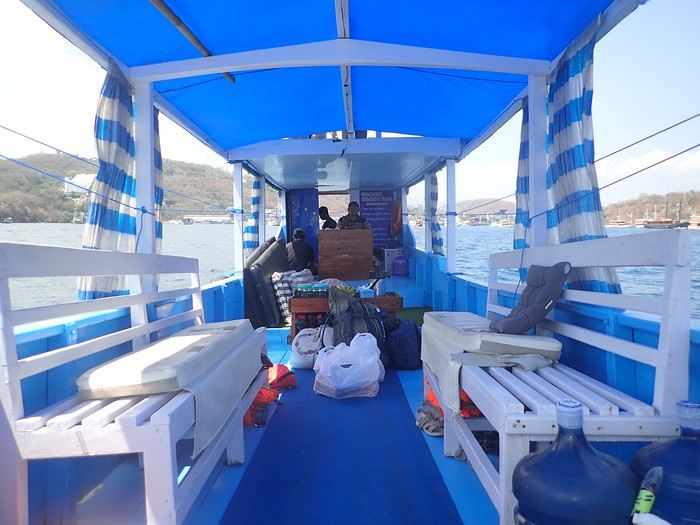 Not usually a fan of organized trips, during my stay in Labuan Bajo on Flores in May 2024, I started looking for a fisherman who could show me the islands around Komodo. At the port, I met Ari, a former freediver who knows the islands well, especially the best spots for fish and coral.
At the Bohême guest house, I proposed this outing, and one of the activity leaders was happy to join. We headed to Angel Island, where Ari took us snorkeling around the island. During this beautiful day, we appreciated his professionalism, and I suggested coming back the following year for a 5-day cruise. We had to agree on a budget and the period to consider.
Over the next year, we kept in touch via WhatsApp.
However, a month before departure, Ari told me he had lent his boat to a friend, who ran it aground on a rock, causing it to sink. No boat, no cruise! Since we had an agreement, I asked him to find another solution. His searches in the port, where everyone knows each other, turned out to be fruitful.
A certain "Captain" Kambar agreed to take us. He sometimes charters his boat for local travel agencies and could free up the requested period.
There will be six of us on board, as in the meantime, my daughter’s friend, Amandine, could join us for the cruise. Ari will act as a guide, and a mechanic will also be present. To reserve the boat for September 4th, Ari asked me to transfer a deposit of 5 million IDR to his account. After some hesitation, I decided to trust him and made the transfer. A few days later, he confirmed receipt of the amount.
In early September, we arrived in Labuan Bajo. Our first mission was to check the boat’s condition, the presence of life jackets, what we would eat, and if there were any restrictions on drinks. Everything was in order and met our expectations.
The day before departure, we met a 26-year-old Czech woman traveling alone after a stay in New Zealand. The description of our cruise excited her, and she got Ari’s number. That evening, at the restaurant, while we discussed the final preparations, Thérèsa joined us and asked if she could come along for the five-day cruise. Since she seemed like good company, I gladly accepted. However, following Indonesian custom, I negotiated firmly with Ari for a discount, and he agreed to lower the price by 2 million.
On September 4th, we set sail to explore the islands of Komodo and, above all, the seabeds, equipped with fins, masks, and snorkels. We had brought a board game for the trips between islands or for the evenings. In the end, it wasn’t used: the crossings rarely lasted more than an hour, except for two two-hour trips, and the conditions on board weren’t suitable for playing.
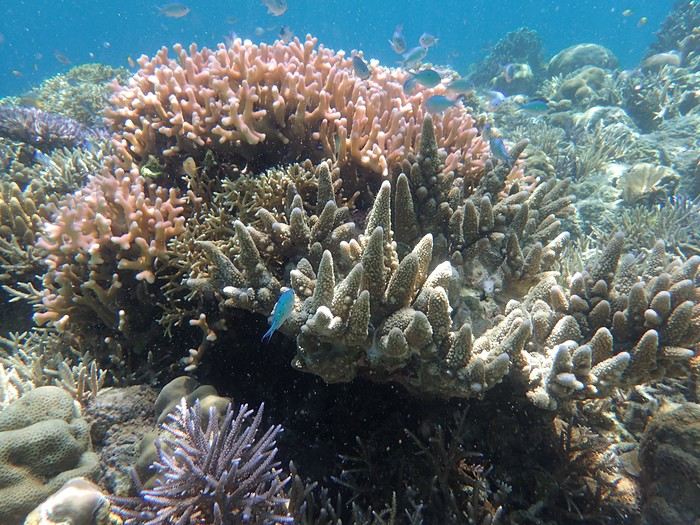
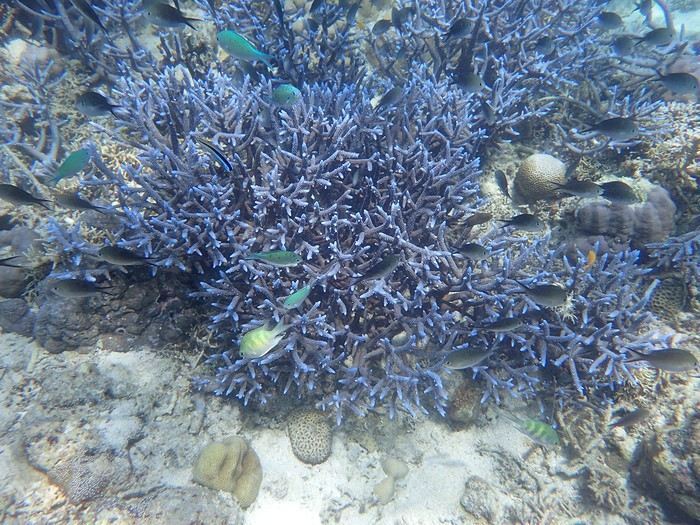 The first island we visited is north of Labuan Bajo: Seraya Small.
We didn’t disembark but anchored a short distance away. The coral reef, between 5 and 10 meters deep, offered visibility of 8 to 10 meters. We started with a few dives from the boat, as the water was so inviting. As with most of the upcoming sites, we were the only ones enjoying this little paradise.
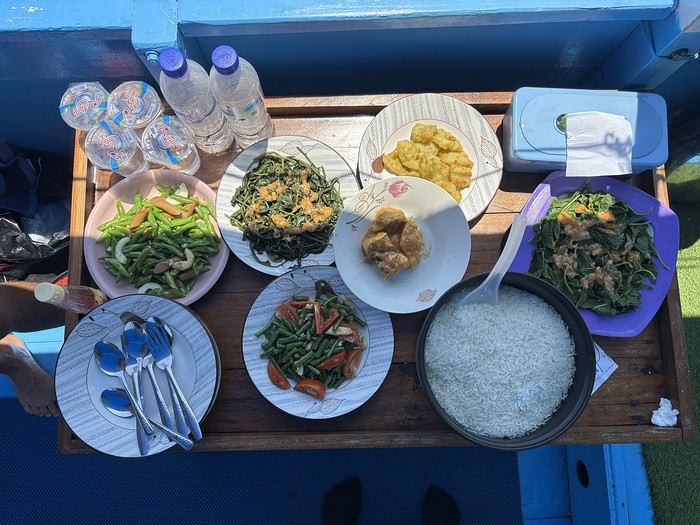
Over about a kilometer along the drop-off, colorful corals and fish abound. As long as you don’t go past the rocky point on the right, the currents remain very weak, and the spot is accessible to beginners. After enjoying the sea enough, we returned to the boat, where Ari had prepared a good meal of rice, chicken, and vegetables. It was simple but excellent after all that effort.
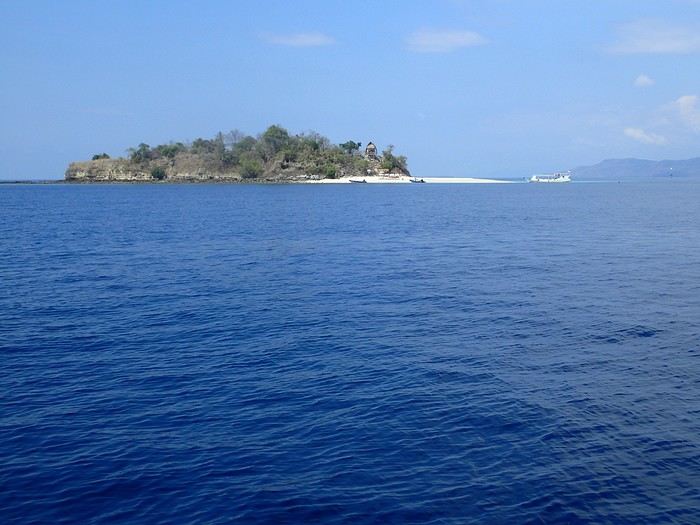 In the afternoon, we discovered Bero Island, where it was very hot. There were fewer fish and corals than at Seraya, but the corals were on white sand, allowing for beautiful, bright photos.
 In the evening, we visited Hatamin, a fishing village. The population is very young and curious about our visit. At our request, we could have watched a local dance, but it would have taken some time to organize, and we didn’t plan to return. Ari asked if we wanted to take a shower, as on the boat, we could only rinse off with a little water from a basin.
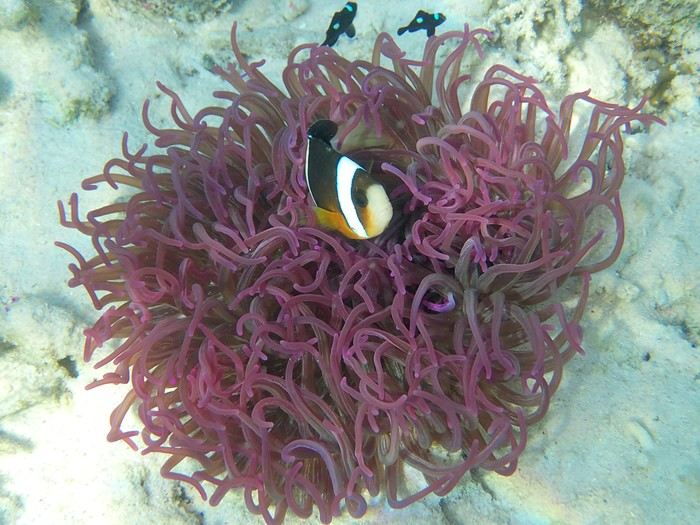
On the second day, snorkeling near Hatamin, a small paradise island with white sand like in a travel brochure. A small temple is located in the middle of the island. In the water, we saw our first small reef sharks, some clownfish, and a sergeant major fish that followed us throughout our swim. The most beautiful part to explore is opposite the beach. Many corals and fish of all colors. A sailboat was anchored a short distance away, but we didn’t see anyone except an old man who apparently lived in the temple above.
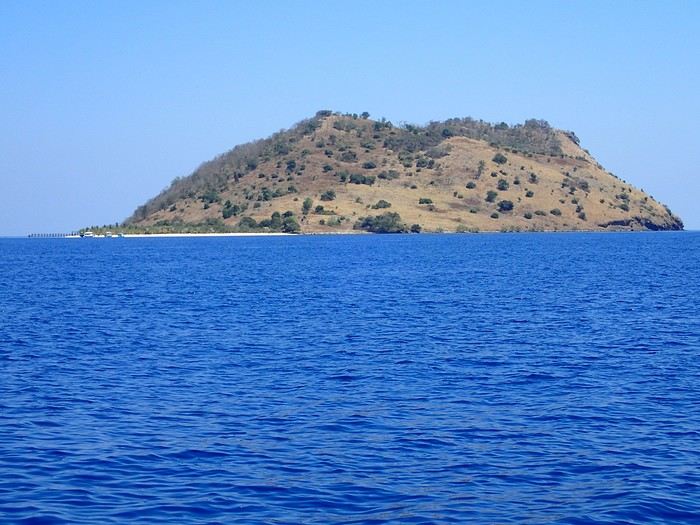
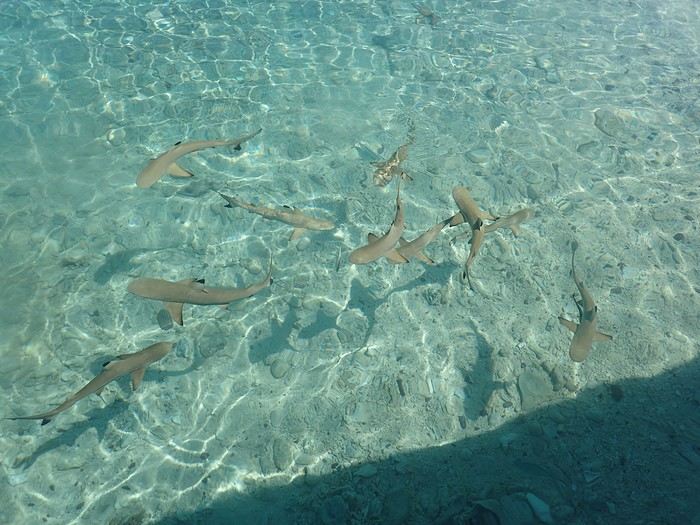
In the afternoon, we headed to the nearby island of Sabolong Besar. It’s a pretty little island with a harmonious resort made up of luxury huts that don’t spoil the landscape. In some places, the water is very clear with good visibility, and some schools of very young blacktip reef sharks swirl near the boat. There are beautiful corals on the left side of the resort and a bit of current when you approach the drop-off. Since the area to explore wasn’t very large, we had time to head to Sabolong Kecil. Then we went to the fishing village of Messah, where a Muslim celebration was taking place. There were people everywhere with many food offerings—what activity! It was like an anthill.
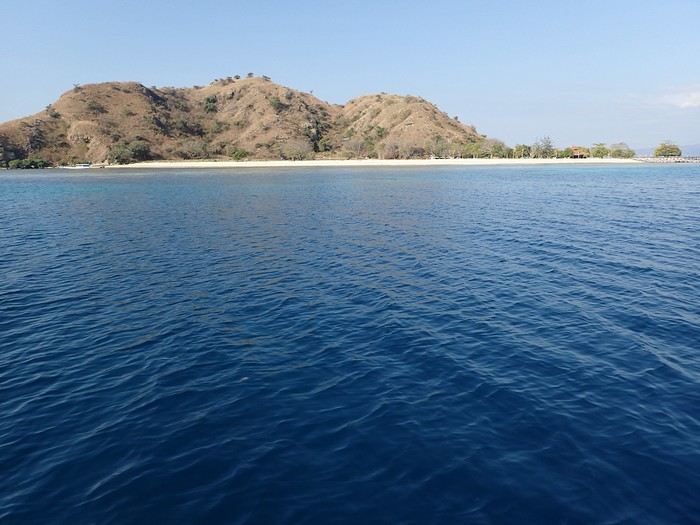
And at the end of the day, we anchored near Kanawa with a beautiful sunset.
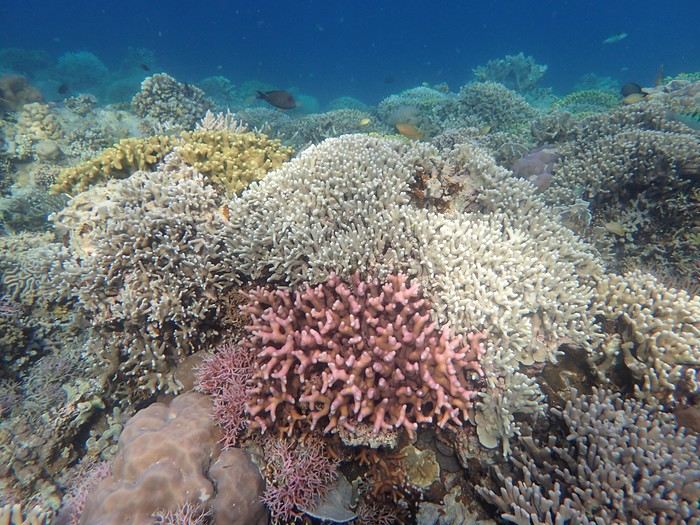 On the third day, we discovered Kanawa and some hawksbill turtles. There were many colorful corals, but we didn’t stay long. During this day, the stops were close together, making it intense with four visits.
Then we arrived at Sebayur Besar with a different snorkeling approach: Ari dropped us in the current, and we drifted for over a kilometer before he came to pick us up. At first, it seemed a bit worrying to see the boat move away while we were offshore, but we were quickly carried by the current and passed almost too quickly by so many corals and fish to see. What a pleasure to drift and freedive with little effort.
The drift lasted a good hour, and we reached Siaba Island, where the water was colder. There were many boats, and we had quickly lost the habit of seeing other tourists. Visibility was average—it was a nice spot, but after the drift at Sebayur, we liked it less. Around 1 p.m., we anchored with other boats because Ari met up with some friends, and we ate heartily since the cool water had whetted our appetites.
In the afternoon, we were at Manta Point. The water was cool, and there was a lot of excitement trying to follow the giant manta rays. We managed to dive down and get close to them, but it took a lot of effort and breath because, despite their leisurely appearance, they move quite fast for us little swimmers. Here, they come to feed and then return to the depths, and it’s not always certain you’ll encounter them. We ended the day at Makassar with a two-hour sail. There was a lot of wind and swell, the boat rocked, and we hoped there wouldn’t be an engine breakdown. We had to take down the tent on the boat’s roof, which had also been used for sleeping. Makassar’s beach is pink, caused by microorganisms called foraminifera. There are many beach huts along the shore, and we were alone, though it must get busy here during the day. On the fourth day, we visited Padar Island for its viewpoint amid hordes of tourists, then headed to Rinca and its Komodo dragons. Rinca is much less crowded than Komodo, which is why we chose this visit. We saw a few and took the usual photos. In the late afternoon, we snorkeled at Pempend Island, where the sea was choppy and the water a bit murky. And on the last day, we visited Strawberry Rock, named after the reddish rock overlooking the sea. There were many corals, but the water was rough with reduced visibility, and then we went to Kelor with its tourist "bars" and the pretty viewpoint.
In conclusion, we shared amazing moments and managed to complete our program. Luckily, the weather was very kind, and not a drop of rain fell in early September, except just upon returning to the port. It’s worth noting that after five intense days in the water from morning to night, we were glad to return to dry land because we were exhausted.
My daughter and her friend were so thrilled that, in return, they developed a website for Ari to help him get known, and I can share the link if you’d like. I visit Voyage Forum from time to time, so if you have any questions, don’t hesitate—I’ll answer them.
Not usually a fan of organized trips, during my stay in Labuan Bajo on Flores in May 2024, I started looking for a fisherman who could show me the islands around Komodo. At the port, I met Ari, a former freediver who knows the islands well, especially the best spots for fish and coral.
At the Bohême guest house, I proposed this outing, and one of the activity leaders was happy to join. We headed to Angel Island, where Ari took us snorkeling around the island. During this beautiful day, we appreciated his professionalism, and I suggested coming back the following year for a 5-day cruise. We had to agree on a budget and the period to consider.
Over the next year, we kept in touch via WhatsApp.
However, a month before departure, Ari told me he had lent his boat to a friend, who ran it aground on a rock, causing it to sink. No boat, no cruise! Since we had an agreement, I asked him to find another solution. His searches in the port, where everyone knows each other, turned out to be fruitful.
A certain "Captain" Kambar agreed to take us. He sometimes charters his boat for local travel agencies and could free up the requested period.There will be six of us on board, as in the meantime, my daughter’s friend, Amandine, could join us for the cruise. Ari will act as a guide, and a mechanic will also be present. To reserve the boat for September 4th, Ari asked me to transfer a deposit of 5 million IDR to his account. After some hesitation, I decided to trust him and made the transfer. A few days later, he confirmed receipt of the amount.
In early September, we arrived in Labuan Bajo. Our first mission was to check the boat’s condition, the presence of life jackets, what we would eat, and if there were any restrictions on drinks. Everything was in order and met our expectations.
The day before departure, we met a 26-year-old Czech woman traveling alone after a stay in New Zealand. The description of our cruise excited her, and she got Ari’s number. That evening, at the restaurant, while we discussed the final preparations, Thérèsa joined us and asked if she could come along for the five-day cruise. Since she seemed like good company, I gladly accepted. However, following Indonesian custom, I negotiated firmly with Ari for a discount, and he agreed to lower the price by 2 million.
On September 4th, we set sail to explore the islands of Komodo and, above all, the seabeds, equipped with fins, masks, and snorkels. We had brought a board game for the trips between islands or for the evenings. In the end, it wasn’t used: the crossings rarely lasted more than an hour, except for two two-hour trips, and the conditions on board weren’t suitable for playing.
The first island we visited is north of Labuan Bajo: Seraya Small.
We didn’t disembark but anchored a short distance away. The coral reef, between 5 and 10 meters deep, offered visibility of 8 to 10 meters. We started with a few dives from the boat, as the water was so inviting. As with most of the upcoming sites, we were the only ones enjoying this little paradise.
Over about a kilometer along the drop-off, colorful corals and fish abound. As long as you don’t go past the rocky point on the right, the currents remain very weak, and the spot is accessible to beginners. After enjoying the sea enough, we returned to the boat, where Ari had prepared a good meal of rice, chicken, and vegetables. It was simple but excellent after all that effort.
In the afternoon, we discovered Bero Island, where it was very hot. There were fewer fish and corals than at Seraya, but the corals were on white sand, allowing for beautiful, bright photos.
In the evening, we visited Hatamin, a fishing village. The population is very young and curious about our visit. At our request, we could have watched a local dance, but it would have taken some time to organize, and we didn’t plan to return. Ari asked if we wanted to take a shower, as on the boat, we could only rinse off with a little water from a basin.On the second day, snorkeling near Hatamin, a small paradise island with white sand like in a travel brochure. A small temple is located in the middle of the island. In the water, we saw our first small reef sharks, some clownfish, and a sergeant major fish that followed us throughout our swim. The most beautiful part to explore is opposite the beach. Many corals and fish of all colors. A sailboat was anchored a short distance away, but we didn’t see anyone except an old man who apparently lived in the temple above.
In the afternoon, we headed to the nearby island of Sabolong Besar. It’s a pretty little island with a harmonious resort made up of luxury huts that don’t spoil the landscape. In some places, the water is very clear with good visibility, and some schools of very young blacktip reef sharks swirl near the boat. There are beautiful corals on the left side of the resort and a bit of current when you approach the drop-off. Since the area to explore wasn’t very large, we had time to head to Sabolong Kecil. Then we went to the fishing village of Messah, where a Muslim celebration was taking place. There were people everywhere with many food offerings—what activity! It was like an anthill.
And at the end of the day, we anchored near Kanawa with a beautiful sunset.
On the third day, we discovered Kanawa and some hawksbill turtles. There were many colorful corals, but we didn’t stay long. During this day, the stops were close together, making it intense with four visits.
Then we arrived at Sebayur Besar with a different snorkeling approach: Ari dropped us in the current, and we drifted for over a kilometer before he came to pick us up. At first, it seemed a bit worrying to see the boat move away while we were offshore, but we were quickly carried by the current and passed almost too quickly by so many corals and fish to see. What a pleasure to drift and freedive with little effort.The drift lasted a good hour, and we reached Siaba Island, where the water was colder. There were many boats, and we had quickly lost the habit of seeing other tourists. Visibility was average—it was a nice spot, but after the drift at Sebayur, we liked it less. Around 1 p.m., we anchored with other boats because Ari met up with some friends, and we ate heartily since the cool water had whetted our appetites.
In the afternoon, we were at Manta Point. The water was cool, and there was a lot of excitement trying to follow the giant manta rays. We managed to dive down and get close to them, but it took a lot of effort and breath because, despite their leisurely appearance, they move quite fast for us little swimmers. Here, they come to feed and then return to the depths, and it’s not always certain you’ll encounter them. We ended the day at Makassar with a two-hour sail. There was a lot of wind and swell, the boat rocked, and we hoped there wouldn’t be an engine breakdown. We had to take down the tent on the boat’s roof, which had also been used for sleeping. Makassar’s beach is pink, caused by microorganisms called foraminifera. There are many beach huts along the shore, and we were alone, though it must get busy here during the day. On the fourth day, we visited Padar Island for its viewpoint amid hordes of tourists, then headed to Rinca and its Komodo dragons. Rinca is much less crowded than Komodo, which is why we chose this visit. We saw a few and took the usual photos. In the late afternoon, we snorkeled at Pempend Island, where the sea was choppy and the water a bit murky. And on the last day, we visited Strawberry Rock, named after the reddish rock overlooking the sea. There were many corals, but the water was rough with reduced visibility, and then we went to Kelor with its tourist "bars" and the pretty viewpoint.
In conclusion, we shared amazing moments and managed to complete our program. Luckily, the weather was very kind, and not a drop of rain fell in early September, except just upon returning to the port. It’s worth noting that after five intense days in the water from morning to night, we were glad to return to dry land because we were exhausted.
My daughter and her friend were so thrilled that, in return, they developed a website for Ari to help him get known, and I can share the link if you’d like. I visit Voyage Forum from time to time, so if you have any questions, don’t hesitate—I’ll answer them.
Patagonia Itinerary
Hi there,
I’m about to fulfill a dream that includes a trip to Patagonia between October and December 2026. I’ll be traveling solo.
My plan: - Take a boat from Puerto Montt to Puerto Natales (4-5 days) - Torres del Paine National Park (2-3 days) - Bus from Puerto Natales to Ushuaïa (1-2 days) - Exploring around Ushuaïa (3-4 days) - Cruise from Ushuaïa to Punta Arenas (Oct 31 - Nov 4) - Rent a vehicle and head back up to Puerto Montt by around December 10, which is about 35 days total, via Los Glaciares, El Chaltén, Patagonia NP, Caleta Tortel, Villa O’Higgins, Puerto Río Tranquilo, Bahía Exploradores, Cerro Castillo NP, Coyhaique, Queulat NP, Chaitén, Pumalín NP, and Hornopirén NP.
My goal is to enjoy nature and do some hiking.
I’ll be in Torres del Paine around October 20—is the weather manageable for day hikes at that time?
30-35 days from Punta Arenas to Puerto Montt? That’s about 3,600 km. Is this timeframe doable to enjoy the scenery without rushing? If I arrive in the north earlier, it’s no big deal—I’ll just explore more spots above Puerto Montt.
Now, about the vehicle... I’m torn between a car + tent (regular car with a tent on top) and a small van. Is this enough for the Carretera Austral or unpaved roads? Or would a 4x4 be better? I’m not an experienced 4x4 driver—I’ve only driven occasionally to give the main driver a break on easy sections. A van is tempting for the comfort. Are there any rental options for slightly modified cars or ones where you can sleep, like a Kangoo?
Thanks in advance for your thoughts on my itinerary and advice on the vehicle!
December Photo Contest Discussion: One or Multiple Shots of Towers
This is the place to chat about December’s theme!
I’ll start with a little TOUR of the world’s TOURS.

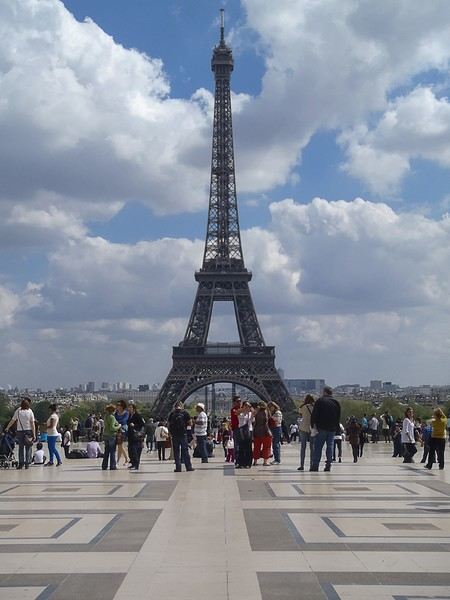

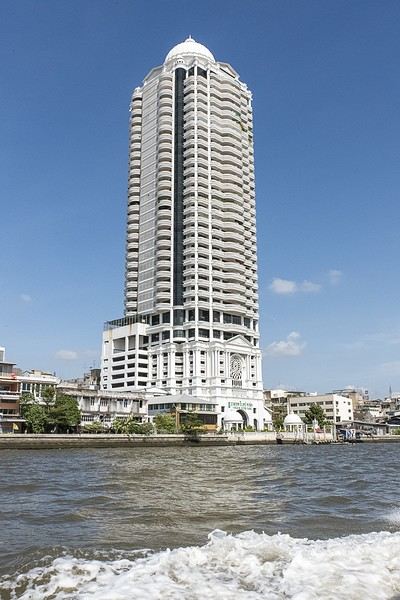
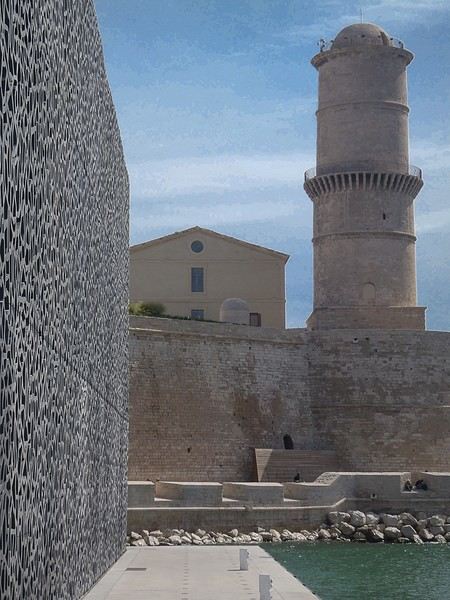
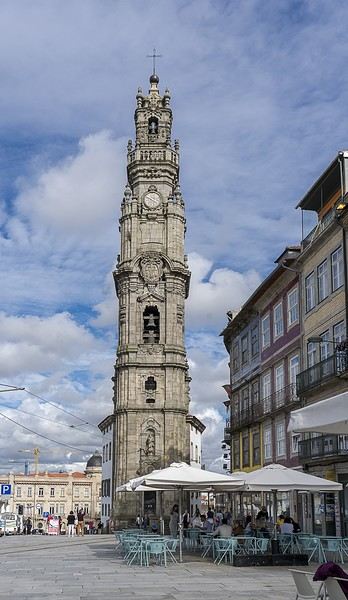
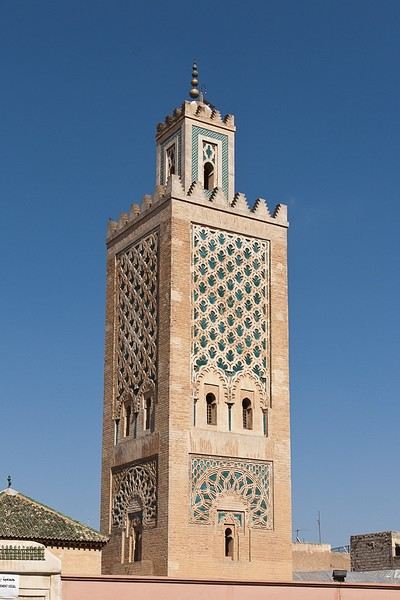
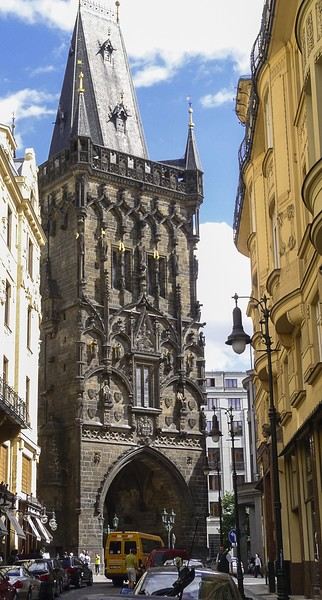
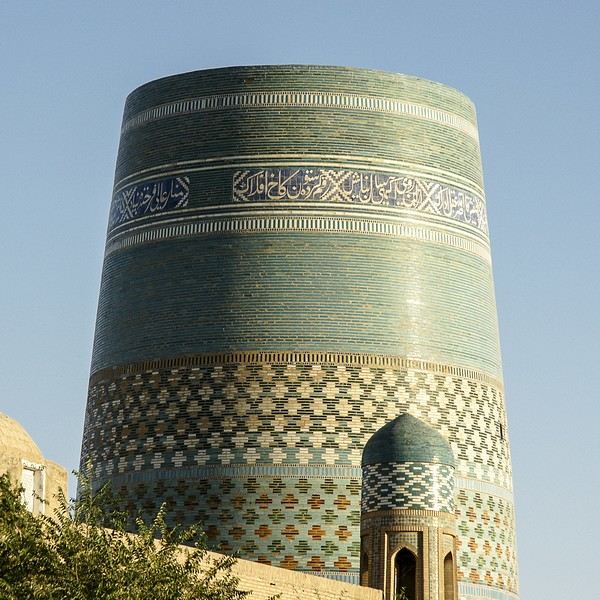
Of course, you can submit multiple photos of the same tower in the contest—it’s the quality of the photo that’ll be judged during voting, not just the subject!
Of course, you can submit multiple photos of the same tower in the contest—it’s the quality of the photo that’ll be judged during voting, not just the subject!
How do you feel about coming back to France?
Hi there, I’ve been traveling for 18 years now, at least 6 months a year, and as the years go by, I actually enjoy coming back to France more and more—a feeling I struggled with at first. I mean, we always think the grass is greener elsewhere.
But in the end, I find meaning in that saying about how there’s no place like home. I still love traveling just as much, but now my trips are shorter, and I enjoy spending more time in our beautiful country, even though I don’t hesitate to criticize it.
How about you? How do you handle coming back from your travels?
Trip report: Our South Africa journey in July
Hi there,
We’re back from our 3-week trip to South Africa in July. It was a family trip with our four grown-up kids (ages 18 to 25).
First off, I’d like to thank everyone on this forum for their great tips—they really helped us plan this trip!
The trip: We spent 15 days between Port Elizabeth and Cape Town, then a week around Kruger (including Blyde River Canyon). We found South Africans to be welcoming and always ready to help. We never felt unsafe (just followed basic safety rules). The police are very visible, especially on the roads.
Logistics: We’d booked our accommodations in advance but made a few changes on the spot based on how we felt at the time. We rented two vehicles from Firefly (Hertz). No complaints—recent cars, quick returns, and the deposit wasn’t charged. We’d gotten our international driver’s permits... which stayed in France! Luckily, no one asked for them. Driving on the left wasn’t an issue (it wasn’t our first time). The roads we took were in good, even great, condition. Only a few tracks to lodges or parks were rough and required extra caution. Lots of pedestrians on the sides of roads, even highways. And plenty of very slow trucks. But they pull over to let you pass. It’s also common for cars to cross into the opposite lane to overtake, even with white lines. We took two domestic flights: one early in the morning (Johannesburg to Port Elizabeth) and one in the late afternoon (Cape Town to Johannesburg) to save time.
We had some highlights and a few disappointments—all part of the journey! More details coming soon.
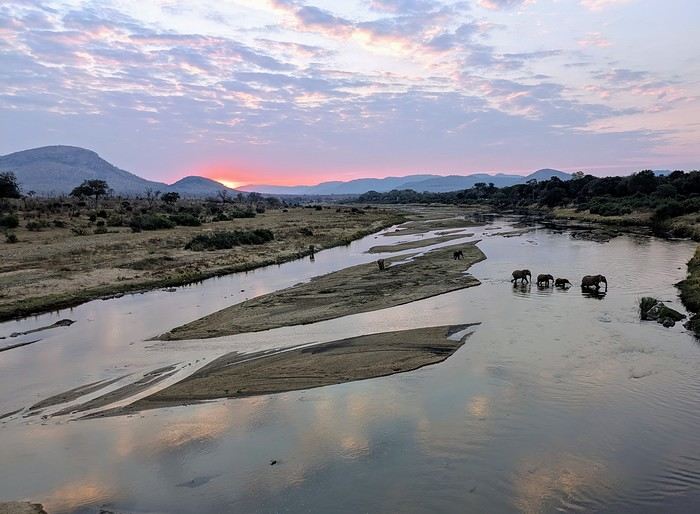
We’re back from our 3-week trip to South Africa in July. It was a family trip with our four grown-up kids (ages 18 to 25).
First off, I’d like to thank everyone on this forum for their great tips—they really helped us plan this trip!
The trip: We spent 15 days between Port Elizabeth and Cape Town, then a week around Kruger (including Blyde River Canyon). We found South Africans to be welcoming and always ready to help. We never felt unsafe (just followed basic safety rules). The police are very visible, especially on the roads.
Logistics: We’d booked our accommodations in advance but made a few changes on the spot based on how we felt at the time. We rented two vehicles from Firefly (Hertz). No complaints—recent cars, quick returns, and the deposit wasn’t charged. We’d gotten our international driver’s permits... which stayed in France! Luckily, no one asked for them. Driving on the left wasn’t an issue (it wasn’t our first time). The roads we took were in good, even great, condition. Only a few tracks to lodges or parks were rough and required extra caution. Lots of pedestrians on the sides of roads, even highways. And plenty of very slow trucks. But they pull over to let you pass. It’s also common for cars to cross into the opposite lane to overtake, even with white lines. We took two domestic flights: one early in the morning (Johannesburg to Port Elizabeth) and one in the late afternoon (Cape Town to Johannesburg) to save time.
We had some highlights and a few disappointments—all part of the journey! More details coming soon.
Review of a Norway cruise on the Emerald Princess in June 2025 (1)
Hello everyone,
I’ve wanted to take this Norway cruise for a very long time. The first time I booked it was in July 2020 with Azamara. Unfortunately, it was canceled, as everyone remembers. When I tried to book it again, the prices (already a bit high with Azamara) had simply doubled. So, since then, I’ve been keeping an eye out every year for any opportunities...
The last time we sailed with Princess was eleven years ago, and things didn’t go very well. I came back pretty unhappy with their service and quite disappointed. Despite the $600 they gave me as credit for a future cruise, I’d never set foot on one of their ships again.
But this time, the opportunity arose—a fantastic itinerary with lots of stops, a reasonable price for 16 nights (I’ll share the details in the conclusion), and a ship that’s not too big, so to speak, with only 3,000 passengers. I’m not expecting much from the cruise line this time and am boarding the ship with low expectations beyond the itinerary.
Princess has introduced an app to download before the cruise. It’s essential because online check-in is no longer available, and the agency doesn’t send a travel journal. Everything is done through the app. After completing the check-in on the app, we only know that we’ll need to pick up our key, the Medallion, at embarkation by following the blue line in the terminal and presenting our passport.

Up until our departure, the weather forecast for the coming week in Norway is disastrous—rain, rain, and more rain. It was pretty much the same two years ago before our Iceland cruise, and in the end, the weather turned out fine.
If you’re ready to embark on the Emerald Princess to discover this beautiful cruise and the stunning landscapes of Norway, let’s go!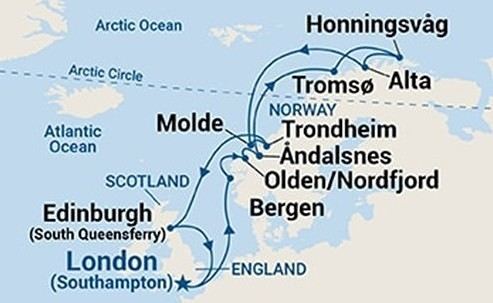
Southampton - Sea day - Bergen - Olden - Åndalsnes - Sea day - Tromsø - Honningsvåg (North Cape) - Alta - Sea day - Molde - Trondheim - Two sea days - Edinburgh - Sea day - Southampton
I’ve wanted to take this Norway cruise for a very long time. The first time I booked it was in July 2020 with Azamara. Unfortunately, it was canceled, as everyone remembers. When I tried to book it again, the prices (already a bit high with Azamara) had simply doubled. So, since then, I’ve been keeping an eye out every year for any opportunities...
The last time we sailed with Princess was eleven years ago, and things didn’t go very well. I came back pretty unhappy with their service and quite disappointed. Despite the $600 they gave me as credit for a future cruise, I’d never set foot on one of their ships again.
But this time, the opportunity arose—a fantastic itinerary with lots of stops, a reasonable price for 16 nights (I’ll share the details in the conclusion), and a ship that’s not too big, so to speak, with only 3,000 passengers. I’m not expecting much from the cruise line this time and am boarding the ship with low expectations beyond the itinerary.
Princess has introduced an app to download before the cruise. It’s essential because online check-in is no longer available, and the agency doesn’t send a travel journal. Everything is done through the app. After completing the check-in on the app, we only know that we’ll need to pick up our key, the Medallion, at embarkation by following the blue line in the terminal and presenting our passport.
Up until our departure, the weather forecast for the coming week in Norway is disastrous—rain, rain, and more rain. It was pretty much the same two years ago before our Iceland cruise, and in the end, the weather turned out fine.
If you’re ready to embark on the Emerald Princess to discover this beautiful cruise and the stunning landscapes of Norway, let’s go!
Southampton - Sea day - Bergen - Olden - Åndalsnes - Sea day - Tromsø - Honningsvåg (North Cape) - Alta - Sea day - Molde - Trondheim - Two sea days - Edinburgh - Sea day - Southampton
Issue with Name on Air France Booking via Lastminute
Hi, I need your help because I’m stuck. I booked 6 flight tickets to Palermo on August 6th through the Lastminute site. The flight is operated by Air France, and I just realized my name is wrong. I immediately contacted Air France, who told me it’s up to Lastminute to make the change, but they say it’s Air France’s responsibility. I’m really anxious because I’m traveling with my two kids. Can you help me?
Thanks
Hotel or guesthouse recommendations in Pondicherry
Hello there!
Any hotel or guesthouse you’d recommend in Pondicherry?
Arriving on October 5th for up to 15 days.
Link for Egypt Visa
Hello everyone,
I’m going on a trip to Egypt, and I booked it through a travel agency (Fram). The trip is in October...
After reading my contract more closely, I saw that the visa would cost me 95 €, but if I apply for it in advance, it’ll only be around 25 €.
I can’t find the link that lets me do it myself, for a fee of course.
Can anyone help me? Thanks a million!
A Series: June 2025 Photo Contest Theme
The theme for June is: A SERIES
"A series is a set of coherent images that share several common points while still being different from one another."
In 3 photos, posted simultaneously in the same message, I’d like you to tell me a little story with a few words. You’re allowed 2 series.
They can be narrative or thematic. For example: 3 shots representing 3 professions, 3 places of worship, 3 market stalls, 3 trains... the ideas are endless—whether in the same place or in different countries... or 3 images of the same place, photographed from 3 different angles, under 3 different lights... or 3 images where the predominant color is the same... Narrative and theme can, of course, overlap.
Practical details:
Participation Each VF member can submit up to 2 series, until Saturday, June 21 at 11:59 PM Paris time. Each series of 3 photos must be presented in a single message, with its number indicated (series 1, series 2).
Voting: Each VF member can vote for the 3 series they consider the best, based on their own criteria and the theme.
Voting will take place from Saturday, June 21 at midnight until Saturday, June 28 at 11:59 PM Paris time.
The selected series will be ranked in order of preference: - 1st series: 3 points - 2nd: 2 points - 3rd: 1 point
The winner is the author of the series with the most points.
Results will be published on June 29 during the day. In case of a tie, the number of first-place votes will decide. The winner will have the honor of organizing July 2025’s contest.
Photos that have won (1st, 2nd, or 3rd place) in another VF contest are not eligible for this one.
This thread is exclusively for series submitted to the contest. All discussions, comments, and other chatter should take place in this thread.
...................................................................
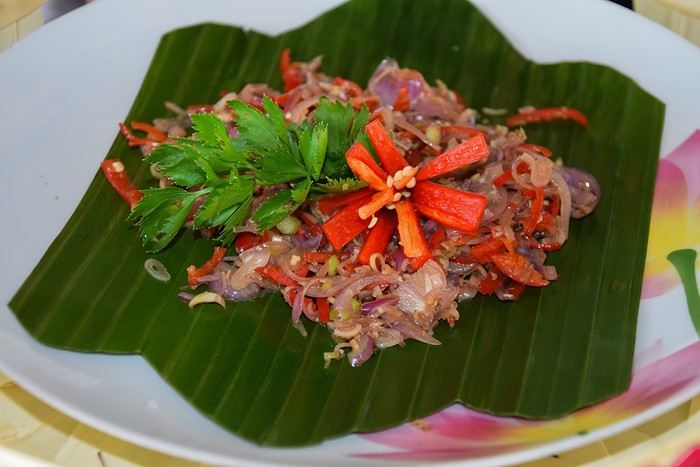
Narrative: In Bali, I took a cooking class. We went to the market to shop with the teacher. We cleaned and prepped the ingredients to make, among other things, a lovely salad.
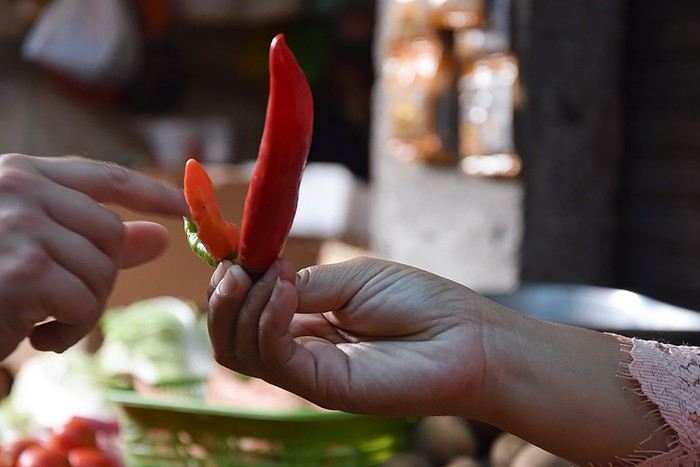
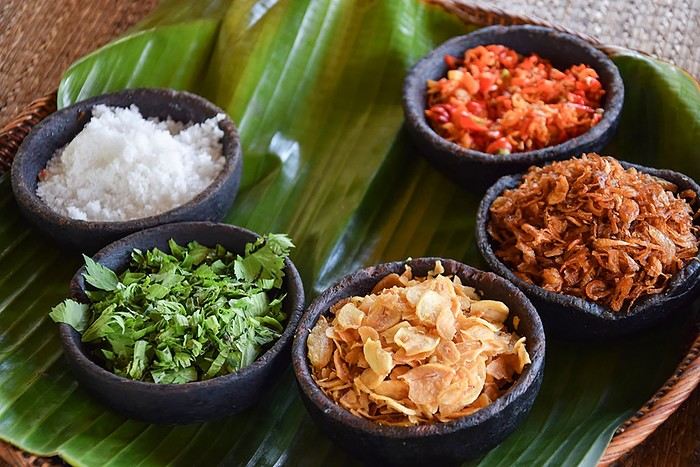
...........................................................................
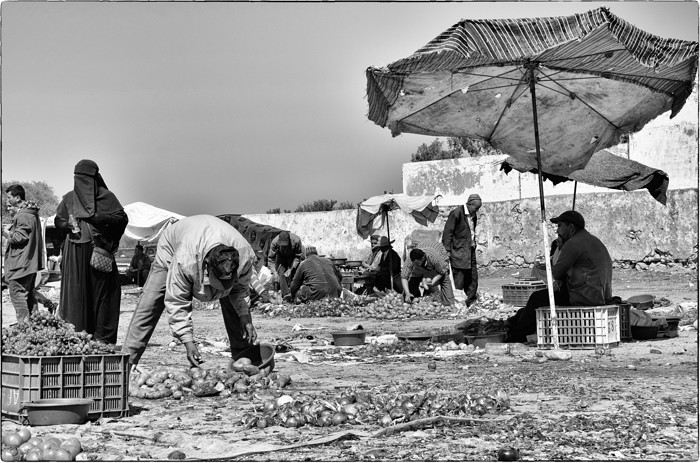
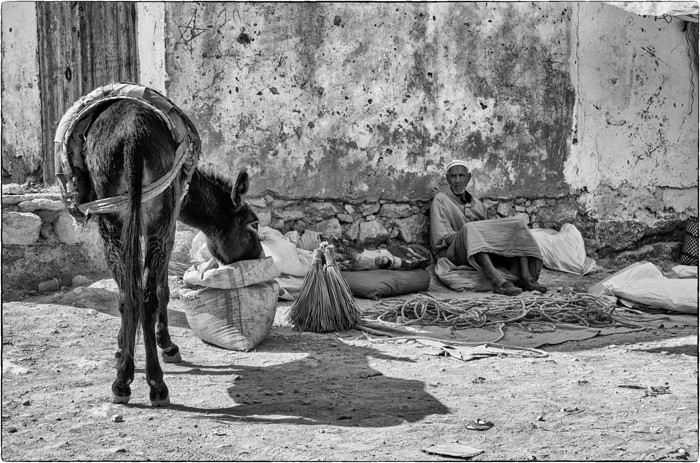
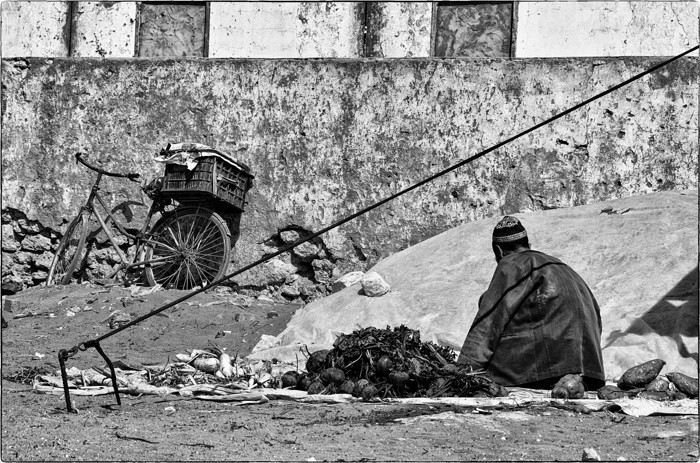
Narrative and thematic: I really loved this place 30 km from Essaouira. A little souk "just as it is," as they say. The souk of Ida Ougourd.
...........................................................................
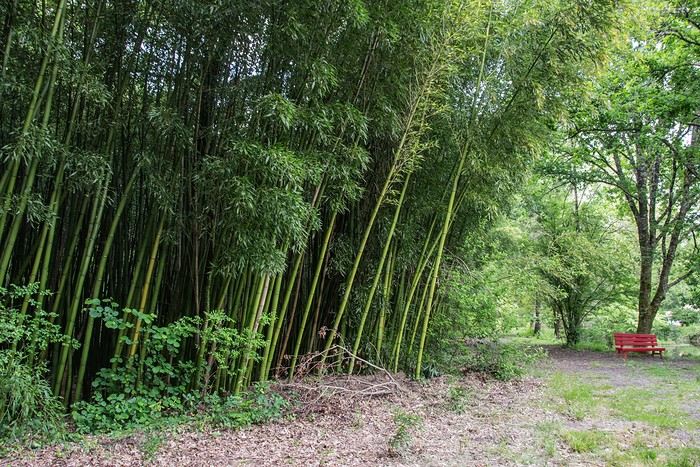
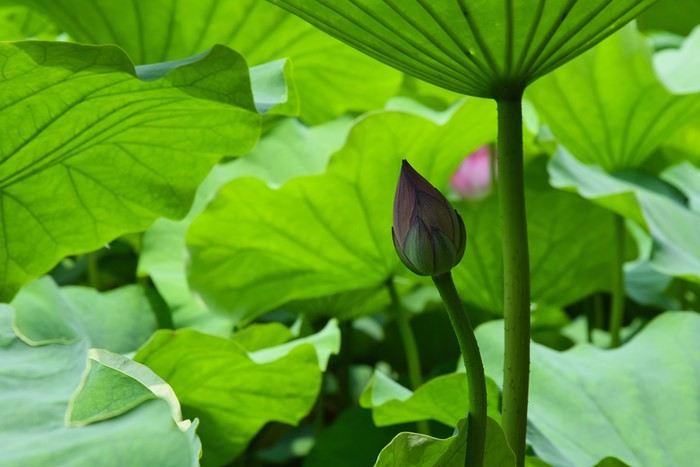
Thematic: Green in nature. The green of tea plantations in Munnar, a bamboo forest in Les Landes, and a park in Tokyo.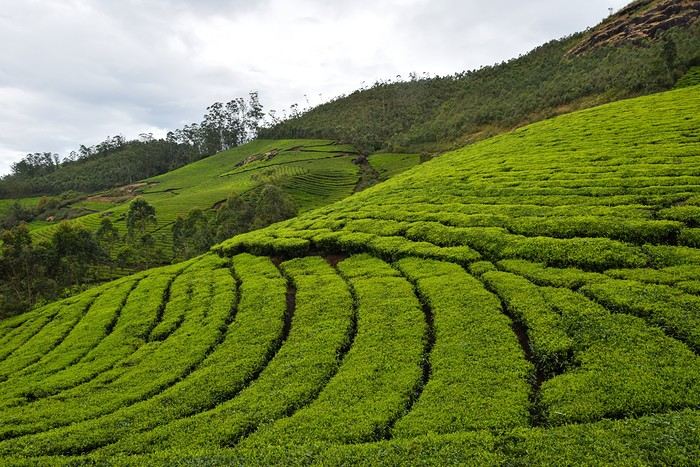
In 3 photos, posted simultaneously in the same message, I’d like you to tell me a little story with a few words. You’re allowed 2 series.
They can be narrative or thematic. For example: 3 shots representing 3 professions, 3 places of worship, 3 market stalls, 3 trains... the ideas are endless—whether in the same place or in different countries... or 3 images of the same place, photographed from 3 different angles, under 3 different lights... or 3 images where the predominant color is the same... Narrative and theme can, of course, overlap.
Practical details:
Participation Each VF member can submit up to 2 series, until Saturday, June 21 at 11:59 PM Paris time. Each series of 3 photos must be presented in a single message, with its number indicated (series 1, series 2).
Voting: Each VF member can vote for the 3 series they consider the best, based on their own criteria and the theme.
Voting will take place from Saturday, June 21 at midnight until Saturday, June 28 at 11:59 PM Paris time.
The selected series will be ranked in order of preference: - 1st series: 3 points - 2nd: 2 points - 3rd: 1 point
The winner is the author of the series with the most points.
Results will be published on June 29 during the day. In case of a tie, the number of first-place votes will decide. The winner will have the honor of organizing July 2025’s contest.
Photos that have won (1st, 2nd, or 3rd place) in another VF contest are not eligible for this one.
This thread is exclusively for series submitted to the contest. All discussions, comments, and other chatter should take place in this thread.
...................................................................
Narrative: In Bali, I took a cooking class. We went to the market to shop with the teacher. We cleaned and prepped the ingredients to make, among other things, a lovely salad.
...........................................................................
Narrative and thematic: I really loved this place 30 km from Essaouira. A little souk "just as it is," as they say. The souk of Ida Ougourd.
...........................................................................
Thematic: Green in nature. The green of tea plantations in Munnar, a bamboo forest in Les Landes, and a park in Tokyo.
From Cairo to Luxor via the White Desert or via the Nile Valley: preparatory questions
Hi there,
This trip to Egypt isn’t happening anytime soon, but I like to plan a few steps ahead! 😉
I’ve already been to Egypt several times (Cairo, Alexandria, Luxor, the classic cruise, the Lake Nasser cruise, Abu Simbel, Taba) both solo and on organized tours, but my partner hasn’t.
So, I’m thinking of mixing the classic with something a bit more original.
My idea is to visit Cairo and its surroundings, then make my way to Luxor in stages. The trip would end in Luxor.
Renting a car doesn’t seem like a viable option. That leaves boats, public transport, a car with a driver, or even a private tour for the stretch between Cairo and Luxor.
My questions:
How can I cover the Cairo-Luxor stretch if I go through the White Desert? Is a car with a driver possible? What’s the daily cost of hiring a car with a driver (including the driver’s accommodation and expenses)? How many days should I plan for this route (Saqqara, Fayoum Oasis, Black Desert, White Desert, Ad-Dakhla, El Kharga)?
Are there any cruise boats that do the Cairo-Luxor route (or vice versa)? Dahabiyas? Or at least the Assiut-Luxor stretch?
Thanks! 🙂
Hotel recommendations for the Andaman Islands
Hi,
I’ve booked tickets to Phuket to stay in the Andaman Islands (Ko Phi Phi, Ko Lanta Yai Noi, etc.).
I’m really struggling to book our hotels because the reviews are so bad.
We’re looking for mid-range to upscale hotels.
Any tips or recommendations would be super welcome!!! Thank youuuu
Da Nang and Hoi An (Vietnam)
DANANG
A big city in the midst of an economic boom. The setting is stunning, with its large bay, the Son Tra Peninsula, and the Annamite Mountains on the horizon.
Where to stay and eat? Da Nang is a bustling business hub, so hotels are pricier and often fully booked. I was lucky to find a motorbike taxi driver who, after six full hotels, took me to Mai Son Hotel, 113 Nguyen Van Linh, a spotless 2-star place. Plus, right next door, there’s a great restaurant that seems popular with locals, and a good Chinese restaurant just a 5-minute walk away, Phi Lu (178 Nguyen Van Linh), recommended by the *Guide du Routard*. So, I’d definitely recommend this hotel. For a pricier option, the very Christian Dai A Hotel, near the tiny pink cathedral, is nice, but why pay more?
Actually, why stay in Da Nang when the gorgeous Hoi An is just 34 km to the south?
What to see? - The lovely Cham Museum (small, takes at most an hour) - The climb up Son Tra Peninsula (great views of the whole area) - The “tour” of the peninsula—quotation marks because the road stops two-thirds of the way. There’s an interesting little museum on the left before reaching the base of the huge statue, the Đong Đinh (large entrance on the left side of the hill), with traditional houses in the jungle holding artifacts over 2,000 years old (Sa Huynh culture; if you’re interested, check out the small Sa Huynh Museum in Hoi An, just before the Japanese Bridge). However, the big Linh Ung Pagoda is just colorful concrete! A beautiful resort, the Son Tra Beach Resort and Spa, sits on a pristine beach and isn’t too expensive: $120 for a garden room and $200–$270 for duplexes with a pool, where you can sleep six. Before reaching the resort, you’ll find two excellent seafood restaurants with large beachfront terraces on your right. - On the way to Hoi An, Marble Mountain, where I loved the village of marble sculpture workshops, the pretty pagodas and caves, and the stunning view from the top of the last promontory (the stairs are steep!). However, you can skip the famous China Beach and its resorts—all pretentious and expensive, not to mention the ones under construction on both sides of the road (they’re multiplying like crazy!). So, when traveling from Da Nang to Hoi An, I recommend two stops: the Cham Museum and Marble Mountain. - The beautiful drive to the Hai Van Pass (there weren’t any clouds!), offering spectacular views of the Da Nang region to the south and the coast to the north. The descent leads to the fishing village and beach of Lang Co, which is lovely but destined for rampant resort development, judging by the huge projects advertised on billboards along the road after the village. - Some affordable guesthouses ($15) and big resorts, including the lovely Lang Co Beach Resort, with a large pool and great value given the beautiful gardens and elegant bungalows. Recommended in Lang Co: lunch at one of the two stilt restaurants over the lagoon—great views and fresh seafood.
The public bus to Hoi An, 34 km south of Da Nang, takes 45 minutes for 50,000 dong. There’s one every half hour.
HOI AN This is a “must-see” for so many reasons: stunning old houses, temples, and pagodas; a colorful daily open-air and covered market near the bridge; charming little streets in the old quarter—especially at night, with all the multicolored lanterns and riverside restaurant terraces, it’s very romantic. The local food is delicious, the people are friendly and kind, there are two beautiful beaches, and attractions like the Cham ruins of My Son. Some say Hoi An is overrun with tourists and should be avoided. That’s true for the historic center and An Bang Beach, but not at all once you step outside.
WHERE TO STAY For a 2-star option, I recommend Ngo House Villa (99 Nguyen Phuc Tan St), very quiet on the island just across from the Old Quarter: 3-star rooms + suites, a large “Family” room, and a nice pool, all for $20 ($40 for the “Family” room). The same charming owner has a second hotel 20 meters away (No. 74), Phan Ngô, which is older but has a large terrace and a small pool—I prefer this one. For 3 stars, Thuy Duong 3 (92 Ba Trieu) is perfect, with a pool and garden ($40–$60). A bit pricier but great is A Han on Phan Bai Chau, with a large garden and terrace restaurant.
For those with a bigger budget, I recommend two riverside spots with rooms, suites, and pools, priced at $200–$350: the secluded Coco River Resort (formerly Ancient House River, with a large wooden terrace for romantic dinners by the river) and Anantara, (formerly Heritage), with bungalows close to the old town—but pricey.
Outside the city, my favorite hotel is Villa Loan, the new place from the famous Loan of Tam Coc, very quiet in the countryside, 15 minutes by bike from Old Hoi An and An Bang Beach. Beautiful rooms ($35), a Family room with two double beds ($55), two 65 m² twins that can sleep six (two large beds + two single beds—$80), a terrace restaurant, and a lovely pool. Prices include a buffet breakfast and a bike.
Also great is Daisy Anbang on An Bang Beach, elegant with a pool and beach just 50 meters away (skip the Aira next door—too expensive).
WHERE TO EAT Hoi An is Vietnam’s culinary capital. For Vietnamese food, I recommend Dao Tien, 21 Phan Bai Chau. No surprise—the chef is a former chef at the luxury 4-star Victoria Hoi An, a solid reference. The restaurant now has a beautiful terrace by the river (take the alley on the right side of the main street Dao Tien). Plus, you’re doing a good deed: a large part of the profits goes toward educating underprivileged children—one year of free hospitality, cooking, and English training, followed by job placement in local establishments. Madame Hien Hoi An (formerly Co Mai), 2 Nguyen Thai Hoc (left of the market), is another great spot—the chef is Didier Corlou, formerly of the famous *Porte d’Annam* and *Madame Hien* in Hanoi (closed in March 2022 due to COVID, so foreign tourists are still scarce). Also worth checking out is Secret Garden, in the Phuong Minh An alley (entrance at 60 Le Loi), set in a beautiful space. One of my favorites is Madam Kieu, 43 Nguyen Phuc Chu, right on the river across from the little bridge—very elegant with excellent Vietnamese cuisine. Unfortunately, all the restaurants on this esplanade blast “music” (boom boom boom yeah yeah yeah) in the evenings, so it’s impossible to talk—go for lunch instead.
For a break from Vietnamese food, try Good Morning Vietnam, a ridiculous name for an excellent Italian restaurant (11 Le Loi). The cheerful chef is from Bologna, the “Lyon of Italy”: lasagna like an Italian *mama*’s, delicious tagliatelle ai porcini (porcini mushrooms imported from Italy), and a divine homemade tiramisu (pro tip: order a grappa and drizzle a few drops on the tiramisu). It’s also one of the few places where you can get an excellent bottle of red wine for 350,000 dong instead of the usual 600,000–800,000 dong (South African Robertson Chapel). Another gem: the Japanese restaurant Samurai Kitchen (no sushi, but divine gyoza), 21 Phan Chau Trinh—the street on the right side of the market when you turn your back to the river. Finally, Ganesh, which I consider the best Indian restaurant in Vietnam (99 Tran Hung Dao St).
At An Bang, there are plenty of beachfront restaurants. The two best are the large one at the far right of the parking lot (huge seafood selection) and the fantastic La Luna d’Autumno, owned by the same person as the Italian restaurant of the same name, once considered the best in Vietnam but closed in 2020 due to COVID. Divine pizzas, including the vegetariana.
WHAT TO VISIT The Japanese Bridge and all the old Chinese houses, temples, and pagodas in the three historic streets. Don’t miss the extraordinary gallery-museum of the great French photographer Réhahn, the Precious Heritage Museum at 26 Phan Boi Chau. His remarkable photo collection—including the famous shot of the little Cham girl with clear blue eyes—has graced the covers of many magazines. His Montagnard Museum is a wonder, with a larger collection of tribal women’s costumes than the Museum of Ethnology in Hanoi. Free entry.
THE BEACHES Cua Dai Beach has mostly disappeared, a victim of the waves, except in a few spots. The beautiful An Bang Beach remains, with great beachfront restaurants, or you can head to Cham Island.
MY SON A beautiful complex of Cham ruins surrounded by mountains, 50 km southwest of Hoi An via a scenic road. You can rent a motorbike, take a motorbike taxi, or join a half-day organized tour. It’s best to go in the afternoon—less crowded than in the morning.
CHAM ISLANDS (Cu Lao Cham) Wow, I loved it! It reminded me of St. Barts 35 years ago. The archipelago, 19 km from Hoi An, consists of eight small islands within the Cu Lao Cham Marine Reserve, declared a “Biosphere Reserve” by UNESCO. The largest and only inhabited island, Hon Lao (Pearl Island), covers 1,317 hectares, and its highest peak reaches 517 meters. Hon Lao has two villages: Bai Lang, where the boats from Hoi An dock, and the charming little fishing port of Bai Huong. Part of the island is a military zone, so only the east coast is accessible to tourists.
To get there, you have three options: - The public boat (100,000 dong) that leaves from in front of Café des Amis at 7:30 AM. The catch is it returns to Hoi An at noon, so to enjoy the charm of the place, you’ll need to spend a night on the island (which I highly recommend). - Organized tours by Cham Diving Club, with two options: diving or snorkeling only. - A private speedboat, but it’s not cheap: $200 for the day!
Note: Even if the weather seems fine, the large public boat won’t leave if the sea is too rough. The only solution is to go to the port around 7:30 AM and check (easy, since it brings all the supplies for the island’s locals—if it’s leaving, it’ll be loading up). Avoid weekends—it gets swarmed with locals.
Small coves with dreamy beaches, as they say. Two are very close to Bai Lang: one to the left (facing the village), Bai Ong, lined with restaurants, and a tiny one to the right of the village. The other two beaches, including Bai Chong and the little fishing port of Bai Huong, are accessible by motorbike or boat. I recommend renting a motorbike (biking is tough due to steep hills) and taking the road that overlooks the coast—it’s stunning.
Great diving. The Cham Diving Club is superbly organized by a very friendly Italian, Lodovico, and two French guys (www.chamislanddiving.com).
When you arrive at Bai Lang’s pier, they’ll offer you TWO family-run guesthouses in the village. There are also homestays, but they’re really basic (usually bamboo mats on wooden planks as beds), no English or French is spoken, and locals speak a dialect that’s hard to understand even if you’re decent at Vietnamese. Anyway, I don’t recommend staying in Bai Lang because of the public loudspeakers. Two options if you want a quiet night: - A small guesthouse facing the tiny rice field on the way to Bai Ong Beach. Very clean rooms and a large terrace overlooking the “rice field.” 300,000 dong, with meals available on the terrace. Nha Nghi Vu Truong Tel: 235 386 4783 Mobile: 01 67 76 63 110. - Homestays in the little fishing port of Bai Huong.